
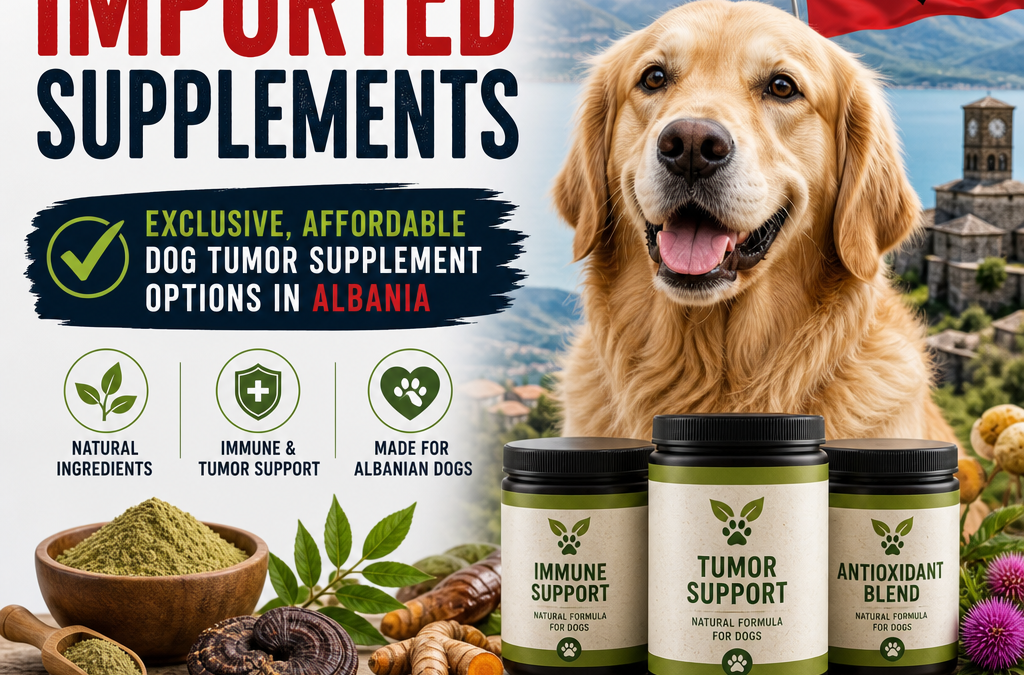
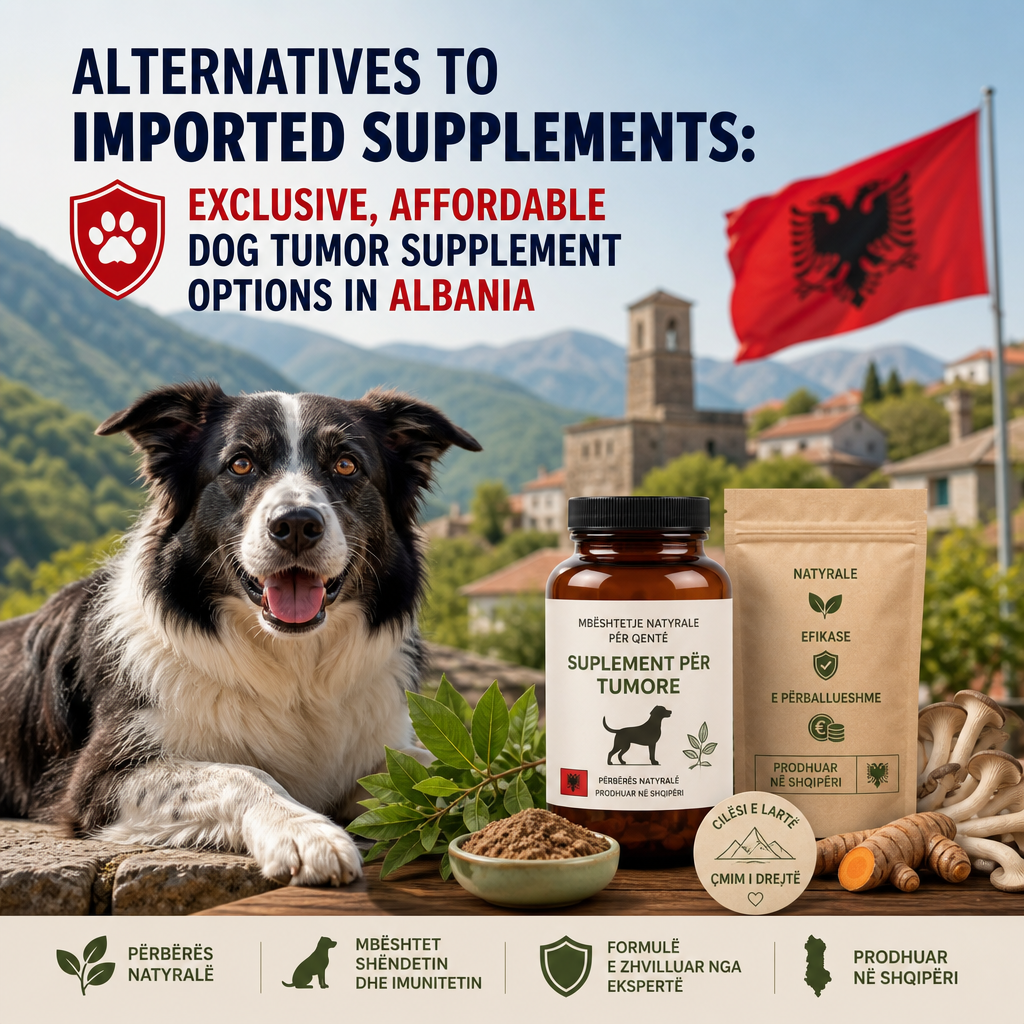
Alternatives to Imported supplements can help Albanian dog owners find practical, affordable support for pets affected by tumors without relying entirely on expensive products from abroad. However, supplements should complement—not replace—veterinary diagnosis and treatment. The best choice depends on the dog’s tumor type, age, general health, medications, appetite, and treatment plan.
In Albania, many families need supportive options that are easier to find, easier to replace, and easier to afford over time. The goal is not to chase the most expensive brand, but to choose safe, useful products that fit the dog’s condition and can be given consistently.
For dogs living with cancer, alternatives to Imported supplements are often most helpful when they support nutrition, comfort, and day-to-day stability rather than promising dramatic results. A careful, simple plan is usually better than a long list of products.
Table of Contents
Why Dog Owners in Albania Seek Supplement Alternatives
Imported veterinary supplements can be costly because of international shipping, customs fees, limited availability, and fluctuating exchange rates. Some products may also be difficult to replace once a local distributor runs out of stock. For families in Albania, these challenges can make long-term nutritional support harder to maintain.
Locally available or regionally sourced products may offer several advantages:
- Lower overall cost
- Easier access and faster replenishment
- The ability to speak directly with a pharmacist, veterinarian, or supplier
- Ingredients adapted to common local purchasing habits
- Less risk of interruption during a prolonged treatment plan
Nevertheless, affordability should never be the only consideration. A supplement must be safe, clearly labeled, appropriately dosed, and suitable for the individual dog.
In many cases, the most useful alternatives to Imported supplements are not flashy or expensive. They are the products that can be used consistently, safely, and with a clear purpose.
When owners compare alternatives to Imported supplements, it helps to focus on what the dog actually needs most: more calories, better digestion, easier mobility, or steadier nutrient intake. That practical approach often saves money and reduces confusion.
Dog Tumor Supplement Alternatives That May Support General Health
There is no single supplement proven to cure cancer in dogs. Instead, supportive products may help maintain appetite, digestion, energy, muscle condition, or immune function during veterinary treatment. Potential dog tumor supplement alternatives include the following categories.
Omega-3 fatty acids
Fish oil containing EPA and DHA is commonly considered for dogs with inflammatory conditions. These fatty acids may support skin health, joint comfort, and overall nutritional balance. They are sometimes included in supportive plans for dogs with tumors, particularly when inflammation or weight loss is a concern.
The product should be made specifically for pets or used under veterinary guidance. Fish oil can interact with certain medications and may increase the risk of bleeding in some situations. Quality also matters, since poorly stored oil can become rancid.
When owners compare alternatives to Imported supplements, omega-3 products are often a practical starting point because they are widely available and easy to dose correctly.
In addition, omega-3s are often easier to maintain over time than premium imported blends, which makes them one of the more realistic alternatives to Imported supplements for families watching their budget.
Digestive and probiotic support
Dogs undergoing stress, medication, surgery, or changes in diet may develop diarrhea, constipation, nausea, or reduced appetite. Veterinary probiotics and digestive-support formulas may help maintain normal intestinal function.
Affordable local options may include single-strain or multi-strain probiotic products available through veterinary clinics and pharmacies in Albania. Owners should check storage instructions carefully, as some probiotics require refrigeration. Human products should not be substituted automatically because they may contain unsuitable sweeteners, additives, or incorrect bacterial strains.
These alternatives to Imported supplements can be especially helpful during periods of gastrointestinal upset, but they should still be selected with a veterinarian’s input.
If a dog’s stomach is sensitive, these supportive products may be more useful than broader “all-in-one” formulas. In that sense, carefully chosen alternatives to Imported supplements can be both simpler and more effective.
High-quality nutritional support
For many dogs with cancer, maintaining body weight and muscle mass is more important than adding a large number of supplements. A complete, balanced diet with adequate protein and calories can support strength and recovery. Depending on the dog’s condition, a veterinarian may recommend a highly digestible commercial diet, a therapeutic formula, or carefully designed home-prepared meals.
Local ingredients such as lean poultry, eggs, fish, rice, and certain vegetables may be used as part of a balanced plan, but homemade diets should be formulated with professional guidance. Feeding only meat, rice, or broth for an extended period can create serious nutritional deficiencies.
For many families, diet improvement is the most effective of all alternatives to Imported supplements because it addresses daily calorie intake, not just a single nutrient.
Good nutrition also makes it easier to notice progress. If appetite, energy, and body weight are steadier, the family can often see that the chosen alternatives to Imported supplements are supporting the dog in a meaningful way.
Antioxidant-containing products
Some veterinary formulas contain nutrients such as vitamins E and C, selenium, or plant-based compounds. These ingredients may support normal cellular protection, but their use during chemotherapy or radiation therapy requires caution. In some cases, high-dose antioxidants may interfere with treatment goals.
This is why owners should avoid combining several multivitamins, herbal products, and fortified foods without consulting the treating veterinarian. More ingredients do not necessarily mean better results.
If a veterinarian recommends them, antioxidant products can be considered among the safer alternatives to Imported supplements, provided the dose and timing fit the treatment plan.
Because cancer care can involve several medications, it is wise to keep the formula simple. Simple alternatives to Imported supplements are often easier to review, safer to monitor, and less likely to conflict with treatment.
Joint and mobility support
Tumors, surgery, age, or reduced activity may contribute to stiffness and discomfort. Products containing glucosamine, chondroitin, green-lipped mussel, or other joint-support ingredients may be appropriate for some dogs. They do not treat the tumor itself, but they may help support mobility and quality of life when selected carefully.
Mobility-focused alternatives to Imported supplements can be especially useful for older dogs or those recovering from procedures, because they may make daily movement and rest more comfortable.
When pain and stiffness are reduced, dogs are often more willing to eat, walk, and rest normally. That makes these alternatives to Imported supplements useful in a broader comfort plan, even if they are not cancer-specific.
Simple food-based support
In some cases, modest food-based support can be more practical than a branded product. Warm, palatable meals, added moisture, and small frequent feedings may help a dog eat more consistently. A veterinarian may also suggest safe toppers or calorie boosters.
This approach does not replace medical therapy, but it can be one of the most affordable alternatives to Imported supplements when appetite is the main concern.
Even small changes, such as serving food at room temperature or splitting meals into smaller portions, may improve intake. These practical steps can complement alternatives to Imported supplements and make the whole plan easier to follow.
How to choose affordable alternatives to Imported supplements in Albania
When comparing alternatives to Imported supplements in Albania, begin with product transparency. The label should identify the active ingredients, amount per serving, recommended animal size, batch information, expiry date, storage conditions, and manufacturer or distributor.
Buy from reputable veterinary clinics, established pet pharmacies, or trusted animal-health suppliers. Avoid products sold without a clear label or those making claims such as “guaranteed cancer cure,” “tumor destruction,” or “works for every dog.” Such claims are warning signs.
Price comparisons should include the cost per daily dose rather than the price of the package alone. A cheaper bottle may contain a lower concentration and last for fewer days. It is also useful to ask whether the product has independent quality testing or veterinary use documentation.
For a reliable reference on how supplements are regulated and what to watch for on labels, owners can review the FDA guidance on veterinary dietary supplements.
Careful comparison helps buyers identify the best alternatives to Imported supplements without sacrificing quality or safety.
It can also help to ask a veterinarian which ingredient matters most, because the best alternatives to Imported supplements are usually chosen for a specific purpose rather than for marketing appeal.
Safety Considerations Before Starting a Supplement
Dogs with tumors may have sensitive organs or complex medical needs. Liver or kidney disease, bleeding disorders, diabetes, digestive problems, and medication interactions can all affect supplement safety.
Never give a dog human painkillers, herbal mixtures, essential oils, or high-dose vitamins without veterinary approval. Ingredients that are harmless for people can be dangerous for dogs. Xylitol, certain concentrated herbs, excessive vitamin D, and some medications are particularly hazardous.
Provide the veterinarian with a complete list of everything the dog receives, including food toppers, treats, vitamins, oils, and traditional remedies. Introducing one product at a time makes it easier to identify side effects such as vomiting, diarrhea, itching, lethargy, or loss of appetite.
Even when the goal is to find alternatives to Imported supplements, safety should remain the top priority. A lower-cost product is only a good choice if it fits the dog’s medical needs.
If a dog is already receiving chemotherapy, radiation, pain medication, or antibiotics, the veterinarian should review all alternatives to Imported supplements before they are started. That extra step can prevent avoidable complications.
Building a Practical Support Plan
A useful plan should focus first on the dog’s medical diagnosis and comfort. The veterinarian may recommend surgery, chemotherapy, radiation, pain control, appetite support, or regular monitoring. Supplements can then be considered as part of nutrition and general care.
Keep a simple record of the dog’s weight, appetite, stool quality, activity level, and supplement doses. This information can help the veterinary team determine whether a product is beneficial or should be stopped. If the dog refuses food, vomits repeatedly, loses weight quickly, has difficulty breathing, or becomes unusually weak, veterinary attention is more important than adding another supplement.
For families seeking dog tumor supplement alternatives, locally available products can be a sensible and economical option when selected responsibly. In Albania, the strongest approach combines reliable veterinary advice, transparent ingredients, realistic expectations, and a consistent nutrition plan. Supportive supplements may improve comfort or nutritional status, but professional cancer care remains the foundation of responsible treatment.
When chosen carefully, alternatives to Imported supplements can help bridge the gap between affordability and ongoing supportive care. The best results usually come from simple, well-tolerated products that fit the dog’s diagnosis and the household budget.
In short, alternatives to Imported supplements work best when they are selected for a clear purpose, used consistently, and reviewed with a veterinarian. That balance offers the most practical long-term support for dogs with tumors in Albania.