by TCMVET | Aug 12, 2026 | Research and News
K9 Immunity / K9 Immunity Plus alternative products are increasingly being considered by Danish dog owners looking for supportive nutrition during a dog’s cancer treatment or recovery. Supplements may help provide antioxidants, omega-3 fatty acids, medicinal mushrooms, vitamins, and other nutrients, but they should never replace a veterinarian’s diagnosis or prescribed treatment. The most suitable choice depends on the dog’s tumor type, overall health, medication, diet, and treatment plan.
Understanding Dog Tumor Supplements in Denmark
A tumor diagnosis can be overwhelming, especially when owners are trying to make responsible decisions about food, medication, and supplements. Dog tumor supplements are generally designed to support normal immune function, maintain body condition, promote appetite, or help dogs cope with the nutritional demands associated with illness.
In Denmark, supplement availability can vary. Some products are sold through veterinary clinics, pet nutrition specialists, or European online retailers, while others may be unavailable or subject to shipping limitations. It is important to check the product’s ingredients, dosage guidance, quality controls, and suitability for use alongside chemotherapy, radiation therapy, surgery, steroids, or pain medication.
Supplements are supportive products rather than cancer cures. Claims that a product can eliminate tumors, replace chemotherapy, or guarantee remission should be treated with caution. If you are comparing a K9 Immunity / K9 Immunity Plus alternative, the goal should be practical support, not promises.
Many owners begin this search after their dog’s diagnosis because they want to do something helpful right away. That is understandable, but the best approach is still to match the product to the dog’s current needs. In some cases, a K9 Immunity / K9 Immunity Plus alternative may be useful for general support; in others, a more focused nutritional product may be a better fit.
It also helps to think about the dog’s current stage of care. A dog preparing for surgery may need one kind of support, while a dog recovering from treatment may need another. A supplement that makes sense during a stable period may not be appropriate if the dog is nauseated, losing weight, or taking several medications. That is why a K9 Immunity / K9 Immunity Plus alternative should be chosen as part of a wider care plan rather than as a stand-alone fix.
For Danish owners, practical availability matters too. A product may look ideal online but be hard to reorder consistently, and consistency is important when the goal is ongoing nutritional support. Before committing to a new supplement, consider how it will be sourced, stored, and administered over time. A simple routine often works better than an ambitious formula that is difficult to maintain.
Why Look for a K9 Immunity / K9 Immunity Plus Alternative?
K9 Immunity and K9 Immunity Plus are commonly discussed in relation to canine cancer support because they contain combinations of ingredients associated with immune and nutritional support. However, owners may seek alternatives to K9 Immunity / K9 Immunity Plus for several practical reasons.
A product may be difficult to purchase in Denmark, expensive to import, unavailable in the required format, or unsuitable for a particular dog’s needs. Some dogs also refuse powders or capsules, while others may experience digestive upset from certain ingredients. In addition, a veterinarian may recommend a more targeted supplement based on blood tests, body weight, appetite, or the medications being used.
The best alternative is not necessarily the product with the longest ingredient list. A simpler supplement with transparent labeling, reliable quality testing, and a clear purpose may be a better choice. For some families, that means looking beyond a K9 Immunity / K9 Immunity Plus alternative that is heavily marketed and focusing on what the dog can actually tolerate.
Cost can also matter. Owners often need to balance long-term treatment expenses with practical day-to-day care, and a well-chosen supplement should be sustainable. That is another reason to compare options carefully rather than assuming the most popular option is the most suitable K9 Immunity / K9 Immunity Plus alternative.
There is also a difference between a supplement that sounds impressive and one that is useful in daily life. A formula that combines many ingredients may look comprehensive, but it can be harder to evaluate and more likely to include unnecessary extras. When comparing a K9 Immunity / K9 Immunity Plus alternative, a measured and realistic approach often leads to a better decision than chasing the most dramatic label claims.
Finally, many owners want something that supports quality of life as much as possible. If the dog is eating less, recovering slowly, or showing signs of fatigue, owners naturally search for options that may help. In those moments, a K9 Immunity / K9 Immunity Plus alternative should be evaluated for everyday practicality, digestibility, and the likelihood that the dog will actually accept it.
Important Ingredients to Consider
When comparing dog tumor supplements Denmark owners can access, focus on evidence, safety, and relevance to the individual dog rather than marketing language.
Medicinal mushrooms
Mushrooms such as turkey tail, reishi, maitake, and shiitake are frequently included in canine immune-support products. Turkey tail has attracted particular scientific interest because of compounds known as polysaccharopeptides, although research in dogs remains limited and products can vary substantially in concentration and purity.
Mushroom supplements should come from reputable manufacturers. Wild-harvested products, poorly labeled blends, and supplements containing unnecessary fillers may present quality or safety concerns.
Owners often ask whether mushrooms are useful because they have heard that fungal ingredients may support immune function. The answer is not simple. Some mushroom compounds are biologically interesting, but that does not mean every extract is equally useful or safe. Dose, extraction method, and quality control matter. If you are considering a K9 Immunity / K9 Immunity Plus alternative with mushroom ingredients, ask whether the label states the species clearly and whether the product explains how the extract is prepared.
Omega-3 fatty acids
Fish oil provides EPA and DHA, which can support normal inflammatory balance, skin health, and general nutritional status. Omega-3 fatty acids may be especially useful for dogs with poor appetite, weight loss, or inflammatory conditions, but the correct dose depends on the dog’s weight and health.
Choose a product that states the actual EPA and DHA content rather than listing only the total amount of fish oil. Oxidized or rancid oil can be harmful, so freshness and appropriate storage are important. This is one reason a carefully selected K9 Immunity / K9 Immunity Plus alternative may be preferable to a broader but less transparent formula.
Fish oil is not automatically the right answer for every dog. Some dogs with sensitive stomachs do better with lower starting doses, and others may need to avoid rich oils if pancreatitis is a concern. A veterinarian can help decide whether omega-3s belong in the plan and how much is appropriate. When that guidance is available, a K9 Immunity / K9 Immunity Plus alternative that includes omega-3s may become more useful and easier to use correctly.
Antioxidants
Vitamins C and E, selenium, and other antioxidants are often marketed for dogs with cancer. However, high-dose antioxidants may not always be appropriate during certain treatments because some therapies rely partly on oxidative mechanisms. This does not mean antioxidants are universally unsafe, but it does mean that timing and dosage should be discussed with the veterinary team.
Antioxidants are best viewed as one part of the picture. A product that contains them may still be helpful, but only when the rest of the formula and the treatment context make sense. If a K9 Immunity / K9 Immunity Plus alternative includes several antioxidant ingredients, it is worth checking whether those ingredients are present in sensible amounts rather than in aggressive megadoses.
Digestive and nutritional support
Some dogs undergoing treatment experience nausea, diarrhea, constipation, or reduced appetite. Probiotics, prebiotic fibers, digestive enzymes, or calorie-dense nutritional products may be more immediately useful than a broad immune formula. These products do not treat tumors, but they can help support hydration, digestion, and body condition when used appropriately.
Owners searching for a K9 Immunity / K9 Immunity Plus alternative often find that digestive support becomes just as important as immune support, especially when treatment affects appetite or stool quality.
When reading labels, look for specific ingredient amounts rather than vague blends. A supplement that clearly explains what it contains is usually easier to assess for compatibility with your dog’s treatment plan. That clarity can be especially helpful when evaluating a K9 Immunity / K9 Immunity Plus alternative alongside prescription medication.
Some products also include vitamins and minerals that may be useful when the dog is not eating normally. That said, more is not always better. A dog that already eats a balanced diet may not need a high-dose multivitamin on top of everything else. The best K9 Immunity / K9 Immunity Plus alternative is the one that fills a real need without creating a new problem.
If the dog is losing weight, ask whether the priority is immune support, appetite support, or calorie support. Those are not always the same thing. A targeted approach can be more effective than relying on a single all-purpose formula, even if that formula is marketed as comprehensive.
Evaluating Alternatives to K9 Immunity / K9 Immunity Plus
Before purchasing alternatives to K9 Immunity / K9 Immunity Plus, review the label carefully. A responsible product should identify each active ingredient, provide amounts per serving, include feeding instructions, and display batch or manufacturer information. Be cautious with proprietary blends that hide ingredient quantities.
Look for manufacturers that perform testing for contaminants such as heavy metals, bacteria, pesticides, and mold. This is particularly important for products containing mushrooms, herbs, marine oils, or ingredients sourced from multiple countries.
It is also useful to consider the form of the supplement. Powders can be mixed with food, while capsules may provide more consistent dosing. Liquid products can be convenient for some dogs but may contain flavorings, preservatives, or added oils that are not suitable for every animal.
If you want a simple place to compare products and check what is available, you can review the store for more information before discussing any choice with your veterinary team.
Practical details can make a real difference. For example, a product that is easy to measure, smells acceptable to the dog, and mixes well into meals may improve daily compliance. Even the most promising K9 Immunity / K9 Immunity Plus alternative is less useful if the dog refuses it or if dosing becomes inconsistent.
Another useful question is whether the supplement is intended for short-term support or longer-term use. Some products are better suited to recovery periods, while others are more appropriate during active treatment. Matching the product to the situation can reduce waste and help owners stay consistent.
As you compare options, think about whether the formulation is built around one clear purpose or many uncertain claims. A formula that is clearly aimed at immune support, digestion, or recovery is often easier to evaluate than a catch-all blend. That same clarity makes it easier to discuss a K9 Immunity / K9 Immunity Plus alternative with your vet and to decide whether it fits the dog’s current stage of care.
It is also wise to look beyond the front label and check the back panel and manufacturer details. A trustworthy brand should be willing to explain sourcing, testing, and storage requirements. Those practical details matter in Denmark, where shipping times, temperature exposure, and reorder timing may all affect product quality.
Safety Comes Before Supplementation
Some natural ingredients can interact with medication or affect blood clotting, blood pressure, liver enzymes, or immune activity. This is especially important before surgery or during chemotherapy. Supplements containing garlic, concentrated herbs, high-dose turmeric, vitamin D, or unknown botanical mixtures require particular caution.
Dogs with liver disease, kidney disease, diabetes, pancreatitis, or bleeding disorders may need a highly customized plan. Puppies, pregnant dogs, and elderly dogs can also have different nutritional requirements. Never assume that a product is safe simply because it is labeled “natural” or “holistic.”
Introduce only one new supplement at a time, using the recommended amount or a veterinarian-approved dose. Monitor appetite, stool quality, energy, vomiting, itching, and any unusual symptoms. Stop the product and contact a veterinarian if a concerning reaction occurs.
For more general background on how supplements are evaluated in veterinary care, the VCA Animal Hospitals pet health library offers helpful educational information that can support a discussion with your vet.
Safety also includes quality control. If a supplement has unclear sourcing, unusually strong claims, or no obvious testing information, it deserves extra caution. Even when a label looks professional, that does not guarantee the product is appropriate for a dog with cancer. A thoughtful K9 Immunity / K9 Immunity Plus alternative should fit the medical situation, not complicate it.
It is also helpful to remember that supplements can change over time. A formula bought months ago may have a slightly different ingredient profile than the current version, especially if the manufacturer reformulates. Before repurchasing a K9 Immunity / K9 Immunity Plus alternative, check the label again rather than assuming it is unchanged.
When in doubt, keep the plan simple. A smaller number of well-chosen products is usually easier to manage than a long list of supplements that overlap in purpose. Simplicity makes it easier to notice whether the dog is benefiting or whether something needs to be adjusted.
Working With a Danish Veterinarian
A Danish veterinarian can help determine whether a supplement is appropriate and whether it could interfere with the dog’s treatment. Veterinary oncology services may also provide more specialized nutritional guidance, particularly when a dog is losing weight or struggling to maintain muscle.
Bring the complete product label, ingredient list, and dosage information to the appointment. It can also help to record all medications, treats, oils, vitamins, and supplements the dog currently receives. This allows the veterinarian to identify overlapping ingredients or possible interactions.
Nutritional support is most effective when it is part of a broader care plan. That plan may include a complete diet, pain control, treatment-related nausea management, regular blood tests, physical activity suited to the dog’s condition, and frequent monitoring of weight and quality of life. In that setting, a well-chosen K9 Immunity / K9 Immunity Plus alternative may fit into the plan without creating unnecessary risk.
Veterinary advice is especially important when the dog’s condition changes. Appetite loss, diarrhea, dehydration, or increasing weakness may mean the current supplement plan needs to be adjusted. A product that seemed helpful at one stage may no longer be the best choice later on.
Do not hesitate to ask direct questions at the appointment. For example: Does this supplement overlap with current medication? Is the dose appropriate for the dog’s weight? Is there any reason to delay starting it until after surgery or a treatment cycle? Clear answers to those questions can make a K9 Immunity / K9 Immunity Plus alternative much easier to use responsibly.
Veterinarians also help owners avoid unnecessary spending. If a supplement is unlikely to make a meaningful difference, it is better to know that early. The goal is not to buy the most products, but to support the dog in the most practical way possible.
Choosing the Most Suitable Product
The right K9 Immunity / K9 Immunity Plus alternative should be selected according to the dog’s individual circumstances. Consider the tumor diagnosis, current treatment, appetite, digestion, weight, age, organ function, and any previous sensitivity to supplements.
A high-quality supplement can sometimes complement veterinary care by helping address nutritional gaps or supporting general well-being. However, no supplement should delay diagnostic testing or proven treatment. The most reliable approach is to prioritize veterinary guidance, transparent products, realistic expectations, and careful observation of the dog’s response.
For owners comparing dog tumor supplements Denmark retailers offer, availability is only one factor. Safety, ingredient quality, clinical relevance, and compatibility with the dog’s treatment plan are far more important than popularity or promotional claims. When you narrow the field, a K9 Immunity / K9 Immunity Plus alternative should earn its place by fitting the dog—not by promising miracles.
In the end, the best result comes from matching the supplement to the dog rather than the other way around. If a product is well labeled, well tolerated, and approved by your veterinarian, it may be a useful part of supportive care. If not, it is reasonable to keep looking until you find a K9 Immunity / K9 Immunity Plus alternative that is both practical and safe.
Owners should also consider how easy the product is to use every day. If dosing requires too much effort, if the dog consistently avoids the flavor, or if the supplement upsets the stomach, adherence will suffer. The most effective choice is usually the one that can be given consistently without stress. That consistency is often what makes a K9 Immunity / K9 Immunity Plus alternative genuinely helpful over time.
Finally, keep expectations grounded. Supplements can support comfort, nutrition, and overall resilience, but they are not a substitute for oncology care. When used thoughtfully, a carefully selected product can be one more tool in a larger care plan. That balanced mindset gives dogs the best chance of receiving support that is both safe and useful.
by TCMVET | Aug 12, 2026 | Research and News
Dog Cancer Supplements can provide useful nutritional support during a dog’s cancer treatment, but they should never replace veterinary care. For UK pet owners, the challenge is choosing safe, affordable products from a crowded market while avoiding exaggerated claims. The right supplement may help maintain appetite, body condition, digestion, mobility, or general wellbeing, yet suitability depends on the dog’s diagnosis, medication, age, and overall health.
What Are Dog Cancer Supplements?
Dog Cancer Supplements are products designed to support a dog’s nutritional needs during cancer or cancer treatment. They may contain omega-3 fatty acids, antioxidants, vitamins, minerals, medicinal mushrooms, probiotics, or other ingredients. Some are formulated specifically for dogs, while others are marketed as general wellness products. For readers comparing options, a helpful overview is also available in Best Diet and Supplements for Dogs with Cancer: A Comprehensive Guide.
Cancer can affect the body in several ways. Dogs may lose weight, experience reduced appetite, develop digestive problems, or become less active. Surgery, chemotherapy, radiotherapy, and medication can add further physical stress. A carefully selected supplement may help support normal body functions, but it cannot eliminate a tumour or guarantee a particular outcome.
The most important foundation remains appropriate veterinary treatment, a complete diet, regular monitoring, and good pain and symptom control.
Potential Benefits of Cancer Supplements for Dogs
The possible benefits vary according to the ingredients and the dog’s individual needs. Common reasons a vet may consider supplementation include:
- Supporting calorie intake and maintaining body weight
- Providing omega-3 fatty acids for general nutritional support
- Helping maintain healthy skin and coat
- Supporting normal digestion and stool quality
- Replacing a confirmed nutrient deficiency
- Supporting mobility in dogs affected by weakness or reduced activity
- Helping maintain appetite or energy as part of a wider care plan
It is important to distinguish between supportive care and cancer treatment. Claims that dog cancer supplements can cure cancer, shrink tumours, or replace chemotherapy should be treated with caution. In the UK, products cannot be assumed to have proven medical effects simply because they feature testimonials, natural ingredients, or impressive marketing language.
When chosen carefully, dog cancer supplements can also make it easier to keep a consistent routine at home. That matters because stable routines often help dogs eat better, rest more comfortably, and cope with treatment changes in a calmer way.
Key Ingredients to Consider
Omega-3 fatty acids
Fish oil containing EPA and DHA is commonly included in dog cancer supplements. These fatty acids support normal inflammatory processes and may be useful for general health. They can also contribute to skin, coat, and joint support.
Quality matters. Look for a product that clearly states the amount of EPA and DHA rather than listing only the total amount of fish oil. Fish oil can cause digestive upset in some dogs and may not be suitable alongside certain medications or before surgery without veterinary guidance.
Probiotics and digestive support
Some dogs experience changes in appetite, stool consistency, or digestion during treatment. A veterinary probiotic may help support a balanced gut environment. Choose a product made for dogs, with clear storage instructions and identifiable strains.
Probiotics are not appropriate for every patient, especially dogs with severe immune compromise or serious gastrointestinal disease. Ask your vet before introducing one.
Antioxidants
Antioxidants such as vitamins C and E, selenium, and plant compounds are often included in cancer support products. However, high-dose antioxidants may not always be suitable during chemotherapy or radiotherapy because some treatments rely partly on oxidative mechanisms. The timing and dose are therefore important.
Never add multiple antioxidant products together without professional advice. More is not necessarily better, and excessive supplementation can create risks.
Medicinal mushrooms and herbal ingredients
Mushroom extracts, turmeric, milk thistle, and other botanicals are frequently promoted in dog cancer supplements. Evidence differs considerably between ingredients, products, and conditions. “Natural” does not automatically mean safe: herbal products can interact with prescription medicines, affect blood clotting, or influence liver metabolism.
A vet should review the full ingredient list before use, particularly if your dog is receiving chemotherapy, steroids, anti-inflammatory drugs, or medication for seizures. For a deeper look at herbal approaches, see Cancer-Fighting Supplements for Dogs Through Traditional Chinese Veterinary Medicine.
If you are comparing broader supportive options, reading about Revolutionary Anti-Cancer Supplements for Dogs: Boosting Health with Chinese Herbs may also help you understand how herbal products are sometimes positioned and why ingredient transparency matters.
How to Choose Affordable Products in the UK
Price should be assessed by cost per daily serving, not just the package price. A large tub may appear economical but could provide fewer doses than a smaller, more concentrated product. Compare the amount of active ingredient, serving instructions, postage, and subscription terms.
Look for:
- A complete ingredient list with precise quantities
- Clear dosing guidance based on body weight
- A batch number, expiry date, and manufacturer details
- Products specifically manufactured for pets
- Transparent contact information and UK availability
- Independent quality testing where available
- Packaging that explains storage and safe use
Avoid products that promise guaranteed cures, use vague proprietary blends, or rely entirely on dramatic before-and-after stories. A supplement sold through a reputable veterinary practice or established UK retailer may cost slightly more but can offer better traceability and guidance.
When you are comparing dog cancer supplements, it can also help to look for brands that publish clear manufacturing standards and contact details. For general product safety information, the U.S. FDA guidance on pet foods and treats is a useful reference point for understanding label claims and quality concerns.
Safety Comes Before Savings
Before giving dog cancer supplements, discuss the product with your veterinary team. Provide the exact name, ingredient list, and proposed dose. This is especially important if your dog has kidney disease, liver disease, diabetes, bleeding problems, digestive illness, or a reduced immune system.
Introduce only one new supplement at a time. Monitor for vomiting, diarrhoea, constipation, reduced appetite, itching, lethargy, or unusual changes in behaviour. Stop the product and contact your vet if concerning symptoms appear.
Keep supplements away from children and pets, and follow storage instructions carefully. Human supplements should not be used unless a vet specifically confirms that the formulation and dose are appropriate. Some products contain ingredients that are harmful to dogs, including xylitol in certain human formulations.
If your dog is already taking prescribed medication, ask whether the supplement could interfere with absorption or increase side effects. That extra check can prevent problems and is one of the simplest ways to keep dog cancer supplements useful rather than risky.
Building a Practical Support Plan
A dog cancer support supplement should fit into a broader care plan. Begin with the basics: a nutritionally complete diet, access to fresh water, suitable exercise, comfortable bedding, and regular veterinary reviews. Record your dog’s appetite, weight, stool quality, activity, and symptoms so changes can be identified early.
Ask the vet what the main priority is. One dog may need calorie support, while another may benefit more from digestive care or help maintaining mobility. Targeting a specific need is usually safer and more affordable than buying several overlapping products.
Supplements should also be reviewed over time. A product that is suitable before surgery may not be appropriate during recovery, and a supplement used during one treatment phase may need to be stopped before another. Regular review helps prevent unnecessary expense and reduces the risk of interactions.
Used carefully, dog cancer supplements can form one part of compassionate, evidence-informed care. The best choice is not necessarily the most expensive or heavily advertised option, but one with a clear purpose, reliable ingredients, sensible dosing, and approval from your dog’s veterinary team.
For more background on supportive care options, you may also find Saving Your Pet’s Life: How Nutritional Supplements Can Help Cats and Dogs Fight Cancer helpful. In some cases, the right supplement can make day-to-day care feel more manageable, especially when appetite, digestion, or energy levels are changing. That is why dog cancer supplements should be chosen with a practical goal, not just a marketing promise.
It is also sensible to review the ingredient list against your dog’s current treatment plan. If your vet has prescribed medication, ask whether the supplement could affect absorption, clotting, or liver processing. This matters because dog cancer supplements are often sold as “all-in-one” solutions, yet a single ingredient may be useful in one situation and unhelpful in another.
Some owners prefer a simple approach: one targeted product, one clear reason for use, and one follow-up review. That approach can reduce waste and limit confusion. If a product does not clearly help, it may be better to stop it and reallocate the budget to a better-quality diet, pain management, or an evidence-based supportive option.
Finally, remember that dog cancer supplements are only one part of care. Good nutrition, a calm home environment, and regular check-ins with your vet remain the most important practical steps. When used thoughtfully, they can complement treatment without adding unnecessary risk.
In short, the most effective dog cancer supplements are the ones that match your dog’s needs, fit your budget, and are backed by sensible veterinary advice. That balanced approach gives you the best chance of supporting comfort and quality of life without wasting money on unnecessary products.
by TCMVET | Aug 12, 2026 | Research and News
K9 Immunity / K9 Immunity Plus alternative products are increasingly discussed by Swedish dog owners looking for nutritional support during a dog’s cancer treatment. Supplements may help support general wellbeing, appetite, digestion, and immune function, but they should never replace veterinary diagnosis or prescribed therapy. The best approach is to choose a carefully formulated product, check its ingredients, and use it as part of a broader care plan developed with a veterinarian.
Understanding K9 Immunity and K9 Immunity Plus
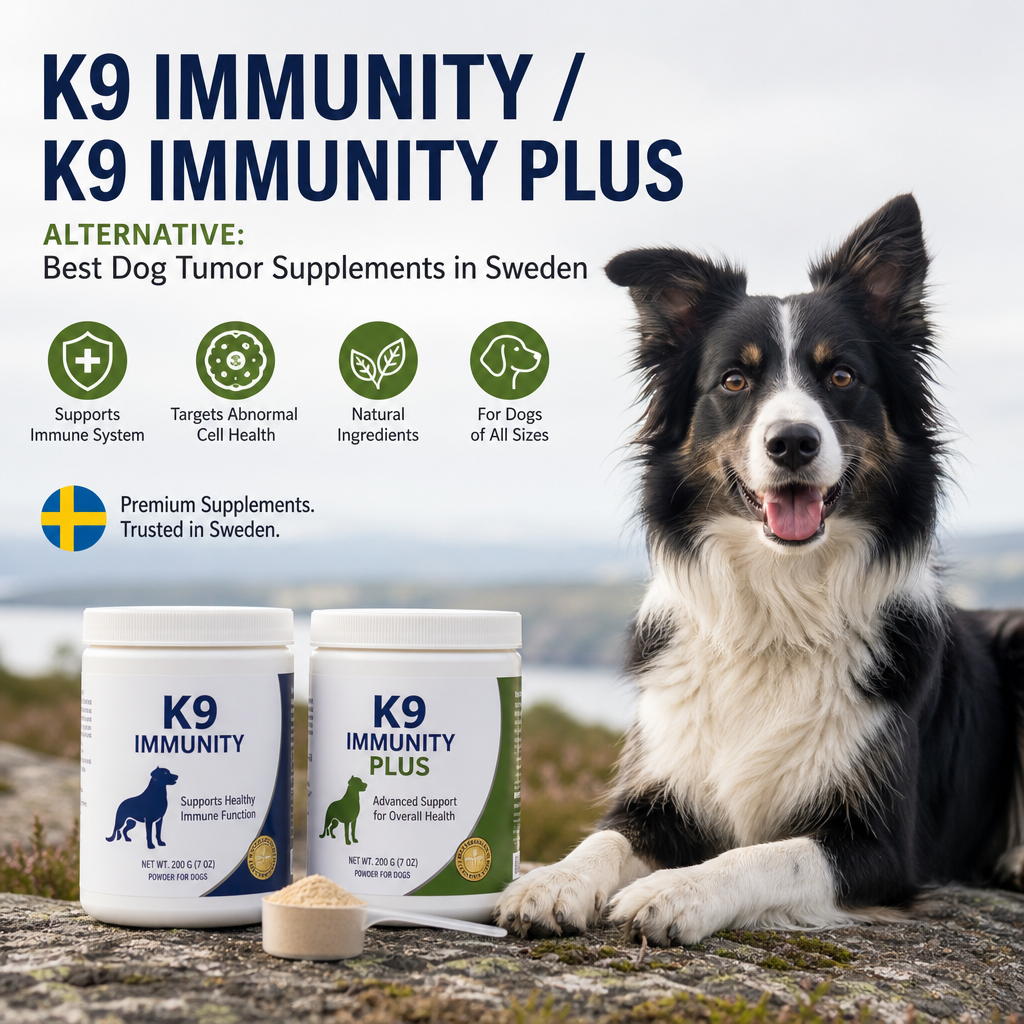
K9 Immunity and K9 Immunity Plus are marketed as nutritional supplements for dogs with serious health conditions, including tumors. Their formulas are commonly associated with ingredients such as medicinal mushrooms, antioxidants, digestive enzymes, and immune-supporting nutrients. The exact composition may vary depending on the product version and where it is purchased.
Interest in these products often comes from owners who want additional support alongside surgery, chemotherapy, radiation therapy, or palliative care. However, evidence for many supplements marketed for canine cancer remains limited. A product may have promising ingredients without having been tested as a complete formula in controlled clinical studies involving dogs.
This is why searching for a K9 Immunity / K9 Immunity Plus alternative should involve more than comparing marketing claims. Owners should examine the scientific background, ingredient quality, safety profile, dosage information, and suitability for the individual dog. For a broader look at pet wellness products, you can also review the options in our store.
What to Look for in Dog Tumor Supplements Sweden
When choosing dog tumor supplements Sweden, quality and safety should be the main priorities. A reputable supplement should provide a complete ingredient list, clearly stated amounts, batch or manufacturing information, storage instructions, and guidance for different dog weights.
Important considerations include:
- Veterinary oversight: The product should be suitable for use alongside professional cancer care.
- Transparent labeling: Avoid products that hide amounts behind vague proprietary blends.
- Quality control: Look for manufacturers that test raw materials and finished products for contamination.
- Appropriate dosage: Dosage should be based on the dog’s weight, age, health status, and other medications.
- Digestive tolerance: Dogs undergoing treatment may have sensitive stomachs, making gentle formulas especially valuable.
- Availability in Sweden: Consider shipping conditions, import requirements, customer support, and whether the product is legally sold as an animal supplement.
Swedish owners should also remember that supplements sold online may come from countries with different regulatory standards. A product’s popularity does not guarantee that it has been independently verified or that its claims are supported by veterinary research.
When comparing any K9 Immunity / K9 Immunity Plus alternative, it helps to confirm whether the manufacturer explains sourcing, processing, and testing in a way that is easy to verify.
Evaluating K9 Immunity / K9 Immunity Plus Alternative Options
There are several types of alternatives to K9 Immunity / K9 Immunity Plus, but they are not all intended to serve the same purpose. Some focus on immune support, while others are designed for nutritional maintenance, inflammation management, digestive health, or recovery from illness.
Medicinal mushroom formulas
Mushrooms such as turkey tail, reishi, maitake, and shiitake contain compounds that have attracted scientific interest, particularly beta-glucans and other polysaccharides. Turkey tail is among the most discussed in relation to canine cancer research. However, the quality and concentration of mushroom extracts can differ considerably.
A useful product should identify the mushroom species, extraction method, and active compound content. Whole mushroom powder and concentrated extracts are not automatically equivalent. Dogs with liver disease, autoimmune problems, or multiple medications should use these products only under veterinary guidance.
For owners comparing a K9 Immunity / K9 Immunity Plus alternative, the label should make it clear whether the product uses fruiting body extract, mycelium, or a blend of both.
Omega-3 fatty acids
Fish oil containing EPA and DHA may support skin, coat, joint health, and inflammatory balance. In some cancer care plans, veterinarians use omega-3 fatty acids as part of nutritional support. The source, purity, and oxidation control matter, and the dose should be calculated according to the amount of EPA and DHA rather than simply the total volume of oil.
Fish oil can interact with certain medications and may cause digestive upset in some dogs. It should also be stored correctly to prevent rancidity.
This is another reason a K9 Immunity / K9 Immunity Plus alternative should be chosen with the dog’s full treatment plan in mind.
Digestive and nutritional support
Dogs with tumors may experience reduced appetite, weight loss, nausea, constipation, or diarrhea. In such cases, a highly digestible diet, probiotics, prebiotics, or targeted digestive enzymes may be more useful than a broad immune supplement.
A veterinary nutritionist can help determine whether the dog needs additional calories, protein, vitamins, minerals, or fatty acids. Feeding a balanced diet is particularly important because excessive supplementation can create nutrient imbalances.
If the goal is steady nutrition rather than a broad immune formula, the best K9 Immunity / K9 Immunity Plus alternative may be one that supports digestion and calorie intake first.
Antioxidant supplements
Antioxidants such as vitamins C and E, selenium, and plant compounds are frequently included in cancer-support products. However, high doses may not always be appropriate, especially during chemotherapy or radiation therapy. Some antioxidants could potentially interfere with treatment mechanisms, although the clinical significance depends on the substance, dose, and therapy involved.
For this reason, antioxidant supplementation should be coordinated with the veterinary oncology team rather than added automatically.
That caution applies to any K9 Immunity / K9 Immunity Plus alternative marketed for dogs with tumors.
Evidence and Veterinary Guidance
When a supplement is discussed as a K9 Immunity / K9 Immunity Plus alternative, owners often want to know whether it is supported by research. The most reliable answer usually depends on the individual ingredient rather than the branded blend itself. That means the label may contain components with published studies, but the finished product may not have been evaluated as a whole.
Veterinary oncology teams can help interpret what the ingredients mean in practice. They can also identify concerns that may not be obvious from the packaging, such as possible interactions with chemotherapy, changes in blood clotting, or digestive side effects. If you want a general reference on supplement safety and pet health, the VCA overview of supplements for dogs is a useful educational starting point.
In many cases, the best K9 Immunity / K9 Immunity Plus alternative is not the one with the most dramatic claims. It is the one that can be used consistently, safely, and with clear veterinary approval.
Safety Considerations for Swedish Dog Owners
Before using any K9 Immunity / K9 Immunity Plus alternative, provide the veterinarian with the full product label. This is essential if the dog is receiving chemotherapy, corticosteroids, nonsteroidal anti-inflammatory drugs, pain medication, antibiotics, or other treatments.
Stop the supplement and contact a veterinarian if the dog develops vomiting, persistent diarrhea, facial swelling, itching, unusual tiredness, loss of appetite, bleeding, or changes in urination. A supplement can cause side effects, trigger an allergy, or interact with medication even when its ingredients are considered “natural.”
Avoid products containing ingredients that are toxic to dogs, including xylitol, certain essential oils, excessive vitamin D, and concentrated herbal extracts without clear dosing information. Human supplements should not be given to dogs unless a veterinarian specifically approves them.
For Swedish buyers, it is also wise to check shipping conditions and product freshness before ordering a K9 Immunity / K9 Immunity Plus alternative online. Heat, moisture, and long transit times can all affect supplement quality.
Building a Responsible Support Plan
The most effective supplement plan begins with a clear medical objective. For one dog, the priority may be maintaining body weight. For another, it may be supporting digestion, managing treatment-related nausea, or improving comfort. A supplement should serve that objective rather than being chosen solely because it is advertised as an immune booster.
Track the dog’s appetite, weight, stool quality, energy, pain level, and treatment response. Introduce only one new product at a time, beginning with the recommended amount unless the veterinarian advises otherwise. This makes it easier to identify benefits or adverse reactions.
Ultimately, the best dog tumor supplements Sweden are those that are transparent, appropriately tested, compatible with veterinary treatment, and matched to the dog’s individual needs. A K9 Immunity / K9 Immunity Plus alternative may offer useful nutritional support, but no supplement can guarantee tumor control or replace evidence-based cancer care. A balanced diet, regular veterinary monitoring, pain management, and attention to quality of life remain the foundation of responsible support for a dog with cancer.
Before choosing any K9 Immunity / K9 Immunity Plus alternative, discuss the dog’s diagnosis, current medications, and treatment goals with a veterinarian so the supplement fits the overall plan.
by TCMVET | Aug 12, 2026 | Research and News
Ocoxin Pets alternative options are increasingly sought by dog owners in Romania who want additional nutritional support for pets diagnosed with tumors. Although supplements cannot replace veterinary treatment, carefully selected formulas may help support appetite, energy, digestion, immune function, and overall quality of life during a dog’s care plan.
A cancer diagnosis is understandably overwhelming. Owners often search for products that can complement surgery, chemotherapy, radiotherapy, or palliative care without interfering with prescribed medicines. The most responsible approach is to view dog tumor supplements as supportive tools rather than cures. A veterinarian should always assess the dog’s diagnosis, current medication, blood results, diet, and general condition before a new product is introduced.
Why Consider an Ocoxin Pets Alternative?
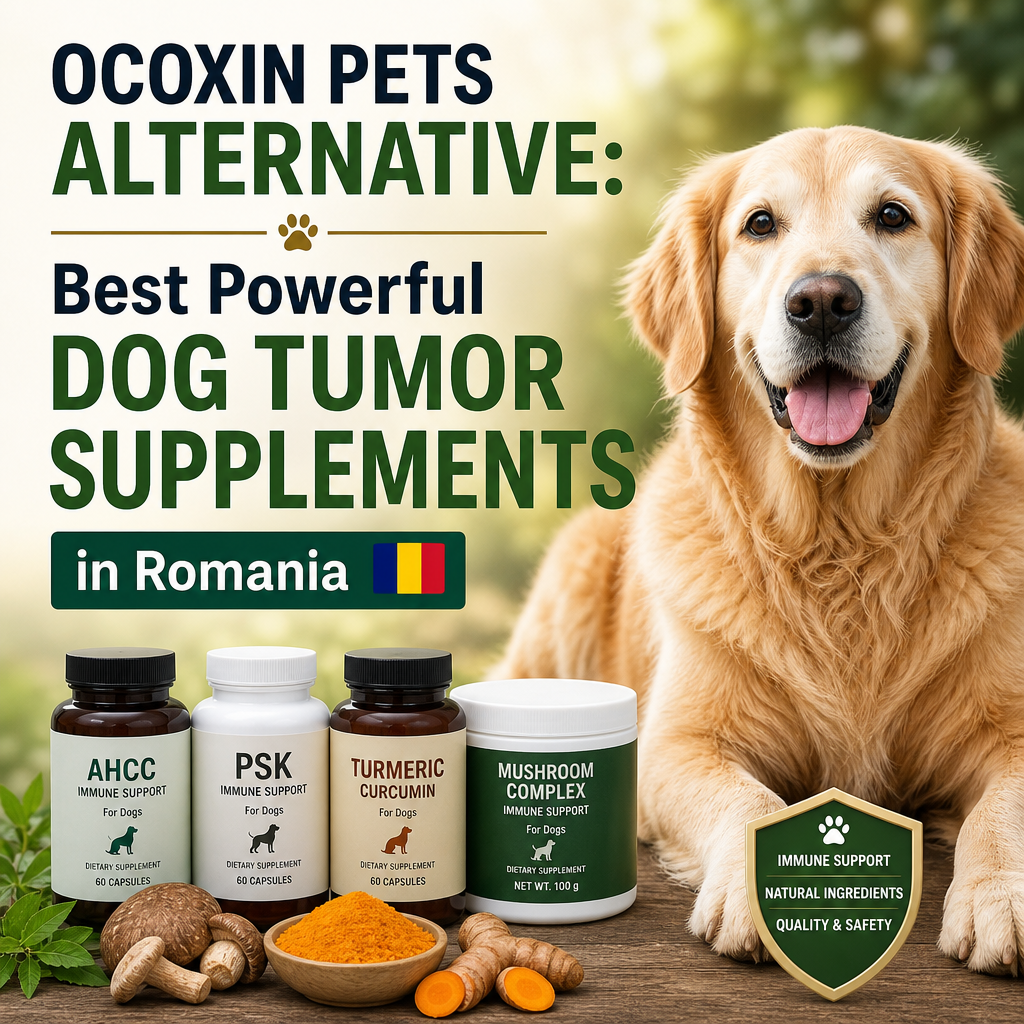
Ocoxin Pets is known as a complementary nutritional product used by some pet owners during cancer care. However, availability, price, formulation preferences, and individual tolerance can lead people to explore alternatives to Ocoxin Pets. Some dogs may also require a more targeted supplement, such as a product focused on appetite, digestive support, omega-3 fatty acids, or antioxidant nutrition.
The best alternative depends on the dog’s needs. A senior dog recovering from surgery may need nutritional support for weight maintenance, while a dog receiving chemotherapy may require help with appetite and gastrointestinal comfort. Another dog may benefit from a carefully balanced diet with veterinary-approved additions rather than a complex supplement blend.
In practice, an Ocoxin Pets alternative is most useful when it fills a specific nutritional gap. For some dogs, that means better calorie intake. For others, it means improved stool quality, steadier energy, or easier medication tolerance. The goal is not to chase the longest ingredient list, but to choose support that fits the patient.
Romanian owners often face the added challenge of navigating product availability across clinics, pharmacies, and online retailers. Because of that, a practical approach is essential. Focus on quality, transparency, and veterinary guidance instead of marketing language. That simple mindset can save time and reduce the risk of buying a product that sounds promising but offers little real support.
It also helps to keep expectations realistic. An Ocoxin Pets alternative can support day-to-day wellbeing, but it should never distract from diagnosis, staging, treatment planning, or follow-up care. In a serious illness, small improvements in comfort can matter a great deal, especially when they are consistent and easy to monitor.
What Should Dog Tumor Supplements Contain?
When comparing dog tumor supplements Romania has available, examine the ingredient list rather than relying only on marketing claims. Useful ingredients may include:
- Omega-3 fatty acids: EPA and DHA from purified fish oil may support normal inflammatory balance and help maintain skin, coat, and general nutritional health.
- Medicinal mushroom extracts: Compounds from mushrooms such as turkey tail are being studied for immune-related effects, but product quality and veterinary guidance are important.
- Antioxidant nutrients: Vitamins E and C, selenium, and plant-derived compounds may help support normal cellular protection. High doses are not automatically better, particularly during cancer treatment.
- Digestive support: Prebiotics, probiotics, and gentle fiber sources may help maintain intestinal function, especially when appetite or stool quality changes.
- High-quality protein and calories: Nutritional support is often more valuable than a long list of herbal ingredients when a dog is losing weight or muscle.
- B-group vitamins and minerals: These may be useful when dietary intake is poor, although deficiencies should ideally be assessed by a veterinarian.
A reputable supplement should clearly state the amount of each active ingredient, recommended dosage, batch information, storage instructions, and manufacturer details. Avoid products that promise to eliminate tumors, replace chemotherapy, or guarantee a cure. Such claims are medically unreliable and may delay effective treatment.
It also helps to think about how the product is delivered. Some dogs accept liquids or pastes more easily than capsules. Others prefer powders mixed into food. If a supplement is difficult to give, consistency drops quickly and the benefit is reduced. The best Ocoxin Pets alternative is often the one the dog will reliably take every day.
When looking at labels, watch for unnecessary additives, very high sugar content, or vague “proprietary blend” wording that hides actual amounts. Clear labeling matters because dogs with tumors may already be dealing with nausea, reduced appetite, or digestive sensitivity. A clean formula is usually easier to monitor and safer to combine with other care.
For owners who want to compare ingredients against broader nutrition guidance, the VCA overview of cancer in dogs is a practical reference that explains how supportive care fits into real-world treatment decisions. It can help you discuss supplement choices with more confidence.
Choosing the Best Ocoxin Pets Alternative for Your Dog
Selecting an Ocoxin Pets alternative should begin with the dog’s current condition. Consider the tumor type, stage of disease, treatment protocol, weight, age, kidney and liver function, appetite, and history of digestive problems. A supplement that is appropriate for one patient may be unsuitable for another.
For example, fish oil can be valuable for some dogs, but it may not be appropriate in every case, particularly when a dog has pancreatitis, clotting concerns, gastrointestinal disease, or surgery planned. Herbal products may also affect drug metabolism. Supplements containing concentrated antioxidants or immune-active compounds should be discussed with the veterinary oncologist before use.
Introduce only one new product at a time. This makes it easier to identify side effects such as vomiting, diarrhea, itching, lethargy, or reduced appetite. Begin with the recommended amount unless the veterinarian provides a different instruction, and keep a simple record of the dog’s weight, food intake, stool quality, energy, and medication schedule.
Owners sometimes want the fastest answer, but tumor care is rarely simple. The better question is which product supports the current treatment plan without creating new risks. A small improvement in appetite or digestive comfort can be more valuable than a dramatic claim on a label. That is why choosing an Ocoxin Pets alternative should always be a measured decision rather than an emotional one.
It is also wise to re-evaluate the supplement every few weeks. A dog’s needs can change after surgery, during chemotherapy cycles, or when the disease progresses. A formula that made sense at the beginning of treatment may no longer fit later on. Regular review prevents unnecessary supplementation and helps keep the plan focused on the dog’s actual condition.
Alternatives to Ocoxin Pets Available in Romania
Romanian pet owners may find supportive products through veterinary clinics, specialized pharmacies, reputable pet retailers, or established online stores. Availability can vary, so it is important to verify that the product is intended for dogs and that the label provides transparent dosing information.
Common categories of alternatives to Ocoxin Pets include veterinary nutritional pastes, omega-3 products, medicinal mushroom formulas, probiotics, appetite-support products, and complete therapeutic diets. A complete diet formulated for recovery or cancer-related weight loss may be more appropriate than an ordinary supplement if the dog is eating poorly.
When purchasing online, check the manufacturer, importer, expiry date, storage conditions, and customer support details. Products without a full ingredient list or with exaggerated claims should be avoided. It is also wise to confirm whether the formula has been tested for contaminants, especially when it contains fish oils, herbs, or mushroom extracts.
For a reliable starting point, use educational resources from trusted veterinary organizations before buying. The World Small Animal Veterinary Association provides guidance that can help owners understand evidence-based veterinary care and the importance of working with a clinician who knows the dog’s full medical history.
In Romania, product selection may also depend on whether the dog is receiving active oncology care in a referral hospital or is being managed by a general practitioner. Both settings can support good decisions, but the detailed treatment record matters. Share the exact product name, label photo, and ingredient list with the veterinary team whenever possible.
If you are comparing several options, make a simple checklist: purpose, ingredients, dose, palatability, price, and compatibility with treatment. That method is often more helpful than trying to compare every brand at once. It keeps the decision practical and makes the best Ocoxin Pets alternative easier to identify.
When a preferred product is unavailable locally, ask whether a similar formulation can be sourced through a veterinary pharmacy or whether a nutrition plan can be adjusted instead. In many cases, a stable feeding strategy plus a well-chosen supportive product is enough to bridge the gap until the exact option can be found.
Safe Use Alongside Cancer Treatment
Supplements should be coordinated with the entire treatment plan. Tell the veterinarian about every product the dog receives, including oils, powders, treats, vitamins, and herbal remedies. This is particularly important before surgery, during chemotherapy, or when the dog takes anti-inflammatory medicines, corticosteroids, anticoagulants, or drugs processed by the liver.
Nutrition, hydration, pain control, and emotional comfort are equally important. Offer appetizing, veterinarian-approved meals in small portions, provide easy access to water, and maintain a calm routine. Regular follow-up appointments allow the veterinary team to monitor weight, blood values, treatment response, and possible supplement-related effects.
If your veterinarian approves an Ocoxin Pets alternative, keep the routine steady. Give it at the same time each day when possible and avoid changing multiple parts of the diet at once. That stability makes it easier to know what is helping and what is not. It also improves the chance that the dog will tolerate the product well over time.
Owners should be especially cautious with combinations of products that all claim to support immunity. More is not automatically better. Some supplements overlap in function, and stacking them can increase the chance of stomach upset or interactions. A focused plan is usually safer than an aggressive one.
It may also help to understand that supportive care works best when the dog’s routine is predictable. Sudden changes in food, treats, supplement timing, or medication schedules can make it difficult to separate a useful response from a temporary fluctuation. In that sense, the most effective Ocoxin Pets alternative is often the one that fits smoothly into daily life.
Practical Feeding Tips for Dogs with Tumors
Feeding changes often matter as much as supplementation. Dogs with cancer may lose interest in food, feel nauseous, or have trouble maintaining weight. In those cases, the most helpful Ocoxin Pets alternative may be one part of a broader nutrition strategy.
Try offering smaller meals more often instead of two large servings. Warm food slightly to improve aroma, and use a quiet place for feeding. If the dog prefers wet food, ask the veterinarian whether a complete canned diet would be appropriate. Some dogs with poor appetite do better with softer textures or with food toppers approved by the clinical team.
Monitor body condition and muscle mass, not just body weight. A dog can appear stable on the scale while still losing muscle. If that happens, the diet may need more digestible protein or more calories. In some cases, the veterinarian may recommend a recovery diet or a prescription food instead of another supplement.
Hydration is equally important. Fresh water should always be available, and some dogs drink more when offered diluted broth approved for pets or wet food with added moisture. If nausea, vomiting, or diarrhea appears, contact the veterinarian quickly. Supportive care works best when changes are addressed early.
Owners often ask whether homemade diets are better than commercial options. The answer depends on the case. Homemade food can be useful, but it must be nutritionally balanced. Without proper formulation, it can create deficiencies or excesses. If you want to explore this route, do so with a veterinary nutrition professional who understands cancer care.
If you need a simple rule, prioritize food intake first and supplements second. A dog that eats consistently is usually in a better position to benefit from any Ocoxin Pets alternative than a dog that is refusing meals or struggling with nausea.
Questions to Ask Your Veterinarian
Before starting any new supplement, ask these practical questions:
- Is this product safe with my dog’s current medications?
- Does my dog’s tumor type or treatment plan change what supplement is appropriate?
- Should I avoid omega-3s, antioxidants, herbs, or mushroom extracts in this case?
- What side effects should I watch for during the first week?
- How long should I try the product before deciding whether it helps?
- Would a therapeutic diet be more useful than another supplement?
These questions make the appointment more productive and reduce guesswork. They also help the veterinary team tailor advice to the dog instead of offering general information that may not fit the situation.
In many cases, the answer is not simply to buy the most popular supplement. It is to choose a safe, well-labeled product that matches the dog’s medical needs. That is the most dependable way to evaluate any Ocoxin Pets alternative and keep the treatment plan realistic.
For owners who want to understand broader cancer care principles, the National Cancer Institute’s treatment overview offers a clear explanation of how medical treatment plans are typically structured. While it is written for human medicine, it can still help readers appreciate why coordinated care and evidence-based decisions matter.
When a Supplement Is Not Enough
Sometimes the most important decision is recognizing the limits of supplementation. If a dog is rapidly losing weight, refusing food, vomiting repeatedly, or becoming weak, an Ocoxin Pets alternative will not solve the underlying problem on its own. Those signs may point to pain, nausea, infection, dehydration, tumor progression, or a treatment-related complication that needs prompt veterinary attention.
Supportive products can be useful, but they work best when the main medical issue is also being addressed. If appetite suddenly drops, the veterinarian may need to adjust anti-nausea medication, pain relief, or the diet itself. If diarrhea persists, the cause may be medication-related, infectious, or dietary. In each case, the supplement is only one part of the picture.
That is why a practical, stepwise approach matters. Start with the dog’s symptoms, review the current treatment plan, and then decide whether a supportive product is likely to help. This keeps the focus on comfort and quality of life rather than on buying multiple products without a clear purpose.
Building a Simple At-Home Monitoring Routine
A simple home routine can make any Ocoxin Pets alternative easier to evaluate. Check your dog’s appetite, water intake, stool quality, energy level, and willingness to rest or interact each day. You do not need a complicated spreadsheet; a few short notes are often enough to show whether the plan is helping.
Weight checks are useful, especially if they are done weekly under similar conditions. If your dog begins to lose weight, eat less, or show more digestive upset after a new product is introduced, tell the veterinarian before continuing. Early feedback helps prevent small issues from becoming larger ones.
Consistency also improves communication with the clinic. When you can say exactly when the supplement started, how often it was given, and what changed afterward, the veterinarian can make better recommendations. That kind of feedback is especially valuable during cancer care, where multiple treatments may be happening at once.
Final Thoughts on Dog Tumor Support in Romania
Ultimately, the most effective dog tumor supplements Romania can offer are those selected for a specific medical purpose and used with professional supervision. An Ocoxin Pets alternative may be helpful when it provides reliable nutritional support, but no supplement should be presented as a substitute for evidence-based cancer care. Careful product selection, transparent labeling, and close communication with a veterinarian give dogs the best chance of maintaining comfort and quality of life.
If you are comparing an Ocoxin Pets alternative for a dog with tumors, keep the decision simple: match the product to the dog’s current needs, check safety with the veterinary team, and choose something the dog can tolerate consistently. When those pieces are in place, supportive care becomes more practical, more effective, and easier to manage at home.
With the right plan, supplements can play a helpful role in day-to-day support. They cannot cure cancer, but they can contribute to better appetite, steadier digestion, and improved comfort. For many families, that makes a thoughtful Ocoxin Pets alternative worth considering.
by TCMVET | Aug 12, 2026 | Research and News
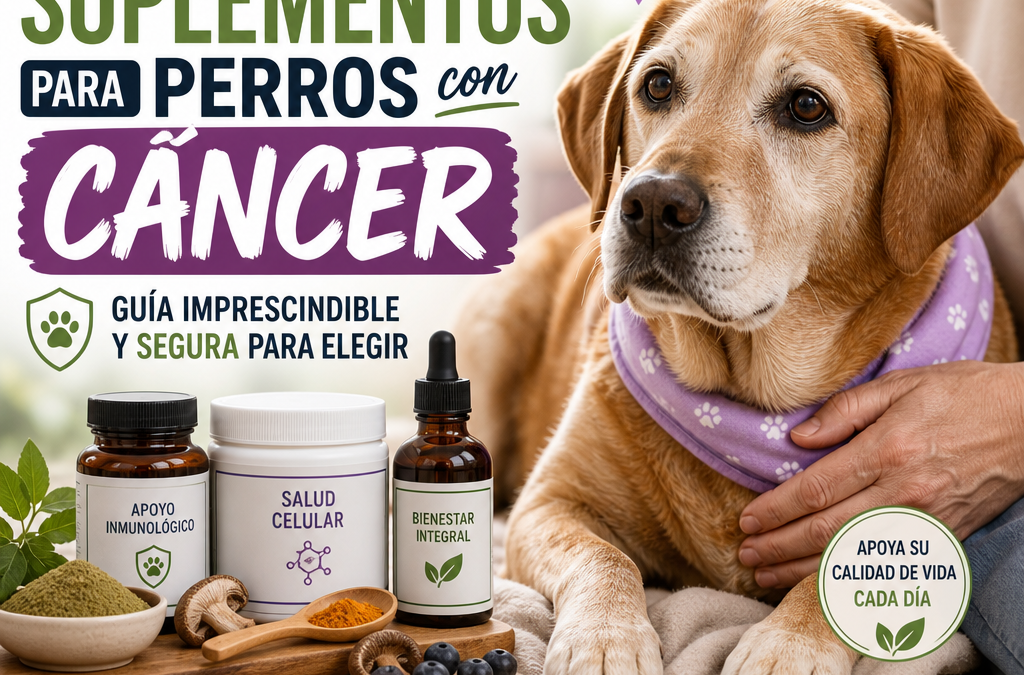
Elegir los mejores suplementos para perros con cáncer no significa comprar el producto más popular ni combinar varios compuestos a la vez. En perros con tumores, cualquier suplemento debe considerarse parte de un plan veterinario individualizado, ya que puede influir en el apetito, el peso, la digestión, la respuesta inmunitaria o incluso en la acción de determinados tratamientos. Una elección segura comienza por conocer el tipo de cáncer, el estado general del animal y los objetivos reales del apoyo nutricional.
Qué debe aportar un suplemento para perros con cáncer
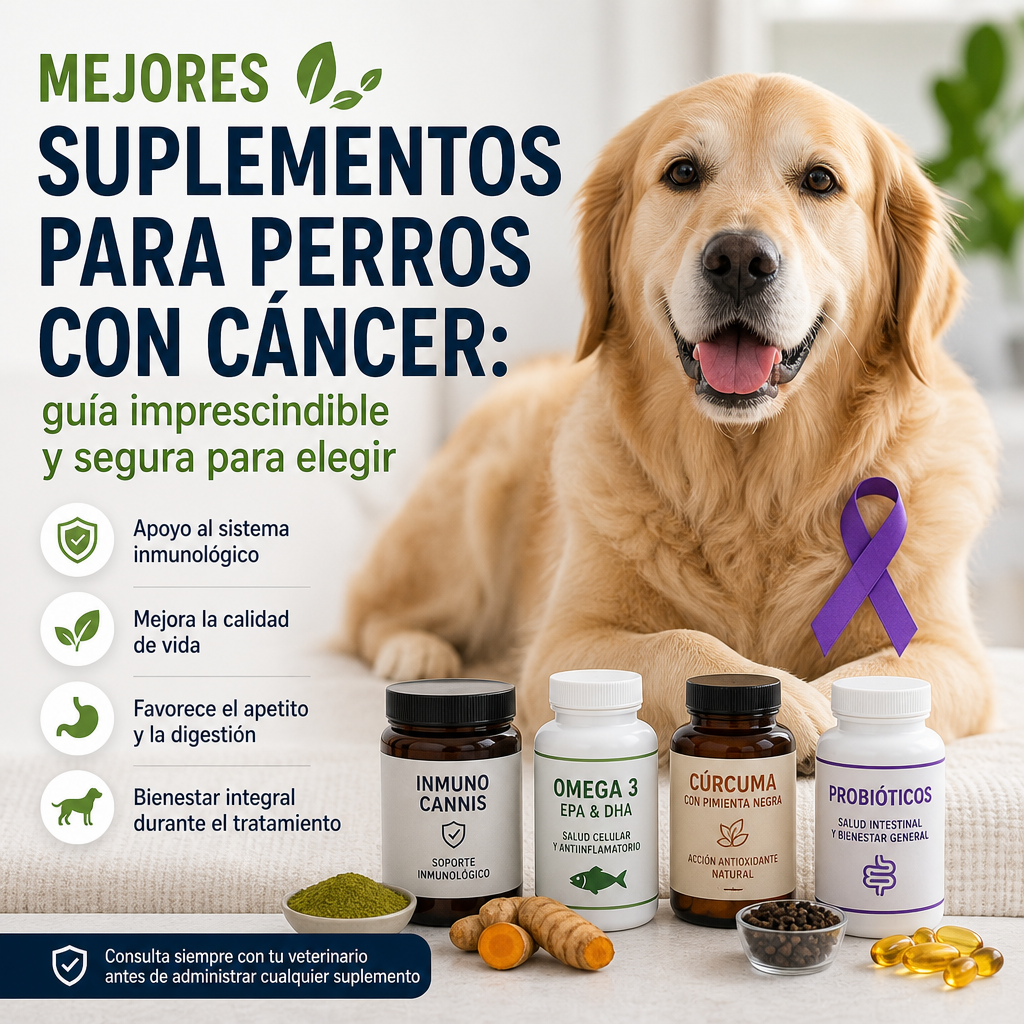
El cáncer puede modificar las necesidades energéticas y nutricionales de un perro. Algunos animales pierden peso, masa muscular y apetito; otros presentan náuseas, diarrea, estreñimiento o una mayor dificultad para mantener una alimentación estable. Por ello, los suplementos no deben plantearse como una cura, sino como herramientas complementarias para favorecer la calidad de vida.
Un buen suplemento perro cáncer debería responder a una necesidad concreta, como:
- Ayudar a mantener la masa muscular.
- Aumentar la densidad calórica de la dieta cuando existe pérdida de peso.
- Favorecer una digestión adecuada.
- Complementar nutrientes que el veterinario haya identificado como insuficientes.
- Apoyar la hidratación o el apetito en momentos puntuales.
La alimentación completa y equilibrada continúa siendo la base. Ningún producto puede sustituir la quimioterapia, la cirugía, la radioterapia, la analgesia u otros tratamientos prescritos.
También conviene recordar que los mejores suplementos para perros con cáncer no siempre son los más caros ni los que prometen más efectos. En muchos casos, el beneficio real depende de que el producto encaje con el estado clínico del perro y con el plan terapéutico del momento. Un suplemento puede ser útil durante una fase de pérdida de apetito, pero innecesario cuando el animal ya se mantiene estable.
Mejores suplementos para perros con cáncer según sus necesidades
Ácidos grasos omega-3
Los omega-3, especialmente el EPA y el DHA procedentes de aceite de pescado purificado, son algunos de los suplementos más estudiados en nutrición veterinaria. Pueden ayudar a mantener la condición corporal y apoyar una respuesta inflamatoria equilibrada. En algunos perros también contribuyen a mejorar la palatabilidad de la comida y el aporte energético.
Sin embargo, la dosis debe ajustarse al peso, la dieta y el estado de salud. Es importante utilizar productos formulados para animales o recomendados por un profesional, controlar su conservación y evitar aceites rancios o de procedencia dudosa. Los omega-3 pueden no ser apropiados en perros con ciertos trastornos de coagulación, pancreatitis o medicaciones específicas.
Cuando se valoran los mejores suplementos para perros con cáncer, este grupo suele aparecer entre las primeras opciones por su perfil de uso extendido y su posible utilidad como apoyo nutricional. Aun así, no debe asumirse que todos los perros se benefician de la misma forma, porque cada caso oncológico tiene necesidades distintas.
Proteínas de alta calidad
Cuando un perro pierde músculo, el primer paso suele ser revisar la cantidad y calidad de proteína que consume. Un suplemento rico en proteínas puede ser útil en casos seleccionados, pero no todos los perros lo necesitan. Además, algunos pacientes con enfermedad renal, hepática o digestiva requieren restricciones concretas.
En lugar de añadir productos al azar, el veterinario puede recomendar una dieta terapéutica, una comida húmeda más apetecible o una fuente proteica compatible con el tratamiento. El objetivo es preservar la musculatura sin sobrecargar otros órganos.
En este punto, los mejores suplementos para perros con cáncer son los que realmente corrigen una carencia y no los que solo prometen resultados rápidos. Si el perro ya ingiere suficiente proteína, el beneficio de añadir más puede ser limitado o incluso contraproducente.
Probióticos y apoyo digestivo
Los tratamientos oncológicos, el estrés y los cambios de alimentación pueden alterar la microbiota intestinal. Un probiótico veterinario podría ayudar a mantener una función digestiva normal en algunos animales, sobre todo cuando aparecen heces blandas o irregularidades intestinales.
No todos los probióticos son iguales. Conviene elegir cepas identificadas, con una cantidad viable garantizada y unas instrucciones claras de conservación. Si el perro presenta vómitos persistentes, diarrea intensa, sangre en las heces o decaimiento, un probiótico no sustituye la valoración médica. Para entender mejor el enfoque nutricional en estos casos, también puede ser útil revisar esta guía sobre nutrición para perros con cáncer.
Para muchos tutores, los mejores suplementos para perros con cáncer empiezan por aquellos que ayudan a estabilizar la digestión y facilitan que el animal coma con más normalidad. Cuando la tripa se regula, la ingesta diaria suele ser más constante y el perro tolera mejor la rutina de tratamiento.
Antioxidantes: utilidad y precauciones
Los antioxidantes suelen aparecer en fórmulas de apoyo para perros con tumores. Vitaminas como la E, minerales como el selenio y compuestos vegetales pueden desempeñar funciones importantes en el organismo, pero eso no significa que las dosis elevadas sean siempre beneficiosas.
Durante algunos tratamientos, especialmente cuando se emplean terapias que generan estrés oxidativo como parte de su mecanismo, los antioxidantes concentrados podrían interferir con el objetivo terapéutico. La evidencia depende del compuesto, la cantidad, el tipo de cáncer y el tratamiento utilizado. Por esta razón, no se deben administrar megadosis de vitaminas o extractos antioxidantes sin autorización veterinaria.
Si el objetivo es sumar apoyo sin complicar el plan clínico, los mejores suplementos para perros con cáncer suelen ser los que respetan las indicaciones del oncólogo y no interfieren con la terapia principal. En la práctica, esto significa priorizar fórmulas simples y bien documentadas frente a mezclas muy extensas con múltiples promesas.
Caldos, geles y suplementos calóricos
Cuando el problema principal es la falta de apetito, pueden utilizarse productos energéticos diseñados para perros. Los geles calóricos y algunas dietas de recuperación aportan energía en volúmenes pequeños, algo útil para animales que comen poco.
Aun así, es fundamental revisar sus ingredientes. Deben evitarse productos con cebolla, ajo, xilitol, uvas, pasas, exceso de sal o grasas inadecuadas. Los caldos caseros solo son seguros si están preparados sin ingredientes tóxicos y sin condimentos. Además, forzar la alimentación puede empeorar la aversión a la comida; en algunos casos se necesita tratar primero el dolor, las náuseas o la deshidratación.
En perros con bajo apetito, los mejores suplementos para perros con cáncer son los que aportan energía de forma práctica y se toleran bien desde el punto de vista digestivo. También puede ser útil ofrecer pequeñas porciones repartidas a lo largo del día, en lugar de una sola comida grande.
Vitaminas del complejo B y apoyo al apetito
En algunos pacientes oncológicos, el veterinario puede valorar vitaminas del complejo B cuando existe poca ingesta, pérdida de peso o una necesidad concreta detectada en la revisión clínica. Estas vitaminas participan en el metabolismo energético y en diferentes funciones del organismo, por lo que a veces forman parte de un plan de soporte más amplio.
No obstante, tampoco deben darse por inercia. Si el perro ya recibe una dieta completa y el profesional no ha identificado una carencia, añadir vitaminas sin criterio no siempre aporta ventajas. En este contexto, los mejores suplementos para perros con cáncer son los que responden a un objetivo medible, no a una sensación general de que “cuanto más, mejor”.
Suplementos de fibra cuando hay estreñimiento o tránsito irregular
Algunos perros con tumores presentan cambios en el tránsito intestinal. Cuando existe estreñimiento, heces muy secas o una digestión irregular, la fibra puede ser parte de la solución, aunque no en todos los casos. El tipo de fibra, la cantidad y la forma de administrarla deben ajustarse con cuidado, porque un exceso podría empeorar gases, diarrea o molestias abdominales.
Si se eligen suplementos de fibra, deben integrarse en una dieta que el perro tolere bien. La hidratación también es importante, ya que la fibra sin suficiente agua puede resultar poco útil o incluso incómoda. Por eso, los mejores suplementos para perros con cáncer no se seleccionan por moda, sino por la necesidad concreta que existe en ese momento.
Suplementos perro tumor: qué productos requieren más cuidado
La categoría suplementos perro tumor incluye numerosas fórmulas con setas medicinales, cúrcuma, cáñamo, extractos de plantas y mezclas patentadas. Aunque algunos ingredientes se investigan por sus posibles efectos inmunitarios o antiinflamatorios, la evidencia clínica en perros todavía es variable. Que un producto sea natural no garantiza que sea inocuo.
Los extractos vegetales pueden alterar la coagulación, la presión arterial, el hígado o la absorción de medicamentos. También pueden causar diarrea o reacciones alérgicas. Los productos de cannabis o cannabidiol requieren una especial precaución: la concentración real puede no coincidir con la etiqueta y algunos contienen contaminantes o niveles de THC perjudiciales.
Antes de utilizar cualquier suplemento, el veterinario debe conocer el nombre comercial, la composición, la concentración y la dosis prevista. También conviene desconfiar de las promesas de “curar” tumores, reemplazar la quimioterapia o eliminar los efectos secundarios de forma garantizada. Si quieres ampliar el contexto clínico, esta lectura sobre los tipos de tratamiento contra el cáncer ayuda a entender por qué los complementos nunca deben sustituir la terapia principal.
En muchos casos, los mejores suplementos para perros con cáncer no son los más complejos, sino los más transparentes en su composición y los más fáciles de supervisar. Una fórmula sencilla, con ingredientes claros y sin reclamos exagerados, suele ser una opción más prudente que un producto cargado de extractos difíciles de evaluar.
La seguridad depende tanto del suplemento como del contexto clínico. Para tomar una decisión responsable:
- Consulta al veterinario oncólogo o al profesional que lleva el caso.
- Define el objetivo: apetito, peso, masa muscular, digestión o bienestar general.
- Revisa la lista completa de ingredientes y la concentración por dosis.
- Comprueba que el fabricante ofrezca controles de calidad y trazabilidad.
- Empieza solo con un producto cada vez, salvo indicación distinta.
- Respeta la dosis recomendada y no la aumentes porque el efecto tarde en aparecer.
- Observa vómitos, diarrea, picor, apatía, cambios en la sed o alteraciones del apetito.
- Suspende el producto y contacta con el veterinario si aparecen reacciones preocupantes.
También es útil llevar un registro sencillo del peso, la cantidad de comida ingerida, las deposiciones y el nivel de energía. Estos datos permiten determinar si el suplemento aporta algún beneficio real o si debe retirarse.
Antes de comprar, compara si el producto encaja con el plan nutricional general y si realmente aporta algo distinto a una dieta terapéutica bien formulada. En muchos casos, los mejores suplementos para perros con cáncer son los que resuelven una necesidad concreta y no los que prometen más beneficios en la etiqueta.
Otro aspecto importante es el momento de introducción. Si el perro acaba de empezar un tratamiento o atraviesa una fase de náuseas, quizá no sea el mejor momento para añadir novedades. Introducir cambios de manera escalonada facilita saber qué funciona y qué no, y ayuda a distinguir una reacción al suplemento de una respuesta del propio cáncer o del tratamiento farmacológico.
Qué conviene revisar en la etiqueta antes de comprar
Una revisión rápida de la etiqueta puede evitar errores importantes. Conviene comprobar el ingrediente activo, la especie para la que está formulado, la dosis por kilo, la fecha de caducidad, el método de conservación y la presencia de alérgenos o aditivos innecesarios. También es recomendable confirmar si el fabricante indica análisis de calidad, lote y trazabilidad.
Si el perro ya toma medicación, esta revisión es todavía más importante. Algunos productos pueden alterar la absorción de fármacos, incrementar la somnolencia o modificar la coagulación. Por eso, incluso cuando un suplemento parece sencillo, debe valorarse dentro del tratamiento general.
Los mejores suplementos para perros con cáncer suelen destacar por una etiqueta clara, una fórmula sencilla y una utilidad concreta para el caso individual. Si una etiqueta resulta confusa o no explica de forma precisa qué contiene el producto, lo más prudente es buscar otra alternativa.
Además, es recomendable comprobar si el fabricante ofrece instrucciones de conservación una vez abierto el envase. Muchos suplementos pierden estabilidad si se exponen al calor o a la humedad, algo especialmente relevante en el hogar cuando el perro solo toma pequeñas cantidades durante varios días o semanas.
Cómo acompañar la alimentación diaria sin improvisar
Además del suplemento, la forma de ofrecer la comida puede marcar una gran diferencia. Algunas medidas útiles son repartir la ración en comidas pequeñas, templar ligeramente el alimento para mejorar el aroma, mantener horarios constantes y ofrecer texturas que el perro tolere mejor. En animales con náuseas o aversión al alimento, también puede ayudar variar entre comida húmeda, dieta de recuperación o preparados de alta palatabilidad siempre con orientación veterinaria.
La hidratación merece una atención especial. Si el perro bebe menos, la prioridad es detectar la causa y corregirla, no simplemente añadir productos. Un estado de hidratación adecuado facilita la digestión, el bienestar general y la tolerancia al tratamiento.
Con este enfoque práctico, los mejores suplementos para perros con cáncer pueden integrarse de forma más segura en la rutina diaria. La clave está en que el suplemento facilite la alimentación y no complique la vida del perro ni la del tutor.
También puede servir mucho observar el entorno: algunos perros comen mejor en un lugar tranquilo, lejos de ruidos o del resto de animales. Otros necesitan que la comida esté siempre en el mismo cuenco o servida a la misma hora. Estos detalles no sustituyen al tratamiento, pero sí pueden mejorar la respuesta global al plan nutricional.
Cuándo conviene suspender un suplemento y consultar
Aunque un producto parezca bien tolerado al principio, siempre existe la posibilidad de que deje de ser útil o provoque molestias. Conviene contactar con el veterinario si aparece vómito repetido, diarrea, heces negras, picor intenso, inflamación facial, apatía marcada, rechazo total del alimento o un empeoramiento claro del estado general.
También es importante consultar si el perro está tomando varios suplementos a la vez y no queda claro cuál está ayudando o perjudicando. En algunos casos, la simplificación del plan es la mejor decisión. Menos productos, pero mejor elegidos, suele ser una estrategia más segura y más fácil de evaluar.
De nuevo, los mejores suplementos para perros con cáncer son los que pueden monitorizarse con facilidad y que se retiran sin problema si el caso clínico cambia. La adaptabilidad es una ventaja, no una señal de debilidad.
La prioridad es la calidad de vida
En un perro con cáncer, el mejor apoyo no siempre es el suplemento más completo, sino la estrategia que consigue que coma, mantenga un peso razonable, tenga menos dolor y disfrute de sus rutinas. Una dieta adecuada, el control de las náuseas, la hidratación, el descanso y el seguimiento veterinario suelen ser más importantes que acumular productos.
Los mejores suplementos para perros con cáncer son aquellos que responden a una necesidad concreta, cuentan con una composición fiable y se integran sin riesgos en el tratamiento. La prudencia, la supervisión profesional y la observación diaria ayudan a proteger al animal y a tomar decisiones basadas en su bienestar real. Si el caso cambia, también puede cambiar la respuesta a los mejores suplementos para perros con cáncer, así que conviene reevaluar cada opción con regularidad.
En resumen, elegir entre los mejores suplementos para perros con cáncer exige criterio, paciencia y una visión práctica del tratamiento. Con una revisión cuidadosa de ingredientes, dosis y objetivos, es más fácil evitar errores y priorizar lo que de verdad mejora su calidad de vida. En ese enfoque, los mejores suplementos para perros con cáncer son los que suman seguridad, utilidad y supervisión veterinaria.
