by TCMVET | Aug 13, 2026 | Research and News
Ocoxin Pets Alternative options are increasingly being considered by dog owners in Luxembourg who want supportive, affordable care for pets diagnosed with tumors or undergoing cancer treatment. While no supplement can replace veterinary diagnosis, surgery, chemotherapy, radiation, or other prescribed treatments, carefully selected nutritional products may help support appetite, immune function, digestion, and general wellbeing. The most suitable choice depends on the dog’s condition, current medication, treatment plan, age, and individual tolerance.
Understanding the role of dog tumor supplements
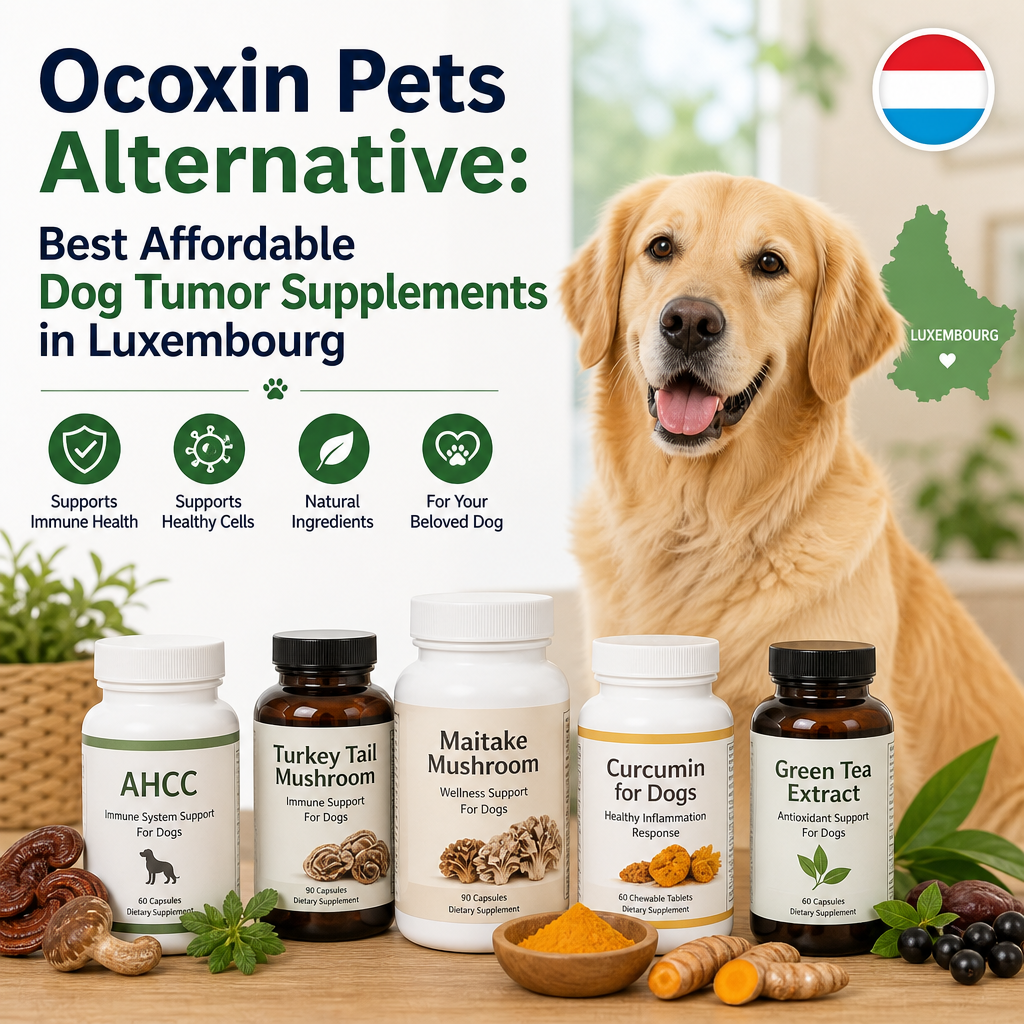
Dog tumor supplements are designed to provide nutritional or botanical support during periods of illness. Cancer and its treatment can place significant stress on a dog’s body. Some pets experience reduced appetite, weight loss, digestive problems, fatigue, inflammation, or weakened immunity. A supplement may help address specific nutritional needs, but it should always be used as part of a broader veterinary care plan.
Products marketed for dogs with tumors commonly contain combinations of vitamins, minerals, antioxidants, medicinal mushrooms, omega-3 fatty acids, digestive enzymes, or plant extracts. The evidence for each ingredient varies, and quality can differ substantially between brands. For this reason, product selection should focus on transparent labeling, appropriate dosing, safety testing, and compatibility with veterinary treatment.
For readers researching an Ocoxin Pets alternative, it helps to think in terms of support rather than cure. The goal is to help a dog stay comfortable, maintain nutrition, and tolerate treatment as well as possible. A well-chosen supplement can be one piece of that plan, especially when paired with veterinary monitoring and a consistent feeding routine.
It is also helpful to keep expectations realistic. A dog with a tumor may need a combination of pain control, diet adjustments, anti-nausea medication, and supportive care before any supplement makes a visible difference. In that context, an Ocoxin Pets alternative should be judged by how well it fits the overall care strategy, not by dramatic marketing language.
Owners often find it useful to track small changes over time. Appetite, stool quality, hydration, energy, and body weight can reveal whether a product is helping. These practical observations are often more valuable than vague promises on the package.
Why look for alternatives to Ocoxin Pets?
There are several reasons owners search for alternatives to Ocoxin Pets. Availability may be inconsistent, especially when purchasing from another country. Shipping costs, import fees, product size, or recurring subscription prices can also make a supplement difficult to maintain over several months.
Some owners may also be looking for a formula with different ingredients. One dog may need stronger digestive support, while another may benefit more from omega-3 fatty acids or help maintaining body weight. A veterinarian may recommend avoiding specific herbs or antioxidants if the dog is receiving chemotherapy, undergoing surgery, or taking medications that affect blood clotting.
Affordability is another important consideration. Long-term care can become expensive, and a lower-cost product may be more practical if it provides appropriate support and is used consistently. However, the least expensive product is not automatically the best value. Concentration, serving size, ingredient quality, and safety documentation should all be considered.
In Luxembourg, many owners compare several choices before deciding on an Ocoxin Pets alternative. That comparison often includes local availability, the ease of ordering from neighboring countries, and whether the product can be sourced without delay if the dog needs ongoing support.
Another common reason for switching is palatability. Even a well-formulated product can fail if a dog refuses the taste or texture. If your dog is already dealing with a poor appetite, a supplement that is easier to mix into food or offer as a chew may be more practical than a complex liquid formula.
In some cases, owners are also trying to simplify the routine. A supplement that requires fewer daily steps may improve consistency, and consistency usually matters more than short-term enthusiasm. When the goal is comfort and daily support, the best Ocoxin Pets alternative is often the one that can be given reliably without stress.
What to look for in an Ocoxin Pets alternative
When comparing an Ocoxin Pets alternative, begin with the full ingredient list rather than the front-label claims. A reliable product should clearly state the amount of each active ingredient per serving and provide feeding instructions based on the dog’s weight.
Omega-3 fatty acids
Fish oil containing EPA and DHA is frequently used in canine nutrition. These fatty acids support skin, coat, cardiovascular health, and normal inflammatory balance. They may be particularly useful for dogs that have lost weight or need additional nutritional support. Choose a product that lists the actual EPA and DHA content, not just the total amount of fish oil.
Medicinal mushrooms
Mushrooms such as turkey tail, reishi, maitake, and shiitake are included in some canine supplements. They contain compounds that may support normal immune activity, although research in dogs remains limited and products vary in extraction quality. Mushroom supplements should be discussed with a veterinarian, especially when the dog has an autoimmune condition or is taking immune-modulating medication.
Antioxidants and vitamins
Vitamin E, vitamin C, selenium, and other antioxidants may be present in supportive formulas. They are important nutrients, but high doses are not necessarily beneficial and can sometimes cause harm. Antioxidant use during chemotherapy or radiation should be guided by the treating veterinarian because timing and dosage may matter.
Digestive and nutritional support
Probiotics, prebiotics, digestive enzymes, amino acids, and calorie-dense ingredients can be valuable when a dog has poor appetite, diarrhea, or weight loss. These ingredients do not treat a tumor directly, but improving digestion and nutritional intake can contribute to strength and quality of life.
To compare an Ocoxin Pets alternative fairly, use the same checklist every time: ingredient clarity, dosing precision, product safety, and cost per daily serving. This makes it easier to separate marketing language from practical value.
Also pay attention to the product’s form. A liquid, capsule, powder, soft chew, or gel can make a big difference in daily use. Dogs with nausea may tolerate one format better than another, and a format that blends easily with food can reduce stress for both the pet and the owner.
Finally, consider whether the formula is intended for general wellness or for more targeted support. Some products are broad multinutrient blends, while others focus narrowly on one or two ingredients. A targeted formula may be better if your veterinarian has identified a specific need, while a broader product may be more suitable when the main goal is general nutritional support.
Seven practical supplement categories to compare
Instead of focusing only on one brand, many owners compare seven practical categories when selecting an Ocoxin Pets alternative. These categories are not a cure, but they can help you match the supplement to your dog’s needs and budget.
- Omega-3 formulas for dogs that need nutritional support and inflammatory balance.
- Mushroom blends for owners looking for immune-support ingredients.
- Digestive support products for dogs with poor appetite or loose stools.
- High-calorie nutritional gels for weight maintenance.
- Multinutrient formulas with vitamins and trace minerals.
- Veterinary oncology support products designed for dogs during treatment.
- Simple single-ingredient options when a dog tolerates only limited ingredients.
This framework can make the search for an Ocoxin Pets alternative more manageable, especially when prices and availability vary across Luxembourg and nearby markets.
Each category has advantages and drawbacks. Omega-3 formulas may be helpful for dogs that need extra calorie support, but they can also cause loose stools if introduced too quickly. Mushroom blends may be attractive to owners seeking immune support, yet their quality and extraction methods can differ widely. Digestive support products can help with gut comfort, but they are not useful if the dog’s main problem is poor acceptance of the product itself.
High-calorie gels and pastes are often practical for underweight dogs because they are easy to dose and tend to be palatable. However, they should be used carefully in dogs that are prone to pancreatitis or that need strict calorie control. Multinutrient formulas are convenient, but they may overlap with other supplements or prescription diets, which can lead to unnecessary duplication of vitamins or minerals.
Veterinary oncology support products may be appealing because they are marketed specifically for dogs with cancer-related needs. Even so, the label should still be reviewed closely. A product designed for oncology support is not automatically better than a simpler formula if the simpler formula matches the dog’s needs more closely.
Single-ingredient options can be a good fit when a dog has a sensitive stomach or a history of food intolerance. In many cases, fewer ingredients mean fewer opportunities for side effects. For that reason, some veterinarians prefer to start simple and add only what is clearly needed.
Finding affordable dog tumor supplements Luxembourg owners can trust
Dog tumor supplements Luxembourg owners purchase should come from a reputable manufacturer that follows appropriate quality-control standards. Look for companies that provide batch information, contact details, testing policies, and clear storage instructions. Products sold through established veterinary clinics, regulated pharmacies, or recognized pet-health retailers may offer greater transparency than unknown marketplace listings.
Before ordering from abroad, calculate the complete cost, including delivery, taxes, and any customs charges. A product that appears cheaper may cost more after shipping. It is also important to check whether the formulation is intended for dogs and whether the label complies with European requirements.
Local veterinary clinics may know of suitable alternatives that are readily available in Luxembourg, Belgium, France, or Germany. Veterinary pharmacies can also help identify products with consistent supply and appropriate instructions. When comparing prices, calculate the cost per daily serving rather than the price of the container alone.
If you want an evidence-based starting point for general pet nutrition guidance, the VCA Hospitals pet health library offers practical educational articles that can help you discuss supplement choices more confidently with your veterinarian.
For many families, the best Ocoxin Pets alternative is the one that is affordable enough to use consistently and simple enough to fit into the dog’s daily routine. Consistency matters more than a short trial of an expensive product that cannot be continued.
When budgets are tight, it can help to prioritize the one ingredient or benefit that matters most. If your dog struggles with appetite, choose a product that helps with calorie intake. If digestion is the issue, a formula with probiotics or gentle nutritional support may be more useful. A focused approach often avoids unnecessary spending on ingredients that do not address the immediate problem.
Owners in Luxembourg may also find it useful to compare neighboring supply options. Availability can change quickly, and a product that is out of stock locally may still be accessible through a reliable pharmacy in a nearby country. The important point is to keep the supply consistent once a useful product is found, because frequent switching can make it harder to tell whether the supplement is helping.
Seven practical ways to judge value before buying
Price alone rarely tells the full story. Before choosing an Ocoxin Pets alternative, compare these practical points:
- Daily cost: how much the supplement costs per day, not per container.
- Active ingredient amount: whether the label states meaningful amounts per serving.
- Palatability: whether the dog is likely to accept it regularly.
- Ingredient overlap: whether it duplicates nutrients already in the diet.
- Storage requirements: whether the product needs refrigeration or special handling.
- Supply stability: whether it can be reordered without long delays.
- Veterinary fit: whether it matches the current treatment plan.
These details can make the difference between a supplement that seems cheap and one that is actually cost-effective. In chronic care, a product that is slightly more expensive but easier to use often ends up being better value.
Safety considerations and possible interactions
Supplements can cause side effects or interact with medicines. Fish oil may contribute to digestive upset or affect clotting at high doses. Certain herbs may alter liver enzyme activity or influence sedation. Probiotics can occasionally cause temporary gas or loose stools. Dogs with kidney disease, liver disease, diabetes, pancreatitis, or bleeding disorders may require special precautions.
Never give a human cancer supplement to a dog without veterinary approval. Human products may contain unsafe concentrations, xylitol, iron, caffeine, or other ingredients that are dangerous for animals. Avoid products that promise to shrink tumors, cure cancer, or replace professional treatment. These claims are not a reliable measure of quality and may delay essential care.
Introduce a new supplement gradually when possible, and record the dog’s appetite, stool quality, energy, weight, and any unusual symptoms. Stop the product and contact a veterinarian if vomiting, severe diarrhea, facial swelling, breathing difficulty, marked lethargy, or other concerning signs develop.
Because treatment plans can change, it is wise to re-check any Ocoxin Pets alternative after chemotherapy cycles, medication changes, or a new diagnosis. A product that was safe last month may not be appropriate later.
Some dogs also take several supportive products at once. In those cases, the combined total of vitamins, antioxidants, herbs, and fatty acids may matter more than any single item. A supplement that looks harmless on its own may become inappropriate when paired with prescription medication or another nutritional product. This is why veterinary review is so important.
If your dog has reduced appetite or weight loss, do not assume that more supplements are always better. Sometimes the most useful intervention is a change in meal frequency, a more palatable food, or medication that helps with nausea. A thoughtful plan usually beats a crowded cabinet of products.
Practical signs a supplement is helping
Because supportive supplements do not work the same way as medication, results may be subtle. Look for practical signs such as steadier appetite, improved willingness to eat, less digestive upset, better stool consistency, and more stable body weight. Some dogs may also seem a little more energetic or more comfortable after meals.
It can help to keep a simple weekly log. Write down the dog’s weight, food intake, stool quality, and energy level. A short note such as “finished breakfast,” “ate half,” or “slightly loose stool” is often enough to spot a pattern. If the record shows steady decline, the supplement may not be the right choice, even if it sounded promising at first.
If your veterinarian recommends lab work or follow-up visits, bring the supplement label to each appointment. That makes it easier to review whether the current Ocoxin Pets alternative still fits the treatment plan.
How to use supplements responsibly
The best supplement plan is individualized. Ask the veterinarian which ingredients are appropriate, whether the product should be paused around treatment sessions, and how it fits with the dog’s complete diet. Provide the product name, ingredient list, serving size, and any laboratory information during the consultation.
Supplements work best alongside adequate calories, hydration, pain control, regular monitoring, and emotional comfort. Depending on the diagnosis, the veterinary team may also recommend a therapeutic diet, appetite support, anti-nausea medication, or additional blood testing.
Owners comparing an Ocoxin Pets alternative should also watch for practical details such as palatability, dosing frequency, and whether the dog accepts the product consistently. Even a good formula is unlikely to help if it cannot be given reliably.
If your veterinarian recommends ongoing supportive care, a simple daily routine can make a major difference. Track body weight, appetite, stool changes, and energy level so you can judge whether the supplement is helping. Those small observations are often more useful than broad marketing claims.
When possible, introduce only one new product at a time. That makes it easier to identify what is working and what is not. If several changes are made at once, it becomes difficult to know whether improvements come from the supplement, a diet change, or a medication adjustment. A slower, organized approach is usually safer and more informative.
It also helps to set a review date with your veterinarian. A supplement that seems reasonable today may need to be reassessed after a scan, blood test, or change in symptoms. Ongoing review keeps the plan aligned with the dog’s needs and prevents unnecessary spending on products that no longer add value.
For owners comparing alternatives to Ocoxin Pets, the priority should be safety, transparency, suitability, and long-term affordability. A carefully chosen product may offer useful nutritional support, but it should remain one part of a comprehensive plan focused on the dog’s comfort and quality of life. In practice, the best Ocoxin Pets alternative is the one that your veterinarian agrees is appropriate, affordable enough to continue, and easy for your dog to take every day.
by TCMVET | Aug 13, 2026 | Research and News
Ocoxin Pets alternative options can help Belgian dog owners manage supplement costs while still supporting a pet’s overall health during cancer care. Ocoxin Pets is commonly used as a complementary nutritional product, but it is not the only choice available. Several affordable formulas may provide antioxidants, omega-3 fatty acids, medicinal mushrooms, vitamins, and other nutrients that support appetite, energy, immune function, and general wellbeing. However, supplements should always complement—not replace—veterinary diagnosis and treatment.
Why consider alternatives to Ocoxin Pets?
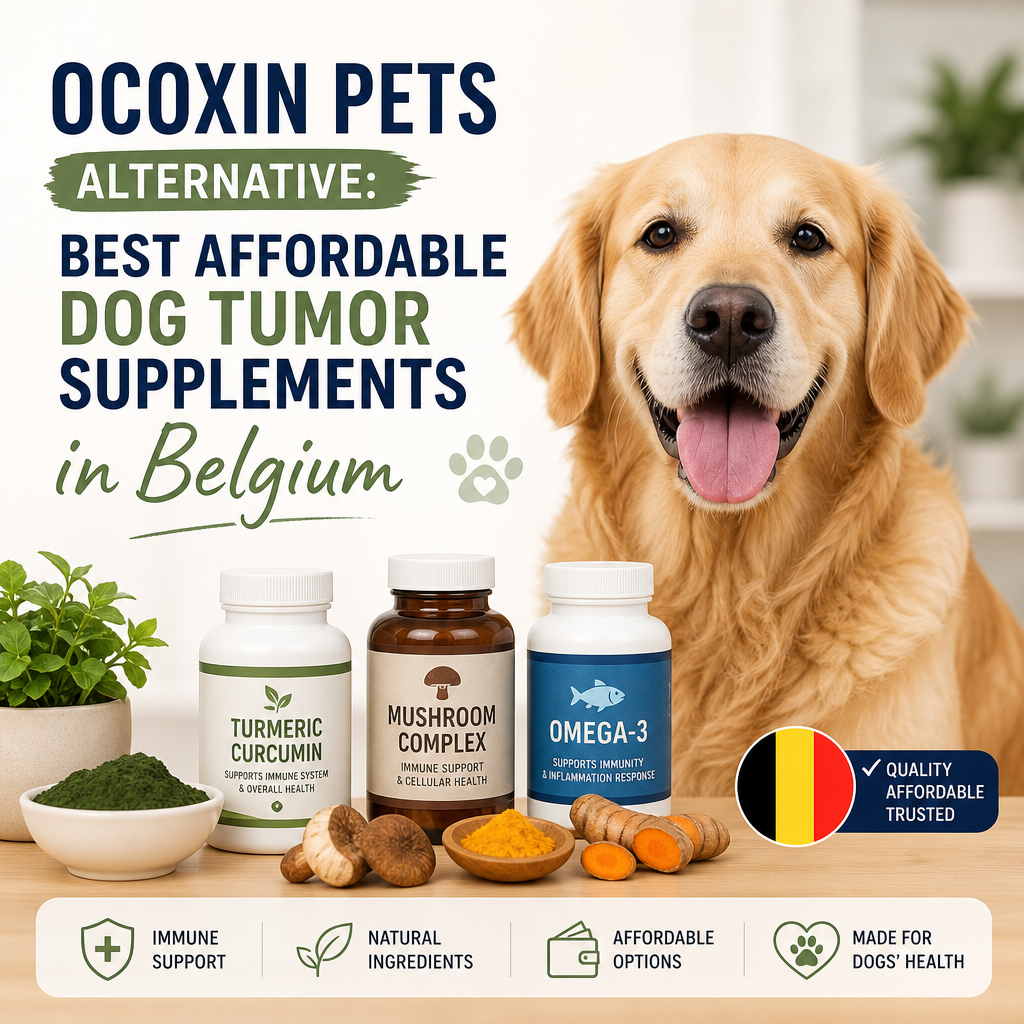
Ocoxin Pets may not suit every dog or every budget. Some owners may find it difficult to source locally, while others may prefer products with a simpler ingredient list, different active compounds, or a lower monthly cost. In Belgium, prices can also vary considerably between veterinary clinics, pharmacies, specialist pet shops, and online retailers.
The right alternative depends on the dog’s condition, current medication, appetite, kidney and liver function, and treatment plan. A supplement designed for general immune support may be inappropriate for a dog receiving chemotherapy or recovering from surgery. For this reason, product selection should be guided by a veterinarian, particularly when the dog has a tumor or is taking prescription medication.
Many owners begin by comparing the intended use, the serving size, and the actual daily cost. That makes it easier to judge whether an Ocoxin Pets alternative is truly affordable or simply looks cheaper on the shelf. In practice, a smaller product with a clear purpose can sometimes offer better value than a broad formula with overlapping ingredients.
What should a dog tumor supplement contain?
When comparing dog tumor supplements Belgium owners can purchase, it helps to focus on evidence-informed ingredients rather than marketing claims. No supplement has been proven to cure cancer, but certain nutrients may support quality of life and help address nutritional challenges associated with illness. The best Ocoxin Pets alternative is usually the one that matches the dog’s needs most closely.
A good product should also be transparent. Clear labeling matters because dogs with tumors may already be receiving medication, diets, or supportive care that affect digestion, clotting, and energy levels. When labels are vague, it becomes harder to choose a safe Ocoxin Pets alternative or to compare products fairly.
Omega-3 fatty acids
Fish oil provides EPA and DHA, two omega-3 fatty acids often included in veterinary nutritional plans. They may support skin, coat, joints, and inflammatory balance. Omega-3 supplements can also add calories to the diet, which may be useful for dogs struggling to maintain weight. Choose a purified product made specifically for pets and confirm the correct dose with a veterinarian.
For many families, an omega-3 product is the most practical Ocoxin Pets alternative because it is widely available and easy to dose. It can also be combined with a therapeutic diet when the veterinary team agrees it is appropriate.
Medicinal mushrooms
Mushrooms such as turkey tail, reishi, maitake, and shiitake are found in some canine wellness formulas. They contain compounds that may influence immune activity, although research in dogs is still developing. Quality varies widely, so owners should look for products with clear ingredient quantities, batch testing, and reputable manufacturing standards. For some dogs, a mushroom-based formula may be a practical Ocoxin Pets alternative.
If a mushroom supplement is chosen, consistency matters. A product with clear dosing instructions is easier to use alongside veterinary treatment, and that can reduce the risk of accidental overuse or confusion with other supplements.
Antioxidant nutrients
Vitamins C and E, selenium, and plant-based antioxidants may help protect cells from oxidative stress. However, more is not necessarily better. High doses can cause side effects or potentially interfere with some treatment strategies. Antioxidant products should therefore be used only at doses approved by the dog’s veterinary team.
This is one reason an Ocoxin Pets alternative should be chosen carefully rather than by brand reputation alone. A formula that looks appealing online may contain doses that are unsuitable for a dog already coping with cancer therapy.
Digestive and nutritional support
Dogs with cancer may experience reduced appetite, nausea, diarrhea, constipation, or weight loss. Prebiotics, probiotics, digestive enzymes, and calorie-dense nutritional products can sometimes support food intake and digestion. These products do not target a tumor directly, but maintaining hydration, muscle mass, and body condition is an important part of supportive care.
In many cases, the most suitable Ocoxin Pets alternative is a focused nutritional product rather than a broad formula. A dog that is losing weight may benefit more from calorie support, while a dog with poor appetite may need a more palatable supplement that is easy to mix into food.
It is also worth noting that supportive nutrition is often more effective when it is simple to give. If the supplement is well accepted by the dog, the owner is more likely to keep using it consistently, which is especially important during a long treatment plan.
Affordable alternatives to Ocoxin Pets
Several categories may serve as practical alternatives to Ocoxin Pets, depending on the dog’s needs.
A veterinary omega-3 supplement is often one of the most economical choices. It has a clear nutritional purpose and is available in capsules, liquid oils, and combined formulas. A concentrated product may be more cost-effective than a low-strength oil because the dog needs less to receive the intended amount.
A medicinal mushroom blend may be suitable for owners seeking an immune-support formula. Look for products that identify the mushroom species, specify whether they use fruiting bodies or extracts, and provide measurable active compounds. Avoid vague labels that list “mushroom complex” without quantities.
A complete veterinary nutritional supplement may combine omega-3s, antioxidants, amino acids, and vitamins. These products can be convenient, but the cost per serving should be compared carefully. A product with many ingredients is not automatically better than a focused supplement chosen for a specific nutritional need.
In some cases, the most affordable approach is not a specialized tumor product at all. A veterinarian may recommend a high-quality complete diet, appetite support, or a single nutrient such as fish oil. Correcting weight loss and ensuring adequate protein and calories may offer greater practical value than purchasing several overlapping supplements.
For owners comparing an Ocoxin Pets alternative with other options, the label should always be checked for dosage clarity, animal-specific formulation, and potential interactions with ongoing treatment. That simple habit can help prevent wasted spending and reduce the risk of using an unsuitable product.
One helpful way to narrow the choices is to ask a veterinarian which goal matters most right now: appetite support, weight maintenance, digestive comfort, or immune-oriented support. Once that goal is clear, selecting the most appropriate Ocoxin Pets alternative becomes much easier.
How to compare dog tumor supplements in Belgium
Belgian pet owners should check whether a product is sold through a reliable veterinary pharmacy, established pet retailer, or manufacturer with transparent contact information. Review the label for serving size, active ingredient amounts, expiry date, storage instructions, and batch details.
It is also important to distinguish between a supplement and a medicine. Supplements are not required to demonstrate the same level of clinical effectiveness as veterinary drugs. Claims that a product can shrink tumors, replace chemotherapy, or guarantee remission should be treated with caution.
Compare the cost per day rather than the package price. A larger container may look expensive but provide better value, while a cheaper product may require several scoops daily. Shipping costs, import fees, and delivery times should also be considered when ordering from outside Belgium.
When possible, owners can verify product information through independent medical or veterinary references. The Cornell University College of Veterinary Medicine offers educational resources that help pet owners understand cancer care, supportive treatment, and the role of nutrition in a dog’s overall health.
When shopping online, it helps to read the supplement facts panel carefully and compare products using the same basis. One Ocoxin Pets alternative may appear cheaper until the dosage is adjusted to the dog’s body weight, while another may cost more upfront but last longer. That comparison is often the most honest way to judge value.
Safety considerations
Before using an Ocoxin Pets alternative, provide the veterinarian with a complete list of everything the dog receives, including prescription drugs, treats, oils, and herbal products. Some ingredients may affect blood clotting, blood pressure, digestion, or the way medicines are metabolized.
Stop the supplement and seek veterinary advice if the dog develops vomiting, persistent diarrhea, facial swelling, worsening lethargy, breathing difficulty, or a sudden change in appetite. Dogs with liver disease, kidney disease, diabetes, or a history of pancreatitis may require especially careful product selection.
Supplements should also be introduced gradually. Starting one product at a time makes it easier to identify side effects and determine whether it is providing a noticeable benefit. Keep realistic goals: improved appetite, steadier energy, better stool quality, or weight maintenance may be meaningful outcomes even when a supplement does not affect the tumor itself.
Used correctly, an Ocoxin Pets alternative should fit into the broader care plan rather than complicate it. A cautious approach is especially important when the dog is already managing a tumor, pain medication, or appetite changes.
If the dog is already receiving multiple support products, the safest path is usually to simplify rather than add more. A single, well-chosen Ocoxin Pets alternative is often easier to monitor than several overlapping formulas with similar ingredients.
Making a responsible choice
The best alternatives to Ocoxin Pets are not necessarily the most expensive or the products with the longest ingredient lists. A safe, transparent, appropriately dosed supplement selected for the individual dog is usually the most sensible option. Veterinary monitoring, regular weight checks, good hydration, appropriate food, pain control, and timely treatment remain central to cancer care.
For Belgian owners comparing dog tumor supplements Belgium retailers offer, affordability should be considered alongside quality, safety, and suitability. With professional guidance, a focused supplement plan can support a dog’s comfort and nutritional wellbeing without creating unnecessary expense or interfering with essential veterinary treatment.
In short, the best Ocoxin Pets alternative is the one that supports the dog’s current needs, matches the veterinarian’s recommendations, and remains realistic for the household budget. That balance matters more than brand names or marketing claims.
For additional context on cancer support in pets, owners can also review general veterinary guidance from recognized educational sources and discuss any supplement choice with their local clinic before starting it. That extra step can make the difference between a product that merely looks appealing and an Ocoxin Pets alternative that is genuinely useful.
by TCMVET | Aug 13, 2026 | Research and News
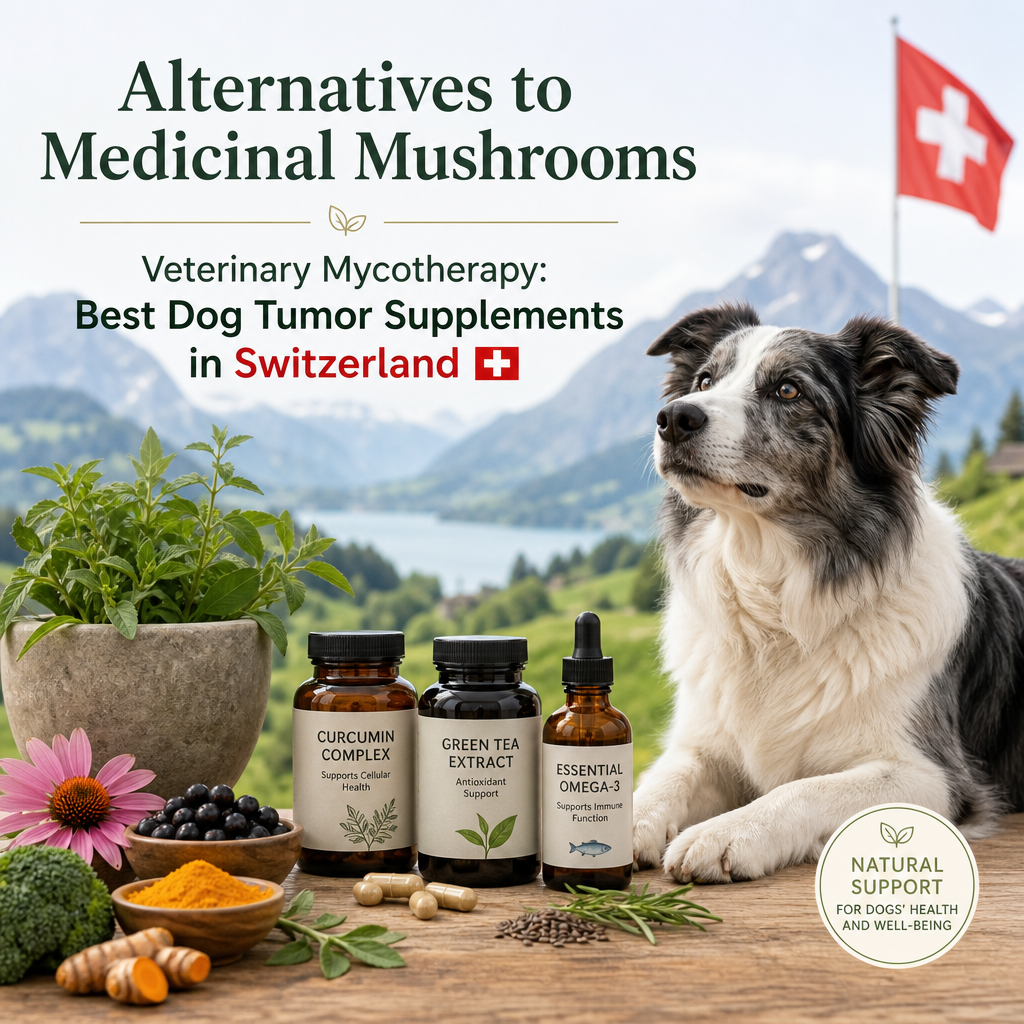
Alternatives to Medicinal mushrooms / veterinary mycotherapy are increasingly discussed by dog owners in Switzerland seeking supportive options during cancer care. Although mushroom extracts may be useful in some veterinary protocols, they are not the only supplements worth considering. Several evidence-informed nutritional approaches may help support appetite, body condition, digestion, immune function, and quality of life. Any supplement should be selected with a veterinarian, especially when a dog has a tumor or is receiving surgery, chemotherapy, radiation, corticosteroids, or pain medication.
Table of Contents
Understanding dog tumor supplement alternatives
A supplement cannot replace tumor removal, chemotherapy, radiation therapy, targeted treatment, or appropriate palliative care. Its role is usually supportive: helping a dog maintain strength, tolerate treatment, preserve muscle mass, and continue eating and drinking comfortably.
The best choice depends on the tumor type, stage of disease, current medications, blood results, kidney and liver function, and the dog’s overall condition. A product that is appropriate for one patient may be unsuitable for another. For example, a dog with pancreatitis may require a very different nutritional plan from a dog with weight loss caused by intestinal cancer.
Owners should also distinguish between a complete veterinary diet and an isolated supplement. A complete diet provides balanced protein, fat, carbohydrates, vitamins, and minerals. Supplements are intended to complement—not replace—that foundation.
For context on how tumor signs can vary by breed and cancer type, owners may also find this guide helpful: Chest Lumps Dogs: Helpful Tumor Causes Insight.
Why the phrase alternatives to Medicinal mushrooms / veterinary mycotherapy matters
The phrase alternatives to Medicinal mushrooms / veterinary mycotherapy is useful because many owners want supportive care choices beyond mushroom-based protocols. In practice, alternatives to Medicinal mushrooms / veterinary mycotherapy may include omega-3s, better protein intake, digestive support, and carefully selected herbs or cannabinoids when appropriate. The right plan depends on the dog, the cancer, and the treatment schedule.
Omega-3 fatty acids
Fish oil containing EPA and DHA is one of the most commonly considered dog tumor supplement alternatives. These long-chain omega-3 fatty acids may support normal inflammatory regulation and help maintain skin, coat, and general nutritional health. They can also contribute valuable calories for dogs that are losing weight, although they should be introduced carefully.
The amount matters. Human products may contain additional ingredients, flavorings, or unsuitable concentrations, so a veterinary product is generally preferable. Excessive oil can cause diarrhea, vomiting, weight gain, or pancreatitis in susceptible animals. Omega-3 products may also influence blood clotting and should be discussed before surgery or when a dog is taking anticoagulant medication.
When used correctly, omega-3 support can fit into a broader plan of dog tumor supplement alternatives that aims to protect comfort and nutrition without overcomplicating treatment.
Among alternatives to Medicinal mushrooms / veterinary mycotherapy, omega-3 fatty acids are often chosen first because they are familiar, measurable, and relatively easy to monitor. They are not a cure, but they can be a practical part of supportive care.
High-quality protein and amino acid support
Cancer and chronic illness can contribute to muscle loss, particularly when appetite is poor. Adequate, digestible protein is therefore central to supportive nutrition. Depending on the dog’s condition, a veterinarian may recommend a highly digestible clinical diet, calorie-dense food, or carefully selected amino acid support.
Protein recommendations should not be made without considering kidney and liver function. Some dogs benefit from increased protein availability, while others need a controlled nutritional plan because of organ disease. Homemade diets can become deficient in calcium, trace minerals, or essential vitamins unless formulated by a veterinary nutrition professional.
Among dog tumor supplement alternatives, protein-focused support is often one of the most practical ways to help maintain lean body mass and daily energy. This is especially important when a dog has a reduced appetite after treatment or feels full after only a few bites.
In many cases, alternatives to Medicinal mushrooms / veterinary mycotherapy work best when they help the dog eat enough of a complete diet. A supplement that supports protein intake can be more useful than one that sounds impressive but does not improve daily nutrition.
Antioxidant support: benefits and precautions
Antioxidants are often included in veterinary diets and supplements because they help protect cells from oxidative stress. Vitamins such as vitamin E, vitamin C, selenium, and certain plant compounds may have a role in general nutritional support.
However, high-dose antioxidant supplementation during chemotherapy or radiation is not automatically harmless. Some cancer treatments rely partly on oxidative mechanisms, and the interaction between concentrated antioxidants and specific protocols remains complex. This does not mean that all antioxidants must be avoided; it means that dosage and timing should be guided by the treating veterinarian.
A balanced commercial diet is usually safer than combining several overlapping products. Owners should check labels carefully to avoid unintentionally giving excessive amounts of fat-soluble vitamins or minerals. In practice, carefully chosen dog tumor supplement alternatives are usually more helpful than stacking multiple products with the same ingredient profile.
For broader background on evidence-based cancer support in animals, the American College of Veterinary Internal Medicine provides useful educational material at ACVIM.
When comparing alternatives to Medicinal mushrooms / veterinary mycotherapy, antioxidant support should be viewed as one tool rather than a standalone strategy. The goal is steady, safe support, not a dramatic promise.
Digestive and appetite support
Nausea, constipation, diarrhea, and appetite loss can significantly affect a dog’s quality of life. Veterinary probiotics may help selected dogs with digestive imbalance, particularly after antibiotic treatment or during periods of gastrointestinal stress. Their effects vary by bacterial strain, so products made specifically for dogs are preferable to general human probiotics.
Appetite support may include warming food, offering smaller meals more frequently, improving texture, or using a prescription appetite stimulant. Herbal products should be approached cautiously. “Natural” does not automatically mean safe, and some botanicals can affect the liver, kidneys, blood pressure, or the metabolism of cancer medicines.
In many cases, digestive care becomes one of the most important dog tumor supplement alternatives because a dog that feels nauseated will struggle to benefit from any nutritional plan.
For some patients, alternatives to Medicinal mushrooms / veterinary mycotherapy are most valuable when they make eating easier. Better appetite often leads to better energy, stronger recovery, and improved day-to-day comfort.
Practical feeding ideas during cancer care
Some dogs do better with soft meals, while others prefer firmer textures or lightly warmed food. A veterinary team may also suggest splitting daily calories into four or more small meals. These changes do not replace medical treatment, but they can make dog tumor supplement alternatives easier to tolerate.
Cannabinoid and herbal products
CBD and other hemp-derived products are available in Switzerland, but their use in dogs with tumors requires particular care. Product quality, cannabinoid concentration, contamination, and legal labeling can vary. CBD may cause drowsiness, digestive signs, or changes in liver enzyme activity, and it can interact with medications.
Herbal blends may contain ingredients that influence clotting, sedation, immune activity, or drug metabolism. Products marketed with claims to “shrink tumors” or “cure cancer” should be treated with skepticism. Reliable supportive care focuses on measurable outcomes such as appetite, comfort, mobility, hydration, and body weight rather than dramatic promises.
When owners compare dog tumor supplement alternatives, the most useful products are the ones that can be monitored and adjusted safely over time. That same principle applies to alternatives to Medicinal mushrooms / veterinary mycotherapy: the best option is the one that fits the patient and can be tracked in real life.
Choosing supplements in Switzerland
When comparing dog tumor supplement alternatives in Switzerland, owners should look for transparent labeling, batch information, veterinary-quality manufacturing, and clear instructions for dogs. Swiss veterinary practices, animal hospitals, and reputable pharmacies can provide more reliable guidance than anonymous online sellers.
It is useful to bring every product to the veterinary appointment, including oils, powders, treats, herbal drops, and human medications. The veterinarian can check for duplicate ingredients, calculate the total daily dose, and determine whether a product should be stopped before surgery or changed during chemotherapy.
Swiss dogs may also receive care across cantonal or national borders, so keeping written records is helpful. A treatment and supplement list should include the product name, ingredients, concentration, dose, start date, and any observed side effects.
If you are comparing supplement options against the background of breed-related cancer risk, this related article may help: Irish Setter Cancer Risks: Essential Early Tumor Signs to Know.
In Switzerland, alternatives to Medicinal mushrooms / veterinary mycotherapy should also be reviewed against the dog’s current medications and planned procedures. Even helpful products can become a problem if they are started or stopped without coordination.
Questions to ask before buying
- What is the exact ingredient list and concentration?
- Is the product intended for dogs, not humans?
- Could it interfere with surgery, chemotherapy, or pain medication?
- Does the manufacturer provide batch testing or quality control?
- What signs mean the supplement should be stopped?
Monitoring the response
Supportive supplements should be judged by practical indicators. Track body weight, appetite, stool quality, vomiting, energy, hydration, pain signs, and mobility. Blood tests may be necessary when a product affects the liver, kidneys, immune system, or blood clotting.
Stop a supplement and contact the veterinary team if the dog develops repeated vomiting, severe diarrhea, facial swelling, unusual bleeding, marked lethargy, yellowing of the gums or eyes, or a sudden decline. Regular reassessment is especially important because nutritional needs can change as the disease or treatment progresses.
In practice, dog tumor supplement alternatives should be reviewed just as carefully as prescription medicines because their effects and interactions can still matter.
For owners evaluating alternatives to Medicinal mushrooms / veterinary mycotherapy, monitoring also helps separate a true benefit from a coincidental change. If appetite, comfort, or stool quality improves, the product may have a role; if not, the plan should be simplified.
A balanced approach to supportive care
The most effective plan is rarely a single “best” product. It usually combines appropriate tumor treatment, a complete and palatable diet, pain and nausea control, hydration, gentle activity, and carefully selected supplementation. Alternatives to Medicinal mushrooms / veterinary mycotherapy can be valuable when they address a specific need, but they should be chosen according to the individual dog rather than marketing trends.
For owners in Switzerland, the safest path is to work with the veterinary oncology team and use supplements as part of a documented, monitored care plan. Thoughtful nutritional support cannot guarantee a change in tumor behavior, but it may help a dog remain more comfortable, resilient, and engaged in daily life.
Before adding any supplement, revisit the goal: support the dog, reduce avoidable side effects, and keep care simple enough to monitor well. That approach usually leads to the best results from dog tumor supplement alternatives.
Used carefully, alternatives to Medicinal mushrooms / veterinary mycotherapy can fit into a broader plan that prioritizes comfort, nutrition, and quality of life. The most helpful option is usually the one that is safe, realistic, and tailored to the dog in front of you.
by TCMVET | Aug 13, 2026 | Research and News
Los suplementos para perros con cáncer pueden complementar el tratamiento veterinario, mejorar el bienestar y ayudar a mantener la calidad de vida, pero no sustituyen la quimioterapia, la cirugía, la radioterapia ni las indicaciones del especialista. Elegirlos correctamente exige valorar el tipo de tumor, el estado general del animal, los medicamentos que recibe y sus necesidades nutricionales. Una decisión informada evita interacciones, gastos innecesarios y posibles riesgos para la salud.
¿Qué función pueden cumplir los suplementos para perros con cáncer?
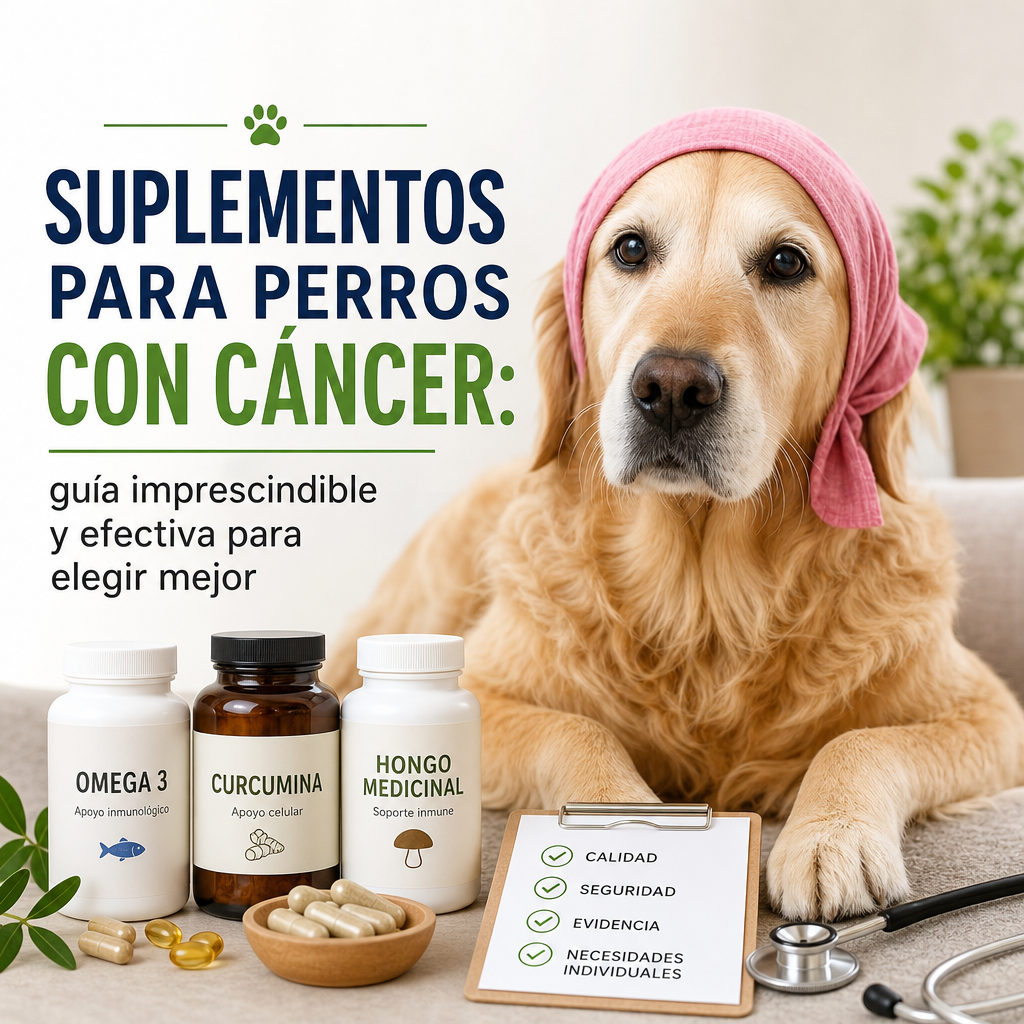
Un suplemento puede aportar apoyo nutricional durante una etapa en la que el perro presenta menos apetito, pérdida de peso, inflamación, alteraciones digestivas o mayor desgaste físico. Algunos productos están diseñados para complementar la alimentación con ácidos grasos, vitaminas, minerales, antioxidantes, aminoácidos o ingredientes destinados a favorecer la función intestinal.
Sin embargo, ningún suplemento ha demostrado curar por sí solo el cáncer. Su utilidad depende de cada caso y debe entenderse como parte de un plan integral. El objetivo principal es que el perro conserve una condición corporal adecuada, tolere mejor el tratamiento y mantenga una vida lo más cómoda y activa posible.
Antes de incorporar cualquier producto, conviene consultar al veterinario que conoce el historial clínico. La misma sustancia puede ser apropiada para un paciente y poco recomendable para otro, especialmente si existen enfermedades renales, hepáticas, cardíacas o problemas de coagulación.
También es importante recordar que el tiempo de uso, la dosis y la forma de administración influyen en el resultado. En algunos casos, un suplemento se utiliza durante una fase concreta del tratamiento; en otros, se mantiene como apoyo de largo plazo si hay buena tolerancia y un beneficio claro.
Cuando se valoran opciones, los suplementos para perros con cáncer deben encajar con el plan clínico general y con la realidad del día a día del animal. Si el perro ya está comiendo mejor, gana peso o tolera bien el tratamiento, el objetivo puede ser mantener ese progreso sin introducir cambios innecesarios.
Cómo elegir un suplemento para perro con cáncer
La elección debe comenzar por una evaluación profesional y no por la publicidad del producto. Un suplemento para perro con cáncer debe seleccionarse teniendo en cuenta varios factores:
Diagnóstico y tratamiento actual
El tipo de tumor, su localización y la fase de la enfermedad influyen en las necesidades del animal. Además, algunos ingredientes pueden modificar la absorción o el metabolismo de determinados fármacos. Por este motivo, es esencial informar al veterinario sobre todos los productos administrados, incluidos los que se venden como naturales.
Estado nutricional
Un perro que pierde peso, masa muscular o apetito puede necesitar una estrategia nutricional específica. En ocasiones, el problema no se soluciona con vitaminas, sino con una dieta más energética, alimento húmedo, varias comidas pequeñas o un plan formulado por un veterinario especialista en nutrición.
Calidad y composición
Es preferible elegir productos de fabricantes confiables, con ingredientes claramente especificados y controles de calidad. La etiqueta debe indicar la cantidad de cada componente, la dosis recomendada según el peso y las precauciones de uso. Los productos con mezclas propietarias poco transparentes dificultan conocer la cantidad real que recibe el perro.
También resulta útil revisar si el fabricante ofrece información técnica, análisis de lote o respaldo de un profesional veterinario. Cuando se comparan varios suplementos para perros con cáncer, la transparencia suele ser tan importante como la lista de ingredientes.
Otro aspecto práctico es la facilidad de administración. Algunos perros aceptan bien cápsulas blandas, otros prefieren polvo mezclado con alimento y otros toleran mejor una presentación líquida. La mejor opción suele ser la que se puede dar con regularidad sin generar estrés ni rechazo alimentario.
Por último, conviene leer con calma las advertencias del envase. Un producto serio explica cuándo no debe utilizarse, qué hacer si aparecen molestias digestivas y en qué casos se requiere supervisión más estrecha. Esa información ayuda a evitar errores frecuentes y a escoger con más seguridad.
Ingredientes que suelen considerarse como apoyo
Los ácidos grasos omega-3, especialmente EPA y DHA procedentes de aceite de pescado, se estudian por su papel en la modulación de la inflamación y el mantenimiento de la condición corporal. No todos los perros necesitan la misma dosis, y los aceites pueden causar molestias digestivas si se administran en exceso. También deben utilizarse con precaución en animales con trastornos de coagulación o que reciben ciertos medicamentos.
Los probióticos y prebióticos pueden ser útiles cuando existen alteraciones intestinales, diarrea o cambios en la microbiota relacionados con el estrés y los tratamientos. Su efecto depende de las cepas utilizadas y de la situación concreta del animal. Un producto adecuado para un perro sano no necesariamente será el mejor durante una terapia oncológica.
Los aminoácidos y suplementos nutricionales ricos en proteínas pueden contribuir al mantenimiento de la masa muscular cuando el paciente come poco o pierde peso. Aun así, en perros con enfermedad renal o hepática, la cantidad y el tipo de proteína deben ajustarse cuidadosamente.
Algunos antioxidantes, como las vitaminas C y E, se comercializan para apoyar las defensas celulares. No obstante, las dosis elevadas y las combinaciones indiscriminadas pueden ser contraproducentes, sobre todo durante determinados tratamientos. El veterinario debe decidir si son convenientes, en qué cantidad y en qué momento.
En la práctica, los suplementos para perros con cáncer más útiles suelen ser los que responden a una necesidad concreta: ayudar con el apetito, apoyar la digestión o facilitar el mantenimiento del peso. Esa lógica de uso evita acumular productos sin un beneficio claro.
Además, algunos pacientes se benefician de fórmulas orientadas al soporte articular o al bienestar general, especialmente cuando la enfermedad limita su movilidad. En esos casos, el valor del suplemento no está en prometer resultados espectaculares, sino en ofrecer un apoyo compatible con el estado real del perro y con su rutina.
Apoyo perro cáncer: la alimentación es la base
El mejor apoyo perro cáncer suele comenzar con una alimentación completa, equilibrada y adaptada a su tolerancia. Muchos animales aceptan mejor la comida húmeda, los alimentos ligeramente templados o las raciones pequeñas distribuidas a lo largo del día. Es importante evitar cambios bruscos, ya que pueden aumentar las náuseas o la diarrea.
La hidratación también es fundamental. El agua debe estar siempre disponible y, si el veterinario lo considera apropiado, pueden utilizarse estrategias para estimular la ingesta, como añadir humedad al alimento. Cuando el perro pasa demasiado tiempo sin comer, vomita repetidamente o no consigue mantener el agua, se necesita atención veterinaria.
El control del dolor, las náuseas, el estreñimiento y la ansiedad forma parte esencial del bienestar. A veces, mejorar estos síntomas tiene un impacto mucho mayor que añadir varios suplementos a la dieta.
En este punto, vale la pena recordar que los suplementos para perros con cáncer funcionan mejor cuando acompañan una base nutricional bien planteada. Sin una dieta adecuada, incluso el producto más completo pierde eficacia práctica.
Además, una rutina estable de comidas puede facilitar que el perro mantenga el apetito y acepte mejor el tratamiento. En muchos casos, el veterinario también valora si conviene usar alimentos de alta densidad energética o fórmulas específicas para pacientes oncológicos, siempre según la tolerancia digestiva y el estado corporal.
Una estrategia útil consiste en observar qué horarios, texturas y temperaturas resultan más aceptables. Algunos perros comen mejor por la mañana; otros prefieren varias porciones pequeñas. Ajustar estos detalles puede marcar una diferencia real sin necesidad de añadir demasiados productos a la vez.
Si el animal presenta pérdida de masa muscular, el seguimiento del peso por sí solo puede no ser suficiente. En esos casos, el veterinario puede valorar la condición corporal, la masa muscular y la evolución general para decidir si hace falta reforzar la dieta antes de pensar en más suplementos para perros con cáncer.
Ingredientes y prácticas que requieren precaución
“Natural” no significa necesariamente seguro. Plantas medicinales, extractos concentrados y productos humanos pueden provocar toxicidad, afectar el hígado o los riñones y alterar la acción de los fármacos. Algunos suplementos también contienen xilitol, un edulcorante peligroso para los perros, o dosis de minerales y vitaminas excesivas.
Nunca se deben administrar medicamentos humanos ni productos destinados a otras especies sin autorización profesional. Tampoco conviene combinar varios suplementos con ingredientes similares, porque puede producirse una acumulación innecesaria.
Durante la quimioterapia o la radioterapia, cualquier antioxidante, hierba o producto inmunoestimulante debe revisarse con el oncólogo veterinario. La prioridad es no interferir con el tratamiento principal ni retrasar una intervención necesaria.
Si quieres ampliar la información sobre la base clínica del manejo oncológico, puedes consultar la guía de cáncer en mascotas de la AVMA, una referencia veterinaria útil para comprender el enfoque general del tratamiento.
También conviene desconfiar de las promesas absolutas. Frases como “cura”, “repara” o “elimina” el problema suelen ser una señal de marketing agresivo, no de respaldo científico. En un contexto oncológico, la prudencia siempre pesa más que la espectacularidad del envase.
Cuando el tutor tiene dudas, lo más sensato es llevar la etiqueta completa a la consulta. Así, el profesional puede revisar la composición, detectar posibles interacciones y decidir si ese producto tiene sentido dentro del tratamiento actual.
Señales para suspender un suplemento
Aunque un producto parezca bien tolerado, hay que vigilar cambios en el comportamiento y la salud. Vómitos, diarrea persistente, picor, hinchazón, decaimiento intenso, sangrado, dificultad respiratoria o empeoramiento repentino requieren suspender la administración y contactar con el veterinario.
También conviene llevar un registro sencillo de la dosis, la fecha de inicio, el apetito, el peso, las heces y cualquier reacción observada. Esta información permite evaluar si el suplemento aporta un beneficio real o si debe cambiarse.
Cuando se documentan bien los cambios, es más fácil distinguir si los suplementos para perros con cáncer están ayudando o si el problema está relacionado con la dieta, la medicación o la progresión de la enfermedad.
Si aparecen efectos secundarios leves al principio, como una pequeña molestia digestiva, el veterinario puede indicar ajustes de dosis o un cambio de producto. En cualquier caso, la observación temprana ayuda a actuar con rapidez y a proteger la seguridad del paciente.
En casa, una buena práctica es revisar si el problema aparece siempre tras la misma toma o si coincide con otros cambios, como un nuevo alimento, una modificación de medicación o un episodio de estrés. Ese tipo de seguimiento aporta pistas muy útiles para la consulta veterinaria.
Preguntas frecuentes sobre suplementos y tratamiento
¿Se pueden usar varios suplementos a la vez?
Solo si el veterinario lo considera necesario. Usar varios productos a la vez puede duplicar ingredientes, aumentar el costo y complicar la detección de efectos adversos. En general, es preferible empezar por una necesidad concreta y evaluar la respuesta antes de añadir más cosas.
¿Un suplemento sustituye una dieta completa?
No. Los suplementos están pensados para complementar una alimentación adecuada, no para reemplazarla. Si el perro no está comiendo bien, el problema suele requerir una revisión más amplia del plan nutricional.
¿Sirven para todos los tipos de cáncer?
No necesariamente. El valor de los suplementos para perros con cáncer cambia según el tumor, el estado del perro, los medicamentos en uso y la presencia de otras enfermedades. Por eso la recomendación debe ser individualizada.
¿Qué pasa si el perro toma un suplemento “natural” sin supervisión?
Puede no pasar nada, pero también puede haber interacciones, irritación digestiva o efectos no deseados. La etiqueta no siempre refleja el riesgo real, así que la supervisión profesional sigue siendo importante.
¿Cuándo conviene priorizar el apoyo nutricional sobre el suplemento?
Cuando hay pérdida de apetito, rechazo al alimento, pérdida de peso o debilidad, suele ser más útil corregir primero la base nutricional. En muchos casos, una alimentación mejor adaptada aporta más beneficio que sumar varios productos aislados.
Qué revisar antes de comprar
Antes de comprar, conviene hacerse estas preguntas: ¿el objetivo está claro?, ¿la dosis se entiende fácilmente?, ¿el producto menciona posibles interacciones?, ¿hay información sobre pureza o controles de calidad?, ¿el veterinario lo ha aprobado para este caso concreto? Estas comprobaciones reducen el margen de error.
- Verifica que el producto sea específico para perros y no para humanos.
- Comprueba que la etiqueta indique dosis, concentración e ingredientes completos.
- Evita fórmulas con mezclas extensas si no explican la cantidad real de cada componente.
- Confirma si puede administrarse junto con el tratamiento actual.
- Observa durante varios días si hay tolerancia digestiva y apetito adecuados.
Tomar estos pasos ayuda a que los suplementos para perros con cáncer sean una herramienta de apoyo y no un añadido innecesario.
También es recomendable guardar el envase original y anotar el lote, la fecha de caducidad y la pauta prescrita. Ese hábito facilita el seguimiento clínico y permite detectar con rapidez si existe algún problema con el producto o con la respuesta del perro.
Cuando se compara una opción con otra, no basta con mirar si el envase resulta atractivo o si la fórmula incluye muchos ingredientes. A menudo, una composición más simple y bien explicada es preferible a una mezcla compleja difícil de interpretar.
Si el perro ya está tomando otros productos de apoyo, conviene revisar la lista completa antes de hacer una compra nueva. De ese modo se evita repetir ingredientes y se mantiene una estrategia más ordenada y segura.
Una decisión responsable y personalizada
Los suplementos para perros con cáncer pueden ser útiles cuando responden a una necesidad concreta y se integran en un plan veterinario. La mejor elección no es necesariamente el producto más caro ni el que promete resultados extraordinarios, sino aquel cuya composición, dosis y objetivo están claramente definidos.
El acompañamiento adecuado combina diagnóstico, tratamiento oncológico, nutrición, control de síntomas, actividad adaptada y observación diaria. Con orientación profesional y expectativas realistas, los suplementos pueden convertirse en una herramienta complementaria para proteger el bienestar del perro sin reemplazar la atención médica que necesita.
Si se usan con criterio, los suplementos para perros con cáncer pueden formar parte de un cuidado más completo, prudente y centrado en la calidad de vida. Esa sigue siendo la meta principal: apoyar al animal sin comprometer su seguridad.
En resumen, una decisión responsable prioriza la seguridad, la evidencia disponible y la situación clínica real del perro. Cuando el plan se adapta al paciente, el tutor gana tranquilidad y el animal recibe un apoyo más útil y coherente.
En este contexto, los suplementos para perros con cáncer no son una solución milagrosa, pero sí pueden ser un complemento valioso dentro de un manejo bien supervisado.
Elegir con calma, revisar la composición y pedir orientación profesional son pasos sencillos que mejoran mucho la toma de decisiones. Así, el apoyo nutricional se usa de forma más inteligente y con menos margen para errores evitables.
by TCMVET | Aug 13, 2026 | Research and News
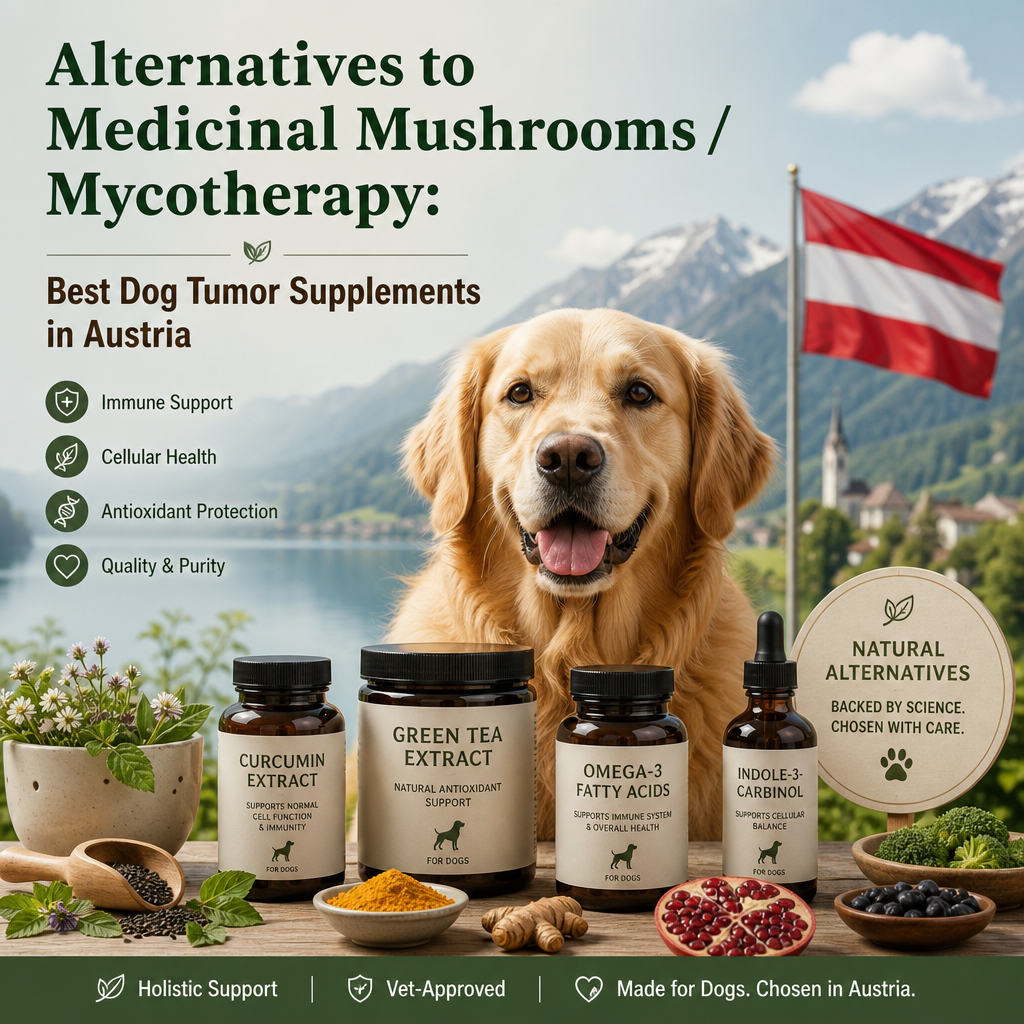
Alternatives to Medicinal mushrooms / mycotherapy are becoming increasingly relevant for dog owners in Austria who want supportive options during cancer care. While medicinal mushrooms such as turkey tail, reishi, and maitake are widely discussed, they are not the only supplements considered for dogs with tumors. Other nutritional and botanical ingredients may support general wellbeing, appetite, digestion, immune balance, and quality of life. However, supplements should complement—not replace—veterinary diagnosis and treatment.
If you are comparing alternatives to Medicinal mushrooms / mycotherapy, it helps to focus on safety, quality, and how each product fits into your dog’s full treatment plan. The best choice depends on the tumor type, current medications, appetite, digestion, and overall condition.
Why consider dog tumor supplement alternatives?
A tumor diagnosis can lead to many questions about nutrition, conventional therapy, and supportive care. Some dogs tolerate mushroom-based products well, while others may experience digestive sensitivity, interactions with medication, or difficulty taking powders and capsules. In addition, the quality and concentration of mushroom products can vary significantly.
Dog tumor supplement alternatives may be considered when a pet owner is looking for a broader supportive strategy. Common goals include maintaining body weight, supporting normal immune function, helping manage inflammation, protecting cells from oxidative stress, and preserving energy during treatment. The appropriate choice depends on the dog’s tumor type, age, health status, medications, and treatment plan.
A veterinarian should always review any supplement before it is introduced. This is particularly important when a dog is receiving chemotherapy, corticosteroids, anti-inflammatory drugs, anticoagulants, seizure medication, or undergoing surgery.
In practice, the question is not whether a supplement is “natural” or “synthetic,” but whether it fits safely into the dog’s overall care. Some products may be useful for short-term support, while others are better suited to long-term nutritional maintenance. The most effective plans are built around the individual dog, not around a general trend.
For many families, the appeal of alternatives to Medicinal mushrooms / mycotherapy is that they can be easier to dose, easier to combine with food, or better aligned with a dog’s specific symptoms. Even so, every product should be considered in context. A supplement that helps appetite may be more valuable than one marketed broadly for immune support if the dog is losing weight and eating poorly.
Dog tumor supplement alternatives available in Austria
Austria has access to a wide range of veterinary nutritional products through veterinary practices, pharmacies, specialist pet retailers, and online shops. Product availability may differ, and not every supplement marketed for humans is suitable for dogs. The label should clearly state the intended species, ingredients, dosage guidance, and manufacturer information.
For dogs with specific tumor types, supportive care may also be discussed alongside more targeted veterinary information, such as hemangiopericytoma in dogs and innovative management options. That kind of context can help owners understand why some supportive products are used and why others are avoided.
In Austrian pet care settings, a practical challenge is separating well-formulated veterinary products from general wellness products with vague claims. A product can be popular and still be unsuitable if it lacks species-specific dosing, contains unnecessary additives, or conflicts with the dog’s current treatment. Careful selection matters as much as the ingredient list.
It can also help to compare the product’s purpose with the dog’s actual needs. For example, a dog with nausea, low appetite, and muscle loss may benefit more from nutritional support than from a broad immune supplement. Another dog may need digestive support first, because poor absorption makes any oral supplement less effective.
Omega-3 fatty acids
Fish oil containing EPA and DHA is one of the most commonly considered supportive supplements for dogs with serious illness. These essential fatty acids play a role in normal inflammatory regulation and may support skin, coat, cardiovascular function, and general nutritional status.
For dogs with tumors, omega-3 supplementation is sometimes included in a balanced supportive-care plan, especially when maintaining body condition is a concern. However, dosing matters. Excessive amounts can contribute to gastrointestinal upset, weight gain, or altered blood clotting. Dogs with pancreatitis, bleeding disorders, or upcoming surgery require special caution.
Choose a veterinary product that provides a clear amount of EPA and DHA rather than simply listing “fish oil.” Products should also be protected from oxidation and stored according to the manufacturer’s instructions.
Omega-3s are often discussed among alternatives to Medicinal mushrooms / mycotherapy because they can be integrated into food and are familiar to many pet owners. Still, the quality of the oil is important. A rancid or poorly stored product can do more harm than good, so freshness and packaging should be checked before purchase and during use.
Antioxidant vitamins and minerals
Vitamin E, selenium, and other antioxidant nutrients help support normal cellular protection. They may be relevant when a dog has a poor appetite or an unbalanced diet, but more is not necessarily better. High doses can be harmful and may interfere with certain treatment strategies.
Antioxidant supplementation should therefore be individualized. A complete commercial diet may already provide adequate levels, while a dog eating a restricted or home-prepared diet may require professional nutritional assessment. Never administer concentrated human multivitamins without veterinary advice, as ingredients such as iron, vitamin D, or xylitol can be dangerous to dogs.
For many owners looking at alternatives to Medicinal mushrooms / mycotherapy, antioxidant support seems simple, but it still needs careful oversight. In cancer care, the goal is always to support the dog without creating new risks.
Another important point is that antioxidant products are often sold as “one-size-fits-all” solutions. In reality, cancer care is rarely that simple. Some dogs may already be receiving a complete therapeutic diet or prescription food that meets micronutrient needs, which means extra supplementation may add expense without adding benefit.
If your veterinarian recommends antioxidants, it is usually because they fit a specific nutritional gap or a clearly defined goal. For example, they may help dogs that have been eating poorly for weeks, or dogs whose diets are temporarily limited during recovery. The safest approach is to treat these nutrients as part of a monitored plan rather than as standalone cancer support.
Curcumin and turmeric products
Curcumin, a compound found in turmeric, is often discussed as a botanical ingredient with antioxidant and inflammation-supporting properties. Some veterinary supplements combine curcumin with ingredients designed to improve absorption, because curcumin is poorly absorbed on its own.
Evidence in dogs remains limited, and products vary greatly in strength and formulation. Curcumin may affect blood clotting or interact with medication, so it should be used cautiously in dogs taking anti-inflammatory drugs, anticoagulants, or preparing for surgery. Turmeric used in ordinary food amounts is different from concentrated extracts.
Owners often ask whether this belongs among alternatives to Medicinal mushrooms / mycotherapy, and the answer depends on the case. Curcumin may be discussed as part of supportive care, but it should not be viewed as a stand-alone cancer strategy.
Some dogs tolerate curcumin well, while others develop stomach upset, soft stool, or reduced appetite. That is one reason veterinary supervision is helpful. If a dog is already dealing with nausea or a sensitive digestive tract, introducing a new botanical product too quickly may make feeding more difficult rather than easier.
Product form also matters. Capsules, liquids, and powders can behave differently in the stomach and may have different excipients. When evaluating alternatives to Medicinal mushrooms / mycotherapy, it is worth asking whether the formulation itself is suitable for your dog’s size, taste preferences, and medication schedule.
CBD and hemp-derived products
CBD products are increasingly available in Austria and elsewhere, often promoted for relaxation, discomfort, or appetite support. Scientific evidence in veterinary medicine is still developing, and product quality can be inconsistent. THC contamination is a serious concern because THC can be toxic to dogs.
Owners should select only products specifically tested for veterinary use, with transparent laboratory results and clear cannabinoid content. CBD may interact with liver-metabolized medications and can cause drowsiness, gastrointestinal signs, or changes in liver enzymes. It should never be treated as a tumor cure.
When people search for alternatives to Medicinal mushrooms / mycotherapy, CBD is frequently mentioned. That makes careful product selection even more important, because a popular supplement is not automatically a safe one.
Before using hemp-derived products, it is wise to confirm the legal status, product origin, and batch testing in Austria. A responsible brand should clearly disclose cannabinoid levels and provide reassurance that the product is free from harmful contaminants. If that information is missing, the product should be avoided.
CBD is also best viewed as a symptom-support tool, not as an anti-tumor therapy. If a dog is anxious, uncomfortable, or struggling with rest, a veterinarian may consider whether such a product fits the case. But when the aim is broader support, it should be part of a wider plan that includes pain control, nutrition, and regular reassessment.
Probiotics and digestive support
Dogs with cancer may experience appetite changes, loose stools, constipation, or digestive disruption related to medication and stress. Veterinary probiotics can help support normal intestinal balance in some situations. Prebiotic fibers, easily digestible diets, and adequate hydration may also be useful.
A probiotic should contain clearly identified strains and a guaranteed number of live organisms through the stated shelf life. Products intended for humans may not be appropriate for dogs, particularly when they contain sweeteners, flavorings, or excessive additives.
Digestive care is one of the most practical alternatives to Medicinal mushrooms / mycotherapy because it can directly improve comfort, food intake, and resilience during treatment.
Gut support is often underestimated because it does not sound as “advanced” as some of the more heavily marketed supplements. Yet when a dog is nauseous, gassy, or having inconsistent stool quality, digestive support can make daily life noticeably easier. Better digestion can also make it easier to maintain body weight and stay on schedule with medications.
For dogs that are weak or reluctant to eat, probiotics should be introduced carefully and monitored. A product that causes temporary bloating or stool changes may not be the right fit, even if it works well for another dog. This is another reason alternatives to Medicinal mushrooms / mycotherapy should be individualized rather than chosen by trend alone.
High-quality nutritional support
Sometimes the most valuable dog tumor supplement alternative is not a concentrated botanical product but a carefully managed diet. Adequate calories and protein help maintain body condition, muscle mass, and daily function. A dog that is losing weight may need a more energy-dense food, smaller frequent meals, or a veterinary therapeutic diet.
Dietary changes should be gradual unless a veterinarian recommends otherwise. Raw diets can pose infection risks, especially for dogs whose immune systems are compromised or households with vulnerable people. A veterinary nutritionist can help design a balanced home-prepared diet when commercial food is not suitable.
Nutrition is often overlooked when owners focus on alternatives to Medicinal mushrooms / mycotherapy, yet diet can have a stronger day-to-day impact than many supplements.
A dog that eats reliably is often better able to cope with treatment, healing, and normal daily activity. That is why appetite support, palatable food choices, and feeding routines are so important. In some cases, warming the food, offering smaller meals, or adjusting texture can improve intake without adding more supplements.
If a dog is receiving chemotherapy or other cancer therapy, nutritional changes should be planned with the veterinarian to avoid accidental conflicts with the treatment schedule. Good nutrition does not compete with medical care; it strengthens it. Among all alternatives to Medicinal mushrooms / mycotherapy, this may be the most universally useful and the least likely to create avoidable side effects.
Other supportive options to discuss with your veterinarian
Beyond the main categories above, some dogs may benefit from additional supportive ingredients or management strategies. These could include gentle appetite support, joint-friendly nutrition, targeted omega-rich foods, or specialized therapeutic diets. The right choice depends on the whole clinical picture, not on the tumor diagnosis alone.
For example, dogs that are stiff, tired, or losing muscle may need a plan that emphasizes mobility and calorie intake as much as any supplement. Dogs with oral tumors may need texture changes to make eating easier. Dogs with gastrointestinal signs may need a very different strategy from dogs that are still eating and moving normally.
That is why alternatives to Medicinal mushrooms / mycotherapy should be viewed as part of a toolkit. One dog may benefit most from digestive support, while another may need calorie-dense nutrition or a carefully selected fatty acid supplement. Matching the tool to the problem is the key to safe supportive care.
Owners should also remember that supportive products can overlap. A single supplement may contain curcumin, herbs, antioxidants, and oils all at once, which makes it harder to identify the source of any side effect. Simpler products are often easier to monitor and may be a better starting point.
How to evaluate supplements in Austria
When comparing alternatives to Medicinal mushrooms / mycotherapy, look for transparent labeling and responsible claims. A trustworthy product should identify the active ingredients, quantities per serving, recommended canine dosage, batch information, storage instructions, and manufacturer contact details.
Be cautious of products promising to dissolve tumors, replace chemotherapy, or guarantee a cure. These claims are not reliable and may delay effective treatment. Supplements marketed as “natural” are not automatically safe. Plants and concentrated extracts can produce side effects just like pharmaceutical substances.
It is also useful to ask whether the product has undergone independent quality testing for contaminants, heavy metals, pesticides, bacteria, and undeclared pharmaceuticals. Veterinary guidance is especially important when combining several products, because overlapping ingredients can lead to excessive dosing. For general veterinary background on cancer-support discussions, the American Veterinary Medical Association’s overview of cancer in dogs is a useful educational reference.
In Austria, the best products are usually the ones that behave like carefully made veterinary supplements rather than broad wellness merchandise. Clear labeling, traceability, and realistic claims are good signs. If a seller avoids questions about sourcing or testing, that is a warning sign.
It is also sensible to keep all products on one list, including the dose, timing, and reason for use. That simple record helps veterinarians spot interactions and unnecessary duplication. In many cases, a shorter, better-monitored supplement list is more effective than a long and confusing one.
Creating a safe supportive-care plan
A supportive plan should begin with the veterinary diagnosis and a clear understanding of the proposed treatment. Keep a complete list of every supplement, medication, treat, and diet product your dog receives. Introduce only one new supplement at a time, making it easier to identify side effects.
Monitor appetite, stool quality, energy, thirst, weight, and behavior. Stop the product and contact a veterinarian if the dog develops persistent vomiting, diarrhea, unusual bruising, severe lethargy, jaundice, breathing difficulty, or a sudden change in appetite.
For many families, the best approach combines appropriate medical treatment with nutritional support, pain management, regular checkups, and attention to quality of life. Alternatives to Medicinal mushrooms / mycotherapy can play a supportive role, but they should be selected carefully and used as part of an individualized veterinary plan rather than as a substitute for evidence-based cancer care.
If you are comparing alternatives to Medicinal mushrooms / mycotherapy in Austria, the safest path is to prioritize evidence, quality control, and your veterinarian’s guidance. In that way, each supplement has a clear purpose and supports your dog’s comfort rather than adding unnecessary complexity.
Choosing alternatives to Medicinal mushrooms / mycotherapy does not have to be confusing. With a thoughtful plan, your dog can receive supportive care that is practical, safe, and tailored to the tumor type, treatment stage, and daily needs.
Before starting any new product, ask whether it solves a real problem, fits the current treatment plan, and can be monitored over time. That simple check often makes the difference between a helpful addition and an unnecessary risk.
In short, the best alternatives to Medicinal mushrooms / mycotherapy are the ones that improve comfort, protect nutrition, and respect veterinary recommendations. When chosen carefully, they can contribute to steadier days and a better quality of life during cancer care.
