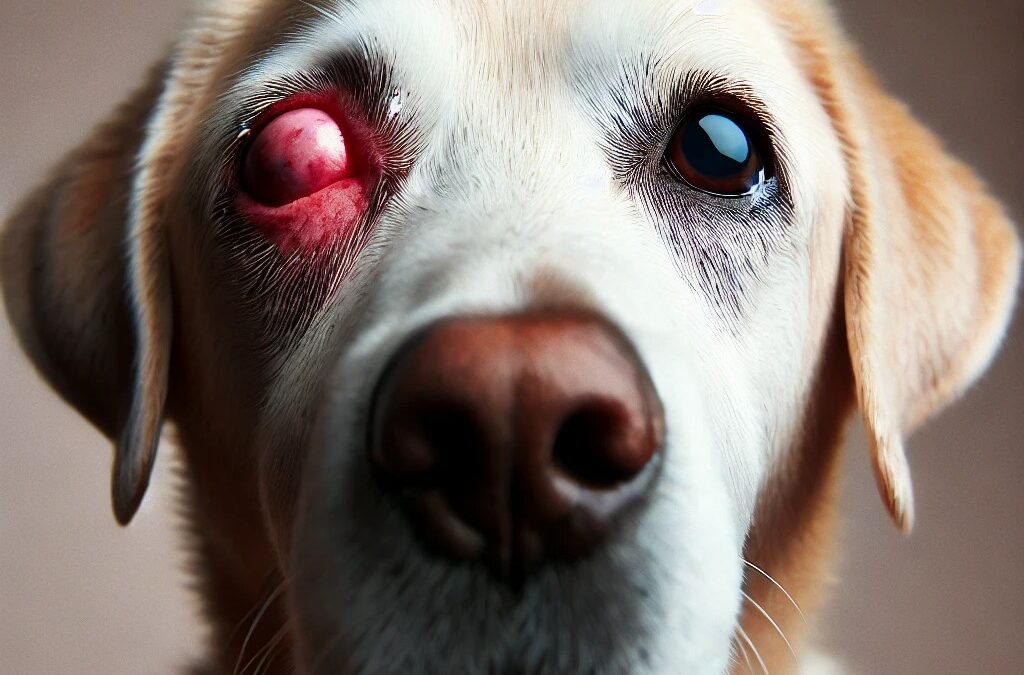
Cancer in dogs can lead to a variety of health complications, including blindness. This article explores how different types of cancer can affect a dog’s vision, the symptoms to watch for, and the importance of early detection and treatment.
How Cancer Can Cause Blindness in Dogs
Ocular Tumors: Tumors can develop directly within the eye, affecting structures such as the retina, optic nerve, or other critical components responsible for vision. Common ocular cancers include melanoma, lymphoma, and adenocarcinoma. These tumors can cause significant damage to the eye, leading to partial or complete blindness. Symptoms may include visible masses on the eye, redness, swelling, or changes in eye color.
Brain Tumors: Tumors located in the brain, particularly in areas affecting the optic nerves or visual cortex, can disrupt a dog’s ability to see. The optic nerves transmit visual information from the eyes to the brain, and any pressure or damage from a tumor can impair this process. Symptoms might include sudden vision loss, changes in behavior, seizures, or head tilting.
Metastatic Cancer: Cancer that originates in other parts of the body can spread (metastasize) to the eyes or brain, leading to similar issues as primary tumors in these locations. Metastatic cancer often progresses rapidly, making early detection and intervention crucial.
Paraneoplastic Syndromes: These are indirect effects of cancer that can impact various parts of the body, including the eyes. Certain cancers can cause immune system reactions that damage ocular tissues, resulting in vision loss.
Symptoms to Watch For
If your dog has cancer, it’s important to monitor for signs of vision problems. Symptoms indicating potential blindness include:
Squinting or closing one eye
Excessive tearing or discharge
Redness or swelling around the eyes
Cloudiness or visible masses on the eye
Behavioral changes such as bumping into objects or hesitancy to move in dim light
Sudden or gradual loss of vision
Diagnosis and Treatment
Early detection and intervention are key to managing cancer-related blindness in dogs. Diagnostic methods include:
Physical Examination: A thorough eye exam by a veterinarian to check for abnormalities.
Imaging: Techniques such as MRI, CT scans, or ultrasound to detect tumors in the eyes or brain.
Biopsy: Taking a sample of the tumor to determine its type and guide treatment.
Treatment options vary depending on the type and location of the cancer. They may include:
Surgery: Removal of the tumor to prevent further damage and potentially restore vision.
Radiation Therapy: Targeting the tumor with radiation to shrink it and reduce its impact on vision.
Chemotherapy: Using drugs to treat cancer and slow its progression.
Palliative Care: For advanced cases, focusing on maintaining comfort and quality of life.
Cancer can significantly impact a dog’s vision, leading to partial or complete blindness. Understanding the connection between cancer and blindness, recognizing the symptoms, and seeking prompt veterinary care are crucial steps in managing this condition. By staying informed and proactive, you can help ensure your dog receives the best possible care.
As pet owners, we constantly seek to understand and mitigate the risks that can affect our furry friends. One intriguing question that has emerged is whether the incidence of dog cancer is influenced by seasonal changes. Understanding these patterns could be crucial for early detection and prevention. Here’s what current research reveals about the potential seasonal variation in dog cancer incidence.
The Role of Environmental Factors in Dog Cancer
Various environmental factors are known to influence cancer risks in dogs, including exposure to sunlight, pollution, and even seasonal allergens. Here’s a closer look at how these factors might contribute to seasonal variations in cancer incidence:
Sun Exposure and Skin Cancer:
Increased UV Exposure: During the summer months, dogs, especially those with light-colored or thin coats, are more exposed to ultraviolet (UV) radiation. Prolonged UV exposure can lead to skin cancers such as squamous cell carcinoma or hemangiosarcoma.
Protective Measures: To reduce the risk, consider using dog-safe sunscreens and limiting sun exposure during peak hours.
Seasonal Allergens and Chronic Inflammation:
Allergens: Spring and fall often bring a surge in pollen, mold, and other allergens that can cause chronic inflammation in dogs. Chronic inflammation is a known risk factor for certain types of cancers.
Management: Regular vet visits and allergy management can help mitigate these risks.
Air Pollution and Respiratory Cancers:
Winter Heating and Pollution: During the colder months, increased use of heating systems can elevate indoor air pollution levels. Additionally, dogs in urban areas might be exposed to higher levels of outdoor air pollution, which is a risk factor for respiratory cancers.
Air Quality Improvement: Using air purifiers and ensuring good ventilation can help improve indoor air quality.
Seasonal Patterns Observed in Dog Cancer Incidence
Although more research is needed to establish definitive patterns, some studies have hinted at seasonal variations in the incidence of certain cancers in dogs:
Skin Cancers:
Higher in Summer: There appears to be a higher incidence of skin cancers diagnosed in late summer and early fall, correlating with peak UV exposure periods.
Lymphomas and Hemangiosarcomas:
Variable Patterns: Some studies suggest a slight increase in diagnoses during spring and summer, possibly due to heightened environmental stressors and allergens.
Gastrointestinal and Respiratory Cancers:
Winter Peaks: These types of cancers might see a slight increase in incidence during the winter months, potentially linked to higher pollution levels and indoor allergens.
Importance of Year-Round Vigilance
Regardless of seasonal trends, it’s crucial for pet owners to remain vigilant year-round. Here are some tips for monitoring and protecting your dog’s health:
Regular Vet Check-Ups: Schedule regular veterinary visits to catch potential issues early.
Watch for Symptoms: Be alert to any changes in behavior, appetite, or physical condition, and consult your vet if you notice anything unusual.
Healthy Lifestyle: Maintain a balanced diet and regular exercise regimen for your dog to support overall health and immune function.
Environmental Adjustments: Adapt your dog’s environment to reduce exposure to known carcinogens and allergens.
While the incidence of dog cancer may show some seasonal variation due to environmental factors, it’s essential to focus on consistent, year-round care and vigilance. Understanding these patterns can help in taking preventive measures and ensuring early detection, which is vital for effective treatment.