
by TCMVET | Apr 21, 2024 | Dog Cancer & Tumors
Dogs are not just pets; they are loyal companions. As responsible pet owners, it’s our duty to ensure their health and well-being. Tumors and cancer are among the common health issues that affect dogs, especially as they age. This guide will discuss preventive measures against canine tumors and how to recognize the signs early.
Understanding Common Canine Cancers Dogs can develop various types of cancers, some of which are similar to those found in humans. Here’s a quick overview of the most prevalent types:
- Lymphoma: Impacts the lymphatic system and is one of the most common types of cancer in dogs.
- Hemangiosarcoma: Typically seen in older dogs, affecting organs like the spleen and heart.
- Osteosarcoma: Commonly affects the bones and is most prevalent in larger breeds.
- 肥大细胞瘤:通常发生在皮肤中,严重程度不一。
- Melanoma: Usually found on the skin and in the oral cavity.
- Mammary Gland Tumors: Mostly found in unspayed female dogs.
Preventive Measures: Keeping Your Dog Healthy Prevention is better than cure, and here are some effective ways to help prevent cancer in dogs:
- Balanced Diet: Feed your dog a high-quality diet with the right balance of nutrients.
- Regular Exercise: Maintain a regular exercise routine to help your dog stay fit and keep their immune system strong.
- Routine Vet Visits: Annual check-ups can catch early signs of illness that you might miss.
- Avoid Carcinogens: Minimize your dog’s exposure to known carcinogens, such as second-hand smoke and excessive sun exposure.
Early Detection: Recognizing the Signs Early detection can greatly improve the prognosis for dogs with cancer. Here are symptoms you should not ignore:
- Unexplained Lumps and Bumps: Any new lumps or changes in existing lumps should be checked by a veterinarian.
- Sudden Weight Loss: Weight loss that occurs without a change in diet should be evaluated.
- Abnormal Discharges: Blood, pus, vomiting, diarrhea, or any other unusual discharge.
- Change in Appetite or Behavior: Significant changes in how much your dog eats or how they behave can be a warning sign.
- Persistent Pain or Lameness: If your dog is persistently favoring a limb or shows signs of severe pain.
Collaboration with Veterinarians If you notice any of these symptoms, consult with your veterinarian immediately. They can provide screenings and tests to determine the cause and discuss potential treatment options if necessary.
Conclusion: The health of our dogs is paramount. By understanding the risks of tumors, taking preventive steps, and recognizing the early signs, we can help ensure our canine companions lead long, healthy lives. This comprehensive approach to canine health helps not only in early detection but also in effective treatment planning.

by TCMVET | Apr 20, 2024 | Dog Cancer & Tumors
Introduction While conventional treatment options like surgery are commonly recommended for problematic lipomas, many pet owners seek complementary approaches to support their dog’s health. Here we explore integrative strategies that can help manage lipomas and enhance your dog’s overall well-being.
Holistic Management of Lipomas
- Balanced Nutrition: A balanced diet rich in omega-3 fatty acids, fiber, and antioxidants can help manage inflammation and support overall health. Foods like salmon, blueberries, and spinach can be beneficial additions to your dog’s diet.
- Regular Exercise: Consistent exercise helps maintain a healthy weight and improves overall metabolic health, which can be beneficial in managing lipomas.
- Supplements: Certain supplements can support skin health and fat metabolism. Ingredients like turmeric, which has anti-inflammatory properties, and fish oil, rich in omega-3 fatty acids, are often recommended. Discuss any new supplements with your veterinarian to ensure they are appropriate for your dog’s specific health needs.
Innovative Non-Surgical Options
- Laser Therapy: Some veterinarians offer laser therapy as a non-invasive option to help reduce the size of lipomas and alleviate any discomfort. This method uses light to stimulate cells and reduce inflammation.
- Herbal Remedies: Supplements like TCMVET Baituxiao utilize traditional Chinese herbs known to support the body’s natural ability to manage growths and improve general health. Always consult with your vet before introducing herbal remedies.
Conclusion An integrative approach to managing lipomas in dogs combines conventional veterinary care with complementary therapies. This holistic strategy not only focuses on the lipoma itself but also aims to enhance your dog’s overall health and quality of life. Regular veterinary consultations remain crucial to tailor the most effective treatment plan for your dog.
These articles are crafted to be informative and reassuring, offering practical advice and alternative options for managing lipomas in dogs, suitable for publication on a brand’s official website.

by TCMVET | Apr 20, 2024 | Dog Cancer & Tumors
Introduction Discovering a lipoma on your dog can be unsettling. These benign fatty tumors are common in dogs, especially as they age. Understanding what lipomas are, how they can affect your dog, and the options available for managing them is crucial for maintaining your pet’s health and comfort.
Understanding Lipomas Lipomas are non-cancerous tumors composed mostly of fat cells and are typically found under the skin in various parts of the body. They are soft, generally painless, and have a rubbery texture. While lipomas are not dangerous, their location and size can occasionally impact your dog’s quality of life.
Early Detection and Diagnosis Regular petting and grooming of your dog can help you catch these lumps early. If you notice a new lump, it’s important to have it examined by a veterinarian. Diagnostics may include a physical examination, fine-needle aspiration, or biopsy to confirm that it is a benign lipoma.
Management Strategies
- Monitoring: Many veterinarians recommend monitoring a lipoma for growth or changes before taking more invasive actions.
- Surgical Removal: If a lipoma becomes large enough to hinder movement or is aesthetically concerning, surgical removal might be recommended. This is a relatively straightforward procedure, and recovery is usually quick.
- Weight Management and Diet: Keeping your dog at a healthy weight can prevent new lipomas from forming and reduce the growth rate of existing ones. Discuss with your vet about a tailored diet plan that supports weight management.
Conclusion Lipomas are a common occurrence in dogs and are generally not a cause for alarm. With proper monitoring and care, dogs with lipomas can continue to live happy, full lives. Regular check-ups with your veterinarian are key to managing your pet’s health and ensuring any potential issues are addressed promptly.
-1000x675.jpg)
by TCMVET | Apr 18, 2024 | Dog Cancer & Tumors
TCMVET Baituxiao is especially beneficial for pets dealing with various types of tumors and cancers, such as mammary tumors and lymphomas. Additionally, its ingredients help alleviate common postoperative issues like pain and inflammation, and assist in managing chronic conditions associated with aging pets. For pets prone to tumors or those in need of an immunity boost, this supplement can be a proactive step towards maintaining a healthy, happy life.
by TCMVET | Mar 25, 2024 | Dog Cancer & Tumors
In the realm of pet care, few things are as distressing as witnessing our beloved companions battle against illness, especially when it comes to formidable foes like tumors. Yet, amidst such challenges, there shines a beacon of hope: TCMVET Baituxiao.
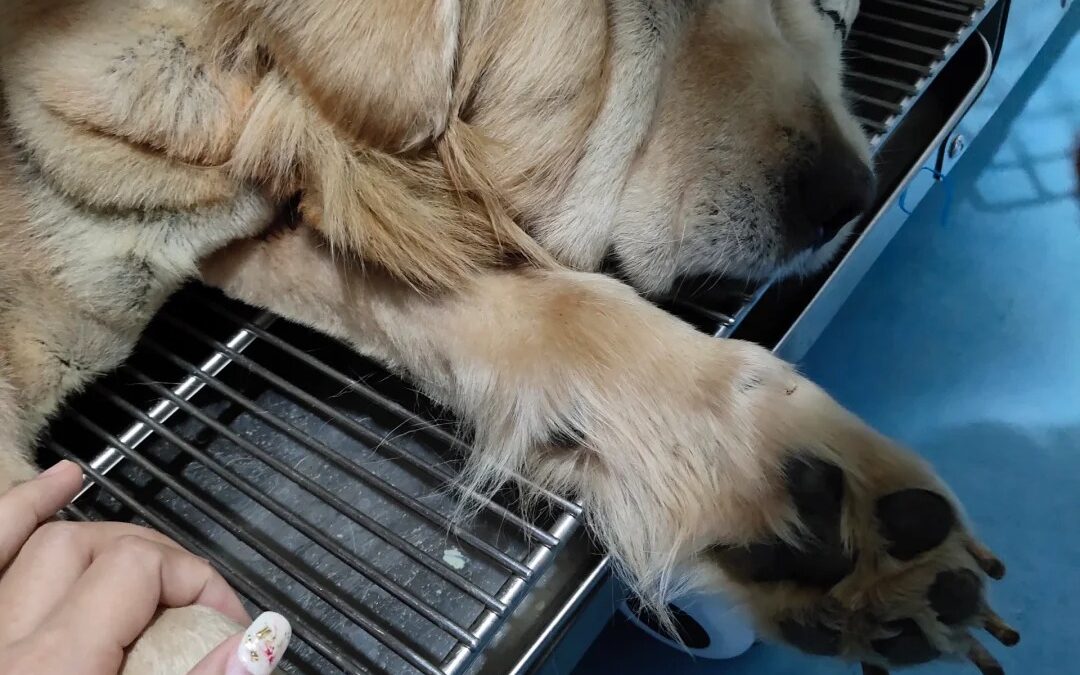
A Story of Struggle and Hope Imagine the plight of a helpless dog, writhing in pain, collapsing under the weight of a massive tumor, and crying out in desperate agony. This poignant image encapsulates the harsh reality faced by many pets and their owners. However, within this darkness lies a glimmer of hope – the potential for relief and healing through the innovative approach of TCMVET Baituxiao.
Understanding TCMVET Baituxiao: A Holistic Solution TCMVET Baituxiao represents a paradigm shift in pet healthcare, drawing upon the rich heritage of Traditional Chinese Medicine (TCM) to offer a holistic solution to various health challenges, including tumors. At its core, Baituxiao aims to restore balance and harmony within the body, bolstering the immune system, reducing inflammation, and potentially aiding in tumor management.
Case Study: A Compelling Journey of Healing Consider the case of a courageous dog facing a life-threatening tumor. Despite the odds stacked against them, the introduction of TCMVET Baituxiao into their treatment regimen marked a turning point in their journey. With diligent care and the support of Baituxiao’s unique blend of herbal remedies, the dog experienced a remarkable improvement in their condition. Gradually, the once agonizing cries were replaced by signs of comfort and vitality, offering a glimmer of hope to their devoted owner.
The Power of Integration: Complementing Conventional Treatment It’s essential to highlight that TCMVET Baituxiao is not a standalone solution but rather a complementary approach to conventional veterinary care. Before embarking on any new supplement or treatment, consulting with a trusted veterinarian is paramount. By integrating Baituxiao into a comprehensive treatment plan, pet owners can harness the collective benefits of both Eastern and Western medicine, maximizing the potential for their pet’s well-being.
Empowering Pet Owners: A Call to Action In conclusion, the journey of pet care is often fraught with challenges, yet it is also filled with moments of profound resilience and hope. TCMVET Baituxiao stands as a testament to the enduring bond between humans and animals, offering a beacon of healing and relief in the face of adversity. As responsible pet owners, let us embrace this opportunity to explore holistic avenues of care and empower our furry companions to live their best lives.
With TCMVET Baituxiao, the path to healing begins anew, promising a brighter and healthier future for our beloved pets.

by TCMVET | Mar 23, 2024 | Dog Cancer & Tumors
In the ever-evolving field of veterinary medicine, a novel approach is gaining momentum: the use of herbal remedies in treating canine mast cell tumors (MCTs). This approach, which might sound unconventional to some, is rooted in a deep understanding of both the ancient wisdom of herbal medicine and the modern scientific methodology. The integration of these methodologies is not just a trend but a revolutionary step forward in veterinary oncology, offering new hope and options for our beloved four-legged friends diagnosed with MCTs.
Understanding Canine Mast Cell Tumors
MCTs are among the most common skin tumors in dogs, accounting for about 20% of all skin tumors in canines. These tumors can vary widely in their behavior, appearance, and prognosis, making them a complex challenge for veterinarians. Traditionally, treatment options have included surgery, chemotherapy, and radiation therapy, but these methods, while effective, often come with significant side effects.
The Rise of Herbal Remedies in Veterinary Oncology
In recent years, there has been a growing interest in the potential of herbal medicine to provide a more holistic approach to cancer treatment. Herbs have been used for thousands of years in human medicine, and their application in veterinary medicine, especially for cancer treatment, is now being explored with promising results.
Key Herbs and Their Potential Benefits
Some of the herbs commonly used in the treatment of canine MCTs include:
- Astragalus: Known for its immune-boosting properties, it may help in strengthening the body’s natural defense system.
- Szechuan Lovage: Believed to improve blood circulation, which is crucial in delivering nutrients and medications to the affected areas.
- Rehmannia glutinosa: Has anti-inflammatory properties, which can be beneficial in managing tumors.
Integrating Herbs with Conventional Treatments
One of the most significant aspects of using herbs in treating MCTs is their potential to be integrated with conventional treatments. This integrative approach can offer a more comprehensive treatment plan, targeting the tumor while supporting the overall health and well-being of the dog.
Navigating the Challenges and Considerations
While the use of herbal remedies is promising, it is not without challenges. The quality, dosage, and type of herb, as well as its interaction with other medications, are crucial factors to consider. Therefore, it is essential that any herbal treatment plan be developed and monitored by a veterinarian experienced in both oncology and herbal medicine.
As we continue to seek better ways to treat canine MCTs, the use of herbal remedies offers a fascinating and potentially game-changing approach. With their ability to integrate seamlessly with traditional treatments and offer a more holistic approach, herbs are carving out a significant niche in the field of veterinary oncology. The journey of “Herbs for Hounds” is just beginning, and the possibilities it holds for revolutionizing the treatment of canine mast cell tumors are as vast as they are exciting.
