K9 INU Alternative options are attracting attention among dog owners in Norway who want supportive nutrition for dogs diagnosed with tumors. While supplements cannot replace veterinary treatment, carefully selected products may help support appetite, normal immune function, digestion, energy, and overall quality of life. The most suitable choice depends on the dog’s diagnosis, current medication, age, and general health.
A tumor diagnosis can be overwhelming, especially when owners are trying to understand surgery, chemotherapy, radiation, pain management, and nutrition at the same time. Supplements should therefore be approached as part of a broader care plan rather than as a cure. A veterinarian, preferably one experienced in oncology, should review any product before it is introduced.
Pet owners may search for alternatives to K9 INU for several reasons. A product may be difficult to find in Norway, unavailable through a trusted supplier, unsuitable for a particular dog, or incompatible with medication. Some owners may also prefer supplements with clearly listed ingredients, independent quality testing, or a formulation designed around a specific need such as digestive support or maintaining body condition.
Another important consideration is evidence. Many supplements marketed for canine tumors make strong claims, but scientific support varies considerably. Responsible selection means looking beyond advertising and checking the ingredient list, dosage instructions, manufacturing standards, and potential interactions. In practice, a K9 INU alternative should be judged by what it can realistically support, not by promises of tumor control.
A supplement should never delay a veterinary examination or replace a proven treatment. Tumors can progress quickly, and signs such as unexplained weight loss, bleeding, persistent vomiting, breathing difficulty, severe pain, or sudden weakness require prompt professional attention.
For owners comparing products, it can help to review a trusted reference on canine cancer care before making a purchase. The American Cancer Society’s overview of complementary and integrative medicine explains how supportive therapies are typically used alongside medical treatment, which is useful when evaluating any K9 INU alternative.
If you want to compare the same general product concept across different markets, you may also find it helpful to review the Norway-focused K9 Immunity Alternative guide, which covers a related approach to supportive dog supplements in a similar care context.
What to look for in dog tumor supplements Norway
When comparing dog tumor supplements Norway products, begin with safety and transparency. Choose supplements made specifically for dogs, with clear dosing based on body weight. Products should identify the amount of each active ingredient rather than hiding important details in a proprietary blend.
Useful quality indicators include:
A complete ingredient list with precise quantities
Batch or lot information
Manufacturer contact details
Appropriate storage instructions
Testing for contamination and heavy metals where relevant
Instructions that clearly distinguish dogs from cats or humans
Recommendations to consult a veterinarian when the dog is ill or taking medication
It is also wise to avoid products containing unnecessary flavorings, excessive sugar, or ingredients that may irritate the stomach. Dogs undergoing cancer treatment can be more sensitive than healthy animals, so a gentle formulation is usually preferable. If a K9 INU alternative contains multiple botanical extracts, look for clear labeling and a reason for each ingredient.
Owners should also pay attention to palatability. A supplement is only useful if the dog will actually eat it. Chews, powders, capsules, liquids, and capsules hidden in food each have different advantages. For dogs with nausea or reduced appetite, the easiest-to-administer format is often the most practical one, even if it is not the most complex formulation on the market.
In addition, consider whether the supplement fits the dog’s current treatment stage. A product that is sensible during recovery after surgery may not be appropriate during active chemotherapy, and a formula that helps maintain body condition may be less relevant for a dog whose main concern is gastrointestinal upset. Matching the product to the actual problem is one of the simplest ways to improve the value of a K9 INU alternative.
Common ingredients found in supportive formulas
Different supplements use different combinations of nutrients and botanical ingredients. None should be assumed to treat cancer directly, but some may provide nutritional or functional support.
Omega-3 fatty acids from purified fish oil are commonly used to support normal inflammatory balance, skin health, and body condition. The product should state the actual EPA and DHA content, not just the total amount of fish oil. Dogs with clotting problems or those scheduled for surgery may require special guidance. Many owners prefer this ingredient when choosing a K9 INU alternative because it is familiar and widely discussed in veterinary nutrition.
Medicinal mushrooms, including turkey tail, reishi, and maitake, are often included in canine wellness products. Preliminary research has generated interest in some mushroom compounds, but results do not establish that every commercial product is effective against tumors. Quality, extraction method, and dosage can vary widely, so the label should be examined carefully before buying any K9 INU alternative with mushroom extracts.
Antioxidant nutrients such as vitamins E and C, selenium, and plant polyphenols may support normal cellular protection. However, high-dose antioxidant supplementation can be inappropriate during certain chemotherapy or radiation protocols. The oncology veterinarian should decide whether these ingredients fit the treatment plan, especially if the K9 INU alternative will be used throughout active care.
Digestive support may include probiotics, prebiotic fibers, or digestive enzymes. These products can be helpful for some dogs experiencing appetite changes, loose stools, or digestive disruption, although they should be introduced gradually. In many homes, digestive support is the practical reason a K9 INU alternative is chosen first.
Protein and calorie support may be more important than a complex supplement when a dog is losing weight. A veterinarian or veterinary nutritionist can recommend energy-dense foods, palatable toppers, or clinically appropriate diets. For that reason, a K9 INU alternative should be viewed as one piece of the nutrition plan rather than the whole plan.
Joint and comfort support can also matter for older dogs with tumors, especially when mobility decreases. Some formulas include glucosamine, chondroitin, green-lipped mussel, or curcumin-based ingredients. These may help some dogs stay active and comfortable, but they should still be checked for interactions and suitability. Supportive care is usually most effective when it addresses the whole patient, not only the tumor diagnosis.
Liver support ingredients such as milk thistle are sometimes added to supplement blends. These are often marketed for general wellness, but they are not automatically safe for every dog or every treatment plan. Because many dogs with cancer take other medications, even common natural ingredients should be reviewed carefully before use.
Understanding realistic expectations
It is easy for marketing language to make a supplement sound more powerful than it is. Dog owners in Norway may see words such as support, defense, immunity, vitality, or recovery on a label and assume a product can actively fight a tumor. In reality, supplements are best viewed as supportive tools that may improve daily comfort or help maintain nutrition during treatment. They are not a substitute for diagnosis, staging, surgery, prescription therapy, or monitoring.
This is why veterinarians often encourage owners to focus on specific goals. For one dog, the right outcome might be better appetite. For another, it may be improved stool quality or reduced medication-related digestive upset. A practical K9 INU alternative should be selected based on one or two clear objectives rather than a vague hope that it will do everything at once.
When expectations are realistic, it becomes easier to evaluate whether the product is worthwhile. If a supplement causes stomach upset, does not improve appetite, or is too difficult to give, it may not be the right choice even if it looks impressive on paper. In that sense, usefulness matters more than popularity.
Selecting a K9 INU alternative for an individual dog
The best K9 INU alternative is not necessarily the product with the longest ingredient list. Start by identifying the main goal. Is the dog struggling to maintain weight, experiencing digestive upset, showing reduced appetite, or recovering from surgery? A targeted supplement is often easier to evaluate than several products introduced at once.
Consider the dog’s complete medical profile. Kidney disease, liver disease, diabetes, pancreatitis, allergies, and bleeding disorders can all affect supplement safety. Medication interactions are also important. Herbal products may influence drug metabolism, blood pressure, clotting, or immune activity. This is one reason clinicians often ask owners to bring the supplement label to the appointment when discussing a K9 INU alternative.
Introduce only one new product at a time, using the recommended dose unless the veterinarian provides different instructions. Monitor appetite, stool quality, vomiting, energy, itching, and any changes in pain or behavior. Stop the supplement and contact the veterinarian if a concerning reaction develops.
Some dogs need support during specific stages of treatment rather than continuously. A carefully chosen K9 INU alternative may be useful after surgery, during a period of poor appetite, or when maintaining body weight becomes difficult. The right timing can matter as much as the product itself.
Age and body condition also matter. Senior dogs often tolerate new ingredients differently from younger adults, and thin dogs may need a different plan from dogs who are still eating well but need digestive help. For this reason, a single formula should not be chosen only because another dog responded well to it. Even when the supplement category is similar, the best fit can vary a great deal from patient to patient.
It can be helpful to write down a brief checklist before purchasing: what problem am I trying to solve, what medication is my dog taking, what ingredients are already in the diet, and how will I know whether the product is helping? This simple habit can reduce trial-and-error and make the discussion with the veterinary team more productive.
How to compare labels before you buy
Reading the label carefully can prevent many mistakes. Check whether the product lists the exact amount per capsule, chew, milliliter, or scoop. Review serving size, storage instructions, expiration date, and any warnings about use alongside medication. If a supplement seems vague, overly promotional, or impossible to interpret, it is often better to choose a clearer option.
It also helps to compare the intended use of the formula. A product designed for digestion may not be the best choice for a dog needing weight support, while a product marketed for immunity may not address appetite loss. A well-matched K9 INU alternative should solve a real problem, not simply add more ingredients.
When in doubt, ask the clinic whether the product has been used safely in similar cases. Veterinary teams often know which products are easy to dose, palatable, and practical for dogs that are already dealing with illness.
Label comparison is also the right time to look for signs of quality control. Look for a manufacturer that explains sourcing, manufacturing standards, and how the product is tested. If the packaging provides no information beyond broad marketing claims, that is a warning sign. Supplement labels should help you make an informed decision, not leave you guessing.
If the product contains a blend rather than a single ingredient, check whether each ingredient has a reason to be there. Blends can be useful, but they can also make it harder to identify what is helping and what might be causing a problem. This matters even more when the dog is already taking prescription medication or eating a restricted diet.
Practical ways to support a dog with tumors at home
Supplements work best when daily care is consistent. Small, frequent meals can be easier to tolerate than large ones. Some dogs eat better when food is slightly warmed, as the aroma becomes more appealing. Others do better with a quiet feeding area, fewer distractions, and predictable mealtimes.
Hydration is equally important. Dogs with cancer may drink less if they feel nauseated or tired, and dehydration can make weakness worse. Offer fresh water often and ask the veterinary team whether broth, wet food, or other feeding strategies are appropriate for your dog. If your dog is struggling to drink, do not wait too long to seek advice.
Pain control also affects appetite and digestion. A dog that seems picky may actually be uncomfortable. If a pet begins eating less, becomes restless, or changes posture frequently, tell the veterinarian. In some cases, improving comfort does more for appetite than changing the supplement.
Owners should also keep a simple daily log. Note food intake, stool quality, vomiting, energy, medication timing, and any supplement given. This record makes it easier to spot patterns and decide whether a product is genuinely useful. It also helps the clinic recommend adjustments based on real observations rather than memory alone.
Buying supplements safely in Norway
Norwegian dog owners should purchase from established veterinary clinics, reputable pharmacies, or suppliers that provide full product information and reliable customer support. Be cautious with products sold through anonymous marketplaces, social media advertisements, or websites that promise to shrink tumors or guarantee recovery.
Check whether the product is legally marketed for animal use, whether the label is available in a language you understand, and whether shipping conditions could affect stability. Oils, probiotics, and certain botanical products may require careful storage. Imported products can also vary in concentration, labeling, and quality-control standards. If a K9 INU alternative is being shipped from abroad, ask whether the formulation is the same one reviewed by your veterinarian.
A veterinary clinic may be able to recommend products commonly used alongside cancer care in Norway. This can reduce the risk of purchasing a counterfeit or poorly documented supplement. It may also help owners avoid duplicated ingredients when several supportive products are used together.
When ordering online, verify the return policy and expiration date. A supplement that arrives late, is close to expiry, or is damaged in transit is not a good value. If a company cannot explain where the product is made or how it is stored before shipping, that uncertainty should count against it.
Another useful check is customer support. Reliable suppliers usually answer questions about ingredients, storage, and dosing without making unrealistic claims. The ability to communicate clearly is often a sign that the company takes product safety seriously.
Nutrition remains the foundation of supportive care
Supplements work best, if they are appropriate at all, when the dog’s basic nutritional needs are being met. Dogs with tumors may eat less because of nausea, pain, stress, medication, or changes in taste and smell. Small, frequent meals, warmed food, and highly palatable veterinary diets may help, but feeding strategies should be adapted to the diagnosis.
Avoid making sudden dietary changes during active treatment unless advised by a professional. Homemade diets can become nutritionally unbalanced when used for more than a short period, particularly if protein, calcium, essential fatty acids, or vitamins are missing.
Ultimately, the purpose of a supplement should be practical and measurable: helping the dog eat, maintain strength, tolerate treatment, or remain comfortable. Honest expectations are essential. A well-chosen K9 INU alternative may provide support, but veterinary monitoring, appropriate medical treatment, pain control, and attentive daily care remain the central parts of managing canine cancer.
If you are comparing a K9 INU alternative with other supportive products, the safest approach is to match the formula to the dog’s current needs and to recheck the plan as those needs change. Good nutrition, careful monitoring, and professional guidance matter more than any single supplement.
For many families, the decision becomes easier once the goal is narrowed down. If the priority is appetite, choose a product that supports palatability and digestion. If the priority is body condition, focus on calorie and protein support. If the priority is comfort, ask the veterinary team whether joint or mobility support is appropriate. A thoughtful plan usually works better than trying to cover every possible need at once.
When supplements are used in this way, they can be a helpful part of a larger care strategy without creating false hope. That balanced approach is often the best way to support a dog living with tumors in Norway.
In short, the most useful K9 INU alternative is one that is transparent, practical, veterinarian-approved, and tailored to the individual dog. Careful selection and ongoing review are the keys to making supportive nutrition genuinely helpful.
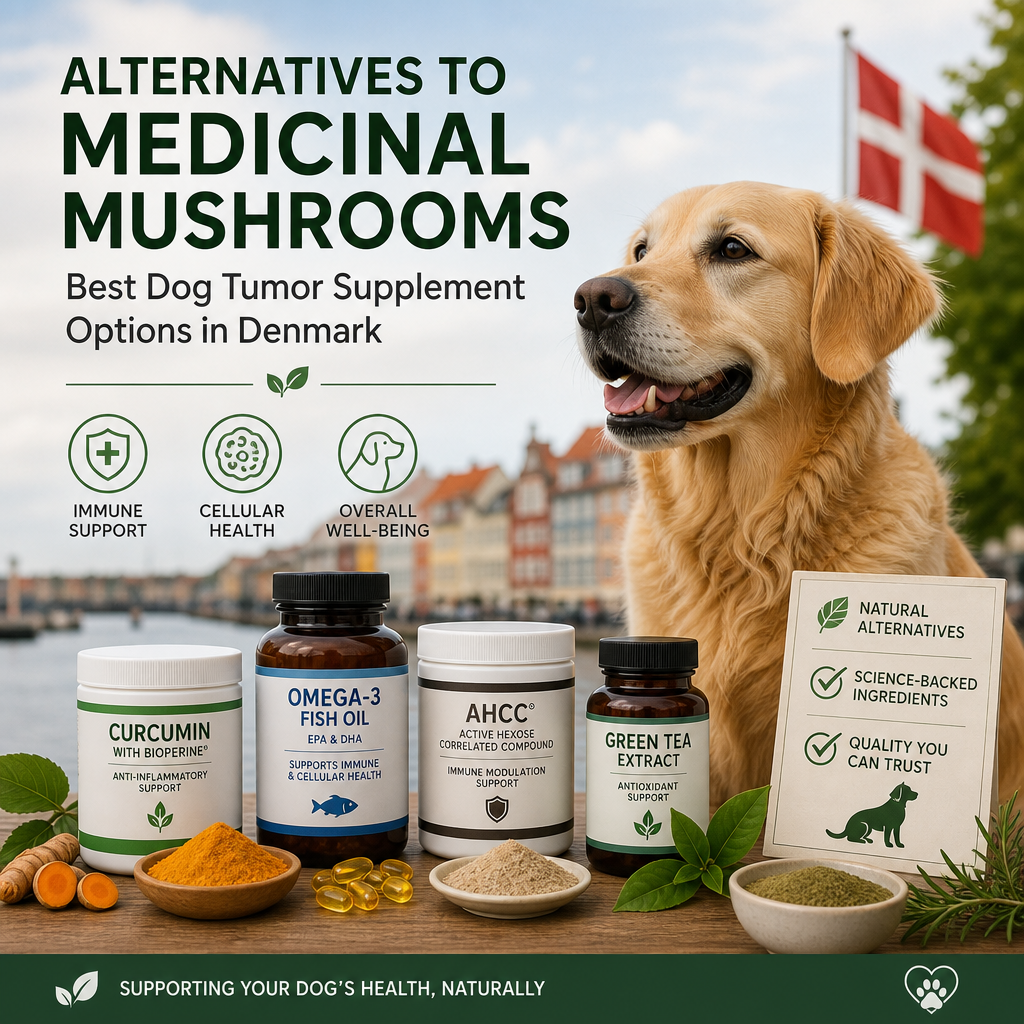
Alternatives to Medicinal Mushrooms can give Danish dog owners additional supportive options when a dog has been diagnosed with a tumor or is undergoing cancer treatment. While medicinal mushrooms such as turkey tail, reishi, and shiitake are often discussed for immune support, they are not suitable for every dog and should never replace veterinary care. A carefully selected dog tumor supplement alternative may help support nutrition, digestion, mobility, or general wellbeing, but the right choice depends on the dog’s diagnosis, treatment plan, age, and overall health.
Why consider dog tumor supplement alternatives?
Medicinal mushrooms are popular because they contain compounds such as beta-glucans and other naturally occurring substances that may influence immune function. However, scientific evidence in dogs remains limited, product quality varies, and certain supplements may interact with chemotherapy, corticosteroids, blood thinners, or other medicines. That is why many owners search for alternatives to Medicinal mushrooms when they want supportive care that is easier to fit into a dog’s medical plan.
Some dogs may also experience digestive upset or show sensitivity to mushroom-based products. In these cases, alternatives to Medicinal mushrooms may be considered as part of a broader supportive-care plan. The aim is not to “cure” a tumor with supplements, but to help maintain a dog’s strength, appetite, digestion, comfort, and quality of life.
Before introducing any new product, consult a veterinarian—ideally one experienced in veterinary oncology. In Denmark, your veterinarian can also advise on appropriate products available through Danish pharmacies, veterinary clinics, and reputable pet-health suppliers. For a broader overview of similar supplement options in the region, see K9 Immunity / K9 Immunity Plus Alternative: Best Dog Tumor Supplements in Denmark.
It can also help to think about the problem in practical terms. A dog that has lost weight may benefit more from calorie-dense food than from a new capsule. A dog with soft stools may need digestive support first. A dog with stiff movement may need joint support and pain control before any other supplement is useful. In other words, the best alternatives to Medicinal mushrooms are usually chosen to solve a specific day-to-day problem rather than to follow a trend.
Omega-3 fatty acids for nutritional support
Fish oil containing EPA and DHA is one of the most commonly discussed dog tumor supplement alternatives. These long-chain omega-3 fatty acids support normal inflammatory balance, skin health, heart function, and cognitive health. They may also be useful for dogs that have reduced appetite or are losing body condition, although fish oil alone cannot prevent or treat cancer.
A veterinarian can help determine an appropriate dose based on body weight, diet, tumor type, and medication. High doses may cause diarrhea, contribute extra calories, or affect blood clotting. Choose a product made specifically for pets or one with clear purity testing for heavy metals and oxidation. Cod liver oil should not automatically be used as a substitute because it can contain high levels of vitamins A and D.
For owners comparing alternatives to Medicinal mushrooms, omega-3 supplements often stand out because they are familiar, widely available, and easy to monitor. They may be a good starting point when the goal is supportive nutrition without adding a large number of ingredients at once.
How to use omega-3s safely
Start with a veterinarian-approved amount and introduce the supplement gradually. Watch for loose stool, fishy breath, or changes in appetite. If the dog is scheduled for surgery, ask whether the product should be paused in advance. Dogs on other medications may also need a review of potential interactions before omega-3s are added.
Antioxidant-rich nutritional ingredients
Antioxidants are found in many fruits, vegetables, and nutritional supplements. Vitamin E, vitamin C, selenium, and plant compounds may help protect cells from oxidative stress. However, more is not always better, particularly when a dog is receiving chemotherapy or radiation therapy.
Some cancer treatments rely partly on oxidative mechanisms, so concentrated antioxidant supplementation should only be used with veterinary guidance. Instead of giving multiple high-dose products, many owners can focus on a complete, highly digestible diet containing balanced nutrients. Fresh foods such as small amounts of cooked vegetables may be suitable for some dogs, but treats and additions should not unbalance the main diet.
When comparing alternatives to Medicinal mushrooms, many people assume that “natural” automatically means “safe.” In reality, antioxidant products still need the same careful review as prescription medicine. Dose, timing, and the dog’s current health status all matter.
What to look for in a supportive supplement
When comparing alternatives to Medicinal mushrooms, look for products that list exact ingredient amounts, have batch testing, and avoid unrealistic claims. In practice, simpler formulas are often easier to monitor and adjust with veterinary advice. A transparent label is usually more useful than a long ingredient list with unknown amounts.
Owners in Denmark should also consider whether the product is suitable for long-term use. If a supplement is intended to be part of ongoing supportive care, the label should provide clear feeding instructions, storage details, and contact information for the manufacturer or distributor.
Curcumin and turmeric products
Curcumin, a compound found in turmeric, is sometimes included in canine wellness products because of its anti-inflammatory properties. It is often marketed as one of the natural alternatives to Medicinal mushrooms, but evidence for tumor support in dogs is still developing.
Curcumin products differ greatly in absorption and formulation. Some include piperine or other ingredients intended to improve bioavailability, but these may also affect how medications are absorbed or processed. Turmeric may be unsuitable for dogs with gallbladder disease, bleeding disorders, stomach sensitivity, or certain medication combinations. Use only a veterinary-approved product and avoid relying on culinary turmeric as a precise therapeutic dose.
When people ask about alternatives to Medicinal mushrooms, curcumin often comes up because it is widely discussed in human wellness circles. Even so, canine use should remain cautious and individualized. What works in one dog may not be appropriate in another, especially if cancer therapy is already underway.
Signs a curcumin product may not be a good fit
If your dog develops vomiting, softer stool, reduced appetite, or unusual lethargy after starting a turmeric-based supplement, stop it and contact your veterinarian. Those signs do not always mean the product is harmful, but they do mean it is time to reassess. In a sensitive dog, a simpler plan may be better than a more aggressive one.
Digestive and probiotic support
Cancer, stress, surgery, pain medication, and chemotherapy can all affect the digestive system. Probiotics and prebiotic fibers may help support a healthy intestinal environment in selected dogs. They can be especially relevant when appetite, stool quality, or tolerance of food becomes a concern.
A probiotic should contain clearly identified bacterial strains, guaranteed quantities, storage instructions, and a recommended canine dose. Products designed for humans are not always appropriate. Dogs with severely weakened immune systems may require extra caution, so probiotic use should be discussed with the treating veterinarian.
Digestive enzymes are sometimes promoted for dogs with tumors, but they should not be added routinely without a clear reason. Digestive problems may indicate pancreatitis, intestinal disease, medication effects, or another condition requiring diagnosis.
Among the many alternatives to Medicinal mushrooms, digestive support is often one of the most practical. When a dog can eat, digest, and keep food down more comfortably, the rest of the care plan becomes easier to manage.
When probiotics may be useful
Probiotics may be useful after antibiotic use, during periods of loose stool, or when mild digestive upset is affecting a dog’s willingness to eat. They may also be helpful during transitions between diets, especially if the dog is already medically fragile. Still, the product should be selected with professional guidance rather than chosen at random.
High-quality protein and nutritional support
One of the most practical dog tumor supplement alternatives may be improving the dog’s overall nutritional intake rather than adding a large number of separate supplements. Adequate calories and high-quality protein can help preserve muscle mass, particularly when illness causes weight loss.
A veterinary nutritionist can recommend an appropriate diet based on the tumor location and treatment plan. Some dogs benefit from energy-dense food, frequent small meals, or gently warmed meals to improve palatability. Dogs with kidney, liver, or pancreatic disease may need specific dietary restrictions, so high-protein or high-fat foods are not suitable for every patient.
Nutritional gels and recovery diets may be useful during periods of poor appetite, but they should be selected according to the dog’s medical needs. Persistent refusal to eat, repeated vomiting, or rapid weight loss requires prompt veterinary attention.
If you are weighing alternatives to Medicinal mushrooms, nutrition is often the most underappreciated tool. A dog that maintains weight and hydration usually tolerates illness and treatment better than a dog that is underfed or dehydrated.
Simple feeding ideas that may help
Some dogs eat better when meals are split into several small portions through the day. Others prefer food served slightly warm to increase aroma. In some cases, a temporary diet change may improve palatability, but any switch should be discussed with the veterinary team so that the new food remains appropriate for the dog’s condition.
Joint and comfort-support supplements
For dogs with bone tumors, reduced mobility, or age-related joint disease, supplements containing glucosamine, chondroitin, green-lipped mussel, or undenatured type II collagen may support joint function. These products do not treat cancer, but they may complement pain management and help a dog remain comfortable and active when appropriate.
Green-lipped mussel products are available in various formulations, and quality can differ. Dogs with seafood allergies may need an alternative. Joint supplements may also take several weeks to show noticeable effects, so they should be used alongside, not instead of, prescribed pain relief.
Many owners looking for alternatives to Medicinal mushrooms are not just seeking immune support; they are also trying to help their dog rest, stand, and move more comfortably. Joint support can be a meaningful part of that goal, especially for older dogs or dogs whose tumors affect the bones or surrounding tissues.
Comfort support works best as part of a plan
Comfort-support supplements are usually most effective when they are paired with proper pain management, good bedding, controlled exercise, and regular monitoring. If your dog seems less willing to climb stairs, jump, or rise after resting, tell your veterinarian. That information helps determine whether the current plan is enough.
Hemp and CBD products: proceed carefully
CBD and hemp-derived products are widely marketed for dogs in Denmark and elsewhere, often for anxiety, discomfort, or appetite. However, product quality, legal requirements, concentration, and safety can vary. Evidence for their use in dogs with tumors remains limited, and CBD may interact with medicines processed by the liver.
Never give a dog a human cannabis product or a product containing detectable THC. Discuss any hemp or CBD product with a veterinarian before use, especially if the dog is receiving chemotherapy, sedatives, anticonvulsants, or pain medication. If you need more region-specific reading, the American Kennel Club’s guide to CBD for dogs explains general safety considerations and why veterinary guidance matters.
Because these products are so variable, they are often not the first choice when comparing alternatives to Medicinal mushrooms. If used at all, they should be chosen carefully, introduced gradually, and monitored closely for sedation, stomach upset, or changes in behavior.
Questions to ask before using CBD
Ask whether the product has a certificate of analysis, how much CBD is in each dose, whether THC has been removed, and whether the formula is meant for dogs. Also ask how the product may interact with your dog’s current medicines. Clear answers reduce the chance of accidental misuse.
Choosing products in Denmark
When comparing alternatives to Medicinal mushrooms, look for transparent labeling, batch testing, clear ingredient quantities, expiration dates, and a manufacturer with reliable quality-control practices. Avoid products making claims that they can shrink tumors, replace chemotherapy, or guarantee survival. Such claims are warning signs.
Danish dog owners should also check whether a product is intended for animals, complies with relevant feed or veterinary regulations, and can be traced to a responsible supplier. Supplements purchased from unfamiliar international websites may have uncertain ingredients or dosing instructions.
The best approach is individualized and conservative: identify the dog’s primary needs, introduce only one new product at a time, monitor appetite and stool quality, and keep the veterinarian informed. Alternatives to Medicinal mushrooms can provide useful nutritional or symptom support, but the foundation of care remains accurate diagnosis, evidence-based treatment, pain control, appropriate nutrition, and regular veterinary monitoring.
It is also wise to keep a short log of what you start, when you started it, and how your dog responds. That record makes it easier to decide whether a supplement is truly helping or whether the plan needs to change. In supportive care, small observations often matter more than dramatic promises.
Practical ways to support your dog day to day
Supportive care works best when it is simple and consistent. Many owners do better with one nutritional supplement, one comfort-support product, and a clear feeding routine rather than a long list of overlapping items. That approach makes it easier to tell what is helping and what is not.
Watch for changes in appetite, energy, drinking, stool quality, vomiting, and mobility. Even small changes can be important for a dog with cancer. If a new product causes loose stool, nausea, itching, or unusual behavior, stop it and ask your veterinarian before trying another option.
In some cases, the most helpful alternatives to Medicinal mushrooms are not supplements at all. Better hydration, improved meal palatability, pain control, and rest can have a larger impact on wellbeing than adding another capsule or powder.
Routine also matters. Keeping feeding times, walking patterns, and medication schedules predictable can reduce stress for both you and your dog. A calm environment, soft bedding, and easy access to water may sound simple, but these details often make a real difference.
Questions to ask your veterinarian
Before starting any supplement, ask whether it is compatible with the current treatment plan. Good questions include whether the product could affect chemotherapy, whether the dose is appropriate for your dog’s weight, and whether monitoring bloodwork is needed.
You can also ask how long it should take before you expect any benefit, what side effects to watch for, and whether the product should be paused before surgery or dental work. Clear answers make it easier to use dog tumor supplement alternatives safely.
If your dog already takes prescription medicine, bring the full list to the appointment. That gives your veterinarian a chance to check for interactions and avoid unnecessary overlap between products.
Another useful question is whether your dog’s current diet already covers the support you are trying to add. Sometimes the answer is yes, and the better decision is to simplify rather than add more products. That is often the most practical approach when comparing alternatives to Medicinal mushrooms.
Final thoughts on alternatives to medicinal mushrooms
Alternatives to Medicinal Mushrooms are not a cure for cancer, but they can play a meaningful supportive role when chosen carefully. The best choices are usually the ones that fit your dog’s diagnosis, treatment plan, and daily comfort rather than the ones with the loudest marketing claims.
With veterinary guidance, Danish dog owners can use dog tumor supplement alternatives to support nutrition, digestion, mobility, and quality of life. Thoughtful selection, careful monitoring, and realistic expectations matter more than chasing trends.
If you are comparing options now, keep the focus on safety, quality, and your dog’s individual needs. That is the most reliable way to choose between the many alternatives to Medicinal mushrooms available today.
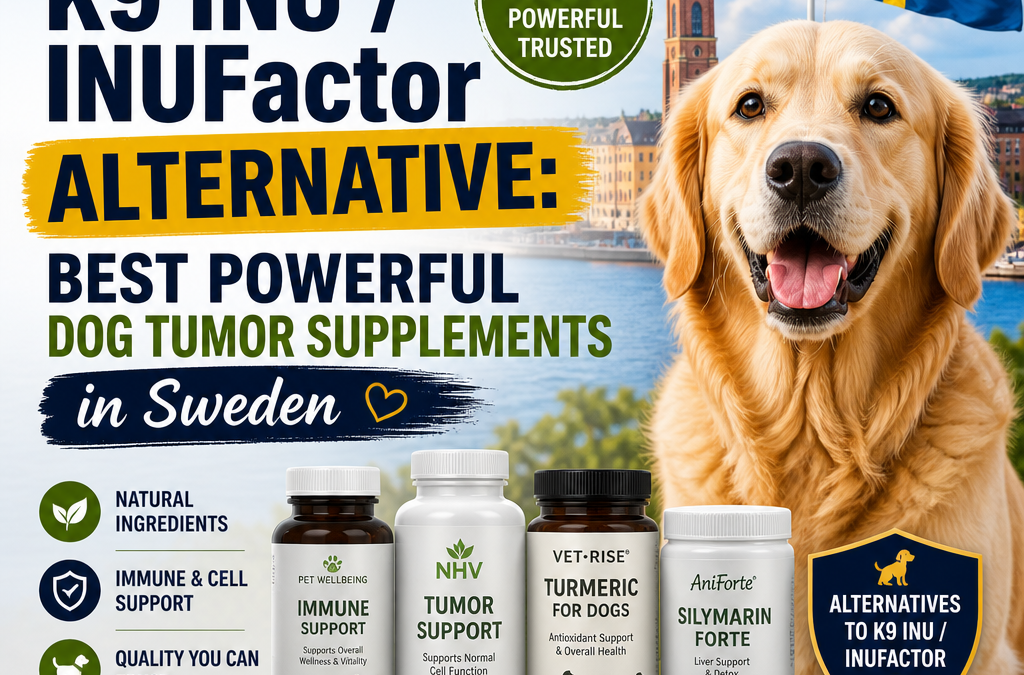
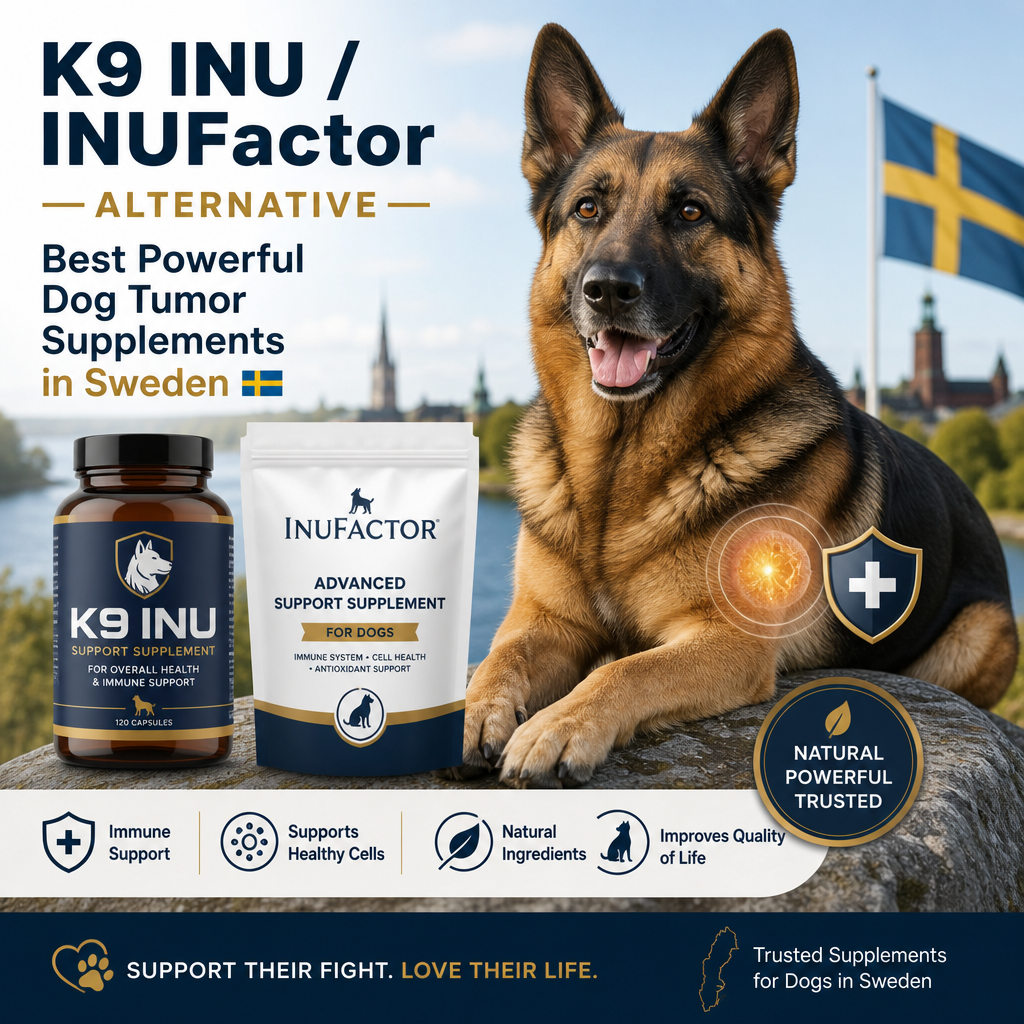
K9 INU / INUFactor alternative products are becoming increasingly relevant for Swedish dog owners looking for nutritional support during a dog’s cancer journey. When a dog develops a tumor, supplements may help support general wellbeing, appetite, digestion, and immune function, although they should never replace veterinary diagnosis or treatment. The right product depends on the dog’s condition, medication, tumor type, diet, and overall health.
K9 INU and INUFactor have attracted attention because they are marketed as nutritional products for dogs affected by tumors and other serious health conditions. However, availability, price, shipping, ingredients, and veterinary accessibility can vary in Sweden. Some owners may also prefer a supplement with a simpler ingredient list, stronger nutritional evidence, or ingredients that fit more easily into an existing treatment plan. A carefully chosen K9 INU / INUFactor alternative can be a practical way to support nutrition without disrupting daily care.
The best alternatives to K9 INU / INUFactor should be evaluated carefully rather than chosen solely because of advertising claims. A useful product should have transparent labeling, clear feeding instructions, quality control, and ingredients that are appropriate for dogs. It should also be easy to obtain from a reputable Swedish or European supplier. Many Swedish families prefer a K9 INU / INUFactor alternative that is straightforward to order, store, and give consistently.
For many families, the real question is not whether a supplement has a bold promise, but whether it can be used safely alongside ongoing care. A well-chosen K9 INU / INUFactor alternative may help support comfort and nutrition, but it should always fit the dog’s diagnosis, stage of disease, and treatment plan. That is especially important when a dog is already dealing with reduced appetite, nausea, weight loss, or medication side effects.
Swedish owners often look for products that are easy to source, simple to store, and backed by consistent manufacturing standards. That matters because supportive care is most useful when it can be given reliably over time. If a supplement cannot be obtained regularly, or if the label changes from one batch to another, it becomes harder to build a stable routine. In that setting, a reliable K9 INU / INUFactor alternative may be more valuable than a product with stronger marketing but weaker availability.
What should dog tumor supplements contain?
There is no single supplement that works for every dog with cancer. Nevertheless, several nutritional components are commonly considered when supporting dogs with serious illness. The best K9 INU / INUFactor alternative will usually combine one or more of these features in a form the dog can tolerate well.
Omega-3 fatty acids
Marine omega-3 fatty acids, particularly EPA and DHA, are often included in supportive canine diets. They may help maintain a healthy inflammatory response and support skin, coat, cardiovascular health, and normal cellular function. Fish oil should be sourced from a quality-controlled manufacturer and used at an appropriate dose, since excessive amounts can cause digestive upset or interfere with certain medical conditions. In practice, a K9 INU / INUFactor alternative with clear omega-3 content is easier to evaluate than one using vague fish oil claims.
Because omega-3 products vary widely, the amount of actual EPA and DHA matters more than the front-label marketing. A small capsule may contain less usable omega-3 than expected, while a concentrated liquid may be easier to adjust for body size. When comparing dog tumor supplements Sweden pet owners can find online or through clinics, it helps to check the supplement facts panel rather than only the product description. A dependable K9 INU / INUFactor alternative should make those numbers easy to find.
Antioxidant nutrients
Vitamins such as vitamin E, along with naturally occurring antioxidants from carefully selected ingredients, may contribute to normal cellular protection. However, high-dose antioxidant supplementation is not automatically beneficial. Some antioxidants can interact with particular treatments, so veterinary guidance is essential before combining them with chemotherapy, radiation, or other medications. A thoughtful K9 INU / INUFactor alternative should support the dog without adding unnecessary risk.
It is also worth remembering that “more” is not always better. In supportive care, the goal is balance. A measured amount of the right nutrient may be helpful, while excessive dosing can create new problems or complicate existing treatment. This is one reason veterinarians often prefer products with clearly stated amounts instead of vague proprietary blends. That principle applies to any K9 INU / INUFactor alternative being considered for a dog with a tumor.
Digestive support
Illness, stress, medication, and dietary changes can affect digestion. Prebiotic fibers, selected yeast products, and veterinary-approved probiotics may support normal intestinal function. Good digestion is especially important when a dog has reduced appetite, loose stools, or weight loss. Any digestive supplement should be introduced gradually.
Digestive support can be especially useful when the dog is going through changes in food texture or feeding schedule. Some dogs tolerate smaller, more frequent meals better than large servings. Others need a gentle probiotic after a course of medication. In these situations, the best K9 INU / INUFactor alternative may be one that works as part of the overall feeding plan rather than trying to do everything at once. That makes it easier to use the supplement consistently without upsetting the stomach.
Protein and energy
Dogs with tumors may lose weight or muscle, making adequate calories and high-quality protein important. A supplement cannot compensate for an insufficient diet, but calorie-dense nutritional products may help dogs that struggle to eat enough. Products designed for veterinary use are usually preferable to human meal replacements because dogs have different nutritional requirements. A K9 INU / INUFactor alternative that supports calories and protein intake can be especially helpful when a dog is losing body condition.
When appetite is inconsistent, the practical design of the product matters. Palatability, texture, odor, and ease of mixing can influence whether the dog accepts it consistently. Even a nutritionally sound product is not useful if the dog refuses it. That is why owners often compare several dog tumor supplements before deciding which one can realistically be given every day. The most effective K9 INU / INUFactor alternative is usually the one that the dog will actually eat.
Choosing dog tumor supplements in Sweden
When comparing dog tumor supplements Sweden pet owners can purchase, practical and safety considerations matter as much as the ingredient list. Look for products sold through established veterinary clinics, pharmacies, or reputable pet-health suppliers. The label should identify the manufacturer, batch information, serving guidance, storage instructions, and complete ingredient details. A trustworthy K9 INU / INUFactor alternative should provide that information without making you dig for it.
Swedish owners should also check whether the product is suitable for import, whether customer support is available in the European Union, and whether the supplement has been stored correctly during transport. Products exposed to heat, moisture, or prolonged shipping delays may lose quality, particularly oils and probiotic formulations.
A supplement intended for dogs should not contain ingredients that are toxic to them. Xylitol, certain essential oils, excessive vitamin D, and some herbal extracts can be dangerous. “Natural” does not automatically mean safe, especially for a dog receiving prescription medication. A K9 INU / INUFactor alternative should be assessed with the same caution you would use for any other supplement.
It can also help to verify whether the seller provides clear contact information and a full returns policy. Reputable suppliers usually publish ingredient lists, feeding directions, and storage recommendations in a way that is easy to review before purchase. That level of transparency makes it easier to compare a K9 INU / INUFactor alternative with other supportive products and decide which one fits the dog’s needs.
Another useful step is to ask whether the product has been formulated specifically for dogs rather than adapted from human supplementation trends. Veterinary products are typically designed with canine tolerance, dosing convenience, and practical administration in mind. If the product is imported from another European country, confirm that the formula, language label, and serving size are still appropriate for a Swedish household.
A promising alternative approach: complete nutritional support
One of the strongest alternatives to K9 INU / INUFactor may be a broader nutritional plan rather than a single capsule or powder. This can include a complete and balanced diet, carefully selected omega-3 supplementation, digestive support where appropriate, and strategies to maintain appetite and hydration. In many cases, a K9 INU / INUFactor alternative works best when it is part of a complete feeding strategy instead of a standalone solution.
Veterinary therapeutic diets may be useful for some dogs because they are formulated to provide concentrated nutrition in a controlled composition. In other cases, a veterinarian or veterinary nutritionist may recommend modifying the dog’s existing food. The goal is to preserve body condition, muscle mass, comfort, and quality of life. When that goal is clear, it becomes easier to choose a K9 INU / INUFactor alternative that supports the broader plan.
Owners should monitor weight regularly, ideally using the same scale and similar conditions each time. Changes in appetite, vomiting, diarrhea, drinking, activity, pain, or body condition should be recorded and discussed with the veterinary team. These observations help determine whether the K9 INU / INUFactor alternative is actually helping or whether adjustments are needed.
Food texture and timing can matter as much as the ingredients themselves. Some dogs eat better when food is warmed slightly, while others prefer softer textures or a more routine feeding schedule. The right K9 INU / INUFactor alternative may therefore be part of a daily care routine that includes meal planning, hydration, and symptom monitoring. This broader approach often supports better consistency than relying on a single product alone.
It may also be helpful to think in stages. During periods of poor appetite, the focus may be calorie intake and palatability. During more stable periods, the focus may shift to maintaining lean body mass and digestive comfort. As the dog’s condition changes, the support plan should change too. A flexible plan is usually more sustainable than a rigid supplement routine, and that makes the chosen K9 INU / INUFactor alternative easier to use over time.
Safety considerations before using any alternative
Before giving alternatives to K9 INU / INUFactor, provide the veterinarian with the full ingredient list and the dog’s current medication schedule. This is particularly important if the dog is receiving chemotherapy, corticosteroids, anti-inflammatory drugs, anticoagulants, or medication for liver, kidney, or heart disease. A K9 INU / INUFactor alternative that seems harmless on the surface may still be inappropriate when combined with a specific treatment plan.
Supplements can sometimes alter digestion, bleeding risk, blood sugar, or the way medicines are absorbed. They may also make it harder to identify the cause of a new symptom. Introduce only one new product at a time and stop it if the dog develops vomiting, diarrhea, itching, unusual tiredness, or other concerning signs. If symptoms appear after starting a K9 INU / INUFactor alternative, pause it and review the plan with the clinic.
Supplements should be viewed as supportive care, not a cure. No product should be promoted as capable of dissolving tumors, replacing surgery, or guaranteeing survival. Honest product information is a key sign of a trustworthy supplement provider. That is true for any K9 INU / INUFactor alternative you may see advertised online.
When in doubt, ask the clinic whether the supplement could affect planned procedures, blood tests, or medication timing. Even a product that seems gentle may still be inappropriate for a dog with a specific diagnosis or treatment history. If the dog has multiple conditions, such as cancer plus kidney disease or pancreatitis, professional review is even more important.
Reliable evidence can also help owners make better decisions. General cancer care information from a reputable veterinary source, such as the American Veterinary Medical Association’s guidance on cancer in pets, can provide helpful background when discussing nutrition and supportive care with a veterinarian. Using a dependable source like this alongside product labels creates a more balanced decision-making process for any K9 INU / INUFactor alternative under consideration.
How to compare product labels carefully
Label reading is one of the most overlooked parts of choosing dog tumor supplements. A strong label should show the exact active ingredients, not just a marketing name. It should also explain whether the product is a powder, capsule, soft chew, oil, or liquid, because format affects dosing and palatability. This is especially important when comparing a K9 INU / INUFactor alternative with similar products.
Check whether the label gives amounts per serving and whether those amounts are realistic for your dog’s body size. Some products look strong on the front panel but contain very small amounts of the key nutrients when examined closely. Others may include extra flavorings or fillers that are not necessary for a medically fragile dog.
It is also wise to review the manufacturer’s quality controls. Batch numbers, expiration dates, and manufacturing location can all signal whether a company takes consistency seriously. If the product comes from a European distributor, ask whether the supply chain is stable and whether storage conditions are documented during shipping. Those details can help separate a reliable K9 INU / INUFactor alternative from a less dependable one.
A thoughtful comparison may reveal that the most useful K9 INU / INUFactor alternative is not the one with the loudest claims, but the one that best matches the dog’s needs. For example, some dogs need a product that supports calories, while others need something easier on the stomach. The best choice is the one that can be used safely and consistently in real life.
Signs that a supplement may not be a good fit
Not every product advertised for sick dogs is suitable for every patient. A supplement may be a poor fit if it contains unclear proprietary blends, exaggerated claims, or ingredients that are not clearly identified. It may also be a concern if the product does not explain dosing by body weight or if the company avoids answering questions about sourcing. Those are important warning signs when selecting a K9 INU / INUFactor alternative.
Other warning signs include overly broad promises, such as claiming support for every type of tumor, every stage of disease, or every dog regardless of health history. If the marketing sounds too good to be true, it usually deserves extra scrutiny. Supportive care should be specific, practical, and honest. A genuine K9 INU / INUFactor alternative should never sound like a cure-all.
If a dog has repeated digestive upset after starting a new product, the supplement may not be tolerated well. The same is true if appetite worsens or the dog becomes reluctant to eat the food the product is mixed with. In those cases, the best next step is usually to pause the supplement and review the plan with the veterinarian. A K9 INU / INUFactor alternative is only useful if the dog can tolerate it well enough to keep eating and maintaining strength.
Building a sensible support plan
A responsible plan for a dog with a tumor begins with veterinary assessment. The veterinarian can explain the diagnosis, treatment options, expected effects, and nutritional priorities. From there, owners can consider whether a supplement has a realistic role. A K9 INU / INUFactor alternative should support that plan rather than replace it.
The most useful plan may focus on maintaining appetite, preventing weight loss, supporting digestion, controlling pain and nausea, and preserving normal daily activities. Regular checkups help determine whether the plan is helping or causing unwanted effects. In practice, the best K9 INU / INUFactor alternative is often the one that fits into these priorities without adding unnecessary complexity.
For Swedish dog owners, choosing dog tumor supplements Sweden suppliers can provide should involve careful comparison of quality, safety, evidence, and veterinary compatibility. A well-formulated alternative may offer valuable nutritional support, but it should always fit into a broader medical and welfare strategy designed specifically for the individual dog. That makes any K9 INU / INUFactor alternative more meaningful in daily care.
In many cases, the most practical K9 INU / INUFactor alternative is a combination of good food, careful monitoring, and targeted support instead of a single “miracle” product. That approach respects the complexity of cancer care while still giving the dog the nutritional help it may need. The right K9 INU / INUFactor alternative should make life easier for both the dog and the owner, not more stressful.
If you are comparing options now, focus on products that are transparent, easy to administer, and appropriate for your dog’s current condition. The best outcome usually comes from combining veterinary advice, realistic expectations, and a supplement routine that can be followed consistently over time. For many families, that is the safest and most effective way to support a dog through illness with a carefully chosen K9 INU / INUFactor alternative.
Dog Cancer Surgery Not an Option does not mean there is nothing you can do. When a tumour cannot be safely removed, supportive care can still help control symptoms, preserve comfort, and protect your dog’s quality of life. The right plan depends on the cancer type, its location, how quickly it is progressing, and your dog’s overall health. Working closely with your veterinarian can make this stage more manageable and ensure that care remains focused on your dog’s individual needs.
A tumour may be considered inoperable for several reasons. It might be located near vital organs, major blood vessels, the spinal cord, or other structures that cannot be safely disturbed. Some cancers spread throughout the body rather than forming one removable mass. Surgery may also be too risky if a dog has severe heart, kidney, or liver disease, or if the expected recovery would be difficult and unlikely to improve comfort.
“Inoperable” does not always mean “untreatable.” Your veterinarian may recommend radiation therapy, chemotherapy, immunotherapy, targeted medication, pain relief, or palliative procedures. In other cases, the most appropriate approach is comfort-focused care without aggressive treatment. A veterinary oncologist can help explain the available choices, expected benefits, possible side effects, and likely costs.
Inoperable dog tumour support should begin with a clear quality-of-life plan. The goal is not necessarily to eliminate the cancer, but to reduce suffering and help your dog continue enjoying daily activities for as long as possible.
Pain control is often central to supportive care. Depending on the type and location of the tumour, your veterinarian may prescribe anti-inflammatory medication, opioid pain relievers, nerve-pain medication, or other drugs. Never give human painkillers unless a veterinarian specifically instructs you to do so. Medications such as ibuprofen, naproxen, and acetaminophen can be dangerous or fatal to dogs.
Nausea, poor appetite, constipation, diarrhoea, coughing, and breathing difficulty may also need targeted treatment. Anti-nausea medication, appetite support, stool management, or oxygen therapy may improve comfort significantly. If a tumour interferes with eating or swallowing, your veterinarian may recommend softer foods, a feeding tube, or other options depending on the situation.
When supportive care is working well, your dog may still have good days that include eating, resting comfortably, and moving around the home with less effort. Watching for these moments can help you judge whether the current plan is still giving meaningful benefit. In many cases, the best care for dog cancer surgery not an option is a flexible plan that is reviewed often and adjusted as symptoms change.
Nutrition and hydration
Cancer can alter metabolism and cause weight loss, muscle wasting, or reduced appetite. Providing nutritious, appealing food in small, frequent meals may be more successful than offering one large portion. Some dogs prefer warmed food because the heat increases its aroma. Moist food may also be easier to eat, particularly for dogs with mouth pain or dental problems.
Your veterinarian may recommend a therapeutic diet based on your dog’s diagnosis and bloodwork. Avoid making major dietary changes without professional guidance, especially if your dog has kidney, liver, or pancreatic disease. Unbalanced homemade diets can create nutritional deficiencies at a time when the body needs reliable nourishment.
Hydration is equally important. Keep fresh water available in several easy-to-reach locations. Signs of dehydration can include dry or sticky gums, weakness, sunken eyes, and reduced urination. A dog that cannot keep water down, refuses fluids, or becomes suddenly weak needs prompt veterinary attention.
If appetite is poor, ask your veterinary team whether nausea control, pain control, or a different food texture would help more than changing the diet itself. Many families find that a practical feeding routine is easier to maintain than a complicated menu. In the context of dog cancer surgery not an option, steady nutrition often matters more than perfection, so small improvements can still be meaningful.
Simple feeding changes that may help
Offer smaller meals two to four times per day.
Warm food slightly to improve smell and acceptance.
Use shallow bowls for dogs with facial or neck discomfort.
Keep water and food close to the resting area.
Track which foods are tolerated best and which cause nausea or refusal.
Supplements for dogs with cancer
Supplements for dogs with cancer are sometimes considered as part of a broader care plan, but they should not replace proven veterinary treatment. Products commonly discussed include omega-3 fatty acids, medicinal mushrooms, antioxidants, probiotics, and nutritional support formulas. Evidence varies widely, and some supplements can interact with chemotherapy, radiation therapy, blood thinners, steroids, or anti-inflammatory medications.
Omega-3 fatty acids may support skin, joint, and general inflammatory health, but the appropriate dose depends on your dog’s weight, diet, medical history, and product quality. Some herbal products may affect liver enzymes or blood clotting. Antioxidant supplements can also be inappropriate during certain cancer treatments, because some therapies rely partly on oxidative damage to cancer cells.
Always provide your veterinarian with the product name, ingredient list, and intended dose before starting a supplement. Choose products made by reputable manufacturers with quality-control testing, and avoid supplements containing toxic ingredients such as xylitol. “Natural” does not automatically mean safe for dogs.
When to ask about supplements for dogs with cancer
It is worth asking about supplements for dogs with cancer when your dog is already on medication, has liver or kidney disease, or is receiving chemotherapy or radiation. Your veterinary team can help you weigh possible benefits against interaction risks so that any added product fits safely into the larger care plan.
If you are researching product categories, it can also help to compare them against broader veterinary advice rather than marketing claims alone. A second practical resource is the Best Supplements for Dogs with Cancer: 7 Essential UK Support Tips, which can give you a clearer framework for discussing choices with your vet.
Gentle exercise and environmental changes
Exercise should be adapted to your dog’s energy, mobility, and pain level. Short, gentle walks may provide mental stimulation and help maintain muscle without causing exhaustion. Dogs with bone tumours, severe weakness, or balance problems may need restricted activity and non-slip flooring.
Make the home easier and safer by placing food and water near your dog’s resting area, using ramps instead of stairs, adding soft bedding, and keeping rooms comfortably cool or warm. Help your dog change position if they are unable to move easily, but do so gently and ask your veterinarian to demonstrate safe handling.
Mental enrichment remains valuable. Quiet time outdoors, gentle grooming, scent games, and companionship can provide enjoyment without physical strain. Let your dog set the pace and stop activities when signs of fatigue or discomfort appear.
Comfort-focused adjustments are often most effective when they are small, consistent, and tailored to the home. A dog with cancer may not need major lifestyle changes to feel better; sometimes the most helpful steps are also the simplest. For many households facing dog cancer surgery not an option, safer movement and predictable routines reduce stress for both the pet and the family.
Home comfort checklist
Use rugs or mats on slippery floors.
Keep blankets and beds clean, soft, and easy to reach.
Move obstacles away from walking paths.
Provide a quiet place away from heavy foot traffic.
Check whether your dog needs help getting up, turning, or settling down.
Monitoring comfort and knowing when to seek help
Keep a simple daily record of appetite, drinking, pain, breathing, mobility, toileting, sleep, and interest in family activities. This can reveal gradual changes that are difficult to notice from day to day. A quality-of-life scale may also help you discuss patterns with your veterinarian.
Contact your veterinary team urgently if your dog has uncontrolled pain, severe breathing difficulty, repeated vomiting, collapse, heavy bleeding, seizures, a swollen abdomen, or an inability to urinate. These signs may indicate a crisis requiring immediate treatment.
Eventually, supportive care may no longer control discomfort adequately. Euthanasia can be a compassionate medical decision when suffering outweighs enjoyment, and discussing this possibility early does not mean giving up. Planning ahead allows you to focus on your dog’s needs rather than making decisions during an emergency.
It can also help to ask your veterinary team what changes would signal that the current plan is no longer enough. Appetite loss, repeated distress, or increasing difficulty breathing may mean that the situation has moved beyond routine management. Having that conversation early gives you time to prepare emotionally and practically. When dog cancer surgery not an option, the most humane care often comes from watching closely and responding before suffering becomes severe.
When dog cancer surgery not an option, attentive palliative care can still make a meaningful difference. With veterinary guidance, careful symptom control, suitable nutrition, safe activity, and loving daily support, many families can provide their dogs with comfort and dignity throughout the time they have together. If you are building a broader care plan, remember that dog cancer surgery not an option is not the end of the conversation; it is the point where comfort, monitoring, and informed choices matter most.
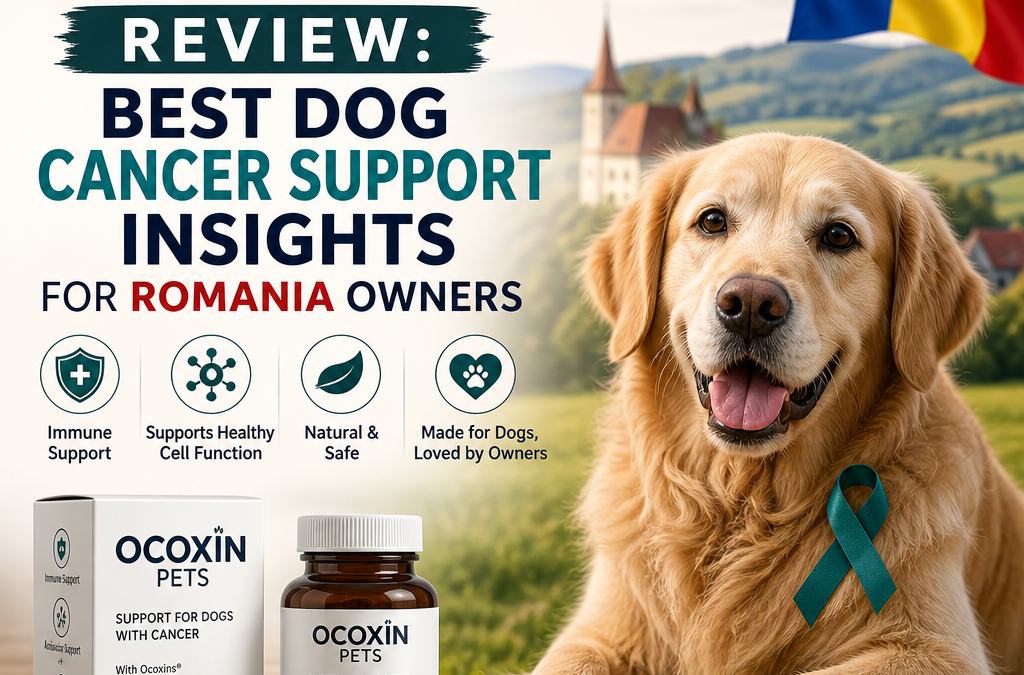
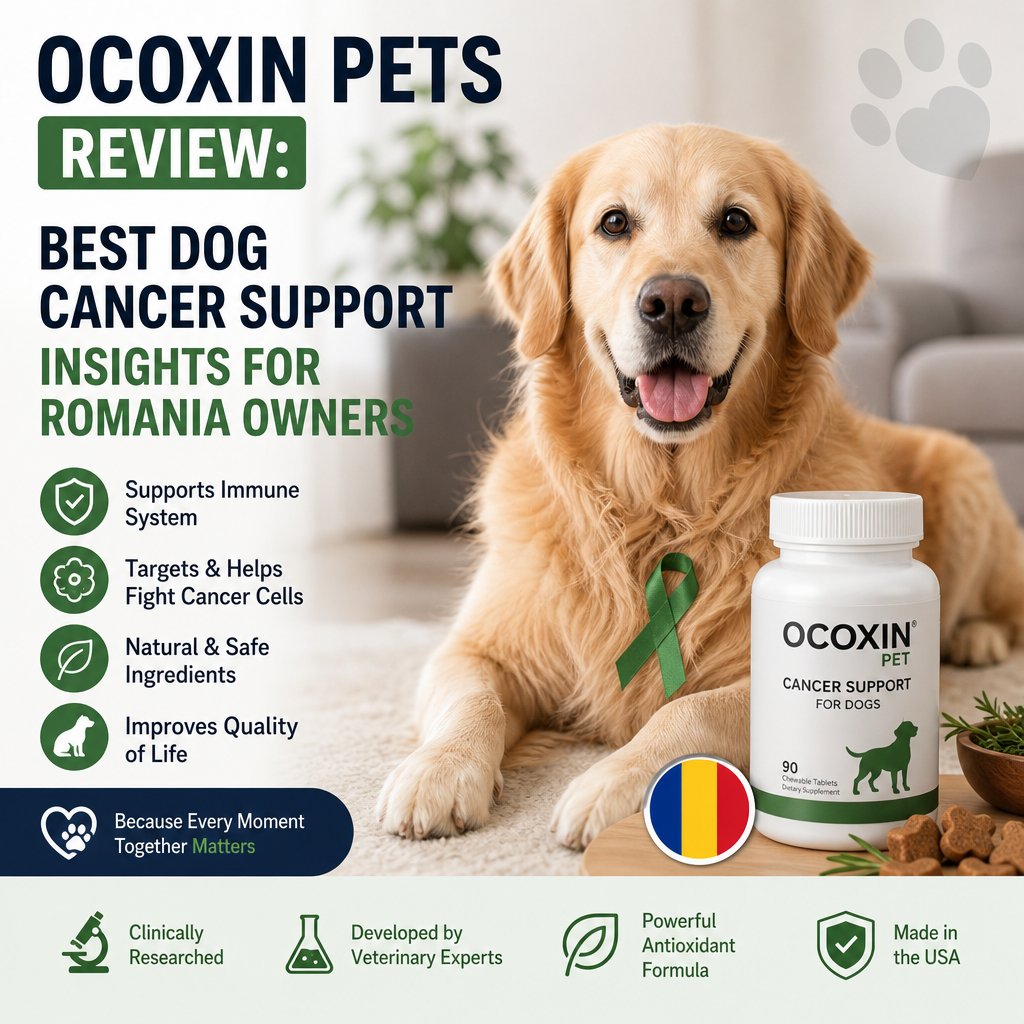
Ocoxin Pets is attracting attention among Romanian dog owners looking for supportive care during cancer treatment. This supplement is marketed as a nutritional product designed to help maintain appetite, energy, immune function, and overall condition in dogs facing serious illness. However, an informed Ocoxin Pets review should distinguish between supportive nutrition and proven cancer therapy. Supplements may have a place in a veterinary care plan, but they should never replace diagnosis, surgery, chemotherapy, radiation, pain management, or other treatments recommended by a veterinarian.
Ocoxin Pets is a veterinary nutritional supplement associated with supportive care for dogs and other companion animals. Its formulation may include ingredients such as medicinal mushroom extracts, vitamins, minerals, antioxidants, and other compounds intended to support the body during periods of physical stress. The exact ingredients and concentrations can vary depending on the product version and the market where it is sold, so owners should always check the current packaging and official product information.
The product is generally discussed in connection with dogs affected by cancer, chronic disease, reduced appetite, weakness, or recovery following intensive treatment. Its purpose is not to directly eliminate tumors. Instead, it may be used as part of a broader strategy focused on maintaining nutritional status and quality of life.
Cancer can affect a dog’s body in several ways. Tumors may increase metabolic demands, while chemotherapy and other treatments can cause nausea, fatigue, digestive upset, or appetite changes. For this reason, maintaining adequate food and fluid intake is often an important part of veterinary support.
Ocoxin Pets dog cancer support: What can owners realistically expect?
Ocoxin Pets dog cancer support should be understood as complementary rather than curative. A supplement may help some dogs maintain appetite or general vitality, but responses differ significantly. A product that appears useful for one dog may have little noticeable effect in another, depending on the cancer type, disease stage, treatment plan, age, and overall health.
Potential goals of supportive supplementation may include:
Helping maintain appetite and body weight
Providing selected nutrients during illness
Supporting normal immune function
Assisting recovery after medical procedures
Contributing to general energy and well-being
Supporting hydration and nutritional routines when used alongside appropriate food
These possible benefits should be evaluated carefully. There is no guarantee that a supplement will slow tumor growth, extend survival, or improve treatment outcomes. Evidence for individual ingredients can also vary, and research in humans does not automatically prove the same effect in dogs.
The most useful measure is often practical: Is the dog eating better? Is body weight stable? Does the dog appear more comfortable and engaged? Are side effects absent? These questions should be discussed with the treating veterinarian rather than judged solely through online testimonials.
Before giving Ocoxin Pets to a dog with cancer, owners should speak with a veterinarian or veterinary oncologist. This is particularly important when the dog is receiving chemotherapy, corticosteroids, anti-inflammatory medicines, antibiotics, seizure medication, or treatment for kidney, liver, or heart disease.
Some supplements contain concentrated plant or mushroom extracts, antioxidants, or minerals that may affect digestion or interact with medicines. Even when an ingredient is considered natural, it is not automatically risk-free. A veterinarian can assess the dog’s medical history, current medications, blood test results, and nutritional needs before recommending a dose.
Owners should also monitor for possible unwanted reactions, including vomiting, diarrhea, itching, refusal to eat, unusual tiredness, or changes in drinking and urination. Any severe or persistent reaction deserves prompt veterinary attention. A supplement should be stopped only according to professional guidance unless an acute adverse reaction requires immediate action.
Correct dosing matters as well. The appropriate amount may depend on body weight, age, health status, and the product’s concentration. Measuring by guesswork or using a human supplement instead of a veterinary formulation can create avoidable risks.
Ocoxin Pets Romania: Buying and checking product information
For people searching for Ocoxin Pets Romania, availability may depend on veterinary clinics, specialist pharmacies, distributors, and online retailers. Romanian owners should verify that the product is authentic, properly sealed, within its expiry date, and stored according to the manufacturer’s instructions.
A reliable purchasing checklist includes:
Check the product name, batch number, expiry date, and manufacturer details.
Read the full ingredient list and feeding instructions.
Confirm whether the seller provides clear contact and return information.
Avoid products with damaged packaging or unclear labeling.
Ask a veterinarian whether the formulation is appropriate for the dog’s condition.
Keep purchase documentation in case the product needs to be traced.
Online reviews can be helpful for understanding how owners describe their experiences, but they are not a substitute for clinical evidence. Claims such as “cures cancer,” “replaces chemotherapy,” or “works for every dog” should be treated with caution. Responsible product information should clearly explain that supportive supplements have limitations.
Nutrition and daily care during canine cancer treatment
A supplement is only one part of supportive care. A complete plan may also include a highly digestible diet, adequate protein and calories, nausea control, pain relief, dental care, hydration, and regular monitoring of body weight. Some dogs benefit from smaller meals offered more frequently, while others respond better when food is gently warmed or combined with a veterinarian-approved topper.
Do not force-feed a dog without professional advice, especially if vomiting, swallowing problems, or severe nausea are present. Appetite loss can signal pain, infection, medication side effects, intestinal obstruction, or disease progression. Treating the underlying problem is more important than simply adding a supplement.
Regular veterinary examinations and blood tests may be necessary to monitor liver function, kidney function, blood cell counts, and treatment tolerance. Owners should record appetite, bowel movements, vomiting, activity, breathing, and comfort levels. These observations can help the veterinary team make timely adjustments.
When a dog has cancer, many owners feel pressure to choose the “best” supplement quickly. A calmer approach is usually more effective. Start by clarifying the main goal: improving appetite, supporting recovery, or simply adding nutritional support while the veterinary team manages the disease itself. Once the goal is clear, the supplement decision becomes easier to evaluate.
It can also help to compare ingredients, formulation style, and practicality. Some products are easier to administer in liquid form, while others may fit better into a daily routine as capsules, gels, or syrups. Palatability matters, especially for dogs already dealing with nausea or food aversion. The best product on paper is not useful if the dog refuses it.
Owners should also be aware that supportive care is broader than supplements. Depending on the case, the veterinarian may recommend an appetite stimulant, anti-nausea medication, a modified diet, pain control, probiotics, or fluid therapy. These options can sometimes have a more direct impact on comfort and eating behavior than a nutraceutical alone.
If you are researching alternatives, it may be helpful to look at options from nearby European markets and compare practical differences such as price, format, and ingredient transparency. For example, readers in Southern Europe may also review Ocoxin Pets alternative 5 Powerful Ways to Support Dogs in Spain to understand how supportive products are discussed in another market.
Whatever the product, the decision should be based on veterinary advice, your dog’s current condition, and realistic expectations. Supportive products are most useful when they fit into a thoughtful care plan rather than being chosen as a last-minute replacement for medical treatment.
Final perspective on an Ocoxin Pets review
A balanced Ocoxin Pets review suggests that the product may be considered as supportive nutrition for selected dogs, particularly when appetite, energy, or general condition is a concern. Nevertheless, evidence and results should be interpreted realistically. It is not a standalone cancer treatment, and no supplement should delay professional diagnosis or evidence-based therapy.
For Romanian dog owners, the safest approach is to discuss Ocoxin Pets with the veterinarian managing the dog’s case, verify the product source, follow the recommended dosage, and monitor the animal closely. Used responsibly, supportive nutrition may contribute to comfort and quality of life. The central goal should always remain individualized veterinary care, honest expectations, and the dog’s welfare.
HerbalVet Turkey Tail Alternative products can help Hungarian dog owners explore more affordable supportive options when a veterinarian recommends nutritional assistance during cancer care. Turkey tail mushroom is widely discussed for its beta-glucans and immune-supporting potential, but no supplement should replace diagnosis, surgery, chemotherapy, radiation, or other veterinary treatment. The best choice depends on the dog’s tumor type, current medication, age, weight, and overall health.
When people search for an HerbalVet Turkey Tail alternative, they usually want something that is easier to source, better documented, or more affordable without compromising safety. In Hungary, availability can vary by retailer, so it helps to compare ingredients, extraction methods, testing standards, and veterinary suitability before buying. The goal is not to chase the trendiest product, but to find a supportive option that fits the dog’s real needs.
Why Consider Alternatives to HerbalVet Turkey Tail?
HerbalVet Turkey Tail may be unavailable, expensive, or difficult to source in Hungary. Some owners may also prefer a product with a clearer ingredient label, standardized mushroom extract, local availability, or a lower monthly cost. Looking at alternatives to HerbalVet Turkey Tail can be practical, but comparison should focus on quality rather than price alone.
A reliable supplement should clearly state the mushroom species, extraction method, concentration, serving size, batch information, and testing standards. Products made from fruiting bodies are often preferred because they may provide a broader range of naturally occurring compounds than products based mainly on mycelium or grain substrate. However, the label should always be evaluated carefully, since marketing terms such as “immune booster” do not prove clinical effectiveness.
For general background on the mushroom itself, the National Center for Complementary and Integrative Health provides a useful overview of turkey tail and its common uses: NCCIH turkey tail mushroom resource.
What matters most when choosing a supplement
Before comparing brands, decide what you actually need from the product. Some dogs need a single mushroom extract, while others may do better with nutritional support that helps maintain appetite and body condition. A thoughtful HerbalVet Turkey Tail alternative should match the treatment goal rather than simply repeat the same product category.
Look for clear dosing instructions, especially if the dog is small, elderly, or already taking medication. If the packaging is vague, if the seller cannot explain the extraction process, or if the label makes extreme claims, it is usually better to keep searching. In oncology support, transparency is more valuable than flashy marketing.
1. Turkey Tail Extract From Another Manufacturer
The most direct HerbalVet Turkey Tail alternative is a turkey tail supplement from a different company. Look for products containing Trametes versicolor, also known as turkey tail, and preferably a hot-water extract standardized for beta-glucans.
In Hungary, these products may be available through veterinary pharmacies, reputable supplement retailers, or European online stores that provide clear product documentation. Compare the amount of active extract per serving rather than the size of the container. A lower-priced package may contain a weaker product and become more expensive over time.
Before using any turkey tail extract, ask your veterinarian about possible interactions with immunosuppressive medicines, chemotherapy, corticosteroids, or drugs affecting blood clotting. This step matters even when the product seems simple, because the right HerbalVet Turkey Tail alternative for one dog may not be suitable for another.
It also helps to verify whether the product uses fruiting body material, mycelium, or a blend of both. Many buyers assume all mushroom supplements are similar, but manufacturing choices can change potency and quality. If the company publishes third-party testing, that is another useful sign that the supplement is being produced responsibly.
Some owners compare labels only by capsule count, but that can be misleading. A better comparison is the cost per gram of extract and the cost per day at the veterinarian-recommended dose. That approach can reveal whether a cheaper bottle is truly a better deal or simply a smaller serving in a different package.
When the goal is an HerbalVet Turkey Tail alternative, this category is usually the closest match in both use and expected support. Even so, the quality of each product can vary widely, so a careful label review is still essential.
2. Reishi Mushroom Supplements
Reishi, or Ganoderma lucidum, is another mushroom used in complementary animal wellness products. It contains beta-glucans and triterpenes and is commonly marketed for immune balance and general vitality.
Reishi may be considered when a dog needs broader mushroom support rather than a single-species supplement. However, it is not automatically safer or more effective than turkey tail. Possible concerns include digestive upset, changes in blood clotting, and interactions with medication. Dogs with liver disease, bleeding disorders, or upcoming surgery require particular caution.
Choose a veterinary-formulated product whenever possible, and avoid human products containing alcohol, sweeteners, flavorings, or added herbs that are unsuitable for dogs. If your goal is an HerbalVet Turkey Tail alternative with a similar supportive role, reishi may be reasonable only when your veterinarian agrees with the overall plan.
Reishi is often discussed in the same conversation as turkey tail because both mushrooms appear in supportive care formulas. Even so, the exact use case may differ. A dog that tolerates one extract well may not tolerate another, and a dog with a sensitive stomach may need a gentler starting dose. That is why any switch should be gradual and monitored.
For many families, reishi becomes part of the same broader search for an HerbalVet Turkey Tail alternative when turkey tail is out of stock or too costly. The key is to keep the choice grounded in the dog’s individual health picture.
3. Maitake Mushroom Extract
Maitake, or Grifola frondosa, is another source of naturally occurring polysaccharides. It is included in some dog tumor supplements Hungary owners can purchase through specialist retailers or veterinary practices.
Maitake products are often combined with turkey tail, reishi, shiitake, or cordyceps. Combination formulas may be convenient, but they can make it difficult to identify which ingredient causes a reaction. For dogs taking several medications, a single-ingredient extract is often easier to monitor.
The product should provide clear dosing information based on body weight. Never assume that a human capsule can simply be opened and divided for a dog, since concentrations vary substantially between brands. A careful comparison can help you decide whether maitake is a better HerbalVet Turkey Tail alternative for your dog’s current needs.
Maitake can be a sensible option when the owner wants mushroom-based support but cannot source a dependable turkey tail product. Still, the same quality rules apply. Check whether the supplement is standardized, whether it has been tested for contaminants, and whether the company explains where the mushrooms are grown. Those details matter more than the front label.
If a dog has a history of allergies or a very sensitive digestive tract, starting with a lower amount and increasing slowly may reduce the chance of loose stools or nausea. Always document the response so that any benefits or side effects can be discussed with the veterinary team in a practical, evidence-based way.
As with any HerbalVet Turkey Tail alternative, maitake should be chosen for consistency and traceability, not for marketing buzz. A simple, well-documented product is often the safest place to start.
4. Medicinal Mushroom Blends for Dogs
A carefully formulated mushroom blend may provide several types of beta-glucans in one product. These formulas can be useful for owners seeking alternatives to HerbalVet Turkey Tail, particularly when a single turkey tail product is unavailable in Hungary.
The main disadvantage is that blends differ widely. Some contain meaningful amounts of each mushroom, while others use proprietary mixtures without revealing individual quantities. Avoid products that hide all ingredient amounts behind a single “complex” or “matrix” label.
A good blend should identify each mushroom species, the extract ratio, the active compound standardization, and recommended use for dogs. It should also be free from xylitol, excessive salt, artificial stimulants, and unnecessary additives. In practice, the strongest HerbalVet Turkey Tail alternative is often the one that is easiest to verify on the label.
Blends can be especially useful when a dog’s care plan already includes several supportive measures and the owner wants a more streamlined routine. However, convenience should never come at the expense of traceability. If one ingredient causes an issue, the veterinarian should be able to identify it quickly.
Another advantage of a well-made blend is that it may help owners who are not sure which medicinal mushroom to choose first. Even so, more ingredients do not automatically mean better support. In many cases, a simple and transparent formula is easier to use, easier to monitor, and easier to afford over time.
For owners comparing several options, a mushroom blend can be an acceptable HerbalVet Turkey Tail alternative, but only when the formula is clearly labeled and the dosage can be matched to the dog’s weight.
5. Omega-3 Fish Oil
Omega-3 fatty acids are not mushroom supplements, but they are among the more established nutritional options used to support general health in dogs with chronic illness. EPA and DHA may help maintain skin, joint, and inflammatory balance and can support overall nutritional status during treatment.
Select a purified fish oil made for pets or one recommended by a veterinarian. The label should specify the actual EPA and DHA content, not merely the total amount of fish oil. Store the product correctly because oxidized oil can be harmful and may develop an unpleasant smell.
Dogs with pancreatitis, blood-clotting problems, or planned surgery may need a different approach. Fish oil can also interact with certain medications, so professional guidance is important. While it is not a direct HerbalVet Turkey Tail alternative, omega-3s can be part of a broader supportive plan.
Owners sometimes overlook fish oil because it is not marketed as a cancer product, but nutritional support is often more useful than people expect. A dog that eats more consistently, maintains a healthier coat, and preserves body condition may cope better with the demands of illness and treatment. For that reason, omega-3s are worth considering alongside mushroom-based products, not instead of veterinary care.
When a dog needs a more complete support routine, fish oil may complement a HerbalVet Turkey Tail alternative rather than replace it. That combination should still be reviewed by the veterinarian to avoid unnecessary overlap or dosing errors.
6. Medicinal Nutrition and High-Quality Diets
In some cases, the most valuable dog tumor supplement is not a capsule but a complete, digestible diet that helps maintain body weight and muscle. Dogs undergoing cancer treatment may experience reduced appetite, nausea, altered taste, or increased nutritional needs.
Veterinary therapeutic diets can provide concentrated calories, appropriate protein, and balanced vitamins and minerals. Homemade diets should not be used without formulation by a veterinary nutrition specialist, because nutritional deficiencies can develop quickly.
Supplements should never compensate for an unbalanced diet. Avoid extreme “anti-cancer” diets, prolonged fasting, or large amounts of raw ingredients unless a veterinarian has specifically approved the plan. For many families, this is just as important as choosing the right HerbalVet Turkey Tail alternative.
Practical feeding support can include smaller meals, warming food to improve aroma, or offering a more energy-dense formula if the dog is losing weight. In a real-world cancer care plan, these details can have a bigger impact on comfort than a supplement with an impressive marketing story.
When owners focus only on capsules, they sometimes miss the fact that the dog is not eating enough to benefit from any supportive product. Nutrition, hydration, and appetite are part of the same conversation, especially for dogs with tumors. A supplement should support the diet, not distract from it.
If a dog is struggling to keep weight on, a veterinary diet may be a more practical HerbalVet Turkey Tail alternative strategy than relying only on mushroom products. Good nutrition often makes other supportive measures work better.
7. Vitamin and Antioxidant Supplements
Some dogs may benefit from targeted vitamins or antioxidants if testing or dietary history shows a need. Vitamin E, selenium, and other nutrients are sometimes included in supportive formulas, but more is not better. Excessive supplementation can cause toxicity or interfere with treatment.
Antioxidants may also be inappropriate in certain treatment plans. Veterinary oncologists may recommend avoiding or carefully timing particular products during chemotherapy or radiation, depending on the treatment goals. For this reason, a general multivitamin is rarely the best first choice for a dog with a tumor.
If you are comparing a HerbalVet Turkey Tail alternative with a broader nutritional supplement, ask whether the product supports the current treatment plan or simply adds complexity. Simpler is often safer when a dog is already managing medication and oncology care.
Many owners want to “do everything possible,” but piling on supplements can backfire. A cleaner plan, reviewed by a veterinarian, is easier to follow and easier to adjust. That is especially true when the dog is already dealing with appetite changes, nausea, or multiple prescriptions.
Vitamin and antioxidant products should therefore be treated as targeted tools, not default replacements for a proper HerbalVet Turkey Tail alternative. The best choice depends on the dog’s actual nutritional status and treatment schedule.
How to Compare Dog Tumor Supplements in Hungary
When comparing dog tumor supplements Hungary owners should consider five practical factors: veterinary suitability, ingredient transparency, independent testing, total monthly cost, and availability from a trustworthy seller. Check whether the company provides a certificate of analysis, contamination testing, and contact information.
Avoid products promising to cure cancer, dissolve tumors, or replace veterinary care. Such claims are warning signs. A legitimate supplement company should describe its product as supportive rather than curative.
Keep a record of the product name, dose, starting date, appetite, stool quality, energy, and any changes noticed. Stop the supplement and contact the veterinarian if vomiting, diarrhea, unusual bleeding, marked lethargy, itching, or loss of appetite occurs.
When a family is trying to choose the best HerbalVet Turkey Tail alternative, those practical details matter more than the marketing on the package. Quality, consistency, and safety are the real priorities.
It can also help to compare seller policies before placing an order. Reliable vendors usually provide clear return terms, ingredient listings, and batch details. If the only information available is a sales page with vague promises, the risk is higher than it first appears. A careful buyer should treat that as a sign to keep looking.
Start with the veterinarian who manages the dog’s tumor. Provide a complete list of medications, including pain relievers, steroids, chemotherapy drugs, flea treatments, and other supplements. Introduce only one new product at a time, beginning with the recommended dose rather than combining several immune-support formulas immediately.
The right HerbalVet Turkey Tail alternative is the one that fits the dog’s treatment plan, has verifiable quality, and can be used consistently without creating unnecessary financial or medical risk. Supportive nutrition can contribute to comfort and wellbeing, but careful veterinary supervision remains the foundation of responsible cancer care.
For owners in Hungary, a practical checklist can make the decision easier: confirm the mushroom species, confirm the extract type, confirm the dose for your dog’s weight, and confirm that the seller is reputable. If those points are unclear, choose a different product.
In the end, the best HerbalVet Turkey Tail alternative is not necessarily the cheapest or the most heavily advertised. It is the product that your veterinarian can review, that your dog can tolerate, and that you can use consistently over time. That balance is especially important when the dog is already dealing with a tumor diagnosis and multiple treatments.
If you are still unsure which option fits best, bring two or three product labels to your veterinarian and ask for a side-by-side comparison. That conversation is often the fastest way to narrow down the most suitable HerbalVet Turkey Tail alternative for a dog with cancer support needs in Hungary.
Ultimately, the safest result comes from combining informed buying decisions with ongoing veterinary guidance. With careful label reading, realistic expectations, and regular monitoring, Hungarian dog owners can choose a supportive product that is both practical and appropriate.
For many families, the search for an HerbalVet Turkey Tail alternative begins with price or availability, but it should end with safety, transparency, and fit for the individual dog. That is the most reliable way to support a pet through cancer care without adding unnecessary confusion.