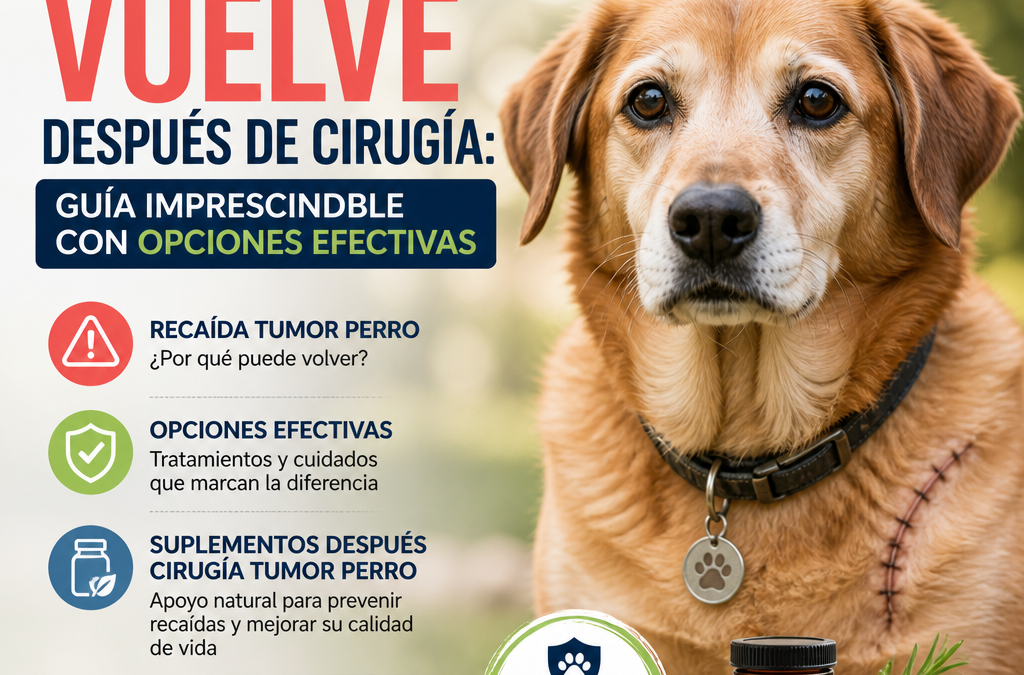
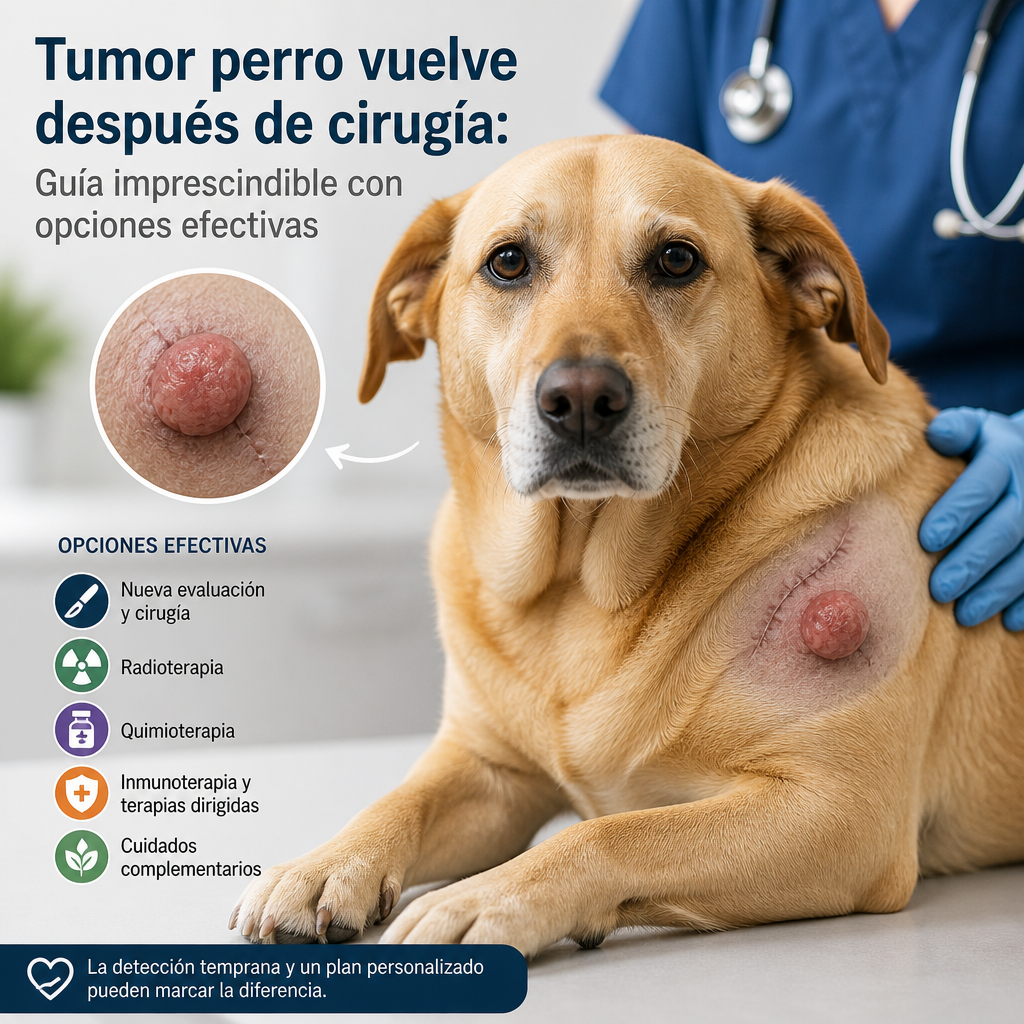
Si el tumor perro vuelve después de cirugía, puede ser una situación angustiante para cualquier familia. Aunque la extirpación quirúrgica suele ser una de las principales opciones de tratamiento, algunos tumores pueden reaparecer en la misma zona o desarrollarse en otra parte del organismo. Comprender por qué ocurre, qué señales vigilar y qué alternativas existen permite actuar con mayor rapidez y tomar decisiones informadas junto con el veterinario.
En muchos casos, el objetivo no es solo “quitar el bulto”, sino entender el comportamiento del tumor, valorar si quedó algún resto microscópico y decidir si hace falta un enfoque más amplio. Cuando el tumor perro vuelve después de cirugía, cada detalle del informe histopatológico, la localización y el estado general del paciente ayuda a definir el siguiente paso con mayor precisión.
La reaparición de una masa no siempre significa que la cirugía haya sido incorrecta. Algunos tumores tienen un comportamiento biológico agresivo y pueden infiltrarse en tejidos cercanos o liberar células microscópicas antes de ser detectados. Estas células pueden permanecer inactivas durante un tiempo y volver a multiplicarse meses o incluso años después.
Entre los factores que pueden influir en una recaída se encuentran:
Tipo y grado de malignidad del tumor.
Tamaño de la masa original.
Ubicación y profundidad.
Estado de los márgenes quirúrgicos.
Presencia de metástasis en el momento de la operación.
Velocidad de crecimiento.
Respuesta individual del perro al tratamiento.
El análisis histopatológico es fundamental. Este estudio permite identificar qué clase de tumor se retiró, su grado de agresividad y si los márgenes quirúrgicos quedaron libres de células tumorales. Sin esta información, resulta más difícil estimar el riesgo de recurrencia y elegir el seguimiento adecuado.
Cuando el tumor perro vuelve después de cirugía, el tiempo transcurrido desde la operación también aporta pistas. Una masa que reaparece pronto puede sugerir un control local insuficiente, mientras que una recaída tardía puede relacionarse con células residuales que estaban ocultas o con un crecimiento lento que no se detectó en revisiones previas.
Recaída tumor perro: señales que requieren atención
La recaída tumor perro puede manifestarse de diferentes maneras. En ocasiones aparece como un bulto visible o palpable en la cicatriz, pero otras veces los signos son menos evidentes. Por ello, las revisiones periódicas son importantes incluso cuando el perro parece encontrarse bien.
Algunas señales de alerta incluyen:
Aparición de una nueva masa cerca de la cicatriz.
Crecimiento rápido de un bulto.
Enrojecimiento, calor, dolor o secreción en la zona operada.
Pérdida de peso sin una causa aparente.
Falta de apetito o cansancio persistente.
Tos, dificultad respiratoria o intolerancia al ejercicio.
Vómitos, diarrea o cambios prolongados en las deposiciones.
Cojera o dolor que no mejora.
Aumento del abdomen o cambios en la micción.
No todos estos signos indican cáncer. Una inflamación, un seroma, una infección o una reacción a la sutura también pueden producir cambios después de una cirugía. Sin embargo, cualquier alteración nueva debe ser valorada por un profesional, especialmente si progresa rápidamente.
En la práctica, conviene observar no solo el tamaño del bulto, sino también su textura, movilidad, temperatura local y velocidad de cambio. Si la recaída tumor perro se acompaña de decaimiento, dolor o falta de apetito, es preferible solicitar revisión cuanto antes para no retrasar decisiones importantes.
Cómo se confirma una posible recurrencia
Cuando existe sospecha de que el tumor ha vuelto, el veterinario puede realizar una exploración física y solicitar pruebas complementarias. La elección depende del tipo de cáncer, la localización y el estado general del animal.
Las pruebas más habituales son:
Citología por aspiración: permite estudiar células obtenidas mediante una aguja fina. Es poco invasiva, aunque no siempre ofrece un diagnóstico definitivo.
Biopsia: consiste en analizar una muestra de tejido y suele proporcionar información más completa.
Análisis de sangre y orina: ayudan a evaluar la salud general y la función de órganos importantes.
Radiografías torácicas: pueden utilizarse para buscar afectación pulmonar.
Ecografía abdominal: permite examinar órganos internos y ganglios linfáticos.
Tomografía computarizada o resonancia magnética: ofrecen imágenes más detalladas, especialmente útiles antes de una nueva cirugía.
La evaluación de los ganglios regionales también puede ser necesaria, ya que algunos tumores se diseminan a través del sistema linfático. El veterinario puede recomendar un plan de estadificación para conocer la extensión real de la enfermedad.
Si quieres ampliar la orientación sobre cuidados integrativos, revisa este recurso sobre oncología veterinaria holística, que explica cómo se complementan distintas estrategias de apoyo en pacientes oncológicos.
Para entender mejor cómo se investigan y clasifican los tumores en animales de compañía, la Merck Veterinary Manual ofrece información veterinaria de referencia útil para profundizar en este proceso.
Opciones de tratamiento cuando el tumor vuelve
El tratamiento depende de la clase de tumor, su localización, el tiempo transcurrido desde la primera intervención y la presencia o ausencia de metástasis. No existe una solución única para todos los perros.
Tumor perro vuelve después de cirugía: nueva cirugía
Si la masa está localizada y puede retirarse con márgenes adecuados, una segunda operación puede ser una alternativa. En ciertos casos se necesita eliminar una cantidad mayor de tejido que en la primera intervención. El objetivo es reducir la posibilidad de que queden células tumorales microscópicas.
Antes de operar, conviene valorar cuidadosamente los riesgos anestésicos, la recuperación esperada y la calidad de vida posterior.
Cuando el tumor perro vuelve después de cirugía, esta opción puede ofrecer una nueva oportunidad si la lesión sigue siendo operable y el estado general del animal lo permite.
En tumores de crecimiento lento, una nueva cirugía puede aportar un control local razonable. En tumores más invasivos, puede ser necesario combinarla con otros tratamientos para aumentar las probabilidades de control y reducir el riesgo de que la recaída tumor perro vuelva a repetirse.
Quimioterapia
La quimioterapia puede recomendarse cuando existe riesgo elevado de diseminación, cuando el tumor no puede retirarse por completo o cuando hay metástasis. Los protocolos varían según el diagnóstico. Muchos perros toleran el tratamiento mejor de lo que las familias imaginan, aunque pueden presentarse efectos secundarios como falta de apetito, vómitos, diarrea o disminución temporal de las defensas.
En algunos casos, el veterinario propone quimioterapia como apoyo después de la cirugía para reducir la posibilidad de recurrencia y controlar mejor la enfermedad.
También puede utilizarse cuando el tumor perro vuelve después de cirugía no se puede retirar de inmediato o se sospecha enfermedad sistémica. El objetivo pasa entonces de curar a controlar, manteniendo la mejor calidad de vida posible durante el tratamiento.
Radioterapia
La radioterapia puede utilizarse para controlar tumores localizados, tratar márgenes incompletos o reducir el tamaño de una masa que causa dolor. En algunos casos se combina con cirugía o quimioterapia.
Si el tumor perro vuelve después de cirugía en una zona difícil de resecar, la radioterapia puede ayudar a mejorar el control local y aliviar síntomas.
Este enfoque resulta especialmente útil cuando la masa está cerca de estructuras delicadas, como ojos, nariz, boca o columna, donde una nueva cirugía podría ser demasiado agresiva. También puede formar parte de un plan multimodal en el que cada tratamiento cumple una función distinta.
Cuidados paliativos
Cuando no es posible curar la enfermedad, el objetivo se centra en mantener el bienestar. El control del dolor, el apoyo nutricional, el manejo de las náuseas y la adaptación de la actividad física pueden mejorar notablemente el día a día del perro.
Los cuidados paliativos también pueden ser valiosos cuando la familia busca una atención más cómoda y centrada en la calidad de vida, especialmente si el tumor perro vuelve después de cirugía y ya no se consideran tratamientos agresivos.
Este tipo de apoyo no significa “no hacer nada”. Al contrario, implica actuar de forma activa para que el animal se mantenga cómodo, con menos dolor, más apetito y menor estrés. En muchos pacientes, un plan paliativo bien ajustado permite disfrutar más tiempo de rutinas familiares y de una vida cotidiana más tranquila.
Qué discutir con el veterinario después del diagnóstico
Cuando aparece una recurrencia, la conversación con el veterinario debe ser clara y práctica. No basta con saber que el bulto volvió; es importante entender el pronóstico y las posibilidades reales de cada estrategia.
Conviene preguntar:
Si la recurrencia está en la misma zona o si podría tratarse de otra lesión distinta.
Qué probabilidad hay de que la enfermedad sea local o sistémica.
Si la masa es operable y con qué margen sería ideal retirarla.
Qué beneficios esperados tiene cada tratamiento frente a sus efectos secundarios.
Si el dolor puede controlarse mejor con medicación o cambios en el plan.
Qué pruebas adicionales ayudarían a tomar una decisión.
Cómo se sabrá si el tratamiento está funcionando.
Estas preguntas ayudan a evitar decisiones apresuradas. Cuando el tumor perro vuelve después de cirugía, contar con un plan escrito y una explicación sencilla del objetivo terapéutico reduce la incertidumbre y facilita que toda la familia avance en la misma dirección.
La importancia del informe histopatológico y los márgenes
El informe histopatológico es una de las herramientas más valiosas después de una cirugía oncológica. Indica el nombre exacto del tumor, su tipo celular, su grado y, en muchos casos, si los bordes retirados estaban limpios o comprometidos.
Los márgenes quirúrgicos son especialmente importantes porque muestran si el tumor se extirpó con una zona de tejido sano alrededor. Cuando los márgenes son estrechos o incompletos, el riesgo de recaída aumenta. Eso no significa necesariamente que la cirugía haya sido inútil, pero sí que puede ser necesario un seguimiento más estrecho o un tratamiento adicional.
Si no se dispone de este documento, pedir una copia puede ser el primer paso para entender por qué el tumor perro vuelve después de cirugía y qué opciones siguen sobre la mesa. En algunos casos, una revisión del material por parte de un patólogo veterinario especializado cambia la interpretación del caso o aclara dudas sobre el pronóstico.
Suplementos después cirugía tumor perro: qué conviene saber
Los suplementos después cirugía tumor perro pueden formar parte del apoyo nutricional, pero no sustituyen la cirugía, la quimioterapia, la radioterapia ni los controles veterinarios. Además, algunos productos pueden interferir con medicamentos, alterar la coagulación o afectar el funcionamiento del hígado y los riñones.
Antes de administrar cualquier suplemento, es importante consultar al veterinario. Según las necesidades del animal, puede valorar nutrientes como ácidos grasos omega-3, vitaminas específicas o complementos destinados a favorecer el apetito y la recuperación. La utilidad dependerá del tipo de dieta, los análisis de sangre, el estado corporal y el tratamiento oncológico.
También es esencial evitar productos de origen dudoso o fórmulas que prometan “curar” el cáncer. Las plantas medicinales y los suplementos naturales no son automáticamente seguros. Algunos pueden resultar tóxicos para los perros o modificar la acción de los fármacos.
Una alimentación completa y equilibrada suele ser más importante que añadir muchos productos. Si el perro ha perdido peso, presenta poco apetito o tiene dificultades para comer, el veterinario puede recomendar una dieta terapéutica, aumentar la densidad calórica o utilizar estrategias de alimentación asistida.
Para conocer mejor los criterios oficiales sobre cáncer en animales de compañía, también puede consultarse la guía de la American Veterinary Medical Association sobre cáncer en mascotas, un recurso útil y fiable para familias que buscan información básica.
En contextos de convalecencia, los suplementos después cirugía tumor perro deben revisarse uno por uno. Un producto aparentemente inofensivo puede no ser apropiado si el animal recibe antiinflamatorios, quimioterapia o medicación para el hígado. Por eso, la supervisión profesional sigue siendo esencial.
Cuándo pedir una segunda opinión veterinaria
Si el diagnóstico no está claro, si la masa reaparece muy pronto o si el plan propuesto no responde a las dudas de la familia, pedir una segunda opinión puede ser una buena decisión. En oncología veterinaria, una revisión adicional puede ayudar a confirmar el tipo de tumor, interpretar mejor los márgenes quirúrgicos y valorar opciones más precisas.
También puede ser útil cuando el tumor perro vuelve después de cirugía pero el perro parece estable y la familia necesita comparar alternativas entre cirugía, radioterapia, quimioterapia o cuidados paliativos. Una segunda opinión no sustituye al veterinario habitual, pero sí puede aportar tranquilidad y más información para decidir.
Si hay dudas sobre la rapidez de crecimiento, la localización o la posibilidad real de controlar la enfermedad, consultar a un oncólogo veterinario puede ser especialmente valioso. En muchos casos, una valoración especializada permite afinar el diagnóstico y evitar tratamientos poco útiles o demasiado agresivos.
Cómo preparar una consulta oncológica
Antes de la visita, conviene reunir todos los informes disponibles: cirugía previa, histopatología, analíticas, imágenes y lista de medicamentos o suplementos. Llevar fotos del bulto, anotar cambios de tamaño y registrar síntomas recientes puede facilitar mucho la evaluación.
Durante la consulta, es útil preguntar:
Qué tipo de tumor era exactamente.
Si los márgenes quedaron limpios o comprometidos.
Qué probabilidad hay de recurrencia o metástasis.
Qué beneficios y riesgos tiene cada tratamiento.
Cómo afectará esto al dolor, la movilidad y la calidad de vida.
Qué señales obligan a volver de inmediato.
Cuanta más información tenga la familia, más fácil será decidir si el tumor perro vuelve después de cirugía y qué pasos seguir con realismo y calma.
También resulta útil preparar una lista breve con la medicación actual, alergias conocidas, cambios de apetito y episodios recientes de tos, vómitos o fatiga. Esa información ayuda a diferenciar una simple molestia posoperatoria de una auténtica recaída tumor perro.
Seguimiento y cuidados en casa
Después del tratamiento, conviene establecer un calendario de revisiones. La frecuencia dependerá del diagnóstico, pero puede incluir exploraciones cada pocas semanas o meses, análisis y pruebas de imagen.
En casa, la familia puede:
Revisar suavemente la cicatriz y el resto del cuerpo.
Registrar el tamaño de cualquier bulto.
Vigilar el apetito, el peso y la energía.
Anotar vómitos, diarrea, tos o cambios de conducta.
Administrar los medicamentos exactamente como se indicaron.
Evitar que el perro lama o traumatice la zona quirúrgica.
Mantener una actividad moderada durante la recuperación.
Acudir rápidamente al veterinario ante signos de dolor intenso, sangrado, fiebre o dificultad respiratoria.
La detección temprana no siempre evita una recaída, pero puede ampliar las opciones disponibles y mejorar el control de la enfermedad. La comunicación constante con el equipo veterinario, basada en el diagnóstico histopatológico y en revisiones periódicas, es la mejor herramienta para cuidar al perro con seguridad y preservar su calidad de vida.
Si el tumor perro vuelve después de cirugía, el seguimiento en casa cobra aún más importancia. Detectar cambios pequeños a tiempo puede permitir intervenir antes de que la lesión crezca demasiado o afecte funciones vitales. Un control ordenado, junto con revisiones veterinarias programadas, suele marcar la diferencia entre una respuesta temprana y una decisión tomada con demasiada prisa.
Pronóstico, decisiones y calidad de vida
El pronóstico varía mucho según el tipo de tumor, la velocidad de crecimiento, la extensión de la enfermedad y la respuesta al tratamiento. Hay tumores con alta probabilidad de control local y otros en los que la recaída es más probable incluso con un manejo correcto.
Por eso, cuando el tumor perro vuelve después de cirugía, la pregunta principal no siempre es si existe un tratamiento, sino qué tratamiento aporta el mejor equilibrio entre control de la enfermedad y bienestar del perro. En algunos pacientes, una intervención agresiva puede tener sentido; en otros, un plan menos invasivo y más centrado en el confort será la opción más razonable.
Evaluar la calidad de vida de forma honesta ayuda a la familia a tomar decisiones más humanas. Comer con ganas, caminar sin dolor intenso, dormir bien y seguir disfrutando del contacto con las personas suelen ser señales tan importantes como cualquier resultado de laboratorio.
Resumen final
En resumen, cuando el tumor perro vuelve después de cirugía, lo más importante es no asumir que no hay opciones. Una evaluación rápida, pruebas bien elegidas y un plan individualizado pueden marcar una diferencia real en el pronóstico y en el bienestar del paciente. Con seguimiento, ajustes del tratamiento y apoyo veterinario continuo, la familia puede tomar decisiones más serenas y realistas frente a la tumor perro vuelve después de cirugía.
Si se actúa con orden, se revisa la información clínica completa y se prioriza la calidad de vida, incluso una situación difícil puede manejarse con mayor claridad. Un diagnóstico bien confirmado, una conversación abierta con el veterinario y un seguimiento atento ofrecen la base más sólida para acompañar al perro con seguridad y dignidad.
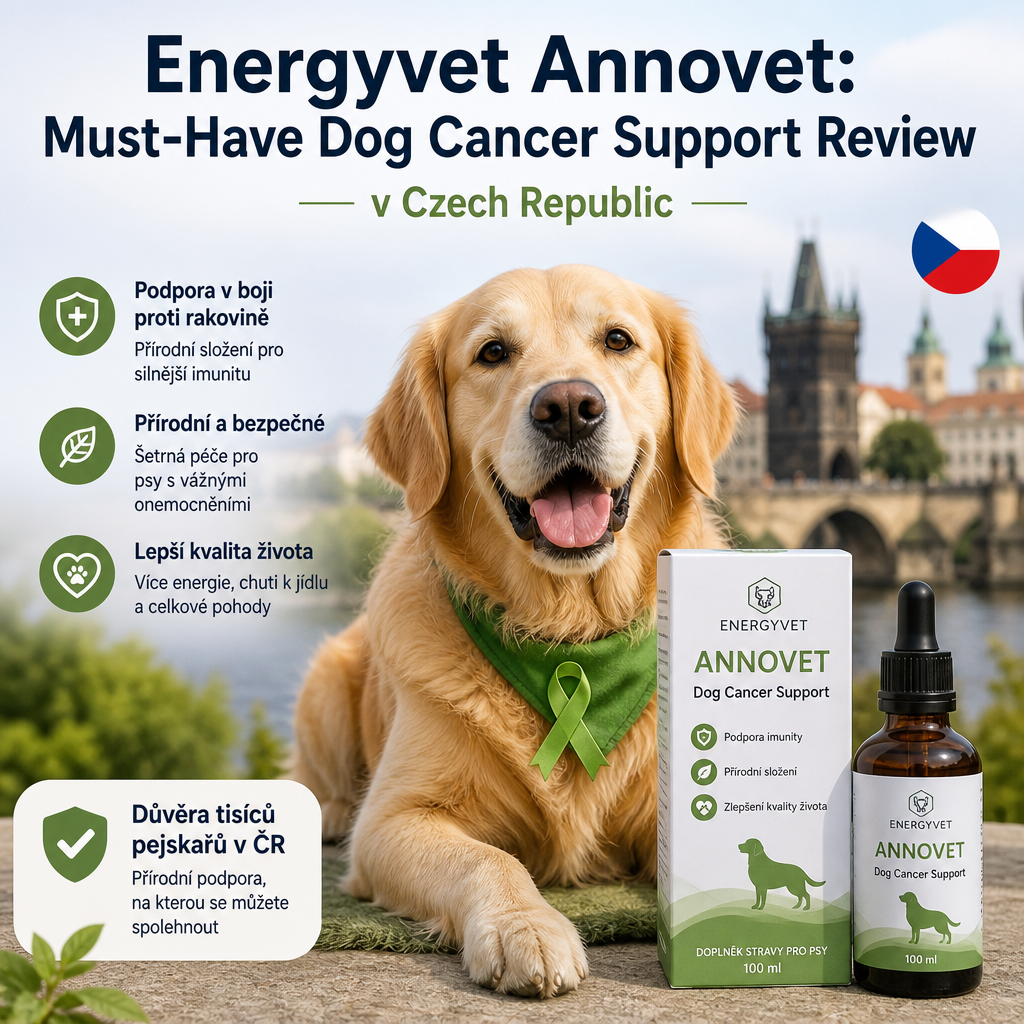
Energyvet Annovet is a complementary veterinary product that has attracted attention among dog owners looking for additional support during cancer care. In the Czech Republic, interest in natural and supportive approaches is growing, especially when conventional treatment is combined with careful nutrition, symptom management, and close veterinary supervision. However, it is important to understand what this product can realistically do, how it may fit into a wider care plan, and why it should never replace diagnosis or treatment from a qualified veterinarian.
Energyvet Annovet is marketed as a veterinary supplement intended to support dogs facing serious health challenges, including conditions associated with tumors. It is generally discussed as part of complementary care rather than as a standalone medicine. Products in this category are commonly used with the goal of supporting the immune system, maintaining vitality, and helping the body cope with physical stress.
The exact formulation, recommended dosage, and method of administration should always be checked on the current product packaging or with an authorized seller. Formulas and instructions can change, and the correct amount may depend on a dog’s weight, age, diagnosis, general condition, and other medications.
The central point for owners is that Energyvet Annovet should be viewed as supportive care. It is not a proven cure for cancer, and there is no responsible basis for promising that it can eliminate tumors or replace surgery, chemotherapy, radiation, or other veterinary treatment.
Energyvet Annovet dog cancer support: What Can Owners Expect?
When people search for Energyvet Annovet dog cancer support, they are often looking for help with practical concerns such as appetite, energy, recovery, and overall comfort. Dogs with cancer can experience fatigue, weight loss, digestive problems, pain, anxiety, and reduced interest in normal activities. Supportive products like Energyvet Annovet may be considered as one part of an individualized plan designed to preserve quality of life.
Potential reasons an owner may discuss a supplement with a veterinarian include:
Supporting general condition during a demanding treatment period
Helping maintain normal appetite and activity
Providing nutritional or botanical support when a dog is recovering
Complementing a carefully selected diet
Supporting comfort and wellbeing alongside prescribed care
These possible aims should be kept realistic. A supplement may be tolerated well by one dog and poorly by another. It may also have no noticeable effect. Cancer is not one single disease; different tumor types behave differently, and each patient has unique medical needs. The most meaningful measure of success is often quality of life rather than an unverified claim about tumor reduction.
A balanced Energyvet Annovet review should distinguish between customer experience, manufacturer information, and independently established veterinary evidence. Positive testimonials can be useful for understanding how owners perceive a product, but they do not prove that the product treats cancer. Individual dogs may improve because of conventional therapy, dietary changes, pain control, natural fluctuations in disease, or several interventions used at the same time.
Owners should look for transparent information about ingredients, manufacturing standards, dosage, possible contraindications, and quality control. It is also sensible to be cautious about statements that guarantee results, claim to work for every cancer type, or encourage stopping prescribed medication. A trustworthy product description should clearly explain that complementary support does not replace professional veterinary care.
Before using any supplement, ask the veterinarian to review the ingredient list. Some substances can affect the liver, kidneys, blood clotting, blood pressure, or the way medications are absorbed and processed. This is particularly important for dogs receiving chemotherapy, corticosteroids, anti-inflammatory drugs, antibiotics, sedatives, or medication for heart, liver, or kidney disease.
Veterinary oncology guidance can also be useful when deciding whether a product belongs in a dog’s plan. The Veterinary Cancer Society provides educational information about cancer in pets and the importance of evidence-based care.
In practical terms, Energyvet Annovet should be treated as one piece of a larger support strategy, not as a shortcut around medical decision-making. Families who understand that distinction are usually better prepared to evaluate whether the supplement fits their dog’s needs.
Energyvet Annovet Czech Republic: Buying and Using It Responsibly
For owners searching for Energyvet Annovet Czech Republic, purchasing through a reliable channel is an important part of safe use. Choose an official distributor, established veterinary supplier, or reputable Czech retailer that provides clear product information, batch details, storage instructions, and customer support. Avoid products with damaged packaging, missing labels, unclear expiration dates, or unusually aggressive claims.
The Czech Republic has a strong network of veterinary clinics, specialty practices, and pharmacies where owners can seek advice. A veterinarian can help determine whether a supplement is appropriate, explain how it should be introduced, and monitor the dog for changes. This is especially valuable when care involves an oncologist or another specialist.
Keep a simple record after starting any new product. Note the date it was introduced, the amount given, appetite, stool quality, vomiting, energy, behavior, weight, and any changes in medication. Stop administration and contact a veterinarian if the dog develops repeated vomiting, diarrhea, swelling, breathing difficulties, severe lethargy, unusual bleeding, or a sudden decline.
When a dog is already under treatment, it helps to ask these practical questions before buying:
Is the product compatible with current medication?
Are there known ingredient sensitivities or interaction risks?
What signs should make me stop use immediately?
Should the supplement be given with food or on an empty stomach?
How will we know whether it is helping?
These questions can prevent confusion and help the veterinary team keep care coordinated. They also make it easier to decide whether Energyvet Annovet belongs in a short-term trial or should be avoided entirely.
Combining Complementary Care With Veterinary Treatment
The most effective cancer support plan is usually multidisciplinary. Depending on the diagnosis, it may include surgery, chemotherapy, radiation, pain relief, anti-nausea medication, nutritional management, physiotherapy, and palliative care. A supplement can only be considered responsibly within this larger framework.
Nutrition is often particularly important. Dogs with cancer may need food that is highly palatable, digestible, and appropriate for their medical condition. Forced dietary changes can create unnecessary stress, especially when appetite is already poor. A veterinary nutritionist may be helpful when a dog is losing weight or has additional conditions such as pancreatitis or kidney disease.
Regular monitoring is equally important. Scheduled examinations and diagnostic tests allow the veterinary team to assess disease progression, treatment response, hydration, organ function, and comfort. No supplement should delay an appointment or substitute for testing when symptoms worsen.
Owners in the Czech Republic may also want to discuss supportive care goals in advance. For example, the plan may focus on maintaining appetite during treatment, reducing nausea, supporting mobility, or improving rest. When the goal is clear, it becomes easier to judge whether a supplement is worth continuing.
It is also wise to keep expectations flexible. Some dogs remain stable for a time, while others need their care plans adjusted frequently. A product that seems useful during one stage of illness may not remain appropriate later, especially if medications or organ function change.
In many cases, the most helpful “support” is not a single supplement but the combination of pain control, hydration, nutrition, emotional comfort, and timely veterinary follow-up. That broader approach is often more valuable than relying on any one product promise.
For readers who are still comparing options, Energyvet Annovet can be viewed against other supportive choices only after the dog’s medical priorities are clear and the treating veterinarian has reviewed the plan.
Final Assessment
Energyvet Annovet may be considered by some Czech dog owners as a complementary option during cancer care, but expectations should remain careful and evidence-based. A responsible Energyvet Annovet review cannot describe it as a guaranteed cancer treatment. Its possible role is supportive, and its suitability depends on the individual dog, the type of cancer, current treatment, and overall health.
For families in the Czech Republic, the safest approach is to verify the product source, review its ingredients with a veterinarian, follow the recommended administration instructions, and monitor the dog closely. The priority should always be comfort, dignity, and the best possible quality of life through coordinated professional care.
When used thoughtfully, supportive products may have a place in a broader care strategy. When used carelessly, they can create false hope or interfere with treatment. The best decisions are made with clear information, realistic expectations, and veterinary guidance at every step. For many owners, that cautious approach is the most practical way to use Energyvet Annovet responsibly.
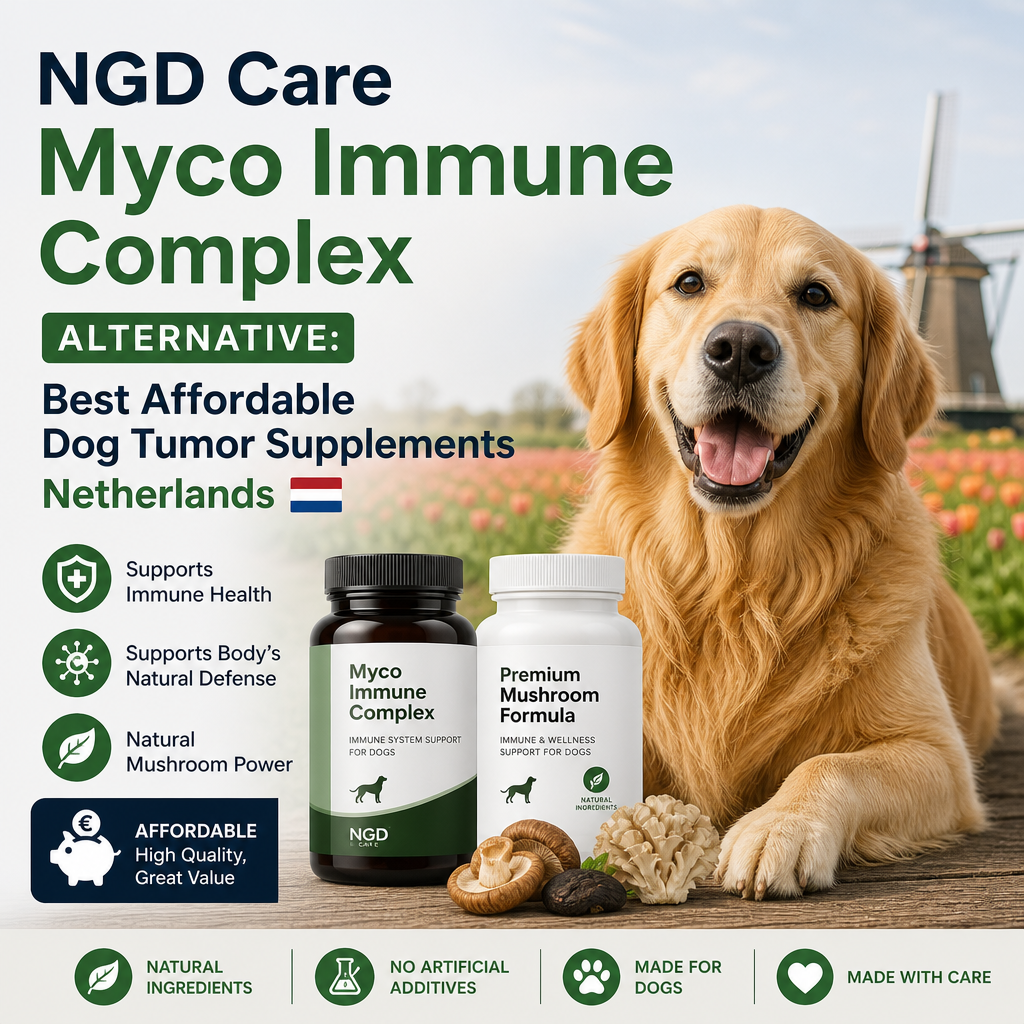
NGD Care Myco Immune Complex alternative searches are becoming more common among dog owners in the Netherlands who want supportive nutrition for a dog with a tumor. These products are generally considered complementary supplements rather than cures, but they may help owners provide additional nutritional and immune support alongside veterinary care. Choosing the right option requires attention to ingredients, quality, dosage, safety, and the individual dog’s medical condition.
Why owners look for alternatives to NGD Care Myco Immune Complex
NGD Care Myco Immune Complex is associated with mushroom-based immune support. Some owners seek an NGD Care Myco Immune Complex alternative because the original product may be difficult to find, expensive, unavailable through local suppliers, or unsuitable for a dog with particular dietary needs. Others may prefer a supplement with fewer ingredients, a different mushroom blend, liquid administration, or clearer information about sourcing and testing.
In practice, many families start comparing options after a diagnosis because the daily routine changes quickly. Appetite may fluctuate, digestion may become more sensitive, and the dog may already be taking prescription medicine that must be considered before adding anything new. That makes a careful search for an NGD Care Myco Immune Complex alternative more than a shopping decision; it becomes part of a wider care plan. Owners often want something that is easy to give, affordable enough to continue, and simple to discuss with the vet.
Price is also an important consideration. Long-term supportive care can become expensive, especially when combined with veterinary consultations, diagnostic imaging, medication, and a specialized diet. Comparing alternatives to NGD Care Myco Immune Complex can help owners find a product that fits their budget without compromising basic standards of quality and safety. For many households, the goal is not to find the most elaborate supplement, but the one that can be used consistently over time.
However, a lower price should not be the only deciding factor. Products designed specifically for pets are often easier to dose and may have better safety guidance than human supplements. Dogs also process certain compounds differently from people, so a product that appears natural is not automatically safe. When searching for an NGD Care Myco Immune Complex alternative, it is worth balancing cost, palatability, and veterinary guidance. The best choice is usually the one that fits the dog, not the one that looks best on paper.
It also helps to think about the product’s role. Supportive supplements may be chosen to complement appetite, digestion, or general wellbeing, but they should not be expected to replace standard medical treatment. That distinction matters when owners compare brands, because some companies focus on realistic supportive care while others use overstated marketing language. Keeping expectations grounded will make the selection process much easier.
What ingredients are commonly used in dog tumor supplements Netherlands owners consider?
Many dog tumor supplements Netherlands shoppers review contain medicinal mushrooms or other nutritional ingredients intended to support general wellness. Common mushroom ingredients include turkey tail, reishi, maitake, shiitake, and cordyceps. These mushrooms contain compounds such as beta-glucans, which are being studied for their effects on immune activity. Research is ongoing, and evidence in dogs remains limited compared with conventional veterinary treatments.
Other supplements may contain omega-3 fatty acids from fish oil, antioxidants, vitamin supplements, medicinal herbs, or digestive-support ingredients. Omega-3 fatty acids can be useful in some canine diets, particularly when a veterinarian recommends them for inflammation or general nutritional support. Nevertheless, concentrated oils can affect digestion and may not be appropriate for every dog. Some dogs do better with a smaller daily dose, while others may need to avoid high-fat formulas if they are prone to stomach upset.
A useful product label should clearly identify the ingredients, quantities, recommended serving size, batch information, expiry date, and manufacturer. Be cautious with products that hide their amounts behind vague terms such as “proprietary blend.” Without exact quantities, it is difficult to compare products or evaluate whether the formula is appropriate. If you are comparing an NGD Care Myco Immune Complex alternative, transparent labeling is one of the fastest ways to narrow the field.
When owners read through several labels, they usually notice that the formulas are not all built the same way. Some are mushroom-heavy, others combine mushrooms with algae, herbs, or nutritional oils, and a few are primarily vitamin-based. There is no universal best formula. Instead, the right choice depends on the dog’s diet, the treatment plan, and how well the product is tolerated. This is why an NGD Care Myco Immune Complex alternative should be judged as a practical tool, not as a miracle product.
Is the formula intended for dogs, or is it a human supplement?
Does the label show the exact amount of each active ingredient?
Are the mushrooms standardized or simply listed as a blend?
Does the product contain flavorings, sweeteners, or fillers that may upset digestion?
Is there enough information to compare the product with another NGD Care Myco Immune Complex alternative?
How to compare an NGD Care Myco Immune Complex alternative
When comparing an NGD Care Myco Immune Complex alternative, begin with the dog’s veterinary care plan. A supplement should support that plan, not replace surgery, chemotherapy, radiation, pain management, or other treatments recommended by a qualified veterinarian. Ask whether the ingredients could interfere with medication, anesthesia, blood clotting, liver function, or kidney function.
Next, assess product quality. Look for manufacturers that provide transparent information about manufacturing standards and independent testing. In the Netherlands and the wider European Union, pet supplements may not be regulated in exactly the same way as prescription medicines. This means owners should pay close attention to responsible labeling and avoid products making dramatic claims such as “guaranteed to shrink tumors” or “cures cancer.” A trustworthy supplier will usually be clear about what the supplement can and cannot do.
Administration is another practical factor. Capsules may work well for some dogs, while powders or liquid products can be easier to mix with food. The supplement should be manageable to give consistently and should not contain unnecessary fillers, artificial sweeteners, or ingredients known to be harmful to dogs. Xylitol, for example, is highly dangerous for dogs and must be avoided.
Finally, calculate the real monthly cost. A product with a lower purchase price may require a larger daily amount, making it more expensive over time. Compare the cost per serving and consider shipping fees, especially when buying from suppliers outside the Netherlands. If you are choosing an NGD Care Myco Immune Complex alternative, the cheapest bottle is not always the best value.
It is also useful to compare convenience. Some owners can hide a powder in food without trouble, while others need a product that mixes cleanly or comes in a smaller capsule. Consistency matters, because even a good formula is less useful if the dog refuses it. Palatability and ease of use often determine whether a product becomes part of a long-term routine.
Five practical checks before you buy
Does the label list exact ingredient amounts?
Is the product intended for dogs rather than humans?
Can you confirm the source, batch number, and expiry date?
Does the daily cost fit your long-term budget?
Has your veterinarian reviewed the ingredients for possible interactions?
Safety considerations for dogs with tumors
Before starting any supplement, discuss it with a veterinarian, preferably one familiar with the dog’s diagnosis and treatment history. This is particularly important if the dog is receiving chemotherapy, corticosteroids, anti-inflammatory medication, anticoagulants, or other prescription drugs.
Possible side effects can include vomiting, diarrhea, reduced appetite, itching, lethargy, or changes in behavior. Stop the product and contact a veterinarian if severe or persistent symptoms occur. Introduce a new supplement gradually when the veterinarian approves, and avoid starting several products at the same time. Introducing one product at a time makes it easier to identify the cause of a reaction. If the dog is already unwell, even mild stomach upset can make feeding more difficult, so slow changes are usually safer.
Dogs with liver disease, kidney disease, pancreatitis, allergies, or sensitive digestion may need a more cautious approach. Puppies, pregnant dogs, and elderly dogs can also have different nutritional requirements. The correct choice depends on the dog’s weight, age, condition, medication, tumor type, and overall diet. Even the most promising NGD Care Myco Immune Complex alternative should be used carefully and with professional oversight.
Owners sometimes assume that because a supplement is sold online, it has been checked for every possible health issue. That is rarely the case. A product can still be unsuitable for a specific dog even if it appears popular, natural, or well reviewed. A cautious approach is especially important when the dog’s appetite is unstable or when the treatment plan is changing. In those situations, it is smarter to introduce support gradually and monitor the dog closely.
Owners searching for dog tumor supplements Netherlands suppliers can compare veterinary clinics, reputable pet pharmacies, specialist online retailers, and established European manufacturers. A local supplier may offer faster delivery and easier customer support, while a larger retailer may provide more product reviews and price comparisons.
Look for clear Dutch or English instructions, realistic health claims, secure packaging, and accessible customer service. Reviews can provide information about palatability and delivery, but they should not be treated as proof that a supplement treats tumors. Personal experiences vary widely, and improvements may result from multiple aspects of care rather than one product.
Cost comparisons should go beyond the sticker price. Consider the number of servings per bottle, the amount needed for your dog’s weight, and the shipping cost. A product with a slightly higher bottle price may still be the better deal if it lasts longer or is better tolerated. For households managing ongoing treatment, small monthly savings can add up, especially if supportive care continues for many months.
The most affordable option is usually the one that provides transparent ingredients, suitable dosing, dependable quality, and good tolerance. In some cases, a veterinarian may recommend a simpler nutritional supplement rather than an expensive multi-ingredient formula. That is why many owners compare more than one NGD Care Myco Immune Complex alternative before making a final decision.
It can also help to ask local Dutch suppliers whether they stock the product regularly or whether it is imported in limited batches. Repeated shortages can interrupt a routine, and a supplement that is perfect on paper may still be inconvenient if it cannot be obtained reliably. Stability of supply is an important part of affordability because a lower-cost product loses value if it cannot be repurchased when needed.
Ways to keep supportive care more affordable
Compare the cost per day instead of only the bottle price.
Check whether local Dutch suppliers can reduce shipping costs.
Ask your veterinarian whether a simpler formula would be appropriate.
Watch for subscription discounts only if the product is already well tolerated.
Track use carefully so you do not overbuy products that are not helping.
A balanced approach to supportive care
Supplements may have a role in supporting appetite, nutritional intake, digestion, or general wellbeing, but they should be viewed as one part of a broader care plan. Maintaining a healthy body weight, providing a complete diet, controlling pain and nausea, encouraging appropriate activity, and monitoring quality of life are equally important.
Keep a simple record of the product name, dose, start date, appetite, stool quality, energy levels, and any unusual symptoms. This information can help the veterinarian decide whether the supplement is beneficial or should be discontinued. It can also make follow-up conversations much easier, especially when several changes happen at once.
The best alternatives to NGD Care Myco Immune Complex are not necessarily the products with the strongest marketing claims. They are products that match the dog’s medical needs, provide transparent labeling, come from a reliable source, and remain affordable enough for consistent use. Careful comparison and veterinary guidance can help owners make a safer, more informed decision while keeping the dog’s comfort and quality of life at the center of treatment. If you are still comparing an NGD Care Myco Immune Complex alternative, focus on quality, suitability, and long-term practicality rather than promise-driven marketing.
For owners who want a clear, practical next step, an NGD Care Myco Immune Complex alternative should be chosen only after reviewing the dog’s current treatment plan, the ingredient list, and the expected monthly cost. A well-chosen NGD Care Myco Immune Complex alternative can be easier to give consistently and may better match your dog’s appetite, digestion, and daily routine. In other cases, the best NGD Care Myco Immune Complex alternative may be the simplest formula that your veterinarian considers appropriate.
If you are comparing an NGD Care Myco Immune Complex alternative with other dog tumor supplements Netherlands pet owners commonly buy, focus on the full picture rather than a single headline claim. Good labels, realistic expectations, and steady use matter more than flashy promises. A thoughtful NGD Care Myco Immune Complex alternative can fit into a broader supportive-care plan while still staying affordable and practical for long-term use.
When in doubt, ask your veterinarian whether the product you are considering fits the diagnosis, the current medications, and the dog’s day-to-day tolerance. That simple step can prevent unnecessary spending and reduce the risk of avoidable side effects. A steady, informed approach is usually the safest path when selecting an NGD Care Myco Immune Complex alternative for a dog with tumors in the Netherlands.
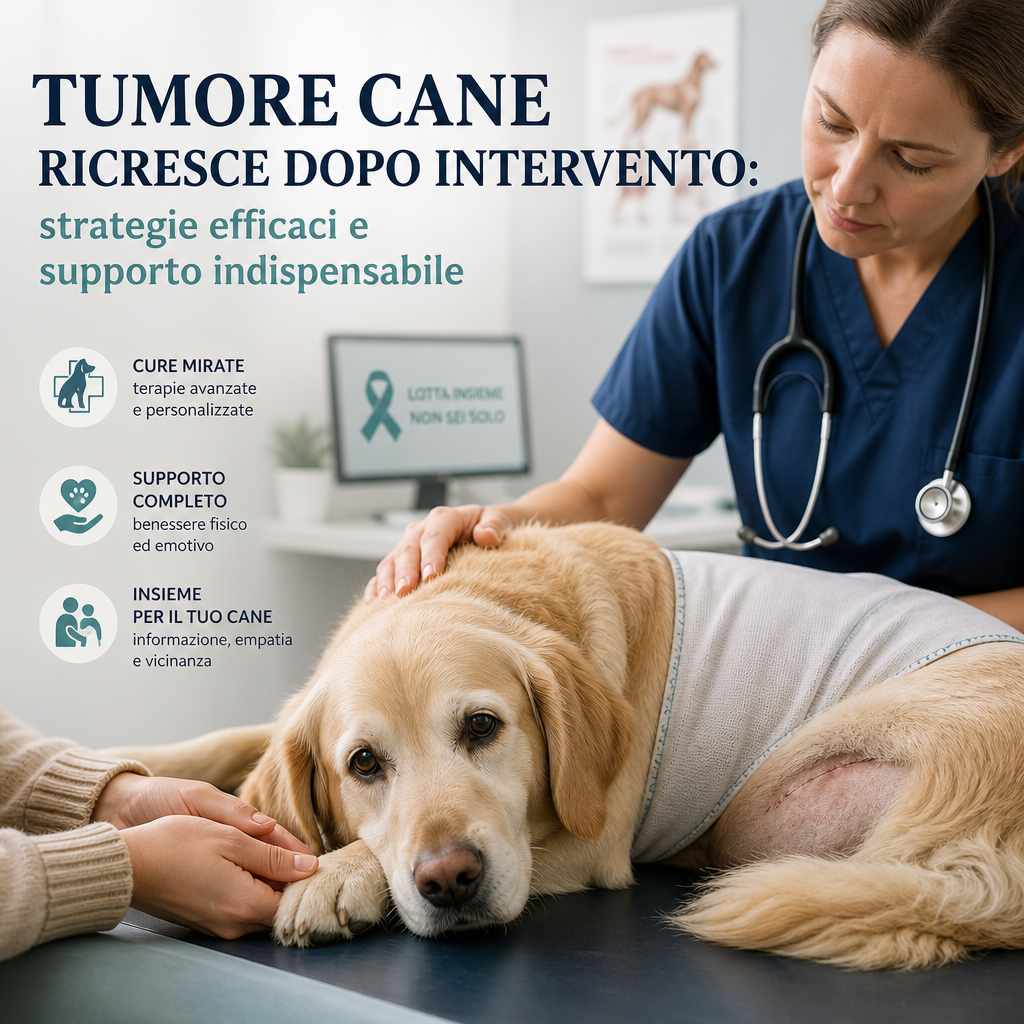
Quando un tumore cane ricresce dopo intervento, è normale provare paura e confusione. La ricomparsa di una massa non significa però automaticamente che non ci siano più opzioni utili. Ogni caso va rivalutato in base al tipo di tumore, al grado di malignità, alla sede, ai margini chirurgici e alle condizioni generali dell’animale. Un percorso veterinario tempestivo e personalizzato resta il punto di partenza per capire cosa sta succedendo e quali passi discutere con il medico.
In questa guida vediamo perché può comparire una recidiva, quali controlli servono, quali supporti possono essere utili e come mantenere il più possibile la qualità di vita del cane durante il percorso di cura. Se vuoi approfondire il contesto generale dell’oncologia veterinaria, puoi consultare anche la guida sul supporto veterinario integrato per animali con patologie complesse.
Perché può verificarsi una recidiva del tumore nel cane
La recidiva tumore cane indica la ricomparsa della malattia dopo un trattamento, generalmente chirurgico. Può presentarsi nella stessa area dell’intervento, sotto forma di recidiva locale, oppure coinvolgere altri organi attraverso metastasi.
Tra le principali cause ci sono la presenza di cellule tumorali microscopiche rimaste nei tessuti, margini chirurgici non completamente indenni, una crescita biologicamente aggressiva o una diagnosi iniziale effettuata quando la malattia era già in fase avanzata. Anche quando l’intervento è stato eseguito correttamente, alcune cellule possono non essere visibili a occhio nudo né rilevabili con gli esami disponibili.
Il referto istologico rappresenta uno strumento fondamentale. Indica la natura della massa, il grado di malignità, l’indice mitotico e, spesso, la distanza dei margini chirurgici dalle cellule tumorali. Questi dati aiutano il veterinario oncologo a stimare il rischio di recidiva e a valutare eventuali trattamenti aggiuntivi.
Non tutti i tumori hanno lo stesso comportamento. Alcune neoplasie tendono a crescere lentamente e a rimanere localizzate per più tempo, mentre altre possono diffondersi in tempi rapidi. Per questo motivo il veterinario considera sempre il quadro complessivo, e non solo la dimensione della massa visibile.
Un aspetto importante è la localizzazione: una massa sulla cute, una lesione nei tessuti molli o un tumore in una sede profonda non si comportano nello stesso modo. La stessa parola “recidiva” può descrivere scenari molto diversi, dal ritorno di un nodulo superficiale alla progressione di una malattia già sistemica. Per questo il termine tumore cane ricresce dopo intervento va sempre interpretato dentro il contesto clinico completo.
Cosa fare quando il tumore ricompare
Quando si sospetta che il tumore sia ricresciuto dopo l’intervento, è importante non aspettare troppo. Un nodulo, un’area più dura, arrossamento persistente, gonfiore o una ferita che non guarisce dovrebbero essere segnalati al veterinario.
La valutazione può comprendere:
visita clinica completa;
esame citologico tramite agoaspirato;
biopsia e nuovo esame istologico;
analisi del sangue;
radiografie toraciche;
ecografia addominale;
tomografia computerizzata o risonanza magnetica, quando indicate;
ricerca di eventuali metastasi nei linfonodi o in altri organi.
Non tutte le masse che compaiono vicino alla cicatrice sono necessariamente una recidiva. Possono trattarsi di infiammazione, sieroma, granuloma da sutura o infezione. Per questo è rischioso formulare conclusioni basandosi solo sull’aspetto esterno.
Se il cane manifesta dolore, leccamento insistente, perdita di appetito o apatia, il controllo va anticipato. Una diagnosi precoce può cambiare in modo significativo le opzioni disponibili. Anche quando il quadro sembra sfavorevole, agire in fretta aiuta a mantenere aperte più strade terapeutiche e di supporto.
Strategia quando il tumore cane ricresce dopo intervento
Quando si parla di tumore cane ricresce dopo intervento, la strategia non è mai uguale per tutti. Il piano dipende dalla sede della massa, dal tipo istologico, dalla velocità di crescita e dall’eventuale presenza di metastasi. In questa fase il veterinario può proporre una o più opzioni di supporto, scegliendo quelle più realistiche per il singolo paziente.
In alcuni casi può essere consigliato un secondo intervento chirurgico, soprattutto quando la massa è localizzata e asportabile con margini adeguati. Prima di procedere, il veterinario valuta la posizione del tumore, il coinvolgimento dei tessuti circostanti e il rapporto tra benefici e rischi.
La radioterapia può essere presa in considerazione per alcune neoplasie locali, in particolare quando la chirurgia non può garantire margini sufficientemente ampi. La chemioterapia, invece, può essere indicata per tumori sensibili ai farmaci o quando esiste un rischio significativo di diffusione nell’organismo.
In situazioni selezionate si possono valutare terapie mirate, immunoterapia o protocolli oncologici combinati. L’obiettivo non è sempre la guarigione completa: spesso si punta anche a rallentare la progressione, controllare il dolore e mantenere una buona qualità di vita il più a lungo possibile.
Ogni decisione dovrebbe essere presa dopo aver chiarito obiettivi, benefici attesi, possibili effetti collaterali e impatto concreto sulla vita quotidiana del cane.
Un errore comune è considerare il primo intervento come l’unica tappa decisiva. In realtà, dopo la diagnosi iniziale, il follow-up è parte integrante del percorso. Se il tumore cane ricresce dopo intervento, la valutazione non riguarda solo la nuova massa, ma anche il comportamento precedente della malattia, la risposta ai trattamenti già eseguiti e la tolleranza del cane alle terapie.
Quando la chirurgia può essere utile
Un nuovo intervento può avere senso se la recidiva è ben delimitata, non invasiva o ancora tecnicamente rimovibile. In questi casi il veterinario può cercare di ottenere margini più ampi rispetto al primo intervento, riducendo il rischio che restino cellule tumorali residue. Tuttavia, la chirurgia non è sempre la scelta migliore: in alcune aree anatomiche può risultare troppo aggressiva o poco risolutiva.
Prima di decidere, è utile chiedere se il tumore si trova in una zona in cui un’ulteriore asportazione potrebbe compromettere funzioni importanti, come la deambulazione, la masticazione, la respirazione o la continenza. Il beneficio oncologico va sempre messo in relazione con il benessere globale dell’animale.
Quando valutare radioterapia o chemioterapia
La radioterapia è spesso presa in considerazione quando il tumore è localmente aggressivo ma non ampiamente metastatico. La chemioterapia, invece, può essere più utile nei tumori che hanno una tendenza sistemica o quando gli esami suggeriscono cellule già diffuse nell’organismo. Il veterinario oncologo spiega sempre il razionale della scelta, in modo da aiutare la famiglia a decidere con maggiore serenità.
In alcune situazioni il trattamento può essere combinato: chirurgia per rimuovere la massa principale e terapia medica per ridurre il rischio di nuove cellule residue. Quando il tumore cane ricresce dopo intervento, questa integrazione è spesso il cuore della discussione clinica.
Tipi di supporto da discutere con il veterinario
Non esiste un unico “supporto” valido per tutti i cani. La scelta dipende dai sintomi presenti, dal tipo di tumore, dagli organi coinvolti e dall’obiettivo della cura. Parlare in modo dettagliato con il veterinario aiuta a capire quali misure possono essere davvero utili e quali invece rischiano di essere poco appropriate.
Controllo del dolore
Il dolore oncologico può essere sottovalutato, soprattutto nelle fasi iniziali. Un cane può continuare a camminare o a muoversi, ma mostrare segnali sottili come irrequietezza, postura anomala, riduzione del gioco o difficoltà a salire sul divano. Il controllo del dolore è fondamentale perché migliora appetito, sonno e mobilità.
Il veterinario può valutare analgesici, antinfiammatori quando appropriati, farmaci adiuvanti o protocolli multimodali. L’obiettivo è mantenere il cane il più possibile confortevole senza appesantirlo con terapie inutili o eccessive.
Gestione di nausea, vomito e perdita di appetito
Se il cane mangia poco, perde peso o mostra nausea, il supporto va intensificato rapidamente. La perdita di appetito può dipendere sia dalla malattia sia dai trattamenti. In questi casi il veterinario può proporre antiemetici, stimolanti dell’appetito o piccoli aggiustamenti nutrizionali.
Il supporto alimentare è particolarmente importante quando il tumore cane ricresce dopo intervento si associa a stanchezza, metabolismo alterato o calo della massa muscolare. Mantenere l’energia è una parte concreta della terapia di supporto.
Protezione del tratto gastrointestinale
Alcuni cani sviluppano diarrea, reflusso, feci molli o alterazioni dell’assorbimento. Il veterinario può consigliare cibi più digeribili, probiotici selezionati o farmaci specifici in base al quadro clinico. Anche l’idratazione deve essere monitorata con attenzione, soprattutto nei soggetti anziani o già debilitati.
Supporto alla mobilità e al riposo
Se il tumore coinvolge arti, colonna, cavità orale o tessuti profondi, il cane può muoversi con più fatica. In questi casi il supporto può includere superfici antiscivolo, letti più morbidi, rampe per salire in auto o sul divano e una routine quotidiana meno stressante. Anche le attività vanno adattate alla resistenza dell’animale, evitando sforzi inutili.
Supporto palliativo quando non si può agire in modo aggressivo
Quando la malattia non è più controllabile con trattamenti aggressivi, le cure palliative diventano una parte essenziale del percorso. Non significano “non fare nulla”, ma fare scelte mirate al comfort: dolore sotto controllo, sintomi ridotti, alimentazione possibile, ambiente tranquillo e monitoraggio frequente.
Discutere in anticipo questi aspetti evita decisioni prese nel panico. Una conversazione chiara su qualità di vita, segnali di peggioramento e criteri per rivalutare il piano terapeutico è sempre utile.
Alimentazione e integratori dopo intervento tumore cane
Gli integratori dopo intervento tumore cane possono offrire un supporto nutrizionale, ma non sostituiscono la chirurgia, la chemioterapia, la radioterapia o i controlli specialistici. Prima di introdurre qualsiasi prodotto è indispensabile parlarne con il veterinario, perché alcuni integratori possono interferire con i farmaci o risultare inadatti in presenza di problemi renali, epatici o gastrointestinali.
La priorità è garantire un’alimentazione completa, digeribile e sufficientemente calorica. Il cane dovrebbe mantenere il più possibile il peso e la massa muscolare, poiché dimagrimento e perdita di appetito possono compromettere il recupero. In alcuni casi il veterinario può consigliare una dieta specifica per pazienti oncologici, formulata tenendo conto del fabbisogno energetico e della tolleranza individuale.
Tra le sostanze talvolta valutate dal medico veterinario ci sono acidi grassi omega-3, antiossidanti e supporti destinati al benessere intestinale. Tuttavia, “naturale” non significa automaticamente sicuro. Prodotti di scarsa qualità, dosaggi eccessivi o combinazioni non controllate possono causare effetti indesiderati.
Può essere utile scegliere alimenti altamente appetibili, offrire pasti piccoli e frequenti e monitorare peso e consumo quotidiano. Se il cane mangia meno, non bisogna aspettare che perda troppo peso prima di avvisare il veterinario.
In alcuni casi il veterinario può anche suggerire di registrare per alcuni giorni la quantità effettiva di cibo assunta, l’eventuale rifiuto di specifici alimenti e la presenza di nausea. Queste informazioni, spesso semplici ma molto concrete, aiutano a personalizzare meglio il supporto. Se il cane ha già avuto un periodo in cui il tumore cane ricresce dopo intervento ha richiesto terapie aggiuntive, la nutrizione diventa ancora più importante per sostenere il recupero.
Cosa discutere con il veterinario prima di usare integratori
eventuali terapie in corso;
funzionalità di fegato e reni;
presenza di vomito, diarrea o nausea;
appetito e variazioni di peso;
obiettivo del supporto nutrizionale;
qualità e dosaggio del prodotto scelto.
Alimentazione pratica nella vita quotidiana
Oltre alla scelta del cibo, conta anche la modalità con cui viene offerto. Alcuni cani mangiano meglio in un ambiente calmo, lontano da rumori o competizioni con altri animali. Altri apprezzano pasti più piccoli distribuiti nell’arco della giornata. Quando il cane attraversa una fase delicata, osservare le sue preferenze può aiutare a mantenere l’assunzione calorica senza forzature.
Se l’appetito cambia rapidamente, il veterinario può decidere di intervenire prima che il problema peggiori. Aspettare troppo può rendere il recupero più lento e complicare la gestione della terapia oncologica.
Il ruolo dei controlli periodici
Dopo un tumore, i controlli devono seguire un calendario stabilito in base al rischio di recidiva. Nelle prime fasi possono essere necessarie visite più ravvicinate, con palpazione della cicatrice, valutazione dei linfonodi ed eventuali esami di imaging.
Anche a casa il proprietario può osservare regolarmente la zona dell’intervento, senza manipolarla eccessivamente. È utile annotare dimensioni e cambiamenti della massa, appetito, peso, livello di attività, respirazione, eventuali episodi di vomito o diarrea e presenza di dolore. Un diario semplice può aiutare il veterinario a riconoscere più rapidamente variazioni importanti.
Se il caso è complesso, il medico può consigliare controlli più frequenti nei primi mesi dopo l’intervento. Questo è particolarmente utile quando il tumore cane ricresce dopo intervento è già accaduto una volta, perché il monitoraggio ravvicinato permette di intervenire prima su eventuali nuove variazioni.
Un confronto aperto con lo specialista aiuta anche a interpretare correttamente i risultati degli esami. A volte piccoli cambiamenti non richiedono azioni immediate, mentre altre volte segni apparentemente lievi meritano approfondimento urgente.
I controlli periodici servono anche a verificare se il cane sta tollerando bene i farmaci, se il dolore è davvero sotto controllo e se la qualità di vita è stabile. Non si tratta soltanto di cercare nuove masse, ma di valutare l’intero andamento clinico in modo continuativo.
Come interpretare prognosi e obiettivi di cura
Quando il proprietario chiede “cosa succederà adesso?”, la risposta dipende da molti fattori. La prognosi non si basa soltanto sul fatto che il tumore sia tornato, ma sul tipo di tumore, sulla sua aggressività, sulla possibilità di controllo locale e sulla presenza o meno di diffusione a distanza.
In alcuni pazienti l’obiettivo può essere il controllo a lungo termine della malattia. In altri l’obiettivo principale è ridurre il disagio e garantire il maggior benessere possibile. Entrambe le impostazioni sono legittime se sono coerenti con la situazione clinica e con i bisogni del cane.
Una buona comunicazione con il veterinario aiuta a evitare aspettative irrealistiche. Capire cosa è plausibile ottenere, e con quali costi biologici per l’animale, rende il percorso più sereno e più centrato sul paziente.
Quando serve un secondo parere
Un secondo parere oncologico può essere utile se la situazione è complessa, se i risultati degli esami non sono chiari o se la famiglia vuole confermare il piano proposto. Questo non significa sfiducia nel primo veterinario: in oncologia, il confronto tra specialisti può arricchire la valutazione e offrire più chiarezza.
Un altro parere è particolarmente sensato quando il tumore è in una sede delicata, quando si sta valutando un nuovo intervento o quando il cane ha già mostrato una recidiva. In questi casi una lettura aggiuntiva dell’istologico, delle immagini radiologiche e del quadro generale può essere molto utile.
Se il tumore cane ricresce dopo intervento, non bisogna limitarsi a chiedere se esista una sola cura “giusta”. Spesso è più utile discutere una gerarchia di possibilità: cosa può essere fatto subito, cosa può essere rimandato, quali sono i segnali che indicano un cambiamento di strategia e quali effetti collaterali sono accettabili rispetto ai benefici attesi.
Fonti utili e approfondimenti clinici
Per chi desidera informazioni di base affidabili sui tumori negli animali domestici, un riferimento utile è la sezione oncologica della MSD Veterinary Manual, che offre contenuti educativi per proprietari e professionisti.
Naturalmente, la valutazione del singolo cane deve restare nelle mani del veterinario curante o dell’oncologo veterinario, che conosce la storia clinica completa e può integrare i dati con gli esami già eseguiti.
Supporto emotivo e qualità della vita
Affrontare una recidiva è difficile anche dal punto di vista emotivo. Il proprietario può sentirsi colpevole o temere di non aver fatto abbastanza, ma la ricomparsa del tumore non dipende necessariamente da errori nelle cure o nell’assistenza quotidiana.
La qualità della vita deve rimanere al centro di ogni decisione. Un cane che mangia, riposa, interagisce, si muove con interesse e mostra più giornate positive che negative può conservare un buon benessere anche durante le terapie. Il controllo del dolore, della nausea e degli altri sintomi è parte integrante del trattamento oncologico.
Un confronto trasparente con il veterinario oncologo aiuta a comprendere prognosi, obiettivi e possibili effetti collaterali. In alcuni casi il piano migliore è aggressivo e finalizzato al controllo della malattia; in altri è più prudente e orientato alle cure palliative. Entrambe le strade possono essere appropriate se rispettano le condizioni dell’animale e le sue esigenze.
Quando il tumore cane ricresce dopo intervento, agire con tempestività, affidarsi a una diagnosi precisa e offrire un supporto nutrizionale e affettivo adeguato può fare una differenza concreta. La collaborazione tra famiglia e team veterinario permette di affrontare ogni fase con maggiore consapevolezza, proteggendo il benessere del cane e valutando con attenzione le opportunità disponibili.
Conclusione
Se il tumore cane ricresce dopo intervento, la priorità è rivalutare il caso con calma ma senza ritardi: servono diagnosi aggiornata, controlli mirati e una discussione chiara sulle opzioni disponibili. In base alla situazione, il veterinario può proporre un nuovo intervento, terapie mediche, radioterapia, supporto nutrizionale o un percorso palliativo orientato al comfort. La scelta migliore è quella che tutela davvero la salute, il comfort e la qualità di vita del cane.
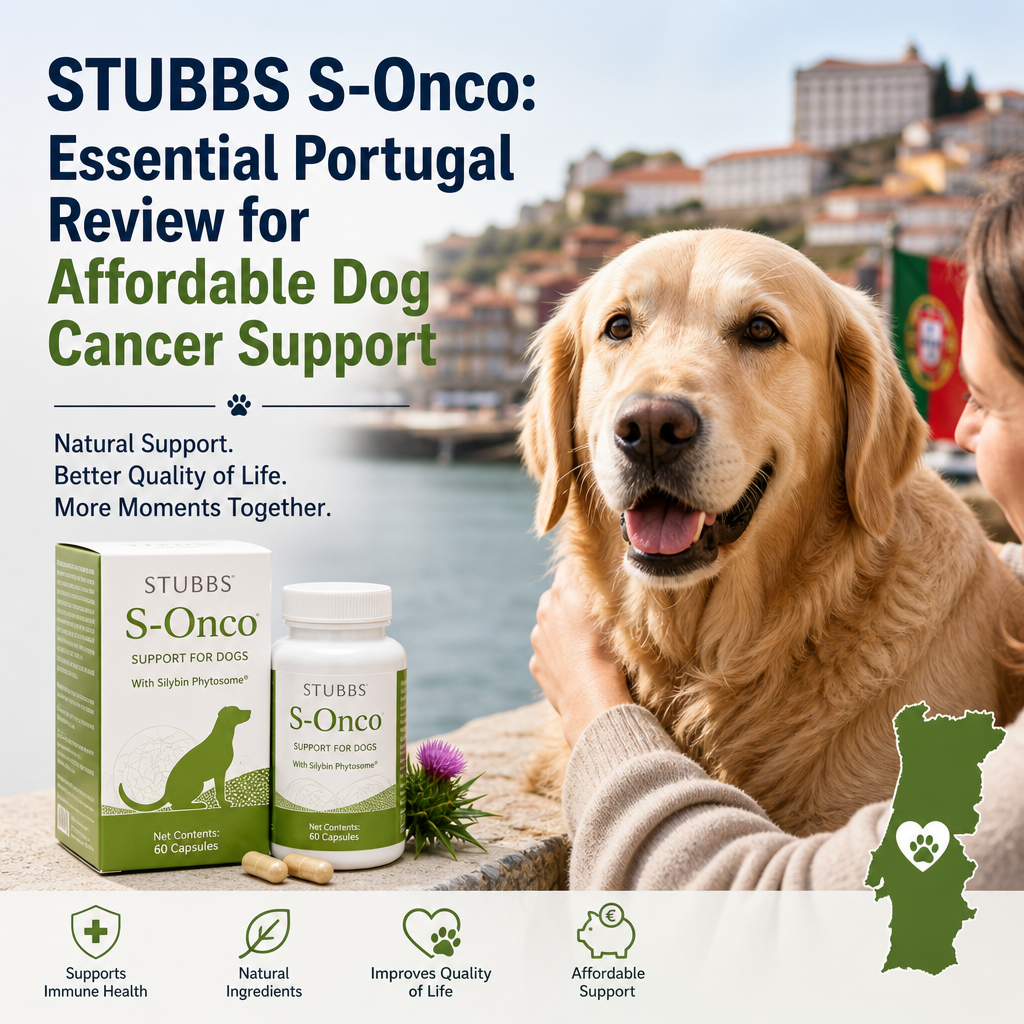
STUBBS S-Onco has attracted attention among Portuguese dog owners looking for practical, affordable support during a difficult cancer diagnosis. However, evaluating any supplement for a sick dog requires a balanced approach. A product may help complement veterinary care, but it should never replace diagnostic testing, surgery, chemotherapy, radiation, pain management, or other treatments recommended by a qualified veterinarian.
What is STUBBS S-Onco?
STUBBS S-Onco is marketed as a nutritional support product for dogs affected by cancer or those needing additional immune and metabolic support. Products in this category commonly contain combinations of vitamins, minerals, antioxidants, plant compounds, or other ingredients intended to support normal immune function and general wellbeing.
The exact formulation, dosage, and recommended duration are especially important. Different dogs have different needs based on their weight, age, breed, cancer type, kidney and liver function, current medications, and treatment plan. Owners should therefore read the official label carefully and discuss the product with their veterinarian before beginning use.
A supplement can sometimes support appetite, energy, digestion, or overall nutritional status, but those benefits are not the same as treating cancer itself. The distinction is essential when assessing claims about STUBBS S-Onco dog cancer support.
STUBBS S-Onco review: what should owners evaluate?
A responsible STUBBS S-Onco review should look beyond advertising language and consider several practical factors.
Ingredient transparency
The label should clearly identify every active ingredient and provide the amount per serving. Vague descriptions such as “immune blend” or “proprietary complex” make it harder for owners and veterinarians to assess safety. Transparent labeling also helps prevent accidental duplication with other supplements.
Evidence and realistic expectations
There is a difference between evidence for an individual ingredient and proof that a complete product improves cancer outcomes. Some nutrients may support normal body functions, while clinical evidence for extending survival or shrinking tumors may be limited or absent.
Owners should be cautious of promises involving guaranteed tumor reduction, complete cures, or replacement of conventional treatment. A trustworthy product description should explain its intended supportive role without encouraging delays in veterinary care.
Safety and tolerability
Cancer patients can be particularly vulnerable to side effects. Vomiting, diarrhea, reduced appetite, lethargy, or changes in drinking and urination should be taken seriously. A dog receiving chemotherapy, corticosteroids, anti-inflammatory medication, antibiotics, or anticoagulants may have a higher risk of interactions.
Veterinarians may also recommend avoiding certain ingredients before surgery or during specific treatment stages. Natural ingredients are not automatically harmless, and concentrated herbal extracts can affect the liver, kidneys, blood clotting, or medication metabolism.
STUBBS S-Onco dog cancer support in a broader care plan
Supportive cancer care involves much more than a single supplement. Nutrition is often a central concern, especially when a dog experiences nausea, mouth discomfort, altered taste, or loss of appetite. A veterinarian may recommend a highly digestible diet, calorie-dense food, appetite support, or a referral to a veterinary nutrition specialist.
Hydration is equally important. Dogs that are vomiting, experiencing diarrhea, or eating poorly may become dehydrated quickly. Owners should monitor water intake and report concerning changes rather than relying on a supplement to correct the problem.
Pain control, rest, gentle exercise, dental care, and emotional comfort also influence quality of life. Regular veterinary examinations can help identify whether a dog is responding to treatment or developing complications. These measures should remain the foundation of any cancer-support plan.
Searches for STUBBS S-Onco Portugal may lead owners to online stores, distributors, marketplaces, or international sellers. Before purchasing, check whether the seller provides a complete product label, batch information, expiry date, storage instructions, and clear contact details.
Portugal-based buyers should also consider delivery conditions. Products exposed to excessive heat or humidity during transport may deteriorate, particularly if they contain oils, probiotics, or other sensitive ingredients. Confirm whether the packaging is sealed and whether the product arrives in suitable condition.
It is also wise to verify return policies and customer-service information. A low price is not necessarily a good value if the product has unclear origin, incomplete labeling, or questionable storage history. Owners should avoid purchasing loose capsules, repackaged products, or items that make medical claims unsupported by reliable evidence.
Questions to ask a veterinarian
Before using STUBBS S-Onco, prepare a list of practical questions:
Is this product appropriate for my dog’s cancer type and current condition?
Could any ingredient interfere with chemotherapy, surgery, or prescribed medication?
Is the dose suitable for my dog’s weight and organ function?
Should the supplement be stopped before a procedure?
What side effects should prompt immediate contact?
Are there better-supported nutritional or symptom-management options?
Bring the packaging or a clear photograph of the full ingredient panel to the appointment. This allows the veterinarian to assess the actual formulation rather than relying on a product name alone.
Monitoring your dog after starting a supplement
If a veterinarian approves the product, introduce it exactly as directed. Do not combine it with several new supplements at the same time, because doing so makes it difficult to identify the cause of a reaction.
Keep a simple record of appetite, weight, bowel movements, vomiting, activity, water intake, and signs of pain. This information can help the veterinary team determine whether the product is tolerated and whether it is contributing meaningfully to the dog’s comfort.
Contact a veterinarian promptly if the dog develops repeated vomiting, bloody diarrhea, severe weakness, breathing difficulty, collapse, jaundice, seizures, or a sudden refusal to eat. These symptoms may indicate a serious complication and should not be attributed automatically to cancer or a supplement.
A balanced conclusion for Portuguese dog owners
STUBBS S-Onco may be considered as a complementary option for some dogs, but its role should remain supportive rather than curative. The quality of the ingredient list, the reliability of the seller, the dog’s medical history, and professional veterinary guidance all matter when deciding whether it is appropriate.
For families researching STUBBS S-Onco Portugal, the most responsible approach is to verify the product carefully, discuss it with the treating veterinarian, and prioritize proven cancer treatment and quality-of-life care. Affordable support can be valuable, but safety, transparency, and realistic expectations should come before marketing claims.
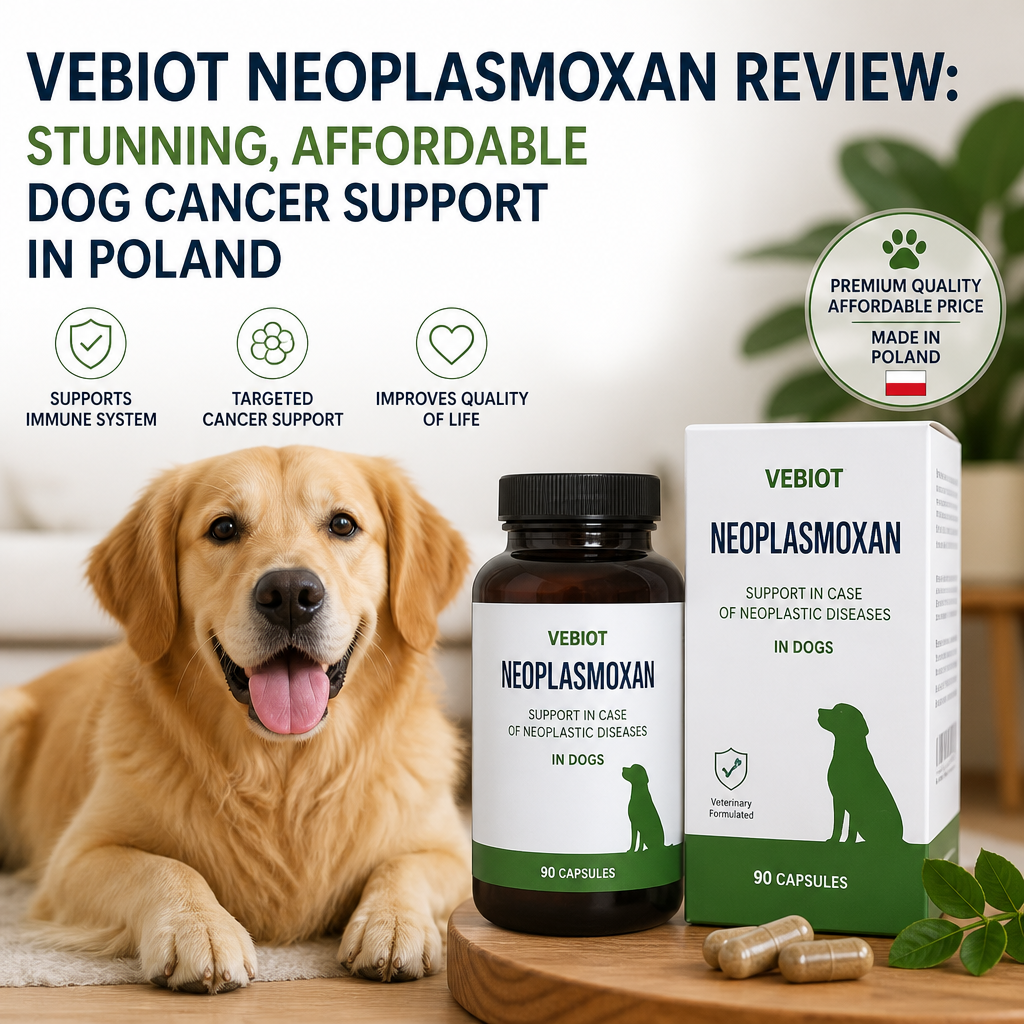
VEBIOT Neoplasmoxan is attracting attention among dog owners in Poland who are looking for affordable, supportive options after a cancer diagnosis. A serious illness can be overwhelming, especially when families must balance veterinary recommendations, treatment costs, and their dog’s comfort. Products marketed as complementary support may seem promising, but they should be assessed carefully and used responsibly alongside professional veterinary care.
VEBIOT Neoplasmoxan is presented as a veterinary product intended to support dogs affected by neoplastic conditions, or abnormal tissue growths. It is generally discussed as a complementary preparation rather than a replacement for surgery, chemotherapy, radiation therapy, pain management, or other treatments prescribed by a veterinarian.
The exact role of any supportive product depends on its formulation, dosage, the dog’s overall health, and the type and stage of cancer involved. For this reason, owners should review the product label, active ingredients, manufacturer information, and recommended administration instructions before use.
Cancer is not a single disease. A benign growth, lymphoma, mast-cell tumor, bone cancer, and internal organ tumor can all require very different approaches. A product that may be suitable as general support in one situation may be inappropriate in another, particularly if a dog has liver or kidney disease or is receiving several medications.
A responsible VEBIOT Neoplasmoxan review should look beyond attractive claims or isolated testimonials. Online discussions may describe improvements in appetite, energy, mobility, or general well-being, but individual experiences do not prove that a product can treat or eliminate cancer.
When evaluating this type of supplement, dog owners should consider several important factors:
Ingredient transparency: The packaging should clearly identify the ingredients and their amounts.
Veterinary suitability: A veterinarian should confirm that the preparation is appropriate for the dog’s diagnosis and current treatment.
Manufacturing standards: Reliable products should provide information about quality control, batch identification, storage, and expiration dates.
Potential interactions: Some ingredients can affect blood clotting, sedation, blood pressure, digestion, or the metabolism of prescription medicines.
Realistic expectations: Supportive care may help comfort or general condition, but it should not be presented as a guaranteed cure.
Reviews can be useful for understanding how a product is experienced by other owners, including ease of administration and value for money. However, they are not a substitute for clinical evidence. A strong review should distinguish personal observations from medically established facts.
It is also wise to look for dependable background information from veterinary references such as the Cornell University College of Veterinary Medicine, especially when a dog is already receiving multiple treatments.
VEBIOT Neoplasmoxan Dog Cancer Support and Veterinary Care
VEBIOT Neoplasmoxan dog cancer support should be viewed as part of a broader care plan, not as a standalone answer. Veterinary oncology often involves several goals: controlling the disease where possible, reducing pain, managing side effects, preserving appetite, and maintaining quality of life.
Before introducing any new product, owners should tell the veterinarian:
The dog’s confirmed or suspected diagnosis
All current medicines and supplements
Any history of allergies or digestive sensitivity
Existing liver, kidney, heart, or blood-clotting problems
Recent changes in appetite, weight, thirst, behavior, or mobility
This information helps the veterinarian assess possible risks. It is especially important before surgery or when a dog is receiving chemotherapy, corticosteroids, anti-inflammatory medication, antibiotics, or anticoagulants.
Owners should also monitor their dog after beginning a new preparation. Vomiting, diarrhea, unusual tiredness, worsening pain, refusal to eat, pale gums, breathing difficulty, collapse, or sudden behavioral changes require prompt veterinary attention. A supplement should be stopped and discussed with a professional if a concerning reaction appears.
Why Quality and Dosage Matter
“Natural” does not automatically mean safe, and a higher dose is not necessarily more effective. Dogs differ considerably in body size, age, metabolism, and medical history. Even a product designed for animals can cause problems when given incorrectly or combined with another treatment.
Use only the dosage stated on the official label or recommended by a veterinarian. Do not substitute a human product, split formulations without guidance, or increase the amount because the dog’s condition appears serious. Keep the packaging available so the veterinarian can check the ingredients and strength if necessary.
Storage also matters. Heat, moisture, and improper sealing can affect product quality. Owners should check the expiration date and purchase from a reputable veterinary supplier or pharmacy whenever possible. Extremely low prices, missing instructions, unclear labeling, or claims of guaranteed cancer cures are reasons to be cautious.
VEBIOT Neoplasmoxan Poland: Availability and Buying Considerations
Interest in VEBIOT Neoplasmoxan Poland reflects the growing demand for accessible veterinary products and cancer-support options. Polish dog owners may encounter products through online retailers, veterinary practices, specialist pharmacies, or distributors. Availability and pricing can vary, so it is important to verify that the seller is legitimate.
Before buying, check whether the listing includes:
The full product name and manufacturer
A clear ingredient list
Polish or understandable administration instructions
Batch and expiration information
Proper storage guidance
Contact details for the seller or distributor
A clear returns and delivery policy
Be wary of websites that use dramatic before-and-after stories, pressure buyers with countdown offers, or promise that the product replaces conventional cancer treatment. A trustworthy seller should provide factual information and should not discourage consultation with a veterinarian.
Affordability can be a meaningful advantage, particularly when families are already facing diagnostic tests, imaging, surgery, and medication costs. Nevertheless, the cheapest option is not always the safest. Product authenticity, storage conditions, and professional guidance are more important than price alone.
Supporting a Dog With Cancer Beyond Supplements
A dog’s quality of life depends on much more than one product. Comfortable bedding, easy access to food and water, gentle exercise, temperature control, and a calm home environment can make a significant difference. Some dogs benefit from smaller, more frequent meals or carefully selected diets, but nutritional changes should be discussed with a veterinarian, especially if there is weight loss or digestive disease.
Keep a simple daily record of appetite, water intake, mobility, sleep, pain signs, vomiting, stool quality, and enjoyment of normal activities. This information can help the veterinary team identify changes earlier and evaluate whether the current care plan is helping.
Ultimately, the best approach combines evidence-based veterinary treatment, thoughtful supportive care, and close observation. VEBIOT Neoplasmoxan may be considered by some owners as part of that supportive strategy, but expectations should remain realistic. Careful product verification and veterinary supervision allow families to make safer, better-informed decisions while keeping the dog’s comfort and welfare at the center of every choice.
For dogs with cancer, the most helpful results usually come from a balanced plan rather than a single product. If you are discussing VEBIOT Neoplasmoxan with your veterinarian, bring the label, the dosage instructions, and a list of all current medications so the conversation stays practical and specific.
If you are still comparing options, it is reasonable to review VEBIOT Neoplasmoxan alongside other supportive choices and ask which approach best fits the dog’s diagnosis, stage of illness, and ongoing treatment plan. In that context, VEBIOT Neoplasmoxan may serve as one part of a carefully supervised strategy rather than the central focus of care.
Some owners search for VEBIOT Neoplasmoxan when they want a supportive product that feels approachable and affordable, but a careful review should always return to the same question: does it fit this individual dog, at this time, with these medications and health risks? That practical standard is the safest way to judge VEBIOT Neoplasmoxan or any similar option.
As a final reminder, VEBIOT Neoplasmoxan should never delay urgent care, diagnostic testing, or pain control. When a dog is dealing with a tumor, timely veterinary support matters more than any supplement claim. If a product is used at all, it should be part of a monitored plan, with clear expectations and regular follow-up.
Owners can also make the decision process easier by focusing on the dog’s day-to-day comfort. A pet that is still eating, moving, and resting well may need a different level of support than a dog that is losing weight, hiding, or struggling with pain. Those practical signs matter more than marketing language and can help determine whether a supportive product is even appropriate.
It is equally important to remember that dogs may appear stable for a while and then change quickly. Tumors can affect energy, digestion, breathing, and organ function in ways that are not always obvious at first. That is why regular rechecks, bloodwork when recommended, and clear communication with the veterinarian remain essential, even when an owner is using a supportive supplement.
If a veterinarian agrees that a product may be tried, start with close observation and one change at a time. Introducing several new supplements together makes it harder to identify what is helping or causing a reaction. Keeping the plan simple can improve safety and make follow-up discussions more useful.
Families in Poland may also want to ask their clinic whether a product is compatible with the dog’s current treatment schedule. Timing can matter, especially when prescription medicines are involved. A supplement that seems harmless may still interfere with absorption, stomach comfort, or other parts of the treatment plan.
Documentation can help too. Save the package, keep the receipt, and note the start date, dose, and any changes in behavior or appetite. If the dog improves, worsens, or shows no change, that record gives the veterinary team better information for future decisions. In difficult cases, this kind of tracking can be more valuable than a general impression alone.
There is also a financial side to consider. Many owners look at supportive products because they want a practical option that fits a tight budget. That concern is understandable. Still, the decision should weigh cost against safety, accuracy of labeling, and whether the product has a clear place in the overall care plan. A modestly priced option is only useful if it is legitimate and appropriate for the specific dog.
In short, VEBIOT Neoplasmoxan may be part of a cautious discussion, but it should not be treated as a shortcut around diagnosis or treatment. The safest approach is to pair any supportive product with professional advice, realistic expectations, and ongoing observation. That way, the dog’s welfare remains the priority from the first decision to every follow-up visit.