
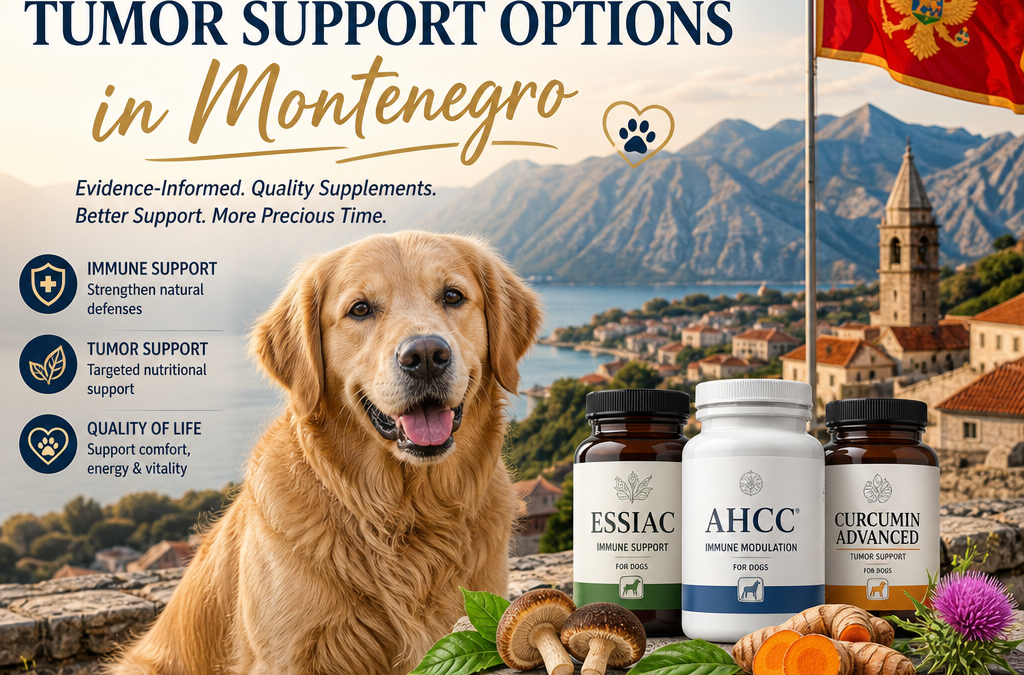
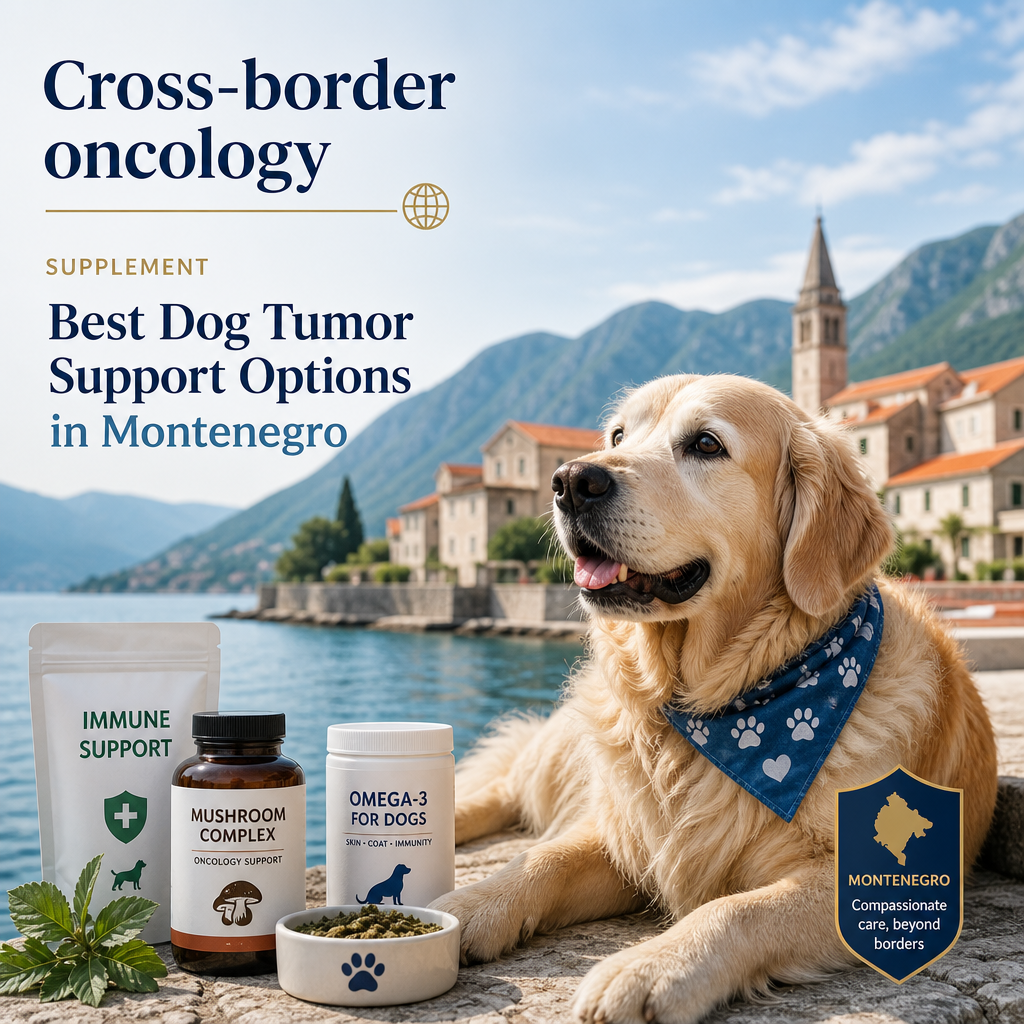
Cross-border oncology / supplement care can help dog owners in Montenegro explore additional support when a pet is diagnosed with cancer, especially when specialized veterinary oncology services, diagnostic tools, or products are not readily available locally. However, supplements should never replace a veterinarian-led treatment plan. The safest approach combines accurate diagnosis, appropriate oncology care, careful nutritional support, and regular monitoring.
- Understanding dog tumor support in Montenegro
- What are dog cancer supplements Montenegro owners should consider?
- Choosing supplements safely across borders
- Nutrition and daily care for dogs with cancer
- When cross-border oncology is appropriate
- Supporting comfort and quality of life
- Questions to ask before buying
Understanding dog tumor support in Montenegro
A diagnosis of cancer in a dog can be overwhelming. Tumors may affect the skin, lymph nodes, bones, digestive system, mammary glands, or internal organs, and each type requires a different strategy. Before choosing any supplement, the dog should receive a proper veterinary assessment. This may include blood tests, imaging, fine-needle aspiration, biopsy, and staging.
Dog tumor support Montenegro services may involve local veterinary clinics, referral hospitals, laboratories, pharmacies, and international suppliers. Some owners also consider treatment in neighboring countries when advanced surgery, radiation therapy, chemotherapy, or specialist consultation is needed. The most useful first step is to obtain complete medical records, including pathology results and current medications, so that every veterinarian involved can work from the same information.
In many cases, families begin searching for options only after hearing that a tumor cannot be removed quickly or that advanced testing is required. That is understandable, but it is also when careful planning matters most. A good support plan should separate what is proven, what may help, and what is simply marketing. That is true whether the family is buying locally, importing a product, or arranging cross-border oncology / supplement support with a specialist clinic.
It also helps to remember that cancer care is not a single event. The first consultation, the diagnostic stage, the treatment stage, and the follow-up stage can all require different decisions. A product that seems reasonable during recovery from surgery may not be suitable during chemotherapy. Likewise, a dog that is losing weight may need nutritional help, while another dog may need pain control or nausea support first.
In practical terms, owners should think about the dog’s tumor type, the pace of disease, and the goals of care before buying anything. The best decisions are usually the ones that fit the current medical plan rather than the ones that sound impressive in an advertisement. When the situation changes, the plan should change too, which is why regular communication with the veterinary team matters so much.
What are dog cancer supplements Montenegro owners should consider?
Dog cancer supplements Montenegro owners may encounter include omega-3 fatty acids, medicinal mushrooms, antioxidants, probiotics, hemp-derived products, and specialized nutritional formulas. Their usefulness depends on the cancer type, the dog’s general condition, kidney and liver function, and any conventional treatment being used.
Omega-3 fatty acids from a reputable fish-oil product are sometimes recommended as part of nutritional support. They may help maintain skin health, appetite, and body condition, while providing useful fatty acids in the diet. The product should be tested for purity and accurately labeled for its EPA and DHA content.
Medicinal mushroom products, such as extracts containing beta-glucans, are also marketed for immune support. Research in veterinary cancer care is still developing, and product quality varies substantially. A supplement should not be described as a cure or as a replacement for chemotherapy, surgery, radiation, or palliative care.
Probiotics may be helpful for selected dogs experiencing digestive upset, stress, dietary changes, or antibiotic use. They are not cancer treatments, but supporting normal digestion can improve comfort and help maintain nutritional intake. Dogs with severely weakened immune systems may require additional caution, so veterinary supervision is important.
Antioxidants are another category owners often ask about. In some situations, they may be discussed as part of a broader care plan, but they should never be added casually. Depending on the drug protocol, certain antioxidant supplements may be unnecessary or could interfere with treatment goals. This is why every product should be reviewed with the treating veterinarian before use.
Hemp-derived products are also widely discussed online. Some owners use them for appetite, calm, or general comfort, yet product quality and legal status can vary significantly across borders. If a dog is already taking sedatives, pain medication, or anticonvulsants, additional caution is warranted. The label should be checked carefully, and owners should avoid assuming that a human-grade product is automatically appropriate for a dog.
In practical terms, the best supplement is the one that addresses a real need. That may mean supporting digestion, improving dietary intake, or helping maintain weight. It should not mean adding several products at once and hoping for the best. Starting with one clearly defined goal makes it easier to evaluate whether a product is helping or causing side effects.
For a broader evidence-based overview of pet cancer care, owners can also review the American College of Veterinary Surgeons oncology resource before choosing a product or travel plan.
Choosing supplements safely across borders
Cross-border purchasing can create problems that are easy to overlook. A product may have different names, labeling standards, dosage instructions, or legal classifications in Montenegro, Croatia, Serbia, Bosnia and Herzegovina, or another European country. Some products sold online may not be approved for veterinary use, and imported items may be exposed to unsuitable storage conditions.
Before purchasing, check the manufacturer, batch number, expiration date, ingredient list, and recommended serving size. Look for independent quality testing when available. Avoid products that promise to dissolve tumors, cure advanced cancer, or replace professional treatment. Claims based only on testimonials are not reliable evidence.
Owners should also confirm whether a supplement can interact with prescribed medicines. Fish oil, herbal extracts, concentrated antioxidants, and hemp-derived products may influence bleeding risk, sedation, liver metabolism, or gastrointestinal function. A veterinarian should review the complete list of products the dog receives, including vitamins, treats, and human medications.
When a product must cross a border, documentation matters. Keep the original packaging, receipt, and ingredient label. If the dog has a reaction, those details help the veterinarian identify the possible cause. For imported products, make sure the storage instructions are followed during transit, especially if the product is heat sensitive or requires refrigeration.
It is also wise to compare the product’s purpose against the dog’s current stage of care. A post-surgical dog may have different needs from a dog receiving palliative care. Likewise, a dog undergoing chemotherapy may need a more conservative supplement plan than a dog that is stable but under close monitoring. This is where cross-border oncology / supplement planning should remain individualized rather than product-driven.
In many cases, dog tumor support Montenegro decisions become clearer when owners write down the dog’s current diagnosis, medications, and treatment goals before making any purchase. That simple step makes it easier to avoid unnecessary products and focus on what may truly help.
Nutrition and daily care for dogs with cancer
Nutrition is one of the most important forms of practical tumor support. Dogs with cancer may lose weight because of reduced appetite, nausea, pain, difficulty eating, or changes in metabolism. Maintaining muscle mass and hydration can support strength and quality of life.
A veterinarian may recommend a complete commercial therapeutic diet or a carefully formulated home-prepared diet created with a veterinary nutritionist. Homemade diets based on internet recipes can become deficient in protein, minerals, or essential vitamins. Raw diets may also increase the risk of bacterial contamination, which can be particularly concerning for dogs receiving chemotherapy or those with weakened immune defenses.
Small, frequent meals may be easier to tolerate than one large serving. Food can sometimes be gently warmed to improve aroma, but sudden dietary changes should be avoided. Persistent vomiting, diarrhea, refusal to eat, difficulty breathing, severe weakness, or rapid weight loss requires prompt veterinary attention.
Daily care matters as much as supplements. Fresh water should always be available, resting areas should be quiet and comfortable, and painful movement should be minimized. If a dog has trouble chewing, swallowing, or standing to eat, the feeding routine may need to change. Sometimes a simple shift in bowl height, floor traction, or meal timing can make a significant difference.
It can also help to keep a short daily log. Note appetite, stool quality, water intake, activity, breathing, comfort level, and any vomiting or nausea. These observations give the veterinarian a clearer picture than memory alone. When owners are comparing dog tumor support Montenegro options, this type of monitoring often reveals whether a supplement is actually useful or whether another part of the care plan needs attention first.
Hydration should not be overlooked. Dogs with cancer may become dehydrated more quickly if they are nauseated, reluctant to eat, or experiencing diarrhea. If a dog suddenly drinks far less than usual, seems weak, or has dry gums, the veterinary team should be informed. Supportive care decisions are easier when changes are caught early.
Good nutrition also supports recovery after procedures, making it easier for the dog to keep strength during a difficult treatment period. In that sense, food is not a side issue; it is one of the main tools for helping a dog stay stable and comfortable.
When cross-border oncology is appropriate
Traveling abroad may be considered when a dog needs a service that is unavailable locally. Potential reasons include specialist pathology review, advanced imaging, radiation therapy, limb-sparing surgery, oncology consultation, or access to clinical trials. Before traveling, owners should ask the receiving clinic about required records, bloodwork, imaging formats, vaccination documents, travel rules, and follow-up arrangements.
A cross-border oncology plan should include more than the initial appointment. Cancer treatment often requires repeated visits, monitoring blood counts, managing side effects, and adjusting medication. Travel stress, transportation time, accommodation, and emergency access should all be considered. In some cases, a specialist can coordinate with a local veterinarian in Montenegro so that routine monitoring occurs closer to home.
Cross-border oncology / supplement decisions are often easier when owners prepare a simple comparison list. For example: what is available locally, what requires travel, what is urgent, what can wait, and what is optional. That approach reduces confusion and helps families spend money where it has the greatest impact.
It is also sensible to ask whether the travel plan will change the treatment timeline. If a diagnosis is already confirmed, a long delay for a nonessential product may do more harm than good. On the other hand, if a specialist consultation could change the plan substantially, then travel may be worthwhile. The key is to match the level of effort to the likely benefit.
Owners should not forget emotional logistics. Caring for a sick dog while arranging transportation, lodging, paperwork, and medication refills can be stressful. Writing everything down in advance can make the process more manageable. When the case is complex, a local veterinarian, an oncology specialist, and the owner should all be on the same page before the trip begins.
That same planning process applies when choosing any imported support product. A useful supplement is only helpful if it fits the timing, the prescription plan, and the dog’s overall condition. Careful coordination prevents avoidable mistakes.
Supporting comfort and quality of life
Cancer care is not limited to tumor control. Pain management, nausea control, mobility support, dental care, sleep, and emotional well-being are equally important. Dogs may benefit from soft bedding, ramps, non-slip flooring, gentle exercise, and a quiet resting area. Appetite, water intake, activity, breathing, pain signs, and bathroom habits should be recorded daily.
Quality-of-life scales can help families make decisions based on observable changes rather than fear or isolated good days. A dog that no longer enjoys food, interaction, movement, or rest may need a revised palliative plan. Hospice and end-of-life support should be discussed openly and compassionately with a veterinarian.
Comfort care may also include adjusting the home environment. If stairs are difficult, a ramp may reduce strain. If slippery floors are causing hesitation, rugs or traction mats can make movement safer. If a dog is resting more than usual, bedding that reduces pressure points may improve comfort. These small steps do not replace medical treatment, but they can make the treatment period easier.
Families often ask whether a supplement alone can improve comfort. Sometimes a helpful product can support appetite or digestion, but it should still be evaluated in the context of the whole patient. If a dog is painful, nauseated, or dehydrated, the priority should be medical stabilization rather than adding more products. In that sense, thoughtful care is usually more effective than a long supplement list.
A realistic plan is often the most compassionate one. Some dogs will benefit from aggressive treatment, while others will do better with symptom control and routine monitoring. The goal is not simply to extend time at any cost. It is to preserve meaningful good days, with the least distress possible.
When comfort is the main goal, dog tumor support Montenegro plans should stay simple, practical, and easy to follow. Clear routines help both the dog and the family.
Questions to ask before buying
Before purchasing any supplement or arranging cross-border care, ask the veterinary team these questions:
- What is the confirmed diagnosis, and has staging been completed?
- What is the current treatment goal: cure, control, comfort, or recovery?
- Are there known interactions between this supplement and the dog’s medications?
- Is the product intended for short-term support or long-term use?
- Can the dog’s bloodwork, liver function, kidney function, or clotting status affect the choice?
- What signs of intolerance should prompt stopping the product?
- Will this product still be useful after surgery, chemotherapy, or radiation therapy begins?
These questions help owners compare options without losing sight of the bigger picture. The same logic applies whether the product is bought locally or sourced through cross-border oncology / supplement channels. If a claim sounds too good to be true, it usually is.
When possible, compare products using the same criteria: ingredient transparency, quality control, realistic purpose, dose clarity, and compatibility with the treatment plan. A supplement that is inexpensive but unclear may cost more in the long run if it causes side effects or delays real care. Conversely, a well-made product may be worth considering if it addresses a genuine need and is recommended by the veterinary team.
For many families, the most difficult part is deciding where to begin. Start with a confirmed diagnosis, then ask what can improve comfort, what can support nutrition, and what needs specialist input. That sequence keeps the plan focused and reduces unnecessary trial and error.
The best dog tumor support Montenegro owners can provide is coordinated, evidence-informed care. Supplements may have a limited supportive role, but they are most useful when selected for a specific purpose, checked for safety, and integrated with professional oncology treatment. By combining reliable veterinary advice, appropriate nutrition, careful monitoring, and realistic expectations, families can make informed decisions that prioritize both treatment goals and the dog’s comfort.