
Ocoxin Pets is a nutritional support product often discussed by dog owners looking for additional care options after a tumor diagnosis. An honest review must begin with an important distinction: Ocoxin Pets is not a proven cure for cancer, and it should not replace surgery, chemotherapy, radiation therapy, pain control, or other treatments recommended by a veterinary oncologist. Its possible role is supportive, particularly when a dog’s appetite, energy, immune function, or general condition needs attention during a difficult period.
For owners in Ukraine, the decision can feel even more complicated because product availability, seller reliability, and veterinary guidance may vary. That is why a careful review matters: it helps you understand what the supplement may offer, what it cannot do, and how to discuss it with your veterinarian without losing sight of proven cancer care.
Table of Contents
- What Is Ocoxin Pets?
- Ocoxin Pets dog cancer support: What Does It Mean?
- How Can It Fit Into a Dog’s Cancer Care Plan?
- Ocoxin Pets review: Potential Benefits and Limitations
- Safety Considerations for Dogs
- Buying Ocoxin Pets Ukraine: What Should Owners Check?
- Questions to Ask the Veterinarian
- Final Assessment
What Is Ocoxin Pets?
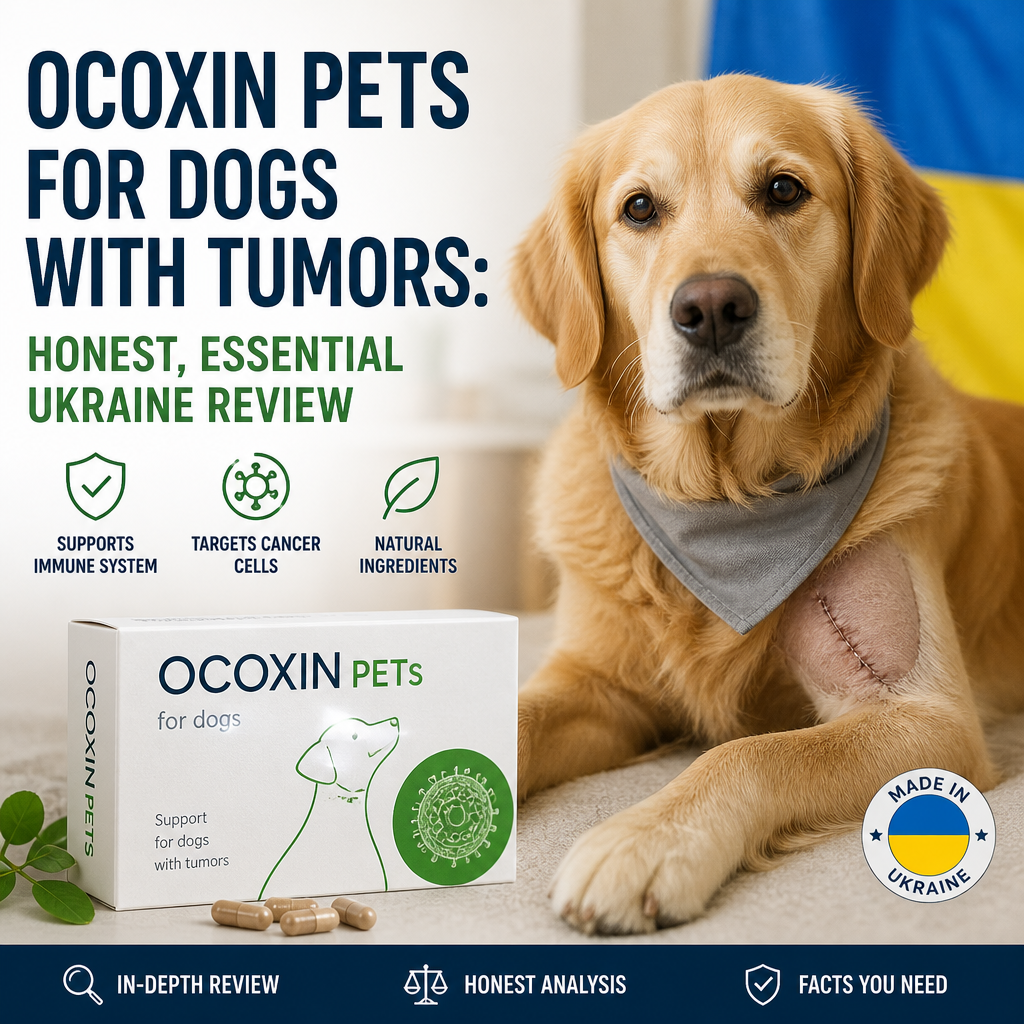
Ocoxin Pets is marketed as a veterinary nutritional supplement containing a combination of ingredients intended to support the body during illness. Depending on the product formulation and market, the ingredients may include vitamins, minerals, antioxidants, plant extracts, amino acids, and other nutritional compounds. The exact composition, dosage, and administration instructions should always be checked on the official packaging because formulations can differ by country.
The product is generally presented as supportive care rather than a conventional anticancer medicine. This distinction matters. A supplement may help provide nutritional support, but that does not mean it can destroy tumors, prevent metastasis, or extend survival in every dog. Claims that suggest a supplement can replace evidence-based cancer treatment should be treated with caution.
In practical terms, owners often look for a product like this when their dog seems weaker, eats less, or needs extra help staying steady during treatment. That is understandable, but the best results usually come when the supplement is used as part of a larger, veterinarian-guided plan rather than as a stand-alone solution.
Ocoxin Pets dog cancer support: What Does It Mean?
The phrase “Ocoxin Pets dog cancer support” usually refers to using the product alongside veterinary treatment to help maintain a dog’s general condition. Dogs with cancer may experience reduced appetite, weight loss, fatigue, digestive problems, inflammation, or stress. Supportive nutrition may be useful in addressing some of these challenges, although the effect varies significantly from one animal to another.
Possible goals of supportive supplementation include:
- Helping a dog maintain appetite and body weight
- Providing additional nutrients during recovery
- Supporting normal immune function
- Assisting general energy and vitality
- Complementing a carefully planned veterinary treatment program
These are reasonable supportive goals, but they should not be confused with direct antitumor effects. Scientific evidence for individual supplement ingredients may exist in laboratory or limited clinical settings, yet this does not automatically prove that the finished product treats cancer in dogs. A responsible Ocoxin Pets review therefore needs to separate potential nutritional benefits from unsupported treatment promises.
It is also helpful to remember that the same supplement can feel more or less useful depending on the dog’s stage of illness. A dog that is recovering after surgery may need different support from one receiving chemotherapy or managing advanced disease. That difference is one reason a supplement should never be chosen based on marketing alone.
How Can It Fit Into a Dog’s Cancer Care Plan?
Cancer care is highly individual. A dog with a small, fully removed skin tumor has very different needs from a dog with lymphoma, osteosarcoma, mammary cancer, or widespread disease. Before introducing Ocoxin Pets, the veterinarian should know the dog’s diagnosis, current medications, kidney and liver status, appetite, and treatment plan.
A veterinarian may consider a supplement as part of broader supportive care when the dog is eating poorly, recovering from an operation, losing weight, or undergoing chemotherapy. In other cases, the supplement may not be appropriate. Some ingredients can affect digestion, blood clotting, blood pressure, or the way medicines are absorbed and processed.
The timing of administration may also matter. If a dog is receiving chemotherapy or other intensive treatment, the veterinary team may recommend adjusting supplements around treatment days. Owners should follow professional instructions rather than assuming that a natural product is automatically safe in every situation.
For readers comparing affordable supportive options in Europe, it may also help to review Ocoxin Pets Alternative: 7 Best Affordable Dog Tumor Supplements in the UK as a general reference point for how these products are positioned in veterinary care.
Owners should also keep in mind that supportive care is broader than supplements. Hydration, balanced meals, nausea control, pain relief, and careful monitoring often make a bigger difference in day-to-day comfort than any single product. A supplement can be one small part of care, but it works best when the rest of the plan is solid.
Ocoxin Pets review: Potential Benefits and Limitations
A balanced Ocoxin Pets review should acknowledge why some owners consider the product. It may be convenient to administer, and a multi-ingredient nutritional formula can be appealing when a dog needs extra support. Some owners report improvements in appetite, activity, or general well-being, but personal experiences are not the same as controlled clinical evidence.
The main limitations are the lack of strong, independent evidence proving that the product cures tumors or reliably improves survival. Testimonials can be influenced by many factors, including surgery, chemotherapy, changes in diet, pain relief, or natural fluctuations in a disease. A dog may appear better because symptoms are being controlled, even when the tumor itself has not changed.
For this reason, treatment decisions should be based on measurable veterinary assessments. These may include physical examinations, blood tests, ultrasound, radiographs, CT scans, or other tests appropriate to the cancer type. A supplement should never be used as a reason to delay diagnostic work or discontinue a recommended therapy.
Another practical limitation is that response can be subtle. Some dogs may simply maintain weight a little better or seem slightly more comfortable, which is still meaningful but should not be mistaken for tumor regression. The goal is support, not a cure, and that distinction keeps expectations realistic.
If you are comparing products, it can help to ask one simple question: does this supplement have a clear role in the care plan, or is it mainly being promoted with hopeful language? Honest evaluation depends on that answer.
When the product may be worth discussing
There are situations where the conversation is reasonable, especially if the dog is losing condition and the vet is looking for additional supportive tools. That does not mean the supplement is required, only that it may have a place in a well-monitored plan.
When caution is the better choice
If the dog is vomiting, has severe diarrhea, is not eating, or is taking multiple medications with narrow safety margins, the vet may prefer to pause new supplements until the situation is stable. In complicated cases, less is often safer.
Safety Considerations for Dogs
Even nutritional products can cause side effects. Possible problems may include vomiting, diarrhea, reduced appetite, allergic reactions, or intolerance to one of the ingredients. Dogs with liver disease, kidney disease, diabetes, clotting disorders, or gastrointestinal sensitivity may require special caution.
Owners should also avoid combining multiple supplements without veterinary guidance. Several products may contain the same vitamins, minerals, or herbal compounds, increasing the risk of excessive intake. Human supplements are particularly risky because they may contain ingredients that are toxic to dogs, such as xylitol or inappropriate doses of certain vitamins.
Stop administration and contact a veterinarian if the dog develops persistent vomiting, severe diarrhea, facial swelling, breathing difficulty, unusual bleeding, extreme weakness, or a sudden decline in condition. Keep the packaging available so the veterinarian can review the ingredients and dosage.
For any dog being treated for cancer, safety is not just about side effects. It is also about not masking a worsening condition. If appetite or energy drops after starting a supplement, that change should be reported quickly rather than assumed to be temporary.
Buying Ocoxin Pets Ukraine: What Should Owners Check?
People searching for “Ocoxin Pets Ukraine” should carefully verify the product’s source. Purchase from a reputable veterinary pharmacy, licensed distributor, or clearly identified seller. Check the packaging for an expiration date, batch number, storage instructions, manufacturer information, and a complete ingredient list in a language the owner can understand.
Be cautious with websites promising guaranteed tumor reduction, miracle results, or replacement of oncology treatment. Authentic products should have clear labeling and realistic instructions. It is also worth confirming whether the product is officially distributed in Ukraine and whether the seller can provide documentation about origin and storage.
Price comparisons can be useful, but the cheapest listing is not always the safest choice. Improper storage, damaged packaging, counterfeit products, or expired supplements may present unnecessary risks.
Before buying, owners should also check whether a local veterinarian or oncology clinic has experience with the product. A seller may be able to ship quickly, but a veterinary professional is more likely to notice if the supplement does not fit the dog’s condition or treatment plan.
For a broader understanding of cancer-related nutritional support, the National Cancer Institute’s overview of dietary supplements and cancer treatment is a useful educational reference.
Questions to Ask the Veterinarian
Before giving Ocoxin Pets, ask the veterinary team:
- Is this supplement suitable for my dog’s specific tumor and overall health?
- Could it interact with chemotherapy, steroids, pain medicines, or other treatments?
- What dose and schedule should be used?
- Should it be stopped before surgery or chemotherapy?
- How will we measure whether it is helping?
- What side effects should prompt immediate contact?
These questions help keep the focus on the dog’s welfare rather than on marketing claims.
It can also be useful to ask whether there is a clear endpoint for reassessment. For example, the veterinarian may want to check weight, appetite, stool quality, or blood work after a few weeks. That makes it easier to tell whether the product is helping or simply adding another variable.
Final Assessment
Ocoxin Pets may have a place as a supportive nutritional product for some dogs with tumors, but it should be viewed as an addition to veterinary care, not a cancer cure. The most honest assessment is that its value may depend on the dog’s diagnosis, nutritional condition, treatment plan, and response. Evidence-based cancer therapy, regular monitoring, good-quality food, pain management, and attention to comfort remain the foundation of care.
For owners considering Ocoxin Pets in Ukraine or elsewhere, the safest approach is to verify the product’s authenticity, review its ingredients with a veterinarian, and monitor the dog carefully. Supportive supplements can be helpful in the right circumstances, but realistic expectations and professional guidance are essential.
If your dog is already undergoing treatment, the best next step is not to search for a miracle solution but to build the most stable care plan possible. That usually means using supplements only when they truly support the dog’s comfort, nutrition, and quality of life.