
Ocoxin Pets Alternative options are increasingly being considered by dog owners in Luxembourg who want supportive, affordable care for pets diagnosed with tumors or undergoing cancer treatment. While no supplement can replace veterinary diagnosis, surgery, chemotherapy, radiation, or other prescribed treatments, carefully selected nutritional products may help support appetite, immune function, digestion, and general wellbeing. The most suitable choice depends on the dog’s condition, current medication, treatment plan, age, and individual tolerance.
Table of Contents
- Understanding the role of dog tumor supplements
- Why look for alternatives to Ocoxin Pets?
- What to look for in an Ocoxin Pets alternative
- Finding affordable dog tumor supplements Luxembourg owners can trust
- Seven practical supplement categories to compare
- Safety considerations and possible interactions
- How to use supplements responsibly
Understanding the role of dog tumor supplements
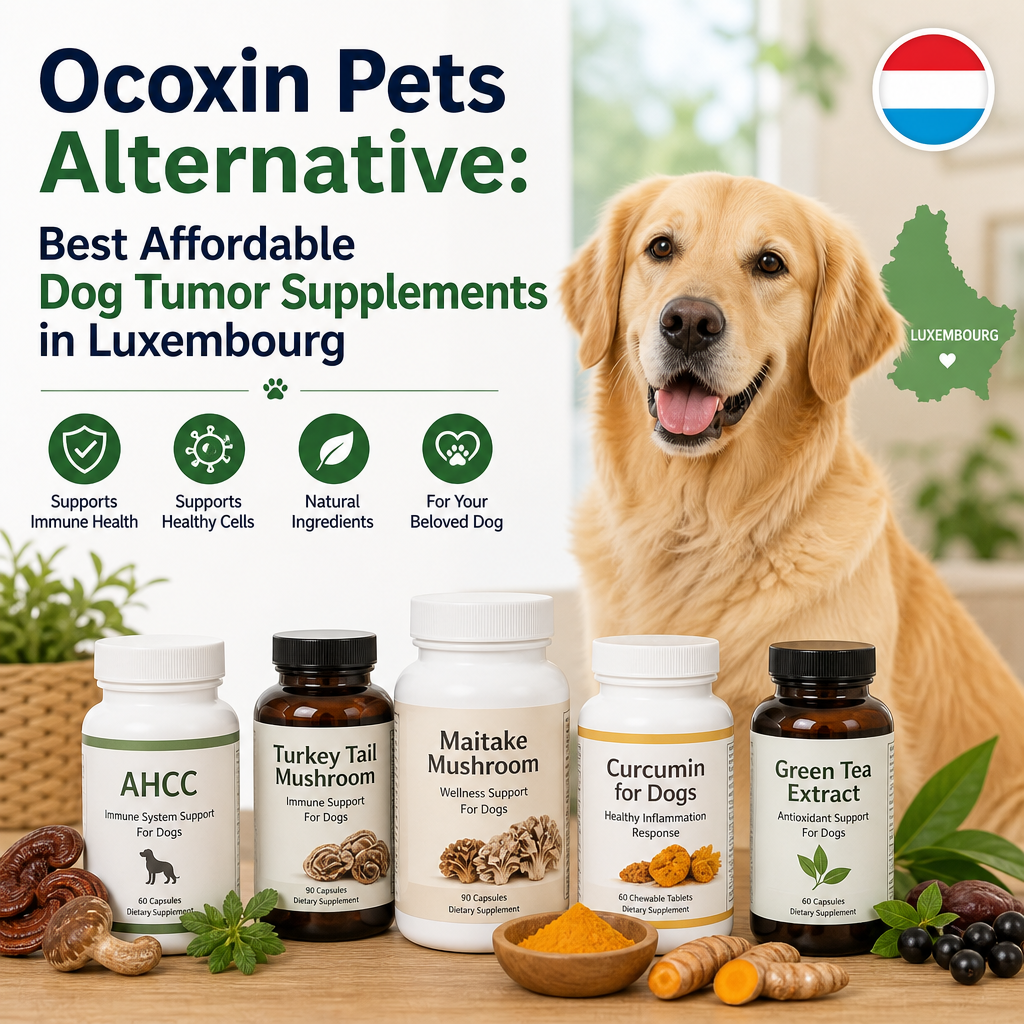
Dog tumor supplements are designed to provide nutritional or botanical support during periods of illness. Cancer and its treatment can place significant stress on a dog’s body. Some pets experience reduced appetite, weight loss, digestive problems, fatigue, inflammation, or weakened immunity. A supplement may help address specific nutritional needs, but it should always be used as part of a broader veterinary care plan.
Products marketed for dogs with tumors commonly contain combinations of vitamins, minerals, antioxidants, medicinal mushrooms, omega-3 fatty acids, digestive enzymes, or plant extracts. The evidence for each ingredient varies, and quality can differ substantially between brands. For this reason, product selection should focus on transparent labeling, appropriate dosing, safety testing, and compatibility with veterinary treatment.
For readers researching an Ocoxin Pets alternative, it helps to think in terms of support rather than cure. The goal is to help a dog stay comfortable, maintain nutrition, and tolerate treatment as well as possible. A well-chosen supplement can be one piece of that plan, especially when paired with veterinary monitoring and a consistent feeding routine.
It is also helpful to keep expectations realistic. A dog with a tumor may need a combination of pain control, diet adjustments, anti-nausea medication, and supportive care before any supplement makes a visible difference. In that context, an Ocoxin Pets alternative should be judged by how well it fits the overall care strategy, not by dramatic marketing language.
Owners often find it useful to track small changes over time. Appetite, stool quality, hydration, energy, and body weight can reveal whether a product is helping. These practical observations are often more valuable than vague promises on the package.
Why look for alternatives to Ocoxin Pets?
There are several reasons owners search for alternatives to Ocoxin Pets. Availability may be inconsistent, especially when purchasing from another country. Shipping costs, import fees, product size, or recurring subscription prices can also make a supplement difficult to maintain over several months.
Some owners may also be looking for a formula with different ingredients. One dog may need stronger digestive support, while another may benefit more from omega-3 fatty acids or help maintaining body weight. A veterinarian may recommend avoiding specific herbs or antioxidants if the dog is receiving chemotherapy, undergoing surgery, or taking medications that affect blood clotting.
Affordability is another important consideration. Long-term care can become expensive, and a lower-cost product may be more practical if it provides appropriate support and is used consistently. However, the least expensive product is not automatically the best value. Concentration, serving size, ingredient quality, and safety documentation should all be considered.
In Luxembourg, many owners compare several choices before deciding on an Ocoxin Pets alternative. That comparison often includes local availability, the ease of ordering from neighboring countries, and whether the product can be sourced without delay if the dog needs ongoing support.
Another common reason for switching is palatability. Even a well-formulated product can fail if a dog refuses the taste or texture. If your dog is already dealing with a poor appetite, a supplement that is easier to mix into food or offer as a chew may be more practical than a complex liquid formula.
In some cases, owners are also trying to simplify the routine. A supplement that requires fewer daily steps may improve consistency, and consistency usually matters more than short-term enthusiasm. When the goal is comfort and daily support, the best Ocoxin Pets alternative is often the one that can be given reliably without stress.
What to look for in an Ocoxin Pets alternative
When comparing an Ocoxin Pets alternative, begin with the full ingredient list rather than the front-label claims. A reliable product should clearly state the amount of each active ingredient per serving and provide feeding instructions based on the dog’s weight.
Omega-3 fatty acids
Fish oil containing EPA and DHA is frequently used in canine nutrition. These fatty acids support skin, coat, cardiovascular health, and normal inflammatory balance. They may be particularly useful for dogs that have lost weight or need additional nutritional support. Choose a product that lists the actual EPA and DHA content, not just the total amount of fish oil.
Medicinal mushrooms
Mushrooms such as turkey tail, reishi, maitake, and shiitake are included in some canine supplements. They contain compounds that may support normal immune activity, although research in dogs remains limited and products vary in extraction quality. Mushroom supplements should be discussed with a veterinarian, especially when the dog has an autoimmune condition or is taking immune-modulating medication.
Antioxidants and vitamins
Vitamin E, vitamin C, selenium, and other antioxidants may be present in supportive formulas. They are important nutrients, but high doses are not necessarily beneficial and can sometimes cause harm. Antioxidant use during chemotherapy or radiation should be guided by the treating veterinarian because timing and dosage may matter.
Digestive and nutritional support
Probiotics, prebiotics, digestive enzymes, amino acids, and calorie-dense ingredients can be valuable when a dog has poor appetite, diarrhea, or weight loss. These ingredients do not treat a tumor directly, but improving digestion and nutritional intake can contribute to strength and quality of life.
To compare an Ocoxin Pets alternative fairly, use the same checklist every time: ingredient clarity, dosing precision, product safety, and cost per daily serving. This makes it easier to separate marketing language from practical value.
Also pay attention to the product’s form. A liquid, capsule, powder, soft chew, or gel can make a big difference in daily use. Dogs with nausea may tolerate one format better than another, and a format that blends easily with food can reduce stress for both the pet and the owner.
Finally, consider whether the formula is intended for general wellness or for more targeted support. Some products are broad multinutrient blends, while others focus narrowly on one or two ingredients. A targeted formula may be better if your veterinarian has identified a specific need, while a broader product may be more suitable when the main goal is general nutritional support.
Seven practical supplement categories to compare
Instead of focusing only on one brand, many owners compare seven practical categories when selecting an Ocoxin Pets alternative. These categories are not a cure, but they can help you match the supplement to your dog’s needs and budget.
- Omega-3 formulas for dogs that need nutritional support and inflammatory balance.
- Mushroom blends for owners looking for immune-support ingredients.
- Digestive support products for dogs with poor appetite or loose stools.
- High-calorie nutritional gels for weight maintenance.
- Multinutrient formulas with vitamins and trace minerals.
- Veterinary oncology support products designed for dogs during treatment.
- Simple single-ingredient options when a dog tolerates only limited ingredients.
This framework can make the search for an Ocoxin Pets alternative more manageable, especially when prices and availability vary across Luxembourg and nearby markets.
Each category has advantages and drawbacks. Omega-3 formulas may be helpful for dogs that need extra calorie support, but they can also cause loose stools if introduced too quickly. Mushroom blends may be attractive to owners seeking immune support, yet their quality and extraction methods can differ widely. Digestive support products can help with gut comfort, but they are not useful if the dog’s main problem is poor acceptance of the product itself.
High-calorie gels and pastes are often practical for underweight dogs because they are easy to dose and tend to be palatable. However, they should be used carefully in dogs that are prone to pancreatitis or that need strict calorie control. Multinutrient formulas are convenient, but they may overlap with other supplements or prescription diets, which can lead to unnecessary duplication of vitamins or minerals.
Veterinary oncology support products may be appealing because they are marketed specifically for dogs with cancer-related needs. Even so, the label should still be reviewed closely. A product designed for oncology support is not automatically better than a simpler formula if the simpler formula matches the dog’s needs more closely.
Single-ingredient options can be a good fit when a dog has a sensitive stomach or a history of food intolerance. In many cases, fewer ingredients mean fewer opportunities for side effects. For that reason, some veterinarians prefer to start simple and add only what is clearly needed.
Finding affordable dog tumor supplements Luxembourg owners can trust
Dog tumor supplements Luxembourg owners purchase should come from a reputable manufacturer that follows appropriate quality-control standards. Look for companies that provide batch information, contact details, testing policies, and clear storage instructions. Products sold through established veterinary clinics, regulated pharmacies, or recognized pet-health retailers may offer greater transparency than unknown marketplace listings.
Before ordering from abroad, calculate the complete cost, including delivery, taxes, and any customs charges. A product that appears cheaper may cost more after shipping. It is also important to check whether the formulation is intended for dogs and whether the label complies with European requirements.
Local veterinary clinics may know of suitable alternatives that are readily available in Luxembourg, Belgium, France, or Germany. Veterinary pharmacies can also help identify products with consistent supply and appropriate instructions. When comparing prices, calculate the cost per daily serving rather than the price of the container alone.
If you want an evidence-based starting point for general pet nutrition guidance, the VCA Hospitals pet health library offers practical educational articles that can help you discuss supplement choices more confidently with your veterinarian.
For many families, the best Ocoxin Pets alternative is the one that is affordable enough to use consistently and simple enough to fit into the dog’s daily routine. Consistency matters more than a short trial of an expensive product that cannot be continued.
When budgets are tight, it can help to prioritize the one ingredient or benefit that matters most. If your dog struggles with appetite, choose a product that helps with calorie intake. If digestion is the issue, a formula with probiotics or gentle nutritional support may be more useful. A focused approach often avoids unnecessary spending on ingredients that do not address the immediate problem.
Owners in Luxembourg may also find it useful to compare neighboring supply options. Availability can change quickly, and a product that is out of stock locally may still be accessible through a reliable pharmacy in a nearby country. The important point is to keep the supply consistent once a useful product is found, because frequent switching can make it harder to tell whether the supplement is helping.
Seven practical ways to judge value before buying
Price alone rarely tells the full story. Before choosing an Ocoxin Pets alternative, compare these practical points:
- Daily cost: how much the supplement costs per day, not per container.
- Active ingredient amount: whether the label states meaningful amounts per serving.
- Palatability: whether the dog is likely to accept it regularly.
- Ingredient overlap: whether it duplicates nutrients already in the diet.
- Storage requirements: whether the product needs refrigeration or special handling.
- Supply stability: whether it can be reordered without long delays.
- Veterinary fit: whether it matches the current treatment plan.
These details can make the difference between a supplement that seems cheap and one that is actually cost-effective. In chronic care, a product that is slightly more expensive but easier to use often ends up being better value.
Safety considerations and possible interactions
Supplements can cause side effects or interact with medicines. Fish oil may contribute to digestive upset or affect clotting at high doses. Certain herbs may alter liver enzyme activity or influence sedation. Probiotics can occasionally cause temporary gas or loose stools. Dogs with kidney disease, liver disease, diabetes, pancreatitis, or bleeding disorders may require special precautions.
Never give a human cancer supplement to a dog without veterinary approval. Human products may contain unsafe concentrations, xylitol, iron, caffeine, or other ingredients that are dangerous for animals. Avoid products that promise to shrink tumors, cure cancer, or replace professional treatment. These claims are not a reliable measure of quality and may delay essential care.
Introduce a new supplement gradually when possible, and record the dog’s appetite, stool quality, energy, weight, and any unusual symptoms. Stop the product and contact a veterinarian if vomiting, severe diarrhea, facial swelling, breathing difficulty, marked lethargy, or other concerning signs develop.
Because treatment plans can change, it is wise to re-check any Ocoxin Pets alternative after chemotherapy cycles, medication changes, or a new diagnosis. A product that was safe last month may not be appropriate later.
Some dogs also take several supportive products at once. In those cases, the combined total of vitamins, antioxidants, herbs, and fatty acids may matter more than any single item. A supplement that looks harmless on its own may become inappropriate when paired with prescription medication or another nutritional product. This is why veterinary review is so important.
If your dog has reduced appetite or weight loss, do not assume that more supplements are always better. Sometimes the most useful intervention is a change in meal frequency, a more palatable food, or medication that helps with nausea. A thoughtful plan usually beats a crowded cabinet of products.
Practical signs a supplement is helping
Because supportive supplements do not work the same way as medication, results may be subtle. Look for practical signs such as steadier appetite, improved willingness to eat, less digestive upset, better stool consistency, and more stable body weight. Some dogs may also seem a little more energetic or more comfortable after meals.
It can help to keep a simple weekly log. Write down the dog’s weight, food intake, stool quality, and energy level. A short note such as “finished breakfast,” “ate half,” or “slightly loose stool” is often enough to spot a pattern. If the record shows steady decline, the supplement may not be the right choice, even if it sounded promising at first.
If your veterinarian recommends lab work or follow-up visits, bring the supplement label to each appointment. That makes it easier to review whether the current Ocoxin Pets alternative still fits the treatment plan.
How to use supplements responsibly
The best supplement plan is individualized. Ask the veterinarian which ingredients are appropriate, whether the product should be paused around treatment sessions, and how it fits with the dog’s complete diet. Provide the product name, ingredient list, serving size, and any laboratory information during the consultation.
Supplements work best alongside adequate calories, hydration, pain control, regular monitoring, and emotional comfort. Depending on the diagnosis, the veterinary team may also recommend a therapeutic diet, appetite support, anti-nausea medication, or additional blood testing.
Owners comparing an Ocoxin Pets alternative should also watch for practical details such as palatability, dosing frequency, and whether the dog accepts the product consistently. Even a good formula is unlikely to help if it cannot be given reliably.
If your veterinarian recommends ongoing supportive care, a simple daily routine can make a major difference. Track body weight, appetite, stool changes, and energy level so you can judge whether the supplement is helping. Those small observations are often more useful than broad marketing claims.
When possible, introduce only one new product at a time. That makes it easier to identify what is working and what is not. If several changes are made at once, it becomes difficult to know whether improvements come from the supplement, a diet change, or a medication adjustment. A slower, organized approach is usually safer and more informative.
It also helps to set a review date with your veterinarian. A supplement that seems reasonable today may need to be reassessed after a scan, blood test, or change in symptoms. Ongoing review keeps the plan aligned with the dog’s needs and prevents unnecessary spending on products that no longer add value.
For owners comparing alternatives to Ocoxin Pets, the priority should be safety, transparency, suitability, and long-term affordability. A carefully chosen product may offer useful nutritional support, but it should remain one part of a comprehensive plan focused on the dog’s comfort and quality of life. In practice, the best Ocoxin Pets alternative is the one that your veterinarian agrees is appropriate, affordable enough to continue, and easy for your dog to take every day.