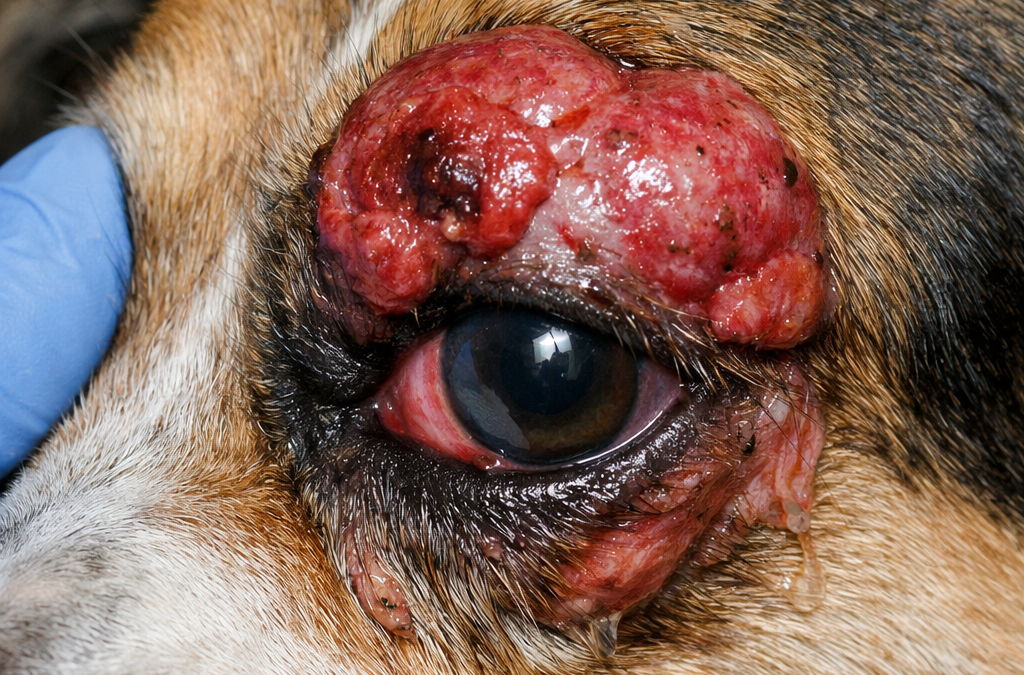
“Spindle cell” usually describes how tumor cells look under the microscope—long, tapered, and fibrous—rather than naming a single cancer type. In dogs, this description often overlaps with soft tissue sarcomas (STS) and related sarcoma-type tumors, which are known for local invasiveness: they can extend microscopically beyond what you can see or feel. That growth pattern is one big reason local recurrence becomes a key concern.
How rare is a spindle cell tumor near the eye?
It depends on whether the mass is a superficial eyelid growth or a deeper periocular/orbital tumor.
Many canine eyelid tumors are common and often benign, which is reassuring in everyday eye practice. However, a malignant spindle-cell/sarcoma-type tumor that is fast-growing or deep around the eye is a different scenario. Orbital and retrobulbar disease (disease in the eye socket or behind the globe) is less common than simple eyelid bumps and typically demands more complex planning.
Symptoms owners commonly notice
A tumor “over the eye” can look like a firm lump or swelling near the brow or eyelids, but deeper disease may show up through function changes. Dogs may squint, tear excessively, develop persistent discharge, rub at the eye or face, or seem head-shy. If the orbit is involved, classic signs can include exophthalmos (a bulging eye), third eyelid protrusion, and pain around the eye.
Pain and suffering: how much does it hurt?
Pain varies widely and is driven by what the tumor is doing locally.
A mass can become very uncomfortable if it distorts eyelid position or causes chronic corneal irritation with blinking. Veterinary ophthalmology guidance notes that eyelid masses often enlarge over time and can irritate the ocular surface, affecting comfort and quality of life. Orbital disease can also be painful—especially when swelling, pressure, or inflammation is present—and pain is frequently mentioned among the clinical signs in orbital conditions.
Why treatment near the eye is so challenging
For sarcoma-type tumors, the goal is usually strong local control, because microscopic tumor “fingers” can extend beyond what looks abnormal. On the trunk or limbs, surgeons often aim for wider margins to remove those invisible extensions. Around the eye, wide margins can be hard to achieve without damaging critical structures, which is why doctors may sound cautious about guarantees.
Treatment options: what’s typically considered
Most treatment plans revolve around local control and comfort, often combining multiple approaches.
Surgery is commonly the cornerstone when feasible, both to remove tumor burden and to obtain definitive pathology. For canine soft tissue sarcomas, completeness of excision strongly influences outcomes; reviews emphasize that incompletely excised tumors carry higher local recurrence risk. In some cases, surgeons may recommend more radical procedures to achieve control in difficult locations (including surgeries involving the orbit) because certain sarcomas can require radical approaches when anatomy limits margin width.
Radiation therapy is often discussed when margins are close or incomplete, or when anatomy makes wide excision impossible. It is used with the intent of controlling microscopic residual cells and lowering the chance of regrowth, though results vary by tumor behavior, dose planning, and the specifics of each case.
Recurrence risk: what the research repeatedly points to
Across canine STS literature, two drivers show up again and again: histologic grade and margin status.
A review on incompletely or narrowly excised canine STS reports published recurrence rates roughly in the 17%–37% range across studies, illustrating why “clean margins” matter so much. Another widely cited overview notes that with complete excision, local recurrence in dogs can be very low, and incomplete margins increase recurrence risk substantially.
Survival outlook and “survival timeline”: the practical way to think about prognosis
Because “spindle cell tumor” can represent multiple tumor types, survival time can’t be reliably summarized with one number. A more dependable way to understand prognosis is to anchor expectations to what most strongly predicts behavior:
A lower-grade tumor that can be completely controlled locally generally carries a better outlook than a higher-grade tumor or one that can’t be fully removed due to location. In canine STS, metastatic risk is commonly described as grade-dependent, with higher-grade tumors carrying a meaningfully higher chance of spread over the course of disease. In periocular tumors specifically, “how well local disease can be controlled” often becomes the dominant factor shaping both quality of life and overall outcome.
What owners can do early that often matters (without getting lost in details)
The most useful focus points early on are confirming the true extent of disease and protecting comfort.
Advanced imaging such as CT or MRI is frequently recommended in orbital/periocular cases because routine exams can’t always show what’s happening behind the eye, and imaging helps guide surgery and radiation planning. Comfort is also central: periocular tumors can trigger corneal irritation and inflammation, and reducing rubbing/trauma and addressing eye-surface irritation can make a meaningful difference in day-to-day wellbeing.
FAQ: quick answers pet owners search for
Is every tumor near the eyelid malignant?
No. Eyelid tumors are common in dogs and many behave in a benign way, although any fast-growing, ulcerated, bleeding, or painful mass needs prompt evaluation.
Why would a vet recommend removing the eye?
When a tumor is deeply invasive or margins can’t be achieved safely, more aggressive local surgery may be recommended to improve local control in a region where space is limited.
Why can’t surgery and radiation guarantee it won’t come back?
Sarcoma-type tumors can extend microscopically, and around the eye it may be difficult to remove enough surrounding tissue. Incompletely excised STS has documented recurrence risk in multiple studies.
What most strongly predicts prognosis?
Pathology grade and whether the tumor was removed with clean margins are repeatedly highlighted as major drivers of recurrence and spread risk in canine STS.
How Baituxiao may help as supportive care
Periocular spindle cell tumors are usually managed with local control first—most often surgery, and sometimes radiation—because these tumors can be locally invasive and the eye region limits wide margins. In that setting, many owners also consider integrative supportive care to help maintain comfort, appetite, and overall quality of life alongside the primary treatment plan.
Baituxiao is a TCVM botanical formula positioned by the manufacturer for dogs and cats with “tumors and lumps,” and it is typically discussed as an adjunct option rather than a stand-alone solution. Because botanical formulas can interact with medications used around surgery, pain control, inflammation, or oncology care, it’s best used as part of a coordinated plan with the veterinary team.
In the clip, Hannah paces near the doormat, pauses, turns, and approaches her person. Her tail wags gently throughout, and she remains responsive and engaged with her surroundings.
Key facts
Location: Rocky Hill, CT
Dogs: Hailey · Hannah · Kali (in memory)
Theme: long-term senior & complex-care routines
Note: compiled from publicly shared info + follow-up communications; not medical advice
At the edge of the doormat, Hannah paces back and forth. Ears up. Tail gently wagging.
She pauses, turns, and steps closer—as if to say: “I’m still here.”
Her person is Sonia Ogren, in Rocky Hill, Connecticut.
Over time, we learned her home is also a rescue home—six adopted rescue dogs, many seniors, some with serious health challenges.
But this story holds three names: Hailey. Hannah. Kali.
This isn’t an ad. And it isn’t a “miracle story.” It’s closer to a care journal—how someone keeps turning the page, day after day.
The days that shaped the year
2019 — Hannah is diagnosed with diabetes
Feb 2024 — Hailey is found to have a large liver mass (likely cancerous)
Mar 2024 — Hannah once faces the hardest conversation: euthanasia
Jun 2024 — Hannah’s breathing becomes a growing concern; exams and difficult episodes follow
June 13, 2024 — Kali passes after a sudden decline
Jul 2025 — Sonia later shares her experience publicly
Hailey — “Don’t ask how long. Hold today steady.”
Hailey was nearly 14.
In February 2024, the diagnosis landed heavy: a large liver mass, likely cancerous.
When the future feels unclear, guardians don’t always have answers—they build routines.
They watch appetite, sleep, comfort, and movement. They adjust. They document. They try to keep the day stable.
As part of her ongoing support plan, Sonia also included TCMVET Baituxiao (“Their New Hope”) as one element of daily support.
But the center of this story is not a product—it’s the long, quiet work of care.
Hannah — When the tail still wags, you keep going
Hannah’s path has been complicated: diabetes, Cushing’s layered on over time, with seizures, falls, and breathing struggles.
In March 2024, Hannah was even scheduled for euthanasia. That’s the moment every guardian fears.
And yet—guardians often try one more day, and then another.
Not out of denial, but out of love—hoping for a steadier appetite, a calmer breath, a little less suffering.
In the video, Hannah’s steps are small. She circles, pauses, turns—and still comes closer. Still responds. Still wags.
To a guardian, those small signals mean everything: she’s still choosing today.
Kali — The grief of learning the truth too late
Then there is Kali.
Sonia described a sudden decline—black diarrhea, bloody urine—signals later tied to serious intestinal disease (colon cancer-related). But the answers came too late.
June 13, 2024 — Kali passed.
Some grief is not only loss—it’s the haunting thought: If we had known sooner…
Hannah’s Tail Still Wags 4
After loss, she chose to protect the remaining pack
After Kali, Sonia didn’t “do more” in a dramatic way. She made care more sustainable:
working alongside professionals when prescription management is involved
After learning more about the realities of caring for six rescue dogs long-term, we also provided phased, practical support through the Guardian Program—never in exchange for any review, only so a guardian feels less alone in the long road of care.
Why we’re writing this down
Because “guardian” isn’t a title for a few people. It’s anyone who wakes up for a breath, notices a limp, keeps a notebook, and chooses to keep caring.
That’s what the Guardian Program exists to honor: companionship, tracking, consistency, and timely professional support—without exaggeration or promises.
Source note: Compiled from publicly shared information and follow-up communications. Individual outcomes vary; this is not medical advice. If your pet is ill or on medication, please consult your veterinarian or a qualified professional.
What is this story based on?
It’s compiled from publicly shared information and follow-up communications, written to preserve the reality of long-term care—without exaggeration or promises.
What is the Guardian Project?
A program that documents real caregiver stories and offers practical, phased support so guardians feel less alone.
Is this medical advice?
No. This is a real-life story and care journal. Individual outcomes vary. Please consult your veterinarian for medical decisions.
Over the years I have seen many dogs with anal sac cancer, and it is one of those tumors that always stays in the back of my mind. Not because it is rare, but because it is so easy to miss in the beginning. So many owners tell me the same thing afterward. Looking back, the signs were already there. They just did not think it could be cancer. In the beginning, the changes are usually very small. A dog may start taking longer to poop. They may squat for a long time and sometimes cry or strain. They used to go every day and now it is every two or three days. Sometimes they are constipated, sometimes the stool is soft. Most people think it is just age or maybe diet. But in reality, a tumor may already be slowly pressing against the rectum. Later you may notice a small lump on one side of the anus. It feels firm and does not move much. Your dog may start scooting more or licking the area more often. They may look uncomfortable when sitting. Many people think it is just an anal gland problem. But early anal sac cancer can look exactly the same. As time goes on, walking and stamina often change too. The back legs seem weaker. Stairs become harder. Walks become shorter. They sit down more often and take longer to stand up. It is easy to think this is just arthritis. Sometimes it is actually the tumor taking up space inside the pelvis. One important sign many people miss is drinking much more water. Some dogs suddenly drink a lot. They need to urinate more often. They may wake you up at night to go outside. Some even start having accidents. This is often caused by high calcium levels from the tumor, which can damage the kidneys and heart over time. In later stages, the whole dog seems to change. They lose their appetite. They lose weight. They have less energy. They get tired easily. Their breathing becomes faster. Some start coughing if the cancer has spread to the lungs. Many owners say He suddenly aged overnight But it is not aging. It is the cancer affecting the whole body. If your dog is over eight years old and you notice even a few of these changes, it is worth getting them checked. A simple ultrasound and a small needle biopsy can sometimes give you six months or even a year of earlier detection. And that time can make a huge difference. Anal sac cancer does not appear overnight. It grows quietly and slowly and then one day it becomes impossible to ignore. The regret is never checking too early. The regret is always finding out too late. So next time you are bathing or brushing your dog, take a moment to feel around the anus. Watch how they walk. Notice the small changes. Sometimes that small moment can buy you much more time together. And time is everything. — Recently, we also received an inquiry from a client in Germany. Their dog has been diagnosed with anal sac carcinoma and is currently on a long-term management plan. The dog is receiving Palladia every other day, and Metacam on the alternate days for pain and inflammation control. The family wanted to know if there was anything more they could do to improve their dog’s quality of life and hopefully extend their time together. Our professional response was as follows. Palladia is not a miracle drug for anal sac carcinoma. Based on clinical data, only about 40 to 60 percent of dogs respond to Palladia. Its main role is to control tumor growth, slow disease progression, and in some cases reduce tumor size. It is not a curative treatment. Metacam should be given on a regular schedule. Since the current pain and anti-inflammatory control is effective, there is no need to change medications at this time. If reduced effect develops in the future, alternative pain management options can be considered then. In addition, we recommended adding TCMVET Baituxiao as part of a systemic tumor management program. This formula works on the whole body and can help reduce tumor burden, decrease complications, relieve discomfort, and provide long-term support. When using Baituxiao, there is no need to add other herbal or mushroom supplements, as the formulation is already comprehensive. Palladia, Meloxicam, and TCMVET Baituxiao can be used together as an integrated long-term management approach. Based on our clinical experience, with consistent use over time, many dogs show stable and positive results. We also asked about the dog’s body weight so that we could calculate the appropriate dosage and design a more precise long-term management plan.
Tail lumps dogs can be unsettling for any pet guardian, especially when worrying thoughts about anal gland tumors arise. Understanding what these lumps might indicate—and how to take mindful, responsible action—can bring reassurance while supporting your pet’s well-being. This comprehensive guide explores potential causes of tail lumps in dogs, signs to watch for, ways veterinarians assess anal gland tumors, everyday care tips, and how to stay proactive with your dog’s comfort and quality of life.
—
Understanding Tail Lumps in Dogs
Tail lumps may develop for several reasons, ranging from benign growths to more serious concerns. While some lumps remain small and harmless, others may require veterinary attention to evaluate their nature.
Possible Causes of Tail Lumps
– Sebaceous cysts: Small, slow-growing sacs containing oily material.
– Lipomas: Fatty tumors often found in older dogs, usually soft and movable.
– Skin infections or abscesses: Resulting from injuries or blocked follicles.
– Anal gland-related masses: Masses originating from glands near the anus.
– Other tumors or nodules: Could develop from various tissue types.
Not every lump is dangerous, but tracking any changes over time, especially near the tail base, is essential.
—
Anal Gland Tumors: What Pet Owners Should Know
Anal gland tumors are growths that originate from the anal sacs located on either side of the anus. These tumors can range from benign to malignant, and early veterinary evaluation is critical to determine their nature and the best course of action.
Why the Anal Glands Matter
– Location: Situated beneath the tail, the glands can develop abnormalities that show up as lumps or swelling.
– Function: They release a scent used for communication between dogs.
– Risks: Inflammation, structural changes, or tumors may cause discomfort, odor, or other complications.
Common Observations
– Difficulty sitting comfortably
– Scooting or licking the anal area
– Swelling or firmness near the anus
– Tail twitching or reluctance to wag
Whenever new or persistent signs appear, schedule an exam with a veterinarian. Professional evaluation prevents misinterpretation of symptoms and helps identify whether further testing is necessary.
—
Tail Lumps Dogs: Recognizing Signs Early
Because tail lumps dogs experience can emerge gradually, staying alert helps catch issues early. Aim to examine your dog’s tail area gently during grooming sessions, observing any changes in size or texture.
Signs Worth Noting
– Persistent swelling: Especially if firm or growing.
– Skin changes: Redness, hair loss, or rough texture.
– Discomfort: Reacting when the area is touched.
– Behavioral shifts: Decreased energy, poor appetite, or unusual hiding.
These signs do not automatically point to anal gland tumors, but they warrant a veterinary visit for clarity and peace of mind.
—
How Veterinarians Evaluate Tail Lumps
Veterinary professionals use various tests to assess lumps and determine next steps. The exact approach depends on your dog’s age, medical history, and the lump’s characteristics.
Typical Diagnostic Steps
1. Physical examination: Checking size, location, and consistency.
2. Fine-needle aspirate or biopsy: Collecting cells or tissue for analysis.
3. Imaging: Ultrasound, X-ray, or CT scan to evaluate internal structures.
4. Blood work: Provides insights into overall health.
Discuss the process openly with your veterinarian, asking for understandable explanations about what each test can reveal. Pet parents who stay engaged and informed often feel more confident supporting their dog throughout the evaluation.
—
Supporting Dogs Through Anal Gland Tumor Care
When a veterinarian identifies anal gland tumors, a thoughtful plan is designed based on the dog’s unique situation. Since medical instruction belongs in a clinical setting, pet owners can focus on providing a calm home environment and following professional recommendations closely.
Practical Tips for Home Support
– Keep a journal: Record observations, including appetite, energy level, and stool quality.
– Monitor body condition: Maintain a healthy weight to reduce additional strain.
– Provide gentle exercise: Light walks or mentally stimulating games keep your dog engaged.
– Offer comfortable resting spots: Soft bedding helps ease pressure on sensitive areas.
– Stay current on checkups: Follow-up visits allow vets to track progress and adjust care plans.
By focusing on comfort, consistency, and veterinary guidance, owners can help dogs feel secure during their care journey.
—
Nutrition and Natural Wellness Considerations
While food and supplements cannot diagnose or cure serious conditions, wholesome nutrition supports overall vitality. Ask your veterinarian about balanced diets suited to your dog’s age, breed, and activity level.
General Nutrition Insights
– Balanced protein and fats: Support muscle health and energy.
– Fiber sources: Encourage digestion and regular elimination.
– Omega fatty acids: May help maintain skin health and a glossy coat.
– Hydration: Ensure constant access to fresh water.
Natural wellness approaches—such as calm environments, gentle grooming, and enrichment activities—can also promote a sense of security. Always consult your veterinarian before introducing any new dietary changes or supplements.
—
Prevention and Early Detection Practices
Though not all tail lumps can be prevented, routine observation and preventive veterinary care make a significant difference.
Helpful Habits
– Regular grooming: Helps you spot new lumps early.
– Consistent bathing schedule: Keeps skin clean and allows you to check for issues.
– Routine veterinary visits: Wellness exams catch subtle changes.
– Training and handling: Teach your dog to tolerate tail and hind-end handling so inspections are easier.
Establishing these habits fosters a collaborative relationship with your veterinarian and keeps your pet comfortable.
—
Questions to Ask Your Veterinarian
Knowledge empowers dog owners to make informed decisions. Consider bringing a list of questions to appointments.
Discussion Starters
– What type of lump does my dog have, and what tests verify it?
– Are there any lifestyle adjustments that could keep my dog comfortable?
– How frequently should I monitor the lump?
– What signs indicate I should schedule an urgent follow-up?
Active communication ensures you understand each step in your dog’s care plan.
—
Emotional Support for Pet Owners
Discovering a lump on your dog’s tail can be emotionally challenging. Take time to process information and reach out for support when needed.
Coping Strategies
– Lean on your veterinary team: They can clarify findings and next steps.
– Connect with supportive communities: Online forums or local groups can share helpful experiences.
– Practice self-care: Balanced meals, rest, and outdoor time bolster resilience.
– Celebrate everyday moments: Gentle walks, cuddle time, and play strengthen your bond.
Staying grounded and hopeful helps you remain a calm pillar of support for your pet.
—
Staying Informed About Anal Gland Tumors
Reliable information shapes responsible decisions. Focus on evidence-based resources such as board-certified veterinary specialists, peer-reviewed articles, and reputable animal health organizations.
Evaluating Information Sources
– Check credentials: Look for licensed veterinarians or recognized institutions.
– Beware of quick fixes: Avoid unverified claims or treatments.
– Ask your vet: They can recommend trusted reading materials or specialists.
Being selective about information keeps your dog’s wellness on track and avoids misunderstanding.
—
A Holistic Mindset for Dog Wellness
Holistic care means considering physical comfort, emotional well-being, and a peaceful environment. Soft bedding, consistent routines, gentle grooming, and calm interactions all contribute to an overall sense of security.
Simple Holistic Practices
– Mindful walks: Quiet strolls allow sniffing and exploration.
– Massage and gentle touch: When approved by your vet, light massage may help relax muscles.
– Enrichment toys: Puzzle feeders, slow sniff games, and soft chew toys keep minds active.
– Music and aromatherapy: Soothing sounds or vet-approved scents can set a tranquil mood.
Always observe your dog’s reactions and discontinue anything that causes discomfort.
—
Conclusion: Supporting Natural Wellness with Care
Every dog deserves compassionate attention, especially when new lumps raise questions. By staying observant, partnering with veterinary professionals, and creating a comforting home environment, you can navigate tail lumps with confidence and care. Remember to approach each step with patience, maintain open communication with your pet’s care team, and continue exploring gentle natural wellness practices that nurture your dog’s overall sense of balance.
Senior dog herbs can play a gentle, supportive role in your dog’s golden years, offering natural comfort alongside regular veterinary care. As dogs age, their needs change—mobility slows, digestion shifts, and overall well-being requires more attention. Many pet parents look to holistic options like herbs and lifestyle changes as part of a balanced care plan. This guide explores how to thoughtfully use senior dog herbs, what to consider, and how to enhance your aging companion’s comfort through practical strategies and mindful care.
—
Understanding Aging in Senior Dogs
Dogs typically enter their senior years around age seven, though this varies by breed and size. As metabolism slows and organs mature, dogs become more sensitive to stress, diet, activity levels, and environmental changes. Age-related shifts can include:
– Lower energy levels
– Sensitive digestion or reduced appetite
– Joint stiffness or reluctance to move
– Behavioral changes like increased vocalization, confusion, or restlessness
– Heightened need for warmth, routine, and familiarity
Understanding these transitions helps you support your dog with patience and compassion, while collaborating with a veterinarian and exploring gentle, herb-based comfort strategies.
—
What Are Senior Dog Herbs?
Senior dog herbs are botanicals that may ease common aging challenges in a safe, measured way. Herbs may be dried, fresh, or in formula form (capsules, powders, teas, or tinctures). They emerged from traditional practices worldwide—from Ayurvedic to Western herbalism—where natural plants were used to support wellness.
Key principles include:
– Supporting vitality, not suppressing symptoms
– Complementing veterinary care rather than replacing it
– Listening to your dog’s responses to herbs and adjusting as needed
Herbs come with diverse properties, such as calming, digestive soothing, or general nourishment, which may be beneficial during senior years. Always consult a veterinarian, ideally one experienced in herbal or integrative care, before introducing new botanicals.
—
Senior Dog Herbs to Explore for Comfort
Chamomile and Its Calming Influence
Chamomile’s gentle aroma often comforts anxious or restless dogs. It may help when a senior dog experiences nighttime pacing, mild digestive upset, or a general sense of unease. Chamomile is commonly offered as a tea infusion you can add to food or water, or as a dried herb mixed with meals. Since chamomile is mild, many dogs tolerate it well, but monitoring for allergies remains important.
Skullcap for Relaxation
Skullcap is an herb revered for its relaxing properties without heavy sedation. It may be helpful for older dogs who appear tense, reactive, or sensitive to noise and change. In combination with lifestyle modifications (consistent routines, quiet spaces, predictable feeding times), skullcap can support emotional balance.
Milk Thistle for Gentle Liver Support
The liver plays a central role in metabolism and detoxification, and senior dogs often benefit from gentle liver support. Milk thistle, rich in silymarin, is commonly used by practitioners for its antioxidant qualities and potential protective effects. Many pet caregivers incorporate milk thistle in rotation or occasional courses, rather than relying on it continuously. Again, a veterinarian should guide duration and suitability, especially if your dog takes medications.
Turmeric and Its Antioxidant Qualities
Turmeric contains curcumin, a compound with widely studied antioxidant and soothing properties. Senior dogs may appreciate turmeric-infused meals for general comfort, although it should be paired with fats like coconut oil or fish oil to improve absorption. Because turmeric can interact with some drugs or digestive conditions, check with your veterinarian before using it regularly.
Hawthorn for Heart and Circulatory Support
Hawthorn berries and leaves have long been used to support circulatory well-being. Some integrative veterinarians introduce hawthorn for senior dogs showing signs of aging cardiovascular systems, though careful oversight is essential. It’s often part of a broader protocol including diet, controlled exercise, and routine checkups.
Spirulina and Alfalfa for Nutrient Boosts
Spirulina and alfalfa are nutrient-dense herbal supplements that may provide additional plant-based support for energy and immune resilience. Spirulina is rich in chlorophyll and amino acids, while alfalfa contains vitamins, minerals, and supportive fiber. Adding these in moderate amounts to a senior dog’s diet may help fill nutritional gaps.
—
Key Considerations When Selecting Senior Dog Herbs
1. Consultation: A veterinarian familiar with herbal medicine can recommend appropriate herbs, help avoid dangerous interactions, and monitor progress.
2. Quality: Choose herbs from reputable sources that offer transparent sourcing and third-party testing for contaminants.
3. Form: Decide between powders, capsules, tinctures, or teas. Some dogs prefer herbs mixed with moist food; others handle capsules better.
4. Allergies: Introduce one herb at a time in small amounts, watching for signs of intolerance like itching, vomiting, or diarrhea.
5. Consistency: Herbs typically act gradually. Consistent, measured use often works better than sporadic dosing.
—
Environmental Comfort Tips for Senior Dogs
Herbs pair best with practical, everyday comfort strategies. Consider the following ways to help your senior dog feel safe, supported, and content:
– Cozy bedding: Orthopedic beds, raised edges, or heated pads (designed for pets) can soothe stiff joints and provide warmth.
– Non-slip surfaces: Mats or runners minimize slipping on hardwood floors, reducing stress on joints and boosting confidence.
– Accessible water and food: Place bowls on non-slip mats and consider slightly elevated feeding stations.
– Routine grooming: Regular brushing and gentle massage improve circulation and offer bonding time.
– Quiet retreats: A designated resting area away from household noise helps dogs relax and feel secure.
– Soft lighting at night: Dim lights or nightlights guide senior dogs who have reduced vision or nighttime anxiety.
—
Diet and Digestive Support
Importance of Balanced Nutrition
Senior dogs often benefit from nutrient-rich, easily digestible diets. While commercial senior formulas exist, consult a veterinarian or canine nutritionist to ensure your dog’s food meets individual needs. Rotating proteins, incorporating softly cooked vegetables, and including healthy fats can maintain interest in meals and support a healthy weight.
Herbs That Support Digestion
– Ginger: Known for soothing stomach discomfort, ginger may help dogs that experience occasional nausea. Use sparingly and seek veterinary advice for dogs on blood-thinning medications.
– Dandelion root: Sometimes used to support digestion and liver function, dandelion root can be added to meals in tiny amounts.
– Fennel: May comfort mild gas or bloating. Its licorice-like flavor is usually well-tolerated by dogs.
Hydration
Senior dogs should always have access to fresh water. You can enhance hydration by incorporating moisture-rich foods like bone broth, pureed vegetables, or water-packed kibble toppers.
—
Activity and Mobility
Gentle Exercise for Senior Dogs
Even older dogs benefit from movement, which keeps muscles strong and joints flexible. Aim for small, frequent walks rather than a single long trek. Monitor your dog’s pace and allow sniffing time—mental stimulation is as important as physical.
Mobility-focused Herbs
Some herbs support joint comfort and flexibility:
– Boswellia: Often used in traditional wellness plans for joint support due to its resinous compounds.
– Devil’s claw: Typically recommended by holistic practitioners for joint care; however, it should be avoided in dogs with certain health conditions.
Discuss combinations or long-term use with your veterinarian to ensure safety.
Complementary Therapies
Acupuncture, massage, hydrotherapy, or physical therapy exercises can relieve tension and encourage movement. These modalities should be guided by credentialed professionals experienced in working with senior dogs.
—
Emotional Wellness and Behavior
Recognizing Emotional Changes
Senior dogs may experience cognitive shifts or anxiety. Signs include pacing, nighttime wakefulness, vocalizing, or increased clinginess. Patience and consistent reassurance are crucial during these life stages.
Herb-Based Calm Support
– Valerian root: Often used for occasional stress relief. Introduce it gradually, as its earthy smell can be strong.
– Passionflower: A gentle herb that may decrease restlessness and support emotional balance.
Combining these with lifestyle adjustments (soft music, aromatherapy diffusers using dog-safe scents, predictable routines) can foster relaxation.
—
Creating a Senior Dog Herbal Toolkit
Consider organizing your herbal products and supportive items in one place:
1. Label containers with the herb’s name, intended purpose, and any notes.
2. Track usage in a journal, noting behaviors, appetite, and any changes.
3. Schedule check-ins with your veterinarian to review the herbal plan and ensure it still fits your dog’s health profile.
4. Rotate herbs when appropriate, giving breaks to avoid overreliance.
—
Working with Veterinary Professionals
Veterinarians trained in herbal medicine, integrative care, or Traditional Chinese Veterinary Medicine (TCVM) can design tailored protocols. They’ll evaluate:
– Age, breed, and overall health
– Current medications or supplements
– Nutritional intake and activity level
– Behavioral indicators
This collaborative approach ensures herbs are an adjunct to regular veterinary checkups, blood work, dental care, and any needed diagnostics.
—
Senior Dog Herbs and Safety
Safety must remain top priority:
– Know contraindications: Some herbs may not be appropriate for dogs with kidney, liver, or heart conditions.
– Avoid essential oils internally: Many oils, even when derived from herbs, aren’t safe for ingestion.
– Store herbs properly: Keep them away from moisture, sunlight, and curious pets.
– Observe your dog closely: If you notice changes in stool, appetite, breathing, or demeanor, discontinue the herb and consult your veterinarian.
—
Honoring Routine and Stability
Senior dogs thrive on predictability. Pair herbal support with mindful routines:
– Consistent wake, meal, and walk times
– Minimal disruption to sleeping areas
– Slow introductions when visitors come over
– Familiar scents, toys, and blankets
These steps reduce stress and make it easier for your dog to adapt to subtle changes.
—
Natural Wellness Beyond Herbs
In addition to senior dog herbs, consider broader natural wellness strategies:
– Nourishing treats: Opt for soft chews or gently dehydrated treats that are easy on teeth.
– Mindful grooming: Use warm towels, gentle brushes, and calming strokes.
– Outdoor time: Sunlight exposure (during appropriate weather) helps regulate sleep and mood.
– Mental stimulation: Puzzle feeders, scent games, or short training sessions keep minds active.
Natural wellness is about nurturing your dog’s whole being—body, mind, and heart.
—
Celebrating Small Moments
Every senior dog has unique needs and joys. Celebrate the small victories: a comfortable nap, a wagging tail, or a calm evening by your side. Herbal support, combined with patience, understanding, and veterinary guidance, creates a nurturing environment for your dog’s later years.
—
Conclusion
Senior dog herbs, when used thoughtfully, offer gentle comfort as part of a comprehensive wellness plan. By partnering with your veterinarian, choosing high-quality botanicals, and maintaining consistent routines, you can help your dog age with dignity and ease. Continue observing your companion’s needs, adjusting care practices, and savoring the time you share. Natural approaches, grounded in compassion and knowledge, can bring enrichment and harmony to your senior dog’s life.
Chemo natural support becomes an important topic for dog guardians when their pets are navigating chemotherapy. Emotions can run high, and it’s natural to look for gentle ways to keep your companion comfortable while staying aligned with veterinary advice. Understanding what “natural support” really means—nutritious routines, emotional comfort, and thoughtful lifestyle adjustments—helps you make informed choices that respect both science and your dog’s unique needs.
Why Supportive Care Matters During Chemotherapy
Chemotherapy can be a significant undertaking for any dog, touching everything from energy levels to appetite. While veterinarians oversee the medical plan, pet guardians play a huge role in creating a calm, nourishing environment at home. Supportive care doesn’t replace medications or professional guidance; instead, it enhances your dog’s overall well-being through consistent routines, mental engagement, and careful observation.
Chemo Natural Support Basics
Building a framework for chemo natural support means focusing on three pillars: nutrition, stress management, and everyday comfort. Each pillar works together to help your dog feel secure and cared for throughout treatment. Small changes—like providing a quiet resting place or offering enrichment puzzles—can make a noticeable difference.
Nutrition and Hydration Considerations
A well-rounded diet gives your dog the building blocks for strength. While you should always follow your veterinarian’s recommendations, a few foundational ideas can help guide your choices:
– Balanced meals: Look for foods that offer lean proteins, complex carbohydrates, and beneficial fats to maintain steady energy.
– Gentle ingredients: Easily digestible options—such as cooked vegetables or simple proteins—can be helpful if your dog’s stomach seems sensitive.
– Hydration focus: Fresh water changes should be frequent. Some dogs enjoy flavored ice cubes or diluted low-sodium broths for variety.
– Small, frequent servings: Serving smaller portions more often may encourage eating when appetite fluctuates.
– Monitor reactions: Keep a simple food diary to note any changes in stool, energy, or interest in certain foods. Share observations with your vet.
Emotional Comfort and Consistent Routines
Dogs often draw security from predictable schedules. Maintaining familiar rituals—morning walks, evening cuddles, or gentle grooming sessions—reassures your companion that life still holds comfort and stability.
– Quiet zones: Create a cozy resting area away from household noise, complete with blankets and favorite toys.
– Sensory enrichment: Offer soft music, scent-free spaces, or diffused natural lighting to ease overstimulation.
– Mindful interaction: Pay attention to your dog’s signals. Some days they might crave affection; other days they may want more personal space.
Gentle Activity and Mobility Support
Light movement keeps joints lubricated and muscles engaged. Discuss appropriate activity levels with your veterinarian, then adapt as needed:
– Short strolls: Brief walks on soft surfaces can be easier on paws and joints.
– Puzzle toys: Mental exercise, like treat-dispensing toys, engages the mind without requiring strenuous physical effort.
– Comfortable bedding: Orthopedic beds or supportive mats help cushion tender areas and encourage proper rest.
Collaborating With Your Veterinary Team
Open communication with your veterinary oncologist or general practitioner is central to chemo natural support. They can suggest timing for check-ins, flag warning signs, and help you interpret behavioral changes. Consider keeping a log of:
– Mealtime habits
– Water intake
– Play or rest preferences
– Responses to calming techniques
– Any new behaviors that arise between appointments
Sharing these observations enables your veterinarian to tailor recommendations specifically to your dog’s experience.
Holistic Touchpoints Without Medical Claims
Some guardians explore gentle wellness practices such as aromatherapy with pet-safe essential oils (always diluted and approved by a vet), slow massage techniques, or supervised time in the sunshine. These approaches focus on relaxation rather than treatment. Remember:
– Vet approval is key: Even natural products can interact with medications.
– Less is more: Introduce one new element at a time so you can observe how your dog responds.
– Comfort first: If your dog shows disinterest or discomfort, discontinue that practice and return to familiar comforts.
Practical Tips for Daily Support
Daily routines can become easier to navigate with a set of go-to strategies:
1. Plan meal prep ahead: Pre-portioning food can reduce stress on busy days.
2. Set reminder alerts: Use phone alarms for medication times, fresh water checks, or short exercise sessions.
3. Rotate enrichment: Keep a small selection of toys and rotate them weekly to maintain interest.
4. Use gentle grooming tools: Soft brushes or grooming gloves can help remove loose fur without irritation.
5. Monitor household energy: Ask family members to keep noise levels low and avoid sudden changes in routine.
Reading Your Dog’s Signals
Canine body language reveals a great deal about comfort levels. Because chemo can heighten sensitivity, look for cues:
– Relaxed posture: Indicates contentment.
– Yawning or lip-licking: Can signal mild stress.
– Pacing or restlessness: Might mean discomfort or the need for a quiet break.
– Affection seeking: Many dogs lean more on their guardians when they need reassurance.
Respond by adjusting the environment—dim lights, reduce noise, or offer a gentle rub if your dog enjoys touch.
Integrating Natural Wellness Perspectives
Natural wellness emphasizes harmony between physical needs and emotional balance. For dogs on chemotherapy, this might mean:
– Fresh air breaks: Short periods outside can provide new scents and gentle stimulation.
– Mindful companionship: Simply sitting beside your dog, reading or talking softly, fosters connection without demanding energy.
– Clean living spaces: Regularly wash bedding, bowls, and toys with mild, pet-safe cleaners to maintain hygiene.
– Positive reinforcement: Celebrate small victories—finishing a meal, exploring the yard, or engaging with a toy.
Balancing Optimism With Realistic Expectations
It’s natural to hope for the best, but staying grounded helps you respond effectively. Trust your veterinary team’s expertise and be kind to yourself throughout the process. Some days may feel challenging; others might bring heartwarming surprises. Lean on the support of family, friends, or pet care communities when you need encouragement.
Conclusion
Supporting a dog through chemotherapy involves patience, observation, and a steady focus on comfort. By integrating chemo natural support practices—balanced nutrition, calm environments, gentle activities, and close communication with your veterinarian—you create reassuring routines that honor your dog’s needs. Every mindful choice contributes to a loving, grounded approach to natural wellness.
Cavalier cancer risks, early tumor signs in Cavaliers, common cancers in this breed are topics that many loving owners eventually search for as their dogs grow older. Cavalier King Charles Spaniels are cherished for their gentle nature, expressive eyes, and love of human company—but like all breeds, they face certain health challenges, including tumors and cancer. Understanding what your Cavalier may be prone to, how to spot early warning signs, and how to support them in their senior years can make a real difference in quality of life.
—
A. Breed Overview
Cavalier King Charles Spaniels are small companion dogs, typically weighing 13–18 pounds. They are affectionate, people-oriented, and often described as “velcro dogs” because they like to stay close to their families. Their temperament is generally:
– Gentle and friendly
– Good with children and other pets
– Adaptable to both apartment and house living, provided they get daily interaction and moderate exercise
Their average lifespan is around 10–14 years, though this can vary based on genetics, environment, and overall health care.
Cavaliers are known for specific hereditary issues, particularly:
– Heart disease (especially mitral valve disease)
– Neurological issues like Chiari-like malformation and syringomyelia
– Orthopedic problems such as luxating patellas
While they are not universally considered a “high cancer risk” breed like some giant breeds, many Cavaliers do experience tumors and cancers as they age. Some types are commonly seen in small-breed dogs and have also been reported frequently in Cavaliers, especially skin and soft-tissue tumors, as well as certain blood-related cancers.
—
B. Understanding Cavalier cancer risks, early tumor signs in Cavaliers, common cancers in this breed
Not every Cavalier will develop cancer, but being aware of the patterns seen in the breed helps you stay proactive. The following tumor and cancer types are often reported in Cavaliers and similar small breeds:
1. Mast Cell Tumors (MCTs)
Mast cell tumors are one of the most common skin cancers in dogs and are seen relatively often in Cavaliers. They usually appear as:
– Skin lumps or bumps that may grow, shrink, or change suddenly
– Lesions that may be itchy, red, or inflamed
In small breeds, these tumors may first be noticed as minor “bug bite”–like bumps that don’t go away. Because mast cell tumors can range from low-grade (slow-growing) to very aggressive, prompt veterinary evaluation of any new lump is essential.
2. Lipomas and Soft Tissue Tumors
Benign fatty tumors (lipomas) are common in middle-aged and older dogs, including Cavaliers. These usually feel:
– Soft, movable, and just under the skin
– Non-painful when touched
However, not every “fatty-feeling” lump is benign. Some soft-tissue sarcomas can mimic lipomas in feel and appearance. For this reason, any lump should be checked rather than assumed harmless, particularly in a senior Cavalier.
3. Lymphoma (Lymphosarcoma)
Lymphoma is a cancer of the lymphatic system (lymph nodes and related organs). Cavaliers, like many breeds, can be affected. Owners may first notice:
– Firm, enlarged lymph nodes under the jaw, in front of the shoulders, or behind the knees
– Generalized swelling, lethargy, or weight loss
Lymphoma is treatable, and early diagnosis offers more options, making regular body checks and vet visits important, especially after middle age.
4. Hemangiosarcoma (HSA)
Hemangiosarcoma is a malignant cancer of blood vessel cells, often affecting the spleen, liver, or heart. It is more famous in large breeds, but it can also occur in smaller dogs such as Cavaliers. It is often “silent” until it causes internal bleeding. Signs may include:
– Sudden weakness or collapse
– Pale gums
– Distended abdomen
Because signs can be subtle until advanced, regular wellness exams and bloodwork in seniors can sometimes catch related issues earlier.
5. Brain or Spinal Cord Tumors
Cavaliers already have a breed predisposition to neurological issues unrelated to cancer, so it can be especially tricky to tell what’s going on when new neuro signs appear. Tumors in the brain or spinal cord can cause:
– New seizures
– Sudden changes in behavior
– Difficulty walking, circling, or head tilt
Any new or worsening neurological symptom in a Cavalier should be taken seriously and discussed with a veterinarian, as multiple conditions (not just cancer) could be involved.
Why Cavaliers May Be at Risk
Several factors influence cancer risk in this breed:
– Size and longevity: Smaller breeds often live longer, so they have more years in which cancer can develop.
– Genetic bottlenecks: Popular purebreds like Cavaliers may share genetics that predispose to certain diseases.
– Body condition: Like all dogs, Cavaliers who are overweight or obese may be at higher risk for some tumors and have a harder time coping with illness.
Being aware of these tendencies allows owners to be vigilant without being alarmed.
—
C. Early Warning Signs Owners Should Watch For
Catching a tumor early can give your dog more options and a better chance at comfort. Watch for:
1. Skin & Subcutaneous Changes
– New lumps or bumps
– Existing lumps that grow, change color, or become firm
– Sores that don’t heal
– Hair loss over a localized area
Perform a gentle “once a month body check”:
1. Run your hands slowly along your Cavalier’s entire body, including armpits, groin, chest, belly, and tail base.
2. Note any new bumps or changes in size/texture of existing ones.
3. Keep a log with dates and approximate size (e.g., “pea-sized,” “grape-sized”).
Seek veterinary attention if:
– A lump is new and persists more than 2–4 weeks.
– A lump grows rapidly, becomes painful, or ulcerates.
– There are multiple lumps appearing over a short period.
2. General Health Changes
– Weight loss without diet changes
– Decreased appetite or becoming picky with food
– Increased drinking or urination
– Lethargy, less interest in walks or play
These signs can result from many conditions, not just cancer, but they should always prompt a veterinary visit.
3. Mobility, Pain, and Behavioral Changes
– Stiffness, limping, or reluctance to jump onto furniture
– Crying out when picked up or touched in specific areas
– Suddenly avoiding stairs or favorite activities
Because Cavaliers are stoic and also prone to joint and neurological issues, any new or worsening mobility problem deserves prompt evaluation.
4. Breathing, Bleeding, and Other Red Flags
– Persistent coughing
– Difficulty breathing or rapid breathing at rest
– Nosebleeds or unexplained bruising
– Swollen belly, especially if sudden
Any of these symptoms should be treated as urgent, warranting immediate veterinary care or emergency evaluation.
—
D. Senior Care Considerations for Cavaliers
As Cavaliers enter their senior years (often around age 8 and older), their risk of tumors and other diseases increases. Thoughtful senior care can support overall health and help detect problems earlier.
1. Nutrition and Body Condition
Cavaliers love food and can gain weight easily, which stresses their heart and joints and can complicate cancer management.
– Aim for a visible waist and easily felt ribs (without sharp prominence).
– Consider a veterinarian-recommended senior or weight-control diet suited to your dog’s health status.
– Monitor weight every 1–2 months at home or at the clinic.
Any dietary changes should be discussed with your veterinarian, particularly if your dog has heart disease or other chronic conditions.
2. Exercise and Activity Adjustments
Older Cavaliers still benefit from daily movement:
– Short, frequent walks are often better than long, intense outings.
– Gentle play and mental enrichment (sniffing games, puzzle toys) help maintain overall well-being.
– Avoid overexertion, especially in hot weather or if your dog has heart or respiratory issues.
3. Joint Care and Pain Management
With age, arthritis and spinal issues may develop:
– Provide soft bedding and non-slip flooring where possible.
– Use ramps or steps to reduce jumping on and off furniture.
– Discuss joint-support supplements, medications, or other pain-management strategies with your veterinarian—never start or change pain medications without professional guidance.
4. Veterinary Check-Ups and Screening
For a healthy adult Cavalier, annual checkups are usually recommended. For seniors, many veterinarians advise:
– Wellness exams every 6 months
– Regular bloodwork and urine testing
– Blood pressure checks and heart evaluations (especially important in this breed)
– Periodic imaging (e.g., X-rays or ultrasound) if indicated based on clinical signs
These visits allow your vet to detect subtle changes early, including potential tumor development.
—
E. General Tumor Prevention & Wellness Support
No strategy can completely prevent cancer, but supporting your Cavalier’s overall health may reduce some risk factors and improve resilience.
1. Maintain a Healthy Weight
– Use measured meals rather than free-feeding.
– Limit high-calorie treats and share small portions of healthy options (like plain vegetables) if your vet approves.
– Combine calorie control with daily exercise tailored to your dog’s condition.
2. Balanced Diet and Hydration
– Feed a complete, balanced diet formulated for your dog’s life stage and medical needs.
– Ensure constant access to fresh water.
– If you’re interested in home-cooked or specialized diets, work with your veterinarian or a board-certified veterinary nutritionist to avoid nutritional gaps.
3. Regular Physical and Mental Activity
– Daily walks, appropriate play, and enrichment games help keep muscles, joints, and the immune system in better shape.
– Mental stimulation reduces stress, which may indirectly support overall health.
4. Minimize Environmental Risks Where Possible
– Avoid exposure to tobacco smoke.
– Use pet-safe cleaning products and avoid allowing your dog to walk on lawns just treated with chemicals until fully dry and safe per product instructions.
– Protect your Cavalier from excessive sun on lightly pigmented areas to reduce the risk of some skin cancers.
5. Thoughtful Use of Supplements and Integrative Support
Some owners explore:
– Omega-3 fatty acids for general support of joints and skin
– Antioxidant-rich diets or supplements
– Herbal or mushroom-based products advertised for “immune support”
Evidence for these products varies, and they are not a substitute for medical care. Always:
– Discuss any supplement with your veterinarian before starting.
– Inform your veterinary oncologist if your dog is receiving cancer treatment, as some supplements can interact with medications or therapies.
—
F. Optional Integrative Care Section: Complementary Approaches for Cavaliers
Integrative or holistic approaches may play a supportive role for Cavaliers living with tumors or cancer, when used alongside standard veterinary care.
Some families explore:
– Acupuncture to support comfort and mobility
– Massage or gentle physiotherapy for relaxation and joint support
– TCM-inspired or herbal formulations aimed at supporting vitality and resilience
These methods are not cures and should never replace surgery, chemotherapy, radiation, or other recommended treatments. If you’re interested in these options:
– Seek a veterinarian trained in integrative medicine.
– Ensure all practitioners coordinate with your primary vet or veterinary oncologist.
– Avoid any product or therapy that claims to “cure” cancer or replace medical treatment.
—
Conclusion
Cavaliers face many of the same tumor and cancer risks as other dogs, with skin and soft-tissue tumors, lymphoma, and internal cancers among the more common issues seen in this breed. Learning to recognize early warning signs and staying attentive to subtle changes in your dog’s behavior, appetite, or mobility can lead to earlier detection and better options. With thoughtful senior care, regular veterinary checkups, and a proactive, breed-aware approach to wellness, you can help your Cavalier enjoy as many comfortable, happy years with you as possible.
tumor growth in dogs can be one of the most distressing discoveries for any pet parent, and it often raises many questions about what it means for their companion’s long-term well-being. While not every lump is dangerous, it’s natural to want clarity, helpful insight, and reliable guidance on how to respond. This long-form guide explores what dog owners need to know about tumor development, the factors that potentially influence cancer progression, and the practical steps that foster supportive care throughout the health journey.
—
Understanding Tumor Growth in Dogs
Recognizing the Significance of Dog Lumps
Lumps can range from benign fatty masses to more concerning tumors. When a new bump shows up, it’s a signal to pay attention—without assuming the worst. Factors such as texture, size, location, and growth rate help veterinarians make a more precise assessment.
– Benign lumps may grow slowly and stay localized.
– Malignant tumors can spread to surrounding tissues.
While a physical exam and diagnostic tests from a vet are necessary to confirm what’s happening, monitoring a dog’s body regularly ensures changes are caught early.
The Role of Cancer Progression
Cancer progression refers to how quickly abnormal cells replicate and move into other tissues or organs. Because every tumor behaves uniquely, this progression can be slow in one dog and fast in another. Age, breed tendencies, immune status, and overall lifestyle all play a part. Although dog owners cannot control many biological variables, awareness and prompt veterinary involvement help shape a more informed path forward.
—
Why Some Dogs Develop Tumors
Genetic and Environmental Considerations
Certain breeds, such as Golden Retrievers and Boxers, have higher predispositions for specific tumors. Genetic predisposition doesn’t guarantee cancer, but it warrants vigilant observation and routine vet care. Environmental factors—like prolonged sun exposure or close contact with toxins—may influence tumor development, so minimizing these is a meaningful preventive step.
Hormonal and Immune System Dynamics
Hormones can influence the behavior of certain tumors, especially those tied to reproductive organs. This is one reason spaying or neutering may be recommended under veterinary guidance. The immune system plays a critical role in recognizing abnormal cells. While a robust immune response doesn’t always stop tumor development, supporting immune health through a well-balanced lifestyle can have benefits.
—
Spotlight on “tumor growth in dogs” in Daily Life
Routine Observation and Record-Keeping
Early detection can start at home. Many pet owners lightly run their hands over their dog’s body at grooming time, paying special attention to areas where lumps often arise:
– Chest and abdomen
– Limbs and joints
– Neck and head
Recording changes—such as a sudden increase in size or new lumps—makes it easier to provide precise information to your veterinarian.
Veterinary Diagnostics
When a lump is discovered, veterinary professionals often recommend tests, such as:
– Fine-needle aspirates: cells are removed and examined under a microscope.
– Biopsies: small tissue samples are analyzed more extensively.
– Imaging: X-rays, ultrasounds, or CT scans reveal a tumor’s extent.
These approaches aid in determining the type of growth and guide decision-making about next steps, whether that involves monitoring, nonsurgical management, or other interventions.
—
How Lifestyle Influences Cancer Progression
Holistic Factors
Though no lifestyle change stops tumor formation outright, supportive habits can create a healthier terrain inside the body:
– Balanced nutrition: Focus on high-quality ingredients and ensure the food meets your dog’s nutritional requirements at each life stage.
– Regular exercise: Maintain appropriate activity levels without overexertion, keeping muscles strong and weight in check.
– Stress reduction: Dogs feel stress too. Provide calming routines, steady companionship, and gentle training to reduce anxiety.
Weight Management
Maintaining a healthy weight is essential. Obesity can influence hormone levels and metabolic processes, potentially affecting tumor behavior. Collaborate with your veterinarian to ensure your dog’s diet and exercise plan align with their energy needs.
—
Practical Tips for Monitoring Dog Lumps
1. Keep a Lump Journal: Note the date discovered, approximate size, and any changes over time.
2. Get Professional Guidance: Schedule regular veterinary checkups and discuss any new observations promptly.
3. Adopt Gentle Handling: When examining a sensitive area, maintain calm, reassuring contact to avoid discomfort.
4. Watch for Secondary Symptoms: Changes in appetite, energy levels, or mobility might signal that medical evaluation is needed.
—
Working with Your Veterinarian
Communication Counts
Share as many details as possible—when the lump first appeared, whether it has changed, if your dog has had similar issues before, and any other health concerns. A complete overview enables your vet to tailor diagnostic plans.
Exploring Options
Veterinarians may suggest different approaches based on the situation, such as monitoring small benign lumps or considering surgical removal. The key is to evaluate potential benefits, any associated risks, and what’s best for the dog’s comfort and quality of life.
—
Factoring in Natural Wellness
Supportive Measures
Natural wellness revolves around nurturing the body through gentle, balanced habits rather than seeking quick fixes. Consider:
– Nutrition optimization: Work with your veterinary team to select foods with supportive ingredients.
– Hydration: Adequate water intake helps maintain overall health.
– Relaxation strategies: Massage, aromatherapy (dog-safe scents only), or quiet bonding time can promote calm behavior.
Collaboration with Professionals
If you wish to explore natural wellness products, discuss them with your veterinarian to ensure compatibility with your dog’s overall care plan. It’s essential to verify the safety of any supplement or holistic tool before adding it to your dog’s routine.
—
Emotional Support for Dog Owners
Seeking Community
Caring for a dog with a tumor can feel isolating. Connect with local or online support groups for pet parents facing similar challenges. Sharing experiences and tips may bring comfort and practical insight.
Empowering Yourself with Knowledge
Rely on reputable sources and veterinary guidance. Stay alert to well-meaning but unverified advice online. Informed decisions are often the most compassionate decisions.
—
Looking Ahead
Coping with tumor growth in dogs requires observation, patience, and strong relationships with veterinary professionals. By monitoring for changes, seeking timely medical evaluation, and embracing lifestyle practices that support whole-body wellness, pet owners create an environment of care and attentiveness. Even when outcomes remain uncertain, a steady, nurturing approach can make everyday life feel safer and more comfortable for our canine companions.
Remember that every dog’s journey is unique, and staying attuned to small shifts can provide meaningful insights. Natural wellness—including high-quality nutrition, a calm home environment, and regular physical activity—can offer gentle support on the road ahead.
Australian Cattle Dog cancer risks, tumor signs in Cattle Dogs, and common cancers in the breed are subjects every owner should understand, especially as these tough, hardworking dogs move into their senior years. While many Australian Cattle Dogs (ACDs) stay energetic well into old age, they’re not immune to tumors and cancer, and early detection can make a major difference in comfort, options, and quality of life.
—
A. Breed Overview: The Hardworking, Long-Lived Heeler
Australian Cattle Dogs are medium-sized, muscular herding dogs originally bred to move cattle over long distances in harsh conditions. They’re known for:
– Temperament: Intelligent, highly energetic, loyal, and often intensely bonded to their person. They tend to be watchful and can be wary of strangers.
– Size: Typically 35–50 pounds (16–23 kg), compact and athletic.
– Lifespan: Commonly 12–15 years, with some living longer when kept fit and well cared for.
– Common genetic traits: Strong herding drive, high stamina, and a tendency toward joint wear and tear from a very active lifestyle.
Compared with some giant or heavily inbred breeds, Australian Cattle Dogs are not at the very top of cancer-risk lists, but like all dogs, they are still vulnerable. Their medium size, active lifestyle, and long lifespan mean they live long enough for age-related cancers to become more likely, especially after about 8–10 years of age. Certain tumor types also appear more often in this breed than others.
—
B. Key Australian Cattle Dog Cancer Risks & Common Tumors
While any dog can develop almost any type of tumor, a few patterns show up more frequently in this breed. Understanding these common cancers in the breed can help you recognize trouble sooner.
1. Mast Cell Tumors (Skin Tumors)
Mast cell tumors are among the most common skin cancers in dogs and are seen in Australian Cattle Dogs:
– They may look like:
– A small, raised pink or red bump
– A “wart-like” nodule
– A lump that appears, shrinks, and then swells again
– They can occur anywhere on the body, including the trunk and limbs.
ACDs’ short, dense coat and outdoor lifestyle mean owners often notice bumps early, which is an advantage—but only if the bump is checked by a vet. Some mast cell tumors are low-grade and slow-growing; others are more aggressive. The only way to know is through veterinary sampling.
2. Hemangiosarcoma (Spleen, Liver, or Heart)
Hemangiosarcoma is a malignant cancer of blood vessel cells. It’s seen more often in active, medium-to-large breeds, including Australian Cattle Dogs:
– Often affects:
– The spleen
– The liver
– Sometimes the heart
– It can grow silently for a long time with few outward signs.
– Many dogs show vague signs like tiredness or mild weakness before a sudden collapse from internal bleeding.
Because ACDs are so stoic and energetic, subtle early signs are easily missed, which is why routine senior checkups and intermittent imaging can be valuable.
3. Lymphoma (Cancer of Lymphoid Tissue)
Lymphoma is one of the most common cancers in dogs of many breeds:
– Often shows up as:
– Firm, enlarged lymph nodes (under the jaw, front of shoulders, behind knees)
– Lethargy or weight loss in some cases
– It may occur at middle-to-senior age and is not necessarily linked to lifestyle.
While Australian Cattle Dogs are not the highest-risk breed for lymphoma, they are not exempt; their typically robust health can make changes easier to overlook until the disease is more advanced.
4. Osteosarcoma (Bone Cancer)
Osteosarcoma is more classically associated with giant breeds, but medium-to-large, athletic dogs like ACDs can also be affected:
– Tends to involve:
– The long bones of the legs (front limbs more often than back)
– Common early signs:
– Limping that doesn’t resolve
– Localized swelling or tenderness
– Reluctance to jump or use stairs
Given that Australian Cattle Dogs are often very active—running, jumping, herding, or playing disc sports—lameness is frequently blamed on a sprain or arthritis at first. Persisting or worsening lameness should always be evaluated.
5. Skin and Oral Tumors (Melanoma, Squamous Cell Carcinoma)
With their short coat and often light coloring on certain body areas, ACDs may be at risk for:
– Skin cancers on:
– Lightly pigmented belly or inner thighs
– Areas with sparse hair
– Oral tumors (melanoma, squamous cell carcinoma) in:
– Gums
– Lips
– Tongue
Sun exposure, age, and genetics all play a role. Working dogs spending many hours outdoors may be more exposed to UV radiation.
6. Reproductive Tumors (Intact Dogs)
If an Australian Cattle Dog is not spayed or neutered, the risk of certain tumors increases, including:
– Mammary (breast) tumors in intact or late-spayed females
– Testicular tumors in intact males
Spay/neuter decisions should be made with a veterinarian, balancing cancer risk with other health and behavioral considerations.
—
C. Early Warning Tumor Signs in Cattle Dogs: What Owners Should Watch For
Because ACDs are tough and often hide discomfort, tiny changes matter. Some early clues can be subtle.
Skin and Lump Changes
Monitor your dog’s skin and body regularly:
– Feel for new bumps or lumps once a month when grooming.
– Watch for:
– Rapid growth of any lump
– Changes in shape, color, or texture
– Lumps that ulcerate, bleed, or ooze
– Note any sore spots your dog resents when touched.
At-home tip:
Keep a simple “lump log”:
– Date found
– Location (e.g., “left side of chest, near armpit”)
– Approximate size (coin or measured)
– Changes over time
Any lump that’s new, growing, or changing should be checked by a vet, even if it seems small.
General Health and Behavior Changes
Watch for gradual shifts, especially in middle-aged or senior Cattle Dogs:
– Weight loss despite normal or good appetite
– Appetite changes: eating less, pickiness, or difficulty chewing
– Lethargy or “slowing down” beyond what seems like normal aging
– Breathing changes: coughing, panting at rest, or shortness of breath
– Digestive changes: vomiting, diarrhea, or straining to defecate
– Drinking and urinating more or less than usual
Australian Cattle Dogs may keep working or playing through illness, so “he just seems off” can be an important sign. Trust your instincts.
Pain, Mobility, and Bleeding
Seek prompt veterinary attention if you notice:
– Persistent limping or stiffness that doesn’t improve with rest
– Swelling in a limb, jaw, or ribs
– Hesitation to jump into the car, onto furniture, or up stairs
– Unexplained bleeding from the mouth, nose, gums, or rectum
– Pale gums, sudden collapse, or a distended abdomen (possible internal bleeding—an emergency)
When to call the vet quickly:
– Any lump present for more than 1–2 weeks without improvement
– Sudden weight loss or refusal to eat
– Sudden weakness or collapse
– Rapidly growing swellings
– Difficulty breathing or repeated coughing
—
D. Senior Care Considerations for Australian Cattle Dogs
As your ACD ages, cancer risk generally increases, just as it does in humans. Proactive senior care can help catch problems earlier and maintain comfort.
Aging Patterns in This Breed
Many Australian Cattle Dogs remain active into their teens, but common age-related changes include:
– Joint wear and tear (arthritis from years of high-impact activity)
– Slower recovery after exercise
– Reduced muscle mass if activity drops
– Increased risk of tumors and systemic diseases
Veterinarians often consider ACDs senior around 7–8 years old, though individual dogs vary.
Nutrition and Body Condition
Maintaining a healthy body weight is one of the most powerful ways to support overall wellness:
– Keep your dog lean but well-muscled:
– You should feel ribs easily with light pressure, but not see sharp rib outlines.
– Senior or joint-support diets may help manage weight and inflammation.
– Avoid overfeeding; active dogs often need adjustments when activity naturally slows.
Work with your vet to choose an appropriate diet and feeding amount, especially if your dog has other health conditions.
Exercise and Activity Adjustments
ACDs need both mental and physical stimulation even as they age, but intensity may need to change:
– Continue daily walks and play, but:
– Shorter, more frequent walks may be easier on joints.
– Replace high-impact activities (like repetitive Frisbee jumping) with lower-impact games and scent work.
– Monitor for:
– Excessive panting
– Limping after activity
– Delayed recovery
Gradual changes may indicate pain, cardiac issues, or other underlying disease, including cancer.
Joint Care, Pain Management, and Weight Control
Because sore joints can mask or mimic signs of bone tumors or other diseases, careful monitoring is key:
– Discuss:
– Joint-supportive strategies with your vet (diet, controlled exercise, possible supplements, or medications).
– Keep your dog slim:
– Extra weight stresses joints and can complicate other illnesses.
Never start pain medications or supplements without veterinary guidance, as some can interact with other treatments.
Check-Up Intervals and Screening
For senior Australian Cattle Dogs, a good general guideline is:
– Routine wellness exams every 6 months in seniors, rather than once a year.
– Regular baseline tests as advised by your veterinarian, which may include:
– Bloodwork and urinalysis
– Periodic imaging (x-rays or ultrasound) if indicated
– Dental evaluations (oral tumors can hide under tartar or in the gums)
These visits are an opportunity to discuss any new lumps, behavior changes, or concerns you have noticed at home.
—
E. General Tumor Prevention & Wellness Support
No lifestyle plan can guarantee a cancer-free life, but you can support your Australian Cattle Dog’s overall health and potentially reduce modifiable risks.
Maintain a Healthy Weight and Strong Muscles
– Keep your dog trim with measured feeding and appropriate exercise.
– Combine physical activity with brain games (training, puzzles, scent work) to support overall vitality.
Provide a Balanced Diet and Adequate Hydration
– Feed a complete and balanced diet recommended by your veterinarian.
– Ensure constant access to fresh water, especially after exercise or in hot weather.
– Sudden changes in appetite or water intake should be discussed with a vet.
Regular Exercise and Environment Management
– Provide consistent, moderate activity matched to age and fitness.
– Avoid:
– Prolonged sun exposure for pale or sparsely haired areas; ask your vet about sun safety if your dog spends long hours outdoors.
– Known environmental toxins when possible (e.g., secondhand smoke, heavy use of lawn chemicals, unsupervised access to garages with chemicals).
Thoughtful Use of Supplements and “Natural” Supports
Some owners explore:
– Omega-3 fatty acids for general wellness
– Joint-supportive supplements
– Antioxidant-rich diets or integrative wellness products
These may play a supportive role in overall health, but:
– They should not be viewed as cures or direct treatments for tumors or cancer.
– Always consult your veterinarian before starting any supplement, herb, or new product, particularly if your dog is undergoing cancer treatment or taking other medications.
—
F. Integrative and Holistic Approaches: Support, Not Replacement
Some families choose to incorporate integrative or holistic approaches as part of a comprehensive care plan for a Cattle Dog with tumors or cancer. These may include:
– Acupuncture or massage for comfort and mobility support
– Gentle physical rehabilitation exercises tailored to the dog
– Stress-reducing practices (routine, calm environments, mental enrichment)
– Holistic frameworks (such as traditional medicine philosophies) focused on supporting overall vitality and balance
When used thoughtfully:
– These approaches can complement modern veterinary care by supporting comfort, appetite, mobility, and emotional well-being.
– They must not replace diagnostics or treatments recommended by a veterinarian or veterinary oncologist.
If you are interested in integrative care, seek a veterinarian trained in both conventional and complementary methods, so that all aspects of your dog’s treatment plan work safely together.
—
Conclusion
Australian Cattle Dog cancer risks rise with age, particularly for skin tumors, hemangiosarcoma, lymphoma, bone cancer, and reproductive or skin-related tumors. Because this breed is stoic, energetic, and often slow to show obvious pain, early tumor signs in Cattle Dogs—such as new lumps, subtle behavior shifts, or persistent lameness—deserve careful attention and timely veterinary evaluation. By combining regular checkups, at-home monitoring, good weight and joint management, and thoughtful wellness support, you can give your ACD the best chance of early detection and a comfortable, active senior life in close partnership with your veterinary team.
Collie cancer risks, early tumor symptoms in Collies, common cancers in this breed are important topics for every Collie owner to understand, especially as these loyal herding dogs move into their senior years. Knowing what your dog may be predisposed to, how to spot early changes, and when to call your veterinarian can make a meaningful difference in comfort, quality of life, and available treatment options.
—
A. Breed Overview
Collies—both Rough and Smooth—are medium-to-large herding dogs known for their intelligence, sensitivity, and strong bond with their families. Adults typically weigh 45–75 pounds and often live 12–14 years, with some reaching their mid-teens with good care.
Key breed traits that affect health and aging:
– Temperament: Gentle, people-oriented, highly trainable, often sensitive to stress and changes in routine.
– Activity level: Moderately high when young; they enjoy mental challenges and regular exercise but often mellow with age.
– Common genetic traits and conditions:
– MDR1 gene mutation (drug sensitivity) is very common in Collies.
– Eye issues (e.g., Collie Eye Anomaly).
– Skin sensitivity and sun-related problems, especially in light-colored, white-faced, or thinly pigmented Collies.
While Collies are not in the absolute top tier of cancer-prone breeds like Boxers or Golden Retrievers, certain tumors and cancers are seen more frequently in this breed, especially in senior dogs and light-pigmented individuals. Long noses and fair skin in some Collies also influence specific cancer risks, particularly in the nose and sun-exposed areas of the skin.
—
B. Tumor and Cancer Risks for Collies
Collie cancer risks, early tumor symptoms in Collies, common cancers in this breed
Cancer can affect any dog, but Collies have some patterns worth knowing about. Below are several tumor types that may be seen more often in Collies or large, long-nosed, fair-skinned dogs similar to them.
1. Nasal and Sinus Tumors
Collies belong to the group of long-nosed (dolichocephalic) breeds, which are over-represented in nasal cancers, such as:
– Nasal adenocarcinoma
– Other malignant nasal or sinus tumors
Possible contributing factors:
– Long nasal passages that trap inhaled dusts, smoke, or other irritants.
– Indoor or outdoor air quality (e.g., exposure to cigarette smoke, wood smoke, or strongly scented products) may play a role.
Owners might first notice:
– Persistent sneezing
– Bloody or one-sided nasal discharge
– Facial swelling or deformity
– Noisy or difficult breathing through the nose
These are always reasons to seek prompt veterinary attention.
2. Skin Tumors and Sun-Associated Cancers
Collies, especially those with:
– White or lightly pigmented faces/noses
– Thin or pink skin on the nose, eyelids, or ears
– A history of sunburn or heavy sun exposure
may have higher risk for:
– Squamous cell carcinoma (SCC) on sun-exposed skin (nose, eyelids, lightly haired areas)
– Cutaneous hemangiosarcoma and other UV-associated skin tumors, particularly on sparsely haired or lightly pigmented areas
These can start as:
– Crusty, scabby, or ulcerated patches that don’t heal
– Raised, red, or dark spots
– Bleeding sores on the nose, lips, ears, or belly
Sun protection and early checking of skin lesions are especially important in Rough and Smooth Collies with pale areas.
3. Lymphoma
Lymphoma is a common cancer in dogs overall, and Collies are no exception. It involves lymphoid tissues such as:
– Swollen, firm lymph nodes under the jaw, in front of the shoulders, or behind the knees
– Reduced energy, weight loss, or decreased appetite
Lymphoma can sometimes respond well to veterinary oncology treatment, but early recognition and diagnosis are key for giving you more options.
4. Hemangiosarcoma
Hemangiosarcoma is a malignant cancer of blood vessel cells, more frequent in larger breeds like Collies. Common locations:
– Spleen
– Heart
– Liver
– Skin or subcutaneous tissue (sometimes linked to UV exposure)
Because internal tumors can grow silently, they often go unnoticed until:
– Sudden collapse or weakness
– Pale gums
– Distended abdomen
– Sudden breathing difficulty
Although frightening, understanding this risk helps justify regular senior screenings and imaging when appropriate.
5. Osteosarcoma (Bone Cancer)
Large and giant breeds are more prone to osteosarcoma, and while Collies are not the most heavily affected breed, their size places them at some increased risk. Sites often include:
– Long bones of the limbs (e.g., near the shoulder, wrist, or knee)
Common early signs:
– Lameness that worsens over time
– Swelling near a joint or bone
– Pain when the area is touched
Any persistent or worsening limp in a middle-aged or older Collie deserves veterinary evaluation.
—
C. Early Warning Signs Owners Should Watch For
Cancers can appear in many ways, and early signs are often subtle. For Collies, pay close attention to:
1. Skin and Lump Changes
Monitor for:
– New lumps or bumps under or on the skin
– Existing lumps that:
– Grow quickly
– Change shape or color
– Become ulcerated or bleed
– Crusty or non-healing sores on the nose, eyelids, ears, or lightly haired areas (especially sun-exposed skin)
At-home tip:
Once a month, run your hands over your Collie’s entire body, including:
– Lips, gums
– Ears
– Between toes
– Under the tail and along the belly
Note any new or changing lumps and keep a simple “lump journal” with dates, size (you can compare to common objects like peas or grapes), and photos. Show these to your veterinarian.
2. Changes in Weight, Appetite, or Thirst
Watch for:
– Gradual or sudden weight loss without dieting
– Eating less or becoming pickier
– Drinking or urinating much more or less than usual
These changes don’t necessarily mean cancer but are always worth a veterinary assessment.
3. Energy, Mobility, and Comfort
Subtle shifts may include:
– Sleeping more, playing less
– Hesitation on stairs or jumping into the car
– Stiffness, limping, or guarded movement
– Whining, restlessness, or panting at rest
Some Collies are stoic and may hide pain. A “slower” dog may not just be “getting old”—it can be a sign of arthritis, bone tumors, or internal disease.
4. Breathing, Coughing, and Nasal Signs
Given their long noses and nasal tumor risk, Collie owners should pay special attention to:
– Persistent nasal discharge, especially if bloody or from one nostril
– Frequent sneezing or snorting
– Chronic coughing or breathing noise at rest
– Exercise intolerance
Any unexplained respiratory or nasal symptom that lasts more than a week (or worsens) should prompt a vet visit, sooner if there is blood or difficulty breathing.
5. When to Seek Veterinary Attention Promptly
Contact your veterinarian right away if you notice:
– Fast-growing or painful masses
– Nosebleeds, especially from one side only
– Sudden collapse, pale gums, or severe weakness
– Rapid belly enlargement
– Labored breathing
– Uncontrolled bleeding from any site
For more gradual changes—mild weight loss, subtle lumps, slight stiffness—book an appointment within days to a couple of weeks rather than waiting for the next annual check-up.
—
D. Senior Care Considerations for Collies
As Collies enter their senior years (often around age 7–8), their cancer risk rises, along with joint disease, organ changes, and cognitive decline. Thoughtful senior care can’t guarantee freedom from cancer, but it can improve detection and overall resilience.
1. Nutrition and Body Condition
Senior Collies benefit from:
– Balanced, high-quality diets appropriate for age and activity
– A lean body condition—you should be able to feel ribs easily with minimal fat covering, and see a defined waist from above
Excess weight stresses joints and may increase systemic inflammation, while being too thin can signal disease. Your veterinarian can help you choose:
– A suitable senior or adult maintenance diet
– Appropriate calorie intake and feeding schedule
Avoid drastic diet changes without guidance, especially in dogs on medication or with other conditions.
2. Exercise and Activity Adjustments
Collies typically remain active and mentally sharp into their later years if given appropriate outlets:
– Daily, moderate walks on soft ground
– Low-impact activities like gentle fetch, scent games, or puzzle toys
– Avoiding high-impact jumping or rough play that worsens joint strain
Monitor for fatigue or soreness after activity. Adjust intensity rather than stopping exercise altogether. Movement supports muscle mass, joint health, and mental well-being.
3. Joint and Pain Management
Many senior Collies develop:
– Hip or elbow osteoarthritis
– Spinal stiffness
– Secondary changes from old injuries
Pain and reduced mobility can mask or mimic signs of bone or soft tissue tumors, so clear communication with your veterinarian is vital. They may recommend:
– Prescription pain medications
– Joint-supporting diets or supplements
– Physical therapy, acupuncture, or other modalities
Always consult your veterinarian before starting any pain reliever or supplement; some common human medications are extremely dangerous for Collies.
4. Weight Control
Because Collies can have a thick coat, it’s easy to miss gradual weight gain or loss. Make a habit of:
– Monthly weight checks at home or at the clinic
– Hands-on body condition assessments under the fur
– Adjusting food portions with veterinary advice when needed
Stable, healthy weight makes surgeries and anesthesia safer if tumors are found and improves overall comfort.
5. Wellness Exams and Screening
For middle-aged and senior Collies, a good general guideline is:
– Every 6 months: Wellness exam, body condition check, thorough nose/mouth/skin evaluation
– Periodic bloodwork and urinalysis, as recommended
– Imaging (X-rays or ultrasound) if there are suspicious signs or high-risk findings
Because Collies may have drug sensitivities (MDR1 mutation), discussing this ahead of time allows your veterinarian to choose safe medications and anesthesia plans if diagnostic procedures or surgeries are needed.
—
E. General Tumor Prevention & Wellness Support
There is no guaranteed way to prevent cancer, but you can lower some risk factors and support overall health.
1. Maintain a Healthy Weight and Condition
– Keep your Collie lean with appropriate calorie intake
– Combine diet control with daily activity
– Avoid frequent high-calorie treats; use small, healthy training rewards
A healthy weight supports the immune system, reduces chronic inflammation, and makes it easier to notice developing lumps.
2. Appropriate Diet and Hydration
– Feed a complete, balanced diet formulated for your dog’s life stage
– Provide fresh water at all times
– Avoid frequent table scraps or highly processed human foods
Some owners explore diets with higher-quality protein, controlled carbohydrates, or added omega-3 fatty acids for general wellness. These choices should be made in consultation with a veterinarian to ensure they fit your Collie’s overall health, especially if kidney, liver, or gastrointestinal issues are present.
3. Regular Physical and Mental Activity
Physical and mental stimulation help:
– Maintain muscle and joint function
– Support healthy metabolism
– Reduce stress, which can impact immune function
For Collies, mental work is as important as physical exercise. Short training sessions, scent games, and interactive toys can be part of daily cancer-conscious wellness.
4. Sun Protection and Environmental Awareness
Because many Collies have lighter skin around the nose, eyes, and ears:
– Limit midday sun exposure, especially for white-faced or pink-nosed dogs
– Provide shade on walks and in yards
– Ask your veterinarian about pet-safe sunblock for exposed areas when needed
Reduce exposure to:
– Secondhand smoke
– Heavy air pollution or excessive wood smoke
– Harsh lawn chemicals or pesticides, when alternatives are available
These steps may help lower risk for skin and nasal tumors over time.
5. Thoughtful Use of Supplements and Natural Supports
Some owners are interested in:
– Joint supplements (e.g., glucosamine/chondroitin)
– Omega-3 fatty acids for general inflammation support
– Antioxidant-rich foods or vet-approved supplements
While these may support overall wellness, they are not cancer cures and should never replace veterinary oncology care. Always:
– Discuss any supplement with your veterinarian
– Check for interactions with current medications
– Choose products from reputable sources
—
F. Optional Integrative Care: Complementing, Not Replacing, Veterinary Treatment
Some Collie owners consider integrative or holistic approaches—such as acupuncture, massage, or Traditional Chinese Medicine (TCM)-inspired concepts—to support dogs living with tumors or cancer.
These approaches may aim to:
– Support comfort and mobility
– Reduce stress and anxiety
– Enhance appetite and overall vitality
When used under the guidance of veterinarians trained in these modalities, integrative care can complement surgery, chemotherapy, radiation, or palliative medicine. It should never be viewed as a stand-alone replacement for modern diagnostics and treatments.
If you’re interested in integrative options:
– Seek a veterinarian with additional training in these areas
– Share your Collie’s full medical history and medication list
– Be cautious of any practitioner or product that claims to cure cancer or eliminate tumors
—
Conclusion
Collies can face specific cancer challenges, particularly in the nose, skin, lymphatic system, bones, and blood vessels, especially as they reach their senior years. Understanding Collie cancer risks, recognizing early tumor symptoms in Collies, and being familiar with common cancers in this breed allows you to act sooner when something changes. Regular wellness exams, thoughtful senior care, and a strong partnership with your veterinarian or veterinary oncologist give your Collie the best chance at a comfortable, well-supported life—whatever health issues arise.
Samoyed cancer risks, early tumor symptoms in Samoyeds, common cancers in this breed are subjects every Samoyed owner should understand to help their fluffy companion live a long, comfortable life. While these smiling, cloud-like dogs are generally robust, they do have certain health vulnerabilities—including some tumor and cancer tendencies—that become more important as they age.
—
A. Breed Overview: The Samoyed at a Glance
Samoyeds are medium to large, spitz-type dogs developed by the Samoyede people of Siberia to herd reindeer, pull sleds, and keep families warm. Today, they are popular family dogs known for:
– Temperament: Friendly, social, often outgoing and affectionate; they usually enjoy being with people and other dogs.
– Size: Typically 35–65 pounds (16–30 kg), with males larger than females.
– Lifespan: Commonly around 12–14 years, though some live longer with good care.
– Common traits: Thick double coat, strong build, high energy, and a tendency to be vocal and playful.
From a health standpoint, Samoyeds are known for some breed-related issues: hip dysplasia, inherited eye diseases (like progressive retinal atrophy), and certain endocrine conditions (such as diabetes). When it comes to tumors and cancer, Samoyeds are not in the highest-risk group like some giant or heavily inbred breeds, but studies and breed health surveys suggest they may have elevated risks for particular cancers, especially as they reach their senior years.
These can include some internal organ cancers, blood-related cancers, and skin or soft-tissue tumors. Understanding these possibilities helps you spot changes earlier and partner more effectively with your veterinarian.
—
B. Tumor and Cancer Risks for Samoyeds
While any dog can develop cancer, Samoyeds may be more prone to several specific tumor types. Not every Samoyed will face these problems, but being aware of patterns in the breed gives you a head start.
1. Hemangiosarcoma (Blood Vessel Cancer)
Hemangiosarcoma is an aggressive cancer of blood vessel cells that often affects the spleen, liver, or heart in medium and large breeds.
In Samoyeds, risk factors may include:
– Body size: Medium-large dogs appear more commonly affected.
– Age: Most often in middle-aged and senior dogs (around 8+ years).
– Silent progression: Internal tumors can grow without obvious signs until they bleed.
Because of its hidden nature, this cancer is especially concerning; sometimes the first sign is a sudden collapse from internal bleeding. Regular senior checkups and paying attention to subtle changes in energy or stamina can be helpful.
2. Lymphoma (Cancer of Lymphocytes)
Lymphoma involves the immune system’s lymphocytes and can affect lymph nodes, organs, or bone marrow.
Key points for Samoyeds:
– Breed trends: Lymphoma is one of the more common canine cancers in general; Samoyeds are not exempt and may show a modest breed predisposition.
– Typical sign: Painless, firm swelling of lymph nodes (often under the jaw, in front of shoulders, behind knees).
– Environmental factors: Possible influences include certain chemicals, smoke exposure, or chronic immune stimulation, though causes are often unclear.
Because Samoyeds have dense coats, you may not quickly notice subtle body changes; regularly feeling for enlarged lymph nodes or lumps during grooming is useful.
3. Mast Cell Tumors and Other Skin Tumors
Mast cell tumors (MCTs) are a common skin tumor in dogs, and Samoyeds—like many breeds—can develop them.
Things to know:
– Appearance varies: A mast cell tumor can look like a harmless wart, a raised pink bump, or a soft mass under the skin.
– Coat challenges: The Samoyed’s thick fur can hide small lumps.
– Behavior of tumors: Some MCTs are relatively low-grade; others are more aggressive and can spread.
Other skin or subcutaneous tumors—like lipomas (fatty tumors), sebaceous adenomas, or soft tissue sarcomas—can also appear. Any new or changing lump should be checked by a vet.
4. Mammary Tumors (in Intact Females)
Female Samoyeds who are not spayed, or who are spayed later in life, can develop mammary (breast) tumors.
– Hormonal influence: Estrogen and progesterone exposure increases risk.
– Age factor: More common in middle-aged and older females.
– Mixed behavior: Some mammary tumors are benign; others are malignant and may spread to lungs or lymph nodes.
Spaying at an appropriate age, and regularly checking the mammary chain for small nodules, is an important part of health care for female Samoyeds.
5. Other Possible Cancers
Some Samoyeds may also develop:
– Osteosarcoma (bone cancer): Less common than in giant breeds, but possible due to their size and build.
– Oral tumors: Masses in the mouth, especially around gums or the tongue.
– Testicular tumors: In intact males, especially if a testicle is retained (cryptorchid).
Genetic background, body size, hormones, and potentially environmental exposures (smoke, pesticides, UV exposure to light skin areas like the nose) can all play roles in risk.
—
C. Early Warning Signs Owners Should Watch For
Early detection can greatly improve quality of life and options for care. Samoyeds are stoic, and their fluffy coats can obscure changes, so careful observation is crucial.
General Signs That May Suggest a Tumor or Cancer
Watch for:
– New or changing lumps or bumps
– Any new mass on or under the skin
– A lump that grows, changes shape/color, or becomes painful
– Areas where fur parts differently or the skin looks irritated
– Weight loss or appetite changes
– Eating less or becoming picky without an obvious cause
– Losing weight despite eating normally
– Vomiting, diarrhea, or increased thirst/urination
– Behavior and energy changes
– Decreased interest in play or walks
– Sleeping more, reluctance to climb stairs, or lagging behind on walks
– Unexplained irritability or restlessness
– Mobility issues and pain
– Limping or favoring one leg
– Trouble jumping into the car or onto furniture
– Stiffness that persists beyond typical “morning stiffness”
– Bleeding, coughing, or other concerning symptoms
– Nosebleeds, coughing up blood, or recurrent respiratory signs
– Distended belly, pale gums, sudden weakness or collapse (may suggest internal bleeding)
– Bad breath, drooling, or bleeding from the mouth
At-Home Monitoring Tips
You don’t need medical training to spot worrisome changes. Simple routines can help:
1. Monthly “nose-to-tail” check
– Feel gently along the neck, shoulders, chest, belly, legs, and tail.
– Part the fur in sections to look at the skin.
– Note any lumps, sores, or scabs and monitor size/appearance.
2. Weigh regularly
– If possible, weigh your Samoyed monthly (at home or at a pet store/vet).
– Keep a log; small, consistent weight changes can be early clues.
3. Watch their normal
– You know your dog’s typical play level, appetite, and bathroom habits.
– Changes lasting more than a week or two—without a clear cause—warrant a call to your veterinarian.
When to Seek Veterinary Attention Promptly
Contact your vet as soon as possible if you notice:
– A lump that appears quickly, grows, or feels firm/fixed
– Any swelling of lymph nodes (under jaw, in front of shoulders, behind knees)
– Sudden weakness, collapse, pale gums, or swollen belly
– Ongoing vomiting, diarrhea, or severe appetite loss
– Persistent lameness or pain that does not improve
– Bleeding from nose, mouth, rectum, or genitals
Your veterinarian may recommend exams, imaging, or lab tests to find the cause. These evaluations are essential and do not automatically mean your dog has cancer.
—
D. Senior Care Considerations for Samoyeds
As Samoyeds age, their risk of tumors and cancer increases—just like in people. Thoughtful senior care can catch problems earlier and support comfort.
How Aging Affects This Breed
Senior Samoyeds (often 8–9 years and older) may show:
– Slower metabolism and tendency to gain weight
– Joint stiffness, arthritis, or reduced stamina
– Changes in coat quality or skin health
– Increased risk for heart, kidney, endocrine, and neoplastic (tumor-related) problems
Because these dogs often remain cheerful even when uncomfortable, owners must be proactive.
Nutrition and Body Condition
Maintaining a healthy body weight is one of the most powerful general cancer-prevention strategies.
– Avoid obesity: Extra weight stresses joints and may promote chronic inflammation.
– High-quality diet: Age-appropriate foods with good protein sources and balanced nutrients can support muscle and immune health.
– Adjust calories: Seniors often need fewer calories; ask your vet about ideal body condition and portion sizes.
– Hydration: Always provide fresh water; older dogs may be more prone to kidney or endocrine issues.
Exercise and Activity Adjustments
Samoyeds are active dogs, but senior activity should be tailored:
– Regular, moderate exercise: Daily walks, gentle hikes, or controlled play help maintain muscle tone, weight, and mental health.
– Avoid overexertion: Watch for heavy panting, lagging, or limping; shorten or modify activities as needed.
– Low-impact options: Swimming (if they enjoy it), shorter but more frequent walks, and indoor games can work well.
Joint Care and Pain Management
Joint problems are common in older Samoyeds and may mask or overlap with bone or soft-tissue tumors.
– Provide non-slip flooring or rugs to help with traction.
– Consider ramps or steps for cars and furniture.
– Ask your veterinarian about safe options for pain relief, joint supplements, or physical therapy.
– Be alert for new, localized pain or swelling that could indicate more than just arthritis.
Veterinary Checkups and Screening
For seniors, closer monitoring is important:
– Wellness exams: Many vets recommend every 6 months for older dogs, or more often if issues arise.
– Screening tests: Bloodwork, urinalysis, and sometimes X-rays or ultrasound can help identify internal issues earlier.
– Lump checks: Have any new or changing mass evaluated promptly. A simple needle test (fine-needle aspirate) can often determine if further steps are needed.
Partnering with your veterinarian for regular checkups is one of the best protections for an aging Samoyed.
—
E. General Tumor Prevention & Wellness Support
No lifestyle plan can guarantee that a Samoyed will never develop cancer, but good overall health can reduce some risk factors and may help them cope better with any illness.
Maintain a Healthy Weight
– Monitor their body condition and adjust food intake as needed.
– Combine portion control with daily exercise rather than relying on diet alone.
Appropriate Diet and Hydration
– Feed a balanced, complete diet appropriate for age, activity level, and any medical conditions.
– Limit excess treats and human foods, especially high-fat or processed items.
– Ensure constant access to clean water; consider wet food or added moisture for dogs that don’t drink much.
Regular Physical Activity
– Exercise supports cardiovascular health, immune function, and mental well-being.
– Mental enrichment—training games, scent work, puzzle toys—can reduce stress, which may indirectly support health.
Minimize Environmental Risks
Where possible:
– Avoid secondhand smoke exposure.
– Use pet-safe cleaning and lawn products when you can; store chemicals securely.
– Protect light-colored noses and skin from excessive sun exposure (some dogs may benefit from shade or pet-safe sunblocks; discuss with your vet).
Thoughtful Use of Supplements and Integrative Support
Some owners explore:
– Omega-3 fatty acids to support joints and general inflammation control.
– Joint-support supplements (such as glucosamine/chondroitin) for seniors.
– Antioxidant-rich foods or supplements as general wellness support.
These approaches should always be discussed with your veterinarian first to avoid interactions with medications or underlying conditions. Supplements are not cures for cancer and should never be used in place of appropriate veterinary diagnostics or treatment.
—
F. Integrative and Holistic Support (Optional, Complementary Only)
Some families choose to add gentle, holistic approaches alongside standard veterinary care, particularly if their Samoyed has a tumor or is undergoing cancer treatment.
Potential complementary options include:
– Acupuncture or therapeutic massage to support comfort, mobility, and relaxation.
– Traditional wellness frameworks (such as Traditional Chinese Medicine concepts of balance and vitality) to guide diet choices and stress management.
– Mind-body support: Maintaining routines, emotional connection, and low-stress environments can help overall resilience.
These methods should:
– Always complement, not replace modern diagnostics, surgery, chemotherapy, or other veterinary oncology treatments.
– Be provided or guided by professionals (veterinarians or certified practitioners) familiar with cancer care in dogs.
– Be approached with realistic expectations, focusing on comfort and quality of life rather than cure promises.
—
Samoyed Cancer Risks, Early Tumor Symptoms in Samoyeds, Common Cancers in This Breed
Understanding Samoyed cancer risks, early tumor symptoms in Samoyeds, common cancers in this breed allows you to be a stronger advocate for your dog’s health, particularly as they age. While not every Samoyed will face cancer, awareness of breed tendencies—such as hemangiosarcoma, lymphoma, skin tumors, and mammary tumors—helps you spot changes early. Regular at-home checks, attentive senior care, and consistent veterinary monitoring are key to catching problems sooner and maximizing your dog’s comfort and options. With informed, proactive care and a strong partnership with your veterinarian, your Samoyed can enjoy many happy, well-supported years by your side.
Irish Setter cancer risks, tumor symptoms in Irish Setters, common cancers in this breed are concerns many owners never expect to face when they first bring home a bouncy red puppy. Yet understanding this breed’s specific health vulnerabilities, especially as they age, can help you protect your dog, spot problems sooner, and make informed decisions with your veterinarian throughout their life.
—
A. Breed Overview: The Irish Setter at a Glance
Irish Setters are medium-to-large sporting dogs, famous for their rich mahogany coat, athletic build, and joyful, outgoing personality. They are typically:
– Size: 55–75 pounds on average
– Temperament: Energetic, friendly, playful, people-oriented, often sensitive
– Lifespan: Commonly around 11–14 years with good care
– Lifestyle: Active breed that thrives on exercise, mental stimulation, and family interaction
Like many larger, deep-chested breeds, Irish Setters are more prone to certain health issues, including some tumor types and cancers. Studies and breed-club health surveys suggest that neoplasia (abnormal growths, both benign and malignant) is a notable cause of illness and death in the breed, particularly in their senior years.
While not every Irish Setter will develop cancer, they do appear to have an elevated risk for some specific cancer types compared to smaller or mixed-breed dogs. Knowing these tendencies gives you a head start on early detection and proactive care.
—
B. Tumor and Cancer Risks for Irish Setters
Several common cancers in this breed show up more frequently due to their size, genetics, and body structure. Below are some of the main concerns owners should know about.
1. Lymphoma (Lymphosarcoma)
Lymphoma is a cancer of the lymphatic system and is one of the more frequently reported cancers in Irish Setters and other medium-to-large breeds.
Potential risk factors include:
– Genetic predisposition: Some lines of Irish Setters may carry higher risk, though the exact genes are still being studied.
– Immune system involvement: Because lymphoma affects immune cells, anything that impacts immune balance may theoretically play a role, though this is still an area of research.
Owners often first notice enlarged lymph nodes (under the jaw, in front of the shoulders, behind the knees) as firm, non-painful swellings.
2. Osteosarcoma (Bone Cancer)
Osteosarcoma is an aggressive bone cancer more common in tall, long-limbed breeds, including Irish Setters.
Contributing factors can include:
– Large body size and long limbs, which may increase stress on bones.
– A potential hereditary component, as certain lines in large breeds show higher rates.
Typical early signs are lameness, localized pain, or swelling in a limb, often mistaken initially for a sprain or joint issue.
3. Hemangiosarcoma
This is a cancer of blood vessel cells that often affects the spleen, liver, or heart in large, active breeds.
Risk influences:
– Body size and deep chest may be associated with higher occurrence.
– Genetic factors are suspected but not fully defined.
Hemangiosarcoma can be especially insidious because dogs sometimes show few signs until an internal tumor bleeds, causing sudden weakness or collapse.
4. Mast Cell Tumors (MCT)
Mast cell tumors are skin tumors that vary from relatively low-grade (slow-growing) to highly aggressive.
Why Irish Setters are at risk:
– Many purebred dogs with light or red coats, including Setters, appear predisposed to skin-related tumors.
– Genetics likely play a role, even though exact risk genes aren’t fully mapped for the breed.
These may appear as small skin lumps, sometimes mistaken for warts, insect bites, or harmless fatty lumps.
5. Soft Tissue Sarcomas
These tumors arise from connective tissues (fat, muscle, fibrous tissue) and can occur under the skin or deeper in the body.
Influencing factors:
– Age: More common in middle-aged and senior dogs.
– Body size: Larger dogs may have a slightly higher rate of some sarcomas.
They may feel like firm, fixed or semi-movable lumps that slowly grow over time.
—
C. Early Warning Signs: Tumor Symptoms in Irish Setters
Early recognition of changes is often the best way to help your Setter get timely care. While none of these signs automatically mean cancer, they do warrant attention.
1. Skin and Subcutaneous Lumps
Check your dog regularly for:
– New lumps or bumps anywhere on the body
– Lumps that grow quickly or change texture/color
– Masses that ulcerate, bleed, or ooze
– Any lump that feels firm, fixed, or painful
Practical tip:
– Once a month, run your hands gently over your Setter from nose to tail, including under the ears, along the neck, chest, belly, groin, inner thighs, and tail.
– If you find a lump, note its location, size (compare to a coin or grape), and how it feels. Recheck weekly.
– Any new lump or changing mass should be examined by a veterinarian, even if it seems small or harmless.
2. Changes in Appetite, Weight, or Energy
Watch for:
– Unexplained weight loss, even if your dog is eating
– Decreased appetite or becoming picky with food
– Lethargy, reduced interest in walks or play
– Seeming “off” or withdrawn compared to their normal bubbly nature
Because Irish Setters are naturally active and enthusiastic, a consistently quiet or reluctant dog may be signaling discomfort or illness.
3. Mobility and Limb Changes
Especially with osteosarcoma or other painful conditions:
– Limping or favoring a leg that doesn’t improve with rest
– Localized swelling on a limb, near a joint, or along the ribs
– Reluctance to jump into the car, climb stairs, or run
These signs can also stem from arthritis or injury, so veterinary evaluation is essential to determine the cause.
4. Internal Symptoms: Bleeding, Coughing, or Collapsing Episodes
Internal tumors like hemangiosarcoma or some sarcomas may show as:
– Sudden weakness or collapse, especially after exercise
– Pale gums, rapid breathing, or a distended abdomen
– Coughing or labored breathing
– Episodes where your dog seems very weak, then partially recovers
Any of these signs should be treated as urgent and evaluated immediately by a veterinarian or emergency clinic.
—
D. Senior Care Considerations for Irish Setters
As Irish Setters move into their senior years (often around age 8+), their health profile changes, and cancer risk generally increases. Thoughtful senior care can improve comfort and help detect problems earlier.
1. Nutrition and Body Condition
Senior Setters benefit from:
– Balanced, high-quality diets appropriate for age and activity level
– Maintaining a lean body condition—you should feel ribs easily without thick fat covering
– Monitoring muscle mass, especially over the back and thighs
Excess weight stresses joints and may be linked with increased risk of certain health problems. Your veterinarian can help you choose a diet and feeding plan suitable for your individual dog.
2. Exercise and Activity Adjustments
Irish Setters often stay playful well into their later years, but their routines may need modifications:
– Continue daily walks and controlled play to keep joints and muscles healthy
– Avoid repetitive high-impact activities (e.g., intense ball-chasing on hard surfaces)
– Incorporate gentle conditioning such as hill walks, swimming (if they enjoy it), or short training sessions
Watch for signs of overexertion such as prolonged panting, stiffness, or reluctance to move the next day.
3. Joint Care and Pain Management
Many older Setters develop arthritis or joint discomfort, which can sometimes mask or mimic tumor-related lameness.
Support may include:
– Non-slip flooring and comfortable, supportive bedding
– Ramps or steps to reduce jumping into cars or onto furniture
– Discussing pain management, joint-supporting supplements, or therapies (like physical rehab) with your veterinarian
If lameness worsens rapidly, is localized to a specific bone, or is accompanied by swelling, ask your vet about further investigation to rule out bone tumors.
4. Regular Check-Ups and Screening
For senior Irish Setters, many veterinarians recommend:
– Wellness exams every 6 months
– Periodic bloodwork and urinalysis to monitor internal organ function
– Discussion of imaging (X-rays or ultrasound) if there are persistent symptoms or breed-related concerns
These routine visits are an ideal time to ask about any new lumps, behavioral changes, or subtle signs you’ve noticed at home.
—
E. General Tumor Prevention & Wellness Support
While no strategy can guarantee prevention of cancer, focusing on overall health can help your Irish Setter stay resilient and may reduce certain risk factors.
1. Healthy Weight and Body Condition
– Keep your dog lean and fit, not overweight
– Use measured meals rather than free-feeding
– Adjust portions based on activity level and your vet’s guidance
Obesity is linked to inflammation and multiple chronic diseases, so weight management is one of the most powerful tools in your control.
2. Diet, Hydration, and Gut Health
– Provide a complete, balanced diet formulated for your dog’s life stage
– Ensure fresh water is available at all times
– Avoid frequent feeding of very high-fat table scraps or highly processed human foods
Some owners explore supplements (like omega-3 fatty acids, certain antioxidants, or joint supports) to promote general wellness. These can sometimes be helpful, but they should always be:
– Chosen carefully with veterinary input
– Viewed as supportive, not curative or a replacement for medical care
3. Regular Physical Activity and Mental Engagement
Irish Setters are active and intelligent. Supporting their whole-body wellness includes:
– Daily physical exercise appropriate to age and health
– Training games, scent work, or puzzle toys to keep their minds engaged
– Opportunities for safe off-leash running in secure areas, if your dog has reliable recall
A mentally and physically fulfilled dog tends to show changes in behavior or energy more clearly, making it easier to spot early warning signs.
4. Minimizing Environmental Risks
Where possible:
– Limit exposure to secondhand smoke and harsh chemicals
– Use pet-safe lawn and garden products and follow label directions
– Provide shade and avoid chronic, intense sun exposure on lightly haired areas (like the nose), which may reduce some skin risks
While not all environmental factors can be controlled, small steps can contribute to overall health.
—
F. Integrative and Holistic Support (As a Complement Only)
Some owners of Irish Setters with tumors or cancer explore integrative care to support comfort and quality of life alongside standard veterinary treatment.
Approaches may include:
– Acupuncture or massage therapy for pain relief and relaxation
– Gentle rehabilitation exercises to maintain mobility
– Carefully chosen nutritional support or supplements aimed at overall vitality
Traditional wellness frameworks, such as Traditional Chinese Medicine (TCM)-inspired approaches, often focus on supporting balance, resilience, and energy. These ideas can sometimes blend well with conventional care, but they should always be:
– Coordinated through a licensed veterinarian or veterinary specialist familiar with integrative medicine
– Understood as complementary, not alternatives to surgery, chemotherapy, radiation, or other evidence-based treatments when those are recommended
Outcome promises should be viewed skeptically; the primary goal is improving comfort, function, and overall quality of life.
—
Conclusion
Irish Setters are athletic, affectionate companions who carry some increased risk for certain cancers, including lymphoma, bone cancer, hemangiosarcoma, and skin tumors. By learning the key tumor symptoms in Irish Setters—such as new or changing lumps, unexplained weight loss, lameness, or sudden weakness—you can act quickly if something seems wrong. Regular senior check-ups, thoughtful lifestyle management, and close communication with your veterinarian provide the best foundation for early detection and timely care. With informed, breed-specific monitoring, you give your Irish Setter the best chance for a long, comfortable, and joyful life by your side.
Airedale Terrier cancer risks, early tumor symptoms in Airedales, common cancers in this breed are all important topics for owners to understand as their dogs move from playful adulthood into the senior years. Knowing what your Airedale is prone to, and how to spot problems early, can make a real difference in comfort, quality of life, and treatment options.
—
A. Breed Overview
Often called the “King of Terriers,” the Airedale is the largest of the terrier breeds. They are:
– Medium–large size: Typically 40–65 pounds
– Lifespan: Around 10–13 years on average
– Temperament: Intelligent, energetic, confident, and often very people-oriented
– Common traits: Strong hunting and working drive, high energy, and a wiry, low-shedding coat
Because Airedales are a relatively large, deep-chested breed with a working-dog background, they share some of the same health patterns seen in similar dogs. While not always at the very top of cancer-risk lists, Airedales are known to be vulnerable to several tumor types, particularly:
– Skin and subcutaneous masses
– Lymphoma (cancer of the lymphatic system)
– Bone cancer (osteosarcoma) in some lines
– Anal sac tumors and other internal cancers less commonly
Genetics, size, and overall build can all influence these tendencies, so being proactive with veterinary care is especially important.
—
B. Tumor and Cancer Risks for This Breed
1. Skin and Subcutaneous Tumors
Airedales have a dense, wiry coat and active lifestyle, which means owners often first notice lumps and bumps under the skin. Common masses include:
Mast cell tumors and soft tissue sarcomas can be malignant. They may look very similar to harmless fatty lumps, so it’s impossible to tell by appearance or feel alone. This is one reason why Airedale guardians are encouraged to have any new lump checked.
2. Lymphoma
Lymphoma is a cancer of the lymphatic system that can cause:
– Enlarged lymph nodes (often under the jaw, in front of the shoulders, or behind the knees)
– Generalized fatigue and weight loss
While many breeds can develop lymphoma, medium and large breeds like Airedales are often represented in lymphoma cases. Genetics, immune function, and possibly environmental exposures may all play a role.
3. Osteosarcoma (Bone Cancer)
Osteosarcoma is more common in giant breeds, but larger terriers like Airedales can be affected. Risk may be increased by:
– Body size and weight (greater load on long bones)
– Genetic background in certain families or lines
Typical areas include the long bones of the legs. This type of cancer is often aggressive, so recognizing early changes in mobility or limb pain is important.
4. Mammary Tumors (in Intact Females)
Female Airedales who are not spayed or spayed later in life can develop mammary (breast) tumors. While some mammary tumors are benign, others are malignant and can spread to the lungs or other organs. Early spaying, especially before the first or second heat, significantly reduces the risk of mammary cancer in dogs generally.
5. Anal Sac and Perianal Tumors
Some Airedales may develop tumors around the anal area or within the anal sacs. These can be:
Because these areas are hidden by fur and not easily noticed, routine checks are essential.
—
C. Early Warning Signs Owners Should Watch For
Recognizing early tumor symptoms in Airedales can be challenging, especially because they can be stoic and push through discomfort. Regular hands-on checks and careful observation can help.
1. Lumps, Bumps, and Skin Changes
Watch for:
– Any new lump or swelling, no matter how small
– A previously stable lump that starts to grow, change shape, or become firmer
– Redness, ulceration, or scabbing on the skin
– Masses around the mouth, ears, paws, or anal area
At-home tip:
Once a month, run your hands slowly over your dog’s entire body—head, neck, trunk, belly, legs, tail. Note the size and location of any lumps. Taking photos with a coin or ruler for scale can help track changes.
2. Weight, Appetite, and Energy Shifts
Subtle changes can be significant:
– Gradual or sudden weight loss without diet changes
– Decreased interest in food or being more “picky” than usual
– Increased thirst or urination
– Reduced enthusiasm for walks or play
Because Airedales tend to be energetic and food-motivated, a noticeable change in appetite or energy level can be an early clue that something is wrong.
3. Pain, Lameness, and Mobility Issues
Warning signs can include:
– Limping or favoring one leg
– Stiffness after rest that doesn’t improve with light movement
– Reluctance to jump onto furniture or into the car
– Whining or agitation when certain areas are touched
While arthritis is common in older dogs, persistent or worsening limb pain, especially in a single bone, should be evaluated promptly to rule out bone tumors.
4. Coughing, Bleeding, or Other Concerning Symptoms
Other possible red flags:
– Persistent cough or trouble breathing
– Nosebleeds or bleeding from the mouth or rectum
– Straining or difficulty passing stool or urine
– Enlarged belly or visible discomfort when lying down
When to call the vet quickly:
– Any rapidly growing lump
– A lump that becomes painful, hot, or ulcerated
– Sudden severe lameness
– Difficulty breathing, collapse, or extreme lethargy
In all these situations, contacting a veterinarian promptly is essential.
—
D. Senior Care Considerations for Airedales
As Airedales age, their cancer risk naturally increases, just as it does in most dogs. Thoughtful senior care can help catch issues earlier and keep them comfortable.
1. How Aging Affects This Breed
Older Airedales commonly experience:
– Reduced muscle mass and stamina
– Stiffness or arthritis in hips, knees, and spine
– Slower metabolism and a tendency toward weight gain if diet and exercise are not adjusted
These age-related changes can sometimes mask or mimic tumor-related symptoms, so regular veterinary exams become even more important.
2. Nutrition and Body Condition
For senior Airedales:
– Aim for a lean, well-muscled body—you should be able to feel the ribs easily without seeing them protrude.
– Choose a high-quality, balanced diet appropriate for age and activity level; some seniors benefit from diets formulated for joint support or digestive health.
– Avoid excessive treats and table scraps, which can lead to obesity and strain joints and internal organs.
Discuss any major diet changes with your veterinarian, especially if your dog has existing health conditions.
3. Exercise and Activity Adjustments
Airedales often stay playful into their senior years, but they may need:
– Shorter, more frequent walks instead of long, strenuous hikes
– Low-impact activities like sniff walks, gentle fetch, or swimming (if they enjoy water)
– Mental exercise—training refreshers, puzzle toys, scent games—to keep their sharp minds engaged
Monitor your dog during and after exercise. Increased panting, limping, or reluctance to move the next day may signal that the activity level needs adjustment or that pain or disease is present.
4. Joint Care and Pain Management
Because joint pain and cancer-related pain can look similar, it’s important to:
– Tell your vet about any new or worsening stiffness, reluctance to jump, or changes in gait
– Ask about options for safe pain control, joint supplements, or physical therapy if appropriate
Never give human pain medications without veterinary guidance; some are toxic to dogs.
5. Check-up Intervals and Screening
For senior Airedales (often considered senior around 7–8 years):
– Veterinary exams every 6 months are often recommended
– Discuss periodic baseline tests such as:
– Bloodwork
– Urinalysis
– Imaging (X-ray, ultrasound) if indicated
– Ask your vet whether additional cancer screening or more frequent exams are appropriate based on your dog’s history and family background
These visits allow your veterinarian to track small changes over time and investigate concerns earlier.
—
E. General Tumor Prevention & Wellness Support
While not all tumors can be prevented, supporting whole-body health can help reduce avoidable risk factors and keep your Airedale more resilient.
1. Healthy Weight and Body Condition
Maintaining a healthy weight:
– Reduces strain on joints and bones
– Helps support immune function and organ health
– May lower risk for some obesity-related diseases
Weigh your dog regularly and adjust food portions as needed in consultation with your vet.
2. Balanced Diet and Hydration
A consistent, balanced diet:
– Provides the nutrients needed for tissue repair and immune defense
– Helps maintain a steady body weight and energy level
Fresh water should always be available. Sudden changes in thirst or urination are worth discussing with your veterinarian.
3. Regular Physical Activity
Appropriate daily exercise:
– Supports muscle tone and joint health
– Aids digestion and weight control
– Gives you an ongoing sense of what is “normal” for your dog, making early changes easier to spot
Aim to tailor activity to your Airedale’s age, fitness, and any medical conditions.
4. Minimizing Environmental Risks
Where possible, consider:
– Limiting exposure to secondhand smoke
– Storing household chemicals and pesticides safely and using pet-safe options when available
– Providing shade and avoiding prolonged, unprotected sun exposure, particularly on less furred areas like the belly or nose
While not all environmental factors can be controlled, small changes can add up.
5. Thoughtful Use of Supplements and Integrative Support
Some owners explore:
– Joint supplements
– Fish oil or omega-3 fatty acids
– General wellness supplements or herbal products
Any supplement can have side effects or interact with medications, so always discuss these options with your veterinarian before starting them. They may complement a wellness plan but should never be viewed as a replacement for proper medical care.
—
F. Optional Integrative Care: Complementing, Not Replacing, Veterinary Treatment
Some families choose integrative or holistic approaches alongside conventional veterinary medicine. These might include:
– Acupuncture or massage for comfort and mobility
– Gentle physical therapy or hydrotherapy
– Stress-reduction strategies such as calm routines and environmental enrichment
– Broad wellness concepts from traditional systems (like Traditional Chinese Medicine) focused on supporting vitality and balance
When used thoughtfully, these approaches can sometimes help with comfort, mobility, and overall well-being. However:
– They should always be coordinated with your veterinary team
– They must never be used in place of diagnostic testing or recommended cancer treatments
– Outcome promises should be viewed cautiously—no integrative method is proven to cure tumors
A veterinarian experienced in integrative care or a veterinary oncologist can help you evaluate safe options.
—
Conclusion
Airedale Terrier cancer risks increase with age, and this breed can be prone to skin masses, lymphoma, bone tumors, and other malignancies. Learning to recognize early tumor symptoms in Airedales—like new lumps, weight changes, or mobility issues—allows you to seek veterinary help when it can matter most. With regular checkups, attentive home monitoring, and a tailored senior care plan, you can support your Airedale’s health and work closely with your veterinarian to address common cancers in this breed as early and effectively as possible.
Shar Pei cancer risks, early tumor symptoms in Shar Peis, common cancers in this breed are important topics for every owner to understand, especially as these unique, wrinkled dogs reach middle age and beyond. Knowing what your Shar Pei may be prone to, what changes to watch for, and how to support them as seniors can make a real difference in both quality and length of life.
—
A. Breed Overview: The Chinese Shar Pei in a Health Context
The Chinese Shar Pei is a medium-sized breed, typically weighing 40–60 pounds. They’re known for their distinctive wrinkles, “hippopotamus” head shape, blue-black tongue, and dignified, somewhat reserved temperament. With proper care, many live around 9–12 years, though some may live longer.
Key traits that affect health and tumor risk include:
– Heavy skin folds – can contribute to chronic skin irritation and inflammation.
– Strong immune reactivity – Shar Peis are known for Shar Pei Fever and other inflammatory conditions, which reflect an immune system that can sometimes be overactive.
– Moderate to large body size – larger dogs as a group tend to have higher rates of certain cancers.
While any dog can develop cancer, Shar Peis are suspected to have a higher incidence of specific tumor types, particularly certain skin tumors and mast cell tumors. That does not mean your individual dog will get cancer, but it does mean staying proactive and observant is especially important with this breed.
—
B. Shar Pei cancer risks, early tumor symptoms in Shar Peis, common cancers in this breed
Because of their genetics, body type, and immune tendencies, Shar Peis may be more prone to some cancers than others. Below are several tumor and cancer types that veterinarians commonly associate with this breed.
1. Mast Cell Tumors (MCTs)
Shar Peis are one of the breeds frequently reported to develop mast cell tumors, a type of skin cancer arising from immune cells in the skin.
– What owners might notice: A lump in or under the skin that can be firm or squishy, sometimes changing size, becoming red, or itchy.
– Why Shar Peis may be at risk: Their wrinkled skin, chronic inflammation, and breed genetics may all contribute to a higher rate of MCTs compared with some other breeds.
Not every lump is cancer, but in Shar Peis every lump deserves attention because these tumors can appear quite “innocent” at first.
2. Other Skin Tumors (Benign and Malignant)
Because their skin is thick and folded, Shar Peis can develop various growths:
– Skin tags, cysts, and benign tumors (e.g., lipomas or non-cancerous fatty lumps)
– Soft tissue sarcomas (tumors of connective tissues like fat, muscle, or fibrous tissue)
– Hemangiosarcoma of the skin (a cancer of blood vessel cells, sometimes linked to sun-exposed skin in lighter-colored dogs)
Wrinkles trap moisture and friction, which can lead to long-term irritation. Chronic irritation is not the sole cause of cancer, but it may contribute to changes in skin cells over time.
3. Lymphoma
Lymphoma is a cancer of lymphocytes (a type of white blood cell). It can affect lymph nodes, organs, or the gastrointestinal tract.
– Why it matters for Shar Peis: Some data and clinical experience suggest Shar Peis may be represented more often than average among dogs with lymphoma, possibly due to their immune system traits.
– What owners might see: Enlarged lymph nodes (such as under the jaw, in front of shoulders, or behind knees), weight loss, decreased appetite, or lethargy.
4. Internal Tumors (Spleen, Liver, Other Organs)
Like other medium-to-large breeds, Shar Peis may develop:
– Splenic tumors, including benign and malignant masses
– Liver or abdominal masses
– Other internal cancers that may not be visible externally
Because these are hidden inside the body, they can progress silently until they are fairly advanced. Regular veterinary exams and, in older dogs, occasional imaging (like ultrasound) may help detect these earlier.
5. Influence of Genetics, Size, Sex, and Lifestyle
Several factors can influence tumor and cancer risk in Shar Peis:
– Genetics & family history – Dogs from lines with multiple relatives who developed cancer may be at higher risk.
– Body size – As a medium/large breed, Shar Peis share some of the generalized cancer risks of bigger dogs.
– Sex and reproductive status – Intact males and females have specific risks (e.g., testicular tumors in intact males, mammary tumors in unspayed females). Discuss spay/neuter timing with your vet.
– Environment & lifestyle – Obesity, secondhand smoke exposure, excessive sun exposure on lightly pigmented areas, and chronic skin infections can all influence overall risk.
None of these factors guarantee cancer, but together they help explain why being proactive with this breed is so important.
—
C. Early Warning Signs Owners Should Watch For
Catching problems early is often the best way to give your Shar Pei more options and better outcomes. While only a veterinarian can determine if something is cancerous, you can watch for patterns and changes.
1. Skin and Lump Changes
Shar Peis are famous for their wrinkles, which makes thorough skin checks vital.
Watch for:
– Any new lump or bump, no matter how small.
– A lump that grows quickly or changes texture.
– Red, swollen, ulcerated, or bleeding areas.
– Persistent “hot spots” or sores that don’t heal.
At-home tip:
Once a month, run your hands slowly over your dog’s entire body—from the head and neck, down the back and sides, under the chest and belly, and along each leg and paw. Note:
– Where any lump is located (use landmarks like “2 inches behind left front leg”).
– Approximate size (compare to a pea, grape, walnut, etc.).
– Date you first noticed it.
If a lump changes, grows, or seems painful, schedule a veterinary visit, ideally within days to a couple of weeks.
2. Changes in Appetite, Weight, or Energy
Subtle shifts can be early clues:
– Weight loss without dieting
– Eating less, eating more slowly, or appearing nauseated
– Decreased interest in walks or play
– Sleeping more, seeming “down,” or getting tired quickly
These signs are not specific to cancer, but in a Shar Pei—especially an older one—they warrant attention.
3. Mobility, Pain, and Behavioral Changes
Shar Peis are stoic; they may hide discomfort. Watch for:
– Limping or stiffness, especially after rest
– Reluctance to jump, climb stairs, or get in the car
– Unusual groaning, panting at rest, or restlessness
– New irritability, withdrawal, or avoidance of touch
While joint disease is common in aging dogs, bone tumors and metastatic cancers can also cause pain, so changes should be discussed with your vet.
4. Bleeding, Coughing, or Other Red-Flag Symptoms
Seek prompt veterinary care if you notice:
– Unexplained nosebleeds or bleeding from the mouth or rectum
– Persistent coughing or difficulty breathing
– A swollen abdomen, especially if your dog seems weak or pale
– Frequent vomiting or diarrhea that doesn’t resolve quickly
These can be signs of serious internal disease and should never be ignored.
—
D. Senior Care Considerations for the Shar Pei
As Shar Peis age, their risk of tumors and cancer naturally increases, just like in people. Good senior care focuses on early detection, comfort, and maintaining a healthy body condition.
1. Nutritional Needs and Body Condition
Excess weight is a significant risk factor for many diseases and can complicate cancer management.
– Aim for a lean, well-muscled body where you can feel ribs easily under a thin fat layer.
– Senior Shar Peis often benefit from:
– Moderate-calorie diets to prevent weight gain
– Adequate high-quality protein to support muscle
– Joint-supporting nutrients (discuss options with your vet)
Regular weigh-ins (monthly at home or at the clinic) help you catch weight loss or gain early.
2. Exercise and Activity Adjustments
Older Shar Peis still need movement, but intensity may need to change:
– Shorter, more frequent walks instead of long, strenuous ones
– Gentle play on non-slippery surfaces
– Avoiding extreme heat, as the breed can be heat sensitive
Shar Peis can develop arthritis and other orthopedic issues as they age, which can mask or mimic cancer-related pain.
Supportive measures may include:
– Non-slip rugs and ramps to reduce strain
– Orthopedic bedding
– Vet-guided pain management strategies
– Joint supplements if recommended by your veterinarian
Regular check-ups help distinguish between “normal” aging and something more concerning.
4. Check-Up Intervals and Screening
For healthy adult Shar Peis, yearly veterinary exams are a common baseline. For senior dogs (often 7+ years), many veterinarians recommend:
– Exams every 6 months
– Periodic bloodwork and urine tests
– Blood pressure checks, especially if kidney issues are suspected
– Imaging (X-rays or ultrasound) when indicated by exam findings or age
Because cancers can develop between annual visits, these semiannual checks can catch changes sooner—sometimes before you notice symptoms at home.
—
E. General Tumor Prevention & Wellness Support
No approach can guarantee a Shar Pei will never develop cancer. However, many lifestyle choices can support overall health and may help reduce some risk factors.
1. Maintain a Healthy Weight
Obesity is linked with chronic inflammation and may be associated with increased cancer risk.
– Feed measured meals rather than free-feeding.
– Use your hands and eyes: you should see a waist from above and a slight tuck from the side.
– Adjust food intake promptly if weight creeps up.
2. Appropriate Diet and Hydration
A balanced, complete diet appropriate for your dog’s life stage and health status is key.
– Choose a reputable, nutritionally sound food (commercial or home-prepared under veterinary nutrition guidance).
– Provide constant access to fresh water.
– Avoid frequent high-fat, salty, or heavily processed table scraps.
If you are considering adding specific ingredients, herbs, or supplements for “cancer prevention,” discuss them with your veterinarian first to avoid interactions or imbalances.
3. Regular Physical Activity
Consistent movement helps:
– Maintain muscle mass
– Support immune function and circulation
– Reduce stress and boredom
Tailor activity to your dog’s age and health, watching for signs of overexertion.
4. Minimize Environmental Risks Where Possible
You can’t control everything, but you can limit some exposures:
– Avoid cigarette smoke in the home and car.
– For light-colored Shar Peis, limit extended mid-day sun exposure on thinly haired areas; ask your vet about pet-safe sun protection if needed.
– Use pet-safe cleaning and lawn products when possible, and follow label directions carefully.
5. Thoughtful Use of Supplements and Integrative Support
These may support general wellness or comfort, but they should not be used as a replacement for veterinary care or oncology treatment. Always:
– Talk with your veterinarian before starting any supplement.
– Inform your vet about everything your dog takes, especially if your dog is undergoing surgery, chemotherapy, or other cancer-related treatments.
—
F. Integrative & Holistic Support for Shar Peis with Tumors
Integrative care brings together conventional veterinary medicine with supportive, holistic approaches. While not a cure for cancer, thoughtfully chosen complementary therapies may help some Shar Peis feel better during or after standard treatment.
Examples of supportive approaches (when guided by a veterinarian) may include:
– Acupuncture for pain relief and improved comfort
– Massage and gentle bodywork to support relaxation and mobility
– Traditional wellness philosophies (such as Traditional Chinese Medicine–inspired approaches) aimed at supporting overall vitality and balance
– Mindful stress reduction, such as predictable routines, quiet spaces, and calming enrichment
These methods should always:
– Complement, not replace, surgery, chemotherapy, radiation, or other recommended treatments.
– Be supervised by a veterinarian familiar with your dog’s full medical history.
– Avoid bold promises; responses vary greatly between individual dogs.
—
Conclusion
Shar Peis are a distinctive, much-loved breed that appear to face increased risk of certain skin tumors, mast cell tumors, and other cancers, especially as they age. By watching for early tumor symptoms in Shar Peis—such as new lumps, changes in appetite or energy, and unexplained bleeding or weight loss—you can help ensure problems are addressed promptly. Thoughtful senior care, regular veterinary check-ups, and breed-aware monitoring give your Shar Pei the best chance at a long, comfortable life. Working closely with your veterinarian, and when needed a veterinary oncologist, is the most powerful way to protect your dog’s health over time.
Chinese Crested cancer risks, early tumor symptoms in Cresteds, common cancers in this breed are critical concerns for owners who want to keep these delicate, affectionate dogs healthy well into their senior years. Because of their unique skin, small size, and genetics, Chinese Cresteds can face certain tumor and cancer challenges that look a bit different from those in many other breeds. Understanding what to watch for—and how to support your dog as they age—can make a real difference in catching problems early.
—
A. Breed Overview
The Chinese Crested is a small, lively companion breed known for its big personality and distinctive appearance. There are two varieties:
– Hairless – mostly bare skin with tufts of hair on the head (“crest”), feet, and tail
– Powderpuff – fully coated with a soft, fine double coat
Typical traits include:
– Temperament: Affectionate, sensitive, people-oriented, often clingy and playful
– Size: Usually 8–12 pounds (3.6–5.5 kg), fine-boned and light
– Lifespan: Often 13–15 years, sometimes longer with good care
– Common genetic traits: Dental issues (especially in hairless), thin or exposed skin, some eye and orthopedic concerns
Because of their mostly exposed, light-colored skin, hairless Chinese Cresteds are thought to have a higher risk of certain skin tumors and sun-related skin cancers compared with many coated breeds. Like other small dogs, they can also develop common canine cancers such as mast cell tumors and mammary tumors (in unspayed females). While not all Cresteds will develop cancer, their unique skin and build make regular monitoring especially important.
—
B. Tumor and Cancer Risks for This Breed
1. Skin Tumors and Skin Cancers
The hairless variety has fragile, often pale skin that is easily damaged by:
– Sun exposure (UV light)
– Repeated irritation (chafing from clothing, harnesses, or grooming)
– Minor injuries and infections
Over time, these stresses can contribute to an increased risk of skin tumors, including:
– Squamous cell carcinoma (SCC) – a type of skin cancer often linked to UV exposure
– Basal cell tumors and other benign growths
– Mast cell tumors (MCT) – can appear as skin lumps, sometimes small and seemingly harmless
Powderpuff Cresteds are somewhat more protected by their coat, but they can still develop skin lumps and bumps that need attention.
2. Mast Cell Tumors (MCT)
Mast cell tumors are one of the more common skin cancers in small breeds, and Chinese Cresteds are no exception. MCTs:
– Can appear as small, raised skin lumps or “bug bite–like” bumps
– May change size, become red, or itch
– Can be benign or aggressive—appearance alone is not enough to judge
Because hairless Cresteds show every small change on their skin, owners are in a good position to catch these early if they perform regular “nose-to-tail” checks.
3. Sun-Related Skin Damage and Pre-Cancerous Lesions
Chronic sun damage in light-skinned or hairless Cresteds can cause:
– Thickened, crusty, or scaly patches
– Darkened or reddened spots
– Areas that don’t heal well
Some of these spots may be pre-cancerous or already developing into skin cancer. The combination of thin skin, minimal natural protection, and outdoor time in strong sun makes UV management a key part of cancer risk reduction in this breed.
4. Mammary Tumors (in Intact Females)
Like many small female dogs who are not spayed, female Chinese Cresteds:
– Have a higher risk of mammary (breast) tumors, especially if they go through multiple heat cycles
– Can develop both benign and malignant mammary growths
Early spaying (discussed with your veterinarian) can significantly reduce this risk. For older intact females, regular mammary line checks are important.
5. Testicular Tumors (in Intact Males, Especially with Retained Testicles)
Male Cresteds who are not neutered, or those with cryptorchidism (a testicle that remains in the abdomen or groin), have a higher chance of:
– Developing testicular tumors
– Having hormone-related behavior or health changes
Because some retained testicles are not visible or easily felt, this is something your vet should specifically evaluate.
6. Lymphoma and Other Internal Cancers
Like all breeds, Chinese Cresteds can also develop:
– Lymphoma (a cancer of the lymphatic system)
– Internal organ cancers (such as liver, spleen, or intestinal tumors)
These are not necessarily more common in Cresteds than in the general dog population, but their small size means that weight loss, appetite changes, or subtle illness can show up quickly and should never be ignored.
—
C. Early Warning Signs Owners Should Watch For
Recognizing early tumor signs in a Chinese Crested often starts with simply knowing your dog’s “normal.”
Key early tumor symptoms in Cresteds include:
1. Changes in the Skin or Coat
Especially in hairless dogs:
– New lumps, bumps, or raised spots on the skin
– Scaly, crusty, or thickened patches
– Areas that are red, darkened, or changing color
– Spots that bleed, ooze, or don’t heal
– Sores that return in the same place repeatedly
At-home tip:
Do a gentle monthly skin check, ideally in good natural light:
– Run your hands slowly over the entire body
– Look closely at the head, ears, armpits, groin, and under the tail
– Take photos of any new spot or lump with a coin next to it for size reference
Contact your veterinarian if:
– A new lump appears and persists for more than 1–2 weeks
– A lump is growing, changing color, or becoming painful
– Any sore fails to heal within 10–14 days
2. Weight Loss and Appetite Changes
Because Chinese Cresteds are small and often finicky eaters, shifts in weight or appetite can be subtle but meaningful:
– Gradual or sudden weight loss
– Decreased interest in food or picky eating that persists
– Eating normally but still losing weight
These changes can be due to many conditions, including cancer, hormonal problems, or dental pain. Any unexplained weight loss or appetite change lasting more than a few days deserves a veterinary exam.
3. Lethargy, Pain, or Mobility Issues
Cresteds are usually alert, curious, and playful. Watch for:
– Less interest in walks or play
– Reluctance to jump onto furniture or climb stairs
– Stiffness, limping, or sensitivity to touch
– Increased hiding or clinginess
These may signal pain from arthritis, back issues, or sometimes bone or internal tumors. Don’t assume it’s “just old age.”
4. Bleeding, Coughing, or Other Concerning Symptoms
Additional red flags can include:
– Unexplained bruising or bleeding (from the nose, gums, or skin)
– Persistent cough, especially if worsened by activity
– Difficulty breathing or unusual panting
– Vomiting or diarrhea that doesn’t resolve
– Distended or firm abdomen
Any sudden, severe, or worsening symptom should be treated as urgent and checked promptly.
—
D. Senior Care Considerations for This Breed
Chinese Cresteds often enjoy a long lifespan, but aging can increase the chance of tumors, arthritis, heart disease, and organ issues. Thoughtful senior care can help catch problems earlier and support better quality of life.
1. How Aging Affects Chinese Cresteds
Common age-related changes:
– Thinning muscle, weight shifts, or frailty
– Increased dental problems, especially in hairless dogs
– Joint stiffness or patellar (kneecap) issues becoming more obvious
– Slower healing of skin injuries
– Higher risk of benign skin growths and cancerous lesions
Because their skin shows changes readily, senior Cresteds can give early visual “clues” that something is off—if you’re looking.
2. Nutrition and Body Condition
For older Cresteds:
– Aim for a lean, well-muscled body—you should feel ribs easily with a light fat cover
– Work with your vet to choose a senior-appropriate diet that supports:
– Joint health
– Dental health (considering missing or fragile teeth)
– Stable weight and good digestion
Avoid overeating and excessive treats. Extra weight can:
– Increase strain on joints
– Potentially influence the risk or progression of some cancers
– Make anesthesia and surgery riskier if needed
3. Exercise and Activity Adjustments
Cresteds don’t need intense workouts, but regular movement is vital:
– Daily gentle walks
– Short play sessions indoors or in a secure yard
– Low-impact activities like sniff walks or puzzle toys
For seniors:
– Shorter, more frequent walks often work better than long, tiring ones
– Avoid intense midday sun, especially for hairless dogs—choose shaded or early/late walks
– Use clothing carefully: it can protect skin, but avoid rubbing or chafing that can irritate already fragile areas
4. Joint Care and Pain Management
Small, fine-boned Cresteds can develop:
– Patellar luxation (slipping kneecaps)
– Back or neck pain
– General arthritis with age
Warning signs of joint issues:
– Bunny-hopping gait
– Hesitation to jump or climb
– Stiffness after rest that improves with movement
Discuss with your vet:
– Appropriate pain relief options
– Joint-supportive diets or supplements (if suitable for your dog)
– Physical therapy, controlled exercise, or other supportive approaches
Never start pain medications or supplements on your own without veterinary guidance, as some can interact with other treatments or be unsafe with certain organs conditions.
5. Recommended Check-Up Intervals
For most healthy adult Cresteds:
– At least once-yearly wellness exam
For seniors (often considered 8+ years, depending on your dog’s health):
– Every 6 months is a good goal
– Ask about:
– Regular bloodwork and urinalysis
– Blood pressure checks
– Imaging (like X-rays or ultrasound) if anything seems off
– Thorough skin and oral exams
Frequent visits allow your veterinarian to compare results over time and spot subtle changes early.
—
E. General Tumor Prevention & Wellness Support
While no routine can guarantee that a Chinese Crested will never develop cancer, you can reduce certain risks and support overall resilience.
1. Maintain a Healthy Weight
Key steps:
– Measure food portions rather than “eyeballing”
– Limit high-calorie treats; use small, healthy rewards
– Weigh your dog at home or at the clinic every 1–2 months
Staying lean helps:
– Reduce joint stress
– Support heart and metabolic health
– Make it easier to feel and see any new lumps early
2. Appropriate Diet and Hydration
Choose a complete and balanced diet appropriate for your dog’s:
– Age (adult vs. senior)
– Activity level
– Existing health conditions
Good hydration:
– Supports kidney and overall organ function
– Can be encouraged with fresh water in multiple locations and, if appropriate, moist or mixed diets (talk to your vet if your dog has kidney or heart disease before making big changes)
3. Regular Physical Activity
Consistent, moderate exercise can:
– Help manage weight
– Support mental health and reduce stress
– Improve circulation and muscle tone
For Cresteds:
– Indoor games are useful in extreme heat or cold
– Be mindful of slippery floors that can strain joints or cause falls
4. Sun Protection for Hairless and Light-Skinned Dogs
Sun safety is particularly important in this breed:
– Avoid peak UV hours (typically late morning to mid-afternoon)
– Use shade, sun-protective clothing that fits comfortably, and limited direct exposure
– Only use dog-safe sunscreens if your veterinarian approves—some human products are toxic if licked
Reducing chronic sun damage may lower the risk of certain skin cancers and prevent painful burns and irritation.
5. Minimizing Environmental Risks
While complete avoidance isn’t always possible, you can:
– Keep your dog away from tobacco smoke
– Store lawn chemicals, rodent poisons, and household cleaners securely
– Avoid allowing your dog to walk or lie on freshly treated lawns until they’re dry and safe by product guidelines
6. Thoughtful Use of Supplements and “Natural” Products
Some owners explore supplements or integrative options to support general wellness, such as:
– These may support overall health, but they are not proven to prevent or cure cancer
– Some herbs and supplements can interact with medications or may not be safe for dogs with specific conditions
Always discuss any new product with your veterinarian before starting it.
—
F. Optional Integrative Care: Supporting Overall Resilience
Some families choose to include gentle, holistic approaches alongside conventional veterinary care. These might involve:
– Acupuncture or massage to help with comfort, pain, or stress
– Dietary adjustments aimed at supporting vitality and digestive balance
– Traditional or TCM-inspired frameworks that focus on balance and resilience rather than targeting tumors directly
Used thoughtfully, these approaches:
– May help improve comfort, appetite, and overall well-being
– Should always complement, not replace, standard diagnostic tests, surgery, chemotherapy, radiation, or other medical treatments when recommended
– Must be guided by a veterinarian—ideally one with training in integrative or holistic medicine—to ensure safety and coordination with conventional care
—
Conclusion
Chinese Crested dogs, especially the hairless variety, face particular challenges related to their delicate skin and small size, including an increased tendency toward certain skin tumors and sun-related cancers. Regular monitoring for new or changing lumps, sores that don’t heal, weight loss, or behavior shifts is essential for catching problems early. With thoughtful senior care, appropriate sun protection, and close partnership with your veterinarian, you can better manage Chinese Crested cancer risks, detect early tumor symptoms in Cresteds, and tailor ongoing health checks to the common cancers in this breed.
Dog vitality herbs are becoming a popular topic for pet owners who want to explore gentle, nature-inspired approaches to supporting their dog’s energy and overall well-being. Understanding what these herbs are, how they are used, and how to safely consider them alongside a balanced lifestyle can empower you to make thoughtful choices for your canine companion. This guide dives into the foundational principles behind dog vitality herbs, practical considerations for everyday care, and supportive tips to keep your dog thriving without relying on medical claims or unsupported promises.
—
Understanding the Concept of Dog Vitality Herbs
Dog vitality herbs generally refer to plant-based ingredients thought to support a dog’s energy, resilience, or general sense of wellness. These are sometimes paired with nutrition plans, exercises, or environmental enrichment to create a holistic support routine. While herbs have been used in traditional wellness practices for centuries, responsible use requires awareness, informed decisions, and collaboration with veterinary professionals—especially when pets have existing health conditions or are taking medications.
Why Pet Owners Explore Herbs
Many dog owners turn to herbs because they like the idea of natural options that can complement a healthy lifestyle. Herbal approaches are often framed as gentle and supportive rather than reactive. Pet owners might be interested in herbs that are historically associated with:
– Helping maintain normal energy levels
– Supporting joint comfort and flexibility
– Offering antioxidants that combat free radicals
– Encouraging relaxation during routine stress
– Promoting a balanced immune response
Again, this exploration should always be informed and cautious. Not all herbs are safe for dogs, and proper guidance ensures thoughtful implementation.
—
How Dog Vitality Herbs Fit into a Holistic Routine
A well-rounded approach to vitality considers more than herbs alone. Dogs benefit most when their lifestyle supports all aspects of health, including exercise, mental stimulation, and consistent veterinary care. Herbs can be viewed as a complementary piece within a broader plan rather than a standalone solution.
Key Components of a Holistic Vitality Plan
1. Balanced Nutrition
– High-quality dog food appropriate for your pet’s life stage and health status.
– Fresh water available at all times.
– Smart treat choices, focusing on nutrient-dense ingredients.
2. Regular Veterinary Checkups
– Preventive care exams to monitor overall health.
– Open communication about any supplements or herbs you plan to introduce.
– Guidance on potential interactions with medications.
3. Physical Activity
– Daily walks or play sessions tailored to your dog’s fitness level.
– Variety in exercise routines to keep your dog engaged.
– Plenty of rest and recovery time.
4. Mental Enrichment
– Puzzle feeders, scent games, or training sessions.
– Safe social interactions with people and other dogs.
– Opportunities to explore new environments.
5. Herbal Support
– Well-researched herbs introduced gradually and only under professional guidance.
– Monitoring your dog’s response whenever something new is added.
– Keeping records of what works best over time.
—
Popular Categories of Dog Vitality Herbs
While every dog is unique, certain herbs are frequently mentioned in discussions about canine energy and resilience. Always cross-reference sources and consult your veterinarian before introducing any of the following:
Adaptogenic Herbs
These herbs are often described as supporting normal stress responses. They are believed to help the body adapt to everyday pressures without exceeding natural thresholds. Examples commonly discussed in pet wellness circles include:
Antioxidants play a role in neutralizing free radicals, which can impact cells if left unchecked. Some herbs naturally provide antioxidants:
– Turmeric (curcumin)
– Green tea (decaffeinated, dog-safe forms only)
– Rosemary
Herbs for Comfort and Mobility
Some herbs are traditionally linked to joint flexibility and general comfort:
– Boswellia
– Devil’s claw
– Ginger
Digestive Support Herbs
For dogs with everyday digestive needs, certain herbs are thought to support normal stomach and intestinal function:
– Slippery elm
– Marshmallow root
– Fennel
Remember: safety depends on proper identification, preparation, and dosing, all under veterinary supervision.
—
Practical Tips for Introducing Dog Vitality Herbs
To responsibly consider herbs for your dog’s vitality, take the following steps:
1. Research Thoroughly
– Read veterinary-approved resources.
– Stick to reputable suppliers with transparent ingredient lists.
– Verify that the herb and form (powder, tincture, capsule) are appropriate for dogs.
2. Consult Your Veterinarian
– Share your dog’s full medical history.
– Ask about possible interactions with medications or existing conditions.
– Request guidance on observation and follow-up.
3. Start Slowly
– Introduce one herb at a time so you can clearly see how your dog responds.
– Observe for changes in energy, appetite, behavior, or digestion.
– Keep a journal to track any adjustments.
4. Focus on Quality
– Use herbs specifically formulated for pets whenever possible.
– Check for third-party testing or certifications that confirm purity.
– Store herbs properly to maintain freshness.
5. Monitor Continuously
– Stay alert to any signs of discomfort or unusual behavior.
– Schedule regular wellness check-ins with your veterinarian.
– Make adjustments based on professional advice.
—
Scientific Perspective: What We Know and Don’t Know
Herbal research in animals is still growing, and while there is promising data, robust clinical trials specific to dogs are limited. Many conclusions about herbs come from traditional use or studies in humans and other species. Therefore, interpretations should be measured and cautious.
Points to Consider
– Bioavailability: Dogs metabolize certain compounds differently than humans, which can affect how herbal constituents are absorbed and utilized.
– Variability: The potency of herbal products depends on growing conditions, harvesting methods, and manufacturing processes.
– Synergy: Some herbs may work differently when combined with other botanicals or nutrients, making professional guidance essential.
No herb should be expected to produce dramatic changes overnight. The goal is steady, supportive care that aligns with overall wellness strategies.
—
Creating a Supportive Environment at Home
Herbs alone cannot compensate for poor living conditions or inconsistent routines. Enhancing your dog’s surroundings can have a significant impact on vitality:
Daily Energy Rituals
– Morning Wake-Up Walk: Begin the day with a gentle walk to stimulate circulation and mental alertness.
– Midday Brain Game: Offer a quick training session or puzzle toy to engage your dog’s mind.
– Evening Wind-Down: Create a calming routine with light play, grooming, or gentle petting.
Nutritional Enhancements
– Rotate safe fruits and vegetables as treats (e.g., blueberries, carrots).
– Consider integrating healthy fats like fish oil after veterinary approval.
– Use meal toppers such as bone broth or steamed vegetables for variety and moisture.
Emotional Support
– Maintain a predictable schedule to reduce anxiety.
– Provide a cozy, quiet space for rest.
– Use positive reinforcement training to boost confidence and connection.
—
H2: Choosing Dog Vitality Herbs Wisely
Selecting the right herbs requires attention to detail and an understanding of your dog’s unique needs. Here’s how to approach the process:
Step-by-Step Selection
1. Identify Goals
– Clarify whether you’re focusing on energy, comfort, digestion, or stress support.
– The more specific your goal, the easier it is to evaluate options.
2. Review Ingredients
– Examine labels for fillers, artificial additives, or sweeteners.
– Ensure the product lists full botanical names and plant parts used.
3. Check Sourcing
– Look for companies that disclose origin, farming methods, and sustainability practices.
– Verify adherence to Good Manufacturing Practices (GMP).
4. Evaluate Reviews Carefully
– Seek feedback from other pet owners, but remember each dog responds differently.
– Professional recommendations carry more weight than anonymous testimonials.
5. Trial and Observe
– Introduce one herb at a time.
– Monitor behavior, appetite, stool quality, and energy levels.
– Maintain open communication with your veterinarian for adjustments.
—
Integrating Herbs with Other Wellness Modalities
A well-rounded vitality plan often combines conventional veterinary care with complementary practices. Consider the following integrations:
Nutrition + Herbs
Pairing herbs with balanced meals can enhance absorption or synergy. For instance:
– Turmeric often works best with a source of fat.
– Digestive herbs like fennel can be sprinkled over meals for aromatic encouragement.
Exercise + Herbs
Regular activity helps herbs do their job by supporting circulation and metabolism. Make sure your dog:
– Gets daily walks suited to age and breed.
– Has opportunities for play that match energy levels.
– Practices low-impact exercises (e.g., swimming) for joint wellness.
Mind-Body Practices
While dogs don’t meditate, they do benefit from calming environments:
– Use gentle music or white noise to reduce stress.
– Offer massage or gentle brushing as a relaxation ritual.
– Provide safe chew toys to satisfy natural instincts.
—
Addressing Common Questions about Dog Vitality Herbs
Are all herbs safe for dogs?
No. Some herbs commonly used by humans can be toxic to dogs, such as garlic in large amounts, yohimbe, or certain essential oils. Always consult your veterinarian before introducing any herb.
How long does it take to see effects?
Responses vary widely. Some dogs may show subtle changes within a few weeks, while others may take longer. Patience and monitoring are crucial.
Can herbs replace veterinary care?
Absolutely not. Herbs should never substitute professional diagnosis or treatment. They can complement veterinary guidance but cannot replace it.
What if my dog has a medical condition?
Dogs with chronic conditions or those taking medications require extra caution. Herbs can interact with drugs, so always involve your veterinarian in any decisions.
—
Responsible Use Guidelines
To ensure herbs are used responsibly:
– Purchase from trusted brands specializing in pet formulas.
– Store herbs away from direct sunlight and moisture.
– Keep all supplements out of reach of pets and children.
– Adhere to the principle of “less is more” when experimenting.
– Document changes and discuss them during veterinary visits.
—
Natural Wellness Beyond Herbs
Natural wellness encompasses many lifestyle factors beyond herbs. Consider these supportive practices:
1. Hydration: Encourage frequent water breaks, especially after exercise.
2. Outdoor Time: Let your dog enjoy fresh air while staying safe from extreme weather.
3. Social Connections: Positive interactions with humans and friendly dogs can boost morale.
4. Routine Grooming: Brushing promotes circulation and gives you an opportunity to check skin, coat, and body condition.
5. Mindful Rest: Cozy bedding and quiet corners help dogs recharge.
—
Encouraging Vitality Through Routine
Consistency is the foundation of vitality. Design a daily routine that balances stimulation and rest:
– Morning: Light exercise and breakfast with any approved supplements.
– Midday: Short play session or interactive toy.
– Afternoon: Calm time, gentle grooming, or a quick training refresher.
– Evening: Leisurely walk, dinner, and relaxation.
Tracking your dog’s energy trends across the day can help you fine-tune routines and identify the best moments to incorporate supportive herbs.
—
Conclusion: Embracing Gentle, Natural Support
Exploring dog vitality herbs is a thoughtful way to engage with natural wellness for your canine companion. By pairing herbal considerations with nutrition, exercise, enrichment, and veterinary care, you can cultivate a balanced lifestyle that supports your dog’s energy and comfort. Always prioritize safety, informed choices, and professional guidance. With patience and care, you can embrace natural wellness practices that help your dog feel their best in a gentle, supportive way.
Natural supplement benefits are becoming a familiar phrase among dog owners who want to support their pets’ well-being with gentle, thoughtfully sourced options. While traditional veterinary care remains essential, many guardians are curious about how plant-based ingredients, superfoods, and other natural additions might offer complementary support for energy, mobility, skin health, and emotional balance. This guide takes a deep dive into the world of natural supplements for dogs, offering insights on the most researched ingredients, how they function, and ways to make informed decisions without overpromising results.
Understanding the Concept of Natural Supplement Benefits
Natural supplements encompass a wide range of products derived from plants, minerals, or other naturally occurring sources. Their potential benefits often relate to filling nutritional gaps, offering antioxidant support, or providing comfort during lifestyle changes. Unlike prescription medications, they are typically not intended to treat or cure particular conditions; instead, they aim to bolster overall balance. When pet parents understand the basics of how these ingredients interact with a dog’s body, they can collaborate more confidently with their veterinarian.
Key Types of Natural Supplements for Dogs
– Herbal blends: Often include ingredients like chamomile, valerian, or passionflower.
– Omega-rich oils: Such as fish oil or algae oil, known for providing essential fatty acids.
– Probiotics and digestive enzymes: Designed to support gut health and nutrient absorption.
– Joint support formulas: Frequently combine glucosamine, chondroitin, and botanical extracts.
– Antioxidant mixes: Incorporate berries, turmeric, green tea, or spirulina.
Each category aims at different areas of wellness, and not every dog will benefit from every type. An individualized approach is essential.
How Natural Supplement Benefits Align with Canine Physiology
Dogs rely on a delicate interplay of systems—digestive, immune, neurological—and each can be influenced by diet and lifestyle. Natural supplements often provide complementary support in the following ways:
1. Nutrient density: Some ingredients supply vitamins, minerals, or phytonutrients that might be lacking in standard diets.
2. Antioxidant support: Plant-based compounds may help neutralize free radicals, contributing to cellular protection.
3. Inflammatory response balance: Certain botanicals can influence the way the body responds to everyday environmental stressors.
4. Calming support: Herbs traditionally linked to relaxation are sometimes included to ease daily tension or restlessness.
By appreciating these mechanisms, pet owners can see that natural supplements are about enhancing everyday wellness rather than delivering dramatic transformations.
Evaluating Natural Supplement Benefits for Your Dog
Deciding whether to introduce a supplement should be a thoughtful process. Consider the following steps:
1. Assess your dog’s current diet: Identify what nutrients they already receive, either through kibble, wet food, or fresh meals.
2. Observe daily habits: Changes in coat quality, energy, or digestion can hint at areas needing attention.
3. Consult a veterinarian: Share observations and discuss whether a natural addition might complement existing care.
4. Research reputable brands: Look for transparent ingredient lists, third-party testing, and educational resources.
5. Start slowly: Introduce one supplement at a time to monitor how your dog responds.
This gradual, attentive method ensures you’re not overwhelmed by unnecessary products.
Ingredient Spotlight: Natural Supplement Benefits in Action
A few popular ingredients frequently appear in canine wellness supplements. Here’s how they’re commonly interpreted:
Turmeric and Curcumin
This golden-hued spice contains curcuminoids, compounds studied for their antioxidant properties. Many dog owners use turmeric-based supplements to support general vitality. Because curcumin can be difficult to absorb, some formulas include black pepper extract or healthy fats to enhance bioavailability.
Omega-3 Fatty Acids
Sourced from fish oil, krill, or algal oil, omega-3s are renowned for supporting skin, coat, and joint comfort. These fatty acids are essential, meaning dogs’ bodies cannot produce them on their own. Natural supplement benefits in this category often relate to maintaining a glossy coat and flexible movement.
Probiotics
A dog’s microbiome—an ecosystem of beneficial bacteria—plays a major role in digestion and immune function. Probiotic supplements deliver live cultures intended to populate the gut with friendly bacteria. Some formulas pair probiotics with prebiotics (fibers that feed good bacteria) for synergistic support.
Green-Lipped Mussel
This marine ingredient offers a variety of nutrients, including omega-3s, amino acids, and minerals. It is commonly included in mobility-oriented supplements aimed at supporting comfortable movement.
Ashwagandha and Adaptogens
Adaptogenic herbs like ashwagandha, holy basil, or rhodiola are believed to help the body adapt to everyday stressors. While research in dogs is still emerging, some pet parents explore these herbs to encourage calm behavior during transitions.
Natural Supplement Benefits for Specific Life Stages
Age and lifestyle significantly influence which supplements might be suitable.
Puppies and Adolescents
– Focus on balanced nutrition first.
– Consider gentle probiotics for digestive stability, especially during transitions to new foods.
– Avoid overload; puppies are still developing, so simplicity matters.
Adult Dogs
– Joint support formulas may be useful for active companions.
– Skin and coat supplements can keep fur resilient.
– Calming blends may help with travel, training, or lifestyle changes.
Senior Dogs
– Mobility-support complexes often include glucosamine, chondroitin, MSM, and botanicals.
– Antioxidant blends can promote overall vitality.
– Brain-support supplements with medium-chain triglycerides or supportive herbs may help maintain cognitive clarity.
Practical Tips for Incorporating Natural Supplements
To get the most out of these products, consider the following best practices:
1. Partner with your vet: Offer full transparency about any supplements you use, especially if your dog takes medications.
2. Read labels carefully: Look for clear instructions, ingredient sources, and any cautionary notes.
3. Choose consistent dosing times: Consistency helps you track response.
4. Store properly: Heat, light, and moisture can degrade potency.
5. Monitor and log observations: Keep a wellness journal noting appetite, energy, coat changes, and mood.
Monitoring ensures you can see subtle improvements and identify any unwanted effects early.
The supplement market varies widely in quality. Use this checklist when shopping:
– Third-party testing: Certifications like NASC (National Animal Supplement Council) seal can indicate rigorous standards.
– Transparent sourcing: Reputable brands share where ingredients come from and why they’re chosen.
– Scientific references: Look for citations or references supporting the formulation.
– Reasonable claims: Be wary of anything promising overnight results or dramatic transformations.
– Packaging information: Clear expiration dates and batch numbers show attention to detail.
Savvy consumers look for brands that invest in education and customer support rather than flashy marketing.
Balancing Natural Supplement Benefits with Diet and Lifestyle
Supplements work best when paired with a wholesome lifestyle:
– Balanced diet: Whether kibble, wet food, or home-cooked meals, nutritional adequacy remains the foundation.
– Regular exercise: Movement keeps joints limber and minds sharp.
– Mental stimulation: Puzzle toys, scent games, and training sessions support emotional well-being.
– Hydration: Adequate water intake supports digestion and nutrient transport.
When these elements are in place, supplements can offer subtle boosts to an already supportive regimen.
Natural Supplement Benefits and Behavioral Support
Many pet parents seek natural approaches for emotional stability. Calming chews or herbal tinctures may include chamomile, valerian, or L-theanine. These ingredients aim to foster relaxation without sedation. It’s important to combine supplements with positive training techniques and an environment that reduces triggers, such as loud noises or sudden changes.
Seasonal Considerations
Different times of year can introduce new challenges:
– Spring/Summer: Increased outdoor activity may call for joint support or omega-rich supplements for skin stacked against pollen.
– Fall/Winter: Shorter days and less exercise might inspire interest in mood-supporting blends or immune-focused antioxidants.
Adjusting based on lifestyle shifts ensures your dog receives the most relevant support year-round.
Signs a Supplement May Not Be Right
Even natural ingredients can cause unwanted reactions. Contact your veterinarian if you notice:
– Sudden digestive upset lasting more than a day.
– Changes in appetite or energy that coincide with a new supplement.
– Skin irritation, facial swelling, or persistent scratching.
– Behavioral changes, such as unusual restlessness.
Prompt communication allows you to adjust quickly and maintain your dog’s comfort.
Integrating Natural Supplement Benefits into a Wellness Plan
A structured plan can help you manage multiple wellness tools:
1. List current supplements and diet details.
2. Schedule routine wellness checks with your vet and bring your list.
3. Set goals, such as supporting mobility or promoting calm car rides.
4. Evaluate progress quarterly, noting any adjustments made to food, exercise, or environmental enrichment.
This holistic view helps you see the bigger picture rather than attributing changes to a single factor.
Natural Supplement Benefits in Home Prepared Meals
Some pet owners who cook at home rely on supplements to ensure nutritional completeness. Common additions include:
– Multivitamin powders designed specifically for home-cooked diets.
– Calcium sources, such as eggshell powder, when raw bones aren’t part of the diet.
– Essential fatty acids to balance the ratio of omega-6 to omega-3.
Collaborating with a veterinary nutritionist ensures the meal plan meets established guidelines while integrating natural support safely.
Working with Professionals
Beyond veterinarians, there are other professionals who can assist:
– Certified canine nutritionists who specialize in whole-food diets.
– Holistic veterinarians with training in acupuncture, herbal medicine, or integrative therapies.
– Behavior consultants who understand how supplements might pair with training plans.
A team-based approach offers well-rounded guidance.
Environmental and Ethical Considerations
Some pet parents choose natural supplements for sustainability reasons. Tips include:
– Researching sourcing practices to ensure ingredients are harvested responsibly.
– Choosing companies with minimal packaging or recyclable materials.
– Supporting brands that maintain ethical labor standards throughout their supply chain.
These considerations align your pet’s wellness with broader values.
Natural Supplement Benefits for Multi-Dog Households
Households with multiple dogs need strategies to keep everyone safe:
– Store supplements securely to prevent accidental access.
– Use labeled containers or daily pill organizers to avoid mix-ups.
– Introduce new products to one dog at a time so you can observe individual responses.
This ensures each pet receives the attention they deserve without confusion.
Travel and Natural Supplement Benefits
When traveling, supplements can provide continuity:
– Calming aids may support dogs who feel uneasy in cars or airplanes.
– Digestive blends can help maintain regularity when routines change.
– Portable formats like chews or single-serve packets simplify dosing on the go.
Always pack supplements in original containers with labels to avoid issues during transit.
Tracking Natural Supplement Benefits over Time
Documenting your dog’s wellness journey can be enlightening:
– Create a wellness log with dates, supplement names, and observations.
– Use photos or videos to track coat quality, posture, or gait.
– Set reminders for veterinarian check-ins and reevaluations.
This data empowers you to make informed decisions and share detailed observations with professionals.
Natural Supplement Benefits and Aging Gracefully
As dogs mature, natural supplements can complement gentle routines that prioritize comfort:
– Soft bedding and joint support keep nights restful.
– Slow, consistent exercise supports mobility without overexertion.
– Interactive toys maintain cognitive engagement.
– Omega-3s, antioxidants, and adaptogens may be considered to support vitality when used under veterinary guidance.
Aging gracefully is about layering small, supportive practices day after day.
Embracing Natural Wellness for Dogs
Natural supplements are just one piece of a comprehensive wellness plan. When dog owners pair nutrient-dense foods, mindful exercise, environmental enrichment, and thoughtful supplementation, they create a supportive foundation for their companions. Remember to stay curious, ask questions, and rely on professionals for personalized guidance.
Incorporating natural supplement benefits into your dog’s routine can be a rewarding journey. With patience, observation, and gentle adjustments, many pet parents find that these additions enhance their dog’s comfort and joy. Trust your bond, celebrate small improvements, and continue exploring natural wellness in a balanced, thoughtful way.
QoL herbs offer pet parents an intriguing window into the world of natural wellness, especially when looking to support a dog’s overall comfort and quality of life. While veterinary care remains essential for any health concerns, responsibly chosen botanical supplements can sometimes play a gentle, supportive role in a dog’s daily routine. This comprehensive guide explores what “QoL herbs” mean, why they matter, and how to integrate them thoughtfully into your dog’s comfort plan—always in partnership with professional veterinary advice. By the end, you’ll have a well-rounded understanding of why these herbs are gaining popularity, how they fit into a balanced wellness strategy, and practical tips for making informed choices for your four-legged companion.
—
Understanding QoL Herbs for Canine Comfort
What Does “QoL” Stand For?
“QoL” stands for “quality of life,” a phrase that encompasses a dog’s overall comfort, energy levels, and ability to enjoy daily activities. In the context of herbal support, QoL herbs are botanicals traditionally associated with gentle, non-medical benefits like relaxation, digestive harmony, or improved vitality. They’re typically used to complement—not replace—conventional veterinary care.
Why Herbs for Quality of Life?
Dogs, like humans, can experience shifts in mood, appetite, and comfort. Herbs have been used in various cultures to encourage relaxation, digestion, and general well-being. When used responsibly, they may offer a natural supplement to routine care. However, because every dog has unique needs, it’s important to work with a veterinarian before introducing any new botanicals.
—
Key Considerations Before Using QoL Herbs
Veterinary Guidance Is Non-Negotiable
– Always consult your veterinary team before introducing any herb.
– Dogs with underlying conditions or those on medication require professional oversight to avoid interactions.
Know Your Dog’s Baseline
– Track your dog’s typical behavior, appetite, and activity before introducing an herbal supplement.
– Noting changes over time helps your veterinarian determine whether a particular herb is helpful.
Focus on Reputable Sources
– Choose products from companies that perform third-party testing.
– Look for transparent labeling and ingredient lists.
Avoid One-Size-Fits-All Solutions
– Each dog’s age, weight, and health profile will influence whether a QoL herb is appropriate.
– Resist the urge to follow the same plan as another dog without professional guidance.
—
QoL Herbs in Focus: A Deep Dive
Comfort-Oriented Botanicals
Many QoL herbs are known for their soothing properties. For example, chamomile has been traditionally used to support calm behavior. Others like lavender (in carefully prepared formulations) might also encourage relaxation. These herbs are often included in products like calming chews or teas specifically formulated for dogs.
Digestive Support Herbs
Comfort frequently starts with a balanced digestive system. Herbs like slippery elm or marshmallow root are thought to coat and calm the digestive tract, although more research is needed to confirm the full extent of their benefits. Peppermint might also play a supportive role, but only in carefully measured forms for canine use.
Energy and Vitality Herbs
Some QoL herbs aim to support vitality. Turmeric and ginger are two botanicals celebrated for their antioxidant content. They may help maintain a sense of vigor, especially in senior pets. Again, dosages and delivery forms must be carefully considered with professional oversight.
Specialty Blends
Many companies offer blended formulas targeting multiple aspects of comfort—such as calming the mind while soothing the stomach. Though convenient, these blends still require vet approval to ensure compatibility with your dog’s needs and lifestyle.
—
Natural Wellness: How QoL Herbs Fit In
Balanced Lifestyle Approach
QoL herbs work best when integrated into a holistic wellness plan. This approach typically includes:
– Consistent veterinary check-ups.
– A nutritious, vet-approved diet.
– Regular exercise tailored to your dog’s abilities.
– Mental enrichment through play, scent games, or training.
Complementary Support Techniques
Herbal supplements can be a gentle addition to other natural approaches:
– Massage and gentle grooming: Encourage circulation and relaxation.
– Aromatherapy: Only with pet-safe products and under professional guidance.
– Comfortable bedding: Support joints and restful sleep.
– Stress-reducing routines: For example, a short walk or soothing background music.
These extras, when combined with QoL herbs under vet supervision, can help maintain a calm, comfortable environment.
—
Practical Tips for Dog Owners Considering QoL Herbs
1. Start a Wellness Journal
Track your dog’s energy, appetite, and behavior. This record helps your veterinarian assess whether a particular herb seems to support your pet’s comfort.
2. Choose Targeted Goals
Focus on one concern at a time—such as relaxation or digestive harmony. This makes it easier to evaluate an herb’s impact.
3. Introduce Gradually
While medical dosages aren’t provided here, consider starting with veterinarian-recommended amounts. Slowly introducing any new supplement helps you monitor for adverse reactions.
4. Watch for Changes
If your dog shows behavioral shifts, digestive upset, or other concerns, stop the herb and call your vet.
5. Reassess Regularly
As dogs age or their needs change, an herb that was once helpful may no longer be necessary. Regular check-ins with your veterinarian keep the plan up-to-date.
—
Scientific Perspective in Simple Terms
While traditional herbal knowledge has centuries of history, modern science continues to investigate how botanicals influence the body. Researchers look at factors like:
– Active compounds: Many herbs contain plant chemicals (phytochemicals) that interact with canine physiology.
– Bioavailability: This describes how easily a dog’s body can absorb and use a substance.
– Synergy: Sometimes, combining herbs with other supportive ingredients can enhance overall effects.
It’s important to remember that scientific evidence varies by herb. Some botanicals, like turmeric, have more studies than others. Always look for products with transparent research summaries.
—
Daily Routine Ideas for Incorporating QoL Herbs
Morning
– Provide a balanced breakfast and a short walk.
– Offer any veterinarian-approved herbal support during or after the meal.
– Engage in a few minutes of training or mental enrichment.
Afternoon
– Use calm activities such as gentle brushing or puzzle toys.
– Consider a relaxing space with soft bedding where your dog can relax.
Evening
– Provide a light stretching session or joint-friendly play.
– Offer quiet time with simple enrichment like snuffle mats.
– Ensure a peaceful sleep environment.
These routines, combined with QoL herbs, create a consistent, comforting rhythm for your pet.
—
Potential Concerns and How to Address Them
Allergic Reactions
– Symptoms might include itching, swelling, or digestive upset.
– Stop the herb and contact your veterinarian if you notice anything unusual.
Interactions with Medications
– Some herbs can interact with prescription drugs.
– Always disclose all supplements to your veterinarian to avoid conflicts.
Overuse
– More isn’t always better. Always stick to vet guidance.
– Regular check-ins prevent unnecessary or prolonged use.
Product Quality
– Poor-quality supplements might contain contaminants.
– Look for GMP (Good Manufacturing Practice) certifications or third-party testing labels.
—
QoL Herbs and Special Scenarios
Senior Dogs
Older pets often benefit from gentle discomfort support, mental engagement, and extra rest. QoL herbs traditionally used for mobility or relaxation may be considered, but senior dogs usually require even closer vet supervision.
Highly Active Dogs
Energetic dogs may require herbs that help maintain stamina or calm them after an active day. Pair botanicals with hydration, stretching, and tailored exercise plans.
Sensitive Stomachs
Dogs with sensitive digestion might need herbs introduced more carefully. Always discuss with your vet, especially if your dog has a history of gastrointestinal issues.
—
How to Evaluate QoL Herb Products
1. Read the Label Carefully
– Look for species-appropriate ingredients.
– Avoid artificial colors or flavors if your dog is sensitive.
2. Check the Company’s Reputation
– Research how long they’ve been producing pet supplements.
– Read reviews or testimonials from other pet owners.
3. Contact the Manufacturer
– Responsible companies provide customer support and batch testing information.
4. Confidence in Testing
– Reliable brands often post lab results showing purity and potency.
—
QoL Herbs: Adaptogens vs. Calming Botanicals
Adaptogens
These herbs are thought to help the body adapt to stress. In dogs, common adaptogens might include ashwagandha or ginseng (when appropriate). They are usually considered when a dog appears worn down or lacks vitality. Since adaptogens can be potent, professional guidance is crucial.
Calming Botanicals
Herbs like valerian, passionflower, or chamomile fall into this category. They are often used for short-term comfort during stressful events. Understanding whether your dog needs adaptogenic support or simple calming herbs makes it easier to pick the right option.
—
Lifestyle Habits That Enhance QoL Herbs
– Consistent Exercise: Keeps muscles strong and minds engaged.
– Hydration: Ensures the body can process herbs effectively.
– Balanced Diet: Helps nutrients and botanicals work synergistically.
– Mental Stimulation: Prevents boredom and promotes contentment.
– Quality Rest: Allows the body to recover and maintain energy.
These habits create a supportive backdrop for any herbal plan.
—
QoL Herbs and Seasonal Changes
Different seasons bring different challenges:
– Winter: Some dogs struggle with stiffness or shorter walks. Herbs supporting comfort and warmth may be considered.
– Spring/Summer: Allergens and heat can stress the body, so calming or antioxidant-rich herbs might be discussed with a vet.
– Autumn: Transitional weather may prompt a reassessment of herb needs.
Monitoring your dog through seasonal shifts helps ensure any herbal regimen remains appropriate.
—
Tracking Progress with QoL Herbs
1. Set Goals: For instance, aim for calmer behavior during car rides.
2. Baseline Observations: Record behaviors before starting the herb.
3. Regular Check-Ins: Reevaluate every few weeks with your veterinarian.
4. Adjustments: Be open to scaling back, stopping, or trying a different approach if needed.
Being methodical ensures that herbs are contributing positively and safely.
—
Integrating QoL Herbs into a Long-Term Plan
– Work with Your Vet Long-Term: Regular check-ups and discussions help refine your dog’s plan as they age.
– Be Patient: Herbs may take time to show results, and they may offer subtle support rather than dramatic changes.
– Stay Informed: New research and product innovations are constantly emerging. Staying up-to-date helps you make better decisions.
—
Final Thoughts
QoL herbs can be a thoughtful addition to a dog’s wellness routine when used responsibly, carefully, and in collaboration with veterinary professionals. They align with a holistic view of canine comfort by emphasizing gentle support, overall balance, and natural routines. With patience, attentiveness, and guidance, these botanicals may help your dog live each day feeling calm, comfortable, and cared for.
QoL herbs have become a meaningful topic among dog lovers looking for gentle, plant-based ways to support their companions’ comfort. While herbs cannot replace veterinary care, many families appreciate how certain botanicals can contribute to a dog’s overall quality of life. Learning about these plants, their traditional uses, and safe ways to include them in a wellness routine empowers caregivers to make thoughtful choices that align with professional guidance.
Understanding Quality-of-Life Support for Dogs
Quality-of-life support revolves around helping dogs feel comfortable, engaged, and calm. It can include environmental adjustments, mental enrichment, mindful nutrition, and, for some families, carefully selected herbs. The goal is not to promise a cure or quick fix, but to explore gentle tools that may enhance daily comfort. When caregivers approach botanical options with evidence-based insight, they become better advocates for their pets.
What Sets QoL Herbs Apart?
QoL herbs differ from more targeted clinical supplements because they focus on overall well-being rather than specific health claims. They are often chosen to:
– Encourage relaxation
– Support normal digestion
– Provide antioxidants
– Help maintain resilience during seasonal changes
– Complement other elements of a dog’s care plan as advised by a veterinarian
Using these herbs responsibly means recognizing their supportive role and combining them with regular veterinary visits, good nutrition, and consistent exercise.
Common QoL Herbs and Their Traditional Roles
Below are several botanicals frequently discussed for canine comfort. Always consult a veterinarian before introducing anything new, especially if your dog takes medications or has existing health concerns.
1. Chamomile
Chamomile is renowned for its calming aroma and is often used in teas, infusions, or gentle rinses. In dogs, chamomile is typically associated with:
– Soothing herbal teas (cooled before use)
– Aromatherapy blends under professional guidance
– Mild support during travel or grooming sessions
This herb’s gentle qualities make it popular, but it should still be introduced gradually and monitored for any sensitivity.
2. Valerian Root
Valerian root has a traditional reputation for promoting calm. Some caregivers turn to it during thunderstorms or other stressful events. Because it can have strong effects in certain dogs, professional input is essential to determine whether it is appropriate for your pet.
3. Lemon Balm
Lemon balm carries a pleasant scent and is favored for its calming potential. It can be used in:
As with all herbs, start slowly and observe your dog’s reaction. Lemon balm may be included alongside other environmental comfort strategies such as quiet spaces and familiar bedding.
4. Ginger
Ginger is a warming herb traditionally used to support digestion in humans and animals. Some dog guardians introduce small amounts of ginger in homemade treats or incorporate it into rotations of herbal blends, always under professional guidance. Its aromatic qualities make it a versatile addition to culinary and wellness routines.
5. Turmeric
Turmeric is widely known for its bright color and traditional use in supporting a balanced inflammatory response. While it can be part of a dog’s diet, it should be paired with fats or black pepper to aid absorption. Because turmeric may interact with certain medications, pet parents must consult their veterinarian about timing and compatibility.
Comparing QoL Herbs with Nutraceuticals
Herbs and nutraceuticals both aim to support comfort but differ in composition. Nutraceuticals often feature concentrated extracts like omega-3 fatty acids or glucosamine. QoL herbs work as whole-plant ingredients and may be consumed through teas, tinctures, or gentle powders. Integrating these approaches can offer broad support while honoring each dog’s unique needs.
QoL Herbs Focus Keyword Subheading
QoL Herbs in Daily Routines
Incorporating QoL herbs into daily routines doesn’t have to be complicated. Consider the following steps:
1. Consult your veterinarian before starting any new herb. Share your dog’s age, weight, medications, and health history.
2. Choose trusted sources for herbs or products, favoring suppliers that offer detailed information on sourcing and quality control.
3. Start small to gauge your dog’s response. Watch for changes in appetite, energy, or digestion.
4. Rotate herbs to avoid overusing a single plant. Many caregivers alternate between calming, digestive, and antioxidant herbs.
5. Observe and record your dog’s behavior. Notes help veterinary professionals tailor recommendations.
This mindful approach keeps your dog’s comfort and safety front and center.
Building a Comfort-Focused Wellness Plan
Herbs offer just one avenue for supporting a dog’s quality of life. Consider combining them with:
– Environmental adjustments like soft bedding, consistent room temperature, and quiet resting areas.
– Mental enrichment through puzzle toys, scent games, and gentle training sessions that strengthen confidence.
– Physical activity tailored to your dog’s abilities. Short walks, aquatic therapy, or low-impact play can keep joints flexible and spirits high.
– Nutrition featuring balanced meals that match your dog’s life stage and lifestyle.
Blending these elements ensures that herbs complement a holistic wellness plan rather than serving as the only tool.
Safe Handling and Preparation Tips
Proper preparation protects both you and your dog:
– Wash your hands before and after handling herbs.
– Measure carefully using kitchen scales or measuring spoons dedicated to pet items.
– Store herbs in airtight containers away from direct sunlight to preserve freshness.
– Label containers with dates and ingredient details to track potency.
– Avoid mixing with human products containing caffeine, xylitol, or essential oils not approved for pets.
These habits reduce the risk of contamination or accidental mix-ups.
If you notice anything unusual, pause the herb and speak with your veterinarian. Early communication prevents small changes from becoming significant concerns.
Recognizing When to Seek Veterinary Advice
Even with supportive herbs, dogs still need professional care. Contact your veterinarian if your dog:
– Shows sudden behavioral changes
– Develops vomiting, diarrhea, or lethargy
– Experiences difficulty walking or breathing
– Stops eating or drinking
– Seems unusually uncomfortable
These signs indicate the need for immediate evaluation, regardless of any herbal regimen.
Choosing Quality Products
Quality matters. Look for products that provide:
– Clear ingredient lists
– Transparent sourcing statements
– Batch numbers and expiration dates
– Guidance from veterinary herbalists or integrative veterinarians
– Certificates of analysis confirming purity
Avoid products that make exaggerated claims or lack contact information. Trustworthy companies prioritize transparency and consumer education.
Natural Aromatherapy and Comfort Atmospheres
Some caregivers explore natural aromatherapy alongside QoL herbs. Diffusers containing pet-safe essential oils, used sparingly, can create a calm atmosphere. Always ensure proper ventilation and keep diffusers out of reach. Introduce scents slowly to avoid overwhelming your dog, and choose oils known to be safe for canine use as confirmed by a professional.
Integrating Herbal Support with Daily Activities
Herbs can align with everyday routines:
– Morning calm: A gentle chamomile-infused treat before breakfast.
– Pre-walk routine: A brief massage using a professionally formulated herb-infused balm.
– Evening rituals: Soft background music paired with a lavender blend (approved for dogs).
– Playtime enrichment: Hide small herbal sachets in puzzle toys for scent exploration (non-ingestible).
These practices reinforce positive associations and signal comfort throughout the day.
Coordinating with Other Care Providers
Dogs may work with groomers, trainers, or pet sitters. Keep these professionals informed about your dog’s herbal support plan. Provide written instructions, including any scent sensitivities or topical applications. Coordination ensures consistent care and avoids accidental overuse.
Balancing Expectations and Patience
Herbal support often works gradually. Expect subtle shifts rather than dramatic changes. Some dogs may respond immediately, while others require time. Patience is key. If a particular herb does not seem beneficial, discuss alternatives with your veterinarian rather than pushing forward.
Practical Tips for Responsible Herb Use
1. Prioritize veterinary guidance for every new herb.
2. Introduce one herb at a time to identify any sensitivities.
3. Use measuring tools and avoid guesswork.
4. Track observations in a simple journal or digital app.
5. Educate family members so everyone follows the same plan.
6. Store herbs securely to prevent curious pets from accidental ingestion.
7. Stay informed about new research or safety updates.
8. Schedule regular checkups to evaluate overall progress.
9. Rotate herbs according to professional advice.
10. Combine with environmental enrichment for balanced support.
These steps keep your dog’s comfort journey organized and collaborative.
Holistic Wellness Beyond Herbs
While QoL herbs play a role, holistic wellness also includes:
– Mindful exercise: Choose activities that align with your dog’s age and energy level.
– Positive reinforcement training: Builds trust and strengthens communication.
– Mental challenges: Puzzle feeders, scent work, and trick training keep brains active.
– Social interaction: Friendly playdates or calm visits with known humans can boost morale.
– Massage and touch therapy: Gentle strokes or professional canine massage can enhance relaxation.
By diversifying the wellness plan, you avoid over-reliance on any single strategy.
Staying Informed Through Credible Sources
With so much information online, focus on reliable outlets:
– Veterinary colleges and teaching hospitals
– Certified veterinary herbalists
– Peer-reviewed journals
– Professional organizations like the American Holistic Veterinary Medical Association (AHVMA)
– Reputable pet wellness books authored by licensed veterinarians
Balanced education helps you evaluate trends and avoid misinformation.
Realistic Expectations for QoL Herbs
Herbs can contribute to comfort, but they are not a substitute for veterinary diagnostics, prescribed medications, or emergency care. Setting realistic expectations reduces stress and helps you appreciate incremental improvements. Remember:
– Herbs are supportive, not curative.
– Responses vary by dog, age, and overall health.
– Consistency matters. Sporadic use may not show noticeable effects.
Embracing a patient, informed mindset makes the wellness journey smoother.
Encouraging Natural Wellness at Home
For many pets, comfort also comes from the home environment. Consider:
– Soft lighting and background music to calm anxious dogs.
– Temperature control to keep sensitive dogs warm or cool as needed.
– Clean sleeping areas with washable bedding.
– Slow feeding bowls for dogs prone to gulping food.
– Accessible fresh water in multiple locations.
– Safe indoor play zones with non-slip rugs and gentle toys.
These changes, combined with thoughtful herbal support, can make a significant difference in a dog’s daily life.
Supporting Your Dog Emotionally
Dogs thrive on human connection. Use QoL herbs as part of an emotional support regimen:
– Routine cuddle sessions to reinforce trust.
– Quiet time together in a favorite spot.
– Gentle grooming with a soft brush and soothing words.
– Shared rituals like morning tea for you and herbal-infused treats for your dog.
Emotional support enhances the impact of any botanical or lifestyle adjustment.
Embracing Lifelong Learning
Dogs’ needs change over time. What works for a young, energetic dog may not suit a senior companion. Keep learning, stay flexible, and adjust the plan as needed. Many veterinarians appreciate partnering with informed caregivers who track observations and ask thoughtful questions.
Final Thoughts
QoL herbs offer a gentle pathway to support a dog’s comfort when used responsibly and in harmony with veterinary guidance. By combining informed herbal choices with balanced nutrition, mental enrichment, and compassionate routines, you can create a nurturing environment that honors your pet’s unique needs. Natural wellness thrives on patience, observation, and the joy of sharing calm, connected moments with your canine friend.
Wellness routine dog care begins with understanding how daily habits can support a pet navigating cancer-related challenges. Thoughtful routines offer structure, comfort, and proactive monitoring, all of which keep pet parents more confident and their companions more at ease. While each diagnosis and dog are different, many fundamentals—nutrition, movement, mental stimulation, veterinary collaboration, and emotional reassurance—remain consistent. This article explores those fundamentals in detail so you can craft a personalized plan that complements professional guidance and prioritizes your dog’s well-being.
—
The evolving landscape of canine cancer support
Cancer in dogs can feel overwhelming, but the landscape of supportive care has improved thanks to advances in diagnostics, individualized treatment plans, and better owner education. Veterinary teams now emphasize holistic support, meaning they consider the dog’s entire lifestyle rather than focusing solely on a tumor or symptom. This trend mirrors what human oncology has long recognized: consistent routines, minimized stress, and attentive monitoring contribute to a better quality of life.
A wellness-focused approach acknowledges that:
– Every dog is unique. Breed tendencies, past health issues, and personality all matter.
– Care is collaborative. Veterinarians, oncology specialists, rehabilitation therapists, and nutritionists each play a role.
– Owners are essential observers. Noticing small changes in appetite, behavior, or energy can inform timely interventions.
– Balance is key. Too much activity or change can be as disruptive as too little.
By framing care as an ongoing routine rather than a crisis, you can help your dog feel safer while also accessing actionable data for your veterinary team.
—
Core pillars of supportive care
A comprehensive routine typically includes several interlocking components:
1. Regular veterinary oversight – Scheduled visits, recommended diagnostics, and honest conversations about goals.
2. Tailored nutrition – High-quality foods suited to the dog’s age, metabolic needs, and any treatment side effects.
3. Appropriate physical activity – Adjusted to energy levels, joint health, and the stage of treatment.
4. Mental enrichment – Gentle training games, scent work, or puzzle feeders that keep the mind active.
5. Rest and comfort – Soft bedding, quiet spaces, and predictable daily rhythms.
6. Emotional support – Calm handling, positive reinforcement, and patience with fluctuations in mood.
When these pillars are addressed thoughtfully, owners often report improved appetite, calmer behavior, and better communication with their veterinary team.
—
Building a wellness routine dog owners can trust
Creating a reliable routine takes planning and flexibility. Here’s how to get started:
1. Map out the day
Sketch a rough timetable covering meals, medications (if prescribed by your veterinarian), walks, play, rest, and check-ins. Consistency helps regulate digestion, sleep, and stress hormones.
2. Coordinate with professionals
Share your schedule with your veterinarian or oncology specialist. They can flag activities that might interfere with tests, treatments, or recovery. If you work with a veterinary nutritionist or rehabilitation therapist, include their recommendations too.
3. Track observations
Use a simple journal or app to note energy levels, stool quality, hydration, play interest, and any unusual behaviors. Patterns can reveal what’s working and what needs adjustment.
4. Incorporate gentle enrichment
Short sniff walks, nose work games, or low-impact training sessions provide stimulation without exhausting your dog. Rotate activities to keep things interesting but not overwhelming.
5. Build in recovery time
Dogs undergoing cancer-related treatments can have fluctuating stamina. Plan quiet periods after vet visits or busy mornings. Provide a cozy, temperature-regulated resting area away from noise.
6. Stay adaptable
If your dog shows signs of fatigue or disinterest, scale back. Conversely, on high-energy days, extend a walk or introduce a new puzzle. Flexibility ensures the routine supports rather than stresses.
—
Nutrition considerations without making medical claims
Food is often the centerpiece of any wellness approach. While only your veterinarian can recommend a specific diet, you can keep these general principles in mind:
– Prioritize quality ingredients. Whole-food-based diets or high-grade commercial foods with clearly listed proteins and limited additives are preferable.
– Monitor appetite changes. Dogs undergoing treatment may alternate between voracious hunger and pickiness. Offer smaller, more frequent meals if needed.
– Stay hydrated. Fresh water should be available at all times. Some owners use broth ice cubes or wet food toppers to encourage fluid intake.
– Discuss supplements with the vet. From omega-3 fatty acids to antioxidants, many products claim benefits. Always seek veterinary approval to avoid interactions.
– Prevent abrupt dietary shifts. Sudden changes can lead to digestive upset, which complicates treatment and comfort.
Remember, “natural” doesn’t automatically mean safe. Collaboration with a veterinary professional is the safest way to balance nutrients, caloric needs, and treatment considerations.
—
Exercise and movement tailored to energy levels
Physical activity helps maintain muscle mass, joint flexibility, and mental balance, but it must be tailored carefully.
Low-impact exercise ideas
– Leashed neighborhood walks: Short, frequent strolls allow sniffing and gentle movement.
– Indoor obstacle paths: Use cushions and low rails to create slow, controlled challenges.
– Canine rehabilitation sessions: If recommended, hydrotherapy or physiotherapy can offer targeted support under professional supervision.
Signs to slow down or pause
– Heavy panting that doesn’t resolve quickly
– Limping or favoring a limb
– Reluctance to move or sudden lying down
– Whining, trembling, or glazed eyes
Respect these cues, and update your veterinary team if they persist. Exercise should leave your dog pleasantly tired, not depleted.
—
Mental and emotional enrichment
Cancer journeys can bring unfamiliar sights and sounds—hospital smells, new people, different medications—so mental health deserves attention.
Strategies to reduce stress
– Predictability: Use cues like “rest time” or soft music to signal transitions.
– Positive associations: Pair brushing, gentle handling, or carrier time with treats and soothing voices.
– Quiet retreat spaces: Set up a nook with familiar blankets, toys, and low lighting.
– Mind games: Snuffle mats, slow feeders, or easy training cues (“touch,” “sit,” “watch me”) keep focus sharp without taxing the body.
If your dog seems anxious, pacing, or withdrawn, note triggers and share them during vet visits. Professionals may suggest behavior adjustments or supplemental tools.
—
Communication with the veterinary team
Successful routines rely on open, honest dialogue.
– Prepare for appointments: Bring your observation log, list of questions, and video clips if you’ve captured concerning behavior.
– Clarify goals: Are you aiming for comfort, maintaining mobility, or monitoring specific side effects? Clear goals help prioritize interventions.
– Ask about red flags: Know which symptoms require immediate attention versus those that can wait for a regular check-in.
– Be transparent about supplements or alternative therapies: Veterinarians appreciate being informed so they can watch for interactions or contraindications.
A strong partnership fosters trust and ensures everyone works from the same information.
Many dog owners seek gentle practices to complement conventional care. When approached responsibly, natural wellness can enhance comfort without making medical promises.
Examples of supportive practices
– Massage or gentle touch: Light strokes can relax muscles and deepen the bond. Learn proper techniques from a certified practitioner.
– Aromatherapy caution: Only use pet-safe products approved by your vet, and ensure the space is well ventilated.
– Mindful breathing time: Sit beside your dog, breathe slowly, and offer calm verbal reassurance. Your tranquility can influence theirs.
– Environmental enhancements: Sunlight exposure, soothing background music, and stable temperatures help regulate mood.
Always confirm that new practices pose no risk based on your dog’s diagnosis or treatment plan.
—
Practical tips for daily caregiving
To keep your routine manageable, consider these actionable steps:
1. Create a care calendar. Include vet visits, grooming, medication reminders, and enrichment ideas.
2. Assemble a “comfort kit.” Stock soft blankets, favorite toys, natural chew items, and calming aids suggested by your vet.
3. Organize records. Digitize medical reports, lab results, and expense receipts for quick reference.
4. Share responsibilities. If family or pet sitters assist, provide written guidelines to maintain consistency.
5. Celebrate small wins. A good appetite day or enthusiastic tail wag deserves recognition. Positive energy boosts morale for both of you.
—
Monitoring quality of life
Quality-of-life (QOL) scales help owners evaluate comfort objectively. These tools typically assess appetite, hydration, hygiene, mobility, and happiness. By rating each category daily or weekly, you can detect subtle shifts. If scores decline, discuss options with your veterinarian, who may adjust treatments, recommend pain management strategies, or explore palliative support.
Remember, quality-of-life discussions are not solely about end-of-life decisions. They guide everyday choices, ensuring your dog enjoys meaningful experiences even during challenging times.
—
When routines need adjusting
Illness trajectories are rarely linear. You may need to modify the routine when:
– Treatment protocols change. Chemotherapy cycles, radiation schedules, or surgical recoveries alter energy levels and needs.
– Side effects appear. Nausea, skin irritation, or digestive issues might require temporary diet or activity shifts.
– Weather disrupts plans. Rain, heat, or cold may push exercise indoors, prompting new enrichment ideas.
– Behavior changes. Increased irritability, clinginess, or restlessness could signal discomfort or anxiety.
Approach adjustments with patience. Some trial and error is normal, and your attentiveness is a powerful asset.
—
Emotional resilience for caregivers
Caring for a dog facing cancer-related concerns is emotionally demanding. Supporting your own resilience helps you remain patient and present.
– Seek community. Join moderated support groups, either online or through local veterinary hospitals, to share experiences and coping strategies.
– Set realistic expectations. Not every day will go smoothly. Accepting fluctuations prevents burnout.
– Practice self-care. Adequate sleep, nutrition, and short breaks enhance your ability to provide calm care.
– Acknowledge emotions. It’s normal to feel fear, frustration, or sadness. Speaking with counselors or trusted friends can be therapeutic.
Your well-being directly influences your dog’s environment. A centered caregiver fosters a calmer household.
—
Long-term planning and preparedness
While the primary focus is daily comfort, planning ahead reduces stress if unexpected decisions arise.
1. Discuss advanced care preferences with your veterinarian, including palliative options or hospice support.
2. Prepare financial contingencies. Explore pet insurance coverage details, savings plans, or payment arrangements for extended treatment.
3. Document emergency contacts—veterinarian, oncology specialist, after-hours clinic—and keep them accessible.
4. Plan for travel or work disruptions. Identify trusted caregivers who understand your dog’s routine and medical needs.
Being prepared doesn’t mean expecting the worst; it simply ensures you can respond calmly when situations change.
—
Encouraging gentle play and social interaction
Social engagement can uplift a dog’s spirits, but it must be curated carefully.
– One-on-one playdates with calm canine friends can provide companionship without overstimulation.
– Family cuddle sessions reinforce security and affection.
– Interactive toys that encourage light tugging or soft fetching help maintain muscle tone and coordination.
Monitor for signs of fatigue or irritation, and end sessions on a positive note before your dog becomes overstressed.
—
Case-style scenario: crafting a routine in action
Consider a hypothetical dog, Luna, a seven-year-old golden retriever undergoing treatment under veterinary supervision:
– Morning: Light breakfast, gentle brushing, and a short neighborhood walk to sniff and stretch.
– Midday: Rest period with soft music, followed by a puzzle feeder session for mental engagement.
– Afternoon vet visit: Observation notes shared with the oncology team, including appetite logs and energy ratings.
– Evening: Massage session learned from a veterinary technician, concluding with quiet family time.
– Throughout the week: Alternating enrichment (scent games, trick training) and consistent hydration checks.
This example illustrates how routines combine structure with sensitivity, adjusting as Luna’s responses guide each day.
—
Key takeaways for pet parents
– Structure builds confidence. Consistent schedules help dogs feel secure and give owners a roadmap.
– Observation is powerful. Documenting daily patterns supports proactive veterinary decisions.
– Customization matters. Tailor nutrition, activity, and enrichment to your dog’s current abilities and preferences.
– Collaboration is essential. Open dialogue with veterinary professionals ensures safety and alignment with treatment goals.
– Compassionate flexibility allows you to adapt when energy levels, mood, or medical plans shift.
—
Gentle conclusion
Supporting a beloved companion through cancer-related challenges is an act of deep love. By focusing on thoughtful routines, attentive observation, and collaborative care, you create an environment where comfort, dignity, and natural wellness can flourish. Continue listening to your dog, leaning on your veterinary team, and embracing small moments of joy—the foundation of a nurturing path forward.
Wellness routine dog care is more than a checklist—it’s an ongoing commitment to supporting your canine companion’s body and mind. An effective routine blends daily habits, natural guidance, and preventive approaches so your dog stays active, happy, and resilient. Whether you’re building a new regimen or refining the one you already use, understanding how each element contributes to your dog’s well-being makes a world of difference.
Why a Thoughtful Wellness Routine Matters
Dogs thrive on structure. A carefully planned routine gives them predictable experiences, reinforcing trust and stability. When you address nutrition, movement, mental engagement, grooming, and rest, you create a balanced foundation. This thoughtful approach doesn’t just help your dog feel better—it can highlight changes in behavior or health early, giving you time to consult a veterinarian if anything seems unusual.
Key benefits of a thoughtful routine include:
– Better weight management and energy balance
– Improved mental stimulation and emotional resilience
– Stronger bonds between dog and family
– Opportunities to notice subtle changes in appetite, movement, or mood
– A more harmonious household schedule
Building Blocks of a Supportive Wellness Routine
Every dog has unique needs based on breed, age, lifestyle, and health history. Still, the core building blocks are universal: nutritious food, regular exercise, enrichment, grooming, and restful sleep. Within these categories, you can personalize choices that align with your dog’s preferences and any veterinary recommendations.
H2: Crafting a Wellness Routine Dog Plan
“Crafting a wellness routine dog plan” means mapping out consistent habits while staying flexible enough to adjust over time. Start by observing your dog’s daily rhythms: when do they have the most energy, when do they rest, and how do they respond to various activities? With that information, you can create a personalized timeline covering:
1. Nutrition and hydration (morning and evening)
2. Physical activity (walks, runs, play sessions)
3. Mental engagement (training, puzzle toys, foraging games)
4. Calm time (snuggles, safe spaces, sensory breaks)
5. Grooming touchpoints (brushing, paw inspections, ear checks)
Keep a simple log for a few weeks. Note what works, what needs tweaking, and how your dog reacts.
Nutrition: The Heart of Daily Vitality
Nutritious food is the anchor of wellness. Whole ingredients, balanced macro- and micronutrients, and consistent feeding times support healthy digestion and stable energy. If you’re considering new foods or supplements, consult your veterinarian to ensure they align with your dog’s age, breed, and any sensitivities.
Smart Feeding Habits
– Stick to a schedule. Dogs feel secure when meals are predictable.
– Measure portions. Using a measuring cup or kitchen scale helps prevent unintentional overfeeding.
– Observe appetite changes. Sudden shifts in eating habits can signal stress or a health issue.
Hydration Tips
Clean, fresh water should be available all day. Some dogs prefer multiple bowls in different locations. For active dogs, bring water on walks or hikes, and offer small amounts frequently to avoid gulping too much at once.
Movement: Exercise for Body and Mind
Exercise isn’t just about burning calories—it helps with joint mobility, cardiovascular health, and mental balance. The right mix depends on your dog’s breed and energy level. High-energy dogs often need multiple activity bursts, while relaxed pups might enjoy leisurely walks and short play sessions.
Types of Physical Activity
– Structured walks: Maintain a steady pace to build endurance.
– Fetch or tug games: Great for short, energetic bursts.
– Agility or obstacle courses: Encourage focus and coordination.
– Swimming: A low-impact option that supports muscles and joints.
Always monitor your dog’s cues. If they lag, pant heavily, or show disinterest, it may be time to pause or adjust the routine.
Enrichment: Engaging the Senses
Mental stimulation is essential. Boredom can lead to behavioral challenges, while enrichment encourages curiosity and confidence. Try rotating activities so your dog experiences novelty without constant overstimulation.
Ideas for Daily Enrichment
– Puzzle feeders or snuffle mats to encourage foraging instincts.
– Scent games like hiding treats around the house or yard.
– Training refreshers such as practicing sit, stay, or recall.
– Environment exploration by visiting new walking routes or parks.
Short, frequent enrichment sessions can be more effective than one long activity. Always end on a positive note with praise or a favorite toy.
Grooming and Touch
Regular grooming keeps skin, coat, paws, and ears in good condition. It also strengthens your relationship because grooming involves trust and gentle handling.
Elements of a Grooming Routine
– Brushing: Removes loose hair and distributes natural oils.
– Paw checks: Inspect pads for cracks, debris, or irritation.
– Ear care: Look for redness or unusual odors, and wipe gently when needed.
– Dental care: Use dog-safe dental chews or brushing techniques.
Grooming sessions are a chance to notice lumps, bumps, or changes. If any new findings arise, document them and consult your veterinarian for guidance.
Rest and Recovery
Quality sleep and relaxation are as crucial as activity. Dogs require plenty of downtime to recharge their nervous system. Provide quiet areas where they feel safe and undisturbed. Soft bedding in a low-traffic zone helps them retreat when they need a break. Balance active play with calm rituals like gentle petting, massaging, or simply sitting together in silence.
Monitoring and Record-Keeping
Keeping a wellness journal or app helps spot patterns:
– Meal times and appetite
– Energy levels during walks
– Behavioral notes (e.g., barking, pacing, chewing)
– Grooming observations
– Training progress
Periodic reviews let you adjust the routine. If you notice consistent changes—such as reduced enthusiasm for favorite activities—schedule a check-in with your veterinarian.
Communicating with Your Veterinary Team
Veterinarians are crucial partners in any wellness plan. Share your observations, ask questions, and follow preventive care schedules. Annual or biannual exams, vaccinations, and routine screenings form the backbone of long-term well-being. If you’re considering natural products or new exercise programs, your veterinary team can help determine what’s safe and appropriate.
Natural Wellness Elements
Natural wellness focuses on supporting the body’s overall balance. This might include:
– Whole-food nutrition chosen for quality ingredients
– Herb-infused grooming products tailored for dogs’ skin pH
– Mindful routines that reduce stress through predictable schedules
– Safe outdoor experiences that encourage fresh air and sunlight
Approach natural options thoughtfully. Always research ingredients, prioritize reputable brands, and seek veterinary advice when in doubt.
Practical Tips for Busy Owners
Even with a packed schedule, you can maintain a strong routine:
1. Batch plan meals. Prepare portions ahead of time to keep feeding consistent.
2. Use reminders. Set phone alerts for walks, grooming, or training sessions.
3. Enlist support. Family members or dog walkers can share responsibilities.
4. Combine activities. For example, practice obedience commands during walks.
5. Create a weekly checklist. Include essentials like brushing, training, and enrichment games.
Consistency is key, but perfection isn’t required. Focus on steady effort, and adjust when life gets busy.
Recognizing Your Dog’s Feedback
Dogs communicate through body language. Learn their signals to ensure the routine serves them well:
– Relaxed posture, wagging tail, bright eyes: Comfortable and engaged.
– Yawning, lip-licking, or turning away: Need a break or feel overwhelmed.
– Pacing or whining: Possibly restless or anxious.
– Lying down during activity: Exhausted or uninterested.
Responding to these cues builds trust and keeps your routine in tune with your dog’s changing needs.
Seasonal Adjustments
Weather affects routine components:
– Hot weather: Walk during cooler hours, provide shade and cool water, use paw protection.
– Cold weather: Shorter outdoor sessions, warm resting areas, paw balms to protect from salt or ice.
– Allergy seasons: Monitor for itching or licking, keep indoor spaces clean, rinse fur after outdoor play.
Adjust pace, duration, and even activities to keep your dog comfortable year-round.
Integrating Training into Wellness
Training isn’t only about commands—it’s about communication. Incorporate short training refresher sessions into daily life:
– Practice polite leash walking during regular walks.
– Ask for sits or stays before meals or crossing the street.
– Use positive reinforcement (praise, toys, or affection) to celebrate desired behaviors.
Training builds confidence and strengthens your bond, making your overall wellness plan more effective.
Travel and Routine
Travel or schedule changes can disrupt habits. Prepare ahead:
– Pack essentials (food, water, bedding, toys, grooming tools).
– Maintain feeding times as closely as possible.
– Offer familiar comforts, such as a favorite blanket or chew.
– Research pet-friendly locations with safe walking areas.
If boarding, share your dog’s routine and preferences with caregivers to maintain consistency.
Adapting Routines Over Time
As dogs age or their lifestyles shift, routines should evolve. Puppies need more frequent but shorter activities, while seniors often appreciate gentle exercise and extra rest. Stay attentive to:
– Breed-specific needs: Working breeds may require more intense activity, whereas toy breeds might prefer shorter bursts.
– Life changes: Moving homes, new family members, or other pets can influence behavior.
– Health considerations: Follow veterinary guidance when adjusting exercise or diet for changing health needs.
Regularly reassess to ensure the routine remains supportive.
Encouraging Emotional Well-Being
Emotional balance is essential for overall wellness. Create a secure environment by:
– Providing consistent affection without overwhelming your dog
– Offering safe retreats like crates or cozy corners for solo time
– Using calming rituals such as gentle petting before bedtime
– Maintaining social experiences with trusted humans or canine friends
A dog who feels emotionally secure is more likely to thrive in all other areas of the routine.
Simple Daily Checklist
To keep things manageable, consider a daily checklist:
1. Morning: Hydration, potty break, breakfast, short training session.
2. Midday: Walk or playtime, enrichment activity, quick grooming check.
3. Evening: Dinner, calm indoor play, gentle brushing, quiet time together.
Adjust the flow to match your dog’s energy and your schedule.
Embracing Flexibility
While consistency is vital, flexibility prevents burnout. If you miss a session, simply resume at the next opportunity. Observe your dog’s responses and make small adjustments rather than drastic changes. Over time, the routine will feel natural for both of you.
Conclusion: Supporting Natural Wellness Every Day
A thoughtful wellness routine integrates nutrition, movement, enrichment, grooming, and rest with mindful observation. When you listen to your dog and adapt as needed, you cultivate balance that encourages long-term well-being. Keep exploring natural wellness practices that align with veterinary advice, and celebrate the small daily moments that strengthen your bond.
Wellness routine dog care takes on a special level of importance when a beloved companion is facing a cancer diagnosis. While veterinarians guide treatment decisions, attentive daily routines can support overall comfort, resilience, and quality of life. Pet parents can lean on compassionate, evidence-informed strategies—ranging from gentle grooming to mindful exercise—to reinforce a sense of normalcy and nurture emotional well-being. The following detailed guide explores multiple angles of thoughtful support, all grounded in responsible pet care and natural wellness fundamentals.
—
Understanding the Unique Needs of a Dog with Cancer
Dogs experiencing cancer often undergo physical and emotional changes that call for flexible routines. Tumors, fatigue, altered appetite, or new medications can reshape everyday activities. Recognizing early shifts in behavior or comfort levels helps owners adapt gently.
– Sensitivity to touch: Some dogs become more tender around affected areas. Light grooming and careful handling can prevent discomfort.
– Energy fluctuations: Activity tolerance may change from day to day. Look for signs like slower movement, reluctance to climb stairs, or shorter play sessions.
– Appetite shifts: Nausea, pain, or stress might reduce interest in meals. Offer patience and variety while adhering to veterinary advice.
Observing these patterns encourages a partnership with the veterinary team. Owners can track behavior in a simple log, noting appetite, activity, sleep, and mood. Small details offer valuable context for follow-up appointments.
—
Building a Caring Foundation at Home
A reliable home environment is central to any wellness routine. Dogs often feel calmer when daily activities follow predictable cues. Consider these supportive elements:
Comfortable Spaces
– Rest zones: Provide plush beds with extra cushioning, especially for dogs with joint stiffness or limited mobility.
– Quiet corners: Ensure there are sound-free areas away from high traffic or rambunctious play.
– Temperature control: Maintain a moderate climate; dogs on certain medications may feel temperature extremes more intensely.
Gentle Handling
– Soft grooming tools keep skin soothed and coats manageable.
– Regular inspections for lumps, bruises, or changes in coat helps identify new concerns early.
– Slow movements reassure dogs who may feel vulnerable.
Consistent Hydration
In addition to fresh water stations indoors and outdoors, consider:
– Multiple bowls for multi-level homes
– Elevated dishes if bending causes discomfort
– Broth ice cubes for variety, with veterinarian approval
—
The Role of a “Wellness Routine Dog” Plan
A structured yet flexible plan provides a framework for daily life. Incorporate the pillars below to foster balance and comfort.
Balanced Meals and Mealtime Comfort
– Routine feeding times offer predictability, which can soothe anxious eaters.
– Calm environment: Minimize distractions; some dogs appreciate soft music or dimmed lights during meals.
– Texture and temperature adjustments might increase palatability, but always consult the veterinarian before altering food types.
Mindful Movement
– Short, frequent walks often suit dogs with reduced stamina.
– Non-impact exercises like leash-guided sniff walks give mental stimulation without strain.
– Gentle stretching (with veterinary approval) can keep joints flexible. Observe the dog’s cues to avoid pushing beyond comfort.
Mental Enrichment
– Scent games: Hide a treat in one room and encourage slow snuffling to find it.
– Puzzle feeders: Choose devices with easy mechanics to prevent frustration.
– Training refreshers: Reinforce basic commands with positive reinforcement, which builds confidence.
Emotional Support
– Quiet companionship matters. Simply relaxing together on the couch can be reassuring.
– Routine reassurance: Use consistent verbal cues or touch to let the dog know what’s next.
– Observation and patience: Celebrate small wins—like a day with better appetite or extra tail wags.
—
Coordinating Wellness with Veterinary Guidance
While owners handle daily care, veterinarians oversee the medical roadmap. Create a communication routine that keeps everyone aligned.
Tracking Progress
Keep a dedicated notebook or digital document noting:
– Appetite level and meal timing
– Water intake estimates
– Bathroom habits
– Exercise duration
– Observable discomfort (whining, pacing, limping)
– Mood indicators (interest in toys, engagement with family)
Sharing this log at appointments helps professionals tailor recommendations for pain management, nutrition, or activity allowances.
Preparing for Appointments
– List questions in advance, such as “What signs should prompt an immediate call?” or “Are there alternative exercises we can try?”
– Record any medication changes or new supplements.
– Discuss realistic goals: maintaining strength, preserving happiness, or enjoying specific activities.
This proactive approach ensures decisions remain grounded in compassionate realism and veterinary expertise.
—
Nutrition and Gentle Feeding Strategies
Nutrition supports energy, immune resilience, and overall comfort. While specific dietary instructions must come from the veterinarian, owners can focus on supportive habits.
Encouraging Appetite
– Offer smaller, more frequent meals if large servings seem daunting.
– Warm foods gently to release aromas that entice sniffing.
– Use shallow bowls to make access easier for tired dogs.
– Serve in a calm space to reduce distractions.
Hydration Enhancements
– Add water to kibble or include moist foods, if approved by the veterinarian.
– Provide multiple water stations to encourage sipping.
– Consider stainless steel or ceramic bowls to maintain clean, odor-free water.
Mindful Treat Selection
– Choose low-ingredient treats to avoid gastrointestinal disturbances.
– Opt for soft textures if chewing is difficult.
– Use treats for gentle training or bonding moments, reinforcing positive experiences.
—
Exercise Variations that Respect Energy Levels
Maintaining mobility aids circulation and joint comfort, yet intensity must match the dog’s condition.
Low-Impact Ideas
1. Short leash walks around quiet blocks.
2. Indoor scent searches using favorite toys or cloths infused with familiar smells.
3. Gentle tug games when energy allows; use soft toys and paused breaks.
4. Supervised sunbathing in a secure yard or patio for Vitamin D exposure and mental relaxation.
Monitoring During Activity
– Watch for heavy panting, slowing pace, or lagging behind.
– Stop if the dog refuses to move forward—this indicates discomfort or fatigue.
– Keep sessions brief but frequent to maintain routine.
—
Grooming and Hygiene for Comfort
Regular grooming not only keeps the coat healthy but also allows close monitoring of physical changes.
Coat and Skin Care
– Brush with soft, flexible bristles to avoid tugging.
– Check for skin irritation or hot spots, especially near tumors or incision areas.
– Use mild, vet-approved shampoos when bathing. Ensure thorough drying to prevent chills.
Nail and Paw Maintenance
– Trim nails carefully to maintain proper gait; long nails can cause imbalance.
– Inspect paws for cracks or soreness.
– Wipe paws gently after outdoor walks to remove potential irritants.
Dental Support
– Offer dental chews with vet approval.
– Gently brush teeth if the dog tolerates it.
– Monitor for signs of mouth sensitivity, such as drooling or pawing at the face.
—
Mental and Emotional Well-Being
Dogs intuitively sense household energy. Calm, supportive interactions can ease stress and build trust.
Creating a Calming Atmosphere
– Maintain consistent daily rhythms: wake-up, meals, outdoor time, relaxation.
– Use soft voices and confident body language.
– Consider soothing background sounds—classical music or white noise—for dogs sensitive to external disturbances.
Offering Agency and Choice
– Let the dog decide when to engage in play or rest.
– Provide multiple bed options or rooms to explore so they feel in control of their environment.
– Respect signals: turning away, yawning, or moving slowly may indicate a need for space.
Positive Reinforcement
– Reward cooperative behaviors, such as calmly accepting a gentle paw check.
– Use verbal praise and soft pets to encourage participation during grooming or exercise.
– Celebrate incremental achievements, reinforcing that effort is appreciated.
—
Natural Wellness Elements and Responsible Mindset
Natural wellness complements medical care by embracing lifestyle adjustments that enhance comfort.
Mindful Supplements and Therapies
– Discuss any supplements (omega-3s, herbal blends, probiotics) with a veterinarian to ensure compatibility with current medications.
– Explore supportive therapies—acupuncture, massage, or hydrotherapy—under professional guidance.
Environmental Enrichment
– Rotate toys to maintain novelty.
– Provide textured surfaces (e.g., rubber mats) for safe wandering.
– Keep the home clean and free of chemical irritants.
Integrating Mind-Body Calm
– Gentle petting and slow breathing beside your dog can foster mutual calm.
– Short visualization or mindfulness exercises for the owner can translate into a steadier presence that dogs often appreciate.
—
Collaboration with Professional Support
A well-rounded wellness plan draws strength from interprofessional teamwork.
Veterinary Team
– Regular check-ups track treatment responses and catch complications early.
– Emergency plans clarify when to seek immediate care.
– Pain assessment tools help fine-tune comfort strategies.
Behavior Specialists
– Certified trainers or behavior consultants can address anxiety, resource guarding, or other behavior shifts.
– Tailored plans ensure positive experiences despite household changes.
Pet Sitters or Family Helpers
– Trusted helpers provide breaks for the primary caregiver.
– Detailed instructions—feeding schedule, medication timing, preferred walking routes—maintain consistency.
—
Navigating Emotional Challenges as a Caregiver
Owners often experience their own stress and worry. Balancing dog care with personal well-being ensures sustained support.
Self-Care Practices
– Take breaks for short walks, hobbies, or rest.
– Connect with fellow dog owners who understand the journey.
– Keep a gratitude journal, noting joyful or calm moments shared with your dog.
Support Networks
– Reach out to friends or family for emotional backup.
– Consider online groups or local meetups focused on pet wellness.
– Seek guidance from counselors or therapists if emotions feel overwhelming.
When caregivers feel supported, the dog benefits from attentive, calm, and loving interactions.
—
Practical Tips for Daily Success
– Prepare a daily checklist: feeding, hydration, grooming, exercise, medication reminders (if applicable), and cuddle time.
– Use visual cues like whiteboards or sticky notes to track tasks.
– Pack a comfort kit with favorite blankets, calming sprays, or treats for vet visits.
– Create a “quiet signal” such as dimming lights or playing specific music to indicate rest time.
These steady, manageable steps turn supportive care into a natural rhythm.
—
Gentle End-of-Day Routine
Evenings are ideal for winding down together.
1. Offer a final, relaxed stroll or yard visit.
2. Provide a light snack (if veterinarian-approved).
3. Engage in soft brushing or massage.
4. Dim lights and settle into a familiar sleeping area.
5. Share quiet moments—reading nearby, gentle talk, or resting together.
This routine nurtures a sense of safety and closure as the day ends.
—
Conclusion: Sustaining Compassionate Wellness
Crafting a thoughtful wellness routine grants dogs comfort and connection during a challenging time. Through gentle structure, mindful observations, and close coordination with veterinary professionals, owners can nurture vitality and contentment without making medical claims. Each small act—refreshing water bowls, offering a relaxed walk, or simply sitting together—affirms the bond between dog and caregiver. In these moments, natural wellness reveals its quiet strength, reminding both human and canine companions that compassionate presence is a powerful source of peace.
Wellness routine dog enthusiasts often talk about the countless ways intentional daily habits can keep their companions vibrant and adaptable no matter their stage of life. Building a thoughtful plan isn’t about elaborate products or complicated schedules—it is about weaving small, consistent choices into each day so that a dog feels secure, stimulated, and supported. Understanding the main pieces that influence canine wellness helps owners nurture the mind and body in tandem, all while keeping veterinary guidance at the heart of every decision.
Why a Comprehensive Wellness Routine Matters
Dogs thrive when their lives have rhythm. Predictable feeding, activity, rest, and bonding times offer structure that reduces stress and helps owners notice subtle changes in behavior. While every dog is unique, a comprehensive wellness plan shares common elements. It honors nutrition, movement, sensory enrichment, grooming, rest, and positive social interaction. By setting these pillars early and adjusting them as a dog’s needs evolve, owners can more easily collaborate with their veterinary team, track progress, and adapt before small challenges become larger concerns.
Understanding Individual Needs
No two dogs share the exact same daily requirements. Breed tendencies, size, age, and temperament all affect what “balance” looks like.
– Age: Puppies need guidance and frequent activity while seniors benefit from gentler pacing and extra support for joints or cognitive function.
– Breed and size: High-energy breeds often crave longer mental and physical sessions. Toy breeds might need more frequent meals or warmer resting spots.
– Temperament: Shy or anxious dogs may require gradual introductions to new routines, while outgoing dogs excel when given plenty of training games and social interactions.
Observing a dog’s energy levels, weight, appetite, and mood over time helps owners tailor routines that fit their specific companion.
The Core Elements of a “Wellness Routine Dog” Plan
Consistent Nutrition Practices
A well-rounded routine starts in the food bowl. Fresh, appropriate meals support metabolism, immune response, and energy. The focus should be on high-quality ingredients. Many owners choose to combine commercially prepared diets with nutrient-rich toppers—think lean proteins, vegetables, or fruits safe for dogs, cleared by a veterinarian. Side-by-side conversations with professionals ensure a diet suits life stage and health status.
Hydration Habits
Accessible clean water may sound simple, yet many owners notice their dogs drink more enthusiastically when water bowls are refreshed multiple times daily. Some add extra bowls in favorite rooms or incorporate dog-safe broths on occasion, particularly after a long walk, to encourage fuller hydration.
Movement and Play
Exercise fuels physical resilience and sharpens the mind. Brisk walks, agility drills, fetch sessions, or structured play in the yard all contribute. Scheduling a mix of shorter bursts and longer adventures keeps muscles toned and weight in check while giving the senses fresh experiences.
Mental Enrichment
Boredom can lead to restlessness and destructive habits. Enrichment toys, food puzzles, scent games, and simple “find it” challenges activate curiosity and channel energy. Rotating games every few days keeps things fresh; participating alongside the dog strengthens your connection and boosts confidence.
Grooming and Body Checks
Routine brushing, nail care, and dental hygiene serve more than aesthetic purposes—they help owners detect lumps, hotspots, or sensitivities early. Setting a grooming calendar and gently examining paws, ears, and coat creates baseline knowledge of what is normal. Identifying a new texture or odor meaningfully supports collaborative care with a veterinarian.
Rest and Sleep Quality
Dogs recharge through quality downtime just as humans do. Maintaining a consistent sleep area away from drafts or excessive noise helps them settle. Senior dogs benefit from orthopedic beds or supportive surfaces that cushion joints. Prioritizing quiet periods after rigorous play or mealtimes allows their bodies to digest and recover.
Tailoring Activities to Life Stages
Puppies
These energetic explorers learn through repetition. Short training bursts, safe chew outlets, and socialization visits build trust. Puppy-focused wellness centers around establishing potty routines, introducing gentle grooming, and reinforcing calm behavior around new sights and sounds.
Adults
Adult dogs usually settle into steady exercise regimens. It’s helpful to combine physical exercise with advanced training cues—think scent discrimination, leash manners, or agility courses. Periodic wellness checkups and rotational toys ensure continued growth. Owners should stay mindful of weight maintenance, especially for breeds predisposed to joint strain.
Seniors
Older dogs thrive on routine but appreciate extra comfort. Low-impact activities such as swimming or slow sniff walks keep them moving without overexertion. Massages, soft bedding, and warm-up/cool-down rituals before activity can keep joints supple. Gentle mental games like nose work or “touch” tasks stimulate cognition without overwhelming.
Balancing Structure and Flexibility
A wellness plan succeeds when it feels consistent yet adaptable. Seasonal changes, travel, or life transitions may require tweaks. For instance, on hotter days it might be safer to schedule exercise at dawn and focus on indoor puzzle games later. Traveling may prompt owners to create portable “comfort kits” with familiar blankets, toys, and treats, reinforcing predictability away from home.
Tracking Wellness Progress
Keeping a simple journal helps owners spot patterns. Consider noting:
– Meal times and appetite levels
– Exercise type and duration
– Training achievements or new skills
– Grooming observations (shedding, skin condition)
– Mood trackers (restlessness, relaxation cues)
– Weight or body condition scores as assessed by a veterinarian
This record becomes a valuable communication tool for veterinary visits, ensuring decisions rest on observable trends rather than memory alone.
Positive Training Methods
Modern routines emphasize reward-based training. Positive reinforcement—using treats, praise, or play—encourages dogs to offer desired behaviors again. It nurtures trust and respect, improving safety in daily interactions. Owners can pair this with clear boundaries, like consistent cues for “wait,” “leave it,” or “settle,” to help dogs navigate both exciting and calm situations.
Socialization and Emotional Wellness
Dogs are social animals. Properly managed interactions with humans and other pets keep them emotionally fulfilled. Structured playdates, dog-friendly classes, or hiking meetups satisfy curiosity and reduce anxiety about unfamiliar environments. When social situations are new, introduce them gradually, monitoring a dog’s body language to ensure comfort.
Integrating Natural Wellness Practices
Natural wellness revolves around mindful habits rather than medical claims. Many owners explore:
– Massage or gentle stretching to relax muscles.
– Environmental calmers like quiet music or familiar scents to ease transitions.
– Outdoor time in varied landscapes, allowing dogs to engage their senses.
These gentle practices complement veterinary care by fostering a soothing environment without replacing professional guidance.
Practical Tips for Daily Success
1. Plan ahead: Set reminders for feeding, medication if prescribed by a vet, playtime, and rest periods.
2. Rotate toys and activities: Variety prevents boredom and channels natural behaviors constructively.
3. Reward calm behavior: Reinforce moments when your dog relaxes independently to avoid overstimulation.
4. Prepare for weather changes: Adjust exercise routines to protect paws from hot surfaces or provide winter gear for cold climates.
5. Schedule regular checkups: Routine exams help catch changes early and fine-tune the wellness plan.
6. Stay observant: Small changes in posture, appetite, or energy might point to needs worth discussing with a veterinary professional.
Aligning with Veterinary Guidance
Veterinary teams are partners in shaping wellness routines. They help interpret behavior changes, recommend safe nutrition plans, and monitor how the body responds to exercise or stress. Honest communication—sharing journals, asking questions, and updating them on lifestyle shifts—ensures dogs receive comprehensive care rooted in science.
Building a Wellness Routine That Lasts
Consistency is key. Start with manageable steps, such as scheduled walks and daily brushing, then layer in additional components. Celebrate small victories—dogs notice your mood and match your energy. When the routine feels natural, maintain it by checking in every few months to ensure it still meets your dog’s needs.
Conclusion
Crafting a thoughtful wellness routine is a loving commitment to a dog’s lifelong comfort and joy. With clear habits, gentle enrichment, and ongoing collaboration with veterinary professionals, owners can create a nurturing environment where dogs feel safe, stimulated, and at ease. By embracing intentional daily choices, natural wellness becomes a steady presence, supporting the bond between humans and their canine companions without making medical promises.
Baituxiao has sparked growing interest among dog lovers who want to blend traditional wisdom with modern insights for better immune wellness. More pet parents are asking how this holistic option might fit into a broader plan that includes veterinary care, smart nutrition, and mindful lifestyle choices. This guide breaks down the science behind immune function, explains what holistic dog support typically involves, and shows practical ways to weave natural wellness strategies into everyday routines while remaining grounded in responsible pet care.
—
Understanding Holistic Dog Support and Immune Wellness
Holistic dog support looks at the whole animal rather than focusing on a single symptom. It considers nutrition, environmental influences, mental stimulation, and gentle natural strategies alongside veterinary guidance. Immune wellness, meanwhile, means giving a dog’s built-in defense system the tools it needs to work efficiently. Instead of promising transformations, holistic support aims to reinforce the body’s existing processes through consistent, balanced care.
Core Elements of the Immune System
Dog immune health depends on several interacting components:
– Physical barriers such as skin and mucous membranes
– Innate immune cells that provide quick, non-specific responses
– Adaptive immune cells that learn from previous exposures
– Antioxidant networks that help reduce oxidative stress from daily life
Keeping these elements in balance can help a dog respond more effectively to everyday challenges.
—
How Baituxiao Fits into Holistic Dog Support
H2: Baituxiao as a Holistic Dog Support Tool
Baituxiao is often described in traditional Chinese veterinary contexts as a blend of botanicals designed to complement a dog’s natural defenses. Pet owners drawn to this option typically appreciate its heritage and the idea of reinforcing multiple body systems simultaneously. While firm conclusions require ongoing research, many choose Baituxiao as part of a broader plan that also includes:
– Thoughtful diet choices
– Regular wellness exams
– Lifestyle routines that reduce stress
– Preventive veterinary care like vaccinations and parasite control
By treating Baituxiao as a supportive element rather than a standalone solution, owners create a more reliable, evidence-informed wellness framework.
Ingredients and Synergy Concepts
Holistic herbal formulas often feature a combination of extracts. Each ingredient is chosen for particular properties such as:
– Adaptogenic potential, helping the body manage everyday stressors
– Digestive support, promoting comfortable nutrient absorption
– Antioxidant presence, which may help neutralize free radicals
– Circulatory support, encouraging efficient nutrient delivery
Synergy is the idea that each component supports the others, creating a balanced profile rather than a single strong effect. This approach aligns with traditional Eastern philosophies that emphasize harmony and gradual shifts.
—
Scientific Perspective in Plain Language
Although some herbs found in Baituxiao have been studied individually, definitive large-scale clinical trials in dogs remain limited. Researchers generally look at:
1. Bioactive compounds – Many botanicals contain flavonoids, polysaccharides, or alkaloids that can influence immune signaling.
2. Antioxidant capacity – Lab tests such as ORAC or DPPH evaluate how well extracts counter oxidative stress in controlled environments.
3. Safety profiles – Toxicology studies help confirm that ingredients remain within safe tolerance ranges when used responsibly.
It’s crucial to interpret scientific data with care. Laboratory results do not automatically translate to real-life outcomes, and dosage, preparation, and overall health status all influence how an individual dog may respond.
—
Balancing Tradition and Veterinary Guidance
Holistic approaches flourish when they complement, not replace, modern veterinary diagnostics. Before adding any supplement:
– Consult the veterinarian who knows your dog’s medical history.
– Bring ingredient lists to discuss potential interactions with medications.
– Ask about timing so supplements do not interfere with prescribed treatments.
– Plan follow-up visits to monitor progress objectively.
Veterinary professionals can also help set realistic expectations. For example, a vet might explain that a calmer demeanor, consistent appetite, or steady energy levels are good signs of balance, while sudden lethargy or digestive upset warrant immediate attention.
—
Practical Tips for Integrating Baituxiao into Daily Routines
Establish a Wellness Checklist
Organize a simple weekly checklist that keeps natural support structured:
– Balanced meal prep with high-quality protein and fiber
– Fresh water stations checked twice daily
– Enrichment activities such as puzzles or nose work games
– Gentle grooming and skin inspections
– Tracking mood, appetite, and elimination habits in a journal
Create a Calm Environment
Immune wellness is closely linked to stress management. Consider:
– Quiet resting zones away from heavy foot traffic
– Consistent schedules for feeding, play, and bedtime
– Soothing sounds or white noise for anxious dogs
– Positive reinforcement training to build confidence
Mindful Movement
Physical activity stimulates circulation and lymphatic flow, both helpful for immune balance:
– Daily walks tailored to your dog’s age and mobility
– Controlled fetch or tug sessions to keep the mind engaged
– Swimming for low-impact exercise
– Short agility courses or indoor obstacle paths
—
Nutrition Choices That Complement Holistic Support
Diet is a cornerstone of immune strength. Consider the following principles:
– Whole food focus: Mix lean meats with vegetables, fruits safe for dogs, and whole grains if tolerated.
– Healthy fats: Omega-3 sources like fish oil or chia seeds may support skin health and inflammatory balance.
– Fermented foods: Small amounts of plain kefir or dog-safe probiotics can encourage diverse gut flora.
– Avoid excessive additives: Minimize artificial colors, sweeteners, and high-sodium treats.
Always transition diets gradually to avoid digestive upset, and double-check that any new food item is canine-safe.
—
Monitoring and Record-Keeping
Keeping detailed notes makes it easier to work with your veterinarian:
– Symptom tracker: Note behaviors, energy levels, and stool quality.
– Supplement log: Record dates, times, and amounts.
– Environmental notes: Track exposure to new parks, visitors, or weather shifts.
– Veterinary feedback: Document professional recommendations and follow-up plans.
This data-driven approach removes guesswork and helps identify patterns that might otherwise be missed.
—
Addressing Common Questions About Holistic Immune Support
Is Baituxiao safe for every dog?
Safety depends on individual health status, existing medications, and ingredient sensitivities. Veterinary consultation is essential before starting.
How long until I see changes?
Holistic strategies often work gradually. Some owners notice subtle improvements in coat sheen, energy, or mood within several weeks, while others focus on long-term maintenance.
Can I use Baituxiao alongside conventional treatments?
In many cases, yes—provided a vet approves. Holistic support should dovetail with prescribed therapies and diagnostic plans rather than replace them.
Does holistic care mean avoiding vaccines or standard medicine?
No. Preventive veterinary care remains crucial. Holistic philosophies emphasize integration and balance, not rejection of evidence-based medicine.
—
Lifestyle Habits That Reinforce Immune Wellness
Sleep and Rest
Adequate rest allows the body to repair and regulate immune responses:
– Maintain a dark, comfortable sleeping area.
– Use orthopedic bedding for seniors or large breeds.
– Encourage quiet time after meals to aid digestion.
Hydration
Water enables nutrient transport and toxin removal:
– Offer multiple bowls in different rooms.
– Refresh water frequently to keep it appealing.
– Monitor for seasonal changes; dogs may drink less in cooler months.
Mental Engagement
Cognitive stimulation supports overall resilience:
– Rotate toys to keep interest high.
– Practice short training sessions to reinforce cues.
– Introduce scent-based games that tap into natural instincts.
—
Understanding Limitations and Setting Realistic Expectations
Even the most carefully curated holistic plan has limits. There’s no guarantee of prevention or improvement, and every dog responds uniquely. Responsible pet ownership entails:
– Recognizing early warning signs and seeking veterinary evaluation promptly.
– Accepting that supplements may offer gentle support rather than dramatic shifts.
– Being prepared to adjust strategies based on professional advice and observable changes.
—
Holistic Dog Support in Multi-Dog Households
When caring for multiple dogs, coordination matters:
– Separate bowls to prevent resource guarding.
– Individual wellness logs for each dog to track unique needs.
– Scheduled one-on-one time to observe subtle behaviors.
Consistency fosters stability, which in turn supports immune balance across the whole pack.
—
Collaborative Care: Working with Professionals
In addition to a primary veterinarian, consider consultation with:
– Veterinary herbalists for plant-based guidance tailored to your dog.
– Certified nutritionists to design balanced meal plans.
– Behaviorists or trainers to reduce stress-related immune disruptions.
– Physical therapists for dogs needing mobility support.
These experts can provide nuanced recommendations that respect both traditional and modern perspectives.
—
Evaluating Product Quality
When selecting any supplement labeled as Baituxiao:
1. Check sourcing transparency: Reputable companies share ingredient origins and testing procedures.
2. Look for third-party testing: Certificates of analysis can confirm purity standards.
3. Review manufacturing practices: Facilities following Good Manufacturing Practices (GMP) are more likely to maintain consistency.
4. Read labels carefully: Ensure there are no artificial fillers your dog might react to.
—
Creating a Holistic Action Plan
1. Assessment: Gather veterinary records, lifestyle notes, and diet details.
2. Goal setting: Define what “immune wellness” means for your dog (e.g., stable energy, healthy coat).
3. Implementation: Introduce supportive elements gradually—nutrition tweaks, environmental enrichment, approved supplements like Baituxiao.
4. Monitoring: Use journals, photos, or apps to track changes.
5. Review: Revisit the plan with your vet every few months to adjust as needed.
—
Gentle Natural Wellness Perspective
Embracing natural wellness revolves around nurturing a calm, balanced environment where dogs can thrive. Mindful routines, nutrient-rich food, gentle exercise, and thoughtfully chosen supplements such as Baituxiao may create a supportive foundation for immune wellness. The goal is to celebrate small wins, remain observant, and partner closely with veterinary professionals. With patience and care, natural strategies can harmonize with conventional methods, fostering a holistic path toward your dog’s overall vitality.
Pomeranian cancer risks, early tumor symptoms in Pomeranians, common cancers in this breed are all important concerns for owners who want to protect their tiny companions as they age. While many Pomeranians live long, happy lives, it’s essential to understand where this breed may be more vulnerable, how to spot trouble early, and what you can do to support their health through their senior years.
—
A. Breed Overview: What Makes Pomeranians Unique?
Pomeranians are small, lively companion dogs known for their bold personality, fox-like faces, and thick double coats. Typically weighing 3–7 pounds (though some are larger) and standing 6–7 inches tall, they have big-dog confidence in a very small package. They are intelligent, vocal, and often very attached to their families.
– Temperament: Alert, curious, sometimes bossy, and usually very people-oriented
– Size: Toy breed, very small frame and delicate bones
– Typical lifespan: Around 12–16 years, with many living into their teens
– Common traits: Thick double coat, small mouth with crowded teeth, predisposition to certain endocrine (hormone-related) issues
Because they tend to live longer than many large breeds, Pomeranians spend more years in the “senior” age range, when cancer becomes more common in dogs generally. While they are not at the top of the list for the very highest cancer-prone breeds, they are suspected to have higher risk for some specific cancers, especially as they reach their later years. Their small size, genetics, and hormonal conditions (like Cushing’s disease or hypothyroidism, which can occur in the breed) may influence their overall cancer risk profile.
—
B. Tumor and Cancer Risks: Common Cancers in This Breed
Understanding the most common tumor types seen in Pomeranians helps you know what to watch for and what questions to ask your veterinarian.
1. Skin and Subcutaneous (Under-the-Skin) Tumors
With their thick coat, small lumps can easily be hidden. Pomeranians may develop:
– Benign skin growths such as lipomas (fatty tumors) and sebaceous gland tumors
– Mast cell tumors, a type of skin cancer seen in many small breeds
– Other pigmented or raised lesions, which can occasionally be malignant
Small dogs like Pomeranians are often handled and carried frequently, which can help owners pick up on small bumps—but their heavy coat can also delay noticing subtle changes.
2. Mammary (Breast) Tumors in Intact Females
Female Pomeranians who are not spayed, or who are spayed later in life, can be at increased risk of:
– Mammary gland tumors, which range from benign to highly malignant
Hormone exposure (especially estrogen and progesterone across multiple heat cycles) significantly affects this risk. Early spaying, discussed with your veterinarian, can greatly reduce mammary tumor risk, though timing decisions should balance cancer risk with overall health considerations.
3. Testicular Tumors in Intact or Cryptorchid Males
Male Pomeranians who are not neutered can develop:
– Testicular tumors, including Sertoli cell tumors and seminomas
– Increased risk if one or both testicles are retained in the abdomen or groin (cryptorchidism), a trait that can occur in small breeds
Retained testicles are more prone to becoming cancerous and may also cause hormonal changes, sometimes leading to skin or coat issues.
4. Oral and Dental-Related Tumors
Crowded teeth and dental disease are common in toy breeds. Chronic gum inflammation or neglected dental problems may contribute to:
– Gingival (gum) tumors
– Other masses in the mouth or around the jaw
Long-term inflammation doesn’t guarantee cancer, but a damaged oral environment may increase risk of abnormal tissue changes over time.
5. Endocrine-Related Cancers
Pomeranians can be prone to endocrine disorders such as hypothyroidism or Cushing’s disease. While not every dog with these conditions develops cancer, disrupted hormone balance can be linked, in some cases, with:
– Adrenal tumors (in certain forms of Cushing’s disease)
– Rarely, thyroid tumors
Any dog with hormonal disease should be closely monitored for new signs that could suggest tumor development.
—
C. Early Warning Signs: Pomeranian Cancer Risks and Early Tumor Symptoms in Pomeranians
Spotting subtle changes early is often the most powerful tool owners have. Because Pomeranians are tiny, even small changes in appetite, weight, or behavior can be important.
Skin and Coat Changes
When you groom or pet your Pomeranian, feel for:
– New lumps or bumps under the fur
– Changes in existing lumps: getting larger, changing texture, or becoming sore
– Areas of hair loss, thickened skin, or scabs that don’t heal
– Dark, irregular, or rapidly changing pigmented spots
At-home tip:
Once a month, do a gentle “nose-to-tail” check:
– Run your fingers along the skin in small sections while parting the fur
– Note the location and size of any lumps (you can even take photos)
– If any lump grows quickly, becomes painful, or looks ulcerated, schedule a vet visit promptly
Changes in Appetite, Weight, and Energy
Because Pomeranians are small, even slight changes can be noticeable:
– Eating less or becoming picky without an obvious reason
– Weight loss despite normal food intake
– Unexplained weight gain or pot-bellied appearance
– Decreased interest in play, walks, or family time
– Sleeping more, seeming “slower,” or tiring easily
These signs can be caused by many conditions—not only cancer—but they always warrant a veterinary check, especially in middle-aged and senior dogs.
Mobility, Pain, and Behavior
Watch for:
– Reluctance to jump on furniture or go up/down stairs
– Limping, stiffness, or difficulty standing
– Whining, grumbling, or snapping when picked up or touched
– Sudden withdrawal from family interaction
Bone tumors are less common in toy breeds than large breeds, but joint pain, spinal issues, or tumors pressing on nerves can all cause changes in movement and behavior.
Bleeding, Coughing, and Other Internal Signs
Concerning signs that should be evaluated quickly include:
– Persistent coughing, gagging, or difficulty breathing
– Nosebleeds or bleeding from the mouth
– Blood in urine or stool; black, tarry stools
– Swollen abdomen or visible discomfort when the belly is touched
– Repeated vomiting or diarrhea that doesn’t improve
If your Pomeranian shows any of these signs—especially in combination or if they worsen—seek veterinary attention as soon as possible rather than waiting to see if they improve on their own.
—
D. Senior Care Considerations for Pomeranians
As a long-lived toy breed, Pomeranians can spend many years as seniors. Age itself doesn’t cause cancer, but the longer a dog lives, the more time there is for cells to accumulate damage and for tumors to develop.
Nutrition and Body Condition
It’s easy for such a small dog to be either underweight or overweight:
– Keep a slight waist and palpable ribs under a thin layer of fat
– Avoid constant treats and table scraps — excess weight stresses joints and may affect hormone balance
– Choose a high-quality diet appropriate for small, older dogs, and discuss any special needs (e.g., kidney, heart, endocrine issues) with your veterinarian
Exercise and Activity Adjustments
Pomeranians need daily movement, even in their golden years:
– Short, frequent walks instead of one long outing
– Gentle indoor games like “find the treat” or low-key fetch
– Avoid excessive jumping off furniture; use ramps or steps
Regular activity supports healthy weight, joint function, and mental well-being.
Joint Care and Pain Management
Small dogs can suffer from luxating patellas (slipping kneecaps) and spinal issues, which may complicate any cancer-related pain or mobility problems:
– Watch for subtle limping, hesitating on stairs, or difficulty jumping
– Talk with your vet about safe pain management options, joint-supportive supplements, or therapies like physical rehabilitation if needed
– Never give human pain medications without veterinary guidance, as many are toxic to dogs
Veterinary Check-Ups and Screening
For senior Pomeranians, consider:
– Wellness exams at least every 6–12 months
– Baseline bloodwork and urinalysis to look for early organ or hormone changes
– Oral exams for dental disease and potential oral masses
– Discussion of any new lumps, behavior changes, appetite shifts, or weight loss
Regular visits help catch problems at a stage when more options may be available.
—
E. General Tumor Prevention & Wellness Support
There’s no guaranteed way to prevent cancer, but you can reduce certain risks and support your Pomeranian’s overall resilience.
Maintain a Healthy Weight
Obesity is linked to inflammation and hormone imbalances:
– Use a measuring cup for food portions
– Adjust intake based on body condition score, not just package guidelines
– Limit high-calorie treats; use tiny pieces or healthy alternatives like small bits of vegetables (if safe and approved by your vet)
Appropriate Diet and Hydration
– Feed a balanced, complete diet suitable for your dog’s age and health status
– Encourage regular water intake; some Pomeranians prefer multiple small bowls around the home
– If you’re interested in home-cooked or specialized diets, work with a veterinarian or board-certified veterinary nutritionist to ensure safety and balance
Regular Physical Activity and Mental Enrichment
– Daily walks, short play sessions, and training games support circulation and muscle tone
– Puzzle toys, scent games, and trick training keep the brain active and reduce stress
Minimizing Environmental Risks
Where reasonably possible:
– Avoid secondhand smoke exposure
– Store household chemicals, pesticides, and rodent poisons securely
– Use pet-safe cleaning products when feasible
While not all environmental factors can be controlled, reducing obvious exposures is a practical step.
Thoughtful Use of Supplements or “Natural” Support
Some owners explore:
– Omega-3 fatty acids
– Joint support supplements
– General wellness formulas or herbal blends
These may support overall health but should never be used as a substitute for veterinary care or cancer treatment. Always:
– Discuss any supplement with your veterinarian first
– Be cautious of products making bold claims about curing or shrinking tumors
—
F. Integrative and Holistic Support (As a Complement Only)
Some families find value in integrative approaches alongside standard veterinary care. These might include:
– Acupuncture, to support comfort and mobility
– Massage and gentle bodywork, to promote relaxation and help with stiffness
– Traditional wellness frameworks (such as TCM-inspired approaches) aimed at supporting overall vitality and balance
Used appropriately, these methods may help:
– Improve quality of life
– Support appetite and comfort
– Reduce stress for both dog and owner
However, they should never replace diagnostic workups, surgery, chemotherapy, radiation, or other medically indicated therapies. Any integrative care plan should be coordinated with your primary veterinarian or a veterinary oncologist to ensure safety and consistency.
—
Conclusion
Pomeranians are small dogs with big personalities and long lifespans, which naturally increases their time at risk for tumors and cancer. By understanding Pomeranian cancer risks, staying alert to early tumor symptoms in Pomeranians, and recognizing some of the more common cancers in this breed, you can act quickly when something seems “off.” Combined with regular veterinary check-ups, thoughtful senior care, and a focus on general wellness, this awareness gives your Pomeranian the best chance for a comfortable, well-supported life throughout their senior years.
Boston Terrier cancer risks, tumor symptoms in Boston Terriers, common cancers in this breed are topics many owners don’t think about until their dog is already a senior or facing a serious diagnosis. Yet understanding these issues early can help you protect your Boston’s health, spot problems sooner, and make better decisions as your dog ages.
—
A. Breed Overview
Boston Terriers are small, compact companion dogs, usually weighing 12–25 pounds, with a short, smooth coat and a distinctive tuxedo-like pattern. They’re known for their big personalities, expressive eyes, and generally affectionate, playful temperament. Most Bostons are friendly, eager to please, and adapt well to apartment living as long as they get regular exercise and mental stimulation.
Typical lifespan ranges from about 11–14 years, and many Boston Terriers remain quite active into their senior years. However, like many purebred dogs, they have some inherited tendencies and structural traits that can influence their health profile:
– Brachycephalic (short-nosed) head shape, which affects breathing and sometimes exercise tolerance.
– Prominent eyes, which are more exposed and prone to injury.
– Compact body, often with a fairly muscular build when kept at a healthy weight.
In terms of tumors and cancer, Boston Terriers are considered to have a higher-than-average risk for certain types, especially skin tumors, mast cell tumors, and some brain and eye-related cancers. That doesn’t mean your dog will definitely develop these problems, but it does mean that staying alert and scheduling regular veterinary checks is especially important for this breed.
—
B. Tumor and Cancer Risks for Boston Terriers
Understanding the most common cancers in this breed can help you know what to watch for and when to seek veterinary advice.
1. Mast Cell Tumors (MCT)
Mast cell tumors are among the most frequently reported skin cancers in Boston Terriers. They can appear almost anywhere on the body and can look harmless at first—sometimes like a small wart, bug bite, or fatty lump.
Factors influencing their risk include:
– Genetic predisposition in some lines of Boston Terriers.
– Skin and coat exposure: Short, thin coats may allow UV damage and environmental exposure, which might play a role in some skin cancers.
Mast cell tumors can behave very differently—from relatively slow-growing to aggressive—so any suspicious lump should be checked promptly.
2. Other Skin Tumors (Benign and Malignant)
Boston Terriers can develop a variety of skin growths:
– Lipomas (fatty tumors) – often benign, soft, and movable under the skin.
– Sebaceous gland tumors – can be benign or malignant and often appear as small nodules.
– Squamous cell carcinoma and other skin cancers – less common, but UV exposure and lightly pigmented areas (like the belly or face) may be more vulnerable.
Since it’s nearly impossible to tell what a lump is just by looking or feeling, your vet may recommend sampling or biopsy.
3. Brain Tumors and Neurologic Cancers
Some studies and clinical experience suggest small, brachycephalic breeds, including Boston Terriers, may be overrepresented in certain brain tumors (for example, meningiomas or gliomas). While not all neurologic issues are cancer, tumors can cause:
Their distinctive skull shape and genetics may play a role, but research is still evolving.
4. Eye-Related Tumors
Because Boston Terriers have large, prominent eyes, they can be prone to various eye conditions. While most are not cancerous (like corneal ulcers), eye and eyelid tumors can occur and may be more noticeable in this breed due to the eye’s exposure.
Tumors in or around the eye might cause:
– Visible masses on the eyelids or conjunctiva
– Redness, swelling, or discharge
– Change in eye shape or appearance
5. Hemangiosarcoma and Internal Tumors
Boston Terriers are not among the very highest-risk breeds for hemangiosarcoma (a malignant cancer of blood vessels), but they can develop:
– Spleen or liver tumors
– Heart or chest cavity tumors
These may cause more subtle signs at first, so awareness of general health changes is critical.
—
C. Early Warning Signs Owners Should Watch For
Early tumor symptoms in Boston Terriers are often easy to miss, especially because these dogs are usually cheerful and may hide discomfort. Regular at-home checks can make a real difference.
1. Skin and Lump Changes
Because skin tumors are common cancers in this breed, make a habit of doing a quick monthly “nose-to-tail” check:
Look for:
– New lumps or bumps, anywhere on the body
– Existing lumps that change size, shape, color, or texture
– Lumps that ulcerate, bleed, or become itchy
– Areas of thickened, crusty, or discolored skin
Practical tip:
– Gently run your fingers over your dog’s entire body, including armpits, groin, tail base, and between the toes.
– If you find a lump, note its size (you can compare to a coin) and location.
– Contact your veterinarian if a new lump appears, any lump grows or changes, or you’re simply unsure.
2. General Health and Behavior Changes
Possible early cancer signs can be subtle, such as:
– Reduced appetite or changes in eating habits
– Unexplained weight loss, despite a normal diet
– Lethargy or less interest in play, walks, or interaction
– Breathing changes, coughing, or unusual panting (especially concerning in a brachycephalic breed)
– Vomiting or diarrhea that doesn’t clear up quickly
– Increased thirst or urination
Any of these signs can have many causes, not just cancer, but persistent or worsening symptoms should be evaluated.
3. Mobility, Pain, and Neurologic Signs
Watch for:
– Stiffness, slowing down on walks, or reluctance to jump
– Limping that lasts more than a few days
– Seizures, “staring spells,” circling, or head tilts
– Sudden behavior or personality changes (anxiety, aggression, confusion)
These may be related to joint disease, spinal issues, or neurologic problems—including possible tumors—so they warrant veterinary attention.
4. When to Seek Veterinary Care Promptly
Contact your veterinarian as soon as possible if you notice:
– A new lump or bump, especially if it grows quickly
– Bleeding from the mouth, nose, rectum, or genitals
– Persistent coughing, difficulty breathing, or collapse
– Seizures or sudden serious behavior changes
– Rapid weight loss or marked loss of appetite
Early evaluation doesn’t mean your dog has cancer; it’s simply the safest approach, especially in a breed with known tumor risks.
—
D. Senior Care Considerations for Boston Terriers
As Boston Terriers age, their cancer risk naturally increases, just like in people. Proactive senior care can help identify problems earlier and support overall quality of life.
1. How Aging Affects This Breed
Senior Bostons (often starting around 8–9 years) may show:
– Decreased stamina, shorter play sessions
– Stiffness or joint discomfort, especially after rest
– Vision or hearing changes
– More frequent naps, but usually still enjoy companionship
Because they are already a brachycephalic breed, age-related changes in breathing, heart function, and weight can interact with tumor and cancer risk. Excess weight, for example, can:
– Increase inflammation
– Strain the heart and joints
– Make anesthesia and diagnostic procedures riskier
2. Nutrition and Body Condition Management
For older Boston Terriers:
– Work with your vet to choose a balanced, age-appropriate diet that supports healthy weight and muscle mass.
– Monitor body condition regularly—you should feel ribs easily under a thin layer of fat, and your dog should have a visible waist from above.
– Avoid overfeeding and high-calorie treats; Boston Terriers can gain weight quickly, and obesity can complicate both cancer and non-cancer conditions.
3. Exercise and Activity Adjustments
Boston Terriers usually enjoy play and brisk walks into their senior years, but you may need to adjust:
– Choose shorter, more frequent walks instead of long, strenuous outings.
– Avoid heavy exercise in hot or humid weather due to breathing limitations.
– Incorporate gentle play, puzzle toys, and training to keep their mind active.
Regular movement helps maintain muscle, joint flexibility, and healthy weight—all important in reducing some cancer-related complications and improving overall resilience.
4. Joint Care and Pain Management
Arthritis and joint discomfort are common in aging dogs. While not directly a cancer issue, they can mask or confuse signs of tumors affecting bones or soft tissues.
Work with your veterinarian to:
– Evaluate your dog’s mobility and pain level.
– Discuss safe options such as joint-supportive diets, environmental adjustments (ramps, non-slip rugs), and other pain-management strategies as appropriate.
– Never start pain medications or supplements without veterinary guidance, as some can interact with other conditions or treatments.
5. Check-Up Intervals and Screening
For senior Boston Terriers, many veterinarians recommend:
– Wellness exams every 6 months (twice a year), rather than once a year.
– Routine bloodwork, urinalysis, and possibly imaging (like X-rays or ultrasound) based on your dog’s age, signs, and history.
– Regular “lump checks” during each visit, with sampling of suspicious masses.
These visits are an opportunity to review any behavior changes, appetite shifts, or subtle signs that might indicate a developing tumor.
—
E. General Tumor Prevention & Wellness Support
No method can guarantee a dog will never develop cancer, but certain lifestyle and wellness strategies can support overall health and may help reduce some risk factors.
1. Maintain a Healthy Weight
Excess body fat is linked to inflammation and many chronic diseases:
– Feed measured meals rather than free-feeding.
– Use your hands and your vet’s guidance to keep your Boston Terriers at an ideal body condition.
– Adjust food amounts if weight creeps up, especially as activity decreases with age.
2. Appropriate Diet and Hydration
A high-quality, complete, and balanced diet supports the immune system and overall health:
– Provide fresh, clean water at all times.
– Choose a diet suitable for your dog’s life stage and any existing health conditions.
– Avoid frequent sharing of high-fat human foods, which can contribute to obesity and digestive issues.
If you’re interested in special diets or home-prepared food, discuss this thoroughly with your veterinarian to ensure nutritional balance.
3. Regular Physical Activity
Consistent, moderate exercise:
– Supports cardiovascular health
– Helps maintain muscle mass and joint function
– Provides mental stimulation, which can be especially important for bright, people-oriented breeds like Boston Terriers
Tailor exercise to your dog’s age, fitness, and weather conditions, and discuss any major exercise changes with your vet if your dog has existing health issues.
4. Avoid Known Environmental Risks Where Possible
You may not be able to control all environmental factors, but you can:
– Minimize exposure to tobacco smoke and heavy air pollution.
– Use pet-safe cleaning products when possible.
– Protect lighter-skinned areas (like the belly or muzzle) from prolonged intense sun exposure; ask your vet about safe options if needed.
– Avoid unnecessary exposure to lawn chemicals and pesticides; follow label directions and keep pets off treated areas as recommended.
5. Thoughtful Use of Supplements and Natural Support
Some owners explore supplements or integrative wellness products to support general health, such as:
These may play a supportive role in overall wellness, but:
– They should not be viewed as cancer cures or tumor treatments.
– Always consult your veterinarian before starting any supplement, especially if your Boston Terrier is on other medications or has been diagnosed with cancer or other chronic diseases.
—
F. Optional Integrative Care: Complementary Support, Not a Replacement
Some families are interested in holistic or integrative approaches—such as acupuncture, massage, or TCM-inspired herbal support—as part of their dog’s wellness or cancer care plan.
These approaches may:
– Help support comfort, mobility, and stress reduction
– Enhance overall vitality and quality of life
– Work alongside conventional treatments such as surgery, chemotherapy, or radiation
It’s crucial, however, that:
– Any integrative care be coordinated with your primary veterinarian or a veterinary oncologist.
– You avoid substituting alternative therapies for evidence-based diagnostic tests or recommended treatments.
– You choose practitioners who are properly trained in veterinary patients.
Used thoughtfully and under professional guidance, integrative care can be one part of a comprehensive plan to keep your Boston Terrier as comfortable and resilient as possible.
—
Conclusion
Boston Terriers have a lovable, lively nature, but they also carry increased risk for certain skin tumors, mast cell tumors, and other cancers, especially as they reach their senior years. Regular at-home checks, attention to early warning signs, and timely veterinary exams greatly improve the chances of catching problems while they are still manageable. By combining good daily care—healthy weight, appropriate exercise, and a safe environment—with consistent veterinary monitoring tailored to this breed, you can give your Boston Terrier the best possible support for a long, comfortable life.
Havanese cancer risks, early tumor symptoms in Havanese dogs, common cancers in this breed are subjects many owners would rather not consider, but learning about them is one of the most loving things you can do for your dog. By understanding what your Havanese may be prone to, and knowing how to spot changes early, you give your companion a better chance at a longer, more comfortable life.
—
A. Breed Overview: The Havanese in a Health Context
The Havanese is a small, sturdy toy breed, typically weighing 7–13 pounds and standing about 8–11 inches tall. Known for their cheerful, people-oriented temperament, they are adaptable family companions who generally enjoy a lifespan of 13–16 years when well cared for.
Key characteristics that influence health and cancer risk include:
– Long lifespan: More years alive naturally means more time for age-related conditions, including tumors, to develop.
– Small size and moderate build: They are not giant-breed dogs (which have high bone cancer risks), but they can still develop a variety of tumor types.
– Coat and skin: Their long, silky coat covers the skin closely, which can sometimes make small skin masses harder to notice unless you groom and check them regularly.
Overall, Havanese are not among the very highest-risk breeds for cancer, but like all dogs, they can and do develop both benign and malignant tumors. Certain cancers—especially skin and soft-tissue tumors, mammary gland tumors (in intact females), and some blood-related cancers—are reported in this breed.
—
B. Tumor and Cancer Risks for Havanese
While any type of tumor can technically occur, several patterns are worth knowing about when it comes to common cancers in this breed.
1. Skin and Subcutaneous (Under-the-Skin) Tumors
Havanese often grow small skin lumps or fatty masses (lipomas), especially in middle age and beyond.
Possible tumor types include:
– Lipomas (fatty tumors): Usually benign but can grow large or interfere with movement.
– Mast cell tumors: Can be benign or aggressive; they may look like ordinary “warts” or bumps.
– Other skin tumors: Such as sebaceous gland tumors or soft tissue sarcomas.
Risk influences:
– Their dense, long coat can hide early, small lumps.
– Age is a major factor; new lumps in senior dogs are more common and should be checked.
2. Mammary (Breast) Tumors in Intact Females
Female Havanese who are not spayed, or who were spayed later in life, may be at increased risk for mammary gland tumors, similar to other small breeds.
Factors that may affect risk:
– Reproductive status: Intact or late-spayed females are more prone.
– Age: Mammary tumors are more common in middle-aged and older females.
– Hormonal exposure: Repeated heat cycles over the years may contribute.
Many mammary tumors start small and may feel like tiny peas or cords along the belly near the nipples.
3. Lymphoma (Cancer of the Lymphatic System)
Lymphoma is a relatively common cancer in dogs overall and can occur in Havanese as well. It affects the lymph nodes and immune system.
Potential influences:
– Immune system function: Any breed with a genetic tendency toward immune-related conditions may be more vulnerable.
– Environmental exposures: Certain chemicals, secondhand smoke, or other environmental factors may play a role in some dogs, though not all causes are known.
Signs often relate to enlarged lymph nodes or more general symptoms like tiredness and weight loss.
4. Hemangiosarcoma and Other Internal Tumors
While more strongly associated with larger or deep-chested breeds, internal tumors such as hemangiosarcoma (a cancer of blood vessel cells) can occasionally occur in small breeds like the Havanese.
Risk influences:
– Genetics and chance: Not strongly breed-specific here but possible.
– Age: Internal tumors are more common in seniors.
These tumors can grow silently inside the abdomen or chest and may cause sudden collapse or internal bleeding in advanced stages.
5. Oral and Dental-Related Tumors
Small breeds sometimes have crowded teeth and dental disease, which can make it harder to notice changes in the mouth. While not uniquely high-risk, Havanese can develop:
– Gingival (gum) tumors
– Oral melanomas or other oral cancers
Regular dental care and mouth checks can help spot issues earlier.
—
C. Early Warning Signs Owners Should Watch For
Because early tumor symptoms in Havanese dogs can be subtle, building habits of regular observation is key.
1. Skin, Coat, and Lumps
Check your Havanese from nose to tail at least once a month:
– Run your fingers through the coat down to the skin, feeling for:
– New lumps or bumps
– Existing masses that are growing or changing texture
– Areas of redness, ulceration, or scabs that don’t heal
– Watch for:
– Lumps that suddenly enlarge
– Masses that feel fixed to underlying tissue
– Sores that bleed or ooze
Any new or changing mass should be examined by a veterinarian, even if it seems small or painless.
2. Behavior, Appetite, and Weight
Changes in daily habits can be important clues:
– Reduced appetite or becoming “picky” when usually enthusiastic about food
– Unexplained weight loss, even if your dog seems to be eating normally
– Increased thirst or urination
– Lethargy—sleeping more, reluctance to play, or avoiding stairs and jumping
Keep a simple notebook or digital log of weight, appetite, and activity level; patterns over a few weeks can be quite revealing.
3. Mobility, Pain, and General Comfort
Havanese are usually lively. Watch for:
– Limping or stiffness, especially after rest
– Reluctance to jump on furniture, climb stairs, or go for usual walks
– Whining, restlessness, or changes in posture that might suggest discomfort
Pain or mobility changes can be caused by arthritis or injury, but in some cases may be linked to bone or soft-tissue tumors. A veterinarian can help sort out the difference.
4. Breathing, Bleeding, and Other Alarming Symptoms
Seek prompt veterinary care if you notice:
– Coughing, especially if persistent or worsening
– Difficulty breathing or rapid, shallow breaths at rest
– Unusual bleeding (from the nose, gums, rectum, or in urine)
– A bloated or tight abdomen, especially if your dog seems weak or uncomfortable
– Enlarged lymph nodes—for example, firm swellings under the jaw, in the armpits, or behind the knees
When in doubt, it is much safer to have your Havanese checked earlier rather than waiting.
—
D. Senior Care Considerations for Havanese
As Havanese move into their senior years—often around age 8–10 and older—cancer risk naturally increases alongside other age-related conditions.
1. Nutrition and Body Condition
Maintaining a healthy weight is one of the simplest ways to support longevity:
– Aim for a slim, well-muscled body where you can feel the ribs easily without seeing them sharply.
– Senior-specific or life-stage-appropriate diets may help support:
– Joint health
– Digestive function
– Stable weight
Speak with your veterinarian about the best diet type and portion size for your individual dog, especially if there are existing health issues.
2. Exercise and Activity Adjustments
Havanese remain playful well into older age, but they may tire more easily:
– Provide short, frequent walks rather than long, strenuous outings.
– Add gentle play and mental enrichment—short training sessions, puzzle toys, and indoor games.
– Avoid sudden, intense exercise that could stress joints or the heart.
Healthy movement helps maintain muscle, support joints, and regulate weight, which can indirectly influence cancer risk and overall resilience.
3. Joint Care and Pain Management
Small dogs can still develop osteoarthritis or spinal issues, which can mask or coexist with tumor-related pain:
– Use ramps or stairs for furniture and cars to limit jumping.
– Provide non-slip flooring or rugs where your dog walks and plays.
– Discuss joint-support strategies—such as prescription pain management, physical therapy, or vet-recommended supplements—with your veterinarian.
Never start pain medications or supplements without professional guidance, as some can interact with other drugs or underlying conditions.
4. Veterinary Check-Ups and Screening
For senior Havanese, consider:
– Veterinary wellness exams every 6–12 months, more often if chronic conditions or cancer are present.
– Routine screening tests as recommended by your vet, which might include:
– Blood and urine tests
– Blood pressure checks
– Imaging (X-rays or ultrasound) if warranted
Regular exams allow your veterinarian to detect subtle changes early—often before you notice obvious symptoms at home.
—
E. General Tumor Prevention & Wellness Support
No strategy can guarantee that a Havanese will never develop cancer, but you can support overall health and reduce certain risks.
1. Healthy Weight and Balanced Diet
– Keep your dog lean, avoiding excess treats and table scraps.
– Choose a complete, balanced diet appropriate for age, activity level, and health status.
– Ensure constant access to fresh, clean water.
If you are considering homemade, raw, or specialized diets, consult your veterinarian or a board-certified veterinary nutritionist to avoid nutritional imbalances.
2. Regular Physical Activity
Consistent exercise helps:
– Support a healthy immune system and metabolism
– Maintain muscle mass, which is especially important in seniors
– Reduce obesity, which has been linked to increased risk of several diseases
Tailor exercise to your dog’s current abilities, and check in with your vet before making major changes to activity levels, especially in older dogs.
3. Minimizing Environmental Risks
Where practical, reduce exposure to potential carcinogens:
– Avoid secondhand smoke and heavily polluted air environments.
– Use pet-safe cleaning products and lawn treatments, and keep your dog away from treated areas until safe.
– Store chemicals, pesticides, and rodenticides securely out of reach.
While not all cancers are preventable, lowering environmental stressors may be beneficial for long-term health.
4. Thoughtful Use of Supplements and Natural Support
Some owners explore integrative options such as:
– Omega-3 fatty acids
– Certain herbal blends
– Antioxidant-rich foods or supplements
These may support general wellness but should not be expected to prevent or treat tumors. Always discuss any supplement or “natural” product with your veterinarian first, as some can interact with medications or may not be appropriate for dogs with specific health conditions.
—
F. Integrative and Holistic Approaches as Supportive Care
Integrative care combines conventional veterinary medicine with carefully chosen complementary approaches. For Havanese living with tumors or after a cancer diagnosis, some owners explore:
– Acupuncture or massage to support comfort and mobility
– Gentle physical therapy to maintain strength and function
– Traditional wellness philosophies (such as Traditional Chinese Medicine-inspired diet or lifestyle guidance) aimed at supporting overall vitality and resilience
These approaches can sometimes help improve quality of life, reduce stress, and support the body’s natural healing mechanisms. They should never replace veterinary oncology care but may be considered as additions to a treatment plan under the guidance of your regular veterinarian or a specialist familiar with integrative medicine.
—
Conclusion
Havanese are generally healthy, long-lived companions, but their extended lifespan means they face many of the same tumor and cancer risks as other dogs. By understanding specific Havanese cancer risks, early tumor symptoms in Havanese dogs, and the more common cancers in this breed, you’re better prepared to notice changes early. Regular at-home checks, timely veterinary visits, and thoughtful senior care can make a significant difference in comfort and outcomes. Partner closely with your veterinarian throughout your dog’s life to tailor monitoring and wellness strategies to your individual Havanese.
Sheltie cancer risks, early tumor signs in Shelties, common cancers in this breed are concerns that many Shetland Sheepdog owners eventually face as their dogs move from energetic adults into their senior years. Understanding what your breed is prone to, what to watch for, and how to support a healthy, comfortable life can make a real difference in catching problems early.
—
A. Breed Overview: The Shetland Sheepdog at a Glance
The Shetland Sheepdog (Sheltie) is a small to medium herding breed, typically weighing 14–27 pounds and standing 13–16 inches tall. Known for their intelligence, sensitivity, and loyalty, Shelties are often described as “velcro dogs” who form very close bonds with their families. They tend to be alert, vocal, and eager to please, making them excellent companions and performance dogs.
Typical traits include:
– Temperament: Smart, trainable, sensitive, often reserved with strangers but affectionate with family
– Size/Lifespan: Small–medium size, with an average lifespan of about 12–14 years (some live longer with good care)
– Common genetic tendencies: Collie eye anomaly, hypothyroidism, skin sensitivity, and a tendency toward dental crowding in some lines
Like many purebred dogs, Shelties are believed to have an increased tendency toward certain cancer types, especially as they age. While not every Sheltie will develop cancer, studies and clinical experience suggest that tumors involving the skin, lymphatic system, and internal organs are not uncommon in this breed.
—
B. Tumor and Cancer Risks: Common Cancers in This Breed
1. Skin and Subcutaneous Tumors
Because Shelties have a dense double coat, small lumps can easily be hidden under the fur. Tumors that may appear include:
– Mast cell tumors (MCTs): These can range from low-grade, slow-growing lumps to more aggressive forms. They may look like simple “bumps” or allergic swellings at first.
– Soft tissue sarcomas: Firm lumps arising from connective tissues under the skin. They may grow slowly and feel like a firm knot.
– Benign skin growths: Such as sebaceous adenomas and lipomas (fatty tumors), which are not cancerous but can look similar at first glance.
Shelties’ fair or white areas of coat (especially on the muzzle or belly) can also be more sensitive to sun damage, which in some breeds has been associated with skin cancers. Limiting harsh sun exposure is reasonable.
2. Lymphoma
Lymphoma is a cancer of the lymphatic system and is frequently reported in many purebred dogs, including herding breeds. It can involve:
– Enlarged, firm lymph nodes (often under the jaw, in front of the shoulders, or behind the knees)
– Possible changes in appetite, energy, or weight
Genetic factors are thought to contribute to lymphoma risk, and some family lines may be more affected than others.
3. Hemangiosarcoma
Hemangiosarcoma is an aggressive cancer arising from blood vessel cells, most often affecting:
– Spleen
– Liver
– Heart
It can be especially challenging because it may grow silently with few outward signs until it ruptures, causing internal bleeding. While particularly known in larger breeds, it is also reported in medium breeds like Shelties.
4. Mammary (Breast) Tumors
Intact (unspayed) female Shelties have a higher risk of developing mammary tumors as they age. Some of these tumors are benign, but a significant portion can be malignant. Hormonal exposure over time is a key risk factor.
5. Testicular and Perianal Tumors
Older, intact males may be more prone to:
– Testicular tumors
– Perianal (around the anus) tumors, some of which are hormone-dependent
Neutering at an appropriate age, discussed with your veterinarian, can reduce the risk of these specific cancers.
Why Shelties May Be at Risk
Several factors may influence the likelihood of tumors in this breed:
– Genetic selection within a relatively small gene pool
– Longer lifespan: More years of life mean more time for cells to accumulate damage and potentially form tumors
– Hormonal influences: Reproductive status and age at spay/neuter can affect mammary, testicular, and certain perianal tumor risks
– Immune and endocrine conditions: Breed tendencies such as hypothyroidism may interact with overall health and resilience
None of these factors guarantee cancer, but they explain why vigilant monitoring is especially valuable for Sheltie owners.
—
C. Early Warning Signs Owners Should Watch For
Body Check: Finding Early Tumors Under All That Coat
Because of the thick Sheltie coat, routine “hands-on” checks are essential. Once a month (or more often for seniors), gently feel:
– Along the neck and shoulders
– Under the armpits and along the chest
– Over the ribs, spine, and hips
– Inside the hind legs and around the tail base
– Under the jaw and along the throat
Contact your veterinarian if you notice:
– A new lump or bump
– A lump that grows, changes shape, changes color, or becomes painful
– A sore that doesn’t heal, or crusty/bleeding lesions
General Changes That May Signal Trouble
Early tumor or cancer signs in Shelties can be subtle, especially in stoic dogs. Watch for:
– Weight loss or muscle loss despite normal or reduced food intake
– Decreased appetite or pickiness with food
– Lethargy or “slowing down” beyond what you’d expect for age
– Reluctance to jump, climb stairs, or exercise
– Coughing, labored breathing, or decreased stamina on walks
– Vomiting, diarrhea, or changes in stool appearance
– Increased drinking and urination, or accidents in the house
– Pale gums, weakness, or sudden collapse (could indicate internal bleeding in some cancers and is an emergency)
When to Seek Veterinary Attention
Call your veterinarian promptly if you notice:
– Any lump present for more than a couple of weeks
– A lump that doubles in size in a month or less
– Unexplained weight loss or persistent changes in appetite
– Repeated vomiting, diarrhea, or coughing
– Changes in breathing, fainting, or sudden weakness
Your vet may recommend physical examination, imaging, and possibly sampling a lump with a needle or biopsy. These tests guide diagnosis and treatment options; they do not commit you to any specific therapy.
—
D. Senior Care Considerations for Shelties
As Shelties age, their risk of tumors and cancer naturally increases. Thoughtful senior care can help detect issues early and keep your dog more comfortable.
Age-Related Changes in Shelties
Common senior changes include:
– Stiffness or arthritis, especially in active or agility Shelties
– Dental disease and gum inflammation
– Reduced hearing or vision
– Slower metabolism and tendency to gain weight
These changes can mask signs of illness, such as “just getting old” when there might be a treatable problem, including cancer.
Nutrition and Body Condition
Maintaining a healthy body weight is one of the most effective ways to support overall health:
– Choose a balanced, age-appropriate diet recommended by your veterinarian.
– Monitor your dog’s body condition score (you should feel ribs easily with a slight fat cover).
– Ask your vet about adjusting calorie intake if your Sheltie gains or loses weight unexpectedly.
Exercise and Activity
Senior Shelties usually still enjoy activity but may need modifications:
– Shorter, more frequent walks instead of long hikes
– Gentle play sessions, nose work, or puzzle games for mental stimulation
– Non-impact activities like walking on soft surfaces
Exercise supports joint health, weight control, and emotional well-being, which are all important for dogs with or without cancer.
Joint Care and Pain Management
Arthritis and joint pain are common in older Shelties and can complicate recovery from any illness:
– Provide non-slip flooring, ramps, or steps to help them move safely.
– Use padded beds and keep them warm and dry.
– Discuss with your vet safe pain management plans, which may include medications, physical therapy, or other supportive measures.
Never give human pain medications without veterinary guidance.
Check-Up Intervals for Senior Shelties
For Shelties over 7–8 years old, many veterinarians recommend:
– Wellness exams every 6 months
– Periodic blood and urine tests to check internal organ function
– Imaging (like X-rays or ultrasound) if concerning signs appear
Regular visits create a baseline for your dog’s “normal,” making it easier to spot early changes.
—
E. General Tumor Prevention & Wellness Support
No method can guarantee prevention of tumors, but you can support your Sheltie’s overall health and potentially reduce some risk factors.
Healthy Weight and Diet
– Keep your Sheltie lean but not underweight. Obesity is linked to inflammation and multiple health problems.
– Provide a balanced, complete diet appropriate for age, size, and health status.
– Ensure fresh water is always available to support kidney and overall body function.
If you are considering special diets (such as home-prepared, raw, or therapeutic foods), work with your veterinarian or a board-certified veterinary nutritionist.
Regular Physical and Mental Activity
– Daily walks, gentle play, and training keep muscles strong and joints moving.
– Puzzle toys, scent games, and training sessions support mental sharpness and emotional health.
An engaged, active Sheltie is often easier to monitor because changes in energy or performance are more noticeable.
Minimizing Environmental Risks
While not all cancers are preventable, you can reasonably reduce some exposures:
– Avoid tobacco smoke around your dog.
– Store pesticides, rodent poisons, and household chemicals safely out of reach.
– Limit prolonged sun exposure on pale-skinned or sparsely haired areas.
Thoughtful Use of Supplements and “Natural” Support
Some owners explore:
– Omega-3 fatty acids for general inflammation support
– Joint supplements for mobility
– General wellness supplements or herbal blends
These may help overall comfort and resilience for some dogs, but they do not replace medical care for cancer and should never be used as a stand-alone treatment. Always:
– Discuss any supplement or herbal product with your veterinarian first
– Inform your vet about everything your dog is taking to avoid interactions with other medications
—
F. Optional Integrative Care: Complementing Conventional Treatment
Integrative approaches can sometimes be used alongside standard veterinary care to help support comfort and quality of life. Examples include:
– Acupuncture or physical therapy to help manage pain and mobility
– Gentle massage for relaxation and muscle comfort
– Traditional wellness philosophies (such as TCM-inspired approaches) that focus on supporting overall vitality and balance
These methods aim to enhance well-being, reduce stress, and support the body during or after conventional treatments like surgery, chemotherapy, or radiation. They are not cures for tumors or cancer and should always be coordinated with your primary veterinarian or a veterinary oncologist to ensure they are safe and appropriate.
—
Conclusion
Shelties are generally long-lived, devoted companions, but they do carry meaningful risks for certain skin tumors, lymphoma, mammary tumors, and other cancers as they age. Early detection—through regular at-home checks, close attention to behavior and weight, and consistent veterinary exams—offers the best chance to manage these conditions effectively. By understanding Sheltie cancer risks, early tumor signs in Shelties, common cancers in this breed, and by partnering closely with your veterinary team, you can give your dog the best possible support throughout their senior years.
Bernese Mountain Dog cancer risks, early tumor symptoms in Berners, common cancers in this breed are critical topics for every owner to understand so you can protect your dog’s health as they age. This gentle giant is unfortunately one of the breeds most closely associated with certain malignancies, but informed, proactive care can make a meaningful difference in comfort and quality of life.
—
A. Breed Overview: The Berner at a Glance
Bernese Mountain Dogs are large, tricolored working dogs originally bred in Switzerland for draft and farm work. They are known for:
– Temperament: Affectionate, calm, loyal, usually great with families and children
– Size: Typically 70–115 pounds; males are often larger and heavier than females
– Lifespan: Shorter than many breeds, often around 7–9 years
– Genetic traits: Thick double coat, sturdy frame, and a strong predisposition to several inherited health issues
Sadly, this breed is widely recognized in veterinary literature and breed clubs as having a higher incidence of certain cancers compared with the general dog population. Cancer is a leading cause of death in Berners, and many are affected at a relatively young age.
Understanding this background doesn’t mean your dog will definitely become ill—it simply means that regular monitoring and early action are especially important.
—
B. Tumor and Cancer Risks for Bernese Mountain Dogs
Several tumor types are particularly associated with Bernese Mountain Dogs. While any dog can develop cancer, studies and breeder reports consistently point to the following as common cancers in this breed:
1. Histiocytic Sarcoma
Histiocytic sarcoma is one of the most characteristic cancers in Berners.
– It arises from a type of immune cell called a histiocyte.
– It can appear as localized masses (often in the spleen, lungs, bones, or skin) or as a more widespread, aggressive disease.
– Genetic predisposition is strongly suspected in Berners; certain family lines appear at higher risk.
Owners may first notice vague signs like fatigue, weight loss, or a limp, which is why routine veterinary checkups are so important.
2. Lymphoma (Lymphosarcoma)
Lymphoma is a cancer of the lymphatic system and is relatively common in large-breed dogs, including Berners.
– It can cause enlarged lymph nodes (under the jaw, in front of the shoulders, behind the knees, in the armpits).
– Some forms primarily affect internal organs like the spleen, liver, or intestines.
– A combination of genetic susceptibility and immune system factors likely contributes in this breed.
3. Mast Cell Tumors
These are tumors of mast cells, which are part of the immune system and are found in the skin and other tissues.
– In Berners, mast cell tumors are often seen as skin or subcutaneous lumps.
– They may change size, become red, itchy, or ulcerated.
– Because they can look like harmless “fatty lumps,” any new or changing bump in a Berner should be checked by a veterinarian.
4. Osteosarcoma (Bone Cancer)
Large and giant breeds, including Bernese Mountain Dogs, are predisposed to osteosarcoma.
– This cancer typically arises in the long bones of the legs.
– Owners may notice lameness, pain, or a firm swelling over a bone.
– The large body size and rapid growth of the breed likely play a role.
5. Hemangiosarcoma
Hemangiosarcoma is a cancer of blood vessel cells.
– It commonly affects organs like the spleen, liver, and heart.
– Often there are no clear outward signs until internal bleeding occurs.
– Sudden weakness, collapse, or pale gums can be emergency warning signs.
Why Berners Are at Higher Risk
Several factors contribute to Bernese Mountain Dog cancer risks:
– Genetic predisposition: Strong breed lines and a relatively narrow gene pool mean that cancer-prone genetics can be passed along more easily.
– Large body size: Large dogs tend to have higher rates of certain cancers like osteosarcoma.
– Immune and cellular factors: The breed’s susceptibility to histiocytic diseases suggests underlying immune system or cell-regulation quirks.
Knowing these tendencies doesn’t allow you to predict exactly what will happen, but it does guide more focused monitoring and earlier intervention.
—
C. Early Warning Signs Owners Should Watch For
Because early tumor symptoms in Berners can be subtle, it helps to have a checklist of things to watch for at home.
Skin and External Changes
Perform a gentle “nose-to-tail” check every month:
– New lumps or bumps anywhere on the skin or under the skin
– Changes in existing lumps: growth, firming, redness, ulceration, bleeding, or itching
– Non-healing sores or areas that scab over and reopen
Any lump that is new, growing, or changing should be evaluated by a veterinarian, even if it seems small or painless.
General Health and Behavior
Pay attention to changes that persist more than a few days:
– Weight loss or muscle loss without a planned diet
– Appetite changes: eating less, being picky, or suddenly refusing food
– Lethargy: less interest in walks, playing, or family activities
– Changes in breathing: coughing, shortness of breath, or panting at rest
– Digestive issues: recurring vomiting, diarrhea, or black/tarry stools
Mobility and Pain
Cancer involving bones or joints can look like routine arthritis at first:
– Limping or favoring a leg that doesn’t improve with rest
– Difficulty rising, jumping into cars, or using stairs
– Localized swelling over a bone or joint
If rest, minor activity adjustments, or joint support measures do not quickly improve your dog’s comfort, a veterinary exam is essential.
Bleeding and Sudden Collapse
Some internal tumors cause bleeding:
– Pale gums
– Distended abdomen
– Sudden weakness, wobbliness, or collapse
– Rapid breathing
These are emergency signs; seek immediate veterinary care.
—
Practical At-Home Monitoring Tips
– Keep a journal or notes app for weight, appetite, energy level, and any new lumps or symptoms.
– Take photos of lumps next to a coin or ruler to track changes in size and shape.
– Weigh your dog monthly if possible, or ask your vet clinic to let you use their scale.
– Trust your instincts: if your Berner “just seems off” for more than a couple of days, call your vet.
—
D. Senior Care Considerations for Bernese Mountain Dogs
Bernese Mountain Dogs often enter their senior years earlier than smaller breeds—around age 6–7. Aging can amplify existing cancer risks, so thoughtful senior care is especially important.
How Aging Affects Berners
Common age-related changes include:
– Slower metabolism and a tendency to gain weight
– Stiffness or arthritis, especially in hips and elbows
– Decreased stamina but continued desire to be with family
– Increased risk of tumors and other chronic diseases
Nutrition and Body Condition
For senior Berners:
– Aim for a lean, muscular body condition; extra weight strains joints and may influence cancer risk.
– Discuss appropriate senior or joint-supportive diets with your veterinarian.
– Ensure easy access to fresh water at all times; older dogs may be more prone to dehydration.
– Monitor appetite closely; a persistent change can be an early clue something is wrong.
Exercise and Activity Adjustments
Berners are working dogs at heart and benefit from daily movement:
– Provide moderate, consistent exercise such as gentle walks or short play sessions.
– Avoid intense, high-impact activities that stress joints.
– Break activity into several shorter sessions instead of one long outing.
Joint Care and Comfort
Arthritis is common and can mask or mimic cancer-related lameness:
– Use non-slip flooring or rugs where your dog walks and sleeps.
– Provide orthopedic bedding in quiet areas away from drafts.
– Talk to your veterinarian about safe pain management options and possible joint-support supplements (never start medications without guidance).
Check-Up Intervals and Screening
For senior Berners, many veterinarians recommend:
– Wellness exams every 6 months
– Routine bloodwork, urinalysis, and basic imaging as indicated
– Prompt investigation of any new lump, persistent limp, or unexplained weight loss
Regular visits allow your vet to catch subtle changes that may not be obvious at home.
—
E. General Tumor Prevention & Wellness Support
No strategy can guarantee prevention, but good overall health may help reduce risk factors and support resilience if cancer develops.
Weight Management and Diet
– Keep your Berner lean, not chubby; you should be able to feel ribs under a light layer of fat.
– Feed a balanced, high-quality diet appropriate for age, size, and activity level.
– Avoid frequent high-calorie treats and table scraps. Use healthy reward options like small pieces of lean meat or commercial low-calorie treats.
Always consult your veterinarian before making major diet changes, especially in senior dogs or those with other health issues.
Gentle daily walks, scent games, and low-impact play are ideal. Overexertion should be avoided, but too little movement can also be harmful.
Environmental Considerations
While evidence in dogs is still emerging, you may consider:
– Minimizing exposure to tobacco smoke and heavy air pollutants.
– Storing household chemicals and pesticides securely and using them sparingly.
– Limiting sun exposure on thinly haired areas if your dog spends long periods outdoors.
Supportive and “Natural” Approaches
Some owners explore:
– Omega-3 fatty acids, joint-support supplements, or general wellness products
– Gentle massage, acupuncture, or physical therapy for comfort and mobility
– Calming support for stress reduction
These can sometimes help with comfort and overall well-being, but:
– They are not cures for cancer.
– They should always be discussed with your veterinarian first to avoid interactions with medications or underlying conditions.
—
F. Integrative Care: Complementing, Not Replacing, Veterinary Oncology
Some families choose to combine conventional veterinary care with integrative or holistic support to help their Berner feel as well as possible.
Approaches may include:
– Acupuncture or acupressure to support comfort and mobility
– Gentle bodywork or massage to reduce tension and promote relaxation
– Traditional wellness concepts (like Traditional Chinese Medicine) focused on supporting vitality, digestion, and balance
When used thoughtfully, these tools may:
– Aid comfort and stress reduction
– Support appetite and mobility
– Improve overall quality of life
However, they must never replace evidence-based diagnostics or treatments recommended by a veterinarian or veterinary oncologist. A coordinated, team-based approach—where your primary vet, any specialists, and integrative practitioners communicate—is safest.
—
Conclusion
Bernese Mountain Dogs face an unfortunately high risk of several serious cancers, including histiocytic sarcoma, lymphoma, mast cell tumors, osteosarcoma, and hemangiosarcoma. By staying alert to early warning signs—new lumps, changes in behavior or appetite, lameness, or sudden weakness—and by providing thoughtful senior care, you can greatly improve the chances of early detection and better comfort. Partnering closely with your veterinarian for regular checkups, prompt evaluation of concerns, and individualized wellness planning is the best way to honor this loving breed’s loyal heart throughout their life.
Maltese cancer risks, early tumor symptoms in Maltese dogs, common cancers in this breed are important topics for any Maltese owner who wants to protect their tiny companion’s health, especially as they age. While this toy breed is generally long-lived and sturdy for its size, they are not immune to tumors and cancer, and some problems are more likely to appear in later life. Understanding what to watch for—and how to support your dog’s wellbeing over the long term—can make a real difference in detecting issues early.
—
A. Breed Overview: The Maltese at a Glance
The Maltese is a small toy breed, usually weighing 4–7 pounds, known for its long, silky white coat and affectionate, people-focused personality. They are typically:
– Gentle, loving, and highly attached to their family
– Alert and sometimes vocal, making them good little watchdogs
– Energetic in short bursts but very adaptable to apartment living
With good care, Maltese often live into their mid-teens, around 12–15 years or more. That long lifespan is wonderful—but it also means they spend more years in the “senior” category, when tumors and age-related diseases become more common.
Compared with some large or giant breeds, the Maltese is not considered among the very highest-risk dogs for specific cancers. However, like all breeds, they can develop:
– Skin tumors (both benign and malignant)
– Mammary tumors in intact females
– Oral tumors
– Blood-related cancers such as lymphoma
Their small size, long lifespan, and typical lifestyle (indoor, close to people) can influence how and when certain issues show up.
—
B. Tumor and Cancer Risks for Maltese Dogs
1. Skin Tumors (Mast Cell Tumors, Benign Lumps, and Others)
Maltese have light-colored, often sensitive skin hidden under a long coat. They can develop:
– Benign growths such as lipomas (fatty tumors) or sebaceous gland tumors
– Malignant tumors such as mast cell tumors or soft-tissue sarcomas
These can appear as:
– Small, pea-sized bumps under or on the skin
– Larger, irregular masses
– Lumps that suddenly grow, change color, or become ulcerated
Because their coat can hide small changes, routine hands-on checks are especially important.
2. Mammary (Breast) Tumors in Intact Females
Unspayed female Maltese, especially those who cycle through multiple heats or have litters, have a higher risk of mammary tumors. These can be:
– Benign (non-spreading)
– Malignant (cancerous, with potential to spread to lungs or other organs)
Risk is heavily influenced by reproductive history. Early spaying (before or shortly after the first heat) can significantly reduce the likelihood of mammary tumors, but decisions about spay timing should always be made with a veterinarian based on the individual dog.
3. Oral Tumors
Small and toy breeds, including Maltese, may have a somewhat higher likelihood of certain oral tumors compared to some other groups. Complicating factors include:
– Crowded teeth in a small mouth
– Tartar buildup and gum disease
– Chronic inflammation in the mouth
Oral tumors can develop on:
– Gums
– Tongue
– Roof of the mouth
– Jaw bones
They may first be noticed as a small bump on the gum, bad breath, or difficulty chewing.
4. Lymphoma (Cancer of the Lymphatic System)
Lymphoma can occur in any breed, and Maltese are no exception. It affects:
– Lymph nodes (often becoming enlarged and firm)
– Internal organs like the spleen, liver, or intestinal tract
Owners may notice:
– Swollen “glands” under the jaw or behind the knees
– Tiredness, weight loss, or digestive changes
The exact cause is often unknown, but immune system function, genetics, and environmental factors may all play a role.
5. Other Internal Cancers
Less commonly discussed but still possible in Maltese are:
– Liver or spleen tumors
– Bladder tumors (which may cause urinary signs)
– Lung tumors (primary or spread from elsewhere)
Because these are hidden inside the body, early signs can be subtle: changes in energy, appetite, breathing, or bathroom habits.
—
C. Early Warning Signs Owners Should Watch For
Being alert to early tumor symptoms in Maltese dogs can allow faster evaluation and intervention. Focus on changes rather than specific “diagnoses” at home.
1. Skin and Coat Changes
Check your Maltese regularly during grooming:
– New lumps or bumps under the skin
– Changes in size, shape, or texture of existing lumps
– Sores that don’t heal or keep bleeding
– Areas of redness, thickening, or dark pigment changes
A simple monthly “nose-to-tail” massage is a great habit: use your fingertips to gently feel along the head, neck, chest, belly, legs, and tail. Note anything new or different.
2. Weight, Appetite, and Energy
Subtle changes often show up before obvious illness:
– Gradual or sudden weight loss without diet changes
– Eating less, acting picky, or walking away from food
– Drinking more or less than usual
– Sleeping much more, seeming “down,” or reluctant to play
Because Maltese are small, even small amounts of weight loss can be significant. Consider keeping a monthly weight log.
3. Mobility, Pain, and Behavior Changes
Look for:
– Limping or stiffness, especially after rest
– Resistance to being picked up or touched in certain areas
– Hiding more, becoming clingier, or showing irritability
– Difficulty jumping onto furniture or climbing stairs
These may be age-related joint issues—or could signal pain from an internal mass or bone problem. Either way, they warrant a check-up.
4. Mouth, Breathing, and Bathroom Signs
Pay attention to:
– Bad breath that worsens quickly
– Bleeding from the mouth, drooling, or dropping food
– Persistent coughing or noisy breathing
– Straining to urinate or defecate, blood in urine or stool
– Vomiting that doesn’t resolve or frequent diarrhea
Any of these changes, especially if they last more than a few days or are severe, should prompt a call to your veterinarian.
When to Seek Veterinary Attention
Contact your vet promptly if you notice:
– Any new lump that grows, changes, or feels fixed and hard
– Unexplained weight loss or persistent loss of appetite
– Breathing difficulties, collapse, or pale gums
– Ongoing vomiting, diarrhea, or urinary problems
– Sudden behavior changes or obvious pain
Early evaluation does not always mean cancer is present—but if there is a serious problem, catching it sooner often allows more options.
—
D. Senior Care Considerations for Maltese
As Maltese age, typically around 8–10 years and older, cancer risk naturally increases. Senior care tailored to this breed can help detect issues earlier and support quality of life.
1. Nutrition and Body Condition
Senior Maltese often need:
– A balanced diet appropriate for age, size, and activity
– Careful portion control to avoid excess weight (which stresses joints and organs)
– Enough high-quality protein to maintain muscle mass
Your veterinarian can help determine an ideal body condition score (BCS) and adjust feedings if your dog is too thin or overweight.
2. Exercise and Activity Adjustments
Gentle, regular movement supports:
– Joint health
– Heart and lung function
– Mental wellbeing
For seniors:
– Replace long, intense exercise with multiple short, easy walks
– Allow time for sniffing and exploring at their own pace
– Use non-slip rugs and ramps to reduce falls and jumping stress
Avoid pushing a tired or breathless dog; sudden changes in exercise tolerance should be discussed with your vet.
3. Joint Care and Pain Management
Many older Maltese develop arthritis or back issues due to their small bones and sometimes fragile joints. Signs include:
– Stiffness when getting up
– Hesitation on stairs
– Reduced interest in play
Your veterinarian can recommend appropriate pain control options, lifestyle changes, and possibly supportive therapies. Never give human pain medications without veterinary guidance—they can be dangerous to dogs.
4. Veterinary Check-Ups and Screening
For a senior Maltese, consider:
– Wellness exams every 6 months
– Routine bloodwork, urinalysis, and possibly imaging (X-rays or ultrasound) based on your vet’s advice
– Regular dental checks, as oral health and oral tumors are key concerns
Frequent exams give your vet a chance to notice subtle early signs that may not be obvious at home.
—
E. General Tumor Prevention & Wellness Support
While no approach can guarantee a dog will avoid tumors or cancer, you can lower certain risk factors and support your Maltese’s overall health.
1. Maintain a Healthy Weight
Extra weight can:
– Increase inflammation in the body
– Put stress on joints and organs
– Make some diseases harder to manage
Weigh your dog regularly, adjust food portions as needed, and use healthy training treats in moderation.
2. Balanced Diet and Hydration
Offer:
– A complete, balanced diet formulated for small dogs and life stage
– Fresh water available at all times
– Limited table scraps, especially high-fat or heavily processed foods
Some owners explore diets with specific ingredients or supplements (such as omega-3 fatty acids, antioxidants, or joint-support nutrients). These may support general health, but they are not cancer cures. Always discuss any diet change or supplement with your veterinarian to ensure safety and appropriate dosing.
3. Regular Physical and Mental Activity
For a Maltese, “exercise” doesn’t mean marathons:
– Short walks, gentle play, and indoor games
– Puzzle feeders, training sessions, and scent games to engage their mind
A mentally and physically active dog tends to have better overall resilience.
4. Environmental Risk Awareness
You can’t control everything, but you can reduce some exposures:
– Avoid secondhand smoke around your dog
– Use pet-safe cleaning products when possible
– Prevent chronic sunburn on lightly pigmented skin (ask your vet about safe options if your Maltese spends time in strong sun with a short-trimmed coat)
– Be cautious with lawn chemicals and pesticides; follow label instructions and keep pets away until treated areas are dry
Again, these steps do not guarantee prevention but may reduce cumulative stress on the body.
—
F. Integrative and Holistic Support (As a Complement Only)
Some Maltese owners are interested in integrative approaches to help support a dog with tumors or cancer, alongside conventional veterinary care. These may include:
– Acupuncture or gentle bodywork to support comfort and mobility
– Carefully chosen herbal or nutritional supplements aimed at supporting general vitality
– Stress-reduction strategies such as calm environments, predictable routines, and gentle massage
The goal of these approaches is typically to support overall wellbeing, comfort, and resilience—not to replace surgery, chemotherapy, or other veterinary-recommended treatments when those are appropriate.
If you’re considering holistic or traditional wellness options, always:
– Involve your primary veterinarian
– Seek practitioners with formal training in veterinary integrative medicine
– Discuss potential interactions with any existing medications or treatments
—
Conclusion
Maltese dogs can face a range of tumor and cancer challenges, especially as they reach their senior years, but attentive care and early detection greatly improve the chances of a good outcome. By understanding Maltese cancer risks, staying alert to early tumor symptoms in Maltese dogs, and being aware of common cancers in this breed, you become a stronger advocate for your pet’s health. Regular veterinary check-ups, thoughtful senior care, and a proactive, observant approach at home work together to help your Maltese enjoy as many happy, comfortable years with you as possible.