
by TCMVET | Nov 28, 2024 | Dog Cancer & Tumors
When a beloved pet is diagnosed with a tumor, the emotional weight can feel overwhelming. Surgery often becomes the focal point of hope, but is it always the best option? Let’s explore the transformative journey of pet tumor surgery, the alternatives reshaping the landscape, and how holistic care is redefining healing for our furry companions.
A Historical Perspective: Surgery as a Lifesaver
In the early days of veterinary medicine, surgery was the definitive response to tumors. With advancements in technology, techniques such as laser surgery and robotic assistance have become common, making procedures safer and more precise. For example, oncological surgeries for pets today can achieve margins as small as a millimeter, preserving healthy tissue while removing the tumor.
However, the surgical path isn’t without its risks. Factors like the pet’s age, the size and location of the tumor, and underlying health conditions all influence the success rate. Despite its effectiveness in removing tumors, surgery often addresses only the symptom—not the root cause.
The Alternatives: A Growing Spectrum of Options
While surgery remains a cornerstone, alternative approaches are gaining traction:
- Cryosurgery: Using extreme cold to freeze and destroy tumor cells, this method is less invasive and ideal for superficial growths.
- Targeted Therapies: Innovations in veterinary medicine, such as immunotherapy and molecularly targeted drugs, are allowing for non-surgical tumor management. These treatments aim to shrink tumors or slow their progression.
- Natural Therapies: Herbal remedies like TCMVET Baituxiao and hemp-based supplements are becoming popular for their ability to support the immune system and inhibit tumor growth with minimal side effects.
- Palliative Care: For pets with inoperable tumors, comfort becomes the priority. Pain management, dietary adjustments, and physiotherapy play crucial roles in maintaining quality of life.
Weighing the Decision: To Cut or Not to Cut?
Choosing surgery or an alternative depends on multiple factors:
- Tumor Type: Benign tumors may not necessitate immediate surgery, while malignant growths often require prompt action.
- Quality of Life: Is the procedure likely to improve the pet’s well-being, or could it introduce undue stress and pain?
- Owner’s Goals: Some owners prioritize longevity, while others focus on comfort and holistic care.
Consultation with a veterinary oncologist is vital to ensure a tailored treatment plan that considers the pet’s unique needs.
Holistic Healing: Beyond the Scalpel
Post-surgical care is just as important as the procedure itself. Increasingly, holistic methods are being integrated into recovery plans:
- Nutritional Therapy: Diets rich in antioxidants, omega-3 fatty acids, and cancer-fighting compounds are pivotal.
- Acupuncture and Massage: These therapies can alleviate pain, boost circulation, and accelerate healing.
- Emotional Support: Pets, much like humans, benefit from a stress-free environment during recovery. Spending quality time, engaging in gentle play, and maintaining routines can uplift their spirits.
The Future of Pet Tumor Surgery
The field of veterinary oncology is evolving rapidly. Innovations such as AI-guided diagnostics and 3D-printed surgical tools promise even more precise and effective interventions. Additionally, research into the genetic basis of tumors in pets is paving the way for preventative strategies.
As these advancements unfold, the narrative around pet tumor surgery is shifting—from fear to hope, from reactive to proactive care.
A Final Thought
Whether opting for surgery or exploring alternatives, the ultimate goal is always the same: giving our pets the best life possible. With compassion, informed decision-making, and access to cutting-edge care, we can navigate this challenging chapter and emerge stronger—together.
When faced with a tumor diagnosis, remember: You are your pet’s advocate and biggest champion. Every decision you make comes from love, and that makes all the difference.
by TCMVET | Nov 27, 2024 | Dog Cancer & Tumors
Tigilanol tiglate, a groundbreaking treatment for certain types of canine tumors, has been a game-changer in veterinary oncology. As pet owners explore this innovative therapy, many are concerned about its cost. But does the conversation about cost go beyond just the monetary figure? Let’s dive into a unique perspective on the value of tigilanol tiglate—looking not just at what it costs, but what it offers in return.
Understanding Tigilanol Tiglate
Developed from the seeds of the blushwood tree, tigilanol tiglate (marketed as Stelfonta®) offers a non-surgical solution to mast cell tumors in dogs. Administered via injection, it works by destroying tumor cells and encouraging wound healing, often with visible results within days. This innovative therapy is particularly appealing for dogs that are not candidates for surgery due to age, health, or tumor location.
The Financial Costs
The price of tigilanol tiglate can vary widely, depending on several factors:
- Tumor Size
The drug is priced based on dosage, which is determined by the tumor’s volume. Larger tumors require higher doses, increasing the cost.
- Veterinary Fees
The cost of administration includes pre-treatment assessments, sedation, the procedure itself, and follow-up care. These professional fees can vary by location and clinic.
- Post-Treatment Care
While many dogs recover quickly, some may require additional wound management, which can add to the overall expense.
On average, the cost for tigilanol tiglate treatment ranges from $500 to $2,500 or more, depending on the above factors.
The Emotional Costs
While financial expenses are significant, the emotional toll of treating a beloved pet must also be considered. Tigilanol tiglate offers a compelling alternative to invasive surgery, reducing the stress and recovery time for both pets and their owners.
- Less Anxiety for Your Dog
Surgery often involves longer recovery periods and higher risks, particularly for older dogs. Tigilanol tiglate minimizes these challenges, offering a less invasive solution.
- Peace of Mind for Owners
Watching a tumor shrink in real-time can be an emotionally rewarding experience. For many, the cost is justified by the visible, immediate results.
Cost vs. Value
When evaluating the price of tigilanol tiglate, it’s essential to consider its value:
- Quality of Life: The treatment focuses on preserving and enhancing the dog’s well-being without the risks associated with surgery.
- Time Saved: With a single injection, the treatment often eliminates the need for lengthy recovery periods.
- Emotional Relief: The ability to see rapid improvement can be priceless for pet owners struggling with the burden of their dog’s diagnosis.
Hidden Savings
While the upfront costs may seem high, tigilanol tiglate can offer indirect savings:
- Avoidance of surgery-related complications and their associated costs.
- Reduced need for ongoing treatments or medications for tumor management.
- Prevention of future tumor-related issues through early intervention.
Affording Tigilanol Tiglate: Tips for Pet Owners
For those concerned about affordability, here are some tips to explore:
- Pet Insurance: Check whether your policy covers advanced treatments like tigilanol tiglate.
- Payment Plans: Many veterinary clinics offer installment plans to help manage costs.
- Non-Profit Assistance: Organizations dedicated to pet care sometimes provide financial aid for critical treatments.
- Budgeting Ahead: Early financial planning for your pet’s healthcare can ease the burden of unexpected expenses.
Final Thoughts
The cost of tigilanol tiglate isn’t just a number—it’s a measure of hope, innovation, and care. While the treatment may not fit every budget, it offers unparalleled value for dogs and their families by providing a minimally invasive, effective option for managing mast cell tumors. For many, the question isn’t just “How much does it cost?” but rather, “What is the cost of not trying?”
As you navigate your dog’s treatment journey, remember that the price of care includes not only the dollars spent but also the moments you gain together. Tigilanol tiglate represents a future where more dogs can live healthier, happier lives—an investment in love, longevity, and companionship.

by TCMVET | Nov 27, 2024 | Dog Cancer & Tumors
Deciding when to say goodbye to a beloved dog diagnosed with cancer is one of the hardest decisions any pet owner will face. While every case is unique, this article offers an alternative perspective on this emotionally charged topic—focusing on love, quality of life, and creating meaningful memories before letting go.
Understanding Your Dog’s Journey
Dogs with cancer, like humans, experience a range of physical and emotional states. Understanding their condition can help you make informed decisions:
- Pain Levels: Pain is often the first indicator. Despite advancements in palliative care, some dogs may experience persistent discomfort.
- Mobility Issues: Observe whether your dog can still enjoy activities like walking or playing. Loss of mobility may signify a decline in their quality of life.
- Appetite Changes: A sudden refusal to eat or drink could mean their body is shutting down.
- Emotional Changes: Dogs are emotional creatures. Notice if your dog seems withdrawn, anxious, or disinterested in their surroundings.
A New Framework: The “Five Joys” Approach
Instead of focusing solely on decline, consider this approach to assess your dog’s quality of life. Ask yourself:
- Eating: Does your dog still enjoy their favorite foods?
- Sleeping Comfortably: Are they resting without signs of pain or distress?
- Social Interaction: Do they seek companionship or enjoy being petted?
- Playing: Are they engaging in their favorite activities, even in a limited way?
- Exploring: Do they show interest in their environment?
When three or more of these joys are consistently missing, it may be time to consider euthanasia.
Saying Goodbye: A Holistic Approach
Saying goodbye doesn’t have to feel like the abrupt end of a chapter. Here are ways to honor your dog’s journey while easing the transition:
- Create a Bucket List
Celebrate your dog’s life by creating moments of joy. It could be as simple as a picnic in their favorite park or sharing a special treat.
- Focus on Comfort
Provide a calm, familiar environment. Use cozy bedding, gentle massages, and aromatherapy to ease their stress.
- Communicate with a Vet You Trust
A compassionate veterinarian can guide you in recognizing the signs of decline and help you plan a peaceful passing.
- Consider Home Euthanasia
Many pet owners opt for at-home euthanasia services, allowing their dog to pass in familiar surroundings, surrounded by loved ones.
- Preserve Their Legacy
Create a keepsake, such as a paw print mold or a scrapbook of cherished photos. This can help you process grief while celebrating your dog’s life.
Redefining the Final Goodbye
Euthanasia is not just a clinical decision—it’s an act of love. By choosing to let your dog go peacefully, you’re sparing them unnecessary suffering and honoring their dignity. Rather than focusing on “when to let go,” shift your perspective to “how to make their last moments meaningful.”
The Takeaway: It’s Okay to Grieve
Grief is a natural part of the process. It’s a testament to the deep bond you shared with your dog. Seek support from friends, family, or even online communities of pet lovers who understand what you’re going through.
In the end, the decision is deeply personal. Trust your instincts, honor your dog’s unique journey, and know that love, not time, defines your relationship with your pet.

by TCMVET | Nov 26, 2024 | Dog Cancer & Tumors
When a pet parent hears the word “tumor,” it’s like a punch to the gut. The questions come flooding in: Is it cancerous? Will my dog be okay? And most importantly, what can I do to help? While modern veterinary medicine offers various treatments, many owners are turning to natural, holistic approaches to complement traditional care. Let’s explore some innovative and lesser-known options to help manage and potentially shrink tumors in dogs.
The Nature of Tumors in Dogs
Tumors in dogs can range from benign lipomas to malignant cancers like mast cell tumors or osteosarcomas. The treatment plan depends on the type, size, and stage of the tumor, but addressing it often involves a mix of conventional treatments (like surgery or chemotherapy) and supportive therapies to boost overall health.
But here’s the catch: not all treatments have to be invasive or synthetic. Nature has provided us with a treasure trove of resources that may help shrink tumors while supporting your dog’s well-being.
Nutritional Support: Food as Medicine
- Mushroom Powerhouses
Medicinal mushrooms like shiitake, reishi, and turkey tail are rich in beta-glucans, which can help regulate the immune system and may slow tumor growth. Studies in veterinary oncology suggest that these fungi can reduce the progression of certain cancers. A sprinkle of powdered mushroom supplements in your dog’s food could be a game-changer.
- Golden Paste (Turmeric Blend)
Turmeric is known for its active compound, curcumin, a powerful anti-inflammatory and antioxidant. Curcumin has been shown to disrupt cancer cell growth in some studies. Mix turmeric powder with coconut oil and black pepper to create a dog-friendly golden paste.
- Omega-3 Fatty Acids
Found in fish oil or flaxseed, omega-3s are natural anti-inflammatories that can slow the growth of tumors and support overall health. Add it to your dog’s meals for a simple yet impactful dietary boost.
Natural Supplements for Tumor Management
- CBD Oil
Cannabidiol (CBD) has gained traction for its potential anti-tumor effects. It’s believed to induce apoptosis (programmed cell death) in cancer cells and reduce inflammation. Always choose a pet-specific CBD oil that’s free from THC and consult your vet for the right dosage.
- Essiac Tea
A blend of herbs including burdock root, slippery elm, and sheep sorrel, Essiac tea has long been used as a natural remedy for tumors. It’s available in liquid or capsule form and is believed to help detoxify the body and shrink abnormal growths.
- Chuanxiong (Szechuan Lovage)
A lesser-known but potent traditional Chinese herb, Chuanxiong has properties that improve circulation and reduce inflammation. Some holistic vets recommend it as part of an herbal protocol for managing tumors.
Holistic Therapies
- Acupuncture
While not directly shrinking tumors, acupuncture can improve blood flow, reduce pain, and enhance the efficacy of other treatments. It’s a great addition to a multi-faceted care plan.
- Hyperbaric Oxygen Therapy (HBOT)
Tumors thrive in low-oxygen environments. Hyperbaric oxygen therapy saturates the body with oxygen, potentially slowing tumor growth and aiding in healing.
Lifestyle Adjustments
- Dietary Overhaul
A low-carb, high-protein diet can starve certain tumors that rely on sugar for growth. Consider a raw or cooked diet tailored to your dog’s specific needs.
- Stress Reduction
Chronic stress can suppress the immune system, making it harder for your dog to fight off diseases. Ensure your dog’s environment is calm and enriched with activities they enjoy.
- Detoxifying the Environment
Reduce exposure to harmful chemicals like pesticides, synthetic air fresheners, and processed foods. These environmental toxins can burden your dog’s system, making recovery more challenging.
The Power of Combining Modern and Natural Approaches
While natural therapies offer incredible benefits, they’re not a standalone solution for all dogs. Partnering with a vet who understands integrative care is crucial. This ensures your dog receives the best of both worlds: the life-saving power of modern medicine and the gentle support of natural remedies.
A Hopeful Outlook
The journey of helping your dog through a tumor diagnosis can feel daunting, but remember: you’re not alone. With a blend of dietary changes, natural supplements, and holistic therapies, you can give your dog a fighting chance while improving their quality of life.
Sometimes, the smallest changes—a dash of turmeric, a spoonful of mushroom powder, or a drop of CBD—can make the biggest difference.

by TCMVET | Nov 26, 2024 | Food & Health
As pet owners, we constantly search for ways to enhance our dogs’ well-being. While mainstream supplements like fish oil or glucosamine are widely used, one unique option gaining popularity is shiitake mushroom powder. This ancient superfood, traditionally revered in Asian cuisine and medicine, is making its way into the pet wellness world with promising benefits. Let’s delve into why shiitake mushroom powder might be the next game-changer for your furry friend.
What Is Shiitake Mushroom Powder?
Shiitake mushrooms (Lentinula edodes) are a type of edible fungus known for their rich umami flavor and potent health properties. When ground into a fine powder, this ingredient becomes a versatile supplement that can be easily added to your dog’s meals. Packed with essential nutrients like vitamins B and D, selenium, copper, and polysaccharides, shiitake mushrooms are much more than just a culinary delight.
The Surprising Health Benefits for Dogs
Shiitake mushroom powder isn’t just a trendy addition; it’s backed by science. Here are some ways it can improve your dog’s health:
- Immune System Support
Shiitake mushrooms contain beta-glucans, compounds known for their immune-boosting properties. These help strengthen your dog’s defenses against infections and diseases, making it especially beneficial for aging dogs or those with weakened immune systems.
- Anti-Inflammatory Properties
If your dog suffers from arthritis, allergies, or other chronic inflammatory conditions, the natural compounds in shiitake mushrooms can help reduce inflammation and promote comfort.
- Antioxidant Powerhouse
Rich in antioxidants like selenium, shiitake mushrooms combat oxidative stress in dogs, which can slow down aging and reduce the risk of chronic illnesses.
- Digestive Health
The prebiotic fibers in shiitake mushrooms support gut health by feeding beneficial bacteria, improving digestion, and helping with nutrient absorption.
- Cancer Prevention and Support
Shiitake mushroom powder is gaining attention for its potential anti-cancer properties, particularly due to compounds like lentinan. While not a cure, it can be a complementary therapy for dogs battling tumors.
How to Introduce Shiitake Mushroom Powder to Your Dog
- Start Small
Begin with a small amount (around 1/4 teaspoon for small dogs and 1/2 teaspoon for larger dogs) mixed into their food. Gradually increase as your dog adjusts.
- Choose High-Quality Powder
Ensure you’re using a product specifically formulated for pets. Organic, pesticide-free, and minimally processed powders are best.
- Observe and Adjust
Monitor your dog for any changes in digestion or behavior. While rare, some dogs may have sensitivities to mushrooms.
The Ethical Bonus: Sustainability
Using shiitake mushroom powder aligns with eco-friendly practices. Mushroom farming requires minimal water and land, making it a sustainable choice. As more pet owners embrace environmentally conscious lifestyles, adding shiitake powder to your dog’s diet can be a small step toward a greener future.
Breaking the Myths: Are Mushrooms Safe for Dogs?
Many pet owners hesitate when they hear “mushroom” due to concerns about toxicity. While it’s true that some wild mushrooms are dangerous, cultivated varieties like shiitake are perfectly safe for dogs when given in moderation. As always, consult your veterinarian before introducing any new supplement.
Shiitake Powder Recipes for Dogs
To make mealtime exciting, here are some simple ways to incorporate shiitake mushroom powder into your dog’s diet:
- Shiitake Sprinkle: Dust a pinch of powder over your dog’s regular kibble or wet food.
- Golden Paste: Mix shiitake powder with turmeric, coconut oil, and water for an anti-inflammatory boost.
- Homemade Treats: Bake dog biscuits using oat flour, peanut butter, and a teaspoon of shiitake powder.
Conclusion: A Superfood for Super Dogs
Shiitake mushroom powder is more than just a supplement; it’s a holistic approach to canine wellness. From boosting immunity to supporting gut health, its natural benefits can complement your dog’s diet in a way few other supplements can.
So why not step away from the ordinary and give this unique superfood a try? Your dog might just thank you with a wagging tail and a healthier life.
by TCMVET | Nov 25, 2024 | Food & Health
Polysaccharide peptides (PSPs), derived from medicinal mushrooms, have long been lauded for their remarkable health benefits in humans. Now, their potential as a groundbreaking supplement for canine health is gaining attention. Cellular PSP, a concentrated form of these powerful compounds, offers a holistic approach to boosting immunity, combating chronic diseases, and enhancing overall well-being in dogs.
What Is Cellular PSP?
Cellular PSP is a bioactive compound derived from medicinal mushrooms like Trametes versicolor (Turkey Tail) and Ganoderma lucidum (Reishi). It combines polysaccharides and peptides, which work synergistically to deliver immunomodulatory, anti-inflammatory, and antioxidant benefits. These properties make it a valuable addition to the health regimen of dogs dealing with chronic illnesses, cancer, or immune-related conditions.
How Cellular PSP Benefits Dogs
Immune System Support
Cellular PSP is a natural immune modulator, helping to regulate and strengthen your dog’s immune defenses. It’s particularly beneficial for dogs with:
- Cancer: By enhancing natural killer (NK) cell activity and stimulating white blood cells, it helps the body combat tumors.
- Chronic infections: Cellular PSP aids in fighting persistent infections by boosting immune response.
Anti-Cancer Properties
Studies on PSP have shown promising results in reducing tumor growth and improving survival rates. For dogs, this means:
- Slowing the progression of cancers like lymphoma, osteosarcoma, and mast cell tumors.
- Reducing the side effects of chemotherapy, such as fatigue and weakened immunity.
Anti-Inflammatory Effects
Chronic inflammation is a root cause of many diseases in dogs, including arthritis and gastrointestinal disorders. PSP reduces inflammation at the cellular level, providing relief from:
- Joint pain and stiffness.
- Digestive issues like inflammatory bowel disease (IBD).
Antioxidant Protection
Cellular PSP’s antioxidant properties neutralize free radicals, preventing cellular damage and supporting overall health. This is particularly valuable for aging dogs, as it helps mitigate the effects of oxidative stress, which can lead to age-related diseases.
Is Cellular PSP Right for Your Dog?
While the benefits of Cellular PSP are extensive, it’s essential to consult with a veterinarian before introducing it to your dog’s diet. Dogs with specific health conditions or undergoing chemotherapy may require tailored dosages for optimal results. Moreover, always choose PSP supplements from trusted sources to ensure purity and efficacy.
Conclusion
Cellular PSP represents a cutting-edge approach to canine wellness, bridging the gap between natural therapies and modern science. By supporting immunity, reducing inflammation, and providing antioxidant protection, this powerful supplement can enhance your dog’s quality of life. Whether used as a preventative measure or as part of a broader treatment plan, Cellular PSP offers hope and holistic healing for dogs of all ages.

by TCMVET | Nov 25, 2024 | Dog Cancer & Tumors
Osteosarcoma, a highly aggressive bone cancer, often strikes fear into the hearts of dog owners. Conventional treatments like amputation and chemotherapy, though common, can be financially and emotionally taxing. However, natural therapies are gaining traction for their potential to improve quality of life, alleviate symptoms, and support the body’s healing processes. Below, we delve into a variety of innovative natural treatments tailored to canine osteosarcoma.
Understanding Osteosarcoma in Dogs
Osteosarcoma typically affects large and giant breeds, targeting the limbs. It is characterized by rapid tumor growth and a high risk of metastasis to the lungs. Early detection and a multifaceted treatment approach can significantly enhance a dog’s quality of life.
Natural Treatments to Support Your Dog’s Journey
1. Herbal Remedies for Pain Management
Natural pain management can reduce reliance on pharmaceuticals, which often have side effects. Consider these herbs:
- Boswellia Serrata: Known for its anti-inflammatory properties, this resin reduces swelling and improves mobility.
- Turmeric (Curcumin): A potent anti-inflammatory and antioxidant, turmeric can ease joint discomfort and has been studied for its anti-cancer effects.
- Yunnan Baiyao: A Chinese herbal formula renowned for promoting blood circulation and relieving pain, especially in cases of bone-related injuries or cancer.
2. Dietary Strategies to Strengthen Immunity
Nutrition plays a pivotal role in supporting a dog’s immune system during cancer treatment. Focus on:
- High-Protein Diets: To maintain muscle mass and energy levels.
- Omega-3 Fatty Acids: Found in fish oil, these help reduce inflammation and may slow tumor growth.
- Low-Carbohydrate, High-Fat Meals: Cancer cells thrive on sugar, so ketogenic-style diets may limit tumor progression.
3. Cannabidiol (CBD) for Cancer Support
CBD oil derived from hemp is celebrated for its anti-inflammatory and anti-tumor properties. It helps:
- Reduce pain and anxiety.
- Improve appetite and energy levels.
- Potentially inhibit the growth of cancer cells, as shown in emerging studies.
When choosing CBD oil, ensure it is full-spectrum, organic, and free from THC.
4. Acupuncture and Traditional Chinese Medicine (TCM)
TCM treatments like acupuncture can complement other therapies by:
- Alleviating pain and improving blood circulation.
- Enhancing immune function.
- Restoring balance in the body’s energy (Qi).
Herbal formulas such as Baituxiao may specifically target tumor growth and enhance overall well-being. Always consult a veterinarian experienced in TCM to customize treatments for your dog.
5. Physical Therapy and Gentle Exercise
Post-surgery or as part of palliative care, physical therapy helps:
- Maintain mobility and prevent muscle atrophy.
- Boost mood and mental engagement. Activities like swimming or controlled walking can be particularly effective for dogs with limb amputation.
6. Homeopathic Approaches
Some pet owners explore homeopathic remedies, such as:
- Symphytum: Known as “bone knit,” this remedy may support bone healing.
- Hecla Lava: Used for bone conditions, including tumors and osteosarcoma.
Consult a homeopathic vet for proper guidance and dosage.
Case Study: A Natural Journey
Take the story of Bella, a 9-year-old Great Dane diagnosed with osteosarcoma. After her amputation, her owner supplemented conventional treatment with a high-protein, low-carb diet, CBD oil, and Boswellia extract. Regular acupuncture sessions improved Bella’s mobility and mood. The holistic approach not only prolonged her life but also ensured she lived with comfort and dignity.
Tips for Dog Owners Exploring Natural Treatments
- Work with a Holistic Veterinarian: Collaboration ensures therapies are safe and effective.
- Monitor Progress Closely: Regular check-ups and imaging help assess how treatments are working.
- Stay Open-Minded: Combining natural and conventional treatments often yields the best outcomes.
The Importance of Emotional Support
Caring for a dog with cancer can be emotionally draining. Building a support network of friends, family, and holistic veterinarians ensures you’re not alone on this journey.
Conclusion
Natural treatments for osteosarcoma in dogs focus on enhancing quality of life, alleviating pain, and supporting the immune system. By combining evidence-based natural therapies with traditional treatments, you can create a care plan that prioritizes your dog’s comfort and well-being. Remember, every dog is unique, and a tailored approach is key to success.
Your canine companion deserves a fighting chance—naturally.
by TCMVET | Nov 24, 2024 | Dog Cancer & Tumors
When a beloved pet is diagnosed with cancer, the emotional toll on their human companions is immense. But alongside the heartache comes another daunting reality: the cost of treatment. Pet cancer treatments can be life-saving but often carry a hefty price tag. So, what’s the real cost of giving your furry friend a fighting chance—and how do we measure the value of their life in dollars?
Breaking Down the Average Cost
The cost of pet cancer treatment varies significantly depending on factors such as the type of cancer, stage of diagnosis, treatment options, and location. Here’s a general breakdown:
- Diagnostics:
- X-rays, ultrasounds, biopsies, and blood tests can cost between $500 and $1,500. Advanced imaging like CT scans or MRIs can add another $1,000 to $2,500.
- Surgery:
- Surgical removal of a tumor often ranges from $1,000 to $5,000, depending on complexity and location.
- Chemotherapy:
- Chemotherapy protocols can cost between $3,000 and $10,000, depending on the number of sessions and drugs used.
- Radiation Therapy:
- This advanced treatment can range from $5,000 to $15,000, making it one of the priciest options.
- Palliative Care:
- If curative treatments aren’t viable, palliative care to manage symptoms can still cost $500 to $2,000.
Altogether, the average cost of treating pet cancer can fall anywhere between $5,000 and $20,000—and sometimes even higher. These figures are sobering, especially when weighed against a household budget.
The Emotional vs. Financial Cost
For many pet parents, the decision to pursue cancer treatment is not just financial but deeply emotional. Pets are family, and the idea of not doing everything possible to save them feels unbearable. Yet, the reality of veterinary oncology is that success is not guaranteed, and even aggressive treatments may only extend a pet’s life by months or a few years.
- Emotional Considerations:
The value of the time gained through treatment—whether weeks, months, or years—cannot be easily quantified. Many pet owners report that even a few extra months of quality time with their pets was worth every penny.
- Financial Strain:
However, the financial burden can lead to guilt and stress, especially when treatment costs interfere with household needs. It’s an unenviable position to be in: How do you say no when love is on the line?
Are There Ways to Reduce Costs?
Pet owners facing a cancer diagnosis should know that there are ways to manage and reduce treatment costs:
- Pet Insurance:
If purchased early, pet insurance can cover a significant portion of cancer treatment costs. However, pre-existing conditions are usually excluded.
- Nonprofit Organizations:
Several organizations provide financial assistance for pet medical care, particularly for cancer treatment.
- Holistic and Palliative Options:
For pets with a poor prognosis, holistic treatments such as CBD oil, acupuncture, or natural supplements may offer a more affordable way to improve quality of life.
- Clinical Trials:
Some veterinary institutions run clinical trials for new cancer treatments, often covering a portion of the costs.
- Discuss Options with Your Vet:
Many vets are willing to work with pet owners to develop a realistic and affordable treatment plan. Some clinics also offer payment plans.
Is It Worth It?
The question of whether the cost of pet cancer treatment is “worth it” is deeply personal. For some, the answer is a resounding yes—because no price is too high for love. For others, the decision to forgo treatment is not a sign of failure but an act of compassion, prioritizing the pet’s comfort and dignity over prolonging their life at any cost.
Redefining Value in Pet Cancer Care
Ultimately, the average cost of pet cancer treatment is not just a financial statistic but a reflection of the lengths we’ll go to for our furry companions. The journey is as much about hope, love, and resilience as it is about money. Whether choosing to pursue treatment or opting for palliative care, the decision should honor the bond you share with your pet and their quality of life.
As the field of veterinary oncology advances, perhaps one day we won’t have to measure our love in dollars. Until then, we do the best we can—with our hearts and wallets—to give our pets the lives they deserve.
by TCMVET | Nov 24, 2024 | Dog Cancer & Tumors
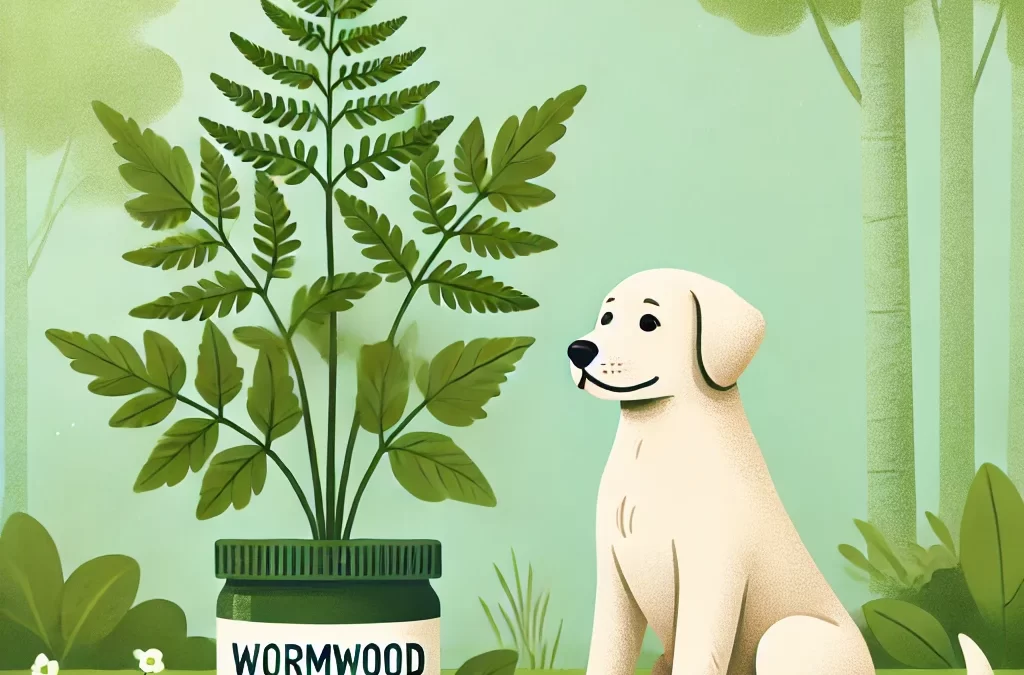
The use of natural remedies for managing canine cancer has garnered significant attention in recent years, with wormwood emerging as an intriguing contender. Known scientifically as Artemisia absinthium, wormwood has a long history in traditional medicine, but its potential benefits in addressing cancer, especially in dogs, have only recently sparked interest among researchers and pet owners alike. Could this ancient herb hold promise in the fight against canine cancer?
What Is Wormwood?
Wormwood is a perennial herb famous for its bitter taste and medicinal properties. Traditionally used to treat digestive issues and parasitic infections, wormwood has also been recognized for its potential anti-inflammatory, antimicrobial, and even anticancer properties. Its key active compound, artemisinin, has been studied extensively for its effectiveness against certain types of cancer cells in humans.
The Science Behind Wormwood and Cancer
Research suggests that artemisinin may work by targeting cancer cells that are rich in iron, a mineral cancer cells often accumulate to support their rapid growth. Artemisinin interacts with this iron, producing free radicals that can destroy the cancerous cells while leaving healthy cells relatively unharmed. While most studies have focused on human applications, the principles have sparked interest in veterinary oncology.
Wormwood and Canine Cancer: The Potential Connection
Dogs diagnosed with cancer, such as osteosarcoma, lymphoma, or mast cell tumors, often face expensive and invasive treatments like surgery, chemotherapy, or radiation. Many pet owners are turning to complementary therapies to improve their dogs’ quality of life, and wormwood is increasingly being explored for this purpose. Anecdotal evidence from holistic veterinarians and pet owners suggests that wormwood might help reduce tumor growth, alleviate inflammation, and boost overall vitality.
How Wormwood Might Help Dogs with Cancer
- Anti-Cancer Properties: Artemisinin in wormwood may target and kill cancer cells, potentially slowing the progression of the disease.
- Anti-Inflammatory Effects: Wormwood’s anti-inflammatory properties could reduce discomfort and improve mobility in dogs with tumors or metastases.
- Immune Support: Wormwood is thought to support the immune system, which is critical for dogs battling cancer.
Precautions and Considerations
Despite its potential, wormwood is not without risks. High doses can be toxic, causing side effects such as vomiting, diarrhea, or neurological issues. Additionally, not all dogs are suitable candidates for wormwood-based therapies. Consulting a holistic or integrative veterinarian is essential before introducing wormwood into your dog’s regimen.
Realistic Expectations: A Complementary Tool
It’s important to note that wormwood is not a cure for cancer but a potential complementary therapy. Its benefits may vary based on the type and stage of cancer, as well as the dog’s overall health. Combining wormwood with conventional treatments or other natural remedies, such as CBD oil or medicinal mushrooms, may enhance its effectiveness while offering a multi-faceted approach to cancer care.
The Future of Wormwood Research in Veterinary Medicine
The lack of extensive clinical trials on wormwood for canine cancer underscores the need for further research. However, early findings and anecdotal successes point to its promise as part of a broader natural cancer treatment strategy. With more scientific validation, wormwood could become a staple in holistic veterinary care.
Conclusion
For pet owners seeking alternative options to improve their dog’s quality of life, wormwood represents a fascinating possibility. Its potential anticancer and supportive properties make it a worthy candidate for consideration in canine cancer management. However, as with any treatment, caution and professional guidance are key. If you’re exploring wormwood for your dog, remember: the journey toward health is often about combining the best of both traditional and modern approaches.
Wormwood and dog cancer—an ancient herb for a modern challenge. Could it be the natural solution your furry friend needs? Only time and research will tell.

by TCMVET | Nov 23, 2024 | Dog Cancer & Tumors
Mast cell tumors (MCTs) are one of the most common types of cancer in dogs, often presenting as lumps on the skin. While some dogs survive with timely treatment, others succumb to this disease. The process through which mast cell tumors lead to death can be both complex and gradual, involving a cascade of biological disruptions that impact the dog’s entire body. This article delves into the underexplored journey of how mast cell tumors can lead to fatal outcomes.
The Biological Battleground: Understanding Mast Cell Tumors
Mast cells are part of the immune system, responsible for releasing histamines and other chemicals to combat allergens and infections. However, when these cells turn cancerous, they unleash havoc within the body.
Mast cell tumors often become dangerous not because of the primary tumor itself but due to their systemic effects. These effects can trigger life-threatening complications in ways that might surprise many dog owners.
The Silent Killers: Mechanisms Behind Fatalities
1. Histamine Overload: The Internal Storm
One of the most insidious effects of mast cell tumors is the excessive release of histamines and other chemical mediators. This can lead to:
- Gastric Ulcers: Histamine stimulates acid production in the stomach, which can cause ulcers. These ulcers may bleed, leading to severe anemia or life-threatening hemorrhages.
- Shock: A sudden release of histamine can result in systemic inflammation and a dangerous drop in blood pressure, potentially leading to anaphylactic shock.
2. Organ Failure: A Domino Effect
When mast cell tumors metastasize, they invade vital organs like the liver, spleen, and bone marrow. This can result in:
- Liver Dysfunction: The liver’s inability to process toxins can lead to jaundice and systemic poisoning.
- Bone Marrow Suppression: If mast cells infiltrate the bone marrow, the production of red and white blood cells is impaired, causing anemia and a weakened immune system.
3. Cachexia: The Cancer Wasting Syndrome
Cachexia, or cancer-related wasting, is a common cause of death in dogs with advanced mast cell tumors. The tumor alters the dog’s metabolism, causing:
- Muscle Loss: Despite eating, dogs lose muscle mass and strength.
- Fatigue: This debilitating condition can render even simple activities unbearable.
4. Uncontrolled Tumor Growth: Localized Destruction
In some cases, the tumor itself grows aggressively, infiltrating surrounding tissues. This can cause:
- Open Wounds: Ulcerated tumors may become infected, leading to sepsis.
- Pain and Mobility Issues: Tumors near joints or critical structures can cause excruciating pain and limit movement.
Beyond the Biology: Emotional and Behavioral Changes
Dogs suffering from mast cell tumors may exhibit changes in behavior due to pain, discomfort, or systemic illness. Signs such as restlessness, aggression, or withdrawal are often overlooked but indicate the severity of their suffering.
Breaking the Silence: The Importance of Early Intervention
While mast cell tumors can be fatal, their progression isn’t always inevitable. Early detection and treatment can drastically alter the outcome. Here are some proactive steps:
- Frequent Vet Visits: Regular check-ups increase the chances of catching tumors in their early stages.
- Biopsy All Lumps: Even benign-looking lumps could be mast cell tumors.
- Combination Therapies: Surgery, radiation, and chemotherapy are common approaches, but newer methods like immunotherapy are emerging.
Emerging Frontiers: Holistic Care for MCTs
Beyond conventional treatments, integrating holistic approaches can improve a dog’s quality of life:
- Dietary Adjustments: Anti-inflammatory diets with omega-3 fatty acids can support overall health.
- Herbal Supplements: Ingredients like turmeric and boswellia may help reduce inflammation.
- Stress Reduction: Chronic stress can exacerbate cancer symptoms; calming environments and gentle exercise may make a difference.
When Is It Time to Say Goodbye?
Deciding to euthanize a dog with mast cell tumors is one of the hardest choices a pet owner can make. Tools like the Quality of Life Scale (QoL) can guide this decision, focusing on pain levels, appetite, and the dog’s ability to enjoy daily activities.
Conclusion: Understanding to Empower
Mast cell tumors are more than just lumps—they are systemic threats that can silently and gradually overwhelm a dog’s body. By understanding the mechanisms behind their fatality, pet owners and veterinarians can make informed decisions to mitigate suffering and improve outcomes. Empowered with knowledge, we can ensure that every moment with our beloved pets is as pain-free and fulfilling as possible.

by TCMVET | Nov 23, 2024 | Dog Cancer & Tumors
When our furry friends face a diagnosis of cancer, managing their pain becomes one of the most pressing concerns. Pain affects not only their quality of life but also their willingness to eat, play, and interact. Traditional pain relief methods like pharmaceuticals often come with side effects that might leave pet owners feeling conflicted. But what if we looked beyond the conventional and explored groundbreaking, holistic approaches to pain management?
Understanding Pain in Dogs with Cancer
Pain in dogs with cancer is often multifaceted. Tumors can press against nerves, invade tissues, or cause inflammation, leading to acute or chronic discomfort. Understanding the nature of this pain is key to choosing the right relief method.
Traditional options like NSAIDs or opioids have their place, but they can come with risks like gastrointestinal upset, liver strain, or dependency. It’s time to think outside the box and empower pet owners with alternatives that not only alleviate pain but support overall health.
Holistic Approaches to Pain Relief
1. Acupuncture and Acupressure
Rooted in ancient Chinese medicine, acupuncture has gained traction among veterinarians worldwide. By stimulating specific points on the body, acupuncture helps release endorphins—the body’s natural painkillers—and improves blood flow to affected areas.
- Why it’s effective: Research shows that acupuncture can reduce pain and inflammation, making it a viable option for dogs experiencing cancer-related discomfort.
2. Herbal Pain Relievers
Certain herbal remedies have shown promise in reducing inflammation and pain. Ingredients like Chuanxiong (Szechuan Lovage), turmeric, and frankincense have natural anti-inflammatory properties.
- How to use them: These can be incorporated as supplements or teas (under veterinary guidance) to reduce reliance on traditional pharmaceuticals.
3. Full-Spectrum Hemp Oil
CBD, derived from hemp, has become a favorite among pet owners for its dual ability to manage pain and anxiety. Full-spectrum oils contain additional cannabinoids and terpenes that work synergistically, offering even more relief.
- What sets it apart: CBD interacts with the body’s endocannabinoid system, addressing inflammation and modulating pain without the psychoactive effects of THC.
4. Cold Laser Therapy
Cold laser therapy is a non-invasive treatment that uses light to stimulate cell regeneration and reduce inflammation. This technique is painless and can significantly improve mobility and comfort.
- Perfect for: Dogs who have joint pain or tumors affecting their limbs or back.
5. Diet as a Pain Manager
A nutrient-dense, anti-inflammatory diet can be a game-changer for dogs with cancer. Foods rich in omega-3 fatty acids (found in fish oil) and antioxidants can help reduce systemic inflammation and pain.
- Recipe to try: A mix of cooked lean meats, pureed vegetables like carrots and broccoli, and a dash of turmeric or ginger can be both nutritious and therapeutic.
The Emotional Component of Pain Management
Pain isn’t just physical—it has an emotional toll. Dogs often become withdrawn or irritable when in pain. Providing them with a stress-free environment, plenty of affection, and mental stimulation can make a huge difference.
Try This: Incorporate massage therapy into your dog’s routine. Gentle strokes and pressure can help relax tense muscles and improve circulation, doubling as a bonding activity.
A Glimpse Into the Future: Regenerative Medicine
Exciting advancements in regenerative medicine, like stem cell therapy, are paving the way for innovative cancer pain relief in dogs. Stem cells can repair damaged tissues and reduce inflammation, offering hope for conditions previously deemed untreatable.
Creating a Comprehensive Pain Management Plan
Relieving a dog’s cancer pain isn’t about choosing one method—it’s about crafting a personalized plan. Work closely with your veterinarian to combine the best of traditional and alternative therapies.
Example Plan:
- Morning: CBD oil with breakfast
- Afternoon: Acupuncture session or cold laser therapy
- Evening: Herbal supplement with an omega-rich meal
When to Say Goodbye
Pain management isn’t just about the dog—it’s also about the pet parent. Knowing when to let go is one of the hardest decisions, but sometimes it’s the most loving choice. Monitoring your dog’s quality of life using tools like the HHHHHMM Scale (Hurt, Hunger, Hydration, Hygiene, Happiness, Mobility, and More Good Days Than Bad) can help guide this decision.
Conclusion: Pain Relief as a Journey, Not a Destination
Managing cancer pain in dogs requires creativity, compassion, and a willingness to explore unconventional options. From acupuncture to dietary adjustments, every small step you take toward alleviating pain can improve your dog’s quality of life. As pet owners, our greatest gift to our dogs is ensuring their final chapter is filled with as much comfort and love as possible.

by TCMVET | Nov 22, 2024 | Dog Cancer & Tumors
Finding a lump or bump on your dog can be an alarming experience, but not all growths are dangerous. Cysts, for instance, are relatively common in dogs and are often benign. However, the question arises: will a dog cyst go away on its own? Let’s break down this issue, exploring the types, causes, and natural approaches to managing cysts, as well as when professional intervention is necessary.
What Exactly Is a Cyst?
A cyst is a closed sac filled with fluid, semi-solid material, or air. They often form beneath the skin and can vary in size. Cysts in dogs are typically caused by blocked hair follicles, trauma, or infections. While most are harmless, understanding their nature is key to ensuring your dog’s health.
Types of Cysts in Dogs
- Sebaceous Cysts: Result from blocked oil glands and are the most common type. These often appear as small, slow-growing lumps and can rupture over time.
- Follicular Cysts: Linked to hair follicle blockages, often due to irritation or genetics.
- True Cysts: Encased in an epithelial lining, these are rare but distinct.
- Abscesses: Though not technically cysts, they are infected lumps filled with pus and often mistaken for cysts.
Will It Resolve on Its Own?
The answer depends on the type of cyst and the underlying cause:
- Sebaceous Cysts: These may rupture and drain on their own, but they often refill unless the sac is completely removed.
- Follicular Cysts: These rarely disappear without intervention and may grow over time.
- Infected Cysts or Abscesses: Require immediate treatment to prevent complications. They won’t heal on their own.
While some cysts may reduce in size temporarily, complete self-resolution is uncommon.
Natural Approaches to Manage Cysts
If the cyst is small, non-painful, and your veterinarian has confirmed it’s benign, natural management can be considered. These remedies aim to reduce inflammation, prevent infection, and promote skin health:
1. Warm Compress
A warm compress can encourage blood flow to the area, helping the cyst drain naturally. Use a clean cloth soaked in warm water and gently apply it for 5–10 minutes, twice daily.
2. Turmeric Paste
Turmeric’s anti-inflammatory and antimicrobial properties make it a favorite in holistic pet care. Mix turmeric powder with coconut oil to form a paste and apply it to the cyst (with vet approval).
3. Castor Oil
Rich in ricinoleic acid, castor oil can help reduce inflammation. Dab a small amount onto the cyst with a cotton swab.
4. Dietary Adjustments
Boosting your dog’s diet with omega-3 fatty acids (fish oil) and antioxidants can improve overall skin health. Ensure their diet is rich in vitamins E and C to support tissue repair.
5. Herbal Remedies
Calendula and chamomile compresses have soothing effects and may promote healing.
When to See a Veterinarian
While natural remedies can be effective for managing small, benign cysts, some situations require professional attention:
- Rapid Growth: If the cyst increases in size quickly, it could indicate an underlying issue.
- Pain or Discomfort: If your dog shows signs of pain, avoids being touched, or licks the area obsessively.
- Infection: Redness, swelling, warmth, or oozing pus are signs of an infected cyst.
- Multiple Lumps: Could indicate a systemic issue or a different condition.
- Location Concerns: Cysts near joints or vital organs should be examined promptly.
A Balanced Approach: Combining Nature and Science
A dog cyst, while often harmless, requires careful observation. Combining natural remedies with veterinary guidance ensures your dog’s comfort and safety. Remember, cysts rarely disappear entirely on their own, so proactive care is essential.
The takeaway? Don’t panic if you discover a cyst on your dog. Instead, monitor its size and behavior, use natural therapies when appropriate, and consult your vet to rule out more serious conditions. By taking a balanced and informed approach, you can keep your furry friend healthy, happy, and thriving.

by TCMVET | Nov 22, 2024 | Dog Cancer & Tumors
Osteosarcoma, a type of bone cancer, is a challenging diagnosis for dog owners. While conventional treatments like amputation and chemotherapy can improve life expectancy, many seek natural therapies to support their pets’ quality of life. A balanced approach combining conventional methods with natural treatments can provide hope and comfort for dogs with osteosarcoma. Let’s explore innovative, holistic strategies that go beyond the conventional.
1. Nutritional Support: The Foundation of Healing
Nutrition plays a vital role in managing osteosarcoma. A diet tailored to fight inflammation and support immunity can make a significant difference.
- High-Quality Protein: Ensures muscle maintenance and combats weight loss. Sources include lean meats, fish, and eggs.
- Omega-3 Fatty Acids: Found in fish oil, these reduce inflammation and may slow cancer progression.
- Low-Carb Diet: Cancer cells thrive on glucose. Opt for a diet rich in vegetables like spinach and broccoli while avoiding grains and starchy vegetables.
Tip: Bone broth, rich in collagen and amino acids, soothes joints and provides gentle nourishment.
2. Herbal Allies in the Fight
Natural herbs can complement cancer management by targeting inflammation, enhancing immunity, and potentially slowing tumor growth.
- Turmeric (Curcumin): Known for its anti-inflammatory and anti-cancer properties. Combining turmeric with black pepper enhances absorption.
- Chuanxiong (Szechuan Lovage): A Traditional Chinese Medicine herb believed to support circulation and reduce tumor-related discomfort.
- Essiac Tea: A blend of herbs including burdock root and slippery elm, often used to boost detoxification and immune health.
Always consult with a vet trained in herbal medicine to ensure safety and proper dosing.
3. Targeted Supplements for Cellular Support
Supplements can act as allies in combating the effects of cancer and enhancing overall health.
- CBD Oil: Known for pain relief and potential anti-cancer effects, CBD oil can improve mobility and reduce anxiety in dogs with osteosarcoma.
- Medicinal Mushrooms: Varieties like turkey tail and reishi boost immunity and contain compounds that may inhibit tumor growth.
- Boswellia Serrata: An anti-inflammatory that may alleviate pain and support joint health.
Note: Always choose veterinarian-approved supplements and verify ingredient quality.
4. Physical and Emotional Wellbeing
- Acupuncture and Massage: Acupuncture can help manage pain, while gentle massage improves circulation and reduces stiffness.
- Moderate Exercise: Tailor activities to your dog’s ability, focusing on low-impact exercises like swimming.
- Emotional Support: Comfort and love play a pivotal role in a dog’s healing process. Spend quality time, engage in gentle play, and ensure a stress-free environment.
5. Emerging Therapies in the Natural Sphere
Innovative approaches are pushing the boundaries of natural treatments for canine osteosarcoma:
- Hyperbaric Oxygen Therapy (HBOT): Increases oxygen levels in the body, which can slow tumor growth and promote healing.
- Photodynamic Therapy (PDT): Uses light-sensitive compounds and laser technology to target tumors non-invasively.
- Peptide-Based Therapies: These innovative supplements stimulate the body’s natural healing processes at the cellular level.
6. Tailoring a Comprehensive Plan
Every dog is unique, and so should be their treatment plan. Combining natural and conventional therapies requires ongoing communication with your veterinarian. Holistic veterinarians trained in integrative medicine can offer personalized guidance.
A Heartfelt Reminder
While natural treatments provide support, they are most effective when used alongside conventional therapies. The goal is not merely to prolong life but to ensure a high quality of life for your beloved pet. With a compassionate and informed approach, you can offer your dog comfort, care, and love during this challenging journey.
By integrating modern insights with time-tested natural remedies, you give your dog the best chance for a life filled with joy and dignity. Together, we can redefine what healing looks like for dogs with osteosarcoma.

by TCMVET | Nov 21, 2024 | Dog Cancer & Tumors
When it comes to managing mast cell tumors in dogs, owners often find themselves navigating a sea of treatment options. Among these, cimetidine—a drug originally developed to treat ulcers—has gained attention for its potential to manage the symptoms and progression of this complex condition. But what exactly is its role, and how does dosage impact its effectiveness? Let’s dive into the topic with a fresh perspective.
What is Cimetidine?
Cimetidine belongs to a class of medications known as H2 receptor antagonists, designed to reduce stomach acid production. While its primary use is for gastrointestinal conditions, researchers have discovered additional benefits that extend its use to managing mast cell tumors in dogs.
The connection lies in histamine. Mast cell tumors release histamine, which can lead to various symptoms, including gastric ulcers and inflammation. By blocking H2 receptors, cimetidine can help mitigate these effects.
Why Use Cimetidine for Mast Cell Tumors?
- Symptom Management: Cimetidine reduces histamine release, helping to control symptoms like vomiting, diarrhea, and discomfort caused by increased gastric acidity.
- Tumor Stabilization: Some studies suggest that cimetidine may help slow tumor progression by altering the tumor microenvironment, although this effect remains under investigation.
- Supportive Role: Cimetidine is often used as part of a multi-modal approach, complementing treatments like surgery, chemotherapy, or natural therapies.
Dosage: Finding the Sweet Spot
Determining the correct dosage is crucial for achieving the desired therapeutic effect. However, a “one-size-fits-all” approach doesn’t work when it comes to dogs, as factors such as size, age, and overall health significantly influence dosing.
- General Guidelines: Cimetidine is usually administered orally at doses ranging from 5 to 10 mg per kilogram (2.2 lbs) of body weight, two to three times daily. However, always follow your veterinarian’s specific recommendations.
- Tailored Dosing: Dosages may vary based on the severity of symptoms, tumor stage, and whether the dog is receiving additional treatments. Adjustments are common and should be guided by regular monitoring.
The Importance of Vet Supervision
While cimetidine is relatively safe, it’s not without side effects. Potential issues include diarrhea, lethargy, or changes in appetite. Additionally, interactions with other medications should be carefully considered, especially if your dog is undergoing chemotherapy or using other drugs like NSAIDs.
Veterinary oversight ensures:
- Accurate dosing.
- Monitoring for side effects or interactions.
- Adjustments based on the dog’s response.
Alternative and Complementary Therapies
While cimetidine is an effective tool, it’s often most successful when combined with other therapies. Some alternatives include:
- Natural Supplements: Herbs like Chuanxiong (Szechuan Lovage) or turmeric may offer anti-inflammatory benefits and support overall well-being.
- Dietary Adjustments: A low-histamine diet can complement cimetidine’s effects, reducing histamine release triggered by certain foods.
- Holistic Care: Acupuncture, CBD oil, and other supportive therapies may help improve quality of life for dogs with mast cell tumors.
Future Innovations in Mast Cell Tumor Management
Emerging research continues to explore the role of cimetidine and similar drugs in veterinary oncology. From targeted therapies to histamine inhibitors, the future of treating mast cell tumors in dogs holds promise for more personalized and effective solutions.
Key Takeaways
Cimetidine is a valuable ally in managing mast cell tumors, but its effectiveness hinges on proper usage and integration into a broader treatment plan. By working closely with your veterinarian and staying informed about new developments, you can give your dog the best chance at a comfortable and happy life.
Closing Thoughts
If your dog has been diagnosed with mast cell tumors, don’t hesitate to explore all available options. While cimetidine may not be a cure, its ability to manage symptoms and support overall treatment makes it an important part of the puzzle. With tailored care and a holistic approach, your furry friend can continue to thrive despite the challenges.

by TCMVET | Nov 21, 2024 | Dog Cancer & Tumors
When a beloved dog faces health challenges, pet owners often turn to modern diagnostics to uncover the issue. Among these, ultrasound has become a go-to tool for veterinarians. But how effective is it in detecting cancer in dogs? Let’s explore this question in-depth, examining both the strengths and limitations of this technology.
The Basics of Ultrasound in Veterinary Medicine
Ultrasound imaging, also known as sonography, uses sound waves to create real-time images of a dog’s internal organs. It is particularly useful for examining soft tissues, such as the liver, kidneys, spleen, and bladder. Unlike X-rays, which provide a static view, ultrasound offers dynamic visuals, enabling veterinarians to assess organ function and detect abnormalities.
How Ultrasound Detects Cancer
Ultrasound can help identify tumors, abnormal tissue growths, or irregular organ structures that may indicate cancer. For instance:
- Locating Tumors: Ultrasound can reveal the size, shape, and location of masses. This is especially helpful for cancers in the abdomen, such as liver or kidney tumors.
- Guiding Biopsies: While ultrasound cannot definitively diagnose cancer, it plays a critical role in guiding needle biopsies to extract tissue samples for laboratory analysis.
- Monitoring Progression: For dogs undergoing treatment for cancer, ultrasound is a valuable tool for monitoring how the disease responds to therapies.
The Limitations of Ultrasound in Cancer Detection
Despite its advantages, ultrasound has certain limitations:
- Cannot Confirm Cancer: Ultrasound can identify masses but cannot determine whether they are malignant (cancerous) or benign (non-cancerous). A biopsy or advanced imaging, such as MRI or CT scans, is usually required for confirmation.
- Operator Dependency: The accuracy of ultrasound depends on the skill and experience of the veterinarian. Misinterpretation of images can lead to false positives or negatives.
- Not Suitable for All Cancers: Ultrasound is less effective for detecting cancers in bones, lungs, or areas with dense structures. In such cases, other imaging techniques are more appropriate.
When to Consider Ultrasound for Your Dog
If your dog shows symptoms such as unexplained weight loss, vomiting, swelling, or lethargy, your vet may recommend an ultrasound as part of the diagnostic process. It is a non-invasive, painless procedure with minimal risk, making it a preferred first step in many cases.
Future Innovations: Enhancing Ultrasound’s Cancer-Detecting Capabilities
Advances in veterinary medicine are continually improving ultrasound technology. Techniques like contrast-enhanced ultrasound and elastography are emerging as promising tools for better identifying cancerous tissues. These innovations could soon make ultrasound more precise in distinguishing malignant from benign growths.
A Balanced Approach to Cancer Diagnosis
While ultrasound is a powerful diagnostic tool, it works best as part of a comprehensive diagnostic approach. Combining ultrasound with other techniques, such as blood tests, biopsies, and advanced imaging, ensures the most accurate diagnosis and effective treatment plan for your dog.
Final Thoughts
Ultrasound is an indispensable tool in veterinary medicine, offering valuable insights into a dog’s health. While it has its limitations, it plays a crucial role in detecting and managing cancer. By staying informed and working closely with your vet, you can ensure your furry companion receives the best care possible, even in the face of challenging diagnoses.
4o

by TCMVET | Nov 20, 2024 | Food & Health
s more pet parents seek innovative solutions to improve the lives of their cancer-stricken dogs, N-acetylcysteine (NAC) has emerged as a potential game-changer. Known for its antioxidant and detoxifying properties, NAC is garnering attention as a complementary therapy in the fight against canine cancer. But what makes this compound so special, and how can it transform cancer care for your furry friend? Let’s dive into this groundbreaking approach.
What Is NAC?
N-acetylcysteine (NAC) is a derivative of the amino acid cysteine. Widely used in human medicine for conditions like acetaminophen poisoning, chronic respiratory issues, and liver support, NAC’s ability to replenish glutathione levels (a master antioxidant in the body) makes it invaluable. In dogs, this translates into enhanced cellular protection and the mitigation of oxidative stress—key factors in cancer progression.
The Science Behind NAC and Cancer
Cancer thrives in environments of chronic inflammation and oxidative damage. NAC’s dual role as an antioxidant and anti-inflammatory agent addresses these root causes, potentially slowing tumor growth and improving overall health. Here’s how NAC can support dogs with cancer:
- Boosting Glutathione Levels
Glutathione is crucial for detoxifying cells and combating oxidative stress. Dogs with cancer often have depleted glutathione levels, leaving them vulnerable to further cellular damage. NAC acts as a precursor, restoring these levels and protecting healthy cells.
- Reducing Inflammation
Chronic inflammation fuels cancer development. NAC’s anti-inflammatory effects can disrupt this vicious cycle, potentially limiting tumor progression.
- Supporting Chemotherapy and Radiation
Cancer treatments often damage healthy cells along with cancerous ones. NAC helps protect normal cells, reducing side effects and improving recovery.
- Inhibiting Tumor Growth
Studies have shown that NAC may interfere with pathways that promote tumor cell proliferation, giving it potential as a direct cancer-fighting agent.
- Enhancing Immune Function
A strong immune system is critical in the fight against cancer. By reducing oxidative stress, NAC helps immune cells function more effectively.
How to Use NAC for Dogs with Cancer
When incorporating NAC into your dog’s cancer care plan, it’s essential to do so under veterinary guidance. Here’s what to consider:
- Dosage: The appropriate dosage depends on your dog’s size, overall health, and specific needs. Always consult your vet for personalized recommendations.
- Form: NAC is available in capsules, powders, and injectable forms. Oral supplements are the most common option for dogs.
- Complementary Therapies: NAC works best as part of a holistic approach, including a nutrient-rich diet, regular exercise, and other supportive therapies.
Benefits Beyond Cancer
While NAC is primarily discussed for its cancer-related benefits, it also offers other health advantages for dogs:
- Protecting liver function during chemotherapy
- Supporting respiratory health by thinning mucus in conditions like bronchitis
- Enhancing recovery from infections or immune-compromising conditions
Precautions and Side Effects
Although NAC is generally well-tolerated, it’s important to monitor for any adverse effects, such as gastrointestinal upset or allergic reactions. Additionally, NAC’s antioxidant properties may interfere with certain chemotherapy drugs, so timing and coordination with your veterinarian are critical.
A Holistic Vision for Cancer Care
The future of cancer care for dogs lies in integrative approaches that combine traditional treatments with scientifically backed natural therapies like NAC. By addressing the root causes of cancer and supporting overall health, NAC offers hope for a better quality of life and potentially improved outcomes.
This revolutionary compound doesn’t promise miracles, but it does open doors to a new way of thinking about cancer treatment—one that prioritizes your dog’s well-being on every level.
Final Thoughts
As more research uncovers the potential of NAC, its role in canine cancer care continues to grow. For pet parents seeking innovative ways to support their furry companions, NAC represents a beacon of hope. With proper guidance and a holistic approach, it might just be the missing piece in your dog’s fight against cancer.

by TCMVET | Nov 20, 2024 | Dog Cancer & Tumors
Canine Transmissible Venereal Tumor (TVT) is a unique form of cancer in dogs, primarily transmitted through direct contact. While veterinary intervention is typically necessary, there’s growing interest in home-based supportive care to complement medical treatment. In this article, we’ll explore how innovative, natural, and holistic practices can play a pivotal role in managing TVT at home, emphasizing the importance of partnership with a veterinarian.
Understanding TVT: A Quick Overview
TVT is a contagious tumor that affects dogs’ external genitalia, mouth, or nose. Common symptoms include:
- Visible tumor growths
- Bleeding or discharge
- Discomfort or pain in affected areas
The primary treatment includes chemotherapy (usually with vincristine), surgery, or radiotherapy. However, these treatments may not always be accessible or affordable for some pet owners. This is where home-based supportive care can make a difference.
Revolutionizing Home Care for Dogs with TVT
1. Immune-Boosting Nutrition
A dog’s immune system plays a critical role in combating cancer. Providing nutrient-dense meals can support their overall health. Consider:
- Lean protein sources: Turkey, chicken, and fish to maintain muscle mass.
- Cancer-fighting foods: Blueberries, carrots, and broccoli contain antioxidants that combat oxidative stress.
- Omega-3 fatty acids: Found in fish oil or flaxseed oil, these help reduce inflammation.
Pro Tip: Avoid foods high in sugar and grains, which can exacerbate tumor growth.
2. Natural Remedies and Herbs
Natural therapies can provide relief and help manage TVT symptoms. Some promising options include:
- Turmeric (Curcumin): Known for its anti-inflammatory and anti-tumor properties.
- Chuanxiong (Szechuan Lovage): A traditional Chinese herb believed to improve circulation and support healing.
- CBD oil: Can help reduce inflammation, manage pain, and improve overall comfort.
Important: Always consult a vet to determine safe dosages.
3. Creating a Stress-Free Environment
Stress can weaken your dog’s immune system. Ensure your pet has a calm and comforting environment by:
- Providing a quiet resting space away from household noise.
- Using calming aids like lavender essential oil diffusers (in a well-ventilated room).
- Engaging in light, low-stress activities to keep them active and happy.
4. Wound and Tumor Care
If external tumors are present, they may bleed or become infected. Home care includes:
- Gently cleaning the affected area with saline solution to prevent infection.
- Using veterinary-approved ointments to promote healing.
- Monitoring for signs of infection, such as redness, swelling, or foul odor.
5. Strengthening Gut Health
Dogs undergoing TVT treatments often suffer from digestive issues. Probiotics and prebiotics can improve gut health and enhance nutrient absorption. Yogurt (without added sugar) or veterinary probiotic supplements can be added to their diet.
6. Alternative Therapies
- Acupressure and Massage: Can help improve blood circulation and reduce pain.
- Homeopathy: Remedies like Arsenicum album or Thuja are sometimes used for cancer support (under veterinary guidance).
What Home Treatment Can and Cannot Do
While these approaches can enhance your dog’s comfort and overall well-being, they cannot replace professional medical care. TVT is a serious condition that often requires chemotherapy or other veterinary treatments for a cure. Home care is best used as a complementary approach to improve your dog’s quality of life and support recovery.
A Holistic Approach Is Key
The idea of treating TVT at home isn’t about finding a miracle cure but about creating an environment where your dog feels nurtured and supported. By combining veterinary treatment with innovative home care practices, you can give your furry friend the best chance at recovery.
Final Thought
Managing TVT at home demands commitment, creativity, and collaboration with veterinary professionals. It’s not just about treating a disease; it’s about restoring hope, health, and happiness to your dog’s life. With this holistic approach, pet owners can take an active role in their dog’s healing journey, ensuring they receive the love and care they deserve.

by TCMVET | Nov 18, 2024 | Dog Cancer & Tumors
Leukemia in dogs is often referred to as a “silent illness.” By the time symptoms surface, the disease may already have advanced. But what if we could listen to the subtle whispers of this hidden enemy before it strikes loudly? Recognizing the early signs of leukemia in dogs can not only save their lives but also drastically improve their quality of life. Let’s embark on an unconventional exploration of these early warning signals, blending clinical insights with a holistic approach to canine care.
Decoding the Subtle Hints
Leukemia often masquerades as other, less serious illnesses. Early detection requires a sharp eye and an intuitive understanding of your dog’s behavior. Here are the understated signs to watch for:
- Unusual Fatigue or Lethargy Your usually energetic pup suddenly prefers lounging over playtime. This lethargy isn’t just a result of aging or a rough day; it’s the body’s way of signaling that something deeper might be amiss.
- Pale Gums and Tongue Healthy gums should be a bubblegum pink. If your dog’s gums or tongue appear pale or white, it could indicate anemia, a common early sign of leukemia caused by low red blood cell production.
- Persistent or Unexplained Infections Frequent infections that don’t respond to treatment may point to a weakened immune system. Leukemia compromises white blood cell function, leaving dogs vulnerable to bacterial, fungal, or viral invasions.
- Swollen Lymph Nodes Enlarged lymph nodes, particularly around the neck, shoulders, or back legs, are a telltale sign that something is wrong. While not exclusive to leukemia, it’s a sign worth investigating.
- Unexplained Weight Loss A dog with leukemia may lose weight despite maintaining its appetite. This occurs because the disease hijacks the body’s resources, leading to muscle wasting and energy depletion.
- Bruising or Bleeding Watch for small red or purple dots under the skin (petechiae) or unexplained bruises. Leukemia disrupts platelet production, leading to clotting issues.
- Loss of Appetite or Vomiting While these symptoms are common to many illnesses, their persistence could signal an underlying issue like leukemia.
Why Early Detection Matters
The earlier leukemia is detected, the better the treatment outcomes. Many dog owners assume that occasional lethargy or loss of appetite is normal, especially in older dogs, but ignoring these signs could mean missing an opportunity for timely intervention. Routine blood tests are a simple yet powerful tool in catching leukemia before it progresses.
Beyond the Clinical: The Emotional Connection
Dogs are masters at hiding pain. Often, behavioral changes such as withdrawing from family interactions or seeming “off” are early emotional cues of distress. Building a deep connection with your pet allows you to pick up on these subtleties.
Holistic Perspectives on Canine Leukemia
While traditional treatments like chemotherapy and steroids are common, integrating holistic care can enhance your dog’s quality of life. Here are some options:
- Nutritional Support
- Include foods rich in antioxidants like blueberries and spinach to boost the immune system.
- Bone broth provides essential nutrients and helps maintain appetite.
- Natural Supplements
- Turmeric: Its anti-inflammatory properties can support overall well-being.
- Reishi Mushrooms: Known for their immune-boosting and anti-cancer properties.
- Stress Management
- Gentle massages and aromatherapy with dog-safe oils like lavender can alleviate stress, which may exacerbate symptoms.
- Herbal Remedies
- Traditional Chinese Medicine herbs like astragalus and dang shen may support immunity and energy levels.
Preventive Measures: Can We Stay Ahead?
While leukemia isn’t always preventable, certain actions may lower risk factors:
- Regular Veterinary Check-Ups: Annual blood panels can identify abnormalities early.
- Limit Exposure to Toxins: Avoid pesticides, herbicides, and smoking around pets.
- Maintain a Healthy Diet: Balanced, nutrient-rich diets keep your dog’s immune system robust.
When to Act
If your dog exhibits more than one of these early signs, don’t wait. Consult a veterinarian immediately. A simple blood test can provide answers, and if leukemia is diagnosed, early intervention can extend your dog’s life significantly.
A Glimpse of Hope
Leukemia doesn’t have to be a death sentence. With advancements in veterinary care, holistic support, and the unwavering love of a pet parent, dogs diagnosed with leukemia can live fulfilling lives. The key lies in vigilance, education, and taking proactive steps.
Conclusion
The early signs of leukemia in dogs are like whispers in the wind—easily overlooked but vital to hear. By staying attuned to your dog’s physical and emotional cues, you can intercept this hidden enemy before it takes hold. After all, our four-legged companions deserve nothing less than our absolute best in their times of need.

by TCMVET | Nov 18, 2024 | Food & Health
When it comes to our furry friends, ensuring their joint health is as vital as meeting their basic needs. Joint supplements are more than just preventive care; they are a bridge to a longer, happier life for pets. But what truly defines the best pet joint supplement? Let’s break away from the ordinary and explore unconventional yet effective solutions that redefine joint health.
Rethinking Joint Care: It’s Not Just About Glucosamine
For years, glucosamine and chondroitin have dominated the pet supplement industry. While they’re effective, relying solely on these ingredients may overlook other innovative solutions. Modern joint supplements are now integrating:
- Omega-3 Fatty Acids: Known for their anti-inflammatory properties, these can drastically improve joint mobility. Look for supplements that include green-lipped mussel extract, a potent source of omega-3s.
- Turmeric and Curcumin: These natural ingredients are gaining traction as powerful antioxidants that reduce inflammation and slow cartilage breakdown.
- Hyaluronic Acid: Often associated with skincare, this ingredient is now being used in pet supplements to improve joint lubrication, ensuring smoother movement.
Tailoring Joint Care to Your Pet’s Lifestyle
No two pets are the same. Their joint health needs vary based on breed, age, activity level, and even diet. Instead of a one-size-fits-all approach, consider these tailored solutions:
- For Senior Pets: Opt for supplements enriched with collagen and MSM (methylsulfonylmethane) to support cartilage repair and improve mobility.
- For Active Breeds: Look for ingredients that focus on muscle recovery and joint cushioning, such as Boswellia serrata, an herb used in traditional medicine.
- For Small Breeds: Choose supplements in smaller, easy-to-chew forms or liquids that can be added to food for convenience.
Holistic Joint Health: Beyond Supplements
The best joint supplement is only part of the equation. Supporting joint health requires a holistic approach:
- Weight Management: Excess weight puts unnecessary strain on joints. A balanced diet complemented by the right supplements ensures your pet maintains an ideal weight.
- Low-Impact Exercise: Activities like swimming and controlled walking help maintain joint flexibility without overexertion.
- Regular Veterinary Check-Ups: Monitoring your pet’s joint health with a vet helps catch issues early and adapt their care plan.
Innovative Formats: Making Supplements Pet-Friendly
The days of forcing your pet to swallow pills are over. The best supplements now come in:
- Tasty Chews: Flavored options that pets mistake for treats.
- Powder Formulas: Easily mixed with meals, perfect for picky eaters.
- Oil Drops: Convenient for pets with dental issues or those who dislike solids.
DIY Joint Health: Can You Make Your Own Supplement?
If you’re a hands-on pet parent, creating homemade supplements might be an option. Bone broth is an excellent natural source of glucosamine and chondroitin. Combine it with turmeric paste (made with coconut oil and black pepper for absorption), and you’ve got a powerful anti-inflammatory concoction.
However, consult your veterinarian before diving into DIY solutions to ensure proper dosage and compatibility with your pet’s diet.
Spotlight on Unique Ingredients
The pet supplement industry is seeing a rise in unique, science-backed ingredients, such as:
- Astaxanthin: A potent antioxidant that reduces oxidative stress and promotes joint recovery.
- Eggshell Membrane: A natural source of collagen, glucosamine, and hyaluronic acid, it supports cartilage repair and overall joint health.
- Cissus Quadrangularis: A lesser-known herb traditionally used to heal bones and reduce joint pain.
How to Choose the Right Supplement
When shopping for a joint supplement, keep these factors in mind:
- Transparency: Look for brands that disclose all ingredients and their dosages.
- Third-Party Testing: Ensure the product has been tested for safety and efficacy.
- Veterinary Approval: Supplements recommended by vets often have clinical backing.
Conclusion: A Joint Effort for Better Health
The best pet joint supplement is more than just a product—it’s part of a lifestyle commitment to your pet’s well-being. By embracing innovative ingredients, tailoring care to your pet’s needs, and adopting a holistic approach, you can ensure your pet enjoys every leap, run, and tail wag to the fullest.
Remember, the journey to joint health doesn’t have to be ordinary. It’s time to think outside the treat bag and give your pets the care they truly deserve.
by TCMVET | Nov 16, 2024 | Dog Cancer & Tumors
When we hear the word “tumor,” our minds often leap to the worst-case scenario: cancer. However, not all tumors are malignant. In fact, benign intestinal tumors in dogs are far less sinister and can often be managed effectively with the right approach. This article dives into the nuances of these benign growths, helping you understand their causes, symptoms, and management strategies.
What Are Benign Intestinal Tumors?
Benign intestinal tumors are non-cancerous growths that develop in the gastrointestinal (GI) tract of dogs. While they don’t invade surrounding tissues or spread to other parts of the body, their presence can still lead to discomfort or digestive issues if they grow large enough to obstruct the intestines or interfere with normal function.
Common Types of Benign Intestinal Tumors in Dogs:
- Adenomas: Develop from glandular cells lining the intestines.
- Leiomyomas: Originate from smooth muscle cells in the intestinal wall.
- Polyps: Small growths that protrude from the lining of the intestines.
Causes: Why Do These Tumors Develop?
While the exact cause of benign intestinal tumors in dogs is unknown, several factors may contribute:
- Genetics: Some breeds, like German Shepherds and Collies, may have a predisposition.
- Chronic Inflammation: Long-term GI inflammation can increase the risk of abnormal cell growth.
- Dietary Factors: Poor-quality diets lacking fiber may play a role in polyp development.
Symptoms: What to Watch For
Benign tumors often grow slowly, making symptoms subtle at first. Over time, as the tumor enlarges, the following signs may appear:
- Chronic Vomiting or Diarrhea: Due to irritation or partial blockage.
- Weight Loss: If the tumor affects nutrient absorption.
- Blood in Stool: Bright red or dark, depending on the tumor’s location.
- Abdominal Pain: If the tumor causes bloating or obstruction.
- Change in Appetite: Fluctuations between hunger and refusal to eat.
Red Flag: Any persistent GI symptom warrants a visit to your veterinarian for a thorough evaluation.
Diagnosis: Pinpointing the Problem
Diagnosing benign intestinal tumors involves a combination of techniques:
- Physical Exam: Palpation of the abdomen for masses.
- Imaging: X-rays or ultrasounds to visualize the intestinal tract.
- Endoscopy: A camera-assisted examination to view and potentially biopsy the growth.
- Biopsy: Definitive diagnosis comes from analyzing a tissue sample to determine if the tumor is benign.
Treatment: Options for Managing Benign Tumors
While benign tumors aren’t life-threatening, they often require treatment to alleviate symptoms or prevent complications.
1. Surgical Removal
- When Is Surgery Needed? If the tumor causes obstruction or severe symptoms.
- Outcome: Surgery is typically curative for benign growths, and dogs recover well post-operation.
2. Endoscopic Polypectomy
- What Is It? A less invasive method to remove polyps or small tumors via an endoscope.
- Advantages: Shorter recovery time and minimal discomfort.
3. Dietary Adjustments
- Why It Helps: A high-fiber diet may reduce inflammation and support gut healing after treatment.
- Foods to Include: Pumpkin, cooked sweet potatoes, and vet-recommended kibble.
4. Monitoring
- For Small Tumors: Regular check-ups to monitor growth without immediate intervention.
Prognosis: What to Expect
Benign intestinal tumors generally have an excellent prognosis when treated appropriately. Regular veterinary visits and follow-ups are crucial to ensure the tumor doesn’t recur or cause further issues.
Prevention: Can You Lower the Risk?
While it’s impossible to guarantee prevention, the following steps may reduce your dog’s risk of developing benign intestinal tumors:
- Balanced Diet: Include high-quality proteins, healthy fats, and sufficient fiber.
- Regular Vet Visits: Routine check-ups can catch potential issues early.
- Watch for Symptoms: Early detection often leads to simpler, less invasive treatments.
A Unique Perspective: The Gut and Overall Health
Interestingly, your dog’s gut health is closely tied to their overall well-being. The presence of a benign tumor might signal underlying imbalances, like inflammation or poor diet, that deserve attention. Treating the tumor is just one part of the journey—addressing the root causes ensures your dog remains healthy and vibrant.
Conclusion: Turning Challenges into Opportunities
Benign intestinal tumors in dogs, while concerning, are manageable and often curable. They offer a reminder to prioritize gut health, provide nutritious meals, and maintain a strong partnership with your veterinarian. With care and vigilance, your furry companion can continue to enjoy a happy, comfortable life.

by TCMVET | Nov 16, 2024 | Dog Cancer & Tumors
Lymphoma is one of the most common cancers in dogs, and while it can be devastating for pet owners, providing comfort and quality of life is paramount. By combining modern veterinary care with holistic approaches, you can help your dog feel loved, safe, and comfortable throughout this challenging journey. Here’s a fresh look at how to achieve this.
1. Personalized Nutrition: Feeding for Comfort
Dogs with lymphoma often struggle with appetite and digestion. Here’s how to tailor their diet:
- Anti-inflammatory Foods: Incorporate omega-3 fatty acids from fish oil to combat inflammation. Fresh, lightly cooked vegetables like spinach or sweet potatoes can also support immune health.
- Palatable Options: Use warming bone broths or goat milk to make meals more appetizing and easier to digest.
- Avoid Carbohydrate Overload: Since cancer cells thrive on sugar, reduce high-glycemic foods and focus on lean proteins and healthy fats.
2. Creating a Restful Environment
A calm and cozy space can help reduce your dog’s stress and improve their overall well-being:
- Orthopedic Bedding: Provide a soft, supportive bed to ease joint pain and discomfort.
- Temperature Control: Use heated pads or cooling mats as needed to ensure they are comfortable, especially if they experience temperature sensitivity.
- Soothing Sounds: Gentle music or white noise can help create a serene environment, especially if they seem restless or anxious.
3. Natural Therapies for Symptom Relief
Holistic remedies can be an excellent complement to traditional treatments:
- CBD Oil: Known for its anti-inflammatory and pain-relieving properties, CBD oil can help reduce pain and improve appetite.
- Herbal Supplements: Herbs like turmeric (for inflammation) and astragalus (for immune support) can be beneficial, but consult your vet before introducing them.
- Acupressure and Massage: These techniques can help ease tension, improve circulation, and provide a calming effect.
4. Moderate Exercise and Mental Stimulation
While strenuous activity should be avoided, light exercise and mental engagement are crucial for emotional and physical health:
- Short Walks: Keep them brief and at your dog’s pace to avoid overexertion.
- Interactive Toys: Puzzle feeders or snuffle mats can keep your dog mentally stimulated while conserving their energy.
- Gentle Play: Simple games like tug with a soft toy or a gentle fetch session can bring joy without causing fatigue.
5. Open Communication with Your Veterinarian
Partnering with your vet is essential to ensure your dog’s comfort:
- Pain Management: Regularly evaluate their pain levels and adjust medications if needed.
- Palliative Care Plan: Ask your vet about palliative options like corticosteroids, which can help reduce lymphoma symptoms.
- Frequent Monitoring: Keep track of changes in behavior, appetite, or energy to address issues promptly.
6. Emotional Support: The Healing Power of Love
Your presence and care are your dog’s greatest sources of comfort:
- Consistent Routine: Dogs find security in predictable schedules, so maintain regular feeding, walking, and rest times.
- Gentle Interaction: Speak softly, give plenty of cuddles, and respect their signals if they want to rest.
- Cherished Moments: Create meaningful memories by doing activities your dog loves, like lying in the sun or a gentle car ride.
7. Prepare for the Next Steps
As lymphoma progresses, it’s vital to focus on their quality of life:
- Quality-of-Life Assessment: Tools like the HHHHHMM scale (Hurt, Hunger, Hydration, Hygiene, Happiness, Mobility, and More Good Days Than Bad) can help you make decisions about their care.
- End-of-Life Planning: Consider consulting a pet hospice service to ensure your dog’s final days are peaceful and pain-free.
Conclusion: A Journey of Compassion
Helping a dog with lymphoma isn’t just about managing symptoms—it’s about cherishing every moment together. By combining thoughtful veterinary care with holistic therapies and plenty of love, you can give your dog the comfort and dignity they deserve. Remember, your dog may be battling lymphoma, but they will always have your unwavering support and affection.

by TCMVET | Nov 15, 2024 | Dog Cancer & Tumors
When it comes to our furry companions, their health often hinges on how quickly we can detect and respond to signs of illness. Leukemia in dogs, a form of cancer that targets the blood cells, is no exception. This silent adversary often begins with subtle changes that many pet parents overlook. Here, we dive into the early signs of leukemia in dogs, presenting them in a way that helps you decode the mystery before it’s too late.
What is Leukemia in Dogs?
Leukemia is a cancer of the blood and bone marrow. It occurs when white blood cells (leukocytes) begin to multiply uncontrollably, disrupting the body’s normal immune and circulatory functions. While the term might sound ominous, catching it early significantly improves your dog’s chances of responding to treatment.
The Overlooked Symptoms: Early Clues You Shouldn’t Ignore
Leukemia can present in two forms: acute and chronic. Acute leukemia progresses rapidly, while chronic leukemia is slower and may go unnoticed for months. Here’s what to watch for:
1. Unexplained Fatigue
Does your normally energetic dog seem lethargic? Are they sleeping more than usual or appearing less interested in their favorite activities? While it’s easy to chalk this up to aging or weather changes, persistent fatigue could be an early sign of leukemia.
2. Pale or Discolored Gums
Healthy gums should be a vibrant pink. If your dog’s gums appear pale, white, or grayish, it might indicate anemia—a common consequence of leukemia. Perform regular gum checks as part of your dog’s health routine.
3. Frequent Infections
Leukemia compromises the immune system, making your dog susceptible to recurrent infections. If your dog is battling ear infections, urinary tract infections, or other issues more frequently than usual, leukemia could be the underlying cause.
4. Swollen Lymph Nodes
Lymph nodes, located under the jaw and near the armpits, are your dog’s immune system hubs. Swelling in these areas can be an early red flag for leukemia or other blood-related conditions.
5. Loss of Appetite and Weight
Dogs with leukemia may lose interest in food, leading to unexplained weight loss. A sudden shift in eating habits is always a cause for concern and should prompt a visit to the vet.
6. Mild Bleeding or Bruising
Keep an eye out for unexplained bruises or prolonged bleeding after minor cuts. Leukemia often impacts the blood’s ability to clot, making injuries more noticeable.
7. Low Tolerance for Exercise
If your dog starts panting heavily after short walks or avoids physical activity altogether, this could signal a decrease in oxygen-carrying red blood cells—a hallmark of leukemia.
8. Fever Without Cause
Unexplained fevers may occur due to your dog’s body attempting to fight off infections brought on by weakened immunity.
How to Confirm Suspicion
If you notice any combination of these signs, it’s crucial to consult a veterinarian. Leukemia cannot be diagnosed based on symptoms alone. Your vet may recommend tests such as:
- Complete Blood Count (CBC): Identifies abnormalities in red and white blood cells.
- Bone Marrow Biopsy: Confirms the presence and type of leukemia.
- X-rays or Ultrasound: Detects any organ enlargement or abnormalities.
Early Intervention: A Game-Changer
While leukemia is a serious diagnosis, early detection offers hope. Treatment options include chemotherapy, targeted medications, and supportive care like blood transfusions and immune-boosting supplements.
Alternative therapies, such as herbal remedies and dietary adjustments, may also help improve your dog’s quality of life. For example, incorporating medicinal mushrooms like Reishi or Shiitake can support the immune system, while turmeric offers anti-inflammatory benefits. Always consult your vet before introducing new supplements.
Preventing Leukemia: Can You Reduce Risk?
While the exact causes of leukemia are unknown, minimizing exposure to toxins and maintaining a balanced diet can support overall health. Avoid pesticides, provide clean drinking water, and opt for high-quality, nutrient-rich dog food.
When in Doubt, Trust Your Instincts
As pet parents, we often sense when something isn’t right. If your dog seems off, trust your intuition and seek medical advice. Early intervention can make all the difference in managing leukemia and giving your dog the best chance at a longer, healthier life.
By staying vigilant and proactive, you can ensure that leukemia doesn’t stand a chance against your love and dedication. Always keep your dog’s wellness in focus, and remember—the smallest changes can often signal the biggest threats.

by TCMVET | Nov 15, 2024 | Dog Cancer & Tumors
Discovering a lump on your dog can be alarming, but it doesn’t have to be a reason for panic. While some lumps may indicate serious health issues, many are benign and manageable. In this article, we’ll explore creative and innovative ways to address dog lumps, combining traditional veterinary care with holistic solutions to ensure your furry friend’s well-being.
Understanding the Lump: Knowledge is Power
Before diving into solutions, it’s crucial to understand the nature of the lump. Common types include:
- Lipomas: Fatty tumors, often harmless.
- Cysts: Fluid-filled sacs that may require drainage.
- Mast Cell Tumors: Require immediate attention due to their potential malignancy.
- Abscesses: Usually the result of infections.
Pro Tip: Not all lumps are the same, so a vet visit is your first step to proper diagnosis.
Step 1: The Conventional Approach
Veterinary care provides a solid foundation for managing lumps. Here’s what to expect:
- Biopsy or Fine Needle Aspiration (FNA): To determine the lump’s nature.
- Surgical Removal: Recommended for malignant or bothersome lumps.
- Medication: Antibiotics or anti-inflammatory drugs for infections or irritation.
Step 2: Think Beyond Surgery
Surgery isn’t always the only option. For small, benign lumps, consider less invasive measures:
- Cryotherapy: Freezing the lump to reduce its size.
- Laser Therapy: Effective for certain skin masses with minimal scarring.
- Natural Absorption: In some cases, the body may absorb small cysts or benign lumps over time.
Step 3: Holistic Remedies and Lifestyle Changes
Integrating natural solutions can enhance your dog’s recovery and overall health:
1. Nutrition as Medicine
A nutrient-rich diet boosts immunity and overall health, potentially slowing lump growth. Focus on:
- Antioxidants: Blueberries, spinach, and turmeric combat inflammation.
- Omega-3 Fatty Acids: Found in fish oil, these support healthy skin and reduce inflammation.
2. Herbal and Natural Supplements
Certain herbs and natural remedies can support healing:
- Chuanxiong (Szechuan Lovage): Known for improving circulation, it may help reduce lump size.
- Essiac Tea: A blend of herbs believed to support the immune system.
- CBD Oil: Anti-inflammatory properties can help with pain and swelling.
3. Massage Therapy
Gentle massage around the lump (if recommended by your vet) can improve lymphatic drainage, reducing swelling and discomfort.
4. Acupuncture
Used for centuries in traditional Chinese medicine, acupuncture can enhance the body’s natural healing process.
Step 4: When to Seek a Second Opinion
If a lump doesn’t shrink with treatment, or if it grows rapidly, it’s wise to seek another vet’s opinion. Cutting-edge options like targeted immunotherapy and precision medicine are becoming more accessible in veterinary care.
Step 5: Preventive Measures
The best way to deal with lumps is to prevent them in the first place:
- Routine Checkups: Early detection can make all the difference.
- Weight Management: Obesity is linked to an increased risk of lipomas.
- Regular Exercise: Improves circulation and boosts the immune system.
Beyond Physical Health: Address Emotional Well-being
Dogs are highly perceptive creatures, and their emotional health often impacts their physical state. Providing a stress-free, loving environment can enhance your dog’s overall health and ability to recover.
Embracing a Partnership with Your Vet
The road to managing dog lumps is a journey best taken with a trusted veterinarian. By combining traditional care with innovative, natural remedies, you can provide your dog with the best chance for a long, happy life.
A Final Thought
Every lump has a story, but it doesn’t have to define your dog’s future. By approaching the situation holistically, staying informed, and taking proactive steps, you can turn a potentially worrisome discovery into an opportunity to strengthen your bond with your furry companion.

by TCMVET | Nov 15, 2024 | Medicines & Therapies
When we think of pharmaceuticals or veterinary medications, we often associate them with their primary uses, such as curing specific ailments or supporting recovery. Yet, some products, like Avmaquin, have gained attention not only for their intended applications but also for their surprising versatility. Let’s delve into what makes Avmaquin a standout in the veterinary field and explore its potential in ways you might not expect.
What is Avmaquin?
Avmaquin is primarily known as an antimicrobial agent used in veterinary medicine. It is formulated to combat a variety of bacterial infections, particularly in livestock and poultry. With its active ingredient targeting harmful bacteria, it helps maintain the health and productivity of animals, ensuring their well-being and minimizing economic losses for farmers. However, what sets Avmaquin apart is its wide-ranging impact beyond its antimicrobial properties.
1. A Shield for Livestock Productivity
The agricultural industry faces constant challenges from bacterial diseases that can rapidly spread among livestock. Avmaquin steps in as a preventative solution, acting as a shield to protect animals from these outbreaks. Beyond merely treating infections, its prophylactic application has proven to enhance the overall health status of herds and flocks, leading to better growth rates and increased productivity.
2. A Game-Changer in Sustainable Farming
In the modern era of farming, the focus is shifting toward sustainability. Avmaquin has shown promise as part of integrated farming practices. By reducing the need for broad-spectrum antibiotics, it contributes to antimicrobial stewardship, a critical goal in minimizing the risk of antibiotic resistance. This makes it a valuable tool for farmers striving to balance productivity with responsible practices.
3. Beyond Livestock: The Broader Implications
While primarily designed for animals, researchers are investigating whether Avmaquin’s properties could inspire innovations in other areas. For example:
- Aquaculture: Trials are exploring its potential to safeguard fish populations from bacterial diseases, a growing concern in the aquaculture industry.
- Companion Animals: Preliminary studies suggest that Avmaquin might have applications for certain bacterial infections in cats and dogs, expanding its reach into the pet care market.
4. A Catalyst for Research and Development
Avmaquin also serves as a springboard for new formulations. Its success in targeting specific pathogens has inspired the development of customized antimicrobial solutions tailored for niche veterinary needs. Scientists are leveraging its molecular framework to design next-generation treatments that could transform how we address animal health challenges.
5. Ethical Implications: Addressing the Concerns
No discussion about veterinary antimicrobials is complete without addressing ethical concerns. With the rise of consumer awareness around food safety and animal welfare, Avmaquin stands out as an example of how targeted treatments can align with ethical farming practices. Its use reduces the reliance on blanket antibiotic treatments, making it a preferred choice for conscientious farmers.
Reimagining Avmaquin’s Role
What makes Avmaquin truly remarkable is its potential to redefine veterinary care. Imagine a future where its applications extend beyond treatment, influencing preventive healthcare, sustainable farming, and even pet wellness. As we uncover more about its capabilities, Avmaquin could become a cornerstone of veterinary innovation, bridging the gap between tradition and forward-thinking solutions.
Final Thoughts: More Than Meets the Eye
Avmaquin is more than just a veterinary medication; it’s a symbol of how science can address complex challenges in animal health and farming. Its versatility, sustainability, and potential for broader applications make it a topic worth watching. Whether you’re a farmer, veterinarian, or pet owner, Avmaquin might just hold the key to unlocking a healthier future for all animals under our care.

by TCMVET | Nov 14, 2024 | Food & Health
As dog owners, we know how important it is to keep our furry companions healthy and happy. However, just like humans, dogs can experience health conditions that affect their mobility and quality of life. One such condition that often goes unnoticed until it becomes severe is hindquarter weakness. If you’ve noticed your dog struggling to rise from a lying position, dragging their back legs, or having difficulty with stairs, hindquarter weakness could be at play. In this article, we’ll explore the causes, symptoms, and potential treatments for hindquarter weakness in dogs, and offer a new perspective on how this condition can be managed.
What Is Hindquarter Weakness?
Hindquarter weakness refers to a decline in strength and coordination in a dog’s back legs or hind end. The hindquarters are essential for many vital functions such as walking, running, climbing stairs, and even sitting. When the muscles or nerves in this area become compromised, your dog may experience a loss of balance, reduced mobility, or even partial paralysis.
Common Causes of Hindquarter Weakness in Dogs
There are several reasons why your dog might be experiencing hindquarter weakness. Some of the most common causes include:
- Degenerative Myelopathy (DM): This progressive neurological condition affects the spinal cord and causes a gradual weakening of the hind limbs. DM typically starts with a subtle dragging of the back paws and worsens over time, eventually leading to complete loss of mobility.
- Hip Dysplasia: A common genetic condition, especially in large breed dogs, hip dysplasia occurs when the hip joint doesn’t develop correctly, causing arthritis, pain, and instability in the back legs.
- Intervertebral Disc Disease (IVDD): In this condition, the discs in the spine herniate or rupture, putting pressure on the spinal cord. The result is pain, weakness, and difficulty with mobility in the hindquarters.
- Arthritis: Like humans, dogs can suffer from osteoarthritis, which leads to inflammation and pain in the joints. This condition can cause your dog to limp, slow down, and struggle with basic movements like standing or walking.
- Neurological Disorders: In addition to DM, other neurological issues such as infections, tumors, or nerve injuries can also contribute to weakness in the hindquarters.
- Injuries and Trauma: Sometimes, an acute injury, such as a fall or car accident, can result in weakness or paralysis in the back legs.
Symptoms to Watch For
Hindquarter weakness doesn’t always present itself in dramatic ways. Often, it starts with subtle signs that can be easy to overlook. Be on the lookout for:
- Reluctance to move: Your dog might hesitate or refuse to go for walks or play.
- Difficulty rising from a seated or lying position: This is a common early sign, especially in older dogs.
- Dragging paws: When your dog walks, they may drag their back paws or scuff the ground.
- Unstable gait: A dog with hindquarter weakness may wobble, sway, or stumble when walking.
- Pain or stiffness: Limping, whining, or showing signs of discomfort may indicate that your dog is in pain.
- Muscle wasting: If the weakness is caused by a long-term condition, you might notice muscle shrinkage or atrophy in the hindquarters.
Diagnosis: How to Get to the Bottom of Hindquarter Weakness
If you notice any of the above signs, it’s important to consult with a veterinarian. Diagnosing the cause of hindquarter weakness requires a thorough examination, including:
- Physical Exam: Your vet will assess your dog’s muscle tone, reflexes, and ability to move.
- X-rays or MRI: Imaging can help diagnose conditions like hip dysplasia, spinal issues, or fractures.
- Blood tests: In cases of infection or systemic issues, blood tests may be necessary.
- Electromyography (EMG): This test evaluates nerve and muscle function, especially if a neurological disorder is suspected.
Treatment Options: How to Help Your Dog
The treatment for hindquarter weakness depends on the underlying cause. Here’s an overview of potential options:
- Medications: For conditions like arthritis, pain relief medications such as NSAIDs (non-steroidal anti-inflammatory drugs) may be prescribed. In cases of degenerative diseases, corticosteroids or other drugs to manage inflammation and nerve function might be considered.
- Physical Therapy: Just like humans, dogs can benefit from physical therapy. Canine rehabilitation techniques, such as hydrotherapy (swimming), massage, and strength-building exercises, can help improve muscle tone, mobility, and overall quality of life.
- Surgical Intervention: In cases where there’s a herniated disc, hip dysplasia, or severe trauma, surgery may be required to relieve pressure on the spine or joints, or to correct the underlying issue.
- Dietary Supplements: Supplements like glucosamine and chondroitin can help support joint health, while omega-3 fatty acids can reduce inflammation. In some cases, veterinarians may also recommend antioxidants or supplements for nerve regeneration.
- Assistive Devices: Dogs with advanced hindquarter weakness may benefit from mobility aids such as dog wheelchairs, slings, or harnesses to support their movement and prevent falls.
Preventing Hindquarter Weakness in Dogs
While some causes of hindquarter weakness, like genetics or age-related conditions, can’t be prevented, there are steps you can take to reduce the risk:
- Maintain a healthy weight: Obesity puts extra strain on your dog’s joints and muscles, making them more susceptible to arthritis and other mobility issues.
- Exercise regularly: Regular, moderate exercise helps maintain muscle tone, joint health, and overall mobility. Avoid overexerting puppies or elderly dogs, though.
- Provide a balanced diet: A diet rich in essential nutrients, including protein, healthy fats, and vitamins, supports overall muscle and joint health.
- Regular vet check-ups: Routine visits to the vet can help detect potential issues early before they become more severe.
The Road Ahead: Helping Your Dog Thrive Despite Hindquarter Weakness
While hindquarter weakness can be a challenging condition for both dogs and their owners, it’s important to remember that with early intervention and the right care, many dogs can continue to lead fulfilling, happy lives. Whether through physical therapy, medication, or lifestyle changes, there are plenty of tools in your arsenal to help your dog regain strength, improve mobility, and enjoy their golden years.
By recognizing the signs early, consulting with your vet, and taking a holistic approach to treatment, you’ll be giving your dog the best chance at a healthier, more active life. And remember, your dog’s tail might not wag as fast as it used to—but with the right care, it can still wag with joy.

by TCMVET | Nov 14, 2024 | Food & Health
As pet owners, we’re constantly on the lookout for natural ways to enhance our dogs’ health and well-being. From fresh food diets to holistic supplements, the options are vast. One supplement that has been gaining attention in recent years is chlorophyll, often hailed as a green powerhouse for both humans and pets alike. But what’s all the buzz about? Let’s dive into the surprising benefits of chlorophyll tablets for dogs and why they might be your pup’s next wellness secret.
What Is Chlorophyll, Anyway?
Chlorophyll is the pigment that gives plants their vibrant green color. More than just an aesthetic feature, chlorophyll plays a key role in photosynthesis, helping plants absorb sunlight and convert it into energy. But it’s not just plants that can benefit from this miracle molecule—chlorophyll has long been celebrated for its health benefits in humans, and now, it’s making waves in the canine health scene too.
Why Chlorophyll Tablets for Dogs?
Chlorophyll in tablet form offers an easy way to introduce this powerful supplement into your dog’s diet. Whether your pup suffers from bad breath, skin irritations, or digestive issues, chlorophyll could help address several common concerns. Here’s why:
- Natural Detoxification Just like humans, dogs can accumulate toxins from their environment, food, and even medications. Chlorophyll is known for its detoxifying properties, helping to flush out impurities from your dog’s system. A regular dose of chlorophyll can assist in neutralizing harmful toxins and promoting better overall health.
- A Breath of Fresh Air We’ve all had to deal with “doggie breath” at some point, but chlorophyll may be the solution you didn’t know you needed. Chlorophyll has natural deodorizing properties that can help freshen up your dog’s breath. It works by neutralizing odors rather than simply masking them, offering a more lasting solution.
- Boosting Digestive Health If your dog suffers from digestive issues like bloating, constipation, or discomfort, chlorophyll might provide some relief. Chlorophyll is rich in magnesium, which can support a healthy gut by promoting better digestion and regular bowel movements. It also has anti-inflammatory properties that can soothe an irritated digestive system.
- Promoting Healthy Skin and Coat A shiny coat and healthy skin are signs of a well-nourished dog, and chlorophyll can play a role in this, too. It is packed with antioxidants that can combat oxidative stress, a major contributor to aging and skin damage. Additionally, chlorophyll can help reduce inflammation associated with common skin conditions like hot spots or dermatitis.
- Improved Immune System The immune-boosting benefits of chlorophyll are well-known, and they apply to dogs as much as to humans. Chlorophyll is rich in vitamins A, C, E, and K, which play crucial roles in strengthening the immune system. Regular intake may help your dog fend off illnesses and recover more quickly from infections.
How to Incorporate Chlorophyll Tablets into Your Dog’s Routine
Introducing a new supplement to your dog’s diet should always be done with care. While chlorophyll tablets are generally safe for dogs, it’s important to consult with your vet before starting any new supplementation regimen. Your vet can help determine the right dosage based on your dog’s weight, age, and health needs.
Chlorophyll tablets are typically easy to administer—simply give them as a treat, hide them in your dog’s food, or mix them with water. Many tablets are designed with palatability in mind, ensuring your dog won’t turn their nose up at the green goodness.
Is Chlorophyll Right for Your Dog?
While chlorophyll tablets offer many potential benefits, they are not a cure-all. It’s essential to remember that each dog is unique, and what works for one may not work for another. Chlorophyll is best used as a supplement to a balanced, nutritious diet, rather than a replacement for veterinary care.
If your dog suffers from chronic health issues or you’re unsure whether chlorophyll is appropriate for their specific needs, it’s always a good idea to discuss it with your vet. They may be able to recommend specific chlorophyll supplements or guide you in finding the best holistic approach to your dog’s health.
Conclusion: A Green Supplement with Big Potential
Chlorophyll tablets are a simple yet powerful addition to your dog’s wellness routine. From freshening breath to boosting immunity, promoting digestive health, and encouraging a shiny coat, these green tablets might just be the secret ingredient you’ve been looking for. So, next time you’re browsing through pet supplements, consider giving chlorophyll a try—it’s a small step towards a healthier, happier pup.
by TCMVET | Nov 13, 2024 | Food & Health
Palmitoylethanolamide, or PEA, is gaining popularity in the world of canine care for its natural pain-relieving and anti-inflammatory properties. Originally discovered as a body-produced fatty acid amide, PEA is an endocannabinoid-like compound found in various tissues, including the brain and immune system. This unique compound, present in foods like eggs and soy, has shown potential benefits in supporting pain management and reducing inflammation in both humans and animals. But what does it mean for our canine companions?
What is PEA, and Why is It Useful for Dogs?
PEA is naturally produced in the bodies of humans and dogs alike as a response to inflammation and pain. As an endogenous compound, PEA works with the endocannabinoid system to help modulate inflammation and pain perception without psychoactive effects. This makes it a safer alternative for pets compared to traditional pharmaceuticals, especially for long-term use.
Key Benefits of PEA for Dogs:
- Pain Relief: PEA interacts with receptors in the nervous system, providing a natural means of reducing discomfort.
- Anti-Inflammatory Properties: It works on the body’s immune response to decrease inflammation, which can benefit dogs suffering from arthritis, dermatitis, and other inflammatory conditions.
- Improved Quality of Life: By alleviating pain and inflammation, PEA may improve mobility, energy levels, and overall well-being.
How Does PEA Work?
Unlike other pain medications, PEA doesn’t block the pain signals directly. Instead, it works on what’s known as the “entourage effect,” enhancing the natural processes that regulate pain and inflammation. Here’s a simplified look at how it works:
- Interaction with Cannabinoid Receptors: PEA indirectly interacts with cannabinoid receptors (CB2 receptors) in the immune system, promoting a balanced immune response.
- Inhibition of Inflammatory Enzymes: It inhibits enzymes that fuel inflammation, allowing the body’s natural healing processes to work more effectively.
- Mast Cell Stabilization: PEA stabilizes mast cells, which are immune cells that release histamines in response to injury or inflammation, reducing inflammation-related discomfort.
What Conditions Can PEA Help Manage in Dogs?
PEA may benefit dogs with a variety of chronic conditions:
- Arthritis: Its anti-inflammatory effects can help dogs with joint inflammation and stiffness.
- Skin Conditions: Dogs with chronic dermatitis may experience relief from itching and irritation.
- Neurological Conditions: Some research suggests PEA may help dogs with nerve-related pain by calming overactive nerve cells.
- Post-Surgery Recovery: PEA’s pain-relieving properties may support faster recovery and pain management after surgery.
Using PEA Safely: Dosage and Precautions
PEA is generally well-tolerated, but it’s essential to follow a safe approach:
- Consult a Vet: Always speak with a veterinarian before introducing PEA into your dog’s routine, especially if they’re on other medications.
- Start Slowly: Introduce PEA in smaller doses and monitor for any reactions. PEA is typically available in tablet, powder, or chewable forms, with dosage recommendations based on body weight.
- Observe and Adjust: Monitor your dog’s response, adjusting dosage as needed under veterinary supervision.
Choosing the Right PEA Supplement for Your Dog
Not all PEA supplements are the same. When selecting a PEA product, look for:
- Purity and Quality: Choose supplements tested for purity and free from contaminants.
- Micronized Form: This form of PEA is more bioavailable, meaning it is absorbed more effectively into your dog’s system.
- Dog-Specific Products: Some brands design PEA specifically for pets, ensuring the correct dosage and formulation.
Final Thoughts: The Future of PEA in Pet Care
As more pet owners seek natural options to enhance their dogs’ lives, PEA stands out as a promising addition. Its multi-faceted approach to pain relief and inflammation management can benefit aging pets, those with chronic conditions, and any dog in need of safe, gentle support for wellness.
With growing research and more pet-specific formulations, PEA may soon become a staple in holistic pet care. Its unique mechanisms and proven safety make it a viable, innovative option for supporting the comfort and vitality of dogs without the side effects of conventional medications.
by TCMVET | Nov 13, 2024 | Food & Health
Just like humans, pets can benefit greatly from probiotics, the “good bacteria” that support gut health, immunity, and overall wellness. While commercial probiotics are popular, natural sources of probiotics are emerging as an effective and holistic approach. This article dives into what natural probiotics are, where they can be found, and how they can enhance your pet’s health naturally.
1. What Are Natural Probiotics for Pets?
- Definition: Natural probiotics are live beneficial bacteria found in naturally fermented foods, herbs, and plants.
- How They Work: These microorganisms help balance the gut microbiome, improve digestion, enhance immune response, and can even positively impact mood.
- Difference from Commercial Probiotics: Natural probiotics are sourced from whole foods and are less processed, offering a closer-to-nature solution.
2. Benefits of Natural Probiotics for Pets:
- Better Digestion: Probiotics can aid in breaking down food, absorbing nutrients, and reducing digestive issues like gas or diarrhea.
- Stronger Immunity: A balanced gut microbiome strengthens the immune system, helping pets fight off infections more effectively.
- Allergy Relief: Regular intake of probiotics can alleviate skin allergies by reducing inflammation in the gut, where many immune responses originate.
- Mood and Behavior: Research shows a connection between gut health and mood, suggesting probiotics can have a calming effect on pets.
3. Sources of Natural Probiotics for Pets:
- Yogurt and Kefir: Plain, unsweetened yogurt and kefir are rich in probiotics like Lactobacillus acidophilus and Bifidobacterium. These can support digestive health if given in small, safe amounts.
- Fermented Vegetables: Small amounts of fermented vegetables like sauerkraut (unsalted) can offer probiotics, but these should be introduced cautiously.
- Apple Cider Vinegar: Raw apple cider vinegar contains enzymes and beneficial bacteria, but it should be diluted before use to prevent digestive upset.
- Herbs and Soil-Based Organisms: Certain herbs like dandelion root and chicory root contain prebiotics, which nourish beneficial bacteria. Additionally, soil-based probiotics found in pet-safe organic soil can naturally support gut health.
4. How to Introduce Natural Probiotics to Your Pet’s Diet
- Start Small: Introduce small amounts and monitor for any digestive upset or reactions.
- Observe and Adjust: If your pet seems to benefit, gradually increase the frequency or amount as advised by a veterinarian.
- Consistency is Key: Regular, consistent doses of natural probiotics tend to yield the best results, so find a method that works with your pet’s daily routine.
5. When to Consider Natural Probiotics Over Supplements
- For Sensitive Pets: Pets that don’t tolerate commercial probiotic supplements well might respond better to natural sources.
- Post-Antibiotic Treatment: After a round of antibiotics, natural probiotics can help restore the gut microbiome.
- Daily Health Maintenance: If you’re looking for a preventive approach, natural probiotics can be a gentle, effective option for daily health.
6. Safety Tips and Things to Watch Out For
- Avoid Additives: Stick to plain, unflavored, and unsweetened probiotic sources, as additives like sugar and artificial flavors can harm pets.
- Consult Your Vet: Always check with your vet, especially if your pet has any underlying health conditions or allergies.
- Monitor for Side Effects: In rare cases, pets may experience mild diarrhea or bloating as their systems adjust to new probiotics.
Conclusion:
Natural probiotics offer a holistic way to boost your pet’s health, supporting digestion, immunity, and even mood. By introducing safe, natural sources of probiotics, you’re providing a more natural path to wellness. With patience and consistency, these natural helpers can become an essential part of your pet’s routine for a happier, healthier life.

by TCMVET | Nov 13, 2024 | Dog Cancer & Tumors
Fatty lumps, or lipomas, are one of the most common non-cancerous growths in dogs, particularly as they age. Pet owners often feel a sense of alarm when they discover these lumps, but most lipomas are benign. In this article, we’ll explore what these lumps feel like, how to distinguish them from other growths, and tips on when to consult a veterinarian.
1. What Are Fatty Lumps?
- Definition of Lipomas: Lipomas are soft, fatty deposits that form under the skin, usually in older or overweight dogs.
- Common Locations: Typically found on the torso, armpits, and limbs but can appear in various locations.
- Cause: Though exact causes aren’t fully known, they may be linked to age, breed, genetics, and weight.
2. The Feel of Fatty Lumps:
- Soft and Movable: Lipomas are generally soft and slightly squishy, feeling somewhat like a lump of dough under the skin. They’re easy to move with a gentle push, which often differentiates them from harder, less mobile growths.
- Not Painful: Unlike cysts or abscesses, lipomas are not painful unless they press on a nerve or joint.
- Consistent Texture: Lipomas usually feel the same throughout, with a homogenous, doughy texture.
3. Differences Between Lipomas and Other Types of Lumps:
- Cysts: Often firmer, cysts can be fluid-filled and sometimes have a central punctum, unlike the uniformity of a lipoma.
- Abscesses: These are usually painful and feel warm to the touch, often accompanied by redness.
- Cancerous Growths: Malignant lumps can feel harder, are often fixed in place, and can grow quickly or irregularly. Tumors might feel irregular in shape or firm.
- Fibromas: These benign tumors feel firmer than lipomas and are less mobile but are usually harmless.
4. When Should You Worry?
- Growth Rate: If a lump grows quickly, changes shape, or becomes painful, it’s best to consult a vet immediately.
- Location Concerns: Lumps near joints or in areas that affect mobility may require removal or monitoring.
- Multiple Lumps: Multiple lipomas are common in some breeds, but if new lumps appear rapidly, consider a veterinary check.
5. Diagnosing Lipomas:
- Veterinary Examination: A vet can confirm if a lump is a lipoma through palpation.
- Fine Needle Aspiration (FNA): For a more definitive diagnosis, FNA can collect cells from the lump for analysis, providing clarity on whether the lump is benign or requires further investigation.
6. Should Lipomas Be Removed?
- When Surgery is Needed: Generally, lipomas are left alone unless they cause discomfort, restrict movement, or grow excessively.
- Minimally Invasive Options: Newer methods, like liposuction or steroid injections, may help reduce lipomas in some cases.
7. Prevention and Health Tips for Reducing Lipomas:
- Maintain a Healthy Weight: Obesity is a known risk factor for lipomas.
- Regular Check-Ups: Regular vet visits allow for early detection and monitoring of any new growths.
- Balanced Diet and Exercise: A balanced diet and consistent exercise can help prevent obesity, which may reduce the likelihood of lipomas.
Conclusion: While fatty lumps in dogs can be concerning, they’re often harmless and easy to manage. By understanding the feel, causes, and symptoms of lipomas, dog owners can make informed decisions about their pet’s health. If you’re unsure about a lump on your dog, always seek professional advice for peace of mind.

by TCMVET | Nov 12, 2024 | Dog Cancer & Tumors
For pet owners looking to help their dogs develop lean muscle, enhance strength, or recover from an injury, the idea of muscle-building supplements might seem intriguing. While not a standard for every dog, these supplements can benefit certain breeds, high-energy dogs, working dogs, and even those in recovery. Here, we’ll explore the benefits of muscle-building supplements for dogs, key ingredients to look for, and tips for choosing safe and effective products.
1. Why Muscle Matters for Dogs
A healthy muscular system is vital for every dog, not just the active or athletic ones. Muscles help support joints, improve endurance, and maintain overall mobility. For dogs involved in agility, hunting, or other high-intensity activities, strong muscles can help prevent injuries and improve performance. Additionally, older dogs, those recovering from surgery, and dogs with certain conditions like arthritis can benefit from muscle support to maintain strength and reduce discomfort.
2. Who Should Consider Muscle Builder Supplements?
Muscle-building supplements aren’t necessary for all dogs, but they can be beneficial for:
- Active Breeds: Breeds like Border Collies, German Shepherds, and Labradors that are naturally high-energy and thrive with a structured exercise routine.
- Working Dogs: Police, military, and service dogs often require enhanced physical capabilities.
- Senior Dogs: Aging dogs can lose muscle mass over time. Supplements can help maintain muscle tone, which supports joint health.
- Dogs in Recovery: Dogs recovering from surgery or injury may need additional support to rebuild strength and mobility.
3. Key Ingredients to Look For
Not all muscle-building supplements are created equal, so understanding ingredient benefits can help in selecting a quality product. Here are the top ingredients that can support muscle health:
- Amino Acids: Building blocks of protein, amino acids like L-carnitine and L-glutamine aid in muscle development and recovery. These are crucial for dogs building or maintaining lean muscle.
- Creatine: Although commonly associated with human bodybuilding, creatine is a natural compound that can help dogs improve muscle performance. It’s especially beneficial for short bursts of energy, such as sprinting or agility training.
- Omega-3 Fatty Acids: These healthy fats are known to reduce inflammation, which can help with recovery after exercise. Omega-3s can also support joint health, making them a good addition to a muscle-focused supplement.
- Protein Sources: High-quality protein sources like chicken, fish, or beef provide essential nutrients for muscle growth and repair. Some muscle-building supplements incorporate dehydrated protein powder.
- Joint Support Compounds: Ingredients like glucosamine and chondroitin aren’t directly for muscle building, but they support joint health, which is vital for active dogs who want to build and sustain muscle.
4. Choosing the Right Muscle Builder Supplement
When selecting a supplement, consider these tips to ensure you’re providing the safest and most effective product for your dog:
- Choose Dog-Specific Products: Some human muscle-building supplements can be harmful to dogs. Look for products specifically formulated for canine physiology.
- Check for High-Quality Ingredients: The fewer fillers, artificial flavors, or preservatives, the better. A good supplement should be rich in whole ingredients.
- Talk to Your Vet: Before starting any supplement, consult your vet, especially if your dog has any pre-existing health conditions.
- Start Slowly: Gradually introduce any new supplement to observe how your dog responds, and avoid giving more than the recommended dose.
5. Supplementation vs. Natural Diet
While supplements can provide a convenient way to boost your dog’s muscle health, a balanced diet is foundational. High-protein diets, including lean meats, eggs, and some fish, can naturally support muscle health. Supplements are most effective when combined with good nutrition and a proper exercise routine.
6. Building Muscle Through Exercise and Training
Supplements alone can’t build muscle; a well-structured exercise routine is essential. Focus on activities that engage the entire body, such as:
- Weighted Walks or Hiking: Attaching a light backpack can provide gentle resistance for healthy dogs.
- Agility Training: Encourages flexibility and builds strength while keeping your dog mentally stimulated.
- Swimming: A low-impact exercise, swimming is excellent for muscle growth and joint health.
Conclusion: Building a Stronger, Healthier Dog
Muscle-building supplements can be a valuable addition for dogs needing a strength boost, but they work best when paired with balanced nutrition and exercise. By carefully choosing high-quality supplements and keeping your vet informed, you can support your dog’s muscle health, ensuring they stay active, strong, and ready for life’s adventures.
