by TCMVET | Aug 25, 2026 | Research and News
Coriolus / immune / antioxidant supplements are increasingly discussed by Latvian dog owners looking for additional support during cancer treatment. Products based on medicinal mushrooms, vitamins, minerals, and plant antioxidants may help maintain general wellbeing, but they should never replace veterinary diagnosis or prescribed therapy. The best choice depends on the dog’s cancer type, treatment plan, age, weight, existing health conditions, and tolerance of supplements.
For owners comparing dog cancer supplements Latvia, the most important question is not which product sounds strongest, but which one fits the dog’s current medical needs. Some dogs may benefit from mushroom-based formulas, while others may do better with simpler nutritional support. A veterinarian can help determine whether Coriolus / immune / antioxidant products belong in the plan at all.
Understanding dog cancer supplements in Latvia
When searching for dog cancer supplements Latvia, owners may encounter a wide range of products sold through veterinary clinics, pet stores, pharmacies, and online retailers. These products can differ greatly in quality, concentration, ingredients, and intended use. Some are designed to support immune function, while others focus on antioxidant protection, appetite, digestion, or recovery during chemotherapy and radiation therapy.
The term “cancer supplement” can be misleading. A supplement is generally intended to support the body, not cure cancer. Scientific evidence varies considerably between ingredients, and results from laboratory studies or human research do not always apply directly to dogs. A responsible approach is to view supplements as part of an overall care plan that includes veterinary treatment, appropriate nutrition, pain control, monitoring, and regular follow-up examinations.
In practice, the best dog cancer supplements Latvia are usually the ones that are clearly labeled, appropriate for canine use, and selected with the dog’s treatment protocol in mind. A product that looks impressive on a sales page may still be a poor fit if it conflicts with medication or is difficult to dose accurately.
Owners often ask whether a Coriolus / immune / antioxidant formula is worth the cost compared with a simple vitamin blend. The answer depends less on marketing language and more on what problem the supplement is meant to solve. If the dog is losing weight, a nutritional support product may be more useful. If the goal is complementary support during treatment, a mushroom-based formula may be the option that deserves closer review.
Another practical issue is consistency. Many dogs with tumors in Latvia are already managing surgery recovery, chronic pain, or treatment-related nausea. In that setting, the best supplement is often one that is easy to give every day, easy to measure, and easy to stop if needed. That simplicity matters just as much as the ingredient list.
Coriolus / immune / antioxidant: What does it mean?
Coriolus, commonly known as turkey tail mushroom, refers to the mushroom species Trametes versicolor. It contains biologically active compounds, including polysaccharides and beta-glucans, which have attracted interest for their possible immune-modulating properties. Some studies have examined turkey tail extracts in relation to canine cancer, particularly as a complementary option alongside conventional care.
The phrase Coriolus / immune / antioxidant usually describes a supplement category rather than one standardized formula. Products may contain Coriolus extract together with vitamins, trace minerals, omega-3 fatty acids, or other medicinal mushrooms. The actual effect depends on the extraction method, concentration of active compounds, manufacturing standards, and dosage.
Immune support should not be confused with simply “boosting” the immune system. In cancer care, the immune response is complex. A product that influences immune activity may be helpful in some circumstances but unsuitable in others, especially if a dog has an autoimmune disorder or is receiving medication that affects immune function. Veterinary supervision is therefore particularly important.
For owners comparing Coriolus / immune / antioxidant formulas, the label should answer basic questions at a glance: what mushroom species is used, how much extract is included, and whether the formula is made for dogs. Without that information, it is hard to judge value or safety.
It is also useful to understand that not every “natural” product delivers the same level of support. Some formulas are standardized and transparent, while others hide the real dose behind a proprietary blend. A Coriolus / immune / antioxidant supplement with clear batch information and measured content is easier to evaluate than one that relies on vague claims about vitality or recovery.
When reading product pages, look closely at wording such as “supports normal immune function,” “contains antioxidant compounds,” or “formulated for daily wellness.” These phrases are more useful than dramatic promises. They also reflect a safer way to discuss supplements in veterinary care, where evidence and individual response matter far more than bold advertising.
Comparing common supplement categories
Turkey tail and other medicinal mushrooms
Coriolus supplements are among the most commonly discussed products for dog tumor support Latvia. Their appeal comes from research into beta-glucans and polysaccharide-protein complexes. When comparing products, look for clear labeling of the mushroom species, extract ratio, active compound content, batch testing, and the amount provided per serving.
Some products combine turkey tail with reishi, shiitake, maitake, or cordyceps. Combination formulas may offer a broader range of compounds, but they can also make it harder to determine which ingredient is responsible for a reaction. A simple, clearly labeled product is often easier to evaluate, especially when a dog is already taking several medications.
In other words, Coriolus / immune / antioxidant products are not all equivalent. Two supplements can share the same marketing language but differ dramatically in potency, source material, and quality control. That is why the product details matter more than the front label.
Owners comparing dog cancer supplements Latvia often start with mushroom products because they are widely discussed in pet wellness circles. Still, the right choice should be based on the dog’s condition rather than popularity. A formula that is too concentrated can be harder on digestion, while one that is too weak may add cost without meaningful support. Balance matters.
It may also help to ask whether the product has been used in a canine context or only borrowed from human supplement trends. Dogs have different dosing needs, different tolerances, and different risks. A product that works well for humans may be inappropriate for a dog with cancer, especially if the dog is older, frail, or receiving ongoing medication.
Antioxidant formulas
Antioxidants such as vitamins C and E, selenium, and plant compounds are frequently included in canine wellness products. They help protect cells from oxidative damage, but high doses are not automatically beneficial. During chemotherapy or radiation therapy, the timing and amount of antioxidant supplementation should be discussed with the treating veterinarian because some cancer therapies rely partly on oxidative mechanisms.
Antioxidants may be more appropriate for general nutritional support than as a direct cancer treatment. The dog’s diet, bloodwork, appetite, and treatment protocol should guide any decision.
Owners who are considering Coriolus / immune / antioxidant options often compare them with simpler antioxidant formulas. In many cases, the more modest choice is easier to use safely, especially when the dog is already receiving several prescriptions.
There is also an important practical difference between “food-based antioxidants” and concentrated supplements. A balanced diet may already provide helpful antioxidant nutrients, while a capsule or powder can push intake beyond what is useful. Because of that, adding more is not always better. In cancer care, the question is not whether antioxidants sound beneficial in theory, but whether the specific product fits the dog’s actual plan.
Omega-3 fatty acids
Fish oil containing EPA and DHA may support skin, coat, joints, and inflammatory balance. These fatty acids are sometimes considered in nutritional plans for dogs with cancer, particularly when maintaining body condition is a challenge. However, fish oil can affect platelet function and may cause digestive upset. It should be used carefully in dogs with bleeding disorders, pancreatitis, or upcoming surgery.
Omega-3s are not a substitute for Coriolus / immune / antioxidant products, but they can be part of the wider discussion when owners compare supportive care options. Some dogs tolerate fish oil well and benefit from it, while others develop loose stool or nausea. Dose, product purity, and the dog’s medical history all matter.
If a dog is already eating poorly, adding a rich oil may worsen appetite in some cases. For that reason, omega-3 decisions should be made with the same care as any other supplement choice. The best result comes from matching the product to the dog, not from chasing the longest ingredient list.
Appetite and digestive support
Some dogs undergoing cancer treatment experience nausea, diarrhea, constipation, or reduced appetite. Supplements containing probiotics, prebiotics, digestive enzymes, or gentle nutritional ingredients may be useful in selected cases. They should not delay treatment for persistent vomiting, severe diarrhea, dehydration, or rapid weight loss.
These supportive products are not replacements for Coriolus / immune / antioxidant formulas, but they may be more relevant if the dog’s biggest problem is maintaining food intake and comfort. In cancer care, the most useful supplement is often the one that addresses the most immediate issue.
A dog that cannot keep food down will not benefit much from an immune-support product until the stomach and bowel issues are controlled. That is why comparison should begin with the dog’s current symptoms. In some cases, digestive support is the first priority, and tumor-focused supplements come later once the dog is stable enough to tolerate them.
Owners should also remember that some “all-in-one” formulas combine mushroom extracts, antioxidants, herbs, and digestive aids in one capsule. While convenient, these blends can be difficult to assess. If there is a reaction, it may be impossible to know which ingredient caused it. Simpler formulations are often easier to introduce safely.
What to check before buying in Latvia
When evaluating dog tumor support Latvia, examine the product label rather than relying only on promotional claims. A trustworthy supplement should identify the manufacturer, full ingredient list, serving instructions, storage conditions, batch or lot information, and contact details. Avoid products that promise to shrink tumors, cure cancer, or replace chemotherapy.
It is also important to confirm whether the product is intended specifically for dogs. Human supplements may contain unsafe sweeteners, excessive doses, or ingredients that are poorly tolerated by animals. Xylitol, for example, is dangerous for dogs and can be found in some human products.
Choose a supplier that can provide information about quality control and testing for contamination. Mushroom products, herbs, and marine oils may vary substantially depending on cultivation, harvesting, processing, and storage. A low price does not necessarily indicate poor quality, but vague labeling and unrealistic claims are warning signs.
For a broader background on mushroom-based pet support, see Boosting Pet Immunity Naturally: The Power of YunZhi Mushroom Supplements. It offers a useful comparison point for owners who want to understand how medicinal mushroom formulas are discussed in veterinary care.
Price comparison alone is not enough. A product may look inexpensive until the owner realizes that the effective dose is much lower than expected or that multiple capsules are needed each day. When comparing dog cancer supplements Latvia, calculate cost per daily dose, not just cost per bottle. That approach makes it easier to judge real value.
Storage and freshness also matter. Heat, moisture, and long shelf times can reduce quality, especially in oils and mushroom preparations. If a supplier cannot explain how the supplement should be stored or when it was manufactured, that is a reasonable reason to keep looking. A transparent label is part of a transparent care plan.
Safety and veterinary supervision
Before introducing a Coriolus / immune / antioxidant product, provide the complete ingredient list to your veterinarian. This is especially important if the dog is receiving chemotherapy, corticosteroids, nonsteroidal anti-inflammatory drugs, anticoagulants, anticonvulsants, or other long-term medication.
Introduce only one new supplement at a time, using the recommended dose based on the dog’s body weight. Monitor appetite, stool consistency, vomiting, itching, tiredness, and any unusual change in behavior. Stop the product and contact a veterinarian if a significant reaction occurs.
Regular blood tests may be necessary for dogs undergoing cancer treatment. These tests can help monitor liver and kidney function, blood cell counts, hydration, and nutritional status. Supplements should be adjusted or discontinued when clinical circumstances change.
For owners who want a deeper look at the limits of evidence, the PubMed Central research library is a useful starting point for reading primary studies and review articles on medicinal mushrooms, antioxidants, and veterinary oncology.
Safety also means watching for subtle changes rather than only dramatic side effects. A dog may not vomit after a new supplement, yet still become less interested in food, more tired, or more gassy. These small changes can matter, particularly in a dog already coping with cancer. If the timing of symptoms lines up with a new product, the supplement should be reconsidered.
Another point to keep in mind is that “natural” does not equal risk-free. Herbal compounds, mushroom extracts, and concentrated antioxidants can still interact with medication or affect digestion. The safest approach is to treat any Coriolus / immune / antioxidant product as part of a monitored medical plan, not as an independent wellness experiment.
A practical comparison checklist
Before selecting dog cancer supplements Latvia, consider these questions:
– Is the product intended for dogs and suitable for the dog’s size?
– Does it clearly state the amount of each active ingredient?
– Is the Coriolus species and extract strength identified?
– Has the product been tested for contaminants and consistency?
– Could any ingredient interact with current medication?
– Does the dog have liver, kidney, digestive, bleeding, or autoimmune problems?
– Can the owner monitor the dog and attend follow-up veterinary appointments?
– Are the claims realistic and supported by credible information?
A supplement that meets these standards is generally easier to assess than a product based on broad promises and undisclosed blends.
When comparing Coriolus / immune / antioxidant products, it can also help to ask whether the formula is meant for short-term support or ongoing daily use. Some supplements are better suited to a defined period around treatment, while others are designed for long-term nutritional support.
You may also want to compare how each option fits into daily routines. If a supplement requires many capsules, complex mixing, or refrigeration that is not practical, adherence often drops. A simpler product that the dog will actually take may be more useful than a stronger one that is constantly missed. Practicality is part of effectiveness.
In some households, one supplement may be chosen because it is easier to source consistently in Latvia. That matters too. If a product cannot be replenished reliably, the dog may be forced to switch formulas repeatedly, which can make monitoring harder. Consistency in supply is one more reason to compare carefully before starting.
Supporting a dog beyond supplements
Supplements are only one small part of cancer support. Maintaining a healthy body weight, offering a complete and palatable diet, managing pain, reducing stress, and preserving gentle daily activity can have a major impact on quality of life. Keep a record of appetite, weight, energy, bowel movements, medication, and symptoms. This information helps the veterinary team identify changes early.
For many dogs, the most valuable goal is not adding numerous products but creating a safe, consistent, individualized care plan. Coriolus and other immune or antioxidant supplements may have a role for selected patients, yet their use should be based on product quality, medical evidence, and professional guidance. In Latvia, careful comparison and communication with a veterinarian can help owners make informed decisions while keeping the dog’s safety and comfort at the center of care.
If you are comparing Coriolus / immune / antioxidant options for a dog with cancer, the best choice is the one that supports the full treatment plan rather than competing with it. The right supplement should be practical, transparent, and medically appropriate for the individual dog.
It can also be helpful to think about the dog’s day-to-day comfort before focusing on any single ingredient. Hydration, rest, gentle movement, and a calm feeding routine often influence quality of life more than an additional supplement. In that sense, a supplement is only one tool among many. A good tool may help, but it works best when the rest of the plan is equally thoughtful.
For some owners, a second source of background reading is valuable before making a final decision. If you want to compare how medicinal mushrooms are discussed more broadly in pet health, the article Lack of Scientific Evidence? The Controversy and Promise of Herbal Medicine in Pet Cancer Treatment gives useful context on evidence, expectations, and cautious decision-making.
Ultimately, Coriolus / immune / antioxidant care should be approached as supportive care, not a shortcut. With careful selection, honest labeling, and veterinary supervision, Latvian dog owners can compare options more confidently and choose a supplement strategy that matches both the disease and the dog.
To keep expectations realistic, remember that the goal of Coriolus / immune / antioxidant support is usually to complement treatment, not replace it. That distinction helps owners avoid disappointment and makes it easier to notice whether a product is genuinely useful. When the focus stays on safety, transparency, and the dog’s changing needs, the comparison process becomes much more meaningful.
by TCMVET | Aug 25, 2026 | Research and News
Viusid alternative products are becoming increasingly interesting to dog owners in Cyprus who want additional nutritional support for a dog diagnosed with a tumor. While Viusid is known as a nutritional supplement containing ingredients such as amino acids, vitamins, antioxidants, and minerals, it may not always be easy to find, affordable, or suitable for every dog. Fortunately, there are several practical alternatives to Viusid that can support general health when used alongside professional veterinary care.
A dog tumor diagnosis can be overwhelming, and supplements should never be viewed as a replacement for surgery, chemotherapy, radiation therapy, pain management, or other treatments recommended by a veterinarian. However, carefully selected nutritional products may help support appetite, energy, immune function, digestion, and recovery. For pet owners searching for dog tumor supplements Cyprus, understanding the available options and how to choose safely is essential.
What Makes a Good Viusid Alternative?
A useful Viusid alternative should be selected according to the dog’s individual condition rather than based solely on price or marketing claims. Dogs with tumors can have different needs depending on the tumor type, location, stage, treatment plan, age, and overall health.
Many owners look for supplements that provide a combination of:
- Antioxidant support
- Vitamins and minerals
- Amino acids and protein-building nutrients
- Digestive and immune support
- Nutritional support during poor appetite
- Ingredients that help maintain normal energy levels
The ideal product should come from a reputable manufacturer, have clear dosage instructions, provide a complete ingredient list, and be appropriate for dogs. Human supplements can contain ingredients or concentrations that are unsafe for pets, so they should not be used without veterinary approval.
In practice, the best Viusid alternative is one that matches the dog’s current needs. A dog with reduced appetite may benefit more from calorie support, while another dog may need antioxidant support or digestive help. That is why the most effective choice is often the simplest one that fits the clinical picture.
For owners who want a more complete picture of supportive feeding, an evidence-based overview can also help guide decisions. The WSAVA Global Nutrition Guidelines explain how to assess nutritional adequacy in pets.
It also helps to think about the dog’s comfort from day to day. If meals are inconsistent, a supplement that looks excellent on paper may not be useful in real life. A simpler Viusid alternative that is easier to administer and better tolerated can sometimes provide more practical support than a complex formula.
Owners should pay attention to whether the product is easy to measure, easy to mix into food, and easy to store. In many households, those small details determine whether a supportive product is used consistently enough to matter.
Popular Alternatives to Viusid for Dogs
There is no single supplement that works for every dog, but several categories are commonly considered as alternatives to Viusid. These options may be available through veterinary clinics, pharmacies, pet supply stores, and online retailers serving Cyprus.
When comparing a Viusid alternative, it helps to think about the main goal first. Some products are designed for general nutritional support, while others are better suited to appetite, digestion, immune support, or recovery. Choosing with a clear purpose usually leads to better results and fewer unnecessary ingredients.
Below are the most common categories pet owners discuss with their veterinary team.
Veterinary Multivitamin and Antioxidant Formulas
A veterinary multivitamin may help fill nutritional gaps in dogs that are eating poorly or recovering from illness. Some formulas include vitamins A, C, and E, B-complex vitamins, selenium, zinc, and other micronutrients. Antioxidant ingredients may help protect cells from oxidative stress, although their use should be discussed with a veterinarian, particularly if the dog is receiving chemotherapy or radiation.
A high-quality veterinary formula is generally preferable to combining several individual supplements. This reduces the risk of excessive intake and makes it easier to monitor exactly what the dog is receiving.
For owners comparing a Viusid alternative with other support products, veterinary multivitamins are often the most straightforward place to start. They are familiar, easy to dose, and usually designed with canine safety in mind.
It is also worth checking whether the formula includes only what the dog truly needs. A long ingredient list can look impressive, but a simpler product is sometimes easier to use consistently and better tolerated over time.
In many cases, a veterinarian will suggest starting with a single dependable product before adding anything else. That approach can make it easier to tell whether the supplement is genuinely helping appetite, stool quality, or energy levels.
Mushroom-Based Supplements
Medicinal mushroom products are among the most frequently discussed dog tumor supplements Cyprus owners can find. Compounds from mushrooms such as turkey tail, reishi, maitake, and shiitake have attracted interest because of their beta-glucan content and potential immune-supporting properties.
Turkey tail mushroom, in particular, has been studied in canine health research. However, supplement quality can vary significantly. A product should identify the mushroom species, extraction method, concentration, and testing standards. Avoid products that contain vague “mushroom blends” without clear quantities or quality information.
Mushroom supplements may not be appropriate for dogs with autoimmune disease or those taking certain medications. Veterinary supervision is especially important when a dog is undergoing cancer treatment.
When used appropriately, a mushroom product may serve as a supportive Viusid alternative, especially if the goal is to add immune-focused nutrients without overcomplicating the routine. For some families, this is one of the most practical alternatives to Viusid because it can be added gradually and assessed in a structured way.
Some owners prefer to pair mushroom support with a broader nutrition plan rather than relying on it alone. That can be a sensible choice when the dog needs a more rounded routine that supports appetite, digestion, and daily comfort at the same time.
Omega-3 Fatty Acids
Fish oil containing EPA and DHA can be a valuable nutritional addition for some dogs. Omega-3 fatty acids support skin, coat, joint, and cardiovascular health, and they may also help maintain a balanced inflammatory response.
For dogs with tumors, omega-3 supplements are sometimes considered as part of a broader nutritional plan. The product should be designed for pets or carefully dosed by a veterinarian. Excessive amounts can cause digestive upset, weight gain, or increased bleeding risk, especially when combined with certain medications.
Choose a purified fish oil from a manufacturer that provides information about freshness, heavy-metal testing, and the actual EPA and DHA content. Cod liver oil should not automatically be substituted for fish oil because it may contain high levels of vitamins A and D.
Among available supplements, omega-3s are a practical Viusid alternative when the goal is gentle nutritional support rather than a complex blend of ingredients.
Because oils can spoil if they are stored poorly, Cyprus pet owners should pay close attention to packaging and expiration dates. Refrigeration, if recommended, can help preserve quality and make the product more reliable over time.
Digestive and Appetite Support
Some dogs with tumors experience nausea, constipation, diarrhea, or reduced appetite. Digestive support may include veterinary probiotics, prebiotic fiber, digestive enzymes, or calorie-dense nutritional gels. These products do not treat tumors, but they may help maintain food intake and body condition.
Maintaining a healthy weight is important because muscle loss and weakness can affect a dog’s ability to tolerate treatment. A veterinarian may recommend a more energy-dense diet, appetite medication, or treatment for nausea rather than relying on supplements alone.
If the main concern is eating less, a digestive-support product may be a better Viusid alternative than a broad supplement that the dog refuses to take. In that situation, the best support product is the one the dog accepts consistently, since consistency matters more than perfection.
Small feeding changes can also help. Warming food slightly, offering smaller meals more often, or using highly palatable veterinary diets may make a bigger difference than changing supplements repeatedly. The most successful routine is often the one that fits the dog’s actual daily pattern.
Supportive Nutritional Products Used in Veterinary Care
Some veterinary teams also recommend specialized recovery diets, liquid nutrition, or palatable supplement pastes. These products are not replacements for treatment, but they can make it easier to keep nutrition steady during difficult periods. In many cases, steady calorie intake matters more than a long list of ingredients.
For a dog that is weak, nauseous, or struggling with weight loss, a well-tolerated supportive food may be more useful than trying several different products at once. This approach can also reduce digestive upset and make the overall routine easier for the owner.
When appropriate, this kind of support can work alongside a Viusid alternative rather than replacing it entirely. Some dogs do better with a balanced food-first approach, while others benefit from a supplement layered into the routine.
These products are especially valuable when the dog needs help meeting caloric needs without large meal volumes. If a dog can only manage small amounts at a time, concentrated nutrition may be more practical than a standard diet alone.
Choosing Dog Tumor Supplements in Cyprus
When comparing dog tumor supplements Cyprus pet owners should look beyond attractive packaging and broad health claims. Check whether the product is manufactured according to recognized quality standards and whether it has been tested for contamination. Supplements imported into Cyprus may differ in labeling, concentration, and storage requirements.
Before purchasing, review the following:
- Ingredient transparency: Every active ingredient and its amount should be clearly listed.
- Veterinary suitability: The label should indicate that the product is intended for dogs or approved for veterinary use.
- Dosage guidance: Instructions should account for the dog’s weight and, ideally, age or medical condition.
- Manufacturing quality: Look for reputable companies with quality-control information.
- Medication compatibility: Confirm that the supplement will not interfere with prescribed treatment.
- Storage requirements: Cyprus’s warm climate can affect oils, probiotics, and other sensitive products.
- Local availability: Reliable access makes it easier to maintain consistent use and avoid interruptions.
Buying from a veterinary clinic or established pet-health retailer can provide greater confidence than purchasing an unverified product from an unknown online seller.
If you want a reliable place to review evidence-based pet nutrition guidance, the WSAVA Global Nutrition Guidelines are a useful reference for pet owners and veterinary teams.
For readers comparing options in real life, a Viusid alternative should be judged on safety, ingredient quality, and whether it truly fits the dog’s needs rather than on the label alone.
In Cyprus, climate and shipping conditions matter too. Heat and humidity can affect product quality, especially for oils and probiotics, so storage instructions should be followed carefully from the moment the package arrives.
It is also sensible to ask whether the product has clear batch information and a manufacturer contact point. When quality concerns arise, having traceable product details can help the veterinary team make better decisions.
Another practical point is cost over time. A supplement that is inexpensive but difficult to source consistently may not be the best long-term choice if it leads to interruptions in support.
Safety Considerations for Alternatives to Viusid
Natural does not always mean safe. Some herbal ingredients can affect the liver, kidneys, blood clotting, blood pressure, or the way medications are processed. Dogs with cancer may already have compromised organ function, making unnecessary supplementation especially risky.
Never give a new Viusid alternative without discussing it with the treating veterinarian. Provide the full product label, including inactive ingredients, because flavorings, sweeteners, and preservatives may also matter. Xylitol, for example, is highly toxic to dogs and can appear in some human products.
It is also important to introduce only one new supplement at a time. This makes it easier to identify side effects such as vomiting, diarrhea, itching, lethargy, or appetite changes. Stop the product and contact a veterinarian if concerning symptoms appear.
Even when a product seems gentle, a Viusid alternative can still interact with treatment or aggravate stomach upset. Careful monitoring is the safest approach.
Owners should also keep a simple log of what was started, when it was given, and how the dog responded. This makes veterinary follow-up easier and helps separate useful support from products that do not improve the dog’s comfort or appetite.
Watch for subtle changes as well. A dog may not have obvious side effects but may still show softer stools, reduced interest in food, or a change in drinking habits after a new supplement is added.
If a dog is already receiving prescription medication, do not assume that an over-the-counter product is automatically safe to combine. The veterinary team should review the full supplement routine before it becomes part of daily care.
Building a Complete Support Plan
A supplement is only one part of supportive cancer care. A complete plan may include a balanced diet, adequate hydration, pain control, regular monitoring, dental care, gentle exercise, and emotional support. Dogs often benefit from a calm routine and comfortable resting area, especially during treatment.
The veterinarian may recommend blood tests to monitor liver and kidney function, nutritional status, or treatment effects. These results can help determine whether a supplement is appropriate and whether the dosage needs adjustment.
For owners seeking a Viusid alternative, the best choice is usually a transparent, veterinary-formulated product that addresses a specific nutritional need. Affordable options can be effective, but cost should not come at the expense of ingredient quality, safety, or professional guidance. With careful selection and regular veterinary oversight, nutritional supplements may provide useful support while a dog receives the medical care needed for its individual condition.
It can also help to think in terms of daily priorities. If a dog is eating well, a broader antioxidant or multivitamin plan may be reasonable. If appetite is poor, the focus should shift toward calories, palatability, and nausea control before adding more products. That practical approach often leads to better outcomes than chasing multiple supplements at once.
In short, the right Viusid alternative is the one that helps your dog stay comfortable, nourished, and supported throughout care. If in doubt, ask your veterinarian to compare the most suitable options for your dog’s stage of treatment and daily needs.
For many families, the most positive result comes from a steady plan rather than a quick fix. A well-chosen Viusid alternative can be one useful part of that plan, especially when it is paired with close veterinary guidance and realistic expectations.
When owners compare a Viusid alternative with other supportive products, the decision should always come back to the dog’s tolerance, medical history, and treatment goals. The most helpful plan is usually the one that can be sustained safely and comfortably every day.
That is why discussion with the veterinary team matters so much. A product that seems useful online may not fit the dog’s case, while a simpler option may deliver better practical support with less risk. Used thoughtfully, a Viusid alternative can be a sensible addition to a broader care plan for dogs with tumors in Cyprus.
by TCMVET | Aug 24, 2026 | Research and News
Apocaps CX Alternative options can help dog owners explore more affordable ways to support their pets during cancer care. Supplements may provide nutritional and antioxidant support, but they are not cures for tumors and should never replace veterinary diagnosis or treatment. The best choice depends on the dog’s tumor type, current medications, appetite, age, and overall health.
When comparing an Apocaps CX alternative, it helps to focus on practical details: ingredient transparency, dosing clarity, product quality, and how well the formula fits the dog’s daily routine. Some dogs do better with mushroom-based support, while others need omega-3s, digestive support, or a simpler antioxidant blend. The goal is to find a supplement that is useful, safe, and realistic to give consistently.
Understanding Apocaps CX and Its Purpose
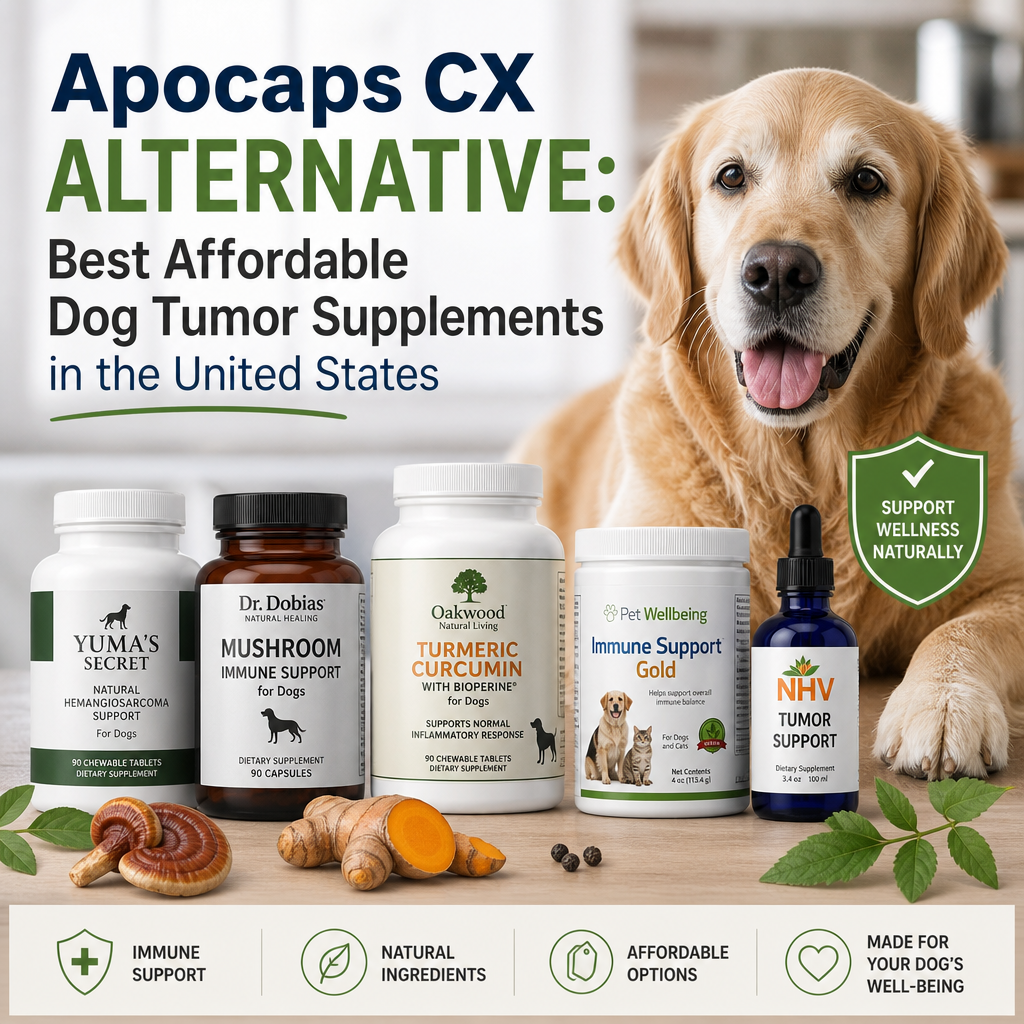
Apocaps CX is marketed as a canine supplement designed to support dogs with cancer through a blend of botanical ingredients and nutritional compounds. Products in this category commonly focus on antioxidant activity, immune support, inflammation management, and overall wellness.
However, supplement formulas can vary considerably. Some contain concentrated herbs, while others emphasize medicinal mushrooms, omega-3 fatty acids, vitamins, minerals, or digestive support. Because dogs metabolize many substances differently from humans, a product that appears natural is not automatically safe for every dog.
Before choosing an Apocaps CX alternative, pet owners should review the ingredient list carefully and discuss it with a veterinarian. This is particularly important if a dog is receiving chemotherapy, radiation, surgery, corticosteroids, nonsteroidal anti-inflammatory drugs, or prescription pain medication.
For general guidance on veterinary nutrition and safe feeding practices, the American Veterinary Medical Association’s pet care guidance is a useful reference.
Why Owners Look for Alternatives to Apocaps CX
There are several reasons dog owners search for alternatives to Apocaps CX. Cost is often the main factor, especially when a dog requires long-term supplementation alongside veterinary treatment. Availability can also be an issue, as some specialty products may have limited distribution or shipping restrictions.
Other owners may be looking for a formula with fewer ingredients, a specific nutrient profile, or better suitability for a dog’s allergies and digestive sensitivities. Some dogs refuse capsules or have difficulty swallowing tablets, making powders, soft chews, and liquid supplements more practical.
A more affordable supplement can be useful, but price should not be the only consideration. Quality control, transparent labeling, third-party testing, dosing instructions, and veterinary compatibility are equally important.
When comparing an Apocaps CX alternative, the goal is not to find a miracle product. It is to find a practical supplement that fits the dog’s care plan, budget, and tolerance.
What to Look for in Dog Tumor Supplements United States Buyers Can Trust
When comparing dog tumor supplements United States pet owners should examine several quality indicators.
Transparent ingredient labeling
The label should list the amount of each active ingredient rather than relying on vague proprietary blends. Clear labeling makes it easier for a veterinarian to identify possible interactions and determine whether the product duplicates nutrients found in another supplement.
Appropriate canine dosing
Human supplements are not automatically appropriate for dogs. A reliable canine product should provide weight-based directions and identify the intended species. Dosing should be confirmed with a veterinarian, especially for small dogs, seniors, and pets with liver or kidney disease.
Manufacturing standards
Look for supplements made in facilities that follow recognized quality and manufacturing standards. Third-party testing can provide additional reassurance about identity, purity, and contamination. Products should ideally include lot numbers, expiration dates, and contact information for the manufacturer.
Practical formulation
The best supplement is one a dog will consistently take. Powders mixed with food may work well for some pets, while soft chews or liquids may be easier for others. Avoid products that contain excessive fillers, artificial sweeteners, or ingredients known to be harmful to dogs.
In many cases, a good Apocaps CX alternative is not the most complicated formula. It is the one that has clear labeling, sensible dosing, and a format your dog will actually accept.
It can also help to compare the supplement with the dog’s treatment schedule. A product that conflicts with medication timing or upsets the stomach may create more stress than benefit.
Common Supplement Categories to Consider
There is no single universal replacement for Apocaps CX. Instead, owners can compare several supplement categories based on their dog’s individual needs.
Medicinal mushroom products
Mushrooms such as turkey tail are frequently discussed in veterinary oncology research because of their naturally occurring beta-glucans and polysaccharides. Some early studies have examined turkey tail extracts in dogs with cancer, but results do not mean every mushroom product will provide the same effects.
A reputable mushroom supplement should identify the mushroom species, extraction method, and active compounds. Products containing mixed mushroom powders without meaningful dosage information may be difficult to evaluate.
Omega-3 fatty acids
Fish oil providing EPA and DHA may support normal inflammatory balance, skin health, and nutritional wellness. Omega-3 supplements are often considered as part of a broader cancer-support plan, although they should be used carefully in dogs with clotting disorders, pancreatitis risk, or certain surgical schedules.
Choose a product that states the actual EPA and DHA amounts rather than listing only the total amount of fish oil. Freshness also matters, since oxidized oils may be less beneficial and can upset the stomach.
Antioxidant and nutritional formulas
Some canine supplements contain vitamins, minerals, or plant compounds intended to support general health. These may be helpful when a dog has a restricted appetite or nutritional deficiencies, but excessive supplementation can be harmful. High doses of certain vitamins or minerals may interfere with treatment or place stress on the liver and kidneys.
Digestive and appetite support
Dogs undergoing cancer treatment may experience nausea, reduced appetite, diarrhea, or constipation. Digestive supplements, probiotics, and appetite-support strategies may improve comfort and food intake. These products do not target tumors directly, but maintaining hydration, nutrition, and body weight can be an important part of supportive care.
Some pet owners compare an Apocaps CX alternative with other veterinary wellness products when they want a gentler formula or a simpler ingredient profile. In many cases, the right choice is the one the dog can tolerate consistently.
Best Alternatives to Apocaps CX for Dogs with Tumors
Many owners searching for an Apocaps CX alternative are hoping for a balance of affordability, safety, and convenience. The best alternatives are usually not one-size-fits-all. Instead, they fall into a few practical groups: mushroom-based formulas, omega-3 supplements, targeted antioxidant blends, and digestive support products. The right option depends on the dog’s current treatment plan and the veterinarian’s guidance.
If your veterinarian is helping you compare an Apocaps CX alternative, ask which ingredients matter most for your dog’s condition. That question can narrow the choices quickly and prevent paying for unnecessary extras.
It is also useful to compare the delivery method. A powder may work better for dogs with a strong appetite, while liquids or soft chews may be easier for dogs that are nauseous or selective eaters.
Turkey tail and mushroom-based support
Mushroom formulas are often among the first supplements considered in canine oncology because they are widely discussed in supportive care. Turkey tail is especially common in these blends. Owners should still read labels carefully, because some products use low-potency powders while others use extracts with clearer standardization.
Not every mushroom product is equal. A thoughtful Apocaps CX alternative should state what is included, how much is included, and how the product is intended to be used.
When a mushroom product is being considered, consistency matters. The benefit of any supplement is reduced if it is difficult to administer or if the dog refuses it after a few days.
Omega-3 options for daily support
Fish oil supplements can be useful when a dog needs nutritional support alongside treatment. They may also be easier to source than specialized cancer blends. The main points to review are EPA and DHA content, freshness, and whether the product is made for pets rather than humans.
Because some dogs are sensitive to richer oils, start slowly and monitor stool quality and appetite. If digestive upset occurs, your veterinarian may recommend adjusting the dose or changing the formula.
An Apocaps CX alternative in this category may be especially practical for dogs that also need skin, coat, or joint support, since omega-3s can address more than one concern at once.
Simple antioxidant blends
Some dogs do better with a straightforward formula that avoids many herbs and concentrates. A simplified product may reduce the chance of confusion, improve tolerability, and make it easier to identify whether a supplement is helping.
That simplicity is one reason an Apocaps CX alternative can sometimes be more practical than the original product. A shorter label is not automatically better, but it can be easier to manage in a treatment plan.
For owners who are sensitive to ingredient overload, a modest formula can be a smarter long-term choice than a large blend with many overlapping claims.
Support for picky eaters
Dogs in cancer care may lose interest in food, making appetite support just as important as any supplement formula. Powders, liquids, and soft chews can improve compliance, especially for dogs that resist capsules. When a product is easy to give, owners are more likely to keep using it consistently.
In practice, an Apocaps CX alternative that fits into mealtime routines often performs better than a more advanced formula that nobody can administer reliably.
Some dogs also benefit from pairing a supplement with food-warming tricks, schedule changes, or flavor enhancers approved by the veterinary team. Small adjustments can make a large difference in consistency.
How to narrow the shortlist
A simple way to narrow options is to compare three questions: What problem is the supplement supposed to address, what is the active ingredient amount, and can your dog actually take it every day? If the answer to any of these is unclear, the product may not be the best fit.
That approach makes an Apocaps CX alternative easier to judge because it shifts the focus from marketing language to real-world use.
Below are the most common decision points owners should consider before buying:
- Does the product list exact ingredient amounts?
- Is it designed for dogs rather than humans?
- Can the dosage be matched to your dog’s weight?
- Will it fit with current medications and meals?
- Is the price reasonable for daily use?
How to choose the best Apocaps CX alternative for your dog
Choosing the best Apocaps CX alternative starts with your dog’s real needs, not the marketing on the label. If your dog is already eating well and tolerating treatment, a supplement that supports general wellness may be enough. If appetite is the main problem, a product that is easy to mix with food may make more sense than a capsule-based formula.
One helpful approach is to rank the most important priorities before buying. For example, some owners care most about price, while others care most about ingredient simplicity or product quality. When those priorities are clear, it becomes easier to compare options without getting distracted by large claims on the front of the package.
It is also wise to match the supplement to your dog’s personality. A finicky dog may never accept a powder with a strong smell, even if the formula is otherwise excellent. A cooperative dog may do fine with capsules or chewables, which can broaden the choices significantly.
Another factor is long-term practicality. An Apocaps CX alternative may look appealing for a week or two, but the real test is whether it still works after a month. Consistent use usually matters more than a more complicated formula that is hard to maintain.
Questions to ask before buying
Before choosing a supplement, ask these questions:
- Does my veterinarian see any risk with this formula?
- Can I give it with my dog’s current medication schedule?
- Does the product clearly state the active amount per serving?
- Will my dog accept the taste or texture?
- Is the cost sustainable if I use it every day?
If the answer to several of those questions is no, the product may not be the right fit even if it is advertised as an Apocaps CX alternative. That is especially true when a supplement seems attractive because it is cheap but offers little usable information on the label.
Owners should also avoid assuming that a more expensive product is automatically stronger or safer. Better value often comes from a well-made formula that is easy to dose, easy to store, and easy to give consistently.
Why consistency matters
In supportive care, consistency can matter as much as ingredient choice. A supplement that is taken regularly is more likely to fit into the overall care plan than one that is skipped because the dog refuses it. That is why the best Apocaps CX alternative is often the one that looks simple, dependable, and realistic.
If you are unsure where to begin, ask your veterinarian which category makes the most sense first. Starting with one useful product is usually better than buying several supplements at once and creating confusion about what is helping.
Safety Considerations Before Starting a Supplement
A veterinarian should review any supplement before it is added to a cancer patient’s routine. Some herbs can affect blood clotting, blood pressure, liver enzymes, or the way medications are absorbed. Antioxidants may also require careful timing during certain forms of chemotherapy or radiation, depending on the treatment plan.
Pet owners should introduce only one new product at a time. Start with the veterinarian-approved dose, monitor the dog closely, and record changes in appetite, stool, energy, vomiting, itching, or discomfort. Stop the supplement and contact the veterinary team if concerning symptoms develop.
It is also wise to avoid products that promise to shrink tumors, replace chemotherapy, or guarantee a cure. Such claims are not a substitute for evidence-based veterinary care and may encourage dangerous delays in treatment.
When in doubt, ask whether the supplement has been used in dogs before and whether there are any reasons it should not be combined with your pet’s current medications. That conversation can prevent avoidable problems.
A good Apocaps CX alternative should support the care plan, not complicate it. If the product creates uncertainty, the veterinarian should be the final guide.
How to Compare Affordability and Value
The lowest sticker price is not always the best value. Compare the cost per day based on the dog’s weight, active ingredient amounts, shipping fees, and serving size. A larger container may be cheaper initially but wasteful if the dog refuses the product or develops side effects.
Owners should also consider whether the supplement supports a clearly identified need. A targeted product with a simple formula may be more practical than a costly blend containing many poorly quantified ingredients.
Ultimately, a sensible Apocaps CX alternative should be safe, transparent, affordable, and compatible with the dog’s veterinary care. Supplements can play a supportive role, but the foundation remains professional diagnosis, an appropriate treatment plan, balanced nutrition, pain control, and regular monitoring.
For many households, the best result comes from combining veterinary oversight with a supplement that is easy to use and financially sustainable. That is why a carefully chosen Apocaps CX alternative can be more helpful than a product that looks impressive on the label but is difficult to give consistently.
If you are evaluating an Apocaps CX alternative for your dog, focus on the ingredient list, the brand’s quality controls, and how well the product fits your veterinarian’s recommendations. The right supplement should support care, not complicate it.
When comparing several choices side by side, keep the decision grounded in safety, evidence, and practicality. The best Apocaps CX alternative is the one that can be used consistently, fits the dog’s needs, and supports veterinary-directed care without adding unnecessary expense or risk.
If you need more background on supplement safety and labeling, the National Institutes of Health Office of Dietary Supplements guide is a helpful educational resource for understanding how supplement claims and ingredient lists should be read carefully.
For many owners, the real advantage of an Apocaps CX alternative is not just lower cost. It is finding a formula that can be given every day without upsetting the dog, interrupting the treatment plan, or creating extra stress for the household. That practical balance is often the best measure of value.
In the end, a well-chosen Apocaps CX alternative should do three things: fit your dog’s needs, work with your veterinarian’s advice, and remain realistic for long-term use. When those three pieces line up, the supplement is far more likely to be useful in everyday care.
Final checks before you buy
Before ordering, confirm the product name, serving size, ingredient amounts, and return policy. A little extra review can prevent mistakes and save money over time. If anything about the label is unclear, ask the manufacturer or your veterinary team before starting the supplement.
That last step is especially important for any Apocaps CX alternative because cancer patients often have more complicated care plans than healthy dogs. A cautious, well-informed choice is usually the safest path forward.
by TCMVET | Aug 23, 2026 | Research and News
Alternatives to Coriolus / immune / antioxidant supplements can be useful for supporting a dog’s overall health during cancer treatment, but they should never replace veterinary diagnosis or prescribed care. In Latvia, owners may encounter products containing medicinal mushrooms, vitamins, omega-3 fatty acids, herbal extracts, or other antioxidant ingredients marketed for dogs with tumors. Choosing among these options requires careful attention to scientific evidence, product quality, dosage, and possible interactions with surgery, chemotherapy, radiation, or other medication.
Why supportive nutrition matters for dogs with tumors
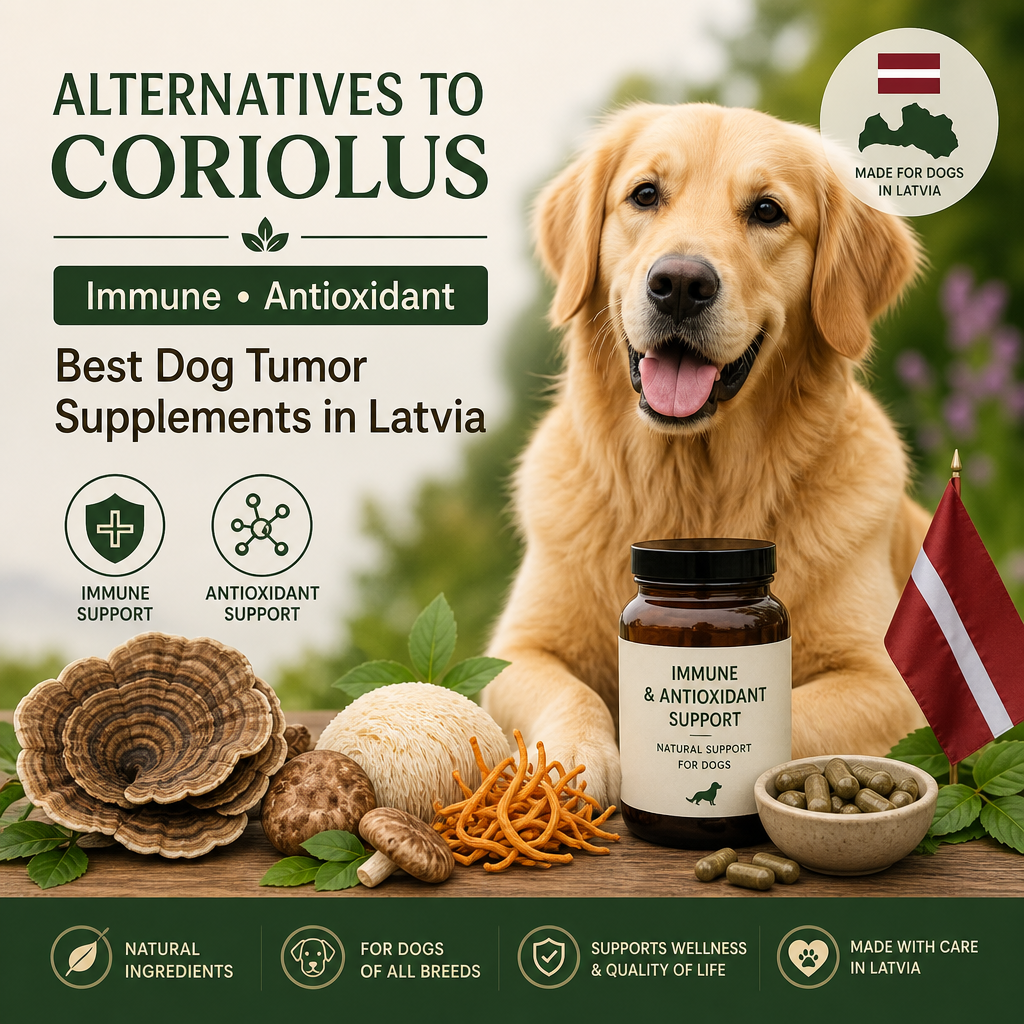
A tumor can affect a dog’s appetite, digestion, energy levels, immune function, and body weight. Some dogs experience nausea or reduced food intake during treatment, while others lose muscle even when they continue eating. A suitable nutritional plan may help maintain strength, support recovery, and improve quality of life.
Supplements are generally intended to complement a complete diet and a veterinary treatment plan. They may provide nutrients that are difficult to obtain in adequate amounts from food alone, such as marine omega-3 fatty acids or specific vitamins. However, “natural” does not automatically mean safe. Some substances influence blood clotting, liver enzymes, immune activity, or the metabolism of prescription drugs.
Before starting any dog tumor supplement alternatives, discuss the product with a veterinarian who knows the dog’s medical history. This is especially important when a dog has liver or kidney disease, is scheduled for surgery, or is receiving anticancer medication.
For owners comparing options in Latvia, the most important question is not which product has the boldest marketing claim. It is whether the formula fits the dog’s diagnosis, treatment stage, and nutritional needs. A product that looks helpful on paper may still be unsuitable if it overlaps with another supplement or contains ingredients that are too concentrated for daily use.
You can also review the ingredients in a broader context by checking the manufacturer’s quality controls and whether the label explains the intended use clearly. If a product does not provide transparent information, it is harder to know whether it belongs in a cancer-support plan at all.
In practical terms, the best supplement strategy usually starts with a clear goal. Some dogs need help maintaining weight, others need digestive support, and some may benefit from a carefully selected antioxidant or mushroom-based formula. Alternatives to Coriolus / immune / antioxidant products can serve different purposes, but they should be matched to the dog rather than chosen because they sound advanced or natural.
It also helps to think about the whole care plan. A supplement may make sense only if the dog is already eating a balanced diet, has a stable medication schedule, and is being monitored for side effects. That is why owners should view every new product as one part of a larger treatment approach, not as a standalone solution.
Dog tumor supplement alternatives to Coriolus products
Coriolus versicolor, also known as Trametes versicolor or turkey tail mushroom, is commonly used in pet supplements designed to support immune function. Research into mushroom-derived compounds has produced interesting findings, but evidence in dogs remains limited and products can vary considerably in purity and concentration.
Owners seeking alternatives to Coriolus / immune / antioxidant products may consider several nutritional categories:
Omega-3 fatty acids
Fish oil containing EPA and DHA is among the most commonly discussed supportive supplements for dogs with cancer. These fatty acids may help maintain skin, coat, and general inflammatory balance. They can also be useful when a dog has a poor appetite or needs additional calories in a concentrated form.
Choose a veterinary-quality product that clearly states the amount of EPA and DHA rather than listing only the total fish oil content. Possible side effects include loose stools, vomiting, weight gain, or an increased bleeding tendency at high doses. Fish oil should be used cautiously before surgery and in dogs taking medications that affect clotting.
The American Kennel Club’s nutritional guidance on omega-3s offers a helpful overview of why EPA and DHA are used so often in canine wellness plans: AKC overview of omega-3 fish oil for dogs.
Omega-3 formulas are often considered when the goal is to support overall condition rather than to target a single pathway. For many families, this makes them a practical first step among alternatives to Coriolus / immune / antioxidant products. They are easy to compare, relatively familiar, and usually have clearer labeling than more complex blends.
Still, the quality of the oil matters. Freshness, source, and storage conditions can influence how well the product works and how well the dog tolerates it. A rancid fish oil can cause digestive upset and may be worse than no supplement at all. In Latvia, as in other markets, owners should check packaging, expiration dates, and whether the manufacturer provides testing for oxidation or contaminants.
If a dog already eats a diet rich in fish or receives another fatty-acid supplement, the veterinarian may adjust the dose or decide that extra omega-3s are unnecessary. More is not automatically better, especially when the dog is already receiving many medications and supportive products.
Antioxidant vitamins and nutrients
Vitamins E and C, selenium, and other antioxidant nutrients help protect cells from oxidative damage. They are sometimes included in canine cancer-support formulas, although more is not always better. Excessive supplementation may create nutritional imbalances and could potentially interfere with certain treatment strategies.
A complete commercial diet already supplies essential vitamins and minerals in appropriate proportions. Additional antioxidants should therefore be used only when a veterinarian identifies a reason for supplementation or recommends a specific product and dose.
When people search for alternatives to Coriolus / immune / antioxidant supplements, they often assume a stronger immune formula is automatically the best choice. In practice, the safest option may be a simpler product with one or two clearly identified ingredients rather than a crowded blend that is hard to evaluate.
It is also important to remember that antioxidant support does not mean cancer treatment support in every case. Some antioxidant strategies are best used in limited, carefully monitored situations. A veterinarian may advise avoiding certain high-dose antioxidant combinations during specific phases of therapy, especially if there are concerns about timing or interaction with prescription drugs.
If a supplement label groups several vitamins into a proprietary mixture, it becomes difficult to know how much of each nutrient the dog is actually getting. That makes dose adjustments harder and increases the chance of unnecessary overlap with the dog’s regular food. Transparency is one of the strongest signs that the product is designed with veterinary use in mind.
Medicinal mushroom blends
Some products combine several mushrooms, such as reishi, maitake, shiitake, and turkey tail. These blends are marketed for immune support, but their concentrations and manufacturing standards differ widely. A label should identify the exact mushroom species, extract ratio, active compounds, batch information, and testing for contaminants.
Mushrooms may cause digestive upset or allergic reactions. They can also affect immune activity or blood clotting, so they are not automatically suitable for every dog receiving cancer treatment.
For dogs whose guardians prefer a mushroom-based approach, careful comparison is essential. A well-made product may be more useful than a single high-profile brand name, but only if the ingredient sources are clear and the formula is consistent from batch to batch. Among alternatives to Coriolus / immune / antioxidant formulas, mushroom blends tend to vary the most in quality and documentation.
Manufacturing transparency becomes especially important when buying online. If the seller cannot explain where the mushrooms were grown, how the extract was prepared, or whether contaminants were tested, it is wise to be cautious. A product that omits these details may not be appropriate for a dog whose body is already under stress from illness or treatment.
Curcumin and botanical ingredients
Curcumin, derived from turmeric, is often promoted for antioxidant and inflammatory support. Other formulas may contain green tea compounds, milk thistle, boswellia, or medicinal herbs. The challenge is that absorption, dosing, and safety data in dogs are often limited.
Botanical ingredients may interact with chemotherapy, steroids, pain medications, or drugs processed by the liver. Products containing multiple herbs can make it difficult to determine which ingredient caused a reaction. Single-ingredient products are usually easier to evaluate than complex blends.
Some owners are drawn to botanical supplements because they sound gentler than synthetic options. However, plant-based does not guarantee compatibility with cancer care. A dog taking medication for pain, nausea, or inflammation may respond very differently from a healthy adult dog. This is why veterinarians often prefer a conservative approach when reviewing alternatives to Coriolus / immune / antioxidant supplements.
If a botanical product is chosen, the timing should be deliberate. Starting several new formulas at once makes it harder to judge what helps and what causes side effects. A step-by-step approach is usually safer and easier to monitor. For that reason, a veterinarian may suggest introducing one product at a time and observing the dog’s stool quality, appetite, and energy over several days.
Probiotics and digestive support
Probiotics are not tumor treatments, but they may help support normal digestion in some dogs, particularly those experiencing stress, dietary changes, or gastrointestinal upset. A veterinary probiotic should list the bacterial strains and guaranteed number of live organisms.
Dogs with severely weakened immune systems require extra caution. The veterinarian should decide whether a probiotic is appropriate, especially during intensive treatment or hospitalization.
Digestive support products can be valuable when the biggest challenge is not the tumor itself but the strain that treatment places on the stomach and intestines. For some dogs, nausea or loose stool becomes the main barrier to maintaining weight and comfort. In those cases, the right supportive product may be more useful than a broad immune formula.
Owners may also pair probiotics with other supportive strategies, such as a highly digestible food or smaller, more frequent meals. That kind of practical planning often matters more than chasing the most aggressive-sounding supplement. Even when browsing alternatives to Coriolus / immune / antioxidant products, it is wise to ask which option truly supports daily function and which merely promises it.
For dogs that need a more structured plan, some owners compare product categories first and then narrow the search to a shortlist of supplement types that fit the treatment stage. If you want to see another regional example of how these products are organized, review the Product page for a broader overview of the available approach.
What to look for on the label
Good labeling is one of the clearest signs that a supplement deserves further attention. A useful product should identify each active ingredient, the exact amount per serving, the intended animal species, storage instructions, and any important warnings. If a label uses vague language such as “proprietary blend” without quantities, it is difficult to judge whether the product is appropriate for a dog with cancer.
Batch numbers, expiry dates, and manufacturer contact details also matter. They make it easier to trace a product if there is a recall or quality concern. In addition, check whether the company explains how it tests for contaminants, since contamination can be a bigger issue in plant-based or mushroom-based formulas.
In Latvia, imported products may arrive with translated labels that are incomplete or simplified. If the original packaging does not clearly explain the dosage and ingredients, ask the seller for documentation before use.
When you compare alternatives to Coriolus / immune / antioxidant products, read the label as a decision-making tool rather than a marketing page. The label should tell you what the ingredient is, how much is included, and whether the product was designed for dogs. Those details are especially important when a dog is already receiving medication or has a history of sensitive digestion.
Labels should also tell you whether the formula needs refrigeration, whether it is meant to be given with food, and whether there are warnings for pregnant, nursing, or medically fragile animals. Missing instructions can lead to inconsistent dosing or wasted product. Clear instructions make the supplement easier to use safely over time.
How to choose supplements in Latvia
When comparing products available in Latvia, look beyond attractive packaging and claims such as “boosts immunity” or “fights tumors.” Check whether the manufacturer provides a full ingredient list, feeding instructions for dogs, batch or lot numbers, expiry dates, and contact information. Reliable companies should be willing to explain how their products are tested for heavy metals, pesticides, microbes, and inaccurate ingredient levels.
Purchasing through a veterinary clinic, established pharmacy, or reputable pet retailer can reduce the risk of counterfeit or poorly stored products. Imported supplements may have different labeling standards, and online marketplaces can include products that are not intended for sale in the European Union. Keep the original packaging and show it to the veterinarian.
It is also useful to calculate the total amount of each nutrient supplied by the dog’s food and supplements. A multivitamin combined with a fortified diet may result in excessive intake of certain vitamins or minerals.
If you are evaluating alternatives to Coriolus / immune / antioxidant products in Latvia, compare them the same way you would compare prescription support: by purpose, ingredient quality, and fit with the dog’s current treatment plan. A product that is easy to buy is not necessarily the right one to use.
A practical shopping strategy can save time and reduce risk. Start by eliminating products with vague labels, then remove formulas that duplicate ingredients already in the dog’s diet. After that, review the remaining options with the veterinary team. This process is usually more effective than searching for the most popular supplement first.
If the dog has a diagnosis that changes quickly or if the treatment protocol is still being adjusted, avoid making several supplement changes at once. A slow, organized approach makes it easier to see whether a product is helping. That is especially relevant for alternatives to Coriolus / immune / antioxidant products, because these formulas are often marketed as broad wellness aids rather than targeted therapies.
Safety during cancer treatment
The timing of supplementation matters. Some ingredients may affect bleeding before an operation, while others may alter liver enzyme activity or influence how medicines are absorbed. A veterinarian may recommend stopping certain products before surgery or during particular stages of chemotherapy.
Watch for signs of intolerance, including vomiting, diarrhea, itching, facial swelling, unusual tiredness, loss of appetite, pale gums, bruising, or changes in drinking and urination. Stop the supplement and contact a veterinary professional if a concerning reaction occurs.
Most importantly, supplements should not delay biopsy, imaging, surgery, chemotherapy, radiation, pain control, or other evidence-based treatment. A carefully selected nutritional supplement may support comfort and wellbeing, but it cannot be relied upon to shrink a tumor or cure cancer.
When the treatment plan changes, the supplement plan may need to change as well. A product that seemed reasonable during recovery after surgery may no longer be suitable during chemotherapy. That is why owners should keep the veterinarian updated on every product, including powders, capsules, oils, and chewables.
Many adverse effects are mild at first, such as softer stools or a reduced appetite, but they can become serious if ignored. The safest response is to pause the supplement and seek guidance rather than trying to “push through” the symptoms.
Some products are best stopped temporarily before invasive procedures, while others may be continued if the veterinarian feels they do not increase risk. Because every dog’s diagnosis is different, there is no universal rule that works for all cases. The safest decision is always based on the dog’s current condition, medication list, and treatment schedule.
If a dog is already weak, dehydrated, or losing weight, even a mild side effect from a new product can matter. That is another reason to approach alternatives to Coriolus / immune / antioxidant supplements conservatively. When the margin for error is small, predictable products with clear dosing are usually preferable to complex formulas with unclear interactions.
Creating a practical support plan
A useful plan begins with the tumor type, treatment goals, current diet, body condition, blood-test results, and the dog’s symptoms. The veterinarian may recommend one targeted supplement rather than several overlapping products. Regular monitoring of weight, appetite, stool quality, energy, and laboratory values helps determine whether the supplement is beneficial.
For many dogs, the most valuable support includes a highly digestible complete diet, sufficient calories and protein, access to fresh water, effective pain control, and prompt treatment of nausea or digestive problems. Supplements can be considered as part of this broader approach.
In Latvia, owners have access to a growing range of dog tumor supplement alternatives, including omega-3 products, selected antioxidant nutrients, medicinal mushroom formulas, botanical compounds, and digestive-support products. The safest choice is not necessarily the product with the longest ingredient list. It is the option with transparent labeling, appropriate quality controls, a clear purpose, and approval from the dog’s veterinary team.
For readers comparing alternatives to Coriolus / immune / antioxidant formulas across different European markets, the general principle stays the same: keep the plan simple, document every product, and prioritize veterinary oversight. That approach makes it easier to choose supplements that support the dog without creating new risks.
To make the plan even more practical, keep a written record of the supplement name, dose, start date, and any changes in the dog’s symptoms. This makes follow-up visits more productive and helps identify whether the supplement is worth continuing. It also prevents accidental duplication when more than one caregiver is involved.
Owners should think of supportive care as a series of small, manageable decisions. Food quality, hydration, medication timing, and symptom control often have more impact than any single supplement. Alternatives to Coriolus / immune / antioxidant products can still play a role, but they work best when they are chosen carefully and used consistently.
In the end, alternatives to Coriolus / immune / antioxidant products should be selected with the same caution used for any part of a cancer-support protocol. Evidence, safety, and compatibility with treatment matter more than marketing claims, and a thoughtful plan gives the dog the best chance for steady support.
If you are unsure which option fits best, ask the veterinarian to review the ingredient list, compare the dose with the dog’s current diet, and identify any possible interactions. That extra step can prevent wasted money and reduce the risk of avoidable side effects. For dogs with cancer, a measured approach is usually the most dependable one.
When comparing alternatives to Coriolus / immune / antioxidant formulas, the best results usually come from consistency, not experimentation. A stable supplement routine, combined with regular veterinary follow-up, is often the simplest way to support a dog through treatment.
That is why many owners choose one product, monitor it carefully, and only expand the plan if the veterinarian recommends it. This careful method keeps alternatives to Coriolus / immune / antioxidant products aligned with the dog’s real needs instead of the latest trend.

by TCMVET | Sep 10, 2024 | Dog Cancer & Tumors
Chaga mushroom, a peculiar fungus found on birch trees in cold climates, has been gaining popularity as a potential natural remedy for various health issues, including cancer. While its rough, blackened appearance might seem unattractive, its health benefits have sparked interest in both human and veterinary medicine. Could this strange mushroom be a miracle cure for canine cancer?
What is Chaga Mushroom?
Chaga (Inonotus obliquus) is a parasitic fungus that primarily grows on birch trees in northern regions such as Siberia, Alaska, and Canada. It has been used in traditional medicine for centuries, particularly in Russia and Eastern Europe, where it’s revered for its ability to boost the immune system, fight inflammation, and support overall health.
Rich in antioxidants, Chaga contains compounds like polysaccharides, beta-glucans, and triterpenoids, all of which contribute to its potential healing properties. In humans, Chaga is used to enhance immune function and has been investigated for its anti-cancer properties. But how does it work for dogs?
Chaga Mushroom and Canine Cancer
Canine cancer is a devastating diagnosis for any pet owner. Traditional treatments like chemotherapy and radiation often come with significant side effects, leading many dog owners to seek alternative or supplementary therapies. This is where Chaga mushroom comes in.
1. Immune System Boosting: One of Chaga’s primary benefits is its ability to enhance immune system function. The beta-glucans in Chaga stimulate the immune response, helping the body to fight cancer cells more effectively. For dogs undergoing cancer treatment, a stronger immune system can support recovery and improve overall well-being.
2. Anti-Inflammatory Properties: Chronic inflammation is linked to cancer growth in both humans and animals. Chaga’s powerful anti-inflammatory properties may help reduce the inflammation associated with cancer, potentially slowing down tumor progression in dogs.
3. Antioxidants for Fighting Free Radicals: Chaga is packed with antioxidants, particularly superoxide dismutase (SOD), which helps neutralize free radicals. Free radicals can damage cells and contribute to cancer development, so reducing their impact may protect your dog’s health.
Is Chaga Safe for Dogs?
While Chaga mushroom shows promise as a natural remedy for canine cancer, it’s important to consult your veterinarian before adding any supplements to your dog’s diet. Each dog is unique, and what works for one may not be suitable for another, especially if your dog is undergoing cancer treatments like chemotherapy or radiation.
Chaga supplements for dogs are available in various forms, including powders and tinctures. Always ensure the product is sourced from high-quality, organic Chaga to avoid contamination with harmful substances. Additionally, follow dosage recommendations carefully to prevent potential side effects such as digestive upset or liver strain.
How to Administer Chaga to Dogs
If your veterinarian approves Chaga as part of your dog’s cancer care plan, you can typically add it to their food or administer it in tincture form. Many dog owners report improvements in their dogs’ energy levels, appetite, and overall health after introducing Chaga into their diet.
Chaga mushroom is not a magical cure-all, but it holds significant potential as a complementary treatment for canine cancer. Its immune-boosting, anti-inflammatory, and antioxidant properties make it a promising natural remedy for supporting dogs through their cancer journey. However, always work closely with your veterinarian to ensure that Chaga is safe and appropriate for your pet’s specific needs.
