
by TCMVET | Aug 5, 2024 | Dog Cancer & Tumors
Cancer prevention is a growing concern among pet owners, and many are turning to natural remedies to help keep their dogs healthy. Herbal medicine offers promising potential in preventing cancer in dogs, harnessing the power of nature to bolster their defenses. This article explores herbs that can help prevent cancer and provides guidelines for using preventive herbal therapies effectively.
Herbs That Have the Potential to Prevent Cancer in Dogs
1. Turmeric (Curcuma longa)
Turmeric, particularly its active component curcumin, is renowned for its anti-inflammatory and antioxidant properties. These properties help reduce the risk of cancer by neutralizing free radicals and lowering inflammation, which can contribute to cancer development.
2. Green Tea (Camellia sinensis)
Green tea is rich in catechins, particularly epigallocatechin gallate (EGCG), which have been shown to have strong antioxidant and anti-cancer properties. Regular consumption can help protect cells from damage and inhibit the growth of cancer cells.
3. Milk Thistle (Silybum marianum)
Milk thistle supports liver health and detoxification, which are crucial for cancer prevention. Its active ingredient, silymarin, has antioxidant properties that protect cells from damage and support overall immune function.
4. Ginger (Zingiber officinale)
Ginger is known for its anti-inflammatory and antioxidant effects. It can help reduce oxidative stress and inflammation, both of which are risk factors for cancer.
5. Ashwagandha (Withania somnifera)
Ashwagandha is an adaptogenic herb that helps the body manage stress and supports immune function. It has been shown to have anti-cancer properties, including inhibiting the growth of cancer cells and inducing apoptosis (programmed cell death).
6. Boswellia (Boswellia serrata)
Boswellia, also known as Indian frankincense, has powerful anti-inflammatory properties. It helps reduce chronic inflammation, which can lower the risk of cancer development.
7. Astragalus (Astragalus membranaceus)
Astragalus is an immune-boosting herb that enhances the body’s natural defense mechanisms. It supports overall health and helps the body resist infections and diseases, including cancer.
Guidelines for Using Preventive Herbal Therapies
1. Consult with a Veterinarian
Before starting any herbal therapy, it is crucial to consult with a veterinarian who is knowledgeable about herbal medicine. They can help you determine the appropriate herbs and dosages for your dog based on their specific health needs and conditions.
2. Introduce Herbs Gradually
When introducing new herbs to your dog’s diet, start with small amounts and gradually increase the dosage. This helps monitor for any adverse reactions and allows the dog’s system to adjust.
3. Use High-Quality Herbs
Ensure that you are using high-quality, organic herbs free from pesticides and contaminants. The potency and effectiveness of herbal remedies depend significantly on their quality.
4. Monitor Your Dog’s Health
Regularly monitor your dog’s health and watch for any changes in behavior, appetite, or physical condition. If you notice any adverse effects, discontinue the herb and consult with your veterinarian.
5. Combine with a Healthy Diet
Herbal therapies should complement a balanced and nutritious diet. A healthy diet rich in antioxidants, vitamins, and minerals supports the effectiveness of preventive herbal therapies.
6. Follow Recommended Dosages
Adhere to the recommended dosages provided by your veterinarian or herbalist. Overdosing on certain herbs can lead to toxicity and adverse effects.
7. Stay Informed
Stay informed about the latest research and developments in herbal medicine for dogs. This knowledge can help you make informed decisions about your dog’s health and preventive care strategies.
Herbal medicine offers a natural and promising approach to cancer prevention in dogs. By incorporating specific herbs into your dog’s health regimen, you can help bolster their defenses against cancer and promote overall well-being. Always consult with a knowledgeable veterinarian to ensure the safe and effective use of herbal therapies. Nature’s bounty, when used wisely, can provide powerful protection for your beloved canine companions.

by TCMVET | Jul 13, 2024 | Food & Health
As pet owners become increasingly aware of the importance of nutrition in maintaining their dogs’ health, the role of dietary patterns in preventing and managing canine cancer is gaining attention. This article delves into how specific dietary choices can influence cancer risk in dogs, providing insights into optimal nutrition strategies for your furry friend.
Understanding the Connection
Cancer is a multifactorial disease influenced by genetics, environment, and lifestyle factors, including diet. Research suggests that what dogs eat can significantly impact their risk of developing cancer. By understanding this connection, pet owners can make informed decisions to help reduce their dogs’ cancer risk.
The Role of Diet in Cancer Prevention
- High-Quality Protein: Providing dogs with high-quality, easily digestible protein sources can support overall health and immune function. Lean meats, fish, and eggs are excellent choices.
- Antioxidant-Rich Foods: Antioxidants help neutralize harmful free radicals that can damage cells and lead to cancer. Incorporating fruits and vegetables like blueberries, carrots, and spinach into your dog’s diet can boost their antioxidant intake.
- Healthy Fats: Omega-3 fatty acids, found in fish oil and flaxseed, have anti-inflammatory properties that may help reduce cancer risk. These healthy fats support cell function and immune response.
- Low Carbohydrate Diets: Some studies suggest that reducing carbohydrate intake may help starve cancer cells, which rely on glucose for energy. A diet low in simple sugars and refined carbohydrates can be beneficial.
Avoiding Harmful Ingredients
- Artificial Additives: Preservatives, colors, and flavors can contribute to inflammation and increase cancer risk. Opt for natural, additive-free dog foods.
- Processed Foods: Highly processed foods often contain harmful chemicals and lower nutritional value. Choosing whole, minimally processed foods is a healthier option.
- Obesity: Maintaining a healthy weight is crucial, as obesity is a known risk factor for various cancers. Regular exercise and portion control are key.
Implementing a Cancer-Preventive Diet
- Consult with a Veterinarian: Before making significant changes to your dog’s diet, consult with a veterinarian or a veterinary nutritionist to ensure the diet meets your dog’s specific needs.
- Balanced Nutrition: Ensure the diet is well-balanced, providing all essential nutrients. Consider commercial diets formulated for cancer prevention or homemade diets tailored to your dog’s health.
- Regular Monitoring: Regular check-ups and monitoring of your dog’s health can help detect any issues early and adjust the diet as needed.
Recent Research and Developments
Recent studies have highlighted the potential of certain dietary components in reducing cancer risk. For example, a study published in the Journal of Veterinary Internal Medicine found that dogs fed a diet rich in fish oil and antioxidants showed a lower incidence of cancer.
Another study explored the benefits of ketogenic diets, which are high in fat and low in carbohydrates, in managing cancer in dogs. The findings indicated that such diets might help slow tumor growth and improve overall outcomes.
Diet plays a crucial role in influencing cancer risk in dogs. By focusing on high-quality proteins, antioxidant-rich foods, healthy fats, and reducing harmful ingredients, pet owners can help support their dogs’ health and potentially reduce their risk of cancer. Ongoing research continues to shed light on the intricate relationship between diet and canine cancer, offering hope for more effective prevention strategies.

by TCMVET | May 9, 2024 | Dog Cancer & Tumors
Cancer remains one of the most formidable health challenges in dogs, but understanding the disease and adopting preventive measures can significantly improve the quality of life and longevity of our canine companions. This article explores critical strategies for preventing canine cancer and supportive measures for dogs diagnosed with the condition.
Understanding Canine Cancer: A Brief Overview
Cancer in dogs, similar to humans, involves the uncontrolled growth of cells that can affect any part of the body. The most common types include lymphoma, melanoma, mammary cancer, and bone cancer. Early detection and appropriate treatment are crucial in managing this disease effectively.
Preventive Measures to Reduce Cancer Risk
Diet and Nutrition: A balanced diet rich in antioxidants can help reduce inflammation and prevent cancer. Foods that are high in vitamins E and C, beta-carotene, and omega-3 fatty acids are especially beneficial. Consider incorporating fresh, whole foods like blueberries, carrots, and leafy greens into your dog’s diet.
Regular Exercise: Regular physical activity not only helps maintain a healthy weight but also reduces the risk of cancer. Exercise boosts the immune system and helps eliminate toxins through increased metabolic activity.
Avoid Carcinogens: Minimize your dog’s exposure to known carcinogens such as tobacco smoke, certain pesticides, and toxic household chemicals. Use natural cleaning products and ensure that your dog’s environment is as toxin-free as possible.
Routine Veterinary Check-ups: Regular check-ups can help detect cancer early. Veterinarians can perform routine screenings for lumps, abnormal swellings, or symptoms that could indicate the onset of cancer.
Supporting a Dog Diagnosed with Cancer
Optimal Diet: Adjust your dog’s diet to support cancer treatment. Diets high in protein and low in carbohydrates can starve cancer cells and slow their growth. Consult with a veterinary nutritionist to tailor a diet plan that’s best for your dog’s specific type of cancer.
Pain Management: Effective pain management is crucial. Your veterinarian can recommend medications to alleviate pain, improve quality of life, and support overall well-being.
Alternative Therapies: Consider complementary therapies such as acupuncture, massage, or herbal supplements that may provide additional support alongside conventional treatments like chemotherapy or radiation.
Emotional Support: Beyond physical care, emotional support plays a vital role in the health of a dog with cancer. Provide a comfortable, stress-free environment and spend quality time with your pet to help them feel loved and secure.
The Importance of Hope and Care
While a cancer diagnosis can be daunting, advancements in veterinary medicine have made it a manageable condition in many cases. With the right strategies and compassionate care, dogs with cancer can lead fulfilling lives.
Implementing these guidelines can significantly aid in both preventing and managing canine cancer. Owners are encouraged to work closely with their veterinarians to tailor prevention and treatment plans that best suit their pets’ needs.
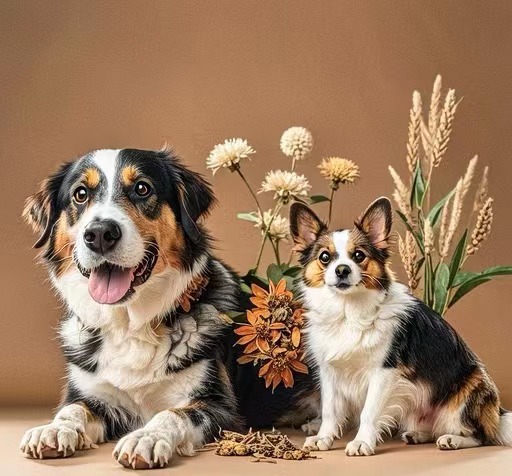
by TCMVET | Jan 29, 2024 | Dog Cancer & Tumors
Cancer in dogs is a topic of growing concern for pet owners worldwide. Understanding which breeds are more susceptible to cancer can help in early detection and management. This comprehensive guide delves into various dog breeds and their associated risk levels for developing cancer.
High Cancer Risk Breeds
German Shepherds, Golden Retrievers, and Labrador Retrievers lead the list of breeds with the highest risk. Known for their loyalty and intelligence, these breeds unfortunately face a higher predisposition to cancer. Other breeds in this category include Poodles, Rottweilers, Boxers, Cocker Spaniels, American Water Spaniels, Doberman Pinschers, Shetland Sheepdogs, Miniature Schnauzers, Portuguese Water Dogs, Shih Tzus, Collies, Chows, and Siberian Huskies.
Moderate to High Risk Breeds
In the next tier are breeds like Giant Schnauzers, Standard Poodles, Dalmatians, Irish Wolfhounds, Pomeranians, Saint Bernards, Great Danes, Alaskan Malamutes, Newfoundlands, Basset Hounds, Belgian Sheepdogs, Boston Terriers, Irish Setters, Bulldogs, Lhasa Apsos, Pointers, Pugs, Weimaraners, Shelties, and more. These breeds have a slightly lower but still significant risk of developing cancer.
Low Cancer Risk Breeds
Breeds like Papillons, Chihuahuas, Shar Peis, Cavalier King Charles Spaniels, Pekingese, Akitas, Great Pyrenees, Bloodhounds, Mastiffs, Affenpinschers, American Foxhounds, Bullmastiffs, Chesapeake Bay Retrievers, Bichon Frises, Westies, and Yorkshire Terriers are among those with a lower risk of cancer. These breeds are less prone to the disease, but regular health check-ups are still essential.
Least Risk Breeds
Breeds with the least risk include Airedales, Beagles, Dachshunds, Irish Setters, Jack Russell Terriers, Rough Collies, Briards, Havanese, Maltese, and Corgis. These breeds are less likely to develop cancer, but it’s important to maintain a healthy lifestyle and regular veterinary care.
Conclusion
Understanding the cancer risk in different dog breeds is crucial for early detection and effective treatment. Regular veterinary check-ups, a balanced diet, and a healthy lifestyle are key to ensuring the well-being of your beloved pet, regardless of their breed.
