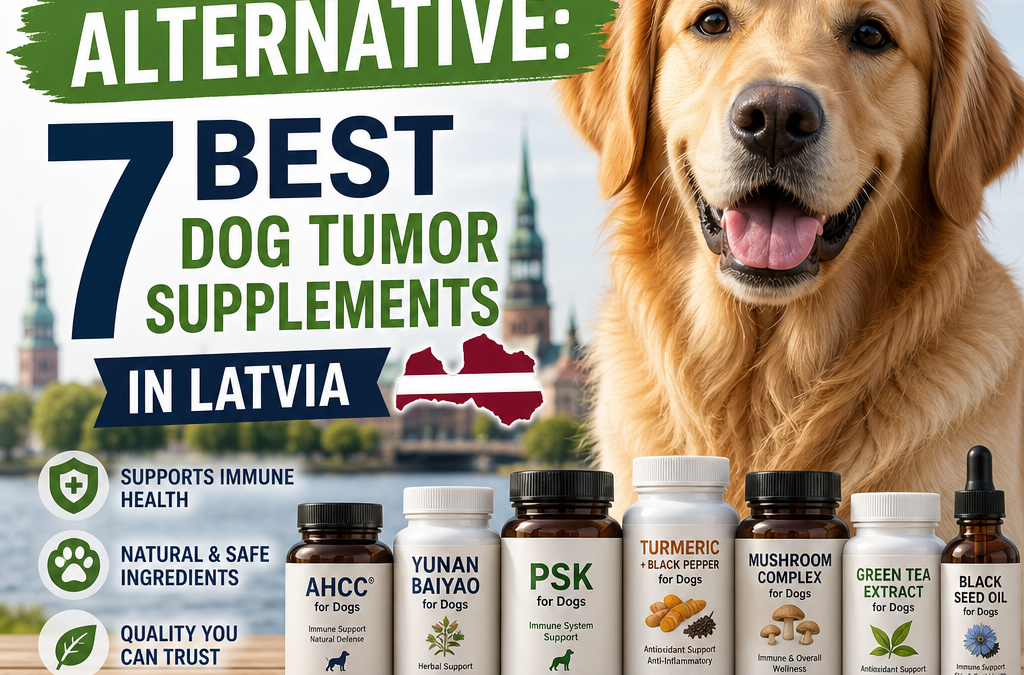
Ocoxin Pets Alternative: 7 Best Dog Tumor Supplements in Latvia

Ocoxin Pets Alternative: 7 Best Dog Tumor Supplements in Latvia

Ocoxin Pets Alternative options are increasingly being explored by Latvian dog owners who want supportive nutrition for pets diagnosed with tumors or undergoing cancer treatment. Although supplements cannot replace veterinary care, carefully selected products may help support appetite, digestion, immune function, energy, and general wellbeing. The right choice depends on the dog’s diagnosis, treatment plan, age, weight, and existing health conditions.

A tumor diagnosis is understandably stressful, and searching for dog tumor supplements Latvia owners can access often leads to confusing claims and incomplete information. The most important first step is to discuss any supplement with a veterinarian, especially when the dog is receiving chemotherapy, radiation therapy, surgery, corticosteroids, pain medication, or other prescription treatment. If you are looking for a broader overview of supportive care, the cancer in dogs resource can help explain how nutrition and veterinary treatment often work together.

The goal is not to find a miracle product. It is to identify an Ocoxin Pets alternative that fits the dog’s real needs, supports daily comfort, and does not interfere with medical treatment. In practice, that means focusing on ingredients, quality control, dosing clarity, and veterinary guidance rather than marketing claims.

Why Consider an Ocoxin Pets Alternative?
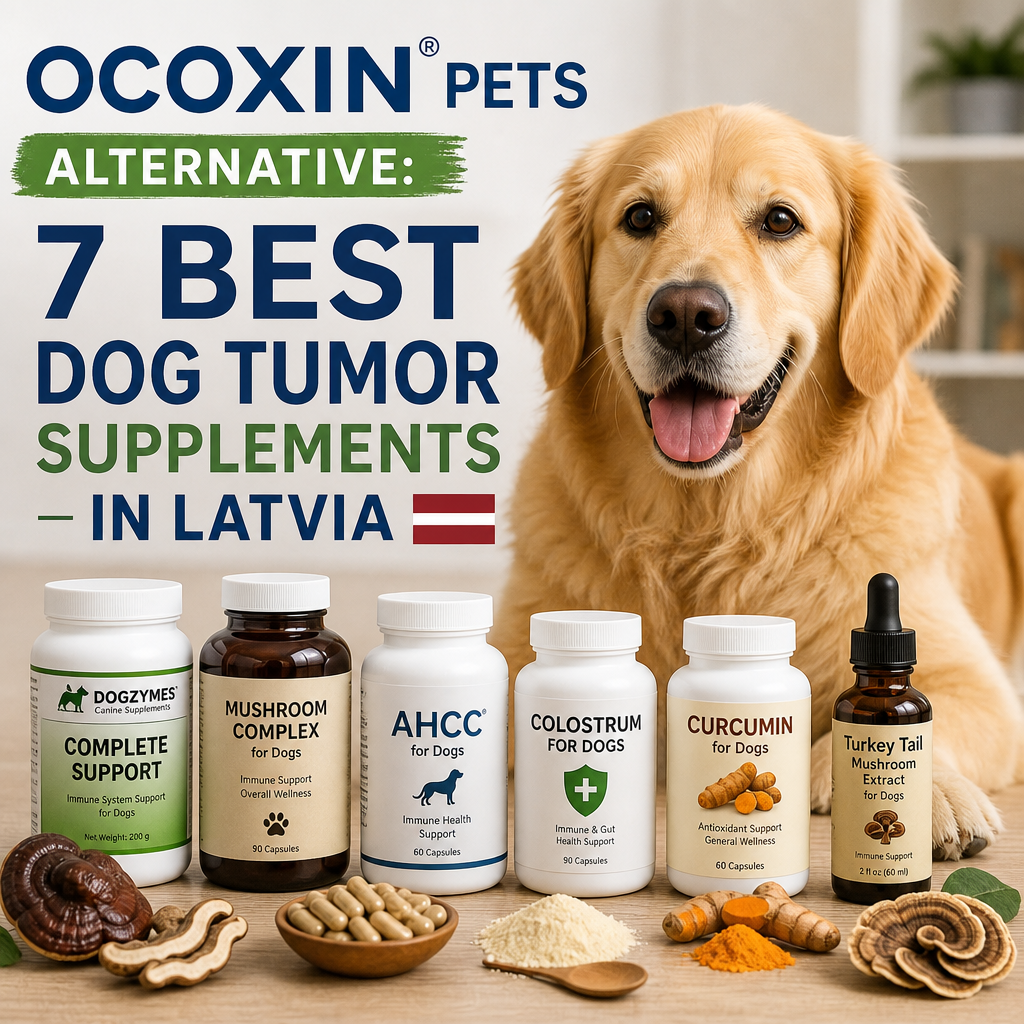
Ocoxin Pets alternative illustration

Ocoxin Pets is known as a veterinary nutritional supplement used as supportive care for dogs and cats. However, availability, price, ingredients, or individual tolerance may lead owners to consider alternatives to Ocoxin Pets. Some products focus on medicinal mushrooms, omega-3 fatty acids, antioxidants, digestive support, or overall nutritional recovery.

There is no universal “best” supplement for every dog with cancer. A product that may be appropriate for one animal could be unsuitable for another. For example, supplements that influence immune activity may require extra caution in dogs receiving immunosuppressive medication. Similarly, herbal products can affect blood clotting, liver enzymes, blood pressure, or the way prescription drugs are metabolized.

For many owners, the search begins with a practical question: what can be added safely, and what may actually help day-to-day wellbeing? That question matters more than brand loyalty. A thoughtful Ocoxin Pets alternative should be chosen for its quality, safety, and fit with the dog’s treatment plan, not because it sounds powerful in a product description.

Veterinarians typically look at the full picture before recommending any supplement. They may consider the tumor type, the stage of disease, blood test results, appetite, weight changes, medication history, and whether the dog is coping with nausea or pain. Supportive care is often most effective when it is individualized rather than generic.

1. Medicinal Mushroom Supplements

Medicinal mushrooms such as turkey tail, reishi, shiitake, and maitake are frequently included in pet wellness products. Turkey tail, in particular, contains compounds called beta-glucans and polysaccharides that have attracted scientific interest for their potential role in immune support.

Pet-specific mushroom formulas are generally preferable to human products because they are designed with animal dosing and safety in mind. Look for supplements that clearly state the mushroom species, extraction method, active compound content, batch testing, and recommended dosage. A credible manufacturer should also explain how the product is intended to be used as an Ocoxin Pets alternative rather than as a replacement for medical care.

Mushroom supplements may be considered among the most popular alternatives to Ocoxin Pets, but quality varies considerably. Avoid products that promise to shrink tumors or replace conventional treatment. Dogs with liver disease, autoimmune disorders, or complex medication schedules should use these products only under veterinary supervision.

When owners ask whether mushroom products belong in a supportive plan, the answer depends on the dog and the product. Some formulas are concentrated and standardized, while others are little more than dried powder with limited transparency. A reliable Ocoxin Pets alternative in this category should include clear labeling, reasonable dosage guidance, and evidence of manufacturing quality.

It is also important to remember that immune support is not automatically beneficial in every case. Some dogs are already dealing with inflammation, immune-mediated disease, or therapy-related complications. In those situations, the wrong supplement can create more uncertainty than benefit. That is why a veterinarian should always review the ingredient list before use.

If your dog tolerates mushroom supplements well, they may be used as part of a broader supportive routine that also includes food intake monitoring, hydration, and medication management. Owners should track appetite, stool quality, energy levels, and any changes in comfort so that the veterinarian can judge whether the supplement appears helpful.

In Latvia, product quality and availability may vary by retailer, so buyers should be extra careful about origin and storage conditions. A mushroom supplement that has been exposed to heat or moisture may not perform as expected. The most dependable approach is to choose a brand with clear batch information and veterinary-oriented labeling.

2. Omega-3 Fatty Acid Supplements

Fish oil containing EPA and DHA is another widely used supportive supplement. These fatty acids may help maintain skin, coat, joints, and normal inflammatory balance. They can also be useful for dogs that are losing weight or muscle during illness because they provide additional nutritional support without adding a large volume of food.

Choose a purified veterinary fish oil with clearly listed EPA and DHA amounts. Avoid relying only on the total amount of “fish oil,” since the active omega-3 content may be much lower. The product should also be tested for contaminants such as heavy metals and oxidation. If you are comparing an Ocoxin Pets alternative with a nutrient-focused product, omega-3s are often one of the simplest and best-studied options.

Fish oil can increase bleeding risk at high doses and may cause digestive upset. It should be used cautiously before surgery or alongside medicines that affect blood clotting.

For dogs with tumors, omega-3s are often attractive because they are familiar, accessible, and relatively easy to administer. They may be added to food, given as capsules, or incorporated into a veterinary diet. That convenience can matter when a dog has a reduced appetite or is already taking multiple medicines.

Still, more is not always better. Very high doses can trigger loose stools, nausea, or greasy coats, and some dogs simply dislike the flavor. The best Ocoxin Pets alternative in this category is usually one that delivers meaningful EPA and DHA levels in a form the dog will actually accept.

Owners should also understand the difference between general wellness support and treatment support. Omega-3 fatty acids do not treat tumors directly, but they may help maintain body condition and comfort while a dog is going through cancer care. For many families, that is a valuable outcome in itself.

Because dosing varies with body weight and medical history, it is sensible to ask the veterinarian for a target EPA and DHA amount rather than guessing from the bottle. That small step can prevent both underdosing and unnecessary side effects.

3. Veterinary Antioxidant Formulas

Some dogs may benefit from a balanced veterinary antioxidant formula containing nutrients such as vitamins E and C, selenium, zinc, or plant-derived compounds. Antioxidants help protect cells from oxidative stress, but more is not always better. High doses can be harmful, and certain supplements may not be appropriate during specific cancer treatments.

This category is particularly relevant when a dog has a poor appetite or an unbalanced diet. A veterinary formulation can help fill nutritional gaps without encouraging owners to combine many separate products. However, the timing of antioxidant use should be discussed with the treating veterinarian, as some therapies rely partly on oxidative mechanisms.

Owners often compare these products with an Ocoxin Pets alternative because they are intended for broad nutritional support rather than a single ingredient effect. The key is to choose a formula with transparent labeling and veterinarian-guided dosing.

Antioxidant blends can be helpful when the diet is inconsistent or when a dog is recovering from a period of poor intake. They are not meant to replace a complete diet, and they work best when used with food that already meets the dog’s core nutritional needs. In other words, they are a support tool, not the foundation of care.

One challenge with antioxidant products is that the label may sound impressive while offering very little practical information. Owners should look for exact ingredient amounts rather than vague “proprietary blends.” A good Ocoxin Pets alternative should make it easy to understand what the dog is actually receiving.

As with other supplement categories, compatibility matters. A dog receiving chemotherapy, steroids, liver-support medication, or pain control may need a different plan than a dog that is only receiving monitoring or post-surgical care. The veterinary team can help decide whether an antioxidant formula belongs in the current treatment phase.

When used thoughtfully, these products can help simplify supplementation by combining several nutrients into one item. That can be an advantage for older dogs or dogs who resist pills. It also reduces the risk of accidentally stacking too many separate supplements with overlapping ingredients.

4. Hemp and Cannabinoid-Based Products

Hemp-derived supplements are marketed for relaxation, discomfort, appetite, and general quality of life. Some owners consider them when a dog is anxious, restless, or experiencing reduced comfort. Evidence in veterinary medicine is still developing, and product quality remains inconsistent.

Only use products specifically formulated for dogs and avoid preparations containing significant levels of THC, which can be toxic to pets. Check the label for independent laboratory testing and clear cannabinoid concentrations. Hemp products may interact with sedatives, anticonvulsants, liver-metabolized drugs, and other medicines.

These supplements should never be promoted as a direct treatment for tumors. Their possible role is supportive comfort care, and every case requires individual assessment. In practice, some owners test this option only after speaking with a clinician familiar with an Ocoxin Pets alternative and the dog’s existing medication plan.

Hemp-based products are not right for every patient. They may be unsuitable if the dog is very sensitive to medication changes, has a complicated liver history, or is already receiving drugs that could be affected by metabolism changes. That is why “natural” should never be treated as automatically safe.

If a veterinarian approves use, it is best to start low and monitor closely. Owners should watch for sleepiness, wobbliness, gastrointestinal upset, or behavioral changes. The product should be discontinued if adverse effects appear, even if the label suggests it is gentle or widely tolerated.

Some families are interested in hemp because it seems to offer a multi-purpose approach. In reality, the value of any Ocoxin Pets alternative depends on whether it matches the specific problem being addressed. A dog with nausea needs a different solution than a dog with anxiety, and a supplement should not be expected to solve both.

For dogs with cancer, comfort is important, but so is clarity. Keep records of the exact product, milligrams per dose, and schedule. This makes it easier for the veterinarian to evaluate whether the supplement should be continued, adjusted, or stopped.

5. Digestive and Appetite Support

Cancer and its treatment may cause nausea, diarrhea, constipation, reduced appetite, or changes in gut bacteria. Probiotics, prebiotics, digestive enzymes, and veterinary nutritional pastes may help some dogs maintain digestion and food intake.

A probiotic should contain identified strains, viable counts through the expiration date, and storage instructions. Products designed for dogs are generally easier to dose safely than general human supplements. If vomiting, persistent diarrhea, dehydration, or refusal to eat occurs, supplements are not enough and veterinary attention is needed promptly.

Maintaining calorie intake and hydration is often more important than adding numerous specialty ingredients. A veterinarian may recommend an energy-dense diet, appetite medication, anti-nausea treatment, or assisted feeding plan. For many families, this support becomes the most practical Ocoxin Pets alternative because it focuses on the dog’s immediate comfort and nutrition.

Digestive support products are especially useful when the main challenge is not the tumor itself but the side effects of illness or treatment. A dog that feels queasy may eat less, lose weight, and become weaker, which can then affect the rest of the care plan. In these situations, the supplement’s job is to help restore consistency in eating and digestion.

Probiotics can be helpful, but the strain matters. Not every label offers the same level of detail, and not every product is designed for dogs with sensitive stomachs. When comparing options, owners should look for veterinary-specific products with clear strain identification and dosing instructions.

Appetite support also extends beyond supplements. Heating food, offering smaller meals, changing textures, and using veterinary appetite stimulants may work better than adding multiple supplements. A smart Ocoxin Pets alternative strategy usually includes practical feeding changes, not just capsules or powders.

If a dog is already showing signs of dehydration or prolonged inappetence, the focus should shift to medical care first. Supportive products can help, but they do not replace the need for treatment when the dog is not keeping food down or is becoming clinically weak.

6. Joint and Mobility Supplements

Dogs with tumors may become less active because of pain, weakness, surgery, or age-related arthritis. Joint supplements containing glucosamine, chondroitin, green-lipped mussel, or omega-3 fatty acids may support mobility in some animals.

Improved movement can contribute to better mood, sleep, and quality of life, even when a supplement does not affect the tumor itself. However, mobility changes can also indicate pain or disease progression. A dog that suddenly becomes reluctant to walk should be examined rather than treated only with an over-the-counter product.

When mobility declines, an Ocoxin Pets alternative is only one part of the discussion. Pain management, physical support, and exercise adjustments may be just as important as the supplement itself.

Joint support is often overlooked in tumor care, yet it can make a meaningful difference. A dog that moves more comfortably may eat better, rest better, and interact more normally with the family. That improvement in quality of life can be a major success, even when the underlying disease remains serious.

As with any supplement category, ingredient transparency matters. Some products combine several joint ingredients while others include additional herbs or flavorings that may not be necessary. A cleaner formula is often easier to justify, especially when the dog already has a complex medication list.

Physical support also matters. Non-slip flooring, supportive bedding, shorter walks, and careful stair management may do as much as a supplement in some cases. The most effective supportive plan usually combines environment changes with a sensible Ocoxin Pets alternative, not one or the other.

If the dog is in pain, supplements alone are rarely enough. Pain control should be discussed directly with the veterinarian, because untreated pain can reduce appetite, sleep quality, and willingness to move. Mobility support works best when it is part of a full comfort strategy.

7. Complete Veterinary Nutritional Support

In some cases, the most practical Ocoxin Pets alternative is not another targeted supplement but a complete veterinary diet or recovery formula. These products are designed to provide concentrated calories, high-quality protein, vitamins, and minerals in a form that may be easier to eat during illness.

Nutritional support can be especially important for dogs losing weight, recovering from surgery, or struggling with reduced appetite. Diet selection should account for kidney function, liver health, pancreatitis risk, allergies, and the type of treatment being provided.

For dogs that are already losing body condition, a complete recovery diet may do more than a capsule or powder alone. It is often the most reliable Ocoxin Pets alternative when the main concern is maintaining strength and energy.

One advantage of complete nutritional support is simplicity. Instead of combining several products and hoping they work together, owners can use one carefully formulated food that meets a broader range of needs. This can be particularly helpful when a dog is picky, nauseated, or overwhelmed by too many flavors and textures.

These diets are also easier to track. If weight, stool quality, and appetite improve, it becomes clearer that the food plan is working. If problems continue, the veterinary team can adjust more efficiently. That is often preferable to trying multiple supplements at once without knowing which one is helping.

For many dogs, recovery nutrition is the most practical place to start. It supports the body first, then allows additional supplements to be considered only if they add clear value. That approach keeps the supplement plan focused and reduces unnecessary complexity.

Choosing Dog Tumor Supplements in Latvia

When comparing dog tumor supplements Latvia pet owners should examine several details before purchasing. The label should identify the manufacturer, ingredients, active quantities, serving instructions, expiry date, and storage requirements. Independent laboratory testing is an important advantage, particularly for herbal, mushroom, hemp, and fish oil products.

Buy from established veterinary clinics, reputable pharmacies, or transparent specialist retailers. Be cautious with products making absolute claims such as “cures cancer,” “melts tumors,” or “works without chemotherapy.” Such statements are not reliable indicators of quality.

Latvian owners should also consider whether the product is legally sold for animal use, whether shipping conditions protect the ingredients, and whether customer support can provide a certificate of analysis. Imported supplements may have different formulations or dosing instructions from products sold in other countries.

It is also wise to compare an Ocoxin Pets alternative against the dog’s full treatment plan. A supplement that seems helpful on paper may still be a poor fit if it duplicates ingredients, conflicts with medications, or creates unnecessary cost without added benefit.

Another practical issue is consistency. If a supplement is only available irregularly, it may be difficult to use it safely over time. A dog that benefits from a specific product should not be switched back and forth without veterinary input, especially if appetite, stool quality, or medication tolerance is already fragile.

Owners should also pay attention to dosing format. Some dogs do better with liquids, others with capsules, and some will only accept powder mixed into food. Ease of administration is a real factor in whether a supplement becomes part of a routine or ends up unused in a cabinet.

Cost should be considered carefully, but not in isolation. The cheapest option is not always the best value if the ingredient amounts are low or the product lacks transparency. A thoughtful Ocoxin Pets alternative is one that is both affordable and credible enough to trust.

When in doubt, bring the product label to the veterinary appointment. That simple step makes it easier for the clinician to evaluate safety, interactions, and usefulness. It also helps keep the discussion grounded in the actual product rather than in general assumptions.

Safety Comes Before Supplementation

Before adding any supplement, provide the veterinarian with the full ingredient list and the dog’s current medication details. Keep a written record of every product, dose, and start date. Stop the supplement and contact a veterinarian if the dog develops vomiting, diarrhea, unusual bruising, jaundice, severe lethargy, itching, or worsening appetite.

For practical guidance on product evaluation and veterinary oversight, the VCA Animal Hospitals pet health library is a useful educational reference. The most effective supportive plan usually combines appropriate cancer treatment, pain control, nutrition, hydration, gentle activity, and regular monitoring.

Supplements may have a useful place within that plan, but they should complement professional care rather than compete with it. A carefully chosen Ocoxin Pets alternative, realistic expectations, and veterinary guidance offer the safest way to support a dog’s comfort and quality of life.

When owners search for an Ocoxin Pets alternative, the most important success factor is not brand promotion but informed decision-making. The best supplement is the one that fits the dog’s diagnosis, supports the treatment plan, and can be used consistently without unnecessary risk. In that sense, the best result is often the simplest one: steady nutrition, careful observation, and close collaboration with the veterinarian.

For dogs in Latvia, that approach can be especially valuable because access, shipping, and product availability may vary. Rather than chasing the newest trend, it is usually wiser to select one well-made product, monitor its effects, and adjust only when there is a clear reason. That is the most practical way to use an Ocoxin Pets alternative as part of supportive cancer care.
Alternatives to Medicinal Mushrooms / Veterinary Mycotherapy: 7 Best Dog Tumor Supplements in Switzerland

Alternatives to Medicinal Mushrooms / Veterinary Mycotherapy: 7 Best Dog Tumor Supplements in Switzerland

Alternatives to Medicinal mushrooms / veterinary mycotherapy are increasingly discussed by dog owners in Switzerland seeking supportive options during cancer care. Although mushroom extracts may be useful in some veterinary protocols, they are not the only supplements worth considering. Several evidence-informed nutritional approaches may help support appetite, body condition, digestion, immune function, and quality of life. Any supplement should be selected with a veterinarian, especially when a dog has a tumor or is receiving surgery, chemotherapy, radiation, corticosteroids, or pain medication.

Table of Contents

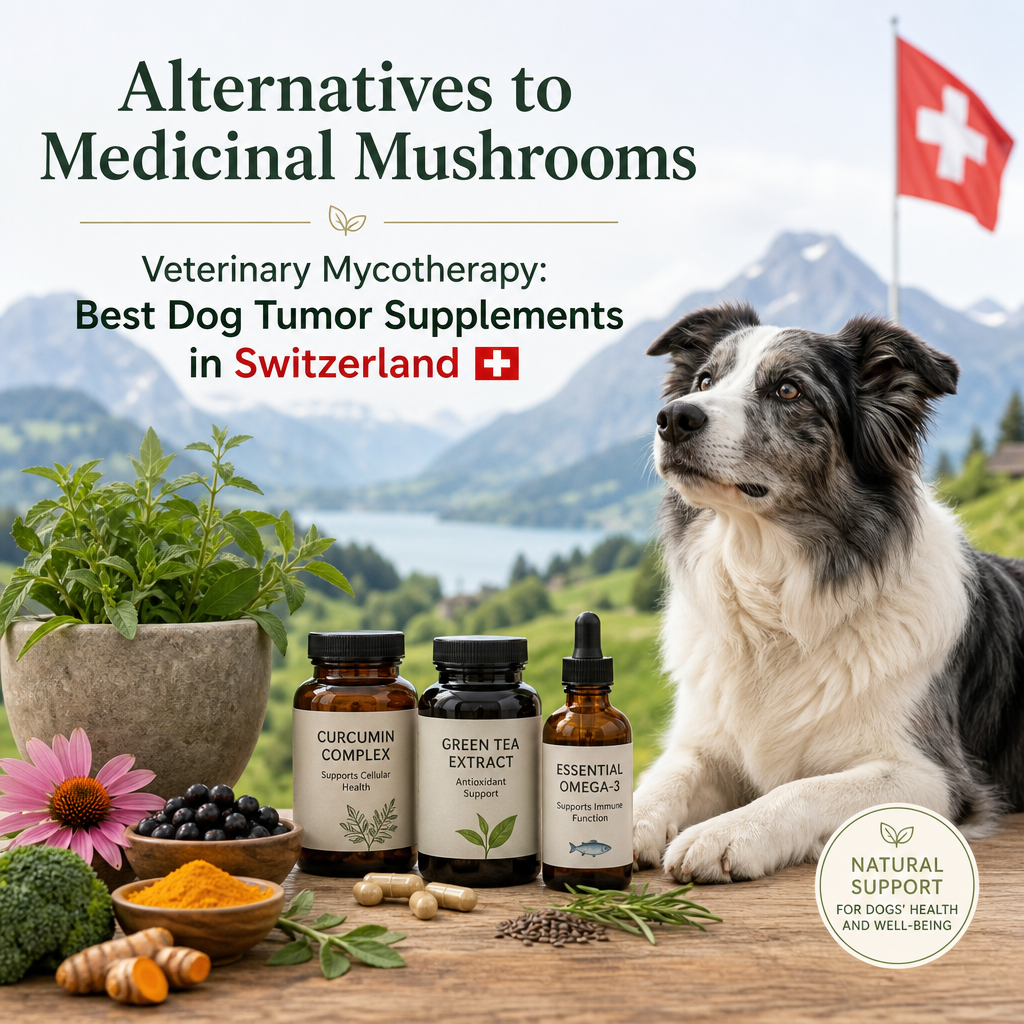
alternatives to Medicinal mushrooms / veterinary mycotherapy illustration

Understanding dog tumor supplement alternatives

A supplement cannot replace tumor removal, chemotherapy, radiation therapy, targeted treatment, or appropriate palliative care. Its role is usually supportive: helping a dog maintain strength, tolerate treatment, preserve muscle mass, and continue eating and drinking comfortably.

The best choice depends on the tumor type, stage of disease, current medications, blood results, kidney and liver function, and the dog’s overall condition. A product that is appropriate for one patient may be unsuitable for another. For example, a dog with pancreatitis may require a very different nutritional plan from a dog with weight loss caused by intestinal cancer.

Owners should also distinguish between a complete veterinary diet and an isolated supplement. A complete diet provides balanced protein, fat, carbohydrates, vitamins, and minerals. Supplements are intended to complement—not replace—that foundation.

For context on how tumor signs can vary by breed and cancer type, owners may also find this guide helpful: Chest Lumps Dogs: Helpful Tumor Causes Insight.

Why the phrase alternatives to Medicinal mushrooms / veterinary mycotherapy matters

The phrase alternatives to Medicinal mushrooms / veterinary mycotherapy is useful because many owners want supportive care choices beyond mushroom-based protocols. In practice, alternatives to Medicinal mushrooms / veterinary mycotherapy may include omega-3s, better protein intake, digestive support, and carefully selected herbs or cannabinoids when appropriate. The right plan depends on the dog, the cancer, and the treatment schedule.

Omega-3 fatty acids

Fish oil containing EPA and DHA is one of the most commonly considered dog tumor supplement alternatives. These long-chain omega-3 fatty acids may support normal inflammatory regulation and help maintain skin, coat, and general nutritional health. They can also contribute valuable calories for dogs that are losing weight, although they should be introduced carefully.

The amount matters. Human products may contain additional ingredients, flavorings, or unsuitable concentrations, so a veterinary product is generally preferable. Excessive oil can cause diarrhea, vomiting, weight gain, or pancreatitis in susceptible animals. Omega-3 products may also influence blood clotting and should be discussed before surgery or when a dog is taking anticoagulant medication.

When used correctly, omega-3 support can fit into a broader plan of dog tumor supplement alternatives that aims to protect comfort and nutrition without overcomplicating treatment.

Among alternatives to Medicinal mushrooms / veterinary mycotherapy, omega-3 fatty acids are often chosen first because they are familiar, measurable, and relatively easy to monitor. They are not a cure, but they can be a practical part of supportive care.

High-quality protein and amino acid support

Cancer and chronic illness can contribute to muscle loss, particularly when appetite is poor. Adequate, digestible protein is therefore central to supportive nutrition. Depending on the dog’s condition, a veterinarian may recommend a highly digestible clinical diet, calorie-dense food, or carefully selected amino acid support.

Protein recommendations should not be made without considering kidney and liver function. Some dogs benefit from increased protein availability, while others need a controlled nutritional plan because of organ disease. Homemade diets can become deficient in calcium, trace minerals, or essential vitamins unless formulated by a veterinary nutrition professional.

Among dog tumor supplement alternatives, protein-focused support is often one of the most practical ways to help maintain lean body mass and daily energy. This is especially important when a dog has a reduced appetite after treatment or feels full after only a few bites.

In many cases, alternatives to Medicinal mushrooms / veterinary mycotherapy work best when they help the dog eat enough of a complete diet. A supplement that supports protein intake can be more useful than one that sounds impressive but does not improve daily nutrition.

Antioxidant support: benefits and precautions

Antioxidants are often included in veterinary diets and supplements because they help protect cells from oxidative stress. Vitamins such as vitamin E, vitamin C, selenium, and certain plant compounds may have a role in general nutritional support.

However, high-dose antioxidant supplementation during chemotherapy or radiation is not automatically harmless. Some cancer treatments rely partly on oxidative mechanisms, and the interaction between concentrated antioxidants and specific protocols remains complex. This does not mean that all antioxidants must be avoided; it means that dosage and timing should be guided by the treating veterinarian.

A balanced commercial diet is usually safer than combining several overlapping products. Owners should check labels carefully to avoid unintentionally giving excessive amounts of fat-soluble vitamins or minerals. In practice, carefully chosen dog tumor supplement alternatives are usually more helpful than stacking multiple products with the same ingredient profile.

For broader background on evidence-based cancer support in animals, the American College of Veterinary Internal Medicine provides useful educational material at ACVIM.

When comparing alternatives to Medicinal mushrooms / veterinary mycotherapy, antioxidant support should be viewed as one tool rather than a standalone strategy. The goal is steady, safe support, not a dramatic promise.

Digestive and appetite support

Nausea, constipation, diarrhea, and appetite loss can significantly affect a dog’s quality of life. Veterinary probiotics may help selected dogs with digestive imbalance, particularly after antibiotic treatment or during periods of gastrointestinal stress. Their effects vary by bacterial strain, so products made specifically for dogs are preferable to general human probiotics.

Appetite support may include warming food, offering smaller meals more frequently, improving texture, or using a prescription appetite stimulant. Herbal products should be approached cautiously. “Natural” does not automatically mean safe, and some botanicals can affect the liver, kidneys, blood pressure, or the metabolism of cancer medicines.

In many cases, digestive care becomes one of the most important dog tumor supplement alternatives because a dog that feels nauseated will struggle to benefit from any nutritional plan.

For some patients, alternatives to Medicinal mushrooms / veterinary mycotherapy are most valuable when they make eating easier. Better appetite often leads to better energy, stronger recovery, and improved day-to-day comfort.

Practical feeding ideas during cancer care

Some dogs do better with soft meals, while others prefer firmer textures or lightly warmed food. A veterinary team may also suggest splitting daily calories into four or more small meals. These changes do not replace medical treatment, but they can make dog tumor supplement alternatives easier to tolerate.

Cannabinoid and herbal products

CBD and other hemp-derived products are available in Switzerland, but their use in dogs with tumors requires particular care. Product quality, cannabinoid concentration, contamination, and legal labeling can vary. CBD may cause drowsiness, digestive signs, or changes in liver enzyme activity, and it can interact with medications.

Herbal blends may contain ingredients that influence clotting, sedation, immune activity, or drug metabolism. Products marketed with claims to “shrink tumors” or “cure cancer” should be treated with skepticism. Reliable supportive care focuses on measurable outcomes such as appetite, comfort, mobility, hydration, and body weight rather than dramatic promises.

When owners compare dog tumor supplement alternatives, the most useful products are the ones that can be monitored and adjusted safely over time. That same principle applies to alternatives to Medicinal mushrooms / veterinary mycotherapy: the best option is the one that fits the patient and can be tracked in real life.

Choosing supplements in Switzerland

When comparing dog tumor supplement alternatives in Switzerland, owners should look for transparent labeling, batch information, veterinary-quality manufacturing, and clear instructions for dogs. Swiss veterinary practices, animal hospitals, and reputable pharmacies can provide more reliable guidance than anonymous online sellers.

It is useful to bring every product to the veterinary appointment, including oils, powders, treats, herbal drops, and human medications. The veterinarian can check for duplicate ingredients, calculate the total daily dose, and determine whether a product should be stopped before surgery or changed during chemotherapy.

Swiss dogs may also receive care across cantonal or national borders, so keeping written records is helpful. A treatment and supplement list should include the product name, ingredients, concentration, dose, start date, and any observed side effects.

If you are comparing supplement options against the background of breed-related cancer risk, this related article may help: Irish Setter Cancer Risks: Essential Early Tumor Signs to Know.

In Switzerland, alternatives to Medicinal mushrooms / veterinary mycotherapy should also be reviewed against the dog’s current medications and planned procedures. Even helpful products can become a problem if they are started or stopped without coordination.

Questions to ask before buying

  • What is the exact ingredient list and concentration?
  • Is the product intended for dogs, not humans?
  • Could it interfere with surgery, chemotherapy, or pain medication?
  • Does the manufacturer provide batch testing or quality control?
  • What signs mean the supplement should be stopped?

Monitoring the response

Supportive supplements should be judged by practical indicators. Track body weight, appetite, stool quality, vomiting, energy, hydration, pain signs, and mobility. Blood tests may be necessary when a product affects the liver, kidneys, immune system, or blood clotting.

Stop a supplement and contact the veterinary team if the dog develops repeated vomiting, severe diarrhea, facial swelling, unusual bleeding, marked lethargy, yellowing of the gums or eyes, or a sudden decline. Regular reassessment is especially important because nutritional needs can change as the disease or treatment progresses.

In practice, dog tumor supplement alternatives should be reviewed just as carefully as prescription medicines because their effects and interactions can still matter.

For owners evaluating alternatives to Medicinal mushrooms / veterinary mycotherapy, monitoring also helps separate a true benefit from a coincidental change. If appetite, comfort, or stool quality improves, the product may have a role; if not, the plan should be simplified.

A balanced approach to supportive care

The most effective plan is rarely a single “best” product. It usually combines appropriate tumor treatment, a complete and palatable diet, pain and nausea control, hydration, gentle activity, and carefully selected supplementation. Alternatives to Medicinal mushrooms / veterinary mycotherapy can be valuable when they address a specific need, but they should be chosen according to the individual dog rather than marketing trends.

For owners in Switzerland, the safest path is to work with the veterinary oncology team and use supplements as part of a documented, monitored care plan. Thoughtful nutritional support cannot guarantee a change in tumor behavior, but it may help a dog remain more comfortable, resilient, and engaged in daily life.

Before adding any supplement, revisit the goal: support the dog, reduce avoidable side effects, and keep care simple enough to monitor well. That approach usually leads to the best results from dog tumor supplement alternatives.

Used carefully, alternatives to Medicinal mushrooms / veterinary mycotherapy can fit into a broader plan that prioritizes comfort, nutrition, and quality of life. The most helpful option is usually the one that is safe, realistic, and tailored to the dog in front of you.

Nutritional Support for Dogs with Cancer: Enhancing Health Through Diet

Nutritional Support for Dogs with Cancer: Enhancing Health Through Diet

Cancer is a challenging diagnosis for any pet owner to face, especially when it affects a beloved dog. While conventional treatments like surgery, chemotherapy, and radiation are often necessary, nutrition plays a critical role in supporting the overall health and well-being of dogs battling cancer. Providing the right nutritional support can improve your dog’s quality of life, bolster their immune system, and even complement conventional cancer treatments.

Understanding the Importance of Nutrition for Dogs with Cancer

A balanced and tailored diet is essential for dogs with cancer. Cancer can significantly impact a dog’s metabolism, leading to weight loss, muscle wasting, and decreased energy levels. Furthermore, the disease can alter how a dog’s body processes nutrients, making it harder for them to absorb essential vitamins and minerals. This makes nutritional support not just important, but crucial in managing the condition.

Key Nutrients for Supporting a Dog with Cancer

  1. High-Quality Protein: Protein is vital for maintaining muscle mass and supporting immune function. Look for easily digestible protein sources such as chicken, turkey, or fish, which provide the amino acids necessary for cell repair and immune health.
  2. Healthy Fats: Omega-3 fatty acids, found in fish oil and flaxseed, are known for their anti-inflammatory properties. These fats can help reduce inflammation, which is often elevated in cancer, and provide a concentrated source of energy for your dog.
  3. Low Carbohydrates: Cancer cells thrive on carbohydrates, so a diet low in sugars and starches can help slow the progression of the disease. Focus on feeding your dog a diet rich in vegetables and low-glycemic fruits, which provide essential nutrients without fueling cancer growth.
  4. Antioxidants: Vitamins C and E, beta-carotene, and selenium are powerful antioxidants that can help protect cells from damage caused by free radicals, which are prevalent in dogs with cancer. Including antioxidant-rich foods like blueberries, spinach, and carrots can be beneficial.
  5. Herbal Supplements: Natural supplements like turmeric (curcumin) and medicinal mushrooms (such as reishi and maitake) can support the immune system and have been shown to possess anti-cancer properties. Always consult with your vet before introducing new supplements into your dog’s diet.

Practical Tips for Feeding a Dog with Cancer

  • Frequent Small Meals: Dogs with cancer often have reduced appetites, so offering smaller, more frequent meals can help ensure they receive the necessary nutrients without overwhelming them.
  • Palatability: Some dogs undergoing cancer treatment may experience nausea or loss of appetite. Enhancing the flavor of their meals with natural broths or a small amount of healthy fats can encourage them to eat.
  • Consult Your Vet: Every dog is different, and what works for one may not work for another. It’s important to work closely with your veterinarian or a veterinary nutritionist to develop a personalized diet plan that meets your dog’s specific needs.

The Role of Nutritional Supplements in Cancer Care

In addition to a balanced diet, certain nutritional supplements can provide extra support for dogs with cancer. Probiotics, for example, can help maintain gut health, which is particularly important if your dog is undergoing chemotherapy. Omega-3 supplements, as mentioned earlier, can further boost anti-inflammatory effects and support overall health.

Another option to consider is Baituxiao, a natural herbal supplement specifically designed for dogs with cancer. Baituxiao contains a blend of traditional Chinese medicinal herbs known for their immune-boosting and anti-cancer properties. When used alongside a balanced diet, this supplement can provide additional support in managing your dog’s cancer.

While cancer is a serious and often overwhelming diagnosis, you can make a significant difference in your dog’s health and quality of life through careful nutritional support. By providing a diet rich in high-quality proteins, healthy fats, and essential nutrients, you can help your dog maintain strength, reduce inflammation, and support their immune system during this challenging time. Always consult with your veterinarian to create the best nutrition plan tailored to your dog’s unique needs, and consider incorporating supplements like Baituxiao to further enhance their health and well-being.

What to Feed Dogs with Cancer: A Comprehensive Guide for Pet Owners

What to Feed Dogs with Cancer: A Comprehensive Guide for Pet Owners

When your beloved dog is diagnosed with cancer, it’s natural to feel overwhelmed and uncertain about the best course of action. One of the most important aspects of their care is their diet. Feeding dogs with cancer requires special attention to ensure they receive the necessary nutrients to support their health and well-being during this challenging time. In this article, we will explore the best dietary practices for dogs with cancer, providing valuable insights to help pet owners make informed decisions.

Understanding Canine Cancer and Nutrition

Cancer can affect dogs in various ways, and their nutritional needs may change depending on the type of cancer, stage of the disease, and treatments they are undergoing. Proper nutrition plays a crucial role in maintaining their strength, boosting their immune system, and improving their quality of life. Here are some key considerations:

1. High-Quality Protein

Protein is essential for dogs with cancer as it helps in tissue repair and supports the immune system. Opt for high-quality sources of protein such as:

  • Lean meats (chicken, turkey, beef)
  • Fish (salmon, mackerel)
  • Eggs

2. Healthy Fats

Healthy fats provide a concentrated source of energy and can help maintain body weight. Omega-3 fatty acids, in particular, have anti-inflammatory properties that can be beneficial for dogs with cancer. Include sources like:

  • Fish oil
  • Flaxseed oil
  • Coconut oil

3. Complex Carbohydrates

Complex carbohydrates are a good source of energy and can help maintain blood sugar levels. Choose easily digestible options like:

  • Sweet potatoes
  • Brown rice
  • Oatmeal

4. Fresh Vegetables and Fruits

Fresh vegetables and fruits are rich in antioxidants, vitamins, and minerals that support overall health. Some excellent choices include:

  • Broccoli
  • Carrots
  • Blueberries
  • Apples (without seeds)

5. Avoiding Harmful Ingredients

Certain ingredients can exacerbate cancer symptoms or interfere with treatments. It’s essential to avoid:

  • Processed foods
  • Artificial additives and preservatives
  • High-sugar treats

Homemade vs. Commercial Diets

Pet owners often debate between homemade and commercial diets for dogs with cancer. Each option has its pros and cons:

Homemade Diets

Homemade diets allow for complete control over ingredients and can be tailored to your dog’s specific needs. However, they require careful planning to ensure nutritional balance. Consulting with a veterinary nutritionist is recommended.

Commercial Diets

Commercial diets formulated for dogs with cancer are convenient and scientifically balanced. Look for reputable brands that offer therapeutic diets specifically designed for canine cancer patients.

Supplementing the Diet

Supplements can provide additional support for dogs with cancer. Always consult with your veterinarian before adding any supplements to your dog’s diet. Some commonly recommended supplements include:

  • Probiotics for digestive health
  • Glucosamine and chondroitin for joint support
  • Vitamin E and selenium for antioxidant benefits

Hydration is Key

Keeping your dog well-hydrated is crucial, especially if they are undergoing treatments that can lead to dehydration. Ensure they have access to fresh water at all times and consider offering broth or water-rich foods to encourage fluid intake.

Monitoring and Adjusting the Diet

Regular monitoring of your dog’s weight, energy levels, and overall condition is essential. Adjust their diet as needed based on their response to treatment and any changes in their health status. Working closely with your veterinarian will ensure that your dog’s nutritional needs are met throughout their cancer journey.

Conclusion

Feeding a dog with cancer requires thoughtful consideration and a balanced approach to nutrition. By providing high-quality protein, healthy fats, complex carbohydrates, and fresh produce, you can support your dog’s health and well-being. Whether you choose a homemade or commercial diet, consult with your veterinarian to ensure the best possible care for your furry friend.

Effective Treatments for Spindle Cell Tumors in Dogs: A Comprehensive Guide

Effective Treatments for Spindle Cell Tumors in Dogs: A Comprehensive Guide

Spindle cell tumors, also known as fibrosarcomas, are a type of soft tissue sarcoma found in dogs. These tumors can be challenging to treat due to their invasive nature. This article delves into the latest and most effective treatments for spindle cell tumors in dogs, offering valuable insights for pet owners seeking the best care for their furry companions.

Understanding Spindle Cell Tumors

Spindle cell tumors arise from connective tissues such as fibrous tissue, muscle, or fat. They are characterized by spindle-shaped cells that appear elongated under a microscope. These tumors can occur anywhere in the body but are commonly found in the skin and subcutaneous tissues.

Symptoms of Spindle Cell Tumors in Dogs

  • Lumps or Masses: Firm, irregularly shaped lumps under the skin.
  • Swelling: Localized swelling that may or may not be painful.
  • Ulceration: In some cases, the skin over the tumor may break down and ulcerate.
  • Lameness: If the tumor is near a limb, it may cause lameness or difficulty walking.

Diagnosis

Early and accurate diagnosis is crucial for effective treatment. Diagnostic methods include:

  • Physical Examination: Initial assessment by a veterinarian.
  • Fine Needle Aspiration: Collecting cells from the tumor for microscopic examination.
  • Biopsy: Surgical removal of a tissue sample for histopathological analysis.
  • Imaging: X-rays, ultrasound, or MRI to determine the tumor’s size, location, and extent of spread.

Treatment Options for Spindle Cell Tumors

  1. Surgery:
    • Wide Excision: The primary treatment for spindle cell tumors involves surgical removal with wide margins to ensure all cancerous cells are excised. This is often the most effective method.
    • Reconstructive Surgery: In cases where large amounts of tissue are removed, reconstructive surgery may be necessary to close the wound and restore function.
  2. Radiation Therapy:
    • Post-Surgical Radiation: Often used after surgery to eliminate any remaining cancer cells and reduce the risk of recurrence.
    • Palliative Radiation: For tumors that cannot be completely removed, radiation can help shrink the tumor and alleviate symptoms.
  3. Chemotherapy:
    • Adjuvant Chemotherapy: Used alongside surgery and radiation to target any remaining cancer cells.
    • Neoadjuvant Chemotherapy: Administered before surgery to shrink the tumor, making it easier to remove.
  4. Targeted Therapies:
    • Tyrosine Kinase Inhibitors: These drugs target specific enzymes involved in tumor growth and can be effective in controlling spindle cell tumors.
    • Immunotherapy: Emerging treatments that stimulate the dog’s immune system to attack cancer cells.
  5. Holistic and Supportive Care:
    • Nutrition: A balanced diet rich in antioxidants, omega-3 fatty acids, and high-quality protein can support overall health and immune function.
    • Supplements: Herbal supplements like TCMVET Baituxiao may help manage symptoms and improve vitality.
    • Pain Management: Ensuring the dog is comfortable through appropriate pain relief measures.

Prognosis

The prognosis for dogs with spindle cell tumors varies depending on factors such as the tumor’s size, location, and whether it has metastasized. Early detection and aggressive treatment typically result in better outcomes. Regular follow-ups are essential to monitor for recurrence and manage any new developments promptly.

Conclusion

Treating spindle cell tumors in dogs requires a multifaceted approach that includes surgery, radiation, chemotherapy, and supportive care. By staying informed about the latest treatment options and working closely with your veterinarian, you can provide your dog with the best possible care. Early detection and a comprehensive treatment plan are key to improving your dog’s prognosis and quality of life.

Green yin-yang logo with TCMVET
Privacy Overview

This website uses cookies so that we can provide you with the best user experience possible. Cookie information is stored in your browser and performs functions such as recognising you when you return to our website and helping our team to understand which sections of the website you find most interesting and useful.