Supplements After Chemotherapy Dogs can play a supportive role during recovery, but they should never replace veterinary care, prescribed medication, or a balanced diet. Chemotherapy affects every dog differently, and the right nutritional support depends on the cancer type, treatment plan, bloodwork, appetite, kidney and liver function, and overall health. A carefully chosen supplement may help maintain strength, support normal immune function, and improve quality of life while the body heals.
Chemotherapy is designed to target rapidly dividing cancer cells, but it can also temporarily affect healthy cells. Some dogs experience reduced appetite, nausea, diarrhea, fatigue, weight loss, or changes in blood cell levels during and after treatment. Recovery may continue for weeks after the final dose, so nutritional support remains important.
Supplements After Chemotherapy Dogs are generally intended to complement meals and medical treatment. They may help address nutritional gaps, support muscle maintenance, promote healthy digestion, or provide specific nutrients involved in normal cellular and immune function. However, “natural” does not automatically mean safe. Certain herbs and concentrated nutrients can interfere with chemotherapy drugs, anesthesia, blood clotting, or liver metabolism.
Omega-3 fatty acids, particularly EPA and DHA from high-quality fish oil, are among the most commonly considered supplements after chemotherapy dogs. These fatty acids support normal inflammatory balance, skin and coat health, and cardiovascular function. They may also help dogs maintain body condition when combined with an appropriate diet.
Choose a veterinary-formulated fish oil that clearly lists the amount of EPA and DHA rather than only stating the total amount of “fish oil.” Products should be tested for contaminants and oxidation. Introduce fish oil gradually because excessive amounts may cause loose stools, vomiting, or unwanted weight gain.
Fish oil may not be appropriate for every dog, especially those with a history of pancreatitis, bleeding disorders, or certain gastrointestinal conditions. Your veterinarian can determine whether it fits your dog’s treatment plan and calculate a suitable dose based on body weight and medical history.
Probiotics and digestive support
Digestive upset is common during cancer treatment. Stress, medication, dietary changes, and chemotherapy may affect the intestinal microbiome, leading to diarrhea, gas, reduced appetite, or irregular stools. A veterinary probiotic can help support normal digestive function in some dogs.
Look for products made specifically for dogs and containing clearly identified strains, expiration dates, and storage instructions. Some supplements combine probiotics with prebiotic fibers, which serve as nourishment for beneficial intestinal bacteria. These products may be useful, but they should be introduced slowly.
A probiotic is not a substitute for veterinary evaluation. Persistent diarrhea, bloody stool, repeated vomiting, dehydration, or refusal to eat can indicate a serious complication and requires prompt medical attention.
Antioxidants: use caution
Antioxidants are often included in post chemo dog support products because they help protect cells from oxidative stress. Common examples include vitamins C and E, selenium, and plant-derived compounds. However, antioxidant supplementation during cancer treatment is a complex subject.
Some chemotherapy drugs rely partly on oxidative mechanisms, and high-dose antioxidants could theoretically reduce treatment effectiveness, although the evidence varies by drug and clinical situation. For this reason, veterinarians may recommend avoiding certain supplements during active chemotherapy or using them only at carefully selected doses after treatment has ended.
Never give high-dose vitamin supplements or concentrated antioxidant blends without professional guidance. Excess vitamin A, vitamin D, selenium, or other nutrients can cause toxicity.
Digestible protein and muscle maintenance
Maintaining muscle mass is a major part of recovery. Dogs may lose muscle because of poor appetite, nausea, inactivity, inflammation, or increased metabolic demands. In many cases, the most useful “supplement” is a complete, highly digestible diet with adequate calories and protein.
A veterinary nutritionist can help select an appropriate food or formulate a feeding plan. Some dogs benefit from calorie-dense nutritional gels or prescription recovery diets, while others need appetite support or anti-nausea medication instead. Protein requirements vary, particularly in dogs with kidney or liver disease, so high-protein supplements should not be used automatically.
Weigh your dog regularly and monitor muscle over the shoulders, spine, hips, and thighs. Gradual weight loss should be reported to the veterinary team before it becomes severe.
How supplements after chemotherapy dogs should be chosen
The safest supplements after chemotherapy dogs are the ones selected for a specific need, not chosen because they sound broadly supportive. Start with the problem you are trying to solve: poor appetite, loose stool, weight loss, or reduced energy. Then ask whether food changes, medication adjustments, or a targeted supplement is the most appropriate next step.
Review the label carefully before buying anything. Check the full ingredient list, the amount per serving, the recommended dose by weight, and whether the product has been tested for quality. Avoid blends that hide the exact nutrient amounts or include many herbs in one formula, because these can be harder to evaluate for safety.
Mushroom extracts, turmeric, milk thistle, and other herbal products are frequently marketed as dog cancer recovery supplements. Some have promising laboratory or early clinical research, but evidence for safety, dosage, and effectiveness in dogs remains limited for many products.
Herbs can affect blood clotting, blood pressure, liver enzymes, immune activity, or the absorption of prescription drugs. Product quality also varies considerably. A supplement may contain contaminants, inaccurate ingredient levels, or combinations that have not been studied in dogs.
If an herbal product is being considered, provide the veterinarian with the exact brand, ingredient list, concentration, and intended dosage. Avoid products that promise to cure cancer, replace chemotherapy, or work for every type of tumor.
Vitamins and minerals
A dog eating a complete and balanced commercial or professionally formulated diet usually does not need broad vitamin and mineral supplementation. Adding extra nutrients can create imbalances or toxicity, particularly with fat-soluble vitamins and minerals such as iron, copper, calcium, and selenium.
Targeted supplementation may be appropriate when blood tests show a deficiency or when a dog cannot eat a normal diet. For example, a veterinarian may recommend a specific nutrient because of gastrointestinal disease, prolonged poor intake, or another diagnosed condition. Supplementation should be based on evidence rather than guesswork.
In some recovery plans, the safest supplement after chemotherapy is not a capsule or powder at all, but a carefully chosen food strategy that delivers enough calories and protein. This is one reason the phrase supplements after chemotherapy dogs should always be interpreted broadly, with nutrition first and products second.
Practical post chemo dog support at home
Supplements work best alongside attentive daily care. Offer small, frequent meals if your dog has a reduced appetite, and keep fresh water available at all times. Follow medication instructions carefully, maintain a calm routine, and encourage gentle activity as energy returns. Avoid forcing food, introducing several new products at once, or giving human supplements unless specifically instructed by a veterinarian.
Keep a simple record of appetite, water consumption, vomiting, stool quality, energy, weight, and supplement doses. This information can help the oncology team identify trends and adjust treatment promptly.
Contact your veterinarian immediately if your dog develops repeated vomiting, severe diarrhea, extreme weakness, trouble breathing, pale gums, fever, collapse, dehydration, or complete refusal of food. These signs may require urgent treatment and should not be managed with supplements alone.
The safest approach to supplements after chemotherapy dogs is individualized and conservative: support nutrition, protect digestion, monitor recovery, and coordinate every product with the veterinary team. With appropriate medical follow-up and thoughtful daily care, nutritional support can help your dog regain strength while maintaining comfort and quality of life. When in doubt, the best supplements after chemotherapy dogs are the ones chosen with clear purpose, careful dosing, and professional oversight.
For official guidance on cancer-related nutrition and supportive care, the National Cancer Institute’s nutrition resources offer a useful evidence-based starting point for discussing feeding strategies with your veterinary team.
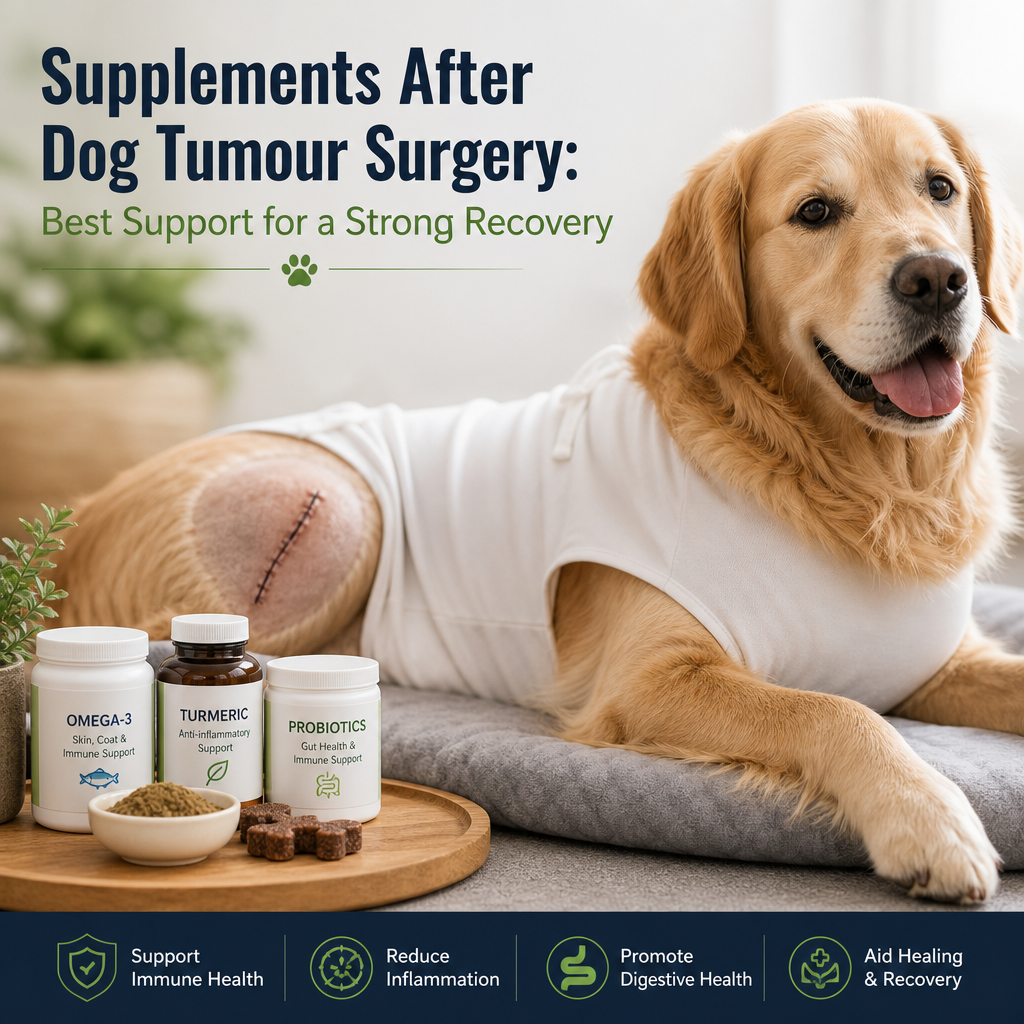
Supplements After Dog Tumour Surgery can play a supportive role in healing, maintaining strength, and helping a dog return to normal activity—but they should never replace veterinary treatment or be introduced without professional guidance. Recovery from tumour removal varies considerably depending on the tumour type, surgical site, stage of disease, and whether chemotherapy, radiation, or additional medication is required. The safest approach combines careful monitoring, appropriate nutrition, pain control, rest, and supplements selected for the individual dog.
Because every recovery is different, it helps to think in practical stages. In the first stage, the focus is on pain control, incision care, hydration, and steady eating. In the second stage, the goal is to rebuild strength, support digestion, and prevent setbacks. In the longer term, the plan may shift toward maintaining weight, protecting mobility, and preparing for follow-up treatment if the oncology team recommends it. Supplements After Dog Tumour Surgery are most useful when they fit into that larger recovery picture rather than being used as a stand-alone fix.
Dog cancer surgery recovery begins as soon as the operation is complete. During the first days, the main priorities are protecting the incision, controlling pain, preventing infection, and ensuring the dog eats and drinks adequately. Some dogs recover quickly, while others may need several weeks before they regain their usual energy.
Your veterinarian may prescribe pain relief, antibiotics, anti-inflammatory medication, or other treatments. These medicines should be given exactly as directed. It is particularly important not to add human painkillers, herbal products, or over-the-counter remedies without approval, as some can cause poisoning, bleeding, kidney damage, or dangerous interactions.
A follow-up appointment is often needed to assess wound healing and discuss pathology results. The laboratory report may influence future treatment and determine whether supportive care should focus mainly on healing, immune health, digestive comfort, or long-term cancer management.
In many cases, the first 10 to 14 days are the most delicate part of recovery. A dog may seem brighter one day and more tired the next, especially after a major procedure. That variation is normal, but worsening pain, swelling, or appetite loss should always be reported. During this stage, Supplements After Dog Tumour Surgery should be chosen only if they fit the dog’s current condition and medication plan.
It is also worth remembering that recovery is not just physical. A dog may feel unsettled after surgery, especially if the household routine changes or if the dog must wear an e-collar. Keeping the environment calm, predictable, and quiet can reduce stress and may make feeding and medication easier. Small comforts matter: a soft bed, easy access to water, and gentle reassurance can all support the healing process.
Where supplements after dog tumour surgery may help
Supplements are not a cure for cancer, and there is no universal product that suits every recovering dog. However, selected supplements may support specific needs when used alongside a balanced diet and veterinary care.
The best products are those that fill a real gap, such as reduced appetite, digestive upset, mobility stiffness, or a need for additional nutritional support. If you are comparing options, a practical guide like Best Supplements for Dogs with Cancer: 7 Essential UK Support Tips can help you understand how supportive care choices are usually evaluated.
When thinking about Supplements After Dog Tumour Surgery, it helps to separate “helpful” from “necessary.” Helpful products may improve comfort, appetite, or nutrient intake. Necessary products are the ones your veterinarian has recommended to address a clear need. The safest recovery plan starts with necessity and then adds only what is genuinely useful.
Owners sometimes feel pressure to do everything possible after a cancer diagnosis, but more is not always better. A dog that is already taking pain relief and anti-nausea medication may not need a long list of extra products. In many cases, the most effective support comes from a simple routine built around food intake, wound care, rest, and one or two well-chosen supplements.
Omega-3 fatty acids
Fish oil containing EPA and DHA is commonly discussed in canine cancer support. These essential fatty acids may help support a healthy inflammatory response, skin condition, and overall nutritional status. They can be especially useful for dogs whose appetite is reduced or whose diet requires additional nutritional support.
Quality and dosage matter. Fish oil can contribute extra calories and may increase the risk of bleeding in some situations, particularly when combined with certain medications or before another procedure. Choose a veterinary-recommended product and ask about the correct dose based on body weight.
Omega-3s are also often considered because they are easy to add to food and can be useful for dogs who are too sore to eat large meals. When used well, they fit naturally into a broader recovery plan that supports healing without overwhelming the digestive system.
If you are still comparing brands or formulas, look for clear ingredient labels, a trustworthy manufacturer, and evidence that the product has been tested for quality. Supplements After Dog Tumour Surgery should ideally be simple to dose, easy to tolerate, and appropriate for the dog’s current medication list.
Probiotics and digestive support
Anaesthesia, antibiotics, stress, dietary changes, and reduced activity can all affect digestion. A veterinary probiotic may help maintain a healthy balance of intestinal bacteria and support normal stool quality. Some products also contain prebiotic fibres that nourish beneficial bacteria.
Probiotics should be introduced gradually, especially if the dog already has diarrhoea, vomiting, or a sensitive stomach. Persistent digestive symptoms require veterinary assessment rather than relying solely on supplements.
In a dog that is recovering slowly, digestive balance can make a noticeable difference to energy and appetite. That is one reason Supplements After Dog Tumour Surgery are most useful when they are tailored to the symptoms actually present, rather than added out of habit.
Digestive support can also be important if the dog’s appetite drops after surgery or if pain medication causes constipation or nausea. In those cases, the right probiotic or fibre source may help improve stool quality and make feeding more comfortable. However, if the dog cannot keep food down, has bloody diarrhoea, or becomes dehydrated, supplements are not enough and veterinary attention is needed quickly.
Antioxidants
Vitamins C and E, selenium, and other antioxidants are sometimes included in canine cancer-support products. These nutrients help protect cells from oxidative stress, but more is not necessarily better. High doses can be harmful, and the role of antioxidants may depend on the type of cancer and the treatment plan.
Dogs receiving chemotherapy or radiation should only receive antioxidant supplements with the oncology team’s approval. Some treatments work partly through oxidative mechanisms, so unsupervised supplementation could potentially interfere with the intended therapy. For general background on how cancer care decisions are made in veterinary medicine, the American Veterinary Medical Association’s cancer in pets guidance is a helpful reference.
Antioxidant use is best thought of as part of a broader medical discussion, not an automatic addition to the diet. If the dog is recovering well, eating properly, and not receiving additional cancer therapy, the veterinary team may still decide that a basic recovery diet is enough. In that case, adding antioxidants may not improve the outcome and could complicate the plan unnecessarily.
Joint and mobility support
After surgery, dogs may move differently or remain inactive for an extended period. If the tumour affected a limb, joint, bone, or nearby tissue, mobility support may become particularly important. Ingredients such as glucosamine, chondroitin, green-lipped mussel, or specific omega-3 preparations may be considered for joint comfort.
These products usually work gradually and are not substitutes for prescribed pain medication or rehabilitation. Controlled exercise, physiotherapy, and weight management may provide equal or greater benefits for mobility.
If your dog is stiff after rest, short leash walks and gentle movement can help more than adding several products at once. A simple, steady routine often works better than a complicated stack of Supplements After Dog Tumour Surgery.
Mobility support is especially valuable for older dogs or dogs that already had arthritis before the operation. After surgery, reduced movement can quickly lead to muscle loss and stiffness, so a plan that combines pain management, rest, and carefully timed exercise is usually more effective than relying on any single supplement alone.
Protein and nutritional support
Adequate protein and calories are essential for tissue repair, immune function, and maintenance of muscle. Some dogs benefit more from a complete, highly digestible veterinary diet than from a collection of supplements. Appetite stimulants, recovery foods, or nutritional gels may be recommended when eating is difficult.
Do not make major dietary changes immediately after surgery unless your veterinarian advises it. Sudden changes can cause gastrointestinal upset, while homemade diets may become nutritionally incomplete if not formulated by a veterinary nutritionist.
Protein deserves special attention during recovery because the body needs it to rebuild tissue and preserve lean mass. If a dog is eating less than usual, the goal is often to make each meal count rather than to feed larger portions. Highly digestible food, warmed meals, or small frequent servings may be more useful than adding multiple powders or capsules. In that context, Supplements After Dog Tumour Surgery can be a helpful add-on, but they should never crowd out the basics of a complete diet.
Post tumour surgery dog support at home
Effective post tumour surgery dog support involves practical care as much as supplementation. Keep the incision clean and dry, prevent licking with an appropriate protective collar or garment, and restrict running, jumping, and rough play until the veterinary team confirms that activity can increase.
Inspect the wound daily for swelling, redness, discharge, opening, excessive heat, or a worsening smell. Mild bruising or swelling may occur, but sudden changes should be reported. Monitor appetite, water intake, urination, bowel movements, breathing, and behaviour. A simple recovery diary can help you identify trends and provide useful information during follow-up visits.
Comfortable bedding and a quiet room can reduce stress. Dogs should generally be encouraged to take short, controlled walks when permitted, as gentle movement can support circulation and prevent stiffness. However, activity must match the surgical site and the veterinarian’s instructions.
Many owners also find it useful to create a daily checklist for medicines, meals, wound checks, and rest periods. This keeps the recovery process predictable and reduces the chance of missed doses or overactivity. If your dog is already receiving a joint or digestive product, note any changes carefully so the vet can tell whether the plan is helping.
Another useful home-care habit is to keep supplies close at hand. A recovery kit might include any prescribed medicines, a clean towel, a spare e-collar, a measuring spoon for food additives, and a notebook for observations. This can make daily care easier and reduce the risk of mistakes when several tasks need to be done at different times.
It also helps to keep visitors and household noise low during the early recovery period. Even well-meaning excitement can encourage a dog to stand, jump, or become overactive. Calm surroundings support rest, and rest supports healing. In this way, home management and Supplements After Dog Tumour Surgery work best together when the recovery environment is controlled and consistent.
Feeding, hydration, and appetite support
Eating enough is one of the most important parts of post-operative recovery. If a dog stops eating, it becomes harder to maintain strength, heal tissue, and tolerate medication. Fresh water should always be available, and some dogs may need encouragement to drink more frequently after surgery.
Small, frequent meals are often easier than one or two large meals. Warming food slightly, offering strong-smelling vet-approved diets, or using appetite-friendly recovery foods can sometimes make a big difference. If the dog is nauseous, the veterinarian may prescribe anti-sickness medication before suggesting supplements.
Hydration matters just as much as calories. Dehydration can slow healing and make a dog seem weak or withdrawn. Signs include tacky gums, reduced urination, sunken eyes, and increased lethargy. If these appear, contact the veterinary team rather than trying to manage the problem with supplements alone.
When dogs are not eating well, owners often ask whether powders, oils, or tablets will solve the problem. In reality, the answer depends on why the appetite has dropped. Pain, nausea, anxiety, constipation, or infection can all reduce food intake. Supplements After Dog Tumour Surgery are most effective when the underlying cause is understood and managed first.
A feeding plan should also respect any special instructions from the surgeon or oncology team. For example, some dogs need a bland diet after anaesthesia, while others do better with their usual food to avoid stomach upset. The safest approach is to ask before changing anything major.
How to choose safe products
Supplements are not all created equal. The best products are transparent about ingredients, dosage, and manufacturing standards. Avoid products with vague proprietary blends, exaggerated promises, or claims that sound too good to be true. A sensible recovery product should support health, not promise to cure disease.
Look for products that are made for dogs rather than adapted from human formulas. Human supplements can contain sweeteners, flavourings, or dosages that are inappropriate for canine use. If a product has no clear label or no information about quality control, it is better to choose a different option.
When in doubt, ask your veterinary team whether the product is appropriate for your dog’s surgery, tumour type, and current medicines. This is especially important if the dog has liver disease, kidney disease, bleeding problems, pancreatitis, or a history of digestive sensitivity.
For dog owners comparing choices across different stages of cancer care, a broader overview such as Dog Tumour Supplements: 7 Safe, Effective Support Options Compared can help frame the decision. It is often easier to make a smart choice when you understand which ingredients are aimed at appetite, mobility, immunity, or general support.
It is also reasonable to decide that no supplement is needed right away. If the dog is eating well, moving comfortably, and healing normally, the simplest plan may be the best plan. Supplements After Dog Tumour Surgery should be added for a reason, not just because they are available.
Safety precautions before giving supplements
Before choosing Supplements After Dog Tumour Surgery, provide the veterinarian with a complete list of everything your dog receives, including prescription medicines, vitamins, treats, herbal products, and topical preparations. This helps identify possible interactions.
Avoid products containing undisclosed blends, excessive minerals, stimulants, or ingredients intended for humans. Buy from reputable manufacturers that provide clear labelling and quality testing. Never assume that a “natural” product is automatically safe. Garlic, certain concentrated essential oils, high-dose vitamin D, and some herbal ingredients can be dangerous for dogs.
Supplements should also be paused or adjusted before future surgery, biopsy, dental treatment, or invasive procedures if the veterinary team advises it. Some products affect clotting, blood pressure, sedation, or liver metabolism.
As a practical rule, introduce one product at a time and wait to see how the dog responds. That makes it easier to spot side effects such as loose stool, decreased appetite, itching, or unusual sleepiness. If a product does not clearly improve recovery, it may not be worth continuing.
Store all products safely out of reach, especially if they are flavoured or resemble treats. Dogs recovering from surgery may be more likely to chew packaging, and accidental overconsumption can create urgent problems. Even a supplement that is useful in the right dose can become harmful if the dog eats too much at once.
When to contact the veterinarian
Contact the veterinary team promptly if your dog refuses food for an extended period, repeatedly vomits, develops severe diarrhoea, appears unusually weak, has pale gums, struggles to breathe, shows uncontrolled pain, or has difficulty urinating. Call immediately if the incision opens, bleeds heavily, produces pus, or becomes rapidly swollen.
Long-term follow-up is equally important. Regular examinations and recommended imaging or blood tests can detect recurrence, treatment side effects, or nutritional problems early. Supplements may contribute to comfort and general wellbeing, but the strongest recovery plan is one based on the tumour diagnosis, surgical findings, medication schedule, and your dog’s changing needs.
For many families, the most reassuring approach is to treat recovery as a series of small, measurable steps. Good wound care, a stable feeding routine, appropriate activity restriction, and sensible Supplements After Dog Tumour Surgery can work together to support healing without adding unnecessary risk.
Planning the next stage of care
Recovery does not end when the stitches come out. Depending on the tumour type and margins, your veterinarian may discuss additional treatment, regular blood testing, repeat imaging, or longer-term supportive care. That is where careful planning matters most.
Some dogs need only short-term help after surgery. Others may require ongoing cancer support, especially if the pathology report suggests a higher risk of recurrence. If that is the case, products used now should be considered in the context of the next stage of treatment rather than as a one-time solution.
Owners often ask whether one product is enough or whether several should be combined. The answer depends on the dog’s appetite, weight, mobility, medication schedule, and lab results. In many cases, a high-quality diet plus one or two sensible additions is more effective than a long list of Supplements After Dog Tumour Surgery.
As recovery progresses, keep reviewing what is working and what is not. A supplement that made sense during the first week may no longer be needed once appetite improves or the dog begins walking normally again. Reassessing the plan with your veterinarian helps avoid unnecessary products and keeps the focus on genuine recovery goals.
In the end, the best outcome usually comes from a simple formula: follow the surgical aftercare instructions carefully, feed a complete and digestible diet, use medication exactly as prescribed, and add Supplements After Dog Tumour Surgery only when they have a clear purpose. That approach is practical, safer, and more likely to support a strong recovery.
When my beloved dog was diagnosed with cancer, I felt an overwhelming sense of fear and helplessness. The prognosis was grim, and traditional treatments offered limited hope. However, through perseverance, research, and the discovery of a miracle treatment, I managed to conquer my dog’s cancer. This is our journey of hope, resilience, and triumph.
Understanding Dog Cancer
Dog cancer, much like human cancer, can manifest in various forms, affecting different parts of the body. The most common types include lymphoma, mast cell tumors, osteosarcoma, and hemangiosarcoma. Symptoms vary but often include lumps, lethargy, weight loss, and changes in behavior. Early detection and diagnosis are crucial for effective treatment.
The Devastating Diagnosis
It started with a small lump on my dog’s side. Initially, I thought it was just a benign growth, but when it began to grow rapidly, I knew something was wrong. A visit to the veterinarian confirmed my worst fears: my dog had cancer. The news was crushing, and I was faced with the daunting task of deciding how to proceed.
Exploring Treatment Options
The vet presented several options, including surgery, chemotherapy, and radiation. Each had its own set of risks and side effects. Desperate for a solution that would not only extend my dog’s life but also maintain his quality of life, I began exploring alternative treatments.
Discovering a Miracle Cure: Baituxiao
During my research, I stumbled upon Baituxiao, a Traditional Chinese Medicine (TCM) product known for its effectiveness in treating pet tumors. Baituxiao works by enhancing the immune system, reducing inflammation, and directly targeting tumor cells. Intrigued by its natural formulation and positive reviews, I decided to give it a try.
The Treatment Journey
Consultation with a Holistic Veterinarian: I consulted with a holistic veterinarian who had experience with TCM. She provided guidance on the appropriate dosage and monitored my dog’s progress closely.
Integrating Baituxiao into the Treatment Plan: Administering Baituxiao was straightforward. I followed the recommended dosage and combined it with a balanced diet rich in anti-inflammatory foods and supplements.
Holistic Approach: Alongside Baituxiao, I incorporated regular exercise, acupuncture, and herbal supplements into my dog’s routine. This holistic approach aimed to strengthen his overall health and well-being.
Witnessing the Transformation
Within a few weeks, I began noticing positive changes. My dog’s energy levels improved, his appetite returned, and the tumor began to shrink. Regular check-ups with the vet confirmed that the cancer was regressing. The combination of Baituxiao and holistic care was working wonders.
The Importance of a Support System
Throughout this journey, the support of friends, family, and a dedicated veterinary team was invaluable. Their encouragement and guidance provided the strength needed to navigate the challenges of cancer treatment.
Unveiling the miracle of Baituxiao was a turning point in my dog’s battle against cancer. This natural, effective treatment, combined with a holistic approach, not only conquered the disease but also restored my dog’s health and vitality. For pet owners facing similar challenges, I urge you to explore all available options and consult with your veterinarian to find the best treatment plan for your furry friend.
Cancer can drastically alter a dog’s life, including its dietary needs. Post-cancer nutrition is pivotal in supporting recovery and overall well-being. This article delves into the critical role of protein in the diets of dogs that have been diagnosed with cancer, providing insights for pet owners on how to effectively manage their furry friend’s nutrition during this challenging time.
Understanding the Role of Protein in Canine Cancer Recovery
Protein is a fundamental component of a healthy diet for dogs, particularly those recovering from cancer. It helps in repairing tissues, supporting immune function, and maintaining muscle mass, which can be compromised during cancer treatments such as chemotherapy or radiation. The right amount of protein can help a dog regain strength and improve its quality of life post-diagnosis.
How Much Protein is Adequate?
The amount of protein needed can vary significantly depending on the type of cancer, the treatments undergone, and the individual dog’s overall health and activity level. Generally, veterinarians recommend a higher protein intake for cancer-recovering dogs to support tissue repair and to bolster the immune system. However, it’s crucial to balance the quantity and quality of protein to avoid overburdening the kidneys, especially if they have been affected by the cancer or its treatment.
Choosing the Right Protein Sources
Not all proteins are created equal, especially when it comes to dogs with cancer. High-quality, easily digestible proteins are preferred. These can include cooked lean meats like chicken, turkey, and fish. In some cases, veterinarians might also recommend specialized commercial diets formulated for cancer patients, which contain balanced nutrients tailored to support recovery.
Adjustments Based on Cancer Type
Dietary needs can also vary depending on the type of cancer. For instance, dogs with gastrointestinal tumors may require a more easily digestible diet with moderate to high protein but lower in fat. Meanwhile, dogs with other types of cancer might benefit from different adjustments. It’s essential to consult with a veterinary nutritionist who can tailor a diet plan based on your dog’s specific condition and needs.
Monitoring and Adjustments
Regular veterinary check-ups are crucial to monitor the dog’s response to its new diet and adjust as necessary. Blood work and other tests can help ensure that the diet is supporting the dog’s health without causing additional strain on any compromised organs.
Protein plays a vital role in the diet of dogs recovering from cancer. By providing the right type and amount of protein, pet owners can significantly influence their dog’s recovery and overall health. Always consult with a veterinarian or a canine nutritionist to develop a feeding strategy that’s best suited to your dog’s specific health needs.