by TCMVET | Jul 18, 2024 | Food & Health
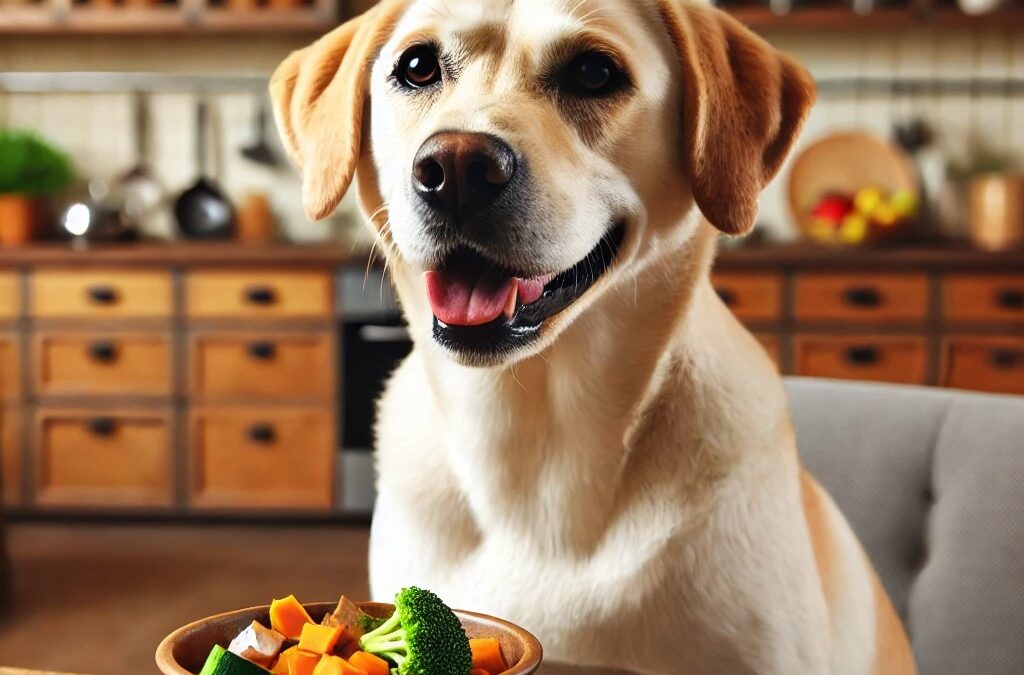
As pet owners, the diagnosis of cancer in our beloved dogs can be heart-wrenching. While veterinary treatments are crucial, nutrition plays a significant role in supporting their health and well-being during this challenging time. Creating homemade meals tailored to the needs of dogs battling cancer can provide essential nutrients, improve their quality of life, and complement medical treatments. Here’s a guide to crafting the best homemade meals for dogs fighting cancer.
Understanding the Nutritional Needs of Dogs with Cancer
Cancer can significantly alter a dog’s metabolism, leading to weight loss, muscle wasting, and decreased energy levels. It’s essential to understand the specific nutritional requirements for dogs with cancer:
- High-Quality Protein: Protein helps maintain muscle mass and supports the immune system. Choose easily digestible, high-quality protein sources such as chicken, turkey, fish, and lean beef.
- Healthy Fats: Fats are a vital energy source for dogs with cancer. Omega-3 fatty acids, found in fish oil, flaxseed oil, and chia seeds, have anti-inflammatory properties and can help slow cancer progression.
- Low Carbohydrates: Cancer cells thrive on glucose, so it’s beneficial to limit carbohydrate intake. Opt for low-glycemic vegetables like broccoli, spinach, and cauliflower.
- Antioxidants: Antioxidants help combat oxidative stress and support the immune system. Incorporate foods rich in vitamins A, C, and E, such as carrots, blueberries, and sweet potatoes.
- Hydration: Ensure your dog stays well-hydrated, as cancer and its treatments can lead to dehydration. Add bone broth or water-rich vegetables like cucumbers to their diet.
Recipe Ideas for Homemade Dog Meals
Here are some nutritious and delicious recipes to consider when preparing homemade meals for your dog with cancer:
1. Chicken and Veggie Delight
- Ingredients:
- 1 cup cooked chicken breast (shredded)
- 1/2 cup steamed broccoli (chopped)
- 1/2 cup steamed carrots (chopped)
- 1/4 cup quinoa (cooked)
- 1 tablespoon fish oil
- Instructions:
- Combine all ingredients in a bowl.
- Mix well and serve at room temperature.
- Store leftovers in the refrigerator for up to three days.
2. Beef and Sweet Potato Stew
- Ingredients:
- 1 pound lean ground beef
- 1 cup sweet potatoes (diced)
- 1/2 cup green beans (chopped)
- 1/4 cup blueberries
- 1 tablespoon flaxseed oil
- Instructions:
- Cook the ground beef in a skillet until fully browned.
- In a pot, combine the cooked beef, sweet potatoes, green beans, and blueberries.
- Add enough water to cover the ingredients and simmer until the vegetables are tender.
- Stir in the flaxseed oil and let the stew cool before serving.
- Store leftovers in the refrigerator for up to three days.
3. Fish and Spinach Medley
- Ingredients:
- 1 cup cooked salmon (flaked)
- 1/2 cup spinach (steamed and chopped)
- 1/2 cup cauliflower (steamed and chopped)
- 1/4 cup brown rice (cooked)
- 1 tablespoon chia seeds
- Instructions:
- Combine all ingredients in a bowl.
- Mix well and serve at room temperature.
- Store leftovers in the refrigerator for up to three days.
Supplementing with TCMVET’s Baituxiao
In addition to these nutritious meals, consider supplementing your dog’s diet with TCMVET’s Baituxiao. This supplement is formulated to support the immune system and overall health, providing an extra layer of defense against cancer.
Consulting with Your Veterinarian
Before making any significant changes to your dog’s diet, consult with your veterinarian. They can provide personalized recommendations based on your dog’s specific needs and medical condition.
Crafting homemade meals for dogs battling cancer is a labor of love that can have a profound impact on their health and quality of life. By understanding their nutritional needs and incorporating high-quality ingredients, you can provide your furry friend with the best possible support during their fight against cancer. Remember, a well-balanced diet, combined with veterinary care and supplements like TCMVET’s Baituxiao, can make a significant difference in their journey to recovery.
by TCMVET | May 20, 2024 | Dog Cancer & Tumors
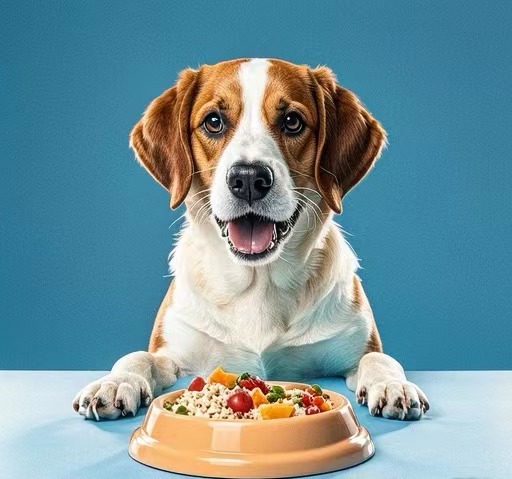
When a dog is diagnosed with cancer, proper nutrition and supportive supplements can play a crucial role in their overall health and quality of life. This article aims to provide a comprehensive guide on the best diet and supplements for dogs with cancer, helping pet owners make informed decisions to support their furry companions.
Understanding the Nutritional Needs of Dogs with Cancer
Cancer can significantly impact a dog’s metabolism and nutritional needs. Here are some key considerations for feeding a dog with cancer:
- High-Quality Protein: Dogs with cancer often require high-quality protein sources to maintain muscle mass and support their immune system. Opt for lean meats like chicken, turkey, and fish.
- Low Carbohydrates: Cancer cells thrive on carbohydrates. Reducing the carbohydrate content in your dog’s diet can help slow down the growth of cancer cells. Focus on low-carb vegetables like spinach, broccoli, and cauliflower.
- Healthy Fats: Omega-3 fatty acids have anti-inflammatory properties and can help support the immune system. Include sources like fish oil, flaxseed oil, and coconut oil in your dog’s diet.
- Antioxidants: Antioxidants help combat oxidative stress, which is often elevated in dogs with cancer. Include antioxidant-rich foods like blueberries, carrots, and leafy greens.
Best Diet for Dogs with Cancer
A balanced and tailored diet can help improve the quality of life for dogs with cancer. Here are some dietary recommendations:
Homemade Diet
A homemade diet allows you to control the ingredients and tailor the nutrition to your dog’s specific needs. Consult with a veterinarian or a pet nutritionist to create a balanced meal plan. Here’s a sample recipe:
- Protein Source: 50% lean meat (chicken, turkey, or fish)
- Vegetables: 25% low-carb vegetables (spinach, broccoli, cauliflower)
- Healthy Fats: 10% fats (fish oil, flaxseed oil, coconut oil)
- Carbohydrates: 15% complex carbs (sweet potatoes, pumpkin)
Commercial Cancer-Specific Diets
Several commercial dog foods are formulated specifically for dogs with cancer. These diets are designed to provide balanced nutrition while minimizing ingredients that may feed cancer cells. Look for brands that offer high protein, low carbohydrate, and high fat content, with added antioxidants and Omega-3 fatty acids.
Supplements for Dogs with Cancer
In addition to a balanced diet, certain supplements can support a dog’s health during cancer treatment. Here are some beneficial supplements:
- Fish Oil: Rich in Omega-3 fatty acids, fish oil helps reduce inflammation and supports the immune system.
- Probiotics: Probiotics promote a healthy gut microbiome, which is crucial for overall health and immune function.
- Turmeric: Curcumin, the active ingredient in turmeric, has anti-inflammatory and antioxidant properties that can help combat cancer.
- CBD Oil: Cannabidiol (CBD) oil can help manage pain, reduce inflammation, and improve overall well-being in dogs with cancer.
- Mushroom Extracts: Certain mushrooms like Reishi, Shiitake, and Maitake have immune-boosting and anti-cancer properties.
Consulting with a Veterinarian
Before making any significant changes to your dog’s diet or introducing new supplements, consult with your veterinarian. They can provide personalized recommendations based on your dog’s specific type of cancer, overall health, and treatment plan.
Proper nutrition and supportive supplements can play a vital role in the health and quality of life of dogs with cancer. By focusing on a balanced diet rich in high-quality proteins, healthy fats, and low carbohydrates, and incorporating beneficial supplements, you can help support your dog through their cancer journey. Always consult with a veterinarian to ensure that any dietary changes or supplements are safe and appropriate for your pet.

by TCMVET | May 8, 2024 | Dog Cancer & Tumors
当心爱的狗狗被诊断出患有癌症时,每个宠物主人都会想办法减轻宠物的痛苦,提高它们的生活质量。营养在控制疾病和支持接受癌症治疗的狗狗的整体健康方面起着关键作用。本文探讨了专门针对患癌狗狗的营养需求而量身定制的有效饮食策略。
Boosting Caloric Intake with Healthy Fats
Dogs with cancer often experience weight loss and may have less appetite. Providing a diet rich in healthy fats can help increase caloric intake and maintain energy levels. Foods like fish, chicken thighs, and small amounts of olive or coconut oil can be beneficial. These fats are not only high in calories but also easier to digest, making them ideal for dogs struggling with decreased appetite.
Moderate to High Levels of High-Quality Protein
Maintaining muscle mass is crucial for dogs with cancer. Diets with moderate to high levels of high-quality protein help support muscle repair and immune function. It’s important to choose proteins that are easy to digest and less taxing on the body, such as cooked eggs, cottage cheese, and lean meats. Adjust protein sources and amounts based on your veterinarian’s recommendations to suit your dog’s specific health status.
Low Glycemic Index Carbohydrates
While reducing carbohydrate intake is generally advised, choosing the right type of carbohydrates is also vital. Low glycemic index carbohydrates such as sweet potatoes and pumpkin can provide energy without rapidly elevating blood glucose levels. These carbs help sustain energy slowly and steadily, which is better for maintaining the health of a dog with cancer.
Incorporating Anti-inflammatory Ingredients
Chronic inflammation can exacerbate cancer, so incorporating anti-inflammatory ingredients into your dog’s diet can be beneficial. Turmeric, which contains curcumin, has notable anti-inflammatory properties and can be added to food in small amounts. Other anti-inflammatory foods include celery, bok choy, and small amounts of ginger.
Hydration and Electrolyte Balance
Hydration is especially important for dogs with cancer, as they can easily become dehydrated due to treatment side effects. Ensure your dog has continuous access to fresh water and consider adding electrolyte solutions if recommended by your veterinarian. This helps maintain vital organ functions and overall health.
Customized Nutritional Plans from Veterinary Nutritionists
Considering the varied responses dogs can have to cancer, consulting a veterinary nutritionist to create a customized diet plan can be extremely advantageous. A tailored diet can address your dog’s specific type of cancer, treatment regimen, and individual dietary tolerances, optimizing their ability to fight the disease and maintain a better quality of life.
A thoughtfully chosen diet can make a significant difference in the management of a dog with cancer. Key strategies include increasing caloric intake through healthy fats, ensuring adequate high-quality protein, selecting low GI carbohydrates, reducing inflammation, and maintaining hydration. Above all, regular consultations with your veterinarian or a specialized veterinary nutritionist are essential to adapt dietary strategies to your dog’s evolving health needs. This proactive approach not only supports your dog’s physical health but also their spirits during their fight against cancer.
