by TCMVET | Aug 21, 2026 | Research and News
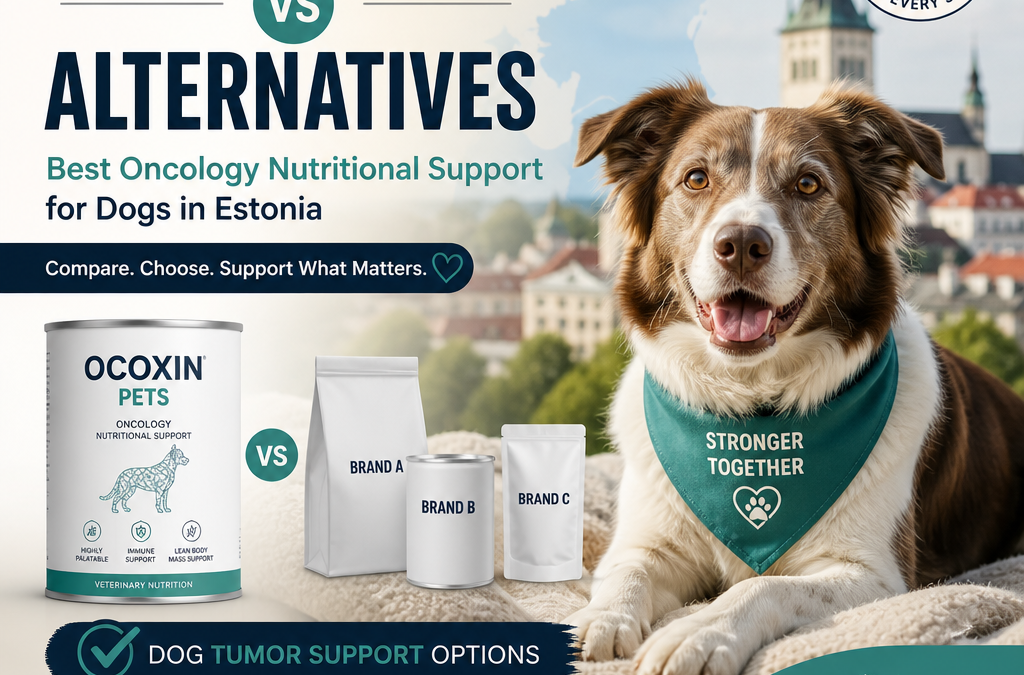
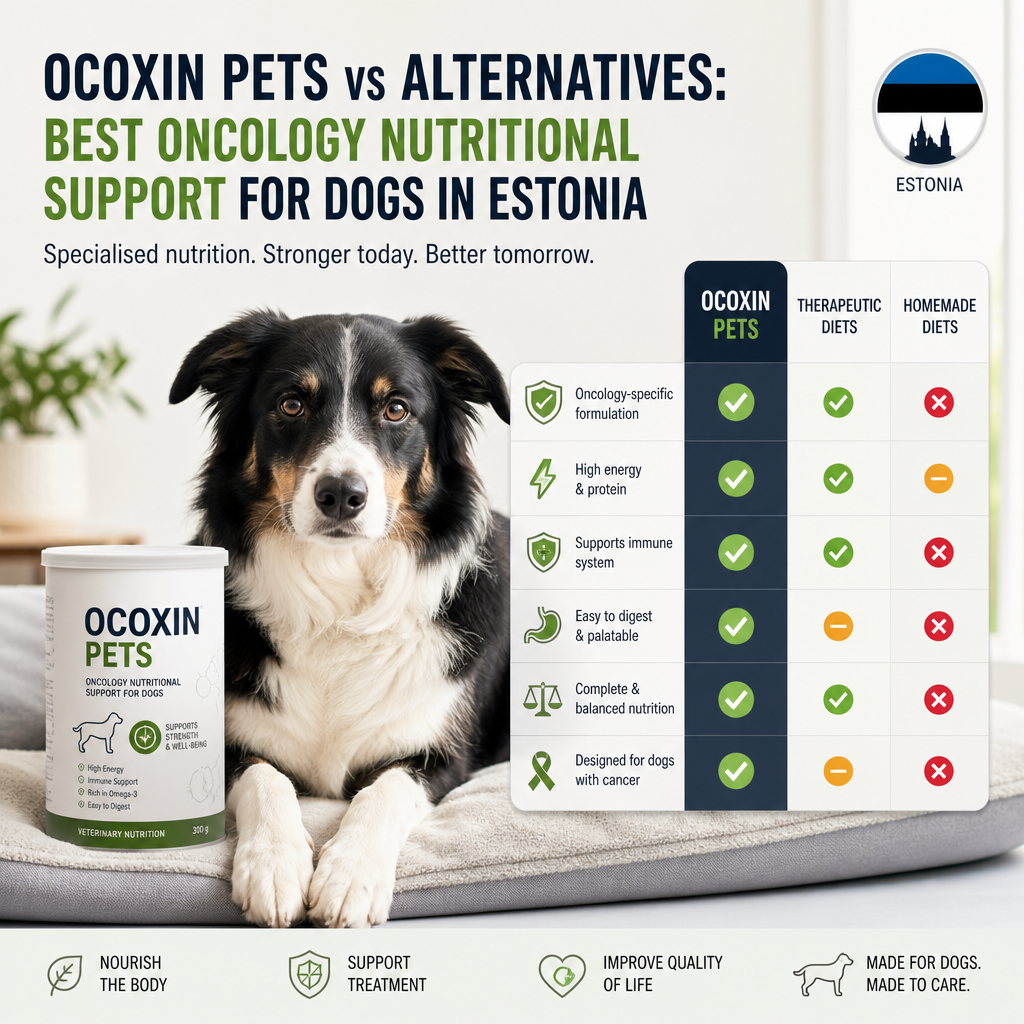
Ocoxin Pets vs alternatives is an important comparison for Estonian dog owners looking for supportive care during cancer treatment. A diagnosis of cancer can be overwhelming, but nutrition and carefully selected supplements may help maintain appetite, body condition, energy, and quality of life. These products should complement—not replace—veterinary diagnosis and treatment. The best choice depends on the dog’s tumor type, treatment plan, blood results, digestive health, and individual nutritional needs.
For many families, Ocoxin Pets vs alternatives becomes a practical question: should you choose a broad supportive formula, a therapeutic diet, or a more targeted supplement? The answer depends on the dog’s symptoms, current medications, and how well the dog is eating day to day. It also depends on whether the main goal is to support recovery, reduce treatment-related strain, or simply keep the dog comfortable and eating as normally as possible.
Why oncology nutritional support matters for dogs
Cancer can affect a dog’s body in several ways. Tumors may increase energy demands, alter metabolism, reduce appetite, or cause inflammation. Surgery, chemotherapy, and radiation therapy can also lead to nausea, fatigue, mouth discomfort, diarrhea, or temporary changes in eating habits. In some dogs, the first signs that something is wrong are subtle changes such as leaving food behind, drinking less, or losing muscle over the back and hips.
Maintaining adequate nutrition is therefore a central part of supportive oncology care. A dog that eats well and preserves muscle mass may tolerate treatment more effectively and recover better after procedures. Nutritional support can include a complete diet, appetite management, hydration, calorie-dense foods, omega-3 fatty acids, digestive support, and selected veterinary supplements. When appetite is poor, even a small improvement in calorie intake can make a meaningful difference over time.
However, supplements are not automatically harmless. Some ingredients can interfere with medications, affect blood clotting, influence liver enzymes, or place additional demands on the kidneys. Veterinary supervision is especially important when a dog is receiving chemotherapy, corticosteroids, pain medication, or anticoagulants. That is one reason Ocoxin Pets vs alternatives should always be reviewed in the context of the dog’s full medical plan.
For this reason, Ocoxin Pets vs alternatives should always be evaluated alongside the dog’s medical history, not as a quick product comparison alone. In some cases, the best support is simply making sure the dog eats enough of the right food. In others, a carefully chosen supplement can help bridge a gap while the veterinarian manages the disease and its side effects.
Ocoxin Pets: what it is designed to provide
Ocoxin Pets is a veterinary nutritional supplement commonly used as supportive care for dogs and cats with serious illnesses, including cancer. Its formulation is intended to provide a combination of nutritional and antioxidant ingredients that may support appetite, general condition, immune function, and recovery. The product is usually considered part of a broader care plan rather than a stand-alone solution.
The product is often considered when a dog is losing weight, eating poorly, or experiencing reduced vitality during treatment. Its liquid format may be useful for some animals that struggle to swallow tablets. Nevertheless, acceptance varies between dogs, and the appropriate amount should be determined according to the product instructions and veterinary advice. Some dogs take liquids more easily when mixed with a small amount of food, while others prefer a separate dose to avoid changing the smell or taste of the meal.
The main advantage of a combined formula is convenience. Instead of giving several separate products, owners may be able to provide one supplement containing multiple supportive ingredients. The limitation is that a combination product may not be ideal for every patient. A dog with kidney disease, diabetes, gastrointestinal sensitivity, or a specific medication plan may require a more targeted approach. In those cases, Ocoxin Pets vs alternatives may come down to whether the dog needs a broad supportive product or a more precise intervention.
That is why Ocoxin Pets vs alternatives should not be framed as a simple “better or worse” choice. A broader formula may help one patient, while another may do better with a prescription diet or a single nutrient chosen for a specific need. The most appropriate option is usually the one that fits the dog’s clinical picture, the owner’s ability to administer it consistently, and the veterinarian’s overall treatment strategy.
Ocoxin Pets vs alternatives: key differences
When comparing Ocoxin Pets vs alternatives, it is useful to evaluate products according to their purpose rather than focusing only on brand names or ingredient counts. No supplement has been proven to cure cancer, and nutritional support should not be presented as an alternative to surgery, chemotherapy, radiation, or other evidence-based veterinary treatment. Supportive care is valuable because it helps the dog cope better with the illness and treatment, not because it replaces them.
The most helpful comparison usually comes down to three questions: does the dog need complete nutritional support, symptom relief, or targeted supplementation? Once that is clear, choosing between Ocoxin Pets vs alternatives becomes much easier. The answer may also change over time. A dog that needs appetite support during chemotherapy might later need a more calorie-dense diet during recovery, or a simpler plan if digestion becomes sensitive.
Complete veterinary cancer diets
A therapeutic veterinary diet is often the foundation of oncology nutritional support. These diets are formulated to provide balanced protein, energy, vitamins, and minerals while taking into account the nutritional demands of illness. Some are highly palatable and calorie-dense, which can help dogs that eat only small portions. They may also be easier to use consistently because the nutrient profile is already balanced for long-term feeding.
A complete diet may be more important than an additional supplement if the dog is underweight or eating an unbalanced homemade meal plan. The veterinarian may recommend a specific food based on the tumor type, digestive tolerance, kidney function, and treatment goals. For example, a dog with a poor appetite may need a food that is richer and easier to chew, while a dog with digestive issues may need a simpler formula with high digestibility.
In discussions about Ocoxin Pets vs alternatives, diet often matters more than the supplement itself. If the dog will not eat enough calories, even a good product cannot fully compensate for the deficit. A supportive diet can be the most practical first step, especially when the goal is to preserve muscle and prevent further weight loss.
Omega-3 fatty acid supplements
Fish oil containing EPA and DHA is another commonly discussed option. These fatty acids may support normal inflammatory responses and help maintain skin, coat, and general health. They also add calories, which can be useful for some underweight dogs. Many veterinary teams consider omega-3s because they are familiar, widely available, and easy to integrate into a larger care plan.
Quality and dosage matter. Products should be purified, stored correctly, and selected for veterinary use. Excessive amounts may cause digestive upset or increase bleeding risk, particularly before surgery or when combined with certain medicines. The VCA Hospitals guide to omega-3 fatty acids for pets is a useful overview for owners who want to understand how these supplements are commonly used.
For some dogs, omega-3s may be a more targeted choice than a broad product. For others, Ocoxin Pets vs alternatives is not an either-or decision at all, because the veterinarian may recommend both a therapeutic diet and a carefully dosed fatty acid supplement. The key is to avoid assuming that “more supplements” automatically means better support.
Appetite and digestive support
Some dogs need help with nausea, reflux, constipation, diarrhea, or appetite loss rather than a broad nutritional supplement. In these cases, veterinary anti-nausea medication, appetite stimulants, probiotics, or a temporary change in diet may provide more practical benefit. When the stomach is unsettled, a dog may reject food simply because eating causes discomfort, so symptom control can be the first priority.
Digestive support should be individualized. A probiotic that suits one dog may worsen gas or diarrhea in another, and a high-fat product may be inappropriate for dogs with pancreatitis or gastrointestinal disease. This is where Ocoxin Pets vs alternatives must be judged carefully, because a product that seems supportive on paper may be less useful than a medicine that addresses the real problem.
Owners sometimes focus on supplements when the real issue is pain, nausea, or a treatment side effect that requires veterinary management. Addressing those issues can restore appetite more effectively than changing supplements alone.
Single-ingredient supplements
Single-ingredient products, such as specific vitamins, minerals, amino acids, or medicinal mushrooms, may appear attractive because they allow more precise dosing. However, targeted supplementation is safest when a deficiency or clear clinical need has been identified. Adding multiple products without coordination can result in excessive intake or interactions. This is especially important when the dog already receives a prescription diet that contains complete nutrition.
In practical terms, Ocoxin Pets vs alternatives may also mean choosing fewer products overall. A focused plan often works better than stacking several supplements without a clear goal. If the dog is already eating a good diet and only needs mild support, the simplest option is often the easiest to maintain and monitor.
Supportive care goals in real life
In real-world oncology care, the best option is usually the one that the dog accepts and the owner can give consistently. Ocoxin Pets vs alternatives should therefore be viewed through the lens of daily use: does the dog like the taste, does the formula fit the schedule, and does it complement the prescribed treatment plan? A theoretically ideal supplement has little value if the dog refuses it or if it complicates feeding.
It is also helpful to distinguish between “nutritional support” and “treatment support.” Some products are designed to help maintain body condition, while others are intended to ease symptoms or support digestion. Both can matter, but they are not interchangeable. Understanding that difference makes Ocoxin Pets vs alternatives much easier to navigate.
Dog tumor support options available in Estonia
Dog tumor support options in Estonia include veterinary oncology consultations, nutritional assessment, prescription diets, symptom-control medicines, and carefully selected supplements. Owners can seek guidance from their regular veterinarian or a veterinary clinic with experience in oncology. Estonia’s pet pharmacies and veterinary practices may stock several supportive products, but availability can change, and imported supplements may have different labeling or dosage recommendations.
When buying a product, check that it is intended for dogs, has clear ingredient and dosing information, and comes from a reliable supplier. Avoid products marketed with promises to destroy tumors, replace chemotherapy, or guarantee remission. Such claims are not a substitute for clinical evidence and may delay effective treatment. A cautious, evidence-based approach is especially important when the dog is already weakened by illness.
For readers comparing options across Europe, the internal resource Ocoxin Pets Alternative: 7 Best Affordable Dog Tumor Supplements in the UK offers another practical look at supportive choices and how owners can assess them. This can be especially helpful if you are comparing ingredient profiles and delivery formats.
Estonian owners may also find it helpful to discuss product sourcing with their veterinary clinic. Imported supplements can vary in concentration and serving size, and the same name does not always mean the same formula in every country. That detail matters when comparing Ocoxin Pets vs alternatives because the real question is often how the product performs in the dog’s actual care routine.
How to choose the right nutritional support
The first step is to establish the dog’s current nutritional status. The veterinarian may assess body weight, muscle condition, appetite, hydration, blood work, and gastrointestinal signs. A dog can have a normal body weight while still losing muscle, so monitoring body condition alone is not always enough. Over time, changes in muscle can affect strength, recovery, and overall resilience.
Owners should also record how much the dog eats, any vomiting or diarrhea, changes in drinking, stool quality, and daily energy. This information helps the veterinary team determine whether the issue is insufficient calories, treatment side effects, pain, nausea, or disease progression. Even a simple feeding diary can make the Ocoxin Pets vs alternatives decision more informed and less guesswork-based.
Introduce only one new supplement at a time whenever possible. This makes it easier to identify both benefits and adverse reactions. Stop and contact the veterinarian if the dog develops persistent vomiting, severe diarrhea, unusual bruising, marked lethargy, or a sudden refusal to eat. Those signs may indicate a product mismatch or a separate medical concern that needs prompt attention.
If the dog is already receiving oncology care, ask whether the current plan needs more calories, a different protein level, or simpler digestibility rather than another supplement. In many cases, that small adjustment matters more than switching from one branded product to another, including Ocoxin Pets vs alternatives. A dog that eats a little more of the right food may improve faster than a dog given several products that do not fit its needs.
It is also worth asking whether the dog’s diet is already complete. If the answer is yes, an extra supplement should have a clear purpose. If the answer is no, then fixing the diet may be more important than adding a supportive product. This step alone can change the direction of the whole nutrition plan.
Practical decision points for owners
When comparing Ocoxin Pets vs alternatives, it can help to think in practical terms: can the dog eat enough on its own, does it need help managing symptoms, and is the chosen product easy to give every day? The most effective plan is usually the one that combines clinical logic with everyday realism. A good recommendation that cannot be followed consistently is less useful than a simpler plan that the dog tolerates well.
Owners should also consider budget and availability. If a product is difficult to find in Estonia or too expensive to maintain long term, it may not be the best choice even if its ingredients look appealing. Consistency matters more than novelty in most supportive care plans.
Questions to discuss with the veterinarian
Before starting Ocoxin Pets or an alternative, ask whether the product is suitable for the dog’s tumor type and current medications. It is also worth discussing whether the dog needs additional calories, a prescription diet, omega-3 supplementation, digestive support, or treatment for nausea and pain. These questions help prevent unnecessary product overlap and reduce the risk of interactions.
Ask how success will be measured. Useful goals may include stable body weight, improved appetite, better stool quality, or maintaining normal activity—not simply the expectation that a supplement will shrink a tumor. Regular reassessment is essential because nutritional needs can change during surgery, chemotherapy, recovery, or palliative care. A product that works early in treatment may need to be adjusted later as symptoms shift.
It may also help to ask whether the dog should avoid specific ingredients because of bleeding risk, kidney concerns, or digestive sensitivity. That conversation can make Ocoxin Pets vs alternatives a safer and more personalized decision. If you are uncertain, ask the veterinarian to rank the options in order of importance so the plan stays simple and manageable.
Owners can also ask whether the dog’s medications affect appetite or digestion. Sometimes the best supportive care is not a new supplement but a small change in timing, feeding frequency, or medication scheduling. Those details can improve comfort more than switching products.
A balanced approach to supportive care
The most effective oncology nutritional support is usually part of a broader plan. A complete and palatable diet, adequate hydration, symptom control, regular veterinary monitoring, and emotional comfort all contribute to a dog’s quality of life. Ocoxin Pets may be a reasonable option for some patients, while others may benefit more from a therapeutic diet, a specific nutrient, or medical treatment for an underlying problem. In many cases, the best result comes from combining a few well-chosen measures rather than relying on one product alone.
Comparing Ocoxin Pets vs alternatives should therefore focus on safety, clinical suitability, nutritional completeness, product quality, and the dog’s response over time. With individualized veterinary guidance, owners in Estonia can make informed decisions and provide supportive care that complements—not competes with—their dog’s cancer treatment. Monitoring the dog’s appetite, stool quality, weight, and comfort will tell you far more than a label ever can.
In the end, the best choice is the one that supports eating, comfort, and stability while fitting the dog’s diagnosis and treatment plan. That is the most practical way to decide between Ocoxin Pets vs alternatives for a dog with tumors in Estonia. When the plan is guided by the veterinarian and adjusted as the dog changes, supportive care becomes more effective, more predictable, and easier for the family to follow.
If you want a simple final rule, it is this: choose the option that helps the dog eat, keeps the plan realistic, and fits the medical picture. For many families, that is the heart of Ocoxin Pets vs alternatives and the key to making supportive care truly useful.
by TCMVET | Aug 21, 2026 | Research and News
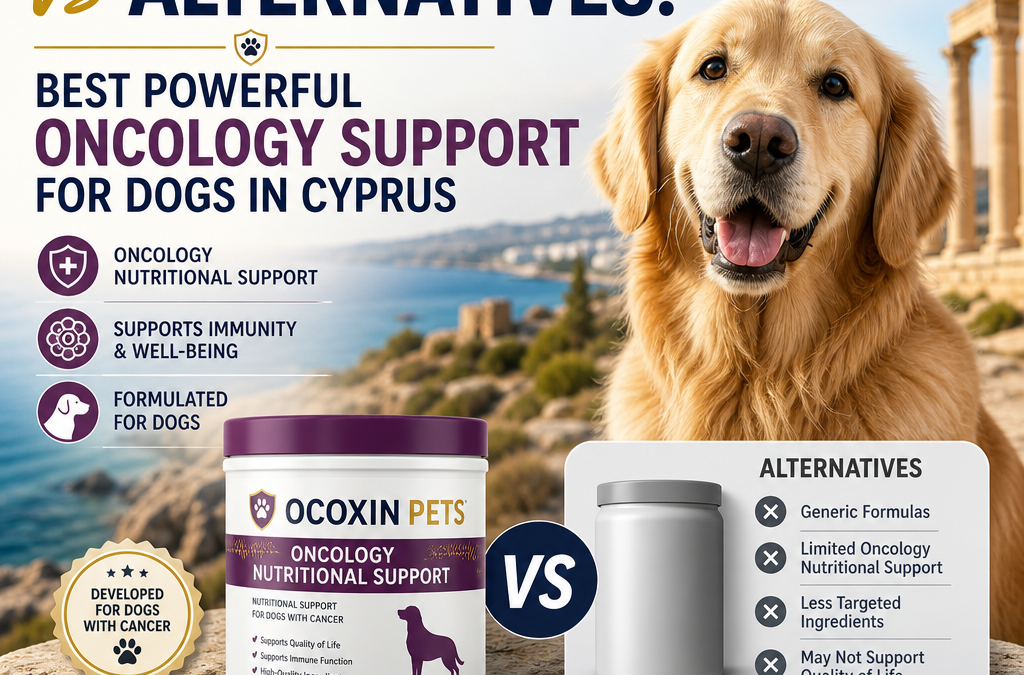
Ocoxin Pets vs alternatives is an important comparison for dog owners in Cyprus looking for supportive care during cancer treatment. A diagnosis of cancer can be overwhelming, but nutritional support may help maintain appetite, body condition, energy, and overall wellbeing alongside veterinary care. The right choice depends on the dog’s diagnosis, treatment plan, age, existing health conditions, and ability to tolerate supplements.
For many families, the goal is not to find a single miracle product but to build a practical support plan. Ocoxin Pets vs alternatives should be considered in the context of nutrition, symptom control, and veterinary monitoring, especially when a dog is losing weight or eating less than usual.
Understanding oncology nutritional support for dogs
Oncology nutritional support refers to dietary strategies and complementary products designed to help dogs cope with the physical demands of cancer and its treatment. Cancer can affect metabolism, appetite, digestion, immune function, and muscle mass. Chemotherapy, radiation therapy, surgery, and some medications may further contribute to nausea, fatigue, weight loss, or reduced food intake.
Nutritional support is not a cure for cancer and should never replace surgery, chemotherapy, radiation, or other treatments recommended by a veterinary oncologist. Its role is usually supportive: helping the dog consume adequate calories and nutrients, maintain hydration, preserve muscle, and enjoy a better quality of life.
A complete assessment should include the type and stage of cancer, current body weight, body-condition score, recent changes in appetite, gastrointestinal symptoms, and any laboratory abnormalities. Dogs with kidney, liver, or pancreatic disease may require specially adjusted diets, making professional guidance especially important.
When owners search for Ocoxin Pets vs alternatives, they are often trying to solve a real-world feeding problem. A dog that refuses meals, loses weight, or struggles with nausea may need a combination of diet changes, medication adjustments, and carefully chosen support products.
In many cases, the first step is to separate what is medically necessary from what is simply marketed as helpful. A thoughtful plan for Ocoxin Pets vs alternatives should focus on whether the product supports eating, comfort, and stable weight over time. That practical approach is usually more useful than relying on branding alone.
It also helps to track the dog’s daily routine. Appetite changes, stool quality, water intake, and energy level can reveal whether a support product is actually making a difference. This is one reason many veterinarians prefer a structured trial period when they recommend an oncology supplement or a diet change.
For context on cancer spread and how it can influence supportive care decisions, the article on metastasis in dogs explains cancer spread and tumor growth in clearer terms.
Ocoxin Pets vs alternatives: what is Ocoxin Pets?
Ocoxin Pets is a veterinary nutritional supplement used as part of supportive care for dogs and cats. It is generally associated with ingredients intended to provide antioxidant, nutritional, and immune-supportive benefits. Depending on the formulation and local availability, products in this category may include plant-based compounds, vitamins, minerals, amino acids, or other nutrients.
The purpose of using a product such as Ocoxin Pets is typically to complement a balanced diet and veterinary treatment plan. Some owners consider it when their dog experiences reduced appetite, low energy, weight loss, or general weakness during illness. However, the suitability of any supplement depends on the individual animal and the exact ingredients in the product.
Before use, owners should check the product label, recommended dose, storage requirements, and possible contraindications. It is also important to tell the veterinarian about every supplement the dog receives. Some ingredients may interact with prescribed medicines or may not be appropriate before surgery, during chemotherapy, or in dogs with specific organ problems.
For a broader overview of nutrition choices during treatment, this article on best supplements for dogs with cancer offers helpful support tips that can be discussed with your vet.
In practice, Ocoxin Pets vs alternatives often comes down to how a product fits the dog’s current needs. A supplement that is useful for one patient may be unnecessary for another, especially if the dog is already receiving a therapeutic diet and symptom management.
Some owners also want to know whether Ocoxin Pets can be used long term. The answer depends on the dog’s response, the treatment plan, and the veterinarian’s opinion. If the goal is only short-term support during a poor-appetite phase, then the decision may be quite different from a case where the dog needs ongoing nutritional help throughout cancer care.
Another useful question is whether the supplement changes how easy it is for the dog to eat. Flavor, smell, texture, and the method of administration all matter. Even a well-formulated product may be a poor fit if the dog rejects it or becomes stressed when it is given.
Dog tumor support options beyond supplements
There are several dog tumor support options, and the most effective approach is usually a coordinated plan rather than reliance on one product. Nutritional management is one part of that plan.
A highly digestible, complete, and palatable diet can be valuable when appetite is poor. Some dogs prefer wet food, warmed meals, or smaller portions offered more frequently. In certain cases, veterinary therapeutic diets may be recommended because they provide controlled levels of calories, protein, fat, or specific nutrients.
Adequate protein is often important for maintaining muscle, although the ideal amount depends on the dog’s kidney and liver function. Calorie-dense foods may help dogs that cannot eat large meals. Extra treats, homemade diets, or sudden food changes should be discussed with a veterinarian because they can cause digestive upset or create nutritional imbalances.
Hydration also matters. Fresh water should always be available, and dogs with vomiting, diarrhea, or poor fluid intake may require veterinary treatment. Pain management, anti-nausea medication, appetite support, dental care, and gentle exercise can have a major effect on comfort and daily function.
These dog tumor support options may be more effective together than separately. In many cases, a dog does best when nutrition, medication, and monitoring are coordinated rather than handled as isolated tasks.
Other support measures may include helping the dog rest in a quiet area, reducing stress around meals, and keeping a daily log of food intake. These simple steps can be surprisingly useful because they show whether the dog is truly improving or only having occasional better days.
When the dog has recurring nausea or bowel changes, the overall plan may need revision. In that situation, dog tumor support options should be reassessed with the veterinary team instead of adding more products without a clear purpose. Sometimes the best improvement comes from changing timing, dose, or the base diet rather than switching supplements repeatedly.
For a more detailed discussion of complementary care choices, the article on Ocoxin Pets alternative provides another helpful perspective on dog tumor supplements.
Comparing Ocoxin Pets with common alternatives
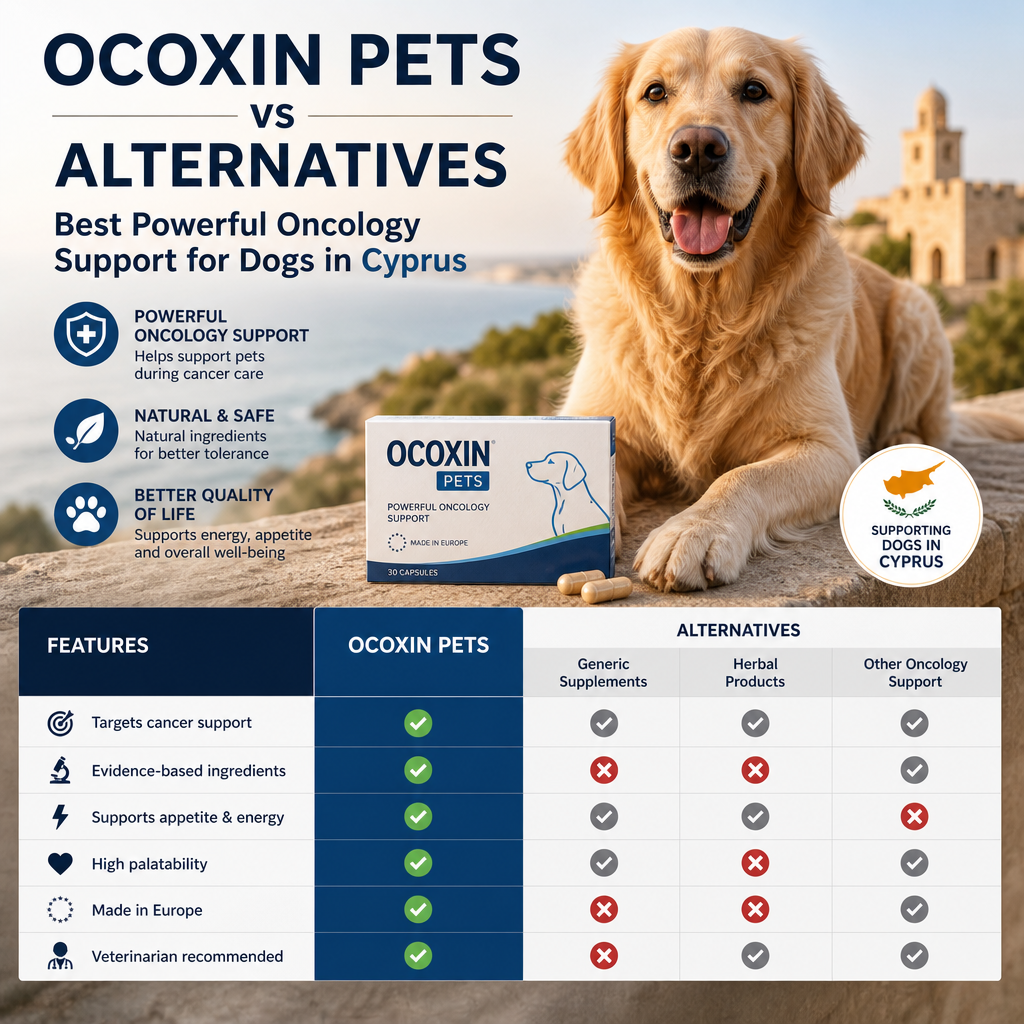
When evaluating Ocoxin Pets vs alternatives, owners should compare more than brand names. Important factors include evidence, ingredient transparency, safety, quality control, palatability, cost, and compatibility with the dog’s treatment plan.
Veterinary multivitamins may be suitable when a dog has a confirmed deficiency, but unnecessary supplementation can be unhelpful or harmful. Omega-3 fatty acids are sometimes considered for their role in supporting skin, coat, and inflammatory balance, although the appropriate source and dose should be determined carefully. Probiotics may assist some dogs with digestive disturbances, but they are not appropriate for every patient and should not be viewed as cancer treatment.
Specialized veterinary diets can offer more predictable nutrition than a collection of supplements. They may be especially useful when the dog has weight loss, gastrointestinal disease, kidney disease, or difficulty eating. On the other hand, a diet is only helpful if the dog accepts it and eats enough of it.
Homemade diets are another alternative, but they should be formulated by a veterinary nutritionist. Recipes found online may be deficient in essential nutrients or inappropriate for a dog receiving cancer treatment. Human supplements should generally be avoided because their ingredients, concentrations, and additives may be unsafe for animals.
For example, the level of support needed by a dog with a tumor can vary widely. One patient may benefit most from a highly digestible diet, while another may need only short-term appetite support and careful monitoring. That is why Ocoxin Pets vs alternatives is not a simple yes-or-no decision.
Owners should also consider whether the supplement supports day-to-day quality of life. If a product is hard to administer, poorly tolerated, or too expensive for long-term use, it may not be the best fit even if the label looks promising.
A practical comparison also includes how quickly a product can be obtained and whether consistent supply is realistic. In cancer care, continuity matters. If a supplement is helpful but unavailable for weeks at a time, the dog may lose momentum and owners may end up changing plans more often than necessary.
Another useful angle is to ask what problem each option is meant to solve. Some products aim to support appetite, some focus on digestion, and others are designed to complement a therapeutic diet. Comparing Ocoxin Pets vs alternatives works best when each option is matched to the dog’s actual needs rather than to broad claims on the packaging.
Practical ways to support appetite and weight
Loss of appetite is one of the most common reasons families start comparing Ocoxin Pets vs alternatives. When food intake drops, the first step is usually to identify what is driving the problem. Nausea, pain, constipation, oral discomfort, anxiety, and treatment side effects can all reduce eating.
Helpful strategies may include feeding smaller meals more often, warming food to improve aroma, offering a variety of textures, and choosing highly palatable veterinary diets. Some dogs respond better to hand feeding or quiet feeding environments. If the dog is missing meals because of nausea, veterinary anti-nausea medication may be more effective than changing supplements.
Weight loss can happen quickly in dogs with cancer, so regular monitoring is important. Owners can weigh the dog weekly at home, note body shape changes, and report trends to the veterinary team. Even small losses may matter if the dog already has a low body-condition score.
In some cases, the most appropriate support is not another supplement but a formal nutrition consult. That approach can be especially helpful when the dog has several conditions at once, such as cancer plus kidney disease or pancreatitis.
Appetite support should also be realistic. The goal is not to force a dog to eat a perfect amount every day, but to keep food intake steady enough to protect muscle and energy. Small improvements matter when they are sustained.
If a dog seems interested in food but then walks away, watch for clues such as drooling, lip licking, gulping, or restlessness. These can suggest nausea or pain. In those cases, the most effective response may be medical management rather than another nutritional product.
What to consider in Cyprus
Pet owners in Cyprus may face differences in product availability, importation, pricing, and access to veterinary oncology services. A supplement that is easily obtained in another country may not be consistently stocked locally, and storage conditions can be important in a warm climate. Products should be purchased from reputable veterinary clinics, pharmacies, or authorized suppliers whenever possible.
Veterinarians in Cyprus can also help coordinate care with diagnostic laboratories, referral hospitals, surgeons, and oncology specialists. Keeping a written record of the dog’s medications, supplements, appetite, weight, bowel movements, and treatment dates can make consultations more productive.
Cost is another practical consideration. A lower-priced supplement is not necessarily better value if the dog refuses it or if there is little reason to use it. Owners should ask whether a product has a specific purpose, how long it should be tried, what improvement would be expected, and when it should be stopped.
For Cyprus families comparing choices, local access may determine which option is realistic. Ocoxin Pets vs alternatives should be judged by suitability, tolerability, and veterinary oversight rather than by brand popularity alone.
It can also help to plan ahead for supply interruptions. When a product must be imported or ordered in advance, owners should discuss the timing with the clinic so there is no gap in support during treatment cycles. This is especially important for dogs whose appetite is already fragile.
When pets are treated over several months, owners should review whether the original plan is still doing its job. In some situations, a supplement that made sense early on may no longer be needed. In others, the dog’s condition may change and a different option may become more appropriate.
Safety comes before marketing claims
Cancer-related supplements are often promoted with strong language, but marketing claims should not replace scientific and veterinary assessment. Terms such as “immune boosting,” “detoxifying,” or “anti-tumor” can be misleading when they are not supported by reliable clinical evidence.
To better understand trustworthy veterinary information, the Federation of Veterinarians of Europe provides professional resources on animal health and veterinary standards.
Seek veterinary advice promptly if the dog develops persistent vomiting, severe diarrhea, refusal to eat, rapid weight loss, difficulty breathing, collapse, uncontrolled pain, or marked lethargy. Supplements can also cause side effects, particularly when several products are combined.
The best oncology nutritional support is individualized, monitored, and integrated with medical treatment. Ocoxin Pets may be considered by some veterinarians as one supportive option, but it is not automatically the best choice for every dog. Comparing the product with therapeutic diets, targeted nutrients, digestive support, and carefully managed home care allows owners to make a safer decision based on the dog’s real needs rather than on general promises.
In short, Ocoxin Pets vs alternatives should be viewed as part of a broader care plan. With the right veterinary guidance, owners can choose support that is practical, safe, and appropriate for the dog’s stage of illness, appetite, and quality-of-life goals.
Before deciding on any long-term plan, ask what outcome you want to improve most: appetite, comfort, body weight, or digestive stability. Clear goals make it easier to see whether Ocoxin Pets vs alternatives is genuinely helping or simply adding complexity. That kind of evaluation keeps the focus on the dog rather than on the label.
For many dogs, the most valuable result is a steadier routine with fewer bad days. Supportive care should make daily life easier, not more stressful. If a product or diet does not help the dog eat, feel comfortable, and maintain strength, it is reasonable to revisit the plan with the veterinarian and consider another approach.
In practice, Ocoxin Pets vs alternatives works best as a guided comparison, not a shopping shortcut. Ask your veterinarian how each option fits the dog’s diagnosis, current appetite, and treatment stage, and then review the response after a fair trial period.
When support is matched to the dog’s real needs, even small changes can matter. Better appetite, steadier weight, and calmer digestion can improve day-to-day comfort and make cancer care easier for the whole household.
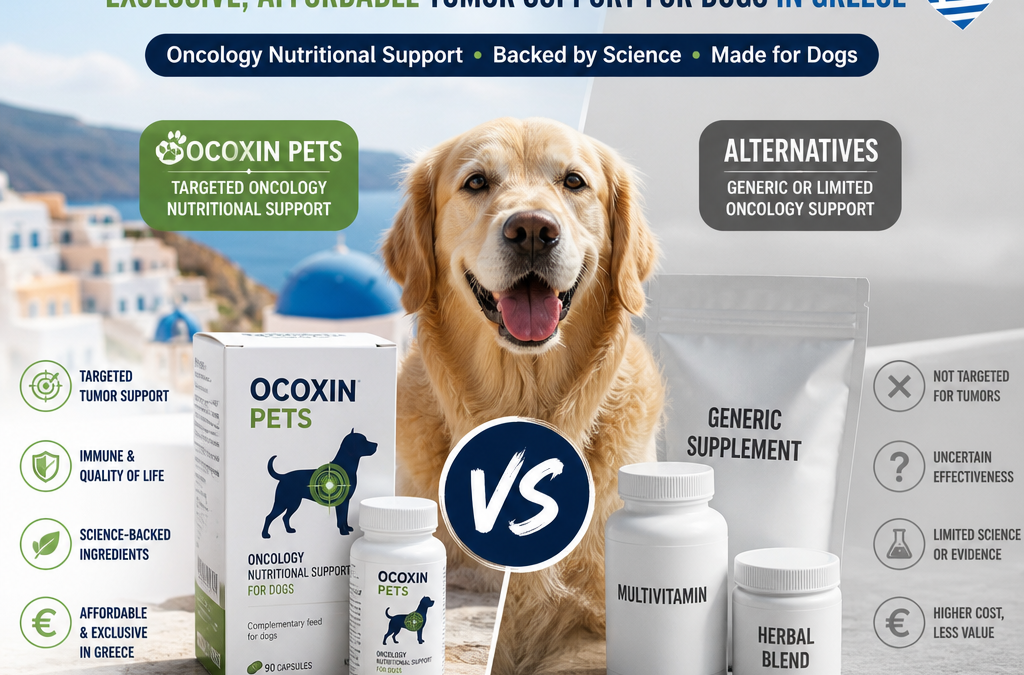
by TCMVET | Aug 21, 2026 | Research and News
Ocoxin Pets vs alternatives is an important comparison for Greek dog owners looking for practical, affordable support during cancer care. When a dog receives a tumor diagnosis, nutrition and daily wellbeing become central concerns alongside veterinary treatment. Products designed for oncology nutritional support may help maintain appetite, energy, body condition, and quality of life, but they should complement—not replace—professional veterinary care.
Every dog responds differently to cancer, surgery, chemotherapy, radiation therapy, or palliative treatment. The right supportive product depends on the tumor type, treatment plan, age, weight, appetite, digestive health, and other medical conditions. Understanding the available dog tumor support options can help owners make better-informed decisions and discuss suitable choices with their veterinarian. For a broader overview of pet oncology basics, see Dog Cancer Essentials: Helpful Pet Oncology Guide.
What is Ocoxin Pets?
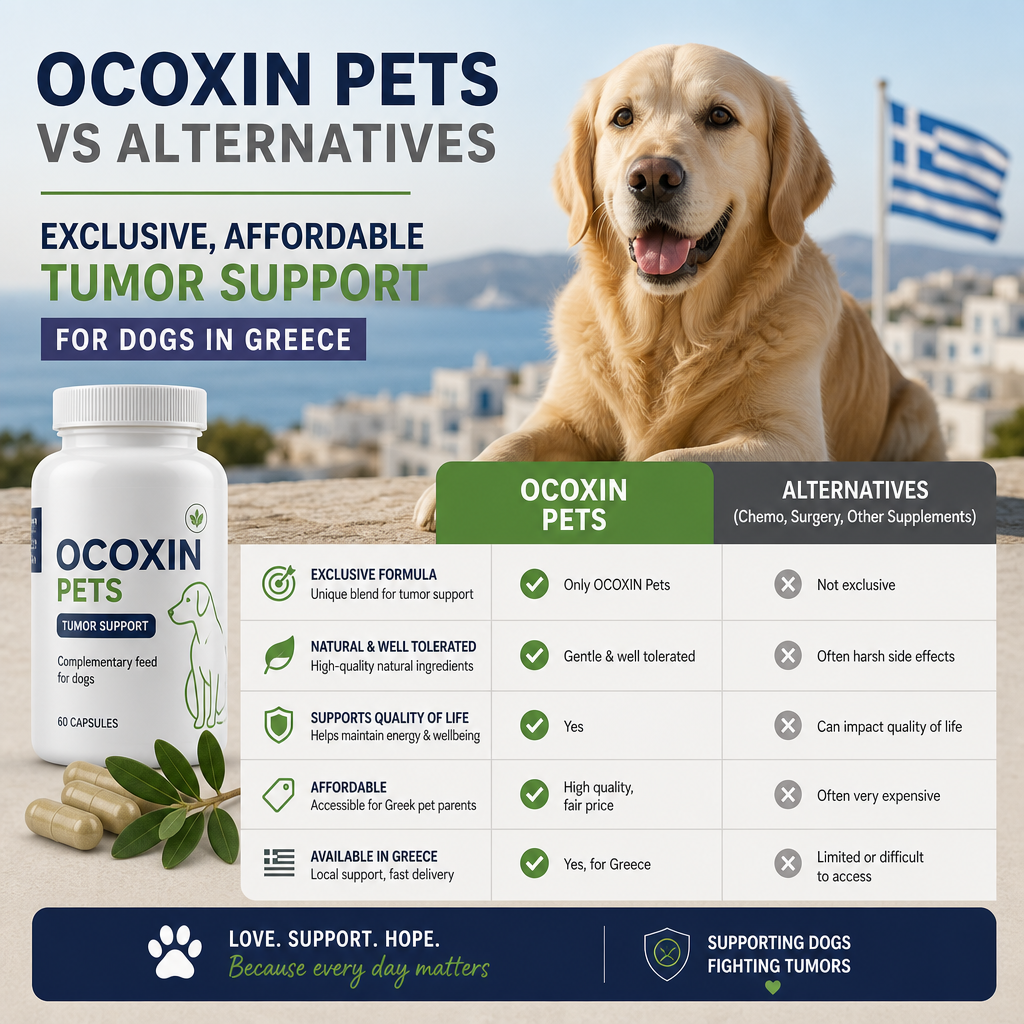
Ocoxin Pets is a nutritional support formula intended for dogs and cats facing demanding health conditions, including cancer-related challenges. Its purpose is generally supportive rather than curative. Such products may be used to help pets cope with reduced appetite, treatment-related stress, weight loss, or nutritional imbalance.
The formula is commonly associated with ingredients selected for antioxidant and nutritional support. However, the exact suitability of any supplement depends on the individual animal. A dog with kidney disease, diabetes, gastrointestinal sensitivity, or medication interactions may require a different approach. Veterinary guidance is particularly important when a pet is receiving chemotherapy or multiple prescription medicines.
Ocoxin Pets may appeal to owners seeking a dedicated veterinary nutritional product rather than a general multivitamin. Its positioning around oncology nutritional support can make it easier to discuss with a veterinarian as part of a broader care plan.
In practical terms, the decision is rarely about one product alone. It is about how Ocoxin Pets vs alternatives fit the dog’s appetite, diagnosis, and treatment timing. A supportive product should make life easier, not add another burden to an already complex routine.
Owners often ask whether a formula should be chosen for the whole course of care or only during periods of poor appetite. The answer depends on the dog’s condition and the veterinarian’s goals. Sometimes a product is most useful during treatment weeks, while in other cases it may be part of a longer maintenance plan. This is another reason Ocoxin Pets vs alternatives should be reviewed with the full treatment timeline in mind.
When a dog is newly diagnosed, families may feel pressure to act quickly. That urgency is understandable, but it is still best to compare options carefully. A calm, structured review can prevent unnecessary spending and help the owner choose a support product that genuinely fits the dog’s needs.
Ocoxin Pets vs alternatives: What should owners compare?
When comparing Ocoxin Pets vs alternatives, price is only one factor. A useful comparison should consider the following points:
– Purpose: Is the product designed specifically for veterinary oncology support, or is it a general nutritional supplement?
– Ingredients: Are the active ingredients clearly listed, and are their quantities appropriate for the dog?
– Evidence and quality control: Does the manufacturer provide reliable product information and manufacturing standards?
– Administration: Is the product easy to give daily, especially to a dog with nausea or a poor appetite?
– Compatibility: Could any ingredient interfere with medication or a prescribed diet?
– Cost per day: The purchase price may not reflect the actual monthly cost.
– Availability in Greece: Consistent access matters, particularly during a long treatment schedule.
– Veterinary acceptance: The product should fit the dog’s medical plan rather than compete with it.
A low-cost supplement is not automatically the most affordable choice if it provides little nutritional value or is difficult to administer. Conversely, a premium formula may not be necessary for every dog. The most economical option is usually the one that is appropriate, tolerated, and used consistently under professional supervision.
Owners should also think about how easy it is to monitor progress. If a product is helping, a dog may show steadier appetite, fewer digestive upsets, and better daily energy. If the product is not helping, it should not be continued out of habit.
A practical way to compare options is to ask three simple questions: Can my dog take it easily, can I afford it for the full period it may be needed, and does my veterinarian think it fits the treatment plan? That mindset keeps Ocoxin Pets vs alternatives focused on the dog’s real-world needs rather than on marketing claims alone.
It can also help to compare how each option is packaged. A product that is measured in clear daily servings reduces confusion, especially when several medications are already part of the routine. Small details like administration method, storage requirements, and taste can matter just as much as the ingredient list.
Oncology nutritional support for dogs
Cancer can affect a dog’s nutritional needs in several ways. Some dogs eat less because of pain, nausea, stress, mouth problems, or changes in smell and taste. Others lose weight despite eating because disease-related changes can increase metabolic demands. Muscle loss may also occur, reducing strength and mobility.
Oncology nutritional support aims to help address these challenges. Depending on the dog’s condition, supportive nutrition may focus on:
– Maintaining adequate calories and protein
– Preserving muscle mass and body condition
– Supporting hydration
– Improving appetite and meal acceptance
– Reducing digestive discomfort
– Providing nutrients during recovery from surgery or treatment
A supplement cannot compensate for a severely inadequate diet, untreated pain, dehydration, or uncontrolled nausea. Before adding any product, the veterinarian may recommend a complete therapeutic diet, appetite management, anti-nausea medication, pain relief, or blood tests. Nutritional support works best when these underlying issues are also addressed.
In many cancer cases, the goal is to keep the dog eating consistently and comfortably. That is why oncology nutritional support is usually most helpful when it is tailored to the pet’s current condition, not chosen as a one-size-fits-all solution.
Another helpful reference for owners is the Merck Veterinary Manual overview of canine nutritional requirements, which explains how baseline nutrition supports health during illness and recovery.
Some dogs may also need support for hydration and digestibility rather than simply more calories. In those cases, the best product is the one that helps the dog absorb and tolerate nutrition without worsening stomach upset. That is why the phrase oncology nutritional support covers more than a single ingredient list; it describes a broader strategy for keeping the dog stable, comfortable, and fed.
Veterinary teams often adjust recommendations as the disease changes. A dog that needs appetite stimulation during chemotherapy may later need a different approach after surgery or during palliative care. Regular reassessment keeps the nutrition plan aligned with the dog’s changing needs.
Comparing dog tumor support options
Dog tumor support options range from specialized veterinary formulas to therapeutic diets and carefully selected individual supplements. Each category has advantages and limitations.
Specialized veterinary supplements
Products such as Ocoxin Pets are formulated with veterinary use in mind and may offer a convenient blend of supportive nutrients. Their main advantage is simplicity: owners can follow a measured daily dosage rather than combining several separate products. The limitation is that not every formula suits every dog, and “natural” ingredients can still have pharmacological effects or interact with medication.
For some dogs, a single product may be enough to support daily comfort. For others, the role of the supplement is limited, and the real need may be appetite support, anti-nausea treatment, or a higher-calorie diet. That is why dog tumor support options should always be reviewed in the context of the full care plan.
When evaluating specialized supplements, it is useful to ask whether the product is intended for short-term support, ongoing use, or a specific stage of illness. A product that looks suitable on paper may not be ideal if the dog refuses the flavor or if the dosing schedule is too complicated for the family to maintain. The best support is the one that can be used reliably.
Therapeutic veterinary diets
A complete veterinary diet may be more important than an additional supplement, particularly when the dog is losing weight or struggling with digestion. Therapeutic diets can provide controlled calories, digestible ingredients, and appropriate nutrient levels. They also offer a more complete nutritional foundation than most supplements.
However, some dogs refuse a new diet, and certain tumor cases require individualized dietary decisions. Abrupt food changes may worsen gastrointestinal symptoms, so transitions should be planned with veterinary advice. If you need more practical nutrition guidance, the article on Best Supplements for Dogs with Cancer: 7 Essential UK Support Tips may also help frame the conversation with your vet.
Therapeutic diets may also be easier to track than a combination of small add-ons. When calories, protein, and digestibility are all built into the food, owners can see more clearly whether the dog is eating enough. In many cases, that simplicity makes a bigger difference than adding another bottle or powder to the routine.
General supplements and human products
General pet supplements may contain vitamins, omega-3 fatty acids, antioxidants, or herbal ingredients. They can be suitable in selected cases, but quality and dosage vary widely. Human supplements are especially risky because they may contain xylitol, excessive vitamin levels, stimulants, or ingredients unsuitable for dogs.
Owners should avoid combining multiple antioxidant or herbal products without veterinary approval. More supplements do not necessarily provide more benefit and may increase the risk of side effects or interactions. In other words, the most powerful-looking option is not always the safest or smartest choice.
It is also wise to review how a product is labeled. Clear directions, batch information, and serving size guidance make it easier to avoid dosing mistakes. When labels are vague, the dog’s safety may be harder to protect.
Some families are tempted to choose several low-cost products instead of one structured option. That can make the routine harder to manage and make side effects more difficult to identify. When comparing dog tumor support options, clarity and consistency often matter more than the number of ingredients listed on the package.
Homemade diets
A homemade diet may seem attractive when a dog becomes selective or loses appetite. Yet an improvised diet can quickly become deficient in essential nutrients, particularly if used for more than a short period. Any long-term homemade plan should be formulated by a veterinary nutrition professional.
Homemade feeding can be useful in specific cases, but it should be designed with precision. For dogs with tumors, nutrition mistakes can happen quickly, so a careful plan is far better than trial and error.
When owners compare dog tumor support options, they often discover that convenience matters as much as ingredients. A plan that the family can follow every day is more likely to succeed than a plan that looks ideal on paper but is difficult to maintain.
If a homemade approach is being considered, owners should ask whether it truly solves the main problem. In some dogs, the issue is not the recipe itself but pain, nausea, mouth discomfort, or anxiety. Addressing those problems first may make the dog eat better without changing the diet too dramatically.
Affordability and access in Greece
For families in Greece, affordability and reliable availability are practical parts of the decision. Treatment costs can include consultations, blood tests, imaging, surgery, medication, transportation, and repeated follow-up visits. Nutritional products should therefore be evaluated according to their daily cost and realistic duration of use.
Owners can ask their veterinarian or a reputable Greek veterinary pharmacy about package sizes, dosage by body weight, storage requirements, and whether the product is consistently available. It is also useful to confirm that online sellers are authorized and provide clear batch, expiry, and manufacturer information.
A product should never be selected solely because it is heavily discounted. Damaged packaging, unclear labeling, missing dosage instructions, or uncertain storage conditions are reasons to choose another source. Safe purchasing is especially important for dogs whose immune systems may already be compromised.
When comparing Ocoxin Pets vs alternatives in Greece, think beyond the shelf price. A product that is easy to obtain, easy to measure, and easy to give can reduce stress for both the dog and the owner.
For owners balancing budget and care quality, a practical question is whether the product can be used consistently for the full treatment period. A support plan that runs out early can create gaps in care and unnecessary frustration.
Availability also matters during travel or changing seasons, when shipping delays can interrupt treatment. If a supplement is helping, interruptions can be disappointing and may make it harder to keep the dog stable. Building a realistic supply plan can be as important as choosing the formula itself.
How to use nutritional support safely
Before starting Ocoxin Pets or another supplement, record the dog’s current weight, appetite, stool quality, activity, and medication schedule. This gives the veterinarian a baseline for assessing whether the product is helping or causing problems.
Introduce new products according to the recommended dosage, unless the veterinarian provides different instructions. Watch for vomiting, diarrhea, worsening appetite, itching, lethargy, or other unusual changes. Keep a simple daily log, especially during chemotherapy or recovery from surgery.
Nutritional support should remain part of a complete care plan that includes medical treatment, pain control, hydration, emotional comfort, and regular monitoring. In some cases, the best support may be a therapeutic diet or medication rather than an additional supplement.
If your dog is already receiving targeted treatment, ask the veterinary team whether the chosen product fits the schedule. That simple question can prevent avoidable interactions and help keep care consistent.
Owners should also avoid making too many changes at once. If a dog starts a new medication, a new food, and a new supplement on the same day, it can be difficult to know what is helping or causing a side effect. A step-by-step approach is safer and easier to evaluate.
Consistency matters more than intensity. A small, well-tolerated dose given correctly may be more useful than a complicated regimen that is skipped or given irregularly. For that reason, the safest way to use oncology nutritional support is to keep the routine simple enough that every family member can follow it correctly.
Making a responsible decision
The best choice among Ocoxin Pets vs alternatives is not universal. A dog with a good appetite and stable weight may need a different plan from a dog experiencing rapid muscle loss or treatment-related nausea. The veterinarian can help identify the main nutritional priority and determine whether a specialized product is appropriate.
For Greek dog owners, a sensible approach is to compare ingredients, evidence, safety, daily cost, availability, and veterinary suitability. With careful selection and ongoing monitoring, oncology nutritional support can contribute to comfort and quality of life while allowing the primary cancer treatment to remain the focus.
In the end, the most helpful option is the one that is safe, practical, and genuinely suited to the dog’s needs. A thoughtful comparison of Ocoxin Pets vs alternatives can make that decision clearer and less stressful for the whole family.
If the dog’s condition changes, the support plan should change too. Tumor care is not static, and the best nutritional choice early in treatment may not be the best choice later. Regular re-evaluation helps keep the plan aligned with the dog’s needs.
Responsible use also means keeping expectations realistic. Supportive nutrition can improve comfort and help maintain strength, but it cannot cure cancer. Used well, it is one more tool that may help the dog feel better while the veterinary team manages the disease.
When comparing Ocoxin Pets vs alternatives over time, owners should remember that a good result is not only measured by body weight. Better appetite, calmer digestion, fewer feeding struggles, and a more stable daily routine can all be signs that the chosen approach is working.
For many families, the final decision comes down to a balance of practicality and medical fit. If the product is safe, affordable, and easy to use, and if the veterinarian agrees it suits the case, then it can become a helpful part of the dog’s cancer support plan. That is the most responsible way to evaluate Ocoxin Pets vs alternatives in real-world care.
by TCMVET | Aug 21, 2026 | Research and News
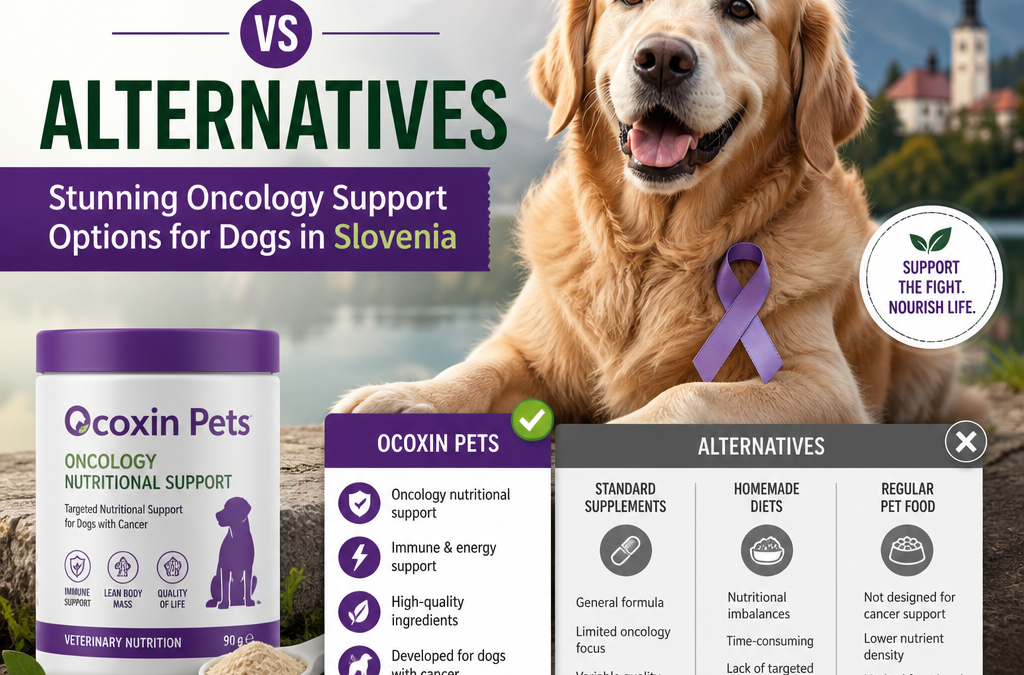
Ocoxin Pets vs alternatives is an important comparison for Slovenian dog owners looking for supportive care during cancer treatment. When a dog receives a tumor diagnosis, nutrition, comfort, and quality of life become central concerns alongside veterinary treatment. Supplements may help support appetite, energy, digestion, or general wellbeing, but they should complement—not replace—an individualized oncology plan from a veterinarian. For background on broader care choices, see Dog Cancer Essential Helpful Guide to Pet Oncology.
Understanding oncology nutritional support for dogs
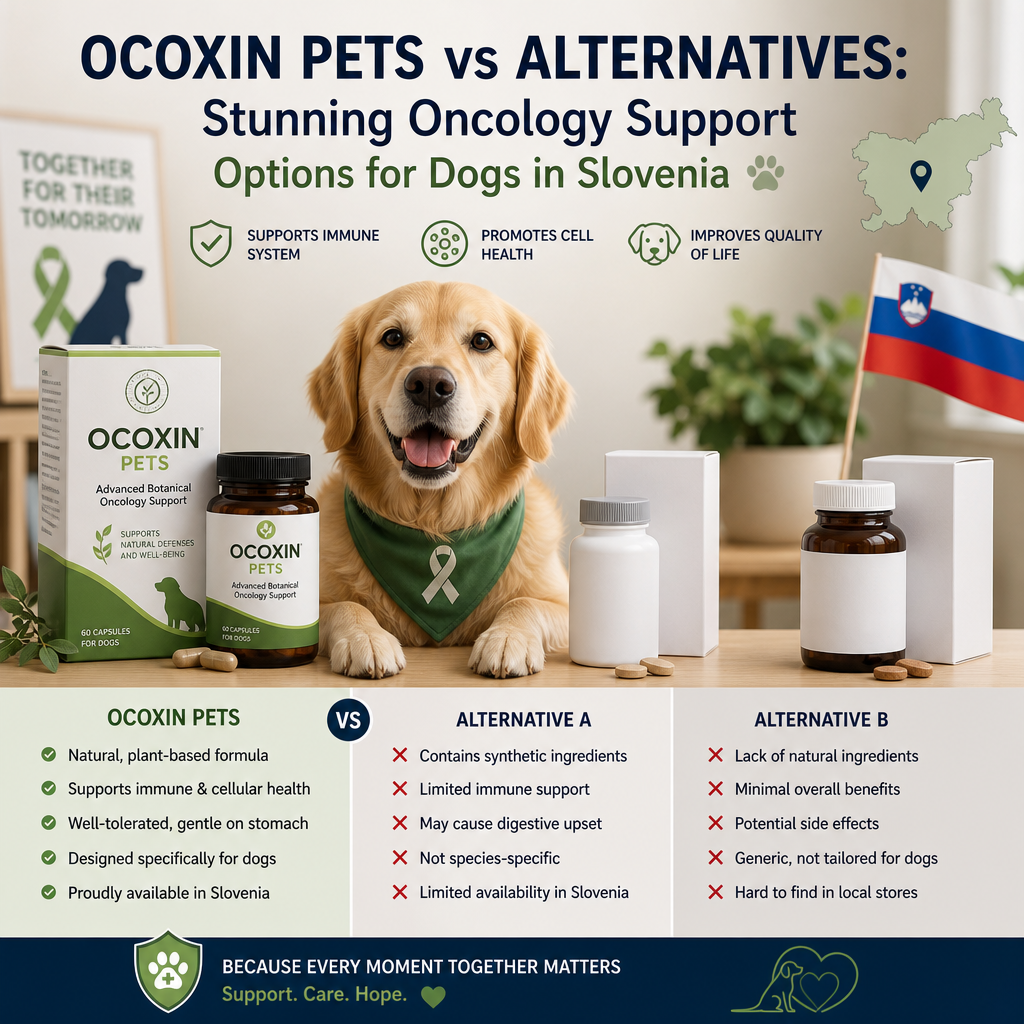
Oncology nutritional support refers to dietary strategies and supplementary products designed to help dogs maintain strength during illness and treatment. Cancer can affect metabolism, appetite, digestion, and muscle condition. Chemotherapy, radiation therapy, surgery, and medication may add further challenges, including nausea, reduced appetite, fatigue, or changes in stool consistency.
A suitable nutritional plan usually focuses on several goals:
- Maintaining an appropriate body weight
- Preserving muscle mass
- Supporting normal digestion
- Providing adequate hydration
- Making meals appealing and easy to tolerate
- Adjusting nutrition around treatment-related side effects
There is no single “cancer diet” that works for every dog. The best approach depends on the tumor type, treatment plan, age, body condition, kidney and liver function, activity level, and existing medical conditions. In that context, Ocoxin Pets vs alternatives should always be judged against the dog’s real needs, not just a label or a sales claim.
It also helps to remember that nutritional support is only one part of the full care picture. A dog with cancer may need pain relief, digestive support, monitored exercise, medication adjustments, and frequent follow-up appointments. The more complete the plan, the easier it becomes to identify whether a product is genuinely useful or simply adds another item to the routine.
Owners often feel pressure to do everything possible once a diagnosis is confirmed. That instinct is understandable, but the best support is usually targeted support. A product that helps one dog eat better may not suit another dog with a different tumor type or treatment schedule. This is why careful observation and veterinary guidance matter so much.
Ocoxin Pets vs alternatives: what should owners compare?
Ocoxin Pets is used in some veterinary settings as a supportive nutritional product for dogs and cats facing serious illness. Its formulation is intended to provide nutritional and antioxidant support, although the exact role it plays should be discussed with a veterinary professional familiar with the animal’s complete case. For many owners, Ocoxin Pets vs alternatives becomes a practical question of fit, safety, and everyday use.
When comparing Ocoxin Pets vs alternatives, owners should look beyond marketing claims and assess practical factors such as:
1. Ingredient profile
Review the full ingredient list, not only the headline benefits. Products may contain vitamins, minerals, plant extracts, amino acids, antioxidants, or other nutritional compounds. Some ingredients can be inappropriate for dogs with kidney disease, liver problems, gastrointestinal sensitivity, or specific medication plans. That is why Ocoxin Pets vs alternatives should be discussed with a vet before anything is started.
A helpful habit is to note every active ingredient and ask what each one is supposed to do. If a product contains multiple compounds with overlapping functions, more is not automatically better. In some situations, a simpler formula is easier to tolerate and easier for the veterinarian to monitor. If a dog has a history of pancreatitis, chronic bowel disease, or food intolerance, the ingredient list becomes even more important.
2. Evidence and veterinary oversight
A supplement can be useful as part of supportive care, but evidence may vary widely between products. Ask whether the product has veterinary research, published information, clear dosing instructions, and quality-control standards. A veterinarian can also determine whether a proposed supplement is appropriate for a particular tumor and treatment protocol. In short, Ocoxin Pets vs alternatives should be judged on evidence as well as convenience.
Because each cancer case is different, the most relevant evidence is often the evidence that applies to a dog with similar needs. A product may look promising in general wellness discussions, but oncology patients require more caution. The ideal choice is one that fits the stage of disease, the treatment goals, and the dog’s ability to eat, absorb, and tolerate the product consistently.
3. Tolerance and administration
A theoretically beneficial product is of limited value if a dog refuses it or develops digestive upset. Taste, capsule size, liquid format, dosing frequency, and compatibility with meals all matter. During cancer treatment, simple administration can make daily care less stressful. For some households, this practical side of Ocoxin Pets vs alternatives matters more than small differences in ingredient lists.
Tolerance should be watched closely during the first days of use. If a product changes stool quality, causes drooling, seems to trigger nausea, or makes the dog reluctant to eat, the veterinarian should be told promptly. Even mild digestive discomfort can undermine nutritional goals in a dog already struggling to maintain weight.
4. Safety and interactions
Some supplements may affect blood clotting, blood pressure, liver enzymes, or the absorption of medicines. Antioxidant products deserve particular discussion when a dog is receiving chemotherapy or radiation, because the timing and dose of antioxidant support may matter. Never assume that a natural ingredient is automatically harmless. This is one of the most important points in the Ocoxin Pets vs alternatives discussion.
It is also wise to remember that a dog may be taking more than one prescription medication. Pain relievers, anti-nausea drugs, steroids, antibiotics, and appetite stimulants can all interact differently with supportive products. A veterinarian can help determine whether the timing of dosing matters or whether a product should be avoided altogether.
5. Cost and availability in Slovenia
Long-term supportive care can become expensive. Slovenian owners should consider whether a product is consistently available through a veterinary clinic, pharmacy, or reputable supplier, and whether storage and delivery requirements are practical. A lower-cost alternative may be suitable, but only if its formulation and safety are acceptable. Ocoxin Pets vs alternatives should therefore be compared on both clinical and practical grounds.
Availability matters because interruption in supportive care can make it hard to judge whether the product helps. If the chosen option cannot be obtained reliably, owners may need to change products mid-treatment. That can complicate observation and make the overall plan harder to manage. For that reason, a stable supply is often a quiet but important part of good supportive care.
If you are comparing brands and broader care plans, it can also help to review Best Supplements for Dogs with Cancer: 7 Essential UK Support Tips for a practical framework that applies well beyond one product.
6. Expected outcome and monitoring
Owners should ask what success looks like before starting any supplement. Is the goal better appetite, improved stool consistency, easier recovery, or support for energy and body condition? Without a measurable goal, it becomes difficult to know whether Ocoxin Pets vs alternatives is working. A simple log of meals, weight, water intake, bowel movements, and energy level can make follow-up more useful.
Monitoring also helps prevent overuse. If a dog is stable and eating well, the veterinarian may decide that a product should be continued, adjusted, or discontinued depending on the overall plan. Supportive care is most effective when it is reviewed instead of simply continued by habit.
7. The dog’s overall medical picture
One supplement may be appropriate for a lean dog with reduced appetite but not for a dog with kidney compromise, digestive disease, or multiple medications. The same product may also be more or less useful depending on whether the treatment goal is cure, control, remission, or comfort-focused care. This broader context should guide every comparison of Ocoxin Pets vs alternatives.
For a closer look at disease-specific support, see Canine Lymphoma Essential Helpful Immune Cancer Guide for another example of how nutrition and supportive care fit into a wider oncology plan.
Dog tumor support options beyond supplements
Supplements are only one part of comprehensive care. Effective dog tumor support options often include several coordinated measures. When owners look at Ocoxin Pets vs alternatives, they should also consider the broader treatment plan, not just one product.
Veterinary oncology treatment
Depending on the diagnosis, treatment may involve surgery, chemotherapy, radiation therapy, immunotherapy, pain relief, or palliative care. A veterinary oncologist can explain expected benefits, possible side effects, and realistic treatment goals. In some cases, controlling discomfort and preserving daily enjoyment may be more important than pursuing an intensive treatment schedule. That broader context helps make Ocoxin Pets vs alternatives a more meaningful comparison.
Many owners find that the treatment plan changes over time. A dog may begin with surgery, then move into monitoring, then require additional support if the disease returns. This means the best supplement choice at one stage may no longer be the best choice later. Reassessment is part of good oncology care.
Therapeutic nutrition
A complete commercial veterinary diet may be recommended when a dog has poor appetite, weight loss, digestive problems, or another condition affecting nutrition. Some dogs do well with energy-dense meals served in small portions. Others need a carefully formulated home-prepared diet designed by a veterinary nutritionist.
Owners should avoid making major dietary changes without guidance. Homemade diets based on a few ingredients can become deficient in protein, vitamins, minerals, or essential fatty acids, particularly when used for several weeks or months. In many cases, this is where Ocoxin Pets vs alternatives becomes less important than getting the base diet right.
Feeding routines also matter. Dogs with cancer often do better when meals are offered at consistent times in a calm environment. Small, frequent meals may be easier to tolerate than large portions. Warming the food slightly, using palatable toppers approved by the veterinarian, or offering food after nausea control medication may also improve intake.
Appetite and nausea management
A dog that does not eat may need more than encouragement. Nausea, pain, constipation, mouth discomfort, medication side effects, or anxiety can all reduce food intake. Veterinary treatment may include anti-nausea medication, appetite support, pain control, or strategies to improve meal acceptance. For some dogs, supportive nutrition works best only when appetite and nausea are managed at the same time, which is another reason Ocoxin Pets vs alternatives should not be considered in isolation.
Owners should also watch for subtle signs of nausea, such as lip licking, drooling, turning away from food, hiding, or eating grass. These signs may appear before vomiting begins. Early intervention can make it easier to maintain nutrition and avoid a downward spiral in condition.
Weight and muscle monitoring
Regularly recording body weight, appetite, stool quality, water intake, and activity can help identify changes early. Body condition alone may not reveal muscle loss, so owners should ask the veterinary team to assess muscle condition during follow-up visits. This monitoring also helps determine whether Ocoxin Pets vs alternatives is producing any noticeable benefit.
Muscle condition is especially important in cancer patients because loss of lean tissue can happen even when body weight seems stable. A dog may appear to be maintaining weight while still losing strength. For that reason, the number on the scale is useful, but it should never be the only measure used.
Comfort-focused home care
A calm resting place, non-slip flooring, easy access to water, gentle exercise, and predictable routines can improve quality of life. Dogs may benefit from several short walks rather than one long outing, especially during treatment. Monitoring breathing, mobility, sleep, pain behaviors, and interest in family activities provides valuable information for the veterinarian. Good daily care often matters as much as Ocoxin Pets vs alternatives when the goal is comfort and stability.
Comfort care can include simple adjustments such as extra bedding, ramps for stairs or cars, raised bowls if recommended by the veterinarian, and keeping the home environment quiet during recovery. Small changes can reduce stress and conserve energy, which is valuable for dogs already spending much of their reserves on healing or coping with illness.
Emotional support for the family
Although cancer care focuses on the dog, the family’s ability to follow the plan is also important. Clear written instructions, realistic expectations, and regular check-ins can help prevent confusion. When owners understand what each part of the plan is meant to achieve, they are more likely to notice meaningful changes and less likely to feel overwhelmed by product choices.
That emotional clarity matters when comparing supportive products too. Ocoxin Pets vs alternatives can feel like a high-stakes decision, but the best decisions are usually made calmly, with the vet’s help, and with the dog’s day-to-day comfort in mind.
How to choose a suitable supportive product
Before starting Ocoxin Pets or any alternative, prepare a complete list of the dog’s medications, supplements, food, and medical conditions. Discuss the product with the veterinarian and ask:
- What specific goal is this product intended to support?
- Is the dose appropriate for my dog’s weight and health status?
- Could it interact with chemotherapy, pain medication, steroids, or other drugs?
- Should it be given with food or separated from medication?
- What side effects should prompt discontinuation?
- How long should it be used before its value is reassessed?
A clear goal makes supplementation more useful. For example, the purpose may be to improve meal acceptance, help maintain body condition, or provide additional nutritional support during recovery. If no measurable objective exists, it may be difficult to determine whether the product is helping. That is especially true when comparing Ocoxin Pets vs alternatives for long-term use.
It can also help to check general guidance from the Cornell University Hospital for Animals cancer center resources, which provide reputable educational context on veterinary oncology care.
Another useful step is to think about the dog’s current eating pattern. Some dogs prefer liquids, while others do better with a soft food texture or a product mixed into a meal. If a dog is already receiving multiple medications, the simplest option may be best. Ease of use is not a trivial detail; it can determine whether the supportive plan is followed consistently enough to matter.
Owners should also avoid switching products too quickly unless there is a safety concern. If a veterinarian recommends a trial period, it may be worth giving the product enough time to show whether appetite, energy, or digestion improves. At the same time, any worsening of symptoms should be reported promptly rather than waiting for a scheduled recheck.
Red flags requiring prompt veterinary attention
Contact a veterinarian promptly if a dog experiences repeated vomiting, severe diarrhea, refusal of food, marked weakness, breathing difficulty, uncontrolled pain, pale gums, collapse, sudden abdominal enlargement, or inability to drink. Weight loss that continues despite feeding efforts also requires investigation.
Supportive products cannot correct an urgent complication or replace treatment for infection, obstruction, dehydration, anemia, or uncontrolled tumor-related pain. Even the best Ocoxin Pets vs alternatives choice cannot address these emergencies on its own.
It is also important to seek help if the dog seems suddenly withdrawn, refuses to rise, cries when touched, or shows a noticeable change in breathing effort. These can be signs that the treatment plan needs to be adjusted quickly. In oncology patients, small changes can become serious more quickly than many owners expect.
A balanced approach for Slovenian dog owners
The best decision in the Ocoxin Pets vs alternatives discussion is not necessarily the product with the longest ingredient list or the most impressive claims. It is the option that fits the dog’s diagnosis, treatment plan, nutritional needs, tolerance, budget, and quality-of-life goals.
For families in Slovenia, cooperation between the primary veterinarian, veterinary oncologist, and—when needed—veterinary nutritionist can make supportive care safer and more effective. Nutritional support should be reviewed regularly because a dog’s needs may change after surgery, during chemotherapy, or as the illness progresses. The same is true when owners reconsider Ocoxin Pets vs alternatives after treatment changes or new side effects.
With careful monitoring and professional guidance, dog tumor support options can help owners focus on practical goals: maintaining comfort, preserving strength, supporting appetite, and maximizing meaningful time together. When used thoughtfully, Ocoxin Pets vs alternatives becomes less about advertising and more about finding the safest, most useful support for the individual dog.
For owners trying to build a broader understanding of tumor care, it may also help to review general canine cancer information and compare the support product with the overall treatment priorities rather than with another label alone. That approach keeps decisions grounded in the dog’s actual needs instead of assumptions about what should work.
In the end, the most effective supportive plan is usually the one a dog can truly tolerate day after day. If one option helps with appetite but another is easier to administer, the veterinarian may weigh those trade-offs carefully. Ocoxin Pets vs alternatives is therefore best seen as part of an ongoing care conversation, not a one-time purchase decision.
by TCMVET | Aug 21, 2026 | Research and News
Spleen Tumour Dog Supplements may provide supportive nutrition for some dogs, but they should never replace veterinary diagnosis, surgery, chemotherapy, pain relief, or emergency care. Splenic tumours can grow silently and may rupture without warning, causing life-threatening internal bleeding. The safest approach is to use supplements only as part of a personalised treatment plan created with your veterinarian or veterinary oncologist.
Understanding splenic tumours in dogs
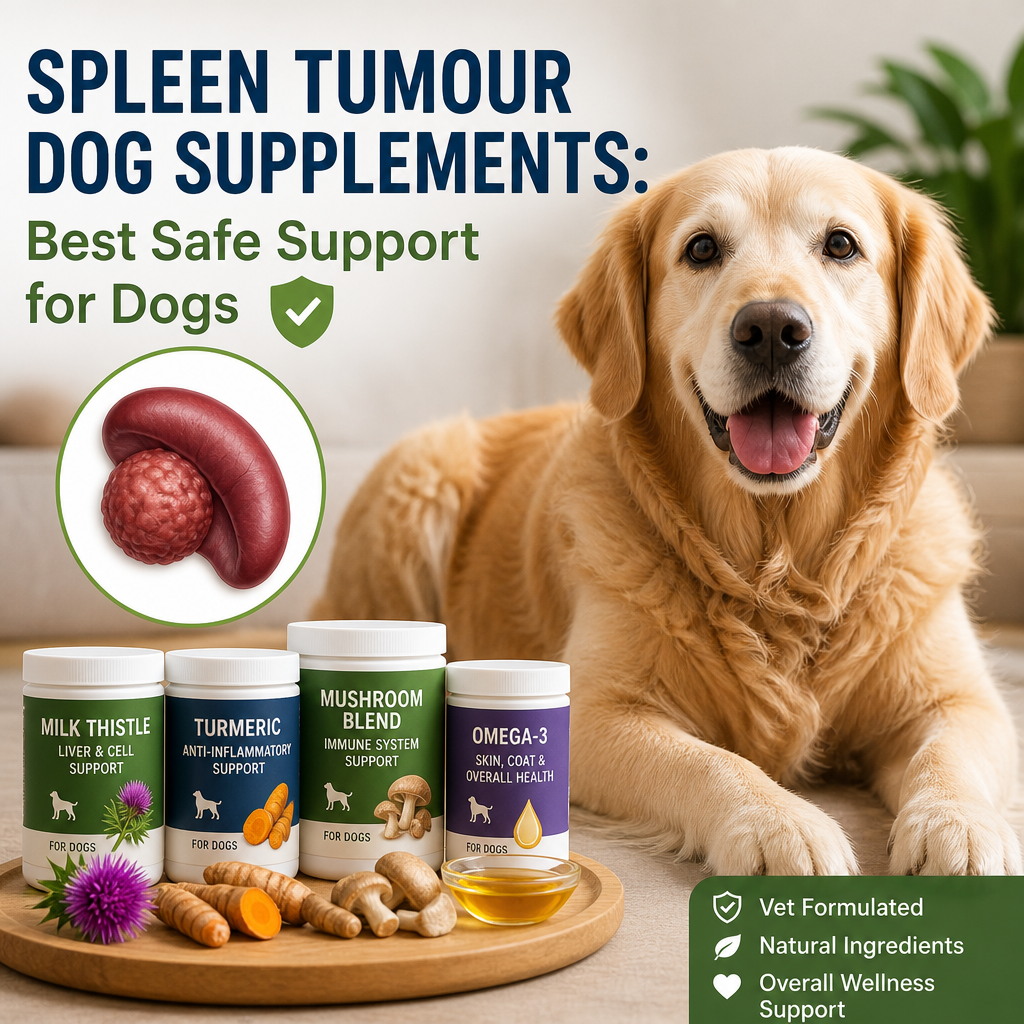
The spleen helps filter blood, remove aging blood cells, and support immune function. A tumour in this organ may be benign, such as a haemangioma, or malignant, such as hemangiosarcoma. Unfortunately, dogs may show few obvious signs until a tumour becomes large or begins bleeding.
Possible symptoms include weakness, pale gums, reduced appetite, weight loss, abdominal enlargement, collapse, rapid breathing, vomiting, or unusual tiredness. These signs can have several causes, but they require prompt veterinary assessment. Diagnostic tests may include blood work, abdominal ultrasound, X-rays, and sometimes surgery to remove and examine the spleen.
Surgery is commonly recommended when a splenic mass is considered at risk of rupture or malignancy. In other cases, the veterinary team may recommend monitoring, oncology treatment, or palliative care. Supplements can sometimes support appetite, digestion, recovery, or general wellbeing, but they cannot dissolve a tumour or reliably prevent progression.
For readers comparing wider care options, this guide on best supplements for dogs with cancer can help you understand how supportive nutrition is usually discussed in veterinary oncology.
It is also helpful to remember that the exact diagnosis matters. A dog with a benign splenic mass may have a very different outlook from a dog with hemangiosarcoma, and the role of Spleen Tumour Dog Supplements will change accordingly. In every case, the safest choices are the ones made after imaging, lab work, and a clear treatment discussion.
What they can and cannot do
The phrase “spleen tumour dog supplements” covers a wide range of products, including vitamins, fish oils, mushroom extracts, herbal blends, digestive products, and calorie-dense nutritional formulas. Their potential role is supportive rather than curative.
A suitable supplement may help a dog maintain body condition, tolerate treatment, or receive nutrients when appetite is poor. However, products marketed as “tumour cures,” “natural cancer killers,” or replacements for surgery should be treated with caution. Dogs with splenic disease may have anaemia, abnormal clotting, liver stress, or other complications that make certain ingredients unsafe.
Before using any product, discuss the full ingredient list and dosage with your veterinarian. This is especially important if your dog is taking anti-inflammatory medicine, steroids, chemotherapy, anticoagulants, seizure medication, or other prescription drugs.
When people search for spleen tumour dog supplements, they are often really looking for practical ways to keep their dog stable and comfortable. That goal is reasonable, but it should remain grounded in medical advice and realistic expectations.
It is worth asking a simple question before buying anything: what problem is this product supposed to solve? If the answer is appetite, weight loss, poor digestion, or recovery support, then Spleen Tumour Dog Supplements may have a limited role. If the promise is tumour shrinkage or a cure, the claim is not realistic and should be discussed carefully with your vet.
A good rule is to judge each product by its evidence, ingredients, and safety profile rather than by marketing language. This is particularly important for dogs that may need surgery, because even natural products can affect bleeding risk, anaesthesia, or healing.
Nutritional support during treatment
Good nutrition is one of the most practical forms of splenic tumour dog support. A complete and balanced veterinary diet can help maintain muscle, energy, and immune function. Some dogs do well with their usual food, while others need a more palatable, energy-dense diet during recovery.
If appetite is reduced, offering small meals several times a day may be easier than providing one large portion. Gently warming wet food can improve its aroma. Avoid sudden diet changes, raw foods, or unbalanced homemade diets unless they have been formulated by a veterinary nutritionist.
A high-quality diet should provide adequate protein and calories, but the correct plan depends on the dog’s age, weight, kidney and liver function, treatment plan, and digestive tolerance. There is no universal “cancer diet” that is appropriate for every dog.
In many cases, spleen tumour dog supplements are only useful when they support feeding, hydration, or calorie intake in a way that fits the dog’s diagnosis and treatment stage. Extra calories can be helpful after surgery, but they should be introduced with care if nausea or reduced appetite is present.
Practical feeding support can also include using the dog’s most tolerated textures and flavours. Some dogs accept canned food better than kibble, while others prefer lightly warmed meals or small frequent snacks. If your veterinarian recommends a specific recovery diet, consistency is usually more important than variety.
Hydration matters as much as calories. Dehydration can make a weak dog feel worse and may complicate recovery. Fresh water should always be available, and your veterinarian may advise broth, water-rich foods, or other strategies if your dog is reluctant to drink. In this setting, Spleen Tumour Dog Supplements should be seen as one small part of a broader nutritional plan rather than the main therapy.
If your dog is losing weight quickly, refusing food, or vomiting after meals, do not keep trying to push supplements without guidance. Those signs may indicate nausea, pain, anaemia, or disease progression that needs medical attention.
Fish oil and omega-3 fatty acids
Veterinary fish oil products containing EPA and DHA are sometimes used as part of a dog cancer support supplement plan. These fatty acids may support skin, joints, and general inflammatory balance. Some veterinary oncology diets also include omega-3 fatty acids.
Fish oil is not suitable for every dog, however. Potential problems include diarrhoea, pancreatitis risk in susceptible dogs, excessive calorie intake, and possible effects on platelet function or bleeding. Because a splenic tumour may rupture and cause internal haemorrhage, dosage and timing are particularly important.
Use a product designed for pets or one approved by your veterinarian, and check the actual EPA and DHA content rather than relying only on the total amount of “fish oil” listed on the label.
For general background on omega-3 safety and dosing, the VCA Hospitals overview of fish oil for dogs and cats is a useful educational reference. Your veterinarian can help you decide whether that type of support fits your dog’s condition.
If your dog is scheduled for surgery, ask whether fish oil should be paused beforehand. That decision depends on the product, the dose, the dog’s clotting status, and the surgeon’s preference. It is another example of why Spleen Tumour Dog Supplements should never be selected in isolation from the rest of the treatment plan.
Medicinal mushrooms and herbal products
Products containing compounds from medicinal mushrooms, turmeric, milk thistle, or other herbs are frequently promoted for canine cancer support. Some ingredients have shown interesting effects in laboratory or preliminary studies, but evidence in dogs with splenic tumours is limited. Laboratory findings do not prove that a supplement will shrink a tumour or extend a dog’s life.
Herbal products can also interact with anaesthetic drugs, chemotherapy, steroids, or medicines that affect the liver and blood clotting. Quality varies considerably between brands, and contamination or inaccurate labelling may occur.
If your veterinarian approves an herbal or mushroom product, select one with transparent dosing, independent quality testing, and clear batch information. Do not combine several immune-stimulating products without professional guidance.
Many owners ask whether spleen tumour dog supplements should include herbs or mushrooms at all. The safest answer is that these products should be considered optional, not essential, and only used when the ingredient profile is well understood.
Some families also want to know whether these products can be continued long term. The answer depends on the dog’s response, blood results, and treatment stage. For some dogs, a short course may be reasonable; for others, the added complexity and potential interaction risk outweigh any possible benefit. That is why Spleen Tumour Dog Supplements should be reviewed regularly rather than assumed to be harmless once started.
If a product contains many ingredients, it becomes harder to track what is helping and what may be causing side effects. Simpler formulas are often easier to monitor, especially when the dog is already receiving prescription medicine.
Digestive and recovery support
After surgery or during cancer treatment, some dogs experience nausea, constipation, diarrhoea, or reduced appetite. A veterinarian may recommend a probiotic, fibre supplement, anti-nausea medication, appetite stimulant, or recovery diet. These options should be chosen according to the specific problem rather than added routinely.
Probiotics may help some dogs with digestive upset, but they are not appropriate for every patient, particularly those who are severely immunocompromised. Fibre can be helpful for constipation but may worsen discomfort or reduce calorie intake in a dog that is already losing weight.
Supplements should never delay treatment for repeated vomiting, black stools, severe diarrhoea, abdominal pain, or refusal to eat.
In recovery, the most helpful spleen tumour dog supplements are often the simplest ones: products that improve comfort, appetite, or digestion without adding unnecessary complexity to the treatment plan.
After splenectomy, some dogs need time to regain strength. A recovery plan may include pain control, rest, follow-up checks, and careful meal planning. If your veterinarian recommends a probiotic or digestive aid, monitor stool quality and appetite closely, because the right product can be helpful while the wrong one can worsen gas, cramping, or loose stools.
It is also sensible to keep supplements separate from medications when possible, especially if you are giving several items in a day. Clear timing helps you know what the dog tolerated and makes it easier to identify any reaction. This practical approach keeps Spleen Tumour Dog Supplements focused on support rather than experimentation.
Safety precautions for splenic tumour dog support
The most important safety rule is to avoid products that may increase bleeding risk unless your veterinarian specifically recommends them. Garlic, concentrated herbal extracts, high-dose vitamin E, certain plant products, and some fish oil preparations may be inappropriate in a dog with a bleeding-prone abdominal mass.
High doses of vitamins and minerals can also cause harm. Vitamin D, calcium, iron, selenium, and vitamin A are examples of nutrients that may become toxic when given incorrectly. Iron supplements should not be used simply because a dog appears pale or anaemic; the cause of anaemia must be identified first.
Keep a written list of every medication, supplement, treat, and food additive your dog receives. This allows the veterinary team to identify potential interactions and adjust the plan before surgery or other treatment.
If you are unsure whether a product belongs in your dog’s plan, bring the label to your vet. That simple step can prevent many problems when reviewing spleen tumour dog supplements alongside medicines, anaesthesia, or post-operative care.
Another useful habit is to check for changes after any new product is introduced. Watch for vomiting, diarrhoea, agitation, drowsiness, loss of appetite, or bruising. If a dog with a splenic mass becomes suddenly weaker or more uncomfortable, stop the new product and contact your veterinarian promptly. Safety should always come before supplement routine when Spleen Tumour Dog Supplements are being considered.
Owners sometimes assume that “natural” means gentle, but that is not always true. Natural ingredients can still be pharmacologically active. For a dog facing a potentially unstable abdominal tumour, that matters a great deal.
Recognising an emergency
A dog with a known or suspected splenic tumour may experience sudden internal bleeding. Seek emergency veterinary care immediately if your dog collapses, becomes extremely weak, develops pale or white gums, breathes rapidly, has a swollen abdomen, appears distressed, or cannot stand normally.
Do not give food, supplements, or human pain medication while travelling to the clinic unless a veterinarian instructs you to do so. Keep your dog quiet, minimise movement, and transport them carefully. Emergency stabilisation may involve intravenous fluids, blood products, imaging, and urgent surgery.
No supplement should be expected to stop this kind of emergency. Fast veterinary treatment is the only safe response when bleeding is suspected.
If you have time before reaching the clinic, call ahead so the team can prepare. A dog that is pale, collapsed, or struggling to breathe may need immediate triage. In these moments, Spleen Tumour Dog Supplements are irrelevant compared with rapid stabilisation and surgical decision-making.
After an emergency visit, your veterinarian may ask you to hold certain products until the dog is stable. Follow those instructions carefully, even if the supplement seemed helpful before the crisis.
Creating a responsible supplement plan
The best dog cancer support supplement is not necessarily the most expensive or most heavily advertised product. A responsible plan begins with an accurate diagnosis and considers the tumour type, planned treatment, blood results, appetite, weight, organ function, and quality of life.
Ask your veterinarian what benefit a proposed supplement is expected to provide, how long it should be used, what side effects to watch for, and when it should be stopped. Monitor appetite, weight, energy, bowel movements, gum colour, and breathing at home, and report changes promptly.
Ultimately, supplements may have a limited but useful role in comfort and nutritional care. The safest splenic tumour dog support combines veterinary treatment, appropriate nutrition, careful monitoring, and rapid action when warning signs appear.
For many families, the goal is not to find a miracle product but to make informed, steady choices. That is why spleen tumour dog supplements should always be discussed in context, with your veterinary team guiding each decision.
If you want a broader overview of how nutrition support is commonly approached, you may also find this related guide on dog cancer supplements useful when comparing product types and safety considerations. Use it as background reading, then tailor every decision to your dog’s diagnosis.
In the end, Spleen Tumour Dog Supplements can be part of compassionate care when they are chosen carefully, used sparingly, and reviewed often. The most valuable support is still the combination of prompt diagnosis, honest veterinary advice, and close observation at home.
When used with veterinary oversight, spleen tumour dog supplements may help support comfort, appetite, and recovery, but they should always remain secondary to diagnosis and treatment. The safest plan is the one that matches your dog’s test results, surgery timeline, and day-to-day needs.
If your dog’s condition changes, revisit the plan quickly. A supplement that seemed reasonable one week may no longer fit if appetite drops, clotting changes, or a new medication is added. That is why Spleen Tumour Dog Supplements work best as part of a living care plan, not a fixed routine.
Ask your vet to help you prioritise. In many cases, one carefully chosen product is better than several overlapping ones, especially when the goal is steady support rather than aggressive intervention. With clear guidance, you can keep Spleen Tumour Dog Supplements practical, safe, and genuinely useful.
Ultimately, the most important decision is not which label looks best, but which support strategy is safest for your dog right now. Honest monitoring, prompt reassessment, and evidence-based care give your dog the best chance of comfort and stability.
