Energyvet Regavet is a Czech herbal and natural-support product often discussed by dog owners looking for complementary care during serious health conditions, including cancer. Interest in Energyvet Regavet dog cancer support has grown because many guardians want to help maintain appetite, digestion, vitality, and overall comfort while their pets receive veterinary treatment. However, it is important to understand what this product can and cannot do before adding it to a dog’s care plan.
Energyvet Regavet is generally presented as a natural veterinary supplement designed to support the body’s internal balance, particularly the digestive system, metabolism, and elimination processes. It is associated with the Energyvet range, a Czech brand focused on products for animals and holistic wellness.
The product is commonly discussed in connection with dogs experiencing chronic illness, reduced vitality, digestive problems, or recovery challenges. Some owners also consider it as part of a broader supportive routine for dogs diagnosed with cancer. In this context, the product is not a replacement for chemotherapy, surgery, radiation therapy, pain control, or other evidence-based veterinary care. Rather, it may be considered a complementary supplement when a veterinarian agrees that it is appropriate.
Because formulations, instructions, and recommended uses can change, owners should always check the current product label and consult a qualified veterinary professional before use.
Energyvet Regavet dog cancer support: what owners hope to achieve
When a dog has cancer, the main goals of supportive care are often comfort, nutrition, hydration, mobility, and quality of life. Owners may look at Energyvet Regavet dog cancer support as a way to complement these goals, particularly when their dog has digestive sensitivity or appears tired during treatment.
Potential reasons owners consider a supplement include:
Supporting normal digestion and nutrient absorption
Helping maintain appetite and body condition
Supporting normal liver and metabolic function
Providing general nutritional or herbal support during recovery
Complementing a carefully planned veterinary treatment program
These possible benefits should be described cautiously. A supplement may support normal physiological functions, but this does not mean it can eliminate tumors, stop cancer progression, or replace a prescribed treatment. Cancer is not one single disease; different cancers behave differently and require different approaches. A product that is tolerated by one dog may be unsuitable for another, especially when the dog has kidney disease, liver disease, gastrointestinal problems, or multiple medications.
What does an Energyvet Regavet review usually focus on?
A useful Energyvet Regavet review should consider more than positive customer comments. Dog owners should evaluate the product according to several practical criteria.
Ingredients and formulation
Read the full ingredient list and serving instructions carefully. Natural ingredients can still produce side effects or interact with medicines. Herbal extracts may affect digestion, blood clotting, liver enzymes, or the way certain drugs are processed by the body.
The exact concentration and form of each ingredient matter. Two products with similar names may not have identical formulations, so relying on information from an old review or an unofficial retailer can lead to mistakes.
Tolerability
Some dogs tolerate supplements without difficulty, while others develop loose stools, vomiting, reduced appetite, or abdominal discomfort. A dog undergoing cancer treatment may already have a sensitive digestive system, making careful monitoring especially important.
Introduce any approved supplement only according to professional guidance and observe the dog closely. If symptoms appear after starting it, contact the veterinarian rather than assuming the reaction will resolve on its own.
Evidence and realistic expectations
Many natural products have limited clinical research in dogs, particularly for specific types of cancer. Testimonials can describe personal experiences, but they cannot prove that a supplement caused an improvement. Dogs may respond differently because of their age, diagnosis, treatment, diet, and general condition.
A responsible Energyvet Regavet review should therefore distinguish between traditional or complementary use and scientifically established cancer treatment. The absence of strong evidence does not automatically prove that a product is harmful, but it does mean that claims should be approached carefully.
How it may fit into a veterinary care plan
Before giving Energyvet Regavet, provide the veterinarian with the product name, ingredient list, intended dosage, and a complete list of the dog’s medications and supplements. This is particularly important if the dog is receiving chemotherapy, corticosteroids, anti-inflammatory drugs, antibiotics, anticoagulants, or medication for seizures.
The veterinarian may advise avoiding the product, adjusting the timing, monitoring blood tests, or using a different form of support. Regular examinations can help track liver and kidney values, hydration, weight, appetite, and treatment response.
Supportive cancer care may also include:
A nutritionally complete diet suited to the dog’s condition
Reliable pain management
Anti-nausea medication when needed
Fluid support and encouragement of hydration
Dental and oral health care
Gentle exercise appropriate to the dog’s energy level
Emotional comfort and a calm daily routine
A supplement should fit into this plan rather than distract from the essentials.
Energyvet Regavet Czech Republic availability and purchasing considerations
For owners searching for Energyvet Regavet Czech Republic, the product may be available through Czech veterinary clinics, specialist pet retailers, pharmacies, or official online distribution channels. Purchasing from a reputable source is important because storage conditions, authenticity, expiration dates, and labeling all affect safety.
When buying in the Czech Republic, check whether the packaging includes clear instructions in Czech, batch information, an expiration date, storage guidance, and contact details for the manufacturer or authorized distributor. Be cautious of websites that promise a cure for cancer or use dramatic claims without providing reliable ingredient and safety information.
It is also wise to confirm whether the seller offers appropriate guidance for animal use. Products intended for humans are not automatically suitable for dogs, and dosage cannot safely be calculated by simply adjusting a human serving based on body weight.
If you want to better understand broader integrative approaches used in veterinary practice, see our veterinary holistic care resources for related topics on supportive pet wellness.
Safety warnings every dog owner should know
Do not begin a new supplement immediately before surgery or during a major treatment change without veterinary approval. Herbal substances may influence bleeding risk, sedation, digestion, or the action of prescription medicines.
Seek veterinary advice promptly if a dog develops repeated vomiting, persistent diarrhea, severe lethargy, refusal to eat, jaundice, unusual bleeding, breathing difficulty, collapse, or worsening pain. These signs should never be attributed casually to “detoxification” or a normal adjustment period.
Ultimately, Energyvet Regavet may be considered by some owners as a complementary wellness product, but it should not be presented as a cure or stand-alone treatment for cancer. The most reliable approach combines veterinary diagnosis, evidence-based therapy, careful nutrition, symptom control, and close observation. With professional guidance, owners can make a more informed decision about whether this supplement has a reasonable place in their dog’s individual care plan.
Choosing with a veterinarian
For dogs with tumors, the safest decision usually comes from a conversation that includes the dog’s diagnosis, stage of disease, current medications, appetite, liver and kidney function, and overall comfort level. That is why Energyvet Regavet should be viewed as one possible supportive tool rather than a shortcut or a cure.
If a veterinarian approves its use, start with clear dosing instructions, watch for digestive changes, and keep a simple record of appetite, stools, energy, and any medication changes. This makes it easier to decide whether the supplement is helping, doing nothing, or causing problems.
For many families, the most important goal is not choosing the “strongest” supplement but choosing the most sensible support for the individual dog. In that setting, Energyvet Regavet dog cancer support may have a place for some patients, especially when it is used carefully and alongside professional veterinary care.
Metastatic Dog Cancer Support begins with compassionate care, clear communication, and realistic planning. When cancer has spread from its original location to other parts of a dog’s body, treatment often focuses on comfort, quality of life, and meaningful time together rather than cure alone. Every dog responds differently, so decisions should be made with a veterinarian—ideally a veterinary oncologist—who understands the specific cancer, its progression, and the dog’s overall health.
Metastatic cancer occurs when malignant cells move from the primary tumor to distant tissues or organs. Common sites of spread include the lungs, liver, lymph nodes, bones, and other areas. Some cancers spread quickly, while others progress more slowly. The outlook depends on the tumor type, location, stage, response to treatment, and the dog’s age and general condition.
A diagnosis of metastatic disease can feel overwhelming, but it does not automatically mean that a dog is in constant pain or that every treatment must be aggressive. Many dogs continue to enjoy food, affection, walks, and family interaction with an appropriate care plan. For owners comparing staging and prognosis, this overview of dog cancer staging and prognosis can help put the diagnosis in context.
Veterinarians may use imaging, biopsy results, bloodwork, and physical exams to understand how far the cancer has advanced. If you want to learn more about spread patterns and what they can mean, this guide to metastasis in dogs offers helpful background for families.
Some cancers are known for spreading to other areas early, while others remain localized longer. That difference matters because metastatic dog cancer support should always reflect the specific cancer type, the likely pace of progression, and the dog’s day-to-day comfort. In some cases, the first concern is breathing changes from lung involvement; in others, it may be lameness, weakness, or abdominal swelling.
Understanding where cancer has spread also helps families anticipate what may change next. For example, bone involvement may affect mobility, while liver involvement can influence appetite, digestion, and energy. These details are not meant to create fear; they help guide practical choices so care stays focused on the dog’s real needs.
Essential Questions for Metastatic Dog Cancer Support
Asking focused questions can help families make informed decisions and recognize changes early. Consider discussing the following with the veterinary team:
What is the primary cancer and where has it spread?
Understanding the cancer type and metastatic locations provides a foundation for every care decision. Ask whether imaging, biopsy results, blood tests, or other evaluations confirm the areas involved. It is also useful to ask whether the cancer is likely to affect breathing, mobility, digestion, neurological function, or other daily activities.
These questions are especially important because metastatic dog cancer support is rarely one-size-fits-all. Two dogs with the same diagnosis may need very different plans depending on whether the disease is concentrated in one organ or spread across several systems.
What are the goals of treatment?
Treatment goals may include slowing tumor growth, reducing pain, improving appetite, controlling nausea, supporting mobility, or preserving energy. Surgery, chemotherapy, radiation, targeted medication, immunotherapy, and palliative care may be considered depending on the case. Ask which options are intended to extend life, improve comfort, or do both.
It can help to ask for a plain-language explanation of what each option can realistically achieve. A good plan for metastatic dog cancer support should match the family’s goals, the dog’s tolerance for treatment, and the expected benefit of each intervention.
What side effects should we expect?
Cancer treatment can cause fatigue, appetite changes, vomiting, diarrhea, lowered immunity, or discomfort. Not every dog experiences severe side effects, and veterinary teams can often prescribe medications to control them. Ask which symptoms are expected, which require an urgent call, and how quickly side effects usually appear after treatment.
Knowing the most likely reactions makes it easier to respond early. That preparation can make metastatic dog cancer support less stressful because families are not left guessing whether a change is normal or concerning.
How will we measure quality of life?
Quality of life is not based on one difficult day. Families can track appetite, hydration, breathing, pain, mobility, sleep, hygiene, interest in family activities, and the number of good days compared with difficult ones. A simple daily journal can reveal trends that are difficult to remember during emotional veterinary visits.
Many caregivers also use a brief weekly scorecard for energy, appetite, and comfort. When changes are tracked consistently, metastatic dog cancer support becomes easier to adjust before a crisis develops.
Are there comfort-focused options if treatment changes?
If the disease progresses, ask whether palliative care, hospice care, or a simpler medication plan would still support comfort and dignity. In some cases, families also discuss practical next steps for managing pain, swelling, or appetite decline. For dogs with certain aggressive cancers, reading about hemangiosarcoma and supportive care may be useful because it shows how quickly plans can shift when a tumor spreads.
These conversations matter because metastatic dog cancer support should remain flexible. The plan may need to shift from active treatment to comfort-focused care, or from one drug combination to another, as the disease changes.
Building a Supportive Care Plan for Dogs With Cancer
Supportive care dogs with cancer need may change as the disease progresses. The plan can include prescription pain relief, anti-nausea medication, appetite support, fluid therapy, nutritional guidance, and treatment for inflammation or infection. Never give human painkillers or leftover medication without veterinary approval, as many common drugs are dangerous for dogs.
Comfortable surroundings can make a substantial difference. Provide a soft, supportive bed in a quiet area that is easy to access. Non-slip rugs may help dogs move safely across smooth floors, while ramps can reduce strain when entering a vehicle or navigating steps. Keep food and water nearby, especially if walking becomes difficult.
Gentle activity is often beneficial when tolerated. Short, slow walks and calm outdoor time can support circulation, reduce boredom, and maintain emotional well-being. However, exercise should be adjusted according to fatigue, breathing, pain, and mobility. Rest is appropriate when a dog shows weakness or reluctance to continue.
Owners often search for practical metastatic dog cancer support tips that fit real life at home. A good plan should be flexible, written down, and easy for everyone in the household to follow. If you need a broader comfort-focused perspective, this article on compassionate care for terminal cancer in dogs can help with end-of-life planning questions.
Daily routines can also be simplified to reduce stress. Feeding, medication, bathroom breaks, and rest periods should happen at predictable times when possible. Predictability can be calming for dogs and for people, and it helps metastatic dog cancer support feel organized instead of chaotic.
If mobility is declining, think in terms of small environmental changes rather than major household changes. Moving water bowls, creating a low-step outdoor exit, and keeping paths clear can reduce effort. These small adjustments may sound simple, but they often improve comfort more than owners expect.
It is also wise to schedule rechecks before a crisis. Regular follow-up visits allow the care team to monitor weight, pain, hydration, and response to medication. When the vet can spot changes early, metastatic dog cancer support can be updated before symptoms become severe.
In some families, a written home-care plan also helps everyone respond the same way. That plan may list medication times, appetite notes, bathroom habits, and who to call after hours. Clear instructions reduce confusion and keep metastatic dog cancer support consistent across the household.
It can also help to prepare for the possibility that needs will change quickly. A dog who seems stable one week may need a different level of help the next, especially if the cancer affects breathing or causes weakness. Planning for change is not pessimistic; it is practical and compassionate.
When symptoms are mild, support may center on comfort and observation. When symptoms increase, the plan may shift to closer monitoring, more frequent check-ins, or a hospice-style routine. This flexibility is one of the most important parts of metastatic dog cancer support because it allows care to match the moment.
Nutrition, Supplements, and Safety
Loss of appetite is common in dogs with advanced cancer, but nutritional needs vary. A veterinarian may recommend an energy-dense diet, a therapeutic food, smaller frequent meals, or strategies to manage nausea. Warming food slightly can enhance its aroma, but sudden diet changes may cause digestive upset.
Interest in dog cancer spread supplements is understandable, especially when families are looking for additional ways to help. Supplements may support general nutrition or address specific deficiencies, but they cannot be assumed to stop metastasis or replace cancer treatment. Some products can interfere with chemotherapy, radiation, anesthesia, blood clotting, liver function, or prescribed medications.
Before giving any supplement, provide the veterinarian with the exact product name, ingredient list, dosage, and manufacturer information. Avoid products making guaranteed claims such as “cures cancer” or “eliminates tumors.” Quality and concentration can vary widely, and natural ingredients are not automatically safe.
In many cases, the safest supportive care plan is built around evidence-based nutrition, symptom control, and close monitoring. That approach can be especially valuable when metastatic dog cancer support must be adjusted quickly after a recheck appointment or a change in appetite.
Hydration matters as much as food. Some dogs drink less when they feel nauseous or weak, while others may need extra encouragement to stay hydrated. Ask the veterinarian whether broth-based add-ins, canned food, or fluid therapy are appropriate. The goal is not perfection; it is steady, realistic support.
Food refusal can become emotionally difficult for families, but pressure usually makes things worse. Instead of forcing meals, work with the veterinary team to identify nausea, pain, mouth discomfort, or medication side effects. When the underlying issue is treated, appetite may improve and metastatic dog cancer support becomes easier to maintain.
Supplements should also be reviewed whenever the treatment plan changes. A product that seemed harmless early on may no longer fit once medications, lab results, or appetite shift. Keeping an updated list of everything your dog receives is a simple but important part of metastatic dog cancer support.
If the dog is eating less, focus on what is still tolerated. Small meals, familiar flavors, and easy-to-digest options may be better than an ideal diet that the dog refuses. In these moments, the best nutritional choice is often the one that keeps the dog comfortable and willing to eat.
Families sometimes ask whether a supplement can replace one part of the plan. The safest answer is to treat supplements as optional additions, not substitutes. When used carefully and under veterinary guidance, they may fit into broader metastatic dog cancer support, but they should never be the foundation of care.
Recognizing Pain and Medical Emergencies
Dogs often hide discomfort, so pain may appear as subtle behavioral or physical changes. Watch for panting at rest, trembling, restlessness, hiding, reluctance to move, hunched posture, changes in sleep, reduced grooming, irritability, or sudden withdrawal. Difficulty breathing, collapse, uncontrolled bleeding, repeated vomiting, severe weakness, inability to urinate, or unmanageable pain requires prompt veterinary attention.
Ask the veterinarian for a written emergency plan, including after-hours contact information and instructions for administering prescribed medications. Knowing what to do in advance can reduce panic during a crisis.
Some families also find it helpful to review what metastatic disease can look like over time so they can respond earlier to changes. This guide on cancer spread in dogs can be a helpful reference when symptoms evolve and decisions need to be made quickly.
When a dog has advanced cancer, subtle changes may matter just as much as dramatic ones. A quieter personality, slower movement, or reduced interest in favorite activities can all signal that pain is increasing. Good metastatic dog cancer support depends on noticing those small changes and sharing them with the veterinary team promptly.
It is helpful to keep emergency information in one visible place. Include the regular veterinarian’s number, the nearest emergency hospital, medication doses, and the dog’s diagnosis summary. In stressful moments, simple preparation can protect both the dog and the family.
It can also help to decide in advance what would count as a true emergency for your household. That may include repeated collapse, uncontrolled pain, or breathing trouble that does not improve. Clear thresholds make metastatic dog cancer support more confident and less reactive.
When in doubt, call the veterinary team sooner rather than later. Many crises become easier to manage when owners act early, and timely intervention can sometimes prevent a long night of distress.
For some dogs, pain is not obvious but shows up as a change in posture or personality. If your dog seems different, do not dismiss it. Small behavioral shifts can be an important signal that metastatic dog cancer support needs to be adjusted.
Emotional Support for the Family
Caring for a dog with metastatic cancer is emotionally and physically demanding. Family members may disagree about treatment choices, finances, or when comfort-focused care should become the priority. Open discussions with the veterinary team can clarify expected benefits, likely burdens, costs, and alternatives.
Hospice and palliative care are not signs of giving up. They are approaches centered on comfort, dignity, symptom control, and family support. A veterinarian can help create a plan for difficult days and discuss end-of-life decisions before an emergency occurs. Planning ahead allows families to focus on their dog rather than making rushed decisions during severe distress.
It can also help to ask direct questions about what may happen next, especially when the diagnosis is advanced. Families who want to understand how tumor growth may affect the body can find useful background in articles about metastatic disease and staging. Clear information often makes metastatic dog cancer support feel less overwhelming and more manageable.
Caregivers often need support too. Rest, meals, and help from other family members matter because emotional exhaustion can make decision-making harder. When people are supported, they are better able to provide calm, consistent care at home.
Children in the household may need simple, honest explanations. Using gentle language and allowing questions can reduce fear and confusion. A family-centered approach helps everyone participate in metastatic dog cancer support in a way that respects the dog and the emotions of the people who love them.
Some families also benefit from writing down the questions that arise between appointments. A simple notebook can capture concerns about appetite, sleep, pain, or medication changes. Bringing those notes to the veterinarian can make each visit more productive and can improve metastatic dog cancer support over time.
It is normal to grieve before the final goodbye. Anticipatory grief can be heavy, but it also reflects deep love and attachment. Naming those feelings, rather than hiding them, can make the caregiving period more sustainable.
If decisions become difficult, ask the veterinary team to explain the next most likely outcomes in plain language. Understanding what may come next can reduce fear and help the family feel more grounded as metastatic dog cancer support continues.
Creating Meaningful Time Together
Metastatic disease changes the routine, but it does not erase the bond between a dog and family. Quiet companionship, favorite treats when medically appropriate, gentle grooming, time in the sunshine, and familiar rituals can provide comfort. Take photographs, record memories, and notice the small moments that still bring the dog pleasure.
Use trusted educational resources when you need a second layer of guidance. For general cancer information and veterinary oncology education, the National Cancer Institute’s cancer information page is a helpful starting point for understanding medical terms and treatment principles.
The most effective metastatic dog cancer support combines medical guidance with attentive observation and kindness. By asking informed questions, monitoring quality of life, using supplements cautiously, and adapting the home environment, families can help their dogs remain as comfortable, secure, and connected as possible throughout the course of illness.
In the hardest moments, remember that small routines still matter. A favorite blanket, a calm voice, and consistent care can make each day feel safer. That steady approach is often the heart of metastatic dog cancer support.
When you feel uncertain, return to the basics: comfort, communication, and honest observation. Those three priorities can guide metastatic dog cancer support through changing symptoms, treatment decisions, and everyday home care.
For families facing an advanced diagnosis, the goal is not to do everything possible; it is to do the right things for this dog at this time. That mindset keeps metastatic dog cancer support practical, humane, and rooted in love.
Even on difficult days, small acts of care can still bring relief. A gentle walk, a quiet nap nearby, and careful symptom tracking all contribute to a plan that honors the dog’s comfort.
As the illness changes, keep communicating with the veterinary team and adjust expectations as needed. That willingness to adapt is one of the most important ways to support a dog with metastatic cancer.
In the end, good metastatic dog cancer support is measured not only by treatment choices, but by how faithfully you protect comfort, dignity, and connection every step of the way.
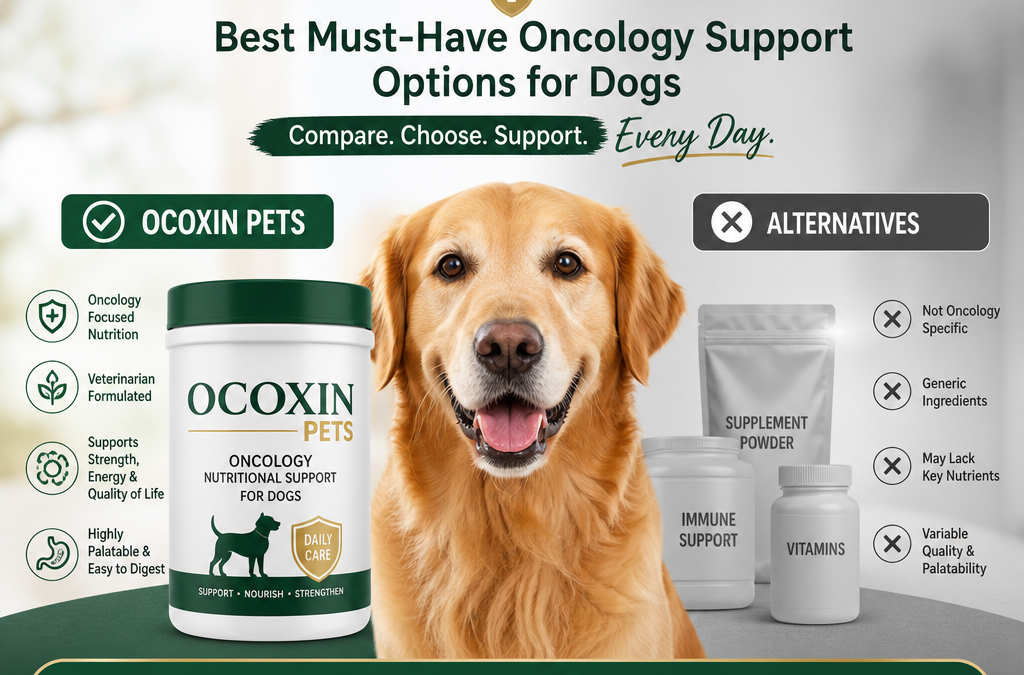
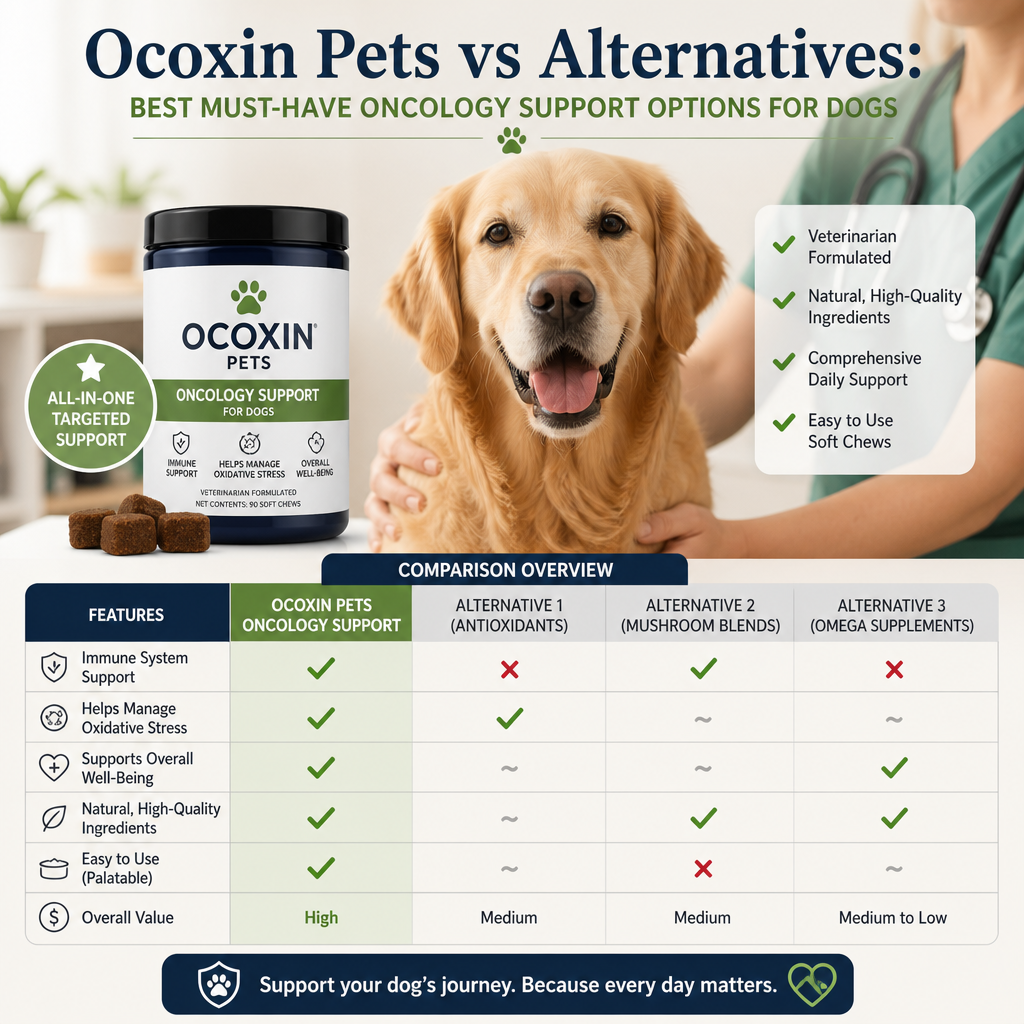
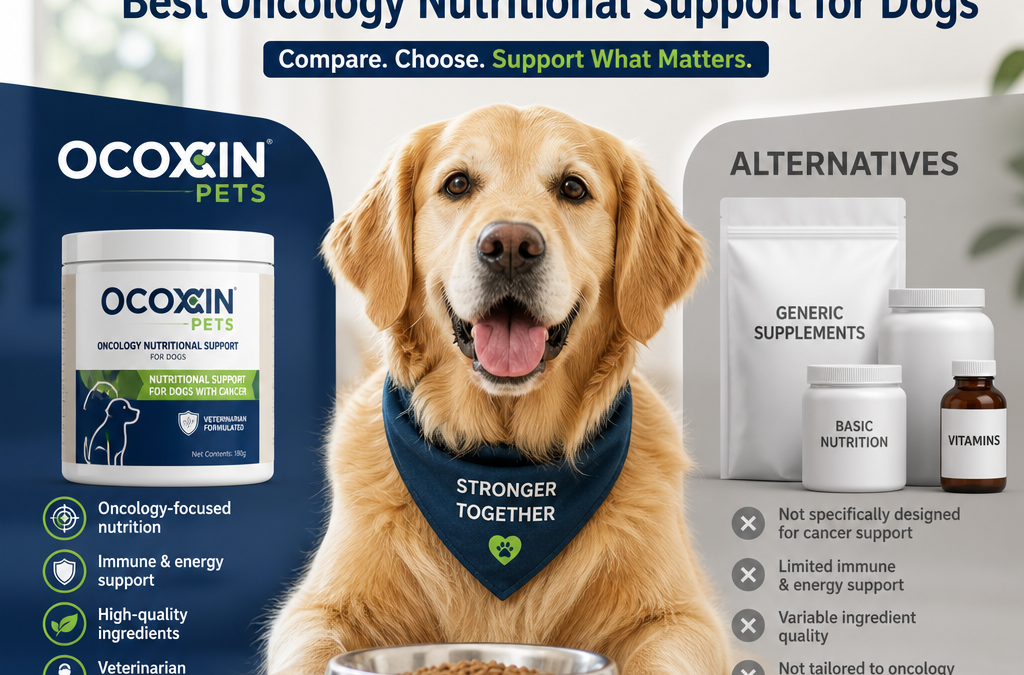
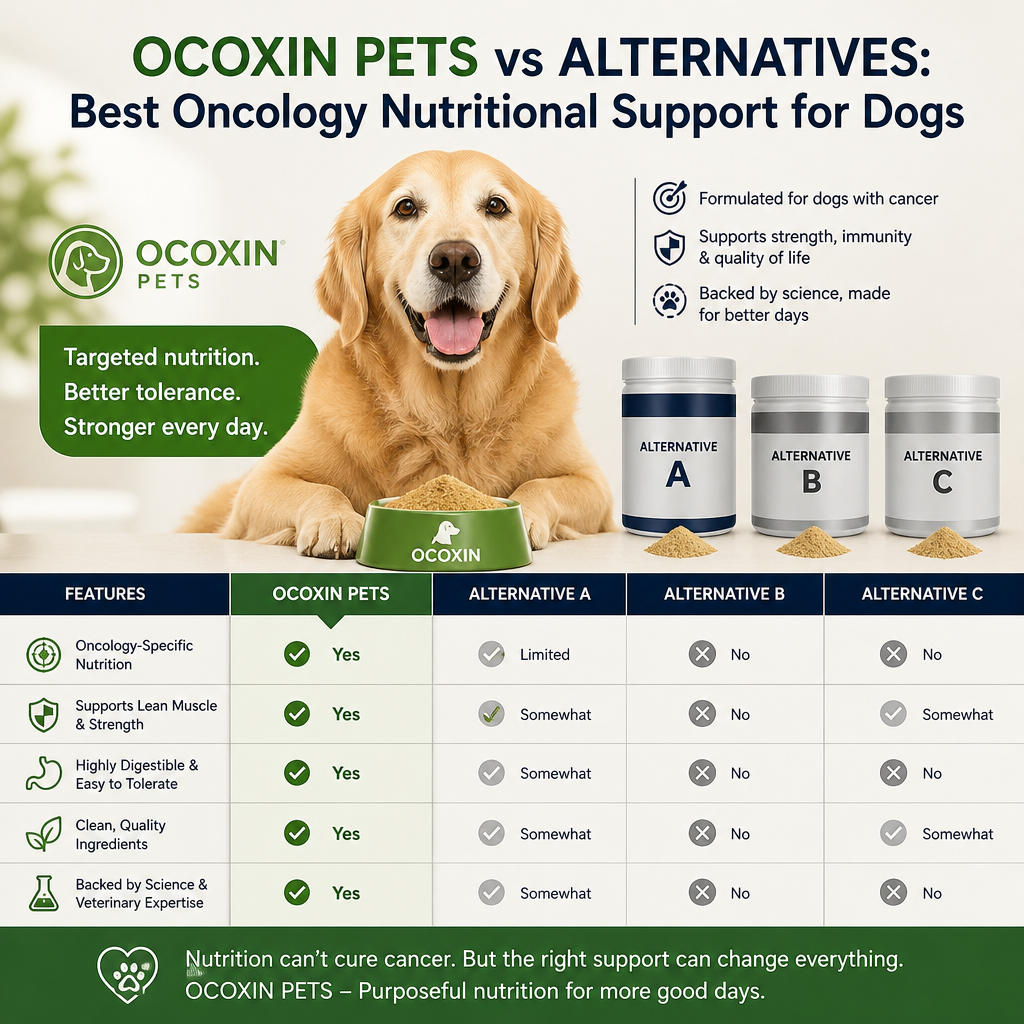
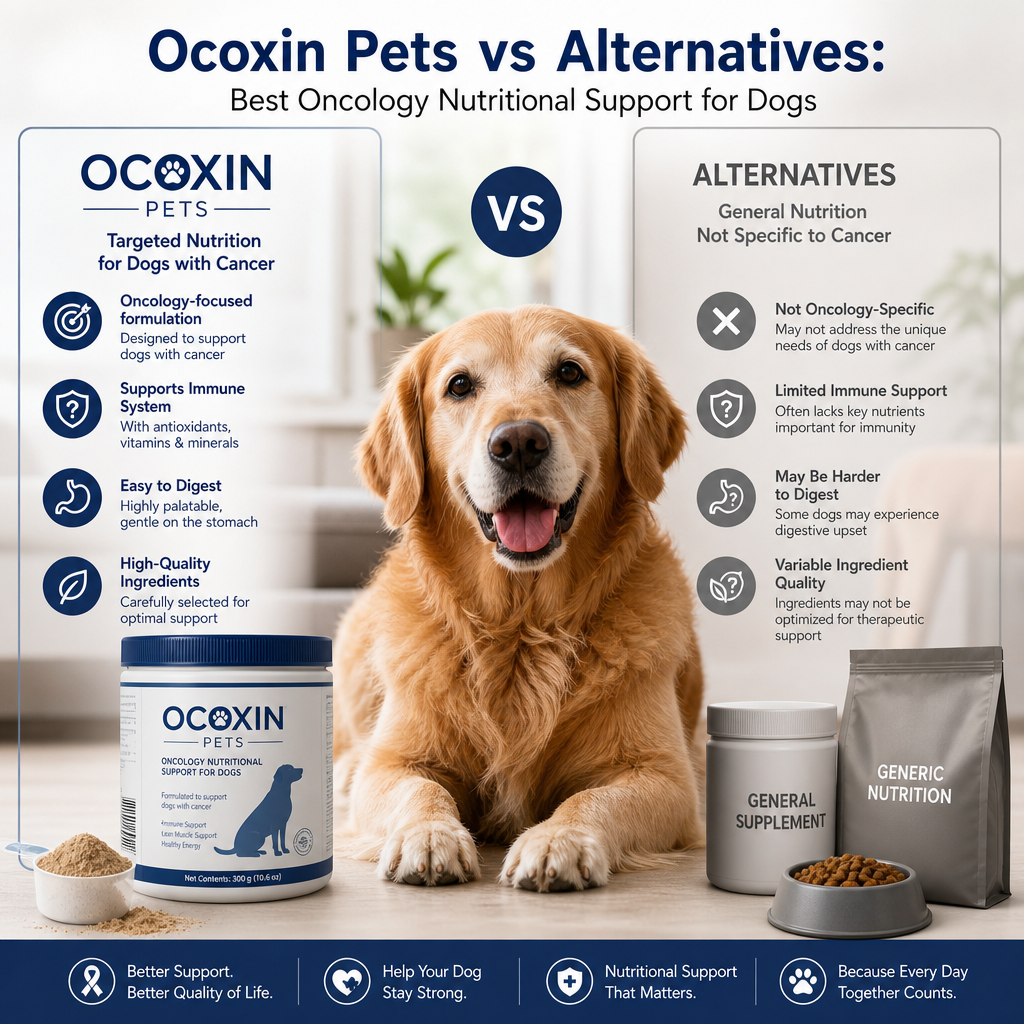
Ocoxin Pets vs alternatives is an important comparison for dog owners seeking supportive care during cancer treatment. While no nutritional product can replace veterinary oncology, carefully selected supplements may help maintain appetite, body condition, hydration, and quality of life. The best choice depends on the dog’s diagnosis, treatment plan, current medications, bloodwork, and ability to tolerate certain ingredients.
For many families, the search starts when a dog begins eating less, losing weight, or seeming less energetic during treatment. At that point, Ocoxin Pets vs alternatives becomes less about brand preference and more about finding a practical support approach that fits the dog’s needs, the veterinarian’s recommendations, and the realities of daily care at home.
Understanding oncology nutritional support for dogs
Cancer can affect a dog’s nutritional needs in several ways. Tumors may alter metabolism, increase inflammation, reduce appetite, or contribute to muscle loss. Chemotherapy, radiation therapy, surgery, and pain medications can also cause nausea, fatigue, diarrhea, or changes in taste and eating behavior.
Oncology nutritional support is designed to complement—not replace—standard veterinary treatment. Its goals may include helping a dog maintain adequate calorie intake, supporting lean muscle, providing essential nutrients, and improving overall resilience during a demanding treatment period.
A useful support plan usually includes:
A complete and balanced diet appropriate for the dog’s condition
Sufficient calories and high-quality protein
Veterinary-approved supplements when indicated
Strategies to manage nausea, pain, constipation, or diarrhea
Regular monitoring of weight, muscle condition, appetite, and laboratory results
Because cancer is not one single disease, a supplement that suits one dog may be unsuitable for another. Dogs with kidney disease, liver dysfunction, pancreatitis, bleeding disorders, or drug-sensitive tumors require especially careful evaluation. For a broader overview of support choices, see this guide to best supplements for dogs with cancer.
Pet owners often ask whether supportive nutrition can make treatment easier to tolerate. In many cases, it can help a dog stay steadier through therapy, especially when appetite loss and weight loss are the main concerns. The most useful plan is usually practical, simple, and easy to monitor at home.
When a dog is under active treatment, even small changes in diet or supplements can affect comfort. That is why the best oncology nutritional support plans focus on consistency. A dog that eats a modest amount reliably every day often does better than a dog that eats a large amount one day and refuses food the next.
Owners should also remember that cancer care is dynamic. What worked early in treatment may no longer work later, especially if nausea, pain, or digestive sensitivity increases. That makes regular review an important part of supportive nutrition.
Ocoxin Pets: What it may offer
Ocoxin Pets is marketed as a veterinary nutritional supplement intended to provide supportive nutrients for dogs and cats affected by serious illness, including cancer. Products in this category commonly combine vitamins, minerals, antioxidants, amino acids, and plant-derived ingredients.
Potential reasons veterinarians or owners may consider Ocoxin Pets include its convenient formulation and its focus on broad nutritional support. A combination product can be easier to administer than several separate supplements, especially when a dog is already receiving multiple medications.
However, the product should not be viewed as an anticancer drug. Evidence for nutritional supplements in veterinary oncology is often limited, and results can vary according to tumor type, stage, treatment protocol, and the dog’s overall health. Some ingredients may also interact with chemotherapy, corticosteroids, anti-inflammatory drugs, anesthetics, or anticoagulants.
Before using Ocoxin Pets, owners should review the full ingredient list with the treating veterinarian. It is also important to follow the recommended dosage rather than assuming that more will provide greater benefit. If a dog is already receiving a complex treatment plan, a short review of all products can reduce the risk of overlap or ingredient duplication.
In practical terms, this kind of support is most useful when it fits the dog’s daily routine. If a supplement is difficult to give, causes stomach upset, or creates stress at mealtimes, the long-term value may be limited even if the formula looks appealing on paper.
For dogs that are already sensitive to medications or supplements, the safest approach is usually gradual. A small initial trial, close observation, and veterinary follow-up can reveal whether the product is being tolerated. That process matters as much as the product itself when discussing Ocoxin Pets vs alternatives.
Ocoxin Pets vs alternatives: Key comparison factors
When considering Ocoxin Pets vs alternatives, the most important question is not simply which product has the longest ingredient list. Instead, assess whether the product addresses the dog’s specific needs and can be used safely alongside the prescribed treatment.
1. Nutritional purpose
Some supplements focus on general wellness, while others are intended to provide calories, omega-3 fatty acids, digestive support, or targeted vitamins and minerals. A dog losing weight may need a calorie-dense nutritional plan more urgently than a broad antioxidant supplement. That is why Ocoxin Pets vs alternatives should be judged by the problem being treated, not by marketing claims alone.
2. Ingredient transparency
Choose products that clearly identify active ingredients and amounts. Proprietary blends can make it difficult to determine whether a dog is receiving an effective, excessive, or potentially interacting dose. Clear labeling also helps the vet compare the formula with other products already in use.
3. Evidence and veterinary oversight
Look for products manufactured under quality-control standards and supported by credible veterinary guidance. Testimonials may be encouraging, but they do not establish that a supplement treats cancer or improves survival. Trusted background sources, such as the American Veterinary Medical Association, can help owners understand the difference between supportive care and proven cancer treatment.
4. Administration and tolerance
A theoretically useful product is not practical if a dog refuses it or develops vomiting and diarrhea. Powders, liquids, capsules, and chewable products each have advantages. Palatability is particularly important when appetite is already poor.
5. Compatibility with treatment
Some antioxidants and herbal ingredients may affect drug metabolism or the intended effects of radiation and chemotherapy. The veterinarian should know about every supplement the dog receives, including products purchased online or from health-food stores. This is especially important in the middle of active treatment, when small changes can influence comfort and safety.
For dogs with tumor spread or suspected progression, supportive care should also account for disease stage and changing goals. A useful reference for owners is this article on metastasis in dogs, which explains why support needs may shift as cancer advances.
When comparing Ocoxin Pets vs alternatives, it may help to think about the dog’s current stage of illness. A dog in recovery after surgery may have different needs from a dog receiving chemotherapy or palliative care. The same formula is not always the best answer across every phase of treatment.
Cost can also matter, but cost should be weighed against safety and usefulness. A lower-priced product is not a good deal if it cannot be used consistently or does not fit the dog’s treatment plan. Likewise, a premium product is not automatically superior if its ingredients duplicate what the dog already receives.
Dog tumor support options worth discussing
There are several dog tumor support options that may be considered as part of a comprehensive care plan. These should be selected according to the dog’s diagnosis and veterinary recommendations. When comparing Ocoxin Pets vs alternatives, it helps to think in terms of support categories rather than only brand names.
Therapeutic nutrition
A complete veterinary diet can help provide consistent calories and nutrients. In some cases, a highly digestible or energy-dense food is useful. Dogs with reduced appetite may benefit from warmed food, smaller frequent meals, or carefully selected toppers. Any homemade diet should be formulated by a veterinary nutritionist to avoid deficiencies.
Therapeutic nutrition is often the foundation of oncology support because it addresses the day-to-day issue of maintaining intake. Even the most promising supplement will not help much if the dog cannot or will not eat enough. That is why food strategy is often discussed before adding more products.
Omega-3 fatty acids
Fish oil provides EPA and DHA, which may support normal inflammatory processes and help maintain skin, coat, and general health. It must be used at an appropriate dose because excessive amounts can cause gastrointestinal upset or affect platelet function. Product quality also matters, particularly with regard to freshness and contamination testing.
Omega-3 fatty acids are frequently discussed in oncology nutritional support because they can be incorporated into an existing meal plan more easily than some other supplements. Still, a veterinary team should decide whether they are appropriate for the individual dog, especially if surgery or bleeding risk is part of the picture.
Digestive and appetite support
Probiotics, fiber, prescription anti-nausea medication, appetite stimulants, and gastrointestinal diets may be appropriate for dogs experiencing treatment-related digestive problems. These options should be matched to the underlying issue rather than used automatically. If your dog’s eating pattern changes suddenly, the vet may want to reassess the full plan before adding anything new.
Digestive support is especially useful when nausea or loose stool is the main barrier to maintaining body weight. In some dogs, improving gut comfort can have a bigger effect on daily quality of life than changing to a completely different supplement brand.
Amino acids and muscle preservation
Maintaining lean body mass is a major goal in canine cancer care. Adequate protein, appropriate exercise, pain control, and treatment of nausea can all help. Certain amino acid supplements may be considered, but they should not substitute for adequate calories or a complete diet.
Muscle preservation matters because dogs with cancer may lose strength before they lose a large amount of body weight. In those situations, the veterinary team may focus on preserving condition rather than simply adding calories. That is a subtle but important distinction in supportive care.
Medicinal mushrooms and herbal products
Mushroom extracts and botanical supplements are sometimes promoted for immune or oncology support. Quality, concentration, and safety vary widely. Some herbs can affect liver enzymes, clotting, blood pressure, or medication absorption, so veterinary review is essential. If you are comparing branded formulas, the same caution applies to Ocoxin Pets alternative options sold in other markets, because ingredient quality and formulation can differ.
Herbal products often sound appealing because they are presented as “natural,” but natural does not automatically mean safe or suitable for every dog. That is particularly true when a dog is receiving multiple medications or already has reduced appetite and digestive sensitivity.
Patient-specific support for certain breeds and tumor types
Some dogs have a higher cancer risk or a different pattern of tumor behavior, which can affect support choices. Owners of predisposed breeds may find it helpful to read about Shar Pei cancer risks and early tumor signs so they can spot problems earlier and discuss changes with their veterinarian.
Breed, age, tumor location, and stage all influence the support plan. A young dog with an isolated tumor does not necessarily need the same nutritional support as an older dog with multiple chronic conditions. Tailoring the plan to the patient is one of the most important principles in oncology care.
Some owners also look for support when eye tumors, skin masses, or other localized cancers interfere with eating, comfort, or behavior. In those cases, the support strategy may shift toward symptom relief, appetite maintenance, and protecting quality of life rather than using a broad supplement approach alone.
How to choose the most suitable product
Start by identifying the primary problem. Is the dog losing weight, refusing food, having diarrhea, struggling with treatment side effects, or maintaining normal eating and activity? A targeted plan is generally more useful than adding several products at once.
Keep a simple record of body weight, appetite, stool quality, vomiting, energy, and supplement doses. This helps the veterinary team determine whether a product is tolerated and whether it appears to be contributing to the dog’s comfort.
Avoid making multiple changes simultaneously. Introducing one product at a time makes it easier to identify adverse reactions. Stop the supplement and contact the veterinarian if the dog develops persistent vomiting, diarrhea, weakness, unusual bruising, worsening appetite, or other concerning symptoms.
It can also help to define a clear goal before starting any supplement. For example, the objective may be better calorie intake, less nausea, improved stool quality, or steadier body weight. Once that goal is established, the veterinarian can judge whether Ocoxin Pets vs alternatives is the better fit.
Owners sometimes compare several products at once and focus only on the label. A better approach is to ask five simple questions: Will the dog eat it? Is the formula safe with current drugs? Does it match the main symptom? Can it be given consistently? Is there a realistic way to track results over the next few weeks?
If a supplement is expensive but impossible to give, it is unlikely to help much in real life. Convenience matters because supportive care works best when it can be repeated every day without stress. That is true for short-term recovery as well as long-term cancer management.
One practical method is to trial the support plan during a period when the dog’s routine is stable. That makes it easier to know whether any improvement or side effect is linked to the supplement. If the dog is already vomiting, underweight, or in pain, the veterinarian may recommend addressing those symptoms first before making a supplement decision.
Many owners also benefit from a written plan that lists the supplement, dose, timing, and desired outcome. Simple records reduce confusion and help everyone on the care team stay aligned. They also make it easier to notice whether Ocoxin Pets vs alternatives is supporting appetite, body condition, and comfort in a measurable way.
The role of the veterinary oncology team
Supplements can be part of supportive care, but they should never delay diagnosis or proven treatment. Surgery, chemotherapy, radiation, targeted therapy, pain management, and palliative care remain the central options for managing canine cancer.
A veterinary oncologist can evaluate the tumor type, treatment goals, expected side effects, and nutritional risks. The primary veterinarian can also help monitor blood counts, liver and kidney function, hydration, and body condition over time.
Ultimately, the best choice among Ocoxin Pets vs alternatives is the option that is safe, clearly formulated, realistically administered, and appropriate for the individual dog. Thoughtful oncology nutritional support can help preserve comfort and strength, but it works best as one part of a personalized veterinary care plan.
When the case is complex, a second opinion can be valuable. That does not mean abandoning the current plan; it means checking whether a different feeding strategy, appetite support approach, or supplement choice may better match the dog’s stage of illness. For some families, the right answer is a single product; for others, it is a combination of diet changes, medication support, and careful monitoring.
In summary, Ocoxin Pets vs alternatives should be judged by safety, practical use, and how well each option supports the dog’s comfort during treatment. With veterinary guidance, many dogs can benefit from a tailored nutritional plan that focuses on maintaining strength, minimizing side effects, and protecting quality of life.
For anyone still deciding between Ocoxin Pets vs alternatives, the main goal should remain steady and realistic: support the dog’s appetite, weight, hydration, and daily comfort while respecting the oncology plan already in place. The right choice is usually the one that can be used consistently, monitored easily, and adjusted when the dog’s needs change.
Ocoxin Pets vs alternatives is an important comparison for dog owners seeking nutritional support during cancer care. A diagnosis of cancer can leave families facing difficult decisions about treatment, appetite, weight loss, and quality of life. While nutrition cannot replace surgery, chemotherapy, radiation, or veterinary monitoring, a carefully selected nutritional plan may help support strength, recovery, and daily wellbeing.
The best approach depends on the dog’s tumor type, treatment plan, appetite, body condition, organ function, and other medical conditions. Products marketed for oncology support can differ considerably in ingredients, evidence, formulation, and suitability. Understanding these differences helps owners have more productive conversations with their veterinarian and choose support that fits the individual dog rather than the label.
For owners comparing Ocoxin Pets vs alternatives, the goal is not to find a miracle product. It is to identify a practical option that supports nutrition, is well tolerated, and works alongside the rest of the cancer care plan. In many cases, the right answer may be a supplement, a therapeutic diet, a feeding change, or a combination of several small support measures.
Oncology nutritional support refers to dietary strategies and supplements used to help dogs maintain body weight, muscle mass, energy, and general health during cancer treatment. Dogs with cancer may experience reduced appetite, nausea, changes in metabolism, difficulty chewing or swallowing, or increased nutritional needs during recovery. In those situations, a supportive nutrition plan can make day-to-day care more manageable.
A supportive diet may focus on:
Providing adequate calories in a palatable form
Maintaining lean muscle rather than simply increasing body weight
Supplying highly digestible protein
Supporting normal immune function
Managing treatment-related digestive symptoms
Replacing nutrients lost through poor intake or illness
Preserving quality of life
Nutrition should always be individualized. A dog with kidney disease may need a different diet from a dog with lymphoma, while a dog receiving chemotherapy may have different needs from one recovering from surgery. Supplements can also interact with medications or affect blood clotting, liver metabolism, or kidney function, so the whole treatment plan matters as much as the product itself.
Veterinary teams often start by asking a few simple questions: Is the dog eating enough? Is the dog losing muscle? Is nausea limiting meals? Does the dog need calorie-dense support, or is the main issue a specific nutrient gap? Once those details are clear, oncology nutritional support becomes more targeted and more useful.
Ocoxin Pets: What does it offer?
Ocoxin Pets is a veterinary nutritional supplement designed to provide supportive nutrients for dogs and cats, particularly those dealing with serious illness. Its formulation is commonly associated with ingredients such as vitamins, minerals, antioxidants, amino acids, and other compounds intended to support appetite, vitality, and general nutritional status.
Some owners and veterinarians consider it as part of a broader care plan for dogs undergoing cancer treatment. Potential reasons for its use may include poor appetite, weight loss, reduced energy, or the desire to provide additional nutritional support during a demanding treatment period. When used thoughtfully, Ocoxin Pets vs alternatives becomes less about brand loyalty and more about fit, tolerance, and goals.
However, Ocoxin Pets should not be viewed as a cancer treatment. It does not eliminate tumors, replace prescribed medication, or guarantee a response to chemotherapy or radiation. Its value is best considered in the context of the dog’s complete nutritional and medical plan, including pain control, appetite management, and regular monitoring.
Before using it, owners should review the ingredient list with a veterinarian. This is especially important if the dog has diabetes, liver disease, kidney disease, pancreatitis, food allergies, or is receiving multiple medications. For a broader overview of canine cancer nutrition, see this helpful guide to canine tumors and pet oncology.
It may also help to compare the supplement against the dog’s current diet. If a dog already eats a fortified therapeutic food, some ingredients in an added product may be redundant. In other cases, the supplement may provide a useful boost when appetite is low or meals are incomplete.
Ocoxin Pets vs alternatives: Key comparison factors
When evaluating Ocoxin Pets vs alternatives, the product name is less important than the specific nutritional need being addressed. A useful comparison includes the following factors.
Ingredient quality and purpose
Some products provide broad-spectrum vitamins and minerals, while others focus on omega-3 fatty acids, amino acids, probiotics, calorie density, or antioxidants. Owners should ask whether each ingredient has a clear purpose and whether the total formula complements the dog’s existing diet.
More ingredients do not automatically mean better support. Certain nutrients can be excessive when combined with fortified commercial food or other supplements. In practice, a simpler formula may sometimes be easier to use consistently and safely.
Palatability
A theoretically excellent supplement is of limited value if a dog refuses to eat it. Taste and texture matter greatly, especially during chemotherapy or periods of nausea. Liquid, powder, paste, and chewable products may suit different dogs.
A veterinarian may recommend introducing any new supplement gradually and stopping if it causes vomiting, diarrhea, or a marked reduction in appetite. If a dog associates a product with feeling ill, refusal can happen quickly, so palatability should be treated as a real medical issue rather than a minor preference.
Calorie and protein contribution
Many supplements provide only small amounts of calories and cannot correct significant weight loss on their own. Dogs with cancer may need a complete, balanced, energy-dense diet rather than a micronutrient supplement alone.
Protein is particularly important for maintaining muscle, but the ideal amount depends on the dog’s diagnosis and organ health. Dogs with certain kidney or liver conditions may require more careful protein selection. This is why Ocoxin Pets vs alternatives should always be reviewed in the context of the whole medical picture, not just the tumor diagnosis.
Evidence and transparency
Look for manufacturers that clearly identify ingredients, serving amounts, quality controls, and intended use. Veterinary guidance is preferable to relying solely on testimonials or claims that a product can “cure” cancer.
The evidence for many pet supplements is limited or condition-specific. A responsible product should be presented as supportive care, not as a substitute for evidence-based oncology treatment. When possible, owners should choose support products with transparent labeling and realistic claims.
Compatibility with treatment
Some cancer patients are on chemotherapy, pain relief, anti-nausea medication, antibiotics, or steroids. A support product that seems harmless on paper may still be a poor fit if it creates stomach upset or duplicates a nutrient already being monitored. The safest choice is the one that stays compatible with the full treatment plan.
Cost and consistency
Even a good product is only helpful if it can be used consistently. Owners should think about cost, availability, and the ease of giving the product every day. A support option that is affordable and simple to administer may be more practical than a more complicated product with a stronger marketing story.
7 practical ways to compare support products with your veterinarian
When discussing Ocoxin Pets vs alternatives, it helps to focus on seven practical questions rather than marketing claims alone.
Does the product address appetite loss, weight maintenance, digestion, or recovery?
Are the ingredients clearly listed and dosed in a transparent way?
Will it fit alongside the current diet without duplicating nutrients?
Is the format easy for the dog to eat consistently?
Could it interact with current medications or treatment protocols?
Is there a realistic goal for short-term use and follow-up?
Will the product still make sense if the treatment plan changes?
These questions make it easier to compare options fairly. They also help prevent the common mistake of choosing a supplement that sounds impressive but does not fit the dog’s actual needs. In oncology care, the most useful choice is usually the one that solves a real problem simply and safely.
It can also help to set a short evaluation window. For example, a veterinarian may suggest checking appetite, stool quality, energy, and body weight over one to two weeks. If the product makes no visible difference or causes side effects, it may be time to reassess instead of continuing out of habit.
Dog tumor support options beyond supplements
Dog tumor support options can include nutritional, medical, environmental, and emotional strategies. A complete plan may involve several of the following approaches.
Complete therapeutic diets
Veterinary therapeutic diets can be useful when a dog has poor appetite, digestive disease, kidney impairment, or difficulty maintaining weight. Some formulas are highly digestible and calorie-dense, making it easier to provide adequate nutrition in smaller portions.
The correct diet depends on the dog’s condition. A high-fat diet, for example, may be unsuitable for a dog prone to pancreatitis, even if it provides useful calories for another patient. In the same way, the best oncology nutritional support for one dog may be a prescription diet, while another dog does better with modest meal changes and a supplement.
Omega-3 fatty acids
Fish oil products containing EPA and DHA are sometimes included in veterinary nutritional plans. These fatty acids may support normal inflammatory regulation and help maintain skin, coat, and general health. Dosage matters, and high amounts may cause digestive upset or influence bleeding risk.
Only veterinary-approved products should be used, because poor-quality oils may be oxidized or contaminated. The American College of Veterinary Internal Medicine provides useful background on veterinary nutrition and supplement safety at ACVIM.
Probiotics and digestive support
Dogs receiving antibiotics, chemotherapy, or major surgery may develop digestive disturbances. A veterinary probiotic or digestive support product may be considered in selected cases. However, not every dog needs probiotics, and immunocompromised patients require particularly careful product selection.
If digestive upset is the main issue, the best dog tumor support options may focus less on vitamins and more on stool quality, nausea control, and gentle feeding. That is one reason Ocoxin Pets vs alternatives should be considered alongside the dog’s current symptoms.
Appetite and nausea management
Prescription medications can be more effective than supplements for nausea, pain, or appetite loss. Treating these problems directly may allow a dog to eat and maintain strength. Owners should report repeated vomiting, diarrhea, refusal to eat, or rapid weight loss promptly.
In some cases, improving the dog’s comfort has a bigger nutritional impact than adding another product. A dog that feels less nauseated may begin eating enough on its own, making the support plan easier and more effective.
Feeding modifications
Small, frequent meals may be easier to tolerate than large meals. Warming food slightly can improve aroma, while hand feeding or using a quiet feeding area may reduce stress. Sudden diet changes should generally be avoided unless directed by a veterinary professional.
Simple changes can matter a great deal. Even the best supplement may not overcome a feeding routine that is too stressful, too large, or too inconsistent for a sick dog.
Hydration and comfort care
Hydration supports digestion, circulation, and overall comfort. Some dogs need encouragement to drink, while others may benefit from veterinary-guided fluid therapy. Soft bedding, easy access to water, and reduced household stress can also make eating more likely.
7 practical ways to compare support products with your veterinarian
When discussing Ocoxin Pets vs alternatives, it helps to focus on seven practical questions rather than marketing claims alone.
Does the product address appetite loss, weight maintenance, digestion, or recovery?
Are the ingredients clearly listed and dosed in a transparent way?
Will it fit alongside the current diet without duplicating nutrients?
Is the format easy for the dog to eat consistently?
Could it interact with current medications or treatment protocols?
Is there a realistic goal for short-term use and follow-up?
Will the product still make sense if the treatment plan changes?
These questions make it easier to compare options fairly. They also help prevent the common mistake of choosing a supplement that sounds impressive but does not fit the dog’s actual needs. In oncology care, the most useful choice is usually the one that solves a real problem simply and safely.
It can also help to set a short evaluation window. For example, a veterinarian may suggest checking appetite, stool quality, energy, and body weight over one to two weeks. If the product makes no visible difference or causes side effects, it may be time to reassess instead of continuing out of habit.
How to choose the right oncology nutritional support
The first step is identifying the primary problem. Is the dog losing weight, refusing food, losing muscle, experiencing diarrhea, or struggling with treatment side effects? Different problems require different solutions.
A veterinarian may assess body weight, muscle condition, hydration, bloodwork, tumor status, medication use, and daily calorie intake. Keep a simple record of meals, treats, vomiting, stool quality, and weight changes. This information can reveal whether a supplement is helping or whether the underlying problem requires medical attention.
It is also important to avoid combining several products without professional advice. Multiple supplements may duplicate vitamins, minerals, antioxidants, or herbal ingredients. Some compounds may interfere with chemotherapy or other medications, while others can place additional stress on the liver or kidneys.
Many owners begin with one product and then reassess after a short trial period. That approach can be useful, but only if the dog is monitored closely and the treatment team agrees on the goals. In some cases, the best result comes from changing the feeding schedule or addressing nausea rather than adding another supplement.
When Ocoxin Pets vs alternatives are compared carefully, the right choice often becomes clearer. The most suitable option is usually the one that solves the dog’s current problem, fits the household routine, and can be used safely over time.
Another useful question is whether the support is meant for short-term crisis care or long-term maintenance. A dog that is recovering from a procedure may need temporary calorie support, while a dog in ongoing cancer management may need a more sustainable plan that can be repeated day after day.
Supporting quality of life during cancer care
Nutrition is only one part of compassionate oncology care. Dogs may benefit from effective pain control, comfortable bedding, gentle exercise, regular hydration, and predictable routines. Emotional support also matters; calm companionship and enjoyable low-stress activities can help preserve a dog’s sense of security.
Regular veterinary reviews are essential because nutritional needs may change throughout treatment. A dog that initially benefits from an appetite-supporting supplement may later need a therapeutic diet, medication adjustment, or more intensive nutritional intervention.
Owners should also watch for changes that suggest the plan needs updating: a sudden drop in appetite, repeated vomiting, increased thirst, weakness, or obvious muscle loss. These changes are not just nutrition issues; they may signal that the cancer or the treatment plan itself needs prompt review.
Ultimately, Ocoxin Pets vs alternatives is not a simple contest between brands. The most appropriate choice is the option that safely addresses the individual dog’s nutritional needs, fits the medical treatment plan, is tolerated well, and has realistic goals. With veterinary guidance, oncology nutritional support can become a practical part of maintaining strength, comfort, and quality of life while the primary cancer is being treated.
For many families, the most reassuring answer is a balanced one: use evidence-based veterinary care, choose a support product only when it serves a clear purpose, and keep monitoring how the dog feels day to day. That approach makes Ocoxin Pets vs alternatives easier to evaluate and more likely to lead to a choice that truly helps.
Ocoxin Pets vs Alternatives is an important comparison for dog owners seeking supportive nutrition during cancer care. A diagnosis of cancer can raise difficult questions about appetite, weight, energy, treatment tolerance, and overall quality of life. Nutritional products cannot replace surgery, chemotherapy, radiation, or veterinary supervision, but they may help support a dog’s condition as part of a broader treatment plan.
The best choice depends on the dog’s diagnosis, treatment schedule, current diet, bloodwork, appetite, digestive health, and individual response. Understanding the differences between products can help owners discuss practical options with a veterinarian or veterinary oncologist.
Oncology nutritional support refers to dietary strategies, supplements, and therapeutic foods intended to help dogs maintain strength and body condition during cancer treatment. Cancer and its therapies may affect metabolism, appetite, digestion, hydration, and muscle mass. Some dogs lose weight rapidly, while others experience nausea, diarrhea, constipation, or changes in food preferences.
A nutritional support plan may include:
A complete and balanced therapeutic diet
Calorie-dense food for dogs with reduced appetite
High-quality protein to help preserve lean muscle
Omega-3 fatty acids, when appropriate
Antioxidant management tailored to the treatment plan
Digestive support, such as carefully selected fiber or probiotics
Appetite and nausea medications prescribed by a veterinarian
Hydration support when drinking or eating is reduced
Nutritional products should be viewed as complementary tools. They are not designed to destroy tumors, cure cancer, or independently improve survival. Their primary purpose is to help maintain nutritional status and quality of life.
In practice, oncology nutritional support works best when it is individualized. A dog with a mast cell tumor, lymphoma, osteosarcoma, or a metastatic mass may have very different nutritional needs. Some patients need more calories and palatability, while others need better digestive tolerance or support for medication-related side effects. That is why Ocoxin Pets vs alternatives should always be considered in the context of the dog’s full medical picture.
Owners should also remember that cancer itself can change how a dog processes nutrients. Muscle loss may begin before obvious weight loss is noticed, and a dog may still appear “well fed” while body condition is declining. That makes routine rechecks, weight monitoring, and body condition scoring especially valuable during treatment.
How Ocoxin Pets May Fit Into a Support Plan
Ocoxin Pets is marketed as a nutritional supplement for dogs and cats requiring additional support during serious illness, including cancer care. Its formulation typically includes a combination of nutritional and plant-derived ingredients. Depending on the specific product and regional formulation, ingredients may include compounds such as beta-glucans, vitamins, minerals, amino acids, and botanical extracts.
The potential appeal of Ocoxin Pets is its multi-ingredient approach. Rather than focusing on only calories, fatty acids, or digestive health, it is intended to provide broader nutritional support. Some owners and veterinary professionals consider this type of supplement when a dog is undergoing intensive treatment or needs additional support beyond a standard diet.
However, product suitability should be assessed carefully. Ingredient lists and concentrations matter, and formulations can change. Dogs may also react differently to botanical ingredients or concentrated supplements. A veterinarian should review the product before use, especially if the dog is receiving chemotherapy, corticosteroids, nonsteroidal anti-inflammatory drugs, anticoagulants, or other medications.
For readers comparing options, the American College of Veterinary Internal Medicine provides a helpful overview of evidence-based veterinary care through its oncology resources: ACVIM veterinary oncology resources.
When Ocoxin Pets is discussed in the clinic, the conversation usually centers on three questions: does the product fit the dog’s current needs, is it safe with the present treatment plan, and can it be given consistently without upsetting appetite or digestion? Those questions are often more useful than focusing only on marketing claims. If the answer is yes, then Ocoxin Pets vs alternatives may become a practical discussion about convenience, ingredients, and tolerability.
It is also helpful to understand what a supplement can and cannot do. A supplement may support energy, appetite, or nutrient intake, but it does not remove the need for diagnostic monitoring. Bloodwork, imaging, and follow-up exams remain important because changes in tumor behavior, inflammation, or organ function can alter nutritional needs quickly.
Ocoxin Pets vs Alternatives: Key Comparison Factors
When evaluating Ocoxin Pets vs alternatives, it helps to compare products according to their purpose rather than treating every supplement as interchangeable.
In practice, Ocoxin Pets vs alternatives should be reviewed based on the dog’s current needs, the treatment plan, and how easy the product is to use every day. Some dogs need more calories, while others need a product that is easier to tolerate during nausea or digestive upset.
The phrase Ocoxin Pets vs alternatives is useful because it forces a more specific comparison. Not every option is trying to do the same job. One product may support digestion, another may increase calorie intake, and another may combine multiple ingredients in a broader formula. Understanding that difference can prevent wasted money and reduce the risk of choosing a supplement that sounds impressive but does little for the individual dog.
1. Nutritional completeness
Some products are complete therapeutic diets, while others are supplements designed to be added to normal food. A complete diet supplies essential nutrients in appropriate proportions. A supplement may provide selected ingredients but cannot meet all dietary requirements.
If a dog is eating poorly, a veterinary therapeutic diet or calorie-dense complete food may be more important than a broad supplement. Conversely, a dog already eating adequately may only need targeted support.
2. Calorie and protein content
Weight loss and muscle loss are common concerns in canine cancer patients. A supplement with appealing ingredients may not provide enough calories or protein to address these problems. Owners should check whether a product meaningfully contributes to daily energy needs.
Protein requirements vary according to kidney function, liver health, tumor type, treatment, and the dog’s overall condition. There is no single cancer diet suitable for every patient. Restricting protein without veterinary guidance may worsen muscle loss.
3. Ingredient transparency
Clear labeling is essential. Owners should look for exact ingredient names, quantities, feeding instructions, expiration dates, and quality-control information. Products that use vague proprietary blends can be difficult to evaluate, particularly when a dog is taking multiple medications.
A supplement should also be sourced from a reputable manufacturer with appropriate testing and manufacturing standards. “Natural” does not automatically mean safe, effective, or free from drug interactions.
4. Evidence and realistic expectations
Research on veterinary cancer supplements is often limited compared with research on standard cancer treatments. Some ingredients have laboratory or preliminary evidence, but laboratory findings do not necessarily prove that a product improves outcomes in dogs.
The most realistic goals of oncology nutritional support are maintaining appetite, body weight, hydration, comfort, and activity. Claims that a supplement can shrink tumors or replace conventional therapy should be treated with caution.
When owners compare Ocoxin Pets vs alternatives, it is usually most helpful to ask a simple question: does this option improve eating, comfort, or nutrition in a measurable way? That question often reveals whether a supplement is truly useful for the individual dog.
Another useful question is whether the product can be integrated into normal routines. If a dog dislikes the taste, resists administration, or becomes nauseated after dosing, even a well-formulated product may fail in real-world use. Ease of administration matters because supportive care only works if the dog actually receives it. That is one reason why many veterinarians compare Ocoxin Pets vs alternatives in terms of compliance, not just ingredients.
Common Dog Tumor Support Options
There are several categories of dog tumor support options, and each addresses different needs.
These dog tumor support options may be combined in some cases, but they should be matched carefully to the dog’s medical status. A plan that works well for one patient may be inappropriate for another, especially during chemotherapy or when digestive issues are present.
Looking at dog tumor support options side by side can make the decision much easier for owners. Some options are designed for overall nutrition, others for symptom control, and others for specific clinical goals such as maintaining lean body mass or supporting digestion. The best choice often combines several simple strategies rather than relying on one product to do everything.
Therapeutic veterinary diets
Veterinary diets may be useful when a dog has poor appetite, gastrointestinal problems, food intolerance, kidney disease, or another condition affecting nutritional requirements. Some are formulated to be highly digestible or energy dense. Others are designed for specific medical conditions.
The best diet is the one the dog will eat consistently while still meeting medical needs. Sudden dietary changes can cause digestive upset, so transitions should generally be gradual unless a veterinarian recommends otherwise.
Therapeutic diets are often overlooked because owners focus on supplements first. In reality, a diet that the dog accepts well can provide a stronger foundation than a supplement added to food the dog refuses. That is why Ocoxin Pets vs alternatives should include a look at the full feeding plan, not just a single bottle or sachet.
Omega-3 fatty acids
Fish oil provides EPA and DHA, which may support normal inflammatory regulation and help maintain skin, coat, and general health. Omega-3 products vary considerably in purity and concentration. Excessive doses can cause gastrointestinal upset or affect platelet function, so dosing should be determined by a professional.
For some dogs, omega-3 support may be most useful when body condition is stable and the goal is long-term maintenance. For others, it can be part of a broader plan to support comfort and general health during treatment. The most important point is that omega-3 products should be selected carefully, because quality and concentration vary widely.
Probiotics and digestive support
Dogs receiving chemotherapy or antibiotics may develop changes in bowel habits. A veterinary probiotic or carefully selected fiber source may help some patients, although it is not appropriate for every dog. Severe diarrhea, vomiting, blood in the stool, or dehydration requires prompt veterinary attention rather than relying on supplements.
Digestive support is especially important when appetite is inconsistent. If a dog feels nauseous or has loose stools, the owner may mistakenly think the cancer itself is the main issue, when the true problem could be a medication effect, a food intolerance, or gut irritation. Addressing these issues can make any cancer support plan more effective.
Appetite and nausea management
Prescription medications can be among the most effective forms of nutritional support. Anti-nausea treatment, appetite stimulation, pain control, and treatment of constipation may allow a dog to eat more successfully. Addressing the underlying problem is often more helpful than adding another supplement.
This is a major reason oncology care should be individualized. If a dog is not eating, the right response may be medication, feeding adjustments, pain relief, or a change in food texture and temperature. Supplements can still be helpful, but they should not distract from more urgent supportive care.
Homemade diets formulated by a veterinary nutritionist
Some owners prefer home-prepared food because it may be more appealing to the dog. However, improvised recipes can be deficient in essential nutrients or inappropriate for a dog’s medical condition. A board-certified veterinary nutritionist can create a balanced recipe that accounts for diagnosis, treatment, allergies, and calorie needs.
Home-prepared feeding can be especially valuable for dogs with declining appetite, because it allows for texture, flavor, and moisture adjustments. Warmed food, smaller meals, and added broth or water may improve acceptance. Even so, the recipe must remain nutritionally complete. That balance can be hard to achieve without expert input.
Other supportive approaches may also be discussed with the veterinary team, including additional calorie boosters, altered meal timing, and symptom-directed medications. When used together, these measures can often improve daily intake more reliably than any single product. That is why owners comparing Ocoxin Pets vs alternatives should avoid thinking in terms of “best in all cases” and instead focus on “best for this dog right now.”
Safety Considerations During Cancer Treatment
Supplements can interact with medications or affect treatment tolerance. Certain botanical ingredients may influence liver enzymes, blood clotting, immune activity, or the metabolism of chemotherapy drugs. High doses of antioxidants may also be unsuitable in particular treatment plans, depending on the therapy and veterinary guidance.
Before starting Ocoxin Pets or any alternative, provide the veterinary team with:
The complete product label
The planned daily dose
All current medications
Other supplements and treats
Recent bloodwork, if available
Information about appetite, stool quality, vomiting, and weight changes
Stop and seek veterinary advice if the dog develops worsening vomiting, diarrhea, facial swelling, breathing difficulty, marked lethargy, or refusal to eat.
Safety also includes monitoring the dog’s response after any new product is introduced. Owners should watch for changes in stool quality, appetite, energy, scratching, swelling, or reluctance to take the supplement. If a product seems to upset the stomach, it may be better to stop it and reassess rather than trying to push through adverse effects.
In oncology care, timing matters. Some supplements may be acceptable during one stage of treatment but not another. A product that seems useful before chemotherapy could become less appropriate during periods of low appetite or low platelets. The veterinary team can help determine whether a change in treatment phase also means a change in nutritional support.
It can also be helpful to track every new product in a simple notebook or phone note. Record the date started, dose, feeding time, and any side effects. If several changes happen at once, it becomes difficult to identify what helped and what caused problems. Keeping clear notes makes Ocoxin Pets vs alternatives a more objective discussion at the next recheck.
Choosing the Most Appropriate Option
The most suitable oncology nutritional support is determined by the dog’s needs, not by marketing claims or the number of ingredients in a product. A dog losing weight may need calorie and protein support first. A dog with gastrointestinal symptoms may need digestibility and nausea control. A dog eating well may benefit from a simpler, targeted supplement—or may not need supplementation at all.
Owners should monitor body weight, muscle condition, appetite, water intake, stool quality, energy, and comfort. Keeping a daily record can help the veterinarian identify trends and adjust the plan quickly.
Ocoxin Pets may be a reasonable option for some dogs when used under veterinary supervision, but it is not automatically superior to therapeutic diets, omega-3 products, digestive support, prescription medications, or a carefully formulated home-prepared diet. Comparing purpose, evidence, safety, nutritional value, and compatibility with cancer treatment provides a more reliable path toward supporting a dog’s health and quality of life.
Ultimately, Ocoxin Pets vs alternatives should be decided with the same goal in mind: preserving comfort, maintaining nutrition, and supporting the dog through treatment in the safest way possible. That approach usually leads to better conversations, better expectations, and a more practical care plan.
For many families, the decision becomes easier when they separate “supportive” from “curative.” Supportive nutrition can improve day-to-day functioning, but it should not be expected to treat cancer on its own. Once that distinction is clear, Ocoxin Pets vs alternatives becomes a structured, patient-specific choice rather than a general product debate.
In summary, the best plan is the one that helps the dog eat, maintain weight, tolerate treatment, and stay comfortable with minimal risk. That may be Ocoxin Pets for one patient, but a therapeutic diet, probiotic, omega-3 supplement, or prescription appetite support may be better for another. Careful monitoring and regular veterinary guidance remain the foundation of every good decision.