by TCMVET | Aug 18, 2026 | Research and News
Ocoxin Pets is a nutritional support product that some pet owners in Cyprus consider when their dogs are dealing with cancer or other serious health challenges. An Ocoxin Pets review should begin with an important distinction: this type of supplement is not a replacement for veterinary diagnosis, surgery, chemotherapy, radiation, or prescribed medication. Instead, it may be discussed as part of a broader care plan designed to support appetite, nutrition, immunity, and quality of life.
For owners facing a difficult diagnosis, the most helpful question is not whether a supplement can cure cancer, but whether it may offer safe, practical support alongside professional treatment. That mindset keeps expectations realistic and helps families make better decisions for their dogs’ comfort and wellbeing.
When a dog receives a cancer diagnosis, owners often search for practical and affordable ways to provide additional support. Ocoxin Pets dog cancer support is one option that may be recommended by a veterinarian, particularly when a dog is experiencing reduced appetite, weight loss, weakness, or recovery-related nutritional needs. Understanding what the product can and cannot do is essential before making a purchase.
What is Ocoxin Pets?
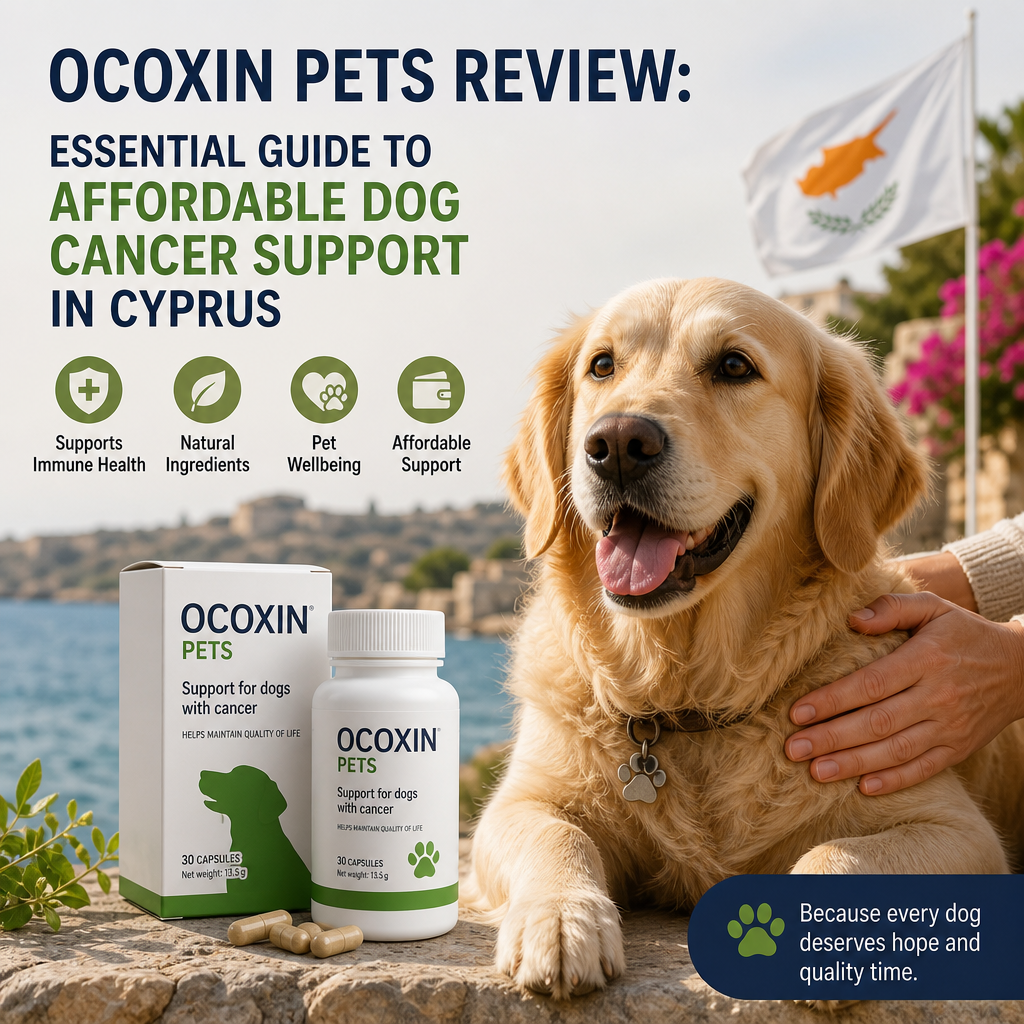
Ocoxin Pets is generally presented as a complementary nutritional product for dogs and other companion animals. Its formulation is associated with ingredients intended to provide antioxidant and nutritional support. Depending on the specific product and market, the formula may include vitamins, minerals, plant-derived compounds, amino acids, or other nutrients.
The purpose of such products is usually supportive rather than curative. Cancer affects dogs in different ways, depending on the type, location, stage, and treatment plan. Some dogs continue eating normally, while others develop nausea, fatigue, inflammation, digestive problems, or a loss of interest in food. A nutritional supplement may be considered when the veterinary team believes additional dietary support could be useful.
Because formulations and dosing instructions can change, owners should read the current product label and consult a veterinarian before use. A dog’s age, body weight, diagnosis, medications, kidney function, liver health, and general condition all influence whether a supplement is appropriate.
In practical terms, that means the same product may be reasonable for one dog and unsuitable for another. A careful review of the individual case is always more important than a generic recommendation.
Ocoxin Pets dog cancer support: What can it realistically do?
The phrase Ocoxin Pets dog cancer support should be understood in terms of supportive care, not a promise of cancer treatment. Nutritional products may help some dogs maintain energy intake or receive nutrients during a difficult period, but there is no responsible basis for assuming that a supplement alone can eliminate a tumor or stop cancer progression.
Potential goals of supportive supplementation may include:
- Helping provide additional nutritional intake
- Supporting dogs with reduced appetite
- Complementing a balanced diet
- Assisting general recovery during illness or treatment
- Supporting overall wellbeing when recommended by a veterinarian
The results can vary considerably. Some dogs tolerate a product well and show improved interest in food or daily activity. Others may notice no visible difference, or may experience digestive upset. A supplement should therefore be evaluated through objective observations such as appetite, body weight, stool quality, hydration, comfort, and energy levels.
It can also help to think in smaller steps. If a dog eats a little more, appears less nauseous, or becomes easier to manage at mealtimes, that may still be meaningful support even if it does not change the underlying disease.
Where to compare similar support options
If you are comparing products for dogs with tumors, it can help to review other affordable support articles before deciding. For example, you can also look at Ocoxin Pets Alternative: 7 Best Affordable Dog Tumor Supplements in the UK for a broader view of supplement-style support options.
Owners in other regions may also find it useful to compare approaches and pricing with Ocoxin Pets alternative 5 Powerful Ways to Support Dogs in Spain, especially when looking for similar nutritional support ideas.
A useful Ocoxin Pets review should focus on the actual ingredients rather than relying only on marketing language. Antioxidants and plant-based compounds are frequently included in pet supplements because they may help protect cells from oxidative stress. However, “natural” does not automatically mean safe for every dog, and antioxidant products can interact with certain treatments or medical conditions.
Owners should check:
- The complete ingredient list
- The recommended serving based on body weight
- The product’s expiry date and storage requirements
- The manufacturer’s quality and traceability information
- Any warnings involving pregnancy, chronic disease, or medication
- Whether the product is intended for dogs specifically
It is also wise to avoid combining several supplements with overlapping ingredients unless a veterinarian approves the combination. Excessive intake of certain vitamins, minerals, or herbal compounds may cause harm or interfere with treatment.
When reviewing a label, pay attention to whether the ingredient list is complete and easy to verify. Clear labeling usually makes it easier to judge whether a product fits a dog’s current health needs.
For general pet-supplement safety standards and responsible labeling expectations, owners can review guidance from the U.S. Food and Drug Administration’s pet food and supplement information.
Safety and veterinary supervision
Cancer care often involves multiple medications, including pain relief, anti-inflammatory drugs, antibiotics, anti-nausea medicines, steroids, or chemotherapy agents. Supplements can potentially affect absorption, metabolism, blood clotting, or treatment response. This is why veterinary supervision is especially important for dogs undergoing active cancer therapy.
Contact a veterinarian promptly if a dog develops repeated vomiting, persistent diarrhea, facial swelling, breathing difficulty, severe lethargy, refusal to drink, or a sudden decline after starting any new product. Even mild symptoms should be discussed if the dog is already medically fragile.
Never delay urgent care while waiting to see whether a supplement works. Difficulty breathing, uncontrolled pain, collapse, seizures, heavy bleeding, or severe dehydration requires immediate veterinary attention.
It is also sensible to track changes after introducing any supplement. A simple log of meals, water intake, bowel movements, and activity can reveal whether the product is helping, doing nothing, or causing problems.
Ocoxin Pets Cyprus: Buying and practical considerations
For owners searching for Ocoxin Pets Cyprus, availability may depend on local veterinary clinics, pet pharmacies, specialist retailers, and online suppliers. Before ordering, confirm that the product is intended for the Cypriot market or can legally be imported, and check whether the seller provides clear information about batch numbers, expiry dates, and storage.
Cyprus has a warm climate, particularly during the summer months. Products containing sensitive nutritional or botanical ingredients should be stored exactly as directed, away from direct sunlight, moisture, and excessive heat. Improper storage can reduce product quality even when the packaging appears intact.
Price is another important consideration. The cheapest option is not necessarily the best value if it lacks reliable labeling or has an uncertain supply history. Compare the cost per serving, not merely the price of the container. Ask a veterinarian whether the product is appropriate and whether a simpler dietary adjustment could meet the same nutritional goal at lower cost.
For owners who need a broader view of affordable options, it can be useful to compare the product with regional alternatives and ask which option best fits the dog’s diagnosis, appetite, and treatment plan.
How to include it in a broader care plan
A supplement should be only one part of a complete support strategy. Dogs with cancer may benefit from a carefully selected diet, adequate hydration, pain management, regular monitoring, and emotional comfort. Some dogs need calorie-dense food, while others require a diet adapted to digestive, kidney, or liver problems.
Keep a simple daily record of food intake, water consumption, medication, bowel movements, vomiting, mobility, and behavior. This information can help the veterinarian determine whether the dog is improving or whether the treatment plan needs adjustment.
Quality of life should remain the central goal. A dog that is comfortable, hydrated, interested in family interaction, and able to enjoy some normal activities may be coping well, even when treatment is ongoing. Conversely, persistent pain, distress, or inability to eat should never be dismissed as an unavoidable part of cancer.
If you are still comparing support options, another helpful regional resource is Ocoxin Pets alternative: 5 Powerful, Affordable Options for Dogs With Tumors in the Netherlands, which may help owners think through practical alternatives and pricing expectations.
Some families also find it useful to revisit the treatment plan every few weeks with the veterinary team, especially if appetite, weight, or energy levels change. Small adjustments made early are often easier than trying to correct a larger decline later.
Final assessment
An Ocoxin Pets review is most balanced when it recognizes both its possible value and its limitations. Ocoxin Pets may serve as a complementary nutritional support option for some dogs, but it is not a proven standalone cure for cancer. The right choice depends on the dog’s diagnosis, current treatment, nutritional needs, and overall health.
For pet owners in Cyprus, the safest approach is to purchase through a reputable source, verify the label and storage conditions, and discuss the product with a qualified veterinarian. Used thoughtfully as part of professional cancer care, nutritional support may help some dogs maintain strength and comfort—but informed supervision should always come before supplementation.
When chosen carefully and monitored closely, supportive nutrition can be one more way to protect comfort and dignity during a challenging time.
by TCMVET | Aug 17, 2026 | Research and News
Hemangiosarcoma Supplements for Dogs may provide nutritional and supportive benefits during a difficult cancer journey, but they should never replace veterinary treatment. Hemangiosarcoma is an aggressive cancer of blood-vessel cells that commonly affects the spleen, heart, liver, and skin. Because this disease can progress quickly and cause life-threatening bleeding, every supplement should be evaluated alongside the dog’s diagnosis, medications, laboratory results, and overall goals of care.
Understanding Hemangiosarcoma in Dogs
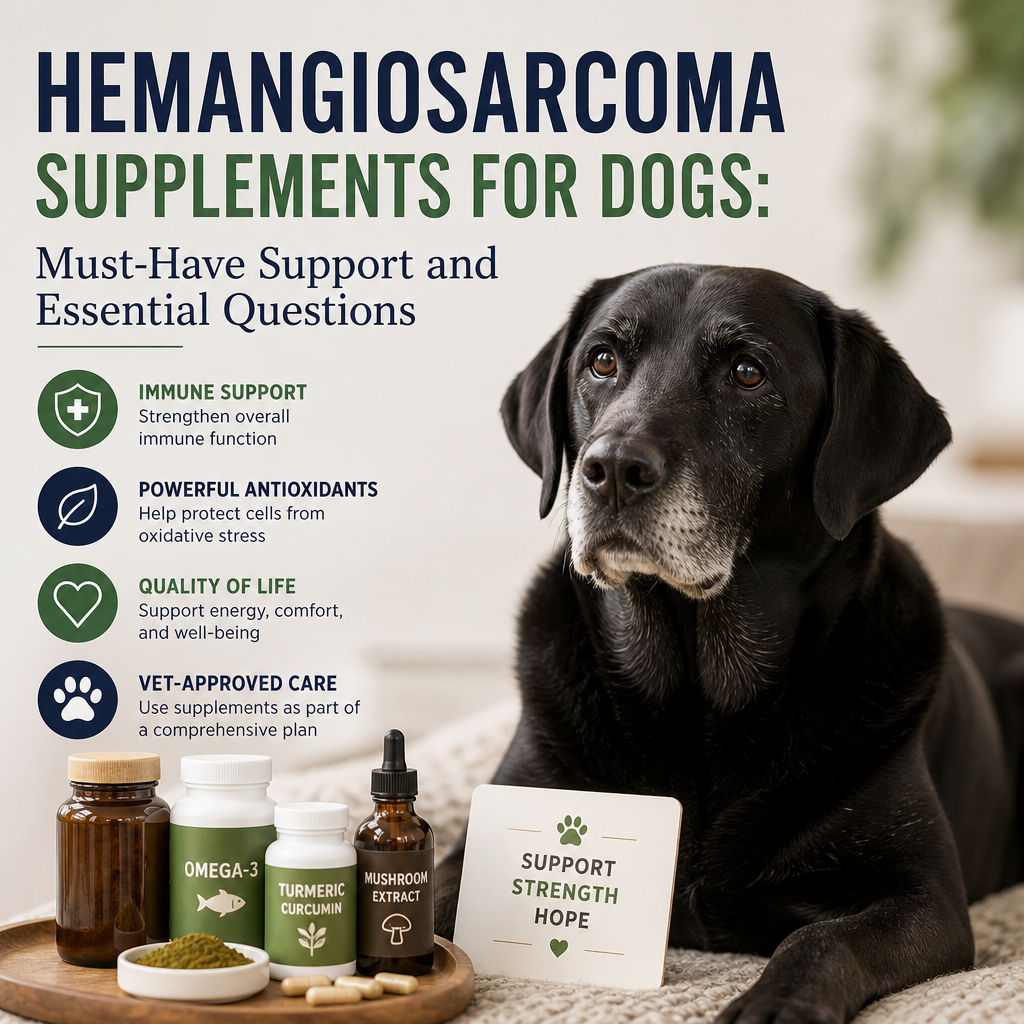
Hemangiosarcoma Supplements for Dogs are often discussed after diagnosis, but it helps to first understand the disease itself. Hemangiosarcoma often develops silently. Some dogs show few signs until a tumor ruptures, while others gradually develop weakness, reduced appetite, weight loss, pale gums, abdominal enlargement, or exercise intolerance. A bleeding tumor may cause collapse, rapid breathing, extreme lethargy, or shock and requires emergency veterinary attention.
Treatment may include surgery, chemotherapy, pain management, nutritional support, and regular monitoring. Supplements cannot remove a tumor or reliably prevent rupture, but carefully chosen products may support appetite, digestion, mobility, or general wellness. The right approach depends on whether a dog is recovering from surgery, receiving chemotherapy, living with advanced disease, or receiving palliative care.
What Supplements Can and Cannot Do
The primary purpose of hemangiosarcoma supplements for dogs is supportive care. A supplement may help address a documented nutritional gap or support a specific body system, but it is not a cure. Claims that a product can dissolve tumors, replace chemotherapy, or guarantee survival should be viewed with caution.
Potential areas of support include:
- Maintaining adequate calorie and protein intake
- Supporting normal digestion and stool quality
- Helping manage inflammation under veterinary guidance
- Providing nutrients involved in immune and cellular function
- Supporting joint comfort and mobility
- Promoting quality of life during treatment or recovery
Dogs with cancer can have changing nutritional needs. Some lose weight because of poor appetite, nausea, pain, or increased metabolic demands. Others experience digestive upset from chemotherapy or medications. A veterinary assessment is essential before adding several products at once, because unnecessary supplements can cause side effects or make it difficult to identify the source of a problem.
For a broader look at tumor behavior in canines, see Tumor Growth in Dogs: Helpful Cancer Progression Insights.
Common Supplements Discussed in Dog Cancer Support
Omega-3 fatty acids
Fish oil containing EPA and DHA is frequently discussed as part of canine cancer supplements. These fatty acids may support skin, cardiovascular health, and a balanced inflammatory response. They may also be useful for dogs with poor coat quality or chronic inflammation.
However, fish oil is not appropriate for every patient. High doses may cause diarrhea, contribute extra calories, or affect platelet function and bleeding risk. Since hemangiosarcoma can involve internal bleeding, the veterinarian should determine whether an omega-3 product is safe, especially before or after surgery or when a dog is taking anticoagulant or antiplatelet medication.
Antioxidant nutrients
Vitamins C and E, selenium, and other antioxidant compounds are sometimes included in cancer-support formulas. These nutrients have important biological roles, but more is not always better. High-dose antioxidant supplementation may be inappropriate during certain chemotherapy or radiation protocols, depending on the treatment plan and the veterinarian’s reasoning.
The source, dose, and timing matter. Never assume that a human antioxidant product is safe for a dog. Some products contain ingredients such as xylitol, excess vitamin D, caffeine, or herbal blends that may be toxic.
Medicinal mushrooms
Mushroom-derived compounds, including products made from turkey tail, are often marketed for immune support. Early research has generated interest in certain mushroom polysaccharides, but evidence in dogs remains limited and product quality varies significantly.
Mushroom supplements may interact with medications or affect immune activity. They should be selected only with veterinary input, ideally from a company that provides independent testing for identity, contaminants, and concentration.
Digestive and appetite support
Probiotics, prebiotics, digestive enzymes, and veterinarian-approved appetite support may help some dogs experiencing treatment-related gastrointestinal changes. Probiotics can be useful for certain forms of diarrhea, although they are not suitable for every immunocompromised patient.
A dog that refuses food for more than a short period, vomits repeatedly, or develops persistent diarrhea needs veterinary evaluation rather than a supplement alone. Dehydration and inadequate nutrition can become serious quickly.
Joint and mobility support
Glucosamine, chondroitin, green-lipped mussel, or other mobility products may help dogs that have arthritis or reduced movement unrelated to the tumor itself. Maintaining comfortable mobility can support emotional well-being and preserve routine.
These products do not treat hemangiosarcoma directly, and some may affect bleeding or interact with medications. Any mobility supplement should be reviewed in the context of surgery, anemia, weakness, and possible internal bleeding.
Helpful context from related cancer spread research
When owners are trying to understand how cancer behaves in the body, it can also help to read about spread and progression in dogs. That background may make treatment discussions easier and can clarify why supportive care matters so much. A useful reference is this article on metastasis in dogs and tumor spread insight.
Essential Questions to Ask Before Using a Supplement
Before beginning any product, ask the veterinary team:
- What specific problem is this supplement intended to address?
- Is it safe with chemotherapy, surgery, steroids, pain medication, or other prescriptions?
- Could it increase bleeding risk?
- Should it be stopped before a procedure?
- What dose is appropriate for the dog’s weight and medical condition?
- Could it affect liver or kidney function?
- How will we know whether it is helping?
- Which symptoms require immediate discontinuation or emergency care?
- Does the product have reliable quality testing?
- Should blood work be checked before or during use?
Keeping a complete list of supplements, medications, treats, and dietary products helps the veterinarian identify potential interactions. Bring the actual packaging or a photograph of the ingredient panel whenever possible.
For disease-specific background on splenic tumors and bleeding risk, review this veterinary resource on hemangiosarcoma from Cornell’s Baker Institute.
Choosing Safer Canine Cancer Supplements
Quality control is especially important because supplements are not regulated in exactly the same way as prescription medications. Look for transparent labeling, clear amounts of active ingredients, lot information, expiration dates, and independent testing. Avoid products that promise dramatic tumor shrinkage, use vague proprietary blends, or rely mainly on testimonials.
Do not combine multiple products with overlapping ingredients. A general multivitamin, cancer-support blend, fish oil, and herbal product may collectively provide excessive amounts of certain nutrients. Human supplements can also contain unsafe additives or doses.
Nutrition should remain the foundation of hemangiosarcoma supplements for dogs support. The best diet is one the dog will eat, can digest, and can tolerate with the treatment plan. A veterinary nutritionist may help design an appropriate plan for weight loss, reduced appetite, kidney disease, gastrointestinal problems, or other concurrent conditions.
When possible, keep the plan simple and track one change at a time. That approach makes it easier to tell whether a product is helping, causing side effects, or doing nothing at all. It also reduces the chance that a dog with cancer will be overwhelmed by too many pills, powders, or oils in one day.
Why hemangiosarcoma supplements for dogs need close monitoring
Hemangiosarcoma Supplements for Dogs should always be monitored closely because this disease can change quickly. What seems helpful one week may become unnecessary or unsafe if the dog’s appetite, blood counts, or medication plan changes. A supplement that is well tolerated early on may also need to be adjusted if surgery is scheduled or if anemia worsens.
Veterinarians may recommend rechecking blood work, body weight, hydration, and symptom changes at regular intervals. This helps determine whether the chosen support plan is still appropriate. It also reduces the chance that a supplement will mask a problem that needs medical attention.
Monitoring Quality of Life
The most meaningful measure of supportive care is often quality of life. Track appetite, water intake, energy, breathing, comfort, bowel movements, vomiting, mobility, and enjoyment of familiar activities. Sudden weakness, pale or white gums, abdominal swelling, collapse, labored breathing, or severe lethargy may indicate bleeding or another emergency.
Supplements should be stopped and the veterinarian contacted if a dog develops worsening vomiting, diarrhea, unusual bruising, increased bleeding, severe itching, breathing changes, or a sudden decline in behavior.
A thoughtful plan combines evidence-based cancer treatment, appropriate nutrition, careful symptom monitoring, and realistic expectations. Hemangiosarcoma supplements for dogs may have a role in comfort and general support, but they work best when chosen cautiously and integrated into a comprehensive veterinary care plan. In many cases, the safest and most effective strategy is to use only a few targeted products rather than a long list of unproven options.
Owners often search for practical help, and that is understandable when facing a diagnosis as serious as hemangiosarcoma. The goal is not to find a miracle product, but to support strength, comfort, and dignity while staying closely connected to the veterinary team.
Bottom line: hemangiosarcoma supplements for dogs can be useful when they are chosen for a clear reason, monitored carefully, and matched to the dog’s stage of illness. They should always complement, not replace, professional veterinary care.
For owners comparing different canine cancer topics, it may also help to review how tumors spread and affect organs over time. That context can make treatment choices and supportive care decisions easier to understand.

by TCMVET | Aug 15, 2026 | Research and News
Supplements for Senior Dogs With Cancer can sometimes provide useful nutritional and supportive benefits, but they should never replace veterinary care. Older dogs with cancer often face several challenges at once, including reduced appetite, muscle loss, inflammation, digestive changes, pain, and the side effects of treatment. A carefully chosen supplement may help support comfort and quality of life, especially when it is used alongside a treatment plan developed by a veterinarian or veterinary oncologist.
Every dog is different, and cancer types vary widely. A product that may be appropriate for one dog could be ineffective or unsafe for another, particularly if the dog has kidney disease, liver disease, diabetes, heart problems, or is taking prescription medications. The goal should not be to “cure” cancer with supplements, but to provide thoughtful nutritional and symptom support. In practical terms, supplements for senior dogs with cancer work best when they are chosen for a clear purpose, monitored carefully, and adjusted as your dog’s condition changes.
Before starting any new product, it helps to think about the dog’s daily needs. Is the biggest concern appetite? Weight loss? Stiffness? Nausea? Poor stool quality? Once the main issue is identified, the veterinary team can help decide whether supplements for senior dogs with cancer are appropriate and, if so, which ones fit the treatment plan.
Why Senior Dog Cancer Support Requires a Personalized Plan
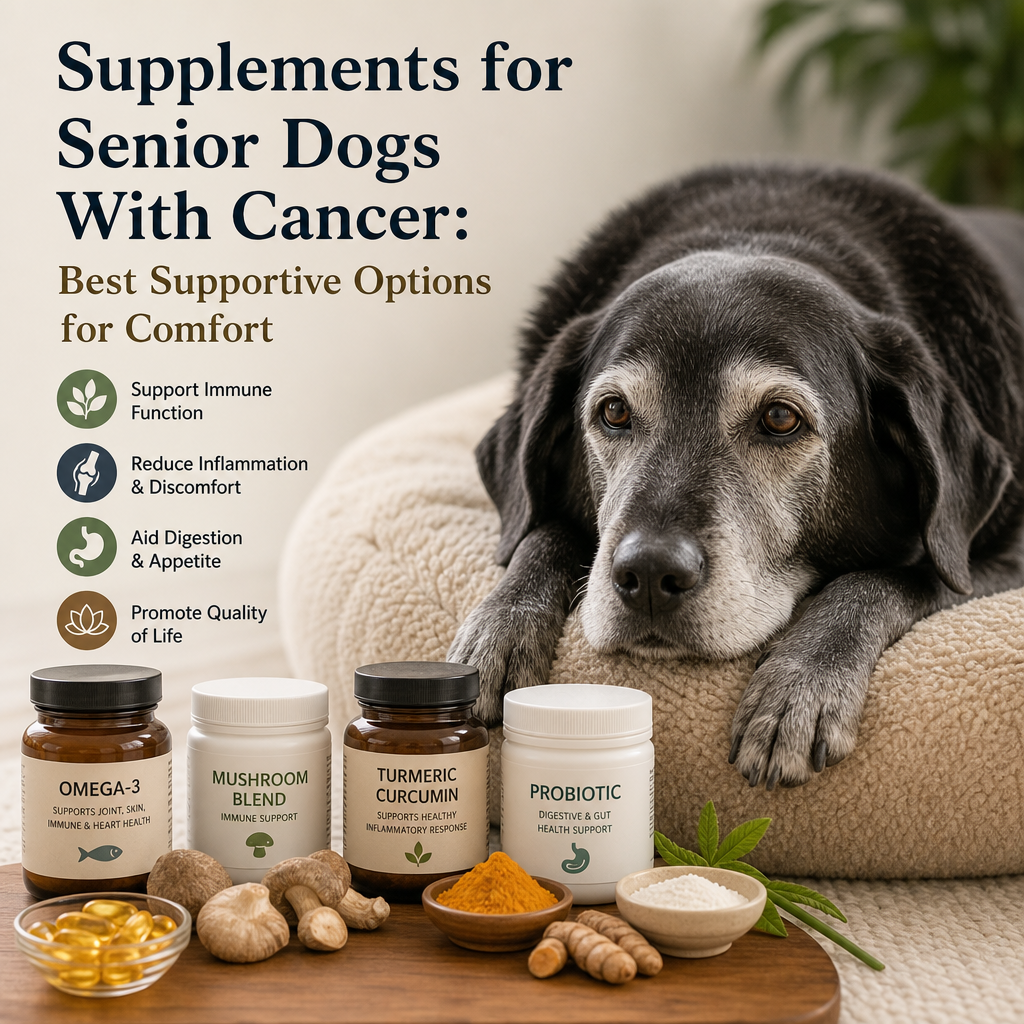
Senior dogs generally have less physiological reserve than younger animals. Their digestion, immune function, muscle mass, and ability to process medications may already be affected by aging. Cancer can intensify these concerns, leading to weight loss, weakness, nausea, dehydration, or a decline in mobility. Because of that, supplements for senior dogs with cancer should always be selected with the whole patient in mind, not just the diagnosis.
Before adding any supplement, your veterinarian should review your dog’s diagnosis, current medications, bloodwork, appetite, weight, and treatment goals. Some supplements affect blood clotting, blood pressure, liver enzymes, or immune activity. Others may interact with chemotherapy, radiation, steroids, anti-inflammatory drugs, or pain medication. This is especially important when a dog is already receiving multiple therapies or has another chronic illness.
A useful senior dog cancer support plan usually focuses on three priorities:
- Maintaining appetite and body weight
- Supporting mobility, digestion, and daily comfort
- Avoiding unnecessary products that may cause side effects or interfere with treatment
For many families, the first question is not which product is “best,” but which option is most likely to help without adding risk. That is why supplements for senior dogs with cancer are best treated as part of a larger care strategy that includes diet, medication review, symptom tracking, and regular follow-up.
For readers looking for related breed-specific guidance, see common cancers in this breed: essential Cavalier cancer risks for another example of how risk and care planning can vary by dog.
Omega-3 Fatty Acids for Inflammation and Appetite Support
Fish oil is among the most commonly considered old dog cancer supplements. It provides EPA and DHA, omega-3 fatty acids that may help regulate inflammation and support skin, coat, joint, and cardiovascular health. Omega-3s may also be useful for dogs experiencing muscle loss or reduced appetite, although they are not a cancer treatment. In some dogs, they can be a practical part of supplements for senior dogs with cancer because they address more than one concern at a time.
Choose a veterinary-formulated fish oil that clearly lists the amount of EPA and DHA rather than only stating the total amount of “fish oil.” Quality matters because poorly manufactured products can become rancid or contain contaminants. Possible side effects include diarrhea, vomiting, fishy odor, or excessive calories. If a dog already struggles with a sensitive stomach, start cautiously and watch closely for stool changes.
Fish oil may not be appropriate for every dog. Dogs with pancreatitis, bleeding disorders, certain gastrointestinal conditions, or scheduled surgery may require special caution. Your veterinarian can determine whether omega-3 supplementation fits your dog’s overall plan and calculate an appropriate dose. This is one reason supplements for senior dogs with cancer should never be chosen by label marketing alone.
When used correctly, omega-3 support can be part of a broader strategy for senior dog cancer support, especially when appetite and weight maintenance are concerns. Some dogs tolerate it well with food, while others may need a lower starting dose or a different formulation. The most helpful approach is often the simplest one that the dog can reliably digest and absorb.
Antioxidants: Benefits and Important Cautions
Antioxidants such as vitamins C and E, selenium, and certain plant compounds help protect cells from oxidative damage. However, cancer treatment complicates the issue. Some chemotherapy and radiation therapies may partly rely on oxidative stress to damage cancer cells. High-dose antioxidant supplementation could theoretically interfere with certain treatments, depending on the therapy and the individual patient.
This does not mean all antioxidants are dangerous. It means they should not be given in high doses without veterinary guidance. A complete, balanced diet may already provide many essential antioxidants, and adding multiple products can unintentionally create excessive intake. In other words, supplements for senior dogs with cancer should complement treatment, not compete with it.
Avoid human multivitamins unless specifically prescribed. Human products may contain ingredients that are toxic to dogs, including excessive vitamin D, iron, xylitol, or other additives. Even when a supplement seems harmless, the dose may be far too high for a dog, especially a senior patient with cancer who is already medically fragile.
Because the right choice depends on treatment timing and lab results, antioxidants are best discussed as part of senior dog cancer support rather than added on your own. If your veterinarian recommends an antioxidant, ask how it fits with chemotherapy, radiation, or palliative care. The safest use of supplements for senior dogs with cancer is always the one that is coordinated with the broader medical plan.
Digestive Support and Probiotics
Cancer, medication, stress, and changes in diet can all affect a senior dog’s digestive system. Veterinary probiotics may help support a healthy intestinal microbiome in some dogs, particularly those experiencing loose stool or digestive disruption after antibiotics. Prebiotic fibers may also support beneficial gut bacteria.
Not every dog responds well to probiotics, and some products are poorly regulated or contain fewer live organisms than their labels claim. Select a product designed for dogs and stored according to its instructions. Introduce it gradually and stop it if your dog develops worsening gas, vomiting, or diarrhea. Digestive support can be especially valuable when appetite is poor, because a dog that feels nauseated or bloated may refuse food even when hungry.
Dogs receiving intensive chemotherapy or those with severely compromised immune systems may require special caution with live bacterial products. Always ask the veterinary team before using probiotics during cancer treatment. For some dogs, a fiber adjustment or a prescription diet may be more appropriate than a supplement.
Digestive support may not sound dramatic, but it often makes a meaningful difference in comfort, especially for dogs already coping with reduced appetite. In this way, supplements for senior dogs with cancer can sometimes help with day-to-day quality of life more than with the disease itself.
Joint and Mobility Supplements
Many senior dogs with cancer also have arthritis or age-related mobility problems. Glucosamine, chondroitin, green-lipped mussel, and undenatured type II collagen are commonly used to support joint function. These products may help some dogs move more comfortably, although results vary and they do not work as quickly as prescription pain relief. If mobility is a major concern, these products are only one part of the picture.
A mobility supplement is most useful when combined with other comfort measures, such as soft bedding, non-slip flooring, ramps, controlled exercise, weight management, and appropriate pain medication. If a dog suddenly becomes reluctant to walk, cries when moving, or cannot rise easily, do not assume the problem is ordinary arthritis. These signs may indicate pain related to cancer or another urgent condition.
Mobility support is one of the most common reasons owners consider supplements for senior dogs with cancer. Still, it is important to remember that a supplement cannot replace pain control or diagnostics. If the dog’s comfort is declining, the veterinary team may need to reassess the disease itself, not just the joints.
For a useful comparison of breed-related tumor awareness and early symptom tracking, you may also find Australian Cattle Dog Cancer Risks: Essential Early Tumor Signs helpful when learning how early detection can change care decisions.
Protein and Calorie Support
For many dogs with cancer, maintaining body condition is more important than adding a long list of supplements. Muscle wasting and weight loss can reduce strength and resilience. A veterinarian or veterinary nutritionist may recommend a calorie-dense food, a higher-protein diet, appetite support, or nutritional additions suited to the dog’s diagnosis. In many households, the most practical supplements for senior dogs with cancer are the ones that help the dog eat enough overall food.
There is no universal “cancer diet.” Some dogs benefit from a carefully formulated diet with adequate protein and calories, while others need dietary adjustments because of kidney disease, pancreatitis, diabetes, or gastrointestinal problems. Homemade diets should be formulated by a veterinary nutrition professional to prevent deficiencies. A diet that seems healthy on paper can still be unbalanced if it is not designed for the dog’s medical needs.
Appetite stimulants and anti-nausea medications prescribed by a veterinarian can be more effective and predictable than relying on supplements alone. Feeding small, frequent meals and warming food slightly may also improve interest in eating. This is often where senior dog cancer support becomes most effective: not through one “super supplement,” but through consistent, practical feeding strategies.
Some owners ask whether protein powders, meal toppers, or nutritional pastes count as supplements. They can, but they should still be evaluated with the same caution as other supplements for senior dogs with cancer. If they add too many calories, upset the stomach, or conflict with the prescribed diet, they may do more harm than good.
Several popular natural products can create problems when used without guidance. Turmeric and curcumin may affect blood clotting or interact with medications. Herbal products such as milk thistle, medicinal mushrooms, or cannabidiol products vary greatly in quality and may influence liver enzymes or drug metabolism. Garlic, onion, and some concentrated essential oils can be toxic to dogs.
“Natural” does not automatically mean safe. Products marketed as cancer cures, tumor dissolvers, or immune boosters deserve particular skepticism. Be cautious of claims that promise to replace chemotherapy, surgery, radiation, or palliative care. Reliable products should provide clear ingredient lists, dosage information, lot numbers, and independent quality testing when available.
When families are overwhelmed, it is easy to try several new products at once. That can make it impossible to know what is actually helping. With supplements for senior dogs with cancer, more is not necessarily better. Fewer products, chosen with a purpose, are usually easier to monitor and safer to use.
For a broader look at how tumor warning signs can present in different dogs, read Irish Setter Cancer Risks: Essential Early Tumor Signs to Know and similar breed-focused resources.
Choosing the Right Supplements for Senior Dogs With Cancer
When selecting supplements for senior dogs with cancer, start with the problem you are trying to solve. If appetite is falling, the first priority may be calories, nausea control, and a palatable diet. If stiffness is the main issue, joint support and pain management may matter more than adding new vitamins. If inflammation or poor coat condition is present, omega-3 fatty acids may be worth discussing with the veterinary team.
It also helps to remember that one supplement rarely does everything. Many owners look for a single product that can improve energy, digestion, pain, and immunity at once, but real-world care is usually more specific. The safest approach is to choose the smallest number of products that address a clear need. That keeps the plan easier to follow and reduces the chance of interactions.
Monitoring matters just as much as selection. If a supplement does not improve your dog’s comfort, appetite, stool quality, or mobility within a reasonable time, it may not be worth continuing. A thoughtful reassessment can prevent unnecessary expense and reduce the chance of side effects. Good senior dog cancer support is flexible and responsive.
Veterinarians may also consider blood tests, body weight trends, and your observations at home before recommending changes. A dog that seems stable one week may need a different approach the next, especially if treatment is ongoing. That is why supplements for senior dogs with cancer should be reviewed regularly rather than treated as permanent, set-and-forget additions.
How to Introduce Old Dog Cancer Supplements Safely
Introduce only one new product at a time. This makes it easier to identify whether the supplement is helping or causing a problem. Keep a simple record of the product, dose, start date, appetite, stool quality, energy, pain signs, and weight. Even a short notebook or phone note can be helpful when discussing progress with the veterinary team.
Choose supplements from reputable companies that provide clear labeling and quality control. Look for dog-specific formulas whenever possible, and be wary of vague claims or proprietary blends that hide the actual dose of key ingredients. When the product is intended for a cancer patient, transparency matters even more.
Contact the veterinary team if your dog develops vomiting, persistent diarrhea, unusual bruising, severe lethargy, yellowing of the gums or eyes, worsening appetite, or changes in urination. Bring every supplement container or a photograph of its label to appointments. Accurate information helps the veterinarian identify potential interactions. If your dog is already taking prescription medications, ask whether the supplement should be given with food, separated by time, or avoided entirely.
Most importantly, measure success by comfort and daily function. A supplement is worthwhile only if its potential benefit outweighs its cost, inconvenience, and risks. For a senior dog with cancer, gentle nutrition, effective pain control, emotional reassurance, and close veterinary monitoring often provide more meaningful support than a complicated supplement routine.
Reliable guidance from trusted sources can also help you make better decisions. For general pet health and wellness education, the American Kennel Club offers practical information at American Kennel Club pet health resources.
Building a Realistic Daily Support Plan
The most successful care plans are usually simple enough to follow every day. Morning routines may include medication, a small meal, and one carefully chosen supplement. Midday may focus on a short walk, a bathroom break, and water intake. Evening may include another meal, rest, and comfort monitoring. When the schedule is consistent, it becomes easier to notice whether supplements for senior dogs with cancer are actually making a difference.
A realistic plan should also account for your dog’s preferences. Some senior dogs are picky eaters and may refuse foods with strong odors or unfamiliar textures. Others need a soft food because of dental disease or mouth pain. The “best” supportive option is often the one your dog will reliably accept. Even an excellent supplement is not useful if the dog will not eat it.
If the disease progresses, your goals may shift from long-term support to short-term comfort. In that case, supplements for senior dogs with cancer may be reduced or simplified so the dog receives only what truly helps. A lighter routine can make caregiving less stressful while still preserving dignity and comfort.
Ultimately, the best results come from a thoughtful, individualized plan. When supplements for senior dogs with cancer are chosen carefully, they may support appetite, digestion, mobility, and overall comfort without replacing the care your veterinarian recommends. The most effective supportive care is rarely flashy; it is steady, realistic, and tailored to the dog in front of you.

by TCMVET | Dec 22, 2024 | Dog Cancer & Tumors
Making the decision to euthanize a beloved dog with cancer is one of the most heart-wrenching choices a pet owner can face. It’s a question steeped in love, guilt, and the unshakable bond we share with our furry companions. While the topic is often discussed clinically, let’s explore this sensitive issue from a unique perspective—one that blends practicality with emotional insight, helping you make a decision rooted in compassion and understanding.
The Reality of Cancer in Dogs
Cancer affects nearly half of all dogs over 10 years old, with symptoms and progression varying greatly depending on the type and stage. While advancements in veterinary medicine have made treatments like surgery, chemotherapy, and palliative care more accessible, these options often come with physical, emotional, and financial challenges. The pivotal question becomes: when is enough, enough?
Shifting the Focus: Quality of Life vs. Quantity of Life
The decision to euthanize should revolve around your dog’s quality of life rather than merely extending it. A dog may physically endure, but their spirit can falter when suffering becomes overwhelming. Here are key factors to assess:
- Pain Management
Is your dog in constant pain despite medication? Are they struggling to perform basic activities like walking or lying down comfortably?
- Appetite and Hydration
Has your dog stopped eating or drinking, even when offered their favorite treats? A declining appetite often signals that the body is shutting down.
- Energy Levels
Does your dog still enjoy activities they once loved? Chronic fatigue and disinterest can indicate emotional and physical decline.
- Social Engagement
Is your dog withdrawing from you and other pets? Dogs in distress often isolate themselves, avoiding touch and attention.
- Hygiene and Mobility
Are they unable to control urination or bowel movements? Difficulty moving or maintaining hygiene can lead to further discomfort and distress.
Emotional Toll: The Silent Suffering of the Owner
The journey of caring for a dog with cancer can be emotionally draining. Sleepless nights, constant worry, and the heartache of watching your pet decline can take a toll. Remember, this decision isn’t just about your dog’s suffering but also about your ability to provide care without compromising your well-being.
A Framework for the Decision: The HHHHHMM Scale
Veterinary professionals often use the HHHHHMM Scale (Hurt, Hunger, Hydration, Hygiene, Happiness, Mobility, and More Good Days Than Bad) as a practical tool for evaluating quality of life. Scoring each category can help you make an objective assessment.
A Unique Perspective: Celebrating Life While Preparing for Goodbye
Euthanasia isn’t just the end—it’s an opportunity to give your dog a peaceful, pain-free farewell. Here’s how you can make this transition meaningful:
- Create a Bucket List
Plan activities your dog still enjoys, even if they’re simple, like sitting in the sun or eating a special treat.
- Capture the Memories
Document these precious moments through photos or videos, celebrating your dog’s life and love.
- Involve Your Vet
Work closely with your vet to understand your dog’s prognosis and discuss end-of-life options, including in-home euthanasia for a familiar and comforting setting.
- Lean on a Support Network
Connect with friends, family, or online communities who understand the grief of losing a pet.
The Aftermath: Finding Peace and Purpose
The void left by a dog’s passing can feel insurmountable. To navigate this grief:
- Honor Their Memory: Create a keepsake, like a paw print or a memory box.
- Channel Your Love: Consider volunteering at an animal shelter or fostering a dog in need.
- Give Yourself Time: Healing takes patience. Allow yourself to grieve without judgment.
Final Thoughts: The Ultimate Act of Love
Deciding when to put a dog down with cancer is not about giving up—it’s about recognizing when the fight becomes unfair. It’s an act of courage and unconditional love, allowing your dog to leave this world with dignity and peace.
As you face this decision, remember: your dog’s life was filled with your care, and their passing will be marked by your compassion.
