by TCMVET | Aug 14, 2026 | Research and News
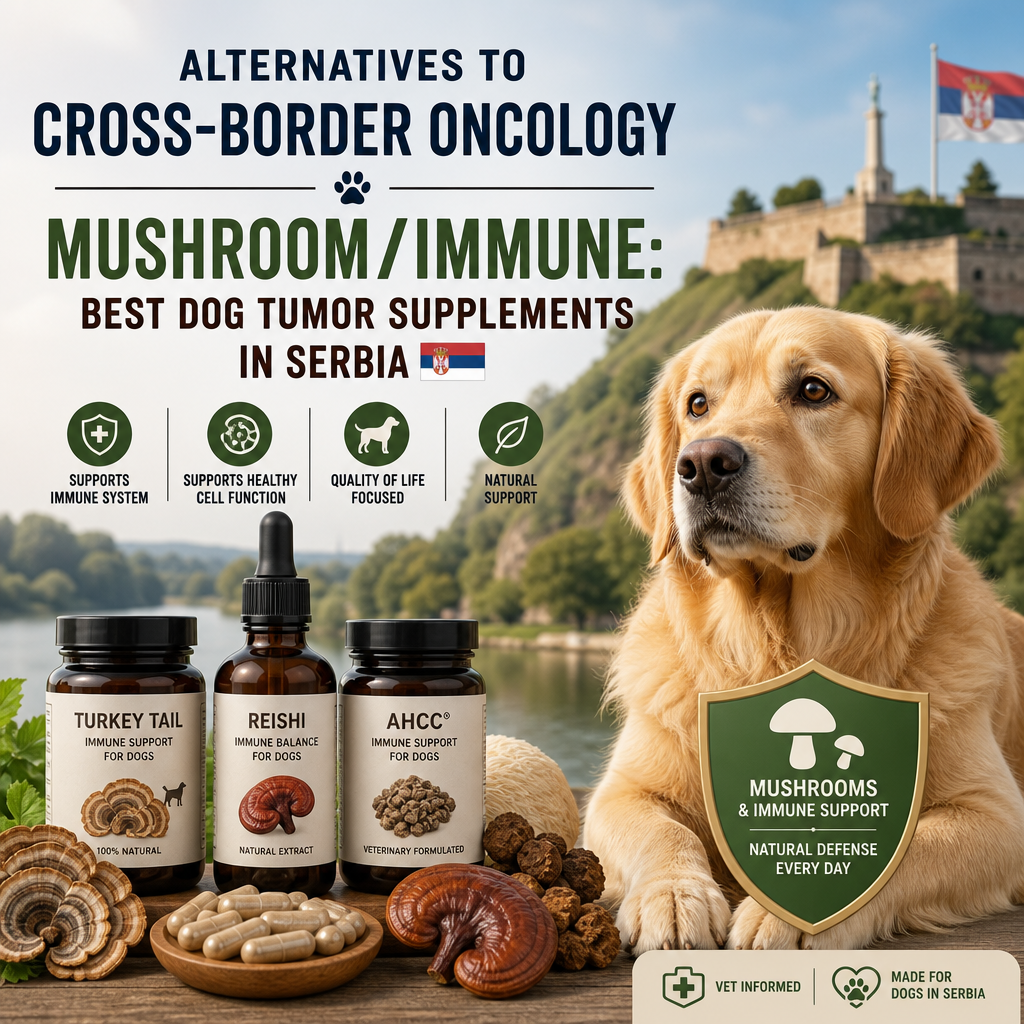
Alternatives to Cross-border oncology + mushroom/immune products can help Serbian dog owners explore supportive care options closer to home, especially when specialist consultations, imported supplements, or international shipping are difficult to access. However, dog tumor supplements should be viewed as complementary support rather than a replacement for veterinary diagnosis and treatment. The right approach combines professional guidance, evidence-based oncology care, appropriate nutrition, and careful monitoring of the dog’s quality of life.
Why dog tumor supplements require careful consideration
A tumor diagnosis can be overwhelming, and many owners naturally look for products that may support immunity, energy, appetite, or recovery. Supplements are often marketed with broad claims such as “boosts the immune system,” “shrinks tumors,” or “detoxifies the body.” These promises should be treated cautiously. A supplement that is appropriate for one dog may be unsuitable for another, particularly when the dog has liver disease, kidney problems, bleeding risks, or is receiving chemotherapy.
The most important first step is to understand the diagnosis. Tumors differ widely in their behavior and treatment requirements. A benign growth, lymphoma, mast cell tumor, osteosarcoma, and mammary tumor cannot be managed with the same plan. Cytology, biopsy, blood tests, imaging, and staging may all be recommended by a veterinarian or veterinary oncologist.
Supplements may sometimes support general wellbeing, but they do not replace surgery, chemotherapy, radiation, pain control, or other treatments recommended by a professional.
For owners comparing options, the phrase Alternatives to Cross-border oncology + mushroom/immune often points to one question: what can be used safely, consistently, and locally without compromising care? The answer depends on the dog’s medical status, not on marketing claims.
It is also helpful to remember that supportive care works best when the entire plan is realistic. The goal is not to chase every product that promises more energy or a stronger immune response. Instead, the goal is to choose a few sensible options, monitor the dog carefully, and adjust based on medical advice. That mindset is especially important when discussing Alternatives to Cross-border oncology + mushroom/immune with a veterinarian.
Alternatives to Cross-border oncology + mushroom/immune products
When imported oncology supplements are unavailable or expensive in Serbia, owners may consider several categories of alternatives. These options should be assessed according to ingredients, manufacturing quality, safety, and the dog’s individual medical history.
Veterinary-formulated nutritional support
Veterinary diets and recovery formulas can be useful for dogs with cancer-related weight loss, poor appetite, or increased nutritional needs. These products are designed to provide concentrated calories, digestible protein, vitamins, and minerals. Some oncology-focused diets emphasize controlled carbohydrate levels, increased omega-3 fatty acids, or high-quality protein.
Nutrition is especially important when a dog is losing muscle. Maintaining body condition can support strength, mobility, and tolerance of treatment. A veterinarian can help determine whether a prescription diet, calorie-dense food, or carefully prepared home diet is appropriate. In many cases, this is one of the most practical Alternatives to Cross-border oncology + mushroom/immune products because it is easier to source and monitor than imported blends.
Owners often underestimate how much dietary support matters during cancer care. A food that is easy to digest and appropriate for the dog’s stage of illness may do more for day-to-day comfort than several loosely connected supplements. When appetite drops, a veterinary team can also suggest safe feeding strategies, meal frequency changes, or temporary appetite support. These practical steps often belong at the center of Alternatives to Cross-border oncology + mushroom/immune planning.
Omega-3 fatty acids
Fish oil containing EPA and DHA is one of the more commonly discussed supportive supplements in canine health. Omega-3 fatty acids may help maintain skin health and may have anti-inflammatory effects. They are also used in some nutritional plans for dogs with chronic disease.
Quality and dosage matter. Products intended for humans may contain additional ingredients that are unsuitable for dogs, while rancid oil can cause digestive problems. Fish oil may also affect blood clotting, which is important before surgery or when a dog is taking certain medications. A veterinarian should confirm the dose and product suitability.
For readers searching for Alternatives to Cross-border oncology + mushroom/immune, omega-3 support is often a practical starting point because it can be easier to source locally and adjust to the dog’s size and condition.
In practice, the best fish oil product is not necessarily the one with the strongest marketing. It is the one with clear labeling, reliable manufacturing, and a dose that matches the dog’s size and current treatment plan. That is why owners should ask whether the oil has been tested for purity and freshness, especially if the dog will use it for more than a short period. This level of attention is consistent with responsible use of Alternatives to Cross-border oncology + mushroom/immune.
Medicinal mushrooms
Mushroom-derived ingredients such as beta-glucans, extracts of turkey tail, reishi, shiitake, or maitake are often included in immune-support formulas. Research into mushroom compounds and cancer biology is ongoing, but evidence in dogs remains limited and product quality can vary considerably.
A Serbian owner comparing dog tumor supplement alternatives should examine whether the label identifies the mushroom species, extraction method, active compounds, batch testing, and recommended veterinary dosage. “Mushroom blend” is less informative than a transparent label showing standardized ingredients. Immune-stimulating products may not be suitable for every patient, particularly dogs with autoimmune disease or those receiving immunomodulating medication.
When evaluating Alternatives to Cross-border oncology + mushroom/immune formulas, it helps to favor products with clear sourcing and veterinary dosing instructions rather than broad immune claims.
For many owners, mushroom support is attractive because it sounds natural and gentle. Still, “natural” does not equal harmless, and immune-related supplements can be complicated in cancer care. A dog receiving chemotherapy, steroids, or other immune-modifying treatments may need a more cautious approach. That is why the safest Alternatives to Cross-border oncology + mushroom/immune are the ones chosen with the treating veterinarian’s input.
Antioxidant and vitamin formulas
Vitamins and antioxidants are sometimes used to support dogs with poor nutrition or increased physiological stress. Yet high doses can be harmful, and antioxidant supplementation during chemotherapy or radiation should be discussed with the treating veterinarian. Some treatments rely partly on oxidative mechanisms, so indiscriminate use of strong antioxidant products may not be appropriate.
A complete and balanced diet is usually preferable to adding multiple overlapping vitamin products. Bloodwork can help identify genuine deficiencies and prevent unnecessary supplementation.
For some families, Alternatives to Cross-border oncology + mushroom/immune may include only a targeted multivitamin or no extra supplement at all, especially when the diet is already meeting the dog’s needs.
It is also important to avoid stacking several products that repeat the same nutrients. Too much vitamin A, vitamin D, or selenium can create new health problems, and dogs with cancer may already be vulnerable because of weight loss, nausea, or organ stress. A careful review of labels can prevent accidental overuse and keeps Alternatives to Cross-border oncology + mushroom/immune focused on safety rather than quantity.
How to evaluate supplements available in Serbia
Availability is only one part of the decision. Whether purchasing through a Serbian veterinary clinic, pharmacy, pet shop, or online retailer, owners should check several details.
Look for a clear ingredient list, manufacturer information, lot number, expiration date, storage instructions, and dosing guidance for dogs. Products with vague proprietary blends make it difficult to assess the actual amount of each ingredient. Independent quality testing is also valuable, particularly for herbal products and imported supplements.
Avoid products that promise to cure cancer, replace oncology treatment, or work for every type of tumor. Be cautious with human supplements, essential oils, concentrated herbal mixtures, and products containing xylitol, alcohol, garlic, onion, or excessive vitamin D. “Natural” does not automatically mean safe.
It is also wise to introduce only one new product at a time. This makes it easier to identify side effects such as vomiting, diarrhea, itching, lethargy, or appetite changes.
For research-backed background on medicinal mushrooms and oncology science, see the National Cancer Institute’s overview of mushrooms and cancer. It is a useful reference point when comparing claims with evidence.
When Serbian owners compare local products, the best question is often simple: can this item be used safely, tracked easily, and explained clearly by a veterinary professional? If the answer is no, it may not belong in a treatment plan. That evaluation process is central to choosing among Alternatives to Cross-border oncology + mushroom/immune.
Working with a veterinarian or veterinary oncologist
A veterinarian should review every supplement alongside the dog’s diagnosis and medication list. This is particularly important when the dog is receiving chemotherapy, corticosteroids, anti-inflammatory drugs, anticoagulants, seizure medication, or anesthetic procedures.
Owners in Serbia may begin with a local veterinary clinic and request referral for imaging, pathology, surgery, or oncology consultation when necessary. Even if cross-border care is not practical, local professionals can often help coordinate testing, monitor blood counts, manage pain, and assess whether supportive products are appropriate. If you are comparing Alternatives to Cross-border oncology + mushroom/immune, this step helps prevent unsafe overlaps between supplements and treatment.
Keep a written record of every supplement, including the brand, dose, starting date, and observed effects. Follow-up blood tests may be needed to evaluate liver and kidney function or detect complications early.
A helpful internal resource on supportive care is this article about Dog Cancer Statistics Helpful Canine Oncology & Pet Health, which can provide broader context for canine cancer care and owner decision-making.
Good communication is especially valuable when symptoms change. If the dog becomes nauseated, weak, less interested in food, or uncomfortable, the veterinary team can determine whether the cause is the tumor, treatment side effects, or a supplement reaction. This is one of the clearest reasons not to treat Alternatives to Cross-border oncology + mushroom/immune as a do-it-yourself decision.
Supportive care beyond supplements
The best supportive plan extends beyond a capsule or powder. Dogs with tumors may benefit from pain management, dental care, gentle exercise, comfortable bedding, hydration support, and calm routines. Small, frequent meals can help dogs with reduced appetite. Warm, aromatic food may be more appealing, but sudden dietary changes should be avoided.
Quality-of-life monitoring is also essential. Track appetite, drinking, mobility, breathing, sleep, toileting, pain signs, and interest in family activities. A simple daily journal can help owners and veterinarians recognize meaningful changes rather than relying on memory.
Many owners looking into Alternatives to Cross-border oncology + mushroom/immune discover that the most useful support is a combination of diet, symptom control, and monitoring rather than a single “miracle” product.
Other practical forms of support may include easier access to water, non-slip flooring, rest breaks during walks, and a quiet sleeping area away from household stress. These small changes can improve comfort without introducing additional risk. In many cases, they are a better investment than buying several supplement bottles. They also help ensure that Alternatives to Cross-border oncology + mushroom/immune remain grounded in real-life benefits for the dog.
Depending on the dog’s condition, a veterinarian may also discuss anti-nausea medication, pain relief, appetite stimulants, or palliative care. These are not replacements for supplements; rather, they are often the foundation that makes supportive care possible. When the basics are addressed first, any supplemental plan is more likely to fit safely into the larger treatment picture.
Making a responsible choice
The most suitable dog tumor supplement alternatives in Serbia will depend on the tumor type, treatment plan, age, weight, organ function, and current symptoms. A transparent veterinary-formulated product with a limited number of well-understood ingredients is generally easier to evaluate than a complex formula making dramatic claims.
Supplements may contribute to nutrition and general comfort, but responsible use requires realistic expectations. The priority should remain accurate diagnosis, timely treatment, symptom control, and preservation of the dog’s quality of life. With careful veterinary supervision, locally available supportive products can sometimes complement cancer care without creating unnecessary risks.
In practice, Alternatives to Cross-border oncology + mushroom/immune work best when they are selected for safety, used consistently, and reviewed in the context of the dog’s whole treatment plan. That approach gives Serbian owners more flexibility without losing sight of medical priorities.
For many dogs, the safest and most effective option is not a large stack of supplements but a thoughtful plan built around nutrition, evidence-based care, and regular reassessment. When in doubt, consult the treating veterinarian before starting anything new.
If a family is comparing multiple local options, the final choice should be the one that fits the dog’s diagnosis, budget, and ability to tolerate treatment. A small number of well-chosen products is usually better than a long list of uncertain items. Used this way, Alternatives to Cross-border oncology + mushroom/immune can support comfort and stability without distracting from the real goal: helping the dog feel and function as well as possible.
by TCMVET | May 25, 2025 | Dog Cancer & Tumors
Your dog has been diagnosed with cancer. You’ve started conventional treatment—or maybe you’ve chosen not to—and now you’re wondering:
Can I give my dog Chinese herbs?
Will they help or hurt?
Is it safe, or just wishful thinking?
This is one of the most important—and most misunderstood—questions in holistic veterinary care. While Traditional Chinese Medicine (TCM) can offer meaningful support for dogs with cancer, it must be used carefully, with professional guidance. Chinese herbs are powerful, and when used correctly, they can improve quality of life, reduce side effects, and even slow disease progression. But they are not “natural cure-alls.”
Here’s what you need to know.
1. Yes, But Not All Herbs Are Safe for Every Dog
TCM uses hundreds of herbs with different properties—some boost immunity, some reduce inflammation, others detoxify or regulate digestion. For dogs with cancer, certain herbs may:
- Support appetite and energy (tonics like Astragalus or Codonopsis)
- Ease chemotherapy side effects (like nausea or fatigue)
- Strengthen organ function (e.g. liver, kidneys)
- Regulate the immune response
However, not all herbs are appropriate for all cancers. For example, immune-stimulating herbs may not be recommended in cases of certain lymphomas or autoimmune conditions. Herbs that increase blood circulation might be risky in dogs with internal bleeding tumors. That’s why “one-size-fits-all” herbal solutions can be dangerous.
2. Chinese Herbs Are Best Used Alongside (Not Instead of) Conventional Care
Many pet parents fear chemotherapy or surgery, and hope that herbs can replace them. While that instinct is understandable, Chinese herbal therapy works best when it complements, not competes with, Western medicine.
A good integrative vet may recommend herbs to:
- Reduce fatigue from chemotherapy
- Support detox during drug use
- Strengthen the body’s self-regulation between treatments
- Improve post-surgery recovery
In early-stage cancers or in geriatric pets who can’t tolerate aggressive treatment, TCM can become a primary form of care—but it still must be carefully tailored.
3. Quality and Source Matter More Than You Think
Not all herbal supplements are safe—especially those purchased from unknown brands online. Risks include:
- Heavy metal contamination
- Misidentified herbs
- Unsafe dosages for pets
- Human formulas not adjusted for animal needs
Always choose veterinary-formulated herbal blends or work with a certified veterinary herbalist (TCVM-trained vet). Herbs must be matched to your dog’s diagnosis, constitution, and treatment stage—not just the cancer type.
4. Watch for Interactions
Some herbs can interfere with medications—either by reducing their effectiveness or increasing toxicity. For example:
- St. John’s Wort (used in some Western herbal blends) may interfere with chemotherapy metabolism
- Licorice root may increase cortisol levels or affect blood pressure
- Some tonic herbs may alter liver enzyme activity
This doesn’t mean herbs are dangerous—it just means they must be professionally prescribed, just like drugs.
5. Red Flags and When to Stop
Even safe herbs can cause issues if your dog:
- Becomes lethargic or agitated
- Has changes in stool or vomiting
- Shows allergic reactions (itching, swelling)
- Experiences worsening of any clinical signs
Any of these may signal the wrong herb, wrong dose, or wrong timing. Immediate discontinuation and re-evaluation are essential.
So, Can Dogs with Cancer Take Chinese Herbs?
Yes—but only with care. Chinese herbal medicine is not about randomly adding powders to your dog’s food. It’s a nuanced system rooted in balance, timing, and observation.
With expert guidance, high-quality herbs, and the right treatment goals, TCM can be a valuable ally in your dog’s cancer care. It won’t magically cure cancer—but it might help your dog feel stronger, eat better, and live more comfortably, with greater vitality and less pain.
And that, sometimes, is the most important gift of all.

by TCMVET | Sep 7, 2024 | pet Chinese herbal medicine
Astragalus (Astragalus membranaceus), a well-known herb in traditional Chinese medicine, has gained popularity for its wide-ranging health benefits, particularly in boosting the immune system. For dogs suffering from hemangiosarcoma (HSA), an aggressive and often fatal cancer, Astragalus offers potential as a supportive treatment. Its immunomodulatory, antioxidant, anti-inflammatory, and anti-tumor properties make it a promising natural remedy to enhance a dog’s overall health and quality of life.
What is Astragalus?
Astragalus is a perennial plant native to East Asia, and its root has been used for centuries in traditional medicine for treating various ailments. Known for its immune-boosting properties, Astragalus is used to strengthen the body’s defense mechanisms against diseases and improve general well-being. Its potential to support the immune system makes it particularly valuable for dogs battling conditions like hemangiosarcoma, where a robust immune response is critical.
Immunomodulatory Effects of Astragalus in Dogs
One of the primary benefits of Astragalus is its immunomodulatory effects. Hemangiosarcoma compromises a dog’s immune system, leaving them more vulnerable to infections and reducing their ability to fight off the disease. Astragalus works by stimulating the immune system, encouraging the production of white blood cells and increasing the body’s ability to combat tumor growth. This immune support is crucial for dogs with HSA, as it enhances their overall resilience and aids in slowing down the progression of the disease.
Antioxidant Properties of Astragalus
Oxidative stress, caused by an imbalance between free radicals and antioxidants in the body, can accelerate the progression of cancer. Astragalus is rich in antioxidants, which neutralize free radicals and reduce oxidative damage. By combating oxidative stress, Astragalus may help slow down the development of hemangiosarcoma, supporting a dog’s body in maintaining better health during cancer treatment.
Anti-inflammatory and Anti-tumor Effects
Inflammation plays a significant role in the development and progression of tumors, including hemangiosarcoma. Astragalus possesses anti-inflammatory properties, helping to reduce inflammation in the body, which may decrease the tumor’s ability to grow and spread. Additionally, the anti-tumor properties of Astragalus have been the subject of various studies, with some suggesting that it can inhibit the growth of cancer cells and promote apoptosis (programmed cell death), potentially aiding in the fight against HSA.
How Astragalus Improves Quality of Life
For dogs diagnosed with hemangiosarcoma, maintaining a high quality of life is one of the primary goals of treatment. Astragalus supports overall vitality, improving energy levels and physical strength. Dogs receiving Astragalus supplementation may experience enhanced endurance, allowing them to stay more active and enjoy a better quality of life despite their illness.
Supporting Conventional Cancer Treatments
While Astragalus alone cannot cure hemangiosarcoma, it can serve as an excellent complementary therapy alongside conventional cancer treatments like chemotherapy. Its ability to boost immune function, reduce inflammation, and provide antioxidant support makes it an ideal natural supplement for enhancing the effectiveness of traditional treatments and mitigating some of the negative side effects.
How to Administer Astragalus to Dogs
Astragalus can be administered in various forms, including powders, tinctures, and capsules. It’s essential to consult with a veterinarian before introducing Astragalus into your dog’s treatment plan, as they can recommend the appropriate dosage and ensure that it does not interfere with other medications or therapies.
Astragalus (Astragalus membranaceus) is a powerful natural remedy that offers a range of benefits for dogs battling hemangiosarcoma. Its immunomodulatory, antioxidant, anti-inflammatory, and anti-tumor properties help support the immune system, slow the progression of cancer, and improve overall health and vitality. When used in combination with conventional treatments, Astragalus may enhance the quality of life for dogs with hemangiosarcoma, making it a valuable addition to their care regimen.

by TCMVET | Sep 3, 2024 | pet Chinese herbal medicine
Melanoma is a serious form of skin cancer that affects many dogs, particularly as they age. While conventional treatments like surgery, radiation, and chemotherapy are commonly used to manage the disease, more pet owners are exploring the benefits of Chinese herbal medicine as a complementary approach. Chinese herbs have been used for centuries to support overall health and treat various ailments, and they can play a valuable role in enhancing the care of dogs with melanoma. This article delves into how Chinese herbs can be integrated into canine melanoma care to support healing, improve quality of life, and potentially slow the progression of the disease.
Understanding Canine Melanoma
Melanoma in dogs is a type of cancer that originates in melanocytes, the cells responsible for producing pigment. It can occur in various parts of the body, including the skin, mouth, nail beds, and eyes. While some melanomas are benign, malignant melanomas are aggressive and can metastasize to other parts of the body, making early detection and treatment crucial.
Symptoms of melanoma in dogs can vary depending on the location of the tumor but often include darkly pigmented lumps, swelling, and changes in behavior such as limping or excessive licking of a specific area.
The Role of Chinese Herbs in Melanoma Care
Chinese herbal medicine is based on the principles of Traditional Chinese Medicine (TCM), which seeks to balance the body’s energy (Qi) and harmonize the functions of the body’s organs. In the context of cancer care, Chinese herbs can be used to strengthen the immune system, reduce inflammation, and support the body’s natural healing processes. Here are some of the key Chinese herbs that can be beneficial for dogs with melanoma:
- Huang Qi (Astragalus Root): Astragalus is well-known for its immune-boosting properties. It helps to enhance the body’s ability to fight off infections and may slow the growth of tumors by strengthening the immune response. Astragalus is also believed to increase energy levels and improve overall vitality.
- Ban Zhi Lian (Scutellaria barbata): Scutellaria barbata is often used in TCM for its anti-cancer properties. It has been shown to inhibit the growth of cancer cells and reduce inflammation, making it a valuable herb in the treatment of melanoma. It is commonly used to treat various types of cancer, including those affecting the skin.
- Bai Hua She She Cao (Oldenlandia diffusa): This herb is traditionally used to clear heat and detoxify the body, making it effective in managing infections and cancer. Bai Hua She She Cao is believed to have strong anti-tumor effects, and it may help reduce the size of melanomas and prevent their spread.
- Dang Gui (Angelica Sinensis): Dang Gui is known as the “female ginseng” and is commonly used to nourish the blood and improve circulation. In the context of melanoma, it can help support the body’s recovery from surgery and promote the healing of tissues affected by cancer.
- Ling Zhi (Reishi Mushroom): Reishi mushroom is a powerful adaptogen that helps the body manage stress and supports the immune system. It has anti-inflammatory and antioxidant properties, which can help reduce the side effects of conventional cancer treatments and improve overall health.
Integrating Chinese Herbs into Canine Melanoma Treatment
Integrating Chinese herbs into the treatment plan for canine melanoma should always be done under the guidance of a qualified veterinarian who is experienced in TCM. The following steps outline how these herbs can be incorporated into your dog’s care:
- Consultation and Diagnosis: The first step is to consult with a veterinarian who practices TCM. They will conduct a thorough examination of your dog, taking into account the type and stage of melanoma, overall health, and any other underlying conditions.
- Herbal Prescription: Based on the diagnosis, the veterinarian will prescribe a customized herbal formula tailored to your dog’s specific needs. This formula may include a combination of the herbs mentioned above, as well as others that address your dog’s unique condition.
- Administration: Chinese herbs can be administered in various forms, including powders, capsules, teas, or tinctures. Your veterinarian will provide instructions on the appropriate dosage and method of administration. Consistency is key, so it’s important to follow the prescribed regimen carefully.
- Monitoring and Adjustment: Regular follow-up appointments are essential to monitor your dog’s response to the herbs and make any necessary adjustments to the treatment plan. The veterinarian may modify the herbal formula as needed based on your dog’s progress and any changes in their condition.
Benefits of Chinese Herbs in Melanoma Care
Chinese herbs offer several potential benefits for dogs with melanoma:
- Immune Support: Many Chinese herbs are known for their immune-boosting properties, which can help your dog’s body fight off cancer cells more effectively.
- Reduced Inflammation: Chronic inflammation is a common issue in cancer patients. Chinese herbs can help reduce inflammation, which may slow the progression of the disease and alleviate pain.
- Enhanced Healing: For dogs undergoing surgery or other conventional treatments, Chinese herbs can support the healing process and reduce recovery time.
- Improved Quality of Life: By addressing symptoms like pain, fatigue, and stress, Chinese herbs can help improve your dog’s overall well-being and quality of life.
Chinese herbal medicine offers a promising complementary approach to managing canine melanoma. By integrating these time-tested herbs into a comprehensive treatment plan, you can enhance your dog’s care and potentially improve outcomes. Always consult with a veterinarian experienced in TCM to ensure the safe and effective use of Chinese herbs in your dog’s melanoma treatment.

by TCMVET | Aug 29, 2024 | pet Chinese herbal medicine
Mediastinal tumors are growths that develop in the mediastinum, the central compartment of the thoracic cavity in dogs. These tumors can be either malignant or benign and may cause a variety of health complications. While conventional treatments like surgery, chemotherapy, and radiation therapy are often necessary, Traditional Chinese Medicine (TCM) offers complementary approaches that may help alleviate symptoms, slow the progression of the tumor, and improve overall health. One such herb used in TCM is Salvia miltiorrhiza, commonly known as Danshen.
Understanding Mediastinal Tumors in Dogs
Mediastinal tumors are serious conditions that can affect vital structures such as the heart, esophagus, trachea, and major blood vessels. These tumors can cause symptoms like coughing, breathing difficulties, and lethargy. The treatment and prognosis depend on the tumor type, size, location, and whether it is malignant or benign.
The Role of Salvia Miltiorrhiza (Danshen) in Treating Mediastinal Tumors
Salvia miltiorrhiza, also known as Danshen, is a highly valued herb in Traditional Chinese Medicine. It has been used for centuries to treat various ailments, particularly those related to blood circulation and inflammation. In the context of managing mediastinal tumors in dogs, Danshen offers several key benefits:
- Promotes Blood Circulation
- Danshen is well-known for its ability to promote blood circulation. In dogs with mediastinal tumors, improved blood flow can help alleviate symptoms associated with poor circulation, such as swelling and discomfort. By enhancing blood circulation, Danshen can also help prevent the formation of blood clots and reduce the risk of complications related to poor blood flow around the tumor site.
- Reduces Blood Stasis
- Blood stasis, a condition characterized by poor or blocked circulation, is a common issue in dogs with tumors. Danshen’s blood-invigorating properties help to break down blood clots and disperse blood stasis, potentially relieving pressure and discomfort caused by the tumor. This can also contribute to a reduction in the size of the tumor or slow its growth by improving blood flow to and from the affected area.
- Anti-Inflammatory Effects
- Inflammation is a significant concern in dogs with mediastinal tumors, as it can exacerbate symptoms and contribute to tumor growth. Danshen contains compounds that have potent anti-inflammatory properties. By reducing inflammation, Danshen can help alleviate pain and discomfort, improve the dog’s quality of life, and potentially slow down the progression of the tumor.
- Anti-Tumor Properties
- Research has shown that Danshen possesses anti-tumor properties, making it a valuable adjunct to conventional cancer treatments. The herb contains tanshinones, which are bioactive compounds that have been found to inhibit the growth of cancer cells and induce apoptosis (programmed cell death). While Danshen is not a standalone cure for cancer, it can be an effective complementary therapy that supports the overall treatment plan.
- Support for Overall Health
- Beyond its specific effects on tumors, Danshen is also known for its general health benefits. It supports cardiovascular health, enhances liver function, and promotes overall vitality. For dogs undergoing treatment for mediastinal tumors, maintaining good overall health is crucial for coping with the disease and improving outcomes.
How to Use Salvia Miltiorrhiza for Dogs
Danshen can be administered to dogs in various forms, including as a powdered extract, capsules, or as part of a herbal formula prescribed by a veterinarian specializing in Traditional Chinese Medicine. The appropriate dosage and method of administration should be determined by a professional, taking into account the dog’s size, health status, and specific condition.
Integrating Danshen with Conventional Treatments
It’s important to note that while Danshen offers significant benefits, it should be used as part of a comprehensive treatment plan that includes conventional veterinary care. Integrating TCM with surgery, chemotherapy, or radiation therapy can provide a more holistic approach to managing mediastinal tumors, helping to improve the dog’s quality of life and overall prognosis.
Salvia miltiorrhiza (Danshen) is a powerful herb in Traditional Chinese Medicine that offers multiple benefits for dogs with mediastinal tumors. By promoting blood circulation, reducing blood stasis, combating inflammation, and possessing anti-tumor properties, Danshen can be a valuable complementary therapy in the management of mediastinal tumors. As with any treatment, it is essential to consult with a veterinarian experienced in TCM to ensure the safe and effective use of Danshen in your dog’s care plan.
