by TCMVET | Aug 18, 2026 | Research and News
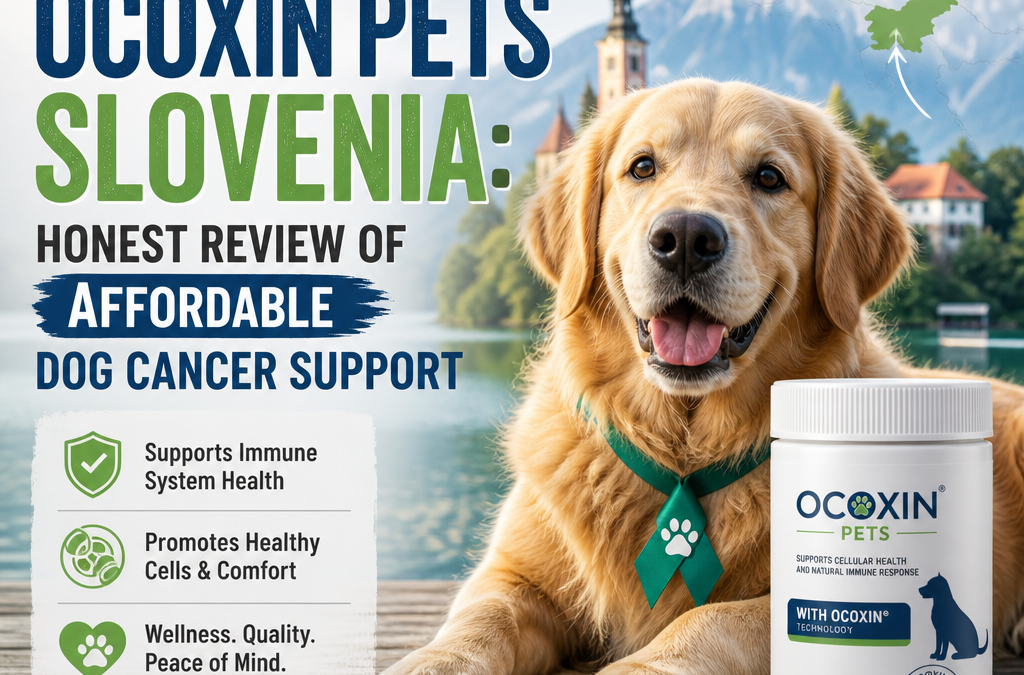
Ocoxin Pets is a nutritional supplement designed to support dogs and other companion animals during periods of illness, recovery, or increased physical stress. In Slovenia, interest in this product has grown among owners looking for affordable dog cancer support that can complement veterinary treatment. However, supplements should never be presented as a cure for cancer. The most responsible approach is to understand what Ocoxin Pets may offer, where its limits are, and how it should be used alongside professional veterinary care.
What is Ocoxin Pets?
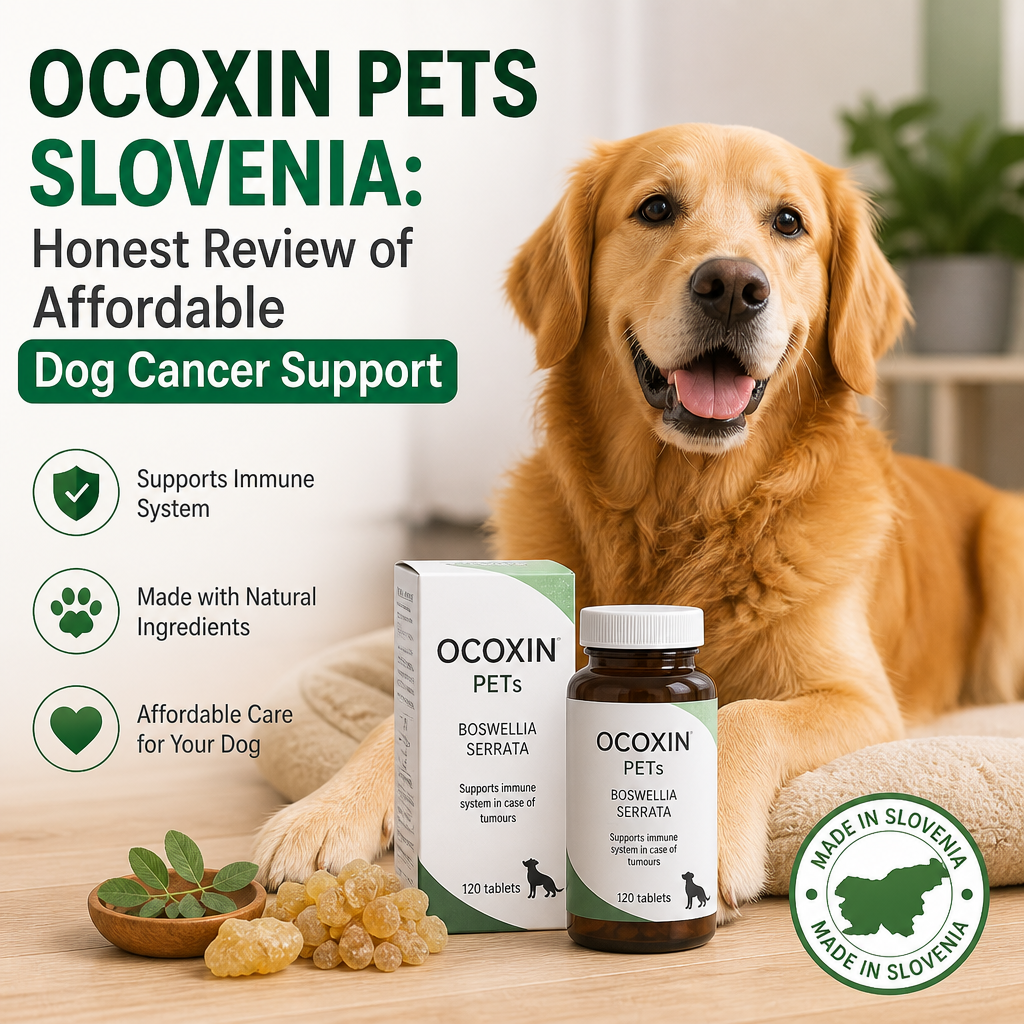
Ocoxin Pets is commonly described as a complementary nutritional product for animals. Its formulation is intended to provide supportive nutrients and bioactive compounds that may help maintain appetite, energy, immune function, and general condition. These goals can be particularly important for dogs affected by cancer, chronic disease, treatment-related side effects, or prolonged recovery.
Cancer can affect a dog in many ways. Some animals experience weight loss, reduced appetite, digestive problems, fatigue, inflammation, or a gradual decline in muscle mass. Chemotherapy, radiotherapy, surgery, and other treatments may add further strain. A nutritional supplement may therefore be considered as part of a wider supportive-care plan, especially when maintaining quality of life is a priority.
The product should be viewed as an adjunct rather than a replacement for diagnosis or treatment. No supplement can take the place of surgery, chemotherapy, pain management, prescription medication, or regular veterinary monitoring.
Ocoxin Pets dog cancer support: What can it realistically do?
The phrase “dog cancer support” can mean several different things. It may refer to helping a dog maintain nutritional intake, supporting recovery after treatment, assisting general vitality, or providing additional dietary compounds during a demanding period. These are reasonable supportive aims, but they are not the same as treating or eliminating a tumor.
A dog receiving cancer care may benefit from practical nutritional support when illness causes appetite loss or weakness. Some owners report that their pets seem more willing to eat or maintain better energy while using supplements, although individual responses vary widely. Improvements may also result from better pain control, changes in diet, treatment of nausea, or natural fluctuations in the disease.
An honest assessment should therefore avoid promising dramatic results. Ocoxin Pets may be useful for some animals as part of a comprehensive care plan, but evidence for any supplement must be interpreted carefully. Experiences shared by owners can be encouraging, yet personal testimonials do not prove that a product works for every dog or directly affects cancer progression.
Ingredients and nutritional considerations
Before purchasing Ocoxin Pets, owners should review the current ingredient list and product instructions. Formulas can change between markets, and the Slovenian packaging may provide specific details about dosage, storage, and intended use. It is important to check whether the product contains ingredients that could conflict with a dog’s medical condition or prescribed medication.
Dogs with kidney disease, liver problems, diabetes, pancreatitis, food allergies, or digestive sensitivities may require special consideration. Some ingredients that are well tolerated by one animal may cause vomiting, diarrhea, or appetite changes in another. Puppies, pregnant dogs, elderly animals, and dogs with multiple conditions may also need individualized advice.
A veterinarian can help assess whether the supplement is appropriate and whether the dog’s diet already provides adequate amounts of certain nutrients. Adding several products at once can make it difficult to identify the cause of a side effect and may create unnecessary nutritional overlap.
Ocoxin Pets review: Potential advantages
One of the main advantages mentioned by owners is affordability. Cancer treatment can be expensive, and many families seek supportive options that do not create an additional financial burden. A product that is easy to administer and available through Slovenian suppliers may be more practical than specialized imported supplements.
Another potential benefit is convenience. If Ocoxin Pets can be given with food or according to a straightforward daily schedule, it may fit more easily into a dog’s care routine. Consistency matters when supporting an animal through a long treatment period.
The product may also appeal to owners who want a nutritional supplement rather than an aggressive alternative remedy. Used responsibly, this approach keeps the focus on veterinary treatment while addressing appetite, strength, and general wellbeing.
For readers comparing supportive options in Europe, it may also help to review affordable dog tumor supplement alternatives in the UK to understand how similar products are positioned in other markets.
Limitations and possible concerns
The most important limitation is that Ocoxin Pets should not be described as an anticancer cure. A supplement cannot be relied upon to shrink tumors, prevent metastasis, or replace clinically proven treatment. Delaying veterinary care because of optimistic product claims can seriously harm an animal.
Scientific evidence may also be limited compared with the evidence available for conventional cancer therapies. Owners should distinguish between laboratory findings, manufacturer information, anecdotal reviews, and high-quality clinical research. These types of evidence do not carry the same weight.
Side effects are possible, even with products marketed as natural or gentle. Monitor the dog for vomiting, diarrhea, unusual lethargy, itching, changes in thirst, or worsening appetite. Any concerning reaction should be discussed with a veterinarian, particularly if the dog is receiving chemotherapy, corticosteroids, anti-inflammatory medicines, or other prescriptions.
Using Ocoxin Pets in Slovenia
For owners searching for Ocoxin Pets Slovenia, purchasing from a reputable veterinary, pharmacy, or authorized supplier is important. Check the product seal, expiration date, batch information, storage instructions, and language of the label. Avoid products with unclear origins or exaggerated promises such as guaranteed tumor reduction or certain cures.
Prices may vary depending on package size, retailer, delivery costs, and availability. Comparing the cost per daily dose is more useful than comparing the price of the package alone. A veterinarian may also be able to recommend comparable nutritional products or explain whether a supplement is necessary at all.
When introducing the product, follow the recommended dosage rather than assuming that a larger amount will produce better results. Keep a simple record of appetite, weight, stool quality, activity, and any changes in symptoms. This information can help the veterinary team determine whether the supplement appears beneficial or should be stopped.
To better understand ingredient quality and animal supplement standards, owners can also review the European Food Safety Authority guidance on feed additives, which explains how nutritional products are evaluated in the EU.
How to make a responsible decision
The best decision begins with the dog’s diagnosis, treatment plan, and current condition. Ask the veterinarian whether Ocoxin Pets is compatible with the prescribed therapy, whether the dog needs additional calories or protein, and which signs would require urgent attention.
Supportive cancer care should also include adequate pain control, hydration, suitable food, nausea management, regular checkups, and emotional comfort. In some cases, a therapeutic diet or a tailored feeding plan may provide more meaningful support than a general supplement.
For Slovenian owners who want a broader view of similar products and pricing strategies in Europe, related reading such as the Ocoxin Pets alternative for dogs with tumors in the Netherlands may help compare options without losing sight of veterinary priorities.
Overall, Ocoxin Pets may be a reasonably priced option for owners seeking complementary nutritional support in Slovenia. Its value is most realistically judged by safety, tolerability, ease of use, and its role within a broader veterinary plan—not by claims that it can cure cancer. An honest Ocoxin Pets review should recognize both possibilities: it may help some dogs maintain their condition, but it is not a substitute for evidence-based cancer care.

by TCMVET | Aug 18, 2026 | Research and News
Energyvet / Cytovet system is often discussed by Slovak dog owners looking for complementary support during a pet’s cancer treatment. The system is associated with Cytovet, a veterinary supplement based on natural ingredients, and with the wider Energyvet approach, which focuses on supporting the animal’s overall balance. Although interest in holistic care is growing, supplements should never replace veterinary diagnosis, surgery, chemotherapy, radiation, pain management, or other evidence-based treatment.
What is the Energyvet / Cytovet system?
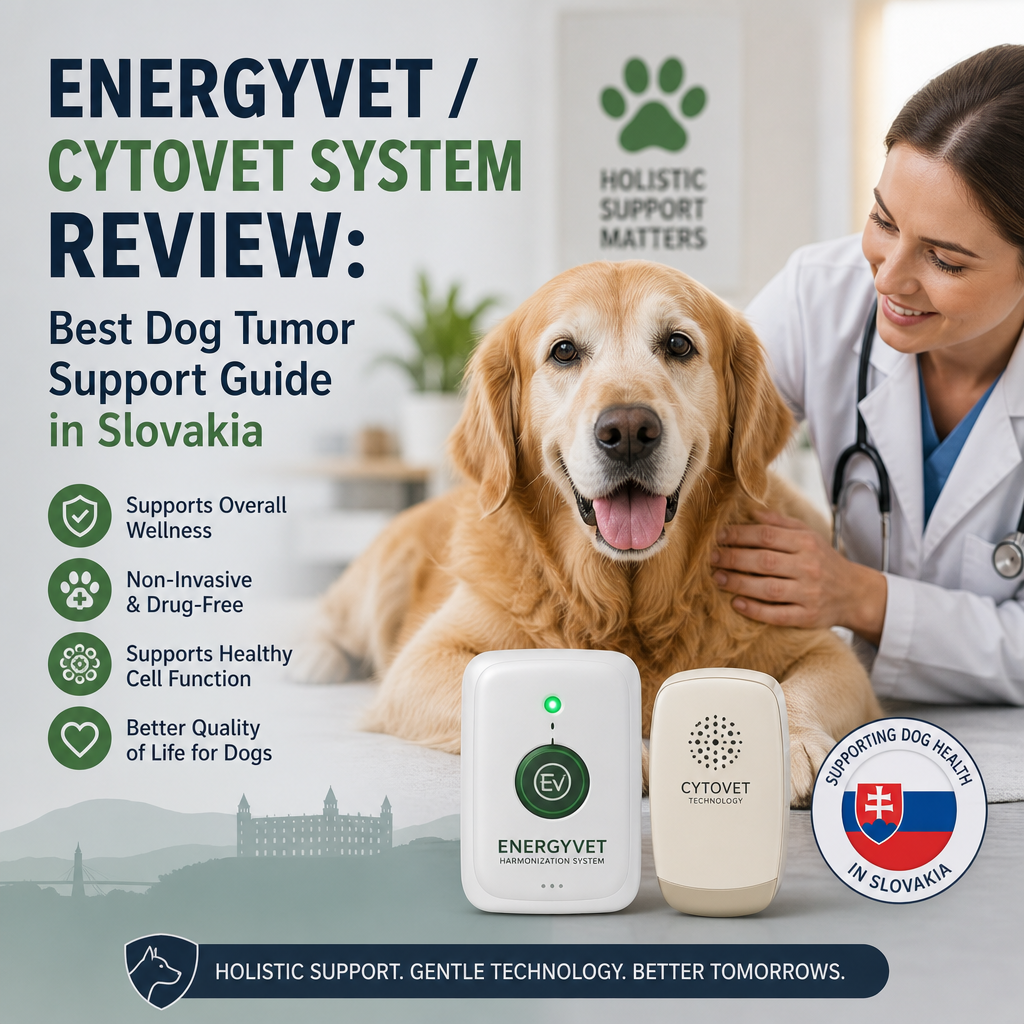
The Energyvet / Cytovet system generally refers to a complementary protocol built around Cytovet and, in some cases, other Energyvet products selected according to the dog’s condition. Cytovet is commonly presented as a product containing natural substances intended to support detoxification, digestion, immunity, and the body’s ability to cope with physiological stress.
The exact composition, recommended dosage, and length of use may depend on the product version and the dog’s size and health status. For this reason, owners should read the current Slovak product information and consult a veterinarian before beginning supplementation. A protocol suitable for a healthy adult dog may be inappropriate for a puppy, senior dog, pregnant animal, or patient with kidney, liver, or gastrointestinal disease.
It is also important to remember that supportive products work best when they are used with a clear clinical plan. A dog with a tumor needs a diagnosis, staging, and monitoring, not just a supplement. That means the first step should always be a proper veterinary examination, ideally with a treatment plan tailored to the tumor type and the dog’s overall condition.
Energyvet / Cytovet system review: what can owners reasonably expect?
A balanced Energyvet / Cytovet system review should distinguish between supportive care and cancer treatment. Cytovet is not a proven cure for tumors, and there is no reliable basis for claiming that it can eliminate cancer independently. Its potential role is more limited: it may be considered as an adjunct intended to support appetite, digestion, general condition, or recovery, depending on the individual dog.
Owners frequently report subjective improvements such as better energy, more stable digestion, or improved willingness to eat. These observations can be meaningful, but they do not prove that a tumor has shrunk or stopped progressing. Dogs may feel better temporarily even when cancer remains active. Objective monitoring through physical examinations, blood tests, ultrasound, radiographs, CT scans, or other appropriate methods is essential.
A responsible review should also consider safety. Natural products can cause adverse reactions, interact with medicines, or place additional demands on the liver and kidneys. A dog receiving chemotherapy, corticosteroids, nonsteroidal anti-inflammatory drugs, antibiotics, or seizure medication may require particular caution. The veterinarian should know about every supplement the dog receives.
When owners are trying to separate hope from evidence, the most helpful question is simple: does the product improve the dog’s comfort and daily function without creating new risks? That standard is more realistic than expecting a supplement to replace oncology care. It also helps families make decisions that are consistent with the dog’s long-term welfare.
Another practical point is timing. Some owners begin adding supplements right after hearing a diagnosis, when emotions are high and the information load is heavy. In that moment, it can be tempting to buy the first product that sounds natural and gentle. But a pause for review is usually wiser. A veterinarian can help determine whether the dog has appetite loss, nausea, pain, organ dysfunction, or another problem that needs direct treatment first.
Energyvet / Cytovet system dog cancer support
Energyvet / Cytovet system dog cancer support is best understood as part of a broader supportive-care plan. The primary goals should be maintaining comfort, preserving muscle mass, supporting hydration, managing pain, and protecting quality of life. Depending on the diagnosis, a veterinary oncologist may recommend surgery, chemotherapy, radiation therapy, immunotherapy, palliative medication, or careful monitoring.
Supportive nutrition is often especially important. Dogs with cancer may lose weight, develop nausea, or become selective with food. A veterinarian can help choose a diet that provides adequate calories and protein while taking account of kidney function, pancreatitis risk, allergies, and treatment-related side effects. Supplements should complement this plan rather than distract from it.
Owners should also keep a simple health record. Useful observations include appetite, water intake, vomiting, stool quality, activity, breathing, pain signs, body weight, and changes in the size or appearance of a mass. This information helps the veterinary team determine whether a product is beneficial, ineffective, or causing problems.
For many families, the emotional challenge is just as significant as the medical one. When a dog has a tumor, every change in behavior can feel urgent. A structured care routine can reduce that stress. Feeding at predictable times, noting daily activity, and checking weight on a regular schedule can make subtle changes easier to spot. This is especially valuable when owners are trying a complementary product alongside standard treatment.
In clinical practice, supportive care may also involve pain relief, anti-nausea medication, digestive support, or gentle adjustments to exercise. These measures often have a much clearer effect on quality of life than any supplement alone. For this reason, any dog tumor support plan should be built around what the dog actually needs rather than around a single product name.
Possible benefits and limitations
The main attraction of the Energyvet / Cytovet system is its focus on gentle, complementary support. Some owners appreciate products that are easy to administer and that fit into a wider wellness routine. In certain cases, a supplement may support digestion or general condition, particularly when used alongside appropriate nutrition and veterinary care.
However, several limitations should be clear:
- It should not be described as a standalone cancer cure.
- Positive anecdotes cannot replace controlled clinical evidence.
- A supplement cannot determine the tumor type, stage, or prognosis.
- Delaying conventional treatment may allow a potentially treatable tumor to progress.
- Individual dogs can respond differently, including developing intolerance or allergic reactions.
- Product quality, storage, and dosage accuracy matter.
Claims involving “detoxification,” “balancing,” or immune enhancement should be interpreted carefully. The body’s liver, kidneys, lungs, and digestive system already perform complex metabolic functions, and cancer biology is highly variable. Clear communication with a veterinarian is more valuable than relying on broad marketing promises.
It can also help to set expectations before the first dose is given. Owners may decide to try a supplement for a defined period, then reassess whether the dog is eating better, maintaining weight, or showing fewer digestive problems. If there is no clear benefit, continuing indefinitely makes little sense. If the dog seems worse, the product should be stopped and the veterinarian contacted.
One practical concern is product authenticity. Supplements sold through unclear channels may not match the label, may be stored incorrectly, or may have expired. Because dogs with cancer are often already medically fragile, even a small quality-control problem can matter. Choosing reputable sourcing is a simple but important part of risk reduction.
Owners should also be cautious about mixing multiple supplements at once. It becomes difficult to tell what is helping, what is unnecessary, and what is causing side effects. When possible, add only one new product at a time and document any changes. That approach makes it much easier for the veterinarian to evaluate results.
Energyvet / Cytovet system Slovakia: choosing and using it responsibly
For owners searching for the Energyvet / Cytovet system Slovakia, the safest approach is to purchase through a reputable veterinary or authorized distribution channel. Check the label, batch information, expiration date, storage requirements, and instructions in Slovak or another language you understand. Avoid products from unofficial sellers with damaged packaging, unclear ingredients, or exaggerated medical claims.
Before use, prepare the dog’s medical history, current medication list, diagnosis, laboratory results, and details about any previous reactions to supplements. Ask the veterinarian whether the product is appropriate, how it should be administered, and what warning signs require immediate discontinuation. Never assume that a dosage recommended for one dog applies to another.
Veterinary attention is particularly urgent if the dog has difficulty breathing, uncontrolled pain, repeated vomiting, collapse, severe weakness, bloody stools, inability to eat or drink, rapid abdominal enlargement, or sudden neurological changes. These signs require prompt assessment and should not be managed solely with supplements.
If the dog is already receiving oncology care, the veterinarian may also want to know the exact treatment schedule. A supplement may be inappropriate around certain chemotherapy sessions or during periods of reduced organ function. This is one reason why self-directed supplementation can be risky: timing matters as much as the ingredient list.
When owners in Slovakia compare options, it is smart to use primary product information and reputable medical sources instead of social media testimonials. For general cancer information, the National Cancer Institute’s overview of cancer treatment types offers a clear explanation of surgery, chemotherapy, radiation therapy, and other approaches. While this resource is written for human cancer care, it helps illustrate the difference between supportive products and evidence-based treatment.
How to talk to your veterinarian
If you are considering a complementary product, the best conversation with your veterinarian is specific and practical. Bring the package or a photo of the label, plus the exact diagnosis if you have it. Ask whether the product fits your dog’s current treatment plan, whether there are any known interaction concerns, and what symptoms would mean it should be stopped.
Helpful questions include:
- Is this supplement safe with my dog’s current medications?
- Does my dog’s tumor type or health status change the risk?
- Could it affect liver, kidney, or digestive function?
- What changes should I watch for at home?
- How long should we trial it before deciding whether it helps?
These questions keep the discussion focused on the dog’s needs rather than on marketing language. They also make it easier for the veterinarian to give a clear recommendation. In some cases, the answer will be yes, with monitoring. In others, the answer may be no, especially if the dog is medically unstable or taking medications that make supplementation riskier.
It can help to remember that veterinary guidance is not a rejection of complementary care. Instead, it is the safest way to make sure any added product fits into the whole treatment picture. A good plan balances possible benefit against the real possibility of side effects, wasted time, or delayed intervention.
Practical signs that a supplement may be worth reassessing
Even when a product appears harmless, it is worth reviewing the plan if the dog develops new symptoms. Reassessment is especially sensible when there is:
- reduced appetite lasting more than a day or two
- vomiting, diarrhea, or marked changes in stool
- unusual lethargy or restlessness
- new pain signs such as panting or hiding
- changes in urination or drinking habits
- yellow gums, pale gums, or abdominal swelling
These signs do not always mean the supplement is the cause, but they do mean the situation should be reviewed quickly. If the dog is receiving cancer treatment, the oncology team may need to adjust medications or run tests. A supplement should never delay that response.
Why monitoring matters more than testimonials
Testimonials can be emotionally persuasive because they come from real owners who love their dogs and want to share hope. But individual stories are not enough to establish whether a product works across dogs, tumor types, or treatment stages. A dog may look better because of pain control, a diet change, surgery, or simply a temporary fluctuation in the disease.
That is why monitoring is so important. Weighing the dog regularly, tracking appetite, and recording energy levels can reveal patterns that are easy to miss from day to day. If the supplement is genuinely helping, the evidence should appear in practical outcomes: better eating, steadier weight, improved comfort, or easier recovery. If those changes do not happen, continuing the product may not be worthwhile.
Responsible owners often find that the best results come from combining realism with compassion. They support the dog with all available appropriate tools, but they do not let hope turn into delay. That mindset protects both quality of life and treatment options.
Final assessment
The Energyvet / Cytovet system may have a place as a complementary wellness measure for some dogs, but expectations should remain realistic. The strongest cancer-support plan combines an accurate diagnosis, an individualized veterinary treatment strategy, suitable nutrition, pain control, regular monitoring, and compassionate daily care. Cytovet may be considered within that framework when the attending veterinarian agrees that its potential benefits outweigh its risks.
For Slovak dog owners, the most reliable decision is not based on testimonials alone. It should be guided by transparent product information, careful observation, and ongoing communication with a qualified veterinarian. Complementary support can be valuable, but it works best when it strengthens—not replaces—the medical care a dog with cancer needs.
If you are evaluating the Energyvet / Cytovet system, the safest question is not whether it sounds natural, but whether it fits the dog’s diagnosis, current treatment, and overall condition. That perspective keeps the focus where it belongs: on comfort, safety, and the best possible quality of life.

by TCMVET | Aug 18, 2026 | Research and News
Ocoxin Pets is a nutritional supplement designed to provide supportive care for dogs facing serious health challenges, including cancer. For Canadian pet owners, finding an affordable product that may complement veterinary treatment is important, but it is equally essential to understand what the supplement can—and cannot—do. This Ocoxin Pets review examines its ingredients, possible benefits, limitations, safety considerations, and practical value for families seeking dog cancer support.
What is Ocoxin Pets?
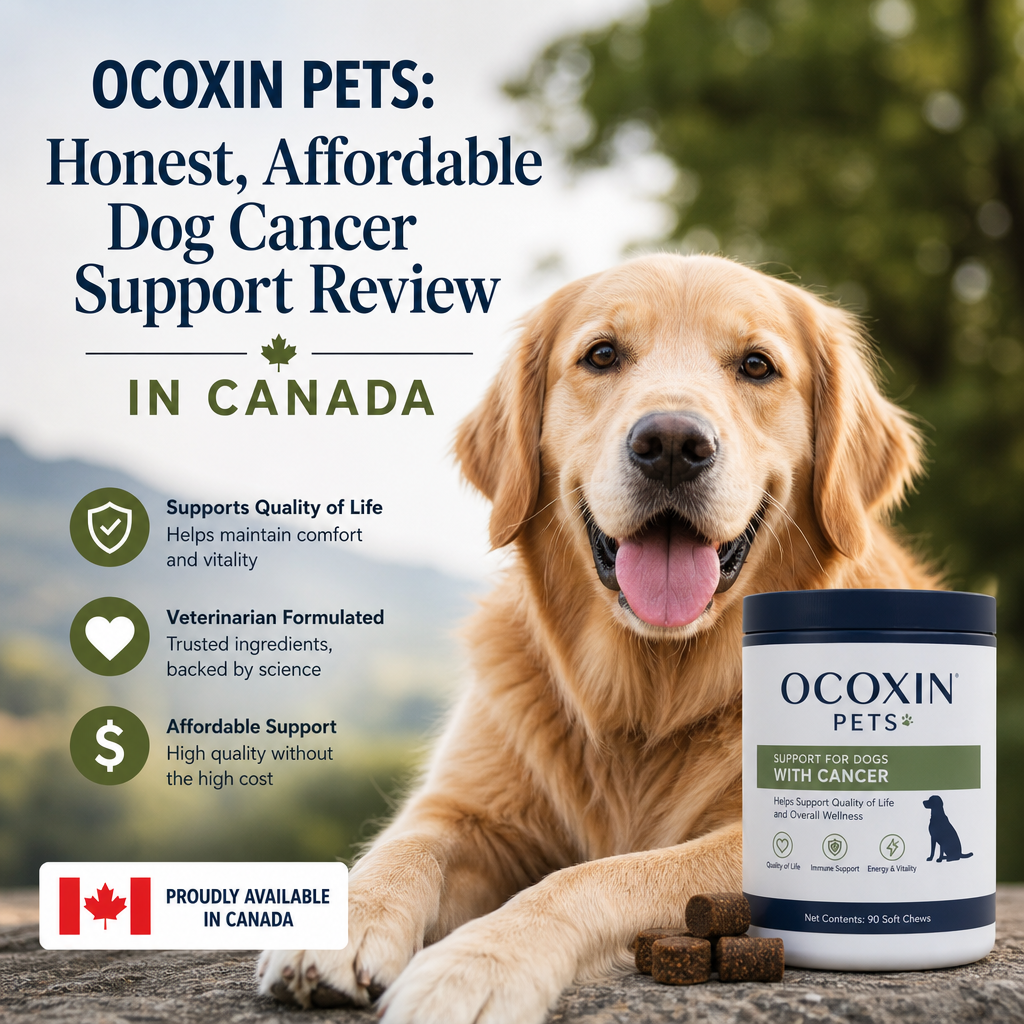
Ocoxin Pets is marketed as a complementary nutritional product for dogs and cats. Its formulation is generally associated with ingredients such as green tea extract, medicinal mushroom compounds, vitamins, minerals, and other nutrients intended to support immune function, antioxidant activity, appetite, and overall vitality.
The product is not a conventional cancer treatment. It does not replace surgery, chemotherapy, radiation, prescription medication, or the recommendations of a veterinarian or veterinary oncologist. Instead, it is positioned as supportive care that may help a dog maintain strength and quality of life during an illness or treatment period.
That distinction matters. Cancer affects every dog differently, and the appropriate care plan depends on the type of cancer, its stage, the dog’s age, existing medical conditions, and current medications.
For families also comparing broader support options, the article on wellness routine dog Effective Helpful Cancer Care offers additional context on building a daily care plan around treatment and comfort.
Ocoxin Pets dog cancer support: What can it realistically do?
The main appeal of Ocoxin Pets dog cancer support is that it may provide nutritional assistance while a dog is coping with disease or treatment. Dogs with cancer may experience reduced appetite, weight loss, fatigue, digestive upset, inflammation, or general weakness. A supplement containing concentrated nutrients and antioxidant compounds may help support normal body functions during this stressful period.
Potential goals of supplementation can include:
- Supporting appetite and nutritional intake
- Helping maintain normal energy levels
- Providing antioxidant compounds
- Supporting immune-system function
- Complementing a veterinarian-approved cancer-care plan
- Helping owners provide additional daily care at home
However, evidence for supplements in veterinary oncology is often limited compared with evidence for established cancer treatments. A product may have promising ingredients or anecdotal reports, but that does not prove it can shrink tumors, stop cancer progression, or extend survival. Responsible use requires realistic expectations.
The most meaningful benefit may be supportive rather than curative. If a dog eats better, maintains body condition, tolerates treatment more comfortably, or remains active for longer, that can be valuable. Even so, those outcomes should be monitored with professional veterinary guidance.
Ingredients and potential benefits
A closer look at the formulation is important before adding any supplement to a dog’s routine. Ocoxin Pets products may contain botanical extracts, mushroom-derived ingredients, vitamins, minerals, and other compounds selected for their antioxidant or immune-supportive properties.
Green tea-derived compounds, for example, are commonly studied for antioxidant activity. Medicinal mushrooms are also frequently included in complementary pet products because of their potential effects on immune signaling. Vitamins and minerals can help address nutritional needs, particularly when illness affects eating habits.
The presence of an ingredient does not automatically guarantee a clinical benefit. Dosage, concentration, product quality, the dog’s health status, and interactions with other medications all influence the outcome. Some substances that appear harmless in general wellness products may be unsuitable for dogs with liver disease, kidney problems, clotting disorders, or gastrointestinal sensitivity.
Pet owners should read the complete label, check the recommended serving instructions, and confirm that the product is intended for the dog’s size and species. Avoid assuming that a human supplement with similar ingredients is an acceptable substitute.
For readers comparing supportive products, this Ocoxin Pets Alternative: 7 Best Affordable Dog Tumor Supplements in the UK guide can help you understand how similar options are positioned in another market.
It is also helpful to review independent information on canine cancer care from a reputable source such as the American Veterinary Medical Association’s cancer in pets overview.
What ingredients usually mean in practice
Many pet supplements sound impressive on paper, yet the real-world effect depends on how the ingredients work together and whether the dose is meaningful. A dog that is already eating a balanced diet may not need extra micronutrients, while a dog with poor appetite could benefit from targeted support if a veterinarian agrees it is appropriate.
Some products emphasize antioxidant support. That can be useful in theory, but dogs with cancer do not respond to antioxidants in exactly the same way as healthy dogs. In some cases, high-dose supplements can complicate treatment decisions. This is one reason veterinary oversight matters so much.
If your dog is already taking prescription medication, ask whether the supplement might affect absorption, liver metabolism, or bleeding risk. Even a product that is considered gentle may not be the right choice for every patient.
How supportive care fits into a cancer plan
A supplement cannot do the work of a complete treatment plan, but it may fit into one. Supportive care often focuses on maintaining comfort, reducing stress, preserving appetite, and helping the dog stay as stable as possible during medical treatment.
That may include prescription medication, diet adjustments, pain control, hydration support, gentle exercise, and monitoring at home. When used correctly, Ocoxin Pets may serve as one small part of a broader approach rather than a stand-alone answer.
An honest Ocoxin Pets review: Strengths and limitations
One strength often considered by Canadian pet owners is affordability. Cancer care can become expensive, especially when diagnostic testing, specialist consultations, medication, surgery, or repeated laboratory work are involved. A supplement may be easier to budget for than many other forms of supportive care.
Convenience is another potential advantage. A product that can be administered at home may fit into a daily care routine, particularly when a dog is already taking several prescribed medications.
Still, an honest Ocoxin Pets review must acknowledge important limitations. There may not be extensive independent clinical research proving that the product treats cancer or improves survival. Customer experiences can be encouraging, but testimonials are not a substitute for controlled veterinary studies. Dogs can also respond differently, meaning one pet’s improvement cannot predict another’s results.
Possible drawbacks include digestive upset, reluctance to take the product, allergic reactions, or interactions with prescription drugs. Some dogs may see no noticeable change. The cost, while potentially modest compared with cancer treatment, can still become significant when used for months.
The product should therefore be viewed as an optional complement—not as a guaranteed solution.
Who may consider it, and who should be cautious
Dogs that are already under veterinary supervision, have stable bloodwork, and are not taking medications with known interaction risks may be more likely to use a supplement safely. Even then, response should be monitored closely.
Extra caution is wise for senior dogs, very small dogs, dogs with liver or kidney disease, and dogs with sensitive digestion. If the pet has recently started chemotherapy or another new medication, the best approach is usually to wait for veterinary advice rather than guessing.
Owners should also be careful not to interpret short-term enthusiasm as proof of long-term benefit. Some dogs feel better for reasons unrelated to a supplement, such as pain relief, diet changes, or a good day during treatment. Careful observation helps separate coincidence from genuine improvement.
Safety and veterinary supervision
Before giving Ocoxin Pets to a dog with cancer, consult the veterinarian managing the case. This is especially important if the dog is receiving chemotherapy, corticosteroids, nonsteroidal anti-inflammatory drugs, antibiotics, anticoagulants, or medications for liver, kidney, or heart disease.
A veterinarian can help assess:
- Whether the ingredients are appropriate
- Whether the product could interact with current medication
- Whether the dog’s liver and kidneys can process it safely
- The correct serving based on weight and health status
- Whether symptoms are caused by cancer, treatment, or another problem
Stop using the product and contact a veterinary professional if the dog develops vomiting, diarrhea, facial swelling, breathing difficulty, severe lethargy, loss of appetite, or any sudden change in condition. Never delay urgent treatment because a supplement is being used.
It is also wise to purchase from a reputable Canadian or authorized source. Check the expiry date, packaging integrity, storage instructions, and product information. Counterfeit or improperly stored supplements may not have the expected quality or potency.
If you want to compare how other pet owners approach similar decisions, the post K9 Immunity Alternative: Best Affordable Dog Tumor Supplements in Italy provides another helpful example of choosing supportive care carefully.
Questions to ask before buying
Before you purchase, ask whether the label clearly lists the active ingredients, whether the serving instructions are easy to follow, and whether the company provides batch or quality information. It is also useful to ask how the product should be stored and whether it has any age or weight restrictions.
These practical questions do not replace veterinary advice, but they can help you avoid low-quality or confusing products. The more transparent the manufacturer is, the easier it becomes to make a cautious and informed decision.
Ocoxin Pets Canada: Practical considerations for buyers
When researching Ocoxin Pets Canada, buyers should look beyond the advertised price. Shipping fees, currency conversion, taxes, delivery time, and return policies can affect the final cost. Availability may vary depending on the supplier, and some products may be sold through international websites rather than local veterinary channels.
Canadian owners should also confirm that the label provides clear information about ingredients, dosage, manufacturer, and intended animal use. A transparent product page and accessible customer-service information are positive signs, although they do not independently verify medical effectiveness.
Keeping a simple health journal can make supplementation more useful. Record appetite, weight, activity, stool quality, vomiting, medication changes, and notable symptoms. This information can help the veterinarian determine whether the dog is benefiting, experiencing side effects, or changing because of another aspect of treatment.
If you are comparing regional options, you may also find it useful to read the Ocoxin Pets alternative: 5 Powerful, Affordable Options for Dogs With Tumors in the Netherlands article for a different perspective on supportive care products.
Cost, shipping, and value for Canadian owners
For many families, value matters as much as the price tag. A supplement is only worthwhile if it arrives on time, is easy to give, and fits the dog’s care routine without creating unnecessary stress. If shipping delays or customs issues make the product hard to maintain, a locally available option may be more practical.
It is also sensible to compare the supplement’s monthly cost with its possible benefits. If the dog dislikes the taste, refuses the dose, or shows no improvement, continuing may not make sense. In that case, the veterinarian may suggest a different supportive strategy.
Owners often do best when they view cost in the context of the entire treatment plan. A cheaper supplement is not automatically better, and a more expensive one is not automatically superior. Consistency, safety, and veterinary fit matter more than marketing claims.
Final assessment
Ocoxin Pets may be a reasonable supportive supplement for some dogs when used under veterinary supervision. Its potential value lies in nutritional and quality-of-life support, not in replacing proven cancer therapies. The formulation may appeal to owners seeking an affordable addition to a broader care plan, but expectations should remain measured.
For Canadian pet families, the best decision involves reviewing the ingredient list, confirming safety with a veterinarian, purchasing from a reliable source, and monitoring the dog carefully. Used responsibly, Ocoxin Pets may have a place in compassionate supportive care. It should always remain one part of a comprehensive veterinary strategy focused on comfort, nutrition, treatment, and the dog’s overall quality of life.
In short, Ocoxin Pets can be considered a supportive tool, not a cure. When paired with expert veterinary guidance, careful observation, and a realistic understanding of its role, it may help some dogs feel a little better during a difficult time.
by TCMVET | Aug 18, 2026 | Research and News
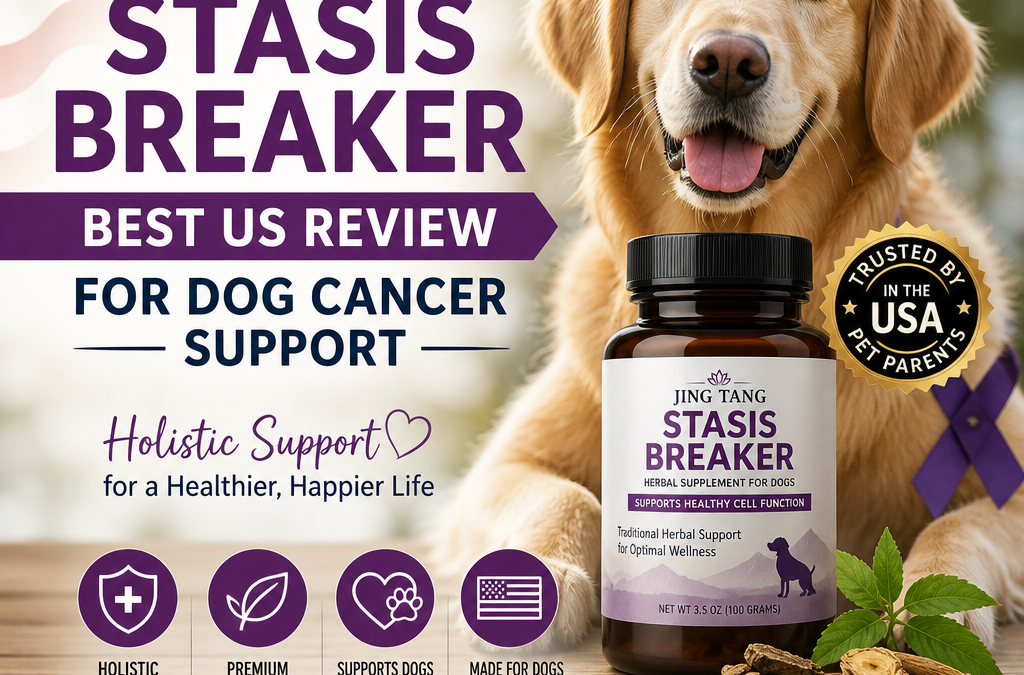
Jing Tang Stasis Breaker is a traditional Chinese veterinary herbal formula that some pet owners explore as part of a broader plan for dogs with serious health conditions, including cancer. A thoughtful Jing Tang Stasis Breaker review should distinguish traditional herbal use from proven cancer treatment, explain how the formula may fit into supportive care, and emphasize the importance of veterinary supervision. For families in the United States, product sourcing, quality control, dosing, and communication with a veterinarian are especially important.
What Is Jing Tang Stasis Breaker?
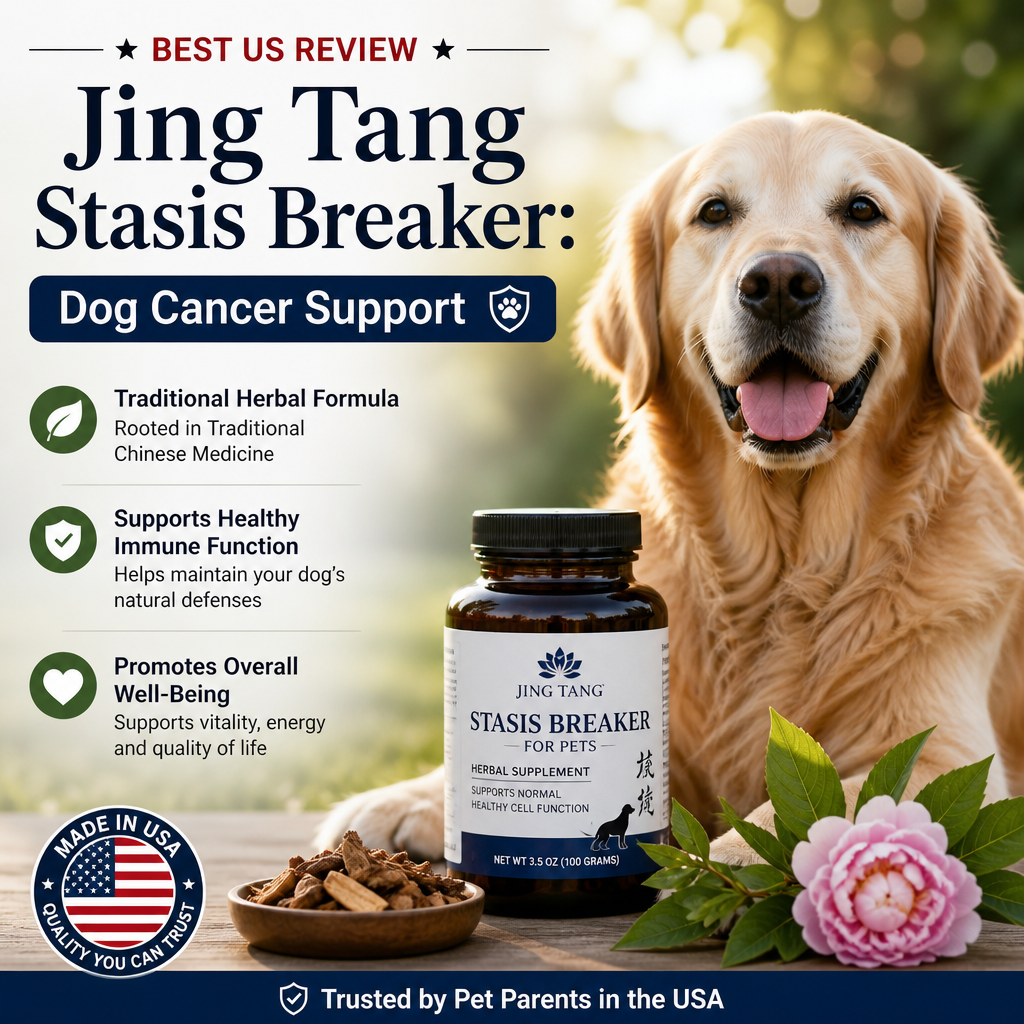
Jing Tang Stasis Breaker is a veterinary herbal supplement associated with the traditional Chinese medicine approach to animal care. In that framework, “stasis” generally refers to impaired circulation or the accumulation of energy and blood that may contribute to discomfort, swelling, masses, or other clinical patterns. The formula is commonly discussed in relation to circulation support and the traditional management of conditions involving masses or stagnant blood.
The exact ingredients and proportions may vary depending on the manufacturer and product version. Because of this, owners should read the current label carefully rather than relying on descriptions found on older websites or reseller listings. A qualified veterinary professional familiar with herbal medicine can explain how the individual ingredients may affect a particular dog.
It is also essential to understand that a traditional formula is not the same as a conventional chemotherapy drug, radiation therapy, surgical procedure, or evidence-based medication. Jing Tang Stasis Breaker should not be presented as a cure for cancer. Instead, it may be considered by some veterinarians as one component of supportive or integrative care.
For a broader clinical perspective on integrative veterinary medicine, pet owners can also review the educational resources at the American Veterinary Medical Association’s integrative veterinary medicine page.
Owners who are new to herbal formulas often want a simple explanation of how they differ from prescription drugs. The key difference is that herbal blends are typically used to support the body’s overall balance rather than to target a single disease pathway in the same way a cancer drug might. That does not make them ineffective or meaningless, but it does mean they need to be evaluated in context. A formula may be appropriate for one patient and inappropriate for another depending on the tumor type, current medications, and the dog’s overall condition.
Another important point is that veterinary herbal products are usually selected as part of an individualized care plan. Two dogs with the same diagnosis may receive very different recommendations because one has poor appetite, another has liver concerns, and another is recovering from surgery. The formula itself does not replace clinical judgment. It works best when the veterinarian’s assessment leads the plan and the product is used with clear goals.
Jing Tang Stasis Breaker Dog Cancer Support: What Owners Should Know
The phrase Jing Tang Stasis Breaker dog cancer support often appears in searches by owners looking for gentle or complementary options after a cancer diagnosis. In practice, supportive care may focus on comfort, appetite, mobility, circulation, digestion, and overall quality of life. These goals are meaningful, but they should be considered alongside a confirmed diagnosis and a clearly defined treatment plan.
Cancer is not one disease. A lymphoma case, mast cell tumor, osteosarcoma, hemangiosarcoma, or soft-tissue sarcoma may require very different treatment strategies. The dog’s age, weight, organ function, tumor location, stage, medications, and laboratory results all influence whether an herbal product is appropriate.
Some owners may consider an herbal formula while their dog is undergoing surgery, chemotherapy, radiation, immunotherapy, or palliative care. This makes communication especially important. Certain herbs may influence bleeding, blood pressure, liver metabolism, immune activity, or the effects of prescription drugs. A veterinarian can help determine whether adding a supplement creates unnecessary risk or whether monitoring should be increased.
When owners are trying to sort through options, a practical question is whether the product supports comfort without complicating treatment. That is why discussion with the oncology team matters so much: the same formula may be reasonable for one dog and unsuitable for another.
It also helps to set expectations early. Supportive care does not always mean visible, dramatic change. Sometimes the benefit is subtle, such as steadier energy, less restlessness, easier movement after a nap, or improved tolerance of meals. Those small gains can matter to both the dog and the family. Still, they should be tracked honestly so owners can tell whether the plan is truly helping.
Jing Tang Stasis Breaker may be discussed in cases where the treatment goal is to support comfort while standard care continues. That makes the formula part of an integrated strategy rather than a single solution. Owners who approach the supplement with that mindset are usually better prepared to evaluate whether it is worth continuing.
Potential Reasons It May Be Considered
Traditional veterinary herbal practitioners may consider circulation-oriented formulas when a dog shows a pattern that includes a mass, localized swelling, pain, reduced mobility, or other signs interpreted through Chinese medicine. The goal is generally not to replace standard oncology care but to support the animal’s comfort and function.
Owners also commonly look for supplements that may help maintain quality of life during a difficult diagnosis. However, product claims should be evaluated carefully. A supplement marketed for “tumor support” or “blood movement” does not automatically demonstrate an ability to shrink tumors, extend survival, or prevent recurrence.
A reasonable review should therefore focus on realistic expectations. The strongest potential value may lie in individualized supportive care, particularly when a veterinarian monitors the dog’s response and adjusts the overall plan. Evidence for specific herbal formulas in canine cancer remains limited compared with the evidence available for established veterinary oncology treatments.
In practice, this means the formula may be discussed as one piece of a larger plan that could include pain control, diet changes, hydration support, anti-nausea medication, mobility assistance, and regular rechecks. Supportive care can be meaningful even when it does not change the underlying cancer itself.
Some owners are drawn to Jing Tang Stasis Breaker because they want an option that feels less aggressive than conventional oncology therapy. That desire is understandable. Many families are looking for ways to help their dog feel better without adding too much stress. The challenge is that “gentle” should never be assumed solely because a product is herbal. Gentle for one dog may still be too stimulating, too drying, or poorly matched for another dog’s condition.
Another reason it may be considered is that certain veterinarians integrate Chinese herbal medicine into broader symptom management. In those settings, the formula may be selected because the clinical pattern suggests that circulation support could be helpful. That kind of reasoning is more nuanced than simply saying the dog has cancer and therefore needs a supplement. It depends on the whole patient picture.
Owners should also remember that the product may be used differently depending on treatment stage. A dog recovering from surgery may have different needs than a dog in palliative care or a dog receiving chemotherapy. A formula that seems reasonable during one phase may need to be paused or adjusted during another. This is one more reason the product should be discussed as part of a living treatment plan, not a one-time purchase.
Safety, Side Effects, and Medication Interactions
Natural products can cause side effects. Depending on the formula and the dog’s health status, possible concerns may include digestive upset, vomiting, diarrhea, reduced appetite, allergic reactions, or changes in bleeding risk. A dog with liver or kidney disease may process herbal ingredients differently from a healthy dog.
Extra caution is appropriate when a dog takes anticoagulants, anti-inflammatory drugs, corticosteroids, chemotherapy agents, seizure medication, heart medication, or other drugs with narrow safety margins. Surgery and invasive procedures also deserve special attention because some supplements may affect clotting or recovery.
Stop the supplement and contact a veterinarian if the dog develops repeated vomiting, severe diarrhea, unusual bruising, nosebleeds, pale gums, weakness, collapse, worsening pain, breathing difficulty, or a sudden decline in appetite. These signs should never be dismissed as a normal adjustment to an herbal product.
Owners should also avoid combining multiple supplements with overlapping ingredients unless a veterinarian has reviewed the full list. “More natural” does not always mean safer, especially for dogs already dealing with cancer-related stress, reduced appetite, or concurrent medications.
There is also a practical safety issue related to consistency. Two products that seem similar may not be identical in strength or quality. If a dog is responding well to one batch and then suddenly changes when a new bottle is opened, the reason may be the product itself rather than the disease. Keeping the label, lot number, and purchase details can be helpful if the veterinarian needs to investigate a reaction.
When a dog is already managing a cancer diagnosis, even mild stomach upset can have outsized consequences. Reduced food intake can lead to weight loss, lower energy, and poorer tolerance of treatment. That is why any new supplement should be introduced cautiously and monitored closely. Owners should not wait for a major problem before asking whether a side effect might be related.
In many cases, the safest approach is to start only when the veterinary team has reviewed the full medication list and established what changes to watch for. A supplement does not need to be dangerous to create problems if it is used without coordination. Safety is often less about the formula name and more about timing, dose, and the dog’s overall condition.
Choosing Jing Tang Stasis Breaker in the United States
For owners researching Jing Tang Stasis Breaker United States suppliers, purchasing from a reputable veterinary channel is safer than buying from an unknown marketplace seller. Look for clear labeling, lot information, expiration dates, storage instructions, and contact details for the manufacturer or distributor. Products should arrive sealed and should not have an unusual odor, damaged packaging, or inconsistent appearance.
The United States supplement market does not operate exactly like the prescription drug market. Herbal products may not undergo the same premarket approval process required for conventional medications. This means owners should be cautious about dramatic promises, anonymous testimonials, and claims that a product can cure cancer or replace veterinary treatment.
A veterinary clinic that works with certified veterinary herbalists may be able to help verify the product, assess its suitability, and establish a monitoring plan. When possible, provide the veterinarian with a complete list of supplements, medications, treats, and foods the dog receives.
For additional background on safe supplement use and product quality, the National Center for Complementary and Integrative Health herbs at a glance resource is a useful general reference for readers who want to understand how herbal products are evaluated.
In a cancer-support context, it is wise to think of sourcing as part of treatment safety. Reliable supply, traceable manufacturing, and transparent labeling matter because even a well-chosen formula can become a problem if the product itself is inconsistent.
Owners should also be aware that ordering from a vendor is only one part of the decision. A product can be authentic and still be the wrong fit for the dog. For that reason, the question is not merely whether the supplement is available in the United States, but whether it is appropriate for the individual patient. The veterinarian’s guidance should come before convenience or price alone.
When comparing suppliers, look for a clear return policy, accessible customer support, and information about storage conditions during shipping. Heat and moisture can affect herbal products, particularly if the package sits in a mailbox or delivery truck for a long time. Good handling matters because the product should remain as stable and predictable as possible from purchase to administration.
How to Discuss It With Your Veterinarian
Before starting Jing Tang Stasis Breaker, bring the product label and explain why you are considering it. Ask whether the dog’s diagnosis, bloodwork, current medications, and upcoming procedures create any contraindications. It may also be useful to discuss measurable goals, such as improved appetite, easier movement, better comfort, or more stable digestion.
Monitoring can include periodic blood tests, weight checks, appetite records, and observation of pain or activity levels. Keeping a simple daily log can help identify whether a change is associated with the supplement, another treatment, or the natural progression of the disease.
Most importantly, do not delay diagnostic testing or proven cancer treatment while waiting to see whether an herbal product works. Early evaluation can affect the available treatment choices and the dog’s prognosis.
If your veterinarian is unfamiliar with the formula, ask whether they are comfortable coordinating with a practitioner who has training in veterinary herbal medicine. Collaboration can reduce confusion, prevent duplication, and make it easier to recognize whether the plan is helping.
It can also help to approach the conversation with a written summary. Include the diagnosis, current medications, supplements, appetite changes, weight trends, and any recent bloodwork if you have it. That makes the appointment more efficient and gives the veterinarian the information needed to think through risks. A well-organized discussion is especially valuable when cancer treatment is already complex.
Owners should feel comfortable asking direct questions such as whether the formula could interfere with anesthesia, whether it should be paused before imaging or surgery, and whether the dose should change if appetite drops. These are not minor details. They are the kind of questions that help turn a vague supplement idea into a safer, more practical plan.
Questions to Ask Before Starting
- Does this product conflict with my dog’s current medications or procedures?
- What changes should I watch for in appetite, stool quality, mobility, or energy?
- How soon should I expect any benefit, if one occurs?
- What side effects would mean I should stop the supplement right away?
- How will we measure whether the plan is worthwhile?
What a Realistic Owner Plan Looks Like
A realistic plan starts with the understanding that Jing Tang Stasis Breaker is not a substitute for oncology care. It may be part of a supportive strategy, but it should not become a distraction from the dog’s primary medical needs. The most effective owners usually focus on three things at once: comfort, safety, and communication.
Comfort means watching for changes in movement, sleep, appetite, hydration, and stress level. If the dog is more willing to eat, rest calmly, or move with less hesitation, that information is useful. Safety means checking for side effects and being cautious with other medications. Communication means updating the veterinarian promptly when something changes, especially if the dog is already fragile.
Owners often find it helpful to think in short time blocks rather than trying to judge everything after only a day or two. Herbal products may not produce immediate changes, and a short observation period can make it easier to tell whether the formula is helping in a meaningful way. At the same time, clear stop points are important if the dog worsens or a concern appears.
It is also worth considering the emotional side of care. Families want to do something helpful, and choosing a supplement can feel like taking action. That feeling is understandable. Still, the best action is the one that is informed, measured, and coordinated with the veterinary team. Responsible care is not about doing the most; it is about doing what best serves the dog.
When the supplement is part of a larger plan, owners may see it listed alongside pain medication, a prescription diet, anti-nausea support, and recheck exams. That kind of structure is usually more useful than trying to make the herbal formula do everything on its own. It keeps expectations realistic and protects the dog from unnecessary risks.
For many families, the main benefit of a careful approach is peace of mind. They know the product was reviewed, the source was checked, and the goals were defined in advance. That alone can reduce uncertainty during an already difficult time.
Final Assessment
A balanced Jing Tang Stasis Breaker review should describe the formula as a complementary option rather than a standalone cancer treatment. It may have a place in an individualized integrative care plan, particularly when the primary veterinarian and a qualified veterinary herbal practitioner coordinate closely. However, evidence for cancer-specific benefits is not strong enough to support cure claims, and safety depends on the dog’s diagnosis, medications, organ health, and treatment schedule.
For families seeking Jing Tang Stasis Breaker dog cancer support in the United States, the best approach is careful sourcing, realistic expectations, professional guidance, and regular monitoring. The central goal should remain the dog’s comfort, safety, and quality of life while appropriate conventional care continues.
Used thoughtfully, the formula may fit into a broader supportive plan. Used without guidance, it can create avoidable risks. That is why the most responsible choice is to treat it as a discussion point for your veterinary team, not as a replacement for medical care.
If you want the most practical takeaway, keep it simple: confirm the diagnosis, review the full medication list, verify the source, and ask your veterinarian whether the supplement fits the dog’s current treatment stage.
For dog owners who continue researching Jing Tang Stasis Breaker after an oncology visit, the best next step is usually not another sales page. It is a conversation with the clinician who knows the dog’s history. That is where the formula can be judged fairly—based on the patient, the treatment plan, and the real-world goals of care.
by TCMVET | Aug 18, 2026 | Research and News
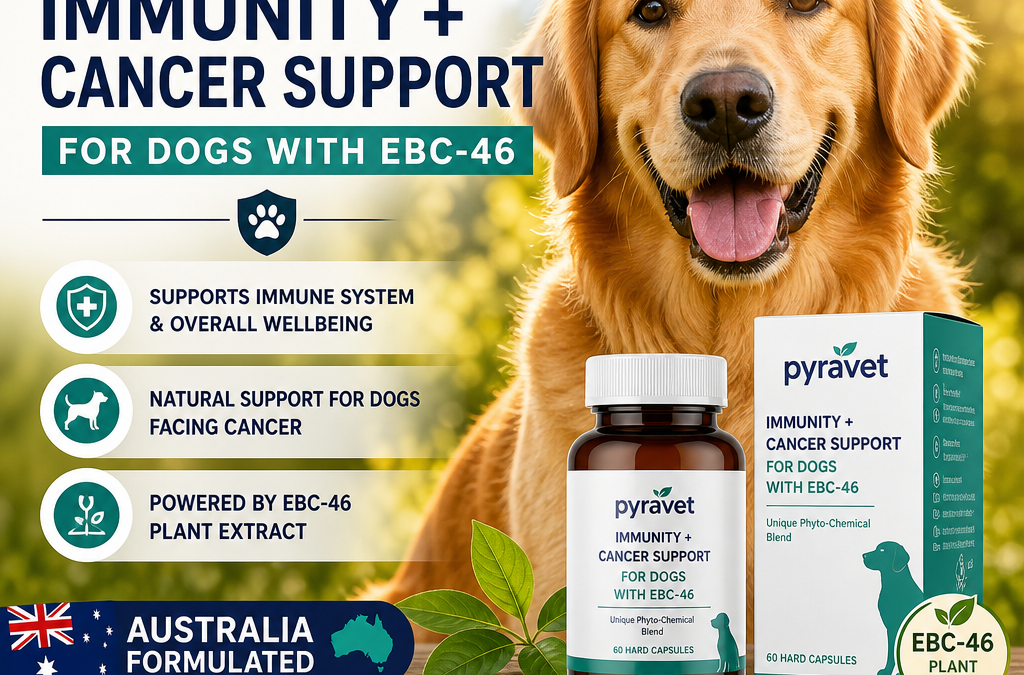
Pyravet Immunity + Cancer Support For Dogs With EBC-46 is marketed in Australia as a nutritional supplement intended to support canine immune health and overall wellbeing, particularly for dogs affected by cancer. Because a cancer diagnosis is emotionally difficult and treatment decisions can be complex, owners often look for complementary products that may help their pets feel stronger. However, a supplement should be viewed as supportive care—not a replacement for veterinary diagnosis, surgery, chemotherapy, radiation, pain management, or other evidence-based treatment.
For owners comparing supportive options, it can help to look at broader care strategies as well. A useful place to start is this guide to Best Supplements for Dogs with Cancer: 7 Essential UK Support Tips, which explains how supplements fit into a larger cancer care plan.
What is Pyravet Immunity + Cancer Support For Dogs With EBC-46?
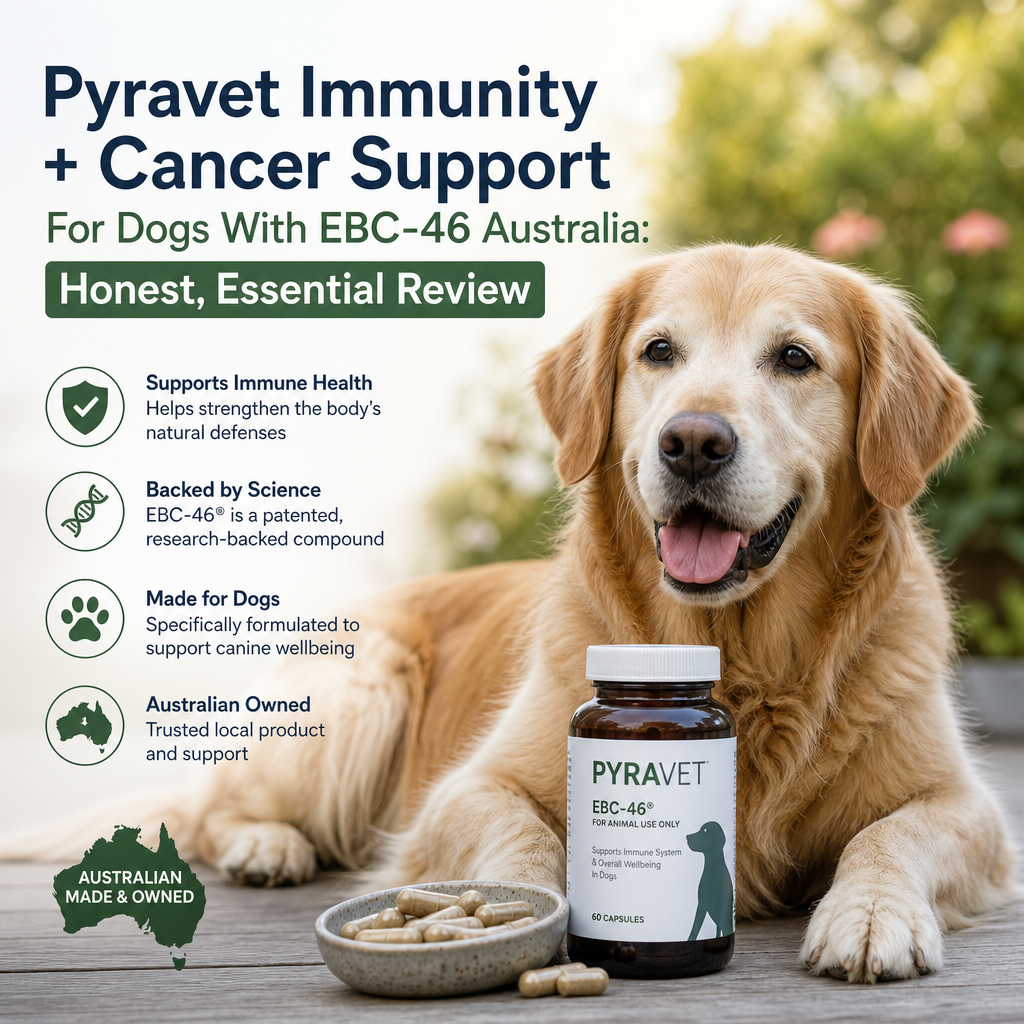
Pyravet Immunity + Cancer Support For Dogs With EBC-46 is generally presented as a formula combining immune-support ingredients with EBC-46, a compound derived from the blushwood tree native to Australia. EBC-46 has attracted public interest because of early research and reports involving localized tumour treatment. That interest has led to products marketed for pets, including dogs with cancer.
It is important to distinguish between a product containing an ingredient associated with preliminary research and a clinically proven cancer treatment. Research conducted in laboratories or early-stage studies does not automatically demonstrate that an oral supplement will shrink tumours, extend survival, or work safely alongside every veterinary medication. The actual formulation, dosage, quality control, and intended use all matter.
For readers looking deeper into the wider context of complementary support, the article on Canine Lymphoma Essential Helpful Immune Cancer Guide may also be useful, especially when a dog’s diagnosis involves immune system changes or ongoing treatment decisions.
In practical terms, many owners first encounter Pyravet Immunity + Cancer Support For Dogs With EBC-46 when searching for gentle ways to support a dog during an active cancer plan. That makes it especially important to separate marketing language from veterinary guidance, because the goals of comfort, appetite support, and immune support are not the same as tumour control.
Pyravet Immunity + Cancer Support For Dogs With EBC-46 review: what does the evidence show?
Any honest Pyravet Immunity + Cancer Support For Dogs With EBC-46 review should begin with the limits of the available evidence. EBC-46 has been investigated primarily in relation to localized treatment approaches, particularly direct injection into certain external tumours under professional supervision. This is very different from taking an oral capsule or powder as a general supplement.
At present, owners should be cautious about broad claims that an EBC-46-containing product can treat all forms of canine cancer. Cancer is not a single disease. Mast cell tumours, lymphoma, osteosarcoma, melanoma, mammary tumours, and internal cancers behave differently and require different management plans. A supplement that may be appropriate as general nutritional support may have little relevance to the biology of a particular tumour.
The strongest conclusions should come from published veterinary research, transparent ingredient information, appropriate safety testing, and guidance from a qualified veterinarian. Testimonials can be encouraging, but they cannot establish effectiveness because individual outcomes may be influenced by tumour type, stage, surgery, medication, genetics, and overall health.
If you want an example of how owners often explore natural support while still prioritizing comfort, the story Natural Dog Cancer Support shows how supportive care discussions typically focus on quality of life, not miracle claims.
It is also worth noting that the phrase Pyravet Immunity + Cancer Support For Dogs With EBC-46 can sound more definitive than the available science supports. For that reason, the safest interpretation is that the product may belong in the broad category of supportive wellness products, not in the category of proven anticancer therapies.
Potential role as dog cancer support
Pyravet Immunity + Cancer Support For Dogs With EBC-46 dog cancer support may be considered by some owners as part of a broader wellness plan. Possible goals may include supporting normal immune function, helping maintain appetite and body condition, and providing nutritional assistance during treatment. These are reasonable supportive-care objectives, but they should not be confused with direct anticancer activity.
Dogs undergoing cancer treatment may experience nausea, reduced appetite, fatigue, digestive upset, or weight loss. In these cases, the most useful intervention may be a veterinary nutrition plan, anti-nausea medication, pain relief, appetite support, or treatment of an underlying complication. Adding several supplements at once can make it difficult to determine what is helping or causing side effects.
A veterinarian may also recommend blood tests, imaging, tumour staging, or a referral to a veterinary oncologist before approving any complementary product. This is especially important when the dog has liver or kidney disease, is receiving chemotherapy, or takes medicines that affect clotting, inflammation, or immune function.
Some owners also find it helpful to think in terms of overall comfort instead of only tumour-focused goals. A steady wellness routine, adjusted meals, and calm daily habits can make a real difference during treatment. For more practical ideas, see this Effective Ways to Support Weight Gain in Dogs Undergoing Cancer Treatment resource.
When looking at Pyravet Immunity + Cancer Support For Dogs With EBC-46 as part of dog cancer support, the most useful question is often not whether it can replace treatment, but whether it can fit safely beside the treatment plan already chosen with your veterinarian. That framing keeps the focus on comfort, monitoring, and realistic expectations.
Ingredients, quality, and what to check on the label
Before considering Pyravet Immunity + Cancer Support For Dogs With EBC-46 Australia products, owners should look closely at the label and product information. A good supplement should clearly list the active ingredients, inactive ingredients, dosage guidance, storage instructions, lot or batch information, and manufacturer contact details. If that information is missing or vague, it is harder to evaluate safety and quality.
Because supplements are not all regulated in the same way as prescription veterinary medicines, quality can vary. Two products may use similar marketing language but contain different ingredient amounts, different excipients, or different manufacturing standards. For dogs with cancer, that difference matters. A product intended for supportive care should be consistent, traceable, and easy to discuss with a veterinary professional.
Owners should also ask whether the formula is appropriate for their dog’s age, size, disease stage, and other health conditions. A senior dog with reduced appetite may need a different support plan from a younger dog with a localized tumour. If a supplement contains immune-active or botanical components, the potential for interaction with chemotherapy or other medications should be reviewed carefully.
For readers who want a wider overview of complementary options, this article on How Natural Remedies Can Support Dogs with Cancer: A Holistic Approach explains how supplements, feeding changes, and comfort measures can work together without overpromising results.
Safety considerations for Australian dog owners
Pyravet Immunity + Cancer Support For Dogs With EBC-46 Australia searches often reflect interest in local availability and the Australian origin associated with EBC-46. Nevertheless, being produced or marketed in Australia does not by itself prove that a product is effective for cancer or suitable for every dog.
Before purchasing, check the complete label, active and inactive ingredients, batch information, storage instructions, expiry date, and manufacturer contact details. Avoid products that make guaranteed claims such as curing cancer, replacing chemotherapy, or working for every tumour type. Be particularly cautious when product information does not provide clear dosing instructions based on a dog’s weight.
Potential warning signs after introducing a supplement include vomiting, diarrhoea, loss of appetite, lethargy, itching, swelling, unusual bleeding, or changes in urination. Stop the product and contact a veterinarian if concerning symptoms occur. A dog with worsening pain, breathing difficulty, collapse, persistent vomiting, or rapid tumour growth needs urgent veterinary attention rather than additional supplements.
When comfort is a major concern, some owners also review other supportive options such as Acupuncture for Dog Cancer: How This Ancient Therapy Can Support Your Pet’s Health, especially when the main goal is maintaining daily comfort and routine during cancer care.
It can also help to talk openly with your veterinary team about what you hope the supplement will do. If the goal is appetite support, the plan may differ from a situation where the goal is simply general wellbeing. The more specific the objective, the easier it is to judge whether Pyravet Immunity + Cancer Support For Dogs With EBC-46 is worth trying.
Questions to discuss with your veterinarian
Before using this type of product, ask:
- What is my dog’s exact cancer diagnosis and stage?
- Could this supplement interfere with current treatment?
- Are the ingredients appropriate for my dog’s age, weight, liver, and kidney function?
- Is there reliable evidence for its use with this tumour type?
- What symptoms should prompt immediate discontinuation?
- How will we measure whether the product is helping?
Keeping a written record of appetite, weight, energy, bowel movements, medication, and visible tumour changes can help the veterinary team evaluate the dog’s progress objectively.
If your dog has lymphoma specifically, it may be helpful to review the practical advice in Canine Lymphoma Essential Helpful Immune Cancer Guide so you can compare supportive care options with your veterinarian more confidently.
You may also want to ask whether there are any nutrition changes or medical steps that should come before supplements. In many cases, stabilizing nausea, pain, hydration, and calorie intake gives the biggest quality-of-life gain and makes any later support plan easier to assess.
Quality of life, monitoring, and practical next steps
When considering Pyravet Immunity + Cancer Support For Dogs With EBC-46, many owners are really asking a bigger question: will this help my dog feel better? That is an important question, and it deserves a measured answer. A supplement may support some aspects of wellbeing, but it should be only one part of a plan that includes nutrition, symptom control, and regular reassessment.
One of the most helpful habits is to monitor changes consistently. Track appetite, energy, breathing, sleep, stool quality, thirst, urination, and any visible change in the tumour itself. Small notes taken daily or every few days are often more reliable than memory alone. If a supplement is started, make only one change at a time when possible. That approach makes it easier to tell whether Pyravet Immunity + Cancer Support For Dogs With EBC-46 is helping, doing nothing, or causing side effects.
Owners can also support quality of life by adjusting the home environment. Soft bedding, easy access to water, gentle walks, reduced stress, and predictable feeding times may help dogs cope better during treatment. Some dogs benefit from warmed food, hand-feeding, or split meals throughout the day. Others may need pain control or anti-nausea support before appetite improves.
For dogs with visible lumps or risk factors, it can be useful to stay alert to early changes rather than waiting for symptoms to worsen. This article on Recognizing Dog Cancer Symptoms: A Guide to Early Detection and Support is a reminder that early observation and prompt veterinary review can make a meaningful difference.
Supportive herbs and comfort-focused formulas are another area many owners explore, but they should always be chosen carefully. If you are comparing options for older dogs in particular, this guide to senior dog herbs Helpful Essential Comfort Tips may help frame the discussion around comfort, appetite, and day-to-day wellbeing.
Another practical step is to define a review point. For example, if you try Pyravet Immunity + Cancer Support For Dogs With EBC-46, agree with your veterinarian on a date to reassess appetite, energy, weight, and any tumour-related changes. A set review window makes it easier to stop products that are not clearly helping and focus on measures that matter most.
In addition, if your dog is losing condition during treatment, a targeted nutrition plan may be more helpful than adding another immune product. Weight loss can be a sign that calories, protein, or symptom control need attention. In that sense, support should be practical first, and promotional claims second.
Final assessment
Pyravet Immunity + Cancer Support For Dogs With EBC-46 may appeal to owners seeking complementary support, particularly in Australia where EBC-46 has received attention. However, the available information should be interpreted carefully. The product should not be promoted as a guaranteed cancer cure, and preliminary research involving EBC-46 does not automatically validate every supplement formulation or route of administration.
The most responsible approach is to use any supplement only as part of a veterinarian-approved care plan. Evidence-based cancer treatment, adequate nutrition, pain control, regular monitoring, and quality of life should remain the priorities. For many dogs, thoughtful supportive care can be valuable—but it must be safe, transparent, and tailored to the individual animal.
In short, Pyravet Immunity + Cancer Support For Dogs With EBC-46 may have a place in a carefully supervised support plan, but it should never be treated as a stand-alone solution. Speak with your veterinarian, review the evidence, and keep your dog’s comfort and safety at the center of every decision.
For general background on cancer rates and why support decisions matter so much, you may also find this resource useful: cancer in dogs from the American Veterinary Medical Association. Reliable education helps owners compare options with more confidence and less pressure.
Overall, Pyravet Immunity + Cancer Support For Dogs With EBC-46 should be viewed as one possible supportive tool, not a replacement for veterinary care. When used thoughtfully, it may sit alongside nutrition, comfort measures, and treatment monitoring as part of a broader plan designed to protect your dog’s wellbeing.
