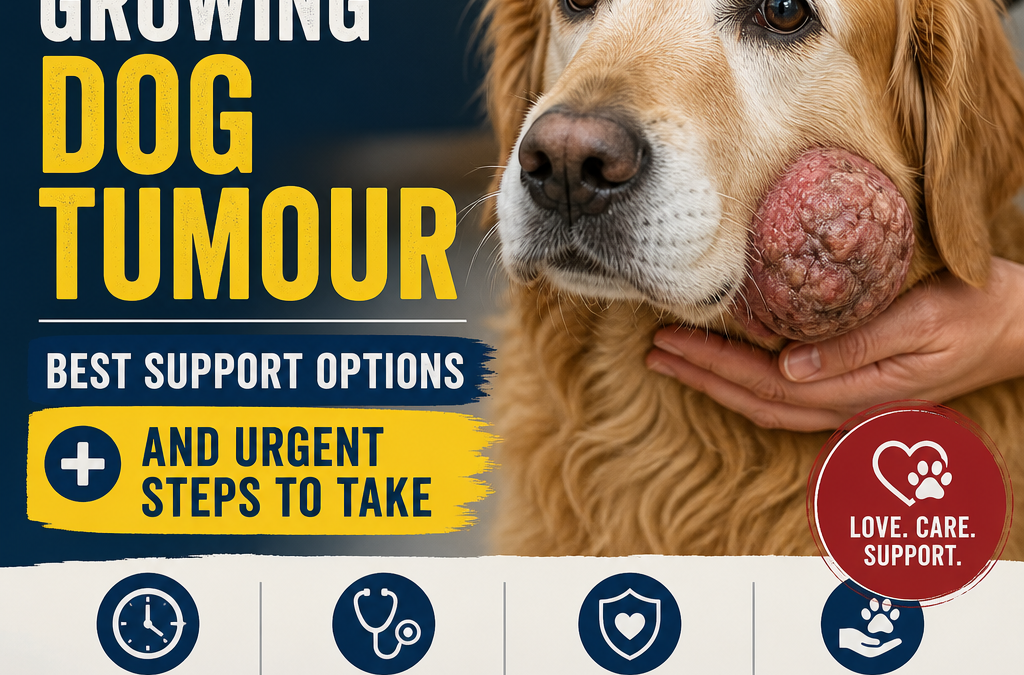
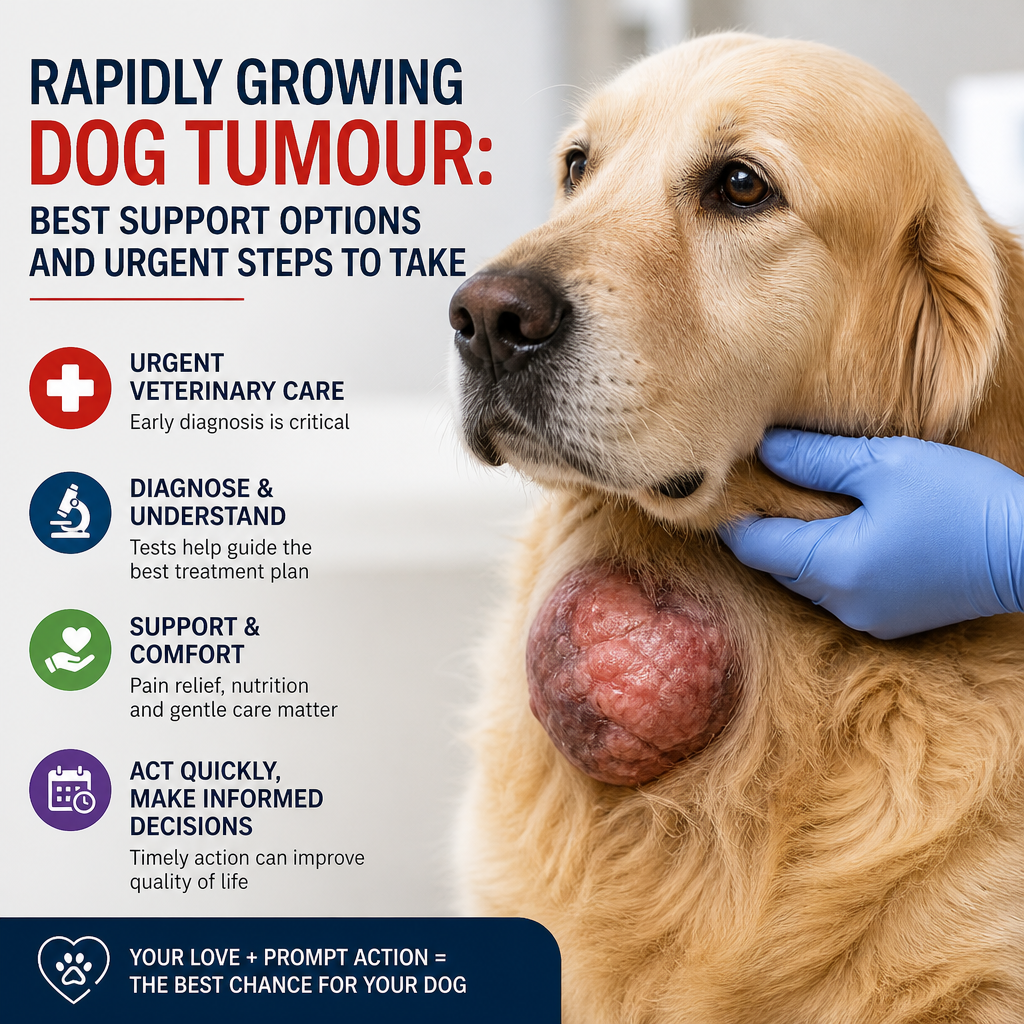
Dog tumour growing fast can be frightening to discover, especially when a lump seems to change noticeably over days or weeks. Although some fast-growing masses are benign, rapid enlargement can also indicate infection, inflammation, bleeding, or an aggressive cancer. The safest response is to arrange veterinary assessment promptly, monitor changes carefully, and focus on practical dog tumour support while a diagnosis is being established.
A lump that grows quickly should never be assessed by appearance alone. Tumours can develop in the skin, tissue beneath the skin, mammary glands, mouth, limbs, or internal organs, and different masses may look very similar from the outside. Some are harmless fatty growths, while others can invade nearby tissue or spread to other parts of the body.
Rapid growth may occur because tumour cells are multiplying quickly, but it can also result from swelling, fluid accumulation, infection, or bleeding within a mass. A previously stable lump that suddenly becomes larger, red, warm, painful, or ulcerated requires particular attention. A dog tumour growing fast can change the treatment timeline, so it is best to act early rather than wait to see whether it settles on its own.
For owners who are already comparing options, best supplements for dogs with cancer can be part of a wider discussion with the veterinary team, but supplements should never replace prompt diagnosis.
Contact your veterinarian as soon as possible if you notice:
A lump increasing in size over a short period
Bleeding, oozing, scabbing, or an unpleasant smell
Redness, heat, swelling, or obvious pain
Changes in appetite, energy, movement, or behaviour
Difficulty breathing, swallowing, urinating, or passing stool
Vomiting, weakness, collapse, or pale gums
A mass that interferes with walking or normal daily activities
Emergency signs such as collapse, severe bleeding, breathing difficulty, extreme weakness, or uncontrolled pain require immediate veterinary care rather than a routine appointment.
In practical terms, dog owners often notice the change first because a collar feels tighter, a limb seems awkward, or a pet starts licking one spot more than usual. That pattern does not tell you what the mass is, but it does tell you the body is reacting to something that deserves attention.
What the veterinarian may do
The first step is usually a physical examination. Your veterinarian will assess the mass’s location, size, firmness, mobility, surface appearance, and relationship to surrounding tissues. They may also check lymph nodes and look for signs that the problem is affecting the rest of the body.
A fine-needle aspiration is often recommended. During this procedure, cells are collected from the lump with a small needle and examined under a microscope. It can sometimes identify the type of mass, although some tumours require a biopsy for a definitive diagnosis.
Additional tests may include:
Blood and urine tests to assess overall health
X-rays or ultrasound to look for internal involvement
Advanced imaging, such as CT or MRI, for surgical planning
A tissue biopsy to determine tumour type and grade
Lymph node sampling to check for spread
Do not squeeze, puncture, massage, or attempt to remove the lump at home. These actions can cause bleeding, infection, pain, and tissue damage. They may also make later examination or surgery more difficult.
For general clinical guidance on cancer evaluation and follow-up testing, the Merck Veterinary Manual is a useful veterinary reference.
It can help to write down a few practical details before the appointment. When did the lump first appear? Has the size changed daily, weekly, or only after activity? Is the skin intact? Does your dog react when it is touched? Those notes can help the veterinarian decide whether the problem is likely to be inflammatory, infectious, or neoplastic.
Understanding dog tumour support during diagnosis
Dog tumour support begins with protecting comfort and preventing the mass from becoming irritated. If the area is exposed to licking or scratching, your veterinarian may recommend an Elizabethan collar, recovery suit, or protective dressing. Any dressing must be applied correctly and checked regularly, because moisture and pressure can worsen skin damage.
Keep the area clean and dry, but avoid using household disinfectants, essential oils, creams, or human medications unless your veterinarian specifically approves them. Some common products are toxic to dogs or may interfere with healing.
Record the mass’s size and appearance. A simple log can include:
Date and measurements in centimetres
Photographs taken from the same angle
Changes in colour, texture, or discharge
Signs of pain or increased sensitivity
Appetite, drinking, energy, and mobility
Any medications or treatments given
This information helps the veterinarian identify how quickly the mass is changing and whether treatment is having an effect.
If you want to compare practical support approaches, this guide to dog cancer supplements may help you prepare questions for your vet.
Good support also means limiting strain on the affected area. Use non-slip flooring if your dog is unsteady, keep bedding soft, and make food and water easy to reach. If the lump sits where a harness or collar rubs, change how you walk your dog until the area is assessed.
Dog tumour growing fast: key support steps while you wait for results
When a dog tumour growing fast is being investigated, the most useful support is calm, consistent observation. Try to keep your dog’s routine as normal as possible while reducing anything that could irritate the mass. Short, quiet walks, soft bedding, and close supervision can make a difficult waiting period more manageable.
If the lump changes shape, bleeds, or becomes more painful, contact the clinic rather than waiting for a scheduled recheck. A dog tumour growing fast may need a faster follow-up if the mass is interfering with eating, toileting, sleeping, or movement.
It can also help to write down exactly when the lump first changed. In many cases, owners notice that the dog tumour growing fast is not just larger, but also firmer, warmer, or more sensitive to touch. Those details can help your vet decide whether urgent imaging, sampling, or referral is needed.
Practical day-to-day checks at home
When a dog tumour growing fast is being monitored, small changes matter. Check your dog at the same time each day so you can spot differences in size, comfort, appetite, or breathing. If the mass is bleeding, use a clean cloth and call your vet for instructions rather than applying pressure for too long or trying to treat it yourself.
Keeping a short home record can make follow-up appointments more productive. Note whether your dog can settle comfortably at night, get up without difficulty, and complete normal routines such as toileting and short walks.
It also helps to watch for changes that may seem unrelated at first. A dog that is eating less, hiding more, panting at rest, or avoiding stairs may be uncomfortable even if the lump itself has not changed dramatically. In cases where a dog tumour growing fast is affecting the mouth, throat, chest, abdomen, or rear limbs, behaviour changes can appear before the underlying diagnosis is confirmed.
Supportive care during the waiting period
While you are waiting for test results, focus on reducing stress. Avoid rough play, long car trips unless necessary, and exposure to other pets that might bump the area. If your dog is anxious, speak with your veterinarian about safe ways to keep them settled.
Meals should remain familiar unless your veterinary team suggests otherwise. Sudden diet changes can upset the stomach at a time when your dog is already under strain. Fresh water should always be available, and you should track whether your dog is drinking normally.
If your dog is prescribed medicine, follow the dosing instructions carefully. Never substitute human painkillers or old prescriptions from another pet. A dog tumour growing fast can be painful, but the wrong medicine can create a second medical problem.
Dog tumour growing fast: what changes matter most
Not every change means the worst-case scenario, but some patterns deserve faster follow-up. A mass that doubles in size in a short period, becomes ulcerated, or starts draining fluid should be rechecked promptly. When a dog tumour growing fast becomes harder, more fixed in place, or more painful, that may suggest deeper tissue involvement.
Other warning signs include loss of appetite, fever, vomiting, coughing, laboured breathing, difficulty urinating, or changes in stool. These can indicate that the tumour is affecting the body more broadly, or that another illness is present alongside the lump.
It is also worth considering whether the location is limiting normal function. A mass near a joint may change how a dog walks; one in the mouth may make chewing difficult; one near the rear end may interfere with toileting. In each of these situations, practical dog tumour support is not only about comfort, but also about preserving daily function while your vet works out the cause.
Supporting comfort and daily wellbeing
While testing and treatment are underway, maintain a predictable routine. Dogs often cope better when meals, rest, walks, and medication are given at consistent times. Offer a quiet, comfortable bed that is easy to access, particularly if the mass affects mobility or your dog is recovering from a procedure.
Nutrition is also important. Provide a complete, balanced diet and monitor food and water intake. Avoid making sudden dietary changes or giving unproven supplements. Some supplements can interact with chemotherapy, pain relief, anaesthesia, or other prescribed treatments.
Pain management should always be guided by a veterinarian. Never give human painkillers such as ibuprofen, naproxen, or paracetamol unless specifically instructed, as these medicines can cause serious poisoning in dogs. Veterinary pain relief may include prescription anti-inflammatory drugs, other analgesics, or supportive medications depending on the diagnosis and your dog’s health.
Gentle activity may help maintain strength, but exercise should be adjusted to your dog’s condition. Avoid rough play, jumping, or activities that rub against the mass. If your dog becomes tired, painful, or reluctant to move, allow rest and contact the veterinary team for guidance.
Many owners also benefit from setting up a simple comfort plan at home. This might include washable bedding, a quiet resting area, easy access to water, and a note of who is giving medicines and when. Practical support often reduces stress for both the dog and the family while the medical plan is being decided.
What to watch for between appointments
A dog tumour growing fast may also affect general wellbeing before the underlying cause is known. Watch for changes in breathing, posture, appetite, sleep, and interest in family life. Even subtle signs such as hiding, panting at rest, or reluctance to climb stairs can point to discomfort.
Ask yourself whether your dog still has enough energy for the routines they normally enjoy. If the answer is changing quickly, that is useful information to share with your veterinarian. The phrase dog tumour growing fast often describes the visible lump, but the bigger concern is how the condition is affecting the whole dog.
Owners sometimes underestimate the value of photographing the lump from the same angle each day. Small visual records can make growth easier to discuss at the clinic and may help the veterinarian judge whether the mass is expanding uniformly or changing in only one area.
Treatment options for a fast-growing mass
Treatment depends on the tumour’s type, size, location, grade, and whether it has spread. Surgery may be recommended when the mass can be removed safely. Removing a tumour with an appropriate margin of surrounding tissue can sometimes provide the best chance of control.
Other treatments may include chemotherapy, radiation therapy, targeted medication, immunotherapy, or a combination of approaches. In some cases, treatment is intended to eliminate the disease; in others, it aims to slow progression and preserve comfort.
When curative treatment is not possible or would place too much strain on the dog, palliative care may be the most compassionate option. This can involve pain control, wound care, nausea relief, appetite support, mobility assistance, and regular monitoring of quality of life.
Owners looking at different treatment pathways often discuss whether supportive products can fit alongside veterinary care. That conversation is especially important when a dog tumour growing fast may require surgery, chemotherapy, or palliative treatment in a short time frame.
If the diagnosis turns out to be a specific cancer type, your vet may talk through how the tumour usually behaves, what the likely next steps are, and how much time each decision will take. For example, some masses need surgery quickly, while others are best managed through monitoring, symptom relief, or referral to an oncology team. The exact plan depends on the individual dog, not only on the size of the lump.
Questions to ask before choosing a plan
Ask your veterinarian which tests are most urgent, whether the mass is likely to be removable, and what side effects may follow each option. It is also helpful to ask how soon treatment should begin, whether pain relief is appropriate now, and what changes should trigger a return visit.
If your dog has a specific diagnosis, such as anal gland disease, this page on anal sac carcinoma in dogs explains another condition that can present with a growing mass near the rear end.
You may also want to ask whether referral is worth considering if the lump is in a difficult location or close to vital structures. That question matters because a dog tumour growing fast can sometimes be more safely treated by a specialist who performs these procedures regularly.
Supportive options to discuss with your vet
Supportive care is most useful when it is tailored to the diagnosis and used alongside the main treatment plan. Depending on the case, your vet may discuss pain control, anti-nausea medication, appetite stimulants, wound management, activity restriction, or adjustments to your dog’s diet.
Some owners also ask about supplements, herbal support, or nutraceuticals. These conversations should be handled carefully. A product that seems harmless may still affect bleeding risk, liver function, anaesthesia, or medication metabolism. That is why a dog tumour growing fast should be discussed with the vet before anything new is added at home.
If the tumour affects eating, your vet may also suggest ways to make food easier to manage. If it affects walking, they may advise ramps, supportive harnesses, or limited stair use. If the mass is painful or ulcerated, wound care instructions become especially important. These practical measures can make a big difference in day-to-day comfort while a dog tumour growing fast is being treated or monitored.
Understanding when a dog tumour growing fast needs emergency care
Some situations should never wait for a routine appointment. If a dog tumour growing fast is accompanied by collapse, severe bleeding, pale gums, trouble breathing, repeated vomiting, or sudden weakness, treat it as an emergency. In those moments, stabilising your dog matters more than identifying the exact cause right away.
Call the clinic before you arrive if possible, especially if the mass is actively bleeding or your dog seems distressed. That gives the team time to prepare for triage and pain relief. A dog tumour growing fast can sometimes be manageable with planned care, but a sudden change in breathing or circulation needs immediate attention.
If the lump is on the head, neck, mouth, or limbs, emergency care may also be needed if it interferes with eating, moving, or walking. Even a mass that seems external can become serious if it begins to affect normal function or causes significant discomfort.
Never delay urgent care because the lump is already being monitored. Fast change can mean the situation has shifted from routine follow-up to a time-sensitive problem, and early stabilisation can make later treatment safer.
Making decisions based on quality of life
A diagnosis can feel overwhelming, but decisions do not have to be made without support. Ask the veterinary team about likely outcomes, treatment risks, expected costs, recovery time, and how the condition may progress without treatment.
Track quality-of-life indicators such as:
Willingness to eat and drink
Interest in family and normal activities
Ability to rest comfortably
Mobility and ability to toilet normally
Pain, breathing, and anxiety
Number of good days compared with difficult days
A dog tumour growing fast should be treated as a reason for prompt professional evaluation, not as a signal to panic. Early assessment can clarify what the mass is and identify options before it causes complications. With timely veterinary care, careful monitoring, and compassionate dog tumour support, owners can help protect both comfort and wellbeing throughout diagnosis and treatment.
If you are gathering background reading, this article on Ocoxin Pets alternative options may also help you understand supportive care conversations in a broader cancer plan.
For more context on warning signs and veterinary decision-making, the American College of Veterinary Internal Medicine explains specialist veterinary medicine resources that can support informed discussions with your vet.
In the end, the most helpful response to a dog tumour growing fast is not to guess, press, or wait too long. Prompt examination, careful observation, and thoughtful support give your dog the best chance of staying comfortable while the cause is confirmed and a plan is put in place.
Basset Hound cancer risks, tumor symptoms in Bassets, common cancers in this breed are important topics for every owner to understand, especially as these long-bodied, soulful dogs move into their senior years. Knowing what your Basset may be predisposed to, and how to spot problems early, can make a real difference in comfort, quality of life, and treatment options.
—
A. Breed Overview
Basset Hounds are medium-sized scent hounds known for their long ears, heavy bone, short legs, and calm, affectionate temperament. They usually weigh 40–65 pounds and often live around 10–12 years, though many reach their teens with good care.
Key traits that matter for health and tumor risk:
– Heavy-boned, low to the ground: Prone to orthopedic and spinal strain.
– Loose skin and long ears: Can mean more skin folds and chronic ear issues.
– Food-motivated and sometimes sedentary: Prone to weight gain if not managed.
– Generally gentle and laid-back: Good family dogs but sometimes less active, which can influence obesity and overall health.
As a breed, Basset Hounds are suspected to have a higher incidence of certain cancers and tumors compared with some other breeds. These often include lymphomas, some skin tumors, and cancers linked with their size and body type. This doesn’t mean every Basset will develop cancer, but it does mean owners should be especially alert and proactive.
—
B. Tumor and Cancer Risks for Basset Hounds
While any dog can develop cancer, certain patterns show up more frequently in this breed. Below are several common cancers in this breed and the factors that may play a role.
1. Lymphoma (Lymphosarcoma)
Lymphoma is a cancer of the lymphatic system (lymph nodes, spleen, etc.) and is relatively more common in many purebred dogs, including Basset Hounds.
– What owners may notice first: Enlarged, firm lymph nodes under the jaw, in front of the shoulders, or behind the knees.
– Why Bassets may be at risk: Likely a mix of genetics and general purebred predisposition; specific gene links in Bassets are still being studied.
2. Mast Cell Tumors (Skin Tumors)
Mast cell tumors are one of the most common skin cancers in dogs and are reported in Basset Hounds.
– Typical appearance: They can look like almost anything—small, soft bumps, larger firm nodules, or even “bug-bite” type lumps that change size.
– Breed factors: Bassets’ loose skin and frequent skin issues may mean owners overlook small lumps, thinking they’re just “skin tags” or irritations.
3. Hemangiosarcoma
Hemangiosarcoma is an aggressive cancer of blood vessels, often affecting the spleen, liver, or heart.
– What makes it tricky: It may grow silently until it causes internal bleeding.
– Size and body build factor: Medium to larger breeds, like Basset Hounds, may have a higher risk than tiny dogs, though the exact cause is multifactorial.
4. Osteosarcoma (Bone Cancer)
While more classic in large and giant breeds, Basset Hounds—with their heavy bodies on short legs—may be at increased risk for bone stress, arthritis, and, in some cases, bone tumors.
– Common locations: Long bones of the legs, sometimes the ribs or spine.
– Contributing factors: Heavy body weight on relatively short limbs and possible genetic factors.
5. Mammary (Breast) Tumors
In intact (not spayed) female Bassets, mammary tumors can be relatively common, as in many unspayed medium and large breeds.
– Risk factors: Not being spayed, or being spayed later in life, significantly increases mammary tumor risk compared to early spaying.
– What owners might see: Lumps or firm chains of nodules along the mammary (breast) tissue.
—
C. Early Warning Signs Owners Should Watch For
Early detection is one of the best tools you have. Some signs are very subtle at first, so regular hands-on checks and observation are important.
1. Skin and Body Lumps
Because Bassets have loose skin and folds, it’s easy to miss small changes.
What to look for:
– New lumps or bumps anywhere on the body.
– Existing lumps that:
– Change size (especially rapidly).
– Become red, ulcerated, or start bleeding.
– Feel suddenly firmer or fixed to underlying tissue.
At-home tip:
Once a month, gently run your hands over your dog from nose to tail, including:
– Under the jaw and along the neck.
– Chest, ribs, and belly.
– Along the backbone and tail base.
– All four legs and in armpits and groin.
Note size and location of any lumps and mention them at your next vet visit—or sooner if they are rapidly changing.
2. Weight and Appetite Changes
Unexpected changes in weight or appetite can be early flags.
Watch for:
– Eating less or being pickier than usual.
– Eating normally but losing weight.
– A swollen or “tight” belly, especially combined with lethargy.
Any persistent change in appetite or weight (over a week or two) warrants a veterinary check.
3. Energy, Behavior, and Mobility
Basset Hounds can be naturally laid-back, but noticeable shifts are important.
Concerning signs:
– Less interest in walks or play.
– Stiffness, limping, or difficulty getting up, especially in one leg (bone tumors) or generalized (pain).
– Hiding, restlessness at night, or sudden clinginess.
4. Bleeding, Coughing, or Other Symptoms
Internal tumors may show up through subtle signs at first:
– Unexplained bruising or nosebleeds.
– Coughing or trouble breathing.
– Dark, tarry stools or blood in urine or stool.
– Pale gums (could indicate internal bleeding or anemia).
When to call the vet promptly:
– Any rapidly growing lump.
– Sudden collapse, pale gums, or bloated abdomen.
– Ongoing vomiting, diarrhea, or significant behavior changes.
– Coughing or breathing issues that last more than a day or two.
Always err on the side of caution; early veterinary evaluation can offer more options.
—
D. Senior Care Considerations for Basset Hounds
As Bassets age (often from around 7–8 years onward), cancer risk and other chronic issues increase, and their care needs change.
1. Aging and Tumor Risk
Older Bassets are more likely to develop:
– Lymphoma and other internal cancers.
– Skin tumors (some benign, some malignant).
– Mammary tumors (if not spayed).
Because aging also brings arthritis, dental disease, and organ changes, tumor symptoms in Bassets can be easy to miss or misinterpret as “just getting old.”
2. Nutrition and Body Condition
Senior Bassets benefit from:
– Controlled calories: To prevent or reverse obesity, which stresses joints and may influence some cancer risks.
– High-quality protein: To maintain muscle mass.
– Balanced fats and fiber: Support digestion, joint health, and weight management.
Ask your veterinarian about:
– A senior or joint-supportive diet appropriate for your dog.
– Ideal body condition score (you should feel ribs with slight padding but not see them from a distance).
3. Exercise and Activity Adjustments
Basset Hounds still need movement, even as seniors.
– Aim for frequent, gentle walks instead of rare, intense outings.
– Avoid long stair climbs and jumping off furniture to protect spine and joints.
– Low-impact activities (slow sniff walks, short play sessions) help maintain muscle, mobility, and healthy weight.
4. Joint Care and Pain Management
With age and their heavy, low build, joint discomfort is common.
– Watch for slower rising, reluctance to jump, or stiffness after rest.
– Your vet can suggest pain management options and, if appropriate, joint-supportive supplements or therapies.
– Never start pain medications or supplements without consulting your veterinarian, as some products can affect the liver, kidneys, or interact with other drugs.
5. Veterinary Check-Ups and Screening
For senior Basset Hounds, consider:
– Twice-yearly wellness exams (every 6 months).
– Baseline and follow-up bloodwork and urinalysis.
– Periodic imaging (X-rays or ultrasound) if the vet recommends it based on exam findings, age, or breed risk.
Regular visits help catch changes early, when options for comfort and treatment are often better.
—
E. General Tumor Prevention & Wellness Support
Not all cancers can be prevented, but supporting your Basset Hound’s overall health may help reduce some risk factors and improve resilience.
1. Maintain a Healthy Weight
Extra weight is a major health burden in this breed.
– Keep treats small and factor them into daily calories.
– Use interactive feeders or food puzzles to slow eating.
– Monitor body shape monthly and adjust portions with your vet’s guidance.
2. Appropriate Diet and Hydration
– Feed a complete, balanced diet suitable for your dog’s life stage and health status.
– Ensure fresh water is always available.
– Avoid frequent feeding of high-fat table scraps and processed human foods.
3. Regular Physical Activity
– Daily walks support immune function, joint health, and mental well-being.
– Mental enrichment (scent games, training, puzzle toys) keeps your Basset engaged and less likely to become a “couch potato” full-time.
4. Minimize Environmental Risks
Where possible:
– Limit secondhand smoke exposure.
– Avoid unnecessary exposure to lawn chemicals and harsh cleaning products; follow label directions carefully.
– Provide shade and avoid intense sun on pale or thinly haired skin areas, which may help reduce some skin damage.
5. Thoughtful Use of Supplements or Integrative Support
Some owners explore:
– Omega-3 fatty acids for general wellness.
– Joint-supportive supplements.
– Other integrative products aimed at immune or antioxidant support.
These may play a supportive role, but they are not cures or treatments for cancer. Always:
– Discuss any supplement, herb, or natural product with your veterinarian first.
– Inform your vet about everything your dog is taking to avoid interactions.
—
F. Optional Integrative Care: Complementing Conventional Treatment
For Basset Hounds living with tumors or cancer, some families choose integrative approaches alongside standard veterinary care.
Examples may include:
– Acupuncture or gentle bodywork to support comfort and mobility.
– Nutrition adjustments designed to maintain weight and strength.
– Stress-reducing approaches like massage or environmental enrichment.
These methods aim to support overall vitality, comfort, and resilience, not to replace surgery, chemotherapy, radiation, or other medical treatments. Decisions about integrative care should always be made in partnership with your regular veterinarian or a veterinary oncologist, ensuring therapies are safe and coordinated.
—
Conclusion
Basset Hound cancer risks are real but manageable when owners stay informed and observant. Being familiar with the most common cancers in this breed and the early tumor symptoms in Bassets—such as new lumps, weight changes, and shifts in energy—gives you a powerful head start. Regular senior care, including weight control, gentle exercise, and frequent veterinary checkups, can help detect problems early and support a better quality of life. With attentive monitoring and a strong partnership with your veterinarian, you can give your Basset Hound the best chance for a comfortable, well-supported life at every age.
Samoyed cancer risks, early tumor symptoms in Samoyeds, common cancers in this breed are concerns that many owners don’t think about until their fluffy companion starts to slow down. Understanding how cancer shows up in this specific breed—and what you can do about early detection and senior care—can make a real difference in your dog’s comfort and lifespan.
—
A. Breed Overview: The Samoyed in a Health Context
Samoyeds are medium to large, sturdy Spitz-type dogs known for their white “smile,” thick double coat, and friendly, social nature. They typically weigh 35–65 pounds and live around 12–14 years when well cared for. Bred as working dogs in cold climates, they are energetic, intelligent, and people-oriented.
Common traits relevant to health and cancer risk include:
– Thick, white coat that offers sun protection on most of the body but may leave lightly pigmented areas (nose, lips, eyelids, belly, groin) more exposed.
– Medium–large size, which can slightly increase the risk of certain cancers compared with very small breeds.
– Genetic influences, as with most purebred dogs, that may predispose them to particular tumor types.
Current evidence and veterinary experience suggest that Samoyeds are not the single highest-risk breed for cancer, but they do appear to have above-average risk for some tumors, especially internal cancers such as splenic or cardiac hemangiosarcoma and certain skin tumors. Like many larger, longer-lived breeds, cancer is a significant cause of death in older Samoyeds.
—
B. Tumor and Cancer Risks for Samoyeds
While any dog can develop almost any type of cancer, some patterns are seen more often in Samoyeds. Below are several of the more common cancers in this breed and factors that may play a role.
1. Hemangiosarcoma (Blood Vessel Cancer)
Hemangiosarcoma is a malignant cancer of blood vessels, often affecting the spleen, liver, or heart. It tends to occur in middle-aged to older, medium–large dogs, which includes many Samoyeds.
Why Samoyeds may be at risk:
– Their size and build are similar to other breeds commonly affected (e.g., Retrievers).
– There may be genetic susceptibility, though this is still being studied.
This cancer is particularly concerning because it often grows silently until it bleeds, causing sudden weakness or collapse.
2. Lymphoma
Lymphoma affects the lymphatic system (lymph nodes, spleen, and other organs). It is one of the most common cancers in dogs overall, and Samoyeds are no exception.
Risk-related factors:
– Most cases are thought to have a genetic component.
– Environmental influences (such as certain chemicals or chronic immune stimulation) may also play a role, but this is hard to prove for any individual dog.
Lymphoma frequently presents as enlarged lymph nodes, but early in the disease, dogs may seem entirely normal.
3. Mast Cell Tumors and Other Skin Cancers
Despite their protective coat, Samoyeds can develop skin tumors, including mast cell tumors and, less commonly, squamous cell carcinoma or melanoma.
Influences on risk:
– Fair skin and light pigment can increase vulnerability to sun-related damage on areas with less fur (nose, eyelids, belly, inside thighs).
– Mast cell tumors can occur in any dog, but appear slightly more common in some medium–large breeds.
Owners may notice these as lumps or bumps on or under the skin, which may grow, change shape, or become irritated.
4. Osteosarcoma (Bone Cancer)
As a medium–large, active breed, Samoyeds can be at some risk of osteosarcoma, a malignant bone tumor more common in large and giant dogs.
Possible contributing factors:
– Body size and weight-bearing stress on long bones.
– Genetic predisposition seen in many larger breeds.
This cancer often affects the limbs and usually appears as progressive lameness and localized pain rather than a visible lump.
5. Mammary Tumors and Testicular Tumors
Unspayed females and intact males of any breed are at higher risk for certain reproductive cancers:
– Mammary (breast) tumors in females that are not spayed or are spayed later in life.
– Testicular tumors in intact males, especially if a testicle is retained in the abdomen (cryptorchidism).
These are not uniquely Samoyed problems, but they do contribute to overall Samoyed cancer risks in breeding or intact dogs.
—
C. Early Warning Signs: Early Tumor Symptoms in Samoyeds
Cancers can look very different depending on where they are and how aggressive they are. Owners know their Samoyeds better than anyone, so noticing subtle changes is key. Some early signs to watch for include:
Lumps, Bumps, and Skin Changes
– New lumps anywhere on the body
– Existing lumps that grow quickly, change texture, become red, or ulcerate
– Persistent scabs, sores, or areas of hair loss that don’t heal
At-home monitoring tips:
– Gently run your hands over your dog weekly, especially around chest, belly, thighs, and tail base.
– Note the size, shape, and feel of any lump (you can compare to a pea, grape, walnut, etc.).
– Take clear photos every few weeks to track changes.
Any new or changing lump should be checked by a veterinarian sooner rather than later, especially in middle-aged or senior dogs.
Changes in Appetite, Weight, or Energy
– Gradual or sudden weight loss despite normal feeding
– Decreased appetite or pickiness with food
– Increased sleeping, reluctance to play, or reduced stamina on walks
– Vague “just not himself/herself” behavior over more than a week
Because Samoyeds are typically enthusiastic eaters and active companions, noticeable changes in appetite or energy are a red flag that deserves a vet visit.
Mobility Issues and Pain
– Limping or favoring a leg, especially that doesn’t improve with rest
– Stiffness when getting up or lying down
– Whining, panting at rest, or sensitivity when certain areas are touched
While arthritis is common in older dogs, persistent lameness or localized bone pain could also be an early sign of bone cancer and should be evaluated.
Bleeding, Coughing, or Sudden Collapse
– Unexplained nosebleeds, blood in urine or stool, or vomiting with blood
– Persistent cough, difficulty breathing, or rapid breathing at rest
– Sudden collapse, weakness, or a distended, painful abdomen
These can be signs of internal bleeding from tumors such as hemangiosarcoma or other serious diseases. These situations warrant immediate emergency veterinary care.
—
D. Senior Care Considerations for Samoyeds
As Samoyeds age, their risk of tumors and age-related diseases naturally increases. Thoughtful senior care can support quality of life and improve the chances of catching problems early.
How Aging Affects This Breed
Older Samoyeds often experience:
– Slowed metabolism and a tendency to gain weight
– Joint stiffness or arthritis, especially in hips and knees
– Gradual declines in vision, hearing, and stamina
These normal aging changes can sometimes mask early cancer signs, or be mistaken for “just getting old,” so staying observant is important.
Nutrition and Body Condition
Maintaining a lean, healthy weight is one of the best ways to support an older Samoyed:
– Choose a high-quality senior or adult diet appropriate for your dog’s activity level and underlying conditions (e.g., kidney, heart, or joint issues).
– Monitor body condition: you should be able to feel ribs easily without a thick fat layer, and your dog should have a visible waist from above.
– Avoid constant treats and table scraps; use healthy training treats in moderation.
Discuss diet choices and any special nutritional needs with your veterinarian, especially if your dog has cancer or other chronic illnesses.
Exercise and Activity Adjustments
Samoyeds stay mentally sharper and physically healthier with regular activity:
– Aim for daily walks tailored to your senior’s comfort level.
– Include low-impact play like gentle fetch, sniff walks, or puzzle toys.
– Avoid intense jumping or rough play that strains joints.
If you notice your dog tiring more quickly or showing discomfort after activity, discuss an exercise plan with your vet.
Joint Care and Pain Management
Because joint pain can hide or mimic cancer-related pain:
– Ask your vet about regular joint evaluations, especially after age 7–8.
– Use non-slip surfaces, ramps, and comfortable bedding to reduce strain.
– Never start pain medications or supplements (including “natural” ones) without veterinary guidance.
Check-Up Intervals and Screening
For senior Samoyeds, many veterinarians recommend:
– Wellness exams every 6 months (twice yearly), not just annually.
– Periodic bloodwork, urinalysis, and possibly imaging (X-rays or ultrasound) depending on age and risk factors.
– Regular oral exams, skin checks, and body palpation by both you and your vet.
These visits help catch issues— including cancer—earlier, when there may be more options for management.
—
E. General Tumor Prevention & Wellness Support
No method can guarantee that a Samoyed will never develop cancer. However, you can reduce certain risk factors and support overall resilience.
Healthy Weight and Diet
– Keep your dog lean, as obesity is linked to increased risk of several diseases and may complicate cancer care.
– Provide a balanced, complete diet formulated for your dog’s life stage.
– Ensure access to fresh water at all times to support kidney and overall health.
Discuss any major diet changes (such as home-cooked or raw diets) with your veterinarian to avoid nutritional imbalances.
Regular Physical Activity
– Daily, moderate exercise supports immune function, joint health, and mental wellbeing.
– For seniors, think “frequent and gentle” rather than occasional intense exertion.
Environmental Risk Reduction
– Protect light-skinned areas from excessive sun; limit midday sunbathing and consider pet-safe sun protection on vulnerable areas if your vet approves.
– Minimize exposure to tobacco smoke, harsh chemicals, and pesticides when possible.
– Store household cleaners, rodent poisons, and lawn treatments safely out of reach.
Thoughtful Use of Supplements and “Natural” Support
Some owners explore:
– Omega-3 fatty acids for general health and inflammation support
– Joint supplements such as glucosamine/chondroitin
– Herbal or mushroom-based products marketed for immune support
These may play a supportive role in overall wellness, but:
– Evidence for cancer prevention is limited and mixed.
– Products vary widely in quality and safety.
– Always discuss any supplement with your veterinarian before starting, especially if your dog has cancer or is on medications.
—
F. Integrative and Holistic Support (Complementary, Not Alternative)
Some families consider integrative approaches alongside conventional veterinary care for Samoyeds with tumors or cancer, such as:
– Acupuncture to support comfort and mobility
– Massage, gentle physiotherapy, or hydrotherapy to maintain function
– General wellness approaches rooted in traditions like Traditional Chinese Medicine (TCM), which focus on supporting vitality, balance, and resilience
These methods are best viewed as complements to, not replacements for, diagnosis and treatment from a veterinarian or veterinary oncologist. An integrative veterinarian can help:
– Evaluate which techniques are safe and appropriate for your individual dog
– Coordinate holistic practices with medications, surgery, or chemotherapy
– Focus on your Samoyed’s comfort, appetite, and quality of life
Always prioritize open communication among all professionals involved in your dog’s care.
—
Conclusion
Samoyeds are joyful, resilient dogs, but like many medium–large breeds, they face meaningful risks from cancers such as hemangiosarcoma, lymphoma, and various skin and bone tumors. Recognizing early warning signs—new lumps, unexplained weight loss, behavior changes, persistent lameness, or sudden weakness—and seeking timely veterinary care can significantly influence comfort and options. With thoughtful senior care, regular checkups, and a strong partnership with your veterinarian, you can monitor your Samoyed’s health proactively and support them through every stage of life.
GWP cancer risks, early tumor signs in German Wirehaired Pointers, common cancers in this breed—these are subjects many devoted owners never want to think about, yet understanding them is one of the most powerful ways to protect your dog. German Wirehaired Pointers are active, intelligent hunting companions with generally good health, but like all breeds, they have certain vulnerabilities as they age, including an increased risk of tumors and cancer. Knowing what to watch for and how to care for a senior GWP can make a real difference in quality of life and early detection.
—
A. Breed Overview: The German Wirehaired Pointer
German Wirehaired Pointers (GWPs) are medium-to-large sporting dogs developed in Germany as rugged, all-purpose gun dogs. Key traits include:
– Temperament: Energetic, intelligent, loyal, and people-oriented. They tend to be driven in the field and affectionate at home.
– Size: Typically 50–70 pounds, with a strong, athletic build and dense, wiry coat designed for harsh weather and cover.
– Lifespan: Commonly around 12–14 years, though this varies with genetics, lifestyle, and healthcare.
– Common genetic traits:
– High energy and strong prey drive
– Predisposition to some orthopedic issues (e.g., hip dysplasia)
– As a medium–large, deep-chested breed, they share certain cancer patterns seen in similar sporting and pointer-type dogs.
While GWPs are often considered a relatively hardy breed, evidence from broader data on similar sporting and pointer breeds suggests they may have a moderate risk of certain cancers, particularly those seen in other medium-to-large, active dogs (like lymphoma, hemangiosarcoma, and various skin tumors). This doesn’t mean your dog will develop cancer, but it does mean vigilance and early detection are especially important.
—
B. Tumor and Cancer Risks for German Wirehaired Pointers
Common cancers in this breed
Individual risk varies, but based on patterns in comparable breeds, veterinarians frequently see the following cancer types in GWPs and similar dogs:
1. Lymphoma (Lymphosarcoma)
– A cancer of the lymphatic system, which includes lymph nodes and lymphoid tissues.
– May show up as enlarged lymph nodes under the jaw, in front of the shoulders, or behind the knees.
– Medium–large, active breeds often appear otherwise “normal” at first, so early changes can be subtle.
2. Hemangiosarcoma
– An aggressive cancer of blood vessel lining, commonly affecting the spleen, liver, or heart.
– Often develops silently, with few external signs until tumors bleed internally.
– Deep-chested, sporting dogs are frequently affected in general veterinary practice.
3. Mast Cell Tumors (MCTs)
– A type of skin cancer that may appear as a lump or bump almost anywhere on the body.
– Can range from relatively low-grade and slow-growing to aggressive and invasive.
– Because GWPs have a dense coat, small skin masses can be easy to miss without regular hands-on checks.
4. Soft Tissue Sarcomas
– Tumors that arise from connective tissues (fat, muscle, nerves, etc.).
– Often present as firm, sometimes slow-growing lumps under the skin.
– Any “fatty lump” should be checked, as benign and malignant masses can look very similar to the naked eye.
5. Bone Cancer (Osteosarcoma)
– More common in giant breeds but still seen in medium-to-large sporting dogs.
– Often affects limbs and can show up as lameness, pain, or swelling in a leg.
6. Mammary and Testicular Tumors (in intact dogs)
– Unspayed females are at risk of mammary tumors, especially with repeated heats.
– Unneutered males may develop testicular tumors later in life.
– Responsible spaying/neutering decisions—timed in consultation with a vet—can influence these risks.
Factors that influence GWP cancer risks
Several characteristics of German Wirehaired Pointers can shape their tumor and cancer profile:
– Size and build:
Medium-to-large size is associated with certain cancers (like lymphoma and hemangiosarcoma) more than in toy breeds.
– Activity level and lifestyle:
Active hunting and outdoor lifestyles may increase:
– Sun exposure on lighter or less-dense coated areas (ears, belly, muzzle)
– Occasional injuries or chronic inflammation (which can complicate detecting underlying issues)
– Coat color and skin:
Many GWPs have roan or white ticking, with some lighter skin areas. Chronic sun exposure on pale skin can contribute to certain skin problems, a reason to monitor sun-exposed zones carefully.
– Reproductive status:
Hormones strongly influence risks of mammary and some reproductive tumors in both sexes.
None of these factors “cause” cancer by themselves, but they shape risk. The key is awareness plus regular vet care.
—
C. Early Warning Signs Owners Should Watch For
Early tumor signs in German Wirehaired Pointers
Because GWPs are stoic, athletic, and often “push through” discomfort, early cancer warning signs can be easy to overlook. Watch for:
– New or changing lumps and bumps
– Any new skin or subcutaneous lump
– A lump that grows rapidly, changes texture, becomes red, ulcerated, or painful
– Differences between sides of the body (asymmetry in lymph nodes, for example)
– Changes in appetite or weight
– Gradual or sudden weight loss without diet change
– Reduced interest in food, or picky eating
– Increased thirst or urination in some cancer types
– Energy and behavior shifts
– A normally driven GWP that suddenly seems “flat,” reluctant to exercise, or sleeps more
– Less enthusiasm for hunts, walks, or games
– Mobility issues and pain
– Persistent lameness not explained by a clear injury
– Stiffness, reluctance to jump into the car or onto furniture
– Swelling of a limb or along a bone
– Bleeding, coughing, or other internal signs
– Sudden weakness, collapse, or pale gums (possible internal bleeding)
– Coughing, breathing changes, or exercise intolerance
– Nosebleeds, unexplained bruising, or blood in urine/stool
Practical at-home monitoring tips
You don’t need medical training to be an excellent first-line observer:
1. Monthly “nose-to-tail” checks
– Run your hands gently over your dog’s entire body.
– Note any new lumps, skin changes, or tender areas.
– Check the armpits, groin, along the belly, and under the tail, where masses can hide.
2. Track changes in a simple log
– Record when you first noticed a lump or symptom.
– Measure or photograph lumps periodically to document changes.
– Note weight, appetite, and energy levels every few weeks.
3. Know when to call the vet promptly
– Any lump that appears suddenly, grows, or alters in appearance
– Persistent lethargy, weight loss, or appetite changes lasting more than a few days
– Sudden collapse, pale gums, severe breathing issues, or major bleeding—these are emergencies.
Early veterinary evaluation allows for timely testing and, when appropriate, intervention. Never wait to “see if it goes away” if something feels wrong.
—
D. Senior Care Considerations for German Wirehaired Pointers
As GWPs reach their senior years (often around 8 years and older, sometimes earlier for very active or large individuals), age-related changes and cancer risk tend to increase.
How aging affects this breed
Common senior changes include:
– Slower recovery from exercise
– Joint stiffness or arthritis
– Gradual muscle loss if activity declines
– Increased risk of tumors and internal organ disease
Because many tumors progress quietly, senior GWPs benefit greatly from proactive, not just reactive, care.
Nutrition and body condition
– Aim for a lean, well-muscled body; extra weight stresses joints and may be linked with higher cancer risk in general.
– Choose a high-quality, balanced diet appropriate for age and activity level.
– Senior dogs may need:
– Fewer calories if less active
– Carefully managed protein and fat levels
– Adjustments for kidney, liver, or digestive health as recommended by your vet
Always consult your veterinarian before making major diet changes, especially if your dog has any medical conditions.
Exercise and activity adjustments
GWPs usually enjoy being active even as seniors, but modify how:
– Shorter, more frequent walks instead of long, intense runs
– Low-impact activities like controlled off-leash wandering, swimming (if safe), and gentle field outings
– Monitor for signs of overexertion—excessive panting, limping, prolonged recovery time
Joint care and pain management
Arthritis and joint discomfort can mask or mimic some cancer-related pain. Work with your vet on:
– Safe pain management strategies
– Possible use of joint-supportive options (dietary adjustments, prescription products, or supplements if approved by your vet)
– Non-impact exercise to maintain mobility
Check-up intervals and screenings
For a healthy adult GWP, yearly exams may be sufficient. Once your dog is senior, many veterinarians recommend:
– Twice-yearly wellness exams
– Routine lab work (blood tests, urinalysis) to monitor internal organ function
– Targeted imaging or screening (e.g., X-rays, ultrasound) if any concerning signs appear
Regular exams help catch problems early—even before you notice symptoms at home.
—
E. General Tumor Prevention & Wellness Support
No lifestyle choice can guarantee your GWP will avoid cancer, but you can lower some risks and support overall resilience.
Maintain a healthy weight
– Keep your GWP lean—you should be able to easily feel (but not see sharply) the ribs.
– Excess fat is linked to inflammation and multiple health problems, and may negatively affect cancer outcomes.
Appropriate diet and hydration
– Feed a complete and balanced diet from a reputable source.
– Offer fresh water at all times, especially for active working GWPs.
– If you are considering home-prepared or specialized diets, do so with a veterinarian or board-certified veterinary nutritionist to ensure nutritional adequacy.
Regular physical activity
– Daily exercise supports cardiovascular health, mental well-being, and weight control.
– Mental enrichment (nose work, training games, puzzle toys) helps maintain cognitive health in seniors.
Minimize environmental risks where possible
– Avoid secondhand cigarette smoke exposure.
– Limit harsh chemical use around your dog (pesticides, herbicides, strong cleaners) and follow label guidelines.
– Provide shade and, when needed, sun protection for pale or sparsely haired areas, especially during long days outdoors.
Thoughtful use of supplements and integrative supports
Owners sometimes explore:
– Omega-3 fatty acid supplements
– Joint-supportive products
– Gentle herbal or integrative wellness formulas aimed at general vitality
These may support overall health for some dogs, but:
– They do not cure or treat cancer.
– Quality, dosing, and interactions can vary widely.
– Always discuss any supplement, herb, or non-prescription product with your veterinarian before starting it.
—
F. Optional Integrative Care: Complementary Support, Not a Replacement
Some families consider integrative or holistic approaches alongside conventional veterinary care. These might include:
– Acupuncture or massage to support comfort and mobility
– Gentle TCM-inspired or herbal formulations aimed at supporting overall balance and vitality
– Mindful nutrition strategies aligned with a dog’s age and activity level
When used thoughtfully, these approaches may:
– Help improve comfort
– Support appetite, mobility, and general well-being
– Provide owners with a sense of active participation in care
However, it is crucial to understand:
– These methods do not replace diagnostics, surgery, chemotherapy, radiation, or other evidence-based treatments when needed.
– Any integrative care plan should be coordinated with your primary veterinarian or a veterinary oncologist to avoid conflicts with prescribed medications and ensure safety.
—
Conclusion
German Wirehaired Pointers are hardy, devoted companions, but like many medium-to-large sporting dogs, they face meaningful risks from lymphoma, hemangiosarcoma, skin and soft tissue tumors, and other cancers as they age. By staying alert to early warning signs—new lumps, changes in energy, appetite, weight, or breathing—and partnering closely with your veterinarian, you can greatly improve the chances of catching problems while they are still manageable. Thoughtful senior care, regular wellness checks, and breed-aware monitoring give your GWP the best opportunity for a long, active, and comfortable life by your side.
Shih Tzu cancer risks, early tumor signs in Shih Tzus, common cancers in this breed are issues many owners don’t think about until their dog reaches middle age or senior years. Yet planning ahead and knowing what to watch for can make a real difference in catching problems early and keeping your Shih Tzu as comfortable as possible throughout a long life.
—
A. Breed Overview: Health Profile of the Shih Tzu
Shih Tzus are small, sturdy companion dogs, usually weighing 9–16 pounds and living on average 10–16 years. They are affectionate, people-oriented, and generally happy indoors, making them ideal family and apartment pets. Their brachycephalic (short-nosed) face, long coat, and large, prominent eyes are hallmark traits.
Because they tend to live longer than many large breeds, Shih Tzus spend more years in the “senior” phase of life, when cancers become more common in dogs overall. While they are not at the very top of cancer-prone breeds, some studies and clinical experience suggest they may have:
– A moderate predisposition to certain skin tumors (including mast cell tumors)
– A risk of bladder/urinary tract cancers similar to or slightly higher than some other toy breeds
– Typical small-dog risks such as mammary tumors in unspayed females and testicular tumors in unneutered males
Understanding these patterns helps you and your veterinarian design better long-term monitoring and senior care.
—
B. Tumor and Cancer Risks for Shih Tzus
1. Skin Tumors, Including Mast Cell Tumors
Shih Tzus often develop skin lumps as they age. Many are benign (like lipomas or small warts), but mast cell tumors (MCTs) are an important concern in this breed.
Key points about skin tumors in Shih Tzus:
– MCTs can look like simple “bumps” or warts, sometimes red, itchy, or swollen.
– Other skin growths such as sebaceous adenomas, papillomas, or benign fatty tumors are common too.
– Because it’s impossible to tell by appearance alone, any new or changing lump should be checked and usually sampled (fine-needle aspirate or biopsy) by a veterinarian.
Their dense coat can hide small lumps, so regular hands-on checks are particularly important.
2. Bladder and Lower Urinary Tract Tumors
Some small breeds, including Shih Tzus, are seen more frequently with tumors affecting the bladder or urethra, such as transitional cell carcinoma (TCC).
Things to watch for:
– Recurrent urinary tract infections
– Straining to urinate or frequent attempts with little output
– Blood in the urine
– Accidents in a previously house-trained dog
Chronic bladder inflammation, genetic factors, and possibly some environmental exposures may all play roles. These signs can also be caused by infections, stones, or other issues, so they always warrant vet attention.
3. Mammary Tumors (Unspayed Females)
Like many small breeds, Shih Tzu females left intact or spayed later in life have a higher risk of mammary (breast) tumors.
Important considerations:
– Early spaying, especially before the first or second heat cycle, greatly reduces mammary tumor risk.
– Mammary tumors may feel like small beads or larger nodules under or along the nipples.
– Some mammary tumors are benign, but others are malignant and can spread.
Discuss timing of spay surgery and breast health monitoring with your veterinarian, especially if your Shih Tzu is not yet spayed or was spayed later.
4. Testicular Tumors (Intact Males)
Unneutered male Shih Tzus can develop testicular tumors, particularly as seniors.
Signs may include:
– One testicle becoming larger, firmer, or irregular
– Feminizing signs (enlarged mammary tissue, hair changes) in some hormone-related tumors
Neutering nearly eliminates this risk, but the decision should always be discussed with your veterinarian, taking your dog’s overall health and age into account.
5. Lymphoma and Internal Cancers
Like many breeds, Shih Tzus can develop:
– Lymphoma (cancer of lymph nodes or lymphatic tissue)
– Hemangiosarcoma (often affecting spleen or heart)
– Other internal organ tumors (liver, spleen, intestine, etc.)
These are not uniquely Shih Tzu problems but are important age-related risks. They often show up with more general signs such as lethargy, weight loss, or vague digestive issues.
—
C. Early Warning Signs Owners Should Watch For
Early detection is one of the best tools you have. While you cannot prevent every tumor, catching problems sooner can open more options for care and comfort.
Lumps, Bumps, and Skin Changes
Check your Shih Tzu’s entire body at least once a month:
– Run your fingers through the coat down to the skin.
– Feel along the neck, chest, belly, underarms, groin, and tail base.
– Note any:
– New lumps
– Existing lumps that grow, change shape, become red, or start to ulcerate
– Sores that don’t heal
If a lump appears or changes over days to weeks, have it evaluated by your vet rather than waiting “to see what happens.”
Changes in Appetite, Weight, and Energy
General signs that may be linked to cancer or other serious disease include:
– Eating less or becoming very picky about food
– Gradual or sudden weight loss without a diet change
– Reduced interest in walks or play
– Sleeping much more than usual
Because Shih Tzus are typically cheerful and social, noticeable withdrawal or persistent low energy should never be ignored.
Mobility, Pain, and Behavior Changes
Subtle shifts can be easy to miss:
– Stiffness, limping, or reluctance to jump on furniture
– Crying out when lifted, petted, or touched in a certain area
– Hiding more, becoming irritable, or showing personality changes
These may be due to arthritis, injury, or other conditions, but can also be related to bone or internal tumors. Any new persistent pain or major behavior change deserves a veterinary check.
Bleeding, Coughing, or Other Alarming Symptoms
Seek prompt veterinary care if you notice:
– Coughing, especially if persistent or worsening
– Difficulty breathing
– Nosebleeds without a clear cause
– Blood in urine or stool
– Vomiting that continues beyond a day or is severe
– Abdominal swelling or a distended belly
These are not automatically signs of cancer, but they are always serious enough to warrant evaluation.
At-Home Monitoring Tips
– Keep a simple health journal on your phone or in a notebook (weight, appetite, energy, lumps found).
– Take photos of any lumps or skin changes with dates.
– Note any changes that last more than a few days.
– Contact your veterinarian if:
– A new lump is present for more than 1–2 weeks
– A lump grows, becomes painful, or ulcerates
– General signs (poor appetite, lethargy, coughing, etc.) persist beyond 24–48 hours or worsen
—
D. Senior Care Considerations for Shih Tzus
Shih Tzus are often long-lived, which is wonderful—but it also means you’ll likely spend many years managing age-related issues.
How Aging Affects Shih Tzus
Common age-related changes include:
– Slower metabolism and greater tendency toward weight gain
– Arthritis or back issues (especially in dogs that jump frequently or are overweight)
– Dental disease, which is very common in this breed
– Reduced organ reserve (kidney, liver, heart), which can interact with cancer risk and treatment tolerance
Because many cancers show up in older dogs, age and tumor risk are closely connected.
Nutrition and Body Condition
Maintaining a lean, healthy body condition is one of the best overall steps for health:
– Ask your vet to score your Shih Tzu’s body condition (BCS).
– Choose a high-quality diet appropriate for small senior dogs, if recommended.
– Watch portions carefully; small dogs gain weight quickly.
– Monitor for:
– Unexplained weight loss (potential underlying disease)
– Gradual weight gain (increased strain on joints, heart, and lungs)
Discuss any diet changes or senior formulations with your veterinarian, especially if your dog already has other health issues.
Exercise and Activity Adjustments
Shih Tzus do not need intense exercise, but they do need regular gentle activity:
– Daily short walks tailored to breathing ability and joint health
– Light play sessions indoors
– Avoid overexertion in heat or humidity due to their short noses
Consistent, moderate activity supports muscle tone, joint flexibility, and weight control, all of which may help the body better handle aging and illness.
Joint Care and Pain Management
Arthritis and spinal discomfort are common in older Shih Tzus:
– Use ramps or steps for furniture access to reduce jumping.
– Provide non-slip mats on hardwood floors.
– Offer a supportive, orthopedic bed.
If your dog shows signs of pain or stiffness, ask your veterinarian about appropriate pain control options, joint-supporting supplements, or physical therapy. Never give human pain medications without veterinary guidance.
Check-Up Intervals and Screening
For senior Shih Tzus (often starting around 8–9 years, or earlier if recommended):
– Plan vet check-ups at least twice a year.
– Discuss:
– Regular bloodwork and urinalysis to monitor organ function
– Dental care
– Imaging (X-rays or ultrasound) if there are concerning signs
– Baseline and follow-up checks on any lumps
Frequent visits allow subtle changes to be caught much earlier than once-a-year exams.
—
E. General Tumor Prevention & Wellness Support
While no approach can guarantee that a Shih Tzu will never develop cancer, solid everyday care supports overall health and may reduce some risk factors.
Maintain a Healthy Weight
Extra weight increases inflammation and strain on the body:
– Stick to measured meals rather than free-feeding.
– Limit high-calorie treats; use small healthy pieces instead.
– Monitor weight regularly and adjust portions under your vet’s guidance.
Diet and Hydration
A balanced, complete diet appropriate for your dog’s age, size, and health status is essential:
– Ensure constant access to fresh water.
– Consider diets formulated for small breeds or seniors if your vet recommends.
– Avoid frequent feeding of high-fat table scraps or heavily processed human foods.
If you’re considering home-cooked, raw, or special diets, always work with your veterinarian or a board-certified veterinary nutritionist to avoid deficiencies or excesses.
Regular Physical Activity
– Daily walks and gentle play help circulation, digestion, and mental well-being.
– Mental enrichment (training games, puzzle feeders) is especially important for indoor companion dogs like Shih Tzus.
Limiting Environmental Risks
Where possible:
– Avoid secondhand smoke exposure, which is linked to some cancers and respiratory problems.
– Minimize unnecessary exposure to lawn chemicals, pesticides, and harsh cleaning agents.
– Protect the skin and coat from chronic irritation or sunburn (especially in areas with thin hair or light skin).
Thoughtful Use of Supplements and Natural Supports
Some owners explore:
– Joint supplements (e.g., glucosamine-type products)
– Omega-3 fatty acids for general wellness
– Gentle herbal or “immune-support” products
These may offer supportive benefits for some dogs, but:
– They should never be viewed as cures for cancer.
– They can interact with medications or not be appropriate for dogs with certain conditions.
– Always discuss any supplement or natural product with your veterinarian or veterinary oncologist before starting.
—
F. Integrative and Holistic Support (As a Complement Only)
Integrative care combines conventional veterinary medicine with selected holistic approaches to support comfort and overall resilience. For Shih Tzus with tumors or cancer, this might include:
– Acupuncture for pain relief or improved mobility
– Massage or gentle physical therapy to support joints and circulation
– Stress-reduction techniques, like maintaining a calm routine and comfortable resting spaces
These methods aim to support quality of life, not to replace surgery, chemotherapy, radiation, or other standard treatments when they are recommended. Any integrative therapy should be guided by a veterinarian familiar with your dog’s full medical picture.
—
Conclusion
Shih Tzu cancer risks, early tumor signs in Shih Tzus, common cancers in this breed, and the realities of aging all tie together in one key message: informed, observant owners can make a meaningful difference. Regular hands-on checks, attention to subtle behavior and health changes, and consistent senior wellness visits help catch potential problems sooner. By partnering closely with your veterinarian and tailoring care to your Shih Tzu’s age and needs, you give your companion the best chance for a comfortable, well-supported life—no matter what health challenges arise.