by TCMVET | Jul 3, 2024 | Dog Cancer & Tumors
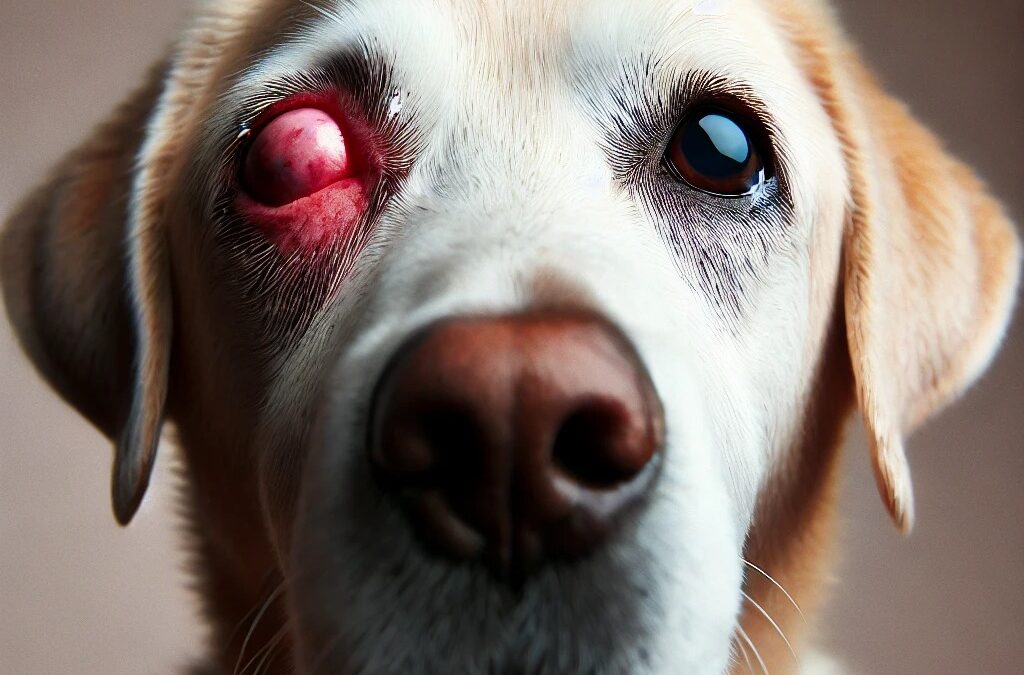
Cancer in dogs can lead to a variety of health complications, including blindness. This article explores how different types of cancer can affect a dog’s vision, the symptoms to watch for, and the importance of early detection and treatment.
How Cancer Can Cause Blindness in Dogs
- Ocular Tumors: Tumors can develop directly within the eye, affecting structures such as the retina, optic nerve, or other critical components responsible for vision. Common ocular cancers include melanoma, lymphoma, and adenocarcinoma. These tumors can cause significant damage to the eye, leading to partial or complete blindness. Symptoms may include visible masses on the eye, redness, swelling, or changes in eye color.
- Brain Tumors: Tumors located in the brain, particularly in areas affecting the optic nerves or visual cortex, can disrupt a dog’s ability to see. The optic nerves transmit visual information from the eyes to the brain, and any pressure or damage from a tumor can impair this process. Symptoms might include sudden vision loss, changes in behavior, seizures, or head tilting.
- Metastatic Cancer: Cancer that originates in other parts of the body can spread (metastasize) to the eyes or brain, leading to similar issues as primary tumors in these locations. Metastatic cancer often progresses rapidly, making early detection and intervention crucial.
- Paraneoplastic Syndromes: These are indirect effects of cancer that can impact various parts of the body, including the eyes. Certain cancers can cause immune system reactions that damage ocular tissues, resulting in vision loss.
Symptoms to Watch For
If your dog has cancer, it’s important to monitor for signs of vision problems. Symptoms indicating potential blindness include:
- Squinting or closing one eye
- Excessive tearing or discharge
- Redness or swelling around the eyes
- Cloudiness or visible masses on the eye
- Behavioral changes such as bumping into objects or hesitancy to move in dim light
- Sudden or gradual loss of vision
Diagnosis and Treatment
Early detection and intervention are key to managing cancer-related blindness in dogs. Diagnostic methods include:
- Physical Examination: A thorough eye exam by a veterinarian to check for abnormalities.
- Imaging: Techniques such as MRI, CT scans, or ultrasound to detect tumors in the eyes or brain.
- Biopsy: Taking a sample of the tumor to determine its type and guide treatment.
Treatment options vary depending on the type and location of the cancer. They may include:
- Surgery: Removal of the tumor to prevent further damage and potentially restore vision.
- Radiation Therapy: Targeting the tumor with radiation to shrink it and reduce its impact on vision.
- Chemotherapy: Using drugs to treat cancer and slow its progression.
- Palliative Care: For advanced cases, focusing on maintaining comfort and quality of life.
Cancer can significantly impact a dog’s vision, leading to partial or complete blindness. Understanding the connection between cancer and blindness, recognizing the symptoms, and seeking prompt veterinary care are crucial steps in managing this condition. By staying informed and proactive, you can help ensure your dog receives the best possible care.

by TCMVET | Jun 22, 2024 | Research and News
Introduction
Cancer is a terrifying word for any pet owner. However, understanding and recognizing symptoms early, along with taking appropriate treatment measures, can significantly improve a dog’s chances of survival. This article provides a comprehensive dog cancer survival guide to help you take better care of your beloved pet.
Understanding Common Types of Dog Cancer
Knowing the common types of cancer in dogs is crucial for early detection and treatment. Here are some common types of dog cancer:
- Lymphoma: Affects the lymph nodes and lymphatic system.
- Osteosarcoma: The most common bone cancer, often found in large breeds.
- Skin Cancer: Includes melanoma, squamous cell carcinoma, and others.
- Mammary Gland Tumors: Particularly common in unspayed female dogs.
Early Recognition of Symptoms
Recognizing cancer symptoms early can significantly improve treatment success rates. Look out for the following signs:
- Unexplained Lumps or Swelling: Any unusual lumps should be checked by a vet.
- Loss of Appetite: Sudden disinterest in food can be an early warning sign.
- Weight Loss: Unexplained weight loss is a cause for concern.
- Persistent Coughing or Breathing Issues: Especially if it worsens with activity.
Diagnosis and Treatment Options
Diagnosis
Diagnosing cancer involves a series of tests, including:
- X-rays and Ultrasounds: To check for internal organ and bone abnormalities.
- Fine Needle Aspiration or Biopsy: To analyze a sample and confirm cancer type.
- Blood Tests: To assess the dog’s overall health.
Treatment Options
Treatment plans vary based on cancer type and progression. Common treatments include:
- Surgery: Direct removal of the tumor.
- Chemotherapy: Using drugs to control the spread of cancer cells.
- Radiation Therapy: High-energy rays to kill cancer cells.
- Immunotherapy: Enhancing the dog’s immune system to fight cancer.
Daily Care and Support
Diet and Nutrition
- High-Protein Diet: Helps maintain muscle mass.
- Antioxidants: Vitamins C and E can help combat free radical damage.
- Omega-3 Fatty Acids: Have anti-inflammatory properties that may slow cancer progression.
Regular Check-ups
Regular veterinary check-ups are essential for early detection and adjusting treatment plans as needed.
Emotional Support
A dog’s mental health is also important. Ensure your dog has plenty of companionship and appropriate activities to help maintain a positive mindset.
Conclusion
When facing dog cancer, it’s important to stay positive and calm. By understanding common cancer types, recognizing symptoms early, seeking timely diagnosis and treatment, and providing comprehensive daily care and emotional support, you can significantly improve your dog’s chances of survival. We hope this dog cancer survival guide helps you and your beloved pet.
Through this article, we aim to provide pet owners with a detailed dog cancer survival guide, helping them better understand and cope with their dog’s cancer issues. If you have any questions or need further support, please consult a veterinary expert.
(Keywords: dog cancer survival guide, types of dog cancer, dog cancer symptoms, dog cancer treatment, dog cancer care)
4o

by TCMVET | Jun 16, 2024 | Dog Cancer & Tumors
Splenic stromal sarcoma in dogs is a rare but serious form of cancer affecting the spleen. Understanding the symptoms, diagnostic processes, and treatment options, including holistic care, can significantly impact the well-being of affected dogs. This article delves into the intricacies of canine splenic stromal sarcoma, offering pet owners valuable insights and guidance.
What is Splenic Stromal Sarcoma in Dogs?
Splenic stromal sarcoma is a type of cancer that arises from the connective tissue cells of the spleen. Unlike more common splenic tumors, such as hemangiosarcoma, stromal sarcomas develop from the structural tissues of the spleen. This cancer can be aggressive and may metastasize (spread) to other parts of the body if not treated promptly.
Recognizing the Symptoms
Early detection of splenic stromal sarcoma is challenging, as symptoms often appear only when the disease has progressed. Key symptoms to watch for include:
- Abdominal Swelling: Noticeable enlargement of the abdomen due to an enlarged spleen.
- Weight Loss: Unexplained and significant weight loss.
- Lethargy: Reduced energy levels and increased fatigue.
- Weakness: Generalized weakness and reluctance to engage in normal activities.
- Loss of Appetite: Decreased interest in food, leading to nutritional deficiencies.
- Pale Gums: Indicative of anemia, which can result from internal bleeding.
Diagnosing Splenic Stromal Sarcoma
If you notice any of these symptoms, it is crucial to seek veterinary care promptly. Diagnosis typically involves:
1. Physical Examination
A thorough physical examination by a veterinarian to assess the overall health and identify any palpable masses.
2. Imaging Tests
- Ultrasound: To visualize the spleen and detect any abnormalities.
- X-rays: To check for metastasis in the chest and abdomen.
- CT Scan or MRI: For more detailed imaging if needed.
3. Blood Tests
Comprehensive blood work to evaluate the dog’s overall health, organ function, and detect any signs of internal bleeding or anemia.
4. Biopsy
A biopsy or fine-needle aspiration to obtain tissue samples from the spleen for histopathological analysis, confirming the diagnosis.
Treatment Options
Treatment for splenic stromal sarcoma often involves a combination of approaches:
1. Surgery
Surgical removal of the spleen (splenectomy) is the primary treatment. This procedure helps remove the primary tumor and prevent further complications.
2. Chemotherapy
Chemotherapy may be recommended to target any remaining cancer cells and reduce the risk of metastasis.
3. Radiation Therapy
In some cases, radiation therapy may be used to target and kill cancer cells in specific areas.
Holistic and Natural Support
Integrating holistic and natural remedies can support your dog’s overall health and improve their quality of life during treatment.
1. Nutritional Support
A balanced, nutrient-rich diet can strengthen your dog’s immune system and provide the energy needed to combat cancer. Consider incorporating high-quality proteins, healthy fats, and plenty of fresh vegetables.
2. Herbal Supplements
- Turmeric: Contains curcumin, known for its anti-inflammatory and anti-cancer properties.
- Milk Thistle: Supports liver function and detoxification.
- Reishi Mushrooms: Boosts the immune system and has anti-cancer effects.
3. Omega-3 Fatty Acids
Omega-3 fatty acids, found in fish oil, possess anti-inflammatory properties and can help slow tumor growth.
4. CBD Oil
CBD oil can help manage pain, reduce inflammation, and improve your dog’s appetite and mood. Ensure you use high-quality, pet-specific CBD products.
5. Regular Exercise
Gentle, regular exercise helps maintain muscle mass and overall health. Tailor the exercise routine to your dog’s energy levels and abilities.
Conclusion
Splenic stromal sarcoma in dogs is a serious condition that requires prompt and comprehensive care. By understanding the symptoms and available treatments, and incorporating holistic care strategies, you can enhance your dog’s quality of life and support their journey through this challenging condition. Always consult with your veterinarian before starting any new treatments to ensure they are safe and appropriate for your pet.

by TCMVET | Jun 13, 2024 | Dog Cancer & Tumors
Understanding Osteosarcoma in Dogs
Osteosarcoma is a highly aggressive and malignant bone cancer that commonly affects large and giant breed dogs. As this cancer progresses, it often spreads to other parts of the body, including the lungs and other bones. Understanding the final stages of osteosarcoma can help pet owners provide the best possible care for their beloved pets during this difficult time.
Recognizing Symptoms in the Final Stages
In the final stages of osteosarcoma, dogs exhibit a range of symptoms that indicate the cancer has advanced and the disease is taking a severe toll on their health. These symptoms include:
- Severe Pain and Lameness: Dogs may exhibit significant lameness, often refusing to put weight on the affected limb. The pain can become unmanageable even with medication.
- Visible Swelling: Noticeable swelling around the tumor site, which may be warm to the touch.
- Fatigue and Lethargy: Dogs may become extremely tired, spending most of their time resting or sleeping.
- Loss of Appetite: A marked decrease in appetite, leading to weight loss and muscle wasting.
- Difficulty Breathing: If the cancer has spread to the lungs, dogs may experience labored breathing or persistent coughing.
- Behavioral Changes: Increased irritability, depression, or withdrawal from family interactions.
Providing Palliative Care
Palliative care focuses on providing comfort and maintaining the quality of life for dogs in the final stages of osteosarcoma. Here are some key aspects of palliative care:
- Pain Management: Administering strong pain medications, such as opioids, to alleviate severe pain.
- Nutritional Support: Offering high-calorie, palatable foods to encourage eating, along with nutritional supplements.
- Mobility Assistance: Using supportive devices like slings or harnesses to help dogs move around and maintain some level of activity.
- Comfortable Environment: Ensuring a comfortable, quiet, and stress-free environment where the dog can rest.
- Hydration: Providing adequate hydration, either through oral intake or subcutaneous fluids.
Considering Euthanasia
When the quality of life is significantly diminished, and pain management becomes ineffective, euthanasia may be the most humane option. Here are some considerations:
- Quality of Life Assessment: Evaluating the dog’s overall quality of life using tools like the HHHHHMM Scale (Hurt, Hunger, Hydration, Hygiene, Happiness, Mobility, More Good Days Than Bad).
- Consulting with a Veterinarian: Discussing with your veterinarian to understand the prognosis and get professional advice on when it might be time to consider euthanasia.
- Making the Decision: This is a deeply personal decision and should be made based on the dog’s comfort, dignity, and overall well-being.
Supporting Pet Owners
The final stages of osteosarcoma are not only challenging for the dog but also for the pet owners. Here are some tips for coping with this difficult period:
- Emotional Support: Seeking support from friends, family, or pet loss support groups can provide comfort and understanding.
- Memorializing Your Pet: Creating a memorial or keepsake can help honor your dog’s memory and provide a sense of closure.
- Professional Help: Speaking with a counselor or therapist who specializes in pet loss can be beneficial in managing grief and emotions.
Conclusion
The final stages of osteosarcoma in dogs are incredibly difficult, marked by severe symptoms and a significant decline in quality of life. Providing compassionate palliative care, considering euthanasia when necessary, and seeking support can help pet owners navigate this challenging time. Remember, the ultimate goal is to ensure your dog’s remaining time is as comfortable and pain-free as possible.

by TCMVET | Jun 13, 2024 | Dog Cancer & Tumors
Understanding Mast Cell Tumors in Dogs
Mast cell tumors (MCTs) are a common type of cancer found in dogs. They originate from mast cells, which are part of the immune system and are involved in allergic reactions and inflammation. These tumors can appear in various parts of the body and are generally categorized into two types: cutaneous (skin) and subcutaneous (under the skin). Understanding the differences between these two types is crucial for effective diagnosis and treatment.
Cutaneous Mast Cell Tumors
Cutaneous mast cell tumors are located on the skin’s surface. They are the most common form of mast cell tumors in dogs and can vary widely in appearance. Here are some key characteristics:
- Appearance: Cutaneous MCTs can appear as single or multiple lumps on the skin. They might be smooth or ulcerated and can vary in size from small nodules to large masses.
- Location: These tumors can be found anywhere on the dog’s body but are commonly seen on the trunk, limbs, and genital area.
- Behavior: The behavior of cutaneous MCTs can range from benign to highly aggressive. Some may grow slowly, while others can spread rapidly to other parts of the body.
Subcutaneous Mast Cell Tumors
Subcutaneous mast cell tumors are found beneath the skin. They are generally less common than cutaneous MCTs and often have different characteristics:
- Appearance: Subcutaneous MCTs are typically less visible since they are located under the skin. They may feel like a firm, movable lump and are usually not ulcerated.
- Location: These tumors are often found in the subcutaneous tissue of the limbs and trunk.
- Behavior: Subcutaneous MCTs are generally less aggressive than cutaneous ones. They tend to grow more slowly and have a lower likelihood of spreading (metastasizing) to other parts of the body.
Diagnosis of Mast Cell Tumors
Accurate diagnosis is essential for determining the appropriate treatment for mast cell tumors. Here are the common diagnostic methods:
- Fine Needle Aspiration (FNA): A sample of cells is taken from the tumor using a fine needle and examined under a microscope.
- Biopsy: A tissue sample is surgically removed and analyzed to determine the tumor’s grade and aggressiveness.
- Imaging: X-rays, ultrasounds, and CT scans may be used to assess the tumor’s size and spread.
Treatment Options for Mast Cell Tumors
The treatment approach for mast cell tumors depends on several factors, including the tumor’s type, location, and grade. Common treatment options include:
- Surgical Removal: This is often the first line of treatment, aiming to completely remove the tumor with clean margins to prevent recurrence.
- Radiation Therapy: Used when surgical removal is incomplete or not feasible, radiation can help shrink the tumor and manage symptoms.
- Chemotherapy: For aggressive or metastatic tumors, chemotherapy can help control the spread of cancer cells.
- Targeted Therapy: Drugs like Palladia are specifically designed to target mast cell tumors and inhibit their growth.
- Holistic and Supportive Care: Nutritional support, herbal supplements, and alternative therapies can improve the overall well-being of dogs undergoing treatment.
Conclusion
Understanding the differences between cutaneous and subcutaneous mast cell tumors is crucial for effective diagnosis and treatment. While both types can pose significant health risks, early detection and appropriate medical intervention can greatly improve your dog’s prognosis. If you notice any unusual lumps or changes in your dog’s skin, consult with a veterinarian promptly for a thorough evaluation.
