Baituxiao vs CORPET is a comparison many UK dog owners may consider when looking for supportive care after a dog has been diagnosed with a tumour. Both products are marketed as complementary supplements rather than replacements for veterinary treatment, but they may differ in ingredients, formulation, intended use, availability, and suitability for individual dogs. Understanding those differences can help owners make a more informed and safer decision.
A tumour diagnosis can be overwhelming. Owners often search for products that may support appetite, energy, immune function, digestion, or general wellbeing alongside a treatment plan. However, “tumour support” is a broad term. It can include nutritional support, antioxidant supplementation, herbal ingredients, digestive aids, or products designed to help dogs maintain normal daily function.
Baituxiao vs CORPET should therefore be assessed carefully rather than compared only by brand claims or online reviews. The most appropriate choice depends on the dog’s tumour type, current medication, age, weight, kidney and liver function, appetite, and treatment schedule.
The first principle is that neither product should replace surgery, chemotherapy, radiotherapy, pain relief, or other treatment prescribed by a veterinary professional. Supplements can sometimes be useful as part of a wider care plan, but they can also interact with medicines or be unsuitable for dogs with specific health conditions.
It also helps to define the question more precisely. Some owners are looking for a supplement to support day-to-day comfort, while others are trying to find something that fits in with a more advanced care plan. In either case, Baituxiao vs CORPET becomes a question of fit, safety, and clarity rather than a simple winner-or-loser decision.
Because pet owners are often presented with marketing language that sounds reassuring but is vague, it is worth slowing down and checking the facts. That means reading the label, reviewing the intended use, and asking how each product may work alongside the dog’s current care. A careful Baituxiao vs CORPET review is always more useful than a quick comparison based on price alone.
Ingredients and Formulation
The most important part of any CORPET comparison is the ingredient panel. Owners should check the active ingredients, quantities per serving, inactive ingredients, manufacturing information, and recommended dosage. A product with a long ingredient list is not automatically more effective than one with fewer, clearly identified ingredients.
Baituxiao is commonly discussed as a traditional or herbal-style supplement intended for dogs with masses or tumour-related concerns. Depending on the version and seller, its formulation may contain a combination of botanical ingredients and other supportive compounds. Because product formulas can vary by market, packaging, or batch, UK owners should verify the exact label supplied by the retailer.
CORPET may also be promoted as a canine health supplement, with its value depending on the specific formulation and the needs it is designed to address. Owners should avoid relying solely on general product descriptions. The precise ingredients and dosage matter more than broad terms such as “natural,” “immune support,” or “tumour care.”
Natural ingredients can have pharmacological effects. Some herbs may influence blood clotting, blood pressure, liver enzymes, digestion, or immune activity. This is particularly important if a dog is taking anti-inflammatory medicines, steroids, anticoagulants, antibiotics, chemotherapy drugs, or medication for seizures.
In practical terms, the safest Baituxiao vs CORPET review starts with the label, not the marketing. If the formula is unclear, ask the retailer for a full supplement facts panel before making any decision.
It is also smart to look at how the ingredients are delivered. Powders, capsules, chewables, and liquids can all have different levels of palatability and convenience. A supplement that the dog refuses to eat is unlikely to help, no matter how good it looks on paper. In a Baituxiao vs CORPET comparison, ease of administration matters almost as much as the formula itself.
Another point to check is consistency between batches. If one seller provides detailed product information and another offers only a brief description, the more transparent option is generally easier to trust. For owners making a long-term plan, reliable supply and predictable composition can be just as important as the ingredient list. That is one reason Baituxiao vs CORPET should be judged on practical usability as well as theoretical benefits.
Owners may also want to ask whether the formula is designed as a general wellness supplement or a more targeted support product. A broad wellness blend may suit some dogs, but a more focused formulation may be easier to monitor. The clearer the product purpose, the easier it becomes to decide whether Baituxiao vs CORPET is the better match for the dog’s current needs.
Dog Tumor Support Comparison: Potential Benefits
A useful dog tumor support comparison should focus on realistic goals. Supplements are generally considered for supportive purposes such as:
Helping maintain appetite and body condition
Supporting normal digestion
Providing selected nutrients during illness
Supporting energy and everyday comfort
Helping owners follow a consistent wellness routine
Complementing a veterinary nutrition plan
Evidence for supplements marketed specifically around tumours can be limited. Laboratory findings, traditional use, testimonials, and preliminary studies do not necessarily prove that a product can slow tumour growth or improve survival in household pets. Owners should be especially cautious of claims promising to “cure” cancer or replace conventional treatment.
The most meaningful benefit may sometimes be indirect. For example, a dog that maintains appetite and hydration may cope better with treatment, although this depends on the underlying condition and should be monitored by a vet.
For some owners, the best outcome of Baituxiao vs CORPET is not dramatic change, but steadier daily comfort and a more manageable routine. That is still valuable when a dog is going through a difficult diagnosis.
In the context of supportive care, small gains can matter. Better appetite, improved stool quality, or a calmer daily routine may help a dog feel more settled during treatment. Those results are not guaranteed, and they do not mean the supplement is treating the tumour itself. Still, when people compare Baituxiao vs CORPET, they are often looking for exactly this kind of practical support.
Some dogs respond well to a simple routine, while others need a more carefully tailored plan. If a supplement fits the dog’s appetite, digestion, and medication schedule, it may become easier for the owner to stay consistent. That consistency is often a major part of successful supportive care, and it is one reason Baituxiao vs CORPET should be considered in the context of the whole daily routine.
Owners should remember that “support” can mean different things in different cases. For one dog, it might mean improved eating habits. For another, it might mean maintaining comfort while the veterinary team monitors blood work and treatment response. In both situations, Baituxiao vs CORPET is best viewed as one part of a broader plan rather than a standalone solution.
If the goal is to complement a larger integrative approach, it may also help to read about other supportive options used in dog tumour care. For example, some owners compare herbal or nutritional products with mushroom-based support, depending on the dog’s needs and the vet’s guidance.
What to Compare Beyond the Label
Ingredient lists are essential, but they are not the whole story. UK dog owners should also compare the product’s manufacturing standards, country of origin, customer support, and whether the supplier provides clear storage instructions. A thoughtful Baituxiao vs CORPET comparison includes all of these practical details.
Manufacturing quality can influence safety and consistency. Even if a supplement contains useful ingredients, poor quality control may lead to an uneven product. Look for information about batch numbers, expiry dates, and whether the company can explain how the supplement is made. When a product page offers little more than marketing language, caution is sensible.
Palatability is another overlooked issue. Dogs with tumours may already have reduced appetite, and some may be sensitive to smell or texture. If a supplement cannot be given reliably, then its theoretical benefits may never be realised. In real-world use, Baituxiao vs CORPET should be judged by whether the dog can actually take it without stress.
It is also worth considering whether the supplier provides a clear contact point for questions. Good customer support cannot replace veterinary advice, but it can help owners confirm packaging, dosage, and storage information before purchase. That can be valuable when comparing Baituxiao vs CORPET across different retailers.
Safety and Veterinary Supervision
Safety should take priority over product popularity. Before giving Baituxiao, CORPET, or any similar supplement, owners should provide the full product label to their vet. This allows the veterinary team to assess potential interactions and consider whether the formula is appropriate for the dog’s diagnosis.
Extra caution is needed when a dog has:
Liver or kidney disease
A bleeding or clotting disorder
Diabetes
Seizures
Gastrointestinal disease
A history of allergies
Recent surgery
Ongoing chemotherapy or radiotherapy
Multiple prescription medicines
Owners should also avoid introducing several new products at the same time. If a dog develops vomiting, diarrhoea, itching, unusual tiredness, appetite loss, jaundice, bleeding, or a sudden change in behaviour, the supplement should be stopped while veterinary advice is sought.
Dosage should be based on the product’s verified instructions and the dog’s weight. Never assume that a human supplement or a product intended for another species is safe for dogs.
Veterinary supervision matters even more when a dog is already receiving treatment. Some ingredients can affect metabolism or overlap with prescription medicines in ways that are not obvious to owners. A product that seems gentle because it is marketed as “natural” may still be unsuitable. That is why Baituxiao vs CORPET should be discussed with the veterinary team before use.
It can also help to track changes after starting a supplement. Keep notes on appetite, energy, stools, water intake, and comfort level. If there is no clear benefit or if side effects appear, the vet may advise stopping the product. This kind of monitoring makes Baituxiao vs CORPET safer and more useful in daily practice.
Some dogs will need a more conservative approach, especially if their blood results or organ function are already compromised. In those cases, the best decision may be to delay any new supplement until the vet has reviewed the latest clinical information. Responsible use is a major part of a good Baituxiao vs CORPET decision.
Comparing Quality, Availability, and Value in the UK
For UK buyers, product quality and supply chain are important parts of the Baituxiao vs CORPET decision. Check whether the product is sold through an established retailer, whether the packaging includes a complete ingredient list, and whether there is clear information about the manufacturer and batch details.
Imported products may have variable shipping times, additional costs, or different labelling standards. Some listings may also be outdated or provide incomplete information. A lower price does not necessarily represent better value if the serving size is unclear or the product lacks reliable quality documentation.
Compare the cost per daily serving rather than the price of the container alone. It is also sensible to consider storage requirements, expiry dates, return policies, and whether the product can be obtained consistently. Continuity may matter if a vet recommends a stable supportive routine.
When availability changes, it can be worth asking your vet whether a different supportive product would fit the same care goals. A thoughtful Baituxiao vs CORPET decision should always include practical sourcing, not just ingredient claims.
Cost-effectiveness should be measured over time. A product that appears cheaper at first may end up costing more if the serving size is small or if shipping fees are high. Likewise, a more expensive supplement may be better value if it is easier to dose and better tolerated. That is another reason Baituxiao vs CORPET should be compared on total real-world use, not sticker price alone.
Availability matters for consistency. If a product is often out of stock, it can disrupt the dog’s routine and make it harder to evaluate whether the supplement is helping. A dependable supply is especially important during ongoing treatment, when owners want to avoid unnecessary changes. In that situation, Baituxiao vs CORPET may come down to which option is easier to maintain over several weeks or months.
How to Make a Practical Choice
Start by identifying the purpose of supplementation. Is the priority appetite, general nutrition, digestive support, or a specific concern raised by the veterinary team? Next, review the complete formula and compare it with the dog’s current medicines and diet.
A practical decision checklist includes:
Confirm the diagnosis and treatment plan with the vet.
Obtain the full, current ingredient list for each product.
Check dosage instructions for the dog’s weight.
Ask about possible interactions and contraindications.
Introduce only one new supplement at a time.
Monitor appetite, stools, energy, weight, and comfort.
Stop and seek advice if concerning symptoms appear.
Keeping a simple record can help. Note the product, dose, start date, appetite, bowel movements, energy levels, and any changes in treatment. This gives the vet more useful information than relying on memory.
Baituxiao vs CORPET should also be judged by how easy each product is to use consistently. A supplement that fits your dog’s routine, tolerance, and veterinary plan is usually more practical than one that looks impressive but is hard to administer.
There is also value in setting expectations early. Supportive supplements may help some dogs feel more comfortable, but they are not a substitute for diagnosis and treatment planning. If your vet expects regular monitoring, choose the product that will be easiest to track and most transparent to evaluate. In that sense, Baituxiao vs CORPET becomes part of a wider clinical discussion.
Practical choice also means staying flexible. If the first option does not suit the dog, another product may be considered with veterinary approval. The goal is not to defend a brand choice at all costs; the goal is to find the safest and most workable support. That is the most sensible way to approach Baituxiao vs CORPET.
Questions to Ask Before Buying
Before choosing a product, ask these simple questions: Does the label clearly state every ingredient? Is the dosage easy to follow? Is there a reason the vet recommends one formula over another? Is the supplier transparent about origin and batch details? These questions often reveal more than promotional descriptions do.
Owners should also consider whether the product supports the dog’s real needs. A dog with reduced appetite may need different support from a dog whose main issue is digestive upset or weight loss. In that sense, Baituxiao vs CORPET is really a question of fit.
It may also help to think about the dog’s daily stress level. Some supplements are easier to give with food, while others require a routine that does not suit every pet. If the dog is anxious, nauseated, or picky, a simpler format may be the better choice. This kind of practical thinking often matters more than brand reputation in Baituxiao vs CORPET decisions.
What a Vet May Look For
A veterinary professional may review the dog’s tumour type, treatment goals, recent blood work, medication list, and body condition before advising on supplements. This is why the same product can be suitable for one dog and unsuitable for another.
In many cases, a vet will focus on whether a supplement could interfere with treatment or worsen an existing condition. That is particularly important during chemotherapy, when ingredient quality and interactions deserve extra attention.
Vets may also ask whether the dog has changed appetite, weight, stool quality, or energy since starting the product. These details help determine whether the supplement is worth continuing. The more clearly the owner can answer those questions, the easier it becomes to evaluate Baituxiao vs CORPET in a meaningful way.
Where Supportive Care Fits in a Wider Plan
Supportive care works best when it fits into a broader plan that already includes veterinary diagnosis, monitoring, and appropriate treatment. A supplement can be one small part of that plan, but it should not distract from the essentials. If a dog has pain, rapid weight loss, or worsening symptoms, the priority is to contact the vet rather than try a different supplement first.
Good supportive care often includes diet management, hydration, regular check-ups, and symptom tracking. Supplements may help with some of these goals, but only if they are chosen carefully. That is why Baituxiao vs CORPET should be thought of as a support decision, not a treatment decision.
For many owners, the most useful question is not “Which product is better in general?” but “Which product is better for my dog right now?” That is the right frame for comparing Baituxiao vs CORPET because the answer may change over time as the diagnosis, medication list, or appetite changes.
If you are unsure, ask your vet to help you compare the current label, the intended purpose, and any likely interactions. A quick professional review can prevent avoidable mistakes and help you choose a product that is more likely to be tolerated. That kind of guidance makes the Baituxiao vs CORPET choice safer and more useful.
Final Considerations
Baituxiao vs CORPET is not a simple contest in which one product is automatically best for every dog. The right choice depends on verified formulation, veterinary guidance, product quality, affordability, and the individual animal’s medical needs. A responsible dog tumor support comparison should distinguish supportive care from proven cancer treatment and avoid exaggerated promises.
Most importantly, supplements should fit into a broader plan that includes appropriate veterinary diagnosis, pain management, nutrition, monitoring, and regular reassessment. With careful label checking and professional supervision, owners can make decisions that focus on safety, comfort, and quality of life.
In other words, the best Baituxiao vs CORPET choice is the one that is transparent, appropriate, and easy to monitor over time. When in doubt, the veterinary team should remain the final point of reference.
Used thoughtfully, Baituxiao vs CORPET can be part of a calm and practical supportive care routine. Used carelessly, either product could create confusion or even interfere with treatment. The safest path is to compare labels, confirm the purpose, and keep the veterinary team involved at every step.
For UK dog owners, that approach is usually the most reliable way to protect both peace of mind and the dog’s wellbeing. If you need to choose between Baituxiao vs CORPET, focus on transparency, tolerance, consistency, and veterinary fit above all else.
CORPET Coriolus is a complementary mushroom-based supplement that some dog owners in Cyprus consider when seeking additional support for a pet diagnosed with cancer. A careful CORPET Coriolus review should begin with an important distinction: products of this kind may be used alongside veterinary care, but they should not replace diagnosis, surgery, chemotherapy, radiation, pain management, or other treatments recommended by a qualified veterinarian.
CORPET Coriolus is associated with Coriolus versicolor, also known as Turkey Tail mushroom. This mushroom contains compounds such as beta-glucans and polysaccharides that have attracted scientific interest because of their potential effects on immune-system activity. In veterinary settings, Turkey Tail products are generally discussed as supportive supplements rather than direct cancer cures.
The quality and concentration of mushroom extracts can vary significantly between products. A label may mention the mushroom species, extract ratio, active compounds, serving size, and manufacturing standards. These details matter because a supplement made from a concentrated, well-characterized extract is not equivalent to a product consisting mainly of powdered mushroom material.
For owners comparing options, it helps to read labels slowly and ask what the manufacturer actually guarantees. Is the extract standardized? Is the ingredient list transparent? Are there fillers, flavorings, or unnecessary additives? These practical questions can make a meaningful difference, especially when a dog is already coping with the stress of illness and treatment.
When researching supplements, many readers also want a broader overview of cancer support in pets. A useful starting point is this educational resource on veterinary cancer support and holistic pet care, which can help put supplement choices into a larger care framework. For background on mushroom research, the U.S. National Cancer Institute also provides a helpful overview of mushrooms and cancer-support information.
CORPET Coriolus dog cancer support: What owners should know
The phrase CORPET Coriolus dog cancer support refers to using the supplement as part of a broader care plan for a dog with cancer. Supportive care may focus on maintaining appetite, energy, general wellbeing, immune function, and quality of life. However, evidence for mushroom supplements in dogs remains limited compared with established cancer treatments.
Some laboratory and early clinical research on Turkey Tail has examined immune responses and possible effects alongside conventional cancer therapy. These findings are interesting, but they do not prove that every dog will benefit or that the supplement can slow or eliminate a tumour. Cancer is not one disease; lymphoma, mast cell tumours, osteosarcoma, and other cancers behave differently and require different treatment strategies.
A veterinarian may also need to consider the dog’s age, weight, liver and kidney function, current medications, cancer stage, and overall condition. Dogs receiving chemotherapy, corticosteroids, immunosuppressive drugs, or anti-inflammatory medicines may require especially careful supervision.
For families in Cyprus, the emotional side of decision-making is often just as important as the medical side. Owners want hope, but they also want clarity. That is why it is essential to separate supportive care from curative claims. A supplement can sometimes fit into a compassionate treatment plan, yet it should never create false confidence that the cancer itself is under control.
In practical terms, a good discussion with the veterinary team usually covers four points: the type of cancer, the treatment goal, the dog’s tolerance for additional products, and the signs that should trigger a stop or reassessment. If the dog’s condition is already fragile, even a seemingly mild supplement may be inappropriate.
When people search for CORPET Coriolus, they are often looking for a simple yes-or-no answer. In reality, the decision is usually more nuanced. CORPET Coriolus may be worth discussing when the dog is stable, the product is well identified, and the veterinary team is comfortable with the timing. It is less suitable when diagnosis is still unfolding, treatment decisions are urgent, or the dog is already struggling with side effects.
Owners should also avoid assuming that every mushroom supplement works in the same way. Extract method, dosage, and formulation can all change how a product is used. That is why CORPET Coriolus dog cancer support should be considered in context rather than treated as a generic label for all mushroom products.
Potential benefits and limitations
The potential appeal of Coriolus-based supplements comes from their naturally occurring beta-glucans and other compounds. These substances may interact with immune cells, and some owners report improvements in general vitality or appetite. Such observations can be meaningful to families, but they are not the same as controlled clinical evidence.
A balanced CORPET Coriolus review should therefore recognize several limitations:
It may not be appropriate for every dog.
It cannot be assumed to treat or cure cancer.
Product strength and purity may vary.
Benefits may be difficult to measure without veterinary monitoring.
Supplements can produce side effects or interact with medication.
Delaying proven treatment may allow a cancer to progress.
The most realistic way to view this type of product is as a possible complementary option, considered only after discussion with the veterinary team.
Owners often ask what “supportive” actually means in day-to-day life. In the best-case scenario, a supportive supplement may help a dog feel a little steadier during treatment, or it may help the owner feel that they are actively contributing to care. But supportive does not mean primary. The supplement should sit beside the medical plan, not replace it.
It is also worth remembering that response can vary widely between dogs. Two dogs with the same diagnosis may have very different appetites, immune status, medication schedules, and tolerance for supplements. A product that seems helpful for one pet may do little for another, and no owner should feel pressured to continue a supplement that seems to worsen comfort or eating habits.
In some cases, a supplement is only one small part of a larger palliative approach. Palliative care focuses on quality of life, comfort, and daily function rather than aggressive disease control. In that setting, carefully selected supplements may have a place, but only as part of a plan built with professional guidance and ongoing monitoring.
Families comparing CORPET Coriolus with other options should also think about measurable goals. For example, is the aim to improve appetite, keep the dog comfortable through treatment, or simply avoid unnecessary additives? Clear goals make it easier to decide whether CORPET Coriolus dog cancer support is actually adding value.
It can be useful to set a review point after a short trial period. If there is no change in energy, appetite, stool quality, or comfort, the veterinary team may suggest stopping rather than continuing indefinitely. That kind of check-in keeps the focus on the dog’s real response instead of on expectations alone.
Safety, side effects, and interactions
Natural does not automatically mean risk-free. Possible reactions to mushroom supplements may include digestive upset, loose stools, vomiting, reduced appetite, or allergic responses. Some products may also contain additional ingredients that create further risks.
A dog with an autoimmune condition, bleeding disorder, severe liver disease, or a history of sensitivity to medicinal mushrooms may need to avoid such supplements. Extra caution is also necessary before surgery or when a dog is taking medicines that influence clotting, immunity, blood pressure, or liver metabolism.
Owners should stop the product and contact a veterinarian if they notice facial swelling, difficulty breathing, persistent vomiting, severe diarrhoea, unusual bruising, marked weakness, or a sudden deterioration in the dog’s condition. Supplements should be stored securely, especially in warm climates where heat and humidity can affect product stability.
One reason safety discussions matter so much is that dogs with cancer often receive several therapies at once. Pain relief, anti-nausea medication, appetite stimulants, antibiotics, steroids, and chemotherapy can all be part of the picture. Even if a mushroom supplement seems straightforward, it still has to be judged in the context of the full treatment plan.
It is wise to ask a veterinarian about the following before starting:
Whether the dog’s diagnosis makes supplement use reasonable
Whether the product could interfere with current medication
Whether any bloodwork should be checked before or after starting
Whether the dog’s digestive system is likely to tolerate the product
What warning signs should prompt an immediate stop
That kind of preparation reduces guesswork and helps owners make decisions based on the dog’s actual needs rather than hopeful assumptions.
Safety also depends on whether the product is used exactly as directed. More is not better. If a label or seller encourages large doses without veterinary oversight, that should be treated as a warning sign. A careful CORPET Coriolus review should always prioritize consistency, monitoring, and restraint.
In addition, owners should keep the veterinarian informed if any new supplements are added later. It is common for people to start with one product and then introduce another when they see a promotion or read a recommendation online. That makes it much harder to trace the source of side effects.
Choosing CORPET Coriolus in Cyprus
For people researching CORPET Coriolus Cyprus, availability is only one part of the decision. Buyers should check whether the product is supplied by a reputable veterinary pharmacy, clinic, or established retailer. Packaging should be sealed, clearly labelled, and accompanied by an expiry date, batch information, storage instructions, and a complete ingredient list.
Cyprus can experience high temperatures, so correct storage is particularly important. Avoid leaving supplements in a vehicle, direct sunlight, or a humid area. When purchasing online, confirm how the product is transported and whether the seller provides reliable information about storage and authenticity.
It is also sensible to ask the supplier or veterinarian about the amount of active extract per serving, whether the product has undergone quality testing, and whether it is intended specifically for dogs. Human supplements may contain unsuitable additives, sweeteners, herbs, or doses.
If you are comparing products, consistency matters more than marketing language. Look for a clear manufacturing process, a complete ingredient panel, and a dose that can be matched to the dog’s weight and current condition. A label that sounds impressive but reveals little about the actual formulation should prompt caution.
Owners in Cyprus may also want to think ahead about storage during travel. If a dog needs ongoing supportive care, the supplement should remain usable during warm months and while moving between home, clinic visits, or holiday accommodation. These small logistics can affect whether a product is practical in real life.
Because climate and transport can affect product stability, it is worth asking where the product has been stored before it reaches your home. Even a good formula can become less reliable if it has spent time in poor conditions. For this reason, CORPET Coriolus Cyprus shoppers should focus on both sourcing and handling.
When possible, keep the purchase receipt and batch number. If the dog has an unexpected reaction, those details may help the veterinarian trace the exact product and make a faster decision about whether to stop it.
How to discuss the supplement with your veterinarian
Before starting CORPET Coriolus dog cancer support, provide the veterinarian with the product label and a list of everything the dog is taking. This includes prescription medicines, pain relief, vitamins, oils, and other supplements. The veterinarian can then assess potential interactions and decide whether monitoring is needed.
Keep a simple record of the dog’s appetite, weight, activity, bowel movements, vomiting, pain, and general mood. These observations help distinguish a genuine change from normal day-to-day variation. Regular examinations and any recommended blood tests remain essential, particularly if the dog is undergoing cancer treatment.
Most importantly, never reduce or discontinue prescribed therapy without professional advice. A supplement should fit into a carefully coordinated plan that prioritizes comfort, safety, and meaningful quality of life.
It can help to bring a short list of questions to the appointment. For example: Is this supplement appropriate for my dog’s specific cancer? Could it affect treatment timing? How long should we try it before deciding whether it is helping? What would make you recommend stopping it? Clear questions often lead to clearer answers.
Some veterinarians may be open to monitoring the dog over a short trial period if the product appears low risk. Others may advise against it if the dog’s medical situation is unstable. Either response can be reasonable. The key is to treat the veterinarian as a partner in the decision, not as an obstacle to it.
When the dog is already facing cancer treatment, communication matters as much as the supplement itself. A transparent plan helps the entire family stay aligned on what the product is meant to do and what would count as success. That is especially true for CORPET Coriolus dog cancer support, where expectations can rise quickly if the discussion is vague.
What to expect in real-life use
When families begin using a mushroom supplement, expectations should stay grounded. A responsible CORPET Coriolus review should not promise dramatic results. Instead, it should prepare owners for subtle changes, slow observation, and the possibility that the supplement may not make a noticeable difference at all.
In practice, the most useful signs to watch are appetite, stool quality, energy level, comfort, and willingness to engage with normal routines. These everyday signals often matter more than dramatic claims. If a dog seems brighter, eats more reliably, or handles treatment with fewer digestive issues, that may be meaningful. But those changes still need to be interpreted carefully and in context.
Sometimes owners become understandably eager and start several supplements at once. That makes it difficult to know what is helping and what is not. A simpler approach is usually better. Introduce one product at a time, follow the vet’s advice on dose and timing, and keep notes so that any changes can be traced back more accurately.
It is also important to respect the dog’s comfort. If the supplement is difficult to administer, causes stress at mealtimes, or seems to upset the stomach, that alone may outweigh any theoretical benefit. Quality of life is not just about disease control; it also includes the everyday experience of eating, resting, and interacting with family.
For some dogs, a supplement trial may end with the conclusion that it is not needed. That is not a failure. It simply means the family gathered information and made a better-informed choice. In cancer care, calm decision-making is often more valuable than chasing every possible option.
Real-life use also depends on timing. A dog who is stable between treatment cycles may tolerate a new supplement better than a dog who is already nauseous or weak. For that reason, CORPET Coriolus should not be treated as an emergency decision or a last-minute rescue measure. It is better approached as one small part of a measured care plan.
Owners should expect periodic reassessment rather than a one-time verdict. The right question is not just whether the product was started, but whether it continues to make sense as the dog’s condition changes. That makes the process more practical and more humane.
Final perspective
A responsible CORPET Coriolus review should be hopeful but realistic. Coriolus versicolor may have a role as a complementary supplement for some dogs, but current evidence does not justify presenting it as a standalone cancer treatment. For dog owners in Cyprus, the best approach is to verify product quality, follow storage instructions, consider the dog’s individual medical history, and involve a veterinarian before use. Supportive supplements can sometimes form part of a wider care strategy, but expert diagnosis and evidence-based veterinary treatment must remain at the centre of cancer care.
If you are still deciding, focus on the basics: the diagnosis, the treatment plan, the dog’s comfort, and the product’s quality. Those four factors matter far more than promises on the packaging. Used carefully and with veterinary oversight, a mushroom-based supplement may be one piece of a much larger supportive-care plan.
For families facing a cancer diagnosis, the goal is rarely perfection. The goal is steady, informed care that protects the dog’s wellbeing and avoids unnecessary risk. That is the most balanced way to think about CORPET Coriolus in Cyprus.
In the end, the safest path is the one that keeps expectations realistic and the veterinarian involved. If CORPET Coriolus is chosen, it should be because it fits the individual dog’s needs, not because it sounds like a cure. That approach gives owners the best chance of making a thoughtful, compassionate decision.
Baituxiao vs Pet Wellbeing Life Gold is a comparison many dog owners consider when looking for nutritional support during a dog’s tumor diagnosis. Both products are herbal supplement formulas, but they differ in ingredients, presentation, intended use, and the type of support they may provide. Neither should replace veterinary care, diagnostic testing, surgery, chemotherapy, radiation, or other treatments recommended by a qualified veterinarian. Instead, supplements should be evaluated as possible additions to a carefully supervised care plan.
For owners who want a broader view of canine tumor support, it can also help to review a general guide to Dog Lumps Helpful Guide to Benign Lumps & Tumor Awareness before making any supplement decision. Understanding the basics of lumps, tumor types, and warning signs can make the Baituxiao vs Pet Wellbeing Life Gold decision more practical and less stressful.
Understanding the Baituxiao vs Pet Wellbeing Life Gold Comparison
The most important distinction in this dog tumor support comparison is that supplements are not cancer cures. A tumor can be benign or malignant, and different cancers behave very differently. A dog with a mast cell tumor, lymphoma, osteosarcoma, or soft-tissue sarcoma may require an entirely different treatment strategy. That is why Baituxiao vs Pet Wellbeing Life Gold should be viewed as a support decision, not a replacement for medical care.
Before comparing formulas, pet owners should obtain a confirmed diagnosis whenever possible. Cytology, biopsy, bloodwork, imaging, and staging tests can provide information that supplements cannot. Once the diagnosis is understood, a veterinarian can help determine whether an herbal product is appropriate and whether it could interfere with prescribed medications. The Baituxiao vs Pet Wellbeing Life Gold choice should always be made in that context.
It is also helpful to think about the dog’s overall condition. A senior dog with weight loss, poor appetite, or low energy may need a different approach than a younger dog with a small lump that is still being investigated. The goal of Baituxiao vs Pet Wellbeing Life Gold is not to find a miracle solution, but to choose the product that best fits the dog’s current health plan.
What Is Baituxiao?
Baituxiao is a traditional herbal supplement marketed for dogs and cats, particularly those needing support during tumor-related health concerns. Its formula is commonly associated with a blend of botanicals used in traditional Chinese medicine. Product formulations can vary by manufacturer or region, so owners should review the current label carefully rather than relying solely on older descriptions.
The ingredients often associated with Baituxiao are selected for broad wellness goals, including immune-system support, healthy circulation, antioxidant activity, and maintenance of normal inflammatory balance. These properties may be relevant to a dog undergoing cancer treatment, but laboratory or traditional use does not prove that the product will shrink a tumor or improve survival.
Baituxiao is generally considered by owners who want a more comprehensive herbal approach. However, a broader ingredient list can also make it more difficult to identify which ingredient is responsible for a reaction or interaction. Dogs with liver disease, kidney disease, bleeding disorders, or multiple medications may require especially careful review before using it.
In practical terms, the Baituxiao vs Pet Wellbeing Life Gold discussion often comes down to whether an owner prefers a traditional multi-herb blend or a product that is simpler to administer on a daily basis. Some owners also compare label transparency, dosing flexibility, and the likelihood that their dog will actually accept the product consistently.
When evaluating Baituxiao vs Pet Wellbeing Life Gold, it is wise to ask a few simple questions: Does the product list all ingredients clearly? Does the manufacturer explain how to store it? Is the dose easy to measure? Does the company provide guidance for dogs already receiving cancer therapy? These practical details often matter more than marketing claims.
What Is Pet Wellbeing Life Gold?
Pet Wellbeing Life Gold is another herbal product marketed to support dogs with serious health conditions, including those facing tumor concerns. The Pet Wellbeing Life Gold comparison typically focuses on the product’s liquid format, botanical blend, and emphasis on general vitality and whole-body support.
Liquid supplements may be convenient for dogs that refuse tablets or capsules. They can often be mixed with food and adjusted more easily than fixed-dose products, although dosing must still follow the label and veterinary guidance. Owners should also check the inactive ingredients, alcohol content, preservatives, and storage requirements.
Like Baituxiao, Pet Wellbeing Life Gold should be viewed as supportive care rather than a primary cancer treatment. Its possible benefits may include helping maintain appetite, energy, or general nutritional support, but these effects are not guaranteed and should not be used as evidence that the product treats the underlying tumor.
For general background on integrative options, dog owners sometimes compare this kind of product with broader nutritional support such as the NIH’s overview of herbs and supplements to better understand safety and evidence limits. That broader perspective can make Baituxiao vs Pet Wellbeing Life Gold easier to judge with realistic expectations.
Pet Wellbeing Life Gold may also appeal to owners who want a product they can adjust more gradually. A liquid can sometimes be easier to start in small amounts and monitor closely, especially when a dog is already coping with nausea, reduced appetite, or medication sensitivity. In the Baituxiao vs Pet Wellbeing Life Gold comparison, convenience is often a major factor, but convenience alone should never outweigh safety.
Key Differences Between the Two Products
The most useful way to approach the Baituxiao vs Pet Wellbeing Life Gold question is to compare practical features rather than choosing based on marketing claims alone. Looking at ingredient profile, administration, compatibility with veterinary treatment, and quality control gives owners a more balanced picture.
Ingredient profile
Baituxiao is often selected for its multi-herb traditional formula and its broad focus on immune and circulatory support. Pet Wellbeing Life Gold is also a botanical blend, but its formulation and ingredient emphasis may differ. Because formulas can change, compare the current supplement facts panels directly.
Look for clearly listed ingredients, amounts per serving, manufacturer contact information, expiration dates, and batch or quality-control details. Avoid products that make absolute claims such as guaranteeing tumor removal or replacing veterinary treatment.
If the ingredient list includes several herbs, think about the dog’s current health problems. A dog with sensitive digestion, chronic pancreatitis, or a history of allergic reactions may respond differently than a healthy adult dog. In that case, Baituxiao vs Pet Wellbeing Life Gold should be guided by the dog’s tolerance as much as by the intended benefit.
Administration
A liquid product may be easier to administer to some dogs, particularly those with dental disease, nausea, swallowing difficulties, or strong tablet aversion. On the other hand, liquid formulas can be messy and may have a taste that some dogs reject.
If Baituxiao is offered in a capsule or powder format, owners may find it easier to measure consistent servings, depending on the product. The best choice is often the one the dog will reliably accept without stress. For some dogs, that means a liquid. For others, a capsule hidden in food may be more predictable.
In a real-world Baituxiao vs Pet Wellbeing Life Gold decision, consistency matters. A supplement that is theoretically ideal but impossible to administer is less useful than a simpler product that can be given on schedule without a struggle. Stress during dosing can also affect appetite and overall well-being, especially in dogs already dealing with illness.
Treatment compatibility
Both supplements may contain herbs capable of affecting digestion, liver enzymes, blood pressure, immune activity, or blood clotting. This is especially important when a dog is receiving chemotherapy, corticosteroids, nonsteroidal anti-inflammatory drugs, anticoagulants, antibiotics, or anesthesia.
A veterinarian should review the full ingredient list before the first dose. Supplements should also generally be stopped or adjusted before surgery if the veterinary team believes an ingredient could increase bleeding or anesthesia risk.
This is one of the most important parts of Baituxiao vs Pet Wellbeing Life Gold. Even when both products are marketed as gentle wellness aids, the same herb can behave differently depending on the dog’s diagnosis and the medicines already in use. A product that seems harmless on its own may still create problems in a complex treatment plan.
Evidence and expectations
Neither product should be judged solely by testimonials. Positive stories can be meaningful to individual owners, but they do not establish consistent effectiveness across dogs. High-quality clinical research on many pet herbal formulas remains limited.
The most realistic expectation is supportive care, such as helping maintain normal appetite, comfort, or overall wellness when appropriate. A supplement cannot reliably determine whether a tumor will progress, recur, spread, or respond to medical treatment. That is why the Baituxiao vs Pet Wellbeing Life Gold decision should stay focused on safety and fit, not promises.
It may also help to separate short-term comfort goals from long-term disease control. Baituxiao vs Pet Wellbeing Life Gold may fit into a plan that supports quality of life, but it should not be used as a reason to delay reassessment if the lump changes, pain increases, or new symptoms appear.
How to Compare the Labels Carefully
One of the most practical ways to handle Baituxiao vs Pet Wellbeing Life Gold is to compare the actual product labels side by side. Read the active ingredients, inactive ingredients, serving instructions, storage conditions, and manufacturer warnings. If the label is vague or incomplete, treat that as a caution sign.
Some owners focus only on the herb names, but that is not enough. The quality of the extract, the concentration, and the daily dose can all affect how a product behaves. Two supplements may share a similar wellness theme while still being very different in real-world use. In Baituxiao vs Pet Wellbeing Life Gold, the details on the label are often what determine the better fit.
Also check for signs of responsible manufacturing, such as batch identification, best-by dates, and customer support channels. Clear labeling does not prove effectiveness, but it does help owners make safer decisions and monitor the product more responsibly.
How the Dog’s Diagnosis Changes the Decision
Not every tumor situation is the same, and that makes Baituxiao vs Pet Wellbeing Life Gold more complicated than a simple product comparison. A dog with a small, stable mass awaiting surgery has different needs from a dog undergoing chemotherapy for lymphoma or a dog recovering from a recent biopsy.
For some dogs, appetite support and gentle digestive support may be the main goal. For others, the question is whether a supplement could interfere with pain relief, clotting, or immune-modulating therapy. This is why a confirmed diagnosis is so important before starting any herbal formula.
The best approach is to treat Baituxiao vs Pet Wellbeing Life Gold as one piece of a larger care plan. The plan should consider age, breed, weight, concurrent disease, current medications, and the veterinary team’s schedule for follow-up testing. If the diagnosis changes, the supplement decision may need to change too.
Choosing the More Appropriate Option
There is no universal winner in this dog tumor support comparison. The more suitable product depends on the dog’s diagnosis, age, weight, medical history, current medications, appetite, and ability to tolerate oral supplements.
Owners may prefer Baituxiao when they are seeking a traditional multi-herb formula and have received veterinary approval for its specific ingredient profile. Pet Wellbeing Life Gold may appeal to owners who prefer a liquid product or a formula designed around convenient administration. These preferences are practical, not proof that one product is medically superior.
Quality control should be a major consideration. Choose supplements from manufacturers that provide transparent labeling and reasonable manufacturing standards. Introduce only one new supplement at a time so that changes in appetite, stool, energy, skin, or behavior can be monitored accurately.
If your dog already receives a prescription cancer protocol, ask the veterinary team how any herbal product fits into the broader plan. In the Baituxiao vs Pet Wellbeing Life Gold comparison, the safer option is the one that works with the dog’s treatment schedule rather than against it. That may mean choosing the product with the simpler dose, fewer interaction risks, or clearer monitoring instructions.
Some owners also compare product cost, availability, and refill convenience. Those factors are reasonable to consider, especially if the supplement will be used for more than a few weeks. Still, Baituxiao vs Pet Wellbeing Life Gold should never be decided by price alone when a dog has a tumor or is already under veterinary treatment.
When to Ask Your Veterinarian First
Veterinary input is especially important if your dog has liver disease, kidney disease, a bleeding disorder, seizures, diabetes, or a history of allergic reactions. It is also important when a dog is older, frail, underweight, or already taking several medications.
Ask for guidance before use if the dog is scheduled for surgery, biopsy, radiation, or chemotherapy. Some supplements can alter appetite, clotting time, or metabolism in ways that complicate treatment. This is one reason the Baituxiao vs Pet Wellbeing Life Gold decision should never be based on convenience alone.
Your veterinarian may also suggest monitoring bloodwork more closely after a supplement is started, especially if the dog already has abnormal liver enzymes, anemia, or reduced kidney function. In those situations, even a natural product may require a cautious approach. Baituxiao vs Pet Wellbeing Life Gold becomes far safer when the decision is made with professional oversight.
Safety and Monitoring
Stop the supplement and contact a veterinarian if the dog develops vomiting, diarrhea, facial swelling, hives, unusual bruising, severe lethargy, yellowing of the gums or eyes, worsening appetite, or other concerning symptoms. Keep a written record of the product name, dose, start date, medications, and observed changes.
Veterinary follow-up remains essential. Tumor size, lymph-node status, pain, weight, appetite, mobility, and laboratory values should be monitored through appropriate examinations and testing. Relying on a supplement while delaying diagnosis or proven treatment can allow a serious disease to progress.
Use a simple monitoring plan at home. Track appetite, water intake, stool quality, vomiting, energy, and comfort each day for the first few weeks. If the dog is taking cancer medication or pain medication, note the timing of each dose as well. These details can help the veterinary team decide whether the supplement is helping, doing nothing, or causing an unwanted reaction.
For owners who are still early in the decision process, it may help to read about tumor warning signs first so the next steps are grounded in the full picture of the dog’s health. The earlier a concern is evaluated, the better the chances of choosing a useful care plan.
Practical Questions to Ask Before Buying
Before choosing between Baituxiao vs Pet Wellbeing Life Gold, ask a few practical questions. Is the dog currently eating enough to take the product reliably? Is the veterinary team aware of every supplement already being used? Can the owner measure the dose accurately every day? Is there a clear plan for follow-up if the dog’s condition changes?
These questions may seem basic, but they often reveal which product is more realistic for the household. A supplement only works as part of the routine if it can be given consistently and safely. A good Baituxiao vs Pet Wellbeing Life Gold decision is one that considers the dog, the family, and the treatment plan together.
It is also wise to keep expectations modest. Supportive supplements may sometimes fit well into a tumor care plan, but they are not a substitute for pathology, imaging, surgery, or oncology consultation. That reminder keeps the comparison grounded and useful.
Final Perspective
Baituxiao vs Pet Wellbeing Life Gold is best understood as a comparison between two supportive herbal options, not a contest between proven cancer treatments. Baituxiao may suit owners interested in a broad traditional formula, while Pet Wellbeing Life Gold may be attractive for those who value liquid administration and convenient dosing. However, the safest and most responsible choice depends on veterinary review, transparent labeling, realistic expectations, and careful monitoring.
For dogs with tumors, the foundation of care should remain an accurate diagnosis, an evidence-based treatment plan, proper nutrition, pain control, and regular veterinary assessment. Herbal supplements may have a place in that plan, but they should complement—not replace—the medical care a dog needs. When used thoughtfully, the Baituxiao vs Pet Wellbeing Life Gold comparison can help owners make a more informed choice.
In the end, Baituxiao vs Pet Wellbeing Life Gold is less about which brand sounds better and more about which option fits the dog’s diagnosis, treatment schedule, and safety needs. If owners keep the focus on veterinary guidance and close monitoring, they can make a calmer and more responsible decision.
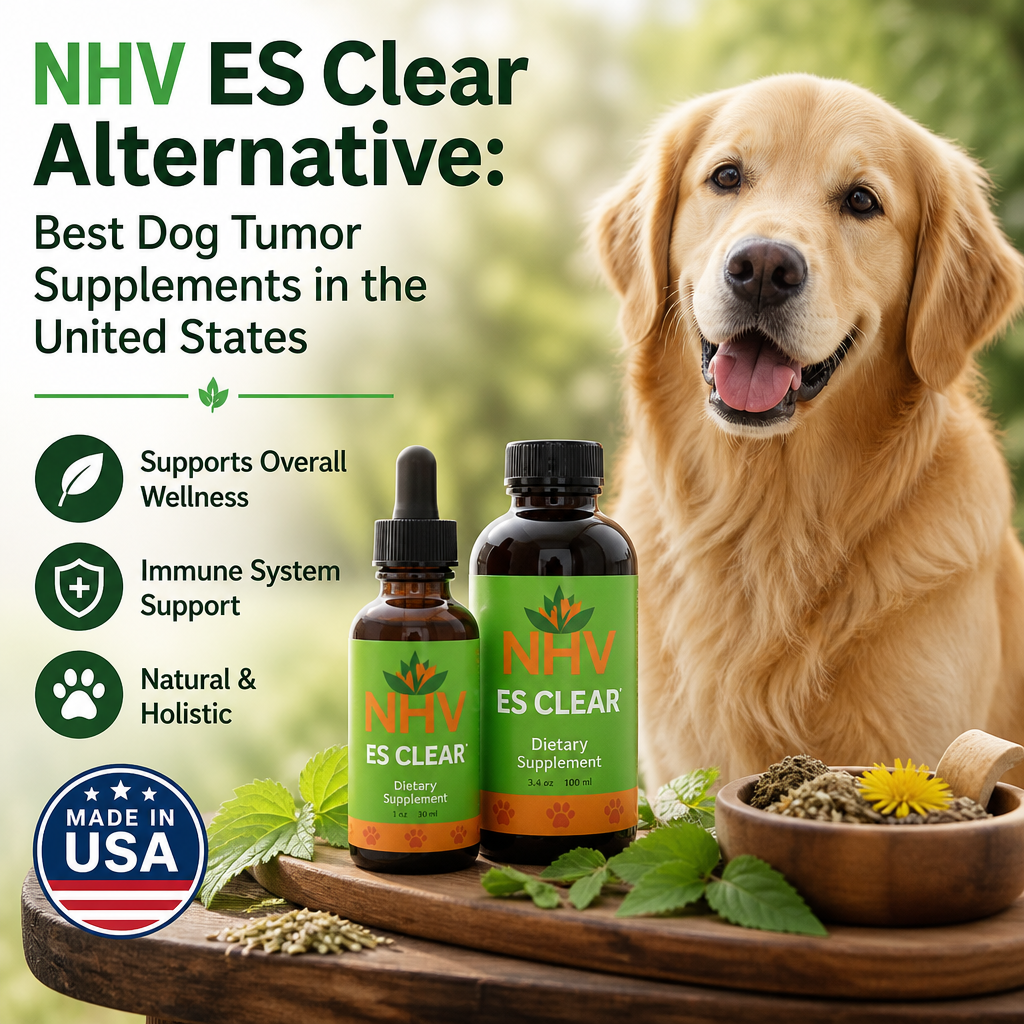
NHV ES Clear Alternative products are often researched by dog owners who are dealing with lumps, abnormal masses, or suspected tumors. While supplements cannot replace a veterinary diagnosis or evidence-based cancer treatment, a carefully chosen formula may support immune function, normal inflammation balance, digestion, appetite, and everyday comfort. Still, choosing an NHV ES Clear alternative in the United States should be guided by safety, ingredient transparency, product quality, and the dog’s medical condition and current medications.
NHV ES Clear is marketed as a botanical supplement for dogs and cats with abnormal masses or tumor-related concerns. Formulas like this are commonly associated with ingredients traditionally used to support immune response and general wellness. Pet owners may consider NHV ES Clear alongside veterinary care—especially when a dog has been diagnosed with a mass, is recovering from surgery, or needs additional nutritional support while undergoing monitoring or therapy.
However, supplements should never be viewed as a cure for cancer. Tumors can be benign or malignant, and even lumps that look similar may require completely different treatments. A veterinarian may recommend cytology, biopsy, imaging, surgery, chemotherapy, radiation, or close observation. The best supplement choice depends on the confirmed diagnosis, the dog’s organ function, age, overall health, and any current medications.
For many families, the search for an NHV ES Clear alternative starts when a product is difficult to source, the family wants a more affordable option, or the dog’s care plan changes. That decision is still safest when it is coordinated with a veterinarian—particularly if the dog is scheduled for a procedure, is currently on prescription medication, or has existing liver, kidney, or bleeding concerns.
NHV ES Clear Alternative Options
When comparing alternatives to NHV ES Clear, prioritize products designed specifically for dogs and manufactured under consistent quality control standards. Many owners look for an NHV ES Clear alternative that includes supportive ingredients such as:
Medicinal mushrooms (for example, turkey tail or reishi extracts)
Omega-3 fatty acids (often from fish oil)
Antioxidant nutrients, including vitamins C and E (when present at meaningful doses)
Digestive support ingredients for comfort and stool quality
Herbal extracts traditionally used for immune support
Nutrients that help maintain appetite and healthy body condition
No single ingredient works for every dog, and a longer ingredient list does not automatically mean a better formula. The most useful comparison is whether the product has clear dosing, transparent labeling, and testing information—and whether its ingredients align with your dog’s diagnosis and tolerance.
Some owners also compare products based on price, availability, and ingredient preferences. If you are exploring broader options beyond the United States, you may find this Ocoxin Pets alternative for dogs in Ireland helpful as an example of how owners often evaluate supportive, tumor-focused supplements across different markets.
Turkey Tail Mushroom Supplements
Turkey tail mushroom is one of the most commonly discussed ingredients in canine cancer support. It contains bioactive compounds such as beta-glucans and related polysaccharides that may interact with immune signaling. Some veterinary research has explored turkey tail extracts in dogs with certain cancers, but results from specific studies should not be interpreted as proof that every mushroom product will treat tumors.
Quality can vary significantly. Look for products that specify the mushroom species, the part used, the extraction method, and the concentration or standardized marker (if provided). Fruiting-body extracts often offer more traceability than generic powders. When selecting an NHV ES Clear alternative that includes turkey tail, choose a formula that makes these details easy to verify.
Omega-3 Fatty Acids
Fish oil supplements provide EPA and DHA, two omega-3 fatty acids that support normal inflammatory balance, skin health, joint comfort, and overall nutrition. In dogs with chronic illness, maintaining appetite, muscle mass, and day-to-day comfort is often a key goal of supportive care.
When comparing omega-3 supplements, consider the actual EPA and DHA amount rather than relying only on the total oil volume. Select pet-focused products with strong quality control, and store them properly to reduce oxidation. Because fish oil can interact with some medications and may not suit every patient, especially dogs with bleeding tendencies or pancreatitis history, it is wise to discuss an NHV ES Clear alternative with your veterinarian.
Herbal Immune-Support Formulas
Many alternatives to NHV ES Clear use blends that may include herbs such as turmeric, milk thistle, astragalus, or medicinal mushrooms. These ingredients may be chosen for antioxidant properties, antioxidant/immune support, or liver support. That said, “natural” does not mean risk-free. Herbs can influence blood clotting, blood pressure, liver enzymes, and how the body metabolizes prescription drugs.
If your dog is receiving chemotherapy, steroids, anti-inflammatory medication, anticoagulants, or seizure medication, only start a supplement with veterinary approval. A veterinary oncologist or oncology-informed veterinarian can help determine whether an NHV ES Clear alternative is appropriate during treatment, around surgery, or after the main course of care.
How to Compare Dog Tumor Supplements in the United States
The U.S. supplement market includes many products with different manufacturing and labeling standards. Before purchasing a product positioned as an NHV ES Clear alternative, evaluate the following factors.
Ingredient Transparency
The label should list every active ingredient, the amount per serving, and the serving size. Be cautious of vague language like “proprietary blend” without dosing details, especially when the dog is dealing with a serious illness.
Manufacturing Quality
Look for companies that follow current good manufacturing practices and perform testing for common contaminants such as heavy metals, pesticides, bacteria, and other quality risks. If available, a certificate of analysis or independent testing summary can strengthen confidence in the product.
Appropriate Dosage for Dogs
Dog supplements should be dosed by body weight, but weight alone is not the whole story. Kidney disease, liver disease, age, allergies, pregnancy status, and concurrent medications can all change the safety profile. Avoid assuming that a human product (or a product formulated for a different species) will be safe for a dog.
Realistic Claims and Ethical Marketing
A responsible supplement brand avoids absolute claims like “dissolves tumors” or “cures cancer,” and it does not encourage owners to replace conventional care. Marketing should emphasize supportive goals—comfort, nutrition, and potentially immune support—while urging consultation with a veterinarian.
When evaluating an NHV ES Clear alternative, focus less on whether the product sounds powerful and more on whether it fits your dog’s diagnosis, stage of disease (if known), and treatment goals. The best choice supports comfort and nutrition while minimizing added risk.
Key Ingredients Used in NHV ES Clear Alternatives
Many owners notice the same types of ingredients across different brands. Understanding what these ingredients are trying to support can help you compare formulas more logically.
Immune-Targeted Compounds
Medicinal mushrooms and certain herbal extracts are often included to support immune function. If an NHV ES Clear alternative contains these components, check whether the label explains what species/plant is used and whether there is any standardization or measurable dosing.
Inflammation and Antioxidant Support
Omega-3 fatty acids and antioxidant nutrients are common choices for inflammatory and oxidative stress support. When possible, compare the actual EPA/DHA amounts and confirm whether antioxidants are included at doses that are realistically meaningful for pets.
Digestive Comfort
Dogs with cancer or chronic illness may experience nausea, altered appetite, or changes in stool consistency. Digestive-support ingredients can help tolerance, which matters because a supplement only helps when it can be taken consistently.
Appetite and Body Condition
Maintaining appetite, hydration, and body condition is often one of the most practical goals. Some formulas include ingredients intended to support healthy digestion and nutrient absorption. When evaluating an NHV ES Clear alternative, consider whether your dog struggles more with appetite, digestion, or both.
Organ-Support Considerations
Some blends include liver-support ingredients because many dogs with cancer care may be exposed to medications that can affect liver enzymes. Before starting any herbal blend, confirm safety with your veterinarian and review current bloodwork if available.
Safety Considerations Before Starting a Supplement
A new lump should be examined by a veterinarian, even if it seems small or harmless. Early testing can make treatment easier and can prevent unnecessary delays in diagnosing aggressive disease. Keep a record of the lump’s size, location, appearance, and any changes in appetite, energy, weight, or behavior.
Before beginning an NHV ES Clear alternative, introduce only one new supplement at a time so you can identify potential side effects. Discontinue the product and contact your veterinarian if your dog develops vomiting, diarrhea, facial swelling, severe itching, weakness, unusual bleeding, or a sudden change in appetite. Also disclose any supplement you plan to start before anesthesia or surgery because some ingredients may influence clotting or interact with perioperative medications.
If your dog is already on cancer care or long-term medication, have your veterinarian review the active ingredients and dosing. In some cases, the safest approach is to postpone supplements until after key diagnostics are completed or until medication plans are stable.
Building a Complete Support Plan
The best NHV ES Clear alternative is not always the product with the most ingredients. It is the option that best matches your dog’s diagnosis and broader care plan. Supportive care may include nutritional support, adequate hydration, pain management, dental care, appropriate activity, stress reduction, and follow-up examinations.
For dogs with cancer, a veterinarian may recommend a therapeutic diet or adjustments based on weight loss, muscle condition, nausea, or treatment side effects. Supplements can play a role in selected cases, but they should complement professional care—not replace it.
Ultimately, responsible supplement selection starts with a confirmed diagnosis (when possible), a review of current medications, and a practical assessment of the available evidence and product quality. With veterinary guidance, owners can evaluate NHV ES Clear alternative options more safely and choose dog tumor supplements in the United States that prioritize comfort, nutrition, and the dog’s individual needs.
What “Supportive” Really Means
Supportive care aims to reduce suffering and improve day-to-day functioning. For many families, that translates into helping the dog maintain appetite, digestion, energy level, and quality of life while they follow a medically appropriate cancer plan.
In practical terms, the most appropriate NHV ES Clear alternative is the one your veterinarian is comfortable integrating into the overall plan. This makes it easier to balance potential benefits with safety, especially when the dog is receiving prescription treatments or is recovering from surgery.
Consistency, Tolerance, and Real Administration
Another reason to take a careful approach is that real-world administration matters. Palatability, capsule size, liquid flavor, and dosing frequency all influence whether the dog will take the supplement consistently. If consistency is difficult, even a well-formulated product may not be the best fit.
Also, tolerance matters. Some supplements can upset sensitive stomachs or affect stool quality. When evaluating an NHV ES Clear alternative, choose formulations that are likely to be tolerated and discuss any GI concerns with your veterinarian.
Why Product Variability Changes Outcomes
Two products can share similar marketing language while using different extraction methods, ingredient grades, or testing standards. That variability is one reason careful label review and manufacturer accountability are essential. Reading the label closely, verifying active ingredient doses, and asking the brand about quality testing can prevent expensive mistakes.
Supportive care should be individualized. Some dogs need appetite help, while others primarily need digestive support, or a gentler approach that avoids herbs likely to interact with medications. For that reason, the best NHV ES Clear alternative should be selected with the same care you would apply to any other part of a medical plan.
If you are unsure where to start, ask your veterinarian to review the active ingredients, dosing, and potential interactions. That single step can help you choose an NHV ES Clear alternative that is practical, safer, and better aligned with your dog’s condition.
FAQ: NHV ES Clear Alternative for Dogs
Is an NHV ES Clear alternative a replacement for cancer treatment?
No. An NHV ES Clear alternative is intended as supportive care and should not replace diagnosis, surgery, chemotherapy, radiation, or other veterinarian-directed treatment. Supplements may help support comfort and nutrition, but they are not a cure.
What ingredients should I look for in a dog tumor supplement?
Look for transparent labeling, clear dosing, and ingredients with a supportive role such as omega-3 fatty acids, medicinal mushrooms (with species and extraction clarity), and digestive or appetite-supporting components. Avoid formulas with vague blends or unrealistic claims.
When is it safest to start a supplement?
In most cases, it is best to start only after a veterinary evaluation of the lump or diagnosis. If your dog is on medications or scheduled for surgery, coordinate timing with your veterinarian to reduce the risk of interactions or perioperative complications.
Can supplements interact with prescription medications?
Yes. Some herbs and certain ingredients may influence blood clotting, liver enzymes, or drug metabolism. Always disclose the full ingredient list of your NHV ES Clear alternative to your veterinarian.
How do I choose between two brands?
Compare ingredient amounts, manufacturing/testing information, dosage instructions for your dog’s weight, and whether the brand makes realistic, supportive claims. If you have a choice, prioritize the product with the most transparency and the best quality control signals for dogs.
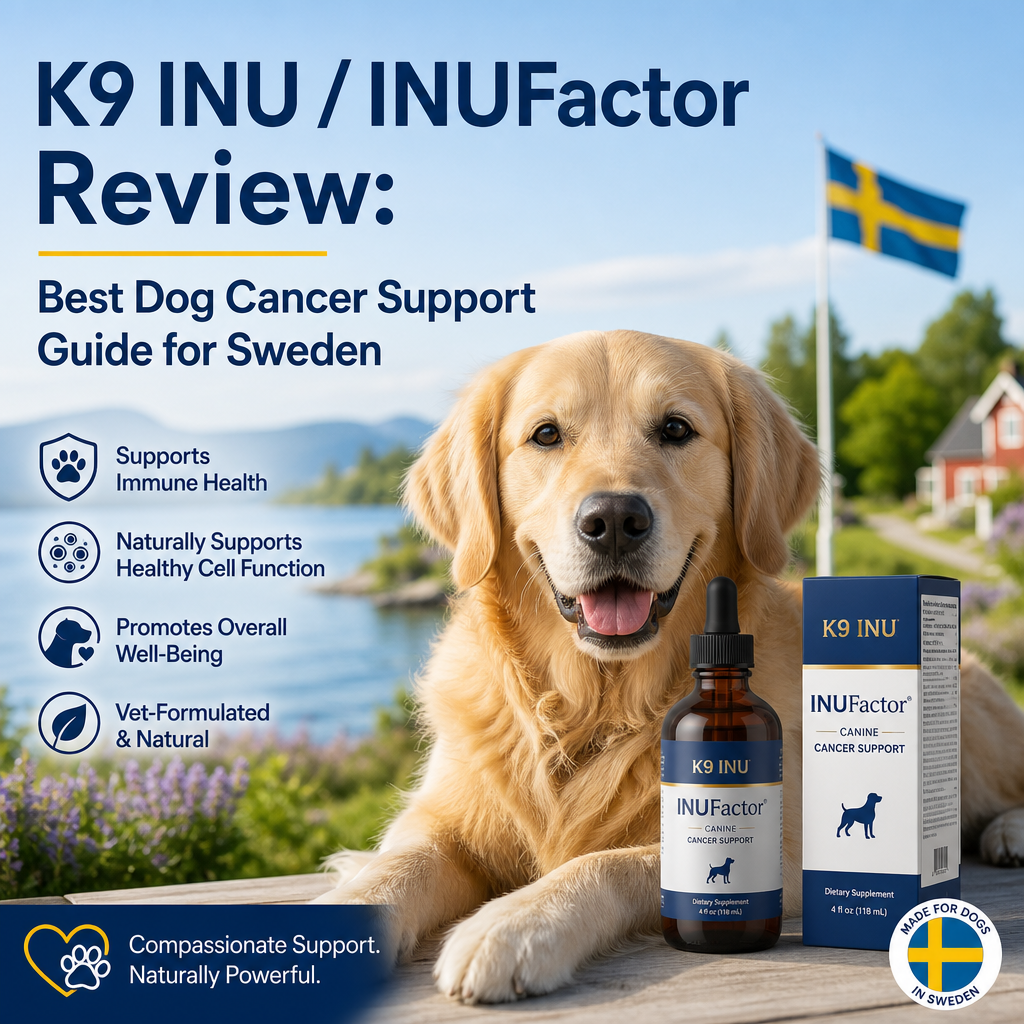
K9 INU / INUFactor is often discussed by Swedish dog owners looking for additional support after a cancer diagnosis. A careful K9 INU / INUFactor review should focus on what the product is intended to do, how it may fit alongside veterinary treatment, what evidence is available, and how to buy and use it responsibly in Sweden. Supplements can sometimes play a supportive role, but they should never replace professional diagnosis, surgery, chemotherapy, radiation, pain management, or other treatments recommended by a veterinarian.
What is K9 INU / INUFactor?
K9 INU / INUFactor is generally presented as a nutritional supplement for dogs, with an emphasis on immune and overall health support. Products in this category are commonly marketed to dogs facing serious health challenges, including cancer, chronic illness, reduced appetite, or recovery after treatment.
The term “support” is important. A supplement is not the same as a proven cancer medicine. Its purpose may be to help maintain nutritional status, normal immune function, energy, or general wellbeing. The exact ingredients, concentration, feeding instructions, and manufacturing standards should always be checked on the official product label or packaging, because formulations and availability can change.
A responsible K9 INU / INUFactor review should therefore avoid making absolute claims. No supplement can guarantee that a tumor will shrink, prevent cancer from returning, or extend a dog’s life. The most useful question is whether the product is appropriate for an individual dog when considered alongside veterinary care.
For many owners, the appeal of K9 INU / INUFactor comes from wanting to do something proactive after hearing a cancer diagnosis. That reaction is completely understandable. Still, a thoughtful decision depends on the dog’s exact diagnosis, current medications, appetite, weight, and overall treatment plan. What works for one dog may be unhelpful or even risky for another.
When owners compare K9 INU / INUFactor with other supportive options, it helps to think in practical terms: can the product fit the dog’s routine, can it be sourced reliably in Sweden, and can it be used without complicating the treatment plan? Those questions matter more than a polished sales page.
K9 INU / INUFactor dog cancer support: What owners should know
When a dog has cancer, nutritional needs can change. Some dogs lose appetite, experience nausea, lose weight, or become less active. Others may continue eating but require closer monitoring because their condition changes rapidly. This is why K9 INU / INUFactor dog cancer support should be viewed as part of a broader care plan rather than a standalone solution.
Supportive care may include:
Maintaining a healthy body weight
Providing adequate protein and calories
Managing pain and nausea
Supporting hydration
Monitoring stool, appetite, and energy
Reducing stress and preserving daily comfort
Following the veterinary treatment schedule
A supplement may be considered if a veterinarian believes its ingredients are suitable and unlikely to interfere with medication. Dogs undergoing chemotherapy, corticosteroid treatment, surgery, or other therapies may be especially sensitive to changes in diet and supplementation.
Owners should keep a written record of everything their dog receives, including prescription medicines, supplements, treats, oils, and herbal products. This makes it easier for the veterinarian to identify possible interactions and assess changes in symptoms.
For general guidance on warning signs, diagnosis, and treatment planning, the American College of Veterinary Internal Medicine provides helpful educational information at the ACVIM website.
It is also wise to remember that supportive products are not judged only by how they sound in marketing copy. A dog with a tumor may seem to improve for several reasons at once, including better pain control, temporary changes in appetite, fluid support, or the natural course of the disease. A clear care plan helps separate those factors as much as possible.
In practice, K9 INU / INUFactor should be seen as one possible part of a larger comfort-and-care strategy. If the dog is already struggling with weight loss or poor appetite, the veterinary team may first focus on stabilizing food intake, hydration, and side effects before considering any supplement.
Evaluating the evidence behind K9 INU / INUFactor
The strongest evidence in veterinary medicine comes from well-designed clinical studies involving dogs with clearly defined conditions. Marketing information, personal testimonials, and online reviews can provide insight into user experiences, but they do not prove that a product treats cancer.
When assessing K9 INU / INUFactor, look for clear information about:
Ingredients: The label should identify active and inactive ingredients, amounts per serving, and any potential allergens.
Quality control: Responsible manufacturers should provide information about production standards, batch testing, and product safety.
Intended use: The product should clearly state whether it is a complete food, complementary feed, or dietary supplement.
Feeding instructions: Dosage should be based on the dog’s weight and health status, not guesswork.
Warnings: The packaging should explain when veterinary advice is necessary.
Independent research: Published evidence is more reliable when studies are transparent, peer-reviewed, and relevant to dogs.
A positive review may describe improved appetite or energy, but these changes can also result from pain control, improved nutrition, treatment response, or natural fluctuations in the disease. Likewise, a negative experience does not necessarily mean every dog will respond in the same way. Individual factors such as tumor type, age, organ function, medication, and stage of disease matter greatly.
Another useful way to evaluate K9 INU / INUFactor is to ask whether the claims are specific enough to be tested. If a company says a supplement “supports immune health,” that phrase may be too broad to mean much on its own. If it states the exact ingredients, dosage, and target use, a veterinarian can more easily judge whether those ingredients are sensible for a particular dog.
What to look for in a trustworthy supplement claim
Helpful product claims are specific and measurable. Vague phrases like “supports the body naturally” or “helps fight cancer” are not enough to judge whether a supplement is appropriate. Better information includes ingredient amounts, usage directions, safety notes, and whether the company can explain how the product is manufactured. If a seller avoids these details, that is a warning sign.
It is also sensible to compare the supplement’s claims with the dog’s actual needs. A product may sound impressive, but if the dog is struggling with nausea, poor appetite, kidney issues, or medication side effects, the first priority is usually to stabilize the underlying problem with veterinary help.
Owners often ask whether any supplement can be truly “cancer supporting” if the evidence is limited. The honest answer is that a supplement may still have a place in comfort-focused care, but only when the expected benefits are realistic and the risks are low. That is why the evidence behind K9 INU / INUFactor should be considered carefully rather than accepted at face value.
When reading studies or product summaries, look for information about the dog population, the duration of use, and whether the results were measured in a meaningful way. Short reports and anecdotal stories may be encouraging, but they are not enough to establish a reliable pattern of benefit.
K9 INU / INUFactor Sweden: Buying and regulatory considerations
For dog owners searching for K9 INU / INUFactor Sweden, purchasing from a reputable source is essential. Check whether the seller provides a physical business address, transparent contact details, clear product labeling, shipping information, and a reasonable returns policy. Be cautious of websites that make guaranteed cancer cure claims or use dramatic before-and-after stories without verifiable evidence.
Swedish buyers should also consider whether the product is classified as a feed supplement, complementary feed, or another type of animal product. Rules may apply to labeling, importation, ingredients, and marketing claims. If the product is shipped from outside Sweden, customs charges, delivery delays, and restrictions on certain ingredients may apply.
Before ordering, confirm:
The product is intended for dogs
The expiry date and batch information are visible
The dosage instructions are clear
The seller explains storage requirements
The product arrives sealed and undamaged
Customer service can answer questions about ingredients and use
A Swedish veterinarian may also help determine whether the product is appropriate and whether a locally available alternative would be easier to monitor.
If you want to verify local animal-health rules and consumer guidance, a good starting point is the Swedish Board of Agriculture, which provides official information on animal-related regulations and feed matters.
When looking at K9 INU / INUFactor Sweden options, pay attention to whether the seller is transparent about ingredients in a way that matches what appears on the label. A trustworthy listing should make it easy to compare the product description with the physical package. If the wording is inconsistent, the safest choice is usually to pause and ask for clarification before buying.
For many buyers, the safest route is to confirm the source before the first order and to save all product documentation. That makes follow-up discussions with the veterinarian much easier if questions arise later.
Possible benefits and limitations
The potential benefit of a product such as K9 INU / INUFactor may lie in supporting general nutrition, appetite, or wellbeing, depending on its formulation. Some dogs tolerate supplements well and may appear more comfortable or energetic. However, these observations should be interpreted carefully.
Possible limitations include digestive upset, refusal to eat the product, allergic reactions, unnecessary calorie intake, or interactions with medicines. Certain ingredients may be unsuitable for dogs with kidney disease, liver disease, diabetes, pancreatitis, bleeding disorders, or upcoming surgery.
Stop using a supplement and contact a veterinarian if the dog develops repeated vomiting, severe diarrhea, facial swelling, breathing difficulty, marked lethargy, worsening pain, or sudden changes in appetite and behavior.
Owners should also remember that “natural” does not automatically mean safe. Herbal ingredients, concentrated extracts, and unusual blends can still affect the body in powerful ways. That is especially important when a dog is already receiving prescription medication or is weakened by cancer-related weight loss.
Another practical limitation is consistency. If a product is difficult to source, expensive to ship, or unavailable at a later date, it may be harder to maintain a stable routine. Consistency matters when a dog is already coping with illness, because sudden changes in supplements can make it difficult to tell what is helping and what is causing side effects.
Some owners also expect a supplement to produce dramatic visible change. That is rarely a realistic expectation. A gentler, more useful goal is steady comfort: keeping food intake acceptable, helping the dog remain settled, and avoiding anything that makes the treatment journey harder.
In this context, K9 INU / INUFactor may be most useful when expectations stay modest. A supplement can support the day-to-day routine, but the major health decisions still depend on the cancer type, the treatment plan, and the dog’s response over time.
When a supplement may not be the right choice
A supplement may be less suitable if the dog is vomiting frequently, is not eating at all, has severe diarrhea, or needs urgent medical care. In those situations, immediate veterinary assessment is more important than adding a new product. The same applies when the treatment plan already includes medications that affect the liver, kidneys, blood clotting, or digestion.
If there is any doubt, a veterinarian can help weigh the possible benefit against the risk of delaying more effective care.
Owners should also reconsider supplementation if the dog becomes less interested in food after starting the product. In a dog already dealing with cancer, appetite changes can become serious quickly, so a new supplement should never be continued blindly if eating worsens.
If the dog seems comfortable and stable, the product can still be reassessed at regular checkups. The point is not to keep a supplement simply because it was started; the point is to keep only what appears to help.
How to discuss the product with your veterinarian
Bring the packaging or a complete ingredient list to the appointment. Explain why you are considering K9 INU / INUFactor, what treatments your dog is receiving, and whether there have been changes in appetite, weight, stool, thirst, or activity.
Useful questions include:
Is this product suitable for my dog’s diagnosis?
Could any ingredient interfere with current treatment?
Is the dosage appropriate for my dog’s weight and organ health?
Should it be stopped before surgery or chemotherapy?
What signs would indicate that the supplement is causing problems?
Are there better-supported nutritional options?
The veterinarian may recommend a nutrition plan, a prescription diet, appetite support, or another form of supportive care instead.
During the conversation, try to be specific rather than general. For example, note whether your dog is eating only part of meals, avoids certain textures, drinks more or less water than usual, or seems nauseated after medication. These details help the veterinarian make a more informed recommendation.
It can also help to ask how to monitor progress over time. A supplement should have a clear purpose, such as supporting appetite or helping maintain weight. If no measurable change is expected or there is no way to tell whether the product is helping, it may not be the best investment.
If your vet agrees to a trial, ask how long the trial should last before reassessment. That keeps the decision practical and avoids using a product indefinitely without evidence that it is helping. A short, monitored trial is often more sensible than an open-ended commitment.
When owners bring K9 INU / INUFactor to a vet visit, the conversation usually becomes more useful if the goal is framed around comfort, not cure. That keeps the discussion honest and makes it easier to identify whether the supplement has any realistic place in the care plan.
Practical monitoring after starting a supplement
If a veterinarian approves the use of K9 INU / INUFactor, monitoring matters just as much as the purchase decision. The goal is not simply to give the supplement, but to see whether the dog actually benefits from it.
A simple home log can include:
Daily appetite and food intake
Body weight, if recommended by the vet
Stool quality and frequency
Vomiting or nausea episodes
Energy level and willingness to move
Sleep quality and restlessness
Any new medication or diet changes
This kind of tracking can reveal trends that are easy to miss from day to day. A dog may have one or two good days and then decline again, or may show a stable appetite but worsening stool quality. Those patterns matter when deciding whether the product should be continued.
Monitoring is especially valuable because cancer support products are often used during periods of change. Surgery, chemotherapy, steroid therapy, pain medication, and appetite stimulants can all alter how a dog feels. Written notes help distinguish the effect of the supplement from the effect of the treatment itself.
Many owners find it helpful to take photos of the package and keep receipts, lot numbers, and expiry dates. If a side effect occurs, that information can help the veterinarian or manufacturer identify whether a specific batch or ingredient profile may be involved.
A simple weekly review can also prevent overreaction to one good or bad day. Looking for trends over time gives a more accurate picture of whether the product deserves to remain in the routine.
Final assessment
A balanced K9 INU / INUFactor review should conclude that the product may be considered as complementary support for some dogs, but it is not a substitute for veterinary cancer care. Evidence, ingredient transparency, product quality, and professional guidance are more important than bold promises or isolated testimonials.
For families in Sweden, the safest approach is to verify the product’s source, review the label carefully, discuss it with a veterinarian, and monitor the dog’s response. The central goal should always be comfort, nutritional support, and quality of life while evidence-based treatment remains at the center of the care plan.
Choosing support for a dog with tumors can feel overwhelming, especially when online claims are emotional or exaggerated. Staying focused on veterinary advice, practical nutrition, and safe monitoring gives owners a clearer path forward. If a supplement is used, it should fit the dog’s condition, not replace medical judgment.
In the end, the best decision is the one that protects the dog’s comfort and avoids unnecessary risk. That means evaluating the product honestly, keeping the veterinarian involved, and prioritizing treatments that are supported by solid evidence.
For Swedish owners specifically, the best outcome usually comes from combining careful research with clear veterinary oversight. That is the most responsible way to evaluate K9 INU / INUFactor and decide whether it belongs in a cancer support plan.
With the right expectations, K9 INU / INUFactor can be assessed as one small part of a larger care strategy rather than a promise of recovery. That perspective helps owners make calmer, safer decisions for their dogs.