by TCMVET | Nov 25, 2024 | Food & Health
Polysaccharide peptides (PSPs), derived from medicinal mushrooms, have long been lauded for their remarkable health benefits in humans. Now, their potential as a groundbreaking supplement for canine health is gaining attention. Cellular PSP, a concentrated form of these powerful compounds, offers a holistic approach to boosting immunity, combating chronic diseases, and enhancing overall well-being in dogs.
What Is Cellular PSP?
Cellular PSP is a bioactive compound derived from medicinal mushrooms like Trametes versicolor (Turkey Tail) and Ganoderma lucidum (Reishi). It combines polysaccharides and peptides, which work synergistically to deliver immunomodulatory, anti-inflammatory, and antioxidant benefits. These properties make it a valuable addition to the health regimen of dogs dealing with chronic illnesses, cancer, or immune-related conditions.
How Cellular PSP Benefits Dogs
Immune System Support
Cellular PSP is a natural immune modulator, helping to regulate and strengthen your dog’s immune defenses. It’s particularly beneficial for dogs with:
- Cancer: By enhancing natural killer (NK) cell activity and stimulating white blood cells, it helps the body combat tumors.
- Chronic infections: Cellular PSP aids in fighting persistent infections by boosting immune response.
Anti-Cancer Properties
Studies on PSP have shown promising results in reducing tumor growth and improving survival rates. For dogs, this means:
- Slowing the progression of cancers like lymphoma, osteosarcoma, and mast cell tumors.
- Reducing the side effects of chemotherapy, such as fatigue and weakened immunity.
Anti-Inflammatory Effects
Chronic inflammation is a root cause of many diseases in dogs, including arthritis and gastrointestinal disorders. PSP reduces inflammation at the cellular level, providing relief from:
- Joint pain and stiffness.
- Digestive issues like inflammatory bowel disease (IBD).
Antioxidant Protection
Cellular PSP’s antioxidant properties neutralize free radicals, preventing cellular damage and supporting overall health. This is particularly valuable for aging dogs, as it helps mitigate the effects of oxidative stress, which can lead to age-related diseases.
Is Cellular PSP Right for Your Dog?
While the benefits of Cellular PSP are extensive, it’s essential to consult with a veterinarian before introducing it to your dog’s diet. Dogs with specific health conditions or undergoing chemotherapy may require tailored dosages for optimal results. Moreover, always choose PSP supplements from trusted sources to ensure purity and efficacy.
Conclusion
Cellular PSP represents a cutting-edge approach to canine wellness, bridging the gap between natural therapies and modern science. By supporting immunity, reducing inflammation, and providing antioxidant protection, this powerful supplement can enhance your dog’s quality of life. Whether used as a preventative measure or as part of a broader treatment plan, Cellular PSP offers hope and holistic healing for dogs of all ages.
by TCMVET | Nov 13, 2024 | Food & Health
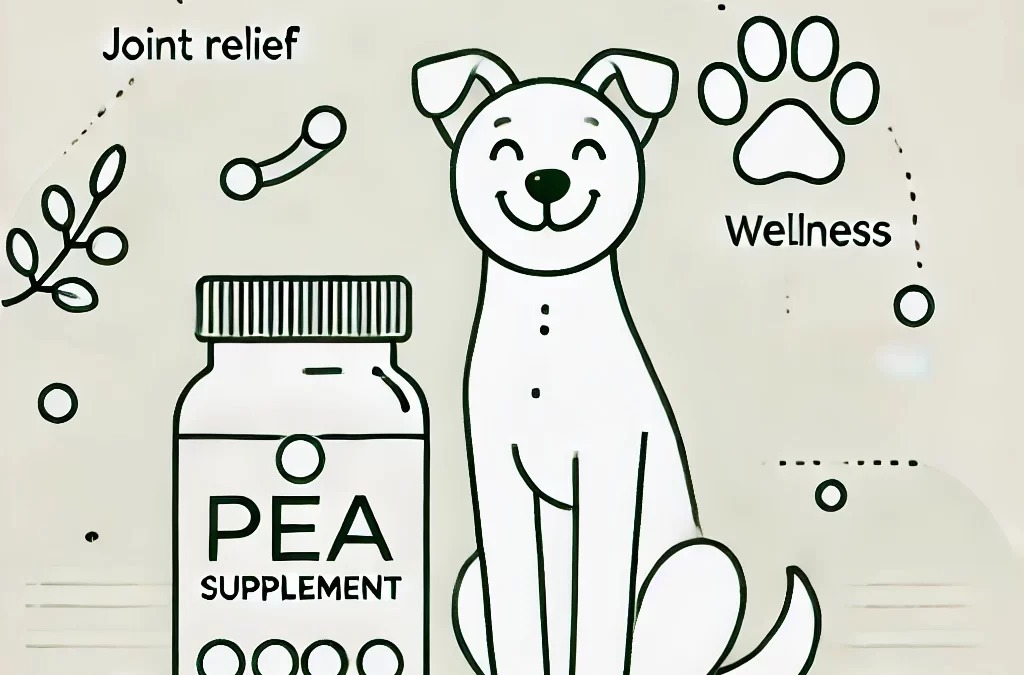
Palmitoylethanolamide, or PEA, is gaining popularity in the world of canine care for its natural pain-relieving and anti-inflammatory properties. Originally discovered as a body-produced fatty acid amide, PEA is an endocannabinoid-like compound found in various tissues, including the brain and immune system. This unique compound, present in foods like eggs and soy, has shown potential benefits in supporting pain management and reducing inflammation in both humans and animals. But what does it mean for our canine companions?
What is PEA, and Why is It Useful for Dogs?
PEA is naturally produced in the bodies of humans and dogs alike as a response to inflammation and pain. As an endogenous compound, PEA works with the endocannabinoid system to help modulate inflammation and pain perception without psychoactive effects. This makes it a safer alternative for pets compared to traditional pharmaceuticals, especially for long-term use.
Key Benefits of PEA for Dogs:
- Pain Relief: PEA interacts with receptors in the nervous system, providing a natural means of reducing discomfort.
- Anti-Inflammatory Properties: It works on the body’s immune response to decrease inflammation, which can benefit dogs suffering from arthritis, dermatitis, and other inflammatory conditions.
- Improved Quality of Life: By alleviating pain and inflammation, PEA may improve mobility, energy levels, and overall well-being.
How Does PEA Work?
Unlike other pain medications, PEA doesn’t block the pain signals directly. Instead, it works on what’s known as the “entourage effect,” enhancing the natural processes that regulate pain and inflammation. Here’s a simplified look at how it works:
- Interaction with Cannabinoid Receptors: PEA indirectly interacts with cannabinoid receptors (CB2 receptors) in the immune system, promoting a balanced immune response.
- Inhibition of Inflammatory Enzymes: It inhibits enzymes that fuel inflammation, allowing the body’s natural healing processes to work more effectively.
- Mast Cell Stabilization: PEA stabilizes mast cells, which are immune cells that release histamines in response to injury or inflammation, reducing inflammation-related discomfort.
What Conditions Can PEA Help Manage in Dogs?
PEA may benefit dogs with a variety of chronic conditions:
- Arthritis: Its anti-inflammatory effects can help dogs with joint inflammation and stiffness.
- Skin Conditions: Dogs with chronic dermatitis may experience relief from itching and irritation.
- Neurological Conditions: Some research suggests PEA may help dogs with nerve-related pain by calming overactive nerve cells.
- Post-Surgery Recovery: PEA’s pain-relieving properties may support faster recovery and pain management after surgery.
Using PEA Safely: Dosage and Precautions
PEA is generally well-tolerated, but it’s essential to follow a safe approach:
- Consult a Vet: Always speak with a veterinarian before introducing PEA into your dog’s routine, especially if they’re on other medications.
- Start Slowly: Introduce PEA in smaller doses and monitor for any reactions. PEA is typically available in tablet, powder, or chewable forms, with dosage recommendations based on body weight.
- Observe and Adjust: Monitor your dog’s response, adjusting dosage as needed under veterinary supervision.
Choosing the Right PEA Supplement for Your Dog
Not all PEA supplements are the same. When selecting a PEA product, look for:
- Purity and Quality: Choose supplements tested for purity and free from contaminants.
- Micronized Form: This form of PEA is more bioavailable, meaning it is absorbed more effectively into your dog’s system.
- Dog-Specific Products: Some brands design PEA specifically for pets, ensuring the correct dosage and formulation.
Final Thoughts: The Future of PEA in Pet Care
As more pet owners seek natural options to enhance their dogs’ lives, PEA stands out as a promising addition. Its multi-faceted approach to pain relief and inflammation management can benefit aging pets, those with chronic conditions, and any dog in need of safe, gentle support for wellness.
With growing research and more pet-specific formulations, PEA may soon become a staple in holistic pet care. Its unique mechanisms and proven safety make it a viable, innovative option for supporting the comfort and vitality of dogs without the side effects of conventional medications.

by TCMVET | Jun 2, 2024 | Dog Cancer & Tumors
wollen lymph nodes in dogs can be a concerning symptom for pet owners, often indicating underlying health issues that need attention. The prognosis for a dog with swollen lymph nodes depends largely on the underlying cause. This article will explore the potential reasons for lymph node swelling, their implications, and the expected lifespan of a dog with this condition.
Causes of Swollen Lymph Nodes in Dogs
- Infections: Bacterial, viral, or fungal infections can cause lymph nodes to swell as the immune system responds to fight the infection.
- Treatment: With appropriate antibiotics or antifungal medication, dogs can recover fully, and their lymph nodes should return to normal size.
- Inflammation: Conditions such as autoimmune diseases or allergic reactions can lead to lymph node enlargement.
- Treatment: Anti-inflammatory medications or steroids can help manage these conditions effectively.
- Cancer: One of the most serious causes of swollen lymph nodes is cancer, particularly lymphoma.
- Lymphoma: A common type of cancer in dogs, lymphoma often presents as painless swelling of the lymph nodes.
Prognosis and Lifespan
The lifespan of a dog with swollen lymph nodes varies significantly based on the cause:
- Infections and Inflammation:
- Good Prognosis: If the swelling is due to an infection or inflammatory condition, the prognosis is generally good. With proper treatment, most dogs can recover fully and live a normal lifespan.
- Lymphoma and Other Cancers:
- Without Treatment: For dogs diagnosed with lymphoma, the prognosis without treatment is poor, with an average survival time of only a few weeks to a few months.
- With Treatment: Treatment options such as chemotherapy can significantly extend a dog’s life. Many dogs respond well to chemotherapy, and the average survival time can extend to one to two years. Some dogs may live even longer, depending on the type and stage of lymphoma and how well they respond to treatment.
Factors Influencing Survival
- Type and Stage of Cancer: Early detection and treatment of lymphoma can improve prognosis. The type of lymphoma (B-cell or T-cell) also plays a role, with B-cell lymphoma generally having a better prognosis.
- Overall Health: A dog’s overall health and age can impact how well they respond to treatment. Younger, healthier dogs may tolerate chemotherapy better and have improved outcomes.
- Treatment Plan: A comprehensive treatment plan, including chemotherapy, supportive care, and regular monitoring, is crucial for managing lymphoma and extending a dog’s life.
Supporting Your Dog’s Health
In addition to medical treatments, holistic approaches can support a dog’s overall health:
- Diet and Nutrition: Providing a balanced diet rich in antioxidants, omega-3 fatty acids, and high-quality proteins can support the immune system.
- Herbal Supplements: Products like TCMVET Baituxiao can offer additional support. TCMVET Baituxiao combines traditional Chinese herbs known for their anti-inflammatory and immune-boosting properties, potentially helping to manage symptoms and improve quality of life.
Conclusion
The prognosis for a dog with swollen lymph nodes varies widely depending on the underlying cause. While infections and inflammation often have a good outcome with proper treatment, cancer such as lymphoma poses a more serious challenge. Early detection, appropriate treatment, and supportive care can significantly improve the quality of life and survival time for affected dogs.

by TCMVET | May 6, 2024 | Food & Health
Collagen, the most abundant protein in both humans and animals, plays a crucial role in maintaining the health and integrity of skin, bones, muscles, tendons, and ligaments. As our canine companions age, their natural collagen production decreases, which can lead to a range of health issues from joint pain to weakened bones. This comprehensive guide explores the best collagen supplements available for dogs, helping pet owners make informed decisions to enhance their pets’ health and vitality.
The Importance of Collagen for Dogs
Collagen is vital for dogs as it supports their joints, improves coat health, and aids in digestion. It’s particularly beneficial for older dogs who may suffer from stiffness and joint pain, as well as breeds prone to hip dysplasia or arthritis. By supplementing your dog’s diet with high-quality collagen, you can help alleviate these symptoms and promote a more active, pain-free lifestyle.
Types of Collagen for Dogs
- Type I Collagen – Predominantly found in the skin, bones, and connective tissues. It’s ideal for improving skin and coat health.
- Type II Collagen – Mainly sourced from cartilage and is highly beneficial for joint health, making it perfect for breeds susceptible to joint issues.
- Type III Collagen – Commonly found alongside Type I and is crucial for fibrous protein in bones, tendons, and ligaments.
狗狗的最佳胶原蛋白补充剂
When choosing a collagen supplement for your dog, consider the source, type of collagen, and the additional ingredients that benefit canine health. Here are some top recommendations:
- Pure Paws Collagen Chews – These chews are not only rich in Type II collagen ideal for joint health but also include vitamins and minerals to support overall wellness.
- Healthy Tails Hip & Joint Support – Specifically formulated for joint health, this supplement combines Type II collagen with glucosamine and chondroitin, promoting mobility and flexibility.
- Glossy Coat Collagen Bites – Perfect for improving your dog’s skin and coat, these bites use hydrolyzed collagen and omega fatty acids to ensure easy absorption and maximum benefits.
- Vet’s Best Advanced Multi-Collagen Powder – This powder is versatile and can be added to any type of dog food, providing all three types of collagen, which is great for comprehensive health support.
- Bone Broth Boost – Naturally rich in collagen, bone broth is a tasty and nutritious addition to your dog’s diet. It supports joint health, digestion, and the immune system.
Incorporating Collagen into Your Dog’s Diet
Start with small doses and gradually increase to the recommended level, as per the product guidelines or your vet’s advice. Most supplements are flavored to appeal to dogs, making them a tasty treat your pet looks forward to.
Investing in a high-quality collagen supplement can significantly improve your dog’s quality of life, especially as they age. By understanding the different types of collagen and their benefits, you can choose the right supplement to address your pet’s specific needs. Always consult with your veterinarian before introducing any new supplements into your dog’s diet to ensure they complement your pet’s existing health regime.
