Medicinal mushrooms for dogs: 7 powerful must-have tumor support tips in Portugal
Medicinal mushrooms can play a supportive role in a dog’s cancer-care plan, particularly when selected carefully and used alongside veterinary treatment. In Portugal, more guardians are exploring dog cancer supplements Portugal options as complementary support for dogs diagnosed with tumors, lymphoma, mast cell disease, or other serious conditions. However, supplements should never replace surgery, chemotherapy, radiotherapy, pain management, or regular veterinary monitoring.
The best approach is to view medicinal mushrooms as part of a broader wellness strategy. A veterinarian can help determine whether a supplement is appropriate, assess possible interactions with medication, and recommend a safe dosage based on the dog’s size, diagnosis, liver and kidney health, and current treatment. That guidance becomes even more important when the goal is to support comfort, appetite, and immune balance without introducing unnecessary risks.
Table of Contents
- Why medicinal mushrooms may support dogs with tumors
- Which medicinal mushrooms are commonly considered?
- How to compare products more carefully
- What to look for in dog tumor support Portugal products
- Safety and possible interactions
- Using supplements alongside veterinary cancer care
- Practical checklist for Portuguese dog owners
Why medicinal mushrooms may support dogs with tumors

Medicinal mushrooms contain naturally occurring compounds, including beta-glucans, triterpenes, polysaccharides, and antioxidants. These substances have attracted scientific interest because they may influence immune activity and help the body respond to physiological stress. In dogs, the strongest potential benefit is generally considered supportive rather than curative.
Cancer affects each dog differently. Some tumors grow slowly, while others are aggressive. Treatment may also place demands on the immune system, digestive tract, liver, or kidneys. A carefully chosen mushroom supplement may help support general resilience, appetite, digestion, and immune balance, although results vary and research in veterinary patients is still developing.
It is important to avoid claims that mushrooms can eliminate tumors or replace conventional oncology. Responsible dog tumor support Portugal should focus on improving quality of life and complementing evidence-based medical care. In practical terms, that means looking for products that support the dog’s overall condition rather than promising dramatic outcomes that no supplement can guarantee.
For guardians who want a broader overview of this category, The Healing Power of Medicinal Mushrooms in Canine Health offers a useful starting point for understanding how these ingredients are typically used in dogs.
Some owners also want to know why mushrooms are discussed so often in oncology support. The answer is simple: certain species are rich in complex compounds that may help modulate immune response, and that makes them interesting as part of integrative care. Still, the presence of these compounds does not make a supplement automatically effective. Dose, extraction quality, product purity, and the dog’s medical status all matter.
When a dog is already dealing with a serious diagnosis, even a small change can matter. A supplement that improves appetite or helps maintain steady energy can be valuable, while a poorly chosen product may add digestive stress. That is why the best results usually come from careful comparison, not from choosing the most heavily marketed bottle.
Which medicinal mushrooms are commonly considered?
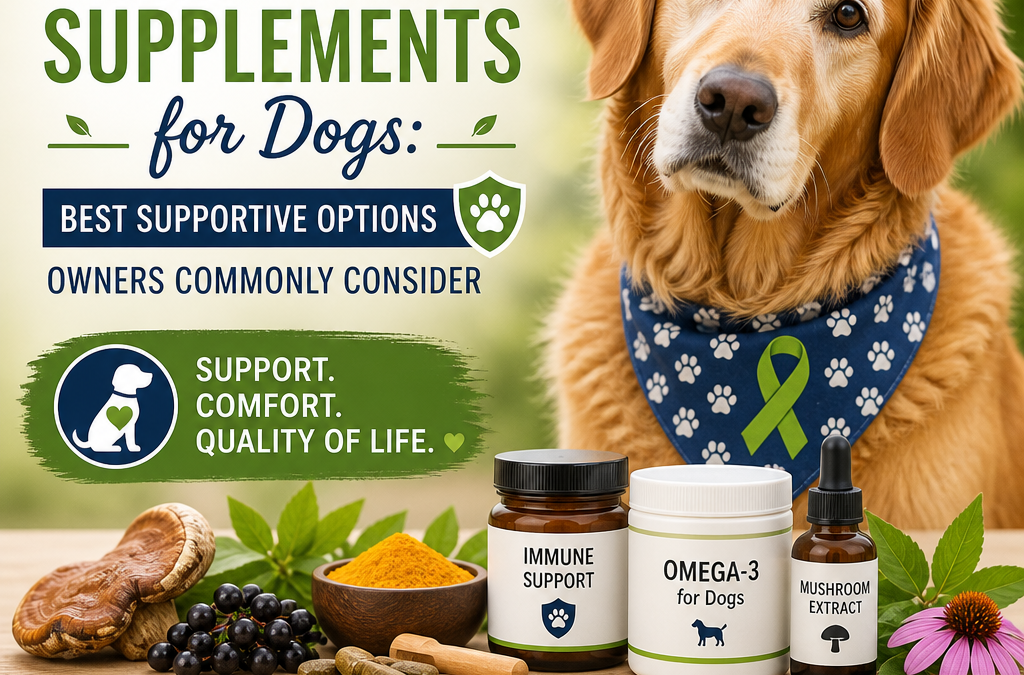
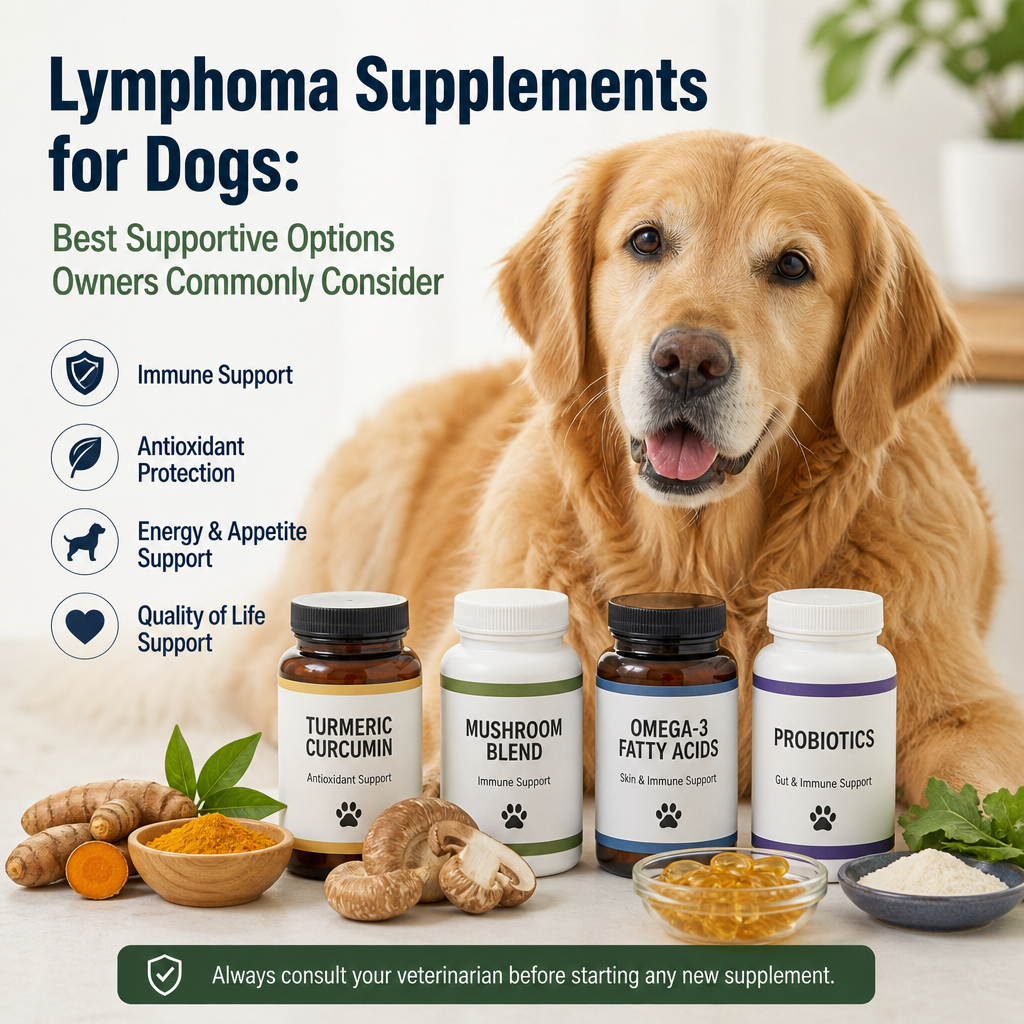
Several mushroom species are frequently included in canine wellness formulas. Each has a different nutritional and biochemical profile. When people search for medicinal mushrooms for dogs, they are often comparing these core ingredients rather than looking for a single miracle product.
Turkey tail
Turkey tail, also known as Trametes versicolor, is one of the most discussed medicinal mushrooms in relation to cancer support. It contains compounds such as polysaccharide-K and polysaccharide peptide, which have been studied for their relationship with immune function. Some veterinary research has examined turkey tail extracts in dogs with certain cancers, making it a popular ingredient in dog cancer supplements Portugal products.
The quality of the extract matters. Products should clearly identify the mushroom species, extraction method, concentration, and amount of active compounds rather than simply listing “mushroom powder.”
Reishi
Reishi, or Ganoderma lucidum, is traditionally used for immune balance, general vitality, and stress support. It contains beta-glucans and triterpenes and may be included in formulas intended for dogs undergoing long-term treatment. Reishi can affect immune activity and may also influence blood clotting, so veterinary guidance is particularly important for dogs taking anticoagulants or preparing for surgery.
Maitake
Maitake, or Grifola frondosa, is another mushroom commonly used in immune-support formulas. It provides polysaccharides and may be considered for dogs needing nutritional and immune support during illness. As with all supplements, its suitability depends on the individual animal and the treatment plan.
Shiitake and cordyceps
Shiitake may contribute beta-glucans and other nutrients, while cordyceps is often marketed for energy and endurance. These ingredients may be useful in a broader wellness formula, but evidence for specific tumor-related benefits in dogs remains limited. They should not be selected solely because of persuasive marketing claims.
If you are comparing mushroom sources and formulations, The Benefits of Medicinal Mushrooms for Dogs: Boosting Immune Health Naturally explains how these ingredients are commonly positioned in everyday canine health support.
It can also help to compare products by the part of the mushroom used. Fruiting body extracts may provide a different profile from mycelium-based products, and not every label explains this clearly. A transparent manufacturer should disclose whether the extract comes from the fruiting body, mycelium, or a blended source, because this detail affects both quality and consistency.
How to compare products more carefully
Many guardians want practical guidance before choosing a supplement. When evaluating medicinal mushrooms for dogs, start with the product label and ask a few simple questions: Is the species clearly named? Is the extract type explained? Are the doses readable? Is there third-party testing? Clear answers matter more than glossy packaging or emotional claims.
Another useful comparison point is the form of the product. Capsules, powders, liquids, and chewable products are all available. Some dogs tolerate one format better than another. A powder can be easier to mix into food, while capsules may provide more precise dosing. A quality formula should make administration simple without hiding what is actually inside it.
It can also help to compare products according to the dog’s current needs. A dog with poor appetite may need a gentle formula with minimal fillers. A dog already taking multiple medications may benefit from a simpler ingredient list. In these situations, medicinal mushrooms should be part of a broader treatment conversation rather than a standalone decision.
Some owners in Portugal also compare different support options before deciding what fits their budget and their dog’s condition. For a related overview, see Alternatives to Medicinal Mushrooms / Veterinary Mycotherapy: 7 Best Dog Tumor Supplements in Switzerland. Even though the market differs by country, the comparison principles are similar.
Another sensible comparison tool is the manufacturer’s explanation of testing and sourcing. Strong brands usually provide details about where mushrooms are grown, whether the product is tested for contaminants, and how the active compounds are standardized. This kind of information is especially helpful for owners who want the most reliable dog tumor support Portugal options available.
When reviewing labels, also pay attention to unnecessary extras. Artificial colors, excess sugar, and vague proprietary blends are not ideal in a dog who already has a fragile digestive system. The cleanest products are often the easiest to evaluate, and they make it simpler for a veterinarian to review the full supplement plan.
In a cancer-support setting, consistency matters almost as much as ingredient quality. A product that is difficult to administer or frequently unavailable may undermine the plan, even if the formula itself is acceptable. Many guardians find that the best supplement is the one they can use reliably, at the right dose, and with minimal stress for the dog.
What to look for in dog tumor support Portugal products
A high-quality product should provide transparent information. Look for the full Latin name of each mushroom, the quantity per serving, the type of extract, and clear feeding instructions. A product made from fruiting bodies may be preferable to one made primarily from mycelium or grain, depending on the formulation and testing standards.
Independent quality testing is also valuable. The manufacturer should ideally test for heavy metals, pesticides, microbial contamination, and inaccurate ingredient levels. This is especially important when purchasing online or importing supplements into Portugal.
Avoid products that promise to “cure cancer,” guarantee tumor reduction, or suggest stopping prescribed treatment. Such claims are not responsible and may place a dog at risk. A supplement designed for people may also contain ingredients unsuitable for animals, including excessive vitamin D, xylitol, alcohol, or concentrated essential oils.
When comparing medicinal mushrooms for dogs, also consider whether the company explains the reason behind the formulation. Good brands often describe why a mushroom was chosen, how it is extracted, and what kind of dog it was designed for. That level of clarity usually signals a more trustworthy product than vague promises about “immune magic.”
Packaging should not distract from the basics. A premium label does not guarantee quality, and a simple package does not mean a formula is weak. What matters most is whether the company can clearly support its claims with ingredient details, testing practices, and practical feeding information that a veterinarian can review.
For dogs with cancer, the ideal product is often the one that balances effectiveness, safety, and usability. If a supplement is difficult to measure accurately or the serving size changes too much from batch to batch, it becomes harder to maintain a stable routine. Stability is valuable when a pet’s health is already under stress.
Portuguese owners may also want to keep an eye on storage instructions. Some mushroom formulas are sensitive to heat, moisture, or light, which can affect freshness over time. A trustworthy brand should explain how to store the product and how long it remains usable after opening.
Safety and possible interactions
Natural does not automatically mean risk-free. Medicinal mushrooms may cause digestive upset, loose stools, reduced appetite, or allergic reactions. Dogs with autoimmune disease, bleeding disorders, liver disease, or kidney disease may require additional caution.
Mushroom supplements can potentially interact with chemotherapy, corticosteroids, anti-inflammatory medicines, immunosuppressants, or anticoagulants. This does not mean they are always unsuitable, but the timing and dosage may need to be adjusted. Tell the veterinarian about every supplement the dog receives, including herbal products and nutritional powders.
Before starting a new formula, introduce it gradually and monitor appetite, stool quality, energy, vomiting, itching, and any unusual bruising or bleeding. Stop the product and contact a veterinary professional if concerning symptoms appear.
For broader support ideas, some readers also review Natural Supplements for Dogs with Cancer: 7 Safe and Powerful Support Tips to understand how mushrooms fit into a wider plan.
Safety monitoring is especially important when a dog has already undergone surgery or is scheduled for a procedure. Because some mushroom ingredients may affect clotting or immune signaling, a veterinarian may recommend pausing the supplement before treatment. The same caution applies when a dog is receiving multiple therapies at once, since it can become difficult to identify the cause of any side effect.
If a dog has never taken a supplement before, start with the lowest practical dose and watch closely for changes. Even a well-tolerated mushroom formula can be too much for a dog with a sensitive stomach if introduced too quickly. Simple changes, small steps, and regular communication with the care team usually lead to better outcomes than sudden changes.
Owners should also remember that immune support is not always the right goal for every patient. In some autoimmune conditions, the priority may be balance rather than stimulation. That is why a product that sounds ideal in a general marketing description may still be inappropriate for a specific dog. Veterinary context makes all the difference.
For readers who want a clearer understanding of evidence-based health references, the U.S. National Library of Medicine is a reliable source of general medical information at MedlinePlus.
Using supplements alongside veterinary cancer care
The most effective dog tumor support Portugal plan is individualized. It may include surgery, oncology medication, nutrition, pain control, dental care, weight monitoring, and support for emotional wellbeing. Supplements should fit into this plan rather than distract from it.
Keep a written record of the product name, ingredients, batch number, dose, and start date. This helps the veterinary team evaluate changes and identify possible side effects. Regular blood tests may also be recommended, especially when a dog is receiving chemotherapy or taking medication that affects the liver, kidneys, or blood cells.
Nutrition is equally important. A dog with cancer may need a highly digestible diet that supports stable body weight and appetite. Dietary changes should be introduced carefully, since abrupt changes can worsen digestive problems. Medicinal mushrooms are not a substitute for adequate calories, hydration, protein, and veterinary nutritional advice.
Some owners also compare mushroom-based formulas with other tumor-support products before choosing what is most appropriate. If you are looking at product categories, Alternatives to Medicinal mushrooms / mycotherapy: 7 Powerful Dog Tumor Support Options in Austria may help you understand the broader landscape of supportive care.
It is also helpful to think about quality of life in practical terms. If a supplement helps the dog eat more consistently, maintain interest in walks, or recover more comfortably from treatment days, that is meaningful support. The goal is not to create unrealistic expectations, but to build a care plan that is steady, realistic, and humane.
Communication between owner and veterinarian should stay open throughout the process. If the dog’s condition changes, the supplement plan may need to change as well. A product that made sense during one stage of treatment may no longer be suitable later, especially if the dog’s appetite, blood work, or medications have changed.
Practical checklist for Portuguese dog owners
Before buying or starting a supplement, it helps to use a simple checklist. First, confirm the exact diagnosis and current treatment plan with your veterinary team. Next, identify whether the goal is appetite support, immune balance, general vitality, or simply a cautious trial of a well-formulated product. A clear goal makes comparison much easier.
Then review the label carefully. Look for the mushroom species, extraction details, dosage per serving, country of origin, and testing information. If any of that is missing, ask the company for clarification before purchasing. Transparency is often the best indicator of a responsible brand.
After that, consider whether the product fits the dog’s daily routine. A supplement that can be given consistently, without causing stress, is often the most useful one in the long run. Dogs recovering from illness do better with routines that are simple and predictable.
It is also wise to track results over time. Note appetite, stool quality, energy, mobility, and any changes in comfort. This record can help the veterinarian decide whether the supplement is worth continuing, adjusting, or stopping.
Finally, keep expectations grounded. Medicinal mushrooms may support health, but they are one part of a broader cancer-care strategy. The combination of veterinary treatment, careful observation, quality nutrition, and thoughtful supplement selection usually provides the most balanced path forward.
Medicinal mushrooms may offer promising complementary support for some dogs, but product quality, safety, and professional supervision are essential. By choosing transparent dog cancer supplements Portugal products and using them responsibly, guardians can support their dog’s overall wellbeing while keeping proven veterinary treatment at the center of care. When used thoughtfully, medicinal mushrooms can be one part of a calm, evidence-aware plan that prioritizes quality of life.
For owners comparing formats and ingredients, one practical takeaway is to favor clarity over hype. A well-made supplement should be easy to identify, easy to dose, and easy to discuss with a veterinarian. That simple standard can make the decision process much safer and less overwhelming.
In the end, the goal is not to chase the strongest-sounding claim. It is to choose a supportive option that makes sense for the dog’s diagnosis, current therapy, and daily comfort. That is where medicinal mushrooms can be most useful: as a thoughtful, measured addition to skilled veterinary care.