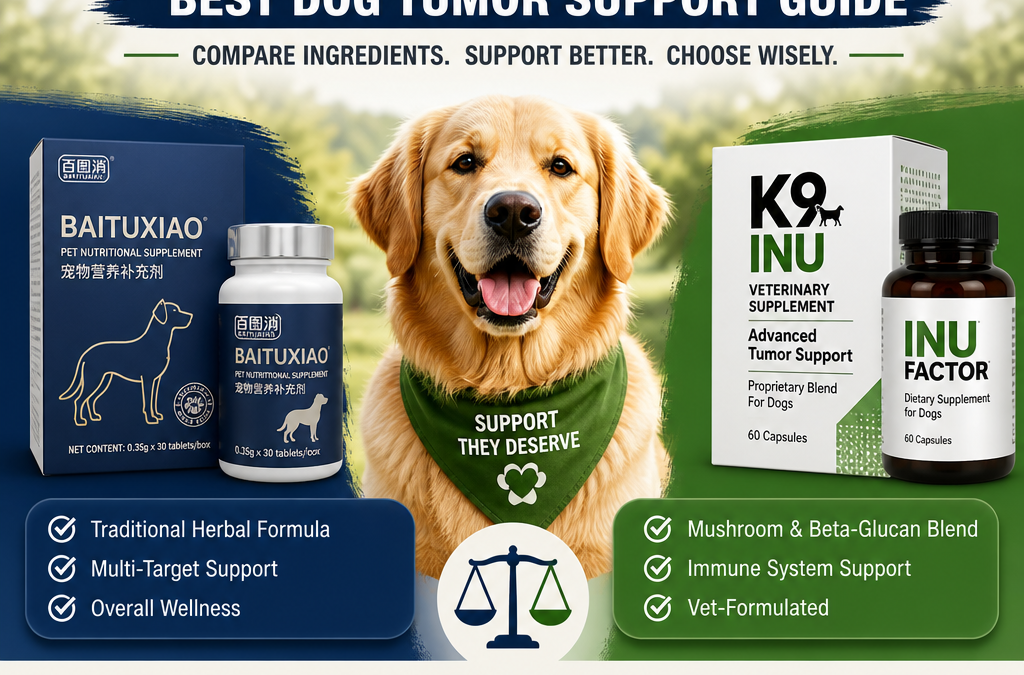
Baituxiao vs Australian Pet Nutrition Immune Support is a comparison many dog owners explore when looking for supportive care after a tumor diagnosis. Both products are marketed as nutritional supplements rather than replacements for veterinary treatment, but they differ in formulation, intended use, and the type of support they may provide. Understanding those differences can help owners have a more productive discussion with their veterinarian and choose an approach that fits their dog’s condition, treatment plan, and overall health.
A cancer diagnosis in a dog can create difficult decisions about nutrition, comfort, medication, and long-term care. Veterinary treatment may include surgery, chemotherapy, radiation, immunotherapy, pain management, or monitoring. Alongside these options, some owners consider supplements designed to support immune function, antioxidant defenses, appetite, energy, or general wellness.
A supplement should not be viewed as a cure for cancer. Its potential role is supportive: helping maintain normal body function while a dog receives appropriate veterinary care. The quality of evidence can vary widely, and products may not be suitable for every tumor type or treatment protocol. This is why a dog tumor support comparison should focus not only on ingredient lists, but also on safety, product quality, dosing, and veterinary supervision.
In practical terms, Baituxiao vs Australian Pet Nutrition Immune Support should also be judged by how easy each product is to use day to day. Dogs that are nauseous, weak, or picky about food may respond better to one format than another, even when the ingredients appear similar on paper.
Many owners start with a simple question: which option better supports the dog without adding unnecessary complexity? That is where Baituxiao vs Australian Pet Nutrition Immune Support becomes a useful comparison, because the best choice is often the one that fits the treatment routine and is easiest for the dog to tolerate.
Baituxiao vs Australian Pet Nutrition Immune Support: formulation differences
Baituxiao is commonly presented as a traditional herbal support formula containing multiple botanical ingredients. Depending on the product version and market, its formula may include herbs such as Scutellaria barbata, Hedyotis diffusa, turmeric-related compounds, mushroom ingredients, or other traditional medicinal botanicals. These ingredients are generally selected for their traditional use in supporting immune balance, circulation, antioxidant activity, or inflammatory regulation.
Australian Pet Nutrition Immune Support is positioned more broadly as an immune-support supplement for pets. Product formulations can vary, so owners should check the current label for exact ingredients, concentrations, and directions. Immune-support products may contain nutrients, vitamins, minerals, antioxidants, medicinal mushrooms, or other ingredients intended to help maintain normal immune function.
The most important distinction is that Baituxiao is often viewed as a more specialized, multi-herbal formula, while Australian Pet Nutrition Immune Support may be used as a broader nutritional immune-support product. However, marketing categories do not tell the whole story. The actual ingredient amounts, manufacturing standards, and suitability for an individual dog matter more than the product name.
If you are comparing Baituxiao vs Australian Pet Nutrition Immune Support for a dog already under treatment, the label should be reviewed alongside recent bloodwork and the current medication list. A formula that seems gentle can still be unsuitable if it overlaps with chemotherapy support, surgery preparation, or liver-sensitive medications.
When owners compare Baituxiao vs Australian Pet Nutrition Immune Support, they are usually weighing a botanical-heavy blend against a more general immune formula. That difference matters because a dog’s needs may be narrow, especially when appetite, digestion, or medication timing are already difficult to manage.
Australian Pet Nutrition Immune Support comparison: key factors
When making an Australian Pet Nutrition Immune Support comparison, owners should review several practical factors.
Ingredient transparency
A complete label should identify every active ingredient and provide the amount per serving. Proprietary blends may make it difficult to determine how much of each ingredient a dog receives. Transparent labeling allows veterinarians to assess potential benefits, interactions, and risks more accurately.
Product purpose
Some supplements are intended for general immune maintenance, while others are marketed for dogs with specific health concerns. A general immune product may be appropriate for wellness support but may not address nutritional problems caused by poor appetite, weight loss, digestive upset, or treatment-related stress.
Evidence and expectations
Many supplement ingredients have laboratory or preliminary research suggesting antioxidant, immune-modulating, or anti-inflammatory activity. However, evidence from cell studies or animal models does not prove that a product will shrink tumors or extend survival in dogs. Owners should be cautious of claims promising guaranteed cancer treatment, tumor elimination, or dramatic results.
Quality control
Look for products made by companies that provide clear manufacturing information, batch testing, expiration dates, and appropriate storage instructions. Quality control is especially important with herbal products because plant materials may vary in potency or may be contaminated if manufacturing standards are poor.
Ease of administration
A supplement that is difficult to give may not be practical for a dog with nausea, mouth pain, or a reduced appetite. Powder, capsule, liquid, and chewable formats each have advantages. The best option is one the dog can tolerate consistently without causing additional stress.
Fit with the care plan
Any dog tumor support choice should fit the dog’s larger care plan. That includes diet, hydration, medication timing, and rest. Even a promising product can become a poor fit if it is hard to dose around meals or if it confuses the routine during a stressful treatment week.
A useful Australian Pet Nutrition Immune Support comparison also includes practical questions about storage, dosing convenience, and whether the formula contains anything that could complicate a treatment plan. These basics often matter more than branding or broad marketing claims.
Potential benefits and limitations
Supportive supplements may help some dogs maintain appetite, normal digestion, energy, or general nutritional status. Certain ingredients may also offer antioxidant or immune-modulating properties. These effects, when they occur, are generally supportive rather than directly anticancer.
Baituxiao’s multi-herbal approach may appeal to owners seeking a traditional botanical formula with several complementary ingredients. Its limitation is that complex formulas can make it harder to identify which component is responsible for a reaction or interaction. Herbal ingredients may also affect liver enzymes, blood clotting, blood pressure, or immune activity.
Australian Pet Nutrition Immune Support may appeal to owners seeking a more general product for immune maintenance. Its usefulness depends heavily on the actual formula and whether it addresses the dog’s specific nutritional needs. A product labeled for immune support may not provide meaningful assistance if the primary concern is severe weight loss, protein deficiency, digestive disease, or treatment-related nausea.
When owners compare Baituxiao vs Australian Pet Nutrition Immune Support, the most realistic question is not which one is stronger, but which one is better matched to the dog’s condition. A targeted formula is not automatically superior to a simpler one, especially if the dog needs tolerability, predictable dosing, and minimal ingredient overlap.
There is also a practical limit to what any supplement can do. Even the best-supported formula cannot replace surgery, chemotherapy, pain control, or careful monitoring. For that reason, Baituxiao vs Australian Pet Nutrition Immune Support should always be viewed as part of a broader care discussion, not as a standalone solution.
Safety considerations for dogs with tumors
Veterinary approval is essential before adding either product to a cancer-support plan. Some supplements can interact with chemotherapy, corticosteroids, nonsteroidal anti-inflammatory drugs, anticoagulants, anesthetics, or other medications. Botanicals may also be inappropriate for dogs with liver disease, kidney disease, bleeding disorders, autoimmune conditions, or upcoming surgery.
Owners should provide the veterinarian with the complete product label, including inactive ingredients. It is also wise to introduce only one new supplement at a time. This makes it easier to identify side effects such as vomiting, diarrhea, itching, lethargy, appetite changes, or unusual bruising.
A veterinarian may recommend stopping a supplement before surgery or certain treatments. Dosing should be based on the product instructions and the dog’s weight, age, medical history, and current medications—not on human dosing or assumptions that more is better.
For general pet supplement safety guidance, the U.S. Food and Drug Administration provides useful consumer information on animal health products and labeling standards at https://www.fda.gov/animal-veterinary.
Safety matters even when a supplement is described as gentle or natural. With Baituxiao vs Australian Pet Nutrition Immune Support, the ingredient list, the dog’s health status, and the treatment timeline should all be reviewed before anything is added to the routine.
Choosing the most appropriate option
The best choice in a Baituxiao vs Australian Pet Nutrition Immune Support decision depends on the dog’s individual circumstances. Consider the tumor type, treatment schedule, bloodwork, appetite, body condition, digestive tolerance, and current medications. A dog undergoing chemotherapy may need a different strategy from a dog recovering from surgery or receiving palliative care.
Owners should also prioritize proven fundamentals: a complete and balanced diet, adequate hydration, appropriate pain control, regular veterinary monitoring, and prompt attention to changes in appetite, breathing, mobility, or behavior. Supplements should complement these measures rather than replace them.
Ultimately, the strongest dog tumor support comparison is one grounded in realistic expectations and professional guidance. Baituxiao may be considered when a veterinarian believes a multi-herbal formula is appropriate, while Australian Pet Nutrition Immune Support may be more suitable for general immune and nutritional maintenance. Neither product should be assumed to cure cancer, and neither should be introduced without reviewing its ingredients and potential interactions with the dog’s treatment plan.
Owners who want a careful, practical Baituxiao vs Australian Pet Nutrition Immune Support decision should keep the goal simple: support comfort, protect safety, and avoid unnecessary overlap with veterinary care. With the right supervision, the chosen supplement can become one part of a broader plan rather than the centerpiece of treatment.
For more perspective on how supplements fit into dog cancer support, review the full Baituxiao vs Australian Pet Nutrition Immune Support discussion with your veterinarian before making a final choice. If the product is still under consideration, bring the label to the appointment and ask how it fits the dog’s overall care plan.
Baituxiao vs CanineCeuticals Mushroom Elixir is a comparison many dog owners explore after a veterinarian identifies a mass, tumor, or cancer-related concern. Both products are marketed as supportive supplements, but they are not substitutes for diagnosis, surgery, chemotherapy, radiation, or other veterinary treatment. Understanding their ingredients, intended uses, safety considerations, and practical differences can help owners have a more productive conversation with their veterinary team.
When a dog faces a tumor diagnosis, every supplement decision deserves a careful look at the label, the evidence, and the dog’s current medications. The goal is not to find a miracle product, but to choose the most appropriate supportive option for a specific patient. That is why Baituxiao vs CanineCeuticals Mushroom Elixir should be evaluated as part of a full care plan rather than as a stand-alone answer.
A lump on a dog may be benign, inflammatory, infectious, or malignant. Even experienced owners cannot determine its nature by appearance alone. Diagnostic tools such as fine-needle aspiration, biopsy, blood testing, and imaging may be necessary before a treatment plan is chosen.
Supplements may play a complementary role in overall wellness, but evidence for natural products in canine cancer care varies widely. A product that supports appetite, general nutrition, or immune function should not be described as a cure. The most responsible approach is to use supplements only after reviewing the diagnosis, current medications, organ health, and treatment goals with a veterinarian.
For owners looking for a broader overview of supplement categories, the article Dog Tumour Supplements: 7 Safe, Effective Support Options Compared provides a helpful starting point. This kind of context can make Baituxiao vs CanineCeuticals Mushroom Elixir easier to evaluate in the right clinical setting.
It also helps to remember that supplement quality can vary from batch to batch. A product with appealing marketing may still have limited transparency about ingredient sourcing, extraction methods, or contaminant testing. When a dog is already dealing with cancer-related stress, those details matter more than catchy claims.
Formulation differences
One of the most important aspects of the Baituxiao vs CanineCeuticals Mushroom Elixir discussion is that the products generally emphasize different ingredient strategies.
Baituxiao is commonly presented as a traditional herbal formula containing multiple botanical ingredients. Its marketing often focuses on supporting circulation, reducing inflammatory processes, and maintaining immune balance. Because it is a multi-herb product, its effects and risks may depend on the complete formula, concentration, manufacturing quality, and the dog’s individual health status.
CanineCeuticals Mushroom Elixir is positioned around medicinal mushroom extracts. Depending on the specific product formulation, mushroom supplements may include compounds derived from mushrooms such as turkey tail, reishi, shiitake, maitake, or cordyceps. These fungi contain polysaccharides and other bioactive compounds that are being studied for immune-modulating properties.
The difference is not simply “herbs versus mushrooms.” Extract quality, standardized active compounds, serving size, product testing, and intended use all matter. Two products with similar marketing claims can have very different concentrations and levels of supporting evidence.
When dog owners compare Baituxiao vs CanineCeuticals Mushroom Elixir, it helps to remember that the best choice is not always the one with the longest ingredient list. Simpler formulas may sometimes be easier to assess for safety and compatibility with other treatments.
Another practical point is taste and administration. A supplement that a dog refuses to take consistently will not be very useful, no matter how promising it sounds. Owners often need to balance palatability, dosing frequency, and the overall burden of care when deciding whether a product is realistic for daily use.
What to examine in a CanineCeuticals Mushroom Elixir comparison
A careful CanineCeuticals Mushroom Elixir comparison should begin with the label rather than broad promotional claims. Owners should look for the following details:
Full ingredient list and amounts per serving
Whether the product uses fruiting bodies, mycelium, or a mixture
Extraction methods and standardization information
Batch testing for contaminants, heavy metals, and microbes
Recommended serving sizes for the dog’s weight
Manufacturer contact information and quality-control policies
Warnings involving medications or medical conditions
For mushroom products, the source material can significantly affect the concentration of active compounds. A label that lists only a proprietary blend may make it difficult to determine how much of each mushroom the dog receives. Products with transparent labeling are generally easier for veterinarians and owners to evaluate.
Baituxiao should be reviewed with the same level of care. Traditional formulas can contain several botanicals that may affect digestion, blood clotting, liver enzymes, immune activity, or the absorption of prescription medications. A product’s natural origin does not automatically make it risk-free.
Owners should also check whether the dose is explained in a way that is easy to apply at home. A formula that needs complex conversions, multiple daily measurements, or unclear serving instructions can be hard to use safely. Clear instructions make it easier to stay consistent and to notice whether any changes in appetite or stool quality appear after starting the supplement.
CanineCeuticals Mushroom Elixir comparison: what owners should ask first
Before choosing any supplement, a CanineCeuticals Mushroom Elixir comparison should focus on practical questions. Is the dog currently receiving cancer treatment? Does the dog have liver, kidney, or digestive disease? Are there upcoming procedures that could be affected by herbs or mushroom extracts?
These questions matter because even well-known supplements can behave differently depending on the patient. A dog with a fragile appetite may tolerate one formula better than another. A dog taking multiple medications may need a simpler product with fewer possible interactions.
It also helps to ask whether the manufacturer provides species-specific guidance for dogs. Some supplements are adapted from human products and then marketed for pets, but that does not guarantee the same dosing logic or safety profile will apply.
When reviewing Baituxiao vs CanineCeuticals Mushroom Elixir, owners should compare not only ingredients but also the clarity of the company’s information. Reliable instructions, batch transparency, and realistic claims are all signs of a more thoughtful supplement.
In a practical sense, this means looking beyond general wellness language and asking what the product is actually designed to do. If the answer is vague, the supplement may not be the best match for a dog with active cancer care needs.
Comparing potential benefits
Mushroom-based supplements are often selected because certain mushroom compounds have been investigated for immune-system interactions. Turkey tail, in particular, has attracted interest in veterinary oncology research. However, research results for one standardized extract cannot automatically be applied to every mushroom blend or liquid elixir.
Baituxiao may appeal to owners seeking a broader traditional herbal approach. Its formula may be intended to support multiple body systems rather than focus primarily on mushroom-derived compounds. That broader scope can be viewed as a benefit by some owners, but it also makes the formula more complex to assess.
In this dog tumor support comparison, neither product should be judged solely by claims such as “boosts immunity,” “shrinks tumors,” or “detoxifies the body.” These phrases may be vague, and excessive immune stimulation is not necessarily desirable for every dog. Some cancers, autoimmune disorders, infections, and treatment plans require carefully controlled immune activity.
The most useful benefit to look for is supportive care that fits the dog’s actual needs. A supplement that helps maintain appetite, comfort, or general vitality may be more practical than a product that promises dramatic results without evidence. That is especially true in Baituxiao vs CanineCeuticals Mushroom Elixir, where the best match depends on how the dog is being managed clinically.
Owners should also consider whether the supplement can realistically be used for the duration needed. Some dogs only need short-term support during a recovery period, while others may remain on a product for months. Long-term use raises additional questions about cost, consistency, and monitoring, which makes product selection even more important.
Practical signs a supplement may be a better fit
A product may be more appropriate if it has clear dosage instructions, well-identified ingredients, and a formulation that matches the dog’s current care plan. For example, a dog with a sensitive stomach may do better with a simpler formula. A dog under oncologist supervision may need a product that fits around surgery dates or chemotherapy cycles.
Owners should also watch for changes after starting a supplement. Appetite, stool quality, energy, and comfort can shift quickly in dogs with cancer-related conditions. Careful observation can reveal whether the product is genuinely helpful or simply adding complexity.
Another sign of a better fit is the ability to pause or adjust the product if needed. A supplement that can be managed flexibly is easier to coordinate with testing, procedures, and medication changes. That kind of flexibility can be especially helpful when a dog’s treatment plan is still evolving.
Safety and medication interactions
Safety is central when considering Baituxiao vs CanineCeuticals Mushroom Elixir. Dogs receiving chemotherapy, corticosteroids, nonsteroidal anti-inflammatory drugs, anticoagulants, seizure medications, or other prescriptions may face interaction risks. Supplements can also complicate the interpretation of blood tests or create additional strain for dogs with liver or kidney disease.
Potential adverse effects may include vomiting, diarrhea, reduced appetite, itching, lethargy, or changes in behavior. More serious concerns can arise if an ingredient affects clotting or interacts with anesthesia. For this reason, supplements should generally be disclosed before surgery, biopsy, chemotherapy, or radiation treatment.
Owners should introduce only one new product at a time and monitor the dog closely. Keeping a record of the product name, lot number, dose, start date, appetite, stool quality, and other symptoms can help a veterinarian identify whether a reaction is occurring.
For a plain-language reference on cancer and supportive care claims, the National Cancer Institute’s overview of cancer and complementary health approaches is a useful educational source. It is not veterinary-specific, but it explains why careful evaluation matters before adding any supplement to a treatment plan.
Because Baituxiao vs CanineCeuticals Mushroom Elixir may both be used alongside medical treatment, the safest approach is to review them as part of the entire care plan rather than as stand-alone products. That includes prescriptions, diet, laboratory monitoring, and the timing of any procedures.
If a dog has vomiting, diarrhea, or reduced appetite after starting either product, the supplement should be discussed with the veterinarian promptly. These signs do not always mean the product is the cause, but they should never be ignored in a dog already dealing with a tumor or cancer diagnosis.
Which option may be more appropriate?
There is no universal winner in the Baituxiao vs CanineCeuticals Mushroom Elixir comparison. The better option depends on the dog’s diagnosis, treatment plan, body weight, age, laboratory results, and sensitivity to ingredients.
A mushroom-focused product may be more straightforward for owners who want a clearly defined category of ingredients and a formula built around mushroom extracts. A multi-herbal formula may be preferred by those working with a veterinarian familiar with traditional herbal medicine and comfortable reviewing complex botanical combinations.
Product transparency should be a deciding factor. Owners should favor supplements with complete labels, reasonable dosing information, quality testing, and a manufacturer willing to answer technical questions. Veterinary oversight is especially important when a dog has cancer, is recovering from surgery, or is taking multiple medications.
As a practical rule, the better supplement is the one that aligns with the dog’s diagnosis and is least likely to create avoidable risk. That standard matters whether you are comparing Baituxiao vs CanineCeuticals Mushroom Elixir or any other dog tumor support option.
For owners who are still deciding, it can help to ask a veterinary professional how the supplement fits into the bigger picture. A product that looks promising on paper may still be inappropriate if it overlaps with medication risks or does not match the dog’s current stage of care.
Cost can also influence the decision, especially if a supplement is intended for longer-term use. A product that is affordable only for a few weeks may not be practical if the veterinarian wants ongoing supportive care. In that case, consistency and long-term tolerability may matter more than marketing language.
Making a responsible supplement plan
A useful dog tumor support comparison should place proven medical care first. Ask the veterinarian what the tumor diagnosis means, what treatment options are available, and whether a supplement could interfere with the recommended plan. Discuss nutritional needs, pain control, appetite support, and quality-of-life goals as well.
Supplements should be viewed as one part of supportive care, alongside appropriate nutrition, hydration, symptom management, regular examinations, and monitoring. Claims of guaranteed tumor reduction or cure deserve skepticism, particularly when they are not supported by controlled canine studies.
Ultimately, Baituxiao and CanineCeuticals Mushroom Elixir represent different approaches to complementary support. The most informed choice comes from examining the exact formulation, weighing possible benefits against interaction risks, and coordinating every supplement decision with a qualified veterinarian. If you are comparing Baituxiao vs CanineCeuticals Mushroom Elixir, the safest next step is to use the product label as the starting point and the veterinary team as the final guide.
In short, Baituxiao vs CanineCeuticals Mushroom Elixir should not be treated like a simple brand-versus-brand contest. The right choice depends on the dog’s medical needs, the transparency of the product, and the veterinarian’s guidance. When those factors are weighed together, owners are much better positioned to make a careful, responsible decision.
Baituxiao vs K9 Immunity is a comparison many Polish dog owners consider after learning that their pet has a tumor or needs additional immune support. Both products are discussed as complementary options, but they are not substitutes for veterinary diagnosis, surgery, chemotherapy, radiation, pain management, or other evidence-based treatment. Understanding their ingredients, intended use, availability, and safety considerations can help owners have a more productive conversation with an oncologist or veterinarian.
A canine tumor may be benign or malignant, localized or metastatic, slow-growing or aggressive. The appropriate treatment depends on factors such as tumor type, location, stage, the dog’s age, blood results, and overall condition. Support products cannot determine a diagnosis, remove a mass, or reliably replace medical treatment.
Some supplements are marketed for immune balance, antioxidant support, appetite, energy, or general wellness. These goals may be relevant during a dog’s cancer journey, but marketing language should not be confused with clinical proof. Before adding any product, owners should provide the veterinarian with the complete ingredient list, dosage, and information about other medicines or supplements the dog is taking.
Baituxiao vs K9 Immunity becomes more useful as a practical comparison when owners focus on safety, ingredient transparency, and how each option fits the treatment plan. That is why Baituxiao vs K9 Immunity should always be discussed in the context of the dog’s diagnosis and current care.
Baituxiao vs K9 Immunity: what are the main differences?
Baituxiao is generally presented as a traditional herbal formula containing multiple botanical ingredients. It is commonly discussed in relation to immune support and overall wellness in dogs with masses or cancer-related concerns. Because it is a complex formula, its effects and potential interactions may depend on the individual dog and the amount administered.
K9 Immunity is typically marketed as a canine supplement focused on immune and nutritional support. Product formulations can change, and versions sold in different markets may vary in ingredients, concentration, serving size, or labeling. Owners in Poland should verify the current packaging and manufacturer information rather than relying solely on older online descriptions.
The key difference is not simply which product sounds stronger. It is whether the formulation is appropriate for the dog’s diagnosis, treatment plan, organ function, and tolerance. A product with many ingredients may offer broad nutritional or botanical support, but it can also make it more difficult to identify which ingredient causes an adverse reaction. A simpler formula may be easier to monitor, although that does not automatically make it more effective.
In a Baituxiao vs K9 Immunity decision, the most useful question is often practical: which option better matches the dog’s current needs, the veterinarian’s plan, and the owner’s ability to monitor response? Baituxiao vs K9 Immunity should also be weighed against cost, availability, and how clearly each brand explains its formula.
K9 Immunity comparison: ingredients and evidence
A responsible K9 Immunity comparison should begin with the exact product label. Look for a complete ingredient list, the quantity of each active ingredient, manufacturing information, batch or expiry details, and clear instructions for use. Proprietary blends that do not disclose individual amounts make it harder to assess the actual dose.
The quality of evidence is also important. Laboratory studies, testimonials, and theoretical mechanisms do not establish that a supplement will shrink a tumor or extend a dog’s life. Stronger evidence would include well-designed clinical trials in dogs, clearly defined tumor types, consistent dosing, and measurable outcomes. For many complementary products, this level of evidence is limited.
Owners should also distinguish between a supplement’s potential role and claims that imply treatment or cure. A product may support appetite or general nutrition in some dogs, but that is different from demonstrating an anti-cancer effect. Honest product evaluation requires acknowledging uncertainty.
If you are comparing branded support formulas, it can help to review a second reference point such as K9 Immunity Alternative: Best Affordable Dog Tumor Supplements in Italy to see how ingredient transparency and usage guidance are handled in similar products. In practical terms, Baituxiao vs K9 Immunity should be assessed by what is listed on the label, not by promotional claims alone.
What to ask before choosing either product
Before making a decision, ask the veterinarian these simple but important questions:
Does the dog’s diagnosis make a supplement appropriate right now?
Could the product affect surgery, chemotherapy, or pain medication?
Are there liver, kidney, or clotting concerns that change the risk profile?
What signs should the owner watch for after starting the product?
How soon should the dog be rechecked if appetite or stool changes?
These questions help turn Baituxiao vs K9 Immunity into a medical decision rather than a marketing decision. They also make it easier to compare products with real-life safety and monitoring in mind.
If your veterinarian is open to supportive supplements, ask whether the goal is immune support, appetite support, or comfort care. That answer helps frame Baituxiao vs K9 Immunity in a way that is more useful than a simple brand-to-brand ranking.
Safety issues for dogs with cancer
Dogs with cancer can be more vulnerable to side effects because of reduced appetite, dehydration, weight loss, anemia, or impaired liver and kidney function. Herbal ingredients may affect blood clotting, blood pressure, sedation, digestion, or the way medicines are metabolized. These effects can matter before surgery or during chemotherapy.
Possible warning signs after introducing any supplement include vomiting, diarrhea, worsening lethargy, refusal to eat, itching, facial swelling, breathing difficulty, unusual bruising, or changes in urination. Severe symptoms require prompt veterinary attention. Even mild digestive problems should be reported if the dog is receiving cancer treatment.
It is particularly important to consult the veterinarian before using a supplement alongside anti-inflammatory drugs, steroids, chemotherapy, anticoagulants, seizure medication, or sedatives. A veterinarian may recommend pausing supplements before an operation or adjusting the plan based on blood tests.
For general background on how ingredients and formulations can vary across supportive pet products, the National Center for Complementary and Integrative Health provides a helpful overview of supplement safety: dietary supplements and cancer care science.
When Baituxiao vs K9 Immunity is discussed with a clinician, safety questions should come first. If a dog is unstable, losing weight, or already on multiple medicines, even a well-known supplement may not be a good choice.
Buying and using products in Poland
Availability and labeling are practical parts of a dog tumor support comparison in Poland. Products purchased online may be imported, and packaging can differ from what is shown in advertisements. Owners should check whether the seller is reputable, whether the product has a clearly stated manufacturer, and whether storage instructions are provided.
Do not assume that a product is safe because it is described as natural. Natural substances can still be pharmacologically active, contaminated, incorrectly dosed, or unsuitable for a particular breed or medical condition. Avoid products with vague ingredient descriptions, unsupported promises, or instructions intended for humans rather than dogs.
Dosing should follow the official canine label and the veterinarian’s advice. More is not necessarily better, especially for small dogs or pets with liver or kidney disease. Keep a written record of the product name, dose, start date, appetite, stool quality, energy, and other medications. This makes it easier to identify benefits or problems.
For owners comparing imported formulas, the label details matter as much as the brand name. In Baituxiao vs K9 Immunity, a clear ingredient panel and consistent dosing guidance are often more valuable than broad claims about vitality or immune function.
When comparing Baituxiao and K9 Immunity, use a practical checklist:
– What is the confirmed diagnosis and treatment objective?
– Has the veterinary oncologist reviewed the full ingredient list?
– Are active ingredients and amounts clearly disclosed?
– Is there reliable canine evidence for the claimed benefit?
– Could the product interact with current medication or surgery?
– Is the dog eating, drinking, and maintaining weight?
– Can the owner monitor the dog and stop the product if problems occur?
– Is the product purchased from a trustworthy source in Poland?
The best choice may also be neither product. In some cases, the most valuable supportive care includes a complete diet, nausea control, pain relief, hydration, dental care, physical comfort, and regular monitoring. A veterinary nutritionist may recommend a tailored feeding plan when appetite or body weight becomes a concern.
Some families also prefer to compare similar support categories before deciding. That broader perspective can make Baituxiao vs K9 Immunity feel less overwhelming and can highlight which ingredients are actually useful versus merely familiar. It can also reveal when one option is easier to source, store, and track during treatment.
Many owners find it helpful to make a short notes page for questions, side effects, and follow-up dates. That way, Baituxiao vs K9 Immunity is evaluated over time instead of being judged from a single advertisement or online review.
The role of veterinary care
Supplements should be viewed as optional complementary tools, not as primary cancer treatment. A veterinarian can evaluate whether a mass requires sampling, imaging, surgery, or referral to an oncology service. Regular follow-up helps track tumor progression and detect treatment complications early.
Ultimately, the right decision in a Baituxiao vs K9 Immunity discussion depends on the individual dog rather than on general rankings. Transparent labeling, realistic expectations, professional guidance, and close observation are more important than promotional claims. By combining veterinary treatment with carefully selected supportive care, owners can make safer, better-informed choices for their dog’s comfort and quality of life.
In the end, Baituxiao vs K9 Immunity is less about choosing a winner and more about choosing what is safest, most transparent, and most appropriate for the dog’s current condition. A thoughtful Baituxiao vs K9 Immunity review should always place veterinary advice first, while keeping the focus on comfort, monitoring, and evidence-based care.
Used well, Baituxiao vs K9 Immunity can be a helpful starting point for a serious veterinary discussion rather than a replacement for it. The safest outcome comes from combining professional guidance with careful observation at home.
K9 INU is often searched by dog owners looking for additional support when a beloved pet has been diagnosed with a tumor. In Norway, interest in supplements marketed for canine cancer support has grown alongside awareness of nutrition, quality of life, and integrative veterinary care. However, choosing a product should never replace professional diagnosis or treatment. Owners need clear information about what a supplement may offer, how it should be used, and what questions to ask a veterinarian before adding it to a dog’s care plan.
A tumor is an abnormal growth of cells. Some tumors are benign, meaning they may not spread to other parts of the body, while malignant tumors can invade nearby tissue or metastasize. Canine cancer may appear as a lump under the skin, unexplained weight loss, persistent coughing, changes in appetite, bleeding, reduced energy, or changes in bathroom habits.
Because these signs can also result from infections or other health conditions, a veterinary examination is essential. Diagnostic tests may include a physical examination, blood work, fine-needle aspiration, biopsy, ultrasound, or imaging such as X-rays and CT scans. A confirmed diagnosis helps determine whether surgery, chemotherapy, radiation, immunotherapy, pain management, or palliative care is appropriate.
Owners sometimes begin researching supplements at the same time they are trying to understand the diagnosis itself. That is understandable, but it is important to keep priorities clear: the first step is identifying the tumor type and the stage of disease. Once that information is known, a veterinarian can explain whether supportive nutrition, symptom control, or a treatment plan offers the best chance of helping the dog feel better.
Different tumor types behave very differently. Some grow slowly and remain localized, while others progress quickly or spread to other organs. This is one reason why general internet advice can be misleading. A supplement that seems promising in one situation may be unsuitable in another, especially when a dog is already taking medication or has other health concerns.
In practice, supportive care often works best when it is matched to the dog’s specific condition. A young, otherwise healthy dog may tolerate treatment differently from an older dog with kidney, liver, or heart disease. That is why any new supplement should be discussed in the context of the full medical picture, not as a stand-alone solution.
What Is K9 INU?
K9 INU is commonly presented as a nutritional supplement intended to support dogs facing serious illness, including tumor-related conditions. Products in this category may contain a combination of plant extracts, medicinal mushrooms, vitamins, minerals, antioxidants, or other ingredients associated with immune and general health support.
The exact formula, dosage, and manufacturing standards are important. Product names alone do not confirm effectiveness, and formulations can vary by country or distributor. Before purchasing K9 INU in Norway, owners should check the official ingredient list, serving instructions, batch information, storage requirements, and whether the product is legally marketed for animals.
A supplement should be viewed as supportive care rather than a cure. There is no responsible basis for claiming that a nutritional product can eliminate cancer or replace evidence-based veterinary treatment.
It is also worth noting that the word “support” can be used very loosely in supplement marketing. In some cases, it may simply mean general wellness. In others, it may imply stronger claims about immunity, recovery, or tumor control without strong evidence to back those claims. Reading labels carefully helps owners separate marketing language from practical usefulness.
If the product lists several active ingredients, the best question is not just what is included, but why those ingredients are there and in what amounts. Without that information, it becomes difficult to judge whether the formula is meaningful, underdosed, or likely to cause unnecessary expense without real benefit.
Owners may also want to compare the product’s instructions with the dog’s current diet. A complete and balanced diet already provides many essential nutrients, so adding a supplement should have a clear purpose. Otherwise, the dog may simply be taking extra capsules or powder with little measurable effect.
K9 INU dog cancer support: What Owners Should Know
The phrase “K9 INU dog cancer support” refers to the idea of using a supplement alongside veterinary care to help maintain a dog’s general condition. Potential goals may include supporting appetite, maintaining body weight, helping normal immune function, and contributing to overall wellbeing. These goals are especially relevant for dogs undergoing treatment or experiencing reduced energy.
However, evidence for individual supplements can be limited. Research conducted on a particular ingredient, laboratory model, or human population does not automatically prove that a complete product will benefit dogs with cancer. The dog’s tumor type, age, breed, medications, liver and kidney function, and current diet all affect safety and suitability.
Owners should also be cautious about immune-related claims. Some cancer treatments work partly by influencing the immune system, and adding immune-active substances without veterinary guidance could theoretically interfere with treatment or worsen certain conditions. “Natural” does not always mean harmless.
Some dogs with cancer experience reduced appetite, nausea, constipation, or fatigue. In those situations, families often hope a supplement will help restore strength quickly. While that hope is understandable, the safest approach is to look for measurable improvements such as better eating, stable weight, more interest in daily life, or fewer digestive problems rather than expecting dramatic changes from a single product.
Supportive care should also be realistic. A supplement may help some dogs feel a little better, but it cannot replace surgery, chemotherapy, radiation, or pain control when those treatments are medically indicated. A product that fits one dog’s care plan may be unnecessary for another, which is why individualized advice matters so much.
For broader background on supplement use in dogs with cancer, you may also find this affordable dog tumor supplements guide helpful when comparing products and ingredients.
Owners should keep an eye on timing as well. If a dog is already struggling with medication side effects, introducing a new supplement at the same time can make it hard to tell what is helping or hurting. When possible, changes should be introduced slowly and with clear veterinary oversight.
Another practical point is expectation management. Even when a supplement is well tolerated, the effect may be subtle. Supportive products are often judged by small gains rather than dramatic changes. A dog may eat slightly better, seem a bit brighter, or recover a little faster between appointments. Those modest improvements can matter, but they should be interpreted carefully and in context.
Evaluating a K9 INU review
When reading a K9 INU review, look beyond testimonials and dramatic before-and-after claims. A useful review should explain the product’s ingredients, intended use, possible side effects, manufacturing information, and limitations. It should also distinguish personal experience from clinical evidence.
Consider the following questions:
Is the full ingredient list easy to find?
Are ingredient amounts provided rather than only a proprietary blend?
Does the manufacturer identify quality-control procedures?
Is the product intended specifically for dogs?
Are dosage instructions based on body weight?
Does the review cite veterinary or scientific evidence?
Does it avoid promising to cure cancer?
Is there clear information about refunds, shipping, and customer support?
Independent reviews can be helpful for assessing packaging, taste, delivery, and customer service. They are much less reliable for proving that a supplement treats tumors. A dog may appear better because of surgery, medication, improved nutrition, or natural changes in the disease—not necessarily because of one product.
It also helps to separate emotion from evidence. Reviews written during a stressful medical journey can be sincere and still be medically inconclusive. A family may report that a supplement gave them hope, and that emotional value is real. But hope alone does not show that a product changed the course of disease.
When evaluating any supplement review, look for signs of balanced writing. A trustworthy review usually mentions both strengths and weaknesses, explains who the product might suit, and acknowledges when the evidence is incomplete. Reviews that sound too certain or too dramatic are often the least useful.
If multiple people report the same side effect, that may deserve attention even if formal studies are limited. Repeated reports of digestive upset, refusal to eat, or changes in stool quality can be meaningful for pet owners trying to decide whether a supplement is worth trying. At the same time, one dog’s experience should never be treated as proof for every dog.
K9 INU Norway: Purchasing and Regulatory Considerations
For owners searching for K9 INU Norway, practical issues matter as much as marketing claims. Verify whether the product is shipped from within Norway, the European Economic Area, or another country. International purchases may involve customs procedures, taxes, delivery delays, and different consumer protections.
Check the seller’s business details and read the terms for recurring orders. Some online supplement websites enroll customers in subscriptions unless the buyer actively declines. Owners should also confirm that the product is labeled for animal use and stored correctly during transport, particularly if it contains oils, probiotics, or other ingredients affected by heat and moisture.
Norwegian pet owners can discuss products with a veterinarian and consult relevant Norwegian authorities when they have questions about animal-feed regulations, labeling, or import requirements. A reputable seller should not discourage veterinary consultation or make claims that conflict with established cancer care.
For authoritative guidance on pet food and supplement safety in Europe, the European Food Safety Authority provides science-based information that can help owners evaluate product claims more carefully.
Storage matters after purchase, too. Many supplements lose quality when exposed to humidity, heat, or direct light. In a climate where homes, travel, and shipping conditions can vary, following label instructions helps preserve product integrity. Owners should also avoid using expired supplements, even if they still look and smell normal.
It is sensible to keep the invoice, lot number, and packaging until the product has been used safely for a while. If a dog has a reaction or the product needs to be reported, those details make follow-up easier. Good recordkeeping also helps when comparing one batch with another or checking whether a supplier changed the formula.
Regulatory language can be confusing. Terms such as supplement, feed additive, nutritional support, or complementary product do not automatically mean the product has been proven to treat disease. In general, the more a product sounds like a medical treatment, the more carefully it should be discussed with a veterinarian before use.
Possible Benefits and Limitations
A well-formulated supplement may help fill nutritional gaps or support a dog whose appetite and condition have declined. Some ingredients may have antioxidant or anti-inflammatory properties, but the practical benefit depends on dose, absorption, the dog’s health, and the specific disease.
There are also important limitations. Supplements may cause stomach upset, diarrhea, allergic reactions, or changes in appetite. Certain ingredients can affect blood clotting, blood pressure, blood sugar, or the metabolism of prescription medicines. Products containing high levels of particular vitamins or minerals may be harmful when combined with a complete commercial diet.
Cost is another consideration. Long-term supplementation can become expensive, especially when a dog also needs regular examinations, medication, diagnostic tests, and treatment. Owners should weigh the expected value against the available evidence and the dog’s comfort.
It may also help to compare ingredient priorities across different products before making a decision. Some owners review more than one supplement option, including this best affordable dog tumor supplements guide for Italy, to better understand how formulas, pricing, and intended use can differ by market.
When thinking about benefits, it is useful to define what success would look like. For one dog, it may mean maintaining appetite through treatment. For another, it may mean fewer digestive issues or better energy during recovery. Clear goals make it easier to judge whether the supplement is worth continuing.
Limitations are just as important as potential benefits. A product may be expensive, hard to source, or poorly tolerated, even if the label sounds promising. If the dog does not improve after a reasonable trial period, continuing indefinitely may not make sense. The decision should be based on the dog’s response, not on wishful thinking.
Ingredients can also overlap with what a dog already receives from food or medication. Extra antioxidants, herbs, or mushroom blends may not always add value and may sometimes complicate a treatment plan. The simplest approach is often the safest: add only what has a clear purpose and a good reason for being there.
Finally, owners should remember that quality of life is the main goal. If a supplement helps but creates stress during dosing, disrupts meals, or causes digestive upset, the trade-off may not be worthwhile. The best supportive product is the one that fits the dog comfortably and safely into the overall care plan.
How to Discuss K9 INU With a Veterinarian
Bring the product packaging or a complete photograph of the label to the appointment. Provide the veterinarian with the dog’s current medications, diet, supplements, diagnosis, and treatment schedule. Ask whether any ingredient could interact with chemotherapy, steroids, anti-inflammatory drugs, anesthetics, or other medicines.
The veterinarian may recommend monitoring appetite, stool quality, weight, drinking, energy, pain, and blood-test results. If the supplement is introduced, adding only one new product at a time makes it easier to identify adverse reactions. Stop and seek veterinary advice if the dog develops repeated vomiting, severe diarrhea, facial swelling, breathing difficulty, unusual bleeding, marked weakness, or a sudden decline.
A good conversation is usually more productive when owners bring specific questions. For example: Is there any known benefit for this ingredient in dogs? Could it affect current medication? How long should a trial last before we decide whether it is helping? What signs would mean it should be stopped right away? These questions help move the discussion away from sales claims and toward patient safety.
If the veterinarian is unfamiliar with the product, that does not necessarily mean it is inappropriate; it may simply mean there is not enough reliable information to recommend it confidently. In that case, the most responsible answer is often to proceed cautiously or not at all.
Owners should also be open about online purchases made before the appointment. Vets are much better able to help when they know exactly what has been started, how often it is given, and how the dog has responded so far.
Supporting a Dog With a Tumor
The most valuable support often involves basic comfort and careful monitoring. Follow the prescribed treatment plan, provide fresh water, offer a balanced diet suited to the dog’s condition, and keep meals appealing without making unapproved dietary changes. Maintain gentle activity if the dog is comfortable, provide a quiet resting area, and monitor pain or distress.
Regular veterinary follow-up is essential because treatment needs can change. Quality-of-life discussions can help owners make compassionate decisions based on mobility, appetite, comfort, interaction, and the balance between good and difficult days.
When evaluating K9 INU for dogs with tumors, it is best to treat the supplement as one small part of a larger care plan. For dog owners in Norway, checking ingredients, sourcing, labeling, evidence, and potential interactions is the safest way to make an informed decision while keeping proven medical care at the center of the dog’s treatment.
It can also help to write down daily observations. Short notes about eating, energy, mobility, stool quality, and mood give a more accurate picture than memory alone. If a supplement is tried, those notes make it easier to tell whether the dog is genuinely improving or simply having a temporary good day.
Support can be practical as well as medical. Easy-to-reach water bowls, non-slip flooring, soft bedding, calm routines, and help with stairs or vehicle access can improve comfort more than many owners expect. Small environmental changes often make a noticeable difference for dogs dealing with pain or weakness.
Families should also prepare for changing needs. A dog that tolerates a supplement now may not tolerate the same product later if treatment changes or the disease progresses. Reassessing regularly is part of good care, and that includes stopping products that no longer serve a clear purpose.
Above all, the goal is to support the dog’s comfort, dignity, and safety. Supplements may have a place, but they work best when they are chosen carefully, used with realistic expectations, and kept secondary to veterinary care that is proven, monitored, and tailored to the individual dog.
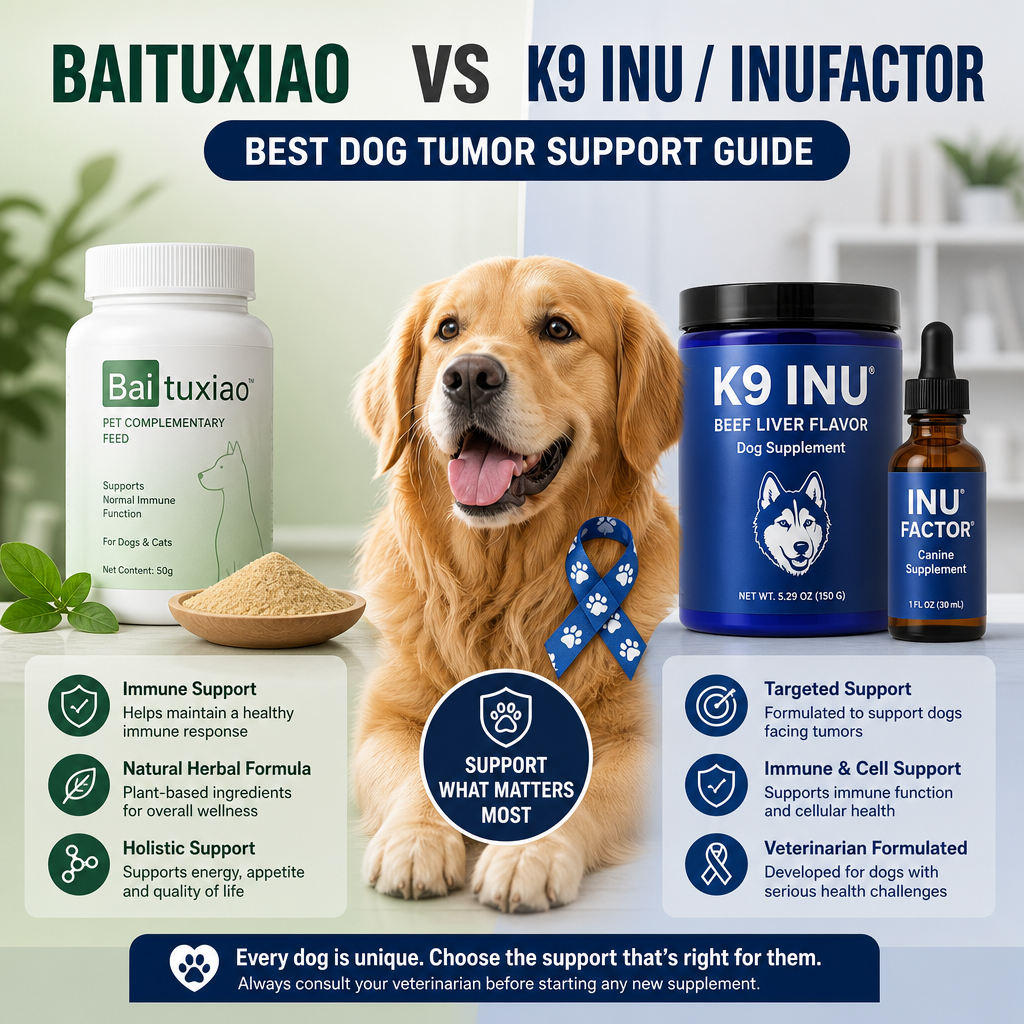
Baituxiao vs K9 INU / INUFactor is a comparison many dog owners explore after learning that their companion has a tumor or another serious health condition. Both products are commonly discussed as complementary wellness options, but they are not substitutes for veterinary diagnosis, surgery, chemotherapy, radiation, or other evidence-based treatments. The right choice depends on the dog’s diagnosis, current medications, overall health, and the veterinarian’s recommendations.
If you are comparing supplements in Sweden or anywhere else, the safest starting point is still a veterinarian-led plan. You can also review general cancer-support guidance from the American Veterinary Medical Association’s cancer in pets resource while keeping your dog’s own case front and center.
For broader context on supportive care, it can also help to review our canine cancer support guide before deciding whether any supplement belongs in your dog’s plan.
K9 INU, also known as INUFactor in some markets, is generally presented as a nutritional supplement designed to support immune function and overall vitality. Its formula may include ingredients such as medicinal mushroom extracts, plant compounds, vitamins, minerals, or other nutritional components, depending on the specific product and region.
The product is typically used as part of a broader wellness plan. Supporters often consider it for dogs dealing with chronic illness, recovery after procedures, reduced appetite, or the stress associated with long-term treatment. However, supplement formulations can change, so owners should read the current label carefully rather than relying only on descriptions found online.
The most important point in a K9 INU / INUFactor comparison is that immune support does not mean a supplement can directly eliminate a tumor. A dog’s immune system is complex, and supplements cannot be assumed to produce a predictable anticancer effect in every patient.
In practical terms, Baituxiao vs K9 INU / INUFactor often comes down to how each formula is positioned and how clearly the manufacturer explains the ingredients. That clarity matters more than any broad claim on the front of the package.
Many owners also want to know whether a supplement is meant for short-term comfort or long-term use. That distinction matters because cancer care often changes over time. A product that seems reasonable during recovery from surgery may not be appropriate during chemotherapy, and a dog’s tolerance can change as the disease progresses. This is one reason Baituxiao vs K9 INU / INUFactor should always be reviewed in the context of the full treatment plan.
Owners in Sweden may also need to consider availability, import delays, and product labeling in another language. Even when a supplement is easy to find online, the actual pack you receive may not match the description on a reseller page. Checking the label, lot number, and ingredient list before use can prevent misunderstandings later.
What is Baituxiao?
Baituxiao is another supplement frequently discussed in relation to canine tumor support. It is marketed as a traditional or natural formula containing multiple botanical and other active ingredients. Depending on the product version, the label may reference compounds associated with inflammation, cellular health, circulation, or immune balance.
Because Baituxiao may contain several concentrated herbal ingredients, the formula deserves especially careful review. Natural does not automatically mean risk-free. Herbal products can affect the liver, kidneys, blood clotting, blood pressure, digestion, or the metabolism of prescription medicines.
In a Baituxiao vs K9 INU / INUFactor review, the exact ingredient list matters more than broad marketing claims. Owners should verify the serving instructions, ingredient amounts, manufacturing information, expiration date, and quality-control statements. Products with unclear labeling make it more difficult for a veterinarian to assess safety.
For dog owners trying to understand Baituxiao vs K9 INU / INUFactor, the first question should always be whether either product fits the dog’s current treatment plan. A supplement that looks promising online may still be the wrong choice for a dog with liver disease, clotting concerns, or multiple prescriptions.
It is also worth remembering that “support” can mean very different things depending on the brand. Some products are aimed at general vitality, while others are positioned as tumor-focused formulas. That difference does not prove superiority. Instead, it tells you where each manufacturer is placing its emphasis and what type of expectation the owner may reasonably have.
If your dog has been prescribed a specific medication schedule, ask the veterinarian whether the supplement should be taken with food, away from food, or not at all. Timing matters because some ingredients may affect stomach tolerance or interfere with how certain drugs are absorbed. A careful review now is better than trying to fix a problem after side effects appear.
Baituxiao vs K9 INU / INUFactor: key differences
The two products may differ in their primary positioning, formulation style, dosing instructions, and intended use. K9 INU / INUFactor is often viewed as a general immune and nutritional support product, while Baituxiao is more commonly associated with a multi-herbal approach to tumor-related wellness.
Neither distinction proves that one product is more effective. A supplement with more ingredients is not necessarily stronger, and a simpler formula is not necessarily safer. The practical comparison should focus on the individual dog.
When Baituxiao vs K9 INU / INUFactor is evaluated properly, owners should compare the label, the manufacturer’s transparency, and the veterinarian’s view of possible interactions. That approach is more useful than comparing advertising language.
Ingredient transparency
Look for a complete label that identifies each active ingredient and its quantity. Proprietary blends can make it difficult to determine how much of each substance the dog receives. Transparent labeling allows the veterinarian to identify possible interactions and avoid duplicate ingredients.
Ingredient transparency also helps owners compare products across markets. A supplement sold under one name may have a slightly different formulation in another country, and that can change the risk profile. Baituxiao vs K9 INU / INUFactor is therefore not just a brand comparison; it is a formulation comparison.
Evidence and product quality
There is a major difference between evidence for an individual ingredient, evidence for a supplement formula, and evidence for treating a specific canine tumor. Owners should be cautious when testimonials are presented as proof. Ask whether the product has undergone independent quality testing and whether the manufacturer follows recognized manufacturing standards.
Reliable quality control is especially important when comparing Baituxiao vs K9 INU / INUFactor because the formulas may differ across regions and distributors. A product that appears familiar by name may not be identical from one market to another.
It can also help to look for batch consistency and basic manufacturing details. Even if a product is not a prescription drug, the company should still be able to explain where it is made, how it is tested, and how it is stored. Vague quality claims are not reassuring when a sick dog is involved.
Medication interactions
Dogs with tumors may receive pain relievers, steroids, antibiotics, chemotherapy drugs, anti-nausea medicines, or medications for unrelated conditions. Some herbal ingredients may increase bleeding risk, alter drug metabolism, or intensify gastrointestinal side effects. Combining several supplements can create additional concerns.
Veterinarians often rely on standard pharmacology references when checking for interaction risks, and the Merck Veterinary Manual is a useful general reference for pet health and medical background.
Because interactions are not always obvious, owners should treat every new product as a medical decision rather than a wellness accessory. The fact that a supplement is sold for dogs does not mean it is safe for every dog. Age, breed, liver function, kidney function, and concurrent medication use can all affect whether a product is sensible.
Tolerance and administration
A dog with cancer may already have nausea, diarrhea, constipation, poor appetite, or difficulty swallowing. A product that is difficult to administer or causes digestive upset may reduce quality of life. Start only under professional guidance and monitor the dog closely.
In Baituxiao vs K9 INU / INUFactor discussions, palatability and ease of dosing can matter just as much as ingredient lists. If a dog refuses the supplement or becomes ill after taking it, the theoretical benefit becomes irrelevant.
Practical administration issues are often underestimated. Powder, capsule, tablet, and liquid formats can all affect whether the dog actually receives the intended dose. If you cannot give the product consistently, it is not the right choice, no matter how attractive the marketing sounds.
Dog tumor support comparison: what should owners prioritize?
A useful dog tumor support comparison should begin with the diagnosis, not the supplement. Tumors vary widely in their behavior and treatment. A localized mass, lymphoma, mast cell tumor, bone tumor, and metastatic disease may require completely different management plans.
Before choosing a supplement, ask the veterinary team:
What type of tumor has been diagnosed?
Has the tumor been staged?
Is surgery recommended?
Could chemotherapy or radiation improve control or comfort?
Which symptoms should be monitored at home?
Could the supplement interfere with current treatment?
Are there safer ways to support appetite, hydration, mobility, or pain control?
Quality of life should remain the central goal. Appropriate nutrition, pain management, hydration, rest, emotional comfort, and timely treatment often provide more meaningful benefits than an unproven product used alone.
That is why Baituxiao vs K9 INU / INUFactor should be a secondary question after the medical plan is established. The best supportive choice is the one that fits the dog’s diagnosis and daily needs without creating new risks.
When owners compare options carefully, Baituxiao vs K9 INU / INUFactor becomes less about brand preference and more about fit, safety, and practicality. One dog may tolerate a supplement well, while another may need to avoid it entirely because of medication interactions or digestive sensitivity.
It is also wise to think about how much monitoring the dog will need once a product is started. Even a seemingly mild supplement can change stool quality, energy, or appetite. If you are unsure whether a change is caused by the supplement or by the disease itself, stop and check with the veterinarian before continuing.
In real-world care, the best dog tumor support comparison includes the logistics of daily life. Can the product be given with food? Will the dog accept the taste? Is the dose easy to measure? Those practical details can determine whether a supplement is truly usable or just attractive on paper.
Owners should also consider whether the dog is eating enough to justify a supplement that must be taken with meals. In some dogs, the right immediate priority is nutritional stabilization, not adding another product. A veterinary nutrition plan may do more for strength and recovery than any supplement chosen in isolation.
Another useful question is whether the supplement would still make sense if the diagnosis changes. Tumor care is not static. A product that seems reasonable for a slow-growing mass may become less useful after surgery, or after the oncology team changes the medication schedule. A flexible, reevaluated approach is safer than a fixed one.
Possible risks and warning signs
Supplements may cause vomiting, diarrhea, appetite changes, lethargy, itching, or allergic reactions. More serious problems can include liver injury, kidney stress, abnormal bleeding, or interactions with anesthesia and prescription medicines.
Stop the product and contact a veterinarian promptly if the dog develops repeated vomiting, black or bloody stool, pale gums, severe weakness, yellowing of the eyes or gums, difficulty breathing, facial swelling, collapse, or a sudden worsening of pain.
Do not give human cancer medications, concentrated essential oils, or multiple herbal products without veterinary approval. Dogs process many substances differently from humans, and some seemingly harmless ingredients can be toxic.
Any owner researching Baituxiao vs K9 INU / INUFactor should also remember that “more support” is not always better. When several products are used together, it becomes harder to tell which one caused a side effect or whether the combination is safe.
That caution matters even more if the dog is already receiving prescription therapy. A supplement that seems helpful at first may still create problems later if the dog’s condition changes or another medicine is added. Careful re-checks are part of responsible long-term management.
It can be helpful to write down the date the supplement was started and any symptoms that appear afterward. That simple log can make follow-up visits more productive and may help the veterinary team identify patterns that are otherwise easy to miss.
If your dog has surgery scheduled, always ask whether the supplement should be stopped beforehand. Some products may affect bleeding or anesthesia safety, and the surgical team needs a complete list of everything your dog has taken recently. This applies just as much to Baituxiao vs K9 INU / INUFactor as it does to conventional medicines.
How to make a responsible choice
When comparing Baituxiao and K9 INU / INUFactor, create a complete list of everything the dog receives, including food, treats, supplements, flea and tick products, and prescription medicines. Bring product labels or clear photographs of the packaging to the veterinarian.
Choose a product only when the ingredients are clearly disclosed, the manufacturer provides reliable quality information, and the veterinary team believes it is appropriate for the dog’s condition. Use the recommended amount, avoid stacking similar products, and keep a record of appetite, stool quality, energy, weight, and other symptoms.
If you are still weighing Baituxiao vs K9 INU / INUFactor, make the decision based on safety, compatibility, and the dog’s overall care plan rather than on marketing promises. A conservative choice is often the best choice.
Most importantly, treat these products as optional supportive tools rather than primary tumor therapies. A supplement may have a place in an individualized care plan, but it should never delay diagnosis or replace a treatment with established veterinary benefits. A careful, veterinarian-guided approach offers the best balance between hope, safety, and meaningful support for a dog living with cancer.
It is also reasonable to ask the veterinarian what success would look like. For some dogs, the goal may be better appetite or more comfortable days at home. For others, the goal may be to support recovery while the oncology plan continues. Clear goals make it easier to judge whether a product is truly helping or simply adding complexity.
Keep in mind that supportive care can be layered. A thoughtful diet, pain control, anti-nausea medication, mobility support, and stress reduction may work together more effectively than any single supplement. The question is not only which product sounds better, but which overall plan is likely to keep the dog comfortable and stable.
For many owners, the best outcome is not choosing the most aggressive supplement; it is choosing the least risky option that still supports the dog’s comfort. That approach aligns well with Baituxiao vs K9 INU / INUFactor because it prioritizes evidence, practicality, and safety over hype.
In the end, Baituxiao vs K9 INU / INUFactor is not about finding a miracle product. It is about choosing the safest, most sensible support for a dog already facing a serious illness. When in doubt, ask your veterinarian to review the label, the diagnosis, and the treatment schedule before you start anything new.
For Swedish dog owners, that final step is especially important if the product must be imported or ordered through a reseller. Availability should never outrank medical suitability, and a well-informed veterinary recommendation is the best safeguard against unnecessary risk.
If you are still uncertain after reviewing both options, step back and compare them against the same standard: clear ingredients, known quality control, low interaction risk, and a realistic role in the dog’s care. That is the most practical way to decide whether either product belongs in the plan at all.
By keeping the focus on the dog’s actual condition, you can evaluate Baituxiao vs K9 INU / INUFactor with less confusion and more confidence. The final decision should support the veterinary treatment plan, not compete with it.