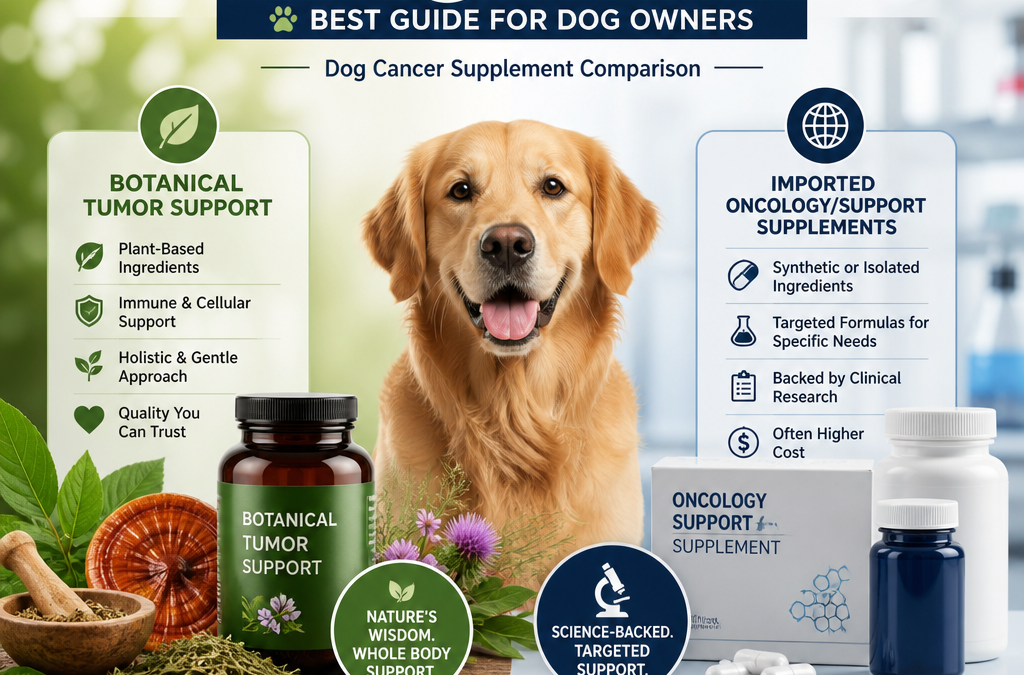
Botanical Tumor Support vs Imported Oncology/Support Supplements: 7 Best Guide for Dog Owners

Botanical Tumor Support vs Imported Oncology/Support Supplements: 7 Best Guide for Dog Owners

Botanical tumor support vs Imported oncology/support supplements is an important comparison for dog owners exploring complementary care during a cancer diagnosis. Although supplements may help support nutrition, comfort, or general well-being, they are not substitutes for veterinary oncology, surgery, chemotherapy, radiation, or other evidence-based treatments. The safest choice depends on the dog’s diagnosis, current medications, organ health, treatment goals, and the quality of the product itself.

Understanding the dog cancer supplement comparison
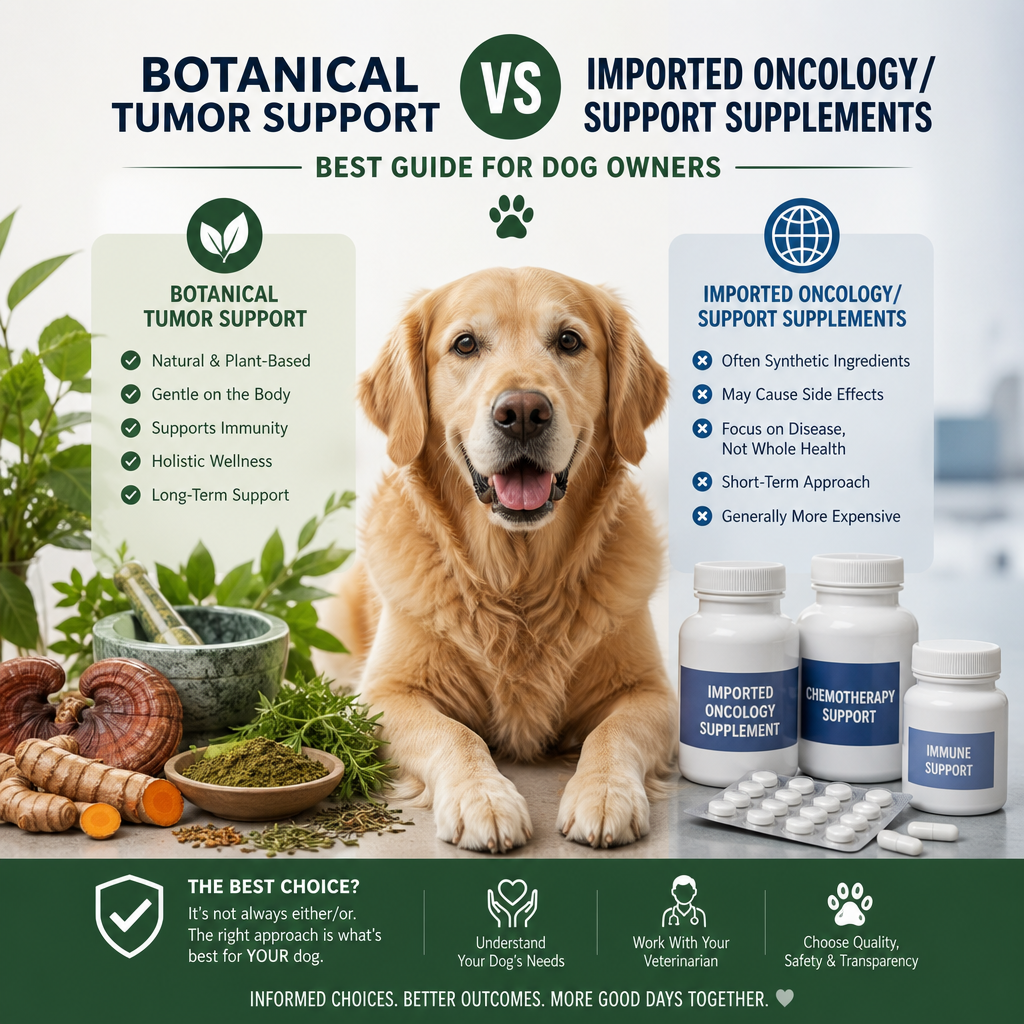
botanical tumor support vs Imported oncology/support supplements illustration

A dog cancer supplement comparison should begin with realistic expectations. Most supplements are designed to support a specific area of health rather than eliminate a tumor. Products may aim to support appetite, digestion, immune function, antioxidant balance, mobility, or recovery during treatment. However, marketing language can make supportive products sound like cancer cures, which may lead owners to delay appropriate veterinary care.

“Botanical tumor support” generally refers to formulas containing plant-derived ingredients such as medicinal mushrooms, turmeric compounds, green tea extracts, milk thistle, or other herbs. Imported oncology or support supplements may contain similar ingredients, but they can also include specialized compounds, vitamins, minerals, enzymes, or blends developed and manufactured in another country. The label’s origin alone does not determine whether a product is effective or safe.

For dog owners in Malta, the decision often comes down to transparency, veterinary guidance, and whether the supplement fits the dog’s treatment plan. When evaluating botanical tumor support vs Imported oncology/support supplements, it helps to focus on what the product actually does, not just how it is advertised. That same mindset is useful when comparing products for appetite support, liver support, joint comfort, or immune modulation, because the best choice is the one that matches the dog’s needs and treatment goals.

It is also helpful to remember that cancer care is not only about the tumor itself. Dogs may lose weight, feel nauseous, sleep more, or become less active during treatment, and these changes can influence which supplement category seems most appealing. In some cases, a simple supportive formula is enough to help with comfort and nutrition. In other cases, a more carefully selected imported product may offer clearer dosing, better labeling, or stronger manufacturing controls. The point is not to choose based on trends, but to choose based on the dog’s situation.

Good decision-making starts with a complete picture of the dog’s age, cancer type, stage, current medications, laboratory results, and concurrent health problems. A dog with liver changes, for example, may need a very different support approach from a dog with a tumor but otherwise normal bloodwork. For that reason, botanical tumor support vs Imported oncology/support supplements should be viewed as part of a broader veterinary plan rather than a stand-alone solution.

Botanical tumor support: potential benefits and limitations

Botanical formulas appeal to many owners because they are associated with traditional medicine and naturally occurring compounds. Some botanical ingredients have been investigated in laboratory, animal, or limited clinical research for antioxidant, anti-inflammatory, or immune-modulating activity. For example, certain mushroom extracts are studied for compounds that may influence immune signaling, while milk thistle is commonly used in products intended to support liver function.

However, laboratory findings do not automatically translate into meaningful tumor control in dogs. A compound may affect cancer cells in a test tube but have limited absorption, inconsistent dosing, or different effects inside a living animal. The available evidence may also vary substantially by cancer type, product formulation, and dose.

Another challenge is standardization. Two products may list the same herb but contain different concentrations of active compounds. Extraction methods, growing conditions, storage, and processing can all influence potency. A high-quality botanical supplement should identify the source, standardized constituents when applicable, recommended dosing, lot information, expiration date, and independent testing.

Natural does not mean risk-free. Botanicals can cause digestive upset, allergic reactions, sedation, changes in blood pressure, or effects on the liver and kidneys. Some may influence blood clotting or alter how prescription medications are metabolized. These concerns are especially important before surgery or when a dog is receiving chemotherapy, steroids, pain medication, anticoagulants, or other treatments.

Owners comparing botanical tumor support vs Imported oncology/support supplements should also remember that a traditional ingredient can still be poorly formulated. A well-known herb in a weak or contaminated product may be less useful than a carefully manufactured imported formula with stronger quality control. In practical terms, the best botanical product is usually the one that is transparent, conservatively dosed, and easy for the veterinary team to review.

There are situations where botanical support can be a reasonable part of care, especially when the goal is to support digestion, appetite, or general resilience rather than to treat the cancer directly. Even then, the supplement should be treated like any other active product. Owners should not assume that “gentle” or “plant-based” automatically means safe in every patient, particularly in dogs with chronic illness or dogs taking multiple medications.

One common problem is overestimating what botanical products can accomplish. A supportive herb or mushroom extract may help a dog feel better, but it will not replace surgery for a removable mass, chemotherapy for a systemic disease, or pain control for a painful tumor. If a product is advertised as a cure, the claim should be viewed with caution. A realistic evaluation of botanical tumor support vs Imported oncology/support supplements always begins with what the product can and cannot reasonably do.

Imported oncology and support supplements

Imported oncology or support supplements may offer sophisticated formulations and concentrated ingredients. Some are produced by companies with extensive research programs, veterinary distribution networks, or manufacturing standards that exceed basic supplement requirements. Certain products may also provide detailed technical information, certificates of analysis, and veterinary dosing guidance.

At the same time, imported products can be difficult to evaluate when labeling is incomplete or written according to regulations that differ from those in the owner’s country. Ingredient names, serving sizes, quality standards, and claims may not be directly comparable. A product sold online may also be exposed to heat, humidity, or prolonged shipping, potentially affecting stability.

Owners should be cautious with products that make strong claims such as “shrinks tumors,” “replaces chemotherapy,” or “works for every type of cancer.” These statements are warning signs, particularly when they are supported mainly by testimonials rather than controlled veterinary research. A reputable supplement company should clearly explain intended use, limitations, contraindications, and manufacturing controls.

For additional background on canine cancer warning signs, this guide from VCA Hospitals on cancer in dogs is a useful starting point for owners who want to understand symptoms and treatment considerations before choosing supportive products.

Imported formulas can sometimes be more consistent than locally sourced alternatives because they may come from companies that specialize in veterinary supplements and invest in quality assurance. Still, imported does not automatically mean superior. If the product is difficult to verify, lacks clear batch information, or uses vague proprietary blends, then its origin offers little advantage. The better question is whether the supplement can be traced, explained, and safely used alongside the dog’s current care.

Another practical issue is access. Some imported supplements are expensive, hard to reorder, or unavailable in a timely way if the dog does well on them. That matters because consistency is important in supportive care. If the owner cannot reliably obtain the same formula, a veterinary team may prefer a more stable and locally accessible option, provided it meets quality standards. In this sense, the choice between botanical tumor support vs Imported oncology/support supplements should include cost, availability, and continuity of care, not just the label or the marketing story.

Key factors in choosing between supplement types

The most useful way to approach botanical tumor support vs Imported oncology/support supplements is to compare evidence and quality rather than country of origin. Consider the following factors:

Ingredient transparency

The label should list every active and inactive ingredient, amounts per serving, and the form used. Proprietary blends that hide individual quantities make it difficult to assess dosing or identify possible interactions.

Manufacturing quality

Look for good manufacturing practice standards, batch or lot numbers, expiration dates, and independent testing for contamination. Testing should address heavy metals, pesticides, microbes, and, where relevant, potency and adulteration.

Veterinary compatibility

The product should be reviewed by the veterinarian managing the dog’s cancer. A veterinary oncologist or integrative veterinary professional can assess whether the supplement fits the dog’s treatment plan.

Evidence and intended purpose

Ask what the product is actually intended to support. A supplement for appetite, joint comfort, or liver support should not be presented as a direct antitumor therapy. Evidence is more useful when it relates to the exact ingredient, dose, formulation, and condition being treated.

Dose and patient-specific risks

A dose appropriate for one dog may be unsuitable for another. Small dogs, senior dogs, dogs with liver or kidney disease, and dogs taking multiple medications require particular caution. Children and dogs may also be exposed accidentally if products are stored carelessly, especially when formulas contain concentrated extracts or sweeteners that are unsafe for pets.

When you compare products, it can help to think in terms of four questions: Is the ingredient list clear? Is the quality verified? Does the product have a plausible purpose for this dog? And can it be used safely with the current treatment plan? If the answer to any of these questions is uncertain, the product deserves a more cautious review. That cautious approach is especially important for botanical tumor support vs Imported oncology/support supplements because both categories can be marketed with persuasive language that hides real limitations.

Owners sometimes assume that a larger ingredient list means a stronger product. In practice, more ingredients can mean more uncertainty, more opportunities for interactions, and less clarity about which component is helping. A carefully selected single-ingredient formula may be easier to monitor than a complex blend, especially when a dog is already receiving prescription treatment.

It is also wise to ask whether the product has a reasonable shelf life and how it should be stored in warm or humid conditions. In Malta, storage conditions matter more than many owners realize. Heat and moisture can affect powder stability, capsule integrity, and liquid formulations. Even a well-made product can underperform if it is not stored correctly, which is another reason the product’s practical handling matters as much as its origin.

Possible interactions with cancer treatment

Supplements can affect cancer care in several ways. Antioxidant-heavy products may theoretically interfere with treatments that rely partly on oxidative damage, although the clinical importance depends on the specific drug and dose. Herbs that affect liver enzymes may change medication levels in the bloodstream. Ingredients that influence clotting can increase surgical or bleeding risks. Minerals and fiber may also affect absorption of certain medications.

For these reasons, owners should provide the veterinary team with the complete product label, not just the brand name. It is often wise to stop nonessential supplements before a planned procedure, but the timing should be determined by the veterinarian. Never discontinue prescribed cancer medication in favor of a supplement without professional guidance.

When discussing botanical tumor support vs Imported oncology/support supplements, it is also useful to ask whether the product has any published interaction data. Even limited evidence can help a veterinarian decide if the supplement should be avoided, delayed, or monitored more closely during treatment.

Potential interactions are not limited to prescription chemotherapy. Supplements can also interact with anesthetics, anti-nausea drugs, pain medications, anticonvulsants, steroids, and thyroid medication. Some products may seem harmless because they are sold as wellness formulas, yet their active compounds can still alter metabolism or organ function. That is why a label review is never optional when cancer treatment is underway.

Dog owners should also pay attention to symptoms that could signal a problem after starting a new product. Vomiting, diarrhea, sudden lethargy, bruising, unusual thirst, poor appetite, or yellowing of the gums are all reasons to contact the veterinarian promptly. If any of these signs appear soon after a new supplement is introduced, the product may need to be stopped until the team can assess the situation.

A practical decision-making approach

Start by identifying the dog’s diagnosis, stage, treatment plan, and current symptoms. Next, define a specific supportive goal, such as maintaining calorie intake, easing gastrointestinal upset, supporting mobility, or addressing a documented nutritional deficiency. Avoid adding several products at once because doing so makes it difficult to determine which one caused a benefit or side effect.

Introduce only one new supplement at a time, use the recommended dose, and monitor appetite, stool quality, energy, drinking, urination, skin changes, and any signs of pain or bleeding. Report vomiting, diarrhea, weakness, jaundice, unusual bruising, or sudden behavioral changes promptly.

A balanced diet, adequate hydration, pain control, prescribed treatment, emotional comfort, and regular veterinary monitoring usually have a greater effect on quality of life than an unverified supplement. In many cases, the best product is not the one with the longest ingredient list but the one with transparent labeling, reliable testing, a clear purpose, and veterinary oversight.

Dog owners often ask whether imported products are automatically better than botanical formulas. In reality, botanical tumor support vs Imported oncology/support supplements should be weighed by safety, consistency, and fit for the individual dog rather than by assumptions about what sounds more advanced or more natural. A product that matches the dog’s symptoms and works with the treatment plan is usually more valuable than one that simply appears modern or traditional.

If the dog is already on a carefully managed cancer protocol, a supplement should be added only when it has a clear reason to be there. For example, a dog with reduced appetite may benefit from nutritional support, while a dog with a sensitive stomach may need a gentler formula or no supplement at all. The goal is to make life easier for the dog, not to create another variable to monitor.

Keeping a simple log can be very helpful. Note the product name, dose, start date, and any changes in appetite, stool quality, energy, or comfort. This record gives the veterinarian a clearer picture of whether the product is helping. It also reduces guesswork when several supportive measures are being considered. In complex cases, that level of organization can make botanical tumor support vs Imported oncology/support supplements much easier to compare in a meaningful way.

Helpful questions to ask before buying

Before choosing a product, ask the seller or veterinary team the following questions:

  • What is the exact intended use of this supplement?
  • Are all ingredients and amounts listed clearly on the label?
  • Has the product been tested for contaminants and potency?
  • Is there any evidence in dogs, not only in cell or laboratory studies?
  • Could this product interact with my dog’s prescriptions or upcoming procedure?
  • How should the supplement be stored in Malta’s climate to preserve stability?

These questions can quickly separate serious products from vague marketing. They also make it easier to compare botanical tumor support vs Imported oncology/support supplements without relying on packaging claims alone.

If you are still undecided after asking these questions, a good next step is to ask the veterinarian whether the goal is symptom support, nutritional support, or possible anti-inflammatory support. A product that fits one of those goals clearly may be worth a trial, while a product with no clear purpose usually is not. That kind of filtering keeps the plan focused and reduces the chance of unnecessary supplements.

Owners can also ask whether a product has any official batch testing, a recognizable manufacturer, or a published contact point for product safety questions. Companies that stand behind their formula are usually willing to provide more than marketing language. This can be particularly helpful if you are comparing a locally available botanical formula with an imported product that seems more polished on paper but is harder to verify in practice.

What good supportive care looks like

Supportive care works best when it is practical and measurable. That means setting a realistic goal, such as improved appetite, steadier weight, less nausea, or better energy, and then tracking whether the supplement actually helps. If there is no clear benefit after a reasonable trial, the product may not be worth continuing.

Supportive care also means keeping the whole dog in view. Senior dogs with cancer may need joint support, digestive support, and appetite support at the same time, but the best plan is still one that is simple enough to monitor. If you are already reading about senior dog cancer care, it may help to review broader guidance such as senior dog cancer risks and aging dog health alongside supplement choices.

Because owners sometimes search for botanical tumor support vs Imported oncology/support supplements when they are overwhelmed by choices, the safest answer is usually the same: choose the product with the clearest evidence, the cleanest label, and the strongest veterinary oversight.

Good supportive care also respects the limits of supplements. Even a well-chosen product cannot correct every issue in a cancer patient. A dog may still need pain medication, anti-nausea treatment, dietary changes, or a modified exercise routine. When supplements are used as one small part of a complete plan, they are more likely to be helpful. When they are treated as a replacement for diagnosis or treatment, the risk to the dog increases.

In many households, the simplest supportive plan is also the best one. One supplement, one purpose, one monitoring process, and one supervising veterinarian often produces better results than a long list of products with overlapping claims. This is especially true when owners are trying to decide between botanical tumor support vs Imported oncology/support supplements and need a clear, manageable path forward.

Final perspective

Botanical tumor support vs Imported oncology/support supplements should be evaluated through the same essential standards: safety, evidence, quality, transparency, and compatibility with veterinary treatment. Plant-based ingredients can be useful in selected situations, and imported formulas may offer valuable research or manufacturing expertise, but neither category is automatically superior.

The most responsible dog cancer supplement comparison focuses on the individual patient rather than promotional claims. Supplements may play a supportive role when carefully selected, but cancer care should remain centered on an accurate diagnosis, an individualized treatment plan, and ongoing communication with the veterinary team.

For dog owners in Malta, that approach is especially important because the best choice may differ based on availability, shipping conditions, and local veterinary recommendations. With the right guidance, botanical tumor support vs Imported oncology/support supplements can be compared in a way that supports your dog’s health without replacing proven treatment.

To summarize the decision simply: choose products that are transparent, clinically reasonable, and easy to monitor. Avoid products that promise cure-level results or hide key details behind a polished label. When in doubt, ask the veterinary team to review the formula before starting it. That small step can prevent unnecessary risk and make supportive care more effective over time.
Herbal Supplements for Dogs With Cancer: 7 Powerful Natural Support Tips

Herbal Supplements for Dogs With Cancer: 7 Powerful Natural Support Tips

Herbal Supplements for Dogs With Cancer may offer supportive benefits, but they should never replace veterinary diagnosis, surgery, chemotherapy, radiation, or other recommended treatments. Some plants and botanical compounds may help maintain appetite, digestion, comfort, or general wellbeing, while others can interfere with medications or create serious health risks. The safest approach is to view herbal care as complementary support guided by a veterinarian familiar with your dog’s complete medical history.

Understanding Herbal Dog Tumour Support

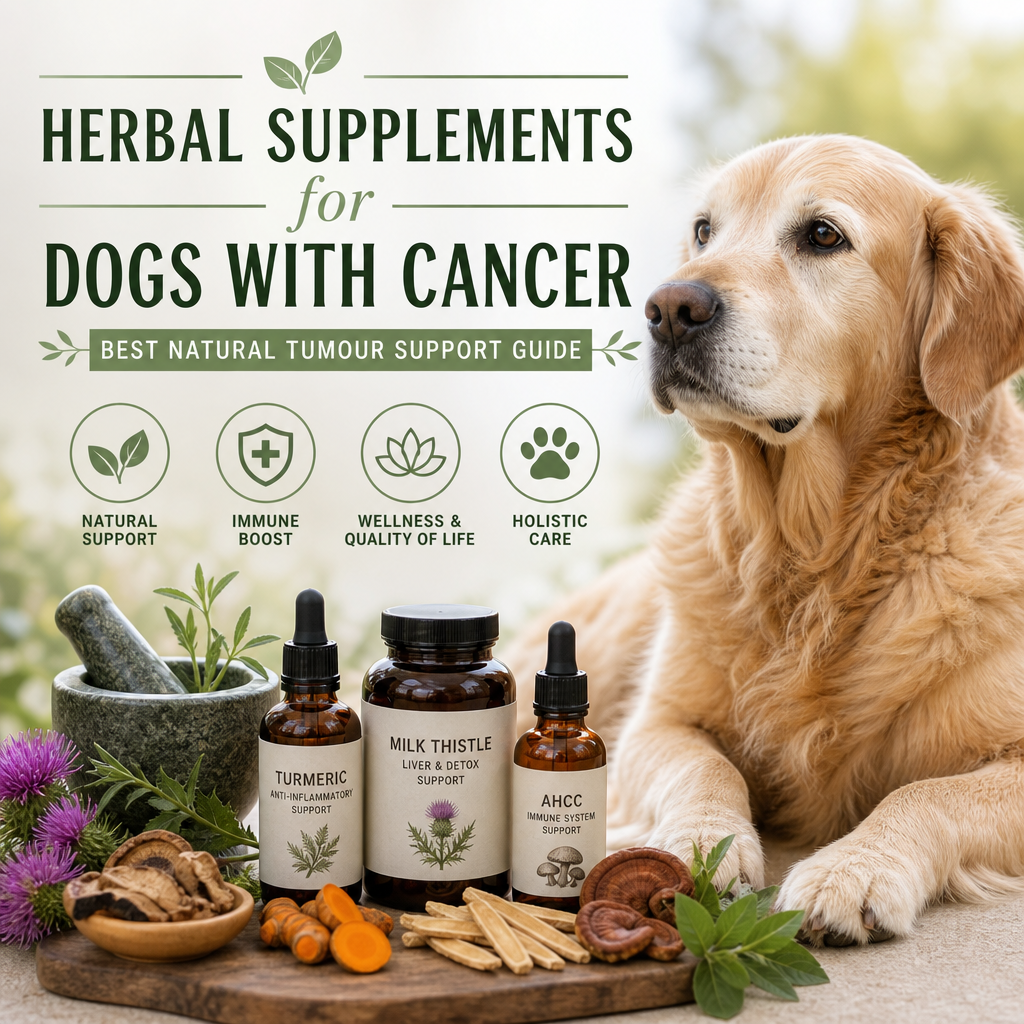
herbal supplements for dogs with cancer illustration

Cancer affects dogs in many different ways. A tumour may be benign or malignant, localized or widespread, slow-growing or aggressive. Treatment depends on the type, stage, location, and overall health of the dog. Because of this variation, there is no single dog tumour supplement that works for every patient.

Herbal Supplements for Dogs With Cancer are often used to support areas such as appetite, digestion, and comfort during treatment. Some owners also look for help with normal inflammatory balance, liver function, stress, relaxation, energy, and overall quality of life.

These goals are supportive rather than curative. Claims that an herb can dissolve tumours, replace cancer treatment, or guarantee remission should be treated with caution. A product being labelled “natural” does not automatically mean it is safe, effective, or appropriate for a dog receiving conventional medication.

For a broader overview of tumour types and warning signs in dogs, see a veterinary guide to anal sac cancer in dogs.

Common Herbs Used in Supportive Care

Several botanical ingredients are frequently discussed in canine cancer support. Their suitability depends on the dog, the cancer type, current treatments, and product quality. That is why herbal supplements for dogs with cancer should be chosen carefully rather than added at random.

Turmeric and curcumin

Curcumin is a compound found in turmeric and is studied for its antioxidant and inflammation-modulating properties. It is commonly included in supplements designed to support mobility and normal inflammatory responses. However, curcumin may affect blood clotting and can interact with certain drugs. Absorption is also inconsistent, so formulations vary considerably in quality.

In practical use, herbal supplements for dogs with cancer are most useful when they are part of a targeted plan rather than a guess based on trends. Even a well-known ingredient can be unsuitable if the dog is already receiving medication that raises bleeding risk.

Milk thistle

Milk thistle contains silymarin, a compound often used to support normal liver function. It may be considered when a dog’s liver is under stress, although it should not be used automatically or assumed to protect against every medication-related complication. Veterinary monitoring and blood tests remain important.

Ginger

Small amounts of ginger may help some dogs with nausea or digestive discomfort. It can also affect clotting and may not be suitable before surgery or alongside particular medications. Dogs with sensitive stomachs may react poorly to concentrated products.

Medicinal mushrooms

Mushrooms such as turkey tail, reishi, shiitake, and maitake are often marketed for immune support. Research into mushroom-derived compounds is ongoing, and some evidence is promising, but products differ widely in purity, extraction method, and concentration. Immune-active supplements may not be appropriate for every tumour or for dogs taking immunosuppressive medication.

Hemp-derived products

Veterinary hemp products are sometimes used for discomfort, anxiety, or restlessness. They are not a cure for cancer, and quality control is essential. Products may contain inaccurate amounts of active compounds or contaminants. Dogs can experience sedation, digestive upset, or changes in liver enzymes, so veterinary supervision is strongly recommended.

Before buying any hemp product, it helps to review the source information offered by the American Veterinary Medical Association and then confirm whether the formula fits your dog’s current treatment plan.

Safety Comes Before Supplementation

Before adding herbal supplements for dogs with cancer, provide your veterinarian with a complete list of everything your dog receives. This includes prescription medication, over-the-counter products, vitamins, treats, and herbal blends. Interactions can occur even when each individual ingredient appears harmless.

Potential concerns include:

  • Increased bleeding risk
  • Excessive sedation
  • Changes in blood pressure
  • Liver or kidney strain
  • Altered drug absorption
  • Reduced effectiveness of chemotherapy
  • Worsening of vomiting or diarrhoea
  • Allergic reactions
  • Complications during surgery

Avoid essential oils by mouth unless specifically prescribed by a veterinary professional. Many essential oils are toxic to dogs, particularly in concentrated form. Human supplements should also be avoided unless a veterinarian has confirmed the ingredients and dose are appropriate. Some products contain xylitol, high levels of vitamin D, iron, or other substances that can be dangerous.

Choosing a Dog Tumour Supplement

A responsible purchasing process is just as important as selecting the ingredient. Look for products made by companies that provide clear labels, batch information, storage instructions, and independent testing. The label should identify the exact ingredients and amounts rather than relying on vague terms such as “proprietary blend.”

Consider the following questions:

  1. Has the product been tested for heavy metals, pesticides, bacteria, and other contaminants?
  2. Does the manufacturer provide a certificate of analysis?
  3. Is the product intended specifically for dogs?
  4. Are serving instructions based on body weight?
  5. Does the company make unrealistic claims about curing cancer?
  6. Can your veterinarian review the full ingredient list?

Introduce only one new product at a time. This makes it easier to identify side effects and determine whether the supplement is helping. Keep a simple record of appetite, stool quality, vomiting, energy, pain, sleep, and any unusual behaviour.

Herbal Supplements for Dogs With Cancer should also be considered alongside the dog’s breed risk, age, and medical history. Owners of high-risk breeds often look for early guidance, such as the resources on common cancers in this breed and Cavalier cancer risks, because prevention and early monitoring matter as much as product selection.

Nutrition and Comfort Remain Central

Herbal support cannot compensate for inadequate nutrition, uncontrolled pain, or untreated nausea. Dogs with cancer may benefit from a complete, highly digestible diet tailored to their condition. Some need calorie-dense meals, while others require adjustments for kidney, liver, gastrointestinal, or pancreatic disease.

Your veterinarian may recommend nutritional counselling, appetite support, anti-nausea medication, pain relief, or hydration strategies. These measures often have a more immediate and measurable effect on quality of life than an untested supplement.

Gentle exercise, a quiet resting area, regular routines, and positive interaction can also help preserve wellbeing. Monitoring changes early allows the veterinary team to adjust treatment before discomfort becomes severe.

Supportive daily care can be easier to maintain when owners build a routine that includes medication timing, meal tracking, and symptom notes. A practical example is the wellness routine for dogs, which can help families keep care consistent during treatment.

Integrating herbal supplements for dogs with cancer into daily care

The best results usually come from pairing herbal supplements for dogs with cancer with a stable daily routine. That means giving products at the same time each day, watching for appetite or stool changes, and checking whether the dog seems more comfortable or more tired after starting a new formula. Small observations can help your veterinary team decide whether the supplement is worth continuing.

It also helps to think about the whole treatment plan. If your dog is receiving medication for pain, nausea, or inflammation, a supplement that seems harmless may still change how those drugs work. In that case, herbal supplements for dogs with cancer should be treated as part of the medical plan, not a separate wellness trend.

When owners keep the plan simple, they can spot patterns more easily. For example, if a dog eats better after starting a gentle supplement but begins to vomit after a dose increase, the change is easier to identify and discuss with the veterinarian. That kind of careful tracking supports safer decisions and better comfort.

Signs That Require Veterinary Attention

Stop a supplement and contact a veterinarian if your dog develops repeated vomiting, severe diarrhoea, facial swelling, breathing difficulty, collapse, marked weakness, yellowing of the eyes or gums, unusual bruising, or a sudden change in thirst or urination. These signs may indicate an adverse reaction or progression of disease.

Regular examinations and laboratory testing are particularly important for dogs receiving cancer treatment. Bloodwork can help assess liver and kidney function, detect anaemia, and identify changes that may not yet be visible at home.

If your dog has a breed-related tumour risk, early monitoring can be especially valuable. For example, owners can learn more about early warning signs in Airedale Terrier cancer risks, which reinforces why prompt veterinary checks matter.

A Balanced Approach to Natural Support

The best herbal dog tumour support plan is individualized, transparent, and evidence-aware. Herbs may have a place in a broader care programme, especially when the goal is to maintain comfort and daily function. However, supplements should be selected according to the dog’s diagnosis and treatment plan rather than based solely on testimonials or internet claims.

Work with a veterinarian before starting any herbal product, choose tested formulations, introduce changes gradually, and continue appropriate cancer care. With careful monitoring and realistic expectations, supportive supplements may complement treatment while keeping safety and quality of life at the centre of every decision.

When owners compare options carefully, herbal supplements for dogs with cancer can be part of a thoughtful support plan, not a replacement for proven veterinary treatment. The most useful results usually come from combining medical care, nutrition, monitoring, and realistic goals.

The Benefits of Red Peony Root for Pets with Tumors

The Benefits of Red Peony Root for Pets with Tumors

Traditional Chinese medicine (TCM) has long utilized herbal remedies to promote healing, and one such herb gaining attention for its potential benefits in managing tumors in pets is Red Peony Root (Paeonia lactiflora). Known for its anti-inflammatory, antioxidant, and blood circulation-enhancing properties, Red Peony Root can play an important role in providing natural support for pets dealing with tumors. From reducing pain and swelling to helping manage abnormal cells, this herbal remedy offers a holistic approach to improving your pet’s quality of life.

In this article, we’ll explore the various ways Red Peony Root can benefit pets with tumors, focusing on its potential to relieve symptoms and support overall health during treatment.

How Red Peony Root Supports Pets with Tumors

  1. Relieves Pain and Reduces Swelling
    One of the key benefits of Red Peony Root is its ability to alleviate pain and reduce inflammation, both of which are common concerns for pets suffering from tumors. Tumors, particularly those affecting the joints, muscles, or organs, can cause discomfort and swelling. Red Peony Root contains natural compounds that act as anti-inflammatory agents, helping to ease pain and improve mobility in pets. This makes it an excellent complementary treatment for pets experiencing tumor-related pain.
  2. Supports Healthy Blood Circulation
    Proper blood circulation is vital for the overall health of any pet, and it becomes especially important when managing tumors. Stagnant blood flow can contribute to the formation of abnormal cells and increase swelling. Red Peony Root has been used traditionally to promote smooth blood circulation, which helps deliver essential nutrients and oxygen to tissues while supporting the body’s natural detoxification processes. By promoting better circulation, this herb aids in reducing inflammation and improving healing in pets undergoing tumor treatment.
  3. Helps Manage Abnormal Cells
    One of the most intriguing benefits of Red Peony Root is its potential role in managing abnormal cell growth, which is a hallmark of cancer. Research suggests that certain compounds in Red Peony Root, such as paeoniflorin, may have properties that inhibit the proliferation of abnormal cells, potentially slowing down tumor growth. While it’s important to note that herbal remedies like Red Peony Root are not a substitute for veterinary cancer treatments, they may serve as a supportive tool in helping manage cancer in pets.
  4. Antioxidant Benefits
    Pets with tumors are often exposed to oxidative stress due to the rapid division of abnormal cells and the side effects of treatments like chemotherapy or radiation. Red Peony Root contains powerful antioxidants that help neutralize free radicals, which are harmful molecules that can damage cells and contribute to inflammation. By offering antioxidant protection, Red Peony Root may help support your pet’s immune system and overall health during cancer treatment.

Using Red Peony Root Safely for Pets

While Red Peony Root offers many potential benefits for pets with tumors, it’s important to use this herb under the guidance of a veterinarian experienced in herbal medicine. Dosing and administration should be carefully monitored to ensure your pet receives the appropriate amount for their size and condition. Red Peony Root is typically administered as part of a broader treatment plan that may include other herbal remedies, medications, and conventional therapies such as surgery, chemotherapy, or radiation.

Integrating Red Peony Root into Your Pet’s Tumor Management Plan

Here are a few ways to integrate Red Peony Root into your pet’s overall cancer care plan:

  1. Consult a Veterinary Herbalist: Work closely with a veterinarian who specializes in TCM or holistic pet care to determine how Red Peony Root can be incorporated into your pet’s treatment. The vet may recommend combining it with other herbs to maximize its effectiveness in reducing pain and supporting cell health.
  2. Monitor Symptoms and Progress: Keep a close eye on your pet’s symptoms while using Red Peony Root, particularly in relation to pain, swelling, and mobility. Regular vet visits and monitoring of tumor size and health markers are crucial to ensure the treatment is having the desired effect.

Red Peony Root offers a promising natural option for supporting pets with tumors. From relieving pain and reducing swelling to promoting healthy blood circulation and helping manage abnormal cells, this ancient herb provides a range of benefits that can enhance your pet’s quality of life. When used as part of a holistic tumor management plan under veterinary guidance, Red Peony Root can help alleviate discomfort and support your pet’s overall health throughout their cancer journey.

Whether you’re looking to reduce inflammation, ease pain, or support your pet’s immune system during cancer treatment, Red Peony Root is a valuable tool to consider in their care plan.

Natural and Holistic Approaches to Treating Lymphoma in Dogs

Natural and Holistic Approaches to Treating Lymphoma in Dogs

Lymphoma is a common and aggressive cancer in dogs that affects the lymphatic system, including lymph nodes, spleen, and bone marrow. While conventional treatments like chemotherapy and radiation are often used, many pet owners are exploring natural and holistic approaches to manage and treat this condition. This article delves into various natural treatments that can complement traditional methods, aiming to enhance the quality of life and potentially improve outcomes for dogs diagnosed with lymphoma.

Understanding Canine Lymphoma

Lymphoma in dogs is a type of cancer that originates in the lymphocytes, a kind of white blood cell crucial to the immune system. It can manifest in various forms, with the most common being multicentric lymphoma, which affects multiple lymph nodes. Symptoms often include swollen lymph nodes, lethargy, weight loss, and loss of appetite. Early diagnosis and a comprehensive treatment plan are vital for managing the disease effectively.

Conventional Treatments for Lymphoma

Traditional treatments for canine lymphoma typically involve chemotherapy, which aims to reduce tumor size and prolong the dog’s life. While chemotherapy can be effective, it often comes with side effects such as nausea, vomiting, and weakened immune function. This has led many pet owners to seek complementary natural treatments to support their dogs during and after conventional therapy.

Natural and Holistic Treatments

  1. Diet and Nutrition:
    • Anti-inflammatory Diet: Feeding a diet rich in anti-inflammatory foods can help manage symptoms and improve overall health. Incorporate fresh vegetables, lean meats, and omega-3 fatty acids from sources like fish oil.
    • Low Carbohydrate Diet: Since cancer cells thrive on sugars, a low-carbohydrate diet can help starve cancer cells and slow their growth.
  2. Herbal Supplements:
    • TCMVET Baituxiao: This herbal formula has shown promise in managing tumor growth and enhancing vitality in dogs with lymphoma. It is designed to support the immune system and promote overall health.
    • Turkey Tail Mushrooms: Known for their immune-boosting properties, turkey tail mushrooms can help improve the body’s ability to fight cancer. They contain polysaccharopeptides, which are believed to inhibit tumor growth.
  3. Holistic Therapies:
    • Acupuncture: This ancient Chinese practice can help alleviate pain and improve energy flow within the body. It is often used to manage side effects of chemotherapy and enhance the dog’s quality of life.
    • Massage Therapy: Regular massages can reduce stress, improve circulation, and enhance the immune system. It also provides comfort and relaxation to dogs undergoing cancer treatment.
  4. Antioxidants and Vitamins:
    • Vitamin C and E: These antioxidants can help combat oxidative stress and support the immune system. They may also reduce the side effects of conventional cancer treatments.
    • Beta-glucans: Found in mushrooms like maitake and shiitake, beta-glucans boost the immune response and have shown potential in fighting cancer cells.
  5. Lifestyle Changes:
    • Regular Exercise: Gentle, regular exercise helps maintain muscle mass and overall health. It also boosts the dog’s mood and energy levels.
    • Stress Reduction: Creating a calm and stress-free environment is crucial. Stress can weaken the immune system, making it harder for the body to fight cancer.

Integrating Natural Treatments with Conventional Care

While natural and holistic treatments can offer numerous benefits, they should not replace conventional veterinary care. Instead, they should be integrated into a comprehensive treatment plan developed by your veterinarian. Always consult with a veterinary oncologist before starting any new treatment regimen to ensure it is safe and appropriate for your dog’s specific condition.

Conclusion

Lymphoma in dogs is a challenging diagnosis, but a combination of conventional and natural treatments can provide hope and improve the quality of life for affected pets. By incorporating a balanced diet, herbal supplements, holistic therapies, and lifestyle changes, pet owners can support their dogs through their cancer journey. Always work closely with your veterinarian to tailor the best possible treatment plan for your furry friend.

By focusing on natural and holistic approaches alongside conventional treatments, we can offer our dogs a better chance at living a healthier, happier life despite their lymphoma diagnosis.

Can Chinese Herbs Shrink Tumors in Dogs? Exploring Natural Remedies

Can Chinese Herbs Shrink Tumors in Dogs? Exploring Natural Remedies

As more pet owners seek natural and holistic treatments for their dogs, the use of Chinese herbs has gained significant attention. One of the most intriguing questions is whether Chinese herbs can shrink tumors in dogs. This article delves into the potential benefits of Chinese herbal medicine for dogs with tumors and highlights TCMVET Baituxiao, a popular herbal supplement known for its effectiveness in managing canine health issues.

Understanding Chinese Herbal Medicine

Chinese herbal medicine has been used for thousands of years to treat various ailments in humans and animals. The practice involves using a combination of herbs to create formulations tailored to an individual’s specific health needs. These herbs work synergistically to promote healing, reduce inflammation, and support overall well-being.

Key Chinese Herbs for Tumor Management

Several Chinese herbs are commonly used to manage tumors in dogs. These herbs have shown promise in reducing tumor size, slowing their growth, and improving the dog’s quality of life.

  1. Huang Qi (Astragalus): Known for its immune-boosting properties, Huang Qi helps strengthen the body’s defenses against diseases, including cancer.
  2. Ban Zhi Lian (Scutellaria Barbata): This herb has anti-inflammatory and anti-cancer properties, making it a valuable addition to cancer treatment protocols.
  3. Bai Hua She She Cao (Hedyotis Diffusa): Traditionally used to clear heat and remove toxins, this herb is believed to have tumor-inhibiting effects.
  4. Dang Gui (Angelica Sinensis): Often used to improve blood circulation and reduce inflammation, Dang Gui can help alleviate some of the symptoms associated with tumors.

TCMVET Baituxiao: A Holistic Approach

TCMVET Baituxiao is a specialized herbal supplement formulated to support dogs with tumors. It combines several traditional Chinese herbs known for their anti-inflammatory, immune-boosting, and anti-cancer properties.

Benefits of TCMVET Baituxiao:

  • Tumor Reduction: Helps inhibit the growth and spread of cancer cells.
  • Immune Support: Strengthens the immune system, helping the body fight off cancer.
  • Pain Relief: Provides natural pain relief, improving the dog’s comfort and quality of life.
  • Anti-Inflammatory: Reduces inflammation, which is crucial in managing cancer symptoms.

Case Studies and Anecdotal Evidence

Many pet owners and veterinarians have reported positive outcomes when using Chinese herbs and TCMVET Baituxiao for dogs with tumors. While scientific research on the effectiveness of these herbs is still ongoing, anecdotal evidence suggests that they can play a significant role in managing cancer in dogs.

For instance, some pet owners have observed a reduction in tumor size and improved energy levels in their dogs after incorporating TCMVET Baituxiao into their treatment regimen. These results highlight the potential benefits of combining traditional Chinese medicine with conventional cancer treatments.

How to Incorporate Chinese Herbs into Your Dog’s Treatment Plan

If you are considering Chinese herbs or TCMVET Baituxiao for your dog, it is crucial to consult with a veterinarian experienced in traditional Chinese medicine. Here are some steps to get started:

  1. Consultation: Schedule a consultation with a holistic veterinarian to assess your dog’s condition and determine the best herbal formulation.
  2. Dosage: Follow the recommended dosage provided by your veterinarian to ensure safety and effectiveness.
  3. Monitoring: Regularly monitor your dog’s response to the treatment and adjust the regimen as needed based on your vet’s guidance.
  4. Combination Therapy: Consider combining Chinese herbs with conventional treatments to maximize the benefits and improve your dog’s overall well-being.

Conclusion

Chinese herbs offer a promising complementary approach to managing tumors in dogs. While more research is needed to fully understand their effectiveness, the positive experiences of many pet owners and veterinarians suggest that these natural remedies can be beneficial. TCMVET Baituxiao, with its combination of potent herbs, provides a holistic option for supporting dogs with tumors. Always consult with a qualified veterinarian before starting any new treatment regimen for your pet.

Green yin-yang logo with TCMVET
Privacy Overview

This website uses cookies so that we can provide you with the best user experience possible. Cookie information is stored in your browser and performs functions such as recognising you when you return to our website and helping our team to understand which sections of the website you find most interesting and useful.