Energyvet Imunovet vs Alternatives is an important comparison for owners looking for responsible immune support for dogs with tumors. A cancer diagnosis often leads families to explore nutritional supplements, herbal products, and other complementary therapies alongside veterinary treatment. However, immune support should never replace diagnostics, surgery, chemotherapy, radiation, or other treatments recommended by a veterinary oncology team. The safest approach is to evaluate every product according to its ingredients, evidence, possible interactions, and suitability for the individual dog.
Understanding immune support for dogs with tumors
The immune system plays a complex role in cancer. It helps identify abnormal cells, supports recovery from illness, and influences inflammation and tissue repair. At the same time, simply “boosting” immunity is not always the right goal. Some supplements may stimulate certain immune pathways, while others provide antioxidants, nutrients, or compounds intended to support normal immune function.
Dogs with tumors can have very different needs depending on the cancer type, stage, location, treatment plan, age, appetite, and general health. A dog recovering from surgery may need nutritional and digestive support, while a dog receiving chemotherapy may require careful monitoring of blood counts and organ function. A product that is appropriate for one patient may be unsuitable for another.
This is why immune support should be viewed as part of a broader care plan rather than a standalone cancer treatment. In practice, Energyvet Imunovet vs alternatives should always be judged against the dog’s diagnosis, current medications, and expected treatment goals.
It is also helpful to think about the difference between general wellness support and cancer-specific support. A general supplement may help maintain appetite, energy, or digestive comfort, while a more targeted product may be designed to support immune balance or antioxidant status. Neither approach replaces veterinary care, but both can play a role when they are chosen carefully.
In Czech Republic pet owners, as in many other countries, the challenge is not finding a product. The challenge is finding the right product for the right stage of care. That is why a careful review of Energyvet Imunovet vs alternatives often starts with the dog’s diagnosis and ends with practical questions about safety, dosing, and monitoring.
What is Energyvet Imunovet?
Energyvet Imunovet is a complementary veterinary product marketed for immune support in animals. Its formulation is commonly associated with natural ingredients intended to support normal immune responses and overall resilience. Product formulas can vary by market, so owners should review the current label and follow the manufacturer’s dosing instructions.
It is essential to understand what a supplement can and cannot do. Imunovet is not a proven cure for cancer, and no supplement should be presented as a replacement for veterinary oncology care. Its potential role is supportive, meaning it may be considered as one element of a treatment plan after discussion with a veterinarian. When owners compare Energyvet Imunovet vs alternatives, this supportive role is often the first thing to clarify.
Before using it, owners should check for:
The complete ingredient list and concentration
Recommended dosing for the dog’s weight
Possible effects on the liver, kidneys, stomach, or blood clotting
Compatibility with chemotherapy, steroids, pain medication, or antibiotics
Quality-control information and product storage requirements
Signs of intolerance, such as vomiting, diarrhea, itching, or appetite loss
Energyvet Imunovet vs Alternatives also differs in how owners may use the product in daily care. Some products are chosen mainly because they are easy to administer, while others are selected for a short ingredient list or for a particular botanical profile. Ease of use matters, because a supplement that is technically appropriate but impossible to give consistently will not be very helpful.
For dogs that already have a sensitive stomach, flavor, capsule size, and administration schedule can become practical deciding factors. The best product is not always the one with the longest ingredient list or the strongest marketing claims. Often, it is the one that fits the dog’s routine without adding unnecessary stress.
Energyvet Imunovet vs Alternatives: key comparison factors
When comparing Energyvet Imunovet vs alternatives, the most useful approach is to focus on evidence and safety rather than advertising claims. A product described as “natural” is not automatically risk-free, and a supplement with many ingredients is not necessarily more effective.
1. Scientific evidence
Look for research involving the specific ingredient, dose, and species. Evidence from laboratory experiments or human studies may not translate directly into dogs with cancer. Veterinary evidence is especially valuable because dogs can process substances differently from people.
A lack of strong clinical research does not automatically mean that a product is useless, but it does mean expectations should remain realistic. Supplements should be considered supportive rather than curative unless robust clinical evidence demonstrates otherwise. That is why Energyvet Imunovet vs alternatives should be reviewed through the lens of available studies, not only product marketing.
2. Ingredient transparency
A trustworthy product should clearly identify its active ingredients and amounts. Proprietary blends that do not disclose quantities make it difficult for veterinarians to assess possible interactions or compare products accurately.
3. Manufacturing quality
Veterinary supplements are not always regulated in the same way as prescription medications. Select products from companies that provide batch testing, quality-control details, expiration dates, and clear contact information. Contamination, inaccurate labeling, and inconsistent potency are important concerns. For general guidance on supplement oversight, see the FDA information on pet food and supplements.
4. Compatibility with cancer treatment
Some supplements can affect drug metabolism, immune signaling, bleeding risk, or liver enzymes. Antioxidant products may also require special consideration during certain cancer treatments. This does not mean antioxidants are always harmful, but timing and dose may matter. In the discussion of Energyvet Imunovet vs alternatives, compatibility is often more important than the label claim itself.
It is also worth separating short-term tolerance from long-term usefulness. A supplement may appear harmless during the first few days, but the real question is whether it remains safe and useful over weeks or months of cancer care. For that reason, a product review should include follow-up, not just initial impressions.
Owners can also ask whether the product is meant to support immune balance, appetite, recovery, or general vitality. Those goals are not the same. When the goal is clearly defined, it becomes easier to judge whether Energyvet Imunovet vs alternatives is offering a meaningful advantage or simply overlapping with the dog’s diet.
Common dog tumor support options
Several categories of dog tumor support options are commonly discussed with veterinarians. These options are not interchangeable, and some may be more useful than others depending on the dog’s condition.
Nutritional support
Maintaining body weight and muscle mass is often more important than adding multiple supplements. A complete, balanced diet appropriate for the dog’s condition can support energy, healing, and quality of life. Dogs with poor appetite may benefit from veterinary nutrition guidance, appetite medication, or carefully selected calorie-dense foods.
For many patients, diet is the foundation of support. Even the best immune product will have limited value if the dog is not eating enough calories or protein. In that sense, the most practical comparison is not only Energyvet Imunovet vs alternatives, but also supplement support versus basic nutritional support. If the diet is inadequate, nutrition usually deserves priority.
Omega-3 fatty acids
Fish oil containing EPA and DHA may support skin health, inflammatory balance, and nutritional status. It can also provide additional calories for dogs that struggle to maintain weight. However, high doses may cause gastrointestinal upset or affect platelet function, so dosing should be determined with veterinary guidance.
Medicinal mushrooms and botanical ingredients
Products containing mushrooms, turmeric, milk thistle, or other botanicals are often marketed for immune or cancer support. Research varies significantly by ingredient, preparation, and dose. Some may influence drug metabolism or blood clotting, making professional review especially important.
These products are popular because they sound gentle and holistic, but that perception should not replace careful evaluation. Natural compounds can still be potent, and potent compounds can still be inappropriate for a dog in active treatment. That is true whether the product is a mushroom extract, a herbal blend, or another immune support formula.
Probiotics and digestive support
Dogs undergoing cancer treatment may experience changes in appetite, stool quality, or gut function. Probiotics can be helpful in selected cases, but product quality varies and immunocompromised patients may require additional caution. A veterinarian can determine whether a probiotic is appropriate.
Digestive support is often overlooked, yet it can strongly affect quality of life. If a dog feels nauseous or has loose stool, even a promising supplement may be hard to continue. In practice, digestive comfort may determine whether any immune support plan succeeds.
Prescription supportive care
Pain control, anti-nausea medication, appetite stimulants, fluid therapy, and treatment for infections can have a greater immediate impact on comfort than many supplements. These options should not be overlooked when evaluating immune support. In many cases, they improve quality of life more reliably than Energyvet Imunovet vs alternatives discussions centered only on supplement branding.
This is especially important for dogs with advanced disease or treatment-related side effects. Supportive medications are not a last resort; they are a major part of cancer care. The goal is often to keep the dog comfortable enough to eat, rest, and remain engaged with family life.
Observation and follow-up
Regular rechecks matter. Weight, appetite, stool quality, energy level, and lab work help determine whether any immune support plan is truly helping. If a dog’s condition changes, the care plan may need to change as well.
Tracking progress also prevents guesswork. If the dog’s appetite improves after a product is started, that is useful information. If nothing changes after several weeks, or if new symptoms appear, the veterinarian can decide whether to stop the supplement or adjust the treatment plan.
Comfort-focused lifestyle support
Some of the most meaningful support does not come in a bottle. Rest, low-stress exercise, consistent feeding routines, temperature control, and a quiet recovery space can help a dog with cancer feel more secure. These measures are simple, but they matter.
Owners sometimes compare Energyvet Imunovet vs alternatives without considering the effect of daily routine on wellbeing. A calm home environment, regular meals, and predictable medication timing can make it easier to notice whether a supplement is actually helping.
How immune support decisions are made in practice
In real-world veterinary care, supplement choices are usually made step by step. First comes diagnosis and staging. Then comes the primary treatment plan. Only after that do supportive products get reviewed for usefulness and safety.
That order matters because immune support is not the same as cancer treatment. A product may fit a stable dog after surgery but may not fit a dog receiving aggressive chemotherapy. Likewise, a dog with advanced cancer may need symptom relief more urgently than immune modulation.
Owners in the Czech Republic may see many products sold online with broad promises and little context. That is why an informed comparison is essential. The question is not simply which option sounds strongest. It is which option best matches the dog’s current medical needs.
If a veterinarian recommends a supplement, ask what result is expected. Is the aim to support appetite, reduce inflammation, maintain comfort, or help recovery? Clear goals make it easier to evaluate whether a product is working. If no clear goal exists, the supplement may add cost and complexity without much benefit.
For owners comparing TCM dog cancer care options with immune support products, the same principle applies: supportive care should fit the stage of illness, the medication plan, and the dog’s tolerance.
How to choose among immune support products
Start by identifying the goal. Is the priority appetite, weight maintenance, digestive health, recovery after surgery, or general nutritional support? A clearly defined goal helps prevent unnecessary combinations.
Next, provide the veterinarian with a full list of everything the dog receives, including supplements, treats, oils, and human medications. Ask whether the product is appropriate during the current treatment stage and whether bloodwork should be monitored.
Introduce only one new product at a time. This makes it easier to identify side effects and determine whether the product is providing any noticeable benefit. Stop and contact the veterinarian if the dog develops persistent vomiting, diarrhea, weakness, jaundice, unusual bleeding, worsening appetite, or sudden behavioral changes.
It also helps to compare products using a simple checklist: clear ingredient list, dose transparency, reputable manufacturing, evidence relevant to dogs, and compatibility with current therapy. Using that checklist keeps Energyvet Imunovet vs alternatives grounded in practical decision-making rather than marketing language.
Another useful question is whether the product can be measured in a meaningful way. For example, will you track appetite, stool quality, energy, or body weight before and after starting it? Measurable goals help prevent disappointment and make it easier to tell whether a supportive product is worthwhile.
When discussing Energyvet Imunovet vs alternatives, consider whether the dog is in a stable phase or a changing phase of treatment. A stable dog may tolerate a broader range of supportive products, while a dog in the middle of medication adjustments may need a simpler plan. Simpler is often safer.
Questions to ask your veterinarian
If you are unsure whether a supplement fits into the current treatment plan, ask direct questions. Good examples include: Does this interact with the dog’s medication? Is it appropriate during chemotherapy? Should bloodwork be checked before or after starting it? What side effects should I watch for?
You can also ask whether the product is intended for short-term use, whether it should be stopped before surgery, and whether any ingredients are redundant with the dog’s current diet. These questions are especially useful when comparing Energyvet Imunovet vs alternatives because many products overlap in purpose but differ in formulation.
Other helpful questions include whether the product has been used in similar patients, whether the clinic has seen common side effects, and how long it should be tried before deciding if it is useful. Those practical questions can be more helpful than broad online claims about immune boosting.
Practical warning signs to monitor
Even when a product seems gentle, a dog may not tolerate it well. Watch for reduced appetite, soft stool, vomiting, bloating, restlessness, itching, or changes in drinking and urination. If the dog already has liver or kidney disease, monitoring becomes even more important.
Pay attention to subtle changes too. A dog that seems less energetic, avoids food, or becomes more withdrawn may be reacting to a supplement or to the cancer itself. Early reporting gives the veterinary team a better chance to adjust care before problems become more serious.
It is also wise to monitor medication timing. Some owners give multiple products at once, which can make it difficult to identify the source of a reaction. Spacing products out and keeping simple notes can make follow-up discussions much more productive.
If a dog begins to bruise easily, seems unusually pale, has black stool, or develops repeated vomiting, contact the veterinarian promptly. Those signs may indicate a more serious issue than simple intolerance. Supportive care should make the dog more comfortable, not create new concerns.
Comparing support approaches beyond the label
When people compare Energyvet Imunovet vs alternatives, they often focus on the name of the product. A more useful comparison looks at the support approach behind the product. Some options are built around a single ingredient. Others combine multiple botanicals. Some prioritize digestive comfort, while others emphasize immune modulation.
That difference matters because two products can seem similar on the surface but behave very differently in a dog with cancer. A single-ingredient product may be easier to assess and monitor. A multi-ingredient formula may offer broader support, but it can also be harder to evaluate if side effects occur.
There is no universal “best” option. Instead, there is a best-fit option for a specific dog at a specific time. That perspective reduces the pressure to find one miracle product and helps families make calmer, safer choices.
For some families, a careful comparison of Energyvet Imunovet vs alternatives also includes whether a product is easy to source consistently in the Czech Republic, whether the label is clear, and whether the dosing schedule fits the dog’s daily routine. Practical reliability matters because missed doses and inconsistent use make it harder to judge whether any supplement is helping.
Many owners also prefer to compare immune support by purpose rather than by brand. For example, one product may be better for digestive resilience, while another may be more appropriate for general wellness during recovery. In that situation, Energyvet Imunovet vs alternatives becomes a question of fit, not just preference.
A balanced approach to cancer care
The best immune support for a dog with a tumor is rarely a single supplement. It is usually a coordinated plan that combines accurate diagnosis, appropriate cancer treatment, adequate nutrition, symptom control, physical comfort, and regular monitoring.
Energyvet Imunovet may be considered by some owners as part of complementary care, but its suitability depends on the individual dog and the rest of the treatment plan. Comparing Energyvet Imunovet vs alternatives should involve ingredient quality, clinical evidence, safety, and veterinary oversight. Above all, supplements should support quality of life and standard care—not delay proven treatment or create unrealistic expectations.
For most families, the smartest next step is not choosing the most heavily marketed product, but choosing the option that fits the dog’s medical needs, current therapy, and long-term comfort. That approach keeps the discussion of Energyvet Imunovet vs alternatives practical, careful, and centered on the patient.
In practice, that means staying focused on the dog rather than the product label. If a supplement supports eating, comfort, and recovery without adding risk, it may have a place in care. If it does not, there is no obligation to keep using it simply because it is marketed as immune support. The right choice is the one that helps the patient safely and realistically.
For owners who want a thoughtful path forward, the key is to ask questions, keep records, and revisit the plan as the dog’s condition changes. With that mindset, Energyvet Imunovet vs alternatives becomes less about competing brands and more about choosing responsible support.
Responsible decision-making also means remembering that supportive care is cumulative. A well-chosen diet, good symptom control, and regular veterinary follow-up may matter more than any single product. When those basics are in place, immune support can be assessed more fairly and more safely.
Across every stage of care, the goal remains the same: help the dog feel as well as possible while staying aligned with veterinary guidance. That is the most reliable way to evaluate Energyvet Imunovet vs alternatives and choose a plan that serves the patient first.
Alternatives to Mushroom / immune / antioxidant supplements can give Canadian dog owners more options when supporting a dog with a tumor. However, supplements should never replace veterinary diagnosis, surgery, chemotherapy, radiation, pain management, or other treatments recommended by a qualified professional. Every tumor is different, and the safest supplement plan depends on the dog’s diagnosis, medications, age, breed, diet, and overall health.
Mushroom-based products, immune formulas, and antioxidant blends are often marketed for canine wellness. Some owners consider them because they want to support normal immune function, appetite, energy, or recovery during cancer care. Yet these products are not appropriate for every dog, and evidence can vary widely between ingredients and brands.
Alternatives to Mushroom / immune / antioxidant products may include nutritional support, targeted vitamins and minerals, omega-3 fatty acids, digestive support, and carefully selected herbal products. The goal should be to address a specific nutritional or quality-of-life need rather than adding several untested products at once.
Before choosing a supplement, ask the veterinarian:
What type of tumor does the dog have?
Is the supplement compatible with current medication?
Could it affect bleeding, liver function, kidney function, or anesthesia?
Does the dog have a nutritional deficiency?
What dosage is suitable for the dog’s weight and condition?
In many cases, the best approach is to identify the dog’s biggest day-to-day problem first. That may be poor appetite, low energy, digestive upset, weight loss, or trouble maintaining comfort during treatment. Once the priority is clear, the veterinary team can decide whether a supplement is actually needed or whether a diet change, medication adjustment, or supportive care plan would work better.
Nutritional supplements as alternatives to mushroom formulas
A complete and balanced diet is the foundation of nutritional support. Dogs with cancer may experience reduced appetite, weight loss, nausea, or increased nutritional needs. In these cases, a veterinary nutritionist may recommend calorie-dense food, a therapeutic diet, or a carefully formulated supplement.
Alternatives to Mushroom / immune / antioxidant products often begin with nutrition because food-based support is practical and easier to monitor. Omega-3 fatty acids, particularly EPA and DHA from purified fish oil, are commonly discussed in veterinary nutrition. They may help support normal inflammatory balance and skin, coat, and joint health. Some veterinary diets for dogs with cancer include increased omega-3 content, but the correct amount depends on the dog’s diet and health status. Fish oil can also cause gastrointestinal upset and may influence blood clotting, so it should be used under veterinary guidance.
A high-quality protein source may be important for maintaining muscle, especially when a dog is losing weight. However, dogs with kidney or liver disease may require dietary adjustments. Increasing protein or calories without professional advice is not always appropriate. For general background on pet nutrition and feeding safety, the American Veterinary Medical Association’s pet food and feeding guidance is a helpful reference.
Some dogs may also benefit from smaller, more frequent meals rather than a single large feeding. That simple change can make eating less stressful and help owners track appetite more accurately. If the dog refuses food, becomes nauseated, or starts losing weight quickly, the best next step is usually a veterinary exam rather than switching among multiple products.
Many dog owners searching for Alternatives to Mushroom / immune / antioxidant are really looking for safe ways to maintain body condition during treatment. In that context, a prescribed recovery diet, a gentle calorie booster, or a veterinarian-selected nutritional supplement may be more useful than a broad immune blend. The most effective plan is often the one that the dog can tolerate consistently.
Digestive support and appetite assistance
Digestive problems are common in dogs undergoing cancer treatment. Nausea, diarrhea, constipation, and appetite loss can reduce a dog’s strength and make medication more difficult. Veterinary-approved probiotics or prebiotic ingredients may support normal digestive function in some dogs, although they are not treatments for tumors.
Appetite support should focus first on identifying the cause. Pain, nausea, infection, medication side effects, and stress can all reduce food intake. A veterinarian may prescribe an anti-nausea medication or appetite stimulant when appropriate. Randomly adding supplements may mask symptoms or worsen stomach upset.
Hydration is equally important. Fresh water should always be available, and dogs with poor intake may require veterinary fluid therapy. Signs such as repeated vomiting, severe diarrhea, weakness, pale gums, or refusal to eat require prompt veterinary attention.
Why Alternatives to Mushroom / immune / antioxidant often start with digestion
When a dog is uncomfortable at mealtime, even the best supplement plan becomes harder to use consistently. That is why many veterinarians recommend solving digestion first, then deciding whether a support product still makes sense. In practice, Alternatives to Mushroom / immune / antioxidant are most useful when they fit into a broader plan for appetite, stool quality, and hydration.
Digestive support may also reduce stress for caregivers. A predictable routine, measured portions, and clear monitoring can make it easier to tell whether the dog is improving. If stool quality worsens after a new supplement begins, that product should be reviewed quickly with the veterinary team rather than continued automatically.
Some owners ask whether probiotics, prebiotics, or fiber blends can replace mushroom-based formulas. The answer depends on the goal. These products do not serve the same purpose, but they may be more appropriate when the primary concern is gut health instead of immune support. That is one reason Alternatives to Mushroom / immune / antioxidant should be chosen based on symptoms, not marketing language.
Vitamins and minerals: use caution
Vitamins and minerals are sometimes promoted as antioxidant or immune-support alternatives. They can be useful when a deficiency is confirmed, but high doses may be harmful. Fat-soluble vitamins, including vitamins A, D, E, and K, can accumulate in the body. Excessive vitamin D, for example, can cause serious toxicity.
Human multivitamins are generally unsuitable for dogs because they may contain unsafe levels of certain nutrients, xylitol, iron, or other ingredients. Even products labeled “natural” can be concentrated or contaminated. Choose veterinary-formulated products with clear ingredient lists, batch information, and dosing instructions.
Alternatives to Mushroom / immune / antioxidant supplements should also be discussed carefully during chemotherapy or radiation. Some cancer treatments rely partly on oxidative damage to abnormal cells, and the effect of high-dose antioxidants during treatment is not fully established for every situation. Never begin or stop an antioxidant product without discussing the timing and dosage with the veterinary oncology team.
If a blood test shows a deficiency, the veterinarian may recommend a targeted supplement instead of a broad multivitamin. That approach is usually safer because it addresses the actual problem without adding unnecessary ingredients. It also makes it easier to monitor response over time and reduce the chance of accidental over-supplementation.
For owners comparing Alternatives to Mushroom / immune / antioxidant, the safest question is not “Which supplement is strongest?” but “Which supplement solves a documented need?” That mindset helps keep the plan practical and medically responsible.
Herbal products and safety in Canada
Herbal products may appear among dog tumor supplement alternatives, but “natural” does not automatically mean safe. Herbs can interact with chemotherapy drugs, anti-inflammatory medications, steroids, antibiotics, sedatives, and blood thinners. They may also place additional demands on the liver or kidneys.
Canadian pet owners should look for products manufactured under strong quality-control standards and avoid products that make claims to cure, shrink, or eliminate tumors. Health Canada regulates certain natural health products, but regulation does not guarantee that a product is suitable for a particular dog or proven to treat cancer.
Be especially cautious with products that provide no full ingredient list, use vague proprietary blends, promise rapid results, or rely mainly on testimonials. A veterinary professional should review the exact product label before use. If you need another region-specific example of carefully chosen alternatives, see Alternatives to Medicinal Mushrooms / Veterinary Mycotherapy.
Herbal formulas can also affect the way a dog feels from day to day. For example, a calming herb may cause sedation, while a stimulating blend may make some dogs restless or reduce sleep. Because dogs with cancer can already be dealing with fatigue, nausea, or pain, any added product should be reviewed with the same care as a prescription medication.
When discussing Alternatives to Mushroom / immune / antioxidant with a veterinarian, bring the exact bottle or a photo of the label. This makes it easier to spot duplicate ingredients, possible interactions, and dosing problems. It also helps the veterinary team decide whether the product has a reasonable place in the care plan.
How to choose a dog tumor supplement in Canada
When comparing products, consider the following factors:
Veterinary oversight: Select a product that your veterinarian can evaluate alongside the treatment plan.
Transparent labeling: Look for exact ingredient amounts, serving instructions, lot numbers, and expiration dates.
Independent testing: Quality testing may help verify purity and reduce contamination concerns.
Appropriate formulation: Use canine products rather than human supplements whenever possible.
Single-variable approach: Introduce only one new supplement at a time so side effects can be identified.
Realistic claims: A supplement may support nutrition or comfort, but it should not be presented as a cure.
Canadian availability: Check storage requirements, shipping conditions, recall notices, and whether the seller is reputable.
Keep a written record of every medication, supplement, dosage, and start date. This information helps the veterinary team identify interactions or adverse effects.
What makes Alternatives to Mushroom / immune / antioxidant practical
For many families, the most useful options are simpler than expected. A well-formulated diet, a purified omega-3 supplement, and a veterinarian-approved digestive aid may do more for day-to-day comfort than a complicated stack of products. The right choice depends on the dog’s diagnosis, treatment phase, and current symptoms.
If a dog is losing weight, the first goal may be calorie support. If digestion is unstable, the first goal may be nausea control or stool quality. If inflammation management is the concern, a vet may discuss omega-3 intake and whether it fits the treatment plan. In every case, the supplement should have a clear purpose.
It also helps to check whether the product has directions in milligrams or milliliters rather than vague scoops. Exact dosing makes it easier to compare brands and avoid accidental overuse. This is especially important when more than one caregiver feeds the dog during the week.
Another practical step is to review the expected timeline. Some support products should be reassessed after a few weeks, while others may only be appropriate during a specific treatment phase. That is another reason why Alternatives to Mushroom / immune / antioxidant work best when they are part of a monitored plan instead of a one-time purchase.
Questions to ask before buying
Before purchasing any product, ask these practical questions:
Is this supplement meant for support, or is it being marketed as a treatment?
Has the product been reviewed by my veterinarian or oncology team?
Could the ingredients interact with surgery, anesthesia, or current medication?
Is the label clear enough to identify every ingredient and dosage?
Can I stop using it immediately if my dog has side effects?
These questions can prevent wasted money and reduce the chance of avoidable complications. They also make it easier to build a supplement plan that changes with the dog’s condition instead of staying fixed when needs evolve.
If the answer to any of these questions is unclear, pause before buying. Supplement purchases are easiest to justify when they are tied to a measurable goal such as improved appetite, better stool quality, or more stable weight. Without that goal, it can be hard to tell whether the product is helping at all.
Supporting quality of life beyond supplements
The most valuable support for a dog with a tumor often includes pain control, comfortable bedding, gentle exercise, stress reduction, regular meals, and close monitoring. Track appetite, water consumption, mobility, sleep, breathing, bathroom habits, and interest in family activities. A simple daily log can help identify changes before they become emergencies.
Cancer care is individualized. Some dogs benefit from nutritional support during treatment, while others need a simpler plan focused on appetite, hydration, and comfort. Discussing Alternatives to Mushroom / immune / antioxidant products with a veterinarian can help ensure that every supplement serves a clear purpose and fits safely into the dog’s broader care plan.
When in doubt, slow down and review the full plan with your veterinary team. The safest alternatives to Mushroom / immune / antioxidant formulas are the ones that match the dog’s diagnosis, avoid unnecessary risks, and support quality of life without interfering with treatment.
For readers who want a broader overview of safe pet-feeding guidance, the AVMA pet food and feeding resource is a useful place to start. It does not replace oncology advice, but it can help owners ask better questions when comparing products.
In practical terms, this means focusing on comfort, consistency, and communication. A supplement should be easy to administer, easy to monitor, and easy to stop if it causes a problem. That simple standard often leads to better long-term decisions than chasing complex claims.
For many families, the best result comes from combining good nutrition, careful observation, and veterinary guidance. That approach keeps Alternatives to Mushroom / immune / antioxidant in the right role: supportive, optional, and always secondary to proper medical care.
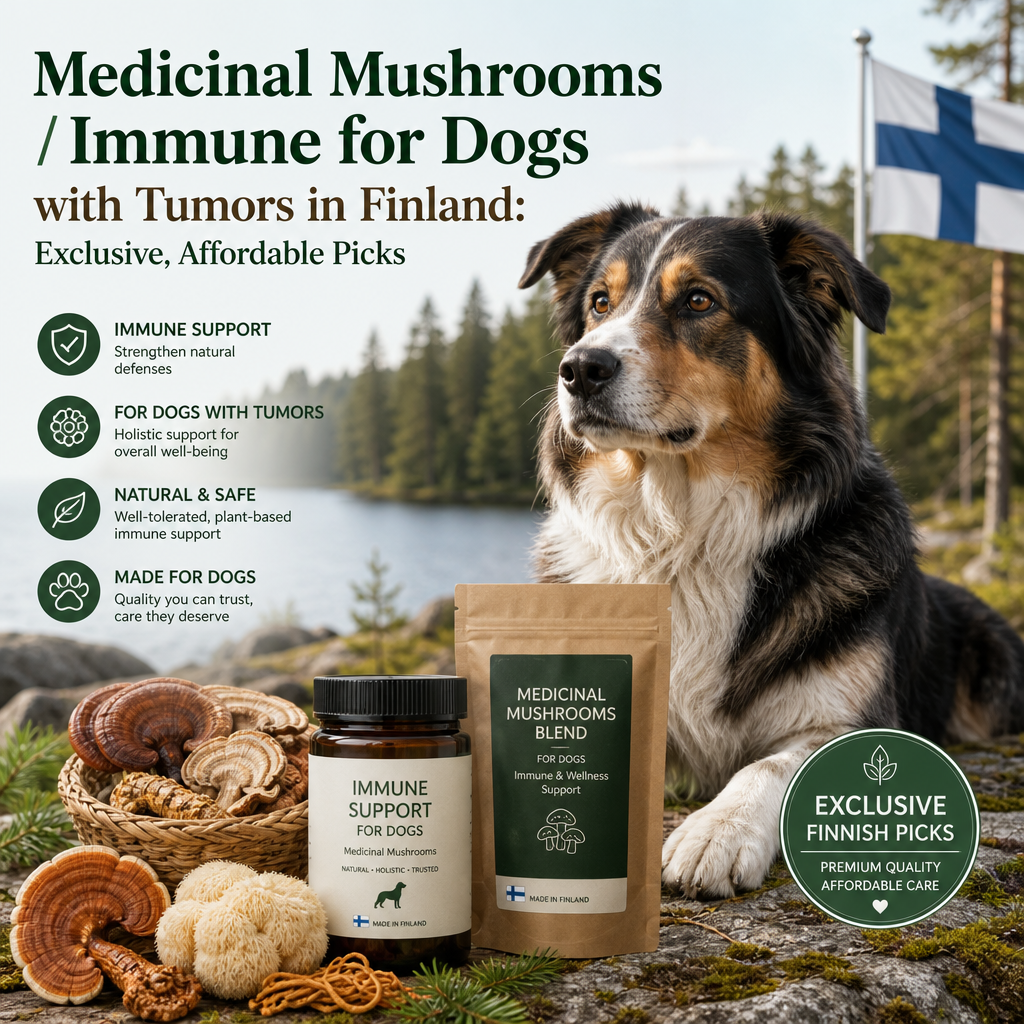
Medicinal mushrooms / immune support is becoming an increasingly discussed topic among Finnish dog owners whose pets are living with tumors. While no supplement can replace veterinary diagnosis, surgery, chemotherapy, radiation, or prescribed medication, carefully selected mushroom extracts may offer supportive nutritional value as part of a broader care plan. Understanding what these products can and cannot do is essential when searching for dog cancer supplements in Finland.
A dog with cancer may experience changes in appetite, energy, digestion, immune function, and overall resilience. Supportive care aims to maintain quality of life, help the dog tolerate treatment, and provide comfort during recovery. Medicinal mushrooms are often considered because they contain naturally occurring compounds such as beta-glucans, triterpenes, antioxidants, and other polysaccharides. However, product quality, dosage, safety, and veterinary supervision matter greatly.
In practice, the best results usually come from thoughtful comparisons rather than impulse purchases. Finnish owners often want something simple, trustworthy, and easy to fit into a daily routine. That is where a careful review of ingredients, extraction methods, and testing can make a meaningful difference. The goal is not to find a miracle product, but to choose support that is genuinely appropriate for the dog’s situation.
Medicinal mushrooms / immune support for dogs with tumors
Several mushroom species are commonly used in veterinary supplement products. Reishi, turkey tail, maitake, shiitake, and cordyceps are among the most widely discussed. Their potential benefits are generally linked to compounds that may help regulate immune activity and support normal inflammatory balance.
Turkey tail, also known as Trametes versicolor, has received particular attention in canine cancer research. Some studies have explored turkey tail extracts in dogs with certain tumors, especially in relation to immune response and quality of life. The results are promising but should not be interpreted as proof that the mushroom cures cancer. Research remains limited, and outcomes may depend on the tumor type, extract quality, dose, and the dog’s overall health.
Reishi is traditionally valued for immune modulation and general vitality. Maitake and shiitake contain beta-glucans that may support normal immune function, while cordyceps is often included in formulas intended to promote energy and stamina. These mushrooms are not interchangeable, and a product containing several species is not automatically better than a focused, clinically appropriate extract.
For many owners, medicinal mushrooms / immune products are most useful when they are matched to the dog’s diagnosis, current medications, and digestive tolerance. That is why a veterinarian familiar with oncology should help interpret the label, evaluate the dose, and decide whether the product fits the broader treatment plan.
In practical terms, the phrase medicinal mushrooms / immune support covers several different supplement styles. Some products are standardized extracts, while others are simple powders. The exact form matters because the same mushroom name can refer to very different concentrations, processing methods, and levels of active compounds. A careful comparison helps owners avoid paying for marketing rather than meaningful support.
When a clinic discusses supportive care, medicinal mushrooms / immune options may be considered alongside diet changes and symptom management. That wider perspective is important because a supplement by itself is rarely the deciding factor in a dog’s comfort. Instead, it can be one of several small pieces that help create a more stable routine.
For owners who want to understand how mushroom-based products compare with other approaches, it helps to look at the full support picture. Nutritional support, medication timing, and symptom monitoring often matter as much as the supplement itself. This is why medicinal mushrooms / immune support should be viewed as one practical tool within a broader plan.
How mushroom supplements may support a dog’s care
The immune system is complex. It must respond effectively to threats while avoiding excessive or inappropriate inflammation. Mushroom-derived beta-glucans may interact with immune cells, potentially helping to support normal immune surveillance. Antioxidant compounds may also help protect cells from oxidative stress, although antioxidants can interact with some medical treatments.
For dogs with tumors, the main goal of supplementation is usually supportive rather than curative. A veterinarian may consider a mushroom product as one element of a plan that also includes a complete diet, pain control, nausea management, hydration, regular monitoring, and conventional cancer treatment where appropriate.
Potential reasons a veterinary professional might consider a supplement include:
Supporting normal immune function
Helping maintain appetite and daily energy
Providing nutritional support during recovery
Supporting general wellbeing in older dogs
Complementing, but not replacing, prescribed cancer care
The dog’s response should be monitored closely. Improvements in appetite or energy may indicate better comfort, but they do not necessarily mean that a tumor is shrinking. Tumor progression must be assessed through veterinary examinations and, when appropriate, imaging or laboratory testing.
When owners compare support options, medicinal mushrooms / immune formulas should be judged by evidence, not by marketing language. Products that clearly explain the extraction ratio, species used, and quality testing are usually easier to evaluate than vague blends with attractive packaging.
One reason these products remain popular is that owners want practical ways to support a dog without adding unnecessary complexity. A well-chosen product can be simple to use, but it still needs to fit the dog’s condition, existing prescriptions, and feeding routine. In other words, the best option is not simply the strongest one; it is the one that makes sense for the individual dog.
If a product seems impressive but offers little information, that is a red flag. Reliable companies usually explain where the mushrooms come from, how they are extracted, and whether the final product has been tested for contamination. That level of transparency is especially important when the goal is long-term supportive care rather than short-term experimentation.
Some owners prefer to start with a single mushroom ingredient before trying more complex blends. That can make it easier to watch for digestive changes and see how the dog responds. A gradual approach is often safer and easier to manage than adding several products at once.
Choosing dog cancer supplements in Finland
When comparing dog cancer supplements Finland owners can purchase, it is important to look beyond attractive packaging and broad claims. The label should clearly identify the mushroom species, the extraction method, the amount of active extract, and the recommended serving for dogs. Products made from fruiting bodies are often preferred because they may provide a more complete range of naturally occurring mushroom compounds, although the most important factor is verified composition and quality control.
Look for companies that provide:
Clear ingredient and dosage information
Batch testing or certificates of analysis
Statements about heavy metals, pesticides, and microbial contamination
Manufacturing information and traceability
Veterinary or scientific documentation
Instructions specifically intended for dogs
Powders, capsules, liquid extracts, and soft chews may all be available in Finland. The best format depends on the dog’s size, appetite, swallowing ability, and tolerance. A powder may be convenient for mixing into food, while a liquid can be useful for dogs that refuse tablets. Products designed for humans may contain unsuitable ingredients, excessive doses, alcohol, xylitol, or other substances that are unsafe for pets.
Affordable products should not be judged by price alone. A low-cost supplement may contain very little active extract, making the apparent saving misleading. Comparing the amount of standardized extract per serving is more useful than comparing package prices. At the same time, expensive branding does not guarantee effectiveness. Transparent testing and sensible formulation are stronger indicators of value.
Some owners also look at how easy a supplement is to combine with meals. That can matter more than the style of the label or the number of mushrooms listed on the front. If the dog will not accept the product, even a promising formula becomes impractical. Palatability, routine, and consistency are part of real-world effectiveness.
It also helps to compare products against your dog’s current treatment stage. A dog that is stable and eating well may tolerate one format, while a dog with nausea or reduced appetite may need a gentler option. This is one reason dog cancer supplements Finland shoppers should think about everyday usability, not just the ingredient panel.
For readers who want a more general overview of the research, the National Cancer Institute’s summary on medicinal mushrooms and cancer is a useful educational reference.
It is also worth remembering that Finland-based shoppers may need to compare products sold through different channels. That can make label reading even more important. A practical checklist is often the fastest way to compare options: species, extract type, dosage, testing, and suitability for dogs.
Owners may also want to ask whether the product has been formulated for long-term use. A supplement that looks acceptable for short periods may not be ideal for repeated use if it lacks quality controls or contains unnecessary fillers. In many cases, the simplest formula with the clearest documentation is the most trustworthy choice.
Dog tumor support Finland: safety and veterinary guidance
Dog tumor support Finland should always be approached in partnership with a veterinarian, particularly when the dog is receiving chemotherapy, corticosteroids, anti-inflammatory drugs, anticoagulants, or immune-modifying medication. Some supplements may affect blood clotting, liver enzymes, blood sugar, or immune activity. These effects can be important during surgery or cancer treatment.
Extra caution is needed for dogs with liver or kidney disease, bleeding disorders, diabetes, autoimmune conditions, or sensitive digestion. Possible side effects may include loose stools, vomiting, reduced appetite, itching, or lethargy. Any new or worsening symptom should be reported to a veterinary clinic.
Introduce one product at a time, beginning only with the dose recommended by a qualified professional or the manufacturer. This makes it easier to identify intolerance and prevents confusion if the dog’s condition changes. Keep a simple record of appetite, stool quality, energy, medication, and noticeable symptoms. Such information can help the veterinarian decide whether the supplement should be continued.
Careful observation matters because even a well-tolerated product may not suit every dog. In some cases, a different formula or a lower dose may be more appropriate than stopping support entirely. If the dog is already on an oncology protocol, any new supplement should be checked against that plan before it is started.
Owners sometimes assume that natural means harmless, but that is not the case. Natural products can still be inappropriate for a dog with a specific diagnosis or medication schedule. A short conversation with the veterinary team can prevent avoidable problems and make support more consistent over time.
When a supplement is added thoughtfully, the focus remains on the dog’s comfort and safety. This is especially important when appetite is unpredictable or when treatment already places stress on digestion. In those situations, even small changes can matter.
If you are unsure how a product fits into your dog’s medical plan, ask the clinic whether it should be introduced before or after meals, whether it should be paused around surgery, and whether any monitoring is needed. Those small questions can prevent larger problems later.
That cautious approach is especially relevant for dogs already taking several medications. A product that seems gentle may still be unsuitable if it affects clotting, digestion, or liver metabolism. Good dog tumor support Finland decisions are based on the whole medical picture, not on the supplement alone.
A balanced approach to supportive nutrition
Mushroom extracts are only one part of supportive care. Dogs with cancer need adequate calories, high-quality protein where medically appropriate, access to fresh water, and a diet they will reliably eat. Sudden dietary changes can cause digestive upset, so new foods and supplements should be introduced gradually.
Quality of life should remain the central consideration. A useful care plan addresses pain, mobility, sleep, nausea, anxiety, and enjoyment of normal activities. Regular veterinary assessments are especially important because dogs often hide discomfort until a condition has become advanced.
Owners may also find it helpful to compare options based on practical needs such as palatability, ingredient transparency, and whether the product can be used alongside current medications. In that sense, medicinal mushrooms / immune support works best as part of a consistent, low-stress routine rather than as a one-time intervention.
Mushroom extracts can be especially helpful when the goal is to maintain day-to-day comfort rather than chase dramatic promises. That realistic mindset is important when reading product labels, comparing brands, or discussing expectations with a clinic.
Supportive nutrition should also be flexible. A dog’s needs can change quickly during treatment, and a product that works well one month may become less suitable later. Rechecking body condition, appetite, and bowel function helps owners keep the plan aligned with the dog’s current condition.
It is equally important to separate marketing language from actual utility. Terms such as “advanced,” “extra strength,” or “premium blend” do not automatically mean a better result. The more useful questions are simple: Is the mushroom extract clearly identified? Is the dose appropriate for dogs? Is the product tested? Does the dog tolerate it?
Medicinal mushrooms / immune support may offer a practical and affordable supportive option for some dogs with tumors in Finland, especially when selected for quality and used responsibly. They should never be presented as a guaranteed cure or a substitute for proven cancer treatment. With transparent products, realistic expectations, and veterinary oversight, mushroom-based immune support can be considered as part of a thoughtful, individualized plan for maintaining a dog’s comfort and wellbeing.
For many owners, the best outcome is not a dramatic claim but a steadier daily routine: better acceptance of food, fewer digestive surprises, and more confidence that the supplement is working alongside veterinary care rather than against it. That is often the most realistic and most valuable goal.