
by TCMVET | Jul 16, 2024 | Dog Cancer & Tumors
When my beloved dog was diagnosed with cancer, I felt an overwhelming sense of fear and helplessness. The prognosis was grim, and traditional treatments offered limited hope. However, through perseverance, research, and the discovery of a miracle treatment, I managed to conquer my dog’s cancer. This is our journey of hope, resilience, and triumph.
Understanding Dog Cancer
Dog cancer, much like human cancer, can manifest in various forms, affecting different parts of the body. The most common types include lymphoma, mast cell tumors, osteosarcoma, and hemangiosarcoma. Symptoms vary but often include lumps, lethargy, weight loss, and changes in behavior. Early detection and diagnosis are crucial for effective treatment.
The Devastating Diagnosis
It started with a small lump on my dog’s side. Initially, I thought it was just a benign growth, but when it began to grow rapidly, I knew something was wrong. A visit to the veterinarian confirmed my worst fears: my dog had cancer. The news was crushing, and I was faced with the daunting task of deciding how to proceed.
Exploring Treatment Options
The vet presented several options, including surgery, chemotherapy, and radiation. Each had its own set of risks and side effects. Desperate for a solution that would not only extend my dog’s life but also maintain his quality of life, I began exploring alternative treatments.
Discovering a Miracle Cure: Baituxiao
During my research, I stumbled upon Baituxiao, a Traditional Chinese Medicine (TCM) product known for its effectiveness in treating pet tumors. Baituxiao works by enhancing the immune system, reducing inflammation, and directly targeting tumor cells. Intrigued by its natural formulation and positive reviews, I decided to give it a try.
The Treatment Journey
- Consultation with a Holistic Veterinarian: I consulted with a holistic veterinarian who had experience with TCM. She provided guidance on the appropriate dosage and monitored my dog’s progress closely.
- Integrating Baituxiao into the Treatment Plan: Administering Baituxiao was straightforward. I followed the recommended dosage and combined it with a balanced diet rich in anti-inflammatory foods and supplements.
- Holistic Approach: Alongside Baituxiao, I incorporated regular exercise, acupuncture, and herbal supplements into my dog’s routine. This holistic approach aimed to strengthen his overall health and well-being.
Witnessing the Transformation
Within a few weeks, I began noticing positive changes. My dog’s energy levels improved, his appetite returned, and the tumor began to shrink. Regular check-ups with the vet confirmed that the cancer was regressing. The combination of Baituxiao and holistic care was working wonders.
The Importance of a Support System
Throughout this journey, the support of friends, family, and a dedicated veterinary team was invaluable. Their encouragement and guidance provided the strength needed to navigate the challenges of cancer treatment.
Unveiling the miracle of Baituxiao was a turning point in my dog’s battle against cancer. This natural, effective treatment, combined with a holistic approach, not only conquered the disease but also restored my dog’s health and vitality. For pet owners facing similar challenges, I urge you to explore all available options and consult with your veterinarian to find the best treatment plan for your furry friend.

by TCMVET | Jun 16, 2024 | Dog Cancer & Tumors
As pet owners, we strive to provide the best care for our furry friends, especially when they face serious health challenges like cancer. Traditional treatments like surgery, chemotherapy, and radiation are common, but many pet owners are now exploring holistic and natural alternatives to complement these treatments. One such alternative is the use of Celtic salt. In this article, we delve into how Celtic salt can be beneficial in managing cancer in dogs, enhancing their quality of life, and promoting overall well-being.
Understanding Celtic Salt
Celtic salt, also known as grey sea salt, is harvested from the coastal regions of France using traditional methods. Unlike regular table salt, which is heavily processed and stripped of its natural minerals, Celtic salt retains its rich mineral content, including magnesium, potassium, calcium, and trace elements. These minerals are essential for maintaining various bodily functions and promoting health.
The Role of Celtic Salt in Cancer Management
1. Detoxification
One of the primary benefits of Celtic salt is its ability to aid in detoxification. Cancer treatments can lead to the accumulation of toxins in a dog’s body. The minerals in Celtic salt help in flushing out these toxins, thereby reducing the burden on vital organs like the liver and kidneys. This detoxification process is crucial in maintaining a dog’s health during cancer treatment.
2. Hydration and Electrolyte Balance
Maintaining proper hydration and electrolyte balance is essential for dogs undergoing cancer treatment. Dehydration can exacerbate the side effects of treatments and weaken the immune system. Celtic salt helps in retaining hydration and balancing electrolytes, ensuring that your dog remains energetic and resilient during their treatment.
3. Immune System Support
The minerals in Celtic salt play a significant role in supporting the immune system. Magnesium, for instance, is vital for various biochemical reactions that enhance immune function. A strong immune system is crucial for dogs battling cancer, as it helps in fighting off infections and improving overall health.
4. Anti-inflammatory Properties
Inflammation is a common issue in dogs with cancer, often leading to pain and discomfort. Celtic salt has natural anti-inflammatory properties that can help in reducing inflammation and alleviating pain. This makes it an excellent addition to a holistic cancer management plan, providing relief without the side effects associated with conventional pain medications.
5. Enhancing Nutrient Absorption
Cancer and its treatments can affect a dog’s appetite and nutrient absorption. The minerals in Celtic salt can enhance the absorption of nutrients from food, ensuring that your dog receives the essential vitamins and minerals needed for recovery and strength.
How to Integrate Celtic Salt into Your Dog’s Diet
When considering adding Celtic salt to your dog’s diet, it is essential to consult with a veterinarian, particularly one who specializes in holistic or integrative veterinary medicine. They can provide guidance on the appropriate amount based on your dog’s size, health condition, and specific needs.
Simple Ways to Add Celtic Salt:
- Sprinkle on Food: A small pinch of Celtic salt can be sprinkled on your dog’s food. Ensure it is well mixed to avoid overconsumption.
- Hydration Solution: Dissolve a small amount of Celtic salt in your dog’s drinking water. This can help in maintaining electrolyte balance and hydration.
- Homemade Treats: Incorporate Celtic salt into homemade dog treats for an added health boost.
Conclusion
Celtic salt offers a natural, holistic approach to supporting dogs with cancer. Its detoxifying properties, ability to maintain hydration, support the immune system, reduce inflammation, and enhance nutrient absorption make it a valuable addition to any cancer management plan. As with any supplement, it is crucial to consult with a veterinarian to tailor its use to your dog’s specific needs. By integrating Celtic salt into your dog’s diet, you can help improve their quality of life and support them in their fight against cancer.
by TCMVET | May 22, 2024 | Dog Cancer & Tumors
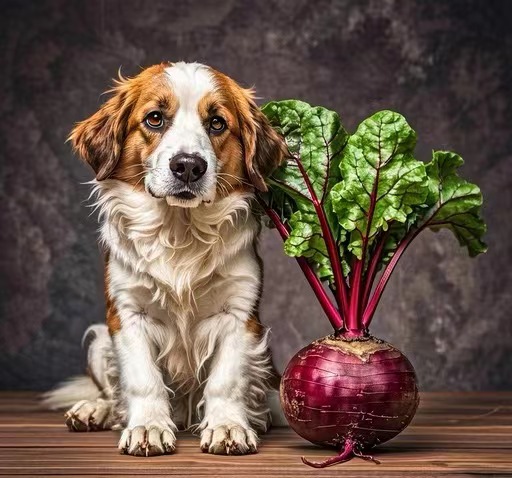
When a beloved dog is diagnosed with cancer, pet owners often seek the best ways to support their pet’s health and improve their quality of life. Among the various dietary considerations, beets have emerged as a potential superfood. This article explores whether beets are beneficial for dogs with cancer, considering their nutritional properties and potential health benefits.
Nutritional Profile of Beets
Beets are rich in essential nutrients and bioactive compounds, including:
- Vitamins: Beets are high in vitamins A, C, and several B vitamins, which are crucial for overall health.
- Minerals: They provide important minerals such as potassium, magnesium, and iron.
- Fiber: Beets contain dietary fiber, which aids in digestion and promotes gut health.
- Antioxidants: Beets are known for their high antioxidant content, particularly betalains, which give them their distinctive red color.
Potential Benefits of Beets for Dogs with Cancer
The following points highlight how beets might benefit dogs with cancer:
- Antioxidant Properties
- Oxidative Stress Reduction: Cancer and its treatments can cause oxidative stress, leading to cell damage. The antioxidants in beets can help neutralize free radicals and reduce oxidative stress, potentially slowing the progression of cancer.
- Anti-Inflammatory Effects
- Inflammation Reduction: Chronic inflammation is associated with cancer progression. Betalains in beets have anti-inflammatory properties that may help reduce inflammation and improve the dog’s overall health.
- Immune System Support
- Immune Boosting: Vitamins and minerals in beets, particularly vitamin C and iron, can support the immune system, helping the dog’s body to fight cancer more effectively.
- Digestive Health
- Improved Digestion: The fiber in beets aids in digestion and promotes a healthy gut microbiome, which is essential for nutrient absorption and overall well-being.
- Detoxification
- Liver Support: Beets can help support liver function, aiding in the detoxification process. This is especially beneficial for dogs undergoing chemotherapy or other cancer treatments that can tax the liver.
How to Incorporate Beets into a Dog’s Diet
While beets can offer various health benefits, it’s important to introduce them properly into a dog’s diet:
- Cooked Beets: Always cook beets before feeding them to your dog to make them easier to digest and to reduce the risk of gastrointestinal upset.
- Moderation: Start with small amounts to ensure your dog tolerates beets well. Too much fiber can cause digestive issues.
- No Additives: Avoid adding salt, sugar, or spices to the beets. Plain, cooked beets are the best option.
- Consult a Veterinarian: Always consult with your veterinarian before making significant changes to your dog’s diet, especially if your dog has cancer.
Conclusion
Beets can be a nutritious addition to the diet of dogs with cancer, offering antioxidant, anti-inflammatory, and immune-boosting benefits. However, they should be introduced in moderation and as part of a balanced diet tailored to the specific needs of a dog with cancer. Consulting with a veterinarian is crucial to ensure that beets and other dietary changes are appropriate for your pet’s individual health condition and treatment plan. By carefully incorporating beets into your dog’s diet, you can provide additional nutritional support to help them combat cancer and maintain a better quality of life.

by TCMVET | May 8, 2024 | Dog Cancer & Tumors
Turkey tail mushrooms (Trametes versicolor) have emerged as a powerful natural treatment in the battle against canine cancer. This article explores the unique properties of turkey tail mushrooms, their role in enhancing a dog’s immune system during cancer therapy, and practical advice for incorporating them into your pet’s regimen.
What are Turkey Tail Mushrooms?
Turkey tail mushrooms are a type of fungus renowned for their distinctive, colorful, fan-like shape. They are abundant in bioactive compounds, such as beta-glucans, which are known to boost immune responses and potentially counteract the growth of cancer cells.
Immune System Enhancement
The primary benefit of turkey tail mushrooms lies in their ability to modulate the immune system. They increase the production of immune cells like macrophages and lymphocytes, which are crucial for detecting and destroying cancerous cells. This makes them an excellent adjunct therapy for dogs undergoing traditional cancer treatments such as chemotherapy or radiation.
Anti-Cancer Properties
Beyond immune support, turkey tail mushrooms contain compounds that directly combat cancer. Research has indicated that the natural phenols and flavonoids present in turkey tail mushrooms have antioxidant properties that help reduce cellular damage from free radicals, a common issue in cancerous cells.
Incorporation into Canine Diets
Turkey tail mushrooms can be administered to dogs in various forms, including powdered supplements, capsules, or tinctures. When introducing turkey tail into your dog’s diet, start with small doses to assess tolerance and gradually increase to the recommended dose based on your dog’s weight and health condition.
Veterinary Oversight and Dosing
It is vital to consult with a veterinarian experienced in integrative medicine before adding any new supplement to your dog’s cancer treatment plan. A professional can provide guidance on appropriate dosing and ensure the supplement does not interfere with other treatments.
Quality and Purity in Supplements
When choosing a turkey tail supplement, opt for products that guarantee high purity and are free from contaminants. Products should ideally be certified organic and produced by reputable manufacturers who specialize in medicinal mushrooms.
Turkey tail mushrooms offer a promising complementary treatment for dogs with cancer, thanks to their immune-boosting and anti-cancer properties. By enhancing the body’s natural defenses and providing additional antioxidant support, they can be a valuable part of a holistic cancer treatment plan. Always remember to work closely with your veterinarian to tailor the approach to your dog’s specific needs and health status, ensuring the safest and most effective use of this natural therapy.

by TCMVET | Mar 24, 2024 | pet Chinese herbal medicine
The world of canine oncology is undergoing a transformative phase with the integration of Ancient Chinese herbs into treatment regimens. This approach signifies a blend of traditional wisdom and modern veterinary practices, offering a new hope in the fight against cancer in dogs.
The Rise of Herbal Medicine in Canine Oncology
Herbal medicine, especially from Ancient Chinese traditions, has been used for millennia to treat various ailments. Its introduction into canine oncology is a result of increasing demand for holistic and less invasive treatment options for dogs with cancer.
Ancient Chinese Herbs and Their Impact
- Yunnan Baiyao: Used historically to control bleeding, it’s now employed in managing tumors that cause internal hemorrhage.
- Huang Qin (Scutellaria): Known for its anti-inflammatory and anti-tumor effects, it’s beneficial in mitigating side effects of conventional cancer therapies.
- Astragalus (Huang Qi): Boosts the immune system and is believed to inhibit tumor growth.
- Dang Gui (Angelica Sinensis): Often used for its blood-enriching properties and improving circulation.
Integrating Traditional Herbs with Modern Veterinary Science
The incorporation of these herbs into a dog’s cancer treatment plan should be a collaborative effort between pet owners and veterinarians. This integration ensures that the herbs complement rather than counteract conventional treatments.
Benefits of Using Ancient Chinese Herbs in Canine Cancer
- Holistic Treatment: Addresses not just the cancer but the overall well-being of the dog.
- Reduced Side Effects: Offers a natural way to mitigate the adverse effects of chemotherapy and radiation.
- Boosts Immunity: Many herbs have properties that strengthen the immune system, helping the body fight cancer more effectively.
Safety and Efficacy
While generally safe, the quality and dosage of these herbs are crucial. They must be sourced from reputable suppliers and administered under veterinary guidance to avoid interactions with other medications.
The use of Ancient Chinese herbs in canine oncology represents a groundbreaking shift towards more holistic cancer care. By integrating these age-old remedies with contemporary treatment methods, we can offer our canine companions a more comprehensive and gentle approach to cancer treatment.
