As more dog owners seek natural ways to support their furry companions, especially in combating ailments like cancer, Traditional Chinese Medicine (TCM) has garnered significant attention. This ancient practice, with its unique herbs, offers a complementary approach in the battle against canine cancer. Let’s explore how these traditional Chinese herbs can be a game-changer in enhancing your dog’s health.
Understanding Canine Cancer
Cancer in dogs can manifest in various forms, affecting dogs of all breeds and ages. Symptoms may include unusual lumps, changes in appetite, or lethargy. While Western medicine provides conventional treatments, integrating TCM offers a holistic alternative.
The Power of Chinese Herbs
TCM focuses on restoring balance within the body. When it comes to treating cancer, certain Chinese herbs are known for their anti-cancer properties, enhancing the immune system, and promoting overall well-being.
Yunnan Baiyao: This herb is known for controlling bleeding and is often used in cases of tumors that cause internal or external bleeding.
Huang Qin (Scutellaria baicalensis): Used for its anti-inflammatory and anti-tumor properties, Huang Qin can be effective in reducing the side effects of chemotherapy.
Astragalus (Huang Qi): This herb boosts the immune system, aiding the body in fighting cancer cells.
Ginseng: Renowned for its energy-boosting properties, Ginseng helps in maintaining the stamina of dogs undergoing cancer treatment.
Integrating TCM in Canine Cancer Care
The incorporation of TCM in cancer treatment should be done under the guidance of a veterinarian skilled in both Western and Eastern medicine. It is crucial to determine the correct herbs and dosage, ensuring they complement rather than interfere with conventional treatments.
Benefits of Chinese Herbs in Canine Cancer Treatment
Supports Immune System: Many Chinese herbs work by strengthening the dog’s immune system, enabling it to fight cancer more effectively.
Reduces Treatment Side Effects: These herbs can alleviate the side effects associated with chemotherapy and radiation.
Enhances Overall Well-being: Beyond treating cancer, these herbs contribute to the general health and vitality of the dog.
Safety and Quality Considerations
When opting for Chinese herbs, choosing high-quality, pure products is vital. It’s also essential to watch for any adverse reactions and adjust the treatment accordingly.
Traditional Chinese Herbs offer a promising adjunct in the treatment of canine cancer. By embracing these ancient remedies, we open the door to a more holistic and balanced approach to cancer care, aiming to improve the quality of life for our canine companions.
Mast Cell Tumors (MCTs) are a significant health concern for many dog breeds, and their recurrence poses a substantial challenge for pet owners and veterinarians. While conventional treatments have their place, an increasing focus is being placed on Chinese herbal therapy as a method to prevent the recurrence of these tumors. This article delves into how Chinese herbs can be integrated into a canine health regimen to help guard against the return of MCTs.
Understanding Mast Cell Tumors in Dogs
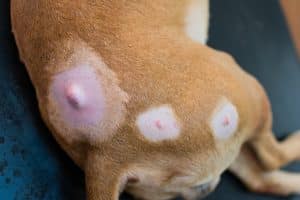
Mast cell tumors are one of the most common types of skin cancer in dogs. They arise from mast cells, which are involved in allergic reactions and immune responses. The recurrence of these tumors after treatment is a major concern, often requiring ongoing management.
The Potential of Chinese Herbal Therapy
Chinese herbal therapy, part of Traditional Chinese Medicine (TCM), has been used for thousands of years to treat various ailments in humans and animals. This holistic approach focuses on restoring and maintaining balance within the body and can be particularly beneficial in managing chronic conditions like cancer.
Key Chinese Herbs for Preventing MCT Recurrence
Several herbs are known in TCM for their anti-cancer and immune-boosting properties:
Astragalus (Huang Qi): Boosts the immune system and is known for its anti-tumor properties.
Dang Shen (Codonopsis): Enhances energy and strengthens the immune system.
Turmeric (Curcumin): Has anti-inflammatory properties and can inhibit tumor growth.
Silybum marianum (Milk Thistle): Protects the liver, which is crucial when pets are undergoing cancer treatments.
Integrating Chinese Herbal Therapy with Conventional Care
It’s essential to work with a veterinarian knowledgeable in both conventional and holistic treatments. Integrating Chinese herbal therapy with conventional care can provide a comprehensive approach to preventing MCT recurrence. The herbs can complement the benefits of conventional treatments while minimizing side effects.
Benefits of Chinese Herbal Therapy in Canine Care
Enhanced Immune Function: Strengthening the immune system is key in preventing cancer recurrence.
Improved Quality of Life: Herbs can help alleviate symptoms related to cancer and its treatment.
Natural Approach: Offers a more natural way to support health and prevent disease.
Chinese herbal therapy offers a promising avenue for preventing the recurrence of mast cell tumors in dogs. By enhancing the immune system and addressing the overall health of the pet, this holistic approach can be a valuable part of a comprehensive care plan. Always consult with a veterinarian before starting any new treatment.
Mast Cell Tumors (MCTs) are one of the most common types of skin cancers found in dogs. They can manifest in any breed and at any age, although they predominantly appear in middle-aged to older dogs. Conventional treatments often involve surgery, chemotherapy, or radiation, but an increasing number of pet owners and veterinarians are turning towards Traditional Chinese Medicine (TCM) for a more holistic approach.
Understanding Mast Cell Tumors in Dogs
MCTs arise from mast cells, which are a vital part of the immune system, helping to fight off parasites and involved in allergic reactions. However, when these cells mutate and proliferate uncontrollably, they form mast cell tumors. These tumors can vary in appearance, from small, benign lumps to large, malignant growths, and can occur anywhere on the dog’s body.
The Conventional Approach to Treatment
The traditional approach to treating MCTs in dogs usually involves surgical removal of the tumor. In cases where the tumor is malignant, chemotherapy or radiation therapy may be recommended. However, these treatments can be invasive and may have significant side effects.
Integrating Traditional Chinese Medicine
TCM offers a gentler, yet effective alternative or complementary approach to treating MCTs in dogs. This holistic method considers the entire well-being of the pet, focusing not just on the tumor, but also on strengthening the immune system and improving overall health. Some of the key components of TCM in treating MCTs include:
Herbal Medicine: Various Chinese herbs are known for their anti-tumor properties. Herbs like Bai Hua She She Cao (Hedyotis diffusa), Ban Zhi Lian (Scutellaria barbata), and Huang Qin (Scutellaria baicalensis) are commonly used in TCM to target cancer cells and boost immunity.
Acupuncture: This ancient practice can help relieve pain, reduce inflammation, and improve energy flow, which can be beneficial for dogs undergoing cancer treatment.
Diet Therapy: A balanced diet, potentially including specific foods and supplements known in TCM for their cancer-fighting properties, can play a critical role in supporting a dog’s health during cancer treatment.
The Benefits of Integrating TCM in MCT Treatment
By incorporating TCM into the treatment plan for MCTs, dogs can enjoy several benefits:
Reduced side effects from conventional treatments
Improved overall well-being and quality of life
Strengthened immune system to help fight the tumor
Holistic approach that treats the whole pet, not just the disease
While Traditional Chinese Medicine should not replace conventional veterinary care, it can be an excellent complementary approach to treating Mast Cell Tumors in dogs. TCM offers a more natural, less invasive option that can significantly enhance the quality of life for our canine companions facing this challenging disease.
Oral cavity tumors in dogs present a challenging health issue that mirrors similar conditions in humans. As our canine companions suffer from these rapidly growing malignant neoplasms, pet owners and veterinarians alike are turning towards holistic approaches to complement conventional treatments. One such approach that has gained attention is the integration of Traditional Chinese Medicine (TCM) into the veterinary care regimen. This article explores how TCM can be utilized in the fight against canine oral cancer, and what benefits it may hold for our beloved pets.
Understanding Oral Cavity Tumors in Dogs
Oral tumors in dogs can be aggressive and often exude high levels of insulin into the bloodstream, leading to weakness and potential neurological problems. Symptoms can range from lethargy to complete loss of consciousness, with breeds like Boxers and Airedales being at higher risk. With the randomness of insulin release, diagnosis and management can be particularly difficult.
The Role of Traditional Chinese Medicine
Traditional Chinese Medicine, with its thousands of years of history, offers a different perspective on health and disease. TCM is based on the concept of balancing the body’s Qi (vital energy) and focuses on treating the underlying imbalances that lead to disease, rather than just the symptoms. When it comes to oral cavity tumors in dogs, TCM aims to enhance the body’s natural defenses and support the immune system to fight cancer cells.
Herbal Remedies and Their Applications
Chinese herbal medicine utilizes a variety of plants and natural substances known for their therapeutic properties. Herbs like Huang Qin (Scutellaria baicalensis) and Ling Zhi (Ganoderma lucidum) have been noted for their anti-inflammatory and anti-cancer properties. These herbs, when prescribed by a qualified veterinary herbalist, can be integrated into a treatment plan that may include surgery, chemotherapy, or radiation.
The Benefits of a Holistic Approach
Incorporating TCM into a canine cancer treatment plan can offer multiple benefits:
Alleviation of Symptoms: Herbal remedies can help manage symptoms such as inflammation and pain, improving the quality of life for dogs undergoing cancer treatment.
Strengthening the Body: TCM aims to strengthen the body’s own healing mechanisms, which can be especially beneficial for older dogs or those with weakened immune systems.
Reducing Side Effects: When used alongside conventional treatments, TCM can help mitigate the side effects associated with chemotherapy and radiation.
Consultation with Professionals
It is crucial to consult with a veterinary professional trained in TCM before administering any herbal remedies to your pet. An expert can provide a tailored treatment plan that takes into account the unique health profile of your dog.
While the integration of Traditional Chinese Medicine into veterinary practice is still in its formative stages, early adopters and anecdotal evidence suggest potential benefits that warrant further scientific exploration. By offering a complementary approach to conventional treatments, TCM may provide a more rounded and gentle option for managing oral cavity tumors in dogs.
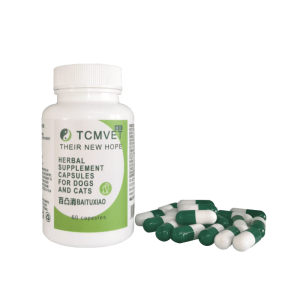
introduce: Dog tumors are a common health problem that cause anxiety and distress to pet owners. Traditional Chinese veterinary medicines such as Yunnan Baiyao and Baituxiao are alternative treatments for canine tumors. In this article, we will explore the advantages of Yunnan Baiyao and Baituxiao in the treatment of canine tumors and compare their components in detail.
Comprehensive comparison of Yunnan Baiyao and Baituxiao in the treatment of canine tumors 3
Benefits of Yunnan Baiyao in treating canine tumors: Hemostasis: Yunnan Baiyao is known for its ability to stop bleeding, which is beneficial in controlling bleeding from bleeding tumors or after surgery. Anti-inflammatory effect: The herbal components in Yunnan Baiyao help reduce inflammation and help relieve pain and discomfort associated with tumors. Promote blood circulation: Yunnan Baiyao promotes blood circulation, provides nutrients and oxygen to the affected area, and promotes healing. Immune System Support: Yunnan Baiyao has properties that help boost the immune system and aid in the overall recovery process.
Yunnan Baiyao is commonly used to extend the life of dogs (and cats) with bleeding cancers such as hemangiosarcoma or nasal cancer (nosebleeds). Some treatments for cancer, such as Chemotherapy, tend to promote bleeding; it makes sense that giving a supplement to promote blood clotting would be a benefit. It is believed that Yunnan Baiyao works by activating the platelets, which are the small blood components that help make the blood clot. Blood clots are the first step in a scab. They are like little plugs or corkes in the way they stop hemorrhage.
Efficacy of Baituxiao in the treatment of canine tumors: Inhibit tumor growth: Baituxiao contains ingredients that can directly inhibit the growth of tumor cells and prevent the spread of malignant cells. Promoting cell apoptosis: Baituxiao helps to promote tumor cell apoptosis (cell death) and effectively shrink tumor volume. Strengthen the immune system: Baituxiao enhances the immune response, helping the body to target and eliminate tumor cells more effectively. Anti-Metastatic Properties: White Rabbit Xiao contains herbal extracts that prevent tumor cells from metastasizing (spreading) to other parts of the body.
It is commonly used to help dissolve (shrink) various tumors and masses in dogs and cats both inside and outside the body, shrinking and inhibiting the growth of tumors. It can also inhibit the spread of cancer cells. Soften hard tumors, reduce swelling and pain, invigorate blood circulation and remove blood stasis; promote healing after surgery, generate blood and replenish blood. Effectively reduce the probability of tumor recurrence after surgery and improve the quality of life of patients. Helps pets with tumors to recover.
Both Yunnan Baiyao and Baituxiao are effective Chinese veterinary medicines for treating canine tumors. Yunnan Baiyao has hemostatic and anti-inflammatory effects, while Baituxiao focuses more on directly inhibiting tumor growth and metastasis, dissolving and helping to shrink. Both of these therapies provide immune system support, which is crucial in fighting tumors.