Alternatives to Mushroom / immune / antioxidant supplements can give Canadian dog owners more options when supporting a dog with a tumor. However, supplements should never replace veterinary diagnosis, surgery, chemotherapy, radiation, pain management, or other treatments recommended by a qualified professional. Every tumor is different, and the safest supplement plan depends on the dog’s diagnosis, medications, age, breed, diet, and overall health.
Mushroom-based products, immune formulas, and antioxidant blends are often marketed for canine wellness. Some owners consider them because they want to support normal immune function, appetite, energy, or recovery during cancer care. Yet these products are not appropriate for every dog, and evidence can vary widely between ingredients and brands.
Alternatives to Mushroom / immune / antioxidant products may include nutritional support, targeted vitamins and minerals, omega-3 fatty acids, digestive support, and carefully selected herbal products. The goal should be to address a specific nutritional or quality-of-life need rather than adding several untested products at once.
Before choosing a supplement, ask the veterinarian:
What type of tumor does the dog have?
Is the supplement compatible with current medication?
Could it affect bleeding, liver function, kidney function, or anesthesia?
Does the dog have a nutritional deficiency?
What dosage is suitable for the dog’s weight and condition?
In many cases, the best approach is to identify the dog’s biggest day-to-day problem first. That may be poor appetite, low energy, digestive upset, weight loss, or trouble maintaining comfort during treatment. Once the priority is clear, the veterinary team can decide whether a supplement is actually needed or whether a diet change, medication adjustment, or supportive care plan would work better.
Nutritional supplements as alternatives to mushroom formulas
A complete and balanced diet is the foundation of nutritional support. Dogs with cancer may experience reduced appetite, weight loss, nausea, or increased nutritional needs. In these cases, a veterinary nutritionist may recommend calorie-dense food, a therapeutic diet, or a carefully formulated supplement.
Alternatives to Mushroom / immune / antioxidant products often begin with nutrition because food-based support is practical and easier to monitor. Omega-3 fatty acids, particularly EPA and DHA from purified fish oil, are commonly discussed in veterinary nutrition. They may help support normal inflammatory balance and skin, coat, and joint health. Some veterinary diets for dogs with cancer include increased omega-3 content, but the correct amount depends on the dog’s diet and health status. Fish oil can also cause gastrointestinal upset and may influence blood clotting, so it should be used under veterinary guidance.
A high-quality protein source may be important for maintaining muscle, especially when a dog is losing weight. However, dogs with kidney or liver disease may require dietary adjustments. Increasing protein or calories without professional advice is not always appropriate. For general background on pet nutrition and feeding safety, the American Veterinary Medical Association’s pet food and feeding guidance is a helpful reference.
Some dogs may also benefit from smaller, more frequent meals rather than a single large feeding. That simple change can make eating less stressful and help owners track appetite more accurately. If the dog refuses food, becomes nauseated, or starts losing weight quickly, the best next step is usually a veterinary exam rather than switching among multiple products.
Many dog owners searching for Alternatives to Mushroom / immune / antioxidant are really looking for safe ways to maintain body condition during treatment. In that context, a prescribed recovery diet, a gentle calorie booster, or a veterinarian-selected nutritional supplement may be more useful than a broad immune blend. The most effective plan is often the one that the dog can tolerate consistently.
Digestive support and appetite assistance
Digestive problems are common in dogs undergoing cancer treatment. Nausea, diarrhea, constipation, and appetite loss can reduce a dog’s strength and make medication more difficult. Veterinary-approved probiotics or prebiotic ingredients may support normal digestive function in some dogs, although they are not treatments for tumors.
Appetite support should focus first on identifying the cause. Pain, nausea, infection, medication side effects, and stress can all reduce food intake. A veterinarian may prescribe an anti-nausea medication or appetite stimulant when appropriate. Randomly adding supplements may mask symptoms or worsen stomach upset.
Hydration is equally important. Fresh water should always be available, and dogs with poor intake may require veterinary fluid therapy. Signs such as repeated vomiting, severe diarrhea, weakness, pale gums, or refusal to eat require prompt veterinary attention.
Why Alternatives to Mushroom / immune / antioxidant often start with digestion
When a dog is uncomfortable at mealtime, even the best supplement plan becomes harder to use consistently. That is why many veterinarians recommend solving digestion first, then deciding whether a support product still makes sense. In practice, Alternatives to Mushroom / immune / antioxidant are most useful when they fit into a broader plan for appetite, stool quality, and hydration.
Digestive support may also reduce stress for caregivers. A predictable routine, measured portions, and clear monitoring can make it easier to tell whether the dog is improving. If stool quality worsens after a new supplement begins, that product should be reviewed quickly with the veterinary team rather than continued automatically.
Some owners ask whether probiotics, prebiotics, or fiber blends can replace mushroom-based formulas. The answer depends on the goal. These products do not serve the same purpose, but they may be more appropriate when the primary concern is gut health instead of immune support. That is one reason Alternatives to Mushroom / immune / antioxidant should be chosen based on symptoms, not marketing language.
Vitamins and minerals: use caution
Vitamins and minerals are sometimes promoted as antioxidant or immune-support alternatives. They can be useful when a deficiency is confirmed, but high doses may be harmful. Fat-soluble vitamins, including vitamins A, D, E, and K, can accumulate in the body. Excessive vitamin D, for example, can cause serious toxicity.
Human multivitamins are generally unsuitable for dogs because they may contain unsafe levels of certain nutrients, xylitol, iron, or other ingredients. Even products labeled “natural” can be concentrated or contaminated. Choose veterinary-formulated products with clear ingredient lists, batch information, and dosing instructions.
Alternatives to Mushroom / immune / antioxidant supplements should also be discussed carefully during chemotherapy or radiation. Some cancer treatments rely partly on oxidative damage to abnormal cells, and the effect of high-dose antioxidants during treatment is not fully established for every situation. Never begin or stop an antioxidant product without discussing the timing and dosage with the veterinary oncology team.
If a blood test shows a deficiency, the veterinarian may recommend a targeted supplement instead of a broad multivitamin. That approach is usually safer because it addresses the actual problem without adding unnecessary ingredients. It also makes it easier to monitor response over time and reduce the chance of accidental over-supplementation.
For owners comparing Alternatives to Mushroom / immune / antioxidant, the safest question is not “Which supplement is strongest?” but “Which supplement solves a documented need?” That mindset helps keep the plan practical and medically responsible.
Herbal products and safety in Canada
Herbal products may appear among dog tumor supplement alternatives, but “natural” does not automatically mean safe. Herbs can interact with chemotherapy drugs, anti-inflammatory medications, steroids, antibiotics, sedatives, and blood thinners. They may also place additional demands on the liver or kidneys.
Canadian pet owners should look for products manufactured under strong quality-control standards and avoid products that make claims to cure, shrink, or eliminate tumors. Health Canada regulates certain natural health products, but regulation does not guarantee that a product is suitable for a particular dog or proven to treat cancer.
Be especially cautious with products that provide no full ingredient list, use vague proprietary blends, promise rapid results, or rely mainly on testimonials. A veterinary professional should review the exact product label before use. If you need another region-specific example of carefully chosen alternatives, see Alternatives to Medicinal Mushrooms / Veterinary Mycotherapy.
Herbal formulas can also affect the way a dog feels from day to day. For example, a calming herb may cause sedation, while a stimulating blend may make some dogs restless or reduce sleep. Because dogs with cancer can already be dealing with fatigue, nausea, or pain, any added product should be reviewed with the same care as a prescription medication.
When discussing Alternatives to Mushroom / immune / antioxidant with a veterinarian, bring the exact bottle or a photo of the label. This makes it easier to spot duplicate ingredients, possible interactions, and dosing problems. It also helps the veterinary team decide whether the product has a reasonable place in the care plan.
How to choose a dog tumor supplement in Canada
When comparing products, consider the following factors:
Veterinary oversight: Select a product that your veterinarian can evaluate alongside the treatment plan.
Transparent labeling: Look for exact ingredient amounts, serving instructions, lot numbers, and expiration dates.
Independent testing: Quality testing may help verify purity and reduce contamination concerns.
Appropriate formulation: Use canine products rather than human supplements whenever possible.
Single-variable approach: Introduce only one new supplement at a time so side effects can be identified.
Realistic claims: A supplement may support nutrition or comfort, but it should not be presented as a cure.
Canadian availability: Check storage requirements, shipping conditions, recall notices, and whether the seller is reputable.
Keep a written record of every medication, supplement, dosage, and start date. This information helps the veterinary team identify interactions or adverse effects.
What makes Alternatives to Mushroom / immune / antioxidant practical
For many families, the most useful options are simpler than expected. A well-formulated diet, a purified omega-3 supplement, and a veterinarian-approved digestive aid may do more for day-to-day comfort than a complicated stack of products. The right choice depends on the dog’s diagnosis, treatment phase, and current symptoms.
If a dog is losing weight, the first goal may be calorie support. If digestion is unstable, the first goal may be nausea control or stool quality. If inflammation management is the concern, a vet may discuss omega-3 intake and whether it fits the treatment plan. In every case, the supplement should have a clear purpose.
It also helps to check whether the product has directions in milligrams or milliliters rather than vague scoops. Exact dosing makes it easier to compare brands and avoid accidental overuse. This is especially important when more than one caregiver feeds the dog during the week.
Another practical step is to review the expected timeline. Some support products should be reassessed after a few weeks, while others may only be appropriate during a specific treatment phase. That is another reason why Alternatives to Mushroom / immune / antioxidant work best when they are part of a monitored plan instead of a one-time purchase.
Questions to ask before buying
Before purchasing any product, ask these practical questions:
Is this supplement meant for support, or is it being marketed as a treatment?
Has the product been reviewed by my veterinarian or oncology team?
Could the ingredients interact with surgery, anesthesia, or current medication?
Is the label clear enough to identify every ingredient and dosage?
Can I stop using it immediately if my dog has side effects?
These questions can prevent wasted money and reduce the chance of avoidable complications. They also make it easier to build a supplement plan that changes with the dog’s condition instead of staying fixed when needs evolve.
If the answer to any of these questions is unclear, pause before buying. Supplement purchases are easiest to justify when they are tied to a measurable goal such as improved appetite, better stool quality, or more stable weight. Without that goal, it can be hard to tell whether the product is helping at all.
Supporting quality of life beyond supplements
The most valuable support for a dog with a tumor often includes pain control, comfortable bedding, gentle exercise, stress reduction, regular meals, and close monitoring. Track appetite, water consumption, mobility, sleep, breathing, bathroom habits, and interest in family activities. A simple daily log can help identify changes before they become emergencies.
Cancer care is individualized. Some dogs benefit from nutritional support during treatment, while others need a simpler plan focused on appetite, hydration, and comfort. Discussing Alternatives to Mushroom / immune / antioxidant products with a veterinarian can help ensure that every supplement serves a clear purpose and fits safely into the dog’s broader care plan.
When in doubt, slow down and review the full plan with your veterinary team. The safest alternatives to Mushroom / immune / antioxidant formulas are the ones that match the dog’s diagnosis, avoid unnecessary risks, and support quality of life without interfering with treatment.
For readers who want a broader overview of safe pet-feeding guidance, the AVMA pet food and feeding resource is a useful place to start. It does not replace oncology advice, but it can help owners ask better questions when comparing products.
In practical terms, this means focusing on comfort, consistency, and communication. A supplement should be easy to administer, easy to monitor, and easy to stop if it causes a problem. That simple standard often leads to better long-term decisions than chasing complex claims.
For many families, the best result comes from combining good nutrition, careful observation, and veterinary guidance. That approach keeps Alternatives to Mushroom / immune / antioxidant in the right role: supportive, optional, and always secondary to proper medical care.
Stangest OncoVet I vs alternatives is an important comparison for Spanish dog owners seeking practical oncology support without overlooking professional veterinary care. When a dog receives a tumor diagnosis, families often look for nutritional products that may help maintain appetite, energy, body condition, and quality of life during treatment. However, supplements should be considered supportive tools—not replacements for diagnosis, surgery, chemotherapy, radiotherapy, pain management, or regular veterinary monitoring.
Oncology support focuses on helping a dog cope with the physical and nutritional challenges associated with cancer. Tumors and their treatments can affect appetite, digestion, hydration, immune function, and muscle mass. Some dogs eat less because of nausea, mouth discomfort, stress, or changes in smell. Others may lose weight despite eating normally because the disease alters metabolism.
A suitable support plan may include a complete veterinary diet, calorie-dense food, appetite strategies, medication for nausea or pain, hydration support, and carefully selected supplements. The right approach depends on the tumor type, treatment plan, blood-test results, age, breed, kidney and liver function, and the dog’s current body condition.
For this reason, the most useful product is not necessarily the one with the longest ingredient list. It is the one that fits the dog’s individual needs, can be administered consistently, and does not interfere with prescribed treatment. In practice, the best Stangest OncoVet I vs alternatives decision is often the one that matches the dog’s real symptoms, not the most aggressive marketing claim. When owners understand that goal, the comparison becomes less confusing and more useful.
It also helps to think in stages. A dog newly diagnosed with cancer may need different support from a dog recovering from surgery or one already receiving chemotherapy. Appetite support may matter most during one phase, while weight maintenance, digestive comfort, or tolerance of medication may matter more later. The most effective dog tumor support options are usually the ones selected for the current stage of care rather than a generalized promise of wellness.
For general nutrition guidance during cancer care, the American College of Veterinary Internal Medicine offers useful educational material at ACVIM.
What is Stangest OncoVet I?
Stangest OncoVet I is marketed as a complementary veterinary product for dogs and cats requiring nutritional support in situations associated with tumors and weakened condition. Products in this category commonly contain combinations of functional ingredients intended to support immune response, antioxidant defenses, appetite, or general vitality.
The exact formulation, dosage, and suitability should always be checked on the current product label and confirmed with a veterinarian. This is especially important because formulations and recommended uses can change, while the appropriate dose may vary according to body weight, health status, and concurrent medication. A product that looks suitable online may not be the best fit for a dog with kidney disease, low platelets, liver strain, or digestive sensitivity.
Owners should also understand the difference between a complementary supplement and a complete food. A supplement can provide selected nutrients or bioactive compounds, but it does not automatically meet all daily nutritional requirements. Dogs undergoing cancer treatment often need adequate protein, energy, essential fatty acids, vitamins, and minerals from a balanced diet.
In many cases, the practical value of Stangest OncoVet I vs alternatives depends on whether the product can be integrated smoothly into the dog’s diet. If a dog refuses it, or if it complicates treatment timing, the theoretical benefits may be less meaningful in daily care. That is why a product should be judged by real-world use, not only by its promotional claims or ingredient list.
Another useful way to evaluate the product is to ask what it is trying to accomplish. Is the goal to preserve body condition, encourage eating, support recovery, or provide a general wellness boost? Once the goal is clear, Stangest OncoVet I vs alternatives becomes a more practical discussion, because each option can be measured against the same clinical need.
Stangest OncoVet I vs alternatives: key comparison points
When comparing Stangest OncoVet I vs alternatives, start with purpose rather than brand recognition. Ask what the product is intended to do and whether that goal matches the dog’s most urgent problem.
It can be helpful to write down the dog’s current concerns before deciding: poor appetite, weight loss, loose stools, low energy, nausea, post-operative recovery, or difficulty taking medication. A more focused decision usually leads to better results than choosing the product with the broadest claims. In canine oncology, “more” is not always better. The right support is usually the simplest one that addresses the actual issue without adding unnecessary burden.
1. Ingredient profile
Review the active ingredients and their amounts, not just general claims such as “immune support” or “antioxidant formula.” Some products include mushroom extracts, botanical compounds, vitamins, minerals, omega-3 fatty acids, or other nutritional components. Each ingredient may have different evidence, safety considerations, and interactions.
A product with a broad formula may appear attractive, but unnecessary ingredients can make it harder to identify the cause of a side effect. A more targeted option may be preferable when a dog has sensitive digestion, kidney disease, liver problems, or several prescribed medicines. That is why Stangest OncoVet I vs alternatives should be read as a comparison of formulations, not just of labels. The ingredient list matters because tumor support is not a one-size-fits-all category.
If a dog is already receiving a therapeutic diet, it is worth checking whether the supplement duplicates certain nutrients. Redundancy is not always harmful, but it may be unnecessary. On the other hand, if the dog’s diet intake is inconsistent, a supplement alone will not compensate for significant calorie loss. The label should therefore be interpreted in the context of the full feeding plan.
2. Evidence and veterinary relevance
The evidence for many pet supplements is limited or based on laboratory research, small studies, or extrapolation from human medicine. Laboratory findings do not automatically prove that a product extends survival or treats cancer in dogs.
A responsible comparison considers whether the product has veterinary-specific research, transparent labeling, and clear administration instructions. Supplements should support conventional care, not delay treatment or create unrealistic expectations. When in doubt, ask the clinic how the Stangest OncoVet I vs alternatives choice fits the dog’s current treatment stage. A veterinarian can also help determine whether the main need is nutritional support, symptom relief, or something else entirely.
It is also important not to confuse supportive care with anticancer therapy. A product may help a dog feel better or eat more comfortably, but that does not mean it attacks tumor cells directly. Clear expectations reduce disappointment and help owners evaluate progress more fairly. In the best-case scenario, the product contributes to a steadier appetite, easier feeding routines, and better quality of life alongside standard veterinary treatment.
3. Tolerability and administration
A supplement is only useful if the dog can tolerate and receive it regularly. Powders, capsules, liquids, and chewable formats may suit different animals. Some dogs accept a powder mixed with food, while others refuse meals when they detect a new smell.
Watch for vomiting, diarrhea, constipation, excessive thirst, lethargy, itching, or appetite changes after introducing any product. Stop and contact the veterinarian if a reaction appears, particularly during chemotherapy or other intensive treatment. A sensible Stangest OncoVet I vs alternatives review always includes palatability and ease of use.
Daily routine matters too. If a supplement must be given at awkward times or in a complicated sequence, compliance often drops. A simpler schedule can be more effective than a theoretically stronger formula that the dog will not take. When evaluating dog tumor support options, think about how the product fits into the household routine, not just the clinical theory.
4. Cost and availability in Spain
Affordable dog tumor support options should be evaluated by daily cost, not only by the price of the container. A larger package may be less expensive per dose, but it may not be economical if the dog refuses it or if the product is unsuitable.
In Spain, availability can vary between veterinary clinics, specialist pet pharmacies, online retailers, and local pet shops. Buy from a reliable source and check storage requirements, expiration dates, Spanish labeling, and whether the product is intended for veterinary use. In other words, Stangest OncoVet I vs alternatives should be compared on practical access as well as ingredients.
Availability can also affect adherence. If a product is difficult to source consistently, interruptions may occur, and those gaps can make it harder to judge whether the supplement is helping. When a dog is on an ongoing care plan, continuity can be just as important as formulation quality. A dependable product that is easy to obtain locally may be preferable to a harder-to-find option with only theoretical advantages.
5. Safety with concurrent treatment
One of the most important issues in oncology care is whether a support product could interact with chemotherapy, pain medication, anti-nausea drugs, or other prescriptions. Some ingredients may influence the liver enzymes that metabolize medicines, while others may affect clotting, blood pressure, or gastrointestinal function.
This is especially relevant when a dog is scheduled for surgery, has low blood counts, or is taking multiple medications. A veterinary team can advise whether the product should be paused before a procedure or adjusted during treatment cycles. Safety should always come before convenience. That principle applies strongly when comparing Stangest OncoVet I vs alternatives for a dog with a complex medical history.
In addition, some dogs with cancer are older and may also have arthritis, heart disease, endocrine disorders, or chronic kidney disease. These concurrent problems make ingredient review even more important. A supplement that seems harmless in an otherwise healthy dog may not be suitable for a medically fragile patient.
Possible alternatives to consider
Alternatives may include veterinary therapeutic diets, omega-3 products, high-calorie nutritional pastes, appetite-support strategies, and supplements containing selected botanical or mushroom ingredients. These options are not interchangeable.
A complete veterinary diet may be the most valuable intervention for a dog losing weight because it provides balanced nutrition in a concentrated and palatable form. Omega-3 fatty acids may be considered in some cases, but the dose and product quality matter, particularly if the dog has bleeding risks or is receiving medication.
Nutritional pastes can provide extra calories for short-term support, although they may be unsuitable for dogs with pancreatitis, diabetes, or specific dietary restrictions. Botanical products require particular caution because “natural” does not mean risk-free. Some compounds may affect liver enzymes, blood clotting, blood pressure, or the metabolism of chemotherapy drugs.
For readers comparing Stangest OncoVet I vs alternatives, one helpful question is whether the product addresses the dog’s main problem: appetite, weight loss, recovery after surgery, or tolerance of treatment. If it does not, a different support option may be more appropriate. In some cases, the best choice is not a supplement at all, but a change in feeding strategy or medication timing that makes meals easier to accept.
Therapeutic diet support
Veterinary oncology diets are often designed to provide concentrated calories, digestible protein, and consistent nutrient balance. For dogs that have begun to lose muscle or interest in food, this can be a major advantage. The goal is not simply to feed more; it is to feed in a way that the dog can actually use and tolerate.
Compared with Stangest OncoVet I vs alternatives, a therapeutic diet may deliver a broader nutritional foundation, while a supplement may offer a more targeted boost. Many owners find that combining a suitable diet with the right supplement is more effective than relying on one product alone.
Omega-3 fatty acids and fat support
Omega-3 fatty acids are often discussed in cancer-support nutrition because they can help provide concentrated energy and may support inflammatory balance. However, the source, dose, and quality control are important. Fish-oil products vary widely, and not all are suitable for every dog.
Dogs with sensitive digestion may need a slow introduction, while dogs with pancreatitis or specific fat restrictions may not be good candidates. When used appropriately, omega-3 support can be a useful alternative or companion to a branded oncology supplement. This is another reason Stangest OncoVet I vs alternatives should be evaluated as part of the whole diet, not as a standalone decision.
Palatability-first support
Some dogs stop eating because they dislike the smell, texture, or temperature of their food rather than because of a severe medical issue. In those cases, warming the food slightly, offering smaller portions, or using a more aromatic diet may help more than a stronger supplement.
Food acceptance is often underestimated. A product may be scientifically interesting, but if the dog only eats when meals are familiar and pleasant, palatability becomes the deciding factor. When owners compare Stangest OncoVet I vs alternatives, they should remember that the “best” option is the one the dog will reliably consume.
Short-term calorie boosters
Calorie-dense pastes and recovery foods can be helpful for dogs that need immediate energy support after surgery or during a period of poor appetite. These products are often used temporarily and may be more effective as a bridge until normal eating improves.
They are not always ideal as a long-term strategy, particularly if they are unbalanced or contain ingredients that do not suit the dog’s condition. For this reason, they should be chosen with veterinary guidance. In practical terms, Stangest OncoVet I vs alternatives may come down to whether a short-term calorie booster or a more sustained supplement is the better fit.
Appetite and symptom control
Sometimes the real alternative to a supplement is not another supplement, but better symptom control. Nausea medication, pain relief, dental care, or treatment for constipation can dramatically improve eating behavior. If discomfort is the main barrier, no nutraceutical will work well until that issue is addressed.
That is why owners should not assume a product failure means the dog needs a stronger formula. The dog may simply need more effective symptom management. This perspective is central to any sensible Stangest OncoVet I vs alternatives discussion.
How to choose dog tumor support options safely
Before purchasing a supplement, prepare a complete list of the dog’s medications, diets, and existing health conditions. Share the product label with the veterinary oncologist or primary veterinarian. Ask whether the ingredients are appropriate for the tumor type and treatment plan, and whether blood tests are needed for monitoring.
Introduce only one new product at a time. This makes it easier to identify benefits or adverse effects. Follow the recommended dose rather than assuming that a higher amount will work better. Keep a simple record of appetite, weight, stool quality, vomiting, energy, and comfort.
Most importantly, define a practical goal. The goal may be maintaining weight, improving food intake, supporting recovery after surgery, or making treatment more tolerable. If there is no meaningful improvement after an agreed trial period, reassess the plan instead of continuing automatically.
When Spanish owners search for Stangest OncoVet I vs alternatives, they are often looking for a balance between affordability and real-world usefulness. The safest choice is usually the one that can be used consistently, is well tolerated, and matches the dog’s medical situation. It should also be easy to monitor, so that the owner and veterinarian can tell whether it is truly helping.
A helpful approach is to separate “nice to have” features from clinically relevant ones. Attractive branding, a long ingredient list, or a recommendation from another pet owner may not matter if the product does not suit the dog’s diagnosis. By contrast, a simpler option that improves food intake and supports steady weight can be genuinely valuable. This is often the practical lesson behind Stangest OncoVet I vs alternatives.
Owners should also be cautious about online testimonials that promise dramatic results. Quality oncology support is usually gradual and subtle. Better appetite, more stable energy, fewer digestive issues, and improved body condition are more realistic outcomes than instant change. Keeping expectations grounded helps families make better decisions and reduces stress during an already difficult time.
The role of the veterinarian
Cancer care is highly individual. A supplement that is reasonable for one dog may be inappropriate for another because of differences in tumor biology, kidney function, blood counts, or medication schedules. Veterinary professionals can also identify signs requiring urgent attention, including dehydration, persistent vomiting, severe diarrhea, breathing difficulty, uncontrolled pain, collapse, or refusal to eat.
Stangest OncoVet I may be a useful component of a broader support plan for some animals, but the comparison with alternatives should focus on safety, evidence, suitability, administration, and total cost. The best oncology support combines timely medical treatment with balanced nutrition, symptom control, careful monitoring, and compassionate attention to quality of life.
In practical terms, Stangest OncoVet I vs alternatives is less about picking a “winner” and more about choosing the right support for the right stage of care. That may mean a supplement, a veterinary diet, appetite support, or a combination of approaches tailored by the clinician. The correct plan often changes over time, especially if treatment goals shift from active therapy to comfort-focused care.
Veterinary oversight also helps prevent unnecessary duplication. A dog may already receive enough support through diet changes, medication, and careful follow-up. In that case, adding another product might not improve outcomes and could even reduce compliance. Asking the clinic to review the full plan is one of the most effective ways to keep the routine simple, safe, and useful.
For pet owners making a decision in Spain, the ideal outcome is not simply choosing a supplement but building a coherent support plan. That plan should be realistic for the family, appropriate for the dog, and easy for the veterinarian to monitor. When all three align, Stangest OncoVet I vs alternatives becomes a decision about care quality rather than product hype.
In summary, Stangest OncoVet I vs alternatives should be evaluated through the lens of the dog’s diagnosis, appetite, digestion, and treatment stage. The best choice is usually the one that supports nutrition comfortably, fits the medical plan, and can be used consistently at home. When in doubt, rely on veterinary guidance and choose the simplest option that genuinely supports the dog’s well-being.
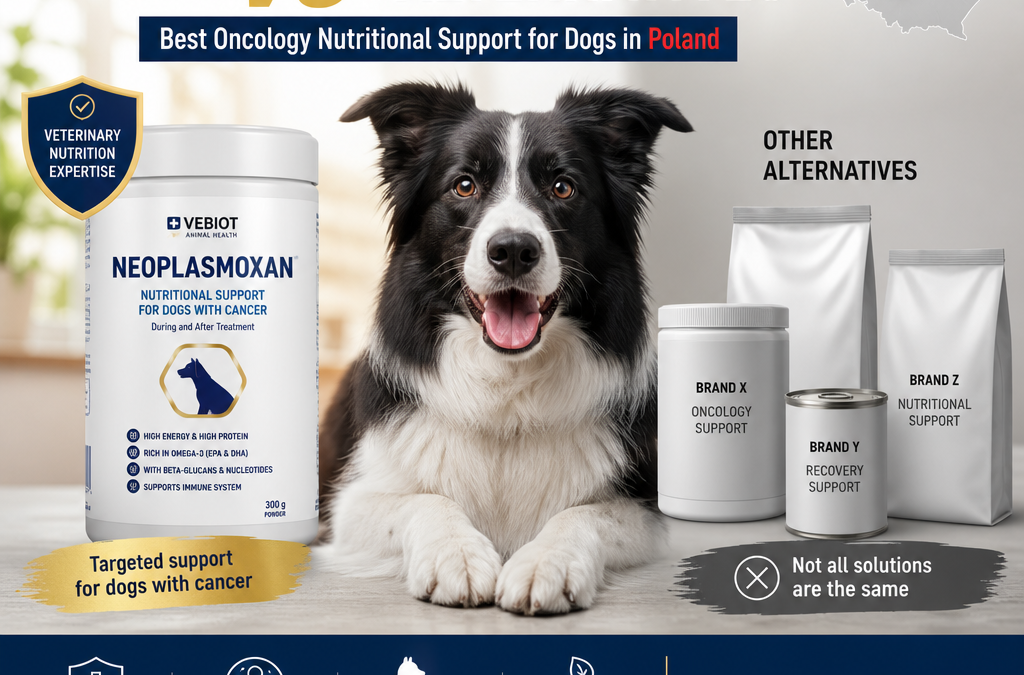
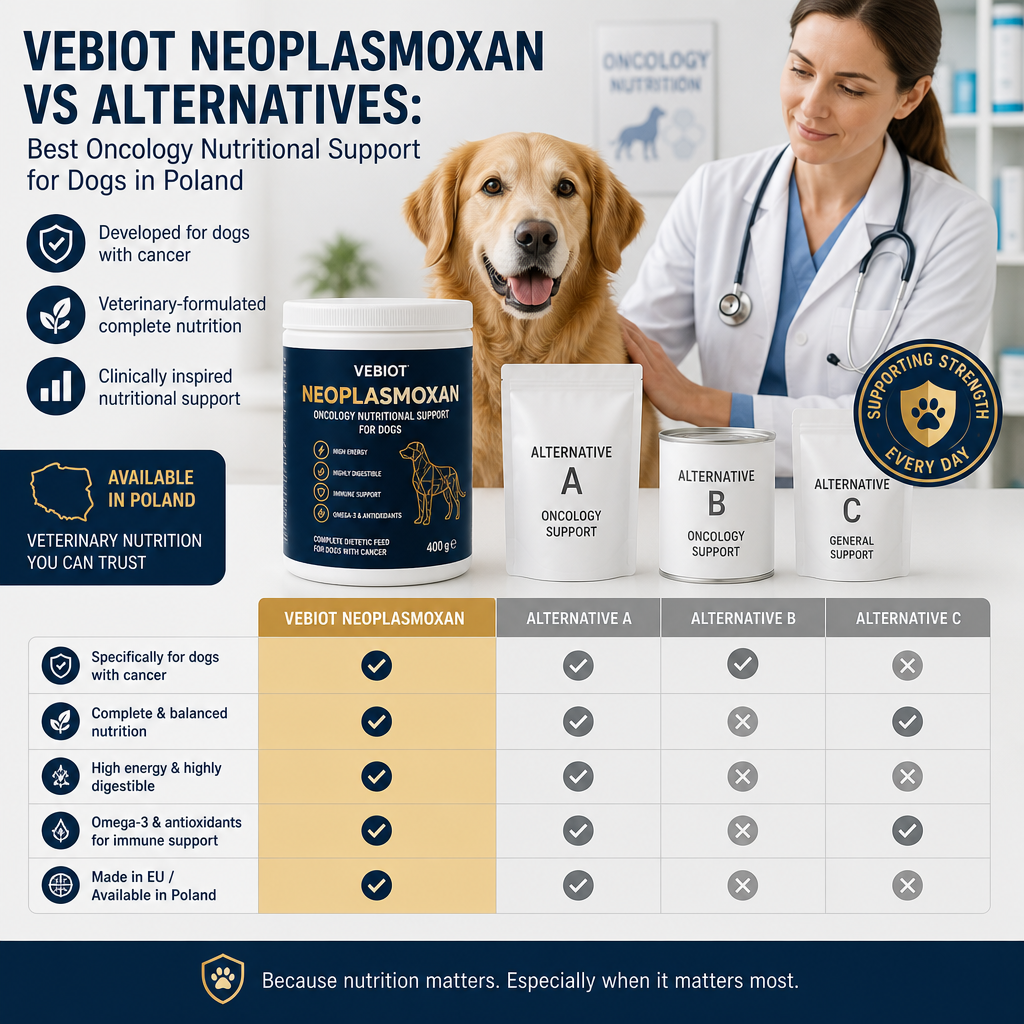
VEBIOT Neoplasmoxan vs Alternatives is a comparison many Polish dog owners consider after a cancer diagnosis. While no nutritional product can replace surgery, chemotherapy, radiotherapy, or veterinary monitoring, carefully selected support may help maintain appetite, body condition, digestion, and daily comfort. The right choice depends on the tumor type, treatment plan, laboratory results, current diet, and the dog’s individual response.
For owners comparing VEBIOT Neoplasmoxan vs alternatives, the goal is not to find a miracle product. It is to choose the safest and most practical support that fits the dog’s needs and the veterinarian’s plan. In some cases, that means a complete therapeutic diet; in others, it means a targeted supplement or medical appetite support.
Cancer can affect a dog’s nutritional status in several ways. Some tumors increase energy demands, while others cause inflammation, nausea, pain, or changes in metabolism. Treatment may also reduce appetite or lead to vomiting, diarrhea, altered taste, and fatigue. Losing muscle and body weight can make recovery more difficult and may reduce tolerance of therapy.
Oncology nutritional support aims to help preserve lean muscle, provide adequate calories, and maintain normal digestive function. It may include a complete therapeutic diet, appetite-support strategies, carefully selected supplements, or a combination recommended by a veterinarian. Nutritional care should be personalized rather than based solely on the product label.
A dog receiving cancer treatment should usually have regular assessments of weight, muscle condition, appetite, hydration, stool quality, and blood results. A stable body weight is useful, but muscle condition is equally important because a dog can retain weight while losing muscle. That is one reason why VEBIOT Neoplasmoxan vs alternatives should never be judged only by the front panel claims or by the number of ingredients listed.
In practical terms, oncology nutritional support is about daily function. A dog that eats more consistently, digests food better, and maintains strength may be better able to handle the stress of treatment. Even small improvements in intake can matter when illness, medication, or oral discomfort make eating difficult. For this reason, owners often need to think about nutrition support as part of the overall treatment plan rather than as a separate decision.
It is also important to remember that dogs vary widely in how they respond. One patient may continue eating normally and need only a modest dietary adjustment, while another may lose appetite quickly and require a more structured plan. Because of that variation, comparing VEBIOT Neoplasmoxan vs alternatives is most useful when the comparison is anchored to the dog’s current condition, not to generic expectations.
Veterinary oncology nutrition also becomes more important when treatment is prolonged. A product that seems adequate for a few days may not be enough over several weeks if the dog gradually loses weight or becomes more selective about food. Monitoring and adjustment are therefore part of the nutritional strategy itself.
VEBIOT Neoplasmoxan vs Alternatives: what should be compared?
When comparing VEBIOT Neoplasmoxan vs alternatives, owners should look beyond marketing descriptions. Important comparison points include ingredients, intended use, evidence, dosage, palatability, safety, and compatibility with prescribed treatment.
VEBIOT Neoplasmoxan is marketed as a nutritional support product for dogs with neoplastic disease. Depending on the formulation and local availability, it may contain a combination of nutrients and bioactive ingredients intended to support general condition during oncology care. Because formulas, package instructions, and distribution details can change, the current Polish product label should always be checked before use.
Alternatives may include veterinary oncology diets, high-energy recovery foods, omega-3 fatty acid products, digestive support formulas, or condition-specific supplements. These products do not all serve the same purpose. A complete diet can provide calories and essential nutrients, whereas a supplement may address only one nutritional area.
The most useful questions are:
Is the product nutritionally complete or intended only as a supplement?
Does it provide meaningful calories and protein?
Are the ingredients suitable for the dog’s kidney, liver, and gastrointestinal status?
Has the veterinarian reviewed possible interactions with medication?
Can the dog tolerate and reliably consume it?
Is there credible evidence for its intended use?
Is the dosage clear and practical?
It also helps to distinguish short-term support from long-term support. Some products are best used temporarily during a difficult treatment phase, while others may be suitable as part of an ongoing feeding plan. This distinction matters because a dog’s nutritional needs may change between diagnosis, active treatment, recovery, and palliative care. VEBIOT Neoplasmoxan vs alternatives should be compared with those stages in mind.
Another practical comparison point is ease of administration. A product may look good on paper but be difficult to give if the dog rejects the taste, resists tablets, or cannot tolerate the smell. In everyday care, adherence often matters more than theoretical benefit. A simple product that the dog accepts consistently may be more effective than a complicated option that is used only sporadically.
Main categories of dog tumor support options
Complete veterinary diets
Therapeutic diets are often the foundation of nutritional care. They are formulated to provide balanced nutrition, consistent calorie content, and appropriate levels of protein, fat, vitamins, and minerals. Some oncology-focused diets emphasize energy density and highly digestible ingredients, while others are designed for recovery or a specific medical condition.
A complete diet is particularly valuable when the dog is eating poorly because each small portion can deliver more nutrition. However, not every dog with cancer needs a specialized cancer diet. Dogs with pancreatitis, kidney disease, diabetes, or severe gastrointestinal problems may require a different formula.
When appetite is reduced, a high-quality therapeutic diet may be more helpful than multiple separate supplements. It can simplify feeding, reduce the chance of ingredient overlap, and make calorie intake easier to track. For some dogs, simply finding a more palatable diet with a favorable texture is enough to improve daily intake.
Owners sometimes assume that a specialized cancer formula must always be superior to a regular diet, but that is not necessarily true. The best diet is the one that the dog can eat safely and consistently. If a dog refuses a prescribed formula, the veterinary team may need to adapt the plan rather than insist on one specific product. This is another reason VEBIOT Neoplasmoxan vs alternatives cannot be judged in isolation from the dog’s eating behavior.
Omega-3 fatty acids
Marine-derived omega-3 fatty acids, especially EPA and DHA, are commonly discussed in canine oncology nutrition. They may support healthy inflammatory regulation and help maintain general nutritional status. The correct dose depends on the product, the dog’s body weight, diet, and medical condition.
Fish oil is not automatically harmless. It can contribute extra calories, cause digestive upset, and require caution in dogs with clotting problems, pancreatitis risk, or certain medications. A veterinarian should confirm the appropriate product and dose.
Omega-3 supplements are often used because they are easy to combine with other nutritional strategies. Still, they should be selected carefully. Product concentration, freshness, and storage quality all affect usefulness. A rancid or poorly stored oil is not a good choice, especially for a dog already dealing with reduced appetite or nausea.
For some dogs, omega-3s are best added only after the primary feeding problem is controlled. For others, they are part of a broader nutritional plan from the beginning. The key is to use them with a clear goal, not just because they are commonly mentioned in online discussions of VEBIOT Neoplasmoxan vs alternatives.
Digestive and appetite support
Some dogs need help with nausea, vomiting, diarrhea, constipation, or reduced appetite before any supplement can be useful. Veterinary treatment may include anti-nausea medication, pain control, appetite stimulants, hydration support, or management of treatment-related gastrointestinal effects.
Palatability also matters. Warmed food, smaller frequent meals, and different textures can sometimes improve intake. Sudden diet changes should be avoided unless medically necessary, as they may worsen digestive upset.
Digestive support is often the difference between a product being theoretically useful and practically useful. If a dog feels nauseated or has abdominal discomfort, even an otherwise appropriate supplement may not be accepted. That means the first step is sometimes symptom management rather than nutrition optimization. In that sense, VEBIOT Neoplasmoxan vs alternatives should be viewed alongside the dog’s current symptoms, not separately from them.
Appetite support can also involve routine and environment. Quiet feeding areas, consistent meal times, and reduced stress may help some dogs eat better. This is especially relevant in dogs undergoing repeated treatments, where stress and fatigue can compound poor intake. Nutritional support is therefore not only about products; it is also about how feeding is managed at home.
Targeted supplements
Products containing antioxidants, amino acids, medicinal mushrooms, vitamins, or herbal ingredients are widely available. Their quality and evidence vary considerably. “Natural” does not necessarily mean safe, and concentrated supplements may affect drug metabolism, blood clotting, blood pressure, or liver function.
During chemotherapy or radiotherapy, introducing several new products at once makes it difficult to identify benefits or side effects. A simple, documented plan is safer than combining numerous supplements based on online recommendations.
Owners should also keep in mind that supplement labels can be difficult to compare directly. Two products may list similar ingredients but use different concentrations or delivery forms, which can produce very different practical results. A product that appears comprehensive may still be weak in the ingredient that matters most for the dog’s condition. That is why a careful review of the full formulation is more helpful than focusing on brand popularity.
For owners researching VEBIOT Neoplasmoxan vs alternatives, a good next step is to compare product purpose first, then ingredient profile, and only then brand name. If a product does not match the dog’s main problem, it is unlikely to help much. If the main issue is poor appetite, for example, an expensive antioxidant blend may not be as useful as a palatable recovery diet or medical appetite support.
It is also reasonable to ask whether a supplement is meant to support the patient directly or simply to complement a broader feeding plan. Some products are useful only as add-ons, and expecting them to function as the core nutritional strategy can lead to disappointment. Clear expectations improve decision-making and prevent unnecessary spending.
How to choose support in Poland
In Poland, owners can find veterinary diets and supplements through veterinary clinics, specialist pet pharmacies, animal health retailers, and online stores. Purchasing through a reliable source is important because storage conditions, authenticity, batch information, and expiry dates affect product quality.
The product should have clear Polish labeling or instructions, manufacturer information, batch details, recommended use, and dosage guidance. Owners should be cautious of products that promise to cure cancer, replace conventional treatment, or guarantee tumor shrinkage. Such claims are not consistent with responsible veterinary oncology care.
Before purchasing, discuss the product with the veterinarian managing the dog’s cancer. Bring the full ingredient list, not just the front of the package. This is especially important if the dog receives chemotherapy, corticosteroids, non-steroidal anti-inflammatory drugs, anticoagulants, anticonvulsants, or medication for kidney or liver disease.
It can also help to review reliable background guidance from the American Veterinary Medical Association’s overview of cancer in pets before making changes at home. Educational references like this do not replace your veterinarian, but they can help you ask better questions.
Practical access also matters. A product that is difficult to reorder, frequently out of stock, or hard to obtain at the correct dosage may not be ideal for a dog that needs stable daily support. When comparing VEBIOT Neoplasmoxan vs alternatives, think about continuity of supply as well as formulation. A good plan should be sustainable over time.
Owners should also consider whether the chosen support can be integrated into the family’s routine. If a supplement requires complicated preparation, precise timing, or frequent monitoring that is unrealistic at home, it may be less practical than a simpler alternative. Good oncology nutrition is only effective when caregivers can use it consistently.
How the alternatives are usually grouped
When people search for VEBIOT Neoplasmoxan vs alternatives, they often expect a single best answer. In practice, the most suitable choice usually falls into one of four groups: a complete diet, an omega-3 product, a digestive/appetite support tool, or a targeted supplement used alongside treatment.
A complete diet is the strongest option when the main issue is inadequate daily nutrition. Omega-3 products may be more helpful when the objective is supporting overall condition with a specific fatty acid profile. Appetite and digestive support are appropriate when the dog cannot eat enough to benefit from anything else. Targeted supplements make sense only when their ingredients match a specific need and the veterinarian agrees that the product is appropriate.
This framework prevents owners from choosing based only on popular advertising. It also helps reduce the risk of stacking multiple products that overlap in purpose or create unnecessary side effects.
Another way to think about the options is by urgency. If the dog is actively losing weight or eating very poorly, immediate calorie delivery and appetite stabilization matter most. If the dog is relatively stable, there may be more time to compare ingredients and fine-tune a longer-term plan. In either case, VEBIOT Neoplasmoxan vs alternatives should be judged by the outcome you need right now.
Finally, there is a difference between support that is preventative and support that is corrective. Preventative support tries to maintain strength before the dog declines further. Corrective support responds to an existing problem such as nausea, low intake, or muscle loss. Knowing which category applies to your dog can make the choice much easier.
Monitoring the dog after introducing a product
Any nutritional support should be introduced gradually when possible. Monitor appetite, water intake, vomiting, stool consistency, energy, skin condition, and body weight. Keep a simple daily record so changes can be discussed objectively with the veterinary team.
Contact a veterinarian promptly if the dog refuses food for an extended period, vomits repeatedly, develops severe diarrhea, becomes markedly weak, has difficulty breathing, shows uncontrolled pain, or experiences rapid weight loss. These signs may require medical treatment rather than a change in supplement.
It is also wise to review the response after one to two weeks, especially if you are testing a new product. If the dog is not eating better, is losing weight, or has worse stool quality, the plan should be adjusted rather than continued automatically.
Monitoring should be structured, not vague. A simple checklist of food intake, stool quality, activity, and comfort can reveal trends that are easy to miss day to day. For dogs with cancer, even small changes may be meaningful. A decline in enthusiasm for food can signal nausea, pain, or progression of disease, all of which should be discussed with the veterinarian.
It can also be helpful to weigh the dog at the same time each week and, if possible, use the same scale. This helps separate real changes from day-to-day fluctuation. Owners often notice a dog “looks thinner,” but objective measurements give the veterinary team more reliable information.
A practical decision framework
The best oncology nutritional support is not necessarily the most expensive or the most heavily promoted. Start by identifying the main problem: inadequate calories, muscle loss, nausea, digestive upset, poor palatability, or a disease-specific dietary restriction. Then select the simplest product or dietary strategy that addresses that problem safely.
VEBIOT Neoplasmoxan vs Alternatives should therefore be judged by fit, not by hype. VEBIOT Neoplasmoxan may be appropriate for some dogs as part of a broader veterinary plan, while another dog may benefit more from a complete therapeutic diet, omega-3 supplementation, recovery nutrition, or medical appetite and nausea control. The comparison should focus on the individual dog rather than on a universal ranking.
When in doubt, keep the plan simple and track results carefully. Nutritional support works best when integrated with oncology treatment, regular examinations, laboratory monitoring, and realistic quality-of-life goals. Supplements can play a supportive role, but they should complement—not replace—evidence-based cancer care prescribed by a qualified veterinarian.
For many families, the safest answer in the VEBIOT Neoplasmoxan vs alternatives discussion is a combination approach: one primary nutritional strategy, one clearly justified supplement if needed, and close veterinary oversight. That approach gives the dog support without adding unnecessary complexity.
At the end of the comparison, the most important question is not which brand sounds strongest, but which option helps the dog maintain appetite, strength, and comfort with the least risk. When used thoughtfully, nutritional support can make a real difference in daily care, especially when treatment is ongoing and the dog’s needs change over time.
If you are still deciding, revisit the dog’s current symptoms, treatment phase, and feeding routine before making a purchase. That simple step often clarifies whether VEBIOT Neoplasmoxan vs alternatives should be resolved in favor of a therapeutic diet, a specific supplement, or a veterinarian-guided medical support plan.
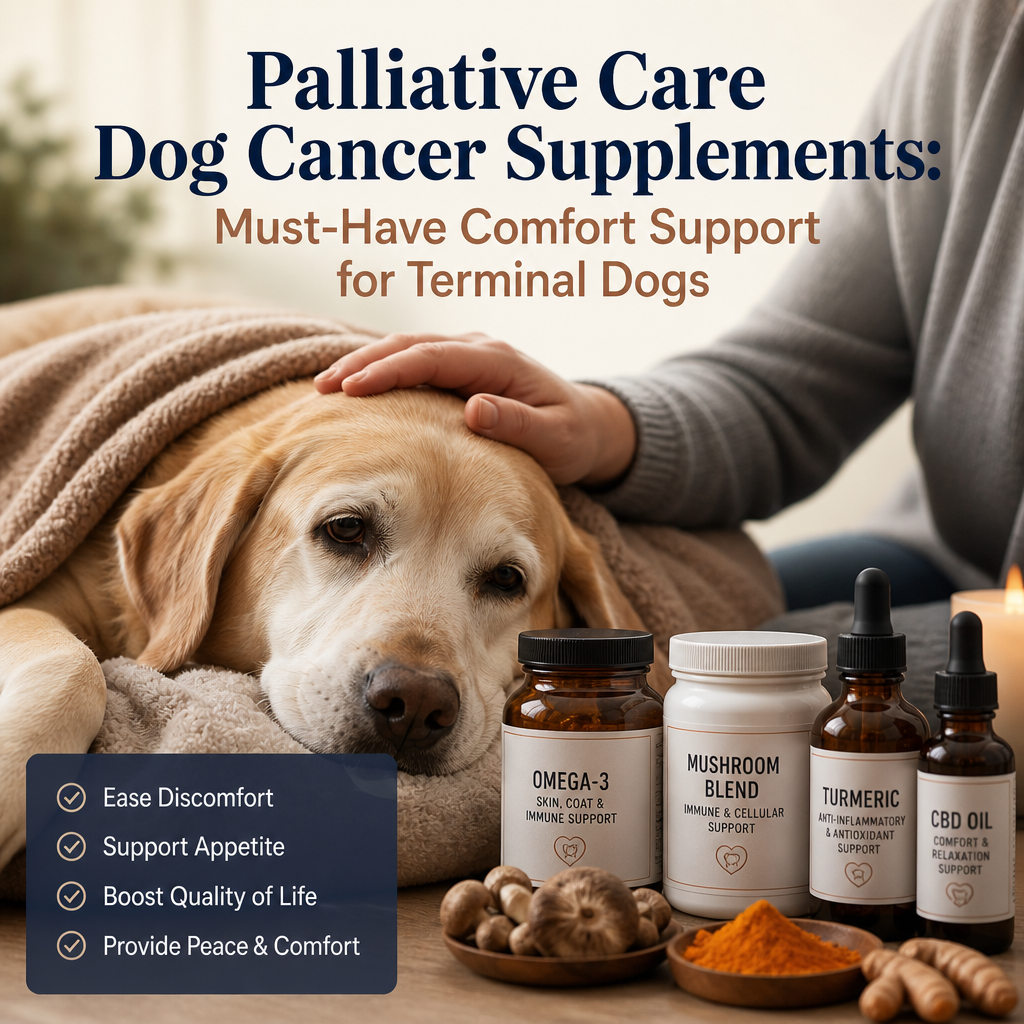
Palliative Care Dog Cancer Supplements can offer gentle, supportive care for dogs living with advanced cancer, but they should never replace veterinary treatment. When a dog’s disease is no longer curable, the goal often shifts from eliminating cancer to preserving comfort, mobility, appetite, and meaningful time with family. Carefully selected supplements may help support these goals when used alongside pain control, nutrition, environmental adjustments, and regular veterinary guidance.
Understanding palliative care for dogs with cancer
Palliative care focuses on quality of life rather than aggressive treatment alone. For a terminally ill dog, this may include managing pain, nausea, inflammation, anxiety, reduced mobility, poor appetite, and other symptoms associated with cancer or its treatment.
Every dog has different needs. A dog with bone cancer may require support for pain and mobility, while a dog with gastrointestinal cancer may struggle primarily with nausea, weight loss, and digestion. Palliative care dog cancer supplements should therefore be chosen according to the dog’s diagnosis, medications, laboratory results, age, and overall condition.
Before adding any product, discuss it with a veterinarian. Some supplements can interfere with chemotherapy, surgery, blood clotting, liver function, or prescription medications. “Natural” does not automatically mean safe, particularly for a dog with weakened organs or advanced disease.
In many cases, the most effective plan combines veterinary treatment, careful feeding, and a few targeted supportive products. Used thoughtfully, palliative care dog cancer supplements can fit into that plan without overwhelming the dog’s routine.
Palliative Care Dog Cancer Supplements for nutritional support
Cancer can increase the body’s energy demands while reducing appetite. Some dogs lose weight because of nausea, pain, altered taste, difficulty chewing, or changes in metabolism. Nutritional support may help maintain strength and make daily activities easier.
Veterinarians may recommend calorie-dense foods, therapeutic diets, or carefully selected nutritional supplements. Omega-3 fatty acids from fish oil are commonly discussed because they may help support normal inflammatory balance and skin health. They can also provide concentrated calories, which may be useful for dogs eating small amounts. However, dosing matters, and fish oil may not be appropriate for every dog, especially those with pancreatitis, bleeding disorders, or certain digestive conditions.
A veterinary-approved multivitamin may be useful when a dog is eating a very limited homemade diet, but indiscriminate supplementation can create nutritional imbalances. Dogs receiving a complete and balanced commercial or therapeutic diet often do not need large amounts of additional vitamins.
Digestive support may also be considered. Probiotics and veterinarian-approved digestive products can sometimes help maintain normal stool quality and gut function, particularly after antibiotic use or during periods of digestive upset. They are not a cure for cancer, and a dog with persistent vomiting, diarrhea, abdominal pain, or refusal to eat needs prompt veterinary attention.
Some families also look for broader guidance on supportive care, and this related guide on best supplements for dogs with cancer can be a helpful starting point.
When nutrition becomes difficult, palliative care dog cancer supplements should be viewed as support tools rather than a complete answer. The priority is to help the dog eat comfortably and maintain enough energy for normal daily life.
Dog cancer comfort support for pain and mobility
Pain management is one of the most important aspects of palliative care. Prescription pain relievers, anti-inflammatory medications, nerve-pain medications, and other veterinary treatments usually form the foundation of comfort care. Supplements may provide additional support but should not be used instead of appropriate analgesia.
Joint-support ingredients such as glucosamine, chondroitin, green-lipped mussel, and undenatured type II collagen are often used for mobility concerns. Their effects may be gradual and are generally more relevant to joint function than severe cancer pain. A dog with bone or soft-tissue cancer may need a much more comprehensive pain plan.
Some products containing cannabidiol, or CBD, are marketed for dog cancer comfort support. Research remains limited, product quality varies widely, and CBD can affect liver enzymes or interact with medications. Any use should be discussed with a veterinarian, with careful attention to product testing, dosage, sedation, appetite changes, and possible side effects.
Gentle physical support can be just as valuable as supplements. Orthopedic bedding, nonslip rugs, ramps, padded harnesses, and short, comfortable walks may help a dog conserve energy and avoid injury. Heat should be used cautiously, since some tumors, inflammation, or circulation problems may make warming inappropriate.
For many households, palliative care dog cancer supplements work best when they are paired with changes to the home environment. A softer bed, easier access to water, and less stair climbing can matter as much as the supplement itself.
Supplements for terminal dog cancer and appetite concerns
Loss of appetite is common in advanced cancer, but it can result from several different problems. Pain, nausea, constipation, dehydration, medication side effects, and organ dysfunction may all reduce interest in food. Treating the underlying cause is more effective than simply adding an appetite supplement.
Veterinarians may prescribe anti-nausea medication, appetite stimulants, acid reducers, or other treatments. Feeding small portions several times a day can be easier than offering one large meal. Warmed food may have a stronger aroma, and soft textures can help dogs with mouth pain or weakness.
Supplements marketed for appetite or immune support often contain herbs, vitamins, or concentrated compounds that have not been adequately studied in dogs with cancer. Some may irritate the stomach or place additional strain on the liver and kidneys. Avoid forcing food, especially when a dog is nauseated or distressed, because it can increase anxiety and create food aversion.
Hydration is equally important. Fresh water should remain easy to access, and a veterinarian can advise whether oral fluids, electrolyte products, or assisted hydration are appropriate. Signs of dehydration include dry or sticky gums, weakness, sunken eyes, and reduced urination.
For reputable background information on hospice and comfort-focused care, the AVMA overview of palliative care is a useful educational resource.
In this stage of illness, palliative care dog cancer supplements may be most helpful when they reduce stress around meals rather than trying to force a big improvement. Small, realistic gains in appetite and hydration can make a meaningful difference.
Safety guidelines for using cancer supplements
Bring a complete list of every product your dog receives to veterinary appointments. Include supplement names, ingredients, strength, serving size, and frequency. This information helps the veterinarian identify potential interactions and determine whether a product should be stopped.
Choose products manufactured by reputable companies with transparent ingredient lists and independent quality testing when available. Avoid products containing undisclosed blends, excessive doses, alcohol, xylitol, or ingredients known to be toxic to dogs. Never give human supplements without veterinary approval, since some contain unsafe additives or doses.
Monitor for vomiting, diarrhea, unusual sedation, agitation, bruising, yellowing of the gums or eyes, changes in thirst, or worsening appetite. Stop the product and contact the veterinarian if concerning symptoms develop.
If you are comparing products across countries, this article on best supplements for dogs with cancer can help you understand the main categories before making a choice.
Good safety habits are essential because palliative care dog cancer supplements can still cause problems if they are layered on top of multiple medications without supervision. Clear communication with the veterinary team lowers that risk.
Making comfort the central goal
Supplements can be one small part of a broader palliative plan. The most meaningful support often comes from controlling pain, maintaining hydration, providing appealing nutrition, preserving gentle movement, and keeping the dog close to familiar people and routines.
Track daily quality-of-life indicators such as appetite, comfort, mobility, sleep, interaction, breathing, toileting, and enjoyment. Good days and difficult days can be recorded on a simple calendar. This helps families recognize trends and make compassionate decisions with their veterinary team.
For dogs with terminal cancer, the best care is individualized and flexible. Palliative care dog cancer supplements may offer limited supportive benefits, but comfort should always guide their use. Thoughtful veterinary supervision ensures that every treatment—including supplements—serves the dog’s wellbeing rather than adding unnecessary burden.
When families stay focused on comfort, palliative care dog cancer supplements can fit into a practical plan that supports appetite, mobility, and calm. Used carefully, palliative care dog cancer supplements may help a dog feel a little better through the hardest days. In the end, palliative care dog cancer supplements should always be chosen with the dog’s comfort and dignity in mind.
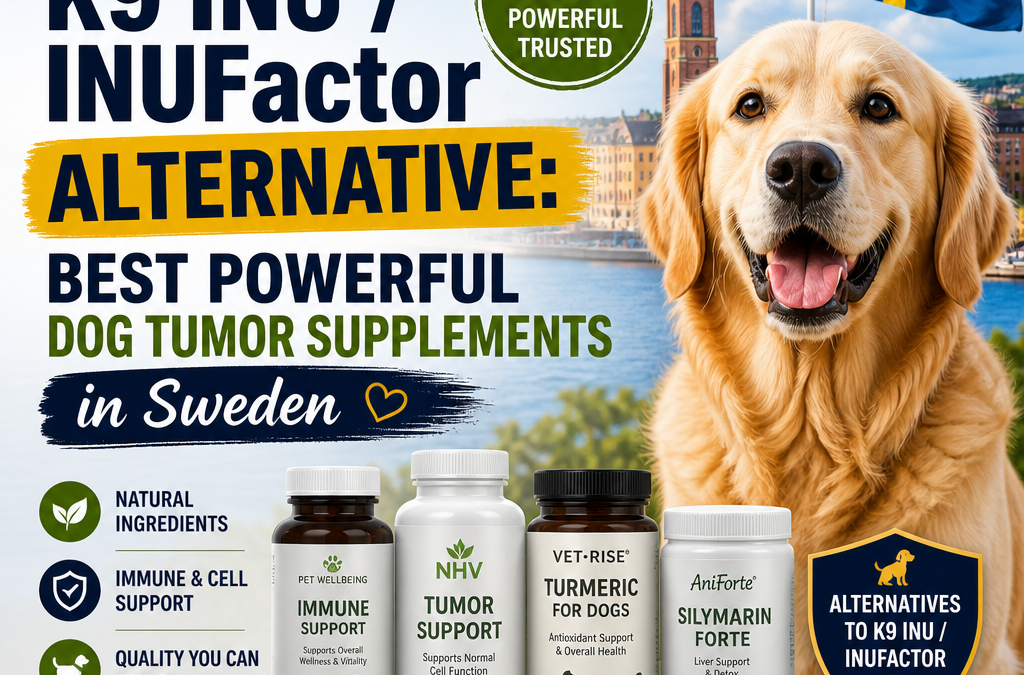
K9 INU / INUFactor alternative products are becoming increasingly relevant for Swedish dog owners looking for nutritional support during a dog’s cancer journey. When a dog develops a tumor, supplements may help support general wellbeing, appetite, digestion, and immune function, although they should never replace veterinary diagnosis or treatment. The right product depends on the dog’s condition, medication, tumor type, diet, and overall health.
K9 INU and INUFactor have attracted attention because they are marketed as nutritional products for dogs affected by tumors and other serious health conditions. However, availability, price, shipping, ingredients, and veterinary accessibility can vary in Sweden. Some owners may also prefer a supplement with a simpler ingredient list, stronger nutritional evidence, or ingredients that fit more easily into an existing treatment plan. A carefully chosen K9 INU / INUFactor alternative can be a practical way to support nutrition without disrupting daily care.
The best alternatives to K9 INU / INUFactor should be evaluated carefully rather than chosen solely because of advertising claims. A useful product should have transparent labeling, clear feeding instructions, quality control, and ingredients that are appropriate for dogs. It should also be easy to obtain from a reputable Swedish or European supplier. Many Swedish families prefer a K9 INU / INUFactor alternative that is straightforward to order, store, and give consistently.
For many families, the real question is not whether a supplement has a bold promise, but whether it can be used safely alongside ongoing care. A well-chosen K9 INU / INUFactor alternative may help support comfort and nutrition, but it should always fit the dog’s diagnosis, stage of disease, and treatment plan. That is especially important when a dog is already dealing with reduced appetite, nausea, weight loss, or medication side effects.
Swedish owners often look for products that are easy to source, simple to store, and backed by consistent manufacturing standards. That matters because supportive care is most useful when it can be given reliably over time. If a supplement cannot be obtained regularly, or if the label changes from one batch to another, it becomes harder to build a stable routine. In that setting, a reliable K9 INU / INUFactor alternative may be more valuable than a product with stronger marketing but weaker availability.
What should dog tumor supplements contain?
There is no single supplement that works for every dog with cancer. Nevertheless, several nutritional components are commonly considered when supporting dogs with serious illness. The best K9 INU / INUFactor alternative will usually combine one or more of these features in a form the dog can tolerate well.
Omega-3 fatty acids
Marine omega-3 fatty acids, particularly EPA and DHA, are often included in supportive canine diets. They may help maintain a healthy inflammatory response and support skin, coat, cardiovascular health, and normal cellular function. Fish oil should be sourced from a quality-controlled manufacturer and used at an appropriate dose, since excessive amounts can cause digestive upset or interfere with certain medical conditions. In practice, a K9 INU / INUFactor alternative with clear omega-3 content is easier to evaluate than one using vague fish oil claims.
Because omega-3 products vary widely, the amount of actual EPA and DHA matters more than the front-label marketing. A small capsule may contain less usable omega-3 than expected, while a concentrated liquid may be easier to adjust for body size. When comparing dog tumor supplements Sweden pet owners can find online or through clinics, it helps to check the supplement facts panel rather than only the product description. A dependable K9 INU / INUFactor alternative should make those numbers easy to find.
Antioxidant nutrients
Vitamins such as vitamin E, along with naturally occurring antioxidants from carefully selected ingredients, may contribute to normal cellular protection. However, high-dose antioxidant supplementation is not automatically beneficial. Some antioxidants can interact with particular treatments, so veterinary guidance is essential before combining them with chemotherapy, radiation, or other medications. A thoughtful K9 INU / INUFactor alternative should support the dog without adding unnecessary risk.
It is also worth remembering that “more” is not always better. In supportive care, the goal is balance. A measured amount of the right nutrient may be helpful, while excessive dosing can create new problems or complicate existing treatment. This is one reason veterinarians often prefer products with clearly stated amounts instead of vague proprietary blends. That principle applies to any K9 INU / INUFactor alternative being considered for a dog with a tumor.
Digestive support
Illness, stress, medication, and dietary changes can affect digestion. Prebiotic fibers, selected yeast products, and veterinary-approved probiotics may support normal intestinal function. Good digestion is especially important when a dog has reduced appetite, loose stools, or weight loss. Any digestive supplement should be introduced gradually.
Digestive support can be especially useful when the dog is going through changes in food texture or feeding schedule. Some dogs tolerate smaller, more frequent meals better than large servings. Others need a gentle probiotic after a course of medication. In these situations, the best K9 INU / INUFactor alternative may be one that works as part of the overall feeding plan rather than trying to do everything at once. That makes it easier to use the supplement consistently without upsetting the stomach.
Protein and energy
Dogs with tumors may lose weight or muscle, making adequate calories and high-quality protein important. A supplement cannot compensate for an insufficient diet, but calorie-dense nutritional products may help dogs that struggle to eat enough. Products designed for veterinary use are usually preferable to human meal replacements because dogs have different nutritional requirements. A K9 INU / INUFactor alternative that supports calories and protein intake can be especially helpful when a dog is losing body condition.
When appetite is inconsistent, the practical design of the product matters. Palatability, texture, odor, and ease of mixing can influence whether the dog accepts it consistently. Even a nutritionally sound product is not useful if the dog refuses it. That is why owners often compare several dog tumor supplements before deciding which one can realistically be given every day. The most effective K9 INU / INUFactor alternative is usually the one that the dog will actually eat.
Choosing dog tumor supplements in Sweden
When comparing dog tumor supplements Sweden pet owners can purchase, practical and safety considerations matter as much as the ingredient list. Look for products sold through established veterinary clinics, pharmacies, or reputable pet-health suppliers. The label should identify the manufacturer, batch information, serving guidance, storage instructions, and complete ingredient details. A trustworthy K9 INU / INUFactor alternative should provide that information without making you dig for it.
Swedish owners should also check whether the product is suitable for import, whether customer support is available in the European Union, and whether the supplement has been stored correctly during transport. Products exposed to heat, moisture, or prolonged shipping delays may lose quality, particularly oils and probiotic formulations.
A supplement intended for dogs should not contain ingredients that are toxic to them. Xylitol, certain essential oils, excessive vitamin D, and some herbal extracts can be dangerous. “Natural” does not automatically mean safe, especially for a dog receiving prescription medication. A K9 INU / INUFactor alternative should be assessed with the same caution you would use for any other supplement.
It can also help to verify whether the seller provides clear contact information and a full returns policy. Reputable suppliers usually publish ingredient lists, feeding directions, and storage recommendations in a way that is easy to review before purchase. That level of transparency makes it easier to compare a K9 INU / INUFactor alternative with other supportive products and decide which one fits the dog’s needs.
Another useful step is to ask whether the product has been formulated specifically for dogs rather than adapted from human supplementation trends. Veterinary products are typically designed with canine tolerance, dosing convenience, and practical administration in mind. If the product is imported from another European country, confirm that the formula, language label, and serving size are still appropriate for a Swedish household.
A promising alternative approach: complete nutritional support
One of the strongest alternatives to K9 INU / INUFactor may be a broader nutritional plan rather than a single capsule or powder. This can include a complete and balanced diet, carefully selected omega-3 supplementation, digestive support where appropriate, and strategies to maintain appetite and hydration. In many cases, a K9 INU / INUFactor alternative works best when it is part of a complete feeding strategy instead of a standalone solution.
Veterinary therapeutic diets may be useful for some dogs because they are formulated to provide concentrated nutrition in a controlled composition. In other cases, a veterinarian or veterinary nutritionist may recommend modifying the dog’s existing food. The goal is to preserve body condition, muscle mass, comfort, and quality of life. When that goal is clear, it becomes easier to choose a K9 INU / INUFactor alternative that supports the broader plan.
Owners should monitor weight regularly, ideally using the same scale and similar conditions each time. Changes in appetite, vomiting, diarrhea, drinking, activity, pain, or body condition should be recorded and discussed with the veterinary team. These observations help determine whether the K9 INU / INUFactor alternative is actually helping or whether adjustments are needed.
Food texture and timing can matter as much as the ingredients themselves. Some dogs eat better when food is warmed slightly, while others prefer softer textures or a more routine feeding schedule. The right K9 INU / INUFactor alternative may therefore be part of a daily care routine that includes meal planning, hydration, and symptom monitoring. This broader approach often supports better consistency than relying on a single product alone.
It may also be helpful to think in stages. During periods of poor appetite, the focus may be calorie intake and palatability. During more stable periods, the focus may shift to maintaining lean body mass and digestive comfort. As the dog’s condition changes, the support plan should change too. A flexible plan is usually more sustainable than a rigid supplement routine, and that makes the chosen K9 INU / INUFactor alternative easier to use over time.
Safety considerations before using any alternative
Before giving alternatives to K9 INU / INUFactor, provide the veterinarian with the full ingredient list and the dog’s current medication schedule. This is particularly important if the dog is receiving chemotherapy, corticosteroids, anti-inflammatory drugs, anticoagulants, or medication for liver, kidney, or heart disease. A K9 INU / INUFactor alternative that seems harmless on the surface may still be inappropriate when combined with a specific treatment plan.
Supplements can sometimes alter digestion, bleeding risk, blood sugar, or the way medicines are absorbed. They may also make it harder to identify the cause of a new symptom. Introduce only one new product at a time and stop it if the dog develops vomiting, diarrhea, itching, unusual tiredness, or other concerning signs. If symptoms appear after starting a K9 INU / INUFactor alternative, pause it and review the plan with the clinic.
Supplements should be viewed as supportive care, not a cure. No product should be promoted as capable of dissolving tumors, replacing surgery, or guaranteeing survival. Honest product information is a key sign of a trustworthy supplement provider. That is true for any K9 INU / INUFactor alternative you may see advertised online.
When in doubt, ask the clinic whether the supplement could affect planned procedures, blood tests, or medication timing. Even a product that seems gentle may still be inappropriate for a dog with a specific diagnosis or treatment history. If the dog has multiple conditions, such as cancer plus kidney disease or pancreatitis, professional review is even more important.
Reliable evidence can also help owners make better decisions. General cancer care information from a reputable veterinary source, such as the American Veterinary Medical Association’s guidance on cancer in pets, can provide helpful background when discussing nutrition and supportive care with a veterinarian. Using a dependable source like this alongside product labels creates a more balanced decision-making process for any K9 INU / INUFactor alternative under consideration.
How to compare product labels carefully
Label reading is one of the most overlooked parts of choosing dog tumor supplements. A strong label should show the exact active ingredients, not just a marketing name. It should also explain whether the product is a powder, capsule, soft chew, oil, or liquid, because format affects dosing and palatability. This is especially important when comparing a K9 INU / INUFactor alternative with similar products.
Check whether the label gives amounts per serving and whether those amounts are realistic for your dog’s body size. Some products look strong on the front panel but contain very small amounts of the key nutrients when examined closely. Others may include extra flavorings or fillers that are not necessary for a medically fragile dog.
It is also wise to review the manufacturer’s quality controls. Batch numbers, expiration dates, and manufacturing location can all signal whether a company takes consistency seriously. If the product comes from a European distributor, ask whether the supply chain is stable and whether storage conditions are documented during shipping. Those details can help separate a reliable K9 INU / INUFactor alternative from a less dependable one.
A thoughtful comparison may reveal that the most useful K9 INU / INUFactor alternative is not the one with the loudest claims, but the one that best matches the dog’s needs. For example, some dogs need a product that supports calories, while others need something easier on the stomach. The best choice is the one that can be used safely and consistently in real life.
Signs that a supplement may not be a good fit
Not every product advertised for sick dogs is suitable for every patient. A supplement may be a poor fit if it contains unclear proprietary blends, exaggerated claims, or ingredients that are not clearly identified. It may also be a concern if the product does not explain dosing by body weight or if the company avoids answering questions about sourcing. Those are important warning signs when selecting a K9 INU / INUFactor alternative.
Other warning signs include overly broad promises, such as claiming support for every type of tumor, every stage of disease, or every dog regardless of health history. If the marketing sounds too good to be true, it usually deserves extra scrutiny. Supportive care should be specific, practical, and honest. A genuine K9 INU / INUFactor alternative should never sound like a cure-all.
If a dog has repeated digestive upset after starting a new product, the supplement may not be tolerated well. The same is true if appetite worsens or the dog becomes reluctant to eat the food the product is mixed with. In those cases, the best next step is usually to pause the supplement and review the plan with the veterinarian. A K9 INU / INUFactor alternative is only useful if the dog can tolerate it well enough to keep eating and maintaining strength.
Building a sensible support plan
A responsible plan for a dog with a tumor begins with veterinary assessment. The veterinarian can explain the diagnosis, treatment options, expected effects, and nutritional priorities. From there, owners can consider whether a supplement has a realistic role. A K9 INU / INUFactor alternative should support that plan rather than replace it.
The most useful plan may focus on maintaining appetite, preventing weight loss, supporting digestion, controlling pain and nausea, and preserving normal daily activities. Regular checkups help determine whether the plan is helping or causing unwanted effects. In practice, the best K9 INU / INUFactor alternative is often the one that fits into these priorities without adding unnecessary complexity.
For Swedish dog owners, choosing dog tumor supplements Sweden suppliers can provide should involve careful comparison of quality, safety, evidence, and veterinary compatibility. A well-formulated alternative may offer valuable nutritional support, but it should always fit into a broader medical and welfare strategy designed specifically for the individual dog. That makes any K9 INU / INUFactor alternative more meaningful in daily care.
In many cases, the most practical K9 INU / INUFactor alternative is a combination of good food, careful monitoring, and targeted support instead of a single “miracle” product. That approach respects the complexity of cancer care while still giving the dog the nutritional help it may need. The right K9 INU / INUFactor alternative should make life easier for both the dog and the owner, not more stressful.
If you are comparing options now, focus on products that are transparent, easy to administer, and appropriate for your dog’s current condition. The best outcome usually comes from combining veterinary advice, realistic expectations, and a supplement routine that can be followed consistently over time. For many families, that is the safest and most effective way to support a dog through illness with a carefully chosen K9 INU / INUFactor alternative.