by TCMVET | Aug 18, 2026 | Research and News
Ocoxin Pets is a nutritional supplement designed to support dogs and other companion animals during periods of illness, recovery, or increased physical stress. In Slovenia, interest in this product has grown among owners looking for affordable dog cancer support that can complement veterinary treatment. However, supplements should never be presented as a cure for cancer. The most responsible approach is to understand what Ocoxin Pets may offer, where its limits are, and how it should be used alongside professional veterinary care.
What is Ocoxin Pets?
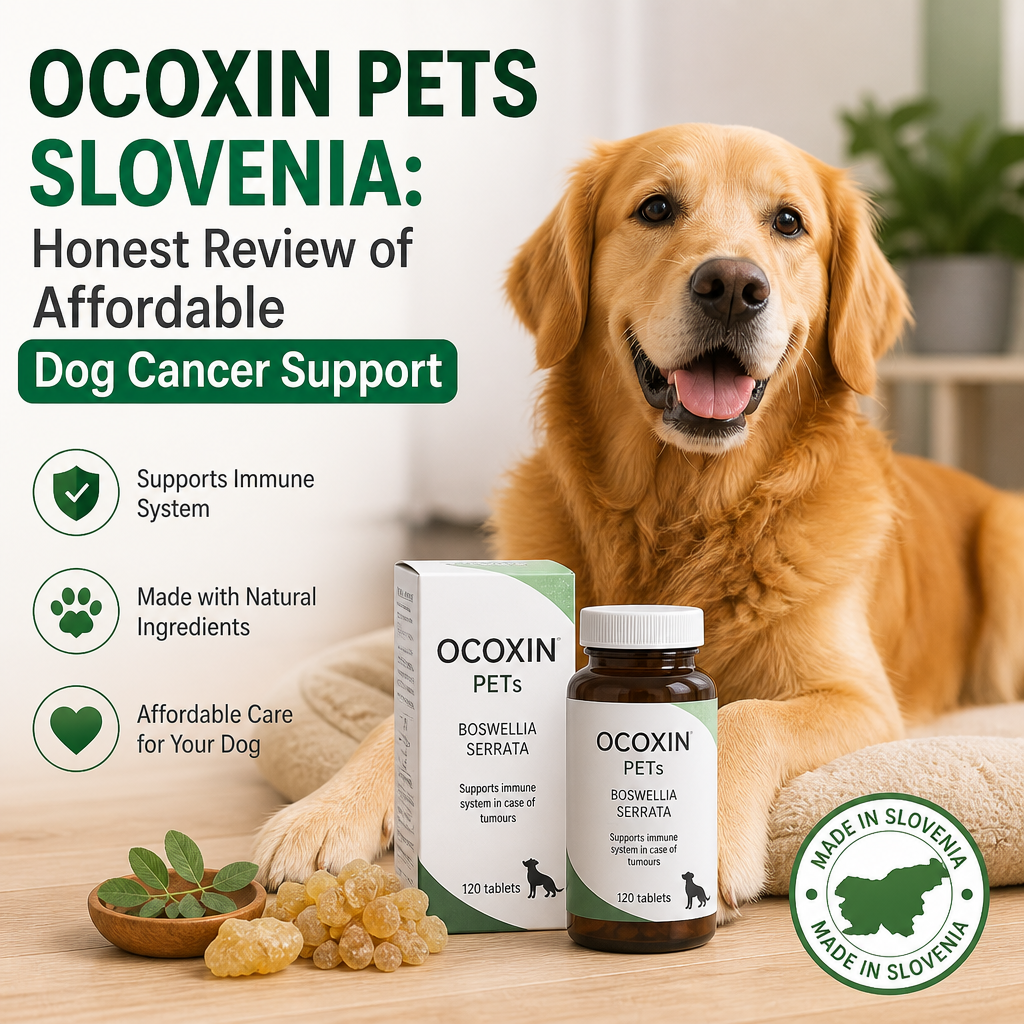
Ocoxin Pets is commonly described as a complementary nutritional product for animals. Its formulation is intended to provide supportive nutrients and bioactive compounds that may help maintain appetite, energy, immune function, and general condition. These goals can be particularly important for dogs affected by cancer, chronic disease, treatment-related side effects, or prolonged recovery.
Cancer can affect a dog in many ways. Some animals experience weight loss, reduced appetite, digestive problems, fatigue, inflammation, or a gradual decline in muscle mass. Chemotherapy, radiotherapy, surgery, and other treatments may add further strain. A nutritional supplement may therefore be considered as part of a wider supportive-care plan, especially when maintaining quality of life is a priority.
The product should be viewed as an adjunct rather than a replacement for diagnosis or treatment. No supplement can take the place of surgery, chemotherapy, pain management, prescription medication, or regular veterinary monitoring.
Ocoxin Pets dog cancer support: What can it realistically do?
The phrase “dog cancer support” can mean several different things. It may refer to helping a dog maintain nutritional intake, supporting recovery after treatment, assisting general vitality, or providing additional dietary compounds during a demanding period. These are reasonable supportive aims, but they are not the same as treating or eliminating a tumor.
A dog receiving cancer care may benefit from practical nutritional support when illness causes appetite loss or weakness. Some owners report that their pets seem more willing to eat or maintain better energy while using supplements, although individual responses vary widely. Improvements may also result from better pain control, changes in diet, treatment of nausea, or natural fluctuations in the disease.
An honest assessment should therefore avoid promising dramatic results. Ocoxin Pets may be useful for some animals as part of a comprehensive care plan, but evidence for any supplement must be interpreted carefully. Experiences shared by owners can be encouraging, yet personal testimonials do not prove that a product works for every dog or directly affects cancer progression.
Ingredients and nutritional considerations
Before purchasing Ocoxin Pets, owners should review the current ingredient list and product instructions. Formulas can change between markets, and the Slovenian packaging may provide specific details about dosage, storage, and intended use. It is important to check whether the product contains ingredients that could conflict with a dog’s medical condition or prescribed medication.
Dogs with kidney disease, liver problems, diabetes, pancreatitis, food allergies, or digestive sensitivities may require special consideration. Some ingredients that are well tolerated by one animal may cause vomiting, diarrhea, or appetite changes in another. Puppies, pregnant dogs, elderly animals, and dogs with multiple conditions may also need individualized advice.
A veterinarian can help assess whether the supplement is appropriate and whether the dog’s diet already provides adequate amounts of certain nutrients. Adding several products at once can make it difficult to identify the cause of a side effect and may create unnecessary nutritional overlap.
Ocoxin Pets review: Potential advantages
One of the main advantages mentioned by owners is affordability. Cancer treatment can be expensive, and many families seek supportive options that do not create an additional financial burden. A product that is easy to administer and available through Slovenian suppliers may be more practical than specialized imported supplements.
Another potential benefit is convenience. If Ocoxin Pets can be given with food or according to a straightforward daily schedule, it may fit more easily into a dog’s care routine. Consistency matters when supporting an animal through a long treatment period.
The product may also appeal to owners who want a nutritional supplement rather than an aggressive alternative remedy. Used responsibly, this approach keeps the focus on veterinary treatment while addressing appetite, strength, and general wellbeing.
For readers comparing supportive options in Europe, it may also help to review affordable dog tumor supplement alternatives in the UK to understand how similar products are positioned in other markets.
Limitations and possible concerns
The most important limitation is that Ocoxin Pets should not be described as an anticancer cure. A supplement cannot be relied upon to shrink tumors, prevent metastasis, or replace clinically proven treatment. Delaying veterinary care because of optimistic product claims can seriously harm an animal.
Scientific evidence may also be limited compared with the evidence available for conventional cancer therapies. Owners should distinguish between laboratory findings, manufacturer information, anecdotal reviews, and high-quality clinical research. These types of evidence do not carry the same weight.
Side effects are possible, even with products marketed as natural or gentle. Monitor the dog for vomiting, diarrhea, unusual lethargy, itching, changes in thirst, or worsening appetite. Any concerning reaction should be discussed with a veterinarian, particularly if the dog is receiving chemotherapy, corticosteroids, anti-inflammatory medicines, or other prescriptions.
Using Ocoxin Pets in Slovenia
For owners searching for Ocoxin Pets Slovenia, purchasing from a reputable veterinary, pharmacy, or authorized supplier is important. Check the product seal, expiration date, batch information, storage instructions, and language of the label. Avoid products with unclear origins or exaggerated promises such as guaranteed tumor reduction or certain cures.
Prices may vary depending on package size, retailer, delivery costs, and availability. Comparing the cost per daily dose is more useful than comparing the price of the package alone. A veterinarian may also be able to recommend comparable nutritional products or explain whether a supplement is necessary at all.
When introducing the product, follow the recommended dosage rather than assuming that a larger amount will produce better results. Keep a simple record of appetite, weight, stool quality, activity, and any changes in symptoms. This information can help the veterinary team determine whether the supplement appears beneficial or should be stopped.
To better understand ingredient quality and animal supplement standards, owners can also review the European Food Safety Authority guidance on feed additives, which explains how nutritional products are evaluated in the EU.
How to make a responsible decision
The best decision begins with the dog’s diagnosis, treatment plan, and current condition. Ask the veterinarian whether Ocoxin Pets is compatible with the prescribed therapy, whether the dog needs additional calories or protein, and which signs would require urgent attention.
Supportive cancer care should also include adequate pain control, hydration, suitable food, nausea management, regular checkups, and emotional comfort. In some cases, a therapeutic diet or a tailored feeding plan may provide more meaningful support than a general supplement.
For Slovenian owners who want a broader view of similar products and pricing strategies in Europe, related reading such as the Ocoxin Pets alternative for dogs with tumors in the Netherlands may help compare options without losing sight of veterinary priorities.
Overall, Ocoxin Pets may be a reasonably priced option for owners seeking complementary nutritional support in Slovenia. Its value is most realistically judged by safety, tolerability, ease of use, and its role within a broader veterinary plan—not by claims that it can cure cancer. An honest Ocoxin Pets review should recognize both possibilities: it may help some dogs maintain their condition, but it is not a substitute for evidence-based cancer care.
by TCMVET | Aug 16, 2026 | Research and News
Cross-border oncology / supplement care can help dog owners in Montenegro explore additional support when a pet is diagnosed with cancer, especially when specialized veterinary oncology services, diagnostic tools, or products are not readily available locally. However, supplements should never replace a veterinarian-led treatment plan. The safest approach combines accurate diagnosis, appropriate oncology care, careful nutritional support, and regular monitoring.
Understanding dog tumor support in Montenegro
A diagnosis of cancer in a dog can be overwhelming. Tumors may affect the skin, lymph nodes, bones, digestive system, mammary glands, or internal organs, and each type requires a different strategy. Before choosing any supplement, the dog should receive a proper veterinary assessment. This may include blood tests, imaging, fine-needle aspiration, biopsy, and staging.
Dog tumor support Montenegro services may involve local veterinary clinics, referral hospitals, laboratories, pharmacies, and international suppliers. Some owners also consider treatment in neighboring countries when advanced surgery, radiation therapy, chemotherapy, or specialist consultation is needed. The most useful first step is to obtain complete medical records, including pathology results and current medications, so that every veterinarian involved can work from the same information.
In many cases, families begin searching for options only after hearing that a tumor cannot be removed quickly or that advanced testing is required. That is understandable, but it is also when careful planning matters most. A good support plan should separate what is proven, what may help, and what is simply marketing. That is true whether the family is buying locally, importing a product, or arranging cross-border oncology / supplement support with a specialist clinic.
It also helps to remember that cancer care is not a single event. The first consultation, the diagnostic stage, the treatment stage, and the follow-up stage can all require different decisions. A product that seems reasonable during recovery from surgery may not be suitable during chemotherapy. Likewise, a dog that is losing weight may need nutritional help, while another dog may need pain control or nausea support first.
In practical terms, owners should think about the dog’s tumor type, the pace of disease, and the goals of care before buying anything. The best decisions are usually the ones that fit the current medical plan rather than the ones that sound impressive in an advertisement. When the situation changes, the plan should change too, which is why regular communication with the veterinary team matters so much.
What are dog cancer supplements Montenegro owners should consider?
Dog cancer supplements Montenegro owners may encounter include omega-3 fatty acids, medicinal mushrooms, antioxidants, probiotics, hemp-derived products, and specialized nutritional formulas. Their usefulness depends on the cancer type, the dog’s general condition, kidney and liver function, and any conventional treatment being used.
Omega-3 fatty acids from a reputable fish-oil product are sometimes recommended as part of nutritional support. They may help maintain skin health, appetite, and body condition, while providing useful fatty acids in the diet. The product should be tested for purity and accurately labeled for its EPA and DHA content.
Medicinal mushroom products, such as extracts containing beta-glucans, are also marketed for immune support. Research in veterinary cancer care is still developing, and product quality varies substantially. A supplement should not be described as a cure or as a replacement for chemotherapy, surgery, radiation, or palliative care.
Probiotics may be helpful for selected dogs experiencing digestive upset, stress, dietary changes, or antibiotic use. They are not cancer treatments, but supporting normal digestion can improve comfort and help maintain nutritional intake. Dogs with severely weakened immune systems may require additional caution, so veterinary supervision is important.
Antioxidants are another category owners often ask about. In some situations, they may be discussed as part of a broader care plan, but they should never be added casually. Depending on the drug protocol, certain antioxidant supplements may be unnecessary or could interfere with treatment goals. This is why every product should be reviewed with the treating veterinarian before use.
Hemp-derived products are also widely discussed online. Some owners use them for appetite, calm, or general comfort, yet product quality and legal status can vary significantly across borders. If a dog is already taking sedatives, pain medication, or anticonvulsants, additional caution is warranted. The label should be checked carefully, and owners should avoid assuming that a human-grade product is automatically appropriate for a dog.
In practical terms, the best supplement is the one that addresses a real need. That may mean supporting digestion, improving dietary intake, or helping maintain weight. It should not mean adding several products at once and hoping for the best. Starting with one clearly defined goal makes it easier to evaluate whether a product is helping or causing side effects.
For a broader evidence-based overview of pet cancer care, owners can also review the American College of Veterinary Surgeons oncology resource before choosing a product or travel plan.
Choosing supplements safely across borders
Cross-border purchasing can create problems that are easy to overlook. A product may have different names, labeling standards, dosage instructions, or legal classifications in Montenegro, Croatia, Serbia, Bosnia and Herzegovina, or another European country. Some products sold online may not be approved for veterinary use, and imported items may be exposed to unsuitable storage conditions.
Before purchasing, check the manufacturer, batch number, expiration date, ingredient list, and recommended serving size. Look for independent quality testing when available. Avoid products that promise to dissolve tumors, cure advanced cancer, or replace professional treatment. Claims based only on testimonials are not reliable evidence.
Owners should also confirm whether a supplement can interact with prescribed medicines. Fish oil, herbal extracts, concentrated antioxidants, and hemp-derived products may influence bleeding risk, sedation, liver metabolism, or gastrointestinal function. A veterinarian should review the complete list of products the dog receives, including vitamins, treats, and human medications.
When a product must cross a border, documentation matters. Keep the original packaging, receipt, and ingredient label. If the dog has a reaction, those details help the veterinarian identify the possible cause. For imported products, make sure the storage instructions are followed during transit, especially if the product is heat sensitive or requires refrigeration.
It is also wise to compare the product’s purpose against the dog’s current stage of care. A post-surgical dog may have different needs from a dog receiving palliative care. Likewise, a dog undergoing chemotherapy may need a more conservative supplement plan than a dog that is stable but under close monitoring. This is where cross-border oncology / supplement planning should remain individualized rather than product-driven.
In many cases, dog tumor support Montenegro decisions become clearer when owners write down the dog’s current diagnosis, medications, and treatment goals before making any purchase. That simple step makes it easier to avoid unnecessary products and focus on what may truly help.
Nutrition and daily care for dogs with cancer
Nutrition is one of the most important forms of practical tumor support. Dogs with cancer may lose weight because of reduced appetite, nausea, pain, difficulty eating, or changes in metabolism. Maintaining muscle mass and hydration can support strength and quality of life.
A veterinarian may recommend a complete commercial therapeutic diet or a carefully formulated home-prepared diet created with a veterinary nutritionist. Homemade diets based on internet recipes can become deficient in protein, minerals, or essential vitamins. Raw diets may also increase the risk of bacterial contamination, which can be particularly concerning for dogs receiving chemotherapy or those with weakened immune defenses.
Small, frequent meals may be easier to tolerate than one large serving. Food can sometimes be gently warmed to improve aroma, but sudden dietary changes should be avoided. Persistent vomiting, diarrhea, refusal to eat, difficulty breathing, severe weakness, or rapid weight loss requires prompt veterinary attention.
Daily care matters as much as supplements. Fresh water should always be available, resting areas should be quiet and comfortable, and painful movement should be minimized. If a dog has trouble chewing, swallowing, or standing to eat, the feeding routine may need to change. Sometimes a simple shift in bowl height, floor traction, or meal timing can make a significant difference.
It can also help to keep a short daily log. Note appetite, stool quality, water intake, activity, breathing, comfort level, and any vomiting or nausea. These observations give the veterinarian a clearer picture than memory alone. When owners are comparing dog tumor support Montenegro options, this type of monitoring often reveals whether a supplement is actually useful or whether another part of the care plan needs attention first.
Hydration should not be overlooked. Dogs with cancer may become dehydrated more quickly if they are nauseated, reluctant to eat, or experiencing diarrhea. If a dog suddenly drinks far less than usual, seems weak, or has dry gums, the veterinary team should be informed. Supportive care decisions are easier when changes are caught early.
Good nutrition also supports recovery after procedures, making it easier for the dog to keep strength during a difficult treatment period. In that sense, food is not a side issue; it is one of the main tools for helping a dog stay stable and comfortable.
When cross-border oncology is appropriate
Traveling abroad may be considered when a dog needs a service that is unavailable locally. Potential reasons include specialist pathology review, advanced imaging, radiation therapy, limb-sparing surgery, oncology consultation, or access to clinical trials. Before traveling, owners should ask the receiving clinic about required records, bloodwork, imaging formats, vaccination documents, travel rules, and follow-up arrangements.
A cross-border oncology plan should include more than the initial appointment. Cancer treatment often requires repeated visits, monitoring blood counts, managing side effects, and adjusting medication. Travel stress, transportation time, accommodation, and emergency access should all be considered. In some cases, a specialist can coordinate with a local veterinarian in Montenegro so that routine monitoring occurs closer to home.
Cross-border oncology / supplement decisions are often easier when owners prepare a simple comparison list. For example: what is available locally, what requires travel, what is urgent, what can wait, and what is optional. That approach reduces confusion and helps families spend money where it has the greatest impact.
It is also sensible to ask whether the travel plan will change the treatment timeline. If a diagnosis is already confirmed, a long delay for a nonessential product may do more harm than good. On the other hand, if a specialist consultation could change the plan substantially, then travel may be worthwhile. The key is to match the level of effort to the likely benefit.
Owners should not forget emotional logistics. Caring for a sick dog while arranging transportation, lodging, paperwork, and medication refills can be stressful. Writing everything down in advance can make the process more manageable. When the case is complex, a local veterinarian, an oncology specialist, and the owner should all be on the same page before the trip begins.
That same planning process applies when choosing any imported support product. A useful supplement is only helpful if it fits the timing, the prescription plan, and the dog’s overall condition. Careful coordination prevents avoidable mistakes.
Supporting comfort and quality of life
Cancer care is not limited to tumor control. Pain management, nausea control, mobility support, dental care, sleep, and emotional well-being are equally important. Dogs may benefit from soft bedding, ramps, non-slip flooring, gentle exercise, and a quiet resting area. Appetite, water intake, activity, breathing, pain signs, and bathroom habits should be recorded daily.
Quality-of-life scales can help families make decisions based on observable changes rather than fear or isolated good days. A dog that no longer enjoys food, interaction, movement, or rest may need a revised palliative plan. Hospice and end-of-life support should be discussed openly and compassionately with a veterinarian.
Comfort care may also include adjusting the home environment. If stairs are difficult, a ramp may reduce strain. If slippery floors are causing hesitation, rugs or traction mats can make movement safer. If a dog is resting more than usual, bedding that reduces pressure points may improve comfort. These small steps do not replace medical treatment, but they can make the treatment period easier.
Families often ask whether a supplement alone can improve comfort. Sometimes a helpful product can support appetite or digestion, but it should still be evaluated in the context of the whole patient. If a dog is painful, nauseated, or dehydrated, the priority should be medical stabilization rather than adding more products. In that sense, thoughtful care is usually more effective than a long supplement list.
A realistic plan is often the most compassionate one. Some dogs will benefit from aggressive treatment, while others will do better with symptom control and routine monitoring. The goal is not simply to extend time at any cost. It is to preserve meaningful good days, with the least distress possible.
When comfort is the main goal, dog tumor support Montenegro plans should stay simple, practical, and easy to follow. Clear routines help both the dog and the family.
Questions to ask before buying
Before purchasing any supplement or arranging cross-border care, ask the veterinary team these questions:
- What is the confirmed diagnosis, and has staging been completed?
- What is the current treatment goal: cure, control, comfort, or recovery?
- Are there known interactions between this supplement and the dog’s medications?
- Is the product intended for short-term support or long-term use?
- Can the dog’s bloodwork, liver function, kidney function, or clotting status affect the choice?
- What signs of intolerance should prompt stopping the product?
- Will this product still be useful after surgery, chemotherapy, or radiation therapy begins?
These questions help owners compare options without losing sight of the bigger picture. The same logic applies whether the product is bought locally or sourced through cross-border oncology / supplement channels. If a claim sounds too good to be true, it usually is.
When possible, compare products using the same criteria: ingredient transparency, quality control, realistic purpose, dose clarity, and compatibility with the treatment plan. A supplement that is inexpensive but unclear may cost more in the long run if it causes side effects or delays real care. Conversely, a well-made product may be worth considering if it addresses a genuine need and is recommended by the veterinary team.
For many families, the most difficult part is deciding where to begin. Start with a confirmed diagnosis, then ask what can improve comfort, what can support nutrition, and what needs specialist input. That sequence keeps the plan focused and reduces unnecessary trial and error.
The best dog tumor support Montenegro owners can provide is coordinated, evidence-informed care. Supplements may have a limited supportive role, but they are most useful when selected for a specific purpose, checked for safety, and integrated with professional oncology treatment. By combining reliable veterinary advice, appropriate nutrition, careful monitoring, and realistic expectations, families can make informed decisions that prioritize both treatment goals and the dog’s comfort.
by TCMVET | Aug 12, 2026 | Research and News
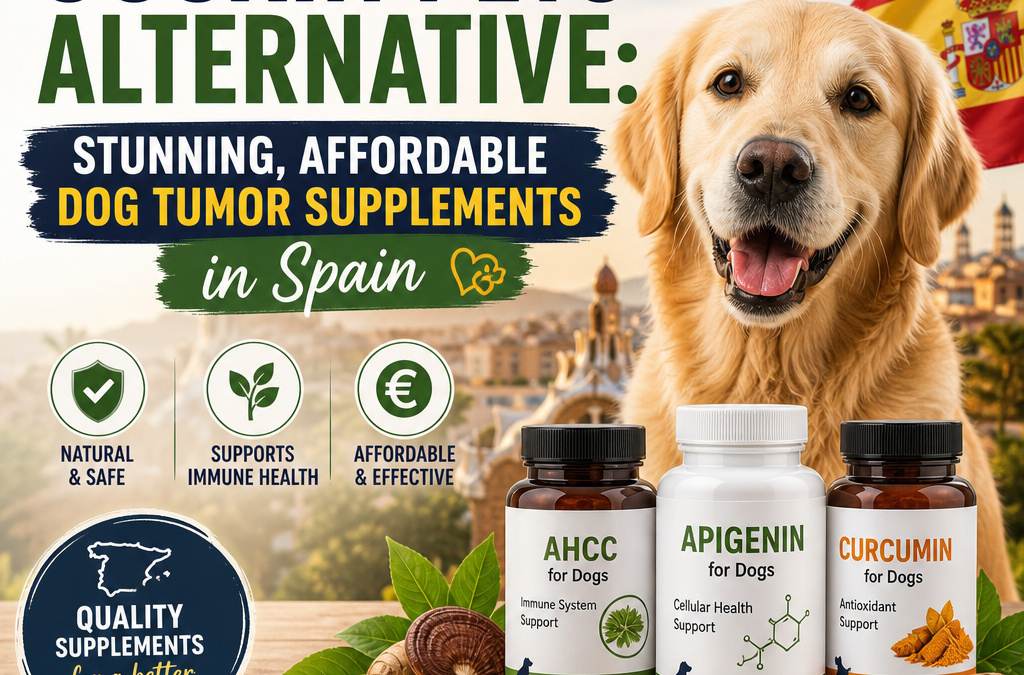
Ocoxin Pets alternative options are attracting attention among Spanish dog owners looking for affordable nutritional support during cancer care. Although no supplement can replace veterinary diagnosis, surgery, chemotherapy, radiotherapy, or prescribed medication, carefully selected products may help support appetite, digestion, immune function, and general condition. The most important step is to discuss any supplement with a veterinarian, especially when a dog has a tumor or is receiving treatment.
Understanding Ocoxin Pets and Its Purpose
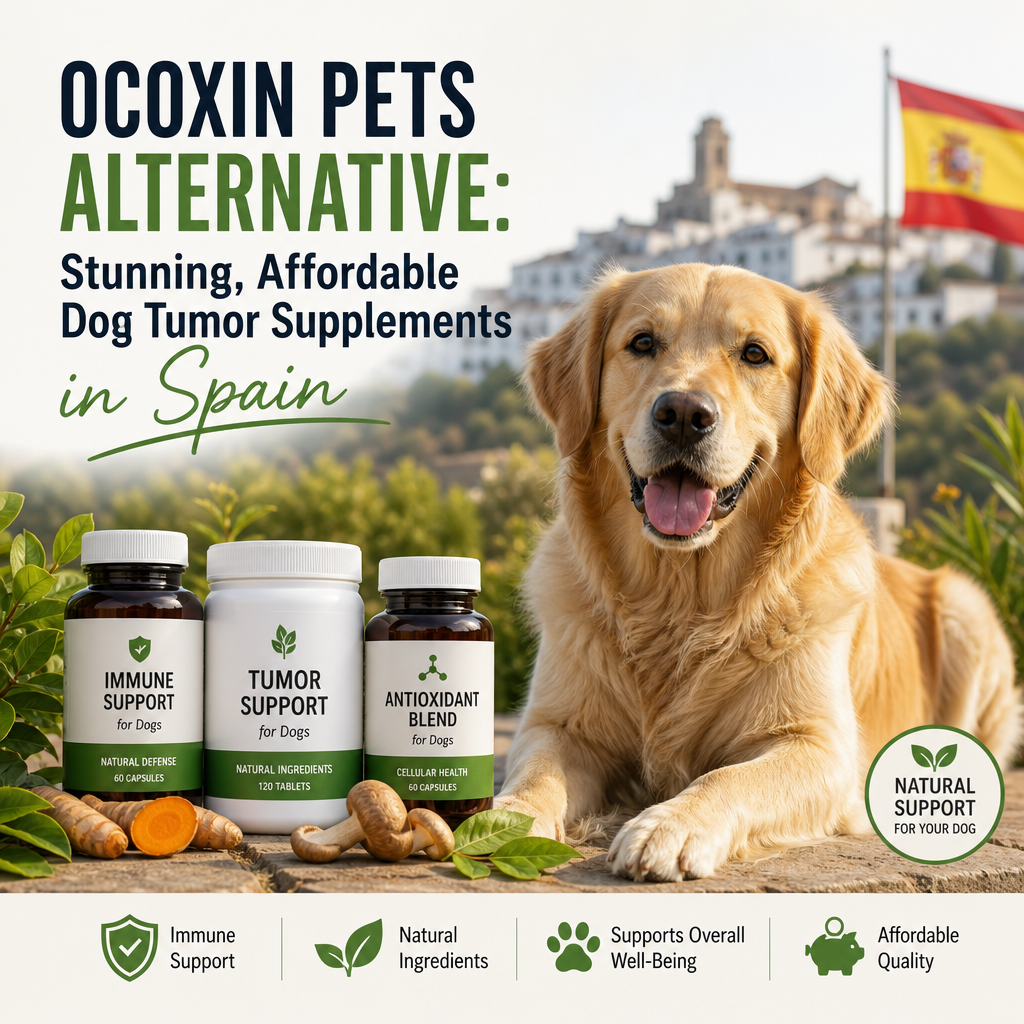
Ocoxin Pets is a complementary nutritional product commonly associated with support for dogs and cats facing serious illness. Its formulation may include ingredients such as antioxidants, plant extracts, vitamins, minerals, and compounds intended to help maintain overall vitality. It is not a cure for cancer, and its effects can vary considerably between animals.
Some owners search for Ocoxin Pets alternative options because of price, availability, shipping limitations, ingredient preferences, or concerns about whether a particular formula suits their dog. In Spain, access to veterinary supplements can differ between local clinics, pharmacies, specialist pet shops, and online retailers. Comparing formulations rather than choosing solely by brand name is therefore essential.
For dogs with tumors, the goal is usually to support comfort, appetite, and daily function while following the veterinary treatment plan. That is why an Ocoxin Pets alternative should be viewed as part of supportive care, not as a substitute for a full medical approach.
It also helps to remember that supportive products work best when the rest of the care plan is stable. A dog eating a consistent diet, receiving pain relief when needed, and attending follow-up appointments may respond better to a carefully chosen Ocoxin Pets alternative than a dog whose treatment plan is changing every few days. Supportive care is about routine, observation, and communication with the veterinary team.
In many cases, owners want something practical rather than complicated. They may be looking for a formula that is easy to give, gentle on the stomach, and suitable for longer use. Those are sensible priorities, especially when the dog already has enough stress from illness or treatment. The best option is usually one that fits naturally into the dog’s day without creating extra strain for the owner.
What Makes a Good Ocoxin Pets Alternative?
A suitable Ocoxin Pets alternative should be selected according to the dog’s individual needs. A small, elderly dog with reduced appetite may need a different nutritional strategy from a large dog recovering after surgery. The product should also be transparent about its ingredients, dosage, manufacturing standards, and intended use.
Important points to consider include:
– Veterinary compatibility: The supplement should not interfere with chemotherapy, corticosteroids, pain medication, antibiotics, or other treatments.
– Clear composition: Labels should state the amount of each active ingredient rather than relying on vague “immune support” claims.
– Appropriate dosage: Products designed for humans are not automatically safe for dogs.
– Digestive tolerance: Some botanical extracts, oils, or concentrated compounds may cause vomiting or diarrhea.
– Quality control: Look for reputable manufacturers, batch information, storage instructions, and professional distribution.
– Practical affordability: The best option is one that can be used consistently without creating financial pressure.
Supplements can be useful as part of supportive care, but they should never delay veterinary assessment of a lump, unexplained weight loss, persistent coughing, bleeding, pain, or changes in behavior.
To better understand treatment safety and supportive nutrition, owners can also consult the Merck Veterinary Manual, a widely used reference for veterinary health topics.
A useful way to judge any Ocoxin Pets alternative is to ask one simple question: does this product solve a real problem for my dog? If the answer is not clear, the formula may be more marketing than value. A supplement that supports appetite, digestion, or body condition in a way your veterinarian recognizes is more likely to be helpful than one that only sounds impressive on the label.
When a dog has a tumor, small details matter. For example, a product that causes mild stomach upset may not be acceptable for a dog already feeling nauseous from treatment. Another dog may tolerate a product well but still need a different kind of nutritional help, such as more calories or a more palatable format. Choosing the right Ocoxin Pets alternative means matching the product to the symptom, not the symptom to the product.
Common Types of Dog Tumor Supplements in Spain
The phrase dog tumor supplements Spain covers several different categories of products. These supplements do not all serve the same purpose, and combining several products without professional guidance may create unnecessary risks.
Nutrition-focused support products
Dogs with cancer may eat less, lose weight, or struggle to maintain muscle. High-calorie nutritional pastes, balanced recovery diets, and veterinary therapeutic foods can provide concentrated energy when normal meals are insufficient. Products containing highly digestible proteins and appropriate fats may be especially useful for dogs with poor appetite, although dietary recommendations depend on the tumor type and treatment plan.
These products are often the first practical step when owners look for an Ocoxin Pets alternative, because they address a basic need: calories. A dog that cannot eat enough will usually need more than a general wellness supplement. In that situation, appetite support and calorie density may matter more than any single ingredient advertised for immune health.
Omega-3 fatty acids
Fish oil containing EPA and DHA is often discussed in veterinary nutrition. These fatty acids may support skin health, inflammatory balance, and body condition. However, dosage matters. Excessive amounts can contribute to gastrointestinal upset, weight gain, or bleeding concerns, particularly when combined with certain medications or before surgery. A veterinarian should recommend a product designed for animals and calculate the dose based on body weight.
For some dogs, omega-3s may be part of a broader Ocoxin Pets alternative strategy rather than the main product itself. That is especially true when the dog needs nutritional support and a manageable supplement routine. However, the formula should always be chosen with the treatment plan in mind, not just the advertised benefits.
Antioxidant formulas
Some supplements contain vitamins, selenium, carotenoids, or plant-derived antioxidants. Their role during cancer treatment is complex. Antioxidants may support normal cellular protection, but high doses could potentially conflict with specific treatment strategies. For this reason, antioxidant supplements should be coordinated with the veterinary oncologist rather than added automatically.
This is one reason many owners compare several Ocoxin Pets alternative products before buying. Two supplements may look similar on the outside but differ greatly in the balance of antioxidants, vitamins, and added herbs. A careful comparison helps prevent accidental duplication of ingredients or excessive dosing.
Mushroom and botanical extracts
Medicinal mushrooms and botanical compounds are frequently marketed for immune support. Their quality and concentration can vary widely, and scientific evidence is not equally strong for every ingredient. Some extracts may affect the liver, kidneys, blood clotting, or the metabolism of medication. Natural does not mean risk-free, so a complete ingredient list is essential.
Owners often ask whether a mushroom-based formula is a good Ocoxin Pets alternative. Sometimes it may be reasonable, but only if the product is from a reliable manufacturer and the veterinarian agrees it fits the dog’s condition. The label should be specific, and the concentration should be clear enough for the veterinary team to evaluate.
Probiotics and digestive support
Chemotherapy, stress, antibiotics, and changes in diet can disturb the digestive system. Veterinary probiotics or fiber-based products may help some dogs maintain more regular stools and better digestive comfort. They are generally chosen according to symptoms, but persistent vomiting, diarrhea, or refusal to eat requires veterinary attention rather than supplementation alone.
Digestive support is often overlooked when people search for an Ocoxin Pets alternative. Yet for many dogs, comfort and appetite are directly linked to gut health. If a dog is nauseous or has irregular stools, a gentle digestive support product may be more useful than a broad-spectrum formula with many ingredients.
Recovery diets and palatable feeding support
In Spain, some dogs benefit from veterinary recovery diets that are easier to eat and digest than standard food. These diets may come in wet or semi-moist form and can be helpful after surgery or during periods of low appetite. They are not a direct replacement for all supplements, but they may reduce the need for multiple products by addressing the biggest problem first: food intake.
For many households, a recovery diet becomes the practical foundation of an Ocoxin Pets alternative approach. If the dog eats better, maintains weight, and feels steadier, then the rest of the supportive plan often becomes easier to manage. This is one of the simplest ways to improve daily care without overcomplicating the supplement routine.
How to Compare Alternatives to Ocoxin Pets
When comparing alternatives to Ocoxin Pets, start by identifying the intended goal. Is the priority appetite, weight maintenance, digestive health, recovery after surgery, or general nutritional support? A product marketed for “immune health” may not provide meaningful calories, while a high-energy recovery supplement may contain few ingredients aimed at broader support.
Read the label carefully and avoid products making guaranteed claims such as “shrinks tumors,” “cures cancer,” or “replaces chemotherapy.” Such statements are unreliable and may encourage dangerous delays in treatment. A trustworthy supplement company should explain that the product is complementary and should be used under veterinary supervision.
Price comparisons should also account for serving size. A cheaper container may provide fewer daily doses, making it more expensive over time. Check whether the product requires refrigeration, how it should be administered, and whether it is available consistently in Spain. Reliable supply is particularly important for dogs that depend on a daily nutritional routine.
It is also wise to compare the format of each Ocoxin Pets alternative. Some dogs accept liquids more easily, while others tolerate capsules, chewables, or pastes better. Palatability can make a major difference when a dog has nausea or reduced appetite, so the most useful product is often the one the dog will actually take consistently.
In practice, the best Ocoxin Pets alternative is usually the product that matches the dog’s current needs, is clearly labeled, and can be used safely with the rest of the treatment plan. That balance matters more than marketing language or a long list of trendy ingredients.
If you are reviewing different options in Spain, think about the full routine as well. A supplement may be helpful, but it works best alongside regular meals, hydration, weight checks, and veterinary follow-up. This makes the choice of Ocoxin Pets alternative more practical and less dependent on trial and error.
Another helpful comparison point is administration ease. A product that tastes acceptable and can be given without stress is more likely to be used correctly. Owners sometimes choose a formula because it looks advanced, but then stop using it because the dog refuses it. A realistic Ocoxin Pets alternative should fit into real life, not an ideal routine that is difficult to maintain.
It is also worth asking whether the product adds value beyond what the dog already receives from food and medication. If a supplement repeats the same nutrients found in a complete diet, it may not provide much extra benefit. By contrast, a better Ocoxin Pets alternative may fill a genuine gap such as calorie intake, digestive stability, or nutrient support during recovery.
Safety Considerations for Spanish Dog Owners
Before introducing any new supplement, provide the veterinarian with the full product label and a list of every medication the dog receives. This is particularly important for animals with liver disease, kidney disease, diabetes, clotting disorders, or a history of digestive problems.
Introduce only one new product at a time. Begin with the professionally recommended amount and monitor appetite, stool quality, energy, itching, vomiting, and behavior. Stop the product and contact the veterinary team if significant adverse effects appear.
Owners in Spain should also check whether products are legally marketed as animal feed supplements, veterinary products, or human nutritional products. Appropriate labeling, traceability, and storage information can help reduce the risk of counterfeit or contaminated items purchased through unreliable websites.
A careful approach also helps avoid confusion when several supportive products are being considered at once. If a dog is already receiving prescribed treatment, the veterinary team should decide whether a new Ocoxin Pets alternative is appropriate, especially if surgery or chemotherapy is scheduled.
It may also help to monitor the dog in a simple log. Write down the date, dose, appetite, stool changes, and any unusual behavior after starting the product. This makes it easier to see whether the Ocoxin Pets alternative is actually helping or whether the dog needs a different approach. Small notes can be very useful during follow-up appointments.
If the dog is receiving multiple therapies, timing matters too. Some products are better given with food, while others are easier on the stomach when split into smaller servings. A veterinarian can help decide whether the supplement should be given in the morning, with meals, or at another time that minimizes side effects. That kind of planning often makes an Ocoxin Pets alternative more practical and better tolerated.
A Balanced Approach to Supportive Cancer Care
The most effective supportive plan usually combines veterinary treatment with practical daily care. This may include a palatable complete diet, adequate hydration, pain control, nausea management, regular weight monitoring, gentle exercise when appropriate, and emotional comfort. Supplements can have a role, but they are only one part of the plan.
Choosing a dog tumor supplement should be based on evidence, safety, affordability, and the animal’s specific condition. By comparing ingredients and seeking veterinary guidance, owners can find a responsible Ocoxin Pets alternative in Spain without relying on exaggerated promises. The goal is not to replace cancer treatment, but to help the dog maintain comfort, nutrition, and quality of life throughout care.
When used carefully, an Ocoxin Pets alternative can fit into a broader plan that protects well-being without adding unnecessary risk. If your dog is already receiving treatment, keep the veterinary team informed, and make changes slowly so the best Ocoxin Pets alternative can be chosen for the dog’s current needs. In many cases, the most practical Ocoxin Pets alternative is the one that is safe, affordable, and easy to give consistently.
For most owners, the decision becomes much easier once the priorities are clear. Supportive nutrition, ingredient transparency, and veterinary oversight matter more than brand popularity. With that approach, an Ocoxin Pets alternative can be selected with confidence and used as part of a sensible care routine.
In short, the right Ocoxin Pets alternative should help your dog stay comfortable, maintain nutrition, and avoid unnecessary complications. That makes the supplement more useful in everyday care and easier to integrate into a treatment plan guided by a veterinary professional.
If you want to go one step further, focus on the basics first: consistent meals, enough water, and a product the dog can actually tolerate. Once those pieces are in place, the right Ocoxin Pets alternative becomes easier to identify, and the overall care plan feels more manageable for both the dog and the owner.
Many Spanish dog owners also benefit from discussing the supplement plan during regular checkups rather than waiting for a problem to appear. That simple habit can prevent conflicts between products, reduce unnecessary spending, and improve the chance that the chosen Ocoxin Pets alternative is genuinely useful over time.

by TCMVET | Oct 9, 2024 | Dog Cancer & Tumors
Veterinary oncology is evolving, with many pet owners seeking more holistic approaches to complement conventional cancer treatments. Holistic care focuses on the overall well-being of pets, incorporating natural therapies and lifestyle adjustments to enhance both physical and emotional health. By integrating nutrition, herbal medicine, stress management, and complementary therapies such as acupuncture and massage, holistic veterinary care offers a supportive environment for pets undergoing cancer treatment. This article explores the key components of holistic approaches in veterinary oncology and how they can be used to support cancer care for pets.
The Role of Holistic Care in Pet Cancer Treatment
Holistic care takes a whole-body approach, aiming to improve a pet’s quality of life by supporting the immune system, reducing inflammation, and managing the side effects of cancer treatments. Instead of focusing solely on the disease, holistic care considers the pet’s physical, emotional, and mental well-being. The ultimate goal is to strengthen the pet’s natural defenses, improve their quality of life, and potentially enhance the effectiveness of conventional cancer treatments.
Key Elements of Holistic Pet Cancer Care
- Nutrition and DietNutrition plays a central role in maintaining a pet’s overall health, especially during cancer treatment. A healthy, balanced diet can strengthen the immune system, improve energy levels, and promote faster recovery. For pets with cancer, certain dietary adjustments can help slow tumor growth and support their body’s healing process.
- High-quality protein: Protein is essential for rebuilding tissues and supporting immune function. High-quality animal proteins, like lean meats and fish, are ideal for pets with cancer.
- Anti-inflammatory foods: Ingredients like turmeric, fish oil (rich in omega-3 fatty acids), and leafy greens help reduce inflammation, which is often associated with cancer and its treatments.
- Low-carbohydrate diet: Since cancer cells feed on glucose, limiting carbohydrates in a pet’s diet can help slow the growth of tumors.
- Herbal Medicine for Immune SupportHerbal medicine has been used for centuries to boost the immune system and fight diseases, including cancer. Many holistic veterinarians incorporate herbal remedies into their treatment plans to support pets with cancer.
- Astragalus: This herb is known for its immune-boosting properties, helping the body produce more white blood cells to fight infections and potentially slow tumor growth.
- Medicinal mushrooms: Mushrooms such as turkey tail, reishi, and shiitake are rich in beta-glucans, which can enhance immune function and offer anti-cancer benefits.
- Milk thistle: Commonly used to support liver function, milk thistle can help detoxify the body and protect healthy cells from the damaging effects of cancer treatments.
- Acupuncture and Pain ManagementAcupuncture is an ancient practice that involves stimulating specific points on the body to balance energy and improve well-being. In veterinary oncology, acupuncture is often used to manage pain, improve digestion, stimulate appetite, and reduce inflammation.
- Acupuncture for pain relief: Pets with cancer often experience discomfort due to tumors or treatments such as chemotherapy. Acupuncture can help relieve pain and promote relaxation, improving their quality of life.
- Holistic pain management: In addition to acupuncture, other holistic therapies like massage and the use of CBD oil are gaining popularity for their ability to reduce pain and anxiety without the side effects of traditional pain medications.
- Stress Reduction and Emotional SupportPets with cancer can experience high levels of stress, which may weaken their immune system and affect their overall well-being. Managing stress and providing emotional support is essential for maintaining their health during cancer treatment.
- Calming routines: Keeping a consistent daily routine with regular feeding times, walks, and play sessions can help reduce anxiety for pets with cancer.
- Aromatherapy and essential oils: Safe essential oils such as lavender and chamomile can be used in diffusers or gentle massages to promote relaxation and ease stress.
- Reiki and energy healing: Reiki is a non-invasive therapy that uses energy healing to reduce stress and promote emotional balance. Many holistic veterinarians offer Reiki as part of a comprehensive cancer care plan.
- Hydration and DetoxificationProper hydration is crucial for pets undergoing cancer treatment, as it helps flush toxins from the body and supports kidney and liver function. Ensuring that pets have access to fresh water and incorporating hydration-rich foods such as bone broth can help maintain their energy levels and support detoxification.
- Physical Activity and MovementEven though cancer treatment can make pets feel lethargic, moderate physical activity is essential for maintaining muscle tone, improving circulation, and boosting their mood. Gentle walks or playtime can keep pets active and improve their overall well-being.
- Physical therapy: Tailored physical therapy exercises help pets with mobility issues stay active without overexerting themselves, promoting a faster recovery.
The Benefits of Integrating Holistic and Conventional Treatments
While holistic care offers many benefits, it should complement—not replace—conventional cancer treatments. Surgery, chemotherapy, and radiation remain essential tools in veterinary oncology, especially for aggressive cancers. By combining these treatments with holistic approaches, pet owners can enhance their pet’s overall health, reduce the side effects of treatment, and promote long-term wellness.
Holistic approaches in veterinary oncology provide valuable support for pets undergoing cancer treatment. By focusing on nutrition, herbal medicine, acupuncture, stress reduction, and physical activity, holistic care helps pets feel more comfortable, boosts their immune system, and improves their quality of life. Integrating these natural therapies with conventional veterinary oncology treatments offers a comprehensive, balanced approach that addresses both the cancer and the overall well-being of the pet. This combination empowers pet owners to provide their pets with the best possible care, improving their chances of recovery and a better quality of life.
