
by TCMVET | May 9, 2024 | pet Chinese herbal medicine
In recent years, pet owners and veterinarians alike are increasingly turning to Traditional Chinese Veterinary Medicine (TCVM) to complement conventional cancer treatments. TCVM offers a holistic approach to health, emphasizing balance and natural healing. This article explores how TCVM is used to manage and treat cancer in pets naturally, focusing on its principles, methods, and benefits.
Principles of TCVM in Cancer Management
Yin and Yang: TCVM is based on the balance of Yin (cooling, passive) and Yang (warming, active) energies in the body. Cancer is often viewed as a condition of excessive Yang, and treatments aim to restore balance between these forces.
Qi (Energy) and Blood: A healthy flow of Qi and blood is essential for health. TCVM treatments often aim to enhance Qi flow and strengthen the blood to help the body resist cancer and cope with the side effects of conventional cancer treatments.
TCVM Treatment Modalities for Cancer
Acupuncture: Used to stimulate specific points on the body to enhance Qi flow, reduce pain, and improve vitality. Acupuncture is particularly beneficial for managing pain and improving the quality of life in pets with cancer.
Herbal Medicine: A cornerstone of TCVM, herbal formulas are customized to address individual symptoms and the specific type of cancer. Herbs like Huang Qi (Astragalus) and Ling Zhi (Reishi mushrooms) are known for their immune-boosting and anti-tumor properties.
Food Therapy: Diet plays a crucial role in TCVM. Food therapy involves using specific foods that have properties to counteract the type of cancer. For example, cooling foods like rabbit and duck are often recommended for pets with inflammatory cancers.
Integrating TCVM with Conventional Cancer Treatments
While TCVM can be used as a standalone treatment, it is often most effective when combined with conventional methods like surgery, chemotherapy, and radiation. This integrative approach can help minimize side effects, improve overall well-being, and extend the quality of life for pets with cancer.
Benefits of TCVM for Pets with Cancer
Enhanced Quality of Life: TCVM focuses on improving the quality of life, not just treating the disease. Pets often show improved appetite, energy levels, and pain management through these natural therapies.
Personalized Treatments: Unlike one-size-fits-all approaches, TCVM considers the unique condition and temperament of each pet, allowing for more tailored and effective treatment plans.
Supporting Immune System: Many TCVM practices and herbs are known to support and enhance the immune system, crucial for pets undergoing cancer treatment.
Considerations and Choosing a Practitioner
Choosing a qualified TCVM practitioner is crucial. Look for veterinarians who have specific training and certification in TCVM. It’s also important to maintain open communication between your regular veterinarian and your TCVM practitioner to ensure a coordinated and safe treatment plan.

by TCMVET | Apr 27, 2024 | Dog Cancer & Tumors
Eye cancer in dogs is a serious condition that can affect various parts of the eye and surrounding structures. Early detection and proper treatment are crucial for the health and well-being of our canine companions. In this article, we will explore the different types of eye cancer in dogs, common symptoms, and the latest treatment options available to help manage this challenging condition.
What is Eye Cancer in Dogs?
Eye cancer refers to any cancer that develops in or around the eye. The most common types of eye cancer in dogs include melanoma, squamous cell carcinoma, and adenocarcinoma. These cancers can affect the eyelids, the eye itself, or the structures around it.
Symptoms of Eye Cancer in Dogs
The symptoms of eye cancer in dogs can vary depending on the type and location of the tumor. Common signs include:
- A noticeable growth on the eye or eyelid
- Discoloration of the eye
- Swelling or inflammation in or around the eye
- Excessive tearing or discharge
- 明显的疼痛或不适
If you notice any of these symptoms in your dog, it is essential to consult your veterinarian immediately for a thorough examination.
Diagnosis of Eye Cancer in Dogs
Diagnosing eye cancer in dogs typically involves a comprehensive eye exam, which may include imaging tests such as ultrasound, CT scan, or MRI to determine the extent of the cancer. A biopsy may also be necessary to identify the type of cancer and guide treatment decisions.
Treatment Options for Eye Cancer in Dogs
Treatment for eye cancer in dogs depends on the type, size, and location of the tumor, as well as the overall health of the dog. Options may include:
- Surgery to remove the tumor
- Radiation therapy to destroy cancer cells
- Chemotherapy for certain types of cancers
- Cryotherapy, which uses extreme cold to treat small tumors
In some cases, if the cancer is advanced, removal of the eye may be recommended to improve the quality of life for the dog.
Prognosis and Aftercare
The prognosis for eye cancer in dogs varies based on the cancer type and stage of discovery. Early detection and treatment can lead to a better outcome. After treatment, regular follow-up visits with the veterinarian are crucial to monitor for any signs of recurrence.
It’s also important to provide a comfortable and stress-free environment for your dog during treatment and recovery. Adequate rest, proper nutrition, and loving care can make a significant difference in your dog’s health and quality of life.
Conclusion
Eye cancer in dogs is a serious condition, but with early detection and proper treatment, many dogs continue to live full and happy lives. As a pet owner, staying vigilant for any signs of eye problems and maintaining regular veterinary check-ups can help catch this condition early and provide the best chance for a successful outcome.

by TCMVET | Apr 26, 2024 | Dog Cancer & Tumors
Mast Cell Tumors (MCT) are one of the most common forms of cancer in dogs, presenting a significant challenge for pet owners and veterinarians. While chemotherapy is a common treatment, it’s not always the preferred route due to its side effects and the stress it can cause to both the pet and its owner. As an alternative, Chinese herbal medicine offers a less invasive option that has been gaining attention for its potential to manage MCT effectively without the harsh impacts of conventional chemotherapy.
Understanding Mast Cell Tumors
Mast cell tumors arise from mast cells, which are part of the immune system. These tumors can vary widely in their behavior, from benign masses that can be easily removed surgically to highly malignant tumors that can spread rapidly. Because of this variability, treatment strategies must be carefully considered.
The Role of Chinese Herbs in Treating MCT
Chinese herbal medicine has been used for centuries to treat a variety of ailments in both humans and animals. For dogs with MCT, certain herbs have been identified that target the mechanisms which drive tumor growth and metastasis:
- Yunnan Baiyao: This herb is renowned for its ability to control bleeding and reduce inflammation, which can be beneficial in cases of MCT.
- Scutellaria Baicalensis (Huang Qin): Known for its anti-inflammatory and antioxidant properties, this herb can help to stabilize mast cells and reduce the release of histamine and other chemicals that contribute to tumor growth.
- Curcuma Longa (Turmeric): Contains curcumin, which has been studied extensively for its anti-inflammatory, antioxidant, and anti-cancer properties.
- Artemisia Capillaris (Yin Chen Hao): Traditionally used to detoxify the liver, which can be supportive in cases where the body is trying to cope with cancerous cells.
Integrating Chinese Herbs into Treatment Plans
Incorporating Chinese herbs into the treatment regimen for a dog with MCT should always be done under the guidance of a veterinarian who is trained in both conventional and herbal medicine. Dosage, formulation, and administration routes need to be tailored to the individual dog’s condition and overall health profile.
Case Studies and Research
While clinical studies on the use of Chinese herbs for MCT in dogs are limited, numerous anecdotal reports and some veterinary case studies suggest that they can be an effective part of a broader treatment plan. Researchers continue to investigate these herbs to better understand their mechanisms of action and potential benefits.
Conclusion
Choosing to treat a dog’s mast cell tumors with Chinese herbs represents a shift towards holistic veterinary care. This approach considers the dog’s overall well-being and seeks to treat the cancer with minimal side effects. For pet owners looking for alternatives to chemotherapy, Chinese herbs offer a promising avenue, though they should be pursued with careful veterinary supervision to ensure the best outcomes for their beloved pets.
This exploration of Chinese herbs as a treatment for mast cell tumors in dogs without chemotherapy provides a foundational understanding for pet owners considering holistic alternatives to traditional cancer treatments.

by TCMVET | Apr 20, 2024 | Dog Cancer & Tumors
Introduction Discovering a lipoma on your dog can be unsettling. These benign fatty tumors are common in dogs, especially as they age. Understanding what lipomas are, how they can affect your dog, and the options available for managing them is crucial for maintaining your pet’s health and comfort.
Understanding Lipomas Lipomas are non-cancerous tumors composed mostly of fat cells and are typically found under the skin in various parts of the body. They are soft, generally painless, and have a rubbery texture. While lipomas are not dangerous, their location and size can occasionally impact your dog’s quality of life.
Early Detection and Diagnosis Regular petting and grooming of your dog can help you catch these lumps early. If you notice a new lump, it’s important to have it examined by a veterinarian. Diagnostics may include a physical examination, fine-needle aspiration, or biopsy to confirm that it is a benign lipoma.
Management Strategies
- Monitoring: Many veterinarians recommend monitoring a lipoma for growth or changes before taking more invasive actions.
- Surgical Removal: If a lipoma becomes large enough to hinder movement or is aesthetically concerning, surgical removal might be recommended. This is a relatively straightforward procedure, and recovery is usually quick.
- Weight Management and Diet: Keeping your dog at a healthy weight can prevent new lipomas from forming and reduce the growth rate of existing ones. Discuss with your vet about a tailored diet plan that supports weight management.
Conclusion Lipomas are a common occurrence in dogs and are generally not a cause for alarm. With proper monitoring and care, dogs with lipomas can continue to live happy, full lives. Regular check-ups with your veterinarian are key to managing your pet’s health and ensuring any potential issues are addressed promptly.
by TCMVET | Mar 25, 2024 | Dog Cancer & Tumors
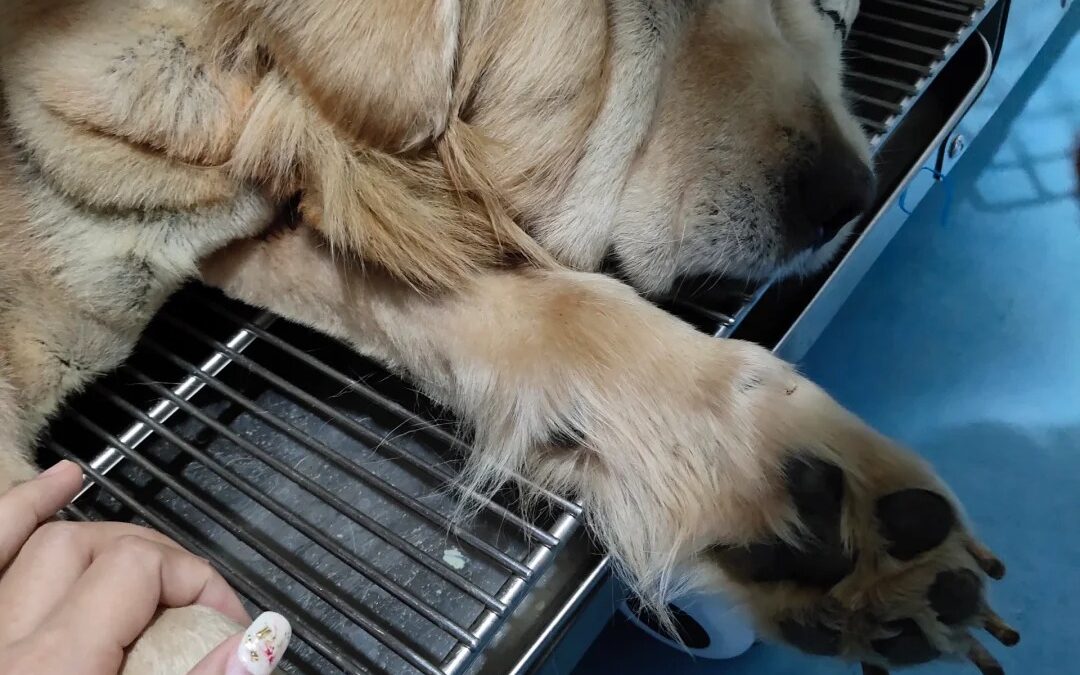
In the realm of pet care, few things are as distressing as witnessing our beloved companions battle against illness, especially when it comes to formidable foes like tumors. Yet, amidst such challenges, there shines a beacon of hope: TCMVET Baituxiao.
A Story of Struggle and Hope Imagine the plight of a helpless dog, writhing in pain, collapsing under the weight of a massive tumor, and crying out in desperate agony. This poignant image encapsulates the harsh reality faced by many pets and their owners. However, within this darkness lies a glimmer of hope – the potential for relief and healing through the innovative approach of TCMVET Baituxiao.
Understanding TCMVET Baituxiao: A Holistic Solution TCMVET Baituxiao represents a paradigm shift in pet healthcare, drawing upon the rich heritage of Traditional Chinese Medicine (TCM) to offer a holistic solution to various health challenges, including tumors. At its core, Baituxiao aims to restore balance and harmony within the body, bolstering the immune system, reducing inflammation, and potentially aiding in tumor management.
Case Study: A Compelling Journey of Healing Consider the case of a courageous dog facing a life-threatening tumor. Despite the odds stacked against them, the introduction of TCMVET Baituxiao into their treatment regimen marked a turning point in their journey. With diligent care and the support of Baituxiao’s unique blend of herbal remedies, the dog experienced a remarkable improvement in their condition. Gradually, the once agonizing cries were replaced by signs of comfort and vitality, offering a glimmer of hope to their devoted owner.
The Power of Integration: Complementing Conventional Treatment It’s essential to highlight that TCMVET Baituxiao is not a standalone solution but rather a complementary approach to conventional veterinary care. Before embarking on any new supplement or treatment, consulting with a trusted veterinarian is paramount. By integrating Baituxiao into a comprehensive treatment plan, pet owners can harness the collective benefits of both Eastern and Western medicine, maximizing the potential for their pet’s well-being.
Empowering Pet Owners: A Call to Action In conclusion, the journey of pet care is often fraught with challenges, yet it is also filled with moments of profound resilience and hope. TCMVET Baituxiao stands as a testament to the enduring bond between humans and animals, offering a beacon of healing and relief in the face of adversity. As responsible pet owners, let us embrace this opportunity to explore holistic avenues of care and empower our furry companions to live their best lives.
With TCMVET Baituxiao, the path to healing begins anew, promising a brighter and healthier future for our beloved pets.
