Botanical tumor support vs Immune / Coriolus / medicinal mushrooms is an important comparison for dog owners exploring supportive care during a cancer diagnosis. Supplements may help promote general wellness, appetite, digestion, or immune function, but they are not replacements for veterinary diagnosis and treatment. A thoughtful dog cancer supplement comparison should consider the dog’s cancer type, current medications, organ health, treatment plan, and overall goals of care.
The phrase “botanical tumor support” generally refers to plant-derived ingredients selected for their antioxidant, anti-inflammatory, immune-modulating, or cellular-support properties. These formulas may contain herbs such as turmeric, milk thistle, green tea compounds, ginger, or other botanical extracts. The exact ingredients and concentrations vary widely, so products with similar marketing claims can have very different safety profiles.
Immune supplements are a broader category. They may include vitamins, minerals, beta-glucans, medicinal mushrooms, probiotics, or herbal ingredients intended to support normal immune activity. Immune support does not necessarily mean stimulating the immune system aggressively. In a dog undergoing chemotherapy, excessive or poorly timed immune stimulation may not be appropriate, which is why product selection should be guided by a veterinarian.
Coriolus is another name commonly associated with turkey tail mushroom, scientifically known as Trametes versicolor. It contains compounds such as polysaccharide peptides and beta-glucans that have attracted research interest. Coriolus products are often marketed for immune support and as part of an integrative cancer-care plan.
Medicinal mushrooms may include turkey tail, reishi, maitake, shiitake, cordyceps, and other fungi. Each mushroom has a different chemical profile and may affect immune signaling, inflammation, blood clotting, or liver metabolism differently. “Medicinal mushrooms” should therefore not be treated as one uniform supplement category.
Botanical tumor support vs Immune / Coriolus / medicinal mushrooms
The key difference is usually the intended emphasis. Botanical tumor-support formulas are often designed around plant compounds that may support inflammatory balance, antioxidant defenses, normal detoxification pathways, or overall cellular health. Immune, Coriolus, and medicinal mushroom products focus more heavily on immune-related pathways, particularly innate immune activity and natural defense mechanisms.
This distinction is useful, but it should not be interpreted as proof that one category is superior. A botanical formula may still influence immune function, while a mushroom product may have antioxidant or anti-inflammatory effects. Many products combine both plant and fungal ingredients, making the label and dosage more important than the category name.
Coriolus is often considered separately because turkey tail has received more attention in veterinary and human integrative oncology than many other mushrooms. However, research findings from one species, extract, or dosage cannot automatically be applied to every turkey tail product. Extraction method, beta-glucan content, purity, storage, and manufacturing quality may substantially affect the final supplement.
That is why botanical tumor support vs Immune / Coriolus / medicinal mushrooms should be evaluated through the lens of the individual dog, not a single headline claim. The same product category may be reasonable in one case and inappropriate in another.
In Greece and elsewhere, owners often want a clear side-by-side decision. The safest approach is to compare the formula, the dog’s diagnosis, and the veterinarian’s plan rather than rely on category names alone.
What a Dog Cancer Supplement Comparison Should Examine
A meaningful dog cancer supplement comparison should begin with ingredient transparency. Look for products that list the scientific names of herbs or mushrooms, the amount per serving, extraction details when relevant, and independent quality testing. Proprietary blends that hide ingredient quantities make it difficult for a veterinarian to assess safety or calculate the total daily exposure.
The next consideration is the dog’s treatment plan. Some botanical compounds and mushrooms may influence liver enzymes responsible for metabolizing medications. Others may affect platelet function or blood clotting. These effects could matter when a dog is receiving chemotherapy, corticosteroids, nonsteroidal anti-inflammatory drugs, targeted medications, or surgery.
Organ function also matters. Dogs with liver disease, kidney disease, gastrointestinal inflammation, or a history of pancreatitis may tolerate certain supplements poorly. A product that is reasonable for a healthy senior dog may be unsuitable for a dog with reduced liver clearance or a sensitive digestive system.
Product quality is equally important. Supplements should ideally be manufactured under recognized quality standards and tested for contaminants such as heavy metals, pesticides, bacteria, mold, and inaccurate ingredient concentrations. Mushroom products require particular attention because misidentified species or poor-quality raw materials can undermine both safety and effectiveness.
For a useful evidence-based overview of turkey tail and immune research, the U.S. National Center for Complementary and Integrative Health provides a helpful reference on complementary approaches at NCCIH’s official integrative health resources.
It also helps to ask a practical question: what problem is the supplement meant to solve? If the goal is appetite support, a botanical blend may be more relevant. If the goal is immune support during an integrative cancer plan, a mushroom extract may fit better. The answer depends on the dog, not the trend.
Potential Benefits and Limitations
Supportive supplements may help address practical concerns that arise during cancer care. Depending on the ingredients, they may support appetite, stool quality, normal inflammatory balance, antioxidant defenses, or general vitality. Some dogs appear to tolerate treatment better when nutrition, hydration, nausea control, and digestive health are managed comprehensively.
However, supplements should not be described as cures. Evidence in canine cancer remains limited for many products, and studies in people or laboratory models do not guarantee the same results in dogs. Cancer is also not one disease. A supplement that appears promising for one tumor type may have little relevance to another.
Antioxidants illustrate the complexity. Oxidative stress can contribute to cellular damage, but some cancer treatments may partly rely on oxidative mechanisms. Whether a particular antioxidant should be used during treatment depends on the drug, dose, timing, and veterinary assessment. More is not always better.
When people compare botanical tumor support vs Immune / Coriolus / medicinal mushrooms, they often assume the mushroom side is always the gentler option. In reality, both categories can be helpful, neutral, or problematic depending on the formula and the dog’s medical history.
There is also a quality-of-evidence issue. A product may contain a respected ingredient, but that does not guarantee the finished supplement has the right dose or the right extraction. The best-looking label can still be disappointing if the manufacturing is poor.
How to Use These Products Responsibly
Before adding botanical tumor support, Coriolus, or another medicinal mushroom product, provide the full label to the veterinary oncologist or primary veterinarian. Include all other supplements, treats, medications, and dietary additions. This allows the care team to identify duplicate ingredients and possible interactions.
Introduce only one new product at a time, using the recommended dose unless the veterinarian gives different instructions. Monitor for vomiting, diarrhea, reduced appetite, itching, lethargy, unusual bruising, or changes in thirst and urination. Stop the product and contact the veterinary team if concerning symptoms appear.
Keep a simple record of the product, dose, start date, treatment schedule, appetite, stool quality, and energy level. This makes it easier to determine whether the supplement is helping, causing side effects, or having no noticeable effect.
Practical caution matters because botanical tumor support vs Immune / Coriolus / medicinal mushrooms can overlap with medications in ways that are easy to miss. Clear documentation helps your veterinarian review the full support plan safely.
When in doubt, ask whether the supplement could affect surgery, chemotherapy timing, liver enzymes, or bleeding risk. Those are often the most important safety questions in an oncology setting.
Choosing the Most Appropriate Approach
The best choice is rarely determined by the label claim alone. For some dogs, the priority may be maintaining appetite and body weight. For others, the focus may be gastrointestinal support, recovery after surgery, or maintaining comfort during chemotherapy. A mushroom-based immune product may be considered in one situation, while a carefully selected botanical formula or no supplement at all may be more appropriate in another.
Ultimately, botanical tumor support vs Immune / Coriolus / medicinal mushrooms is not a simple contest between competing categories. The most responsible approach combines evidence, product quality, veterinary oversight, and the individual dog’s needs. Supplements can sometimes complement conventional cancer care, but nutrition, pain control, infection prevention, appropriate treatment, and quality of life should remain the foundation of the plan.
If you are still deciding between options, revisit the label, check the source of the extract, and confirm the plan with your veterinarian. In many cases, the safest answer is not choosing one side of botanical tumor support vs Immune / Coriolus / medicinal mushrooms blindly, but selecting the product that fits the dog’s diagnosis, medications, and overall care goals.
For owners who want a practical rule of thumb, choose the product with the clearest ingredient disclosure, the best quality controls, and the most appropriate fit for the dog’s medical situation. That simple filter can prevent many avoidable mistakes.
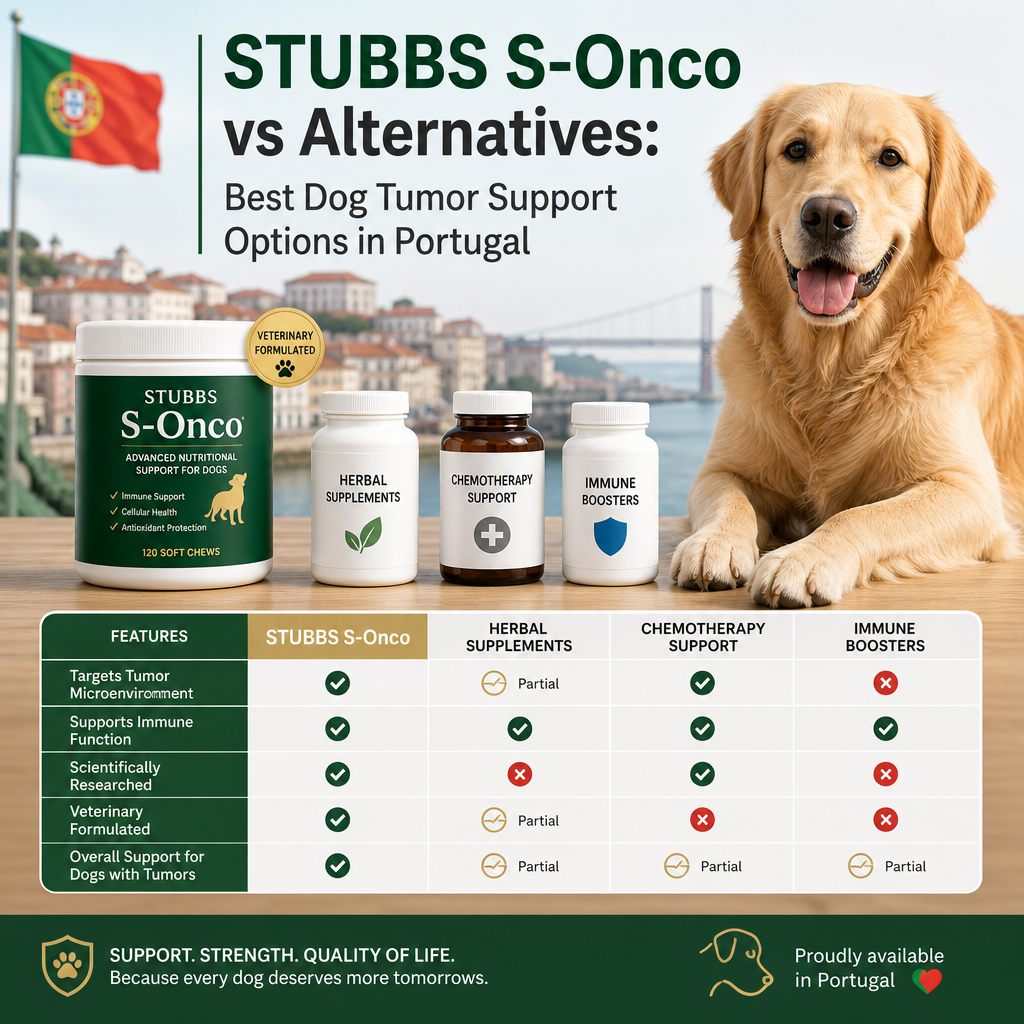
STUBBS S-Onco vs Alternatives is a comparison many Portuguese dog owners consider after a veterinary diagnosis involving a tumor or cancer. Choosing a supportive product can feel overwhelming, especially when there are supplements, medicinal mushrooms, botanical formulas, special diets, and conventional treatments available. The most important point is that supportive products should complement—not replace—veterinary oncology care. A thoughtful decision considers the dog’s diagnosis, treatment plan, general health, medication interactions, product quality, and realistic goals.
Dog tumor support options are designed to help maintain overall well-being during a challenging period. Depending on the formula, they may support appetite, digestion, immune function, energy, antioxidant defenses, or recovery during surgery, chemotherapy, or radiation therapy. However, no supplement can be considered a guaranteed cancer treatment, and evidence varies considerably between ingredients and products.
Veterinary guidance should come first because different tumors behave differently. A supplement that may be appropriate for one dog could be unsuitable for another, particularly when the dog has liver disease, kidney problems, bleeding risks, diabetes, or is taking several medicines. Your veterinarian may also recommend avoiding certain products before surgery or during specific chemotherapy protocols.
In Portugal, owners can find products through veterinary clinics, pharmacies, pet retailers, and online stores. Availability does not necessarily prove quality or effectiveness. Before purchasing, check whether the product has clear labeling, batch information, dosage instructions, storage guidance, and a transparent manufacturer. It is also wise to ask whether the product has been tested for contamination, heavy metals, pesticides, and accurate ingredient levels.
It can also help to set expectations early. Supportive care is usually about comfort, stability, and preserving quality of life rather than dramatic short-term changes. A product may be useful if it helps a dog eat better, maintain body weight, or tolerate treatment with fewer digestive issues. The best results often come from pairing the right supportive product with consistent feeding routines, regular monitoring, and close communication with the veterinary team. That is why STUBBS S-Onco vs alternatives should be reviewed as part of the whole treatment plan, not in isolation.
Many owners also want a clear framework for comparing products. A practical checklist includes ingredient transparency, dosing clarity, manufacturer reputation, testing standards, palatability, and compatibility with the dog’s current medications. If a product does not provide enough detail to evaluate those points, it becomes harder to justify its use even if the marketing sounds convincing. In other words, the most helpful dog tumor support options are often the ones that are easiest to assess and monitor over time.
STUBBS S-Onco vs Alternatives: what makes the comparison useful?
The phrase STUBBS S-Onco vs alternatives usually refers to comparing a combined oncology-support formula with simpler or more targeted products. A multi-ingredient supplement may be convenient because it brings several botanical and mushroom ingredients into one formulation. By contrast, individual supplements allow more precise control over dosage and may make it easier to identify which ingredient causes a benefit or side effect.
A combined product can be appealing when owners want broad nutritional and wellness support. It may also reduce the number of containers and daily administration steps. On the other hand, a complex formula may create more potential for interactions, especially if the dog is already receiving medication or other supplements.
The best comparison is not based only on the number of ingredients. Consider the quality of the evidence, the concentration of active compounds, manufacturing standards, palatability, cost per daily serving, and whether the formula fits the dog’s medical needs. A product with fewer ingredients but clearer testing and better veterinary oversight may be more appropriate than a long ingredient list with limited documentation.
There is also a practical reason this comparison matters in real life. When a dog is unwell, owners often want to act quickly, and that urgency can make product selection feel emotional. STUBBS S-Onco vs alternatives should therefore be approached with a calm, structured review of the label, the dog’s diagnosis, and the current treatment phase. A careful comparison can prevent unnecessary spending and reduce the chance of giving a product that is poorly matched to the dog’s needs.
In some cases, veterinarians may prefer a gradual approach. That means starting with one well-chosen support product, observing the dog closely, and only then considering whether any additional support is needed. This method is especially useful when the dog is already on chemotherapy, pain relief, or gastrointestinal medication. The simpler the trial, the easier it is to know whether the supportive care is actually helping.
Multi-botanical + medicinal-mushroom oncology support
Multi-botanical + medicinal-mushroom oncology support often combines plant extracts with mushrooms such as turkey tail, reishi, maitake, or shiitake. These ingredients are commonly selected for their polysaccharides, beta-glucans, polyphenols, or other naturally occurring compounds. In laboratory and preliminary clinical research, some mushroom-derived compounds have been investigated for immune-related effects and potential supportive roles in cancer care.
However, laboratory findings should not be treated as proof that a finished supplement will control or cure cancer in dogs. Extract type, concentration, purity, preparation method, and dosage can vary significantly. “Mushroom powder” is not necessarily equivalent to a standardized extract, and a high ingredient count does not automatically indicate a stronger product.
Botanical ingredients also deserve careful review. Herbs may influence inflammation, blood clotting, liver enzymes, blood pressure, or the metabolism of prescription medicines. Some substances considered safe for people can be unsuitable for dogs, particularly at concentrated doses. Owners should provide the veterinarian with the complete label rather than relying on a product name or marketing description.
When discussing multi-ingredient formulas, STUBBS S-Onco vs alternatives often comes down to whether the dog needs broad support or a more focused plan. In some cases, a veterinary team may prefer a simpler product and add only what is needed.
It is also worth remembering that botanical and mushroom ingredients are not interchangeable just because they sound similar. Two formulas may both mention mushrooms, yet one may use a small amount of a general powder while another contains a more concentrated extract with better-defined active compounds. That distinction can matter a great deal when a dog is dealing with a serious illness. For this reason, STUBBS S-Onco vs alternatives should be evaluated by composition and quality, not by broad category alone.
When owners review ingredient panels, they should look for more than just the presence of familiar names. Questions such as “How much is included?”, “What part of the mushroom is used?”, “Is the extract standardized?”, and “Are there any filler ingredients that dilute the formula?” can be more useful than the front label. A well-formulated product should make these details easy to find.
Comparing supplement categories
When evaluating dog tumor support options, it helps to separate products into broad categories.
Combination oncology formulas: These may include several mushrooms, herbs, antioxidants, and nutritional compounds. They offer convenience and broad coverage but can be harder to evaluate ingredient by ingredient.
Single-ingredient supplements: These focus on one compound, such as a specific mushroom extract or omega-3 fatty acid. They may be easier to dose and monitor, although they provide narrower support.
Nutritional support products: These may target appetite, weight maintenance, gastrointestinal health, or recovery. For many dogs, maintaining nutrition and body condition is a practical priority during treatment.
Prescription veterinary therapies: Surgery, chemotherapy, radiation therapy, targeted drugs, and pain management are not alternatives to supplements; they are evidence-based medical options that may be used alongside carefully selected supportive care.
Dietary approaches: A complete, balanced diet appropriate to the dog’s condition is essential. Homemade diets should be formulated with a veterinary nutritionist because nutritional deficiencies can worsen weakness and recovery.
These categories overlap in real life, and that is one reason selection can be confusing. A supplement may act partly as nutritional support and partly as a botanical formula, while another product may be marketed as an oncology aid even though its main value is appetite support. The right interpretation depends on the dog’s actual needs. If the main issue is appetite loss, then a palatable nutritional aid may be more helpful than a complex botanical blend. If the goal is general supportive care during treatment, a more comprehensive formula might make sense. STUBBS S-Onco vs alternatives therefore works best as a comparison of function, not just branding.
Owners sometimes ask whether “more ingredients” means better support. Not necessarily. Extra ingredients can increase the chance of overlap, unnecessary cost, or tolerability issues. A shorter formula with clear documentation may be more suitable, especially if the dog already has a complicated medication schedule. In practice, the best dog tumor support options are the ones that align with a specific, measurable goal.
Safety and medication considerations
Before starting STUBBS S-Onco or any alternative, discuss the product with the treating veterinarian. This is particularly important if the dog is receiving chemotherapy, corticosteroids, nonsteroidal anti-inflammatory drugs, anticoagulants, anticonvulsants, antibiotics, or medications processed by the liver.
Potential warning signs after introducing a supplement include vomiting, diarrhea, reduced appetite, unusual tiredness, itching, swelling, bruising, bleeding, or changes in thirst and urination. Stop the product and contact a veterinary professional if serious or persistent symptoms appear. Do not introduce multiple new supplements at once, since doing so makes it difficult to identify the cause of a reaction.
Keep a written record of every supplement, medication, dose, and administration time. This simple habit helps the veterinary team evaluate interactions and decide whether a product should be paused before a procedure or changed during treatment.
Timing also matters. Some supportive products may be acceptable during stable periods but should be paused before surgery or reviewed when a new chemotherapy protocol begins. This is especially relevant for formulas that may affect clotting, inflammation, or liver metabolism. Even a product that seems gentle can become a concern when combined with other treatments. That is why STUBBS S-Onco vs alternatives should always be checked against the current medication list.
Owners should also watch for subtle changes rather than waiting for obvious side effects. A supplement might not cause vomiting yet still reduce appetite, loosen stools, or make a dog less interested in food. Those smaller changes can affect body condition over time. Recording daily observations makes it easier to see whether the dog is truly benefiting from the product or merely tolerating it.
How Portuguese dog owners can make a practical decision
Start by asking what the primary goal is. Is the aim to support appetite, maintain weight, improve digestive tolerance, or provide general wellness during treatment? A clear goal makes it easier to measure whether a product is useful.
Next, review the label with a veterinarian. Look for exact ingredient amounts rather than vague proprietary blends. Ask about the form of each ingredient, the daily dose for the dog’s weight, and whether the manufacturer provides independent testing. Cost should be calculated per month, not only per container, because a cheaper product may require a higher daily amount.
Finally, monitor objective outcomes. Track appetite, body weight, stool quality, activity, hydration, and treatment-related side effects. Supplements should not delay diagnostic tests, surgery, oncology consultations, or changes in medical treatment.
As a practical rule, STUBBS S-Onco vs alternatives should be decided by fit, not by marketing claims. The right choice is the one that supports the treatment plan without creating avoidable risk.
Some owners also ask whether the same product can be used throughout the full treatment journey. In practice, the answer depends on the dog’s diagnosis and response. A formula that seems useful during appetite loss may not be the best choice before surgery, and a product tolerated during recovery may still need review once chemotherapy begins. That is another reason STUBBS S-Onco vs alternatives should always be reassessed with the veterinary team rather than treated as a one-time purchase.
Another useful question is whether the dog already gets enough support from diet and standard care. If the dog is eating well, maintaining weight, and tolerating treatment, a supplement may offer only a small incremental benefit. If appetite, digestion, or energy are declining, however, a carefully selected supportive product can play a more meaningful role. In both cases, the product should align with the dog’s real needs rather than assumptions based on the label.
Owners should also think about consistency. If a product is difficult to administer, has a strong odor, or causes mild digestive upset, long-term use may be impractical. Palatability matters because the best support plan is the one the dog can actually take regularly. For that reason, the choice between STUBBS S-Onco vs alternatives may come down to the format, flavor, and dosing schedule as much as the ingredient list.
It can help to compare products side by side with a short decision table in your own notes. For example, list the dog’s diagnosis, current medications, the product’s ingredients, the daily cost, the expected purpose, and any known cautions. Even a simple comparison can make the decision much clearer and reduce the pressure to choose based on packaging or online claims. STUBBS S-Onco vs alternatives becomes much easier to evaluate when the facts are written down in one place.
When in doubt, ask the veterinarian these four questions: Is this product safe with the current treatment plan? Is there evidence it may help with the dog’s main problem? Is there a more appropriate alternative? And what signs should we monitor after starting it? Those questions are often more valuable than looking for a universal “best” supplement, because support needs can change quickly during cancer care.
A balanced conclusion
STUBBS S-Onco vs Alternatives is not a simple contest with one universal winner. A combined multi-botanical and medicinal-mushroom formula may suit some dogs when its ingredients, quality, and safety profile have been reviewed by a veterinarian. Other dogs may benefit more from targeted nutritional support, a single well-characterized ingredient, or no supplement at all.
The most responsible approach to dog tumor support options is individualized care. Use supplements only as part of a broader plan that prioritizes accurate diagnosis, evidence-based treatment, nutrition, pain control, monitoring, and quality of life. In Portugal, owners should seek guidance from the dog’s veterinarian or a veterinary oncology service before adding any product, especially when conventional cancer treatment is underway.
For many families, the final decision becomes clearer after comparing the formula, the dog’s current treatment plan, and the available evidence. When in doubt, ask the veterinary team to help decide whether STUBBS S-Onco vs alternatives offers the safest and most sensible support for the individual dog.
As treatment progresses, it is normal to revisit the plan several times. A product that made sense early on may no longer be needed later, while a different supportive choice may become more relevant after surgery, during chemotherapy, or in recovery. The goal is not to find a perfect universal product, but to choose the most appropriate support at each stage with veterinary supervision.
In that sense, STUBBS S-Onco vs alternatives is less about branding and more about practical fit, quality, and safety. When those three factors are reviewed carefully, owners are better positioned to make informed decisions that support both comfort and treatment goals.
Used well, supportive care can be a helpful part of a wider oncology plan. Used carelessly, it can add confusion, cost, or risk. That is why a measured, evidence-aware approach is best. If a product is chosen thoughtfully, monitored carefully, and adjusted when needed, it can contribute meaningfully to the dog’s comfort and day-to-day wellbeing throughout treatment.
Alternatives to Medicinal mushrooms / veterinary mycotherapy are increasingly discussed by dog owners in Switzerland seeking supportive options during cancer care. Although mushroom extracts may be useful in some veterinary protocols, they are not the only supplements worth considering. Several evidence-informed nutritional approaches may help support appetite, body condition, digestion, immune function, and quality of life. Any supplement should be selected with a veterinarian, especially when a dog has a tumor or is receiving surgery, chemotherapy, radiation, corticosteroids, or pain medication.
A supplement cannot replace tumor removal, chemotherapy, radiation therapy, targeted treatment, or appropriate palliative care. Its role is usually supportive: helping a dog maintain strength, tolerate treatment, preserve muscle mass, and continue eating and drinking comfortably.
The best choice depends on the tumor type, stage of disease, current medications, blood results, kidney and liver function, and the dog’s overall condition. A product that is appropriate for one patient may be unsuitable for another. For example, a dog with pancreatitis may require a very different nutritional plan from a dog with weight loss caused by intestinal cancer.
Owners should also distinguish between a complete veterinary diet and an isolated supplement. A complete diet provides balanced protein, fat, carbohydrates, vitamins, and minerals. Supplements are intended to complement—not replace—that foundation.
Why the phrase alternatives to Medicinal mushrooms / veterinary mycotherapy matters
The phrase alternatives to Medicinal mushrooms / veterinary mycotherapy is useful because many owners want supportive care choices beyond mushroom-based protocols. In practice, alternatives to Medicinal mushrooms / veterinary mycotherapy may include omega-3s, better protein intake, digestive support, and carefully selected herbs or cannabinoids when appropriate. The right plan depends on the dog, the cancer, and the treatment schedule.
Omega-3 fatty acids
Fish oil containing EPA and DHA is one of the most commonly considered dog tumor supplement alternatives. These long-chain omega-3 fatty acids may support normal inflammatory regulation and help maintain skin, coat, and general nutritional health. They can also contribute valuable calories for dogs that are losing weight, although they should be introduced carefully.
The amount matters. Human products may contain additional ingredients, flavorings, or unsuitable concentrations, so a veterinary product is generally preferable. Excessive oil can cause diarrhea, vomiting, weight gain, or pancreatitis in susceptible animals. Omega-3 products may also influence blood clotting and should be discussed before surgery or when a dog is taking anticoagulant medication.
When used correctly, omega-3 support can fit into a broader plan of dog tumor supplement alternatives that aims to protect comfort and nutrition without overcomplicating treatment.
Among alternatives to Medicinal mushrooms / veterinary mycotherapy, omega-3 fatty acids are often chosen first because they are familiar, measurable, and relatively easy to monitor. They are not a cure, but they can be a practical part of supportive care.
High-quality protein and amino acid support
Cancer and chronic illness can contribute to muscle loss, particularly when appetite is poor. Adequate, digestible protein is therefore central to supportive nutrition. Depending on the dog’s condition, a veterinarian may recommend a highly digestible clinical diet, calorie-dense food, or carefully selected amino acid support.
Protein recommendations should not be made without considering kidney and liver function. Some dogs benefit from increased protein availability, while others need a controlled nutritional plan because of organ disease. Homemade diets can become deficient in calcium, trace minerals, or essential vitamins unless formulated by a veterinary nutrition professional.
Among dog tumor supplement alternatives, protein-focused support is often one of the most practical ways to help maintain lean body mass and daily energy. This is especially important when a dog has a reduced appetite after treatment or feels full after only a few bites.
In many cases, alternatives to Medicinal mushrooms / veterinary mycotherapy work best when they help the dog eat enough of a complete diet. A supplement that supports protein intake can be more useful than one that sounds impressive but does not improve daily nutrition.
Antioxidant support: benefits and precautions
Antioxidants are often included in veterinary diets and supplements because they help protect cells from oxidative stress. Vitamins such as vitamin E, vitamin C, selenium, and certain plant compounds may have a role in general nutritional support.
However, high-dose antioxidant supplementation during chemotherapy or radiation is not automatically harmless. Some cancer treatments rely partly on oxidative mechanisms, and the interaction between concentrated antioxidants and specific protocols remains complex. This does not mean that all antioxidants must be avoided; it means that dosage and timing should be guided by the treating veterinarian.
A balanced commercial diet is usually safer than combining several overlapping products. Owners should check labels carefully to avoid unintentionally giving excessive amounts of fat-soluble vitamins or minerals. In practice, carefully chosen dog tumor supplement alternatives are usually more helpful than stacking multiple products with the same ingredient profile.
For broader background on evidence-based cancer support in animals, the American College of Veterinary Internal Medicine provides useful educational material at ACVIM.
When comparing alternatives to Medicinal mushrooms / veterinary mycotherapy, antioxidant support should be viewed as one tool rather than a standalone strategy. The goal is steady, safe support, not a dramatic promise.
Digestive and appetite support
Nausea, constipation, diarrhea, and appetite loss can significantly affect a dog’s quality of life. Veterinary probiotics may help selected dogs with digestive imbalance, particularly after antibiotic treatment or during periods of gastrointestinal stress. Their effects vary by bacterial strain, so products made specifically for dogs are preferable to general human probiotics.
Appetite support may include warming food, offering smaller meals more frequently, improving texture, or using a prescription appetite stimulant. Herbal products should be approached cautiously. “Natural” does not automatically mean safe, and some botanicals can affect the liver, kidneys, blood pressure, or the metabolism of cancer medicines.
In many cases, digestive care becomes one of the most important dog tumor supplement alternatives because a dog that feels nauseated will struggle to benefit from any nutritional plan.
For some patients, alternatives to Medicinal mushrooms / veterinary mycotherapy are most valuable when they make eating easier. Better appetite often leads to better energy, stronger recovery, and improved day-to-day comfort.
Practical feeding ideas during cancer care
Some dogs do better with soft meals, while others prefer firmer textures or lightly warmed food. A veterinary team may also suggest splitting daily calories into four or more small meals. These changes do not replace medical treatment, but they can make dog tumor supplement alternatives easier to tolerate.
Cannabinoid and herbal products
CBD and other hemp-derived products are available in Switzerland, but their use in dogs with tumors requires particular care. Product quality, cannabinoid concentration, contamination, and legal labeling can vary. CBD may cause drowsiness, digestive signs, or changes in liver enzyme activity, and it can interact with medications.
Herbal blends may contain ingredients that influence clotting, sedation, immune activity, or drug metabolism. Products marketed with claims to “shrink tumors” or “cure cancer” should be treated with skepticism. Reliable supportive care focuses on measurable outcomes such as appetite, comfort, mobility, hydration, and body weight rather than dramatic promises.
When owners compare dog tumor supplement alternatives, the most useful products are the ones that can be monitored and adjusted safely over time. That same principle applies to alternatives to Medicinal mushrooms / veterinary mycotherapy: the best option is the one that fits the patient and can be tracked in real life.
Choosing supplements in Switzerland
When comparing dog tumor supplement alternatives in Switzerland, owners should look for transparent labeling, batch information, veterinary-quality manufacturing, and clear instructions for dogs. Swiss veterinary practices, animal hospitals, and reputable pharmacies can provide more reliable guidance than anonymous online sellers.
It is useful to bring every product to the veterinary appointment, including oils, powders, treats, herbal drops, and human medications. The veterinarian can check for duplicate ingredients, calculate the total daily dose, and determine whether a product should be stopped before surgery or changed during chemotherapy.
Swiss dogs may also receive care across cantonal or national borders, so keeping written records is helpful. A treatment and supplement list should include the product name, ingredients, concentration, dose, start date, and any observed side effects.
In Switzerland, alternatives to Medicinal mushrooms / veterinary mycotherapy should also be reviewed against the dog’s current medications and planned procedures. Even helpful products can become a problem if they are started or stopped without coordination.
Questions to ask before buying
What is the exact ingredient list and concentration?
Is the product intended for dogs, not humans?
Could it interfere with surgery, chemotherapy, or pain medication?
Does the manufacturer provide batch testing or quality control?
What signs mean the supplement should be stopped?
Monitoring the response
Supportive supplements should be judged by practical indicators. Track body weight, appetite, stool quality, vomiting, energy, hydration, pain signs, and mobility. Blood tests may be necessary when a product affects the liver, kidneys, immune system, or blood clotting.
Stop a supplement and contact the veterinary team if the dog develops repeated vomiting, severe diarrhea, facial swelling, unusual bleeding, marked lethargy, yellowing of the gums or eyes, or a sudden decline. Regular reassessment is especially important because nutritional needs can change as the disease or treatment progresses.
In practice, dog tumor supplement alternatives should be reviewed just as carefully as prescription medicines because their effects and interactions can still matter.
For owners evaluating alternatives to Medicinal mushrooms / veterinary mycotherapy, monitoring also helps separate a true benefit from a coincidental change. If appetite, comfort, or stool quality improves, the product may have a role; if not, the plan should be simplified.
A balanced approach to supportive care
The most effective plan is rarely a single “best” product. It usually combines appropriate tumor treatment, a complete and palatable diet, pain and nausea control, hydration, gentle activity, and carefully selected supplementation. Alternatives to Medicinal mushrooms / veterinary mycotherapy can be valuable when they address a specific need, but they should be chosen according to the individual dog rather than marketing trends.
For owners in Switzerland, the safest path is to work with the veterinary oncology team and use supplements as part of a documented, monitored care plan. Thoughtful nutritional support cannot guarantee a change in tumor behavior, but it may help a dog remain more comfortable, resilient, and engaged in daily life.
Before adding any supplement, revisit the goal: support the dog, reduce avoidable side effects, and keep care simple enough to monitor well. That approach usually leads to the best results from dog tumor supplement alternatives.
Used carefully, alternatives to Medicinal mushrooms / veterinary mycotherapy can fit into a broader plan that prioritizes comfort, nutrition, and quality of life. The most helpful option is usually the one that is safe, realistic, and tailored to the dog in front of you.
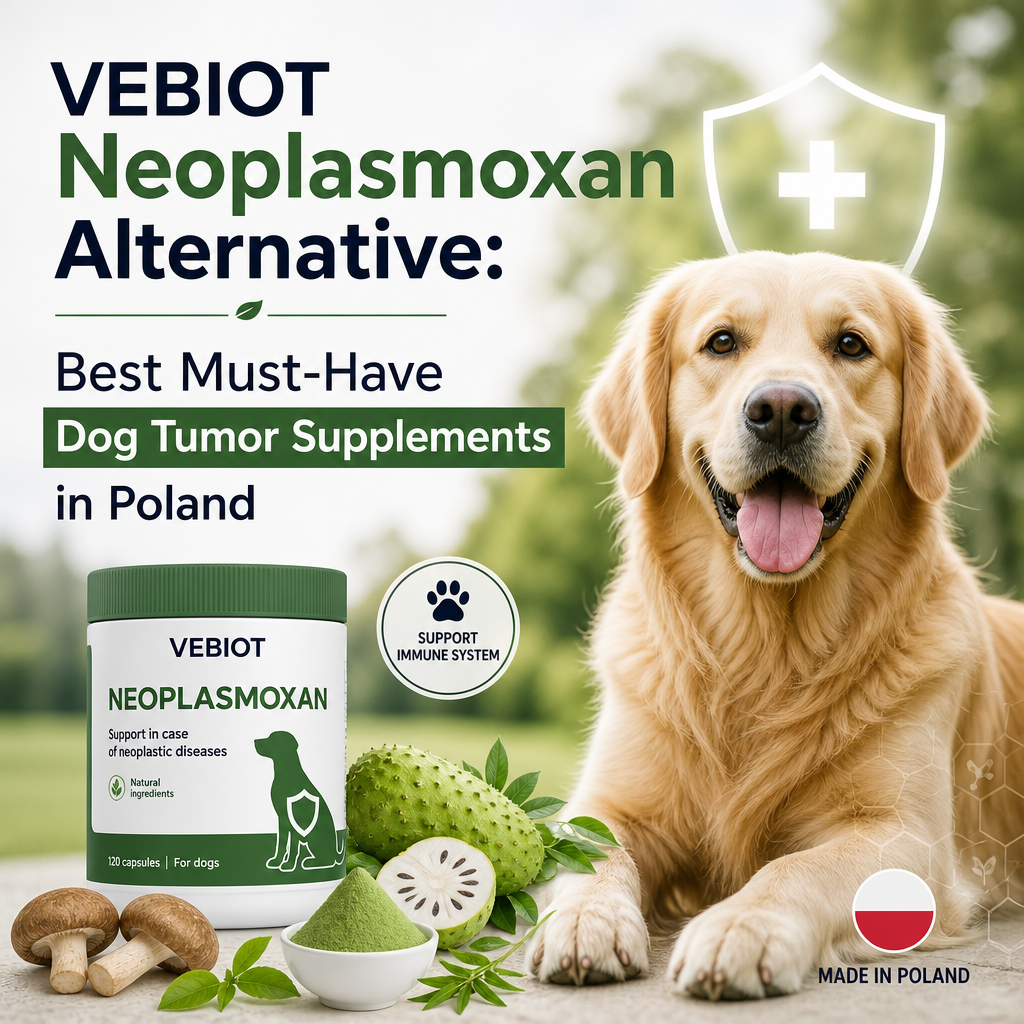
VEBIOT Neoplasmoxan alternative products are increasingly sought by dog owners in Poland who want additional nutritional support for a pet diagnosed with a tumor or recovering from intensive treatment. Choosing a supplement, however, should never replace veterinary care. A dog’s diagnosis, medication, appetite, body weight, liver and kidney function, and treatment plan all influence which ingredients are appropriate. The best approach is to view supplements as supportive tools that may help maintain nutrition, immunity, digestion, and quality of life under professional supervision.
VEBIOT Neoplasmoxan is one of several veterinary products designed to provide nutritional support for dogs with serious health conditions. Owners may look for alternatives to VEBIOT Neoplasmoxan for practical reasons, including product availability in Poland, differences in formulation, cost, palatability, dosage form, or a dog’s individual tolerance.
Some dogs refuse tablets, while others need liquid, powder, or capsule-based products. A supplement that works well for one patient may be unsuitable for another, particularly when the dog is taking chemotherapy, corticosteroids, pain medication, antibiotics, or medicines for liver and kidney disease.
Before replacing any product, compare the complete ingredient list rather than relying only on marketing claims. Look at the concentration per serving, the recommended dose for the dog’s weight, quality-control information, storage requirements, and whether the product is intended for veterinary use.
In practice, the search for a VEBIOT Neoplasmoxan alternative usually comes down to balancing convenience, safety, and the dog’s current medical plan. A supplement is only useful if the dog can actually take it consistently and tolerate it well.
What Should Dog Tumor Supplements Provide?
There is no single supplement that can treat every type of canine tumor. Nutritional support should be selected according to the dog’s needs and the veterinarian’s recommendations. Useful product categories may include:
Omega-3 fatty acids
Fish oil containing EPA and DHA is commonly discussed in veterinary nutrition because these fatty acids support normal inflammatory balance and may help maintain skin, coat, and general nutritional status. The product should clearly state the amount of EPA and DHA, not merely the total quantity of fish oil. High doses can cause digestive upset or interact with certain medicines, so veterinary guidance is important.
Antioxidant nutrients
Vitamins and plant compounds with antioxidant activity are present in some dog tumor supplements Poland owners can purchase through veterinary clinics and reputable pet-health retailers. Antioxidants may support normal cellular protection, but more is not always better. Some cancer treatments rely partly on oxidative mechanisms, meaning the timing and dosage of antioxidant supplements should be discussed with the veterinary oncologist.
Medicinal mushrooms and botanical extracts
Products may contain compounds derived from mushrooms, turmeric, milk thistle, green tea, or other plants. Evidence varies considerably between ingredients, products, and cancer types. Extract strength and purity are especially important, since a label that lists a plant does not necessarily reveal how much active compound the dog receives.
Botanical ingredients can also affect drug metabolism, blood clotting, blood pressure, or digestion. Natural does not automatically mean risk-free.
Digestive and nutritional support
Probiotics, prebiotics, highly digestible protein, and calorie-dense nutritional products may be helpful when a dog has poor appetite, diarrhea, weight loss, or treatment-related digestive problems. Maintaining body condition is often a central goal because adequate energy and protein support recovery and daily well-being.
When a VEBIOT Neoplasmoxan alternative is chosen for digestive support, the label should still be reviewed carefully. A product that improves appetite but causes loose stool may not be a good long-term fit.
How to Compare a VEBIOT Neoplasmoxan Alternative
When comparing alternatives, begin with the dog’s actual clinical needs. A product intended for general immune support may not address weight loss, nausea, constipation, or low appetite. Ask whether the supplement has a clearly defined purpose and whether its ingredients are provided in meaningful amounts.
A reliable product should have:
A complete and readable ingredient label
Clear serving instructions based on body weight
A batch number and expiry date
Appropriate packaging and storage information
Manufacturer contact details
Evidence of quality testing or veterinary manufacturing standards
No exaggerated promise to cure cancer
It is also sensible to introduce only one new supplement at a time. This makes it easier to identify side effects such as vomiting, loose stool, itching, lethargy, or appetite changes. Keep a record of the product, dose, start date, and any changes in the dog’s condition.
For readers who want more context on supportive pet nutrition, the herbal supplements for canine cancer care resource on our site can help frame supplement choices within a broader treatment plan.
When discussing any VEBIOT Neoplasmoxan alternative with your veterinarian, bring photos of the label or the product package. That makes it easier to compare ingredients, doses, and potential interactions before you buy.
A practical VEBIOT Neoplasmoxan alternative should also match the dog’s feeding routine. If a product needs to be mixed with food, make sure the dog actually eats the full portion, because partial meals can reduce the intended dose. If the supplement comes as a capsule, ask whether it can be opened safely or hidden in a small amount of food. Small details like these often determine whether the product is truly usable in daily life.
Owners comparing a VEBIOT Neoplasmoxan alternative should also consider the dog’s current stage of care. A dog that is stable and eating well may tolerate a broader range of ingredients than a dog with nausea, diarrhea, or poor liver values. In those cases, a simpler formula is often easier to assess and safer to introduce.
Cost matters too, but price should not be the only deciding factor. A cheaper product can become expensive if the dog refuses it or if the label does not provide enough active ingredients per serving. A higher-priced option may offer better consistency, clearer dosing, and fewer unnecessary additives.
Finding Dog Tumor Supplements in Poland
Dog tumor supplements Poland owners choose should come from dependable sources. Veterinary practices, specialist veterinary pharmacies, and established pet-health retailers are generally preferable to anonymous online listings. Products purchased from unverified sellers may be expired, improperly stored, counterfeit, or inaccurately labeled.
Polish product information should be easy to understand, and imported supplements should include appropriate labeling and dosage instructions. It is worth checking whether the product is classified as a complementary feed, nutritional supplement, or veterinary medicinal product, since these categories have different requirements and do not provide the same level of evidence.
A local veterinarian can also help determine whether a supplement is compatible with the dog’s treatment. This is particularly important for animals undergoing chemotherapy, radiation therapy, surgery, or long-term medication.
If you are comparing options online, check the manufacturer’s own product information before buying. For example, the U.S. FDA overview of veterinary medicines is a useful general reference for understanding why product category, labeling, and intended use matter.
In Poland, the right VEBIOT Neoplasmoxan alternative is often the one that can be sourced reliably and used consistently without disrupting the rest of the care plan.
When ordering internationally, remember that shipping conditions matter. Heat and moisture can damage some supplements, especially softgels, oils, and botanical extracts. Ask the seller how the product is packaged for transport and whether it has a clear expiration date that remains valid after delivery. These small checks can prevent wasted money and reduce the chance of giving a compromised product to the dog.
If the dog is already on several medications, bring the supplement label to the clinic and ask for a quick review before purchasing more than one bottle. That extra step can help avoid overlapping ingredients and reduce the risk of unnecessary duplication.
Safety During Cancer Treatment
Supplements can cause problems when they are added without considering the complete treatment plan. Fish oil may influence bleeding risk in some circumstances. Herbal extracts may interfere with drug metabolism. High levels of certain vitamins or minerals can burden the liver or kidneys. Products containing multiple ingredients can make it difficult to determine which component caused a reaction.
Contact a veterinarian promptly if the dog develops repeated vomiting, persistent diarrhea, severe weakness, pale gums, unusual bruising, breathing difficulty, refusal to eat, or sudden changes in behavior. These signs should not be attributed to a supplement without professional assessment.
Most importantly, supplements should not delay surgery, imaging, chemotherapy, pain control, or other recommended treatment. They are best used to complement evidence-based veterinary care and preserve comfort.
Any VEBIOT Neoplasmoxan alternative should be paused or reviewed if a dog’s condition changes suddenly. A product that was acceptable during one stage of treatment may no longer be appropriate after a medication adjustment or new lab result.
Timing can matter as much as ingredients. Some supplements are easier to tolerate with food, while others may be given separately depending on the dog’s digestive sensitivity. If a dog is receiving prescribed medication at specific times of day, ask the veterinary team whether the supplement should be spaced apart to avoid interference or stomach upset.
Monitoring is also part of safety. Watch for changes in stool quality, appetite, energy, thirst, and body weight after starting a new product. If a dog seems less comfortable after a supplement is added, do not assume the reaction is minor. Even mild changes can be early signs that the formula is not a good match for that patient.
For dogs with cancer, the goal is not to add as many products as possible. The goal is to choose the fewest supplements needed to support comfort, nutrition, and treatment tolerance. That approach makes it easier to see whether a VEBIOT Neoplasmoxan alternative is truly helping.
Supporting a Dog Beyond Supplements
Nutrition is only one part of supportive care. A balanced, complete diet selected for the dog’s condition, regular access to fresh water, gentle activity when permitted, dental care, comfortable bedding, and effective pain management can make a meaningful difference. Monitoring body weight, appetite, stool quality, hydration, and energy levels helps the veterinary team respond quickly to changes.
Practical home care matters as much as any VEBIOT Neoplasmoxan alternative. Small meals, predictable feeding times, and a quiet resting area may improve day-to-day comfort and make it easier for the dog to maintain intake.
Owners should also keep a simple log of supplement use, appetite, water intake, and stool quality. That record can help a veterinarian decide whether the current product is helping or whether another option would be better.
The most suitable VEBIOT Neoplasmoxan alternative is therefore not necessarily the most expensive or heavily advertised product. It is the option whose ingredients, dosage, quality, and purpose match the dog’s diagnosis and treatment plan. With careful selection and veterinary oversight, appropriate dog tumor supplements may provide useful nutritional support while keeping safety and quality of life at the center of care.
For many families, the best VEBIOT Neoplasmoxan alternative is the one that fits the dog’s needs, the veterinarian’s plan, and the realities of daily use in Poland. Thoughtful comparison, regular monitoring, and professional guidance make the choice safer and more effective. A well-chosen VEBIOT Neoplasmoxan alternative can support comfort, help maintain intake, and fit more naturally into a dog’s routine during treatment. If your veterinarian recommends a different supportive product later, reassessing the VEBIOT Neoplasmoxan alternative you use can keep care aligned with the latest lab results and clinical goals.
To make the decision easier, focus on three practical questions: Can the dog take the product without stress, does it fit the treatment plan, and is the source trustworthy? If the answer is yes to all three, the supplement is more likely to earn its place in the dog’s routine. In that sense, the right VEBIOT Neoplasmoxan alternative is not just a replacement product; it is a carefully chosen part of supportive care.
For readers seeking a broader understanding of how supportive products are discussed in veterinary care, the PubMed Central research library is a helpful place to look for primary studies and review articles on canine nutrition, supplements, and cancer support. Research quality varies, but reading the original evidence can help owners ask better questions during veterinary appointments.