Alternatives to Medicinal Mushrooms can be useful for Portuguese dog owners looking for supportive nutrition during a tumor diagnosis, especially when a veterinarian recommends avoiding or limiting mushroom-based products. However, supplements should never replace diagnosis, surgery, chemotherapy, radiation therapy, pain control, or other veterinary care. The best dog tumor supplement alternatives in Portugal are those selected for the individual dog’s tumor type, treatment plan, age, medication, appetite, and overall health.
Medicinal mushrooms such as turkey tail, reishi, maitake, and shiitake are often discussed for immune support. Some owners may still prefer other options because of sensitivity, digestive upset, product availability, cost, concerns about interactions, or a veterinarian’s recommendation. Dogs receiving cancer treatment may also have changing nutritional needs, and a supplement that is appropriate for one patient may be unsuitable for another.
A dog with cancer can be vulnerable to nausea, weight loss, dehydration, inflammation, and muscle wasting. For this reason, supplement decisions should focus on practical goals: maintaining body condition, supporting normal digestion, preserving appetite, and helping the dog tolerate prescribed treatment.
For owners researching alternatives to Medicinal Mushrooms, it helps to think in terms of support rather than replacement. If you want a broader overview of mushroom-based and non-mushroom options, this guide to dog tumor supplements in Switzerland shows how veterinary mycotherapy comparisons are often made in practice.
When discussing alternatives to Medicinal Mushrooms, veterinarians usually start by reviewing the dog’s current medicines, appetite, and tolerance for supplements. That practical approach helps avoid products that may add stress during an already difficult treatment plan.
In Portugal, this conversation is especially important because product labeling, sourcing, and availability can vary from one supplier to another. A supplement that seems simple on paper may still be poorly tolerated if it is too rich, too concentrated, or poorly matched to the dog’s current treatment phase. For that reason, alternatives to Medicinal Mushrooms should be chosen with the same care as any other part of the care plan.
Dog tumor supplement alternatives: omega-3 fatty acids
Fish oil is one of the most commonly considered dog tumor supplement alternatives. It provides the omega-3 fatty acids EPA and DHA, which support normal inflammatory balance and may help maintain skin, coat, and general cellular health. In dogs with cancer, omega-3 supplementation is sometimes included as part of a broader nutritional strategy, particularly when appetite and body condition are concerns.
Choose a veterinary-quality product that clearly lists the amount of EPA and DHA rather than only stating the total quantity of fish oil. Products should be stored correctly to reduce oxidation. Possible side effects include loose stools, fishy odor, or reduced appetite. High doses may be inappropriate for dogs with clotting problems, pancreatitis, or certain surgical plans, so veterinary guidance is important.
Algal oil can be an alternative source of DHA for dogs that cannot tolerate fish-based products. It may be less widely available, but Portuguese veterinary clinics and reputable pet-health retailers may be able to advise on suitable products.
Among the most practical alternatives to Medicinal Mushrooms, omega-3 fatty acids are popular because they are easy to add to many feeding plans. They do not cure tumors, but they can support a more stable nutritional routine when used correctly.
In daily practice, omega-3 products are often preferred because they are flexible. They can be paired with a complete diet, adjusted gradually, and monitored with simple observations such as stool quality, appetite, and body weight. That makes them one of the more manageable alternatives to Medicinal Mushrooms for dogs that need supportive care without a complicated supplement schedule.
Digestive support and probiotics
Digestive health is especially important when a dog experiences chemotherapy-related nausea, antibiotic use, stress, or changes in diet. Veterinary probiotics may support normal intestinal bacteria and stool quality. Some formulas also contain prebiotic fibers that help beneficial bacteria grow.
A probiotic should be chosen for dogs, with clear strain information, storage instructions, and quality controls. Human supplements may contain ingredients that are unsuitable for pets, including xylitol, excessive sweeteners, or inappropriate doses. Probiotics are not cancer treatments, but they can be useful supportive products when digestive disturbances are present.
Soluble fiber, such as carefully measured psyllium, may help some dogs with irregular stools. It must be introduced gradually and given with sufficient water. Dogs with intestinal obstruction, severe constipation, swallowing difficulties, or certain gastrointestinal conditions should not receive fiber without veterinary approval.
For some patients, alternatives to Medicinal Mushrooms work best when the goal is not immune stimulation but digestive stability. Better stool quality, improved hydration, and fewer bouts of nausea can make daily care easier for both the dog and the owner.
Digestive support is also useful when a dog’s appetite is unpredictable. If meals are being skipped or partially eaten, a probiotic or fiber product may not be enough on its own, but it can still be part of a more complete plan. Owners who are comparing alternatives to Medicinal Mushrooms should consider whether the main problem is immune support, digestion, or simple food tolerance, because each goal points to a different product choice.
Antioxidant nutrients require professional guidance
Vitamins C and E, selenium, and other antioxidant nutrients are frequently promoted as alternatives to medicinal mushrooms. These nutrients have important biological roles, but more is not necessarily better. During chemotherapy or radiation therapy, high-dose antioxidant supplementation may interfere with a treatment plan in some circumstances, while in other cases a veterinarian may consider a controlled dose appropriate.
Never give concentrated human antioxidant products without checking the label and consulting a veterinary professional. Excess vitamin D, selenium, or other nutrients can be toxic. A complete commercial diet is usually already fortified, so additional supplementation may create an imbalance unless a specific deficiency or therapeutic purpose has been identified.
Although antioxidant products are often mentioned alongside alternatives to Medicinal Mushrooms, they should be approached carefully. The same ingredient can be helpful in one plan and unnecessary or risky in another, depending on the dog’s disease stage and therapies.
It is also worth remembering that “antioxidant” does not automatically mean “safer.” Some antioxidant blends include many extra herbs, flavored bases, or mineral combinations that make dosing less predictable. If a veterinarian recommends this type of support, it is usually best to choose a product with a transparent ingredient list and a specific reason for use. That way, alternatives to Medicinal Mushrooms remain targeted rather than overly broad.
Protein, calories, and nutritional support
For many dogs with tumors, the most valuable “supplement” is adequate nutrition. Weight loss and muscle loss can affect strength, recovery, and quality of life. A veterinarian or veterinary nutritionist can help calculate calorie and protein needs and recommend a complete diet that matches the dog’s condition.
Energy-dense veterinary diets may help dogs that eat small amounts. Wet food, gently warmed meals, or veterinarian-approved toppers can improve aroma and palatability. Homemade diets should be professionally formulated because unbalanced recipes may lack calcium, essential fatty acids, vitamins, or trace minerals.
Protein supplements are not automatically appropriate. Dogs with kidney or liver disease may require carefully adjusted nutrition, and some tumor patients have difficulty digesting rich foods. Any change should be gradual and monitored for vomiting, diarrhea, weight change, and appetite.
In practice, some of the best alternatives to Medicinal Mushrooms are not capsule products at all. A better-balanced diet, plus enough calories and palatable meals, can have a more meaningful impact than a long list of trendy ingredients.
When a dog is losing weight, the care team may focus first on calories before adding any other supplement. This can mean choosing a more energy-dense diet, improving meal frequency, or using a topper that encourages eating. In that setting, alternatives to Medicinal Mushrooms may simply mean better nutrition with fewer unnecessary ingredients. That practical approach is often easier to maintain and easier to monitor over time.
Owners should also keep in mind that appetite changes can happen quickly in cancer care. A dog that eats well one week may struggle the next week because of nausea, pain, treatment side effects, or stress. That is why nutrition plans should be reviewed regularly instead of being set once and forgotten. A flexible plan helps ensure that alternatives to Medicinal Mushrooms continue to match the dog’s real needs.
Other ingredients discussed in supportive care
Some veterinarians may consider products containing curcumin, green tea compounds, medicinal herbs, or coenzyme Q10. Evidence varies widely, and herbal products can affect liver enzymes, bleeding risk, blood pressure, or the absorption of prescription medicines. “Natural” does not mean risk-free.
Coenzyme Q10 is sometimes used for general cellular and cardiovascular support, but its role in canine cancer care is not established as a primary treatment. Curcumin products may have poor absorption and can cause gastrointestinal effects or interact with medication. These products should only be used when a veterinarian has reviewed the complete ingredient list and treatment plan.
Owners looking at alternatives to Medicinal Mushrooms often encounter these ingredients in marketing claims. It is safer to evaluate them by the dog’s real needs, not by broad promises about immune boosting or detoxification.
Some products in this category are combined formulas, which can make them harder to assess. A long ingredient list may look impressive, but it can also hide dosing problems or unnecessary additives. If the real goal is comfort, appetite support, or digestive stability, a simpler formula is often easier to justify. That is another reason alternatives to Medicinal Mushrooms should be reviewed one ingredient at a time rather than as a marketing category.
Choosing products in Portugal
When comparing dog tumor supplement alternatives in Portugal, look for products sold through veterinary clinics, licensed pharmacies, or established pet-health retailers. Check whether the label includes the active ingredient amount, serving instructions, batch information, expiry date, storage requirements, and manufacturer details. Avoid products that promise to cure cancer, dissolve tumors, or replace conventional treatment.
Portuguese owners should also consider whether the product is appropriate for import and whether the label accurately identifies all ingredients. Products purchased online from unknown sellers may have uncertain quality or contamination risks. A veterinarian in Portugal can help identify reliable local options and explain whether a supplement is compatible with medicines available in the country.
If you are comparing regional product choices, you may also find it helpful to review this related resource on Ocoxin Pets alternatives in Latvia for another example of how supportive options are evaluated.
When searching for alternatives to Medicinal Mushrooms, product quality matters as much as ingredient choice. A trustworthy label, clear dosing, and a realistic claim are usually better signs than glossy packaging or aggressive marketing language.
It can also help to ask a simple set of questions before buying: What is the active ingredient? How much is in each dose? Is this product meant for daily use or short-term support? Does it fit with my dog’s medicines and current diet? These questions make alternatives to Medicinal Mushrooms easier to compare and reduce the chance of choosing a product that sounds good but offers little practical value.
Safety checklist for supplementation
Before starting any supplement, provide the veterinarian with the dog’s full medication list, including pain medicines, steroids, anti-inflammatory drugs, chemotherapy, antibiotics, and non-prescription products. Ask about the timing of doses, possible interactions, and signs that require discontinuation.
Monitor appetite, weight, stool quality, vomiting, energy, thirst, and behavior. Stop the product and seek veterinary advice if the dog develops repeated vomiting, severe diarrhea, weakness, facial swelling, breathing difficulty, bleeding, or a sudden decline.
The most effective alternatives to medicinal mushrooms are not necessarily the most heavily marketed. In many cases, a balanced diet, omega-3 fatty acids, digestive support, and carefully supervised nutritional care provide more practical value than a complex combination of unproven ingredients. A personalized plan, developed with a veterinary team, offers the safest way to support comfort and quality of life while the underlying tumor is properly treated.
When used thoughtfully, alternatives to Medicinal Mushrooms can complement a dog’s overall care without creating unnecessary risk. The best results come from matching the supplement to the dog’s diagnosis, medications, and daily needs, then monitoring closely with veterinary support.
If your veterinarian is considering alternatives to Medicinal Mushrooms, ask which option best fits your dog’s current treatment phase. The right choice may change over time, especially if appetite, weight, or medications change during cancer care.
For many families, the safest path is to keep the plan simple, measurable, and adaptable. That usually means choosing one or two supportive products at most, then evaluating whether they improve comfort, eating, stool quality, or weight maintenance. Done this way, alternatives to Medicinal Mushrooms can be part of a thoughtful support strategy rather than just another item on a supplement shelf.
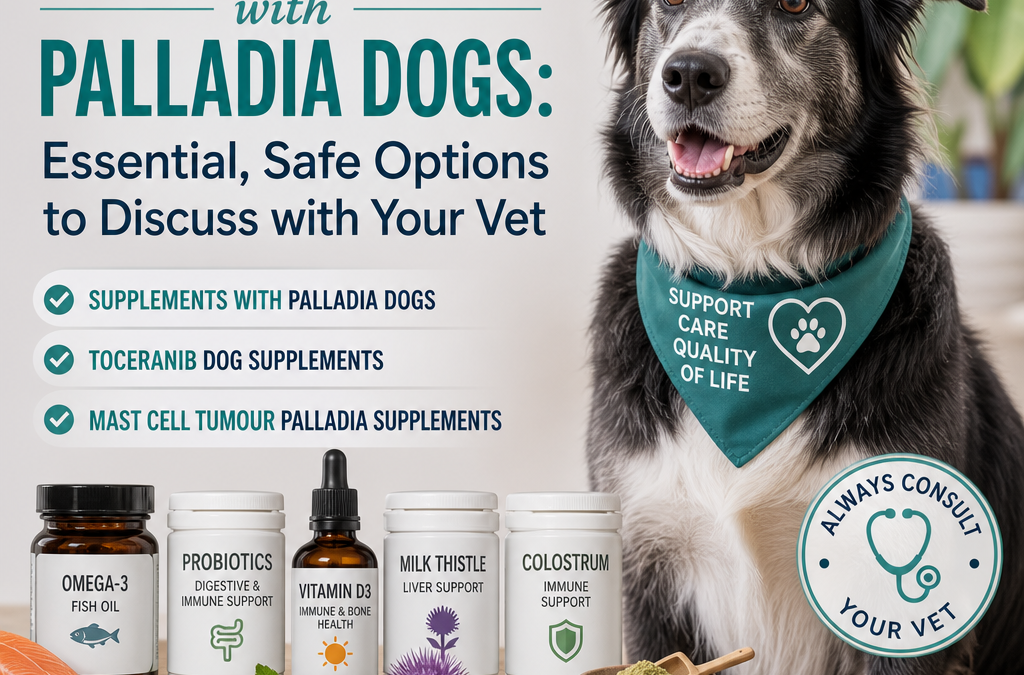
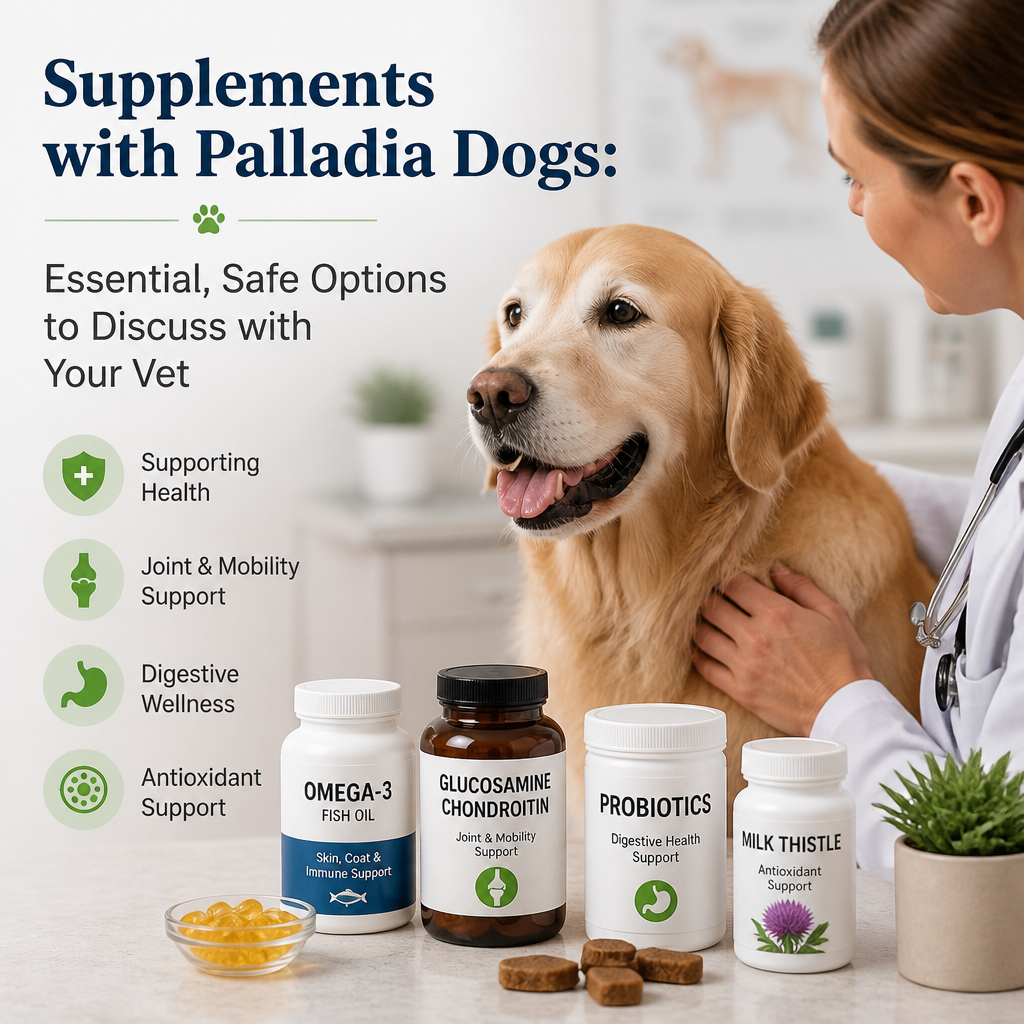
Supplements with Palladia Dogs can be a useful part of supportive cancer care, but they should never be added casually. Palladia, also known by its generic name toceranib phosphate, is a prescription medication used primarily to manage certain canine mast cell tumours. Because it affects cellular signaling and blood vessel growth, it may interact with supplements, medications, or underlying health conditions. The safest approach is to discuss every product with your veterinarian, ideally before giving the first dose.
Palladia is a targeted cancer treatment that works by blocking specific receptor tyrosine kinases involved in tumour growth and blood supply. It is commonly prescribed for dogs with mast cell tumours, although veterinarians may consider it in other situations depending on the individual case.
The medication can produce meaningful benefits, but it may also cause side effects. Common concerns include reduced appetite, vomiting, diarrhoea, weight loss, lethargy, lameness, and changes in blood work. More serious complications can include gastrointestinal ulceration, bleeding, liver problems, kidney concerns, or delayed wound healing.
These risks explain why supplements should not be viewed as automatically harmless. A natural product can still affect clotting, liver enzymes, blood pressure, digestion, or the way a medication is absorbed and metabolized. For dogs receiving supplements with Palladia dogs, the details matter as much as the product label.
Owners often look for supportive care that improves comfort without adding unnecessary risk. That is a sensible goal, but it works best when the veterinarian knows exactly what is being used and why. Even over-the-counter products can change how Palladia is tolerated from one dog to the next.
Why Veterinary Guidance Matters
When considering supplements with Palladia dogs, the first question is not simply whether a product is “safe.” The more important questions are whether it is appropriate for the dog’s tumour, current symptoms, laboratory results, diet, and full medication list.
Veterinarians may monitor:
Complete blood count
Liver and kidney function
Appetite and body weight
Stool quality and vomiting
Hydration
Blood pressure when indicated
Signs of pain, bleeding, or gastrointestinal irritation
A supplement that might be reasonable for a healthy dog could be unsuitable for a dog receiving chemotherapy or targeted cancer treatment. For example, a product with mild blood-thinning effects could be concerning in a patient already at risk of gastrointestinal bleeding. Similarly, a supplement processed by the liver could potentially alter toceranib levels or increase medication-related toxicity.
Before using any supplement, provide your veterinarian with the exact product name, ingredient list, concentration, serving size, and manufacturer information. A careful review is especially important when people search for supplements with Palladia dogs and assume every “natural” option is interchangeable.
Supplements with Palladia Dogs: Potentially Useful Supportive Options
Some supplements may be considered as part of a broader care plan, although their suitability depends on the dog’s health and treatment response.
Veterinary omega-3 fatty acids
Fish oil provides EPA and DHA, which may support skin health, joint comfort, and normal inflammatory balance. Some dogs with cancer also experience reduced appetite, weight loss, or inflammation, making nutritional support especially important.
However, fish oil is not appropriate at every dose or for every patient. It can cause digestive upset and may influence platelet function or bleeding risk. Use a veterinary-quality product with a clearly stated EPA and DHA content rather than relying on vague “fish oil” labels.
Digestive support
Veterinary probiotics or carefully selected prebiotic products may help some dogs experiencing mild digestive changes. Palladia can affect the gastrointestinal tract, so maintaining normal stool quality and appetite is valuable.
Probiotics are not a substitute for veterinary treatment when a dog has persistent diarrhoea, vomiting, blood in the stool, abdominal pain, or dehydration. Those symptoms may signal a more serious adverse reaction requiring prompt assessment.
Joint and mobility support
Dogs receiving cancer treatment may become less active or develop discomfort from their disease. Ingredients such as glucosamine, chondroitin, or certain veterinary joint formulas may support mobility in appropriate cases. The product should be reviewed for additional ingredients, especially herbal compounds that may affect bleeding, sedation, or drug metabolism.
Joint support can be especially useful when a dog feels stiff, less willing to walk, or simply more tired during treatment. The goal is not to add as many products as possible, but to choose targeted help that fits the dog’s current needs.
Nutritional supplements
A calorie-dense veterinary diet, appetite support, or a targeted vitamin and mineral supplement may be recommended if a dog is losing weight or not eating adequately. In many cases, improving nutrition through a complete and balanced diet is more useful than adding multiple separate products.
Human multivitamins should generally be avoided. They may contain excessive levels of certain nutrients or ingredients that are toxic to dogs, such as xylitol, iron, vitamin D, or stimulants.
When chosen carefully, supplements with Palladia dogs may help maintain appetite, hydration, and comfort. That said, supportive care should always stay secondary to the treatment plan established by the oncology team.
Toceranib Dog Supplements That Require Extra Caution
Searches for toceranib dog supplements often lead owners toward antioxidant blends, herbal products, and immune-support formulas. These products can sound appealing, but “immune boosting” is not a precise medical claim, and some ingredients may interfere with treatment.
Use particular caution with:
Turmeric or curcumin products
Garlic-containing formulas
Ginkgo
Ginseng
High-dose vitamin E
Concentrated green tea extract
St. John’s wort
CBD or hemp products
High-dose antioxidant combinations
Products marketed as tumour cures or cancer detoxes
The safety of these ingredients depends on dose, purity, formulation, and the dog’s other health conditions. Some may affect liver enzymes, sedation, blood pressure, clotting, or gastrointestinal function. Others may have limited evidence in dogs and inconsistent manufacturing standards.
A supplement should never replace Palladia, surgery, radiation, pain control, nutritional care, or follow-up monitoring. Products promising to shrink tumours or cure cancer without clinical evidence deserve particular skepticism. When owners ask about supplements with Palladia dogs, this is often the most important reminder: support can be helpful, but it cannot stand in for treatment.
Mast Cell Tumour Palladia Supplements and Histamine Concerns
Mast cell tumours release histamine and other inflammatory substances, which can contribute to stomach irritation, ulcers, swelling, itching, and digestive problems. This is one reason veterinarians sometimes prescribe additional medicines, such as acid-reducing drugs or antihistamines, alongside Palladia.
Mast cell tumour Palladia supplements should therefore be chosen with the gastrointestinal system in mind. A supplement that irritates the stomach, increases bleeding risk, or delays attention to vomiting and dark stools may be harmful. Dogs with mast cell tumours may need medication specifically selected to protect the stomach rather than a general digestive supplement.
Watch for warning signs, including:
Repeated vomiting
Black or tarry stools
Fresh blood in vomit or stool
Severe diarrhoea
Refusal to eat
Pale gums
Collapse or marked weakness
Sudden abdominal pain
Rapid swelling or worsening tumour-related symptoms
These signs require veterinary attention and should not be managed with supplements at home. In many cases, the safest response is to pause any nonessential product, call the clinic, and describe exactly what the dog has taken.
Mast cell tumour Palladia supplements also need to fit the dog’s overall stomach-protection plan. If your veterinarian has already prescribed other medications, the supplement decision should account for timing, potential overlap, and the possibility of digestive irritation.
How to Introduce Any Supplement Safely
If a veterinarian approves a product, introduce only one new supplement at a time. This makes it easier to identify the cause of a reaction. Follow the recommended dose precisely and avoid increasing it because a small amount appears well tolerated.
Keep a simple record of:
Supplement name and dose
Time it is given
Palladia dosing schedule
Appetite and energy
Vomiting or stool changes
Weight
Any new medications
Ask whether the supplement should be given with food, separated from Palladia, or stopped before blood tests or procedures. Never use leftover products prescribed for another pet, and avoid combining several formulas that contain overlapping ingredients.
The goal of supportive care is to help a dog maintain comfort, nutrition, activity, and quality of life while receiving effective cancer treatment. Supplements may have a place in that plan, but they work best when selected conservatively and monitored by a veterinary professional. Careful communication, regular checkups, and prompt reporting of side effects are far more important than using a large number of products.
When used thoughtfully, supplements with Palladia dogs may fit into a sensible care plan, but only when the veterinarian confirms the product, the dose, and the timing are appropriate for the individual patient.
If you are reviewing supplements with Palladia dogs during treatment, keep the focus on safety, consistency, and observation. The right choice is the one that supports your dog without complicating Palladia therapy.
Dog Cancer Surgery Not an Option does not mean there is nothing you can do. When a tumour cannot be safely removed, supportive care can still help control symptoms, preserve comfort, and protect your dog’s quality of life. The right plan depends on the cancer type, its location, how quickly it is progressing, and your dog’s overall health. Working closely with your veterinarian can make this stage more manageable and ensure that care remains focused on your dog’s individual needs.
A tumour may be considered inoperable for several reasons. It might be located near vital organs, major blood vessels, the spinal cord, or other structures that cannot be safely disturbed. Some cancers spread throughout the body rather than forming one removable mass. Surgery may also be too risky if a dog has severe heart, kidney, or liver disease, or if the expected recovery would be difficult and unlikely to improve comfort.
“Inoperable” does not always mean “untreatable.” Your veterinarian may recommend radiation therapy, chemotherapy, immunotherapy, targeted medication, pain relief, or palliative procedures. In other cases, the most appropriate approach is comfort-focused care without aggressive treatment. A veterinary oncologist can help explain the available choices, expected benefits, possible side effects, and likely costs.
Inoperable dog tumour support should begin with a clear quality-of-life plan. The goal is not necessarily to eliminate the cancer, but to reduce suffering and help your dog continue enjoying daily activities for as long as possible.
Pain control is often central to supportive care. Depending on the type and location of the tumour, your veterinarian may prescribe anti-inflammatory medication, opioid pain relievers, nerve-pain medication, or other drugs. Never give human painkillers unless a veterinarian specifically instructs you to do so. Medications such as ibuprofen, naproxen, and acetaminophen can be dangerous or fatal to dogs.
Nausea, poor appetite, constipation, diarrhoea, coughing, and breathing difficulty may also need targeted treatment. Anti-nausea medication, appetite support, stool management, or oxygen therapy may improve comfort significantly. If a tumour interferes with eating or swallowing, your veterinarian may recommend softer foods, a feeding tube, or other options depending on the situation.
When supportive care is working well, your dog may still have good days that include eating, resting comfortably, and moving around the home with less effort. Watching for these moments can help you judge whether the current plan is still giving meaningful benefit. In many cases, the best care for dog cancer surgery not an option is a flexible plan that is reviewed often and adjusted as symptoms change.
Nutrition and hydration
Cancer can alter metabolism and cause weight loss, muscle wasting, or reduced appetite. Providing nutritious, appealing food in small, frequent meals may be more successful than offering one large portion. Some dogs prefer warmed food because the heat increases its aroma. Moist food may also be easier to eat, particularly for dogs with mouth pain or dental problems.
Your veterinarian may recommend a therapeutic diet based on your dog’s diagnosis and bloodwork. Avoid making major dietary changes without professional guidance, especially if your dog has kidney, liver, or pancreatic disease. Unbalanced homemade diets can create nutritional deficiencies at a time when the body needs reliable nourishment.
Hydration is equally important. Keep fresh water available in several easy-to-reach locations. Signs of dehydration can include dry or sticky gums, weakness, sunken eyes, and reduced urination. A dog that cannot keep water down, refuses fluids, or becomes suddenly weak needs prompt veterinary attention.
If appetite is poor, ask your veterinary team whether nausea control, pain control, or a different food texture would help more than changing the diet itself. Many families find that a practical feeding routine is easier to maintain than a complicated menu. In the context of dog cancer surgery not an option, steady nutrition often matters more than perfection, so small improvements can still be meaningful.
Simple feeding changes that may help
Offer smaller meals two to four times per day.
Warm food slightly to improve smell and acceptance.
Use shallow bowls for dogs with facial or neck discomfort.
Keep water and food close to the resting area.
Track which foods are tolerated best and which cause nausea or refusal.
Supplements for dogs with cancer
Supplements for dogs with cancer are sometimes considered as part of a broader care plan, but they should not replace proven veterinary treatment. Products commonly discussed include omega-3 fatty acids, medicinal mushrooms, antioxidants, probiotics, and nutritional support formulas. Evidence varies widely, and some supplements can interact with chemotherapy, radiation therapy, blood thinners, steroids, or anti-inflammatory medications.
Omega-3 fatty acids may support skin, joint, and general inflammatory health, but the appropriate dose depends on your dog’s weight, diet, medical history, and product quality. Some herbal products may affect liver enzymes or blood clotting. Antioxidant supplements can also be inappropriate during certain cancer treatments, because some therapies rely partly on oxidative damage to cancer cells.
Always provide your veterinarian with the product name, ingredient list, and intended dose before starting a supplement. Choose products made by reputable manufacturers with quality-control testing, and avoid supplements containing toxic ingredients such as xylitol. “Natural” does not automatically mean safe for dogs.
When to ask about supplements for dogs with cancer
It is worth asking about supplements for dogs with cancer when your dog is already on medication, has liver or kidney disease, or is receiving chemotherapy or radiation. Your veterinary team can help you weigh possible benefits against interaction risks so that any added product fits safely into the larger care plan.
If you are researching product categories, it can also help to compare them against broader veterinary advice rather than marketing claims alone. A second practical resource is the Best Supplements for Dogs with Cancer: 7 Essential UK Support Tips, which can give you a clearer framework for discussing choices with your vet.
Gentle exercise and environmental changes
Exercise should be adapted to your dog’s energy, mobility, and pain level. Short, gentle walks may provide mental stimulation and help maintain muscle without causing exhaustion. Dogs with bone tumours, severe weakness, or balance problems may need restricted activity and non-slip flooring.
Make the home easier and safer by placing food and water near your dog’s resting area, using ramps instead of stairs, adding soft bedding, and keeping rooms comfortably cool or warm. Help your dog change position if they are unable to move easily, but do so gently and ask your veterinarian to demonstrate safe handling.
Mental enrichment remains valuable. Quiet time outdoors, gentle grooming, scent games, and companionship can provide enjoyment without physical strain. Let your dog set the pace and stop activities when signs of fatigue or discomfort appear.
Comfort-focused adjustments are often most effective when they are small, consistent, and tailored to the home. A dog with cancer may not need major lifestyle changes to feel better; sometimes the most helpful steps are also the simplest. For many households facing dog cancer surgery not an option, safer movement and predictable routines reduce stress for both the pet and the family.
Home comfort checklist
Use rugs or mats on slippery floors.
Keep blankets and beds clean, soft, and easy to reach.
Move obstacles away from walking paths.
Provide a quiet place away from heavy foot traffic.
Check whether your dog needs help getting up, turning, or settling down.
Monitoring comfort and knowing when to seek help
Keep a simple daily record of appetite, drinking, pain, breathing, mobility, toileting, sleep, and interest in family activities. This can reveal gradual changes that are difficult to notice from day to day. A quality-of-life scale may also help you discuss patterns with your veterinarian.
Contact your veterinary team urgently if your dog has uncontrolled pain, severe breathing difficulty, repeated vomiting, collapse, heavy bleeding, seizures, a swollen abdomen, or an inability to urinate. These signs may indicate a crisis requiring immediate treatment.
Eventually, supportive care may no longer control discomfort adequately. Euthanasia can be a compassionate medical decision when suffering outweighs enjoyment, and discussing this possibility early does not mean giving up. Planning ahead allows you to focus on your dog’s needs rather than making decisions during an emergency.
It can also help to ask your veterinary team what changes would signal that the current plan is no longer enough. Appetite loss, repeated distress, or increasing difficulty breathing may mean that the situation has moved beyond routine management. Having that conversation early gives you time to prepare emotionally and practically. When dog cancer surgery not an option, the most humane care often comes from watching closely and responding before suffering becomes severe.
When dog cancer surgery not an option, attentive palliative care can still make a meaningful difference. With veterinary guidance, careful symptom control, suitable nutrition, safe activity, and loving daily support, many families can provide their dogs with comfort and dignity throughout the time they have together. If you are building a broader care plan, remember that dog cancer surgery not an option is not the end of the conversation; it is the point where comfort, monitoring, and informed choices matter most.
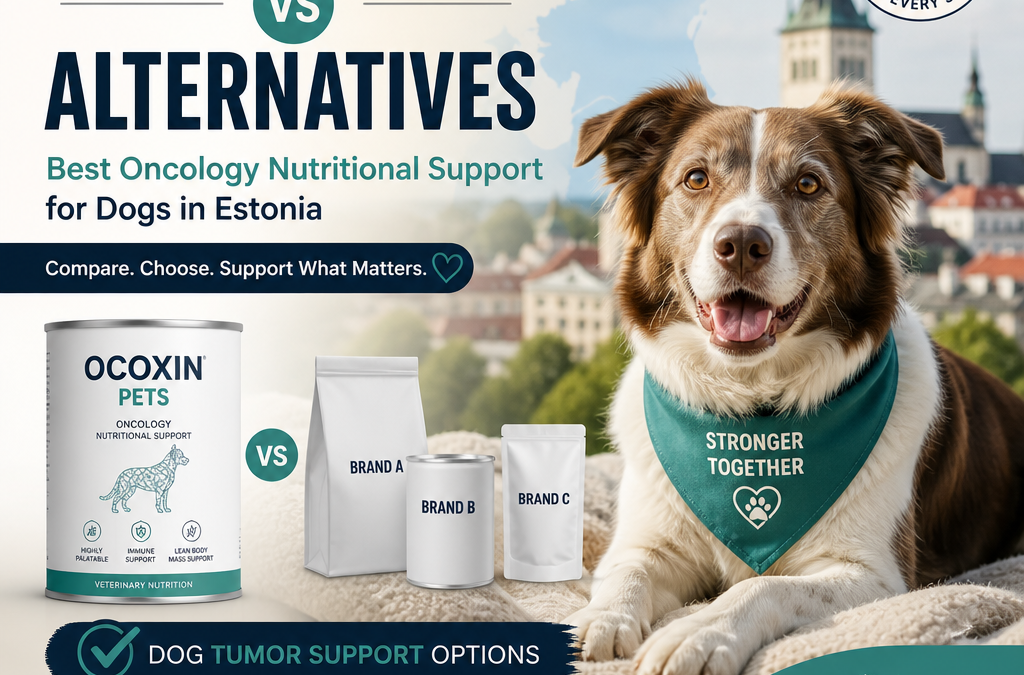
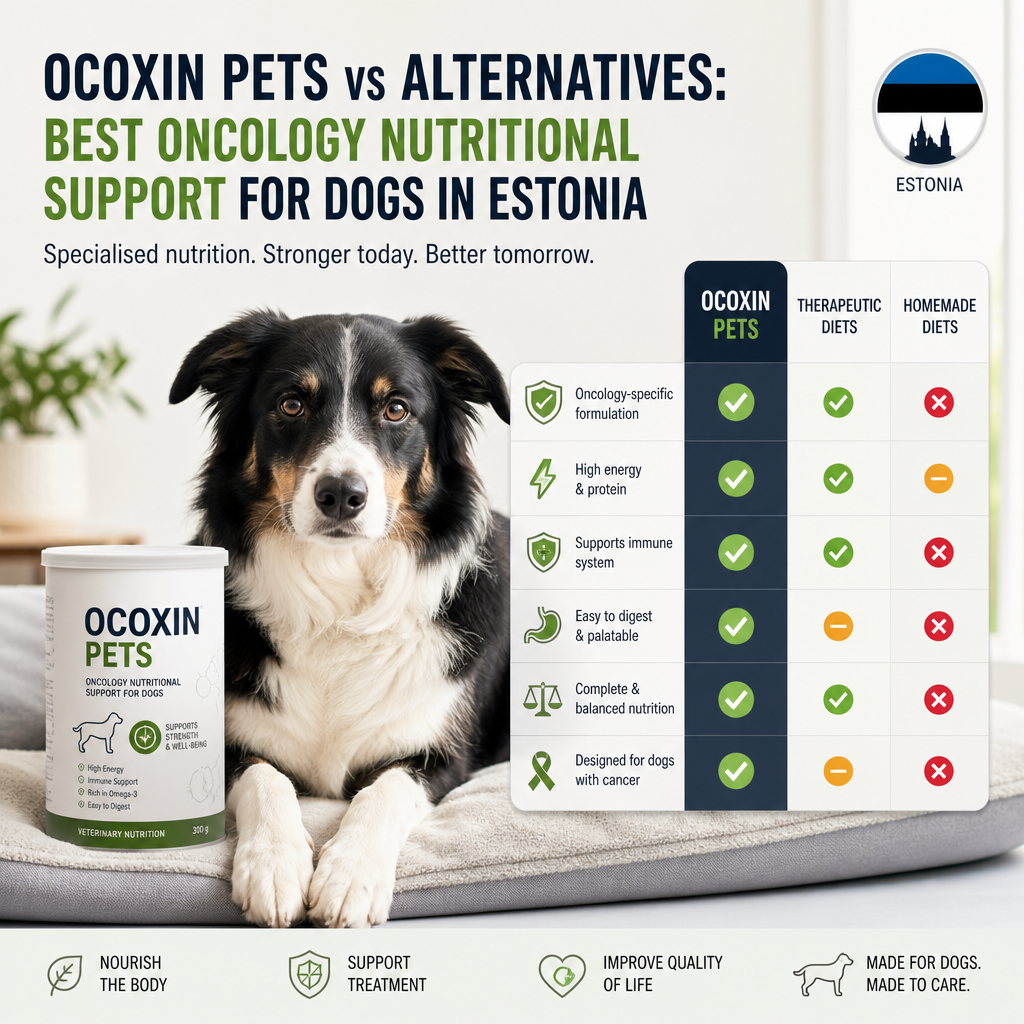
Ocoxin Pets vs alternatives is an important comparison for Estonian dog owners looking for supportive care during cancer treatment. A diagnosis of cancer can be overwhelming, but nutrition and carefully selected supplements may help maintain appetite, body condition, energy, and quality of life. These products should complement—not replace—veterinary diagnosis and treatment. The best choice depends on the dog’s tumor type, treatment plan, blood results, digestive health, and individual nutritional needs.
For many families, Ocoxin Pets vs alternatives becomes a practical question: should you choose a broad supportive formula, a therapeutic diet, or a more targeted supplement? The answer depends on the dog’s symptoms, current medications, and how well the dog is eating day to day. It also depends on whether the main goal is to support recovery, reduce treatment-related strain, or simply keep the dog comfortable and eating as normally as possible.
Cancer can affect a dog’s body in several ways. Tumors may increase energy demands, alter metabolism, reduce appetite, or cause inflammation. Surgery, chemotherapy, and radiation therapy can also lead to nausea, fatigue, mouth discomfort, diarrhea, or temporary changes in eating habits. In some dogs, the first signs that something is wrong are subtle changes such as leaving food behind, drinking less, or losing muscle over the back and hips.
Maintaining adequate nutrition is therefore a central part of supportive oncology care. A dog that eats well and preserves muscle mass may tolerate treatment more effectively and recover better after procedures. Nutritional support can include a complete diet, appetite management, hydration, calorie-dense foods, omega-3 fatty acids, digestive support, and selected veterinary supplements. When appetite is poor, even a small improvement in calorie intake can make a meaningful difference over time.
However, supplements are not automatically harmless. Some ingredients can interfere with medications, affect blood clotting, influence liver enzymes, or place additional demands on the kidneys. Veterinary supervision is especially important when a dog is receiving chemotherapy, corticosteroids, pain medication, or anticoagulants. That is one reason Ocoxin Pets vs alternatives should always be reviewed in the context of the dog’s full medical plan.
For this reason, Ocoxin Pets vs alternatives should always be evaluated alongside the dog’s medical history, not as a quick product comparison alone. In some cases, the best support is simply making sure the dog eats enough of the right food. In others, a carefully chosen supplement can help bridge a gap while the veterinarian manages the disease and its side effects.
Ocoxin Pets: what it is designed to provide
Ocoxin Pets is a veterinary nutritional supplement commonly used as supportive care for dogs and cats with serious illnesses, including cancer. Its formulation is intended to provide a combination of nutritional and antioxidant ingredients that may support appetite, general condition, immune function, and recovery. The product is usually considered part of a broader care plan rather than a stand-alone solution.
The product is often considered when a dog is losing weight, eating poorly, or experiencing reduced vitality during treatment. Its liquid format may be useful for some animals that struggle to swallow tablets. Nevertheless, acceptance varies between dogs, and the appropriate amount should be determined according to the product instructions and veterinary advice. Some dogs take liquids more easily when mixed with a small amount of food, while others prefer a separate dose to avoid changing the smell or taste of the meal.
The main advantage of a combined formula is convenience. Instead of giving several separate products, owners may be able to provide one supplement containing multiple supportive ingredients. The limitation is that a combination product may not be ideal for every patient. A dog with kidney disease, diabetes, gastrointestinal sensitivity, or a specific medication plan may require a more targeted approach. In those cases, Ocoxin Pets vs alternatives may come down to whether the dog needs a broad supportive product or a more precise intervention.
That is why Ocoxin Pets vs alternatives should not be framed as a simple “better or worse” choice. A broader formula may help one patient, while another may do better with a prescription diet or a single nutrient chosen for a specific need. The most appropriate option is usually the one that fits the dog’s clinical picture, the owner’s ability to administer it consistently, and the veterinarian’s overall treatment strategy.
Ocoxin Pets vs alternatives: key differences
When comparing Ocoxin Pets vs alternatives, it is useful to evaluate products according to their purpose rather than focusing only on brand names or ingredient counts. No supplement has been proven to cure cancer, and nutritional support should not be presented as an alternative to surgery, chemotherapy, radiation, or other evidence-based veterinary treatment. Supportive care is valuable because it helps the dog cope better with the illness and treatment, not because it replaces them.
The most helpful comparison usually comes down to three questions: does the dog need complete nutritional support, symptom relief, or targeted supplementation? Once that is clear, choosing between Ocoxin Pets vs alternatives becomes much easier. The answer may also change over time. A dog that needs appetite support during chemotherapy might later need a more calorie-dense diet during recovery, or a simpler plan if digestion becomes sensitive.
Complete veterinary cancer diets
A therapeutic veterinary diet is often the foundation of oncology nutritional support. These diets are formulated to provide balanced protein, energy, vitamins, and minerals while taking into account the nutritional demands of illness. Some are highly palatable and calorie-dense, which can help dogs that eat only small portions. They may also be easier to use consistently because the nutrient profile is already balanced for long-term feeding.
A complete diet may be more important than an additional supplement if the dog is underweight or eating an unbalanced homemade meal plan. The veterinarian may recommend a specific food based on the tumor type, digestive tolerance, kidney function, and treatment goals. For example, a dog with a poor appetite may need a food that is richer and easier to chew, while a dog with digestive issues may need a simpler formula with high digestibility.
In discussions about Ocoxin Pets vs alternatives, diet often matters more than the supplement itself. If the dog will not eat enough calories, even a good product cannot fully compensate for the deficit. A supportive diet can be the most practical first step, especially when the goal is to preserve muscle and prevent further weight loss.
Omega-3 fatty acid supplements
Fish oil containing EPA and DHA is another commonly discussed option. These fatty acids may support normal inflammatory responses and help maintain skin, coat, and general health. They also add calories, which can be useful for some underweight dogs. Many veterinary teams consider omega-3s because they are familiar, widely available, and easy to integrate into a larger care plan.
Quality and dosage matter. Products should be purified, stored correctly, and selected for veterinary use. Excessive amounts may cause digestive upset or increase bleeding risk, particularly before surgery or when combined with certain medicines. The VCA Hospitals guide to omega-3 fatty acids for pets is a useful overview for owners who want to understand how these supplements are commonly used.
For some dogs, omega-3s may be a more targeted choice than a broad product. For others, Ocoxin Pets vs alternatives is not an either-or decision at all, because the veterinarian may recommend both a therapeutic diet and a carefully dosed fatty acid supplement. The key is to avoid assuming that “more supplements” automatically means better support.
Appetite and digestive support
Some dogs need help with nausea, reflux, constipation, diarrhea, or appetite loss rather than a broad nutritional supplement. In these cases, veterinary anti-nausea medication, appetite stimulants, probiotics, or a temporary change in diet may provide more practical benefit. When the stomach is unsettled, a dog may reject food simply because eating causes discomfort, so symptom control can be the first priority.
Digestive support should be individualized. A probiotic that suits one dog may worsen gas or diarrhea in another, and a high-fat product may be inappropriate for dogs with pancreatitis or gastrointestinal disease. This is where Ocoxin Pets vs alternatives must be judged carefully, because a product that seems supportive on paper may be less useful than a medicine that addresses the real problem.
Owners sometimes focus on supplements when the real issue is pain, nausea, or a treatment side effect that requires veterinary management. Addressing those issues can restore appetite more effectively than changing supplements alone.
Single-ingredient supplements
Single-ingredient products, such as specific vitamins, minerals, amino acids, or medicinal mushrooms, may appear attractive because they allow more precise dosing. However, targeted supplementation is safest when a deficiency or clear clinical need has been identified. Adding multiple products without coordination can result in excessive intake or interactions. This is especially important when the dog already receives a prescription diet that contains complete nutrition.
In practical terms, Ocoxin Pets vs alternatives may also mean choosing fewer products overall. A focused plan often works better than stacking several supplements without a clear goal. If the dog is already eating a good diet and only needs mild support, the simplest option is often the easiest to maintain and monitor.
Supportive care goals in real life
In real-world oncology care, the best option is usually the one that the dog accepts and the owner can give consistently. Ocoxin Pets vs alternatives should therefore be viewed through the lens of daily use: does the dog like the taste, does the formula fit the schedule, and does it complement the prescribed treatment plan? A theoretically ideal supplement has little value if the dog refuses it or if it complicates feeding.
It is also helpful to distinguish between “nutritional support” and “treatment support.” Some products are designed to help maintain body condition, while others are intended to ease symptoms or support digestion. Both can matter, but they are not interchangeable. Understanding that difference makes Ocoxin Pets vs alternatives much easier to navigate.
Dog tumor support options available in Estonia
Dog tumor support options in Estonia include veterinary oncology consultations, nutritional assessment, prescription diets, symptom-control medicines, and carefully selected supplements. Owners can seek guidance from their regular veterinarian or a veterinary clinic with experience in oncology. Estonia’s pet pharmacies and veterinary practices may stock several supportive products, but availability can change, and imported supplements may have different labeling or dosage recommendations.
When buying a product, check that it is intended for dogs, has clear ingredient and dosing information, and comes from a reliable supplier. Avoid products marketed with promises to destroy tumors, replace chemotherapy, or guarantee remission. Such claims are not a substitute for clinical evidence and may delay effective treatment. A cautious, evidence-based approach is especially important when the dog is already weakened by illness.
For readers comparing options across Europe, the internal resource Ocoxin Pets Alternative: 7 Best Affordable Dog Tumor Supplements in the UK offers another practical look at supportive choices and how owners can assess them. This can be especially helpful if you are comparing ingredient profiles and delivery formats.
Estonian owners may also find it helpful to discuss product sourcing with their veterinary clinic. Imported supplements can vary in concentration and serving size, and the same name does not always mean the same formula in every country. That detail matters when comparing Ocoxin Pets vs alternatives because the real question is often how the product performs in the dog’s actual care routine.
How to choose the right nutritional support
The first step is to establish the dog’s current nutritional status. The veterinarian may assess body weight, muscle condition, appetite, hydration, blood work, and gastrointestinal signs. A dog can have a normal body weight while still losing muscle, so monitoring body condition alone is not always enough. Over time, changes in muscle can affect strength, recovery, and overall resilience.
Owners should also record how much the dog eats, any vomiting or diarrhea, changes in drinking, stool quality, and daily energy. This information helps the veterinary team determine whether the issue is insufficient calories, treatment side effects, pain, nausea, or disease progression. Even a simple feeding diary can make the Ocoxin Pets vs alternatives decision more informed and less guesswork-based.
Introduce only one new supplement at a time whenever possible. This makes it easier to identify both benefits and adverse reactions. Stop and contact the veterinarian if the dog develops persistent vomiting, severe diarrhea, unusual bruising, marked lethargy, or a sudden refusal to eat. Those signs may indicate a product mismatch or a separate medical concern that needs prompt attention.
If the dog is already receiving oncology care, ask whether the current plan needs more calories, a different protein level, or simpler digestibility rather than another supplement. In many cases, that small adjustment matters more than switching from one branded product to another, including Ocoxin Pets vs alternatives. A dog that eats a little more of the right food may improve faster than a dog given several products that do not fit its needs.
It is also worth asking whether the dog’s diet is already complete. If the answer is yes, an extra supplement should have a clear purpose. If the answer is no, then fixing the diet may be more important than adding a supportive product. This step alone can change the direction of the whole nutrition plan.
Practical decision points for owners
When comparing Ocoxin Pets vs alternatives, it can help to think in practical terms: can the dog eat enough on its own, does it need help managing symptoms, and is the chosen product easy to give every day? The most effective plan is usually the one that combines clinical logic with everyday realism. A good recommendation that cannot be followed consistently is less useful than a simpler plan that the dog tolerates well.
Owners should also consider budget and availability. If a product is difficult to find in Estonia or too expensive to maintain long term, it may not be the best choice even if its ingredients look appealing. Consistency matters more than novelty in most supportive care plans.
Questions to discuss with the veterinarian
Before starting Ocoxin Pets or an alternative, ask whether the product is suitable for the dog’s tumor type and current medications. It is also worth discussing whether the dog needs additional calories, a prescription diet, omega-3 supplementation, digestive support, or treatment for nausea and pain. These questions help prevent unnecessary product overlap and reduce the risk of interactions.
Ask how success will be measured. Useful goals may include stable body weight, improved appetite, better stool quality, or maintaining normal activity—not simply the expectation that a supplement will shrink a tumor. Regular reassessment is essential because nutritional needs can change during surgery, chemotherapy, recovery, or palliative care. A product that works early in treatment may need to be adjusted later as symptoms shift.
It may also help to ask whether the dog should avoid specific ingredients because of bleeding risk, kidney concerns, or digestive sensitivity. That conversation can make Ocoxin Pets vs alternatives a safer and more personalized decision. If you are uncertain, ask the veterinarian to rank the options in order of importance so the plan stays simple and manageable.
Owners can also ask whether the dog’s medications affect appetite or digestion. Sometimes the best supportive care is not a new supplement but a small change in timing, feeding frequency, or medication scheduling. Those details can improve comfort more than switching products.
A balanced approach to supportive care
The most effective oncology nutritional support is usually part of a broader plan. A complete and palatable diet, adequate hydration, symptom control, regular veterinary monitoring, and emotional comfort all contribute to a dog’s quality of life. Ocoxin Pets may be a reasonable option for some patients, while others may benefit more from a therapeutic diet, a specific nutrient, or medical treatment for an underlying problem. In many cases, the best result comes from combining a few well-chosen measures rather than relying on one product alone.
Comparing Ocoxin Pets vs alternatives should therefore focus on safety, clinical suitability, nutritional completeness, product quality, and the dog’s response over time. With individualized veterinary guidance, owners in Estonia can make informed decisions and provide supportive care that complements—not competes with—their dog’s cancer treatment. Monitoring the dog’s appetite, stool quality, weight, and comfort will tell you far more than a label ever can.
In the end, the best choice is the one that supports eating, comfort, and stability while fitting the dog’s diagnosis and treatment plan. That is the most practical way to decide between Ocoxin Pets vs alternatives for a dog with tumors in Estonia. When the plan is guided by the veterinarian and adjusted as the dog changes, supportive care becomes more effective, more predictable, and easier for the family to follow.
If you want a simple final rule, it is this: choose the option that helps the dog eat, keeps the plan realistic, and fits the medical picture. For many families, that is the heart of Ocoxin Pets vs alternatives and the key to making supportive care truly useful.
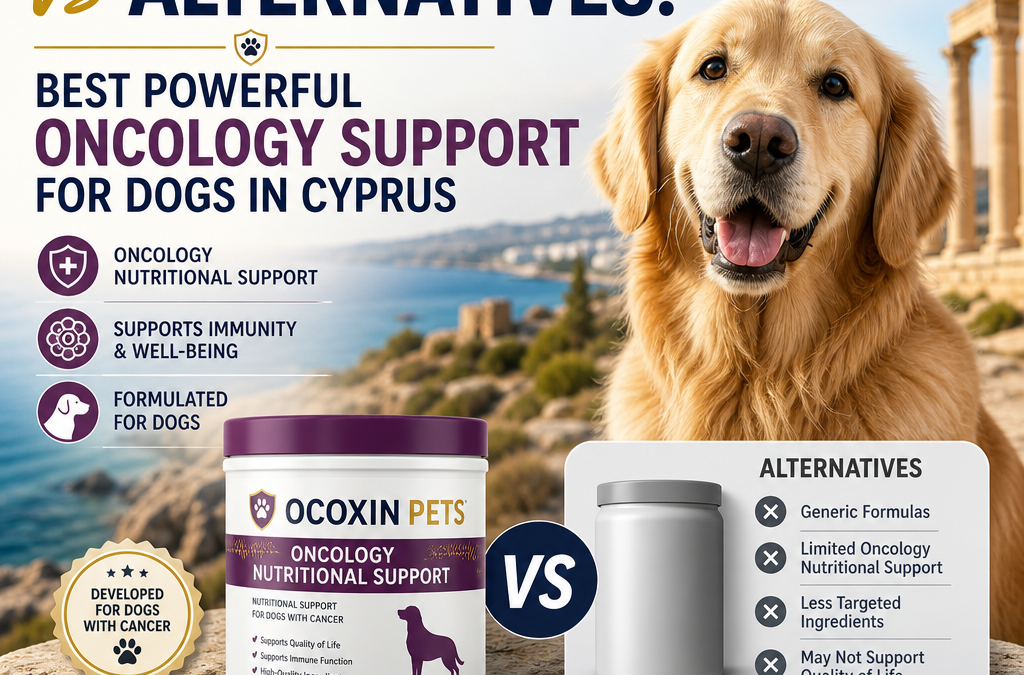
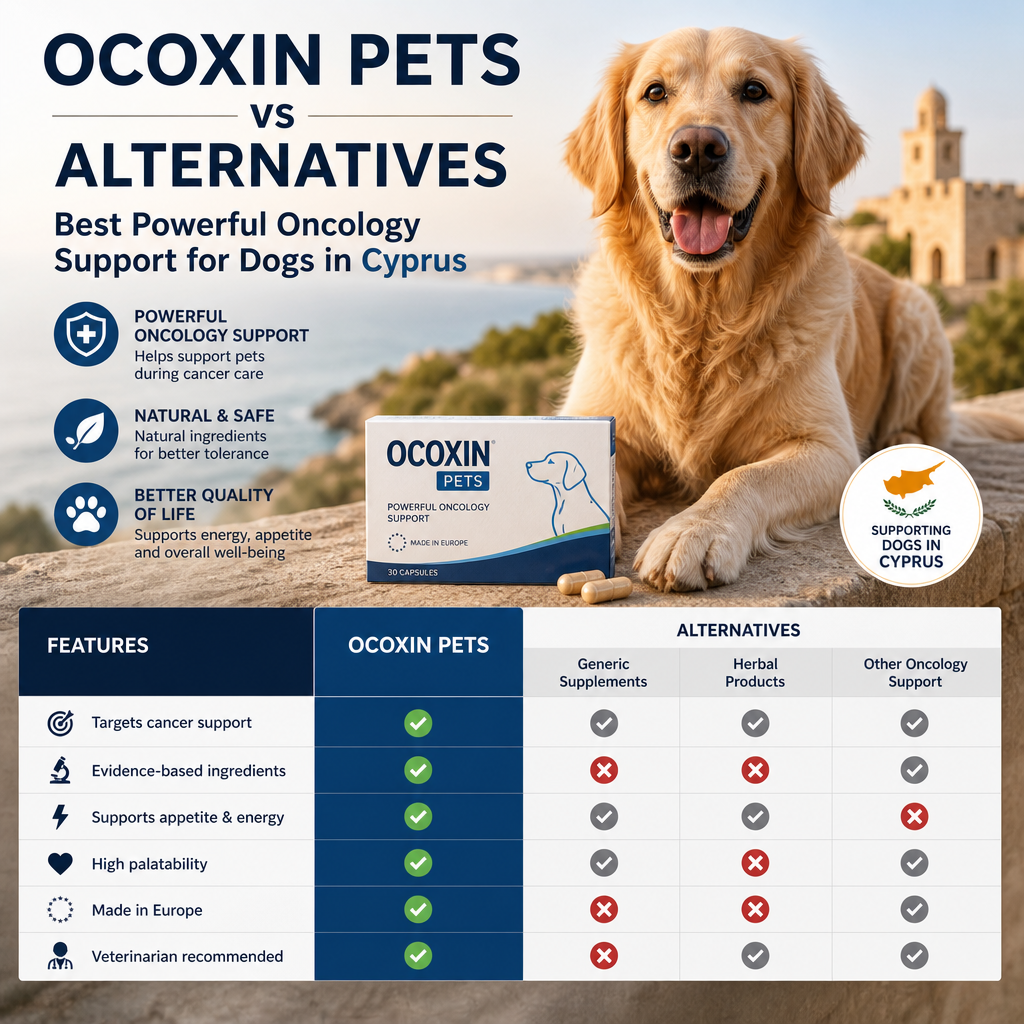
Ocoxin Pets vs alternatives is an important comparison for dog owners in Cyprus looking for supportive care during cancer treatment. A diagnosis of cancer can be overwhelming, but nutritional support may help maintain appetite, body condition, energy, and overall wellbeing alongside veterinary care. The right choice depends on the dog’s diagnosis, treatment plan, age, existing health conditions, and ability to tolerate supplements.
For many families, the goal is not to find a single miracle product but to build a practical support plan. Ocoxin Pets vs alternatives should be considered in the context of nutrition, symptom control, and veterinary monitoring, especially when a dog is losing weight or eating less than usual.
Understanding oncology nutritional support for dogs
Oncology nutritional support refers to dietary strategies and complementary products designed to help dogs cope with the physical demands of cancer and its treatment. Cancer can affect metabolism, appetite, digestion, immune function, and muscle mass. Chemotherapy, radiation therapy, surgery, and some medications may further contribute to nausea, fatigue, weight loss, or reduced food intake.
Nutritional support is not a cure for cancer and should never replace surgery, chemotherapy, radiation, or other treatments recommended by a veterinary oncologist. Its role is usually supportive: helping the dog consume adequate calories and nutrients, maintain hydration, preserve muscle, and enjoy a better quality of life.
A complete assessment should include the type and stage of cancer, current body weight, body-condition score, recent changes in appetite, gastrointestinal symptoms, and any laboratory abnormalities. Dogs with kidney, liver, or pancreatic disease may require specially adjusted diets, making professional guidance especially important.
When owners search for Ocoxin Pets vs alternatives, they are often trying to solve a real-world feeding problem. A dog that refuses meals, loses weight, or struggles with nausea may need a combination of diet changes, medication adjustments, and carefully chosen support products.
In many cases, the first step is to separate what is medically necessary from what is simply marketed as helpful. A thoughtful plan for Ocoxin Pets vs alternatives should focus on whether the product supports eating, comfort, and stable weight over time. That practical approach is usually more useful than relying on branding alone.
It also helps to track the dog’s daily routine. Appetite changes, stool quality, water intake, and energy level can reveal whether a support product is actually making a difference. This is one reason many veterinarians prefer a structured trial period when they recommend an oncology supplement or a diet change.
For context on cancer spread and how it can influence supportive care decisions, the article on metastasis in dogs explains cancer spread and tumor growth in clearer terms.
Ocoxin Pets vs alternatives: what is Ocoxin Pets?
Ocoxin Pets is a veterinary nutritional supplement used as part of supportive care for dogs and cats. It is generally associated with ingredients intended to provide antioxidant, nutritional, and immune-supportive benefits. Depending on the formulation and local availability, products in this category may include plant-based compounds, vitamins, minerals, amino acids, or other nutrients.
The purpose of using a product such as Ocoxin Pets is typically to complement a balanced diet and veterinary treatment plan. Some owners consider it when their dog experiences reduced appetite, low energy, weight loss, or general weakness during illness. However, the suitability of any supplement depends on the individual animal and the exact ingredients in the product.
Before use, owners should check the product label, recommended dose, storage requirements, and possible contraindications. It is also important to tell the veterinarian about every supplement the dog receives. Some ingredients may interact with prescribed medicines or may not be appropriate before surgery, during chemotherapy, or in dogs with specific organ problems.
For a broader overview of nutrition choices during treatment, this article on best supplements for dogs with cancer offers helpful support tips that can be discussed with your vet.
In practice, Ocoxin Pets vs alternatives often comes down to how a product fits the dog’s current needs. A supplement that is useful for one patient may be unnecessary for another, especially if the dog is already receiving a therapeutic diet and symptom management.
Some owners also want to know whether Ocoxin Pets can be used long term. The answer depends on the dog’s response, the treatment plan, and the veterinarian’s opinion. If the goal is only short-term support during a poor-appetite phase, then the decision may be quite different from a case where the dog needs ongoing nutritional help throughout cancer care.
Another useful question is whether the supplement changes how easy it is for the dog to eat. Flavor, smell, texture, and the method of administration all matter. Even a well-formulated product may be a poor fit if the dog rejects it or becomes stressed when it is given.
Dog tumor support options beyond supplements
There are several dog tumor support options, and the most effective approach is usually a coordinated plan rather than reliance on one product. Nutritional management is one part of that plan.
A highly digestible, complete, and palatable diet can be valuable when appetite is poor. Some dogs prefer wet food, warmed meals, or smaller portions offered more frequently. In certain cases, veterinary therapeutic diets may be recommended because they provide controlled levels of calories, protein, fat, or specific nutrients.
Adequate protein is often important for maintaining muscle, although the ideal amount depends on the dog’s kidney and liver function. Calorie-dense foods may help dogs that cannot eat large meals. Extra treats, homemade diets, or sudden food changes should be discussed with a veterinarian because they can cause digestive upset or create nutritional imbalances.
Hydration also matters. Fresh water should always be available, and dogs with vomiting, diarrhea, or poor fluid intake may require veterinary treatment. Pain management, anti-nausea medication, appetite support, dental care, and gentle exercise can have a major effect on comfort and daily function.
These dog tumor support options may be more effective together than separately. In many cases, a dog does best when nutrition, medication, and monitoring are coordinated rather than handled as isolated tasks.
Other support measures may include helping the dog rest in a quiet area, reducing stress around meals, and keeping a daily log of food intake. These simple steps can be surprisingly useful because they show whether the dog is truly improving or only having occasional better days.
When the dog has recurring nausea or bowel changes, the overall plan may need revision. In that situation, dog tumor support options should be reassessed with the veterinary team instead of adding more products without a clear purpose. Sometimes the best improvement comes from changing timing, dose, or the base diet rather than switching supplements repeatedly.
For a more detailed discussion of complementary care choices, the article on Ocoxin Pets alternative provides another helpful perspective on dog tumor supplements.
Comparing Ocoxin Pets with common alternatives
When evaluating Ocoxin Pets vs alternatives, owners should compare more than brand names. Important factors include evidence, ingredient transparency, safety, quality control, palatability, cost, and compatibility with the dog’s treatment plan.
Veterinary multivitamins may be suitable when a dog has a confirmed deficiency, but unnecessary supplementation can be unhelpful or harmful. Omega-3 fatty acids are sometimes considered for their role in supporting skin, coat, and inflammatory balance, although the appropriate source and dose should be determined carefully. Probiotics may assist some dogs with digestive disturbances, but they are not appropriate for every patient and should not be viewed as cancer treatment.
Specialized veterinary diets can offer more predictable nutrition than a collection of supplements. They may be especially useful when the dog has weight loss, gastrointestinal disease, kidney disease, or difficulty eating. On the other hand, a diet is only helpful if the dog accepts it and eats enough of it.
Homemade diets are another alternative, but they should be formulated by a veterinary nutritionist. Recipes found online may be deficient in essential nutrients or inappropriate for a dog receiving cancer treatment. Human supplements should generally be avoided because their ingredients, concentrations, and additives may be unsafe for animals.
For example, the level of support needed by a dog with a tumor can vary widely. One patient may benefit most from a highly digestible diet, while another may need only short-term appetite support and careful monitoring. That is why Ocoxin Pets vs alternatives is not a simple yes-or-no decision.
Owners should also consider whether the supplement supports day-to-day quality of life. If a product is hard to administer, poorly tolerated, or too expensive for long-term use, it may not be the best fit even if the label looks promising.
A practical comparison also includes how quickly a product can be obtained and whether consistent supply is realistic. In cancer care, continuity matters. If a supplement is helpful but unavailable for weeks at a time, the dog may lose momentum and owners may end up changing plans more often than necessary.
Another useful angle is to ask what problem each option is meant to solve. Some products aim to support appetite, some focus on digestion, and others are designed to complement a therapeutic diet. Comparing Ocoxin Pets vs alternatives works best when each option is matched to the dog’s actual needs rather than to broad claims on the packaging.
Practical ways to support appetite and weight
Loss of appetite is one of the most common reasons families start comparing Ocoxin Pets vs alternatives. When food intake drops, the first step is usually to identify what is driving the problem. Nausea, pain, constipation, oral discomfort, anxiety, and treatment side effects can all reduce eating.
Helpful strategies may include feeding smaller meals more often, warming food to improve aroma, offering a variety of textures, and choosing highly palatable veterinary diets. Some dogs respond better to hand feeding or quiet feeding environments. If the dog is missing meals because of nausea, veterinary anti-nausea medication may be more effective than changing supplements.
Weight loss can happen quickly in dogs with cancer, so regular monitoring is important. Owners can weigh the dog weekly at home, note body shape changes, and report trends to the veterinary team. Even small losses may matter if the dog already has a low body-condition score.
In some cases, the most appropriate support is not another supplement but a formal nutrition consult. That approach can be especially helpful when the dog has several conditions at once, such as cancer plus kidney disease or pancreatitis.
Appetite support should also be realistic. The goal is not to force a dog to eat a perfect amount every day, but to keep food intake steady enough to protect muscle and energy. Small improvements matter when they are sustained.
If a dog seems interested in food but then walks away, watch for clues such as drooling, lip licking, gulping, or restlessness. These can suggest nausea or pain. In those cases, the most effective response may be medical management rather than another nutritional product.
What to consider in Cyprus
Pet owners in Cyprus may face differences in product availability, importation, pricing, and access to veterinary oncology services. A supplement that is easily obtained in another country may not be consistently stocked locally, and storage conditions can be important in a warm climate. Products should be purchased from reputable veterinary clinics, pharmacies, or authorized suppliers whenever possible.
Veterinarians in Cyprus can also help coordinate care with diagnostic laboratories, referral hospitals, surgeons, and oncology specialists. Keeping a written record of the dog’s medications, supplements, appetite, weight, bowel movements, and treatment dates can make consultations more productive.
Cost is another practical consideration. A lower-priced supplement is not necessarily better value if the dog refuses it or if there is little reason to use it. Owners should ask whether a product has a specific purpose, how long it should be tried, what improvement would be expected, and when it should be stopped.
For Cyprus families comparing choices, local access may determine which option is realistic. Ocoxin Pets vs alternatives should be judged by suitability, tolerability, and veterinary oversight rather than by brand popularity alone.
It can also help to plan ahead for supply interruptions. When a product must be imported or ordered in advance, owners should discuss the timing with the clinic so there is no gap in support during treatment cycles. This is especially important for dogs whose appetite is already fragile.
When pets are treated over several months, owners should review whether the original plan is still doing its job. In some situations, a supplement that made sense early on may no longer be needed. In others, the dog’s condition may change and a different option may become more appropriate.
Safety comes before marketing claims
Cancer-related supplements are often promoted with strong language, but marketing claims should not replace scientific and veterinary assessment. Terms such as “immune boosting,” “detoxifying,” or “anti-tumor” can be misleading when they are not supported by reliable clinical evidence.
To better understand trustworthy veterinary information, the Federation of Veterinarians of Europe provides professional resources on animal health and veterinary standards.
Seek veterinary advice promptly if the dog develops persistent vomiting, severe diarrhea, refusal to eat, rapid weight loss, difficulty breathing, collapse, uncontrolled pain, or marked lethargy. Supplements can also cause side effects, particularly when several products are combined.
The best oncology nutritional support is individualized, monitored, and integrated with medical treatment. Ocoxin Pets may be considered by some veterinarians as one supportive option, but it is not automatically the best choice for every dog. Comparing the product with therapeutic diets, targeted nutrients, digestive support, and carefully managed home care allows owners to make a safer decision based on the dog’s real needs rather than on general promises.
In short, Ocoxin Pets vs alternatives should be viewed as part of a broader care plan. With the right veterinary guidance, owners can choose support that is practical, safe, and appropriate for the dog’s stage of illness, appetite, and quality-of-life goals.
Before deciding on any long-term plan, ask what outcome you want to improve most: appetite, comfort, body weight, or digestive stability. Clear goals make it easier to see whether Ocoxin Pets vs alternatives is genuinely helping or simply adding complexity. That kind of evaluation keeps the focus on the dog rather than on the label.
For many dogs, the most valuable result is a steadier routine with fewer bad days. Supportive care should make daily life easier, not more stressful. If a product or diet does not help the dog eat, feel comfortable, and maintain strength, it is reasonable to revisit the plan with the veterinarian and consider another approach.
In practice, Ocoxin Pets vs alternatives works best as a guided comparison, not a shopping shortcut. Ask your veterinarian how each option fits the dog’s diagnosis, current appetite, and treatment stage, and then review the response after a fair trial period.
When support is matched to the dog’s real needs, even small changes can matter. Better appetite, steadier weight, and calmer digestion can improve day-to-day comfort and make cancer care easier for the whole household.