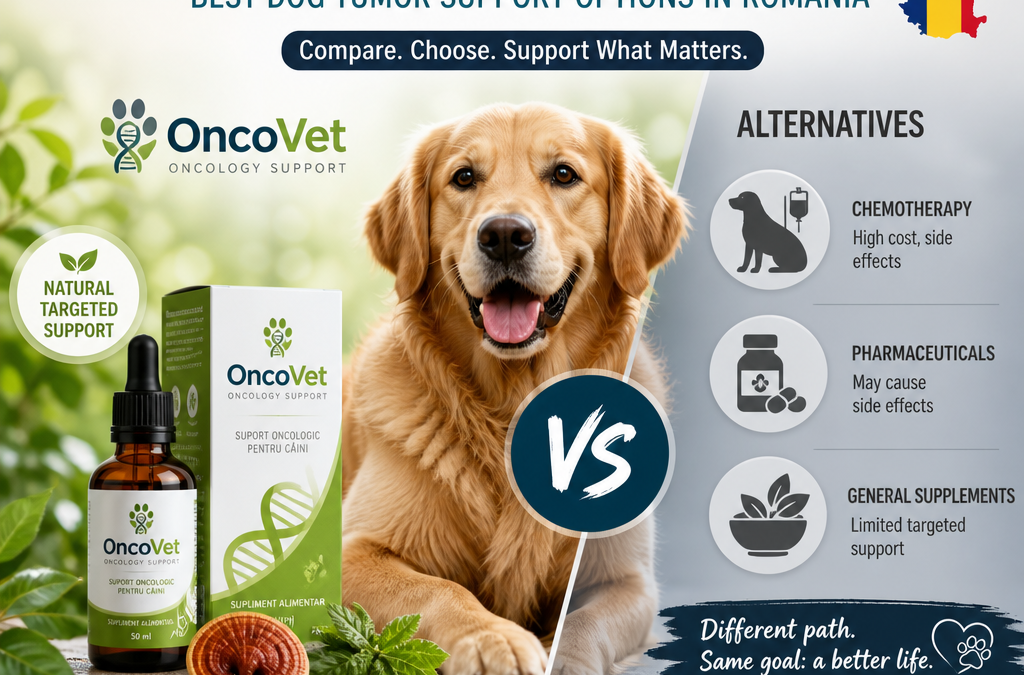
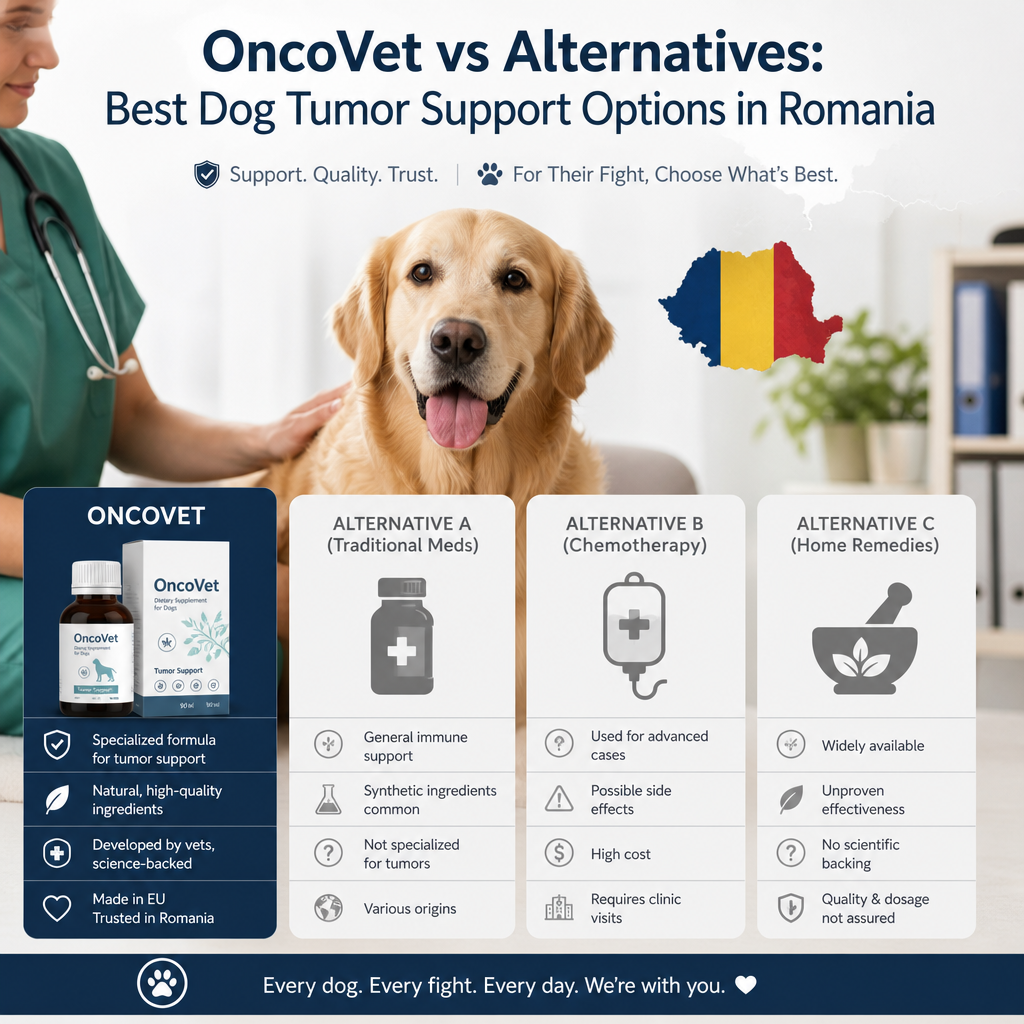
OncoVet vs Alternatives is an important comparison for Romanian dog owners whose pets have been diagnosed with a tumor or are undergoing cancer treatment. Choosing appropriate oncology support involves more than comparing product names. The right option should complement veterinary care, fit the dog’s diagnosis and treatment plan, and support comfort, nutrition, digestion, and overall quality of life without creating unnecessary risks.
Canine cancer treatment may include surgery, chemotherapy, radiation therapy, targeted medication, pain management, or a combination of approaches. Oncology support does not replace these treatments. Instead, it may help address practical challenges that commonly arise during illness, such as reduced appetite, weight loss, digestive upset, fatigue, stress, or recovery after surgery.
The most suitable support depends on several factors:
The type, location, and stage of the tumor
The dog’s age, size, and general health
Kidney and liver function
Current medications and chemotherapy protocols
Appetite, body condition, and hydration
The veterinarian’s treatment goals
Because every cancer case is different, a supplement that is appropriate for one dog may be unsuitable for another. Veterinary supervision is especially important when a dog is receiving chemotherapy, corticosteroids, anti-inflammatory medication, or other prescription treatments.
In many cases, dog tumor support options are most useful when they solve a specific problem rather than trying to do everything at once. A focused product may help digestion, while another may support calorie intake or recovery. The most effective choice is often the one that matches the dog’s current needs.
OncoVet vs Alternatives becomes easier to judge when owners first define the exact problem they are trying to solve. A dog that is losing weight needs different support from a dog that is nauseated, painful, or recovering after surgery.
What owners should compare
When reviewing OncoVet vs alternatives, owners should look beyond marketing claims and compare the practical characteristics of each option. Important considerations include the intended purpose, ingredient transparency, dosage guidance, evidence, safety profile, and compatibility with conventional treatment.
Some products are designed as broad nutritional supplements, while others focus on digestive support, antioxidants, immune function, or recovery after illness. A product marketed for “immune support” may not provide enough calories or protein for a dog losing weight. Similarly, a calorie-dense recovery formula may help nutrition but should not be presented as a treatment for cancer itself.
A careful comparison should include:
Ingredient quality and transparency
The label should clearly identify active ingredients, quantities, serving recommendations, and administration instructions. Avoid products that rely on vague “proprietary blends” without explaining how much of each ingredient is included.
Evidence and realistic claims
Support products should be evaluated according to the strength of available evidence. Some ingredients have research in dogs, while others are supported mainly by laboratory or human studies. Claims that a supplement can cure tumors, replace chemotherapy, or guarantee remission should be treated with caution.
Safety and interactions
Certain herbs, antioxidants, and concentrated extracts can affect blood clotting, liver enzymes, blood pressure, or medication metabolism. This is particularly relevant before surgery and during chemotherapy. A veterinarian should review the complete list of supplements the dog receives.
Ease of administration
A product that is difficult to give may not be useful in practice. Dogs with nausea or mouth pain may reject tablets, powders, or strong flavors. Palatable liquids, soft chews, or easily mixed powders may be more practical, depending on the dog’s needs.
When owners compare OncoVet vs alternatives, they should also ask how the product fits the daily routine. If a supplement cannot be given consistently, even a good formula may not deliver meaningful support.
If owners want to read more about mushroom-based support options, they can also review supporting your dog with tumors naturally with Jinyinhua as part of a broader discussion about oncology support choices.
Dog tumor support options in Romania
Dog tumor support options in Romania generally fall into several categories. Availability may vary between veterinary clinics, pharmacies, pet shops, and online retailers, so owners should check product authenticity, storage conditions, and expiration dates.
Veterinary nutritional support
Nutritional support is often one of the most important parts of cancer care. Dogs with tumors may lose appetite, muscle mass, or body weight. Veterinary diets and recovery foods can provide concentrated calories, digestible protein, and balanced nutrients in a relatively small volume.
A veterinarian may recommend a therapeutic diet, a recovery formula, or adjustments to the dog’s normal food. Sudden dietary changes should be avoided unless medically necessary, as they may worsen digestive symptoms.
In the OncoVet vs alternatives discussion, therapeutic nutrition often stands out because it addresses a real medical need without relying on vague wellness claims. For many dogs, eating enough is the first step toward better comfort and resilience.
Digestive and appetite support
Nausea, diarrhea, constipation, and reduced appetite can interfere with treatment and recovery. Veterinary anti-nausea medication, appetite stimulants, probiotics, or easily digestible foods may be recommended. These approaches should be selected according to the cause of the problem rather than used indiscriminately.
If a dog has nausea, even the best supplement will not help unless the nausea is controlled. In this situation, OncoVet vs alternatives should be weighed against prescription options and dietary changes that may work faster and more reliably.
Omega-3 fatty acids
Fish oil and other sources of omega-3 fatty acids are sometimes included in supportive care plans. They may help maintain skin, coat, and general nutritional health, but product quality and dosage matter. Excessive amounts can cause gastrointestinal upset or influence clotting, so veterinary guidance is advisable, particularly around surgery.
Antioxidant and herbal products
Some owners consider mushroom extracts, turmeric, milk thistle, or other botanical ingredients. These products may have interesting biological properties, but evidence varies significantly, and “natural” does not automatically mean safe. Herbal products can interact with medication or place additional strain on the liver and kidneys.
Because of that, OncoVet vs alternatives should not be judged only by whether a product sounds natural. The more useful question is whether it helps the dog’s current condition without creating new problems.
Comfort and mobility support
Pain control and mobility assistance are central to quality of life. Prescription analgesics, joint support, orthopedic bedding, ramps, and appropriate exercise may be more valuable than a general supplement. A dog that is comfortable, hydrated, and able to rest may cope better with treatment and daily life.
Comfort support also matters for dogs that seem stable on paper but struggle in daily life. In practical terms, OncoVet vs alternatives is not just a product comparison; it is a decision about which approach helps the dog feel and function better.
OncoVet may be considered by owners looking for a dedicated canine oncology support product. Its suitability should be judged according to the dog’s specific diagnosis, current treatment, and nutritional status rather than its name or category alone.
A veterinary alternative may be preferable when the dog has a clearly defined problem that requires targeted management. For example, a therapeutic recovery diet may be more appropriate for severe weight loss, while prescription anti-nausea medication may be more effective for chemotherapy-related vomiting. In other situations, a carefully selected nutritional supplement may be used alongside treatment to help maintain intake and body condition.
The key difference is often between general support and individualized medical care. General support products can have a role, but they should not delay diagnostic testing, surgery, oncology consultation, or medication for pain and nausea.
For a broader example of a targeted tumor-support ingredient, readers may also find the PubMed Central research library useful when looking for peer-reviewed veterinary and biomedical studies on supportive care ingredients.
In practical terms, the best dog tumor support options are usually those that fit into a treatment plan rather than competing with it. If a product helps a dog eat, recover, or tolerate therapy more comfortably, it may have real value. If it adds complexity without a clear benefit, it is probably not the best choice.
When evaluating OncoVet vs alternatives, think about the dog’s current priorities. Is the biggest issue appetite, nausea, weight loss, inflammation, stress, or recovery after surgery? A good product should address the main problem first.
Another helpful way to approach OncoVet vs alternatives is to separate short-term needs from long-term support. A dog in the middle of chemotherapy may need different help than a dog in post-operative recovery or palliative care.
When a supplement may be enough
Some dogs only need mild support, such as improved nutrition, better hydration, or a palatable product that encourages eating. In those cases, a supplement can be useful as part of an otherwise stable care plan.
When prescription care is more appropriate
If a dog is vomiting, in pain, losing weight rapidly, or refusing food, the first step is usually medical treatment. OncoVet vs alternatives should never replace symptom control when the dog’s condition is clearly worsening.
When combination care makes sense
Many dogs do best with a combination of prescription medication, supportive nutrition, and careful home monitoring. This layered approach often provides more benefit than relying on a single product.
Owners sometimes search OncoVet vs alternatives expecting one “best” answer, but the most responsible choice often changes over time as the dog’s condition changes. Support should evolve with the treatment plan.
7 best dog tumor support options to discuss in Romania
The list below is not a ranking of cures. It is a practical way to compare the most common support categories that Romanian dog owners may discuss with their veterinarian. The best option depends on the dog’s diagnosis, symptoms, and treatment stage.
1. Therapeutic recovery diets
Recovery diets are often among the most practical dog tumor support options because they are calorie-dense, easy to feed, and designed for convalescence. They may help dogs that are eating less than usual or losing weight during treatment.
2. Prescription anti-nausea support
When nausea is the main problem, medication prescribed by a veterinarian can make a significant difference. This is often more effective than trying to stimulate appetite with supplements alone.
3. Appetite support strategies
Appetite stimulants, warming food, hand feeding, and palatable diets can help some dogs eat enough to maintain body condition. These strategies should be used with veterinary advice, especially if the dog is already weak or dehydrated.
4. Omega-3 supplementation
Appropriate omega-3 support may fit into a broader nutrition plan, especially when the goal is to support general health and maintain condition. Careful dosing matters.
5. Digestive support products
Probiotics, fiber adjustments, and easy-to-digest foods may be useful when the dog has loose stools, constipation, or digestive upset. These are often more helpful when chosen to match a specific symptom.
6. Carefully selected herbal or mushroom-based support
Some owners explore herbal or mushroom-based products as part of complementary care. These options should be reviewed with the veterinarian for potential interactions and safety concerns.
7. Comfort and mobility aids
Orthopedic bedding, ramps, temperature control, leash-assisted walking, and pain management can dramatically improve daily comfort. For many dogs, these practical supports matter as much as any supplement.
Compared with many broad marketing claims, these 7 best dog tumor support options give owners a clearer framework for discussion. They also make OncoVet vs alternatives easier to evaluate because each option serves a specific purpose.
Questions to discuss with a veterinarian
Before starting any oncology support product, ask the veterinarian:
Is this product appropriate for my dog’s tumor type and treatment?
Could any ingredient interact with chemotherapy or prescription medication?
Should it be stopped before surgery or anesthesia?
What dose is suitable for my dog’s weight and health status?
How will we know whether it is helping?
Which side effects should prompt immediate contact?
Would a therapeutic diet or prescription treatment address the problem more effectively?
Veterinary oncology services and general veterinary clinics in Romania may also provide referrals for specialist consultation, imaging, pathology review, surgery, and palliative care. Keeping copies of laboratory results, biopsy reports, medication lists, and supplement labels can make these consultations more efficient.
Owners who are exploring canine tumor support products may also want to review the role of mushroom supplements in breast tumor care, including the article on Turkey Tail Mushroom as a natural supplement for supporting breast tumor treatment in dogs.
It can also help to ask whether the product should be used only for a short period or as part of a longer plan. OncoVet vs alternatives often comes down to whether the product has a clear place in the overall timeline of care.
How to monitor whether support is working
A good support plan should be measurable. Owners can track appetite, stool quality, water intake, vomiting, activity level, comfort, body weight, and willingness to move or interact. Small improvements may be meaningful, especially in a dog with cancer.
If a product does not improve any measurable sign after a reasonable trial, it may not be worth continuing. If side effects appear, it should be discussed with the veterinarian right away.
Daily notes can be especially helpful during chemotherapy or recovery. They make it easier to determine whether OncoVet vs alternatives is actually helping or simply adding another item to the routine.
Making the safest choice
The best dog tumor support options are those that serve a clear purpose, have understandable ingredients, and fit into a veterinarian-approved care plan. Owners should monitor appetite, water intake, body weight, stool quality, activity, breathing, pain, and general behavior. Changes should be reported promptly, especially during chemotherapy or after surgery.
Ultimately, the goal of oncology support is not to promise a cure through supplementation. It is to help the dog remain as comfortable, nourished, and active as possible while receiving appropriate medical care. Comparing OncoVet vs alternatives can be useful, but the final decision should be based on clinical need, evidence, safety, and the individual dog’s quality of life.
If your veterinarian recommends a specific supplement strategy, ask how it fits alongside standard care, and whether there is a better evidence-based option for your dog’s current stage of treatment. That approach keeps the focus on safety while still allowing thoughtful supportive care.
For some dogs, the right answer will be a nutritional formula. For others, it may be a targeted digestive aid, a prescription medication, or a carefully selected herbal product. The strongest choice is the one that supports the whole patient, not just the diagnosis.
When in doubt, return to the same practical question: does this support help the dog eat, rest, recover, or tolerate treatment more comfortably? If the answer is yes, it may belong in the plan. If not, OncoVet vs alternatives probably points toward a better option.
Dog Immune System: Helpful Cancer Risks, Inflammation
Understanding how the dog immune system operates can help pet owners better support their companions’ health, especially in the context of cancer risks and inflammation. While no one can fully control every element of a dog’s wellness, knowing how these systems interact offers valuable insight. This article explains the basics of canine immunity, how inflammation connects to health outcomes, and sensible ways to foster a supportive environment for your dog.
—
The Core Role of the Dog Immune System
– Overview: Your dog’s immune system is a complex network of cells, tissues, and organs that help identify and respond to foreign substances such as viruses, bacteria, or toxins.
– Key Components:
– White blood cells: detect and respond to potential threats.
– Lymph nodes: act as filters and coordination centers.
– Spleen and thymus: support immune cell production.
– Skin and mucosal barriers: serve as the first defense line.
– Purpose: Maintain balance by distinguishing between self and non-self, responding appropriately to threats without overreacting.
—
Immune System Mechanics and Balance
– Adaptive vs. Innate Immunity: The innate system acts quickly and non-specifically, while the adaptive system tailors its response over time.
– Homeostasis: Healthy immune function depends on balanced responses; both underactivity and overactivity can lead to problems.
– Interpretation for Pet Owners: Observing behavior, appetite, coat condition, and energy levels can help you spot potential immune stressors early.
—
Understanding Cancer Risks
– Context: Cancer risks arise from a combination of genetics, age, environmental influences, and immune surveillance capacity.
– Immune Surveillance: Immune cells can recognize abnormal cell behaviors and attempt to control them. However, not all changes are identified or managed effectively.
– Early Detection: Regular veterinary visits, palpating for unusual lumps, and noting shifts in your dog’s habits can aid timely professional assessments.
– Lifestyle Factors:
– Balanced nutrition supports overall resilience.
– Regular exercise encourages circulation and immune vigor.
– Minimizing exposure to toxins (e.g., secondhand smoke, certain chemicals) reduces unnecessary immune strain.
—
Inflammation Explained
– Definition: Inflammation is the body’s way of containing and responding to damage or irritants.
– Acute vs. Chronic:
– Acute inflammation: short-term response that aids healing.
– Chronic inflammation: prolonged state that may contribute to discomfort and wider health issues.
– Signs to Observe:
– Swelling or redness
– Stiffness after rest
– Digestive irregularities
– Behavioral changes such as reluctance to exercise
—
Dog Immune System and Inflammation Interactions
– Positive Role: Moderate inflammation is part of normal immune function.
– Concerns: When inflammation persists, it can divert immune resources and create an environment less favorable to resilience.
– Management Tips:
– Keep a journal of flare-ups or unusual signs.
– Discuss observed patterns with your veterinarian.
– Seek balanced approaches, such as routine exercise, weight management, and appropriate rest.
—
Environmental Influences on Immunity
– Household Toxins:
– Avoid using harsh chemicals on floors or lawns where dogs walk and lick their paws.
– Carefully store cleaning supplies and avoid aerosol products when pets are nearby.
– Outdoor Considerations:
– Rinse paws after walks to remove potential irritants.
– Keep yards free from toxic plants.
– Air Quality: Maintain good ventilation and reduce exposure to smoke or strong fragrances.
—
Nutrition and Immune Support
– Whole-Food Focus: Choose diets rich in varied proteins, vitamins, and minerals.
– Hydration: Ensure clean, fresh water is always available.
– Digestive Health: A balanced gut microbiome can support immune function; discuss suitable foods with your veterinarian.
– Weight Management: Excess weight can increase inflammatory markers, so maintain a healthy body condition score through appropriate portion control and exercise.
—
Physical Activity and Rest
– Exercise Benefits:
– Enhances circulation and immune responsiveness.
– Supports mental stimulation and reduces stress-related inflammation.
– Rest and Recovery:
– Dogs need downtime to recharge their immune systems.
– Observe your dog for signs of fatigue or overexertion and adjust activities accordingly.
– Routine: Consistency in walks, playtime, and bedtime helps regulate stress hormones.
—
Stress Reduction for Immune Health
– Environmental Enrichment:
– Provide puzzle toys and varied play to keep minds engaged.
– Rotating toys maintains novelty and interest.
– Predictable Schedules: Dogs thrive on routine, which reduces stress.
– Music or Calming Sounds: Some dogs relax with gentle background noise, especially when home alone.
—
Regular Veterinary Partnership
– Routine Checkups: Annual or biannual exams help monitor baseline health.
– Diagnostic Tools: Bloodwork, imaging, and physical exams identify changes early when interventions are most manageable.
– Open Communication: Share observations about your dog’s behavior, diet, and environment to create a fuller picture for your veterinarian.
—
Monitoring Age-Related Changes
– Puppies: Immune systems are still developing; follow vaccination schedules and socialization guidelines.
– Adult Dogs: Maintain routines, nutrition, and exercise; address new symptoms quickly.
– Senior Dogs: Increased vigilance for lumps, stiffness, appetite shifts, or weight changes. Adapt routines to match energy levels and discuss geriatric screenings with your veterinarian.
—
Natural Wellness Considerations
– Holistic Practices:
– Gentle massage may promote relaxation and circulation.
– Mindful grooming is an opportunity to detect skin changes early.
– Complementary Approaches: When exploring supplements or holistic options, consult with a veterinary professional to ensure safety and compatibility.
– Balanced Perspective: Integrate natural wellness strategies as part of a comprehensive plan, not a replacement for veterinary care.
—
Practical Tips for Daily Immune Support
1. Keep a health journal: Track diet, activity, mood, and any new lumps or behaviors.
2. Maintain a clean environment: Regularly wash bedding and sanitize bowls.
3. Encourage moderate exercise: Adjust intensity based on your dog’s age and breed.
4. Provide mental stimulation: Training sessions and scent games support emotional well-being.
5. Stay proactive with veterinary visits: Early discussions help address concerns before they escalate.
6. Use supportive gear: Harnesses or orthopedic bedding can reduce physical strain.
—
Balanced Perspective on Cancer Risks
– Recognize that predisposition varies by breed, age, and individual history.
– Stay informed about common signs without becoming alarmed at every change.
– Focus on creating a supportive lifestyle that promotes overall dog immune system strength and comfort.
– Collaborate closely with veterinarians and seek professional input rather than relying solely on anecdotal advice.
—
Conclusion: Encouraging Natural Wellness
Supporting your dog’s immune system involves attentive care, stress reduction, balanced nutrition, and consistent veterinary partnership. By observing changes, maintaining healthy routines, and embracing thoughtful natural wellness practices, you can foster a nurturing environment that helps your dog thrive.
Dog cancer biology fascinates and challenges pet lovers and veterinarians alike because it highlights how complex our canine companions’ bodies truly are. Understanding how cancer develops in dogs goes far beyond a single cause; it involves multiple factors interacting at the genetic, cellular, and environmental levels. In this article, we’ll explore how immune imbalance and tumor factors contribute to the cancer process, how these elements interact, and what pet parents can do to support their dogs’ overall wellness in responsible, science-informed ways.
—
What Is Dog Cancer Biology?
Dog cancer biology is the study of how abnormal cells develop, grow, and spread within a dog’s body. It involves looking at how healthy cells go off course and what influences their transformation. While cancer is complicated, we understand it better today than ever before thanks to advances in veterinary medicine and research.
In basic terms, cancer occurs when cells bypass the normal checks and balances of cell growth and death. Healthy cells follow instructions encoded in their DNA, but cancer cells ignore those signals. They replicate uncontrollably, resist natural cell death, and may invade nearby tissues. In some cases, cancer cells may even travel to distant parts of the body.
Why It Matters for Pet Owners
For dog owners, understanding the basics of dog cancer biology can help you spot changes in your dog’s behavior, attitude, or physical well-being. Early awareness offers more time to discuss options with a veterinarian, seek support, and make informed decisions for your dog’s comfort and quality of life.
—
Immune Imbalance and Cancer Development
How the Immune System Normally Works
Dogs’ immune systems are designed to find and destroy abnormal cells, including those that could become cancerous. Immune cells check for proteins or molecules that don’t match the body’s normal profile. When they find suspicious cells, they attempt to neutralize them.
When Immune Imbalance Occurs
Immune imbalance happens when this process is disrupted. Sometimes the immune system becomes less vigilant, allowing abnormal cells to grow unchecked. Other times it may overreact, causing inflammation that, over long periods, can stress tissues and contribute to cellular damage.
Factors influencing immune imbalance may include:
– Aging (immune systems naturally weaken with age)
– Chronic stress or inflammation
– Environmental toxic exposures
– Nutritional deficiencies or imbalances
– Some infectious agents
In dog cancer biology, immune imbalance doesn’t directly “cause” cancer, but it allows other tumor factors to gain traction.
Key Role of Inflammation
Low-grade, persistent inflammation can influence how cells grow and repair themselves. When tissues stay inflamed, cells may replicate under stress. This situation sometimes increases the chance of DNA errors that accumulate over time.
—
Tumor Factors: What Drives Abnormal Cell Growth?
Tumor factors describe the internal and external elements that drive cancerous activity. These include genetic mutations, signals from surrounding tissues, and the conditions that allow tumors to survive.
Genetic Alterations
Some tumors arise from inherited mutations. Others develop when genes in certain cells change due to environmental triggers. These altered genes may tell cells to grow more quickly or prevent the natural cell death cycle.
Tumor Microenvironment
Beyond genetics, scientists have learned that tumors behave like organs in their own right. They create a microenvironment with blood vessels, structural tissues, and immune cells. This microenvironment can influence whether the tumor grows slowly or aggressively.
Important tumor factors include:
– Vascularization (growth of new blood vessels to feed the tumor)
– Communication between tumor cells and support cells (like fibroblasts)
– Immune system interactions (suppression, evasion, or manipulation)
– Chemical signals that encourage growth or prevent immune attack
Tumor Heterogeneity
Not every tumor cell is identical. Within a single tumor, some cells may be more aggressive, while others remain dormant. This diversity makes it harder to address tumors because each cell type can behave differently. Understanding tumor factors helps veterinarians manage the situation more strategically.
—
How Immune Imbalance and Tumor Factors Interact
Immune imbalance and tumor factors are intertwined. When the immune system is off balance, tumor cells may escape detection. Likewise, growing tumors can create signals that further suppress or confuse the immune system.
Immune Evasion
Cancer cells can display proteins that signal “do not attack” to immune cells. Some tumors even secrete substances that weaken immune responses or convert nearby immune cells into supporters rather than fighters.
Tumor-Associated Inflammation
Cancer cells can alter their surroundings, promoting inflammation that aids in tumor growth. This kind of inflammation is different from the body’s helpful, short-term response to injury. It can be long-lasting and feed into a cycle that benefits the tumor more than the dog.
—
Environmental and Lifestyle Influences on Tumor Factors
While cancer isn’t entirely preventable, environmental and lifestyle considerations can affect risk levels and support overall wellness.
Possible Environmental Contributions
– Secondhand smoke exposure
– Prolonged sunlight exposure (especially for dogs with light skin)
– Certain lawn chemicals or toxins
– Air pollution
Nutritional Considerations
Balanced nutrition supports the immune system, digestion, and cell repair processes. While diet alone can’t dictate cancer outcomes, it influences overall resilience. Pet parents should work with veterinarians to choose age-appropriate, complete diets and consider factors like weight management and hydration.
—
Practical Tips for Dog Owners
Dog cancer biology can feel overwhelming, but focusing on practical steps may help you support your dog’s overall health.
Routine Veterinary Care
– Keep up with regular veterinary visits for screenings and diagnostics.
– Discuss your dog’s breed-specific risks or family history.
– Mention changes in behavior, appetite, energy, or new lumps.
At-Home Monitoring
– Perform gentle full-body checks to feel for unusual lumps or bumps.
– Monitor weight trends using a home scale or tape measure.
– Watch for changes in grooming, elimination habits, or gait.
Supportive Lifestyle Habits
– Maintain a consistent exercise routine suited to your dog’s abilities.
– Include mental enrichment such as puzzle toys or scent games.
– Provide restful sleep spaces free from stress or extreme temperatures.
Clean Environment
– Follow label instructions for home and yard products.
– Reduce exposure to smoke or fumes.
– Keep poisonous plants or chemicals securely away from pets.
—
Immune Balance and Natural Wellness
While medical treatments for cancer should always be guided by veterinarians, natural wellness strategies can complement veterinary care.
Balanced Nutrition and Supplement Discussions
– Work with a vet to ensure your dog’s food meets nutritional requirements.
– Discuss any supplements or natural products to ensure safety and synergy with other care.
– Remember that “natural” doesn’t automatically mean “safe” or “better”; veterinary guidance is essential.
Stress Reduction and Routine
Stress affects the immune system. Dogs benefit from predictable schedules, gentle exercise, comforting social time, and positive training. Consider calming activities like massage, sniff walks, and interactive play to support emotional balance.
—
Immune Imbalance and Tumor Factors in Different Dog Ages
A dog’s age influences immune function and tumor behavior.
Puppies and Young Adults
– Developing immune systems are still learning to differentiate normal from abnormal.
– Genetic predispositions may become noticeable early, especially in certain breeds.
Middle-Aged Dogs
– Metabolism and repair processes may slow down.
– Hormonal changes or chronic inflammation can alter immune responses.
Senior Dogs
– Immune function naturally declines.
– Routine checkups become even more crucial for early detection and supportive care.
—
Breed Factors and Genetic Predispositions
Some dog breeds are known to have higher risks for certain cancers. This doesn’t guarantee a dog will develop cancer, but it does highlight the importance of tailored wellness plans.
Examples of breed-specific concerns include:
– Large breeds that may show higher occurrences of bone-related tumors.
– Certain retrievers and spaniels that may be more prone to immune system irregularities.
– Boxers and bulldogs with known risks for specific tumor types.
Talk with breeders, rescue organizations, or veterinarians to understand lineage health records when possible.
—
Working with Your Veterinary Team
Experienced veterinary professionals provide the best foundation for understanding dog cancer biology and crafting supportive plans.
Questions to Ask
– What types of diagnostics can help clarify a suspicious growth?
– How does the immune system appear to be responding?
– What supportive care helps maintain balance during treatment or monitoring?
Importance of Second Opinions
Complex diagnoses might benefit from consultation with veterinary oncologists or specialists. Second opinions can provide clarity, offer new perspectives, or confirm recommendations, providing peace of mind for pet parents.
—
Research and Advances in Dog Cancer Biology
Veterinary research continues to unveil new insights:
– Studies exploring immune-modulating therapies.
– Investigations into how diet and microbiomes influence tumor behavior.
– Developments in early detection methods, including advanced imaging or blood-based markers.
Understanding dog cancer biology is an evolving field. Researchers analyze how therapies affect both tumor factors and immune imbalance, aiming for more targeted approaches in the future.
—
Emotional Support for Pet Parents
Managing possible cancer in a beloved dog is emotionally challenging. Seek supportive communities, whether local pet owner groups or online forums moderated by professionals. Sharing experiences helps reduce isolation and provides practical tips for day-to-day care.
Strategies for Coping
– Keep a journal to track symptoms, mood changes, and care routines.
– Focus on maintaining enjoyable experiences with your dog.
– Speak with mental health professionals or pet loss support groups if needed.
Natural wellness practices, when used responsibly, can support your dog’s overall well-being. These may include:
– Gentle bodywork or therapeutic massage from trained professionals.
– Safe herbal or botanical supplements discussed with veterinarians.
– Mindful activities like aroma-free grooming sessions or slow-paced walks in nature.
Always coordinate natural wellness approaches with veterinary guidance to ensure safety and compatibility with any ongoing treatments.
—
Conclusion
Dog cancer biology offers valuable insight into how immune imbalance and tumor factors intersect to influence canine health. By understanding these relationships, pet owners can observe their dogs more closely, maintain regular veterinary checkups, and incorporate balanced wellness habits. Supporting your dog with love, attentiveness, and informed care helps create a nurturing environment where natural wellness thrives in partnership with responsible veterinary guidance.
Metastasis dogs is a phrase that instantly raises concern for any pet parent, and understanding what it means can help you support your canine companion with confidence. When cancer spread and tumor growth become part of your dog’s health journey, knowing the basics—along with awareness of veterinary guidance—can make a real difference. This guide explains how metastasis in dogs works, what signs and diagnostics may look like, and how to navigate supportive care with clarity and compassion.
What Does Metastasis Mean for Dogs?
Metastasis refers to cancer cells moving from the original tumor to other parts of the body. In dogs, just as in humans, some cancers remain localized while others are more likely to spread. Knowing the behavior of certain tumors, from mast cell tumors to osteosarcoma or hemangiosarcoma, helps inform veterinary decisions. By understanding the mechanics of cancer spread, you can better appreciate the travels of abnormal cells through lymphatic vessels, blood vessels, or into adjacent tissues.
How Cancer Spread Occurs
– Lymphatic route: Some cancer cells migrate through lymphatic channels, often landing in lymph nodes.
– Bloodstream route: Tumor cells may break away into the bloodstream and settle elsewhere—commonly the lungs or liver.
– Local invasion: Tumor growth may extend directly into surrounding tissues, affecting organs, muscles, or bones close to the original site.
While mechanisms differ depending on cancer type, they usually follow similar biological steps: cells detach, enter circulation, survive immune defenses, and colonize new areas. Veterinary oncologists use imaging, lab work, and biopsies to track these patterns, aiming to develop the best care plan for your dog’s specific condition.
Recognizing Potential Signs of Metastasis
Signs of cancer spread in dogs can be subtle or pronounced, depending on which organs are involved. Pay close attention to changes in behavior, appetite, mobility, or breathing, and involve your veterinarian whenever something new emerges. Potential indicators include:
– Gradual weight loss without diet changes
– Slower activity or reluctance to play
– Coughing or labored breathing when lungs are affected
– Limping or bone discomfort around new tumor sites
– Swollen lymph nodes, especially under the jaw, armpits, or groin
– Digestive changes such as vomiting or diarrhea
– Neurological signs like imbalance or seizures, depending on location
Because many of these symptoms can stem from unrelated issues, proper diagnostics are essential. Only a veterinary professional can analyze test results and determine whether metastasis is likely.
Diagnosis: What to Expect at the Clinic
A detailed veterinary workup usually combines physical exams with diagnostic imaging and laboratory tests. The goal is to learn how advanced the cancer is, which parts of the body are affected, and how your dog’s overall health can support different care options.
Common Diagnostic Tools
– Bloodwork and urinalysis: Provide insights into organ function.
– Imaging: X-rays, ultrasound, CT scans, or MRI help visualize internal structures.
– Fine-needle aspirates or biopsies: Examine cell types and tumor characteristics.
– Lymph node evaluation: Detects whether nodes are enlarged or contain abnormal cells.
Your veterinarian might discuss staging systems, which categorize tumor spread. While these terms can be intimidating, they simply guide the choice of treatments—whether surgical removal, radiation therapy, chemotherapy, or a combination of modalities. Some dogs also benefit from integrative approaches such as nutritional adjustments or acupuncture alongside conventional care.
Tumor Growth Patterns and Variations
Each tumor type behaves differently. Some grow slowly and rarely spread, while others can progress quickly. Understanding these patterns helps pet parents make informed decisions about timing and interventions.
Factors That Influence Tumor Growth
1. Tumor type: Carcinomas, sarcomas, and lymphomas all have unique behaviors.
2. Location: Tumors in areas with ample blood supply may spread faster.
3. Grade and stage: High-grade tumors tend to be more aggressive.
4. Body systems affected: Bone, liver, lung, and brain metastases each have distinct impacts on a dog’s comfort and function.
Monitoring Tumor Growth
Veterinarians may recommend periodic imaging or blood tests to monitor changes. This helps determine whether a tumor is responding to treatment or spreading. Owners can assist by keeping a journal of observable changes—appetite, energy, new lumps, or mobility issues—and sharing those details during appointments. Reliable communication keeps your dog’s care tailored and timely.
Focus on Veterinary Guidance for Metastasis Dogs
Creating a Supportive Care Plan
When cancer spread is confirmed, your veterinarian will outline options based on your dog’s age, overall health, and the specific tumor profile. Choices may involve:
– Surgical removal when feasible
– Radiation therapy targeting localized areas
– Chemotherapy protocols for systemic support
– Integrative therapies that align with veterinary recommendations
Adhering to professional advice ensures that every intervention is safe, compassionate, and aligned with your dog’s well-being. Discuss possible side effects, expected timelines, and how to recognize changes that merit a follow-up visit.
Managing Quality of Life
Quality-of-life monitoring is central to supportive care. Your veterinarian may offer a scoring chart or suggest specific questions to evaluate how your pet is feeling day-to-day:
– Is your dog eating with enthusiasm?
– Does your dog still enjoy playtime or gentle walks?
– Are pain or discomfort signs manageable?
– Has there been a significant change in sleep routines or grooming habits?
By evaluating these aspects, you can detect subtle shifts in your dog’s comfort level and take action early.
Practical Home-Based Strategies
Caring for a dog with tumor growth involves creating a nurturing environment and reducing stress. You can consider:
1. Comfortable resting areas: Use supportive bedding and ensure easy access to favorite spots.
2. Consistent routines: Dogs often feel calmer with predictable feeding times and gentle exercise.
3. Mental stimulation: Puzzle toys, scent games, and quiet bonding sessions keep minds active.
4. Mobility support: Non-slip mats or ramps help dogs with mobility challenges.
5. Hydration and nutrition: Provide fresh water and discuss dietary adjustments with your vet.
Regular grooming and gentle massages can also soothe a dog dealing with cancer spread. However, always check with your veterinary team before introducing new home therapies to ensure safety.
Natural Wellness Without Medical Claims
While veterinary oncology forms the foundation of cancer care, many pet parents explore natural wellness practices for additional comfort. Focus on approaches that are non-invasive and supportive rather than curative. Examples include:
– Holistic nutrition guidance from professionals: Balanced diets tailored to your dog’s needs.
– Low-impact movement: Short, calm walks or stretching to maintain muscle tone.
– Relaxation techniques: Quiet time, familiar scents, or soft music to reduce anxiety.
Any natural or alternative therapy should be mentioned to your veterinarian to ensure compatibility with conventional care. Transparency helps avoid interactions between supplements and prescribed medications.
Building a Collaborative Care Team
Metastasis in dogs often requires a village of support. Beyond your primary veterinarian, you might interact with veterinary oncologists, radiologists, surgeons, and rehabilitative specialists. When everyone collaborates, it enhances the decision-making process and ensures your dog receives well-rounded care. Consider:
– Second opinions: Useful for clarifying options.
– Rehabilitation specialists: Helpful for dogs with mobility issues.
– Behavioral experts: Offer strategies if anxiety or stress levels rise.
Keeping detailed records of appointments, test results, and observations creates a comprehensive care history, streamlining communication among professionals.
Emotional Well-Being for Pet Parents
Caring for a dog facing cancer spread can be emotionally draining. Supporting your own well-being is essential for long-term caregiving. Seek:
– Open conversations with your veterinarian
– Support from family, friends, or pet loss support groups
– Practical help—someone to accompany you to appointments or help with daily routines when needed
Emotional resilience shines through when pet parents acknowledge their feelings and share them within a supportive network.
Cancer Spread, Tumor Growth, and Lifestyle Adjustments
Adapting daily life to accommodate your dog’s changing needs can make the journey more manageable. Think about:
– Safe exercise: Short, controlled walks based on veterinary guidance.
– Environmental adaptations: Lowering stress through consistent schedules and calm environments.
– Observation routines: Noting subtle shifts helps you report changes quickly and accurately.
These adjustments show how everyday actions can complement veterinary care without overstepping medical boundaries.
Discussing prognosis with your veterinarian is an ongoing dialogue. While no one can predict precise timelines, understanding potential scenarios helps you set realistic expectations. Remember:
– Prognosis depends on tumor type, stage, and overall health.
– Regular check-ins provide updated information about how the cancer is responding.
– Quality-of-life considerations often guide the choice to continue, modify, or pause treatments.
Open conversations empower you to make choices rooted in knowledge and compassion.
Gentle Lifestyle Enhancements for Comfort
While not a substitute for medical care, certain lifestyle habits can nurture a dog’s well-being:
– Massage and touch: Light, respectful petting can sooth dogs who enjoy it.
– Aromatherapy with veterinary approval: Mild scents like lavender may help calm anxious dogs when used safely.
– Temperature control: Keep living spaces at comfortable temperatures to ease breathing or joint discomfort.
Always confirm with your veterinarian before introducing new elements, especially if your dog has respiratory or skin sensitivities.
Supporting Natural Wellness Gently
Metastasis in dogs underscores the importance of holistic well-being. Embrace strategies that respect your dog’s pace and energy levels:
– Encourage gentle movement when appropriate.
– Offer nutrient-rich foods discussed with your vet.
– Maintain a peaceful home atmosphere.
These steps foster a sense of normalcy and reassurance. Remember, natural wellness works best when harmonized with professional veterinary care.
Conclusion
Facing metastasis dogs is deeply personal and often overwhelming, yet knowledge and supportive action can make a meaningful difference. By understanding how cancer spread and tumor growth function, collaborating closely with veterinary professionals, and embracing compassionate home-based strategies, you provide your dog with comfort and dignity. Keep focusing on gentle, holistic wellness practices that align with professional guidance, and you’ll continue offering the loving support your companion deserves.
Senior dog cancer is a concern that can weigh heavily on any pet owner’s mind, especially as beloved companions grow older and face new health challenges. While the idea of tumors or other age-related issues may feel overwhelming, understanding the realities of aging dog health can help you approach the journey with confidence, compassion, and informed decisions. This comprehensive guide explores tumor risks in senior dogs, the factors that contribute to cancer development, signs to watch for, and thoughtful ways to support quality of life in later years—all while maintaining a responsible, veterinarian-aligned perspective.
Understanding Aging Dog Health and Tumor Risks
As dogs age, their bodies undergo physiological changes, just like humans. Their immune systems may slow down, cellular repair can become less efficient, and previously resilient organs might become more susceptible to disease. Because of these shifts, tumor risks increase naturally in older pets. Some tumors are benign and harmless, while others can be malignant and require careful monitoring or treatment recommendations from a veterinarian.
Common Contributing Factors
– Genetics: Certain breeds are predisposed to specific cancers or tumors, which can influence how proactive you need to be about screenings.
– Lifestyle: Nutrition, activity levels, and exposure to environmental toxins (like second-hand smoke or lawn chemicals) may play a role in overall tumor risks.
– Hormonal Changes: Age-related shifts in hormone levels can contribute to the development of certain neoplasms, such as mammary growths or testicular tumors in intact dogs.
– Immune System Decline: The natural weakening of immune defenses may allow abnormal cells to multiply unchecked, increasing the likelihood of tumor development.
Senior Dog Cancer: Recognizing Warning Signs Early
Being observant is essential. Some signs may seem minor but warrant attention because early detection can result in better management options. Watch for these indicators:
Physical Changes
– New or enlarging lumps under the skin
– Unexplained weight loss or muscle wasting
– Persistent swelling in lymph nodes or limbs
– Changes in skin color, texture, or wound healing time
Behavioral Signals
– Decreased appetite or reluctance to eat
– Lethargy, reduced activity, or isolation
– Difficulty breathing, coughing, or wheezing
– Limping, stiffness, or trouble standing up
Digestive and Urinary Clues
– Vomiting or diarrhea that lasts longer than a day
– Changes in urination frequency or strain
– Blood in stool or urine
– Sadness, discomfort, or restlessness after meals
Keeping a log of any symptoms or changes can help veterinarians identify patterns and recommend diagnostic testing when needed.
Seeking Veterinary Support Responsibly
Professional guidance is crucial when managing aging dog health, especially when tumor risks are involved. Veterinarians may recommend:
– Regular Checkups: Biannual visits for seniors help catch issues early.
– Blood Work: Screening for organ function can provide clues about underlying health.
– Imaging: X-rays, ultrasounds, or CT scans can reveal internal masses or structural changes.
– Biopsies: Tissue samples help confirm whether a lump is benign or malignant.
Keeping a collaborative, open relationship with your veterinarian ensures your dog receives individualized care tailored to their needs.
Risk Factors Linked to Senior Dog Cancer
Understanding what contributes to tumor development doesn’t mean you can control every variable, but awareness allows you to focus on modifiable factors and realistic expectations.
Breed-Specific Vulnerabilities
Some breeds have higher incidences of specific cancers. For example:
– Golden Retrievers and German Shepherds face higher rates of certain lymphomas.
– Boxers are known for developing mast cell tumors.
– Large breeds like Great Danes and Rottweilers may have increased bone tumor risks.
Breed knowledge helps guide your preventative strategy and screening schedule with your veterinarian.
Environmental Influences
– Sun Exposure: Light-skinned or short-haired dogs may be more susceptible to skin tumors after prolonged sun exposure.
– Household Toxins: Pesticides, herbicides, and certain cleaning chemicals can be harmful to pets over time.
– Air Quality: Smoke or pollution may contribute to respiratory issues and related tumor risks.
Lifestyle Habits
– Diet: Balanced nutrition supports immune function and overall vitality.
– Exercise: Regular, moderate activity helps maintain muscle tone, weight, and mental well-being.
– Mental Enrichment: Stimulation through play, training, and social interaction supports emotional health and reduces stress.
The Role of Nutrition in Aging Dog Health
Nutrition plays a vital role in supporting senior dogs. While it does not prevent tumors, appropriate diets can help promote overall wellness, maintain a healthy weight, and support immune systems.
Key Considerations
– High-Quality Protein: Helps maintain lean muscle mass.
– Healthy Fats: Omega fatty acids may support skin, coat, joints, and cognitive function.
– Antioxidants: Vitamins C and E, along with certain botanicals, can help neutralize free radicals.
– Digestive Support: Added fiber or probiotics may aid digestion, especially for sensitive stomachs.
Before changing your dog’s diet, consult a veterinarian or canine nutritionist to ensure it aligns with specific health needs.
Monitoring Senior Dogs at Home
Creating a home health checklist helps you stay proactive:
1. Monthly Body Checks: Gently feel for new lumps or bumps and examine skin for discoloration.
2. Weight Tracking: Regular weigh-ins can reveal subtle changes related to appetite or metabolic shifts.
3. Energy Levels: Note patterns in playfulness, rest, and endurance.
4. Mobility: Look for stiffness, limping, or hesitation during walks.
5. Appetite and Hydration: Monitor eating and drinking habits daily.
Use a journal or app to document observations, which you can share during veterinary appointments.
Integrating Natural Wellness Approaches
Many pet owners explore natural wellness strategies to support aging dog health. While these approaches do not treat cancer, they may complement veterinary care and enhance comfort.
Gentle Support Strategies
– Calming Routines: Consistent schedules help reduce stress.
– Massage and Touch: Light massage can improve circulation and strengthen the human-animal bond.
– Aromatherapy (Pet-Safe Oils): Some pet-safe essential oils, diffused under veterinary guidance, can create soothing environments.
– Joint-Friendly Spaces: Provide orthopedically supportive bedding, ramps, or non-slip rugs.
Always consult your veterinarian before introducing herbal supplements or natural products to ensure they are appropriate for your dog’s specific condition and medications.
When to Discuss Specialty Referrals
If your veterinarian identifies a suspicious tumor, they may recommend consultation with:
– Veterinary Oncologists: Specialists who focus on cancer diagnosis and management.
– Surgeons: For masses that may require removal or biopsy.
– Radiologists: When advanced imaging is needed.
These referrals offer additional insight, especially for complex cases or when exploring multiple management options.
Supporting Emotional Well-Being
Caring for a senior dog facing cancer risks can be emotionally challenging for both pet and owner. Mindful attention to emotional health makes a meaningful difference.
For Dogs
– Offer gentle touch, peaceful environments, and familiar routines.
– Use positive reinforcement to encourage movement and engagement.
– Consider mental stimulation through interactive toys or sniffing games.
For Owners
– Lean on support networks—friends, family, or pet support groups.
– Schedule regular check-ins with the veterinary team to discuss concerns.
– Practice self-care to maintain the emotional resilience needed for caregiving.
Practical Tips for Daily Life
– Hydration Stations: Place water bowls in multiple locations, especially if mobility is limited.
– Temperature Control: Provide comfortable indoor temperatures and shaded outdoor areas.
– Mobility Assistance: Harnesses and ramps can make walks or car rides easier.
– Regular Grooming: Keeps skin visible for lumps and provides bonding time.
Consistency and gentle adjustments can make daily life more comfortable for senior dogs.
Communicating with Your Veterinary Team
Effective communication with your veterinarian sets the foundation for informed care decisions. Consider:
– Preparing questions before appointments.
– Bringing up any new behaviors or physical changes immediately.
– Asking for clarification about test results or next steps.
– Discussing lifestyle adjustments that align with your dog’s changing needs.
Balancing Hope and Realistic Expectations
Facing tumor risks in senior dogs often involves balancing optimism with realistic outlooks. The goal is to maximize comfort, ensure dignity, and cherish time together. Remember that each dog’s journey is unique. Celebrate small victories, stay observant, and rely on your veterinary team to provide guidance tailored to your pet’s specific situation.
—
Supporting senior dogs navigating cancer risks requires patience, knowledge, and compassion. By staying informed, nurturing healthy routines, and partnering closely with your veterinarian, you give your aging companion the best chance to enjoy a peaceful, comfortable life. Embracing natural wellness practices—like gentle exercise, nutritious food, and calming environments—can enhance their days while reinforcing the deep bond you share.