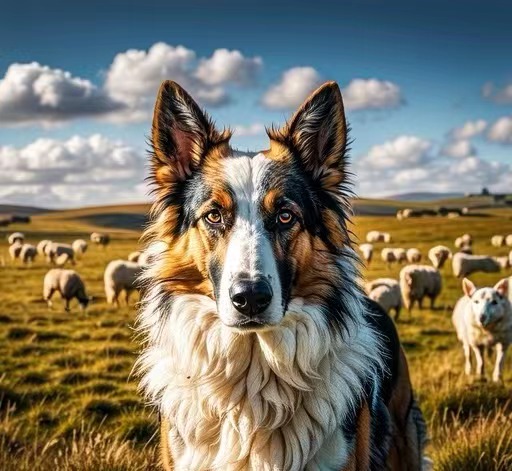
dog cancer causes Essential Helpful risk factors, genetics
Dog cancer causes are often complex and influenced by various factors, making it essential for pet owners to understand how risks can differ from one dog to another. By exploring the interplay between genetics, environment, lifestyle, and age, dog guardians can better support their pets’ overall well-being. This guide offers a comprehensive look at the most discussed influences, explains complicated ideas in an accessible way, and shares practical steps to encourage a balanced lifestyle without making medical promises.
Understanding the Big Picture of Dog Cancer
Cancer occurs when cells grow uncontrollably and form masses or spread to other parts of the body. In dogs, this can manifest in various forms, each with its own nature and behavior. While the word “cancer” can be overwhelming, having a grounded understanding of general risk factors helps owners make thoughtful choices. It’s important to remember that no single factor guarantees a cancer diagnosis; instead, multiple influences may combine over time.
Dog Cancer Causes: Exploring the Known Risk Factors
Several risk factors are frequently associated with cancer in dogs. Although not every dog exposed to these influences will develop cancer, being aware of them allows pet owners to create supportive environments. Let’s break down the most discussed contributors:
Age and Cellular Changes
– Longer lifespans: Dogs are living longer due to better vaccines, nutrition, and preventive care. With age, cells experience more wear, which increases the chance of abnormal growth.
– Accumulated exposure: Older dogs have spent more time encountering environmental pollutants, UV light, or stressors that might affect cellular health.
– Immune system shifts: Aging immune systems may not detect unusual cell activity as quickly, allowing abnormal cells to multiply.
Size and Breed Factors
– Large and giant breeds: Research suggests big dogs may face higher rates of certain cancers, possibly due to rapid growth during puppyhood or genetic predispositions.
– Specific breed tendencies: Some breeds — such as Golden Retrievers, Boxers, Bernese Mountain Dogs, and Scottish Terriers — appear in studies more often when certain cancers are analyzed. This doesn’t guarantee disease but signals a higher statistical likelihood.
Environmental Influences
– Secondhand smoke: Dogs living in smoking households may inhale or absorb harmful compounds through their skin and fur.
– Chemical exposure: Pesticides, herbicides, and industrial pollutants can come into contact with dogs walking through treated yards or parks.
– Indoor air quality: Poor ventilation, mold, and household cleaners may affect sensitive dogs over time.
Hormonal Factors
– Intact dogs: Unspayed or unneutered dogs may experience cancers influenced by reproductive hormones, such as mammary tumors or testicular growths.
– Timing of spay/neuter: Although reproductive surgeries can lower certain risks, recent studies suggest timing may influence orthopedic health or other conditions. Discussing timing with a veterinarian ensures an individualized plan.
Lifestyle and Diet
– Weight management: Obesity can lead to inflammation, which may contribute to cellular stress.
– Exercise level: Regular activity promotes circulation, metabolic balance, and mental stimulation. Sedentary lifestyles may correlate with higher risk factors.
– Diet variety: Whole ingredients and balanced nutrients support healthy tissue, while highly processed diets might contain additives some owners prefer to limit.
Genetics: Inherited Elements of Dog Cancer Causes
Genetics plays a major role in dog cancer causes. Just like humans, dogs inherit genes from their parents that can influence how their cells behave. While genes don’t guarantee cancer development, they can impact the likelihood of certain cancers appearing.
Gene Mutations and Predisposition
– Inherited mutations: Some genes have instructions that regulate cell growth or repair damaged DNA. If these genes contain mutations, cells may not repair correctly.
– Breed-specific patterns: Certain breeds have higher rates of specific cancers due to shared lineage. Responsible breeders often screen for genetic issues when possible.
– Mixed-breed dogs: While mixed dogs may have a smaller chance of inheriting breed-specific conditions, they still carry genetic material from their ancestry that can affect health.
How Genetic Testing Helps
– Risk awareness: Genetic tests can reveal whether a dog carries markers associated with particular cancers.
– Preventive strategies: Knowledge of genetic risks may encourage earlier screening or lifestyle adjustments.
– Veterinary collaboration: Genetic results are most valuable when discussed with professionals who can interpret them in context.
Environmental Factors: A Closer Look
Environmental risk factors encompass anything a dog encounters in daily life that may influence cellular health over time. Understanding these helps owners make mindful choices.
Indoor Hazards
– Air quality: Smoke, strong fragrances, and volatile chemicals can irritate lungs and skin. Simple steps—such as using exhaust fans and maintaining filters—support cleaner air.
– Household cleaners: Many cleaning products contain chemicals that linger on floors where dogs walk and groom. Opting for pet-safe formulas reduces chemical loads.
– Mold and moisture: Damp areas can harbor molds that release spores. Routine maintenance and dehumidifiers limit exposure.
Outdoor Concerns
– Pesticides and herbicides: Chemicals sprayed on lawns or parks can cling to paws and fur. Wiping paws after walks minimizes contact.
– Sun exposure: Light-colored dogs or those with thin coats may be more sensitive to UV rays. Offering shaded rest areas during peak sun hours helps protect them.
– Industrial pollutants: Living near factories or busy roads may expose dogs to air pollution. Combining indoor air purifiers and frequent grooming can reduce residue on fur.
Lifestyle Habits That Influence Risk
Beyond environment and genetics, daily habits can shape overall wellness.
Nutrition Considerations
– Whole ingredients: Some owners favor diets with identifiable proteins, vegetables, and grains to ensure high-quality nutrients.
– Fresh water: Clean water supports digestion and natural detoxification.
– Moderate treats: Keeping treat portions modest prevents excess weight gain.
Exercise and Mental Stimulation
– Consistent activity: Walks, games, and structured play maintain muscle tone and help regulate weight.
– Enrichment activities: Puzzle feeders, scent games, and training sessions reduce stress, which may indirectly support immune function.
– Joint support: Low-impact activities like swimming or controlled hikes can be beneficial for mature dogs.
Stress Management
– Routine: Predictable schedules reduce anxiety in many dogs.
– Safe spaces: Creating quiet areas helps dogs feel secure during storms or loud events.
– Positive reinforcement: Training built on rewards fosters trust and confidence.
Practical Tips for Dog Owners
Dog owners can take proactive steps to support a balanced lifestyle, even if they cannot control every risk factor.
1. Schedule regular veterinary checkups. Early detection of abnormalities often results in more options.
2. Discuss breed-specific screenings. If your dog belongs to a breed with known predispositions, veterinarians may recommend additional monitoring.
3. Ask about genetic testing. Understanding inherited risks informs future care decisions.
4. Maintain a healthy weight. Use a combination of portion control, measured treats, and consistent exercise.
5. Keep your environment clean. Vacuum regularly, use pet-safe cleaning products, and ventilate indoor spaces.
6. Monitor skin and lumps. While not every lump is harmful, noting changes allows professionals to evaluate promptly.
7. Use protective gear if needed. Paw balms, lightweight coats, or sunshades can shield sensitive dogs from environmental elements.
8. Provide mental enrichment. Mental health influences physical health, so engage in games, training, or scent work to keep dogs interested and satisfied.
Communication With Veterinary Professionals
A trusted veterinarian is your best partner when navigating concerns about cancer risk. Clear communication ensures your dog gets individualized care.
– Share observations. Note any changes in appetite, behavior, weight, or skin texture.
– Ask questions. Whether you’re curious about a bump or a specific supplement, keep the dialogue open.
– Follow recommended screening schedules. Depending on your dog’s age and breed, your vet might suggest routine imaging, blood work, or other diagnostics.
– Discuss lifestyle choices. Vets can guide nutritional plans, exercise regimens, and environmental adjustments tailored to your pet.
Natural Wellness and Supportive Practices
Natural wellness focuses on holistic, balanced care without making medical claims. It emphasizes preventive habits and harmony between lifestyle, environment, and mental well-being.
– Balanced nutrition: Whole foods and natural ingredients can support digestion and vitality.
– Herbal support: Some owners explore gentle herbal supplements for general wellness. Always consult a veterinarian before introducing new products.
– Mind-body connection: Activities like gentle grooming, massage, or calm bonding time can help reduce stress for both dog and owner.
– Clean living spaces: Using natural cleaners and ensuring fresh air contributes to an overall healthy atmosphere.
Final Thoughts
While dog cancer causes can feel overwhelming, understanding genetics, risk factors, and environmental influences empowers owners to make mindful choices. By focusing on balanced nutrition, safe environments, regular veterinary care, and supportive routines, pet parents can cultivate a nurturing lifestyle that respects natural wellness and promotes a positive quality of life.