An Australian Pet Nutrition Turkey Tail Mushroom alternative can help pet owners compare supportive supplements for dogs with tumors without overspending. Turkey tail mushroom is widely discussed in canine wellness because it contains polysaccharopeptide compounds, including beta-glucans, that may support normal immune function. However, products differ greatly in mushroom species, extraction methods, quality controls, dosage guidance, and price. A thoughtful comparison is essential, especially when a dog is undergoing veterinary treatment.
A supplement should never replace diagnosis or treatment from a veterinarian. Tumors can be benign or malignant, and the appropriate care may involve surgery, chemotherapy, radiation, monitoring, pain relief, or other therapies. Supplements are best considered as complementary support after discussing them with a qualified veterinary professional.
Why Look for an Australian Pet Nutrition Turkey Tail Mushroom alternative?
Australian Pet Nutrition Turkey Tail Mushroom has attracted attention from owners seeking mushroom-based support for dogs with cancer or other immune challenges. Still, availability and cost can vary. Some owners may find the product difficult to source, while others may prefer a formula with clearer laboratory testing, easier dosing, or a broader blend of medicinal mushrooms.
The most important point is that “alternative” does not automatically mean “equivalent.” A lower-priced product may contain less active extract, while a more expensive product may include unnecessary ingredients or lack transparent testing. Comparing the label carefully is more useful than relying on marketing claims.
In practical terms, many owners start comparing an Australian Pet Nutrition Turkey Tail Mushroom alternative when they want better value, easier access, or a clearer formula for long-term use. That search often leads to questions about extract strength, mushroom source, and whether a supplement is meant for daily wellness or more targeted support. Those questions matter because dogs with tumors often need careful, consistent routines rather than products that change from batch to batch.
What to Look for in Dog Tumor Supplements Australia
When comparing dog tumor supplements Australia, begin with the ingredient panel rather than the product name. A quality mushroom supplement should identify the mushroom species, such as Trametes versicolor, the scientific name for turkey tail. It should also state whether the product uses fruiting bodies, mycelium, or a combination of both.
Extraction is another important consideration. Hot-water extraction is commonly used to make mushroom polysaccharides more available, while dual extraction may help capture both water-soluble and alcohol-soluble compounds. The label should explain the extraction process clearly instead of simply describing the product as “high strength.”
Independent testing adds confidence. Look for evidence of testing for heavy metals, pesticides, microbial contamination, and accurate ingredient content. Products made in facilities following recognized quality standards are generally preferable. However, manufacturing claims alone do not prove that a supplement will benefit a particular dog.
Finally, dosing information should be specific. Vague directions such as “give as needed” are not sufficient for a therapeutic-support product. The manufacturer should provide guidance based on body weight and explain whether the serving applies to powder, capsules, liquid extract, or a concentrated formula.
If you are comparing products for a dog already receiving veterinary treatment, the safest approach is to look for transparency first and promotion second. The best dog tumor supplements Australia usually make it easy to answer three questions: what is inside, how is it processed, and how much should a dog receive? If those answers are unclear, the supplement is harder to evaluate responsibly.
Many owners also want to know whether an Australian Pet Nutrition Turkey Tail Mushroom alternative should contain only turkey tail or include other mushrooms. A single-mushroom product may be simpler to monitor, while a blend may offer broader nutritional support. Neither choice is automatically better; the key is matching the formula to the dog’s needs and the veterinarian’s advice.
Leading Alternatives to Australian Pet Nutrition Turkey Tail Mushroom
Several categories may serve as alternatives to Australian Pet Nutrition Turkey Tail Mushroom, depending on a dog’s needs and the veterinarian’s advice.
Single-Ingredient Turkey Tail Extract
A single-ingredient turkey tail extract is often the closest alternative. It can make dosing easier and allows owners to assess tolerance without introducing multiple active ingredients at once. Choose a product that lists Trametes versicolor and provides details about extraction and testing.
This option may suit owners who want to keep a supplement routine simple. It is also easier to identify whether digestive upset or another reaction is related to the product.
Multi-Mushroom Blends
Some formulas combine turkey tail with reishi, maitake, shiitake, or cordyceps. These blends are marketed for broader immune and vitality support. They may be convenient, but they can make it harder to determine which ingredient is responsible for an effect or side effect.
A blend should not rely on an impressive ingredient list alone. Check the amount of each mushroom. Some products list several mushrooms but provide only tiny quantities of each, making the formula appear more comprehensive than it may actually be.
Standardized Mushroom Polysaccharide Products
Some supplements emphasize standardized beta-glucan or polysaccharide content rather than focusing only on mushroom weight. Standardization can improve consistency between batches, although the stated measurement method matters. Beta-glucan levels may be reported differently by different laboratories, so comparisons are not always straightforward.
These products can be useful when a veterinarian wants a more predictable supplement, but owners should still review the full label and certificate of analysis where available.
Veterinary Immune-Support Formulas
Veterinary-formulated products may include mushroom extracts alongside nutrients such as omega-3 fatty acids, antioxidants, or medicinal botanicals. These products can be practical when a dog has several nutritional needs, but they may also be more expensive and contain ingredients that are unsuitable for certain medical conditions.
A veterinary formula is not automatically superior. Its value depends on ingredient quality, appropriate dosing, and suitability for the individual dog.
For broader context on mushroom-based canine support, the official National Library of Medicine database is a useful place to review research and safety information.
When narrowing down an Australian Pet Nutrition Turkey Tail Mushroom alternative, it also helps to think about the dog’s daily routine. Powdered supplements may mix easily with food, while capsules can be more precise but less convenient for picky eaters. Liquids may be practical for small dogs, although taste and storage requirements matter. The best option is usually the one that can be given consistently without causing stress at mealtime.
Some owners compare products primarily on price, but the better question is whether the formula delivers enough usable extract to justify the cost. A low-cost Australian Pet Nutrition Turkey Tail Mushroom alternative can still be a good choice if it offers clear sourcing, straightforward dosing, and trustworthy manufacturing. A premium product is only worthwhile when those same essentials are present and easier to verify.
Safety Considerations for Dogs With Tumors
Mushroom supplements can cause gastrointestinal problems, including loose stools, vomiting, reduced appetite, or abdominal discomfort. Some dogs may also have allergic reactions. Introduce any new product gradually and stop using it if concerning symptoms develop.
Extra caution is needed for dogs taking chemotherapy drugs, corticosteroids, anti-inflammatory medication, anticoagulants, or immune-modulating treatments. Certain supplements may affect bleeding, liver metabolism, or immune activity. A veterinarian familiar with the dog’s complete treatment plan should review all supplements before use.
Avoid products containing ingredients that are toxic to dogs, such as garlic, onion, xylitol, or concentrated essential oils. Human mushroom supplements may also contain additives or dosages unsuitable for animals. A pet-specific product with clear directions is generally a safer choice.
Because every tumor case is different, even a well-reviewed supplement may not be suitable for every dog. A dog with a sensitive stomach, liver disease, clotting concerns, or a recent surgery may need a different approach from a dog that is otherwise stable. This is why a veterinarian should always have the final say before adding an Australian Pet Nutrition Turkey Tail Mushroom alternative to a care plan.
It is also worth watching for subtle changes after starting any new mushroom product. Energy, appetite, stool quality, and hydration can shift gradually rather than dramatically. Keeping notes for the first two to four weeks makes it easier to determine whether the product is being tolerated. If a supplement seems helpful, that record can also support a more informed discussion at the next veterinary visit.
How to Compare Cost and Value
Price per container can be misleading. Instead, calculate the cost per daily serving and consider the amount of active extract provided. A small container may last longer if the product is concentrated, while a large container may offer poor value if the dose is high or the active ingredient is minimal.
Also consider shipping costs, storage requirements, and whether the manufacturer provides batch testing. An affordable product without quality documentation may be less valuable than a moderately priced supplement with reliable transparency.
When owners compare an Australian Pet Nutrition Turkey Tail Mushroom alternative with other options, the best value usually comes from clarity, not hype. A straightforward label, usable serving instructions, and independent testing are often more important than glossy packaging or large claims.
Another useful way to compare value is to look at the real cost of trial and error. If a product is cheaper but causes digestive upset, poor palatability, or inconsistent dosing, it may end up being more expensive in the long run. A slightly higher-priced Australian Pet Nutrition Turkey Tail Mushroom alternative may actually save money if it is easier to administer and better tolerated.
Owners can also assess value by checking whether the company provides accessible contact details, batch information, and clear usage guidance. Those details do not guarantee effectiveness, but they do indicate that the manufacturer is prepared to support informed use. That is especially important when a dog’s health situation is already complex.
Building a Sensible Supplement Plan
The best alternatives to Australian Pet Nutrition Turkey Tail Mushroom are those that match the dog’s diagnosis, treatment plan, size, age, and overall health. Keep a record of the product name, dose, start date, appetite, stool quality, energy, and any noticeable changes. This information can help the veterinarian decide whether the supplement should be continued.
Most importantly, supplements should support—not replace—evidence-based cancer care. Regular veterinary examinations and timely investigation of changes such as new lumps, weight loss, bleeding, persistent cough, or reduced mobility remain essential. With careful product comparison and professional guidance, owners can choose a safer and more affordable option while keeping their dog’s overall welfare at the center of every decision.
For readers researching breed-specific risk factors, the article on Australian Terrier cancer risks and early signs offers another useful reference point. If you are comparing supplements for a dog with a tumor, an Australian Pet Nutrition Turkey Tail Mushroom alternative should be chosen with the same care you would use for any part of the treatment plan.
In summary, the most practical Australian Pet Nutrition Turkey Tail Mushroom alternative is the one that provides clear dosing, transparent testing, and ingredients that fit your dog’s needs. A well-chosen mushroom product may offer supportive care, but it should always be part of a veterinarian-guided plan. That approach gives owners the best chance of finding a safe and affordable Australian Pet Nutrition Turkey Tail Mushroom alternative without compromising quality or care.
One helpful way to evaluate any Australian Pet Nutrition Turkey Tail Mushroom alternative is to compare the stated extract type, the beta-glucan information, and the manufacturer’s testing details side by side. If those details are missing, the supplement may be less dependable than the label suggests. This is especially important when a dog’s health is already being managed for a tumor.
Owners searching for an Australian Pet Nutrition Turkey Tail Mushroom alternative often ask whether a more expensive product is always better. The answer is no. A fair price matters, but consistency matters more. A product that clearly explains its mushroom source, extraction method, and serving size is usually easier to use with confidence than a cheaper option that leaves too many questions unanswered.
When discussing an Australian Pet Nutrition Turkey Tail Mushroom alternative with a veterinarian, bring the full product label or a link to the manufacturer’s information. That makes it easier to check for overlaps with other supplements, possible interactions, and any ingredients that may not suit a dog with cancer, digestive sensitivity, or another medical condition.
If your dog already takes medications, the safest Australian Pet Nutrition Turkey Tail Mushroom alternative is usually the one with the simplest formula. Single-ingredient options can be easier to monitor, while blends may be useful only when they are carefully balanced and supported by clear quality information. In both cases, slow introduction and close observation are smart steps.
For many owners, the goal of finding an Australian Pet Nutrition Turkey Tail Mushroom alternative is not to chase the most aggressive marketing claims, but to find a stable, affordable, and transparent product that fits into a broader care plan. That approach keeps expectations realistic while still giving a dog thoughtful supportive care.
If you are choosing an Australian Pet Nutrition Turkey Tail Mushroom alternative for ongoing use, recheck the product every time you order. Manufacturers can change sourcing, ingredient ratios, or serving guidance without much notice. A quick review before each purchase helps ensure the supplement still matches the standard you want for your dog.
Ultimately, the best Australian Pet Nutrition Turkey Tail Mushroom alternative is the one your veterinarian can review without concern and that your dog can tolerate consistently. When a product is clear, tested, and sensibly priced, it becomes much easier to use it as part of a practical support strategy for dogs with tumors.
Choosing an Australian Pet Nutrition Turkey Tail Mushroom alternative also becomes easier when you separate marketing language from measurable details. Words like “advanced,” “premium,” or “extra strength” do not tell you how much extract is present or whether the product has been tested for contaminants. Real comparison comes from the label, the serving guide, and the company’s quality information.
If the dog has a history of allergies or stomach sensitivity, start with a lower dose only if the product instructions and veterinarian both support that approach. Then observe carefully for loose stools, itching, vomiting, or changes in appetite. A cautious start is usually better than trying to introduce a full serving too quickly, especially when the goal is ongoing support rather than rapid change.
For dogs with tumors, consistency matters just as much as ingredient quality. An Australian Pet Nutrition Turkey Tail Mushroom alternative that can be given every day without fuss is often more useful than a more complex formula that the dog refuses. Palatability, ease of administration, and routine fit should all be part of the decision.
When the product is selected carefully, a turkey tail supplement may be one small part of a broader care plan. The real priority is helping the dog stay comfortable, maintaining nutrition, and supporting veterinary treatment as effectively as possible. That is why choosing an Australian Pet Nutrition Turkey Tail Mushroom alternative should always be done with patience, scrutiny, and professional guidance.
Frequently asked questions
Is a turkey tail mushroom supplement safe for every dog?
No. Safety depends on the dog’s medical history, medications, and current treatment plan. Dogs with tumors may be taking drugs that require extra caution, so a veterinarian should review the product before use.
Should I choose a single mushroom or a blend?
Both can be reasonable. A single mushroom is easier to monitor, while a blend may offer broader support. The better choice depends on the dog’s needs and how clearly the product is labeled.
What matters most when comparing options?
Species identification, extraction method, third-party testing, clear serving guidance, and tolerance are usually the most important factors. Price matters too, but transparency is often the better guide.
In summary, an Australian Pet Nutrition Turkey Tail Mushroom alternative should be judged on clarity, quality, and fit for the individual dog. If the formula is transparent, well-tested, and practical to use, it may provide supportive value as part of a veterinarian-guided care plan. That is the most reliable way to choose an Australian Pet Nutrition Turkey Tail Mushroom alternative without losing sight of safety or results.
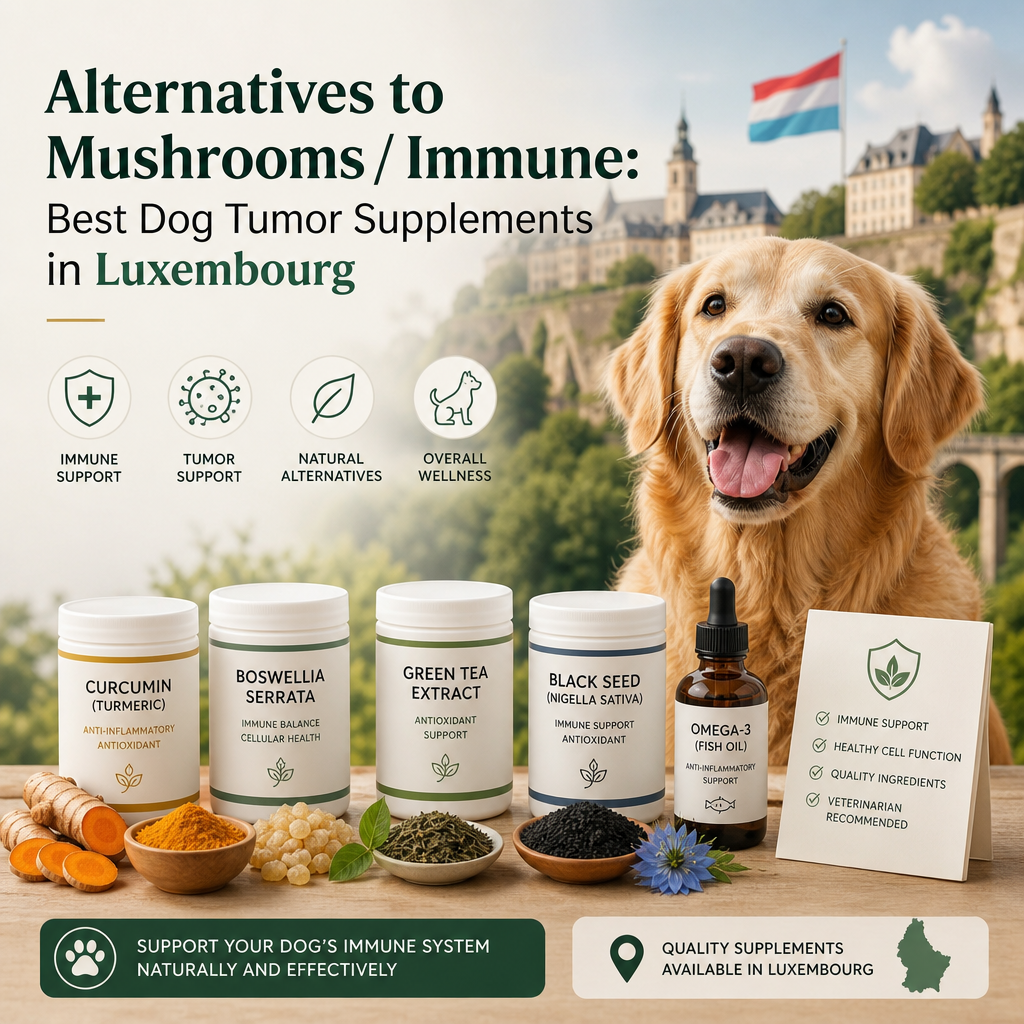
Alternatives to Mushrooms / immune are becoming increasingly relevant for Luxembourg dog owners looking for supportive care options during a pet’s cancer treatment. While medicinal mushroom products are widely discussed for canine immune support, they are not the only supplements available. Several dog tumor supplement alternatives may help support appetite, digestion, energy, and overall wellbeing when used responsibly alongside veterinary care.
A tumor diagnosis can be overwhelming, and supplements should never be viewed as a replacement for surgery, chemotherapy, radiation, prescription medicine, or regular veterinary monitoring. However, carefully selected nutritional support may complement a treatment plan and help maintain a dog’s quality of life. In Luxembourg, owners can find many products through veterinary clinics, pharmacies, specialist pet retailers, and European online suppliers, but product quality and professional guidance remain essential.
Why Consider Alternatives to Mushrooms / immune Support?
Medicinal mushrooms such as turkey tail, reishi, shiitake, and maitake are often used in complementary pet care because they contain compounds associated with immune activity. Nevertheless, some dogs may not tolerate them well, while others may be taking medications that require additional caution. Mushrooms may also be unsuitable for dogs with particular autoimmune conditions, liver problems, digestive sensitivities, or allergies.
Owners may therefore search for alternatives to Mushrooms / immune products because of cost, availability, taste, concerns about interactions, or a desire to support a specific need. For example, a dog undergoing treatment may require nutritional support for weight maintenance rather than a general immune formula. Another dog may benefit more from digestive support, omega-3 fatty acids, or a carefully balanced diet.
The right choice depends on the tumor type, treatment plan, age, weight, medical history, and current bloodwork. A veterinarian should review every supplement before it is introduced. That is especially important when the goal is to compare alternatives to Mushrooms / immune formulas with other supportive options that may be more suitable for a specific patient.
Some owners begin looking for support after noticing changes in appetite or energy, while others want a product they can combine with prescribed treatment without adding unnecessary complexity. In both situations, alternatives to Mushrooms / immune supplements should be selected with a practical goal in mind: supporting the dog’s comfort and nutrition while avoiding ingredients that may complicate care.
Dog Tumor Supplement Alternatives for Nutritional Support
Omega-3 fatty acids
Fish oil containing EPA and DHA is one of the most commonly considered dog tumor supplement alternatives. These fatty acids support normal inflammatory balance and may help maintain skin, coat, cardiovascular function, and general nutrition. They can be particularly useful when a dog’s appetite is reduced or when maintaining body condition is a priority.
Choose a veterinary-quality product with clearly stated EPA and DHA amounts. Avoid relying only on the total fish oil volume, since the active fatty acid content is more important. Fish oil can cause digestive upset in some dogs and may not be suitable in every case, especially when a dog has a history of pancreatitis, bleeding problems, or upcoming surgery.
For many owners, omega-3s are attractive because they are easy to add to a daily routine and may complement a wider support plan. Even so, they should not be treated as a universal answer. The best use of omega-3 fatty acids is usually in a carefully measured dose that fits the dog’s weight, food intake, and medical history. When this is done well, they can be among the most practical dog tumor supplement alternatives available.
Antioxidant nutrients
Vitamins and antioxidant compounds are sometimes included in canine nutritional support formulas. Vitamin E, selenium, vitamin C, and other nutrients may contribute to normal cellular protection, but more is not always better. High-dose antioxidant supplementation can potentially interfere with certain cancer treatments, depending on the therapy and timing.
For this reason, owners should avoid combining several multivitamins or human antioxidant products. A veterinarian can determine whether a specific nutrient is needed and whether it fits safely with chemotherapy, radiation, or other medicines. In many cases, the most responsible approach is to use a single, clearly labeled product rather than stacking multiple formulas that overlap in purpose.
When people search for alternatives to Mushrooms / immune support, they often assume a stronger antioxidant formula must be better. In reality, the safest option is the one that aligns with the dog’s treatment plan. A modest, targeted nutrient plan is often more useful than a high-dose product with uncertain interactions.
Digestive and probiotic support
Cancer treatment can affect appetite, stool quality, and digestion. Veterinary probiotics, prebiotic fibers, or digestive-support diets may help some dogs maintain a healthier gastrointestinal routine. These products are not tumor treatments, but they can support comfort and nutrient absorption.
Select products formulated for dogs and follow storage instructions carefully. A dog with severe vomiting, persistent diarrhea, fever, or suspected immune suppression needs prompt veterinary assessment rather than relying on an over-the-counter supplement. Digestive support is often overlooked, yet it can make a meaningful difference in how well a dog tolerates food and medication.
If a dog is already eating less than usual, start with a simple plan. A probiotic may be introduced first, followed later by another addition only if needed. This gradual approach makes it easier to tell whether the supplement is helping. It also reduces the chance of confusing side effects with the symptoms of the disease itself.
High-quality protein and calorie support
Sometimes the most useful supplement is a complete nutritional product designed to provide calories and protein. Appetite stimulants, recovery diets, liquid nutrition, and veterinary energy gels may be appropriate when a dog is losing weight or struggling to eat.
Owners should not dramatically increase protein, fat, or calories without professional guidance. Some dogs have kidney, liver, pancreatic, or gastrointestinal conditions that require a specially balanced diet. A nutrition plan should focus on maintaining a healthy body condition while minimizing nausea and food aversion.
For Luxembourg owners who want to compare another country’s approach, the K9 Immunity / K9 Immunity Plus Alternative in Denmark guide can be a useful reference point for supplement selection and product positioning. Looking at another market can help clarify the difference between general immune formulas and more targeted nutritional support.
In practical terms, calorie support is often one of the most helpful alternatives to Mushrooms / immune products because it addresses a common problem directly: dogs with cancer frequently need more reliable energy intake, not simply more supplement capsules. When weight maintenance is the immediate concern, food-based support may be more valuable than a broad immune blend.
Herbal Products and Other Immune-Focused Options
Herbal ingredients such as turmeric, boswellia, milk thistle, astragalus, or echinacea are sometimes marketed for immune or inflammatory support. However, “natural” does not automatically mean safe. Herbal products can affect blood clotting, liver enzymes, blood pressure, sedation, or the absorption of prescription medicines.
Turmeric products, for example, vary considerably in formulation and absorption, while milk thistle may be considered in some liver-support plans but still requires veterinary oversight. Human herbal capsules may contain unsuitable doses, sweeteners, alcohol-based extracts, or additional ingredients that are unsafe for dogs.
When considering alternatives to Mushrooms / immune formulas, select a product with transparent labeling, batch testing, dosage guidance, and a manufacturer experienced in veterinary nutrition. Avoid products that promise to shrink tumors, cure cancer, or replace conventional treatment. Such claims are warning signs rather than evidence of effectiveness.
Some herbal products are promoted as gentle, but the actual risk depends on the ingredient, the dose, and the dog’s current medications. A supplement that seems harmless on its own can become a problem if it changes how another medicine is processed. This is why it is best to view alternatives to Mushrooms / immune support as medical choices, not lifestyle accessories.
For more background on safe supplement decisions, the VCA Hospitals guide to pet supplements offers a practical overview of why ingredient quality and veterinary guidance matter.
Choosing Safe Products in Luxembourg
The Luxembourg market includes local veterinary services and products distributed from neighboring European countries. This gives owners access to a broad range of supplements, but it can also make quality comparison difficult. Before purchasing, check whether the product clearly identifies the manufacturer, ingredients, active quantities, recommended canine dosage, batch or lot information, and expiration date.
It is also important to consider language and labeling differences. Products sold through European websites may provide instructions in different languages or use varying measurements. Ask a Luxembourg veterinarian or veterinary pharmacist to confirm the correct dose, especially for small dogs, senior animals, or dogs receiving multiple medications.
Do not use supplements containing xylitol, excessive vitamin D, garlic concentrates, alcohol, or other ingredients known to be dangerous for dogs. Keep all products out of reach, since concentrated capsules, oils, and powders may cause poisoning if consumed in large amounts.
When comparing alternatives to Mushrooms / immune formulas, look for signs of consistent manufacturing rather than flashy marketing. A well-designed product usually explains what each ingredient is intended to do and provides a realistic dosing schedule. That kind of clarity is especially useful when a dog is already coping with a serious diagnosis and the owner wants to avoid trial and error.
Owners in Luxembourg may also find that some products are easier to source from pharmacies or veterinary clinics than from general pet shops. In those cases, the benefit is often not just convenience but a higher chance of getting accurate labeling and professional guidance. If a product is unfamiliar, ask for the full ingredient panel before buying it.
It can help to keep a simple checklist: what is the active ingredient, what is the dose, what medications is the dog taking, and what problem is the product supposed to solve? That process keeps the focus on the dog’s needs and makes alternatives to Mushrooms / immune products easier to evaluate fairly.
How to Add a Supplement Responsibly
Introduce only one new product at a time. This makes it easier to identify digestive upset, allergic reactions, changes in appetite, or other unwanted effects. Start with the veterinarian-approved dose rather than assuming that a higher amount will produce greater benefits.
Record the product name, dose, starting date, appetite, stool quality, weight, energy level, and any symptoms. This information can help the veterinary team decide whether the supplement is useful. Stop the product and seek advice if the dog develops repeated vomiting, diarrhea, unusual bruising, severe lethargy, swelling, breathing difficulty, or a sudden change in behavior.
Regular examinations and blood tests remain essential. Supplements cannot replace tumor monitoring, imaging, pain management, or treatment adjustments. Their most appropriate role is usually supportive: helping a dog eat, maintain strength, tolerate treatment, and enjoy daily life.
When a pet is already receiving treatment, alternatives to Mushrooms / immune products should be added thoughtfully and reviewed at every follow-up visit so the plan can be adjusted as the dog’s condition changes. This is one of the most important habits for safe long-term care, because a supplement that seems appropriate at diagnosis may no longer fit later in treatment.
Some dogs need a supplement only for a short period, such as during a poor-appetite phase or after a difficult treatment cycle. Others may do better with a longer-term routine. The key is to re-evaluate often. In canine oncology, flexibility matters more than a rigid plan.
If a veterinarian suggests stopping a product before surgery or a procedure, follow that advice exactly. Many owners forget that supplements can affect clotting, stomach comfort, or medication handling. A short pause may be the safest option, especially when the dog is already medically fragile.
For this reason, alternatives to Mushrooms / immune support work best when the owner keeps a simple log and shares updates with the veterinary team. A few notes about eating, stool quality, and energy can reveal more than a long list of untracked capsules ever will.
A Balanced Approach to Canine Cancer Support
The best dog tumor supplement alternatives are not necessarily the most expensive or the ones with the strongest marketing claims. They are products selected for a particular medical need, supported by reliable labeling, and integrated into a veterinary treatment plan.
For Luxembourg dog owners, the safest approach is to discuss omega-3 fatty acids, digestive support, nutritional formulas, antioxidants, and herbal products with a veterinarian before use. By focusing on evidence, product quality, and the individual dog’s condition, owners can make informed decisions without losing sight of the central goal: supporting comfort, nutrition, and quality of life throughout cancer care.
Whether the goal is appetite support, digestive comfort, or day-to-day resilience, alternatives to Mushrooms / immune formulas can be part of a sensible plan when they are chosen carefully and used under veterinary supervision.
In practice, the most effective alternatives to Mushrooms / immune products are often the ones that match the dog’s real-world needs instead of a marketing promise. A dog with weight loss may need calorie-dense nutrition, while another may benefit more from probiotics or omega-3 fatty acids. The key is to choose support that fits the dog’s treatment stage, tolerance, and overall health.
Some owners also ask whether an immune-support supplement should be used continuously or only during active treatment. The answer depends on the diagnosis and the medicines involved. In many cases, alternatives to Mushrooms / immune products are most useful when they are part of a short list of targeted additions rather than a long stack of overlapping formulas. That approach makes it easier to evaluate benefits and avoid unnecessary ingredients.
If your veterinarian recommends a specific product, ask how long it should be used, whether it should be given with food, and which side effects to watch for. Clear instructions are especially important when a dog is also receiving pain relief, anti-nausea medication, steroids, or chemotherapy. Careful timing can reduce the risk of stomach upset and improve consistency.
For dogs that struggle with taste, capsules can sometimes be hidden in food, while liquid formulas may be easier for pets with poor appetite. However, every format has trade-offs. Oils can be messy and may cause loose stools, powders can be difficult to measure accurately, and chewable products may contain extra flavoring ingredients. A veterinarian can help you decide which option is most practical.
It is also worth reviewing the overall diet. A complete and balanced food may make a bigger difference than several small supplements, especially if the dog is already eating poorly. Nutritional support, hydration, and frequent monitoring often work together better than any single product. In that sense, alternatives to Mushrooms / immune supplements should be seen as part of a broader care plan, not the centerpiece of it.
Luxembourg owners who source products from across Europe should double-check dosage units and package directions, because a dose listed by weight or milliliter can vary by brand. When in doubt, take a photo of the label and confirm the instructions before giving the first dose. This extra step can prevent mistakes and helps ensure the product is used safely from the start.
With thoughtful guidance, alternatives to Mushrooms / immune options can support comfort, nutrition, and daily wellbeing without replacing proven veterinary treatment. The most responsible decision is the one that matches the individual dog, uses quality products, and keeps the veterinary team involved at every stage.
In the end, the goal is not to find a perfect supplement but to create a practical, safe, and adaptable support plan. For many families, that means combining veterinary treatment with carefully chosen alternatives to Mushrooms / immune products that suit the dog’s appetite, energy needs, and medical restrictions. When used this way, supportive care becomes more coherent and easier to manage day by day.
Owners should remember that every dog is different. One pet may respond well to omega-3s and digestive support, while another may need a calorie-rich recovery diet and no additional supplements at all. That is why the best results usually come from personalization, not from following a generic supplement trend. The more closely the plan fits the dog, the more useful it becomes.
If you are unsure where to begin, start with the most obvious problem: poor appetite, loose stools, weight loss, or low energy. Then ask whether a supplement addresses that problem directly. This simple filter helps separate useful alternatives to Mushrooms / immune formulas from products that sound appealing but do little for the dog’s actual condition.
With patience and veterinary oversight, Luxembourg owners can choose support that is sensible, safe, and aligned with treatment goals. That is the most reliable way to use alternatives to Mushrooms / immune products in real-world canine cancer care.
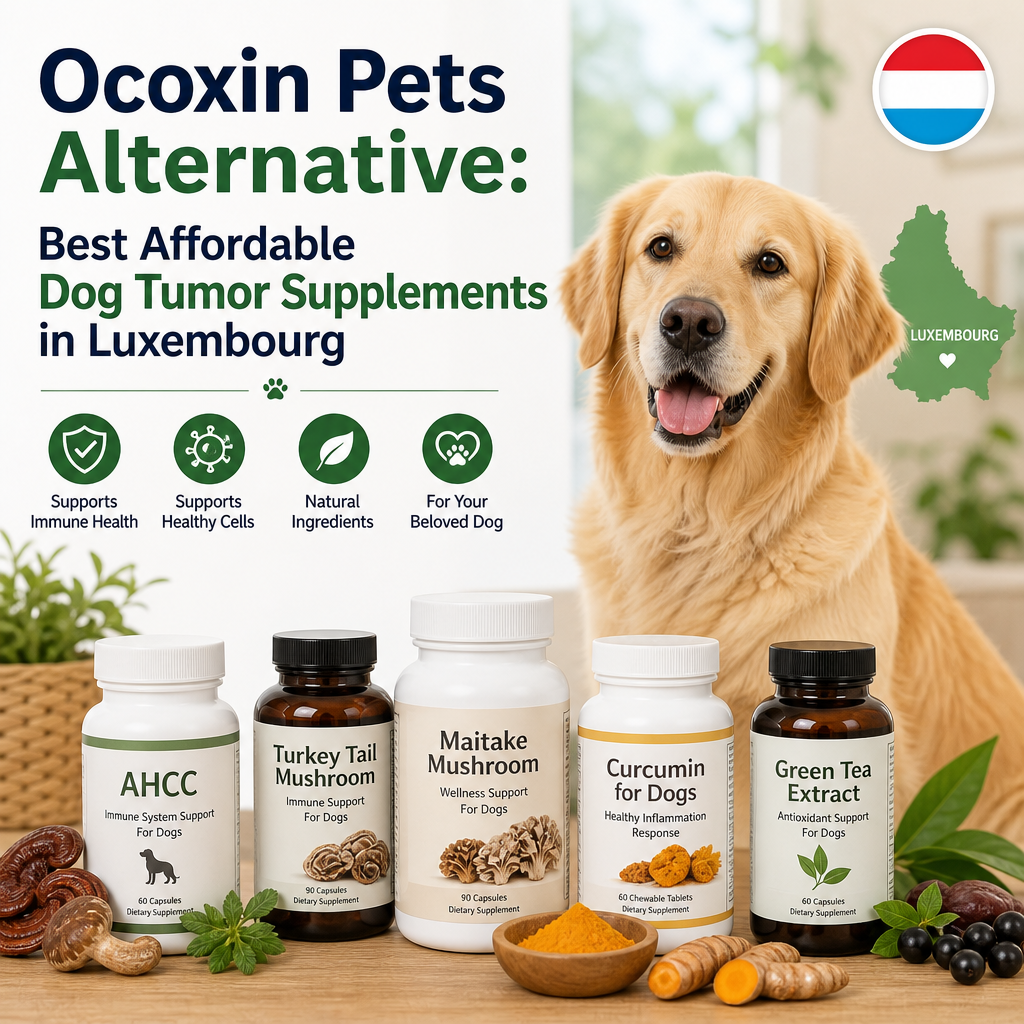
Ocoxin Pets Alternative options are increasingly being considered by dog owners in Luxembourg who want supportive, affordable care for pets diagnosed with tumors or undergoing cancer treatment. While no supplement can replace veterinary diagnosis, surgery, chemotherapy, radiation, or other prescribed treatments, carefully selected nutritional products may help support appetite, immune function, digestion, and general wellbeing. The most suitable choice depends on the dog’s condition, current medication, treatment plan, age, and individual tolerance.
Dog tumor supplements are designed to provide nutritional or botanical support during periods of illness. Cancer and its treatment can place significant stress on a dog’s body. Some pets experience reduced appetite, weight loss, digestive problems, fatigue, inflammation, or weakened immunity. A supplement may help address specific nutritional needs, but it should always be used as part of a broader veterinary care plan.
Products marketed for dogs with tumors commonly contain combinations of vitamins, minerals, antioxidants, medicinal mushrooms, omega-3 fatty acids, digestive enzymes, or plant extracts. The evidence for each ingredient varies, and quality can differ substantially between brands. For this reason, product selection should focus on transparent labeling, appropriate dosing, safety testing, and compatibility with veterinary treatment.
For readers researching an Ocoxin Pets alternative, it helps to think in terms of support rather than cure. The goal is to help a dog stay comfortable, maintain nutrition, and tolerate treatment as well as possible. A well-chosen supplement can be one piece of that plan, especially when paired with veterinary monitoring and a consistent feeding routine.
It is also helpful to keep expectations realistic. A dog with a tumor may need a combination of pain control, diet adjustments, anti-nausea medication, and supportive care before any supplement makes a visible difference. In that context, an Ocoxin Pets alternative should be judged by how well it fits the overall care strategy, not by dramatic marketing language.
Owners often find it useful to track small changes over time. Appetite, stool quality, hydration, energy, and body weight can reveal whether a product is helping. These practical observations are often more valuable than vague promises on the package.
Why look for alternatives to Ocoxin Pets?
There are several reasons owners search for alternatives to Ocoxin Pets. Availability may be inconsistent, especially when purchasing from another country. Shipping costs, import fees, product size, or recurring subscription prices can also make a supplement difficult to maintain over several months.
Some owners may also be looking for a formula with different ingredients. One dog may need stronger digestive support, while another may benefit more from omega-3 fatty acids or help maintaining body weight. A veterinarian may recommend avoiding specific herbs or antioxidants if the dog is receiving chemotherapy, undergoing surgery, or taking medications that affect blood clotting.
Affordability is another important consideration. Long-term care can become expensive, and a lower-cost product may be more practical if it provides appropriate support and is used consistently. However, the least expensive product is not automatically the best value. Concentration, serving size, ingredient quality, and safety documentation should all be considered.
In Luxembourg, many owners compare several choices before deciding on an Ocoxin Pets alternative. That comparison often includes local availability, the ease of ordering from neighboring countries, and whether the product can be sourced without delay if the dog needs ongoing support.
Another common reason for switching is palatability. Even a well-formulated product can fail if a dog refuses the taste or texture. If your dog is already dealing with a poor appetite, a supplement that is easier to mix into food or offer as a chew may be more practical than a complex liquid formula.
In some cases, owners are also trying to simplify the routine. A supplement that requires fewer daily steps may improve consistency, and consistency usually matters more than short-term enthusiasm. When the goal is comfort and daily support, the best Ocoxin Pets alternative is often the one that can be given reliably without stress.
What to look for in an Ocoxin Pets alternative
When comparing an Ocoxin Pets alternative, begin with the full ingredient list rather than the front-label claims. A reliable product should clearly state the amount of each active ingredient per serving and provide feeding instructions based on the dog’s weight.
Omega-3 fatty acids
Fish oil containing EPA and DHA is frequently used in canine nutrition. These fatty acids support skin, coat, cardiovascular health, and normal inflammatory balance. They may be particularly useful for dogs that have lost weight or need additional nutritional support. Choose a product that lists the actual EPA and DHA content, not just the total amount of fish oil.
Medicinal mushrooms
Mushrooms such as turkey tail, reishi, maitake, and shiitake are included in some canine supplements. They contain compounds that may support normal immune activity, although research in dogs remains limited and products vary in extraction quality. Mushroom supplements should be discussed with a veterinarian, especially when the dog has an autoimmune condition or is taking immune-modulating medication.
Antioxidants and vitamins
Vitamin E, vitamin C, selenium, and other antioxidants may be present in supportive formulas. They are important nutrients, but high doses are not necessarily beneficial and can sometimes cause harm. Antioxidant use during chemotherapy or radiation should be guided by the treating veterinarian because timing and dosage may matter.
Digestive and nutritional support
Probiotics, prebiotics, digestive enzymes, amino acids, and calorie-dense ingredients can be valuable when a dog has poor appetite, diarrhea, or weight loss. These ingredients do not treat a tumor directly, but improving digestion and nutritional intake can contribute to strength and quality of life.
To compare an Ocoxin Pets alternative fairly, use the same checklist every time: ingredient clarity, dosing precision, product safety, and cost per daily serving. This makes it easier to separate marketing language from practical value.
Also pay attention to the product’s form. A liquid, capsule, powder, soft chew, or gel can make a big difference in daily use. Dogs with nausea may tolerate one format better than another, and a format that blends easily with food can reduce stress for both the pet and the owner.
Finally, consider whether the formula is intended for general wellness or for more targeted support. Some products are broad multinutrient blends, while others focus narrowly on one or two ingredients. A targeted formula may be better if your veterinarian has identified a specific need, while a broader product may be more suitable when the main goal is general nutritional support.
Seven practical supplement categories to compare
Instead of focusing only on one brand, many owners compare seven practical categories when selecting an Ocoxin Pets alternative. These categories are not a cure, but they can help you match the supplement to your dog’s needs and budget.
Omega-3 formulas for dogs that need nutritional support and inflammatory balance.
Mushroom blends for owners looking for immune-support ingredients.
Digestive support products for dogs with poor appetite or loose stools.
High-calorie nutritional gels for weight maintenance.
Multinutrient formulas with vitamins and trace minerals.
Veterinary oncology support products designed for dogs during treatment.
Simple single-ingredient options when a dog tolerates only limited ingredients.
This framework can make the search for an Ocoxin Pets alternative more manageable, especially when prices and availability vary across Luxembourg and nearby markets.
Each category has advantages and drawbacks. Omega-3 formulas may be helpful for dogs that need extra calorie support, but they can also cause loose stools if introduced too quickly. Mushroom blends may be attractive to owners seeking immune support, yet their quality and extraction methods can differ widely. Digestive support products can help with gut comfort, but they are not useful if the dog’s main problem is poor acceptance of the product itself.
High-calorie gels and pastes are often practical for underweight dogs because they are easy to dose and tend to be palatable. However, they should be used carefully in dogs that are prone to pancreatitis or that need strict calorie control. Multinutrient formulas are convenient, but they may overlap with other supplements or prescription diets, which can lead to unnecessary duplication of vitamins or minerals.
Veterinary oncology support products may be appealing because they are marketed specifically for dogs with cancer-related needs. Even so, the label should still be reviewed closely. A product designed for oncology support is not automatically better than a simpler formula if the simpler formula matches the dog’s needs more closely.
Single-ingredient options can be a good fit when a dog has a sensitive stomach or a history of food intolerance. In many cases, fewer ingredients mean fewer opportunities for side effects. For that reason, some veterinarians prefer to start simple and add only what is clearly needed.
Finding affordable dog tumor supplements Luxembourg owners can trust
Dog tumor supplements Luxembourg owners purchase should come from a reputable manufacturer that follows appropriate quality-control standards. Look for companies that provide batch information, contact details, testing policies, and clear storage instructions. Products sold through established veterinary clinics, regulated pharmacies, or recognized pet-health retailers may offer greater transparency than unknown marketplace listings.
Before ordering from abroad, calculate the complete cost, including delivery, taxes, and any customs charges. A product that appears cheaper may cost more after shipping. It is also important to check whether the formulation is intended for dogs and whether the label complies with European requirements.
Local veterinary clinics may know of suitable alternatives that are readily available in Luxembourg, Belgium, France, or Germany. Veterinary pharmacies can also help identify products with consistent supply and appropriate instructions. When comparing prices, calculate the cost per daily serving rather than the price of the container alone.
If you want an evidence-based starting point for general pet nutrition guidance, the VCA Hospitals pet health library offers practical educational articles that can help you discuss supplement choices more confidently with your veterinarian.
For many families, the best Ocoxin Pets alternative is the one that is affordable enough to use consistently and simple enough to fit into the dog’s daily routine. Consistency matters more than a short trial of an expensive product that cannot be continued.
When budgets are tight, it can help to prioritize the one ingredient or benefit that matters most. If your dog struggles with appetite, choose a product that helps with calorie intake. If digestion is the issue, a formula with probiotics or gentle nutritional support may be more useful. A focused approach often avoids unnecessary spending on ingredients that do not address the immediate problem.
Owners in Luxembourg may also find it useful to compare neighboring supply options. Availability can change quickly, and a product that is out of stock locally may still be accessible through a reliable pharmacy in a nearby country. The important point is to keep the supply consistent once a useful product is found, because frequent switching can make it harder to tell whether the supplement is helping.
Seven practical ways to judge value before buying
Price alone rarely tells the full story. Before choosing an Ocoxin Pets alternative, compare these practical points:
Daily cost: how much the supplement costs per day, not per container.
Active ingredient amount: whether the label states meaningful amounts per serving.
Palatability: whether the dog is likely to accept it regularly.
Ingredient overlap: whether it duplicates nutrients already in the diet.
Storage requirements: whether the product needs refrigeration or special handling.
Supply stability: whether it can be reordered without long delays.
Veterinary fit: whether it matches the current treatment plan.
These details can make the difference between a supplement that seems cheap and one that is actually cost-effective. In chronic care, a product that is slightly more expensive but easier to use often ends up being better value.
Safety considerations and possible interactions
Supplements can cause side effects or interact with medicines. Fish oil may contribute to digestive upset or affect clotting at high doses. Certain herbs may alter liver enzyme activity or influence sedation. Probiotics can occasionally cause temporary gas or loose stools. Dogs with kidney disease, liver disease, diabetes, pancreatitis, or bleeding disorders may require special precautions.
Never give a human cancer supplement to a dog without veterinary approval. Human products may contain unsafe concentrations, xylitol, iron, caffeine, or other ingredients that are dangerous for animals. Avoid products that promise to shrink tumors, cure cancer, or replace professional treatment. These claims are not a reliable measure of quality and may delay essential care.
Introduce a new supplement gradually when possible, and record the dog’s appetite, stool quality, energy, weight, and any unusual symptoms. Stop the product and contact a veterinarian if vomiting, severe diarrhea, facial swelling, breathing difficulty, marked lethargy, or other concerning signs develop.
Because treatment plans can change, it is wise to re-check any Ocoxin Pets alternative after chemotherapy cycles, medication changes, or a new diagnosis. A product that was safe last month may not be appropriate later.
Some dogs also take several supportive products at once. In those cases, the combined total of vitamins, antioxidants, herbs, and fatty acids may matter more than any single item. A supplement that looks harmless on its own may become inappropriate when paired with prescription medication or another nutritional product. This is why veterinary review is so important.
If your dog has reduced appetite or weight loss, do not assume that more supplements are always better. Sometimes the most useful intervention is a change in meal frequency, a more palatable food, or medication that helps with nausea. A thoughtful plan usually beats a crowded cabinet of products.
Practical signs a supplement is helping
Because supportive supplements do not work the same way as medication, results may be subtle. Look for practical signs such as steadier appetite, improved willingness to eat, less digestive upset, better stool consistency, and more stable body weight. Some dogs may also seem a little more energetic or more comfortable after meals.
It can help to keep a simple weekly log. Write down the dog’s weight, food intake, stool quality, and energy level. A short note such as “finished breakfast,” “ate half,” or “slightly loose stool” is often enough to spot a pattern. If the record shows steady decline, the supplement may not be the right choice, even if it sounded promising at first.
If your veterinarian recommends lab work or follow-up visits, bring the supplement label to each appointment. That makes it easier to review whether the current Ocoxin Pets alternative still fits the treatment plan.
How to use supplements responsibly
The best supplement plan is individualized. Ask the veterinarian which ingredients are appropriate, whether the product should be paused around treatment sessions, and how it fits with the dog’s complete diet. Provide the product name, ingredient list, serving size, and any laboratory information during the consultation.
Supplements work best alongside adequate calories, hydration, pain control, regular monitoring, and emotional comfort. Depending on the diagnosis, the veterinary team may also recommend a therapeutic diet, appetite support, anti-nausea medication, or additional blood testing.
Owners comparing an Ocoxin Pets alternative should also watch for practical details such as palatability, dosing frequency, and whether the dog accepts the product consistently. Even a good formula is unlikely to help if it cannot be given reliably.
If your veterinarian recommends ongoing supportive care, a simple daily routine can make a major difference. Track body weight, appetite, stool changes, and energy level so you can judge whether the supplement is helping. Those small observations are often more useful than broad marketing claims.
When possible, introduce only one new product at a time. That makes it easier to identify what is working and what is not. If several changes are made at once, it becomes difficult to know whether improvements come from the supplement, a diet change, or a medication adjustment. A slower, organized approach is usually safer and more informative.
It also helps to set a review date with your veterinarian. A supplement that seems reasonable today may need to be reassessed after a scan, blood test, or change in symptoms. Ongoing review keeps the plan aligned with the dog’s needs and prevents unnecessary spending on products that no longer add value.
For owners comparing alternatives to Ocoxin Pets, the priority should be safety, transparency, suitability, and long-term affordability. A carefully chosen product may offer useful nutritional support, but it should remain one part of a comprehensive plan focused on the dog’s comfort and quality of life. In practice, the best Ocoxin Pets alternative is the one that your veterinarian agrees is appropriate, affordable enough to continue, and easy for your dog to take every day.