by TCMVET | Aug 25, 2026 | Research and News
Herbal / antioxidant / immune support can play a useful complementary role in a dog’s cancer-care plan, particularly when chosen carefully and used under veterinary supervision. For Ukrainian pet owners comparing dog cancer supplements Ukraine options, the most important factors are not impressive packaging or broad promises, but ingredient quality, safety, evidence, availability, and compatibility with surgery, chemotherapy, radiation, or palliative care.
A supplement cannot cure cancer, replace a veterinary oncologist, or guarantee a particular outcome. However, some products may help support appetite, digestion, normal immune function, antioxidant defenses, mobility, or general wellbeing. The right choice depends on the dog’s diagnosis, treatment plan, age, organ health, and current medications.
Understanding dog tumor support Ukraine options
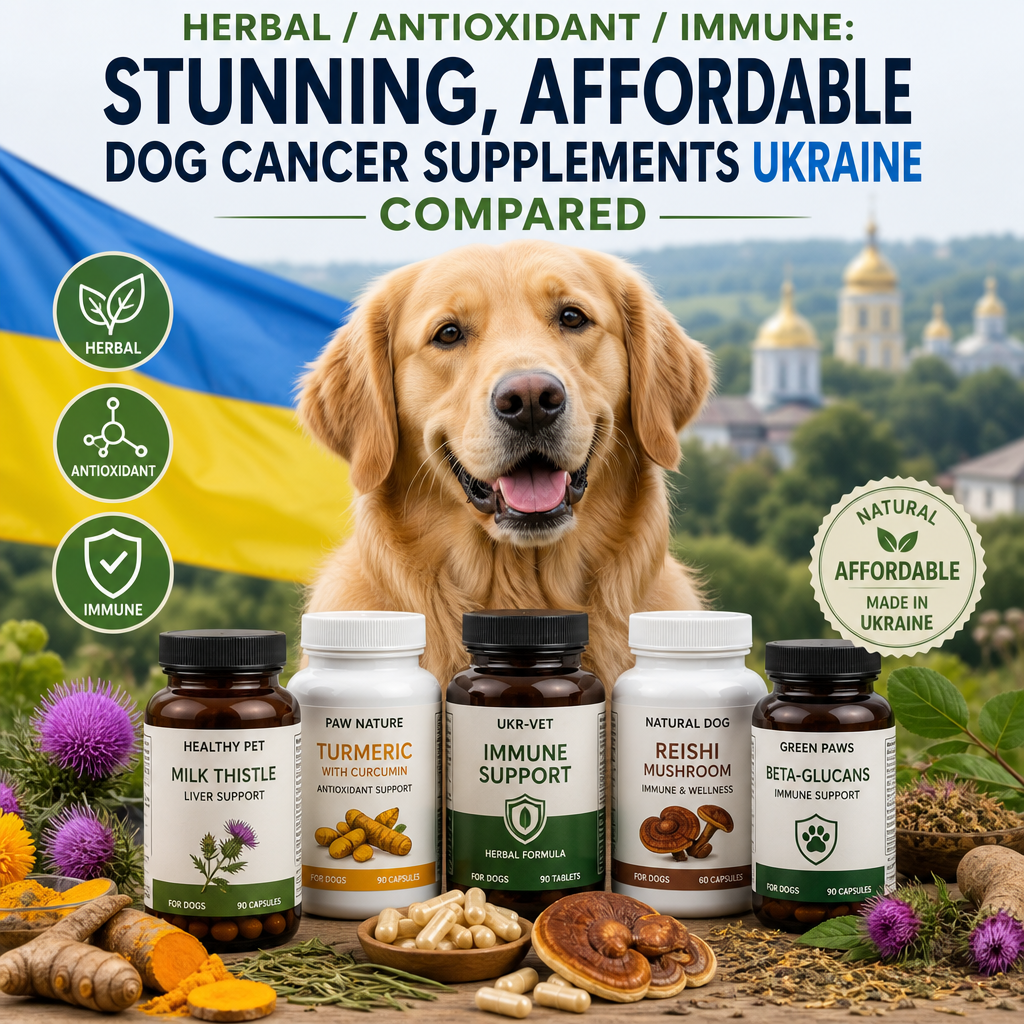
The phrase dog tumor support Ukraine covers a wide range of products. These may include herbal extracts, medicinal mushrooms, omega-3 fatty acids, vitamins, minerals, digestive support formulas, and veterinary nutritional products. Some are sold through veterinary clinics, while others are available from pet pharmacies, online retailers, or general supplement stores.
Before purchasing, owners should identify the intended purpose of the product. A supplement designed to support appetite is different from one marketed for joint comfort or immune health. Combining several products without professional guidance can create unnecessary risks, especially if multiple formulas contain the same herbs, vitamins, or minerals.
A veterinarian should also review whether the product is appropriate for the type of tumor involved. A dog with lymphoma, for example, may have different nutritional and treatment considerations from a dog with a mast cell tumor or a bone tumor. Kidney, liver, and gastrointestinal conditions can also affect which ingredients are safe.
For broader background on integrative care, many owners also find it helpful to review herbal support for pets with cancer, which explains how natural products can fit into a veterinary plan without replacing proven treatment.
Herbal support: benefits and cautions
Herbal products are among the most popular choices in the herbal / antioxidant / immune category. Common ingredients may include turmeric or curcumin, milk thistle, medicinal mushrooms, green tea compounds, boswellia, ginger, or plant-based polysaccharides.
Some of these ingredients have shown antioxidant, anti-inflammatory, or immune-related activity in laboratory studies. That does not automatically mean they treat cancer in living dogs. Laboratory findings may involve concentrations that are not practical or safe to administer, and results in cells or animals do not always translate into proven clinical benefits.
Turmeric, for example, is often selected for its curcumin content, but absorption can be limited. Products may combine curcumin with oils or other compounds to improve bioavailability. These combinations can affect medication metabolism or blood clotting, so veterinary approval is particularly important before surgery or when a dog is receiving drugs.
Milk thistle is commonly considered for liver support, although its suitability depends on the dog’s condition and other medicines. Medicinal mushrooms are also widely marketed for immune support, but product quality can vary considerably. Look for clearly listed mushroom species, standardized ingredients, batch information, and testing for contaminants.
Owners who want to compare practical product categories can also review herbal remedies for dogs with tumors for a clearer look at gentle supportive options.
Herbal / antioxidant / immune choices that deserve extra scrutiny
Because the market is crowded, it helps to slow down and compare ingredients one by one. In the Herbal / antioxidant / immune category, the best choices are usually the ones that state exactly what they contain, why the formula exists, and how it should be used. That clarity matters more than flashy labels or dramatic claims.
Look for formulas that explain whether they are intended for general wellness, digestive support, liver support, or immune support. When a product tries to do everything at once, it may end up doing very little well. Simple formulas are often easier to review with a veterinarian and easier to stop if a side effect appears.
If you are unsure how a product fits into the bigger picture, ask whether it adds something meaningful beyond diet alone. In many cases, that question helps separate a useful supportive item from an expensive marketing bundle. The best Herbal / antioxidant / immune products tend to have a clear purpose and a transparent ingredient list.
For owners who want to understand why antioxidants are discussed so often in cancer care, the National Cancer Institute’s overview of dietary supplements and cancer treatment interactions is a helpful educational reference.
Antioxidants and cancer treatment
Antioxidants are often included in dog cancer supplements Ukraine products because they help protect cells from oxidative stress. Vitamins C and E, selenium, carotenoids, and plant compounds may all be described as antioxidants.
The subject is more complex during cancer treatment. Some chemotherapy and radiation protocols work partly through oxidative mechanisms, meaning high-dose antioxidant supplementation could theoretically interfere with treatment in certain situations. Research is still developing, and the effect may depend on the antioxidant, dose, timing, and specific therapy.
For this reason, owners should not begin a concentrated antioxidant formula immediately after a cancer diagnosis without discussing it with the treating veterinarian. A balanced complete diet may already provide adequate levels of many nutrients. In some cases, a carefully selected supplement may be reasonable; in others, adding extra antioxidants may offer little benefit or create complications.
If a product is advertised as a broad immune enhancer, it is worth checking whether the formula has any overlap with existing nutritional support. The goal is not to stack every possible ingredient, but to keep the dog’s overall plan simple, safe, and appropriate for the stage of care.
Why timing matters with an antioxidant formula
Timing is often as important as the ingredient itself. A supplement that seems harmless during recovery may not be appropriate during chemotherapy sessions or immediately before surgery. That is why any Herbal / antioxidant / immune plan should be reviewed alongside the dog’s active treatment calendar.
Veterinary teams may ask owners to pause certain products before procedures, especially if a formula could affect bleeding, sedation, or digestion. Even when an ingredient is considered gentle, the combined effect of several supplements can still create avoidable risk. Careful timing keeps the support plan practical and safer.
In many cases, the safest approach is to keep the plan focused. One carefully chosen supplement may be enough if it matches the dog’s current needs. A second Herbal / antioxidant / immune product should only be added when there is a clear reason and the veterinarian agrees.
Immune support without overstimulation
Immune-support products are frequently promoted for dogs with cancer. Ingredients such as beta-glucans, medicinal mushrooms, zinc, probiotics, and selected herbs may be used to support normal immune function.
Supporting normal immunity is not the same as stimulating the immune system indiscriminately. A dog may have inflammation, an autoimmune condition, infection, or treatment-related immune suppression. An ingredient that is appropriate in one situation may be unsuitable in another.
Probiotics can be helpful for some dogs experiencing digestive upset, especially when stress, dietary changes, or medication affect the intestinal tract. However, severely ill or immunocompromised dogs require additional caution. The product should be formulated for veterinary use, stored correctly, and introduced gradually.
For a broader look at how immune health relates to cancer risk and inflammation, see the Dog Immune System Guide: Helpful Cancer Risks, Inflammation. It provides useful context for owners who want to understand why immune balance matters so much.
Support the immune system with balance, not hype
Many owners search for Herbal / antioxidant / immune solutions because they want to do something proactive. That instinct is understandable, but balance matters more than volume. A dog does not benefit from every immune product on the shelf; it benefits from the right one, used at the right time, at the right dose.
A thoughtful plan usually focuses on one or two goals, such as digestive stability, appetite support, or immune balance. When the plan stays focused, it becomes easier to measure whether the product is actually helping. This is especially important for older dogs or dogs already taking prescription medication.
Owners often ask whether one formula is better than several smaller products. In practice, the answer depends on the dog and the veterinary plan, but the simplest useful option is often best. That is especially true when a Herbal / antioxidant / immune product is being added during active cancer care.
How to compare products in Ukraine
When evaluating dog tumor support Ukraine products, examine the label carefully. A reliable product should identify each active ingredient and provide an amount per serving. Vague phrases such as “proprietary blend” make it difficult to assess the actual dose.
Also check the manufacturer, expiration date, storage instructions, country of production, and quality-control information. Products intended for animals should clearly state the species and recommended serving guidance. Third-party testing for heavy metals, pesticides, bacteria, and other contaminants is an important advantage, particularly for herbal products.
Price is another consideration, but the cheapest product is not always the most affordable in practice. A concentrated, tested formula may cost more per package while requiring a smaller daily amount. Conversely, a product with a very low price may contain minimal active ingredients or lack useful quality documentation.
Pet owners in Ukraine should purchase from reputable veterinary pharmacies, established clinics, or distributors that can provide traceability. Be cautious with imported products that have unclear labeling, inconsistent packaging, or claims that sound too good to be true.
When product lines are not available locally, some owners compare similar veterinary options in other countries to better understand ingredient standards. For example, the Alternatives to Medicinal Mushrooms / Veterinary Mycotherapy: 7 Best Dog Tumor Supplements in Switzerland article shows how careful product comparison can be approached in a different market.
What to compare before you buy
- Active ingredients and exact amounts per serving
- Purpose of the formula and whether it matches the dog’s needs
- Manufacturing quality, testing, and traceability
- Potential overlap with food, medications, or other supplements
- Whether the product is easy to stop if problems appear
These five checks keep the Herbal / antioxidant / immune search process practical. They also help owners avoid buying multiple overlapping products that sound helpful but do not improve the care plan.
It is also worth checking whether any product has a clear reason for being used in a canine oncology plan. If the label cannot explain its purpose in simple language, the product may not be the best fit for a thoughtful supportive routine.
Safe use alongside cancer care
Introduce only one new supplement at a time whenever possible. This makes it easier to identify side effects such as vomiting, diarrhea, itching, lethargy, or appetite changes. Keep a written record of the product, dose, start date, and any changes in the dog’s condition.
Tell every veterinarian involved in the dog’s care about all supplements being used. This includes herbal teas, oils, powders, chewable products, and human supplements. Some ingredients may increase bleeding risk, affect blood pressure, alter liver enzyme activity, or change the absorption of prescription medicines.
Avoid human products containing xylitol, excessive vitamin D, iron, caffeine, alcohol, or other ingredients that can be dangerous to dogs. Do not assume that a natural product is automatically safe. Natural substances can have powerful biological effects and may be harmful at the wrong dose.
It can also help to compare supportive formulas with more general nutrition-focused resources such as Baituxiao Helpful Holistic Dog Support Immune Wellness, especially when the goal is to understand a product’s role rather than its marketing claims.
When to stop a supplement
If your dog develops vomiting, diarrhea, tremors, unusual bruising, marked fatigue, or a sudden change in appetite after starting a new product, stop it and contact the veterinary team. Even a well-known Herbal / antioxidant / immune formula can be a poor fit for an individual dog.
Stopping early is often safer than trying to “push through” a reaction. A good supplement should make the plan easier, not create new complications. This mindset is especially important for dogs already coping with pain, nausea, or treatment side effects.
When in doubt, pause the product and ask the veterinarian to review the ingredient list. That simple step can prevent interactions and can help the care team decide whether the formula should be removed, replaced, or restarted later.
Choosing a practical support plan
The strongest foundation for a dog with cancer remains appropriate veterinary treatment, adequate calories, hydration, pain control, emotional comfort, and regular monitoring. Supplements should support that plan rather than distract from it.
A practical approach is to define one clear goal, select a transparent veterinary product, confirm compatibility with current treatment, and reassess after a reasonable period. If the dog’s appetite, stool quality, energy, or comfort worsens, stop the product and contact the veterinary team.
For owners comparing dog cancer supplements Ukraine choices, careful research is more valuable than dramatic claims. Herbal, antioxidant, and immune products may have a place in individualized supportive care, but their quality and suitability differ widely. With professional guidance and realistic expectations, a carefully chosen supplement can become one small part of a broader plan focused on comfort, nutrition, and the best possible quality of life.
In the end, the best results usually come from steady, sensible decisions rather than aggressive stacking of many products. A thoughtful Herbal / antioxidant / immune strategy may help support day-to-day comfort, but it works best when matched to the dog’s diagnosis, monitored closely, and kept aligned with veterinary oncology advice.
by TCMVET | Aug 24, 2026 | Research and News
Alternatives to Turkey Tail / medicinal mushrooms can give Swedish dog owners additional options when they are looking for supportive supplements during veterinary care for tumors. Turkey Tail mushroom, also known as Trametes versicolor, is widely discussed for its polysaccharides and immune-related compounds, but it is not the only supplement considered for canine health. Other medicinal mushrooms, nutritional compounds, and carefully selected supportive products may also have a role. However, no supplement should replace diagnosis, surgery, chemotherapy, radiation, or other treatment recommended by a veterinarian.
Why consider dog tumor supplement alternatives?
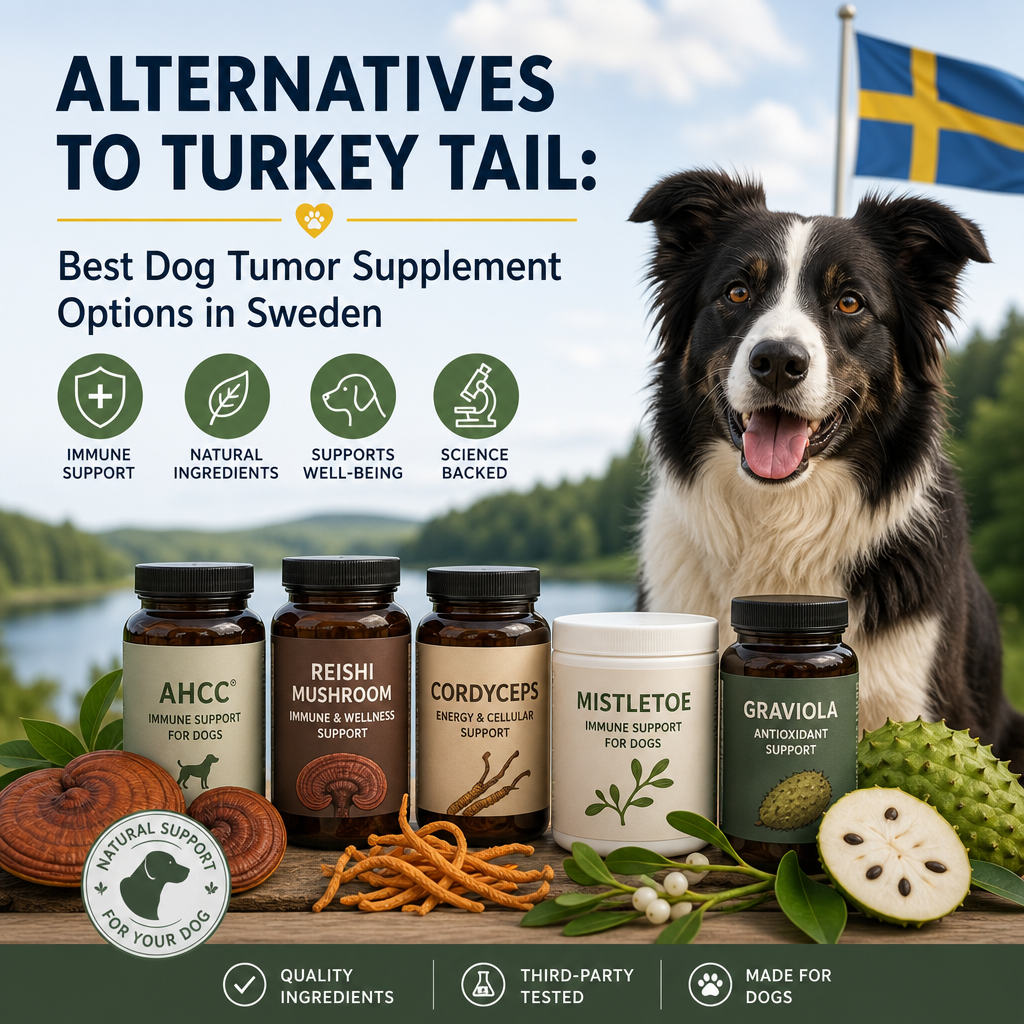
Turkey Tail has attracted attention because some of its compounds, particularly beta-glucans and polysaccharide-protein complexes, have been studied for their interaction with the immune system. Despite this interest, individual dogs can respond differently. A dog may have digestive sensitivity, take medications that could interact with supplements, or have a condition for which a particular product is unsuitable.
Availability is another consideration in Sweden. Products vary in quality, concentration, labeling, and delivery form. Some supplements may be imported, while others are sold through veterinary clinics, pet pharmacies, or specialist retailers. Looking beyond a single ingredient can help owners discuss a broader, more practical support plan with their veterinarian.
The right choice depends on the dog’s tumor type, stage of disease, overall health, current treatment, appetite, liver and kidney function, and medication list. For that reason, alternatives to Turkey Tail / medicinal mushrooms should always be chosen with the full medical picture in mind.
In many cases, the best alternatives to Turkey Tail / medicinal mushrooms are the ones that fit the dog’s real-world needs, not the loudest marketing claim. That is why careful product selection matters as much as the ingredient list.
Owners also benefit from comparing practical support goals. Some dogs need help maintaining weight, while others need a product that is gentler on the stomach or easier to give every day. In those situations, alternatives to Turkey Tail / medicinal mushrooms can be discussed as part of a larger supportive-care plan rather than as a single “best” ingredient.
Medicinal mushrooms as alternatives to Turkey Tail / medicinal mushrooms
Several medicinal mushrooms are used in complementary animal health products. Research in dogs is still developing, and evidence from laboratory or human studies cannot automatically be applied to canine cancer. Even so, these mushrooms are commonly included in discussions about dog tumor supplement alternatives.
Reishi
Reishi, or Ganoderma lucidum, contains beta-glucans and triterpenes. It is often marketed for immune support and general vitality. Some products combine reishi with Turkey Tail or other mushroom extracts, while others use it as a standalone ingredient.
Reishi may affect immune activity and could potentially influence blood clotting or interact with medications. Dogs undergoing surgery or taking anticoagulants require particular caution. A veterinarian should review any reishi product before use. For some dogs, reishi becomes one of the practical alternatives to Turkey Tail / medicinal mushrooms when a broader supportive formula is preferred.
When owners read labels, they should also check whether the product contains fruiting body extract, mycelium, or a blend. That detail affects the final composition and may explain why two products with similar names perform very differently. In this category, the phrase alternatives to Turkey Tail / medicinal mushrooms often includes products that look similar on the shelf but differ significantly in extraction and dose.
Maitake
Maitake, or Grifola frondosa, is another mushroom known for its beta-glucan content. It is commonly included in immune-support blends and may be appealing to owners seeking a mushroom-based alternative. Product quality is important because the amount and extraction method can differ considerably between brands.
Some maitake supplements are sold as part of a multi-mushroom blend, while others are single-ingredient formulas. Multi-mushroom products can be convenient, but they may also make it harder to understand which ingredient is causing a benefit or side effect. For dogs with sensitive digestion, simpler formulas are often easier to evaluate. That is one reason alternatives to Turkey Tail / medicinal mushrooms are not all interchangeable.
Shiitake
Shiitake, or Lentinula edodes, provides polysaccharides and other nutrients. It is sometimes used in combination formulas rather than as a concentrated single extract. Whole-food mushroom products may not deliver the same compounds as standardized extracts, so owners should read labels carefully and ask how the product was prepared.
Shiitake may be familiar as a food ingredient, but food use and supplement use are not the same thing. A powder designed for the kitchen is not automatically appropriate for canine supportive care. If the goal is to compare alternatives to Turkey Tail / medicinal mushrooms, it is important to look for veterinary-focused products with transparent dosing information.
Cordyceps
Cordyceps products are often promoted for energy, stamina, and respiratory support. These qualities may sound useful for dogs experiencing fatigue, but evidence for tumor support remains limited. Cordyceps can also be inappropriate for some dogs with immune-related conditions or those receiving specific medications.
Because “energy support” can mean different things in different dogs, a veterinarian should help decide whether cordyceps is relevant at all. A dog that is tired because of anemia, pain, nausea, or dehydration needs a different strategy than a dog with general reduced stamina. In that context, alternatives to Turkey Tail / medicinal mushrooms may be more useful when they address the underlying issue instead of simply adding another mushroom extract.
Chaga
Chaga contains antioxidant compounds and is frequently sold as an extract or powder. However, it may contain high levels of oxalates, which can be a concern for dogs with kidney disease or a history of certain urinary stones. Chaga should never be considered automatically safe simply because it is natural.
For owners comparing alternatives to Turkey Tail / medicinal mushrooms, it helps to remember that “mushroom supplement” is not a quality guarantee. Extraction method, source material, and dose all matter.
More broadly, mushroom products should be checked for the actual concentration of active compounds, not just the presence of a familiar ingredient name. That is especially important when a dog is already receiving multiple treatments. In a careful plan, alternatives to Turkey Tail / medicinal mushrooms should support the dog without adding unnecessary risk.
Non-mushroom dog tumor supplement alternatives
Alternatives to Turkey Tail / medicinal mushrooms do not have to be medicinal mushrooms. Some nutritional supplements are used to support appetite, body condition, inflammation management, or normal organ function during cancer care.
Omega-3 fatty acids
Fish oil provides EPA and DHA, which may help support normal inflammatory balance and skin, coat, and joint health. Omega-3 supplements are sometimes considered for dogs with reduced appetite or muscle loss, although they are not cancer cures.
The product should provide a clearly stated amount of EPA and DHA rather than only listing total fish oil. Quality matters because rancid oil can cause digestive problems. Omega-3s may also affect platelet function, so dosage and timing should be reviewed before surgery or alongside medications.
Because omega-3s are widely used and easy to source, they often fit well into a practical plan alongside other alternatives to Turkey Tail / medicinal mushrooms that focus on comfort and nutritional support.
In some dogs, a fish oil supplement can be more helpful than a mushroom product if the main goal is preserving body condition or supporting coat quality. That does not make omega-3s a treatment for cancer, but it does make them a useful example of how alternatives to Turkey Tail / medicinal mushrooms may serve different supportive goals.
Medicinal-grade nutrition and calorie support
Maintaining body weight and muscle is often a central goal during tumor treatment. A complete veterinary diet, calorie-dense food, or clinically formulated recovery product may be more valuable than an unproven supplement if a dog is losing weight.
Owners should monitor appetite, vomiting, diarrhea, drinking, body weight, and muscle condition. A veterinarian or veterinary nutritionist can recommend suitable calorie levels and feeding strategies.
If appetite is poor, the most useful intervention may be a softer texture, stronger aroma, smaller meals, or a diet that is easier to digest. In those cases, alternatives to Turkey Tail / medicinal mushrooms should be considered only after the basic nutritional plan is working well.
Antioxidant and vitamin products
Vitamins C and E, selenium, and other antioxidants are sometimes included in canine supplements. Their use during chemotherapy or radiation should be individualized. High doses may be inappropriate, and some antioxidants could theoretically interfere with treatment goals, depending on the protocol.
Avoid stacking multiple products with overlapping ingredients. A dog can receive excessive amounts of certain vitamins and minerals, particularly when supplements are combined with fortified commercial food.
It is also worth checking whether a supplement is intended for short-term support or daily long-term use. Some products are designed for a narrow purpose, such as recovery after illness, while others are broader wellness formulas. As part of alternatives to Turkey Tail / medicinal mushrooms, vitamins and antioxidants require especially careful label reading.
Probiotics and digestive support
Cancer treatment, stress, antibiotics, and dietary changes can affect digestion. A veterinary probiotic may help support normal gastrointestinal function in selected cases. Probiotics should be chosen for dogs, stored correctly, and introduced gradually. They are supportive products, not direct treatments for tumors.
If the dog is already struggling with nausea or loose stool, a simpler digestive plan may be more helpful than adding another botanical. In that situation, the most effective alternatives to Turkey Tail / medicinal mushrooms may be targeted nutrition and gut support rather than a complex mushroom blend.
Digestive support can also make it easier to give medications and supplements consistently. That consistency matters because a product that is theoretically useful but impossible to administer will not help much in daily life.
How to choose supplements in Sweden
When comparing dog tumor supplement alternatives in Sweden, start with transparency. Look for a complete ingredient list, clearly stated serving guidance, batch or lot information, expiration date, manufacturer contact details, and instructions for storage. Products with vague “proprietary blends” make it difficult to determine what the dog is actually receiving.
Choose supplements from reputable veterinary or animal-health suppliers. Be cautious with products that promise to shrink tumors, replace conventional treatment, or work for every type of cancer. Such claims are not a substitute for clinical evidence.
It is also useful to check whether the product is intended specifically for dogs. Human supplements may contain xylitol, high doses of certain nutrients, herbs, or flavorings that are unsafe for animals. Swedish packaging may include dosage information based on body weight, but the veterinarian should still confirm the appropriate amount.
For a broader educational overview of dog cancer support and integrative care, the American Kennel Club’s dog cancer resource offers a helpful starting point for owners who want to understand common treatment and care questions.
Swedish dog owners may also want to compare product forms. Chews can be easier to give, but capsules may offer more precise dosing. Oils can be useful for omega-3s, while powders may be convenient for mixing into food. When choosing among alternatives to Turkey Tail / medicinal mushrooms, the easiest product to administer is often the one most likely to be used consistently.
For owners who want a broader canine cancer support overview, the post Pyravet Immunity + Cancer Support For Dogs With EBC-46 alternative: Powerful Affordable Options is a useful related reference for comparing supportive approaches.
Safety and veterinary supervision
Before starting any supplement, provide the veterinarian with the product label and a full list of medications. This includes prescription drugs, pain relief, steroids, herbal products, and other supplements. Potential concerns include bleeding risk, sedation, immune effects, gastrointestinal irritation, liver metabolism, and kidney strain.
Introduce only one new product at a time. This makes it easier to identify side effects such as vomiting, diarrhea, itching, lethargy, changes in thirst, or appetite loss. Stop the product and contact the veterinary clinic if a serious reaction occurs.
The most useful supplement is not necessarily the most expensive or the one with the longest ingredient list. In many cases, nutritional adequacy, pain control, hydration, regular monitoring, and emotional support have a greater effect on quality of life than adding several untested products.
If a supplement is being considered alongside surgery, chemotherapy, or radiation, the veterinarian should have the final say on timing. That is especially important when choosing among alternatives to Turkey Tail / medicinal mushrooms that may influence clotting, digestion, or immune activity.
A practical approach is to keep a short log of each new product, including the date started, dose, feeding changes, and any observed effects. This helps the veterinary team spot patterns and decide whether a supplement is actually worthwhile. Good monitoring is one of the simplest ways to use alternatives to Turkey Tail / medicinal mushrooms responsibly.
A balanced approach to complementary care
Medicinal mushrooms and other dog tumor supplement alternatives may provide supportive options for some dogs, but evidence and safety vary. Turkey Tail alternatives such as reishi, maitake, shiitake, cordyceps, omega-3 fatty acids, probiotics, and therapeutic nutrition each have different potential benefits and risks.
For Swedish dog owners, the best approach is to treat supplements as part of a coordinated care plan. Discuss the diagnosis and treatment protocol with a veterinarian, select products with transparent labeling, avoid exaggerated claims, and monitor the dog closely. Used responsibly, supportive supplements may complement veterinary care while keeping comfort, nutrition, and quality of life at the center of every decision.
In practical terms, the safest alternatives to Turkey Tail / medicinal mushrooms are the ones that match the dog’s condition, support the current treatment plan, and can be monitored over time with clear veterinary guidance.
When the goal is steady support rather than a quick fix, a simple, transparent supplement is often the best choice. That is why alternatives to Turkey Tail / medicinal mushrooms should be selected for fit, safety, and consistency first, and for marketing claims last.
For many dogs, the strongest supportive plan will combine good nutrition, symptom control, and one or two well-chosen products rather than an oversized supplement stack. That balanced method is usually easier for owners to maintain and easier for veterinarians to evaluate over time.
By keeping the focus on veterinary guidance, product quality, and realistic goals, alternatives to Turkey Tail / medicinal mushrooms can play a sensible supportive role in a dog’s tumor care plan.
by TCMVET | Aug 23, 2026 | Research and News
Alternatives to Medicinal mushrooms / mycotherapy are increasingly sought by dog owners in Germany who want supportive options for a dog diagnosed with a tumor. While mushroom extracts such as turkey tail, reishi, or maitake are often discussed in complementary cancer care, they are not the only supplements available. Other nutritional approaches may help maintain appetite, weight, digestion, energy, and general resilience—but they should always be used alongside veterinary diagnosis and treatment, never as a replacement for professional care.
Understanding dog tumor supplement alternatives in Germany
A tumor diagnosis can be overwhelming, especially when owners are presented with many supplements and conflicting claims. The most useful approach is to focus on the dog’s individual condition rather than choosing products based solely on popularity. Age, tumor type, stage of disease, current medication, appetite, organ function, and planned treatment all influence which supplements may be appropriate.
In Germany, pet supplements are generally regulated as complementary feed rather than as medicines. This distinction is important. A product may support nutrition or general well-being, but it cannot legally be marketed as a proven cure for cancer unless it has undergone the appropriate medicinal authorization process. Claims that a supplement can dissolve tumors, replace chemotherapy, or guarantee remission should be treated with caution.
Before introducing any product, discuss it with a veterinarian—ideally one familiar with veterinary oncology. Some supplements can affect blood clotting, liver enzymes, blood pressure, immune activity, or the absorption and metabolism of prescription medicines.
Because many readers begin by searching for alternatives to Medicinal mushrooms / mycotherapy, it helps to think beyond a single category and compare nutritional support, symptom management, and product quality rather than relying on a popular label alone. In practice, the best plan often combines diet, monitoring, and carefully selected supplements that fit the dog’s medical needs.
For dogs receiving treatment, it is also worth asking whether any supportive product could interfere with surgery, chemotherapy, or pain control. The safest alternatives to Medicinal mushrooms / mycotherapy are usually the ones chosen with a clear goal, a defined dose, and a plan for follow-up.
Omega-3 fatty acids as a practical alternative
Fish oil containing EPA and DHA is one of the most commonly considered dog tumor supplement alternatives. These long-chain omega-3 fatty acids support normal inflammatory regulation and may be useful for dogs experiencing weight loss, reduced appetite, or muscle loss. They can also contribute to skin, coat, and cardiovascular health.
A veterinarian should help determine the appropriate dose based on the dog’s body weight, diet, diagnosis, and overall health. Products should be tested for purity and oxidation, with clear information about the actual EPA and DHA content rather than only the total amount of fish oil.
Potential side effects include loose stools, nausea, or an unpleasant fishy odor. High doses may also influence blood clotting, making veterinary supervision especially important before surgery or in dogs receiving anticoagulant medication.
Omega-3s do not act like a direct cancer treatment, but they can be a practical part of supportive care. For some dogs, they are among the most useful alternatives to Medicinal mushrooms / mycotherapy because they fit into a broader nutrition plan and are relatively easy to administer when the product quality is high.
High-quality protein and nutritional support
Cancer and other serious illnesses can increase the risk of weight loss and muscle wasting. In these cases, the most valuable supplement may not be a complex herbal formula but a nutritionally appropriate diet with sufficient calories and highly digestible protein.
Depending on the dog’s condition, a veterinarian may recommend an energy-dense therapeutic diet, additional wet food, or carefully selected protein sources. Some dogs benefit from small, frequent meals, gentle warming of food, or flavor enhancement to encourage eating.
Protein restriction should not be introduced automatically. It may be appropriate for certain kidney or liver conditions, but many dogs with tumors need adequate protein to preserve muscle. Any major dietary change should consider laboratory results, treatment goals, and the dog’s ability to digest and tolerate the food.
Practical feeding ideas during treatment
Owners often feel pressured to buy special products when appetite drops, but simple feeding changes may be the most helpful. Try offering smaller meals more often, using highly palatable wet food, or adding warm water or low-sodium broth if your veterinarian agrees. If the dog is losing weight, a veterinary diet designed for recovery may do more than a long list of supplements.
When comparing alternatives to Medicinal mushrooms / mycotherapy, nutrition is often the most practical place to start because it supports energy intake, digestion, and day-to-day comfort at the same time. A dog that eats more consistently is often easier to monitor, easier to medicate, and more comfortable overall.
It can help to keep a simple feeding log. Note how much the dog eats, which textures are accepted, and whether nausea, drooling, or vomiting appears after meals. This record can guide your veterinarian more effectively than guesses about whether a supplement is “working.”
Antioxidant supplements: benefits and limitations
Vitamins C and E, selenium, and other antioxidant nutrients are sometimes included in supportive formulas. These nutrients help protect cells from oxidative damage when provided in suitable amounts. However, more is not necessarily better. Excessive supplementation can cause toxicity or interfere with carefully planned treatment.
The relationship between antioxidants and cancer therapy can also be complex. Certain chemotherapy and radiation protocols rely partly on oxidative mechanisms, so high-dose antioxidant use may not be appropriate during every treatment plan. This does not mean that all antioxidants must be avoided; it means that dosing and timing should be individualized.
A complete commercial diet usually already contains essential vitamins and minerals. Adding multiple overlapping products can unintentionally create excessive intake, particularly of fat-soluble vitamins such as A, D, and E.
For that reason, some of the most sensible alternatives to Medicinal mushrooms / mycotherapy are not “more supplements” but better-balanced choices with a narrower purpose. A single well-designed product is often safer than several overlapping ones.
Prebiotics, probiotics, and digestive support
Digestive problems are common in dogs with cancer, particularly during chemotherapy, after antibiotics, or when appetite and activity levels change. Prebiotics and probiotics may support a healthy intestinal environment and help maintain normal stool quality in some dogs.
Products designed specifically for dogs are preferable because strains, concentration, storage requirements, and dosing can vary widely. A probiotic should not be viewed as a treatment for a tumor, but it may be a useful part of broader supportive care.
If a dog has persistent vomiting, severe diarrhea, blood in the stool, dehydration, or abdominal pain, supplements are not a substitute for veterinary assessment. These symptoms may indicate infection, treatment complications, obstruction, pancreatitis, or another urgent problem.
For owners exploring alternatives to Medicinal mushrooms / mycotherapy, gut support can be a sensible complement to diet and hydration because it may make daily feeding easier and help the dog stay stronger through treatment. In many cases, digestive comfort is the difference between maintaining weight and declining slowly over time.
Ask your veterinarian whether the dog might benefit from a probiotic after antibiotics, during periods of stress, or when the stool becomes inconsistent. This kind of targeted use is often more helpful than continuous, unplanned supplementation.
Curcumin, derived from turmeric, is frequently included in complementary animal products. Laboratory research has investigated its anti-inflammatory and cellular effects, but evidence in dogs with naturally occurring tumors remains limited. Absorption is also variable, and formulations may contain additional ingredients that affect safety.
Other botanical ingredients—such as boswellia, milk thistle, green tea compounds, or traditional European herbs—may be promoted for immune or liver support. “Natural” does not automatically mean safe. Plant extracts can interact with chemotherapy, sedatives, anti-inflammatory drugs, or medications processed by the liver.
In Germany, buyers should check whether a product provides a complete ingredient list, batch information, manufacturer details, feeding instructions, and clear warnings. Avoid products with undisclosed proprietary blends or dramatic promises. If you are comparing alternatives to Medicinal mushrooms / mycotherapy, product transparency matters as much as the ingredient name.
Curcumin and similar botanicals may be worth discussing when the goal is symptom support, not cure. In that context, the best alternatives to Medicinal mushrooms / mycotherapy are the products that remain understandable, consistent, and easy to monitor over time.
For general reference on canine cancer care and treatment planning, the American Veterinary Medical Association’s guide to cancer in dogs is a helpful educational resource.
Cannabinoid products and veterinary caution
CBD products are sometimes considered for dogs with chronic pain, anxiety, or reduced quality of life. Evidence remains developing, and product quality can vary. CBD may cause drowsiness, gastrointestinal upset, or changes in liver enzyme activity, and it can interact with other medicines.
Cannabinoid products should only be discussed with a veterinarian who knows the dog’s complete medication list. Products containing significant amounts of THC are particularly unsuitable because THC can be toxic to dogs.
Because dosing and product composition differ so much, cannabinoid supplements should never be chosen simply because they are popular. Among the many alternatives to Medicinal mushrooms / mycotherapy, CBD is one that requires especially careful screening, clear expectations, and regular reassessment.
Seven supportive options to discuss with your veterinarian
If you are comparing supportive products for a dog with a tumor, these seven categories are the most common starting points:
- Omega-3 fatty acids for inflammation support and body condition
- High-quality digestible protein for maintaining muscle and strength
- Targeted calories and recovery-oriented diets for weight support
- Carefully dosed antioxidant nutrients, when appropriate
- Probiotics and prebiotics for digestive stability
- Plant-based formulas such as curcumin, when compatible with treatment
- CBD or other cannabinoid products, only under veterinary guidance
These are not cures, and they are not interchangeable. The right choice depends on the dog’s diagnosis, current symptoms, medications, and tolerance. In practice, the best alternatives to Medicinal mushrooms / mycotherapy are the ones matched to a clear clinical need rather than a marketing claim.
How to choose safer supplements in Germany
When comparing dog tumor supplement alternatives, consider the following points:
- Choose products with transparent labeling and precise ingredient amounts.
- Look for quality-control information, such as independent contaminant testing.
- Avoid products claiming to cure cancer or replace veterinary treatment.
- Introduce only one new supplement at a time.
- Record the product, dose, start date, appetite, stool quality, and other changes.
- Stop the product and contact a veterinarian if adverse effects appear.
- Reassess supplements regularly as the dog’s condition and treatment change.
German veterinary practices may also provide access to veterinary nutrition services, oncology consultations, and laboratory monitoring. Blood tests can be particularly useful when a dog is receiving supplements that may affect the liver, kidneys, or blood clotting.
If you are reading about alternatives to Medicinal mushrooms / mycotherapy because a product did not suit your dog, bringing the label to your veterinarian can help you compare ingredients against the dog’s diagnosis and current medicines. A practical review is often more valuable than trying the next advertised “miracle” product.
It is also wise to check whether the supplement was manufactured for pets or intended for human use. Human products can contain doses, sweeteners, or fillers that are not ideal for dogs. Clear sourcing and simple formulations make supportive care easier to manage.
Supporting quality of life remains the priority
The purpose of complementary care is to help a dog feel and function as well as possible. A useful plan may include pain control, nausea management, appetite support, a suitable diet, gentle activity, comfortable rest, and emotional support from the family. Supplements can sometimes contribute to this plan, but they should not distract from proven treatments or delay necessary care.
For many dogs, the best alternative to mycotherapy is a carefully tailored combination of nutrition, symptom management, and regular veterinary monitoring. The right choice depends less on finding a single “best” product and more on matching supportive care to the dog’s diagnosis, treatment, and day-to-day needs.
In other words, the most reliable alternatives to Medicinal mushrooms / mycotherapy are the ones that fit the dog’s actual medical situation, are easy to tolerate, and are reviewed regularly with a veterinarian. If a product helps with appetite, stool quality, or comfort without causing side effects, it may earn its place in the plan.
Owners who stay focused on practical goals usually get better results than those chasing dramatic claims. In that sense, the best alternatives to Medicinal mushrooms / mycotherapy are not the flashiest ones—they are the safest, most relevant, and most consistent options for the individual dog.
If you are still researching broader product options, you may also find our guide to K9 Immunity Alternative: 7 Best Affordable Dog Tumor Supplements in Norway useful for comparing complementary support strategies.
Ultimately, the goal is not to replace veterinary oncology, but to support the dog with careful choices, close monitoring, and realistic expectations. When selected thoughtfully, alternatives to Medicinal mushrooms / mycotherapy can play a helpful role in comfort and quality of life.
by TCMVET | Aug 22, 2026 | Research and News
Alternatives to Beta-glucan / mushrooms / immune support can be useful for Belgian dog owners looking for additional nutritional options during cancer care. However, a dog tumor supplement should never replace veterinary diagnosis, surgery, chemotherapy, radiation therapy, pain management, or other prescribed treatment. The most suitable product depends on the tumor type, the dog’s general health, current medication, appetite, and laboratory results.
Understanding dog tumor supplement alternatives
Alternatives to Beta-glucan / mushrooms / immune support can be useful for Belgian dog owners looking for additional nutritional options during cancer care. Beta-glucans, often derived from medicinal mushrooms such as turkey tail, shiitake, or maitake, are commonly marketed for immune support. Some research has examined mushroom compounds in veterinary and human oncology, but evidence can vary considerably between products. Extract quality, dosage, preparation method, and the specific tumor all influence the potential value of a supplement.
For owners seeking a dog tumor supplement, it is helpful to think beyond a single “immune booster.” A complete supportive plan may focus on maintaining body weight, protecting muscle, reducing nutritional deficiencies, supporting digestion, and improving quality of life. These goals are often more practical and clinically relevant than attempting to stimulate the immune system without professional guidance. When families compare alternatives to Beta-glucan / mushrooms / immune formulas, they usually benefit more from a measured plan than from a dramatic marketing promise.
In Belgium, many families also compare product labels carefully because not every supplement sold for pets is backed by the same level of quality control. If you want to compare a broader range of options, you can also look at The Healthy Hound Pure Turkey Tail Alternative for a related approach to mushroom-based support.
Why alternatives to Beta-glucan / mushrooms / immune formulas matter
Not every dog responds well to mushroom-based products, and not every family wants to rely on the same ingredient category throughout treatment. In those cases, alternatives to Beta-glucan / mushrooms / immune formulas can help owners focus on nutrition, digestion, and comfort rather than a single immune claim. This broader view often leads to safer, more realistic choices.
Omega-3 fatty acids from fish oil
Fish oil is one of the most widely considered nutritional supplements for dogs with cancer. It provides the long-chain omega-3 fatty acids EPA and DHA, which play roles in inflammatory regulation and general health. Some veterinary nutrition plans use omega-3 fatty acids to support appetite, skin health, and nutritional status during illness. Among alternatives to Beta-glucan / mushrooms / immune products, fish oil is often considered because it is familiar, easy to source, and usually simple to add to a meal when the dog tolerates it well.
A veterinarian should determine the appropriate dose, especially for dogs with pancreatitis, bleeding disorders, liver disease, or upcoming surgery. Fish oil can also interact with certain medications or cause digestive upset. Choose a veterinary-quality product that clearly lists the amounts of EPA and DHA rather than relying only on the total amount of “fish oil.” If a product does not state the active omega-3 content clearly, it is harder to judge whether it is a meaningful dog tumor supplement or just a general wellness oil.
According to the Merck Veterinary Manual, nutritional support can be an important part of caring for dogs with chronic disease, but supplements should still be chosen with the patient’s medical condition in mind.
High-quality protein and amino acid support
Cancer and chronic illness can contribute to muscle loss, weakness, and reduced appetite. In these cases, adequate protein may be more important than adding multiple immune-focused ingredients. Complete, highly digestible diets can help provide essential amino acids while minimizing digestive stress. This is one reason many veterinarians place nutrition at the center of care before recommending a dog tumor supplement with a long ingredient list.
Some veterinary diets are formulated for dogs with specific nutritional needs, including increased energy density or adjusted carbohydrate and fat levels. The correct approach depends on the tumor, treatment plan, kidney and liver function, and whether the dog is losing weight. Protein supplements intended for humans should not be added casually because they may contain sweeteners, stimulants, excessive minerals, or other ingredients unsuitable for dogs. When people search for alternatives to Beta-glucan / mushrooms / immune support, protein-focused feeding plans are often overlooked even though they can make a noticeable difference.
In many dogs, preserving lean body mass is one of the most practical goals of supportive care. If a dog is eating less, the best nutrition strategy may be to improve palatability, use smaller meals more often, or shift to a better-tolerated formula rather than piling on multiple new products at once. That is often a better use of time than testing several supplements that all claim to be the ideal dog tumor supplement.
Antioxidant nutrients: benefits and precautions
Vitamins E and C, selenium, and other antioxidant nutrients are sometimes included in canine supplements. Antioxidants help protect cells from oxidative damage, but more is not always better. High doses may create risks, cause imbalances, or potentially interfere with certain cancer treatments.
For dogs receiving chemotherapy or radiation therapy, supplementation should always be discussed with the veterinary oncologist. Some treatment protocols rely partly on oxidative mechanisms, so concentrated antioxidant products may not be appropriate at specific stages. A balanced commercial diet usually provides basic antioxidant nutrients without requiring additional megadoses. That is especially important when owners are reviewing alternatives to Beta-glucan / mushrooms / immune products and trying to decide whether a new product is truly necessary or simply adding complexity.
If your dog is already receiving a complete diet, adding extra antioxidant products may not improve outcomes. In fact, carefully timed use matters more than stacking multiple supplements at once. That is one reason alternatives to Beta-glucan / mushrooms / immune formulas should be reviewed one by one rather than chosen as a group.
Digestive support and probiotics
Loss of appetite, stress, antibiotics, chemotherapy, and changes in diet can affect a dog’s digestive system. Veterinary probiotics or carefully selected prebiotic products may support normal intestinal function in some dogs. They can be especially useful when loose stools or inconsistent digestion make it difficult to maintain nutrition. If the gut is unstable, even the best dog tumor supplement may fail simply because the dog cannot absorb or tolerate it well.
Not every probiotic is equally effective. Look for products that identify the strains, provide storage instructions, and are designed for dogs. A dog with persistent vomiting, bloody diarrhea, severe lethargy, or dehydration needs prompt veterinary attention rather than relying on a supplement. Digestive support can also make cancer care easier for the family. When stools are more stable and appetite is more predictable, it becomes easier to maintain nutrition and monitor whether the overall care plan is helping.
That practical benefit is often more valuable than chasing the strongest immune claim on the label. For many families, a simple digestive plan is one of the most useful alternatives to Beta-glucan / mushrooms / immune formulas because it addresses comfort and daily eating rather than trying to influence cancer care indirectly.
Curcumin and herbal products
Curcumin, derived from turmeric, is frequently promoted as a natural anti-inflammatory or cancer-support ingredient. Its absorption can be limited, and commercial formulations may vary greatly. Herbal products can also affect blood clotting, liver enzymes, blood pressure, or the metabolism of prescription medicines.
Other plant-based products, including green tea extracts, milk thistle, medicinal herbs, and concentrated essential oils, require similar caution. “Natural” does not automatically mean safe for dogs. Essential oils in particular can be toxic when swallowed or used incorrectly. Any herbal product should be reviewed by a veterinarian familiar with the dog’s full treatment plan. As with any dog tumor supplement, the main issue is not whether the product sounds natural, but whether it fits the dog’s medical situation and current medication list.
Owners who want to compare mushroom-free options sometimes turn to products like K9 Immunity Alternative: Best Affordable Dog Tumor Supplements in Italy, which can be useful for understanding how supportive formulas are positioned in different markets.
Additional supportive options worth discussing
Beyond supplements marketed directly for immunity, some dogs may benefit from small, targeted adjustments that support daily comfort and nutrition. These can include improved meal palatability, more frequent smaller meals, hydration support, or veterinary-approved appetite strategies. The goal is to make the dog more stable and comfortable while the primary treatment plan continues. For many owners, this kind of practical support is a better fit than adding another dog tumor supplement to an already crowded routine.
In some cases, a veterinarian may also recommend specific nutrients based on lab results. For example, a dog with borderline pancreatic sensitivity may need a very different plan than a dog with weight loss but normal digestion. That is why broad generalizations rarely work well in cancer nutrition. Even among dog tumor supplement alternatives, the best choice is usually the one that fits the dog’s actual clinical picture.
Owners should be cautious about products that promise to “boost immunity” without explaining ingredients or dosing. A clear label, a documented formulation, and a veterinary rationale are usually better signs than dramatic marketing language. If a product claims to be the answer to everything, it is usually wiser to slow down and compare it against more grounded alternatives to Beta-glucan / mushrooms / immune formulas that focus on support rather than promises.
Choosing supplements in Belgium
Belgian owners can find pet supplements through veterinary clinics, pharmacies, specialized pet retailers, and online shops. Availability does not guarantee quality, so check the label carefully. A reputable product should state the active ingredients, serving size, batch or lot information, manufacturer details, and storage conditions.
When comparing alternatives to Beta-glucan / mushrooms / immune products, consider whether the supplement has credible evidence, whether its ingredients are tested for contaminants, and whether the dose is suitable for the dog’s weight. Products sold through European channels should also provide clear labeling and comply with applicable feed or veterinary-product requirements. Be cautious with imported supplements that make strong medical claims or provide no transparent ingredient information.
It also helps to compare the supplement with the dog’s current food and medications. A product that looks harmless on its own may still be a poor fit when combined with a specific cancer drug or surgical plan. For owners who want another regional reference point, K9 Immunity / K9 Immunity Plus Alternative: Best Dog Tumor Supplements in Sweden offers a useful comparison of similar supplement considerations.
Safety questions to discuss with a veterinarian
Before starting any dog tumor supplement, prepare a complete list of everything the dog receives, including prescription medicines, treats, vitamins, oils, and herbal products. Important questions include:
- Could this product affect chemotherapy, radiation, surgery, or anesthesia?
- Is it safe with the dog’s liver and kidney results?
- Could it increase bleeding risk?
- Does the dog need additional calories or protein instead?
- What signs would indicate an adverse reaction?
- How long should the supplement be used before its value is reviewed?
Monitoring is essential. Keep track of appetite, body weight, stool quality, vomiting, energy, pain, and mobility. If a supplement causes diarrhea, itching, weakness, loss of appetite, or behavioral changes, stop using it and contact the veterinary team. These checks matter just as much as the product label when deciding whether alternatives to Beta-glucan / mushrooms / immune support are appropriate for a given dog.
For more on feeding support in oncology cases, you may also find guidance from the American Veterinary Medical Association’s cancer in pets resource helpful when discussing treatment-safe nutrition choices.
A balanced approach to supportive care
The best dog tumor supplement alternatives are not necessarily the most expensive or the most aggressively marketed. In many cases, the strongest foundation is a complete diet, sufficient hydration, effective pain control, regular veterinary monitoring, and early treatment of nausea or digestive problems. Supplements may have a supporting role, but they should be selected according to the individual dog rather than a general claim about immunity.
For families in Belgium, working with a local veterinarian or veterinary oncologist can make supplement decisions safer and more personalized. A carefully chosen nutritional plan can help preserve comfort and strength while the primary cancer treatment addresses the disease itself. If you are weighing alternatives to Beta-glucan / mushrooms / immune products, focus on quality, safety, and the dog’s day-to-day response rather than marketing promises alone.
In short, the most useful alternatives to Beta-glucan / mushrooms / immune formulas are the ones that fit the dog’s medical needs, are easy to tolerate, and can be monitored over time. That practical approach is often the best way to support dogs with tumors while keeping treatment decisions grounded in veterinary advice. When used thoughtfully, a dog tumor supplement can complement care, but it should never replace the treatment plan that gives the dog the best medical chance.
By focusing on nutrition, tolerance, and veterinary supervision, Belgian owners can compare alternatives to Beta-glucan / mushrooms / immune products with more confidence. The goal is not to chase a miracle claim, but to choose the safest and most useful support for the individual dog.
by TCMVET | Aug 21, 2026 | Research and News
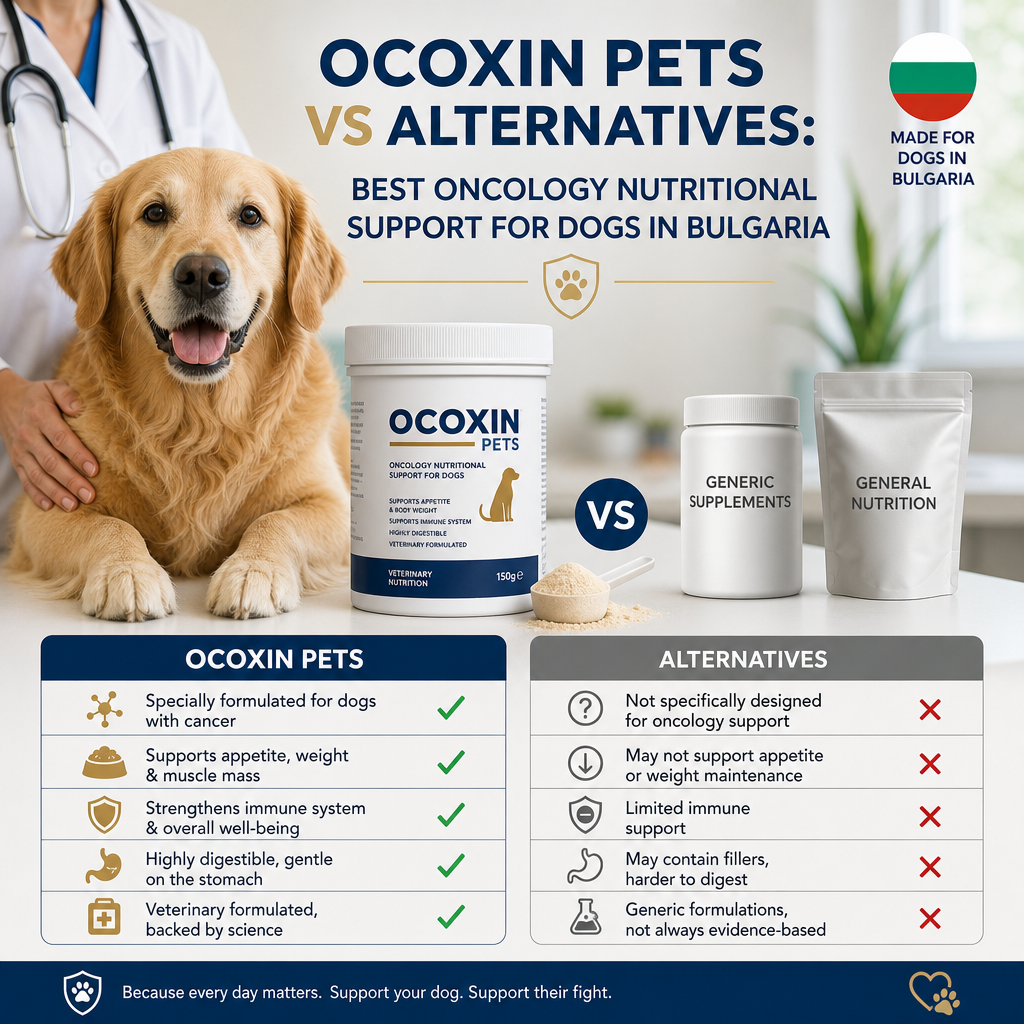
Ocoxin Pets vs alternatives is an important comparison for Bulgarian dog owners looking for supportive care during cancer treatment. Nutritional products cannot replace surgery, chemotherapy, radiation therapy, or veterinary monitoring, but they may help maintain appetite, body condition, hydration, and general wellbeing. The right choice depends on the dog’s diagnosis, treatment plan, eating habits, laboratory results, and individual tolerance.
For many families, Ocoxin Pets vs alternatives is really a question of which support plan best fits a dog’s current needs. Some dogs do better with a complete therapeutic diet, while others benefit from targeted supplements, appetite support, or digestive care. If you are comparing broader canine cancer resources, you may also find this guide useful: dog cancer Helpful Guide to Canine Tumors & Pet Oncology.
Why oncology nutritional support matters
Dogs with cancer may experience weight loss, reduced appetite, nausea, diarrhea, inflammation, or increased nutritional demands. These problems can be caused by the disease itself, by pain, or by treatments such as chemotherapy and radiation. Losing muscle and body condition can reduce energy, slow recovery, and make it more difficult for a dog to tolerate treatment.
Oncology nutritional support aims to provide practical assistance during this period. Depending on the product, it may include vitamins, minerals, amino acids, antioxidants, plant-derived compounds, or ingredients designed to support appetite and immune function. However, “natural” does not automatically mean safe or effective for every patient. A supplement should always be evaluated alongside the dog’s medical history and current medicines.
A veterinary oncologist or primary veterinarian can help determine whether the dog needs extra calories, a more digestible diet, targeted supplementation, or treatment for a specific problem such as nausea or pain. In other words, Ocoxin Pets vs alternatives should be judged by how well each option supports the whole treatment plan.
In practice, supportive care is most useful when it protects the basics: eating enough, keeping food down, staying hydrated, and avoiding unnecessary strain on the body. A dog that maintains muscle mass generally has a better chance of staying active and coping with day-to-day treatment. For that reason, Ocoxin Pets vs alternatives should be considered part of a broader nutrition strategy, not an isolated purchase.
Supportive products can also affect the owner’s daily routine. Some options are easy to give, while others require careful timing with meals or medicines. That matters because even a promising supplement can fail if the dog refuses it or if the schedule becomes too complicated. When Ocoxin Pets vs alternatives is weighed realistically, convenience and consistency matter almost as much as ingredient claims.
Ocoxin Pets vs alternatives: what is Ocoxin Pets?
Ocoxin Pets is a veterinary nutritional supplement associated with supportive care for dogs and cats with serious illness, including cancer. Its formulation is generally positioned as a source of nutritional and antioxidant support rather than as an anticancer medicine. Pet owners may consider it when a dog is undergoing oncology treatment, losing condition, or recovering from illness.
The potential benefits of a product such as Ocoxin Pets may include convenient administration and a formula designed specifically for companion animals. Some owners also prefer a ready-made veterinary product over combining multiple human supplements. Nevertheless, the appropriate dose, duration, and suitability depend on the dog’s weight, diagnosis, organ function, and treatment protocol.
It is essential to avoid presenting Ocoxin Pets as a cure. Evidence for nutritional supplements in veterinary oncology is often more limited than evidence for standard cancer treatments. Supportive products may contribute to quality of life, but they should not delay proven medical care.
When deciding between Ocoxin Pets vs alternatives, it helps to ask whether the product addresses a real nutritional gap or simply adds another layer of expense. A clear goal makes the discussion with your veterinarian much easier.
Another useful question is whether the product fits the dog’s current stage of care. A dog newly diagnosed with a tumor may need help stabilizing appetite and weight, while a patient already in treatment may need a formula that is easy to use every day without upsetting the stomach. In both cases, Ocoxin Pets vs alternatives should be judged by the dog’s response, not by general claims alone.
Dog owners should also remember that supportive products are not all aimed at the same problem. Some are designed for broader metabolic support, while others are intended to address energy intake, digestion, or immune balance. That is why the discussion around Ocoxin Pets vs alternatives needs to be specific to the dog in front of you rather than abstract or brand-focused.
Dog tumor support options available in Bulgaria
Bulgarian pet owners may encounter several categories of dog tumor support options:
Complete veterinary diets
Therapeutic diets can be useful when a dog has poor appetite, weight loss, digestive sensitivity, or increased nutritional needs. Some oncology-oriented diets emphasize highly digestible ingredients, adequate protein, controlled carbohydrates, and concentrated calories. Others are selected according to a concurrent condition, such as kidney disease, liver disease, or gastrointestinal problems.
A complete diet is usually more important than adding several separate supplements. The food should be palatable, nutritionally balanced, and appropriate for the dog’s medical status.
If a dog will not eat the right food, even the best nutrition plan can fail. That is why palatability, texture, and feeding routine should be taken seriously. Sometimes the most effective choice is the one the dog will actually accept consistently. When Ocoxin Pets vs alternatives are compared with therapeutic diets, the best option may simply be the one that keeps the dog eating reliably.
Veterinary nutritional supplements
Products such as Ocoxin Pets and other veterinary supplements may provide antioxidants, amino acids, fatty acids, or botanical ingredients. Their advantages include clear dosing instructions and formulation for animals. Their limitations include variable evidence, possible interactions, and differences in quality between brands.
When comparing products, owners should review the full ingredient list, recommended dose, manufacturer information, storage requirements, and whether the product is distributed through veterinary channels in Bulgaria.
This category is often where Ocoxin Pets vs alternatives becomes most difficult to judge, because supplements may look similar while differing in concentration, purpose, and quality control. A careful review of the label is essential. If a product does not clearly explain what each ingredient is meant to do, that is a warning sign that the marketing may be stronger than the medical value.
Omega-3 fatty acids
Fish oil containing EPA and DHA is sometimes used as part of supportive nutrition, particularly when inflammation or loss of body condition is a concern. The dose must be calculated carefully because products differ substantially in concentration. Possible adverse effects include gastrointestinal upset, unpleasant taste, or increased bleeding risk in certain situations.
Omega-3 products should be discussed with a veterinarian before surgery or when a dog is receiving medicines that affect clotting.
Some owners compare fish oil with Ocoxin Pets vs alternatives because both are seen as supportive products. But they are not interchangeable. Omega-3s are often used for a specific nutritional reason, while a broader supplement may be aimed at overall support. Choosing between them depends on whether the dog needs a targeted fatty acid plan or a wider nutritional approach.
Appetite and digestive support
Some dogs need treatment for nausea, reflux, constipation, diarrhea, or pain rather than another supplement. Antiemetic medicines, appetite-support medications, probiotics, or a temporary change in diet may be more beneficial than a general nutritional product. A dog that refuses food for more than a short period, vomits repeatedly, or becomes weak needs veterinary assessment.
This is especially important because appetite loss is not just a comfort issue; it can change the whole treatment outlook. If a dog is nauseated, no supplement will work well until that problem is addressed. For that reason, Ocoxin Pets vs alternatives should never be discussed without first asking whether the dog’s digestive signs are controlled.
Home-prepared diets
Home cooking may help a dog accept food, but unbalanced recipes can create protein, mineral, or vitamin deficiencies. This is especially risky during cancer treatment. Any long-term homemade diet should be formulated by a veterinary nutrition professional and adjusted as the dog’s condition changes.
For some families, home-prepared feeding is appealing because it feels personal and easier to customize. However, a compassionate idea is not automatically a complete nutritional plan. A carefully designed recipe can be helpful, but random substitutions can create new problems. If Ocoxin Pets vs alternatives are being considered alongside home cooking, the safest route is to involve a veterinarian or nutrition specialist before making the change.
For owners who want an option closer to a structured veterinary supplement plan, this article on Best Supplements for Dogs with Cancer: 7 Essential UK Support Tips offers another useful comparison point for supportive care decisions.
Condition-specific care plans
Not every dog with a tumor needs the same type of support. Some need weight support, others need a renal-safe plan, and some need a digestive-friendly strategy because treatment has caused gastrointestinal irritation. A condition-specific care plan can be more helpful than a general one-size-fits-all supplement. In this context, Ocoxin Pets vs alternatives should be compared to the dog’s actual clinical needs, not to a generic idea of “better nutrition.”
Owners in Bulgaria may also have to work within product availability, shipping delays, or local clinic recommendations. That makes planning even more important. A practical regimen is usually one that can be sourced consistently and monitored closely over time.
How to compare options
A useful comparison should go beyond price and marketing claims. Consider the following factors:
Purpose: Is the product intended for general nutritional support, appetite assistance, digestive health, or a specific deficiency?
Evidence: Are there credible veterinary studies or transparent information about the ingredients and their amounts?
Compatibility: Could any ingredient interfere with chemotherapy, radiation, surgery, steroids, anticoagulants, or medication for kidney or liver disease?
Administration: Can the dog take the product reliably, or does it cause stress and food refusal?
Nutritional value: Does it provide meaningful calories and protein, or is it primarily a micronutrient supplement?
Quality control: Is the manufacturer reputable, and is the product clearly labeled for animals?
Veterinary oversight: Can the dog’s veterinarian monitor its use and adjust the plan if blood tests or symptoms change?
In many cases, the best approach is not choosing one product over another, but combining a complete diet with carefully selected supportive measures. Multiple supplements can increase cost and create unnecessary risks without improving outcomes.
When Ocoxin Pets vs alternatives are considered side by side, a practical question is whether the product helps the dog maintain weight, comfort, and steady intake. That outcome matters more than a long ingredient list or a persuasive label.
It can also help to compare expected benefits with the time needed to see them. Some support options may show subtle improvements in appetite or stool quality within days, while others are intended for longer-term use. If no meaningful change is observed, the plan may need to be revised. Ocoxin Pets vs alternatives should therefore be treated as a monitored trial, not a permanent assumption.
Another useful comparison point is the dog’s routine. A supplement that must be given multiple times daily may be impractical for a family already managing medications, vet visits, and treatment side effects. Simpler plans often succeed because they are easier to follow. In real life, Ocoxin Pets vs alternatives often comes down to the most workable strategy for that household.
Signs that a support plan may need changing
Even a reasonable nutrition plan may need adjustment if the dog’s condition changes. Warning signs include ongoing weight loss, repeated vomiting, refusal to eat, diarrhea, constipation, dehydration, weakness, or unusual lethargy. Changes in blood work can also suggest that a product is no longer suitable or that another medical problem is developing.
If a dog becomes worse after a new supplement is introduced, stop the product only after speaking with the veterinarian if the situation is not urgent. In severe cases, however, immediate medical attention is more important than continuing any supportive product. A good reminder from the Ocoxin Pets vs alternatives discussion is that supportive care should help the dog feel better, not complicate the picture.
Owners should also watch for subtle changes in behavior. A dog that eats a little less each day may still look stable for a while, but the trend can become serious quickly. Monitoring body weight at home, when recommended by the veterinarian, can reveal problems earlier than visual checks alone.
Safety considerations for Bulgarian dog owners
Availability through Bulgarian online shops or pharmacies does not guarantee that a product is appropriate for a particular patient. Check whether the packaging is intact, whether the expiry date is valid, and whether storage conditions were followed. Avoid products with vague ingredient labels or unsupported claims that they can shrink tumors, replace chemotherapy, or guarantee a cure.
Keep a complete list of everything the dog receives, including prescription medicines, supplements, herbal products, treats, and human foods. Share this list with the veterinarian before treatment begins. Some antioxidants and herbal compounds may theoretically influence drug metabolism or treatment response, while high doses of certain vitamins can harm the liver or kidneys.
Monitoring is equally important. Record appetite, body weight, stool quality, vomiting, activity, water intake, and medication reactions. A supplement that appears harmless may need to be stopped if it causes diarrhea, worsens nausea, or changes laboratory values.
It is also wise to read reputable veterinary guidance before buying any new product. For a broader medical reference on cancer in pets, the VCA Hospitals guide to cancer in dogs explains common signs, treatment approaches, and the importance of ongoing veterinary care.
Safety matters even more when more than one person is involved in feeding the dog. Family members may unintentionally double-dose a supplement or combine products with overlapping ingredients. A written schedule can prevent these mistakes. When Ocoxin Pets vs alternatives are part of the same household routine, coordination is essential.
It is also sensible to ask whether the product has been stored properly during transport, especially in warm weather. Some supportive products may lose quality if exposed to heat or moisture. For Bulgarian dog owners, that practical detail can matter just as much as the formula itself.
What to ask your veterinarian before buying
A few focused questions can make the decision much easier:
- Does my dog need extra calories, a supplement, or a change in diet?
- Could this product interfere with current cancer treatment or other medicines?
- How long should I try it before we judge whether it is helping?
- What signs should make me stop the product and call you?
- Would a therapeutic diet be more useful than a supplement right now?
These questions help turn Ocoxin Pets vs alternatives into a shared treatment decision rather than a guess. They also make it easier to compare options with the same standard: whether the product supports the dog safely and consistently.
Owners may find it helpful to bring photos of labels or product listings to the clinic. That allows the veterinarian to check ingredients, dose instructions, and overlap with current therapy. Clear communication reduces the risk of misunderstandings and makes Ocoxin Pets vs alternatives easier to evaluate in context.
Making a practical decision
When evaluating Ocoxin Pets vs alternatives, start with the dog’s most urgent nutritional problem. A thin dog may need calorie-dense food and nausea control. A dog with kidney impairment may require a renal diet rather than a general supplement. A patient preparing for surgery may need a different plan from one receiving long-term chemotherapy.
The veterinarian can also recommend blood tests, nutritional assessment, or referral to a veterinary nutritionist. The central goal is to preserve comfort, appetite, muscle mass, and quality of life while supporting the primary cancer treatment.
Oncology nutritional support can be valuable, but it works best as part of a coordinated care plan. For dogs in Bulgaria, comparing product quality, veterinary evidence, safety, and practical administration is more reliable than choosing a supplement based solely on advertising or online testimonials. In that setting, Ocoxin Pets vs alternatives becomes a thoughtful medical decision rather than a marketing choice.
With the right plan, supportive care can make treatment easier for both the dog and the family. The best result is not simply selecting a brand, but choosing the most appropriate support for the dog’s diagnosis, appetite, and daily comfort.
In summary, Ocoxin Pets vs alternatives should be decided by usefulness, safety, and fit with the overall treatment plan. The strongest choice is usually the one that supports nutrition, works with the veterinary team, and can be maintained consistently at home. When those pieces come together, supportive care is more likely to add real value during cancer treatment.
