
by TCMVET | Dec 12, 2024 | Dog Cancer & Tumors
Anal cancer in dogs, while relatively uncommon, is a serious condition that requires prompt attention. The most frequently diagnosed type is anal sac adenocarcinoma, a malignant tumor that arises from the anal glands. This type of cancer is known for its aggressive nature and potential to spread to other parts of the body. In this article, we explore the symptoms, diagnosis, treatment options, and outlook for dogs affected by anal cancer.
What Is Anal Cancer in Dogs?
Anal cancer refers to the development of malignant tumors in or near the anal glands. These glands, located on either side of the anus, play a role in secreting fluids used for marking territory. When cancer develops in these glands, it often grows rapidly and can metastasize to nearby lymph nodes, lungs, or other organs.
Symptoms of Anal Cancer in Dogs
The symptoms of anal cancer in dogs can vary depending on the size and location of the tumor and whether it has spread. Common signs include:
- Lumps or Swelling: A noticeable mass or swelling near the anus.
- Difficulty Defecating: Straining, pain, or changes in stool shape due to the tumor obstructing the rectum.
- Bleeding: Blood around the anus or in the stool.
- Scooting or Licking: Dogs may scoot on the ground or excessively lick the area due to discomfort.
- Hypercalcemia Symptoms: Increased thirst, frequent urination, lethargy, or weakness caused by elevated calcium levels in the blood.
- Weight Loss and Loss of Appetite: Advanced cases may lead to systemic symptoms like weight loss and a reduced appetite.
How Is Anal Cancer Diagnosed?
To diagnose anal cancer, veterinarians use a combination of:
- Physical Examination: Checking for lumps, swelling, or discomfort in the anal area.
- Fine-Needle Aspiration or Biopsy: Sampling the tumor tissue to confirm malignancy.
- Blood Tests: Identifying hypercalcemia or other abnormalities.
- Imaging: X-rays, ultrasound, or CT scans to determine the extent of the cancer and check for metastasis.
Treatment Options for Anal Cancer in Dogs
The treatment approach depends on the stage and spread of the cancer. Common options include:
- Surgery: The primary treatment for localized anal cancer is surgical removal of the tumor and potentially affected lymph nodes.
- Radiation Therapy: Often used in combination with surgery to target residual cancer cells.
- Chemotherapy: Recommended for cases where the cancer has metastasized or as an adjunct to other treatments.
- Palliative Care: For advanced cases, pain management, dietary adjustments, and supportive care can improve quality of life.
Prognosis for Dogs with Anal Cancer
The outlook for dogs with anal cancer depends on several factors, including the size of the tumor, whether it has spread, and the treatment provided. Early detection and aggressive treatment improve survival rates, with many dogs experiencing extended periods of good quality of life post-treatment. However, advanced cases with metastasis have a less favorable prognosis.
Caring for a Dog with Anal Cancer
As a pet owner, providing a supportive and comfortable environment for your dog is essential. Follow these tips:
- Regular Vet Visits: Schedule frequent check-ups to monitor your dog’s condition.
- Nutrition: Offer a balanced diet tailored to your dog’s needs during treatment.
- Pain Management: Work with your vet to ensure your dog is comfortable.
- Emotional Support: Provide love and reassurance to help your dog cope with the stress of treatment.
Conclusion
While anal cancer in dogs is aggressive, early detection and a comprehensive treatment plan can make a significant difference in outcomes. Stay vigilant for symptoms and seek veterinary care promptly if you notice any unusual signs. With the right support and care, your dog can maintain a good quality of life, even during challenging times.

by TCMVET | Nov 28, 2024 | Dog Cancer & Tumors
When a beloved pet is diagnosed with a tumor, the emotional weight can feel overwhelming. Surgery often becomes the focal point of hope, but is it always the best option? Let’s explore the transformative journey of pet tumor surgery, the alternatives reshaping the landscape, and how holistic care is redefining healing for our furry companions.
A Historical Perspective: Surgery as a Lifesaver
In the early days of veterinary medicine, surgery was the definitive response to tumors. With advancements in technology, techniques such as laser surgery and robotic assistance have become common, making procedures safer and more precise. For example, oncological surgeries for pets today can achieve margins as small as a millimeter, preserving healthy tissue while removing the tumor.
However, the surgical path isn’t without its risks. Factors like the pet’s age, the size and location of the tumor, and underlying health conditions all influence the success rate. Despite its effectiveness in removing tumors, surgery often addresses only the symptom—not the root cause.
The Alternatives: A Growing Spectrum of Options
While surgery remains a cornerstone, alternative approaches are gaining traction:
- Cryosurgery: Using extreme cold to freeze and destroy tumor cells, this method is less invasive and ideal for superficial growths.
- Targeted Therapies: Innovations in veterinary medicine, such as immunotherapy and molecularly targeted drugs, are allowing for non-surgical tumor management. These treatments aim to shrink tumors or slow their progression.
- Natural Therapies: Herbal remedies like TCMVET Baituxiao and hemp-based supplements are becoming popular for their ability to support the immune system and inhibit tumor growth with minimal side effects.
- Palliative Care: For pets with inoperable tumors, comfort becomes the priority. Pain management, dietary adjustments, and physiotherapy play crucial roles in maintaining quality of life.
Weighing the Decision: To Cut or Not to Cut?
Choosing surgery or an alternative depends on multiple factors:
- Tumor Type: Benign tumors may not necessitate immediate surgery, while malignant growths often require prompt action.
- Quality of Life: Is the procedure likely to improve the pet’s well-being, or could it introduce undue stress and pain?
- Owner’s Goals: Some owners prioritize longevity, while others focus on comfort and holistic care.
Consultation with a veterinary oncologist is vital to ensure a tailored treatment plan that considers the pet’s unique needs.
Holistic Healing: Beyond the Scalpel
Post-surgical care is just as important as the procedure itself. Increasingly, holistic methods are being integrated into recovery plans:
- Nutritional Therapy: Diets rich in antioxidants, omega-3 fatty acids, and cancer-fighting compounds are pivotal.
- Acupuncture and Massage: These therapies can alleviate pain, boost circulation, and accelerate healing.
- Emotional Support: Pets, much like humans, benefit from a stress-free environment during recovery. Spending quality time, engaging in gentle play, and maintaining routines can uplift their spirits.
The Future of Pet Tumor Surgery
The field of veterinary oncology is evolving rapidly. Innovations such as AI-guided diagnostics and 3D-printed surgical tools promise even more precise and effective interventions. Additionally, research into the genetic basis of tumors in pets is paving the way for preventative strategies.
As these advancements unfold, the narrative around pet tumor surgery is shifting—from fear to hope, from reactive to proactive care.
A Final Thought
Whether opting for surgery or exploring alternatives, the ultimate goal is always the same: giving our pets the best life possible. With compassion, informed decision-making, and access to cutting-edge care, we can navigate this challenging chapter and emerge stronger—together.
When faced with a tumor diagnosis, remember: You are your pet’s advocate and biggest champion. Every decision you make comes from love, and that makes all the difference.
by TCMVET | Nov 24, 2024 | Dog Cancer & Tumors
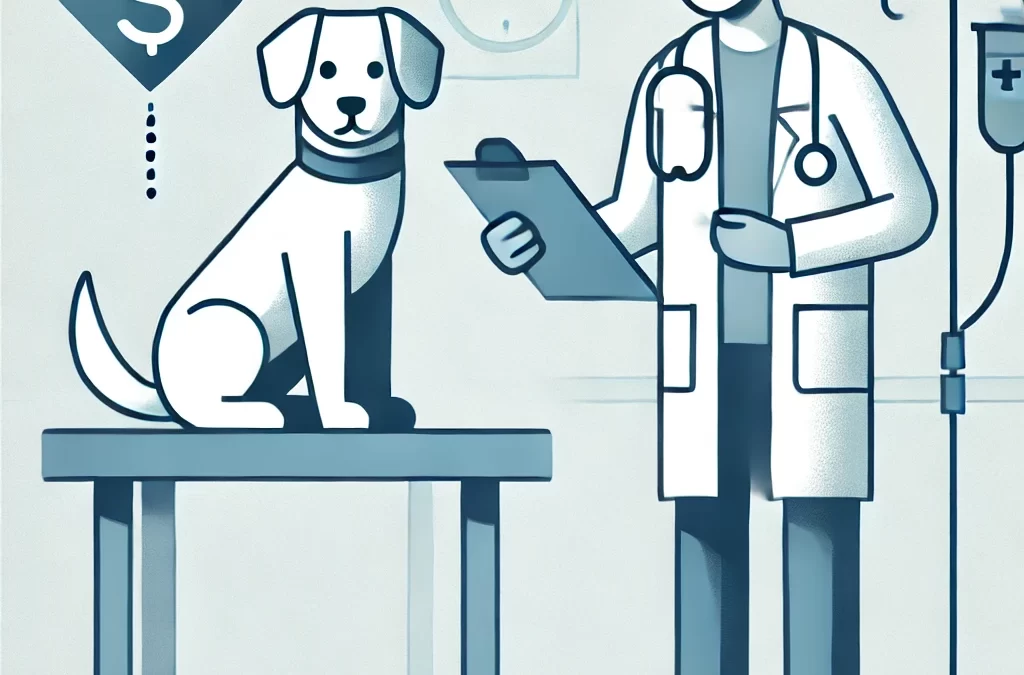
When a beloved pet is diagnosed with cancer, the emotional toll on their human companions is immense. But alongside the heartache comes another daunting reality: the cost of treatment. Pet cancer treatments can be life-saving but often carry a hefty price tag. So, what’s the real cost of giving your furry friend a fighting chance—and how do we measure the value of their life in dollars?
Breaking Down the Average Cost
The cost of pet cancer treatment varies significantly depending on factors such as the type of cancer, stage of diagnosis, treatment options, and location. Here’s a general breakdown:
- Diagnostics:
- X-rays, ultrasounds, biopsies, and blood tests can cost between $500 and $1,500. Advanced imaging like CT scans or MRIs can add another $1,000 to $2,500.
- Surgery:
- Surgical removal of a tumor often ranges from $1,000 to $5,000, depending on complexity and location.
- Chemotherapy:
- Chemotherapy protocols can cost between $3,000 and $10,000, depending on the number of sessions and drugs used.
- Radiation Therapy:
- This advanced treatment can range from $5,000 to $15,000, making it one of the priciest options.
- Palliative Care:
- If curative treatments aren’t viable, palliative care to manage symptoms can still cost $500 to $2,000.
Altogether, the average cost of treating pet cancer can fall anywhere between $5,000 and $20,000—and sometimes even higher. These figures are sobering, especially when weighed against a household budget.
The Emotional vs. Financial Cost
For many pet parents, the decision to pursue cancer treatment is not just financial but deeply emotional. Pets are family, and the idea of not doing everything possible to save them feels unbearable. Yet, the reality of veterinary oncology is that success is not guaranteed, and even aggressive treatments may only extend a pet’s life by months or a few years.
- Emotional Considerations:
The value of the time gained through treatment—whether weeks, months, or years—cannot be easily quantified. Many pet owners report that even a few extra months of quality time with their pets was worth every penny.
- Financial Strain:
However, the financial burden can lead to guilt and stress, especially when treatment costs interfere with household needs. It’s an unenviable position to be in: How do you say no when love is on the line?
Are There Ways to Reduce Costs?
Pet owners facing a cancer diagnosis should know that there are ways to manage and reduce treatment costs:
- Pet Insurance:
If purchased early, pet insurance can cover a significant portion of cancer treatment costs. However, pre-existing conditions are usually excluded.
- Nonprofit Organizations:
Several organizations provide financial assistance for pet medical care, particularly for cancer treatment.
- Holistic and Palliative Options:
For pets with a poor prognosis, holistic treatments such as CBD oil, acupuncture, or natural supplements may offer a more affordable way to improve quality of life.
- Clinical Trials:
Some veterinary institutions run clinical trials for new cancer treatments, often covering a portion of the costs.
- Discuss Options with Your Vet:
Many vets are willing to work with pet owners to develop a realistic and affordable treatment plan. Some clinics also offer payment plans.
Is It Worth It?
The question of whether the cost of pet cancer treatment is “worth it” is deeply personal. For some, the answer is a resounding yes—because no price is too high for love. For others, the decision to forgo treatment is not a sign of failure but an act of compassion, prioritizing the pet’s comfort and dignity over prolonging their life at any cost.
Redefining Value in Pet Cancer Care
Ultimately, the average cost of pet cancer treatment is not just a financial statistic but a reflection of the lengths we’ll go to for our furry companions. The journey is as much about hope, love, and resilience as it is about money. Whether choosing to pursue treatment or opting for palliative care, the decision should honor the bond you share with your pet and their quality of life.
As the field of veterinary oncology advances, perhaps one day we won’t have to measure our love in dollars. Until then, we do the best we can—with our hearts and wallets—to give our pets the lives they deserve.

by TCMVET | Nov 8, 2024 | Dog Cancer & Tumors
Dogs hold a cherished place in our lives, embodying loyalty, companionship, and boundless joy. However, certain breeds are genetically predisposed to cancer, making it a significant concern for many dog owners. Understanding which breeds are more susceptible to cancer and why can help owners be more vigilant and proactive in managing their pet’s health.
The Breeds at Higher Risk
While cancer can affect any dog, some breeds show a higher incidence due to their genetic makeup. Here are a few breeds known to be more prone to cancer:
- Golden Retrievers: One of the most beloved dog breeds, Golden Retrievers, unfortunately, have one of the highest cancer rates. Hemangiosarcoma and lymphoma are particularly common in this breed.
- Boxers: Known for their playful and energetic nature, Boxers are prone to developing mast cell tumors and lymphoma. Early detection and regular check-ups are crucial for this breed.
- Rottweilers: Rottweilers are susceptible to osteosarcoma, an aggressive type of bone cancer. Their large size and genetic predispositions make them particularly vulnerable.
- Bernese Mountain Dogs: This breed is admired for its gentle nature but has a high risk of histiocytic sarcoma. Owners should monitor for any unusual lumps or behavioral changes.
- German Shepherds: Renowned for their intelligence and loyalty, German Shepherds can develop hemangiosarcoma and other cancers. Their large size and genetic line contribute to their predisposition.
Understanding the Genetic Link
The genetic component plays a significant role in why certain breeds are more prone to cancer. Selective breeding, while often aimed at enhancing desirable traits, can inadvertently pass on genes that predispose dogs to various cancers. Genetic mutations, hereditary syndromes, and breed-specific predispositions are factors that contribute to the increased risk.
Recognizing the Signs
Early detection can make a significant difference in treatment outcomes. Here are some key symptoms owners should look out for:
- Unexplained weight loss
- Lethargy or decreased interest in activities
- Persistent lumps or growths
- Changes in eating or drinking habits
- Panting or difficulty breathing, especially at night
Preventive Measures and Proactive Care
While some cancers cannot be prevented, owners can take steps to reduce risks and promote overall health:
- Regular Veterinary Check-Ups: Routine visits can help catch potential issues early.
- Balanced Diet and Exercise: Maintaining a healthy weight and ensuring proper nutrition can support the immune system.
- Genetic Testing: For breeds with a high risk, genetic testing can provide insights into potential predispositions.
- Awareness of Breed-Specific Risks: Knowing the risks allows owners to be more observant and proactive in their care.
A Call for Research and Awareness
Ongoing research into canine cancer aims to better understand the genetic and environmental factors that contribute to these conditions. Awareness campaigns and funding for veterinary oncology are essential in advancing treatment options and preventive strategies.
Conclusion
Owning a dog from a breed that is prone to cancer does not mean inevitable heartache; rather, it emphasizes the importance of knowledge and preparedness. By understanding the risks, recognizing the signs, and maintaining proactive care, owners can provide their beloved companions with a higher quality of life and more precious moments together.

by TCMVET | Nov 8, 2024 | Dog Cancer & Tumors
Dogs hold a cherished place in our lives, embodying loyalty, companionship, and boundless joy. However, when a dog is diagnosed with cancer, the experience becomes an emotional and physical challenge, not just for the animal but for the owners as well. One often overlooked but significant symptom seen in dogs with cancer is panting at night. This behavior, subtle yet distressing, offers insights into the dog’s condition that may guide owners and veterinarians toward better care and management.
The Science Behind Panting
Panting is a natural behavior in dogs used primarily for regulating body temperature. However, when it becomes excessive or occurs at unusual times—such as during the night—it may signal underlying health concerns. In dogs with cancer, nighttime panting can stem from a variety of sources, including pain, anxiety, medication side effects, or disruptions in normal metabolic functions.
Unmasking the Causes
- Pain and Discomfort: Pain is one of the primary reasons a dog with cancer might pant more frequently at night. Certain types of cancer, such as osteosarcoma or aggressive tumors, can cause significant discomfort, which may worsen when the dog lies down or becomes less active.
- Medication Side Effects: Chemotherapy, pain management drugs, or corticosteroids often play a role in cancer treatment but can have side effects. Corticosteroids, for instance, may lead to increased thirst and panting as a result of hormonal changes in the body.
- Anxiety and Restlessness: Cancer can alter a dog’s behavior, leading to anxiety, especially at night when they are left to cope with discomfort in silence. The panting could be a manifestation of restlessness or unease as the dog struggles to find comfort.
- Metabolic Disruptions: Tumors and the associated cancer treatments can affect metabolic processes, leading to an increase in the dog’s respiratory rate. This disruption can trigger panting as the body attempts to maintain balance.
How to Identify When Panting is a Concern
While occasional panting is not necessarily alarming, recognizing patterns can help distinguish between normal behavior and a potential red flag. Owners should take note if the panting:
- Occurs almost exclusively at night
- Persists despite cooling measures, such as a fan or a cooler sleeping area
- Is accompanied by other symptoms such as whimpering, restlessness, or excessive thirst
Steps for Alleviating Nighttime Panting
- Pain Management: Consult your veterinarian about the most effective pain relief options. These may include adjusting the dosage or type of medication to ensure comfort without excessive side effects.
- Calming Techniques: Create a serene environment with minimal disturbances. Calming aids like dog-safe essential oil diffusers, soft music, or anxiety wraps can make a significant difference.
- Review Medication Plans: If panting seems to worsen after starting or changing a medication, discuss alternatives with your vet. Sometimes, minor adjustments can improve the dog’s nighttime comfort.
- Regular Check-Ups: Ensure consistent veterinary visits to monitor the progression of the disease and adjust care plans as needed.
Support Beyond the Symptoms
Nighttime panting is not just a symptom to address—it’s a communication from your dog that they may need extra support. Beyond medical interventions, fostering emotional well-being is vital. Gentle petting, talking to them in a soothing voice, and staying close by during difficult nights can be invaluable.
A Heartfelt Approach to Care
The journey with a dog diagnosed with cancer is unpredictable, filled with both hope and challenges. Addressing symptoms like nighttime panting requires patience, attention, and collaboration with your veterinary team. By understanding the underlying causes and responding with tailored strategies, you can create a more comfortable and loving experience for your cherished companion during this challenging time.
