
by TCMVET | Jul 5, 2024 | Dog Cancer & Tumors
Cancer in dogs is a challenging diagnosis that often leads pet owners to seek complementary therapies to improve their furry friend’s quality of life. One such therapy is head massage. This article explores the safety and benefits of head massage for dogs with cancer, providing valuable insights for pet owners.
Understanding Head Massage for Dogs
Head massage involves gentle, rhythmic strokes on a dog’s head, promoting relaxation and stress relief. It can be particularly beneficial for dogs undergoing cancer treatment, as it helps to alleviate anxiety and discomfort.
Benefits of Head Massage for Dogs with Cancer
- Stress Relief: Reduces anxiety and stress, which can improve overall well-being.
- Pain Management: Helps to alleviate pain and discomfort associated with cancer and its treatments.
- Improved Circulation: Enhances blood flow, promoting healing and reducing inflammation.
- Bonding: Strengthens the bond between the pet and the owner, providing emotional support for both.
Is Head Massage Safe for Dogs with Cancer?
While head massage offers numerous benefits, it’s essential to consider the following safety aspects:
- Gentle Touch: Always use gentle pressure to avoid causing any pain or discomfort.
- Consult Your Veterinarian: Before starting any new therapy, consult your veterinarian to ensure it’s appropriate for your dog’s specific condition.
- Avoid Tumor Sites: Be cautious and avoid direct pressure on or around tumor sites to prevent any potential harm.
How to Perform a Safe Head Massage
- Create a Calm Environment: Find a quiet, comfortable space where your dog feels safe.
- Use Gentle Strokes: Start with light, gentle strokes using your fingertips, moving in circular motions.
- Observe Your Dog’s Reactions: Pay attention to your dog’s body language. If they show signs of discomfort, stop immediately.
- Keep Sessions Short: Begin with short sessions, gradually increasing the duration as your dog becomes more comfortable.
Integrating Head Massage with Other Treatments
Head massage can be a valuable addition to your dog’s cancer treatment plan. When combined with conventional treatments and holistic approaches like Baituxiao, a Traditional Chinese Medicine supplement, it can enhance your dog’s overall quality of life.
Success Stories
Many pet owners have reported positive outcomes from incorporating head massage into their dog’s care routine. Dogs have shown reduced anxiety, improved mood, and better tolerance to cancer treatments, showcasing the potential benefits of this gentle therapy.
Head massage offers a safe and effective way to provide comfort and support to dogs battling cancer. By alleviating stress and pain, improving circulation, and strengthening the bond between you and your pet, head massage can significantly enhance your dog’s quality of life. Always consult with your veterinarian before starting any new therapy to ensure it’s suitable for your dog’s specific condition.

by TCMVET | Jul 5, 2024 | Medicines & Therapies
Cancer in dogs is a heart-wrenching diagnosis that prompts pet owners to explore various treatment options. Among the emerging therapies is phototherapy, also known as light therapy. This article delves into the safety and effectiveness of phototherapy for dogs with cancer, offering insights to help you make informed decisions for your furry friend’s health.
Understanding Phototherapy
Phototherapy involves the use of specific wavelengths of light to penetrate tissues and promote healing. It has been used for various medical conditions in both humans and animals, including wound healing, inflammation reduction, and pain management.
How Phototherapy Works
Phototherapy utilizes light-emitting diodes (LEDs) or lasers to deliver light energy into the body’s cells. This energy can stimulate cellular activity, improve circulation, and promote the release of endorphins, contributing to pain relief and accelerated healing.
Potential Benefits of Phototherapy for Dogs with Cancer
- Pain Relief: Phototherapy can help alleviate pain associated with tumors and cancer treatments.
- Reduced Inflammation: It can minimize inflammation, potentially slowing tumor growth.
- Enhanced Healing: Light therapy may accelerate the healing of surgical sites or radiation burns.
- Improved Quality of Life: By reducing pain and inflammation, phototherapy can enhance your dog’s overall well-being.
Safety Considerations
While phototherapy holds promise, its safety for dogs with cancer depends on several factors:
- Type of Cancer: Phototherapy may not be suitable for all types of cancer. Tumors that are sensitive to light or those located near vital organs require careful consideration.
- Stage of Cancer: Advanced cancer stages might necessitate more aggressive treatments, making phototherapy a complementary option rather than a primary treatment.
- Veterinary Supervision: Always consult with a veterinarian experienced in phototherapy to ensure proper application and avoid potential side effects.
Success Stories and Research
Many pet owners have reported positive outcomes with phototherapy, citing reduced pain and improved mobility in their dogs. While anecdotal evidence is encouraging, ongoing research aims to provide more concrete data on the effectiveness and safety of phototherapy for canine cancer patients.
Integrating Phototherapy into Your Dog’s Cancer Treatment Plan
If you’re considering phototherapy for your dog, follow these steps:
- Consult Your Veterinarian: Discuss the potential benefits and risks based on your dog’s specific condition.
- Create a Holistic Plan: Combine phototherapy with other treatments, such as chemotherapy, surgery, or herbal supplements like Baituxiao.
- Monitor Progress: Regular veterinary check-ups are essential to track your dog’s response to treatment and adjust the plan as needed.
Phototherapy offers a promising, non-invasive option to enhance the quality of life for dogs battling cancer. While it is not a cure, it can be a valuable part of a comprehensive treatment plan when used under veterinary supervision. As research continues, phototherapy may become a more widely accepted and utilized tool in veterinary oncology.
by TCMVET | Jul 3, 2024 | Dog Cancer & Tumors
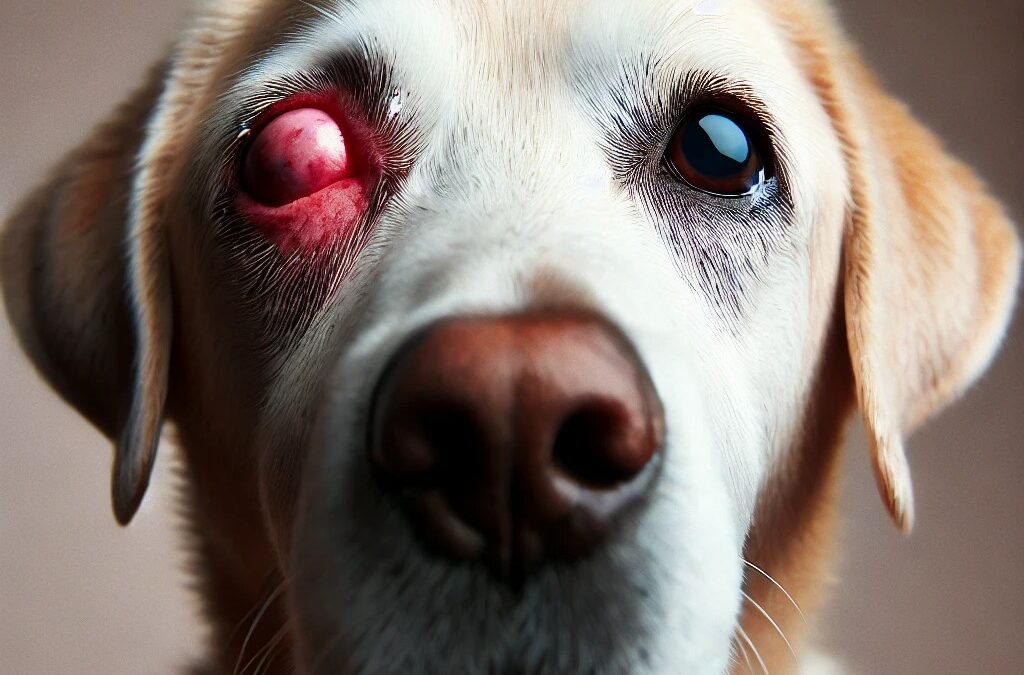
Cancer in dogs can lead to a variety of health complications, including blindness. This article explores how different types of cancer can affect a dog’s vision, the symptoms to watch for, and the importance of early detection and treatment.
How Cancer Can Cause Blindness in Dogs
- Ocular Tumors: Tumors can develop directly within the eye, affecting structures such as the retina, optic nerve, or other critical components responsible for vision. Common ocular cancers include melanoma, lymphoma, and adenocarcinoma. These tumors can cause significant damage to the eye, leading to partial or complete blindness. Symptoms may include visible masses on the eye, redness, swelling, or changes in eye color.
- Brain Tumors: Tumors located in the brain, particularly in areas affecting the optic nerves or visual cortex, can disrupt a dog’s ability to see. The optic nerves transmit visual information from the eyes to the brain, and any pressure or damage from a tumor can impair this process. Symptoms might include sudden vision loss, changes in behavior, seizures, or head tilting.
- Metastatic Cancer: Cancer that originates in other parts of the body can spread (metastasize) to the eyes or brain, leading to similar issues as primary tumors in these locations. Metastatic cancer often progresses rapidly, making early detection and intervention crucial.
- Paraneoplastic Syndromes: These are indirect effects of cancer that can impact various parts of the body, including the eyes. Certain cancers can cause immune system reactions that damage ocular tissues, resulting in vision loss.
Symptoms to Watch For
If your dog has cancer, it’s important to monitor for signs of vision problems. Symptoms indicating potential blindness include:
- Squinting or closing one eye
- Excessive tearing or discharge
- Redness or swelling around the eyes
- Cloudiness or visible masses on the eye
- Behavioral changes such as bumping into objects or hesitancy to move in dim light
- Sudden or gradual loss of vision
Diagnosis and Treatment
Early detection and intervention are key to managing cancer-related blindness in dogs. Diagnostic methods include:
- Physical Examination: A thorough eye exam by a veterinarian to check for abnormalities.
- Imaging: Techniques such as MRI, CT scans, or ultrasound to detect tumors in the eyes or brain.
- Biopsy: Taking a sample of the tumor to determine its type and guide treatment.
Treatment options vary depending on the type and location of the cancer. They may include:
- Surgery: Removal of the tumor to prevent further damage and potentially restore vision.
- Radiation Therapy: Targeting the tumor with radiation to shrink it and reduce its impact on vision.
- Chemotherapy: Using drugs to treat cancer and slow its progression.
- Palliative Care: For advanced cases, focusing on maintaining comfort and quality of life.
Cancer can significantly impact a dog’s vision, leading to partial or complete blindness. Understanding the connection between cancer and blindness, recognizing the symptoms, and seeking prompt veterinary care are crucial steps in managing this condition. By staying informed and proactive, you can help ensure your dog receives the best possible care.

by TCMVET | Jun 14, 2024 | Dog Cancer & Tumors
Cancer is a daunting diagnosis for any pet owner to hear. However, advancements in veterinary medicine, particularly chemotherapy, offer hope and effective treatment options for dogs with cancer. Understanding the success rates of dog chemotherapy is crucial for making informed decisions about your pet’s health. This article delves into the factors affecting chemotherapy success rates, the types of cancers treated, and how to optimize your dog’s chances for a positive outcome.
What is Dog Chemotherapy?
Chemotherapy is a form of cancer treatment that uses drugs to destroy cancer cells. In dogs, it is often used to treat various types of cancer, including lymphoma, osteosarcoma, and mast cell tumors. The primary goal of chemotherapy in dogs is to extend the pet’s quality of life while managing the disease.
Factors Affecting Chemotherapy Success Rates
- Type of Cancer: Different cancers respond differently to chemotherapy. For instance, lymphoma has a higher success rate compared to other cancers like osteosarcoma.
- Stage of Cancer: Early detection and treatment typically result in better outcomes. Advanced stages may require more aggressive treatment and have varying success rates.
- Dog’s Overall Health: A dog’s age, overall health, and pre-existing conditions can impact the effectiveness of chemotherapy.
- Chemotherapy Protocol: The specific drugs used, dosage, and frequency of treatment play a significant role in determining success rates.
Success Rates by Cancer Type
- Lymphoma: This is one of the most common cancers in dogs and responds well to chemotherapy. Success rates can range from 60% to 90%, with many dogs achieving remission.
- Osteosarcoma: A more aggressive cancer, often requiring a combination of surgery and chemotherapy. The success rate varies, with approximately 50% of dogs living beyond one year post-treatment.
- Mast Cell Tumors: These tumors have a variable response to chemotherapy. Success rates depend on the tumor grade and location but can be quite favorable with early and aggressive treatment.
Optimizing Success: Tips for Pet Owners
- Early Detection: Regular veterinary check-ups and being vigilant about changes in your dog’s behavior or health can lead to early detection and better treatment outcomes.
- Consult with a Specialist: An oncologist specializing in veterinary medicine can provide the most effective treatment plan tailored to your dog’s specific cancer type and health status.
- Supportive Care: Ensuring your dog maintains a healthy diet, gets regular exercise, and has a stress-free environment can improve their response to chemotherapy.
- Follow Treatment Protocols: Adhering to the prescribed chemotherapy schedule and dosages is crucial for maximizing the treatment’s effectiveness.
Side Effects and Management
While chemotherapy is generally well-tolerated in dogs, side effects can occur. Common side effects include nausea, vomiting, diarrhea, and lethargy. Your veterinarian can prescribe medications to manage these symptoms and improve your dog’s comfort during treatment.
The Role of New Technologies
Innovations in veterinary oncology, such as targeted therapies and immunotherapy, are improving the success rates of dog chemotherapy. These treatments can offer more precise targeting of cancer cells, reducing side effects and enhancing overall outcomes.
Conclusion
Understanding the success rates of dog chemotherapy is essential for making informed decisions about your pet’s cancer treatment. With early detection, appropriate treatment protocols, and supportive care, many dogs can achieve remission and enjoy a good quality of life. Always consult with your veterinarian or a veterinary oncologist to determine the best course of action for your furry friend.

by TCMVET | Jun 13, 2024 | Dog Cancer & Tumors
Understanding Osteosarcoma in Dogs
Osteosarcoma is a highly aggressive and malignant bone cancer that commonly affects large and giant breed dogs. As this cancer progresses, it often spreads to other parts of the body, including the lungs and other bones. Understanding the final stages of osteosarcoma can help pet owners provide the best possible care for their beloved pets during this difficult time.
Recognizing Symptoms in the Final Stages
In the final stages of osteosarcoma, dogs exhibit a range of symptoms that indicate the cancer has advanced and the disease is taking a severe toll on their health. These symptoms include:
- Severe Pain and Lameness: Dogs may exhibit significant lameness, often refusing to put weight on the affected limb. The pain can become unmanageable even with medication.
- Visible Swelling: Noticeable swelling around the tumor site, which may be warm to the touch.
- Fatigue and Lethargy: Dogs may become extremely tired, spending most of their time resting or sleeping.
- Loss of Appetite: A marked decrease in appetite, leading to weight loss and muscle wasting.
- Difficulty Breathing: If the cancer has spread to the lungs, dogs may experience labored breathing or persistent coughing.
- Behavioral Changes: Increased irritability, depression, or withdrawal from family interactions.
Providing Palliative Care
Palliative care focuses on providing comfort and maintaining the quality of life for dogs in the final stages of osteosarcoma. Here are some key aspects of palliative care:
- Pain Management: Administering strong pain medications, such as opioids, to alleviate severe pain.
- Nutritional Support: Offering high-calorie, palatable foods to encourage eating, along with nutritional supplements.
- Mobility Assistance: Using supportive devices like slings or harnesses to help dogs move around and maintain some level of activity.
- Comfortable Environment: Ensuring a comfortable, quiet, and stress-free environment where the dog can rest.
- Hydration: Providing adequate hydration, either through oral intake or subcutaneous fluids.
Considering Euthanasia
When the quality of life is significantly diminished, and pain management becomes ineffective, euthanasia may be the most humane option. Here are some considerations:
- Quality of Life Assessment: Evaluating the dog’s overall quality of life using tools like the HHHHHMM Scale (Hurt, Hunger, Hydration, Hygiene, Happiness, Mobility, More Good Days Than Bad).
- Consulting with a Veterinarian: Discussing with your veterinarian to understand the prognosis and get professional advice on when it might be time to consider euthanasia.
- Making the Decision: This is a deeply personal decision and should be made based on the dog’s comfort, dignity, and overall well-being.
Supporting Pet Owners
The final stages of osteosarcoma are not only challenging for the dog but also for the pet owners. Here are some tips for coping with this difficult period:
- Emotional Support: Seeking support from friends, family, or pet loss support groups can provide comfort and understanding.
- Memorializing Your Pet: Creating a memorial or keepsake can help honor your dog’s memory and provide a sense of closure.
- Professional Help: Speaking with a counselor or therapist who specializes in pet loss can be beneficial in managing grief and emotions.
Conclusion
The final stages of osteosarcoma in dogs are incredibly difficult, marked by severe symptoms and a significant decline in quality of life. Providing compassionate palliative care, considering euthanasia when necessary, and seeking support can help pet owners navigate this challenging time. Remember, the ultimate goal is to ensure your dog’s remaining time is as comfortable and pain-free as possible.
