by TCMVET | Mar 7, 2024 | Dog Cancer & Tumors
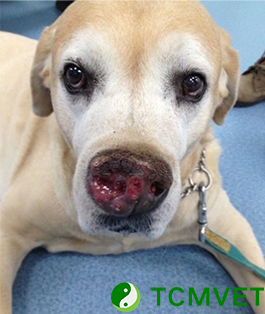
Squamous Cell Carcinoma (SCC) is a prevalent form of cancer in small animals, especially in cats and dogs. This malignancy, arising from the squamous cells lining the skin or various internal organs, poses significant health challenges. However, recent advancements in veterinary oncology and related research are bringing new hope to pet owners and veterinarians. This article explores the latest developments in SCC research and how they are reshaping the treatment and management of this condition in small animals.
1. Targeted Therapies and Precision Medicine:
Advancements in understanding the molecular basis of SCC have paved the way for targeted therapies. Precision medicine, which involves tailoring treatment based on the individual pet’s genetic makeup, is gaining traction. Researchers are identifying specific genetic mutations and pathways involved in SCC, which could lead to more effective, customized treatment plans with potentially fewer side effects compared to traditional chemotherapy.
2. Immunotherapy:
Immunotherapy, a treatment that harnesses the body’s immune system to fight cancer, is a significant breakthrough in human oncology and is now being explored in veterinary medicine. This approach includes the development of cancer vaccines and immune checkpoint inhibitors that can help the immune system recognize and attack cancer cells more effectively.
3. Advanced Imaging Techniques:
The use of advanced imaging techniques such as PET scans and high-resolution MRI is improving the ability to diagnose and stage SCC in small animals. These technologies offer more detailed and accurate insights into the tumor’s size, spread, and response to treatment, allowing for more precise surgical planning and treatment monitoring.
4. Nanotechnology:
Nanotechnology in cancer treatment is an emerging field that holds promise for treating SCC in pets. Nanoparticles can be designed to target cancer cells specifically, delivering drugs directly to the tumor and reducing the impact on healthy tissues. This approach could lead to more effective treatments with fewer side effects.
5. Enhanced Surgical Techniques:
Surgical intervention remains a cornerstone in treating SCC, and advancements in surgical techniques are improving outcomes. Minimally invasive surgeries, guided by advanced imaging, allow for more precise tumor removal with quicker recovery times. Laser surgery is another area of advancement, offering a less invasive option with less bleeding and reduced pain.
6. Better Understanding of Environmental Factors:
Research into the environmental and lifestyle factors contributing to SCC, such as sun exposure and chemical exposure, is helping in the development of better preventive strategies. This includes public awareness campaigns on the importance of protecting pets from excessive sun exposure and avoiding harmful chemicals.
7. Holistic and Supportive Care:
There is an increasing focus on holistic approaches and supportive care in managing SCC. This includes nutritional support, pain management, and alternative therapies like acupuncture and herbal medicine, which can complement traditional treatments and improve the quality of life for pets with cancer.
The landscape of SCC treatment in small animals is evolving rapidly, thanks to ongoing research and technological advancements. These developments not only promise more effective and targeted treatments but also emphasize the importance of a comprehensive approach that includes prevention and supportive care. For pet owners and veterinarians, staying informed about these advancements is key to providing the best possible care for pets with SCC.
by TCMVET | Mar 7, 2024 | Cat Cancer & Tumors
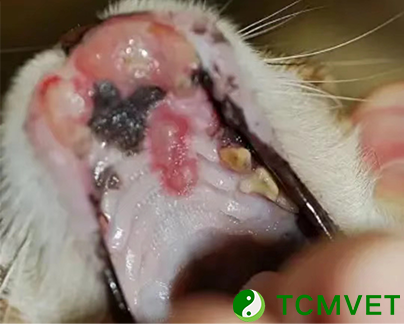
Squamous Cell Carcinoma (SCC) is a prevalent type of cancer in small animals, particularly affecting dogs and cats. It’s a malignant tumor that originates in the squamous epithelium, which is the outermost layer of the skin, as well as in the linings of the organs and cavities of the body. As a pet owner or a veterinary enthusiast, understanding the treatment options available for SCC in small animals is crucial for managing this disease effectively.
1. Surgical Removal:
Surgery is often the primary treatment for squamous cell carcinoma, particularly when the tumor is localized and has not metastasized. The goal of the surgery is to completely remove the cancerous tissue. In cases where SCC is located in the skin, the surgical removal is relatively straightforward. However, if the tumor is in more complex areas, such as the mouth or near the nail beds, the procedure can be more challenging. Post-surgical histopathology is essential to ensure that the margins are clear of cancer cells.
2. Radiation Therapy:
Radiation therapy is another effective treatment, particularly for tumors that are difficult to remove surgically, such as those in the oral cavity. It involves the use of high-energy rays to destroy cancer cells and shrink tumors. This therapy is often used post-surgery if the margins are not clear or if the cancer is inoperable. For some pets, radiation therapy can be used as a palliative treatment to relieve symptoms and improve the quality of life.
3. Chemotherapy:
Chemotherapy is less commonly used in treating SCC in small animals compared to other types of cancer, but it may be recommended in cases where the cancer has metastasized. It involves the use of drugs to kill cancer cells or slow their growth. Chemotherapy can be administered orally or through injections and often comes with side effects such as nausea, fatigue, and increased susceptibility to infections.
4. Cryosurgery:
For smaller or superficial SCC lesions, cryosurgery might be an option. This treatment involves using extreme cold (liquid nitrogen) to freeze and destroy abnormal cells. It is less invasive than traditional surgery and is usually performed on an outpatient basis.
5. Photodynamic Therapy (PDT):
PDT is a relatively new treatment option that involves using drugs, known as photosensitizing agents, alongside light to kill cancer cells. The drug is absorbed by the cancer cells and, when exposed to a specific wavelength of light, it produces a form of oxygen that kills the cells.
6. Electrochemotherapy:
Electrochemotherapy combines chemotherapy and electric pulses to enhance the absorption of chemotherapeutic drugs by the cancer cells. This treatment is gaining interest for treating tumors that are difficult to treat with conventional methods.
7. Palliative Care:
In cases where the cancer is too advanced, or the animal is not a good candidate for aggressive treatments, palliative care becomes the focus. This involves managing symptoms and maintaining the quality of life with medications, nutritional support, and pain management.
Treatment for squamous cell carcinoma in small animals varies based on the tumor’s location, size, and the general health of the animal. Advances in veterinary medicine have significantly increased the effectiveness of SCC treatments, offering hope and improved outcomes for pets diagnosed with this condition. Regular check-ups and early detection remain key in successfully managing and treating SCC. As always, consultation with a qualified veterinary oncologist is crucial to determine the best course of action for each individual case.
by TCMVET | Mar 7, 2024 | Dog Cancer & Tumors
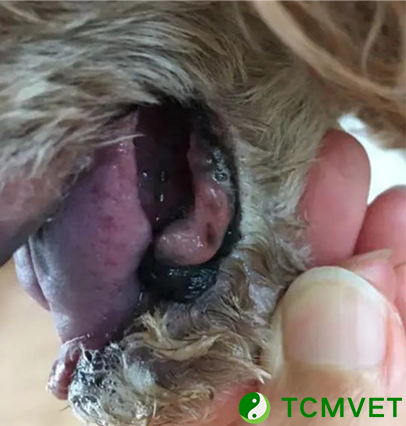
Squamous cell carcinoma (SCC) is a common form of cancer in small animals, especially cats and dogs. This malignant tumor arises from the squamous epithelium, a layer of cells found in various parts of the pet’s body, including the skin, mouth, and other areas exposed to sunlight. Understanding the symptoms and diagnostic procedures for SCC is crucial for pet owners, as early detection can significantly impact treatment outcomes.
Symptoms of Squamous Cell Carcinoma in Pets
SCC can present in multiple forms, depending on its location. Here are some of the common symptoms associated with SCC:
- Skin SCC: Often seen in areas with minimal fur and frequent sun exposure like the ears, nose, and eyelids. Symptoms include raised, crusty, or ulcerated lesions that may bleed.
- Oral SCC: This form is more aggressive and can be challenging to detect early. Symptoms include difficulty eating, drooling, a foul odor from the mouth, visible mass in the mouth, and sometimes bleeding.
- Subungual SCC: This affects the nail beds and toes. Symptoms include swelling, nail loss, and lameness.
Diagnostic Procedures for Squamous Cell Carcinoma
- Physical Examination: A thorough physical examination by a veterinarian is the first step. They will look for masses, ulcers, or lesions on the skin, in the mouth, and around the nail beds.
- Biopsy: A definitive diagnosis of SCC requires a biopsy of the tumor. This procedure involves taking a small tissue sample from the lesion and examining it under a microscope.
- Imaging Tests: X-rays, CT scans, or MRIs might be necessary to determine the extent of the tumor, especially for oral SCC, which can invade bone and surrounding tissues.
- Blood Tests and Other Diagnostics: While blood tests do not diagnose cancer, they can help assess the overall health of the pet and determine if they are fit for surgery or other treatments.
Squamous cell carcinoma in pets can be a serious condition, but with early detection and proper veterinary care, the prognosis can be positive. Pet owners should regularly check their pets for any signs of unusual growths or lesions, especially in sun-exposed areas, and consult their veterinarian if they notice any concerning symptoms. Remember, early detection and prompt treatment are key in managing this type of cancer effectively.
by TCMVET | Mar 5, 2024 | Dog Cancer & Tumors
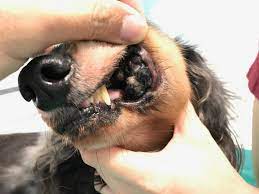
Oral tumors in dogs account for about 6% of all canine tumors and are a significant concern for pet owners and veterinarians. This article provides an in-depth look at the various types of oral tumors in dogs, their prevalence, symptoms, and effective treatment options.
Types of Canine Oral Tumors: Oral tumors in dogs can be classified into several categories based on their histological makeup, including:
- Epithelial Tumors: Such as squamous cell carcinoma (SCC), papillomas, fibropapillomas, intraosseous carcinomas, and infiltrative nasal carcinomas.
- Melanocytic Tumors: Including malignant melanomas.
- Mesenchymal Tumors: Like fibrosarcomas, hemangiosarcomas, and osteosarcomas.
- Mixed Tumors: Such as transmissible venereal tumors and lymphomas.
- Odontogenic Tumors: Specific to tooth-forming tissues, including ameloblastomas.
Epidemiology and Prevalence: Oral tumors are more common in older dogs and certain breeds, such as Cocker Spaniels and German Shepherds. Symptoms such as decreased appetite, bad breath, tooth loosening or loss, bleeding, eye protrusion, nosebleeds, swallowing difficulties, chewing pain, and increased thirst are often observed.
Diagnosis and Treatment: Early diagnosis through biopsies is essential for effective treatment, which may include surgery, radiation, or chemotherapy, depending on the tumor type.
Understanding the types, symptoms, and treatment options for canine oral tumors is crucial for early detection and effective management. Regular veterinary check-ups are vital for maintaining the oral health of dogs and catching any anomalies early.
by TCMVET | Mar 5, 2024 | Dog Cancer & Tumors
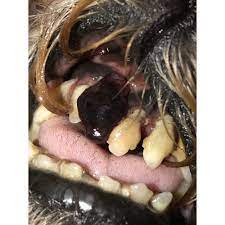
Malignant melanoma stands out as the most prevalent oral tumor in dogs, accounting for 30%-40% of all malignant oral tumors. This article aims to provide a detailed overview of malignant melanomas in canines, focusing on their prevalence, risk factors, symptoms, and treatment options.
Prevalence and Risk Factors: Malignant melanoma typically affects older dogs, with an average onset age of around 12 years. It is more common in male dogs and is seen with a higher frequency in dogs with darker oral mucosa. Certain breeds, such as Chow Chows and Golden Retrievers, are at a higher risk of developing this condition.
Symptoms and Diagnosis: Malignant melanomas in dogs can occur in various locations within the mouth, including the gums, cheek mucosa, lips, hard and soft palates, and the tongue. These tumors are often firm and darkly pigmented, although about 33% of cases may present as non-pigmented tumors. They can sometimes have ulcerated or necrotic surfaces. Rapid growth and local infiltration are characteristic of these tumors.
Treatment and Management: The management of malignant melanoma in dogs requires an integrated approach involving surgical removal, possibly followed by radiation therapy or chemotherapy. The prognosis depends on the stage of the tumor at diagnosis and the effectiveness of the treatment.
Early detection and prompt treatment are key in managing malignant melanoma in dogs. Regular veterinary check-ups and awareness of the symptoms can help in early diagnosis, improving the chances of successful treatment.
