
by TCMVET | Mar 3, 2024 | Cat Cancer & Tumors
The intersection of traditional Chinese herbal medicine and modern veterinary care is opening new avenues in treating cat cancer. “Paws and Plants” explores how these ancient herbs can complement conventional therapies, offering a holistic approach to feline health.
Understanding Cat Cancer
Cancer in cats can be as complex and varied as in humans, with types like lymphoma, mammary gland tumors, and skin cancer being prevalent. Recognizing early signs is key to effective treatment and improved outcomes.
The Basis of Chinese Herbal Medicine in Cancer Care
Chinese herbal medicine, rooted in a tradition thousands of years old, focuses on restoring balance within the body. It employs a range of herbs that are believed to possess properties beneficial in fighting cancer and mitigating treatment side effects.
Key Herbs in Feline Cancer Treatment
- Astragalus (Huang Qi): Known to boost the immune system and potentially inhibit tumor growth.
- Dang Gui (Angelica Sinensis): Often used for its nourishing properties, it may help in revitalizing cats undergoing cancer treatment.
- Jin Yin Hua (Honeysuckle): Used for its anti-inflammatory and antiviral properties.
- Ginseng (Ren Shen): A well-known adaptogen, aiding in overall health and vitality.
Integrating Herbal Medicine with Conventional Cancer Treatments
Integrating Chinese herbal medicine with conventional cancer treatments like chemotherapy and radiation therapy can offer a more comprehensive approach. This integration should always be done under the guidance of a veterinarian skilled in both areas.
Research and Studies on Herbal Medicine in Veterinary Oncology
There is a growing body of research that supports the use of Chinese herbal medicine in conjunction with conventional cancer treatments. Studies have shown these herbs can help reduce side effects, improve quality of life, and sometimes enhance the efficacy of conventional treatments.
Case Studies: Success with Integrative Approaches
Anecdotal evidence and case studies have highlighted success stories where integrative approaches have benefited feline patients, leading to better tolerance of conventional treatments and improved overall well-being.
The Future of Herbal Medicine in Cat Cancer Care
As interest in holistic and integrative medicine grows, the role of Chinese herbal medicine in veterinary oncology is poised for expansion. Ongoing research and clinical trials will continue to shape and define its role in cancer care.
“Paws and Plants” underscores the potential of integrating Chinese herbal medicine in cat cancer care. This approach offers a more holistic path to treatment, aiming to enhance the quality of life for our feline companions during their cancer journey.

by TCMVET | Mar 3, 2024 | Cat Cancer & Tumors
Feline cancer is a growing concern among pet owners. However, the ancient wisdom of Eastern medicine offers promising herbal remedies. This article explores how traditional herbs can be a vital ally in the fight against feline cancer.
Understanding Feline Cancer
Cancer in cats can manifest in various forms, including lymphoma, squamous cell carcinoma, and mammary cancer. Recognizing early symptoms such as weight loss, lethargy, or abnormal swellings is crucial for early intervention.
The Role of Eastern Herbs in Cancer Treatment
Traditional Eastern medicine, with its holistic approach, uses a variety of herbs to treat not just the symptoms but the root cause of diseases. In the context of feline cancer, these herbs are used to strengthen the body’s natural defenses and combat the growth of cancer cells.
Key Herbs and Their Properties
- Turmeric (Curcuma longa): Contains curcumin, known for its anti-inflammatory and anti-cancer properties.
- Astragalus (Huang Qi): Boosts the immune system and may help in reducing tumor growth.
- Ginseng (Ren Shen): An adaptogen that enhances overall health and vitality.
- Green Tea (Camellia sinensis): Rich in antioxidants, it can help in preventing cell damage.
Integrating Herbs with Conventional Cancer Therapies
While traditional herbs offer many benefits, they should be used in conjunction with conventional cancer treatments. Collaboration between veterinarians and herbal medicine practitioners is vital to ensure a safe and effective integrated treatment plan.
Evidence and Research in Herbal Oncology
Research in the field of herbal oncology, though still in its nascent stages, shows promising results. Studies indicate that certain herbs can reduce tumor size and enhance the effectiveness of conventional treatments.
Case Studies: Successes in Feline Herbal Treatments
Several case studies and anecdotal reports suggest that herbal treatments can improve the quality of life and longevity of cats with cancer. These stories offer hope and pave the way for more formal research.
The Future of Herbal Medicine in Veterinary Oncology
The integration of traditional herbs into veterinary oncology is an evolving field. As more research is conducted, it could lead to more effective and personalized treatment plans for feline cancer.
“Eastern Promise: Traditional Herbs in the Fight Against Feline Cancer” highlights the potential of herbal remedies as part of a comprehensive cancer treatment plan. These ancient practices, combined with modern veterinary medicine, offer a holistic approach to enhancing the health and well-being of cats.
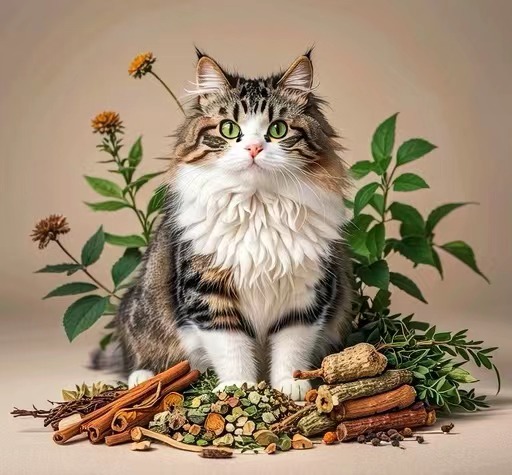
by TCMVET | Mar 3, 2024 | Cat Cancer & Tumors
Cancer in cats is a daunting challenge, but hope lies in nature’s bounty. Chinese herbs have been used for centuries to treat various ailments, and their role in combating feline cancer is gaining interest. This article delves into how these ancient remedies can be a game-changer in the fight against cancer in our feline friends.
The Prevalence of Cancer in Cats
Feline cancer is not uncommon and can affect cats of any age, though it’s more prevalent in seniors. Types of cancer in cats include lymphoma, skin cancer, and mammary gland cancer, each with different symptoms and treatment options.
Chinese Herbs: An Ancient Solution
Chinese herbal medicine, part of Traditional Chinese Medicine (TCM), uses a variety of plants and herbs to treat diseases. In the context of feline cancer, these herbs aim to strengthen the immune system, inhibit tumor growth, and alleviate the side effects of conventional cancer treatments.
Key Chinese Herbs for Feline Cancer
- Astragalus (Huang Qi): Known for boosting immunity and potentially inhibiting tumor growth.
- Dong Quai (Dang Gui): Used for its blood-tonifying properties, important in cancer care.
- Ginseng (Ren Shen): A powerful adaptogen that can improve overall vitality.
- Turmeric (Jiang Huang): Contains curcumin, with its anti-inflammatory and anti-cancer properties.
Integrating Chinese Herbs with Conventional Treatments
While Chinese herbs offer promising benefits, they should not replace conventional cancer treatments. Instead, they can be used alongside chemotherapy or radiation to enhance effectiveness and reduce side effects. Consultation with a veterinarian knowledgeable in both Western and Eastern medicine is crucial.
The Science Behind Chinese Herbs in Cancer Treatment
Recent studies have begun to explore the efficacy of Chinese herbs in cancer treatment, with some showing positive effects on immune function and tumor inhibition. More research is needed, but the potential is promising.
Real-Life Success Stories
Numerous anecdotes from pet owners suggest that Chinese herbs have helped their cats live longer and more comfortably with cancer. These stories, while not scientific evidence, offer hope and insight into the potential of herbal treatments.
The Future of Herbal Treatment in Veterinary Oncology
As interest in holistic and integrative veterinary medicine grows, so too does the exploration of herbal treatments in cancer care. The future of these treatments looks bright, with ongoing research and a growing body of anecdotal evidence.
“Nature’s Cure: Using Chinese Herbs to Fight Cancer in Cats” highlights the potential of Chinese herbal medicine as a complementary treatment in feline cancer care. These ancient remedies, combined with modern veterinary science, offer a holistic approach to improving the quality of life for cats with cancer.

by TCMVET | Mar 2, 2024 | Dog Cancer & Tumors
The convergence of Eastern and Western medical practices is creating new pathways in veterinary healthcare, particularly in the treatment of canine cancer. “East Meets West: A New Approach to Treating Dog Cancer with Chinese Herbal Medicine” explores this fusion, highlighting how Chinese herbs are being incorporated into contemporary cancer treatments for dogs.
The Growing Concern of Canine Cancer
Cancer in dogs is a major health issue with increasing prevalence. As dogs live longer due to advanced veterinary care, the likelihood of developing cancer rises. Conventional treatments like chemotherapy and radiation, while effective, can have harsh side effects.
The Essence of Chinese Herbal Medicine
Chinese Herbal Medicine (CHM) is an ancient practice that forms a significant part of Traditional Chinese Medicine (TCM). It focuses on restoring balance and harmony within the body using natural herbs and plants. The philosophy behind CHM is to treat the whole body, not just the symptoms of a disease.
Integrating CHM in Canine Cancer Treatment
The integration of CHM in treating dog cancer represents a holistic approach. This method doesn’t replace conventional treatments but complements them. The focus is on enhancing the dog’s quality of life, boosting the immune system, reducing side effects of conventional treatments, and potentially targeting cancer cells.
Scientific Basis and Research
While CHM has been used for centuries, scientific research backing its efficacy in canine cancer is growing. Studies have begun to explore the anti-cancer properties of various herbs. For instance, research on herbs like Turmeric and Astragalus shows promising results in reducing tumor growth.
Key Chinese Herbs in Canine Cancer Treatment
- Turmeric (Curcumin): Known for its anti-inflammatory and anti-cancer properties.
- Astragalus: Boosts the immune system and may help in countering the effects of chemotherapy.
- Ginseng: Often used for its energy-boosting and anti-cancer effects.
- Dong Quai: Helps in blood circulation, potentially beneficial in cancer treatments.
The Role of Veterinary Oncologists
Veterinary oncologists play a crucial role in integrating CHM into cancer treatment plans. They can provide guidance on the appropriate herbs, dosages, and treatment schedules, ensuring the best possible care for canine patients.
Success Stories and Testimonials
The article would include real-life stories and testimonials from pet owners and veterinarians who have seen positive outcomes using CHM in conjunction with traditional cancer treatments. These stories provide a personal touch and help readers connect with the subject.
Guidelines for Pet Owners
The article will provide practical advice for pet owners interested in exploring CHM for their dogs. It emphasizes the importance of consulting with veterinary professionals and choosing certified herbal products.
This new approach in treating canine cancer signifies a meaningful collaboration between Eastern and Western medical practices. By embracing the strengths of both, we can open doors to more effective and compassionate cancer treatments for our beloved dogs.

by TCMVET | Feb 29, 2024 | Dog Cancer & Tumors
In the realm of veterinary medicine, the treatment of cancer in dogs represents a significant challenge and a source of concern for pet owners worldwide. As modern veterinary practices continue to evolve, there is a growing interest in ancient remedies, specifically the use of Chinese herbs, as a complementary approach in dog cancer care. This article delves into how the timeless wisdom of Traditional Chinese Medicine (TCM) is providing innovative solutions for contemporary health issues like canine cancer.
The Prevalence of Canine Cancer:
Cancer is one of the leading causes of death in dogs, particularly as they advance in age. Types of canine cancer include lymphoma, mast cell tumors, and osteosarcoma, among others. Recognizing early symptoms such as weight loss, lethargy, and unusual lumps is crucial for timely treatment.
Traditional Chinese Medicine (TCM): An Overview:
TCM, with its roots stretching back thousands of years, is based on the concept of balance and harmony within the body. It employs various practices, including the use of herbal remedies, acupuncture, and dietary modification, to treat illnesses by restoring this balance.
Chinese Herbs in Canine Cancer Treatment:
In TCM, herbs are not merely used to treat symptoms but are also aimed at correcting underlying imbalances that contribute to diseases like cancer. Some notable herbs used in canine cancer care include:
- Astragalus (Huang Qi): Known for boosting the immune system and potentially inhibiting tumor growth.
- Dang Gui (Angelica Sinensis): Often used for its blood-nourishing properties, beneficial for overall vitality.
- Scutellaria Baicalensis (Huang Qin): Recognized for its anti-inflammatory and anti-tumor effects.
- Silymarin (from Milk Thistle): A liver protectant, which can be especially helpful for dogs undergoing chemotherapy.
- Turmeric (Jiang Huang): Contains curcumin, known for its anti-inflammatory and antioxidant properties.
Integrating Chinese Herbs with Conventional Cancer Therapies:
Combining TCM with conventional treatments can offer a more comprehensive approach to canine cancer care. These herbs can help alleviate side effects of conventional treatments, enhance overall wellness, and potentially improve treatment outcomes.
Safety and Professional Guidance:
It’s imperative to consult with a veterinarian experienced in both TCM and conventional medicine before introducing Chinese herbs into a dog’s cancer treatment regimen. This ensures the safety and suitability of the herbs for each individual case.
The integration of Chinese herbs in canine cancer care exemplifies how ancient wisdom can address modern medical problems. This holistic approach, focusing on treating the entire body rather than just the symptoms, offers a promising avenue for enhancing the quality of life and health outcomes for dogs with cancer.
