by TCMVET | Jan 29, 2024 | Dog Cancer & Tumors
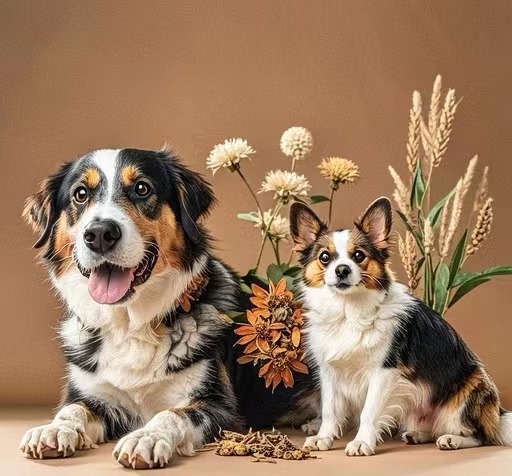
Cancer in dogs is a topic of growing concern for pet owners worldwide. Understanding which breeds are more susceptible to cancer can help in early detection and management. This comprehensive guide delves into various dog breeds and their associated risk levels for developing cancer.
High Cancer Risk Breeds
German Shepherds, Golden Retrievers, and Labrador Retrievers lead the list of breeds with the highest risk. Known for their loyalty and intelligence, these breeds unfortunately face a higher predisposition to cancer. Other breeds in this category include Poodles, Rottweilers, Boxers, Cocker Spaniels, American Water Spaniels, Doberman Pinschers, Shetland Sheepdogs, Miniature Schnauzers, Portuguese Water Dogs, Shih Tzus, Collies, Chows, and Siberian Huskies.
Moderate to High Risk Breeds
In the next tier are breeds like Giant Schnauzers, Standard Poodles, Dalmatians, Irish Wolfhounds, Pomeranians, Saint Bernards, Great Danes, Alaskan Malamutes, Newfoundlands, Basset Hounds, Belgian Sheepdogs, Boston Terriers, Irish Setters, Bulldogs, Lhasa Apsos, Pointers, Pugs, Weimaraners, Shelties, and more. These breeds have a slightly lower but still significant risk of developing cancer.
Low Cancer Risk Breeds
Breeds like Papillons, Chihuahuas, Shar Peis, Cavalier King Charles Spaniels, Pekingese, Akitas, Great Pyrenees, Bloodhounds, Mastiffs, Affenpinschers, American Foxhounds, Bullmastiffs, Chesapeake Bay Retrievers, Bichon Frises, Westies, and Yorkshire Terriers are among those with a lower risk of cancer. These breeds are less prone to the disease, but regular health check-ups are still essential.
Least Risk Breeds
Breeds with the least risk include Airedales, Beagles, Dachshunds, Irish Setters, Jack Russell Terriers, Rough Collies, Briards, Havanese, Maltese, and Corgis. These breeds are less likely to develop cancer, but it’s important to maintain a healthy lifestyle and regular veterinary care.
Conclusion
Understanding the cancer risk in different dog breeds is crucial for early detection and effective treatment. Regular veterinary check-ups, a balanced diet, and a healthy lifestyle are key to ensuring the well-being of your beloved pet, regardless of their breed.

by TCMVET | Jan 29, 2024 | pet Chinese herbal medicine
In the ever-evolving world of canine healthcare, the fusion of Eastern and Western practices is opening new avenues for pet wellness. “East Meets West” delves into the integration of Chinese herbal medicine with conventional dog care, offering a holistic approach to your furry friend’s well-being.
The Philosophy of Traditional Chinese Medicine (TCM)
TCM, rooted in a history that spans thousands of years, is based on the principles of harmony and balance. It views the body as an interconnected system where physical health is intertwined with emotional and environmental factors. This philosophy is now being embraced in canine health care.
Common Chinese Herbs Used in Canine Care
A variety of Chinese herbs are becoming popular in the West for their health benefits for dogs:
- Ginseng (Ren Shen): Enhances vitality and supports immune function.
- Astragalus (Huang Qi): Known for boosting the immune system and aiding in cardiovascular health.
- Dang Gui (Angelica Sinensis): Improves circulation and supports joint health.
- Licorice Root (Gan Cao): Has anti-inflammatory properties and supports digestive health.
Integrating Chinese Herbs into Conventional Dog Care
The integration of Chinese herbs into conventional canine care should be a thoughtful, individualized process. It’s essential to work with a veterinarian who understands both Eastern and Western approaches to ensure safe and effective use.
Benefits of a Combined Approach
This integrative approach can offer the best of both worlds:
- Enhanced effectiveness of treatments.
- Reduction in the side effects of conventional medications.
- Improved overall well-being and quality of life for dogs.
Case Studies and Success Stories
Real-life examples and success stories of dogs benefiting from this integrated approach can provide insight and inspiration for pet owners considering this pathway.
The blend of Chinese herbs with conventional dog care represents a promising frontier in canine health. By embracing both Eastern wisdom and Western scientific rigor, we can offer our canine companions a more rounded and effective healthcare regime.
by TCMVET | Jan 29, 2024 | Food & Health
In the quest for holistic health for our canine companions, traditional Chinese medicine (TCM) offers a treasure trove of herbal remedies. “Herbal Healing” delves into the ancient wisdom of Chinese herbs, exploring how they can be integrated into modern dog care to enhance overall wellness.
The Essence of Chinese Herbal Medicine
Chinese herbal medicine, a key component of TCM, is based on the concept of balance and harmony within the body. For centuries, it has been used to treat a variety of ailments in humans and animals. Today, it’s gaining recognition in the veterinary world for its gentle yet effective approach to health.
Common Chinese Herbs for Dogs
Several herbs are commonly used in TCM for dogs, each with its unique properties:
- Astragalus (Huang Qi): Boosts the immune system and supports overall vitality.
- Ginseng (Ren Shen): Enhances energy and aids in recovery from illness.
- Turmeric (Jiang Huang): Known for its anti-inflammatory properties.
- Goji Berries (Gou Qi Zi): Rich in antioxidants, supports eye health.
Integrating Herbs into Your Dog’s Wellness Plan
Incorporating Chinese herbs into your dog’s wellness routine should be a thoughtful process. Consultation with a veterinarian skilled in TCM is crucial. They can provide tailored herbal recommendations based on your dog’s specific health needs and conditions.
Herbs and Conventional Medicine: A Balanced Approach
Chinese herbs can complement conventional veterinary treatments. They are often used alongside modern medicine to enhance efficacy and reduce side effects. It’s important to understand the interactions between herbs and any current medications your dog is taking.
Safety and Quality Control
While Chinese herbs are generally safe, quality control is essential. Ensure that the herbs are sourced from reputable suppliers and administered in the correct dosages as advised by a professional.
Integrating Chinese herbal medicine into your dog’s wellness plan offers a natural and holistic approach to health. By combining the best of traditional and modern practices, we can provide our furry friends with a balanced path to well-being. Remember, the goal is to nurture not just a healthy body, but also a harmonious spirit.

by TCMVET | Jan 29, 2024 | Dog Cancer & Tumors
The diagnosis of cancer in a beloved dog can be a daunting experience. However, it’s important to remember that beyond medical treatment, there are many ways to enhance the quality of life for our furry friends. “A New Lease on Life” is dedicated to exploring these avenues, ensuring that every day is filled with comfort and joy for your canine companion.
The Importance of Comfort and Care
A dog with cancer requires more than just medical treatment; they need a nurturing environment that promotes well-being. Comfortable bedding, a quiet and safe space, and gentle affection play a crucial role in maintaining their quality of life.
Nutrition: The Cornerstone of Health
Proper nutrition is vital for dogs with cancer. High-quality, nutrient-rich foods can boost their immune system and provide the energy they need. Consult with a veterinarian to create a diet plan that caters to your dog’s specific needs.
Engaging in Meaningful Activities
Keeping your dog engaged and mentally stimulated is key. Tailor activities to their energy levels — gentle walks, short play sessions, or even interactive toys can help keep their spirits up.
Pain Management: A Priority
Effective pain management is essential for dogs with cancer. Work with your vet to find the right combination of medication and therapies to keep your dog comfortable. Options like acupuncture, massage, or physical therapy can also be beneficial.
Emotional Support for You and Your Dog
Your emotional presence is a source of great comfort to your dog. Spending quality time together, whether it’s cuddling or simply being in the same room, can make a significant difference in their well-being.
Creating a Legacy of Love
Cherish every moment with your dog and create lasting memories. Whether it’s taking photos, enjoying a favorite spot together, or celebrating small victories, these moments can be a source of joy and comfort for both of you.
Enhancing the quality of life for a dog with cancer goes beyond medical treatment. It’s about creating a nurturing environment, providing proper nutrition, managing pain, and most importantly, cherishing the bond you share. Every day is an opportunity to give your dog a new lease on life, filled with love and care.
by TCMVET | Jan 29, 2024 | Dog Cancer & Tumors
The diagnosis of cancer in a beloved dog can be a heart-wrenching experience. As pet owners, the emotional journey we embark on is fraught with challenges and uncertainties. “Weathering the Storm” aims to guide and support you through these turbulent times, offering strategies for emotional resilience and coping mechanisms to navigate this difficult journey.
Understanding Your Emotional Landscape
When your dog is diagnosed with cancer, a whirlwind of emotions can overwhelm you – sadness, anger, guilt, and helplessness are common feelings. Acknowledging these emotions is the first step towards managing them. It’s important to understand that what you’re feeling is normal and that you’re not alone in this experience.
Finding Strength in Vulnerability
It might seem counterintuitive, but embracing your vulnerability can be a source of strength. Sharing your fears and concerns with family, friends, or a support group can provide much-needed emotional relief and perspective. Remember, seeking help is not a sign of weakness, but rather a brave step towards healing.
Establishing a Support Network
Building a network of support is crucial. This network can include your vet, pet cancer support groups, and empathetic friends and family. These connections can offer practical advice, emotional support, and a listening ear when you need it most.
Navigating Treatment Decisions
Making decisions about your dog’s treatment can be overwhelming. Gather information from reliable sources and your veterinarian to make informed choices. It’s okay to ask questions, seek second opinions, and take time to consider all options.
Creating a Comforting Routine
Maintaining a routine can bring a sense of normalcy and comfort to both you and your dog. Simple activities like regular walks, playtime, or just cuddling can be soothing and reinforce the bond you share.
Practicing Self-Care
Taking care of yourself is not selfish; it’s essential. Engaging in activities that bring you joy and relaxation, whether it’s reading, yoga, or spending time in nature, can help replenish your emotional reserves.
Embracing the Journey
While facing canine cancer is undoubtedly challenging, it can also bring unexpected moments of joy, deepening of bonds, and personal growth. Embrace these moments and cherish the time with your furry companion.
Navigating the emotional landscape of canine cancer is a journey of love, resilience, and personal strength. By employing coping strategies and seeking support, you can find solace and strength, ensuring that you and your beloved dog can face this challenge together.
