by TCMVET | Aug 25, 2026 | Research and News
Pet Wellbeing Life Gold is a herbal supplement designed to provide nutritional and botanical support for dogs facing serious health challenges, including cancer. For United Kingdom owners, choosing any complementary product requires careful consideration of ingredients, safety, veterinary guidance, and realistic expectations. It should never be viewed as a replacement for diagnosis or conventional treatment, but it may form part of a wider wellbeing plan created with a qualified veterinary professional.
What is Pet Wellbeing Life Gold?
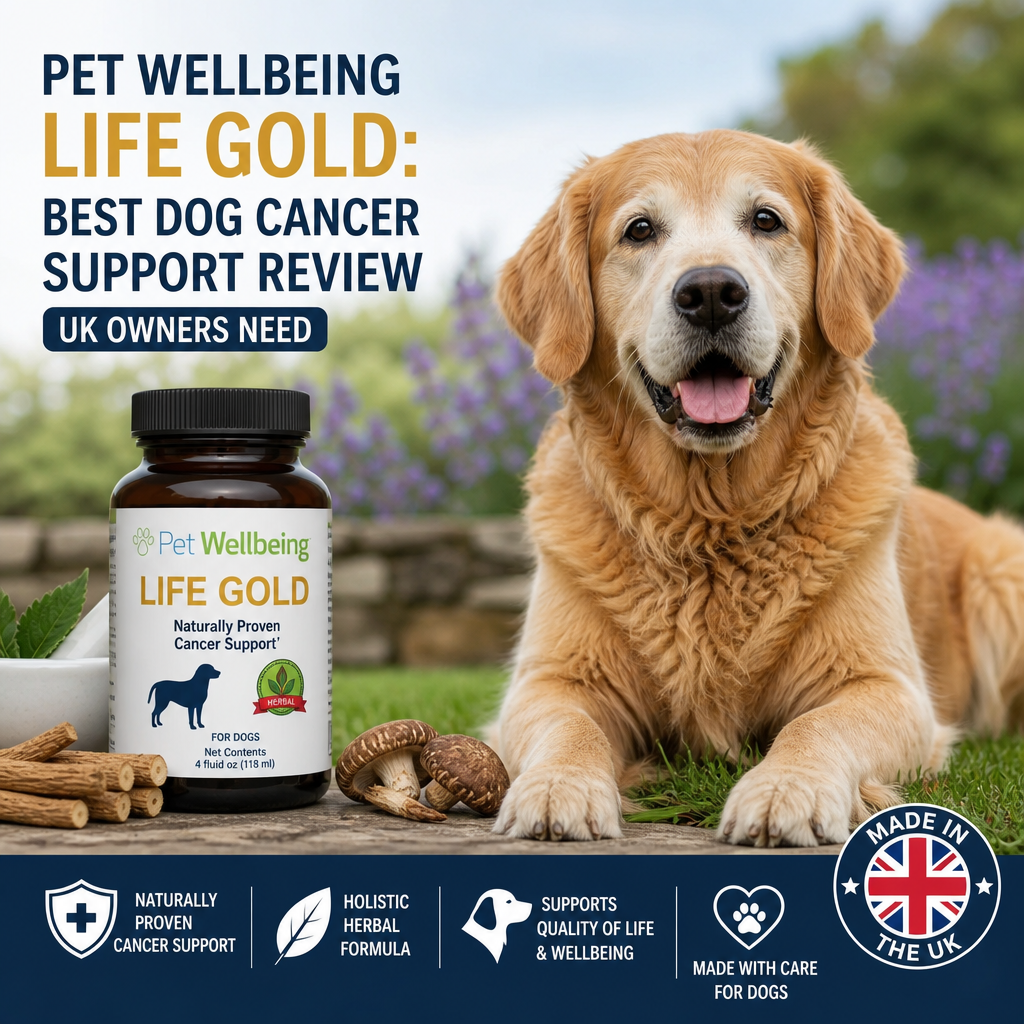
Pet Wellbeing Life Gold is marketed as a liquid herbal formula for dogs. Products in this category are generally intended to support the body during periods of illness, helping maintain appetite, energy, digestion, immune function, or overall resilience. Liquid supplements can be particularly practical because they may be mixed with food or administered according to the manufacturer’s instructions.
The formula is associated with traditional herbal ingredients selected for their potential supportive properties. However, “natural” does not automatically mean risk-free. Herbal substances can be biologically active, may affect the way medicines work, and can be unsuitable for dogs with certain conditions. This is especially important when a dog is receiving chemotherapy, steroids, pain relief, anti-inflammatory medicines, or other prescriptions.
If your dog is already under veterinary care, it is worth discussing supportive options alongside broader guidance from trusted resources such as the American Cancer Society’s overview of complementary and integrative medicine.
Pet Wellbeing Life Gold dog cancer support: what owners should know
Many owners searching for Pet Wellbeing Life Gold dog cancer support are looking for something that can improve comfort or quality of life. That is an understandable concern. Cancer can affect a dog’s appetite, weight, digestion, energy, mobility, and emotional wellbeing, while treatment may create additional side effects.
A supplement may be considered as supportive care, but it is not an established cure for cancer. There is no responsible basis for claiming that a herbal product can eliminate tumours, replace surgery, or guarantee a response to chemotherapy. The most valuable role of a complementary product is usually to support general wellbeing alongside a veterinary treatment plan.
Before introducing it, discuss the product with your vet. Provide the full ingredient list, dosage information, and details of every medication or supplement your dog is already receiving. A veterinary surgeon can assess whether the ingredients are appropriate for your dog’s diagnosis, age, breed, liver and kidney function, and current treatment.
When owners compare options, they often find it helpful to think in terms of cancer support rather than cure. That distinction matters, especially when making decisions for a dog with limited energy or ongoing treatment side effects. Pet Wellbeing Life Gold may have a role, but it should stay within a supervised care plan.
Potential reasons owners consider the product
Dog owners may consider a supplement such as Life Gold for several reasons:
- To support general nutritional wellbeing during illness
- To help maintain appetite and body condition
- To provide additional botanical support during veterinary treatment
- To encourage a consistent daily care routine
- To support quality of life when a dog is vulnerable or recovering
These goals are reasonable, but outcomes can vary widely. A dog’s response depends on the type and stage of cancer, existing health conditions, diet, medication, and individual tolerance. Owners should monitor the dog rather than assuming that a supplement will produce a specific result.
Keeping a simple daily record can help. Note appetite, water intake, energy, bowel movements, vomiting, discomfort, sleep, and interest in normal activities. This information gives your vet a clearer picture of whether the dog is stable, improving, or developing possible side effects.
Pet Wellbeing Life Gold may be easier to trial when you already have a routine for meals, medication, and symptom tracking. That makes it simpler to notice whether anything changes after the supplement is introduced.
Pet Wellbeing Life Gold review: assessing benefits and limitations
A balanced Pet Wellbeing Life Gold review should consider both its potential usefulness and its limitations. The product may appeal to owners because it is easy to administer and is positioned as a gentle, natural option. Some dogs may tolerate it well, particularly when it is introduced gradually and given with food where appropriate.
However, individual testimonials are not the same as controlled clinical evidence. A dog may appear better after starting a supplement because of changes in pain management, diet, hydration, treatment response, or natural fluctuations in symptoms. Conversely, a dog may deteriorate despite receiving a supplement because the underlying disease is progressing. This makes it difficult to attribute changes to one product without professional assessment.
Owners should also examine practical details, including product storage, expiry dates, batch information, serving guidance, and the reliability of the retailer. Avoid products with unclear labelling or unsupported claims. A trustworthy manufacturer should provide transparent ingredient information and clear instructions for use.
For families also weighing other canine cancers and risk discussions, it can help to read about broader background factors such as Dog Cancer Causes: Helpful, Important Genetics & Risks. Understanding the bigger picture often makes supplement decisions feel more grounded.
Pet Wellbeing Life Gold review discussions should also be measured against the dog’s real needs. A product that is convenient is not automatically the most useful choice if the main issue is pain, nausea, dehydration, or weight loss. In those cases, the most effective help may come from a vet-led adjustment to treatment rather than from a herbal formula.
Safety and possible interactions
Safety is the most important issue when adding a supplement to a cancer care plan. Herbal ingredients may influence blood clotting, blood pressure, digestion, liver enzymes, or immune activity. These effects could be relevant before surgery or alongside medicines.
Contact a vet promptly if your dog develops repeated vomiting, diarrhoea, severe lethargy, facial swelling, breathing difficulty, loss of appetite, unusual bleeding, or a sudden change in behaviour after taking the product. Stop and seek advice if you suspect an adverse reaction, unless your veterinary team has given different instructions.
Never use a human supplement as a substitute, and do not combine multiple herbal products without professional advice. Some ingredients that are safe for people can be harmful to dogs, while concentrated oils and poorly controlled products may pose additional risks.
These precautions matter even more for dogs with complex illnesses. If your pet has a tumour involving the spleen, for example, supportive care discussions may overlap with information on Hemangiosarcoma Helpful Splenic Cancer, Bleeding Tumors, because bleeding risk and medication choices can become especially important.
Buying Pet Wellbeing Life Gold in the United Kingdom
When looking for Pet Wellbeing Life Gold United Kingdom purchasing options, use an established retailer or the manufacturer’s authorised sales channel. Check whether the product is labelled for dogs, whether the packaging is sealed, and whether the seller provides a full ingredient list and usage instructions.
UK owners should also consider delivery conditions, returns policies, and whether the product has been stored correctly. Supplements are not regulated in exactly the same way as licensed veterinary medicines, so marketing language should be treated carefully. Claims suggesting that a product “cures” cancer or works for every dog are warning signs.
Your vet may also recommend alternatives with stronger nutritional evidence, such as a complete, energy-dense diet, appetite support, prescription medication, or a referral to a veterinary oncologist. These options can often be more important than adding a supplement.
Pet Wellbeing Life Gold may still be discussed as part of the larger support plan, but the purchase decision should always come after confirming that it fits your dog’s current treatment and condition.
How to make a sensible decision
The best approach is to treat Life Gold as a possible complementary product rather than a primary cancer treatment. Ask your vet three practical questions: Is it suitable for my dog’s condition? Could it interact with current medication? How will we measure whether it is helping?
Introduce only one new product at a time, follow the stated serving guidance, and avoid increasing the amount because improvement is not immediate. Continue all prescribed treatment unless your vet specifically advises otherwise. Most importantly, focus on the dog’s comfort, hydration, nutrition, pain control, and ability to enjoy daily life.
For some owners, the decision is also emotional: they want to feel they are doing something supportive without creating avoidable risk. That is understandable, and a calm vet conversation can make the choice much easier. Pet Wellbeing Life Gold can be considered, but only as one small part of a broader plan.
Overall, Pet Wellbeing Life Gold may interest UK owners seeking additional support for a dog with cancer, but expectations should remain realistic. Veterinary supervision, evidence-based treatment, and regular monitoring should always come first. A supplement can potentially complement good care, but it cannot replace the expertise and treatment plan provided by a veterinary team.
by TCMVET | Aug 25, 2026 | Research and News
Cuidados paliativos perro cáncer significa priorizar el bienestar, aliviar el dolor y preservar la calidad de vida cuando la enfermedad no puede curarse o el tratamiento agresivo deja de ser la mejor opción. Esta atención no equivale a “no hacer nada”: implica un plan veterinario activo, individualizado y revisable, orientado a que el animal descanse, coma, se mueva y se relacione con el menor sufrimiento posible.
Qué son los cuidados paliativos en un perro con cáncer
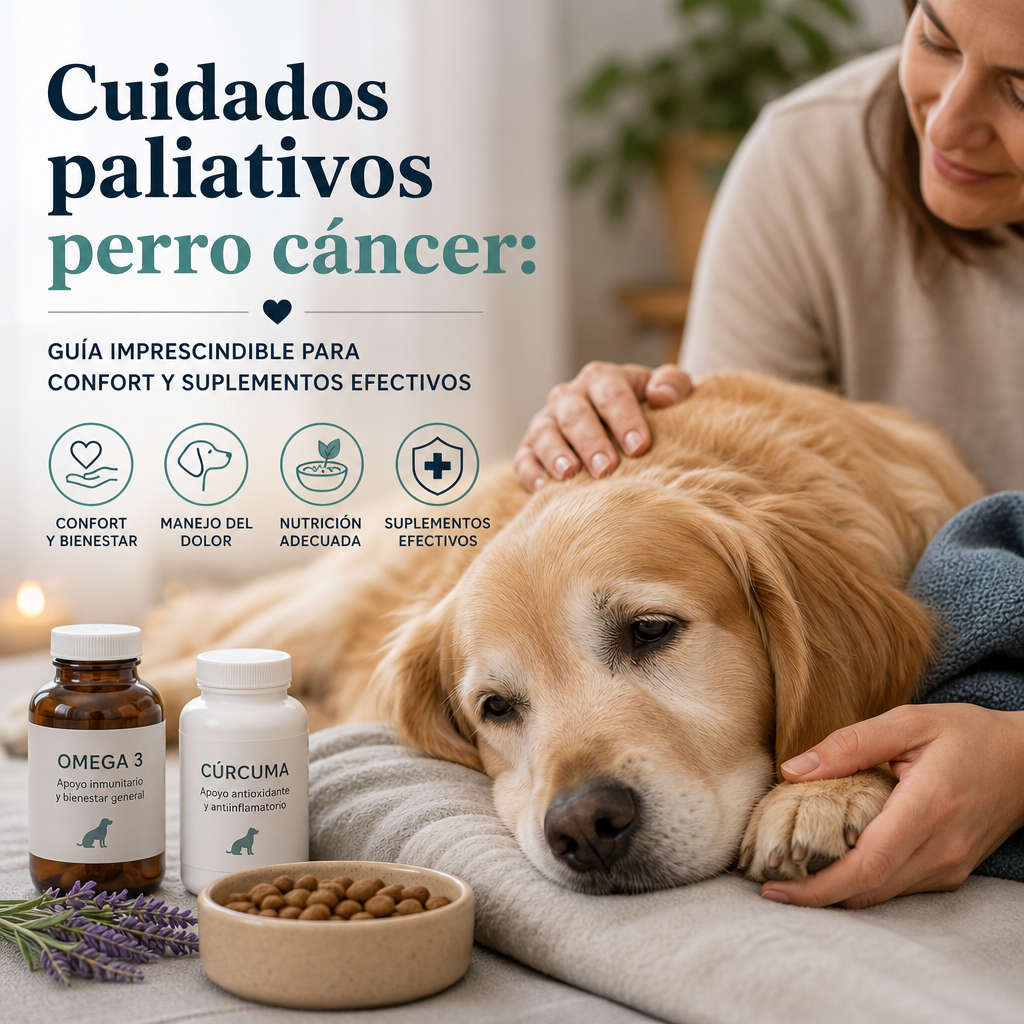
Los cuidados paliativos reúnen medidas médicas, nutricionales, emocionales y ambientales para controlar los síntomas asociados al cáncer. Pueden comenzar durante la quimioterapia, la radioterapia o una cirugía, y también ser la estrategia principal cuando el objetivo ya no es eliminar el tumor, sino acompañar al perro de forma segura.
El plan debe diseñarse junto con un veterinario, preferiblemente con experiencia en oncología y control del dolor. Cada paciente es diferente: no requiere lo mismo un perro con un tumor óseo que otro con linfoma, una masa abdominal o una enfermedad avanzada con pérdida de peso.
En la práctica, los cuidados paliativos perro cáncer no se limitan a la medicación. También incluyen decisiones sobre rutinas, descanso, manipulación, higiene, apetito y calidad de vida. Cuando se integran todos estos elementos, el perro suele estar más tranquilo y la familia entiende mejor qué esperar en cada fase.
Entre los objetivos principales se encuentran:
- Controlar el dolor y la inflamación.
- Reducir las náuseas, los vómitos y la diarrea.
- Mantener la hidratación y el apetito.
- Facilitar el descanso y la movilidad.
- Disminuir la ansiedad y el estrés.
- Adaptar el entorno doméstico.
- Acompañar a la familia en la toma de decisiones.
En muchos hogares, entender bien los cuidados paliativos perro cáncer ayuda a tomar decisiones más serenas y a identificar antes cualquier cambio importante. Esa comprensión también evita expectativas irreales y permite enfocarse en metas alcanzables, como comer mejor, dormir con menos dolor o caminar con mayor seguridad.
Cuando el proceso avanza, conviene pensar en términos de bienestar diario y no solo de diagnósticos. Un perro puede seguir disfrutando de caricias, paseos cortos o momentos de calma aunque ya no exista un tratamiento curativo viable. De hecho, esa es una de las razones por las que la medicina paliativa es tan valiosa: transforma la atención en un acompañamiento activo, compasivo y muy concreto.
Perro cáncer confort: cómo mejorar su bienestar diario
Perro cáncer confort no depende de una sola medida, sino de la suma de pequeños ajustes. El hogar debe convertirse en un espacio tranquilo, cálido y accesible. Una cama acolchada, aislada del suelo y ubicada lejos de corrientes de aire puede ayudar a reducir la rigidez y favorecer el descanso. Si el animal tiene debilidad, conviene colocar varios bebederos y comederos en lugares cercanos.
Las superficies resbaladizas pueden aumentar el dolor y el miedo a caminar. Las alfombras antideslizantes, rampas suaves y barreras para evitar escaleras contribuyen a prevenir caídas. Los paseos deben ser cortos, frecuentes y adaptados a su energía. No es necesario mantener la misma rutina de ejercicio que antes del diagnóstico: el objetivo es estimularlo sin agotarlo.
La iluminación suave y los espacios previsibles también ayudan. En perros sensibles al ruido, conviene reducir estímulos intensos como visitas numerosas, música alta o cambios bruscos de rutina. El estrés consume energía y puede empeorar el apetito, el sueño y la tolerancia al dolor.
El contacto afectivo también tiene valor. Hablarle con calma, cepillarlo si lo disfruta y respetar sus momentos de aislamiento puede reducir el estrés. Algunos perros buscan más compañía, mientras que otros prefieren descansar sin interrupciones. Observar sus preferencias es una parte esencial del cuidado.
La frase cuidados paliativos perro cáncer también encaja aquí porque el confort cotidiano es una meta central de esta etapa y no un detalle secundario. Cuando el perro se siente más seguro en casa, suele mostrar menos inquietud y una mejor disposición para comer, descansar o aceptar la medicación.
Un detalle útil es dividir el día en microobjetivos. Por ejemplo: levantarse sin dolor excesivo, beber algo de agua, dar un paseo corto y descansar en un lugar cómodo. Esta manera de organizar el día hace más fácil detectar mejoras o retrocesos y evita exigirle más de lo que puede dar en su estado actual.
Si el perro presenta dolor al subir al sofá o al girar sobre sí mismo, una ayuda práctica es colocar una rampa o habilitar una zona baja y estable para que no tenga que saltar. Estas adaptaciones son sencillas, pero en conjunto forman parte real del perro cáncer confort y pueden marcar una diferencia notable en su autonomía.
Control del dolor y de los síntomas
El dolor oncológico puede manifestarse mediante jadeo en reposo, temblores, postura encorvada, dificultad para levantarse, irritabilidad, gemidos, falta de apetito o cambios en el sueño. Los perros no siempre lloran, por lo que cualquier modificación persistente en su comportamiento merece una consulta veterinaria.
El profesional puede combinar analgésicos, antiinflamatorios, medicamentos para el dolor neuropático y otras terapias según el tipo de tumor y el estado de órganos como el hígado y los riñones. Nunca deben administrarse fármacos humanos por cuenta propia. Algunos, como el ibuprofeno, el naproxeno o el paracetamol, pueden provocar intoxicaciones graves.
También es importante tratar síntomas asociados. Las náuseas y el estreñimiento reducen notablemente el bienestar; la dificultad respiratoria exige atención rápida; y la deshidratación puede agravar la debilidad. Si el perro no puede respirar con normalidad, presenta dolor incontrolable, vómitos repetidos, sangrado abundante, colapso o encías muy pálidas, se debe acudir a un servicio veterinario de urgencias.
En algunos casos, el control de síntomas incluye revisar la boca, la piel y la higiene del entorno. Un perro con menos apetito puede desarrollar mal aliento, residuos de comida o irritación por estar más tiempo tumbado. Mantener la zona limpia, seca y confortable ayuda a evitar molestias añadidas y mejora la calidad general del cuidado.
El dolor también puede cambiar con el tiempo. Lo que hoy funciona bien puede quedarse corto en unas semanas si la enfermedad progresa. Por eso, una de las claves de los cuidados paliativos perro cáncer es la reevaluación frecuente. No se trata solo de “dar una medicina”, sino de comprobar si realmente está ayudando al animal a moverse, dormir y relajarse mejor.
Para ampliar recomendaciones generales sobre el apoyo nutricional y el manejo responsable de complementos, puedes consultar esta guía sobre suplementos para perros con cáncer.
Cuando el dolor está bien controlado, muchas familias notan que el perro vuelve a buscar contacto, a descansar más profundo y a mostrar interés por la comida. Estos cambios, aunque sean modestos, suelen ser señales valiosas de bienestar.
Alimentación e hidratación durante la etapa paliativa
La alimentación debe adaptarse a la tolerancia y a las necesidades del paciente. En algunos casos se recomienda una dieta energética y altamente digestible; en otros, una formulación específica para enfermedad renal, hepática o gastrointestinal. No existe una dieta anticáncer universal y las restricciones extremas pueden causar pérdida muscular.
Ofrecer pequeñas cantidades varias veces al día suele ser más tolerable que una ración grande. La comida puede templarse ligeramente para intensificar su aroma, siempre que el veterinario lo considere adecuado. No conviene forzar al perro a comer, ya que esto puede aumentar la aversión y el estrés.
Cuando hay poco apetito, es preferible priorizar lo que el perro acepta bien antes que insistir en opciones demasiado sofisticadas. En este contexto, la constancia pesa más que la perfección. Un alimento sencillo, bien tolerado y administrado con regularidad suele ser mejor que un plan ideal que el perro rechaza.
La hidratación debe vigilarse mediante el acceso constante a agua fresca y la observación de signos como encías secas, apatía u orina muy concentrada. En determinados pacientes, el veterinario puede recomendar fluidoterapia subcutánea en casa, explicando el procedimiento y la frecuencia.
Además del agua, a veces se pueden usar estrategias simples para mejorar la ingesta hídrica: cambiar el recipiente, ofrecer agua en otro lugar de la casa o ajustar la temperatura para que resulte más atractiva. En perros con náuseas, fraccionar la comida y el agua puede evitar rechazo adicional.
Los alimentos, la textura y la temperatura pueden marcar una gran diferencia en los cuidados paliativos perro cáncer, sobre todo cuando el apetito cambia de un día a otro. También puede ser útil registrar qué alimentos acepta mejor, a qué horas come con más ganas y qué síntomas aparecen después. Esa información facilita mucho la revisión veterinaria.
Si hay vómitos, diarrea o estreñimiento, la dieta debe reevaluarse. No todas las molestias digestivas se deben al tumor en sí; a veces están relacionadas con fármacos, estrés o cambios en la rutina. Un ajuste temprano puede evitar una bajada de peso más marcada y mejorar el ánimo del perro.
Suplementos perro cáncer paliativo: cuáles pueden ser útiles
Suplementos perro cáncer paliativo es una búsqueda frecuente entre las familias, pero estos productos no sustituyen los analgésicos, la nutrición clínica ni el seguimiento veterinario. Además, un suplemento puede ser adecuado para un perro y perjudicial para otro, especialmente si existe enfermedad renal, hepática o tratamiento farmacológico simultáneo.
Los ácidos grasos omega-3, sobre todo EPA y DHA procedentes de aceite de pescado de calidad veterinaria, pueden ayudar a modular la inflamación y apoyar el mantenimiento de la masa corporal en determinados casos. La dosis debe calcularse según el peso, la dieta y el estado de salud.
Los antioxidantes, vitaminas, minerales, hongos medicinales y productos de cáñamo se utilizan a veces como complemento, pero la evidencia científica es variable y la calidad comercial también. Algunos productos pueden interferir con la coagulación, alterar el metabolismo de medicamentos o contener ingredientes no declarados. Por ello, es fundamental entregar al veterinario la etiqueta completa y no combinar varios suplementos sin supervisión.
Los productos “naturales” no son automáticamente seguros. Evita aceites esenciales, extractos concentrados y remedios caseros potencialmente tóxicos. La prioridad debe ser seleccionar complementos con composición clara, controles de calidad y una indicación concreta.
Si necesitas comparar opciones con más criterio, esta lectura sobre mejores suplementos para perros con cáncer puede ayudarte a entender qué revisar antes de comprar.
Entre los errores más comunes está pensar que “más suplemento” significa “más apoyo”. En realidad, en una etapa delicada, el exceso de productos complica la rutina, aumenta el riesgo de interacciones y puede empeorar el rechazo a la comida. Lo más prudente es elegir pocos complementos, con un objetivo claro y con seguimiento profesional.
También conviene recordar que los suplementos perro cáncer paliativo tienen sentido solo si encajan con el contexto clínico. Por ejemplo, un perro con digestión sensible puede no tolerar determinados aceites, y otro con problemas de coagulación puede requerir especial cautela. La personalización importa tanto como el producto en sí.
Si el veterinario aprueba un suplemento, introduce uno cada vez y observa durante varios días si mejora la tolerancia, el apetito o la movilidad. De este modo, resulta más fácil saber qué funciona y qué no. Esta forma de proceder es especialmente útil en hogares donde ya hay varias medicinas pautadas.
Al buscar suplementos perro cáncer paliativo, muchas familias se guían por comentarios de internet o por promesas muy optimistas. Sin embargo, la decisión más segura es la que combina evidencia, prudencia y contexto clínico real. No todo lo que suena natural es apropiado para un paciente oncológico.
Cómo medir la calidad de vida
Llevar un registro diario ayuda a tomar decisiones con mayor objetividad. Puedes anotar el apetito, la ingesta de agua, el dolor, la movilidad, el descanso, la respiración, la interacción familiar y la capacidad para realizar sus necesidades. También es útil registrar los días buenos y malos.
Una buena calidad de vida suele incluir momentos de interés, capacidad para descansar, dolor razonablemente controlado y cierta disposición a comer, beber o relacionarse. Cuando los días malos superan de forma clara a los buenos, o cuando el sufrimiento no puede aliviarse, es necesario hablar con el veterinario sobre las opciones disponibles, incluida la eutanasia humanitaria.
Una escala sencilla puede ayudarte a objetivar la situación: apetito, hidratación, higiene, movilidad, dolor, ánimo e interacción. Si varias de estas áreas empeoran al mismo tiempo, el plan puede necesitar ajustes inmediatos. No hace falta usar herramientas complejas para notar tendencias; la observación constante ya aporta mucha información.
Decidir no significa abandonar. En la etapa paliativa, acompañar con atención, controlar los síntomas y evitar el sufrimiento son formas profundas de cuidar. Con un plan veterinario personalizado, un entorno adaptado y una observación constante, es posible ofrecer al perro con cáncer seguridad, dignidad y el mayor confort posible durante el tiempo que le quede.
Si el proceso te genera dudas, recuerda que los cuidados paliativos perro cáncer buscan precisamente sostener el bienestar con decisiones prácticas, humanas y guiadas por el veterinario. La meta no es prolongar el malestar, sino proteger cada día bueno que todavía pueda disfrutar.
Cuándo revisar el plan y pedir ayuda
El plan paliativo no debe quedarse fijo. Si el perro come menos, duerme peor, se muestra más inquieto, pierde movilidad o parece evitar el contacto, conviene revisar la estrategia cuanto antes. A veces basta con ajustar el analgésico, modificar la dieta o cambiar la pauta de hidratación; en otras ocasiones, se necesitan pruebas complementarias para descartar dolor mal controlado, infección, anemia u otra complicación.
También puede ser útil revisar el plan cuando hay cambios en la estación, en la rutina familiar o en la capacidad del cuidador para administrar medicación. La constancia es importante, pero la flexibilidad lo es todavía más. Un pequeño ajuste a tiempo puede mejorar mucho el confort diario y evitar una crisis posterior.
En caso de dudas sobre un suplemento, una medicación nueva o un síntoma repentino, lo más prudente es contactar con el equipo veterinario antes de improvisar. La seguridad del paciente siempre debe ser la prioridad.
Si notas respiración agitada en reposo, desorientación, pérdida súbita de fuerza, sangrado, fiebre o dolor que no mejora con la pauta indicada, no esperes a la siguiente visita programada. Los cuidados paliativos perro cáncer funcionan mejor cuando el equipo puede intervenir temprano y corregir el rumbo antes de que el malestar se intensifique.
Además, es recomendable revisar el plan cuando el perro deja de disfrutar de actividades que antes le gustaban. Un paseo corto, una siesta cómoda o una caricia tranquila pueden ser indicadores muy útiles. Si esas pequeñas fuentes de bienestar desaparecen, conviene hablar con el veterinario sin demora.
Resumen práctico para el día a día
Los cuidados paliativos son más efectivos cuando combinan tres pilares: control del dolor, apoyo nutricional y adaptación del entorno. A partir de ahí, cada perro necesita un plan individual, revisado con frecuencia y centrado en su confort real. Los suplementos pueden ser útiles en algunos casos, pero solo como apoyo y nunca como sustituto del tratamiento principal.
Si observas con atención, registras cambios y mantienes una comunicación fluida con el veterinario, podrás tomar decisiones más tranquilas y ofrecer una mejor calidad de vida. En definitiva, los cuidados paliativos perro cáncer no buscan prolongar el sufrimiento, sino acompañar con dignidad, aliviar lo que sea posible y proteger el bienestar del animal hasta el final.
Para recordar lo esencial, quédate con esta idea: confort, nutrición, control del dolor y revisiones periódicas. Esa combinación es la base de unos cuidados paliativos perro cáncer realmente útiles para el perro y para su familia.
También ayuda mantener expectativas realistas y celebrar los avances pequeños. Un mejor descanso, una comida aceptada o una caminata breve sin dolor son logros importantes. En la práctica, estas señales muestran que el plan está funcionando y que el perro sigue recibiendo un acompañamiento respetuoso y positivo.
Por último, no olvides que pedir ayuda a tiempo también forma parte del cuidado. Los cuidados paliativos perro cáncer requieren observación, compasión y comunicación continua con el veterinario para sostener el bienestar con la mayor seguridad posible.

by TCMVET | Aug 25, 2026 | Research and News
Immune / medicinal mushrooms are becoming an increasingly discussed option for pet owners seeking supportive care for dogs diagnosed with tumors. In Bosnia and Herzegovina, interest in natural wellness products is growing, but choosing a supplement should always be approached carefully. Medicinal mushrooms may support general immune function and quality of life, yet they are not a replacement for veterinary diagnosis, surgery, chemotherapy, radiation, or other proven cancer treatments.
A tumor diagnosis can be overwhelming. Owners often want to do everything possible to help their dog remain comfortable, active, and well nourished. Supportive supplements may have a role in a broader care plan, especially when selected with guidance from a veterinarian who understands the dog’s medical history, current medication, and specific type of cancer.
For many families, the conversation starts with careful research and ends with practical questions: which ingredients are included, how the product is made, and whether the formula is appropriate for a dog already dealing with illness. Those are the right questions to ask, because Immune / medicinal mushrooms should be chosen for quality and safety first, not for marketing claims.
Why immune and medicinal mushrooms are attracting attention

Certain mushrooms contain naturally occurring compounds such as beta-glucans, polysaccharides, triterpenes, antioxidants, and other bioactive substances. These compounds are being studied for their potential effects on immune regulation, inflammation, oxidative stress, and overall resilience.
Common medicinal mushrooms found in canine supplements include:
- Reishi, also known as Ganoderma lucidum
- Turkey tail, or Trametes versicolor
- Maitake, or Grifola frondosa
- Shiitake, or Lentinula edodes
- Cordyceps species
- Chaga, or Inonotus obliquus
Each mushroom has a different nutritional and biochemical profile. Turkey tail, for example, has received attention in veterinary research because of compounds associated with immune support. Reishi is often included in wellness formulas intended to promote balance and support normal inflammatory responses. However, evidence varies by mushroom, product, dosage, and health condition.
It is important to understand that “natural” does not automatically mean safe for every dog. A dog with liver disease, kidney problems, diabetes, autoimmune disease, or a sensitive digestive system may respond differently to a supplement than a healthy dog.
For owners comparing options, the broader category of Immune / medicinal mushrooms should be viewed as supportive care rather than a stand-alone solution. Used well, they may fit into a structured plan that also includes diet, symptom relief, and follow-up veterinary care.
Dog tumor support Bosnia and Herzegovina: building a responsible care plan
When searching for dog tumor support Bosnia and Herzegovina, pet owners should begin with a complete veterinary assessment. The most useful plan depends on the tumor’s location, stage, grade, size, symptoms, and whether it has spread to other parts of the body. Blood tests, imaging, biopsy results, and medication history may all influence supplement decisions.
A supportive plan may include:
- Veterinary cancer treatment when appropriate
- A complete and balanced diet
- Pain and nausea management
- Hydration and appetite support
- Gentle exercise suited to the dog’s condition
- Stress reduction and a stable routine
- Carefully selected supplements
- Regular monitoring for changes
Mushroom products may be used as part of this wider approach, but they should not delay treatment or be presented as a cure. The goal of supportive care is often to help preserve comfort, appetite, energy, and everyday function while the primary condition is being managed.
Some owners also explore other evidence-informed supportive options, including strengthening the immune system of dogs with mast cell tumors, when their veterinarian feels it is appropriate.
When the diagnosis is recent, it can help to slow the decision-making process. Ask what the medical priorities are for the next few weeks, whether there are any upcoming procedures, and which symptoms are most important to track at home. In that setting, Immune / medicinal mushrooms may become one part of a larger, carefully monitored routine rather than the first or only step.
What to look for in immune / medicinal mushrooms
Product quality is especially important when buying immune / medicinal mushrooms. Supplements can differ significantly in the type of mushroom used, extraction method, concentration, purity, and quality control.
Look for products that clearly state:
- The exact mushroom species
- The amount of active extract per serving
- Whether the product uses fruiting bodies, mycelium, or both
- Extraction methods, especially for compounds that are difficult to digest
- Batch or lot information
- Storage instructions and expiration date
- Manufacturer contact details
- Independent testing for contaminants
Mushrooms can absorb contaminants from their growing environment. Reliable testing should address heavy metals, pesticides, bacteria, mold, and unwanted substances. Products with vague labels, exaggerated promises, or no dosage information should be treated cautiously.
For owners comparing dog cancer supplements Bosnia and Herzegovina, it is also worth checking whether the product is specifically formulated for dogs. Human supplements may contain ingredients that are unsuitable for animals, including sweeteners, excessive minerals, herbs, or high concentrations of compounds that have not been evaluated for canine use.
If you want to verify ingredient safety and supplement standards, the FDA guidance on veterinary dietary supplements is a useful educational reference.
Owners should also compare labels with a practical eye. A product that lists the mushroom species, the exact amount of extract, and the testing method is easier to evaluate than one that relies on broad claims. Clear labeling helps reduce guesswork, which matters when Immune / medicinal mushrooms are being considered for a dog already under medical stress.
Potential benefits and limitations
The possible benefits of medicinal mushrooms are generally related to immune modulation and overall support rather than direct tumor elimination. Some research suggests that mushroom-derived compounds may influence immune cells and help the body maintain normal defenses. Other studies are exploring their antioxidant and anti-inflammatory properties.
These findings are promising, but laboratory research does not always translate into the same outcome in real dogs. A supplement that shows activity in a cell culture or animal study may not have the same effect when given orally in a commercial product. Dosage, absorption, tumor type, and the dog’s overall health all matter.
Owners should be cautious of claims that a mushroom supplement can dissolve tumors, replace chemotherapy, or guarantee longer survival. Responsible products and professionals should describe possible supportive benefits without making unrealistic promises.
In many real-world cases, Immune / medicinal mushrooms are most useful when expectations stay realistic and the overall treatment plan remains veterinarian-led. That means looking at quality of life, appetite, activity, stool quality, and comfort rather than focusing only on one supplement’s label.
Supportive care also works best when the dog’s daily routine is stable. Regular feeding times, easy access to water, and calm rest periods can make a bigger difference than owners sometimes expect. In that context, a mushroom supplement is one tool among several, not the whole strategy.
How they may fit into daily care
Some dogs do better with supplements added to food, while others need a more gradual introduction. A veterinarian can help decide whether to start slowly, whether to split doses, and whether to monitor liver or kidney values during use. This is especially useful when a dog is already taking multiple medications.
Many owners also want to know whether a supplement is appropriate for long-term use. The answer depends on the dog’s condition, the exact formula, and how well the product is tolerated over time. If the dog is stable and the ingredient profile is clean, Immune / medicinal mushrooms may be continued as part of an ongoing supportive plan with periodic reassessment.
Safety, dosage, and interactions
A veterinarian should approve any supplement before it is added to a dog’s routine. This is particularly important if the dog is receiving chemotherapy, corticosteroids, anti-inflammatory medication, blood thinners, antibiotics, or drugs for diabetes or autoimmune conditions.
Possible side effects may include digestive upset, loose stools, vomiting, reduced appetite, or allergic reactions. Some mushroom products may affect immune activity or blood clotting, which could be significant before surgery or during certain medical treatments.
Start only with a professional recommendation and observe the dog closely. Contact a veterinarian if there is persistent vomiting, diarrhea, weakness, facial swelling, breathing difficulty, unusual bleeding, yellowing of the eyes or gums, or a sudden change in behavior.
Because dogs with cancer can already be medically fragile, even a seemingly gentle supplement should be introduced carefully and monitored over time. When used thoughtfully, Immune / medicinal mushrooms may fit into a wider supportive plan, but they should never replace clinical oversight.
It is also sensible to consider timing. Some supplements may be easier on the stomach when given with food, while others may be better separated from medication. Your veterinarian can advise on spacing, especially if the dog has a history of nausea or reduced appetite. The more carefully the routine is planned, the easier it is to tell whether Immune / medicinal mushrooms are helping, causing side effects, or making no noticeable difference.
Choosing dog cancer supplements Bosnia and Herzegovina
Availability can vary between pharmacies, veterinary clinics, pet shops, and online retailers in Bosnia and Herzegovina. Buying from a reputable source is more important than choosing the cheapest option. Ask whether the product has a clear label, verified origin, veterinary guidance, and suitable storage conditions.
A veterinarian may also recommend checking the supplement against the dog’s complete treatment plan. Keeping a written list of all medications, vitamins, herbal products, and supplements helps prevent accidental duplication or interactions.
If you are comparing Immune / medicinal mushrooms with other supportive products, prioritize transparency, species-specific dosing, and quality control over marketing language.
It can help to compare several questions side by side: Is the source standardized? Does the seller explain the extraction process? Are there visible batch numbers? Does the company publish testing results? Those details can be more meaningful than broad claims about “strength,” “detox,” or “miracle support.” For dogs with tumors, sensible selection matters more than hype, and Immune / medicinal mushrooms should be judged by evidence, safety, and practicality.
Families sometimes ask whether one mushroom is better than another. In practice, the best product is often the one that is appropriate for the dog’s medical condition, easy to administer consistently, and manufactured with good quality controls. Even a strong ingredient profile is less useful if the dog refuses the supplement or has stomach upset after taking it.
Practical questions to ask before buying
Before choosing a supplement, ask whether the manufacturer can explain the ingredient source, the extraction method, and the quality checks behind the product. Those details matter because two products with similar labels may behave very differently in the body. For dogs undergoing treatment, the safest choice is usually the product with the clearest testing and the most conservative formulation.
It also helps to ask how the supplement fits into the dog’s current routine. If appetite is low, the taste and ease of administration matter. If the dog is on several medications, timing can reduce the chance of stomach upset. These small details can make Immune / medicinal mushrooms easier to use consistently without adding stress for the owner or the dog.
Owners should remember that the goal is support, not hype. A careful plan may include diet adjustments, pain control, follow-up exams, and a supplement with a sensible profile. That balanced approach gives Immune / medicinal mushrooms the best chance to be used responsibly and safely.
It is also worth asking who will monitor progress. A supplement that appears useful in the first week may not continue to be appropriate later, especially if the dog’s medication changes. Regular review keeps expectations grounded and protects the dog from unnecessary trial and error.
When to pause or stop a supplement
Any sudden change in stool quality, appetite, energy, or skin condition should prompt a review. If a dog becomes more lethargic, vomits repeatedly, or starts to show new signs after starting a supplement, it is reasonable to pause the product and contact the veterinarian. Even if the product is generally well tolerated, the individual dog’s situation can change quickly.
This is especially important around surgery, chemotherapy cycles, or medication changes. A supplement that was acceptable one month may not be ideal the next month. Monitoring and communication help keep supportive care aligned with the dog’s current needs.
In a complex case, a simple rule works best: if in doubt, ask the veterinarian first. That approach keeps Immune / medicinal mushrooms in their proper role as a possible supportive tool rather than an assumption-based fix.
For owners in Bosnia and Herzegovina, the strongest decisions are the ones built on veterinary guidance, product transparency, and realistic expectations. Used carefully, Immune / medicinal mushrooms may complement a well-planned care strategy while the dog continues to receive the medical attention it needs.
As a final thought, keep the focus on the whole dog, not just the supplement. Quality of life, comfort, digestion, mobility, and emotional well-being all matter. When those factors are tracked consistently, it becomes much easier to judge whether Immune / medicinal mushrooms are a helpful addition or simply not the right fit for that particular dog.
by TCMVET | Aug 25, 2026 | Research and News
Herbal / antioxidant / immune support can play a useful complementary role in a dog’s cancer-care plan, particularly when chosen carefully and used under veterinary supervision. For Ukrainian pet owners comparing dog cancer supplements Ukraine options, the most important factors are not impressive packaging or broad promises, but ingredient quality, safety, evidence, availability, and compatibility with surgery, chemotherapy, radiation, or palliative care.
A supplement cannot cure cancer, replace a veterinary oncologist, or guarantee a particular outcome. However, some products may help support appetite, digestion, normal immune function, antioxidant defenses, mobility, or general wellbeing. The right choice depends on the dog’s diagnosis, treatment plan, age, organ health, and current medications.
Understanding dog tumor support Ukraine options
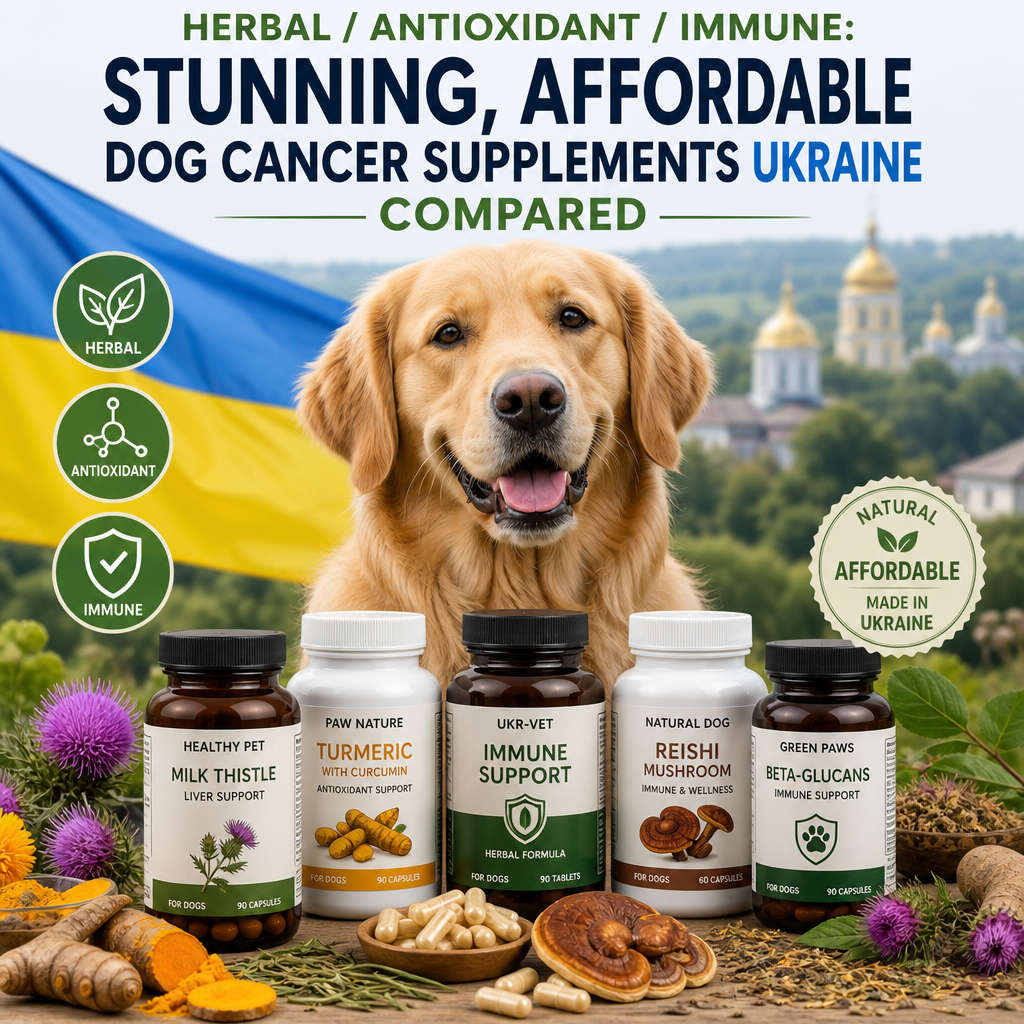
The phrase dog tumor support Ukraine covers a wide range of products. These may include herbal extracts, medicinal mushrooms, omega-3 fatty acids, vitamins, minerals, digestive support formulas, and veterinary nutritional products. Some are sold through veterinary clinics, while others are available from pet pharmacies, online retailers, or general supplement stores.
Before purchasing, owners should identify the intended purpose of the product. A supplement designed to support appetite is different from one marketed for joint comfort or immune health. Combining several products without professional guidance can create unnecessary risks, especially if multiple formulas contain the same herbs, vitamins, or minerals.
A veterinarian should also review whether the product is appropriate for the type of tumor involved. A dog with lymphoma, for example, may have different nutritional and treatment considerations from a dog with a mast cell tumor or a bone tumor. Kidney, liver, and gastrointestinal conditions can also affect which ingredients are safe.
For broader background on integrative care, many owners also find it helpful to review herbal support for pets with cancer, which explains how natural products can fit into a veterinary plan without replacing proven treatment.
Herbal support: benefits and cautions
Herbal products are among the most popular choices in the herbal / antioxidant / immune category. Common ingredients may include turmeric or curcumin, milk thistle, medicinal mushrooms, green tea compounds, boswellia, ginger, or plant-based polysaccharides.
Some of these ingredients have shown antioxidant, anti-inflammatory, or immune-related activity in laboratory studies. That does not automatically mean they treat cancer in living dogs. Laboratory findings may involve concentrations that are not practical or safe to administer, and results in cells or animals do not always translate into proven clinical benefits.
Turmeric, for example, is often selected for its curcumin content, but absorption can be limited. Products may combine curcumin with oils or other compounds to improve bioavailability. These combinations can affect medication metabolism or blood clotting, so veterinary approval is particularly important before surgery or when a dog is receiving drugs.
Milk thistle is commonly considered for liver support, although its suitability depends on the dog’s condition and other medicines. Medicinal mushrooms are also widely marketed for immune support, but product quality can vary considerably. Look for clearly listed mushroom species, standardized ingredients, batch information, and testing for contaminants.
Owners who want to compare practical product categories can also review herbal remedies for dogs with tumors for a clearer look at gentle supportive options.
Herbal / antioxidant / immune choices that deserve extra scrutiny
Because the market is crowded, it helps to slow down and compare ingredients one by one. In the Herbal / antioxidant / immune category, the best choices are usually the ones that state exactly what they contain, why the formula exists, and how it should be used. That clarity matters more than flashy labels or dramatic claims.
Look for formulas that explain whether they are intended for general wellness, digestive support, liver support, or immune support. When a product tries to do everything at once, it may end up doing very little well. Simple formulas are often easier to review with a veterinarian and easier to stop if a side effect appears.
If you are unsure how a product fits into the bigger picture, ask whether it adds something meaningful beyond diet alone. In many cases, that question helps separate a useful supportive item from an expensive marketing bundle. The best Herbal / antioxidant / immune products tend to have a clear purpose and a transparent ingredient list.
For owners who want to understand why antioxidants are discussed so often in cancer care, the National Cancer Institute’s overview of dietary supplements and cancer treatment interactions is a helpful educational reference.
Antioxidants and cancer treatment
Antioxidants are often included in dog cancer supplements Ukraine products because they help protect cells from oxidative stress. Vitamins C and E, selenium, carotenoids, and plant compounds may all be described as antioxidants.
The subject is more complex during cancer treatment. Some chemotherapy and radiation protocols work partly through oxidative mechanisms, meaning high-dose antioxidant supplementation could theoretically interfere with treatment in certain situations. Research is still developing, and the effect may depend on the antioxidant, dose, timing, and specific therapy.
For this reason, owners should not begin a concentrated antioxidant formula immediately after a cancer diagnosis without discussing it with the treating veterinarian. A balanced complete diet may already provide adequate levels of many nutrients. In some cases, a carefully selected supplement may be reasonable; in others, adding extra antioxidants may offer little benefit or create complications.
If a product is advertised as a broad immune enhancer, it is worth checking whether the formula has any overlap with existing nutritional support. The goal is not to stack every possible ingredient, but to keep the dog’s overall plan simple, safe, and appropriate for the stage of care.
Why timing matters with an antioxidant formula
Timing is often as important as the ingredient itself. A supplement that seems harmless during recovery may not be appropriate during chemotherapy sessions or immediately before surgery. That is why any Herbal / antioxidant / immune plan should be reviewed alongside the dog’s active treatment calendar.
Veterinary teams may ask owners to pause certain products before procedures, especially if a formula could affect bleeding, sedation, or digestion. Even when an ingredient is considered gentle, the combined effect of several supplements can still create avoidable risk. Careful timing keeps the support plan practical and safer.
In many cases, the safest approach is to keep the plan focused. One carefully chosen supplement may be enough if it matches the dog’s current needs. A second Herbal / antioxidant / immune product should only be added when there is a clear reason and the veterinarian agrees.
Immune support without overstimulation
Immune-support products are frequently promoted for dogs with cancer. Ingredients such as beta-glucans, medicinal mushrooms, zinc, probiotics, and selected herbs may be used to support normal immune function.
Supporting normal immunity is not the same as stimulating the immune system indiscriminately. A dog may have inflammation, an autoimmune condition, infection, or treatment-related immune suppression. An ingredient that is appropriate in one situation may be unsuitable in another.
Probiotics can be helpful for some dogs experiencing digestive upset, especially when stress, dietary changes, or medication affect the intestinal tract. However, severely ill or immunocompromised dogs require additional caution. The product should be formulated for veterinary use, stored correctly, and introduced gradually.
For a broader look at how immune health relates to cancer risk and inflammation, see the Dog Immune System Guide: Helpful Cancer Risks, Inflammation. It provides useful context for owners who want to understand why immune balance matters so much.
Support the immune system with balance, not hype
Many owners search for Herbal / antioxidant / immune solutions because they want to do something proactive. That instinct is understandable, but balance matters more than volume. A dog does not benefit from every immune product on the shelf; it benefits from the right one, used at the right time, at the right dose.
A thoughtful plan usually focuses on one or two goals, such as digestive stability, appetite support, or immune balance. When the plan stays focused, it becomes easier to measure whether the product is actually helping. This is especially important for older dogs or dogs already taking prescription medication.
Owners often ask whether one formula is better than several smaller products. In practice, the answer depends on the dog and the veterinary plan, but the simplest useful option is often best. That is especially true when a Herbal / antioxidant / immune product is being added during active cancer care.
How to compare products in Ukraine
When evaluating dog tumor support Ukraine products, examine the label carefully. A reliable product should identify each active ingredient and provide an amount per serving. Vague phrases such as “proprietary blend” make it difficult to assess the actual dose.
Also check the manufacturer, expiration date, storage instructions, country of production, and quality-control information. Products intended for animals should clearly state the species and recommended serving guidance. Third-party testing for heavy metals, pesticides, bacteria, and other contaminants is an important advantage, particularly for herbal products.
Price is another consideration, but the cheapest product is not always the most affordable in practice. A concentrated, tested formula may cost more per package while requiring a smaller daily amount. Conversely, a product with a very low price may contain minimal active ingredients or lack useful quality documentation.
Pet owners in Ukraine should purchase from reputable veterinary pharmacies, established clinics, or distributors that can provide traceability. Be cautious with imported products that have unclear labeling, inconsistent packaging, or claims that sound too good to be true.
When product lines are not available locally, some owners compare similar veterinary options in other countries to better understand ingredient standards. For example, the Alternatives to Medicinal Mushrooms / Veterinary Mycotherapy: 7 Best Dog Tumor Supplements in Switzerland article shows how careful product comparison can be approached in a different market.
What to compare before you buy
- Active ingredients and exact amounts per serving
- Purpose of the formula and whether it matches the dog’s needs
- Manufacturing quality, testing, and traceability
- Potential overlap with food, medications, or other supplements
- Whether the product is easy to stop if problems appear
These five checks keep the Herbal / antioxidant / immune search process practical. They also help owners avoid buying multiple overlapping products that sound helpful but do not improve the care plan.
It is also worth checking whether any product has a clear reason for being used in a canine oncology plan. If the label cannot explain its purpose in simple language, the product may not be the best fit for a thoughtful supportive routine.
Safe use alongside cancer care
Introduce only one new supplement at a time whenever possible. This makes it easier to identify side effects such as vomiting, diarrhea, itching, lethargy, or appetite changes. Keep a written record of the product, dose, start date, and any changes in the dog’s condition.
Tell every veterinarian involved in the dog’s care about all supplements being used. This includes herbal teas, oils, powders, chewable products, and human supplements. Some ingredients may increase bleeding risk, affect blood pressure, alter liver enzyme activity, or change the absorption of prescription medicines.
Avoid human products containing xylitol, excessive vitamin D, iron, caffeine, alcohol, or other ingredients that can be dangerous to dogs. Do not assume that a natural product is automatically safe. Natural substances can have powerful biological effects and may be harmful at the wrong dose.
It can also help to compare supportive formulas with more general nutrition-focused resources such as Baituxiao Helpful Holistic Dog Support Immune Wellness, especially when the goal is to understand a product’s role rather than its marketing claims.
When to stop a supplement
If your dog develops vomiting, diarrhea, tremors, unusual bruising, marked fatigue, or a sudden change in appetite after starting a new product, stop it and contact the veterinary team. Even a well-known Herbal / antioxidant / immune formula can be a poor fit for an individual dog.
Stopping early is often safer than trying to “push through” a reaction. A good supplement should make the plan easier, not create new complications. This mindset is especially important for dogs already coping with pain, nausea, or treatment side effects.
When in doubt, pause the product and ask the veterinarian to review the ingredient list. That simple step can prevent interactions and can help the care team decide whether the formula should be removed, replaced, or restarted later.
Choosing a practical support plan
The strongest foundation for a dog with cancer remains appropriate veterinary treatment, adequate calories, hydration, pain control, emotional comfort, and regular monitoring. Supplements should support that plan rather than distract from it.
A practical approach is to define one clear goal, select a transparent veterinary product, confirm compatibility with current treatment, and reassess after a reasonable period. If the dog’s appetite, stool quality, energy, or comfort worsens, stop the product and contact the veterinary team.
For owners comparing dog cancer supplements Ukraine choices, careful research is more valuable than dramatic claims. Herbal, antioxidant, and immune products may have a place in individualized supportive care, but their quality and suitability differ widely. With professional guidance and realistic expectations, a carefully chosen supplement can become one small part of a broader plan focused on comfort, nutrition, and the best possible quality of life.
In the end, the best results usually come from steady, sensible decisions rather than aggressive stacking of many products. A thoughtful Herbal / antioxidant / immune strategy may help support day-to-day comfort, but it works best when matched to the dog’s diagnosis, monitored closely, and kept aligned with veterinary oncology advice.
by TCMVET | Aug 25, 2026 | Research and News
Cure palliative cane cancro significa prendersi cura del benessere dell’animale quando la malattia oncologica non può essere eliminata o quando il percorso terapeutico richiede un sostegno aggiuntivo. L’obiettivo non è soltanto prolungare la vita, ma rendere ogni giornata il più possibile serena, riducendo dolore, nausea, ansia e difficoltà respiratorie. Con il supporto del veterinario, una gestione attenta a casa può aiutare il cane a conservare dignità, appetito, mobilità e relazione con la famiglia.
Che cosa sono le cure palliative per un cane con cancro
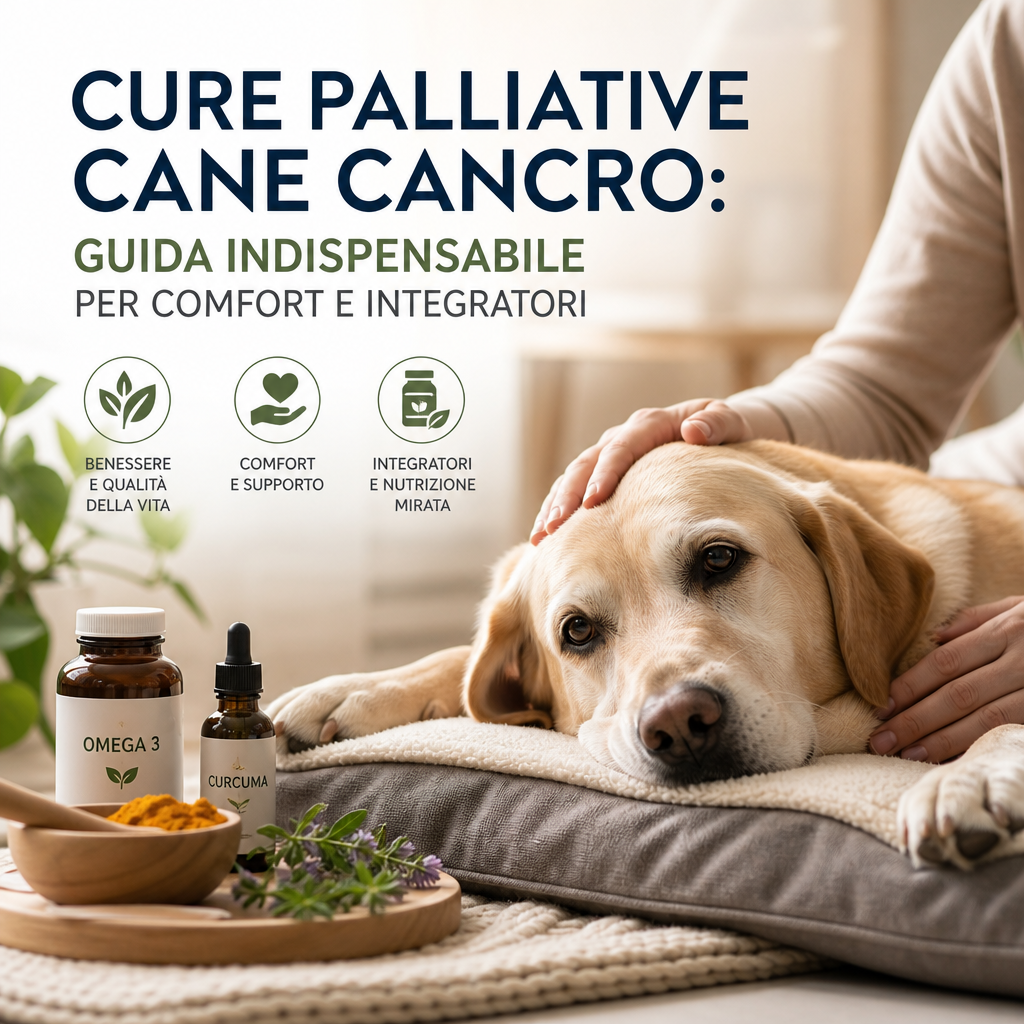
Le cure palliative comprendono tutte le strategie destinate a controllare i sintomi e migliorare la qualità della vita. Possono accompagnare la chemioterapia, la radioterapia o la chirurgia, oppure rappresentare il trattamento principale quando le terapie antitumorali non sono indicate o non vengono più tollerate.
Il piano è personalizzato in base al tipo di tumore, alla sua localizzazione, all’età del cane, alle malattie concomitanti e alla risposta ai farmaci. Tra gli interventi più comuni rientrano il controllo del dolore, la gestione di nausea, vomito e diarrea, il sostegno all’alimentazione e all’idratazione, il trattamento di infiammazioni e infezioni, l’aiuto alla respirazione, il mantenimento della mobilità, la riduzione di ansia e stress e l’adattamento dell’ambiente domestico.
La medicina palliativa non equivale ad abbandonare le cure. Al contrario, richiede osservazione costante, collaborazione con il veterinario e attenzione ai dettagli quotidiani che possono cambiare molto la serenità del cane. In questa fase, anche un piccolo miglioramento può avere un grande valore per la qualità della vita.
Per capire meglio quando una terapia di supporto è davvero utile, è importante distinguere tra sollievo dei sintomi e trattamento del tumore. Le cure palliative cane cancro servono a ridurre il disagio e a sostenere le funzioni essenziali, non a sostituire una diagnosi o un piano oncologico completo. Per questo motivo ogni scelta deve essere basata su una valutazione clinica concreta.
Quando parlare subito con il veterinario
È importante chiedere una rivalutazione se il cane mostra peggioramento del dolore, difficoltà a respirare, forte debolezza, rifiuto prolungato del cibo o cambiamenti improvvisi nel comportamento. In molti casi piccoli aggiustamenti della terapia possono fare una differenza concreta nel comfort quotidiano. Anche la comparsa di nuovi sintomi merita attenzione, perché una risposta rapida spesso evita peggioramenti più difficili da controllare.
Cane cancro comfort: come migliorare la vita quotidiana
Quando si parla di cane cancro comfort, è importante considerare sia gli aspetti medici sia quelli pratici. Un ambiente tranquillo, prevedibile e facilmente accessibile può ridurre molto la fatica dell’animale. Questo vale soprattutto nei giorni in cui il cane appare più stanco, più sensibile o meno incline al movimento.
Prepara una cuccia morbida, termica e posizionata lontano da correnti d’aria, scale e zone rumorose. Se il cane ha difficoltà a camminare, usa tappeti antiscivolo, rampe o ciotole rialzate, sempre valutando ciò che gli risulta più comodo. Le uscite devono essere brevi e frequenti, senza imporre passeggiate lunghe. Anche pochi minuti all’aperto possono essere preziosi se il cane li affronta senza dolore o affanno. In alcuni soggetti il riposo in un punto ben riparato è più utile di qualsiasi attività extra.
Il contatto fisico deve rispettare le sue preferenze. Alcuni cani cercano più vicinanza, mentre altri desiderano riposare indisturbati. Carezze lente, voce calma e routine regolari contribuiscono a contenere l’ansia. È utile mantenere orari simili per pasti, farmaci, riposo e brevi passeggiate, perché la prevedibilità aiuta il cane a sentirsi più al sicuro.
Il dolore può manifestarsi con segnali discreti: ansimare a riposo, tremori, rigidità, difficoltà ad alzarsi, isolamento, irritabilità, leccamento insistente di una zona o perdita di interesse per il cibo. Non aspettare che il cane pianga: molti animali tendono a nascondere la sofferenza. Qualsiasi cambiamento va riferito al veterinario, che potrà modificare la terapia analgesica in modo sicuro. Quando il dolore è controllato meglio, spesso migliorano anche appetito, sonno e disponibilità al contatto.
Se il cane tollera meglio alcuni momenti della giornata, organizza in quelle fasce le attività più impegnative: igiene, spostamenti, piccole passeggiate o somministrazione dei farmaci. Questo approccio può ridurre lo stress e rendere le cure palliative cane cancro più efficaci nella pratica quotidiana. Nella vita reale contano molto anche la calma del caregiver e la capacità di leggere i segnali del paziente.
Piccoli adattamenti domestici che aiutano davvero
Oltre alla cuccia e ai tappeti antiscivolo, può essere utile creare un angolo silenzioso in cui il cane non venga disturbato da bambini, ospiti o altri animali. Se deve salire e scendere dal divano o dall’auto, una rampa può prevenire scivolamenti e sforzi inutili. Anche la posizione delle ciotole conta: acqua e cibo devono essere facilmente raggiungibili, senza piegamenti eccessivi del collo. Se possibile, mantieni il pavimento libero da ostacoli e riduci i percorsi più lunghi tra zona riposo, ciotole e uscita.
Un altro dettaglio spesso sottovalutato è la temperatura dell’ambiente. I cani debilitati possono sentire più freddo o, al contrario, affaticarsi con il caldo. Valuta quindi se servono coperte leggere, ventilazione adeguata o un’area più fresca per riposare. Il comfort quotidiano nasce da tante piccole attenzioni coerenti tra loro.
Alimentazione e idratazione durante la fase palliativa
L’alimentazione deve essere appetibile, digeribile e coerente con le condizioni cliniche. In alcuni casi il veterinario può consigliare una dieta terapeutica; in altri può essere utile proporre piccoli pasti più frequenti, leggermente riscaldati per intensificare l’aroma. Quando il cane è molto debilitato, la priorità è evitare che il pasto diventi una fonte di stress o di fatica inutile.
Non forzare il cane a mangiare e non modificare bruscamente la dieta. Rifiuto del cibo, vomito, diarrea o difficoltà a deglutire possono indicare nausea, dolore, effetti collaterali dei farmaci o progressione della malattia. Sono informazioni importanti per il veterinario. Anche il modo in cui il cane si avvicina alla ciotola, annusa e poi si allontana può offrire indizi utili sulla sua reale disponibilità a nutrirsi.
L’acqua fresca deve essere sempre disponibile. Se il cane beve molto meno del solito, vomita ripetutamente o presenta gengive secche e debolezza, è necessario contattare rapidamente la clinica. In base alla situazione, il medico potrà valutare fluidoterapia, farmaci antiemetici o ulteriori esami. Una corretta idratazione resta fondamentale per sostenere circolazione, energia e benessere generale.
In alcuni casi il veterinario può suggerire strategie semplici per mantenere l’appetito, come offrire porzioni più piccole, evitare odori forti in cucina o proporre consistenze diverse. Non esiste una soluzione valida per tutti: l’obiettivo è trovare ciò che il singolo cane accetta meglio senza creare ulteriore stress. Anche il momento della giornata può influire, perché molti animali mangiano meglio quando sono più riposati.
Se il cane assume farmaci che possono alterare gusto, nausea o motilità intestinale, la gestione dei pasti va coordinata con precisione. In questo scenario le cure palliative cane cancro funzionano meglio quando nutrizione, analgesia e controllo dei sintomi procedono insieme, con monitoraggio attento e aggiustamenti progressivi.
Segnali che l’alimentazione non sta funzionando
Se il cane perde peso in modo evidente, lascia il cibo anche quando è proposto in modo appetibile, mostra conati, sbava molto o sembra interessato ma incapace di mangiare, è opportuno segnalare tutto al veterinario. Una valutazione tempestiva può aiutare a distinguere tra nausea, dolore orale, difficoltà digestive o semplice inappetenza legata alla malattia. Nei casi più complessi può essere utile rivedere consistenza, frequenza e composizione del pasto.
Per chi desidera approfondire il tema dell’alimentazione oncologica, può essere utile anche un confronto con il veterinario su eventuali esigenze energetiche, tolleranza gastrointestinale e obiettivi realistici. L’idea non è “far mangiare a tutti i costi”, ma sostenere in modo delicato il corpo senza peggiorare il disagio.
Integratori cane cancro palliativo: quando possono essere utili
Gli integratori cane cancro palliativo non devono essere considerati una cura del tumore. Possono, in alcuni casi, sostenere specifici aspetti del benessere, ma la loro scelta deve essere concordata con il veterinario. Un prodotto “naturale” non è automaticamente innocuo: alcune sostanze possono interferire con farmaci, anestetici, chemioterapici o con la coagulazione.
A seconda delle necessità, il veterinario può prendere in considerazione integratori a base di acidi grassi omega-3, utili in determinati contesti nutrizionali e infiammatori, oppure supporti formulati per l’apparato gastrointestinale. In presenza di perdita di peso, possono essere indicati alimenti energetici completi, ma non sempre un integratore generico risolve il problema. La scelta va fatta in funzione della fase della malattia e della tolleranza individuale del cane.
Particolare cautela è necessaria con prodotti contenenti erbe medicinali, alte dosi di vitamine, curcuma, funghi, CBD o altri estratti. La sicurezza dipende dalla dose, dalla qualità del prodotto, dalla funzionalità epatica e renale e dalle terapie già in corso. Evita inoltre di somministrare farmaci umani o integratori destinati alle persone senza precise indicazioni veterinarie. Anche gli ingredienti apparentemente semplici possono non essere adatti in presenza di tumore, perdita di peso o trattamenti concomitanti.
Per scegliere meglio tra le opzioni disponibili, può essere utile consultare anche una guida specifica come integratori cane cancro: 7 consigli pratici, utili e sicuri per scegliere bene, così da capire quali criteri usare prima di acquistare qualunque prodotto.
Come valutare un integratore in modo prudente
Prima di iniziare qualsiasi prodotto, controlla ingredienti, dosaggio, interazioni e obiettivi realistici. Chiediti se l’integratore serve davvero, se può essere assunto insieme ai farmaci in uso e se esiste un motivo clinico chiaro per provarlo. Questo è particolarmente importante quando il cane assume più terapie contemporaneamente.
È utile anche chiedere al veterinario se il prodotto scelto ha una formulazione adatta all’animale in quel momento: alcune presentazioni sono troppo concentrate, altre sono poco appetibili o difficili da deglutire. La regola migliore è introdurre un solo cambiamento alla volta, così da capire se funziona o se provoca effetti indesiderati.
Gestione del dolore, della respirazione e dello stress
Un aspetto centrale delle cure palliative è il controllo dei sintomi che incidono di più sulla serenità del cane. Il dolore va trattato con farmaci prescritti dal veterinario e mai con soluzioni improvvisate. Anche la respirazione merita attenzione: un respiro rapido, faticoso o rumoroso richiede una valutazione clinica.
Lo stress può peggiorare l’appetito e aumentare l’irrequietezza. In questi casi aiutano una routine stabile, ambienti tranquilli e, quando indicato, terapie specifiche consigliate dal veterinario. Il benessere non dipende solo dall’assenza di dolore, ma anche dalla capacità del cane di riposare, mangiare e interagire senza tensione continua.
Se il cane è ansioso, possono essere utili anche strategie non farmacologiche: ridurre rumori forti, limitare gli stimoli improvvisi, evitare visite troppo lunghe e accompagnarlo con gesti prevedibili e delicati. L’obiettivo è creare un contesto rassicurante, non aumentare gli obblighi o le prestazioni richieste all’animale.
Per i proprietari è importante sapere che il supporto emotivo fa parte del percorso. Rimanere vicino al cane, rispettare i suoi tempi e non forzarlo in attività che non tollera più è spesso la scelta più amorevole e più utile. In molti casi la qualità delle cure si misura proprio nella capacità di ascoltare il cane e adattarsi a lui.
Segnali di peggioramento da non ignorare
Tra i segnali che richiedono attenzione ci sono respiro affannoso a riposo, dolore non controllato, disorientamento, debolezza marcata, vomito ripetuto, diarrea severa, sanguinamento, collasso o incapacità di trovare una posizione comoda. Se uno di questi sintomi compare, è meglio chiamare subito il veterinario invece di attendere il giorno dopo.
Quando la malattia avanza, il piano di supporto può dover essere rivisto più volte. A volte serve cambiare dose, via di somministrazione o frequenza dei farmaci; altre volte è necessario concentrarsi soprattutto sul sollievo e sul riposo. Le cure palliative cane cancro sono efficaci proprio perché si adattano alla situazione reale, non a un modello fisso.
Per una panoramica affidabile sui segni clinici che possono comparire nei cani con tumore, una risorsa educativa utile è la scheda del Merck Veterinary Manual, che offre informazioni veterinarie di base facilmente consultabili.
Monitorare la qualità della vita
Tenere un diario semplice può aiutare a riconoscere l’andamento della malattia. Ogni giorno annota appetito, consumo di acqua, dolore, respirazione, movimento, sonno, eliminazione e interesse per le persone. Puoi anche valutare se il cane ha vissuto più momenti piacevoli che difficili. Questo monitoraggio non deve essere complicato: bastano poche righe, ma scritte con costanza.
Non esiste un unico criterio valido per tutti, ma alcuni segnali richiedono una valutazione urgente: difficoltà respiratoria, dolore non controllato, collasso, vomito incessante, sanguinamento, incapacità di alzarsi, forte agitazione o completa incapacità di alimentarsi e bere. Quando più indicatori peggiorano insieme, la qualità della vita va rivalutata senza rimandare.
Il veterinario può aiutarti a stabilire un piano di emergenza e a discutere con sensibilità le decisioni future, compresa l’eventuale eutanasia quando la sofferenza non è più controllabile. Affrontare questo tema in anticipo non significa arrendersi: significa proteggere il cane da crisi evitabili e mettere al centro il suo benessere.
Per una visione più ampia del supporto nutrizionale e della scelta di prodotti utili, può essere utile leggere anche miglior integratore cane tumore: 7 scelte davvero utili da valutare con attenzione, così da confrontare in modo più consapevole le opzioni disponibili.
Quando è il momento di rivedere il piano
Se il cane dorme quasi sempre, fatica a muoversi, non trova più piacere nel cibo o mostra un peggioramento evidente in pochi giorni, il piano va rivisto senza aspettare. Le cure palliative cane cancro funzionano meglio quando vengono adattate in modo dinamico, seguendo l’evoluzione reale dei sintomi.
Può essere utile anche chiedersi se il cane riesce ancora a vivere momenti di calma, a cercare il contatto con i familiari e a recuperare dopo gli episodi più difficili. Questi aspetti, insieme ai parametri clinici, aiutano a costruire una valutazione più completa e più umana.
Domande frequenti sulle cure di supporto nel cane oncologico
Le cure palliative cane cancro sono compatibili con altre terapie?
Sì, spesso possono accompagnare trattamenti come chirurgia, chemioterapia o radioterapia, sempre sotto controllo veterinario. In molti casi il supporto sintomatico migliora la tolleranza alle terapie e aiuta il cane a vivere il percorso con meno disagio.
Gli integratori possono sostituire i farmaci?
No. Gli integratori cane cancro palliativo possono avere un ruolo di supporto, ma non sostituiscono analgesici, antiemetici o altri farmaci prescritti. Se il cane ha dolore, nausea o perdita di appetito importante, la terapia clinica resta fondamentale.
Come posso capire se il mio cane sta ancora bene?
Osserva appetito, interesse per l’ambiente, mobilità, respirazione e capacità di riposare senza sofferenza evidente. Se la maggior parte delle giornate è dominata dal disagio, è il momento di parlare con il veterinario per ricalibrare il piano.
Conclusione
Le cure palliative migliori combinano competenza medica, osservazione quotidiana e presenza affettuosa. Anche quando il cancro non può essere sconfitto, è possibile offrire al cane comfort, sicurezza e momenti di serenità attraverso scelte consapevoli e un’assistenza adattata alle sue reali esigenze. Con il veterinario al fianco, le cure palliative cane cancro possono diventare un aiuto concreto per proteggere la qualità della vita fino all’ultimo tratto del percorso.
Se il quadro cambia, non aspettare: una rivalutazione tempestiva permette di alleggerire il carico dei sintomi e di capire se servono nuove strategie di supporto. Il valore di questo percorso non sta solo nei farmaci o negli integratori, ma nella capacità di accompagnare il cane con rispetto, lucidità e affetto.
