MycoBio Turkey Tail for Dogs alternative options are becoming increasingly important for New Zealand dog owners seeking mushroom-based support for canine immune health. While turkey tail products are widely discussed for their beta-glucans and other bioactive compounds, availability, shipping costs, product formulation, and veterinary suitability can vary. Choosing a safe and practical supplement requires more than selecting the first product labelled “turkey tail.”
If you are comparing MycoBio Turkey Tail for Dogs alternative choices, the goal is to find a product that fits your dog’s needs, your budget, and your veterinarian’s treatment plan. For some owners, that means a single-mushroom extract; for others, it means a broader formula with several medicinal mushrooms or a locally available product with clearer dosing guidance.
For New Zealand families managing a dog’s health concerns, the decision can feel urgent and emotional. That is understandable. A thoughtful supplement choice can make day-to-day care easier, but it should still be grounded in ingredient quality, safety, and realistic expectations. A well-selected MycoBio Turkey Tail for Dogs alternative should support, not complicate, your dog’s care plan.
Why Consider a MycoBio Turkey Tail for Dogs Alternative?
MycoBio Turkey Tail for Dogs may not be the easiest option for every New Zealand household. Some owners may face international shipping delays, limited stock, higher prices, or uncertainty about whether the product is appropriate for a dog’s individual condition. Others may prefer a New Zealand-made supplement, a product containing multiple medicinal mushrooms, or a formula supported by clearer dosage guidance.
There is also an important distinction between a supplement designed specifically for dogs and a human mushroom extract. Dogs process ingredients differently from people, and products intended for human use may contain unsuitable additives, excessive concentrations, alcohol-based extracts, or ingredients that have not been assessed for canine use.
The best alternative should therefore be selected according to the dog’s size, health status, medications, diet, and veterinary treatment plan. In practice, the best MycoBio Turkey Tail for Dogs alternative is the one that is safe, consistently available, and easy to use correctly.
It also helps to think about long-term practicality. If a supplement is difficult to source every month, or if the label is confusing, owners are less likely to use it consistently. A dependable MycoBio Turkey Tail for Dogs alternative should fit smoothly into a routine without causing extra stress for the household or the dog.
What Makes Turkey Tail Popular for Dogs?
Turkey tail, scientifically known as Trametes versicolor, is a fungus recognised for its naturally occurring polysaccharides, including beta-glucans. These compounds are often studied for their relationship with immune function. Turkey tail products are commonly used as complementary supplements for dogs needing general immune support or additional nutritional care during periods of illness.
However, supplements are not cancer treatments, and they should not replace veterinary diagnosis, surgery, chemotherapy, radiation, pain management, or other recommended care. Evidence involving medicinal mushrooms in dogs is still developing, and results can depend on the extract type, concentration, quality, and the individual animal.
A reputable product should clearly identify the mushroom species, extraction method, active compounds, serving size, batch information, and testing standards. This is especially important when comparing a MycoBio Turkey Tail for Dogs alternative with more than one mushroom ingredient.
In simple terms, turkey tail is popular because it has become one of the best-known medicinal mushrooms in pet care discussions. That popularity does not replace the need to compare products carefully, especially when evaluating any MycoBio Turkey Tail for Dogs alternative for a dog with complex health needs.
Alternatives to MycoBio Turkey Tail for Dogs
There are several categories of alternatives to MycoBio Turkey Tail for Dogs. Each has potential advantages, but none should be viewed as automatically superior.
New Zealand-made canine mushroom supplements
New Zealand-made products may offer simpler purchasing, faster delivery, and customer support in the local time zone. Some formulas are specifically developed for dogs and may include turkey tail alongside reishi, maitake, shiitake, or cordyceps.
The main benefit is convenience and local availability. However, “made in New Zealand” does not automatically guarantee therapeutic quality. Owners should still check whether the ingredients are extracted rather than simply powdered, whether the product is tested for contaminants, and whether the company provides clear guidance for different dog weights.
When comparing a MycoBio Turkey Tail for Dogs alternative, a locally made product can be a sensible choice if the label is transparent and the manufacturer explains how the supplement is intended to support canine health.
Single-mushroom turkey tail products
A single-mushroom formula can be useful when owners want to introduce one ingredient at a time. This makes it easier to monitor tolerance and identify whether digestive changes occur after supplementation.
Single-ingredient products may also be easier for veterinarians to assess alongside existing medications. Look for products that specify the amount of extract per serving rather than listing only a proprietary blend.
For dogs with delicate digestion, a single-mushroom MycoBio Turkey Tail for Dogs alternative may be easier to trial than a broad multi-ingredient formula.
Multi-mushroom formulas
Some alternatives combine several medicinal mushrooms. These may appeal to owners seeking broad nutritional and immune support, but combination products can make it more difficult to determine which ingredient is responsible for benefits or side effects.
A multi-mushroom formula should provide a full ingredient list and avoid vague labels such as “mushroom complex” without individual quantities. It is also wise to introduce combination supplements gradually, particularly when a dog has a sensitive stomach.
Many owners choose a MycoBio Turkey Tail for Dogs alternative in this category because they want a more comprehensive mushroom blend rather than turkey tail alone.
Veterinary-recommended supplements
A veterinary clinic may recommend a particular supplement based on the dog’s diagnosis, medications, blood results, and treatment goals. This is especially relevant for dogs with cancer, autoimmune conditions, liver or kidney disease, or a history of gastrointestinal problems.
Veterinary guidance can also help prevent interactions. Mushroom extracts may not be suitable for every dog, particularly those taking immune-modulating medication or medication that affects blood clotting.
If your vet suggests a different brand, that recommendation may still function as the most appropriate MycoBio Turkey Tail for Dogs alternative for your pet’s situation.
Choosing between mushroom powders and extracts
Not all mushroom supplements are made the same way. Powders may contain ground mushroom material, while extracts are typically processed to concentrate certain compounds. This difference matters because the body may not use plain powder in the same way as an extracted product.
When reviewing a MycoBio Turkey Tail for Dogs alternative, check whether the company explains the extraction process, the solvent used, and the part of the mushroom included. Clear product information often suggests better quality control.
It is also worth checking whether the product has a clear shelf-life and storage instruction. Mushroom supplements that are not stored properly can lose quality over time. A reliable MycoBio Turkey Tail for Dogs alternative should make storage, serving, and use straightforward for owners.
Other practical options to discuss with your veterinarian
Some dogs do better with a supplement that combines mushroom support with other targeted nutrients. Depending on the case, a veterinarian may suggest formulas that also include antioxidants, omega-3 fatty acids, or digestive support ingredients. These are not direct replacements for turkey tail, but they may fit better into a broader care plan.
Owners sometimes overlook the importance of palatability. A product can have excellent ingredients and still fail in real life if the dog refuses to eat it. If your pet is picky, choose a format that can be mixed into food without altering taste too much. A practical MycoBio Turkey Tail for Dogs alternative is one that your dog will actually take consistently.
Another useful consideration is consistency from batch to batch. Supplements with variable potency can make it hard to know whether your dog is benefiting. Look for brands that describe manufacturing controls, batch testing, and ingredient sourcing in plain language. Those details are especially valuable when selecting a MycoBio Turkey Tail for Dogs alternative for long-term use.
Dog Tumor Supplements New Zealand Owners Should Evaluate Carefully
Searches for dog tumor supplements New Zealand often lead owners to products marketed with strong claims. It is important to approach these claims critically. A supplement cannot be assumed to shrink a tumour, prevent metastasis, or extend life simply because it contains a medicinal mushroom.
When evaluating a product, consider the following:
Ingredient transparency: The label should identify the mushroom species and the amount provided.
Extraction method: Extracts may concentrate compounds more effectively than ordinary mushroom powder, but the method should be explained.
Independent testing: Look for testing for heavy metals, pesticides, microbes, and other contaminants.
Canine-specific instructions: Serving recommendations should be based on dog size or weight.
No unnecessary additives: Avoid products containing ingredients known to be unsuitable for dogs, such as xylitol.
Manufacturing standards: The company should provide clear information about manufacturing and quality control.
Professional oversight: The supplement should fit within the dog’s broader veterinary care plan.
Marketing language such as “miracle cure,” “guaranteed tumour reduction,” or “replaces chemotherapy” is a major warning sign. Responsible brands describe their products as complementary support rather than medical treatment.
When owners compare dog tumor supplements New Zealand wide, they should think beyond the front label and ask what the product actually contains, how it is made, and whether it has been designed for long-term canine use. Those questions matter just as much as the search for the right MycoBio Turkey Tail for Dogs alternative.
How to compare value, not just price
The cheapest product is not always the best value. A low-cost supplement may contain less extract per serving, require a larger daily amount, or lack clear quality assurance. In contrast, a slightly more expensive product may provide better concentration and easier dosing, which can make it more economical over time.
To compare value fairly, look at cost per serving, not just the bottle price. Also consider shipping charges, storage life, and whether the supplier is reliable enough to keep the product in stock when you need a refill. These practical concerns often decide whether a MycoBio Turkey Tail for Dogs alternative is sustainable for a household.
If you are still unsure, ask your veterinarian whether the product fits your dog’s current health status and treatment goals. That quick step may save both time and money while helping you choose a safer MycoBio Turkey Tail for Dogs alternative.
How to Read a Mushroom Supplement Label
Understanding the label can help you avoid weak products and misleading claims. The most useful labels usually answer a few practical questions right away:
Which mushroom species are included?
Is the product a powder, extract, or blend?
How much is in each serving?
Does the manufacturer explain the extraction ratio or process?
Are the serving instructions based on body weight?
Is there a lot number, batch code, or quality assurance statement?
If a label is vague, it becomes harder to compare one MycoBio Turkey Tail for Dogs alternative with another. Transparent labels help owners and veterinarians make better decisions, especially when a dog already has a diagnosed condition.
Also pay attention to the form of the product. Capsules may be easier for some owners, powders may be mixed into food, and liquids may be simpler for dogs that resist tablets. The best format is the one your dog will accept consistently without unnecessary stress.
When possible, choose a product that includes straightforward instructions rather than complicated serving charts with unclear measurements. A practical MycoBio Turkey Tail for Dogs alternative is one you can administer accurately every time.
It can also help to look for third-party certification or published quality controls if the manufacturer provides them. While not every good supplement will have every possible certification, more transparency usually indicates a stronger commitment to product quality. That matters when you are choosing a MycoBio Turkey Tail for Dogs alternative for an animal with special health needs.
Safety Considerations Before Starting a Supplement
Even natural products can cause side effects. Possible reactions may include loose stools, vomiting, reduced appetite, itching, or changes in energy. A dog with a history of allergies may be more sensitive to fungal ingredients or other components in the formula.
Introduce only one new supplement at a time and follow the manufacturer’s recommended serving rather than assuming that a larger amount will produce better results. Keep a record of the product, dose, start date, appetite, stool quality, and any changes in symptoms.
Speak with a veterinarian before using mushroom supplements if the dog is pregnant, elderly, undergoing cancer treatment, preparing for surgery, taking immunosuppressive drugs, or being treated for liver, kidney, or bleeding disorders.
These precautions are especially relevant when a MycoBio Turkey Tail for Dogs alternative is being added to an existing treatment plan. The safest supplement is the one that supports the dog without creating avoidable risk.
If your dog has a sensitive stomach, consider introducing the supplement gradually over several days. That approach may make it easier to identify whether the product is well tolerated. It also gives you time to compare one MycoBio Turkey Tail for Dogs alternative against another before committing to a full routine.
Owners should also keep supplements out of reach of children and other pets. Mushroom products are generally intended to be dosed carefully, and accidental overconsumption can lead to unnecessary digestive upset. Safe storage is a small detail, but it is part of using any MycoBio Turkey Tail for Dogs alternative responsibly.
If your dog is already on prescription medication, ask your veterinarian to review the supplement list before you start. That is especially important for dogs with cancer or immune-related conditions, where small changes can matter more than owners expect. A cautious review can help ensure the MycoBio Turkey Tail for Dogs alternative you choose supports the broader treatment plan rather than interfering with it.
Choosing the Best New Zealand Option
The best MycoBio Turkey Tail for Dogs alternative is not necessarily the most expensive or the one with the longest ingredient list. It should be a trustworthy product that matches the dog’s specific needs, is available consistently in New Zealand, and can be used safely alongside veterinary care.
Prioritise transparent labelling, independent quality testing, canine-appropriate dosing, and realistic health claims. Most importantly, treat mushroom supplements as supportive nutrition rather than a replacement for professional diagnosis or treatment. With careful product evaluation and veterinary guidance, New Zealand dog owners can make a more informed decision about adding turkey tail or another medicinal mushroom supplement to their companion’s care plan.
In short, a well-chosen MycoBio Turkey Tail for Dogs alternative should make sense for your dog’s condition, your vet’s recommendations, and the practical realities of sourcing supplements in New Zealand.
Before you buy, compare availability, dosage clarity, and ingredient quality side by side. That final check can help you choose a safer MycoBio Turkey Tail for Dogs alternative and avoid products that look impressive but offer little real value.
For many owners, the ideal option is simply the one that is easy to source, easy to give, and easy to trust. That practical approach is often the best way to evaluate any MycoBio Turkey Tail for Dogs alternative for dogs with tumors.
When in doubt, focus on the basics: a clean formula, a reliable supplier, and advice from a veterinarian who knows your dog’s history. Those fundamentals matter more than promotional claims, and they are often what separates a truly useful MycoBio Turkey Tail for Dogs alternative from a product that only looks good online.
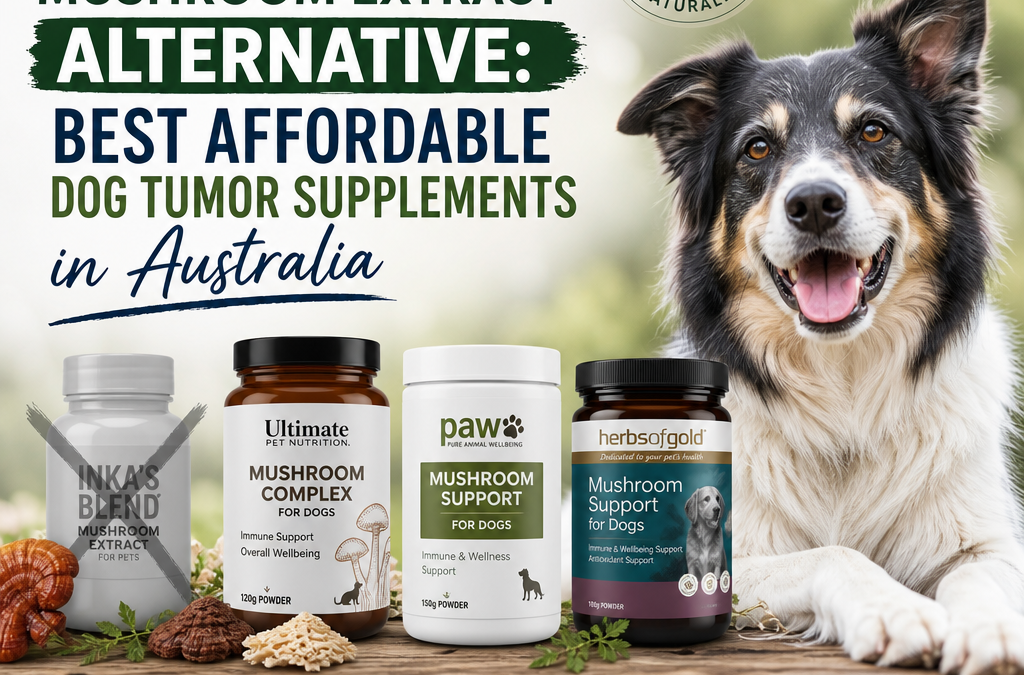
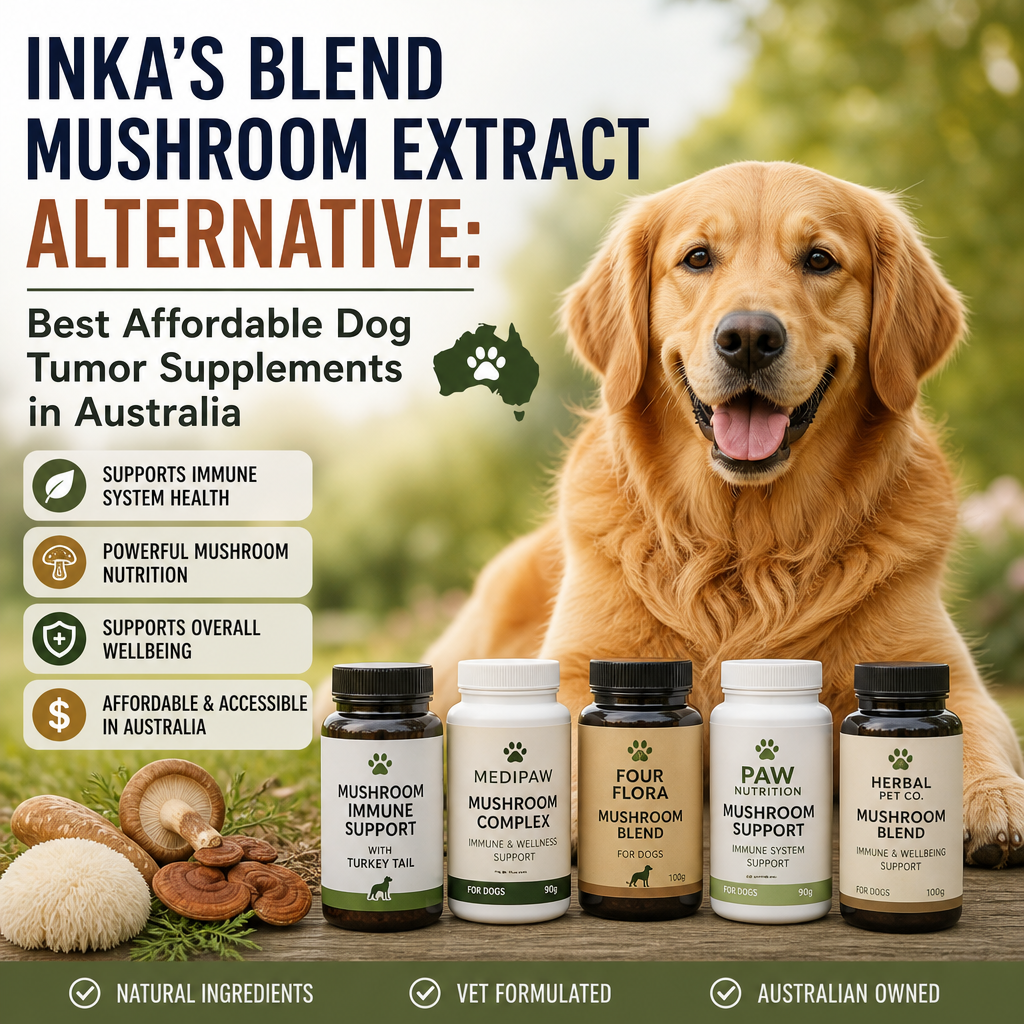
Australian dog owners searching for an Inka’s Blend Mushroom Extract alternative often want a supportive option that fits a tight budget without compromising quality. While no supplement can replace veterinary diagnosis or cancer treatment, carefully chosen mushroom extracts, medicinal herbs, omega-3 oils, and nutritional formulas may help support general wellbeing when used responsibly. The most important step is choosing a product with transparent ingredients, appropriate dosing information, and evidence-based guidance.
Why dog tumor supplements require careful consideration
A tumor can be benign or malignant, and its location, size, growth rate, and effect on surrounding tissues all influence treatment decisions. Before introducing any supplement, a veterinarian should examine the dog and, where appropriate, recommend tests such as blood work, imaging, cytology, or biopsy.
Supplements may support appetite, immune function, digestion, energy, or overall nutritional status, but they do not directly eliminate tumors. Some ingredients can also interact with chemotherapy, surgery, steroids, anti-inflammatory medicines, or other treatments. For example, products with blood-thinning properties may need to be stopped before surgery. Always provide your veterinarian with the complete ingredient list and the dog’s current medication details.
When people search for an Inka’s Blend Mushroom Extract alternative, they are usually trying to balance hope, safety, and cost. That balance matters because supplements are only one part of a larger care plan. A sensible product can support a dog’s routine, but it should never distract from timely veterinary care or delay medical decisions.
The best outcomes usually come from a plan that combines professional monitoring, appropriate nutrition, and realistic expectations. If a supplement promises dramatic results, it is worth treating those claims with caution. In most cases, steady support and careful observation matter more than bold marketing language.
What to look for in an Inka’s Blend Mushroom Extract alternative
When comparing alternatives to Inka’s Blend Mushroom Extract, focus on quality rather than attractive marketing claims. A suitable product should clearly identify the mushroom species used, the part of the mushroom included, and the extraction method.
Common medicinal mushrooms found in canine supplements include:
Turkey tail: Often selected for its beta-glucan content and immune-supporting properties.
Reishi: Traditionally used for immune and general wellness support.
Shiitake: Contains naturally occurring compounds that may contribute to healthy immune function.
Maitake: Used in some veterinary wellness formulas for nutritional and immune support.
Cordyceps: Sometimes included in products intended to support energy and vitality.
A full-spectrum extract may contain a wider range of naturally occurring compounds, while a beta-glucan-focused product may provide a more consistent measurement of a key active component. Look for independent testing, batch information, expiry dates, and clear serving instructions based on body weight.
It also helps to read the label for fillers, flavorings, and storage instructions. A well-made Inka’s Blend Mushroom Extract alternative should make it easy to understand what is inside the container and how the product should be used. If the ingredient list is vague, the formula may be harder to compare and less consistent from batch to batch.
For dogs with a sensitive stomach, simpler formulas are often easier to introduce. A product with fewer additives may reduce the chance of digestive upset, especially when the dog is already coping with illness or medication. In practical terms, the cleanest option is not always the most expensive one.
Affordable dog tumor supplements Australia: practical options
The cost of long-term care can be significant, particularly when a dog needs repeated consultations, medication, imaging, or surgery. For this reason, many owners search for affordable dog tumor supplements Australia products that can complement professional care without creating unnecessary financial pressure.
Several supplement categories may be worth discussing with a veterinarian:
Mushroom complexes
A mushroom blend can be a convenient alternative when owners want several species in one product. However, blends vary considerably. Some contain only a small quantity of each mushroom, while others provide detailed beta-glucan levels and concentrated extracts. Compare the cost per dose rather than the cost per container, since a cheaper bottle may require a much larger daily amount.
When a blend is clearly labeled, it becomes easier to judge whether it is a practical Inka’s Blend Mushroom Extract alternative or simply a marketing-heavy product. In many cases, the best value comes from a formula that is simple, well documented, and easy to administer every day.
Turkey tail extract
Turkey tail is one of the more commonly discussed medicinal mushrooms in canine wellness. Products may be sold as powder, capsules, liquid extracts, or treats. Powder can be economical for larger dogs, while capsules may offer simpler dosing. Choose a formulation that states the amount provided per serving and avoid products that rely solely on vague proprietary blends.
Turkey tail is often a leading choice when owners want a focused Inka’s Blend Mushroom Extract alternative because it is widely used in supportive care conversations and is easy to compare across brands. As with any mushroom product, transparency and dosing clarity are more important than buzzwords on the front label.
Omega-3 fatty acids
Fish oil containing EPA and DHA may support normal inflammatory balance, skin health, mobility, and general nutrition. The important measurement is the combined EPA and DHA content, not simply the total volume of fish oil. Choose a product designed for pets or one approved by a veterinarian, and store it correctly to reduce oxidation.
While omega-3s are not a direct replacement for mushroom formulas, they can be a useful companion product for dogs whose general condition needs nutritional support. Some owners consider them alongside an Inka’s Blend Mushroom Extract alternative because they are easy to source in Australia and can fit into a broader care routine.
Nutritional support powders
Dogs with tumors may experience reduced appetite, weight loss, digestive upset, or increased nutritional needs. A veterinary nutritional powder may help provide calories, protein, vitamins, or digestive support. These products should be selected according to the dog’s condition, especially if kidney, liver, or gastrointestinal disease is also present.
When weight loss is a concern, nutritional support can sometimes be more immediately useful than a more complex supplement stack. In that situation, an Inka’s Blend Mushroom Extract alternative may still be helpful, but it should be considered part of a wider nutrition-first strategy.
Probiotic supplements
Digestive changes can occur because of stress, altered food intake, antibiotics, or cancer treatment. A canine probiotic with clearly identified strains and storage instructions may support intestinal balance. Probiotics are not tumor treatments, but they may be useful when digestive health is part of the broader care plan.
If a dog has loose stools, poor appetite, or changes in stool quality, a probiotic can make day-to-day care more manageable. Some owners pair digestive support with an Inka’s Blend Mushroom Extract alternative, but it is still important to introduce products one at a time so any reaction can be tracked clearly.
One common Inka’s Blend Mushroom Extract alternative is a simple turkey tail formula with transparent dosing, while another is a broader mushroom blend that combines several species for general support. In both cases, the label should make it easy to compare value, potency, and suitability for your dog’s size.
Comparing alternatives to Inka’s Blend Mushroom Extract
A useful comparison should include more than brand name and price. Review the following factors:
Ingredient transparency: Species, extract ratios, active compounds, and serving size should be listed.
Testing standards: Look for quality control, contamination screening, and batch consistency.
Australian availability: Local suppliers may provide faster delivery and clearer consumer protections.
Dose suitability: The product should offer practical instructions for the dog’s weight.
Palatability: A supplement is unlikely to help if the dog refuses it.
Veterinary compatibility: Check for potential interactions with current treatments.
Total daily cost: Calculate the real monthly expense based on the required dose.
In Australia, many owners compare an Inka’s Blend Mushroom Extract alternative with local pet supplements, imported mushroom products, and mixed wellness formulas. The best choice is usually the one that provides the clearest label, sensible serving guidance, and the most reliable manufacturing standards for the price.
Avoid products promising to “cure” cancer, dissolve tumors, replace chemotherapy, or guarantee results. Such claims are medically unreliable and may encourage delays in appropriate treatment.
Another good rule is to compare the product against the dog’s actual needs rather than against the broadest possible list of benefits. A supplement may claim to support immunity, digestion, skin health, and energy, but that does not automatically make it the best Inka’s Blend Mushroom Extract alternative for a particular dog. Match the formula to the situation.
If you are trying to choose between two similar products, the one with clearer documentation usually wins. A manufacturer that explains sourcing, extraction, and batch testing is generally easier to trust than one relying on vague “premium blend” language. Those details can make a real difference when buying repeated monthly supplies.
Affordable buying tips for Australian owners
To keep costs under control, compare price per daily dose rather than package price, and check whether the supplier offers bulk purchasing or subscription savings. Also consider shipping charges, temperature sensitivity, and return policies. A slightly more expensive product can become the better value if it lasts longer or is easier to administer.
Some owners also prefer products that are manufactured closer to home because local availability can simplify replacement orders and reduce delays. When a dog is already on a stable routine, consistency matters as much as the formulation itself. That is why many people re-order the same Inka’s Blend Mushroom Extract alternative once they find one that fits well.
How to introduce a supplement safely
Introduce only one new supplement at a time. Begin with the lowest reasonable dose recommended by the manufacturer or veterinarian, then monitor appetite, stools, energy, skin reactions, vomiting, and any changes in existing symptoms. Keep a simple record of the product, dose, start date, and observed effects.
Stop the supplement and contact a veterinarian if the dog develops repeated vomiting, diarrhea, facial swelling, breathing difficulty, unusual bruising, severe lethargy, or a sudden loss of appetite. Liquid products may contain alcohol, sweeteners, or unnecessary additives, so read the label carefully. Xylitol is particularly dangerous to dogs and should never be included.
If your dog is already taking prescriptions, ask your veterinary team whether the Inka’s Blend Mushroom Extract alternative you are considering should be paused before surgery or adjusted during chemotherapy. That extra check can prevent avoidable complications.
Introducing a supplement gradually is especially helpful for dogs that are older, anxious, or already dealing with stomach sensitivity. A slow start can reveal whether the product suits the dog before you commit to a longer routine. If the supplement is well tolerated, only then should you consider moving to a full dose.
It is also wise to keep the supplement schedule simple. Too many products at once can make it difficult to know what is helping and what is causing a side effect. With any Inka’s Blend Mushroom Extract alternative, a measured and methodical approach is usually safer than an aggressive one.
Building a complete supportive care plan
The best approach combines veterinary treatment with practical daily support. Follow the prescribed medical plan, attend reassessment appointments, and monitor changes in the tumor or the dog’s quality of life. Provide fresh water, a nutritionally complete diet, gentle exercise when appropriate, comfortable rest, and low-stress routines.
Supplements should be viewed as one part of supportive care—not as a substitute for diagnosis, surgery, radiation, chemotherapy, pain relief, or palliative care. By comparing transparent products, calculating true costs, and seeking veterinary guidance, Australian dog owners can make more informed decisions when considering an Inka’s Blend Mushroom Extract alternative.
For additional evidence-based reading on medicinal mushrooms and canine health, the PubMed Central research library is a useful place to look for peer-reviewed studies and reviews.
In summary, the right Inka’s Blend Mushroom Extract alternative is not necessarily the cheapest bottle or the most heavily marketed one. It is the product that fits your dog’s condition, provides clear ingredient disclosure, and supports the treatment plan your veterinarian recommends.
When you are comparing labels, make sure the serving size, mushroom species, and extraction details are easy to verify. A well-made Inka’s Blend Mushroom Extract alternative should also fit your dog’s routine without causing stress at mealtimes.
It can help to write down the exact supplement name, batch number, and dose before you start. If you later discuss an Inka’s Blend Mushroom Extract alternative with your veterinarian, those details make it easier to assess compatibility with any existing medication plan.
Australian buyers should also consider shipping times, return policies, and storage requirements. Some mushroom powders remain stable at room temperature, while others may need tighter protection from heat and moisture. If a product loses potency in transit, the savings may not be worth it.
Another practical point is dog size. A small dog may need only a tiny daily amount, while a larger dog can use a container faster. That is why the best Inka’s Blend Mushroom Extract alternative is not always the cheapest on the shelf; it is often the one with the lowest genuine cost per day.
If your dog is picky, try a product that can be mixed into wet food or a familiar treat. Palatability matters because even a well-formulated Inka’s Blend Mushroom Extract alternative will not help if the dog refuses it consistently.
For dogs with reduced appetite, a veterinarian may suggest a broader nutritional strategy before adding anything else. In some cases, an Inka’s Blend Mushroom Extract alternative is best used alongside a calorie-dense diet rather than as the main focus of support.
Some owners prefer single-ingredient products because they are easier to evaluate. Others choose combination formulas because they want a simpler routine. Either way, the key is to avoid vague blends that do not explain how much of each active component is included.
It is also wise to revisit the plan regularly. A dog’s condition can change quickly, and a supplement that made sense at diagnosis may no longer be appropriate after surgery, medication changes, or a shift toward palliative care. Your veterinarian can help decide whether the Inka’s Blend Mushroom Extract alternative still suits the current stage of treatment.
Ultimately, the best choice is the one that is transparent, practical, and medically sensible. With careful comparison and veterinary input, an Inka’s Blend Mushroom Extract alternative can be selected in a way that supports comfort without replacing proper care.
Alter Hund Krebs was tun – diese Frage stellt sich für viele Menschen plötzlich und mit großer Sorge, wenn der eigene Vierbeiner eine Krebsdiagnose erhält. Besonders bei einem Seniorhund ist die Situation emotional belastend, denn neben der Erkrankung spielen auch Alter, Vorerkrankungen und die allgemeine Belastbarkeit eine wichtige Rolle. Mit einem klaren Plan, enger tierärztlicher Begleitung und viel Aufmerksamkeit für die Lebensqualität kann die verbleibende Zeit jedoch möglichst angenehm und würdevoll gestaltet werden.
Gerade wenn ein alter Hund Krebs was tun als erste Suchfrage im Kopf kreist, hilft es, die nächsten Schritte ruhig und strukturiert anzugehen. Je besser Sie informiert sind, desto leichter lassen sich Therapie, Pflege und Alltag sinnvoll miteinander verbinden.
Nach einer Diagnose sollten Sie sich zunächst einen genauen Überblick verschaffen. Bitten Sie die Tierärztin oder den Tierarzt, die Erkrankung verständlich zu erklären. Wichtige Fragen sind:
Um welche Krebsart handelt es sich?
Wo liegt der Tumor und hat er gestreut?
Welche Untersuchungen sind noch erforderlich?
Welche Behandlungsmöglichkeiten gibt es?
Welche Nebenwirkungen sind zu erwarten?
Wie realistisch ist eine Heilung oder eine längere Krankheitskontrolle?
Wie kann die Lebensqualität erhalten werden?
Je nach Tumor kommen Operation, Chemotherapie, Bestrahlung, Medikamente oder eine palliative Behandlung infrage. Bei einem alten Hund ist nicht automatisch jede intensive Therapie sinnvoll. Entscheidend ist, ob der Hund von der Behandlung voraussichtlich profitiert und die Belastung vertretbar bleibt. Eine zweite tierärztliche Meinung kann helfen, wenn Unsicherheit besteht.
Gerade in den ersten Tagen ist es hilfreich, Informationen geordnet zu sammeln. Notieren Sie Diagnosen, Befunde, Medikamente und offene Fragen. So wird aus dem anfänglichen Chaos ein Plan, und Sie können die nächsten Schritte ruhiger entscheiden. Auch bei einer schwierigen Krebsdiagnose beim Hund hilft ein sachlicher Überblick oft sehr.
Lebensqualität beim Senior Hund mit Krebs beurteilen
Bei älteren Hunden steht häufig nicht die maximale Lebensverlängerung, sondern eine gute Lebensqualität im Mittelpunkt. Beobachten Sie Ihren Hund täglich und führen Sie möglichst ein einfaches Tagebuch. Notieren Sie beispielsweise:
frisst und trinkt er normal?
wirkt er interessiert und ansprechbar?
hat er Schmerzen oder Atemprobleme?
kann er selbstständig aufstehen und laufen?
schläft er entspannt?
ist er sauber und kann sich lösen?
genießt er Streicheleinheiten, Spaziergänge oder seine Lieblingsbeschäftigungen?
Gute und schlechte Tage lassen sich dadurch besser vergleichen. Wenn Schmerzen, Übelkeit, Atemnot oder starke Schwäche zunehmen, sollte sofort die Tierarztpraxis kontaktiert werden. Hunde zeigen Beschwerden oft lange nicht eindeutig. Veränderungen wie Rückzug, Hecheln in Ruhe, häufiges Positionswechseln, Winseln oder Appetitverlust können wichtige Hinweise sein.
Eine ehrliche Beobachtung hilft auch dabei, emotionale Entscheidungen nicht allein aus Angst zu treffen. Der Blick auf Alltag, Freude, Komfort und Belastbarkeit ist oft aussagekräftiger als einzelne gute Momente. Genau hier setzt eine verlässliche Begleitung beim Thema alter Hund Krebs was tun an: nicht nur behandeln, sondern auch genau hinsehen.
Wenn Sie die Lage besser einschätzen möchten, kann es hilfreich sein, zusätzlich auf den Unterschied zwischen Krankheitssymptomen und altersbedingten Veränderungen zu achten. So lassen sich Warnsignale früher erkennen und gezielter mit der Praxis besprechen.
Alltag unterstützen und entlasten
Die Unterstützung im Alltag sollte sich an den Kräften des Hundes orientieren. Viele kurze, ruhige Spaziergänge sind oft besser als eine lange Runde. Lassen Sie den Hund selbst bestimmen, wie weit er gehen möchte. Bei unsicherem Gang können rutschfeste Teppiche, Rampen oder ein gut sitzendes Hebegeschirr helfen.
Ein warmer, weicher und leicht zugänglicher Liegeplatz entlastet alte Gelenke. Zugluft und feuchte Kälte sollten vermieden werden. Gleichzeitig ist frische Luft wichtig, sofern der Hund sich damit wohlfühlt. Überfordern Sie ihn nicht durch Besuch, lange Autofahrten oder ungewohnte Aktivitäten.
Auch die emotionale Nähe ist wertvoll. Ruhiges Streicheln, gemeinsames Sitzen und vertraute Routinen geben Sicherheit. Hunde profitieren meist davon, wenn Fütterungszeiten, Schlafplätze und Tagesabläufe möglichst konstant bleiben.
Wenn Sie unsicher sind, welche Hilfen sinnvoll sind, kann ein Blick auf weiterführende Informationen nützlich sein, etwa zu Nahrungsergänzung Hund Krebs: sichere Optionen und wichtige Tipps. Dort werden unterstützende Möglichkeiten ergänzend eingeordnet, ohne die tierärztliche Behandlung zu ersetzen.
Auch kleine Anpassungen machen oft einen großen Unterschied. Ein niedriger Futternapf, kurze Wege zum Garten und ein ruhiger Schlafplatz in Ihrer Nähe können den Alltag spürbar erleichtern. Für viele Familien ist genau diese praktische Unterstützung ein zentraler Teil der Frage alter Hund Krebs was tun.
Ernährung und Nahrungsergänzung
Die Ernährung sollte mit der Tierarztpraxis abgestimmt werden, insbesondere wenn der Hund abnimmt, an Übelkeit leidet oder eine Organerkrankung vorliegt. Grundsätzlich ist es wichtig, dass er ausreichend Kalorien und Flüssigkeit aufnimmt. Kleine, häufige Mahlzeiten können besser verträglich sein als wenige große Portionen.
Manche Hunde fressen während einer Erkrankung besser, wenn das Futter leicht angewärmt wird und dadurch intensiver riecht. Hochwertige, gut verdauliche Nahrung kann sinnvoll sein, ist aber nicht automatisch für jeden Hund gleich geeignet. Bei Nieren-, Leber- oder Magenproblemen gelten möglicherweise besondere Anforderungen.
Verweigert der Hund länger als einen Tag das Futter, erbricht er wiederholt oder trinkt er auffällig viel beziehungsweise wenig, sollte die Ursache tiermedizinisch abgeklärt werden. Zwingen Sie ihn nicht zum Fressen und geben Sie keine menschlichen Medikamente.
Beim Thema Nahrungsergänzung alter Hund Krebs ist Vorsicht geboten. Präparate können eine tierärztliche Behandlung nicht ersetzen und sind nicht grundsätzlich harmlos. Einige Produkte können die Wirkung von Medikamenten beeinflussen oder bei bestimmten Tumoren und Organerkrankungen ungeeignet sein.
Besprechen Sie Nahrungsergänzungsmittel deshalb immer mit der behandelnden Praxis. Je nach Situation können beispielsweise bestimmte Omega-3-Fettsäuren, Vitamine oder unterstützende Präparate in Betracht gezogen werden. Ob sie tatsächlich sinnvoll sind, hängt von Blutwerten, Ernährung, Tumorart und Begleiterkrankungen ab.
Besonders riskant ist es, mehrere Produkte gleichzeitig zu kombinieren. Achten Sie auf transparente Inhaltsstoffe, eine klare Dosierung und seriöse Hersteller. Von angeblichen „Heilmitteln“ oder Versprechen einer vollständigen Tumorheilung sollten Sie Abstand nehmen. Auch pflanzliche Produkte können Nebenwirkungen verursachen und mit einer Krebstherapie wechselwirken.
Eine gute Schmerztherapie ist ein zentraler Bestandteil der Krebsbegleitung. Schmerzen können durch den Tumor selbst, Entzündungen, Druck auf Organe oder Begleiterkrankungen entstehen. Tierärztlich verordnete Schmerzmittel sollten exakt nach Anleitung gegeben werden. Setzen Sie Medikamente nicht eigenständig ab und erhöhen Sie die Dosis nicht selbst.
Zusätzlich können angepasste Bewegung, Wärme bei bestimmten Beschwerden und eine ruhige Umgebung helfen. Wärme darf jedoch nicht auf entzündete oder unklare Schwellungen gelegt werden. Bei Atemnot, starken Blutungen, Krampfanfällen, kollapsartiger Schwäche oder unstillbarem Erbrechen handelt es sich um einen Notfall.
Auch Übelkeit, Verstopfung, Durchfall oder Appetitlosigkeit sollten ernst genommen werden. Oft lassen sich solche Beschwerden mit gezielter tierärztlicher Unterstützung gut lindern. Je früher Probleme behandelt werden, desto eher bleibt dem Hund Kraft für schöne Momente. Gerade deshalb ist die Frage alter Hund Krebs was tun eng mit einer guten Symptomkontrolle verbunden.
Wenn Ihr Hund Medikamente bekommt, legen Sie am besten einen einfachen Plan an: Was wird wann gegeben, was soll beobachtet werden und wann muss die Praxis informiert werden? Solche Routinen reduzieren Fehler und geben Sicherheit im Alltag.
Warnzeichen im Alltag ernst nehmen
Zu den wichtigsten Warnzeichen gehören rascher Gewichtsverlust, anhaltende Schwäche, neue Schmerzen, deutliche Unruhe in der Nacht oder der Verlust von Interesse an vertrauten Dingen. Wenn solche Veränderungen häufiger auftreten, ist eine zeitnahe Rücksprache mit der Praxis sinnvoll, auch wenn der nächste Termin noch nicht ansteht.
Die schwere Entscheidung gut begleiten
Bei fortschreitender Erkrankung kann die Frage entstehen, wann weitere Behandlung nicht mehr im besten Interesse des Hundes liegt. Diese Entscheidung ist schmerzhaft, aber sie kann ein letzter Ausdruck von Fürsorge sein. Sprechen Sie frühzeitig mit der Tierarztpraxis über Warnzeichen und einen möglichen Abschiedsplan.
Hilfreich ist eine ehrliche Bewertung: Gibt es noch mehr gute als schlechte Tage? Kann der Hund ohne starke Beschwerden fressen, schlafen, atmen und sich bewegen? Nimmt er seine Umgebung noch wahr und erlebt er Freude? Wenn wesentliche Bedürfnisse dauerhaft nicht mehr erfüllt werden können, sollte die palliative Begleitung neu bewertet werden.
Für manche Familien ist es beruhigend, sich rechtzeitig mit seriösen medizinischen Informationen auseinanderzusetzen. Eine gute Orientierung bietet zum Beispiel die amerikanische Fachseite des American Veterinary Medical Association zu Krebs bei Haustieren, die grundlegende Hinweise zu Behandlung, Pflege und Lebensqualität zusammenfasst.
Wichtig ist, dass Sie sich nicht allein von einzelnen guten Stunden leiten lassen, sondern das Gesamtbild betrachten. Ein Hund kann trotz Krankheit noch Freude zeigen, und gleichzeitig kann die Belastung bereits hoch sein. Dieser Spannungsbereich ist oft der schwierigste Teil bei alter Hund Krebs was tun.
Wenn Sie gemeinsam mit der Praxis über Palliativpflege sprechen, kann das sehr entlastend sein. Es geht dann nicht mehr um jede mögliche Maßnahme, sondern um das, was dem Hund im Alltag am meisten Ruhe und Würde gibt.
Was Hundebesitzer jetzt konkret tun können
Erstellen Sie einen schriftlichen Plan mit Medikamenten, Fütterung, wichtigen Telefonnummern und Notfallkontakten. Wiegen Sie den Hund regelmäßig, sofern dies ohne Stress möglich ist, und achten Sie auf Veränderungen an Appetit, Gewicht, Verhalten und Beweglichkeit. Halten Sie Rücksprache mit der Tierarztpraxis, bevor Sie die Ernährung, Bewegung oder Medikamente verändern.
Vor allem braucht ein alter Hund mit Krebs Sicherheit, Ruhe und verlässliche Nähe. Nicht jede Maßnahme muss auf Heilung ausgerichtet sein. Oft besteht die wertvollste Unterstützung darin, Beschwerden zu lindern, vertraute Momente zu bewahren und den Hund aufmerksam durch jeden Tag zu begleiten.
Wenn Sie die Situation Schritt für Schritt angehen, wirkt sie meist weniger überwältigend. Ein klarer Tagesablauf, gute Beobachtung und eine offene Kommunikation mit der Tierarztpraxis sind die wichtigsten Grundlagen. So wird aus der schwierigen Frage alter Hund Krebs was tun ein praktikabler Plan, der Ihrem Hund im Alltag wirklich hilft.
Am Ende zählt vor allem, dass Ihr Hund möglichst wenig leiden muss und weiterhin Geborgenheit spürt. Genau darin liegt oft die beste und liebevollste Unterstützung.
Gerade bei einem älteren Hund ist es hilfreich, Entscheidungen nicht zu beschleunigen, sondern sie mit Ruhe und Mitgefühl zu treffen. So bleiben Fürsorge, Orientierung und Nähe auch in einer schwierigen Krankheitsphase erhalten.
Medicinal mushrooms / immune support is becoming an increasingly discussed topic among Finnish dog owners whose pets are living with tumors. While no supplement can replace veterinary diagnosis, surgery, chemotherapy, radiation, or prescribed medication, carefully selected mushroom extracts may offer supportive nutritional value as part of a broader care plan. Understanding what these products can and cannot do is essential when searching for dog cancer supplements in Finland.
A dog with cancer may experience changes in appetite, energy, digestion, immune function, and overall resilience. Supportive care aims to maintain quality of life, help the dog tolerate treatment, and provide comfort during recovery. Medicinal mushrooms are often considered because they contain naturally occurring compounds such as beta-glucans, triterpenes, antioxidants, and other polysaccharides. However, product quality, dosage, safety, and veterinary supervision matter greatly.
In practice, the best results usually come from thoughtful comparisons rather than impulse purchases. Finnish owners often want something simple, trustworthy, and easy to fit into a daily routine. That is where a careful review of ingredients, extraction methods, and testing can make a meaningful difference. The goal is not to find a miracle product, but to choose support that is genuinely appropriate for the dog’s situation.
Medicinal mushrooms / immune support for dogs with tumors
Several mushroom species are commonly used in veterinary supplement products. Reishi, turkey tail, maitake, shiitake, and cordyceps are among the most widely discussed. Their potential benefits are generally linked to compounds that may help regulate immune activity and support normal inflammatory balance.
Turkey tail, also known as Trametes versicolor, has received particular attention in canine cancer research. Some studies have explored turkey tail extracts in dogs with certain tumors, especially in relation to immune response and quality of life. The results are promising but should not be interpreted as proof that the mushroom cures cancer. Research remains limited, and outcomes may depend on the tumor type, extract quality, dose, and the dog’s overall health.
Reishi is traditionally valued for immune modulation and general vitality. Maitake and shiitake contain beta-glucans that may support normal immune function, while cordyceps is often included in formulas intended to promote energy and stamina. These mushrooms are not interchangeable, and a product containing several species is not automatically better than a focused, clinically appropriate extract.
For many owners, medicinal mushrooms / immune products are most useful when they are matched to the dog’s diagnosis, current medications, and digestive tolerance. That is why a veterinarian familiar with oncology should help interpret the label, evaluate the dose, and decide whether the product fits the broader treatment plan.
In practical terms, the phrase medicinal mushrooms / immune support covers several different supplement styles. Some products are standardized extracts, while others are simple powders. The exact form matters because the same mushroom name can refer to very different concentrations, processing methods, and levels of active compounds. A careful comparison helps owners avoid paying for marketing rather than meaningful support.
When a clinic discusses supportive care, medicinal mushrooms / immune options may be considered alongside diet changes and symptom management. That wider perspective is important because a supplement by itself is rarely the deciding factor in a dog’s comfort. Instead, it can be one of several small pieces that help create a more stable routine.
For owners who want to understand how mushroom-based products compare with other approaches, it helps to look at the full support picture. Nutritional support, medication timing, and symptom monitoring often matter as much as the supplement itself. This is why medicinal mushrooms / immune support should be viewed as one practical tool within a broader plan.
How mushroom supplements may support a dog’s care
The immune system is complex. It must respond effectively to threats while avoiding excessive or inappropriate inflammation. Mushroom-derived beta-glucans may interact with immune cells, potentially helping to support normal immune surveillance. Antioxidant compounds may also help protect cells from oxidative stress, although antioxidants can interact with some medical treatments.
For dogs with tumors, the main goal of supplementation is usually supportive rather than curative. A veterinarian may consider a mushroom product as one element of a plan that also includes a complete diet, pain control, nausea management, hydration, regular monitoring, and conventional cancer treatment where appropriate.
Potential reasons a veterinary professional might consider a supplement include:
Supporting normal immune function
Helping maintain appetite and daily energy
Providing nutritional support during recovery
Supporting general wellbeing in older dogs
Complementing, but not replacing, prescribed cancer care
The dog’s response should be monitored closely. Improvements in appetite or energy may indicate better comfort, but they do not necessarily mean that a tumor is shrinking. Tumor progression must be assessed through veterinary examinations and, when appropriate, imaging or laboratory testing.
When owners compare support options, medicinal mushrooms / immune formulas should be judged by evidence, not by marketing language. Products that clearly explain the extraction ratio, species used, and quality testing are usually easier to evaluate than vague blends with attractive packaging.
One reason these products remain popular is that owners want practical ways to support a dog without adding unnecessary complexity. A well-chosen product can be simple to use, but it still needs to fit the dog’s condition, existing prescriptions, and feeding routine. In other words, the best option is not simply the strongest one; it is the one that makes sense for the individual dog.
If a product seems impressive but offers little information, that is a red flag. Reliable companies usually explain where the mushrooms come from, how they are extracted, and whether the final product has been tested for contamination. That level of transparency is especially important when the goal is long-term supportive care rather than short-term experimentation.
Some owners prefer to start with a single mushroom ingredient before trying more complex blends. That can make it easier to watch for digestive changes and see how the dog responds. A gradual approach is often safer and easier to manage than adding several products at once.
Choosing dog cancer supplements in Finland
When comparing dog cancer supplements Finland owners can purchase, it is important to look beyond attractive packaging and broad claims. The label should clearly identify the mushroom species, the extraction method, the amount of active extract, and the recommended serving for dogs. Products made from fruiting bodies are often preferred because they may provide a more complete range of naturally occurring mushroom compounds, although the most important factor is verified composition and quality control.
Look for companies that provide:
Clear ingredient and dosage information
Batch testing or certificates of analysis
Statements about heavy metals, pesticides, and microbial contamination
Manufacturing information and traceability
Veterinary or scientific documentation
Instructions specifically intended for dogs
Powders, capsules, liquid extracts, and soft chews may all be available in Finland. The best format depends on the dog’s size, appetite, swallowing ability, and tolerance. A powder may be convenient for mixing into food, while a liquid can be useful for dogs that refuse tablets. Products designed for humans may contain unsuitable ingredients, excessive doses, alcohol, xylitol, or other substances that are unsafe for pets.
Affordable products should not be judged by price alone. A low-cost supplement may contain very little active extract, making the apparent saving misleading. Comparing the amount of standardized extract per serving is more useful than comparing package prices. At the same time, expensive branding does not guarantee effectiveness. Transparent testing and sensible formulation are stronger indicators of value.
Some owners also look at how easy a supplement is to combine with meals. That can matter more than the style of the label or the number of mushrooms listed on the front. If the dog will not accept the product, even a promising formula becomes impractical. Palatability, routine, and consistency are part of real-world effectiveness.
It also helps to compare products against your dog’s current treatment stage. A dog that is stable and eating well may tolerate one format, while a dog with nausea or reduced appetite may need a gentler option. This is one reason dog cancer supplements Finland shoppers should think about everyday usability, not just the ingredient panel.
For readers who want a more general overview of the research, the National Cancer Institute’s summary on medicinal mushrooms and cancer is a useful educational reference.
It is also worth remembering that Finland-based shoppers may need to compare products sold through different channels. That can make label reading even more important. A practical checklist is often the fastest way to compare options: species, extract type, dosage, testing, and suitability for dogs.
Owners may also want to ask whether the product has been formulated for long-term use. A supplement that looks acceptable for short periods may not be ideal for repeated use if it lacks quality controls or contains unnecessary fillers. In many cases, the simplest formula with the clearest documentation is the most trustworthy choice.
Dog tumor support Finland: safety and veterinary guidance
Dog tumor support Finland should always be approached in partnership with a veterinarian, particularly when the dog is receiving chemotherapy, corticosteroids, anti-inflammatory drugs, anticoagulants, or immune-modifying medication. Some supplements may affect blood clotting, liver enzymes, blood sugar, or immune activity. These effects can be important during surgery or cancer treatment.
Extra caution is needed for dogs with liver or kidney disease, bleeding disorders, diabetes, autoimmune conditions, or sensitive digestion. Possible side effects may include loose stools, vomiting, reduced appetite, itching, or lethargy. Any new or worsening symptom should be reported to a veterinary clinic.
Introduce one product at a time, beginning only with the dose recommended by a qualified professional or the manufacturer. This makes it easier to identify intolerance and prevents confusion if the dog’s condition changes. Keep a simple record of appetite, stool quality, energy, medication, and noticeable symptoms. Such information can help the veterinarian decide whether the supplement should be continued.
Careful observation matters because even a well-tolerated product may not suit every dog. In some cases, a different formula or a lower dose may be more appropriate than stopping support entirely. If the dog is already on an oncology protocol, any new supplement should be checked against that plan before it is started.
Owners sometimes assume that natural means harmless, but that is not the case. Natural products can still be inappropriate for a dog with a specific diagnosis or medication schedule. A short conversation with the veterinary team can prevent avoidable problems and make support more consistent over time.
When a supplement is added thoughtfully, the focus remains on the dog’s comfort and safety. This is especially important when appetite is unpredictable or when treatment already places stress on digestion. In those situations, even small changes can matter.
If you are unsure how a product fits into your dog’s medical plan, ask the clinic whether it should be introduced before or after meals, whether it should be paused around surgery, and whether any monitoring is needed. Those small questions can prevent larger problems later.
That cautious approach is especially relevant for dogs already taking several medications. A product that seems gentle may still be unsuitable if it affects clotting, digestion, or liver metabolism. Good dog tumor support Finland decisions are based on the whole medical picture, not on the supplement alone.
A balanced approach to supportive nutrition
Mushroom extracts are only one part of supportive care. Dogs with cancer need adequate calories, high-quality protein where medically appropriate, access to fresh water, and a diet they will reliably eat. Sudden dietary changes can cause digestive upset, so new foods and supplements should be introduced gradually.
Quality of life should remain the central consideration. A useful care plan addresses pain, mobility, sleep, nausea, anxiety, and enjoyment of normal activities. Regular veterinary assessments are especially important because dogs often hide discomfort until a condition has become advanced.
Owners may also find it helpful to compare options based on practical needs such as palatability, ingredient transparency, and whether the product can be used alongside current medications. In that sense, medicinal mushrooms / immune support works best as part of a consistent, low-stress routine rather than as a one-time intervention.
Mushroom extracts can be especially helpful when the goal is to maintain day-to-day comfort rather than chase dramatic promises. That realistic mindset is important when reading product labels, comparing brands, or discussing expectations with a clinic.
Supportive nutrition should also be flexible. A dog’s needs can change quickly during treatment, and a product that works well one month may become less suitable later. Rechecking body condition, appetite, and bowel function helps owners keep the plan aligned with the dog’s current condition.
It is equally important to separate marketing language from actual utility. Terms such as “advanced,” “extra strength,” or “premium blend” do not automatically mean a better result. The more useful questions are simple: Is the mushroom extract clearly identified? Is the dose appropriate for dogs? Is the product tested? Does the dog tolerate it?
Medicinal mushrooms / immune support may offer a practical and affordable supportive option for some dogs with tumors in Finland, especially when selected for quality and used responsibly. They should never be presented as a guaranteed cure or a substitute for proven cancer treatment. With transparent products, realistic expectations, and veterinary oversight, mushroom-based immune support can be considered as part of a thoughtful, individualized plan for maintaining a dog’s comfort and wellbeing.
For many owners, the best outcome is not a dramatic claim but a steadier daily routine: better acceptance of food, fewer digestive surprises, and more confidence that the supplement is working alongside veterinary care rather than against it. That is often the most realistic and most valuable goal.
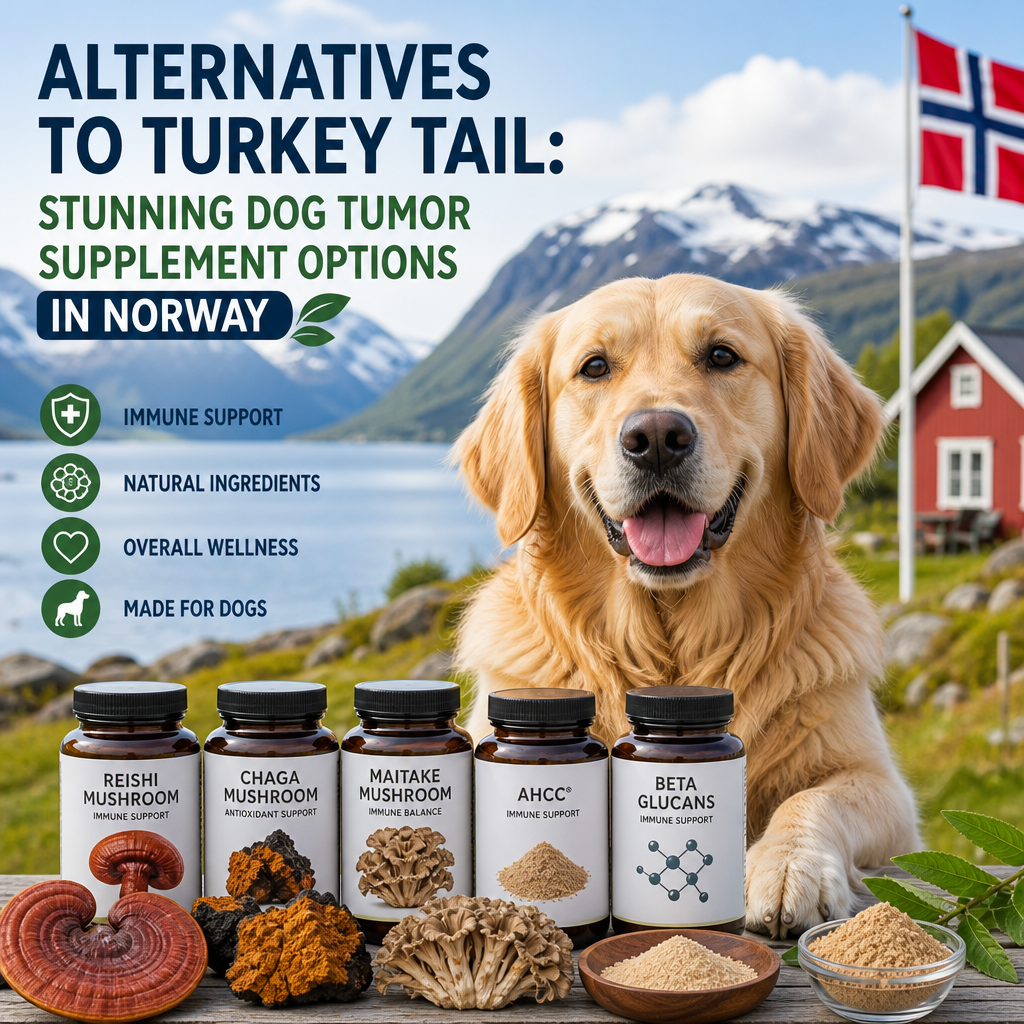
Alternatives to Turkey Tail can be useful for Norwegian dog owners exploring supportive nutrition during a dog’s cancer care. Turkey Tail mushroom is widely discussed because of its beta-glucans and other compounds, but it is not the only supplement option available. Depending on a dog’s diagnosis, treatment plan, appetite, digestion, and overall health, veterinarians may consider several nutritional strategies alongside conventional care.
Why Consider Dog Tumor Supplement Alternatives?
Turkey Tail, scientifically known as Trametes versicolor, has attracted interest for its immune-supporting compounds. However, every dog responds differently to supplements, and no mushroom product should be viewed as a replacement for surgery, chemotherapy, radiation, pain management, or other veterinary treatment.
There are several reasons an owner may investigate dog tumor supplement alternatives. A particular product may be unavailable in Norway, too expensive, poorly tolerated, or unsuitable for a dog taking certain medications. Some dogs may experience digestive upset, reduced appetite, or allergic reactions. Others may need a more targeted approach, such as nutritional support for weight loss, inflammation, recovery after surgery, or treatment-related nausea.
The right supplement depends on the individual dog rather than on a single “best” ingredient. Veterinary guidance is especially important because supplements can interact with medicines or affect blood clotting, liver function, immune activity, and anesthesia safety. For that reason, alternatives to Turkey Tail should be chosen with the same care you would use for any other part of a cancer-support plan.
It also helps to think in terms of goals. Are you trying to improve appetite, support digestion, maintain body weight, or add general wellness support? Once the goal is clear, it becomes easier to compare options and avoid products that sound impressive but do not fit the dog’s actual needs. In practice, the most effective supplements are often the ones that are simple, transparent, and easy to monitor.
Medicinal Mushrooms Beyond Turkey Tail
One of the most obvious categories of alternatives to Turkey Tail is other medicinal mushrooms. Reishi, maitake, shiitake, and cordyceps are often included in canine wellness products. These mushrooms contain different combinations of beta-glucans, triterpenes, antioxidants, and other bioactive compounds.
Reishi is commonly associated with immune balance and general resilience. Maitake has been studied for its polysaccharides, while shiitake provides compounds such as lentinan. Cordyceps is often marketed for energy and stamina, although evidence in dogs remains limited.
Product quality is crucial. Mushroom powders and extracts are not interchangeable. A reputable product should identify the mushroom species, growing medium, extraction method, active compounds, batch testing, and contaminant screening. Wild-harvested products may carry greater risks of contamination or inconsistent potency. Owners in Norway should also check whether products are legally marketed as animal supplements and whether the manufacturer provides clear dosing information.
When reviewing alternatives to Turkey Tail, look at the extract type, the part of the mushroom used, and whether the product includes filler ingredients. A capsule made from a standardized extract may behave very differently from a simple powder. That distinction matters when a dog is already dealing with cancer-related fatigue, nausea, or a sensitive stomach.
Another important point is consistency. If a dog seems to do well on one mushroom formula, switching to a different brand can change the response because the concentration and extraction method may differ. This is one reason veterinarians often prefer products with a clearly labeled ingredient panel and predictable dosing. The goal is not to collect as many supplements as possible, but to find a dependable one that can be evaluated over time.
Owners should also be cautious with blends that include many ingredients at once. A multi-mushroom formula may sound comprehensive, but it can make it harder to know which component is helping or causing a side effect. For sensitive dogs, simpler is often better.
Omega-3 Fatty Acids for Inflammation and Nutrition
Fish oil is among the most commonly considered dog tumor supplement alternatives. Its main active fats, EPA and DHA, support normal inflammatory regulation and may help maintain skin, coat, joints, and overall nutritional status. Dogs with illness may also benefit from calorie-dense nutrition when maintaining weight becomes difficult.
High-quality fish oil should provide the actual amount of EPA and DHA rather than listing only the total volume of oil. Products should be protected from oxidation and stored according to the manufacturer’s instructions. Rancid oil can cause digestive problems and has little nutritional value.
Krill oil and algae-derived DHA are other options, particularly for owners seeking alternatives to traditional fish oil. However, omega-3 supplements can affect blood clotting and may not be appropriate around surgery or with certain medications. A veterinarian should determine whether the product fits the dog’s treatment plan.
According to the National Center for Complementary and Integrative Health, supplement quality and evidence vary widely, so it is wise to review claims carefully before buying anything new: supplements and cancer treatment research.
When choosing between omega-3 products, pay attention to palatability as well. A supplement that a dog refuses to eat has little practical value, no matter how good the label looks. Softgel capsules may be easy for some dogs, while liquids can be easier for others when mixed into a meal. If a dog is nauseous, start cautiously and watch for loose stools or fishy burps.
When omega-3s may be especially helpful
For dogs that are losing weight, eating less, or struggling with inflammation, omega-3s can be part of a broader nutritional plan. They do not replace treatment, but they can support body condition and may help make meals more useful from a calorie and fat-soluble nutrient standpoint.
Some owners use omega-3s as one of several alternatives to Turkey Tail because the benefit is practical and easy to understand. Instead of aiming for a direct anticancer effect, the goal is to support the body during a demanding treatment period. That distinction matters, because supportive nutrition can improve day-to-day comfort even when a supplement does not change the tumor itself.
Antioxidant and Nutritional Support
Some dogs undergoing cancer treatment experience reduced appetite, muscle loss, or digestive changes. In these cases, a complete nutritional strategy may be more useful than a highly concentrated supplement. Veterinary-formulated diets, appetite support, and carefully selected nutrients can help preserve body condition.
Antioxidants such as vitamins C and E, selenium, and certain plant compounds are often promoted for cellular protection. Nevertheless, high-dose antioxidant supplementation should be approached carefully during chemotherapy or radiation. Some treatments rely partly on oxidative processes, so adding large amounts of antioxidants without veterinary advice may interfere with the intended treatment effect.
A balanced diet that supplies appropriate protein, energy, vitamins, and minerals is usually more important than adding multiple isolated nutrients. Dogs with poor appetite may need smaller meals, warmed food, wet food, or a therapeutic diet recommended by a veterinary professional.
In practical terms, this means the best alternatives to Turkey Tail are often not dramatic “cancer-fighting” products at all. They may be supportive feeding tools that help a dog stay comfortable, hydrated, and strong enough to continue treatment.
Good nutrition also supports recovery after stressful vet visits, surgery, or changes in medication. A dog that eats better is usually easier to medicate, easier to monitor, and better able to keep up body weight. That makes nutritional support one of the most overlooked but valuable parts of supportive care.
Nutrition-first support for sick dogs
When possible, prioritize palatable meals, consistent feeding times, and a slow transition to any new food or supplement. Sudden changes can upset the stomach and make it harder to tell whether a product is helping or causing side effects.
It can also be useful to keep a simple log of appetite, stool quality, vomiting, energy, and body weight. Small changes are easier to notice when they are written down. This kind of monitoring is especially helpful if you are trying more than one of the alternatives to Turkey Tail over time and want to know what actually makes a difference.
Curcumin and Herbal Products
Curcumin, derived from turmeric, is another frequently discussed option. It is known for its anti-inflammatory properties, but absorption varies significantly between products. Formulations may include oils, phospholipids, or other ingredients intended to improve bioavailability.
Other herbal ingredients, including milk thistle, boswellia, ginger, and green tea compounds, may appear in canine wellness formulas. Milk thistle is often used in products designed to support the liver, while ginger may help some dogs with nausea or digestive discomfort. Evidence differs widely, and “natural” does not automatically mean safe.
Herbal supplements may influence liver enzymes, blood pressure, sedation, or clotting. They may also contain multiple ingredients that make it difficult to identify the cause of a reaction. For dogs receiving chemotherapy, corticosteroids, anti-inflammatory drugs, or seizure medication, professional review is essential before using these products.
Some owners in Norway search for alternatives to Turkey Tail because they want a gentler or more familiar ingredient profile. In that case, an evidence-based herbal discussion with a vet is still the safest starting point.
If you are comparing herbal choices, ask whether the product has a clear purpose. A supplement meant for liver support should not be mistaken for a product designed for digestion or immune support. Matching the ingredient to the goal reduces wasted spending and lowers the risk of stacking too many overlapping formulas.
Important cautions with herbs
Several herbs can look harmless on a label but become complicated when used alongside cancer treatment. That is why alternatives to Turkey Tail should not be selected only because they are plant-based. Dose, concentration, sourcing, and drug compatibility all matter.
If a product includes multiple herbs, start by reviewing every ingredient one by one. Look for added flavors, preservatives, and sweeteners as well. A simple formula often creates fewer questions than a long proprietary blend.
Probiotics and Digestive Support
Digestive health can become a practical priority during illness. Stress, antibiotics, dietary changes, and cancer treatment may contribute to diarrhea, constipation, gas, or reduced appetite. Canine-specific probiotics can support a healthy intestinal microbiome in some situations.
A good probiotic product should list the strains, viable organisms, storage requirements, and expiration date. Products intended for humans may contain sweeteners or other ingredients unsuitable for dogs. Prebiotic fibers, such as certain fermentable fibers, may also support beneficial gut bacteria, but they can worsen gas or diarrhea if introduced too quickly.
Digestive supplements are supportive rather than tumor treatments. Persistent vomiting, diarrhea, blood in the stool, dehydration, or sudden appetite loss requires veterinary attention rather than self-treatment.
Because the gut and immune system are closely connected, many owners consider probiotics alongside alternatives to Turkey Tail when they want to support overall resilience. That approach can be reasonable, as long as the product is suitable for dogs and introduced carefully.
Probiotics may also be useful after antibiotics or during periods of stress, such as travel, hospitalization, or a change in diet. In those moments, the goal is not necessarily to fight the tumor directly but to keep the digestive system steady. When digestion improves, the dog is often better able to eat and absorb the nutrients needed for recovery.
Practical probiotic tips
Start with one product at a time.
Use the dose recommended by the manufacturer or your veterinarian.
Watch for changes in stool, appetite, and energy.
Store the product exactly as directed.
Other supportive options worth discussing
Beyond the most common categories, some dogs may benefit from additional supportive strategies such as digestive enzymes, calorie boosters, or veterinarian-selected appetite support. These are not direct substitutes for cancer therapy, but they may make daily care easier. In many cases, the most useful alternatives to Turkey Tail are the ones that solve a specific problem, such as poor intake, loose stool, or low energy.
Pet owners should be careful not to stack too many products at once. Combining several supplements can increase the risk of stomach upset and make it difficult to tell what is working. A step-by-step plan with one change at a time is usually easier to manage and safer to evaluate.
Choosing Products in Norway
When comparing alternatives to Turkey Tail in Norway, look beyond advertising claims. Choose products from transparent manufacturers that provide full ingredient lists, batch testing, contaminant screening, and clear instructions for dogs. Avoid products that promise to cure cancer or replace veterinary treatment.
Norwegian weather and storage conditions also matter. Oils, probiotics, and mushroom extracts can be sensitive to heat, moisture, and light. Follow storage instructions carefully, and avoid purchasing products with unclear import details or questionable labeling.
Before introducing anything new, write down the product name, ingredients, concentration, intended dose, and starting date. Give only one new supplement at a time when possible. This makes it easier to identify benefits or adverse effects.
It is also sensible to consider how easy a product will be to continue long term. If a supplement is expensive, hard to source, or difficult to store, it may not be sustainable. Many owners prefer alternatives to Turkey Tail that are practical, affordable, and simple enough to keep giving consistently.
What to ask your veterinarian
Before trying any supplement, ask whether it is safe alongside current medications, whether there are clotting or liver concerns, and whether the product should be paused before anesthesia or surgery. Those questions are especially important when a dog is already receiving a complex cancer protocol.
It is also smart to ask whether a supplement might change appetite, bowel habits, or lab values. That way, you know what to monitor after starting the product. A clear plan helps you evaluate whether the supplement truly earns its place in the routine.
A Safer, Individualized Approach
The most appropriate dog tumor supplement alternatives depend on the dog’s cancer type, medications, laboratory results, body weight, and treatment goals. A veterinary oncologist or primary veterinarian can help evaluate whether a supplement is appropriate and monitor liver enzymes, kidney function, blood counts, appetite, and weight.
Supplements may provide nutritional or supportive benefits, but they should form only one part of a broader care plan. Adequate calories, hydration, pain control, rest, emotional comfort, and timely medical treatment are equally important. By focusing on product quality and individualized veterinary advice, Norwegian dog owners can make more informed decisions while protecting their companion’s safety and quality of life.
In other words, the best alternatives to Turkey Tail are the ones that fit the dog in front of you. If a product supports appetite, digestion, comfort, or recovery without interfering with treatment, it may earn a place in the plan. If not, it is better left out. That careful approach gives dogs the best chance at steadier support and a better day-to-day quality of life.
Used thoughtfully, alternatives to Turkey Tail can complement a broader care plan without creating confusion or unnecessary risk. The key is to stay realistic, choose quality products, and keep the veterinarian involved at every step. With that approach, you can support your dog in a way that is both practical and compassionate.