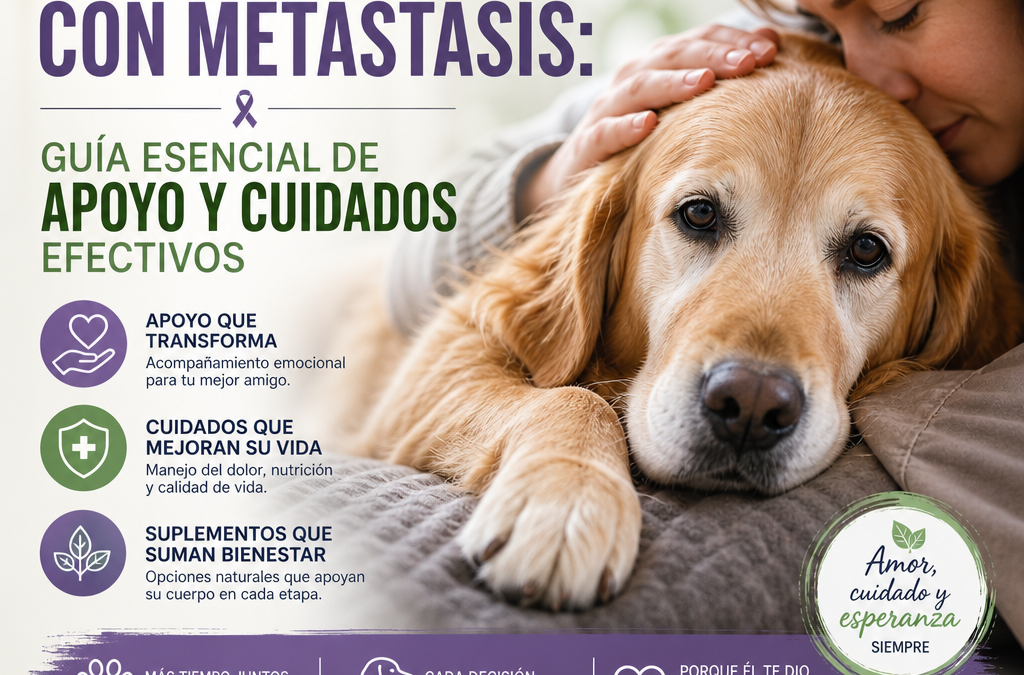
Cáncer perro metástasis apoyo: cuando un perro recibe un diagnóstico oncológico avanzado, toda la familia necesita información clara, acompañamiento y un plan de cuidados realista. La presencia de metástasis significa que las células tumorales se han extendido desde el lugar donde comenzó el cáncer hacia otros tejidos u órganos, pero no implica que no haya nada que hacer. El objetivo del tratamiento puede centrarse en controlar la enfermedad, aliviar el dolor, conservar la movilidad y mantener la mejor calidad de vida posible.
¿Qué significa que un tumor en un perro tenga metástasis?
La metástasis ocurre cuando las células de un tumor primario viajan por la sangre o el sistema linfático y forman nuevos focos tumorales. Los pulmones, el hígado, los ganglios linfáticos y los huesos son algunos de los lugares que pueden verse afectados, aunque la localización depende del tipo de cáncer.
Un tumor perro metástasis requiere una valoración completa. El veterinario puede recomendar análisis de sangre, radiografías, ecografías, tomografía computarizada, citología o biopsia. Estas pruebas ayudan a conocer la extensión de la enfermedad y a determinar si conviene utilizar cirugía, quimioterapia, radioterapia, medicamentos paliativos o una combinación de tratamientos.
Es importante recordar que cada caso es diferente. La edad, el estado general, el tipo de tumor, la velocidad de crecimiento y la respuesta al tratamiento influyen en el pronóstico. La existencia de metástasis suele dificultar la curación, pero todavía pueden existir opciones para reducir síntomas y prolongar el bienestar.
En este punto, el cáncer perro metástasis apoyo debe enfocarse en decisiones informadas, realistas y centradas en el bienestar diario del animal.
Objetivos del tratamiento en el cáncer avanzado
En las fases metastásicas, el tratamiento no siempre busca eliminar por completo el cáncer. En muchos perros, la prioridad es ralentizar la progresión y controlar las molestias. Este enfoque se conoce como tratamiento paliativo y puede incluir analgésicos, antiinflamatorios, medicamentos contra las náuseas, estimulantes del apetito y terapias específicas contra determinados tipos de tumores.
La quimioterapia veterinaria suele administrarse con protocolos adaptados para proteger la calidad de vida. A diferencia de lo que muchas personas imaginan, los perros no siempre experimentan efectos secundarios intensos. Cuando aparecen, pueden incluir falta de apetito, vómitos, diarrea, cansancio o disminución temporal de las defensas. El veterinario debe explicar qué signos requieren atención inmediata.
La cirugía puede ser útil si existe un tumor localizado que provoca dolor, sangrado, obstrucción o dificultad para moverse. Sin embargo, cuando hay múltiples metástasis, es necesario valorar cuidadosamente si una intervención aportará beneficios suficientes frente a los riesgos de la anestesia y la recuperación.
En una etapa así, el cáncer perro metástasis apoyo también implica revisar con frecuencia si el plan sigue siendo proporcionado y amable para el perro.
Control del dolor y de los síntomas
El dolor puede manifestarse de formas sutiles. Algunos perros lloran o cojean, pero otros simplemente duermen más, dejan de subir escaleras, jadean sin motivo aparente, se esconden, cambian de postura con frecuencia o pierden interés por sus actividades habituales. Cualquier cambio persistente debe comunicarse al veterinario.
El control del dolor puede requerir varios medicamentos y ajustes periódicos. Nunca deben administrarse fármacos humanos por cuenta propia, ya que algunos son tóxicos para los perros incluso en cantidades pequeñas. El paracetamol, el ibuprofeno y la aspirina pueden causar problemas graves si no se utilizan bajo una indicación veterinaria precisa.
También conviene observar la respiración, la alimentación, la hidratación, las deposiciones y la capacidad para descansar. Una respiración trabajosa, encías pálidas, vómitos repetidos, sangrado, colapso, dolor intenso o incapacidad para levantarse son motivos para acudir a un servicio veterinario de urgencias.
Cuando el dolor está bien controlado, el cáncer perro metástasis apoyo se vuelve más efectivo porque el perro puede descansar, comer y moverse con menos sufrimiento.
Alimentación e hidratación durante la enfermedad
La nutrición no cura por sí sola el cáncer, pero puede ayudar a conservar la fuerza y tolerar mejor determinados tratamientos. Lo más importante es que el perro coma una dieta completa, equilibrada y adecuada para su estado. En algunos casos, el veterinario puede recomendar una alimentación con mayor densidad energética, proteínas de buena calidad o una textura más fácil de aceptar.
Las comidas pequeñas y frecuentes pueden funcionar mejor que una ración grande. También puede ser útil ofrecer la comida ligeramente templada para intensificar su aroma, siempre que el animal la tolere. No se deben hacer cambios bruscos de dieta ni utilizar alimentos crudos sin valorar los riesgos de contaminación, especialmente si el perro recibe quimioterapia y tiene defensas bajas.
La deshidratación puede empeorar el cansancio y la debilidad. Hay que mantener agua limpia y accesible en varios puntos de la casa. Si el perro no bebe, vomita o presenta diarrea, el veterinario puede valorar fluidoterapia y medicamentos de apoyo.
Si el apetito baja de forma sostenida, conviene pedir orientación profesional cuanto antes; en casos complejos, el enfoque de cáncer perro metástasis apoyo ayuda a decidir ajustes de dieta y medicación sin improvisar.
Suplementos para perros con cáncer: precauciones importantes
Los suplementos perro cáncer se han vuelto populares, pero no todos tienen evidencia suficiente ni son seguros para todos los animales. Algunos productos pueden interferir con la quimioterapia, alterar la coagulación, sobrecargar el hígado o los riñones, o modificar la absorción de otros medicamentos.
Antes de utilizar omega-3, antioxidantes, extractos de plantas, hongos medicinales, vitaminas o productos comerciales, es fundamental consultar al veterinario oncólogo. “Natural” no significa automáticamente inocuo. Además, las dosis para perros no deben calcularse a partir de las recomendaciones humanas.
Un suplemento solo debería incorporarse cuando exista un objetivo concreto, una dosis veterinaria y un seguimiento. También conviene elegir productos con controles de calidad y evitar mezclas de composición imprecisa. El tratamiento principal nunca debe sustituirse por suplementos, dietas milagro o remedios sin respaldo médico.
En cualquier fase, el cáncer perro metástasis apoyo debe priorizar la seguridad antes que las promesas comerciales.
Cuidados diarios y bienestar emocional
El entorno debe ser cómodo, tranquilo y seguro. Una cama acolchada, superficies antideslizantes y rampas pueden facilitar el descanso y reducir el riesgo de caídas. Los paseos deben adaptarse a la energía del perro: caminatas breves, lentas y frecuentes suelen ser mejores que actividades largas o intensas.
El contacto afectuoso, las rutinas conocidas y la compañía familiar pueden disminuir el estrés. No es necesario estimularlo constantemente; algunos perros necesitan más horas de sueño y espacios tranquilos. La calidad de vida incluye poder descansar, interactuar, comer con interés, moverse razonablemente y disfrutar de momentos agradables.
Llevar un registro diario puede ayudar a tomar decisiones objetivas. Se pueden anotar el apetito, el dolor, la movilidad, la respiración, los vómitos, las deposiciones y los momentos de interés o alegría. Estos datos permiten detectar cambios y hablar con el veterinario con mayor precisión.
Un apoyo cotidiano constante hace que el cáncer perro metástasis apoyo sea más humano y más útil para toda la familia.
¿Cómo ayuda el cáncer perro metástasis apoyo en la vida diaria?
Cuando la familia entiende qué observar y cómo actuar, el cuidado diario se vuelve más ordenado y menos angustiante. El cáncer perro metástasis apoyo no se limita a dar medicamentos: también implica anticipar necesidades, reducir el esfuerzo físico y ajustar las rutinas para que el perro conserve energía.
Por ejemplo, conviene colocar el comedero y el bebedero en un lugar de fácil acceso, evitar escaleras innecesarias y ofrecer salidas al exterior más cortas pero más frecuentes. En perros con debilidad o dolor, un arnés de soporte puede facilitar los traslados y disminuir el riesgo de caídas.
También ayuda reservar momentos de calma sin visitas excesivas ni ruido. Algunos perros se benefician de una rutina predecible, con horarios estables para comer, descansar y recibir medicación. Esta estabilidad puede hacer más llevadero el proceso tanto para el animal como para la familia.
Si aparecen dudas sobre cambios de comportamiento, pérdida de apetito o cansancio, el cáncer perro metástasis apoyo debe incluir una comunicación rápida con el veterinario para ajustar el plan antes de que el malestar avance.
¿Cuándo pedir una revisión veterinaria urgente?
Hay señales que no deben esperar a la próxima cita programada. Una revisión urgente es recomendable si el perro tiene dificultad respiratoria, sangrado abundante, convulsiones, desmayo, dolor que no cede, vómitos persistentes, abdomen muy distendido o incapacidad para mantenerse en pie.
También conviene consultar sin demora si deja de comer o beber por completo, si la deshidratación progresa o si el nivel de conciencia cambia de forma evidente. En un contexto de enfermedad avanzada, actuar rápido puede evitar sufrimiento innecesario y permitir ajustes oportunos del tratamiento.
En estas situaciones, el cáncer perro metástasis apoyo incluye reconocer límites, pedir ayuda y no intentar resolver el problema solo en casa.
Cómo valorar la calidad de vida
La calidad de vida debe revisarse de manera continua, no únicamente durante las crisis. Una herramienta práctica consiste en observar si el perro tiene más días buenos que malos. También pueden evaluarse el dolor, el hambre, la hidratación, la higiene, la felicidad, la movilidad y la interacción con la familia.
Cuando los síntomas ya no se controlan, el animal no puede descansar, deja de comer y beber, sufre dolor persistente o muestra más días malos que buenos, es necesario hablar con el veterinario sobre las opciones disponibles. En algunos casos, la eutanasia humanitaria puede ser la decisión más compasiva para evitar sufrimiento. Considerarla no significa abandonar al perro, sino priorizar su bienestar cuando la enfermedad ha avanzado demasiado.
El acompañamiento veterinario, la observación diaria y el cariño familiar son pilares esenciales. Ante un cáncer metastásico, cuidar no consiste únicamente en tratar el tumor, sino en proteger cada día posible de comodidad, dignidad y vínculo.
Si necesitas una idea final, recuerda que el cáncer perro metástasis apoyo no reemplaza la atención profesional: la complementa con presencia, constancia y decisiones centradas en el perro.
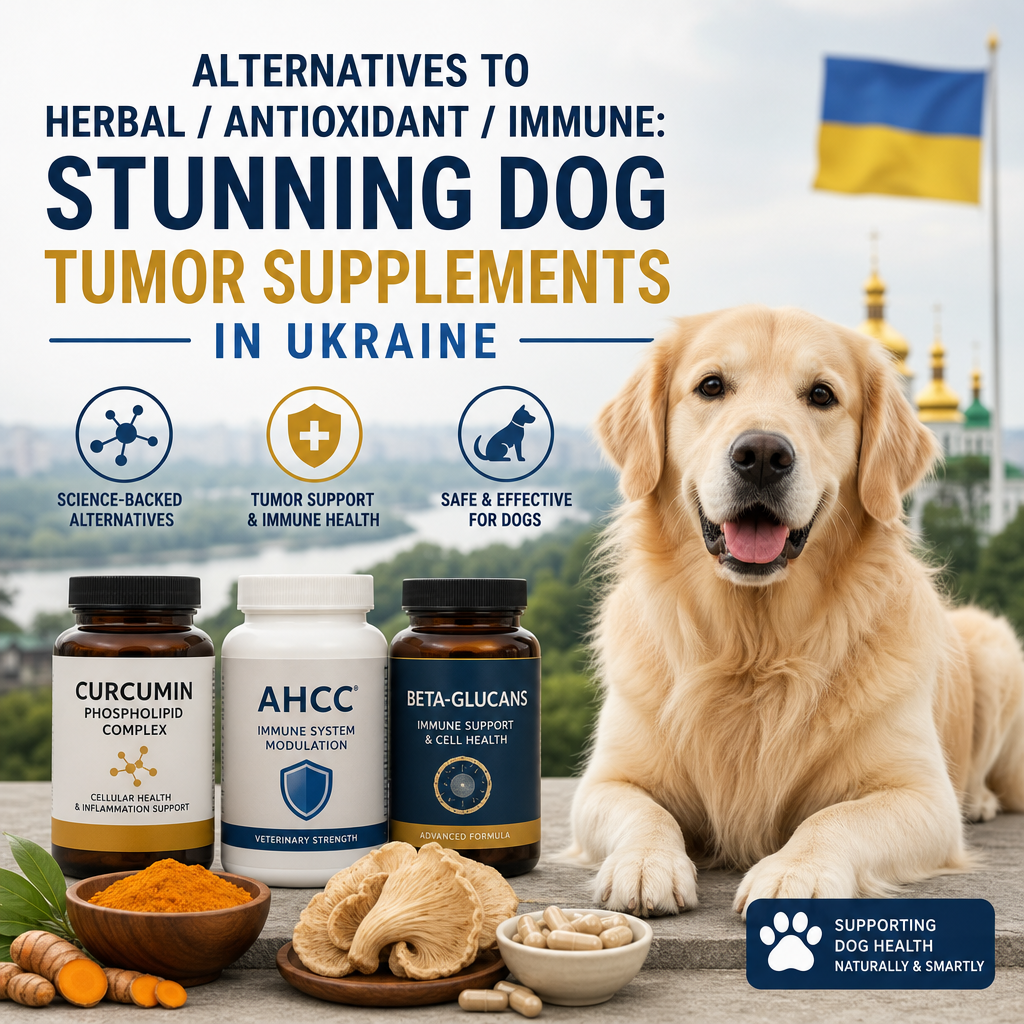
Alternatives to Herbal / antioxidant / immune products are attracting attention among Ukrainian dog owners looking for supportive care during a pet’s cancer treatment. However, supplements should never replace veterinary diagnosis, surgery, chemotherapy, radiation, or other recommended therapies. The most useful approach is to choose evidence-informed products that address a dog’s specific nutritional needs, treatment plan, and overall health rather than relying on broad promises about boosting immunity or eliminating tumors.
When people search for alternatives to Herbal / antioxidant / immune support, they are usually looking for something practical, safe, and easier to evaluate. In many cases, the best option is not a dramatic “cancer-fighting” formula at all, but a carefully chosen supplement that helps maintain appetite, muscle, energy, digestion, and comfort while the dog receives veterinary care.
Why dog tumor supplement alternatives require careful consideration
A tumor can affect appetite, digestion, energy, immunity, and nutrient requirements. Cancer treatments may also cause nausea, diarrhea, changes in taste, fatigue, or weight loss. Because every tumor type and treatment protocol is different, a supplement that is appropriate for one dog may be unsuitable for another.
Before purchasing dog tumor supplement alternatives in Ukraine, owners should ask a veterinarian to review:
The tumor type and stage
Current medications and treatment schedule
Liver and kidney function
Appetite, body weight, and muscle condition
Any digestive symptoms or food allergies
The complete ingredient list of the proposed supplement
This review is essential because some natural ingredients may alter drug metabolism, affect blood clotting, or interfere with chemotherapy and surgery.
It also helps to think beyond the word “natural.” A plant extract, mushroom blend, or vitamin formula can still be pharmacologically active. In other words, one of the safest alternatives to Herbal / antioxidant / immune products is not automatically a gentler product, but a better-matched one.
In practice, the best alternatives to Herbal / antioxidant / immune formulas are chosen with a purpose. They should support the dog’s condition, fit the treatment timeline, and avoid unnecessary ingredients that add cost without adding value. That kind of careful selection is especially important when a dog is already dealing with a serious illness and may be sensitive to changes in diet or medication.
Nutritional support as an alternative to vague immune formulas
One of the most practical alternatives to Herbal / antioxidant / immune blends is targeted nutritional support. Dogs with cancer often need enough calories and high-quality protein to preserve muscle mass. A complete veterinary diet may be more valuable than a fashionable supplement, especially when a dog is losing weight or eating poorly.
Depending on the veterinary assessment, nutritional support may include:
A highly digestible, energy-dense diet
Adequate animal-based protein
Omega-3 fatty acids from purified fish oil
Carefully selected vitamins or minerals when a deficiency is confirmed
Appetite-support strategies recommended by a veterinarian
Small, frequent meals to improve tolerance
Fish oil is sometimes used because its EPA and DHA content can support normal inflammatory balance. Yet dosage matters, product purity matters, and fish oil may not be appropriate for every patient, particularly dogs with certain bleeding risks, pancreatitis concerns, or upcoming surgery.
Nutrition is often the foundation of supportive care, and that is why alternatives to Herbal / antioxidant / immune products should be judged partly on whether they help the dog eat, digest, and maintain body condition. If a supplement looks impressive but does nothing to improve daily functioning, it may not be the most useful choice.
Dog tumor supplement alternatives with antioxidant ingredients
Antioxidants are commonly promoted for dogs with cancer, but “more” does not automatically mean “better.” Some cancer therapies rely partly on oxidative mechanisms, and high-dose antioxidant supplementation could potentially interfere with treatment. Evidence varies according to the substance, dose, tumor type, and medication combination.
Veterinary-approved products may contain ingredients such as:
Vitamin E
Selenium
Coenzyme Q10
Carotenoids
Green tea-derived compounds
Milk thistle extracts
Mushroom-derived compounds
These substances should be considered only after a veterinarian reviews the treatment plan. Concentrated extracts can be pharmacologically active, and products designed for people may contain unsafe doses, alcohol, xylitol, excessive minerals, or other ingredients harmful to dogs.
Some owners in Ukraine assume that antioxidant support is always helpful during cancer care, but the reality is more complex. The most responsible use of alternatives to Herbal / antioxidant / immune formulas is to evaluate each ingredient individually rather than trusting the marketing theme on the front label. A dog that is receiving chemotherapy, for example, may need a very different level of antioxidant support than a dog that is recovering from surgery or receiving palliative care.
Careful evaluation also helps prevent unnecessary supplement stacking. If a diet already includes certain vitamins, adding more through multiple products may increase risk without offering extra benefit. This is another reason why alternatives to Herbal / antioxidant / immune supplements should be selected with a complete view of the dog’s entire care plan.
Herbal products: potential benefits and important risks
Herbal supplements may appear gentle because they are plant-based, but natural products can have strong biological effects. Some herbs influence liver enzymes, platelet function, blood pressure, or the nervous system. They may also vary significantly in potency from one batch to another.
When evaluating alternatives to Herbal / antioxidant / immune products, look for transparent labeling that provides:
The exact botanical name
The amount of each active ingredient
Manufacturing and expiration information
Batch or quality-control details
Clear dosing instructions for dogs
Warnings about drug interactions
Avoid products that promise to “shrink tumors,” “cure cancer,” or replace conventional treatment. Such claims are not a substitute for clinical evidence and may delay essential care.
Herbal formulas can still have a place in a carefully supervised plan, especially when a veterinarian is aiming to support appetite, digestion, relaxation, or comfort. The key is to use a product because it fits the dog’s needs, not because it sounds impressive or “immune boosting.”
For many families, the safest path is to begin with clear goals. If the goal is better appetite, then choose a product or diet that can realistically support eating. If the goal is calmer digestion, then select a formula that addresses that issue specifically. That practical mindset makes alternatives to Herbal / antioxidant / immune products easier to compare and less likely to disappoint.
Functional ingredients that may support quality of life
Some supplements are selected not to treat the tumor directly but to support comfort and daily function. Joint-support ingredients may help a dog remain mobile, while digestive products can be useful when treatment affects the gastrointestinal tract. Probiotics, fiber, or digestive enzymes should be chosen according to the dog’s symptoms and the veterinarian’s advice.
For dogs experiencing pain, mobility problems, or reduced activity, a comprehensive plan may include prescribed pain relief, gentle exercise, environmental adjustments, and nutritional support. A supplement alone is unlikely to address significant discomfort.
Quality of life should remain the central goal. Useful measures include appetite, hydration, sleep, mobility, interest in family interaction, breathing comfort, and the balance between good and difficult days.
In practice, the best alternatives to Herbal / antioxidant / immune products are often the ones that make daily life easier. That may mean a digestible diet, a carefully dosed omega-3 product, or a targeted supportive formula instead of a broad blend with many unsupported claims.
It can also help to think in stages. During active treatment, the most helpful product may be one that supports eating and hydration. During recovery, the focus may shift toward rebuilding strength and preserving muscle. In late-stage care, the most valuable supplement may be the one that keeps the dog comfortable with the fewest side effects. These changing priorities are why alternatives to Herbal / antioxidant / immune formulas should not be chosen as permanent one-size-fits-all solutions.
Common signs a supplement is helping rather than harming
Owners should look for subtle but meaningful improvements rather than dramatic promises. Positive signs can include steadier appetite, less nausea, better stool quality, improved willingness to walk, fewer signs of fatigue, and a calmer routine at home. If those benefits do not appear, the product may not be worth continuing.
It is also wise to keep expectations realistic. Supportive care can improve comfort and nutritional status, but it does not replace medical treatment. Dogs with serious illness usually do best when supplements are used as one part of a larger plan guided by a veterinarian.
If you are comparing products and want to see how a region-specific supplement strategy is described elsewhere, the post on K9 Immunity Alternative: Best Affordable Dog Tumor Supplements in France can be useful for understanding how ingredient transparency and affordability affect decision-making.
Choosing dog tumor supplement alternatives in Ukraine
Pet owners in Ukraine can find supplements through veterinary clinics, specialized pharmacies, pet stores, and online retailers. Availability and product quality can differ, so purchasing decisions should be made carefully.
Choose products that:
Are intended for veterinary use or clearly labeled for dogs.
Provide complete ingredient and dosage information.
Come from a manufacturer with reliable quality-control practices.
Include Ukrainian or understandable safety instructions where possible.
Can be traced to an authorized seller.
Do not make unsupported cancer-cure claims.
Be especially cautious with imported products sold through informal marketplaces. Counterfeit or poorly stored supplements may contain incorrect ingredients or lose potency because of heat and moisture exposure.
When checking labels, pay attention to serving size, the form of the ingredient, and whether the product is designed for long-term use or short-term support. Those details matter because the wrong product can be inconvenient at best and risky at worst. For that reason, alternatives to Herbal / antioxidant / immune supplements should be chosen with the same care you would use for any other part of cancer support.
As a practical rule, prioritize clear labeling, veterinarian oversight, and realistic goals. That approach often leads to better decisions than choosing the loudest or most heavily marketed product.
What to ask before buying any supplement
Before starting a new product, ask whether it solves a real problem. Does the dog need more calories, better digestion, less nausea, joint support, or help maintaining weight? If the answer is unclear, the supplement may not be necessary. It is also sensible to ask whether the product has been used in dogs before, whether it interacts with any current medications, and whether the veterinarian can monitor its effect over time.
Owners should also think about practicality. A supplement that is hard to give, smells unpleasant, or causes the dog to refuse food may be a poor fit even if its ingredient list looks attractive. In contrast, simpler alternatives to Herbal / antioxidant / immune products often work better because they are easier to administer consistently and less likely to upset the dog.
Budget matters too. A low-cost product that supports daily nutrition may be more valuable than a high-priced formula filled with unsupported claims. Good supportive care should be sustainable, since cancer treatment can last for months and sometimes longer.
How veterinarians typically evaluate supportive supplements
Veterinarians generally look at the whole patient, not just the tumor. They may review laboratory results, body condition, muscle condition, treatment side effects, hydration, and the dog’s ability to maintain daily routines. This broader view helps determine whether a supplement is worth trying.
For example, if bloodwork shows reduced liver function, a veterinarian may avoid certain botanical extracts. If the dog has pancreatitis risk, a fat-based supplement may need to be limited. If the dog is heading into surgery, products that affect clotting may be paused. Because of these possibilities, alternatives to Herbal / antioxidant / immune products should be introduced only with a plan, not on impulse.
That kind of veterinary oversight does more than reduce risk. It also helps identify which supportive steps are most likely to improve quality of life in a meaningful way. A product that improves stool quality, supports appetite, or helps maintain body weight can be a worthwhile tool even if it does not directly target the tumor.
Safe use and monitoring
Introduce only one new supplement at a time, unless the veterinarian gives different instructions. This makes it easier to identify side effects. Monitor appetite, vomiting, stool quality, thirst, urination, energy, skin changes, and any unusual bleeding or bruising.
Stop the product and contact a veterinarian if the dog develops repeated vomiting, severe diarrhea, facial swelling, breathing difficulty, sudden weakness, dark stools, or a marked decline in appetite. Keep a written list of all supplements, medications, foods, and doses, and bring it to every veterinary appointment.
It can also help to create a simple monitoring log at home. Note the date, the product used, the amount given, meal intake, stool quality, and any changes in mood or mobility. This record makes it easier for the veterinarian to decide whether a supplement is useful, unnecessary, or possibly causing trouble.
The strongest alternatives to broad Herbal / antioxidant / immune claims are not necessarily the most expensive products. They are individualized, transparent, and integrated into a complete cancer-care plan. In Ukraine, dog owners can make safer choices by prioritizing veterinary guidance, reliable product sourcing, nutritional adequacy, and the dog’s comfort rather than promises of a miracle cure.
In the end, the best results usually come from steady, practical support. For many families, the right answer among alternatives to Herbal / antioxidant / immune products is a combination of nutrition, symptom control, and careful monitoring that protects both safety and quality of life.
When comparing alternatives to Herbal / antioxidant / immune products, it helps to remember that the most useful choice is often the simplest one that fits the dog’s current condition.
For example, a dog with poor appetite may benefit more from improved calorie intake than from a complex formula that claims to boost immunity in general. Another dog may need digestion support first, while another may need help maintaining weight during treatment. That is why alternatives to Herbal / antioxidant / immune formulas should always be matched to a specific problem rather than chosen as a catch-all solution.
Owners should also stay alert to changes over time. A supplement that seemed appropriate at diagnosis may no longer be the best option after surgery, chemotherapy, or a change in pain medication. Rechecking alternatives to Herbal / antioxidant / immune products with the veterinarian at each stage of treatment helps keep the plan safe and relevant.
In Ukraine, practical access matters too. Some families may have only a few products available locally, while others may rely on imported items. Even then, the same rule applies: select alternatives to Herbal / antioxidant / immune supplements based on ingredient quality, clear dosing, and a realistic expected benefit.
Finally, keep the focus on comfort, nutrition, and safety. A good supportive product should be easy to give, sensible to monitor, and aligned with the dog’s care plan. Used that way, alternatives to Herbal / antioxidant / immune products can be part of thoughtful supportive care without creating extra risk.
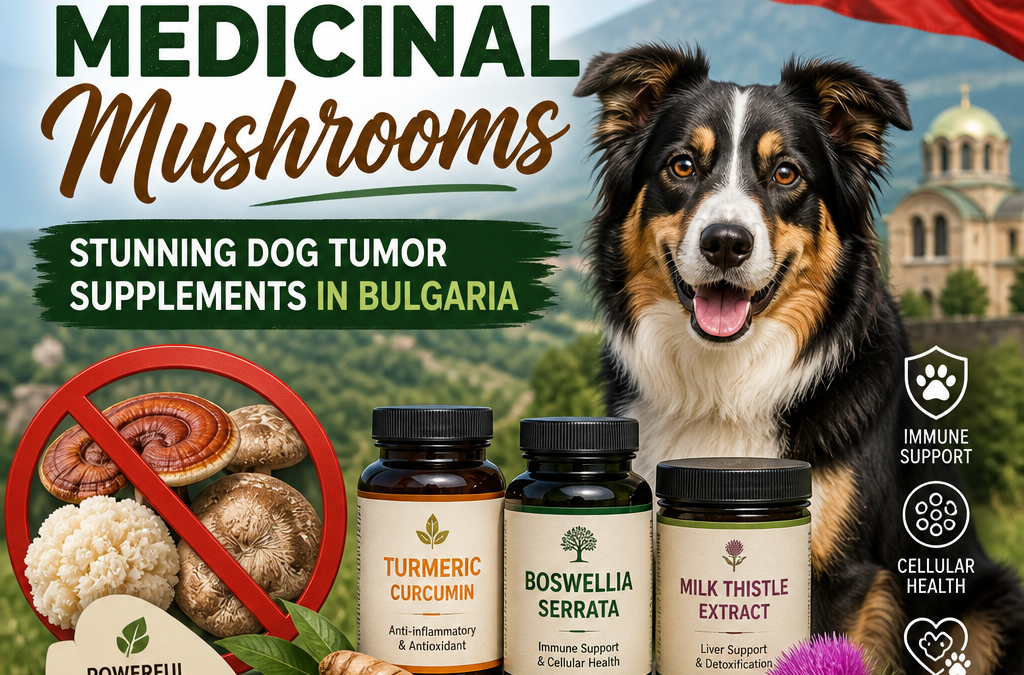
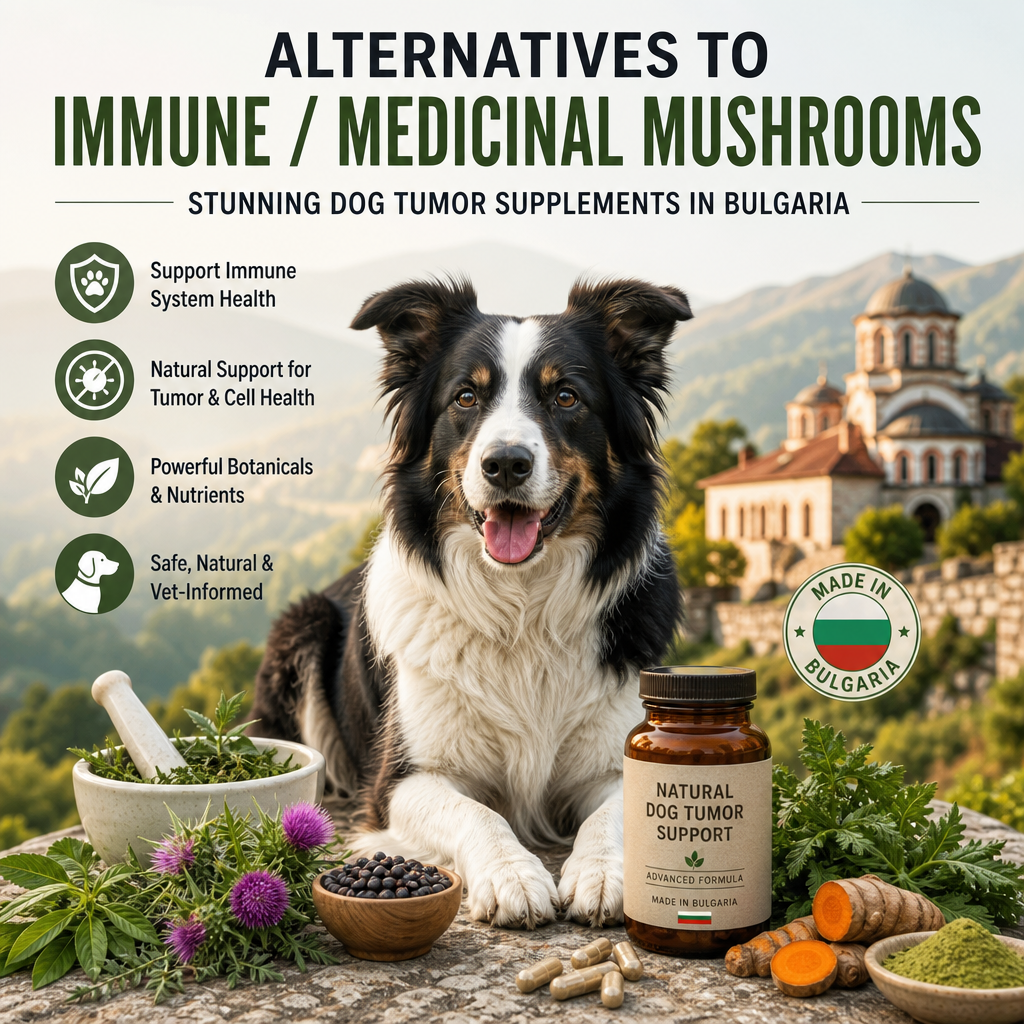
Alternatives to Immune / medicinal mushrooms can be valuable for Bulgarian dog owners looking for complementary support during a tumor diagnosis. Although supplements cannot replace veterinary treatment, carefully selected products may help support nutrition, immune function, digestion, energy, and quality of life. The right choice depends on the dog’s diagnosis, current medication, appetite, organ health, and treatment plan.
Alternatives to Immune / medicinal mushrooms for dog tumor support
Medicinal mushrooms such as turkey tail, reishi, shiitake, and maitake are often discussed in holistic veterinary care because they contain compounds called beta-glucans and other bioactive substances. However, not every dog tolerates mushrooms well, and some owners may prefer products with more predictable ingredients, easier dosing, or better availability in Bulgaria.
Dog tumor supplement alternatives may include omega-3 fatty acids, medicinal herbs, antioxidants, digestive support, specialized nutrition, and veterinary-formulated products. Their purpose is generally supportive rather than curative. A supplement may help maintain body condition or reduce nutritional deficiencies, but it should not be promoted as a treatment that destroys tumors.
Before adding anything new, consult a veterinarian—particularly if the dog is receiving chemotherapy, corticosteroids, nonsteroidal anti-inflammatory drugs, antibiotics, or surgery-related care.
When evaluating alternatives to Immune / medicinal mushrooms, it also helps to think about the dog’s current goals. Some dogs need appetite support, while others need help maintaining weight, managing digestion, or keeping up energy during treatment.
Omega-3 Fatty Acids for Nutritional Support
Fish oil is one of the most commonly considered alternatives to Immune / medicinal mushrooms. It provides the long-chain omega-3 fatty acids EPA and DHA, which support normal inflammatory balance, skin health, brain function, and cardiovascular health. For dogs with cancer, omega-3s may also be useful when maintaining appetite, muscle condition, and overall nutritional quality is a priority.
Choose a product that clearly lists the amount of EPA and DHA rather than simply stating the total quantity of fish oil. Veterinary-quality liquid oils or capsules are usually easier to dose accurately. Products should be stored correctly to reduce oxidation, since rancid oil can cause digestive upset and provide poor nutritional value.
Fish oil is not suitable for every dog. It may require caution in animals with pancreatitis, bleeding disorders, fat intolerance, or certain surgical schedules. A veterinarian should determine the appropriate amount based on body weight and the complete diet.
Among the alternatives to Immune / medicinal mushrooms, omega-3s are often chosen because they are familiar, widely available, and relatively easy to fit into an existing feeding routine.
Antioxidant Vitamins and Minerals
Some dog tumor supplement alternatives focus on nutrients such as vitamin E, selenium, zinc, and vitamin C. These nutrients contribute to normal immune function, tissue maintenance, and protection against oxidative stress. However, more is not necessarily better. High doses can be harmful, and antioxidant supplementation may need to be adjusted around certain cancer treatments.
Vitamin E is often included in skin and immune-support formulas, while zinc supports skin, coat, and normal cellular processes. Selenium is required only in very small quantities, and excessive intake can be toxic. Vitamin C is produced naturally by healthy dogs, so supplementation should be considered carefully rather than assumed to be necessary.
A complete commercial diet may already provide adequate levels of these nutrients. Blood tests, diet evaluation, and veterinary guidance are useful before adding concentrated products.
If a dog is already eating a complete diet, these alternatives to Immune / medicinal mushrooms should be viewed as targeted support rather than default additions.
Herbal Supplements and Plant-Based Ingredients
Herbal formulas are another category of alternatives to Immune / medicinal mushrooms. Ingredients sometimes used in veterinary supplements include turmeric, milk thistle, astragalus, boswellia, and certain standardized botanical extracts.
Turmeric and boswellia are often selected for their potential support of normal inflammatory processes. Milk thistle is commonly used in products designed to support liver function, especially when a dog is taking medications that require hepatic metabolism. Astragalus and other botanicals may appear in immune-support formulas.
The quality of herbal products varies widely. A label should identify the exact plant, plant part, extract strength, batch information, and manufacturer. Avoid products that contain vague “proprietary blends” without individual quantities. Herbs can interact with prescription medicines, alter blood clotting, affect blood pressure, or influence liver enzymes, so professional supervision is essential.
When comparing herbal options, it can help to review what the formula is actually designed to do. Some owners looking for broader support also compare products in other European markets, such as dog tumor supplement options in Denmark, to better understand ingredient patterns and dosing approaches.
For owners exploring alternatives to Immune / medicinal mushrooms, herbal blends may look appealing, but they still need the same careful review for safety, transparency, and suitability.
Probiotics and Digestive Support
Maintaining digestive health is especially important when a dog experiences nausea, diarrhea, reduced appetite, or changes in eating habits. Probiotics may help support a balanced intestinal microbiome, while prebiotic fibers can provide nourishment for beneficial bacteria.
A useful canine probiotic should identify specific bacterial strains and the guaranteed number of live organisms through the expiration date. Some products also include digestive enzymes, soluble fiber, or vitamin B supplements. These additions may be helpful in selected cases, but they are not universally necessary.
Introduce digestive supplements gradually and stop them if symptoms worsen. Persistent vomiting, diarrhea, dehydration, or refusal to eat requires veterinary attention rather than additional supplementation.
For many owners, digestive support becomes one of the most practical alternatives to Immune / medicinal mushrooms because it can be easier to monitor daily and may help stabilize food intake during difficult treatment periods.
High-Quality Nutrition as a Core Strategy
One of the most effective alternatives to Immune / medicinal mushrooms is not a single capsule but a carefully managed diet. Dogs undergoing illness may lose weight and muscle, making adequate calories and protein particularly important. A complete, balanced veterinary diet can be more beneficial than a long list of untested supplements.
Some dogs prefer warmed food, smaller frequent meals, or a combination of wet and dry textures. Appetite stimulants and anti-nausea medication may be appropriate under veterinary direction. Homemade diets should be formulated by a veterinary nutritionist because unbalanced recipes can lead to deficiencies in calcium, vitamins, amino acids, or essential fatty acids.
Avoid sudden major dietary changes during chemotherapy or recovery unless the veterinary team recommends them. Consistency can make it easier to identify which food or supplement is causing a reaction.
Among all alternatives to Immune / medicinal mushrooms, nutrition is usually the foundation because it supports the whole treatment plan rather than a single body system.
Finding Reliable Options in Bulgaria
Pet owners searching for alternatives to Immune / medicinal mushrooms in Bulgaria can find supplements through veterinary clinics, established pharmacies, specialized pet stores, and reputable online retailers. Availability may vary between Sofia, Plovdiv, Varna, Burgas, and smaller communities, so product sourcing should be planned in advance when a dog is undergoing regular treatment.
Look for Bulgarian or European labeling that provides dosage instructions, ingredients, batch identification, expiration dates, storage conditions, and manufacturer details. Avoid products intended for humans when the formula contains ingredients unsafe for dogs, such as xylitol, excessive vitamin D, concentrated essential oils, or inappropriate flavoring agents.
Imported products should be checked for clear labeling and reliable distribution. A higher price does not automatically indicate better quality, but extremely inexpensive products with no testing information deserve caution.
Careful sourcing matters because the best alternatives to Immune / medicinal mushrooms are the ones that are both practical and dependable from one purchase to the next.
Safety Comes Before Supplementation
Every supplement should be evaluated in the context of the dog’s complete medical history. Dogs with liver disease, kidney disease, diabetes, clotting problems, pancreatitis, or gastrointestinal disorders may have additional restrictions. Supplements can also interfere with anesthesia, chemotherapy, radiation therapy, or prescribed medications.
Keep a written list of every product, including the brand, ingredient amounts, starting date, and daily dose. This helps the veterinarian identify possible interactions and evaluate whether the supplement is producing a meaningful benefit.
The best dog tumor supplement alternatives are those selected for a specific purpose, supported by reasonable evidence, and monitored carefully. Used responsibly, nutritional and supportive products may contribute to comfort and quality of life, while diagnosis-specific veterinary treatment remains the central part of cancer care.
In short, the most effective alternatives to Immune / medicinal mushrooms are the ones that fit the dog’s needs, the treatment plan, and the owner’s ability to monitor results. That is why a veterinary review is so important before adding any new product.
If you are comparing options for a dog tumor supplement plan, keep the goals realistic: support appetite, protect muscle mass, improve digestive comfort, and avoid unnecessary risks. In many cases, these alternatives to Immune / medicinal mushrooms work best as part of a broader care plan rather than as stand-alone solutions.
Bulgarian owners often want the same three things from a supplement: clear labeling, safe ingredients, and measurable support. When those standards are met, alternatives to Immune / medicinal mushrooms can be a practical addition to everyday care.
Choosing alternatives to Immune / medicinal mushrooms is less about finding a perfect replacement and more about matching the right supportive product to the dog’s current needs. With veterinary guidance, careful labeling checks, and realistic expectations, those options can play a useful role in day-to-day care.
Ultimately, alternatives to Immune / medicinal mushrooms are most helpful when they support comfort, nutrition, and consistency without adding avoidable risk. That balance is especially important for dogs in Bulgaria whose treatment plans may involve multiple medications and changing health needs.
For many families, the best result comes from combining one or two well-chosen alternatives to Immune / medicinal mushrooms with a stable diet, close observation, and regular veterinary follow-up.
When chosen thoughtfully, alternatives to Immune / medicinal mushrooms can make supportive care simpler, safer, and easier to sustain over time.
That practical approach is what usually matters most: dependable products, sensible dosing, and a care plan built around the dog rather than the supplement itself.
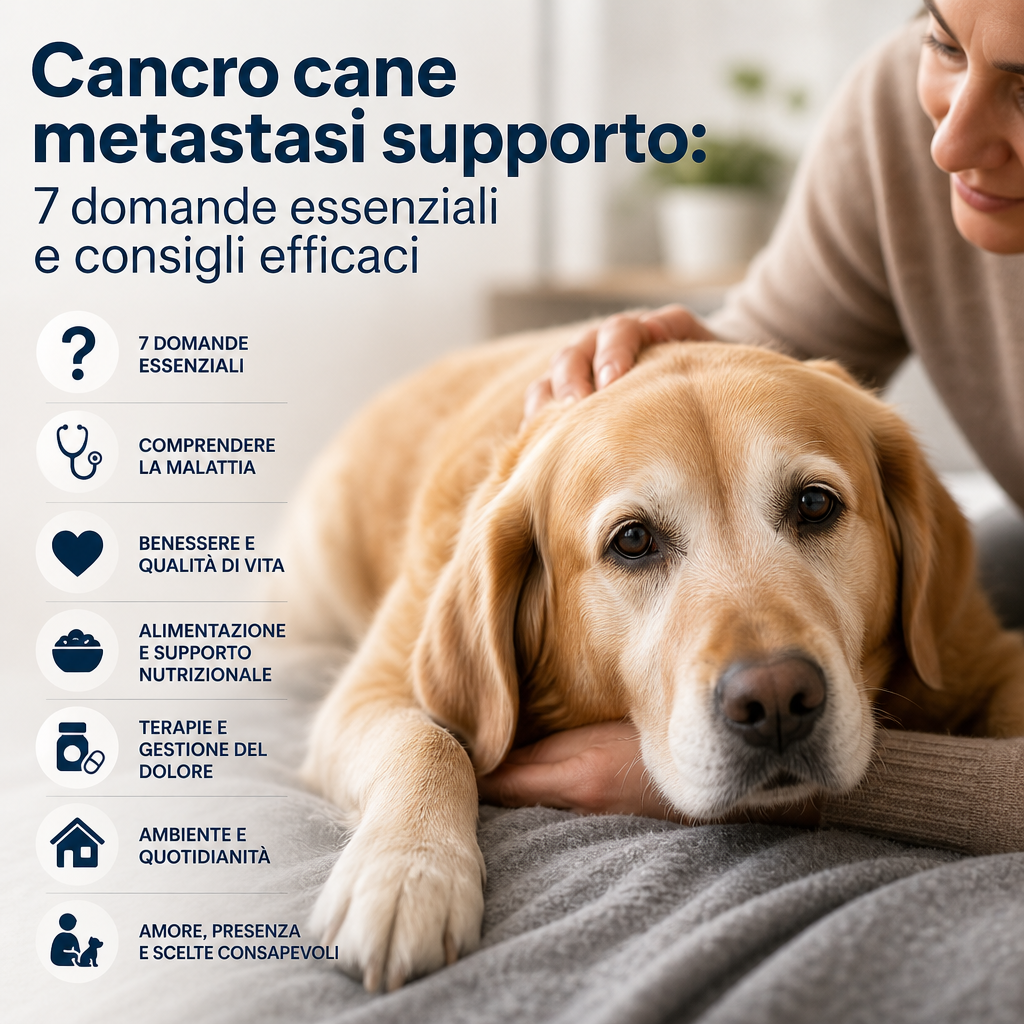
Cancro cane metastasi supporto è un tema delicato che richiede informazioni affidabili, attenzione ai sintomi e un dialogo costante con il veterinario. Quando un tumore nel cane si diffonde ad altri organi, la famiglia si trova spesso a dover prendere decisioni complesse, con l’obiettivo principale di proteggere il benessere dell’animale. Conoscere le domande giuste, le possibilità terapeutiche e i segnali da monitorare aiuta ad affrontare il percorso con maggiore consapevolezza.
1. Che cosa significa tumore del cane con metastasi?
Una metastasi si verifica quando le cellule tumorali si spostano dalla sede originaria e raggiungono altri tessuti attraverso il sangue o il sistema linfatico. Il tumore può diffondersi, per esempio, ai polmoni, al fegato, alle ossa o ai linfonodi, ma la modalità dipende dal tipo di neoplasia.
La presenza di metastasi non indica sempre che non esistano più possibilità di intervento. In alcuni casi, il veterinario può proporre chirurgia, chemioterapia, radioterapia o terapie mirate. In altri, il trattamento più indicato è palliativo e punta soprattutto a controllare dolore, nausea, difficoltà respiratorie e perdita di appetito. In ogni caso, il percorso di cancro cane metastasi supporto va personalizzato sulla base delle condizioni del cane.
Capire il significato della diagnosi aiuta anche a leggere correttamente i referti. Per molte famiglie, il primo passo non è scegliere subito una terapia, ma chiedere al veterinario se la malattia è stabile, se avanza rapidamente oppure se richiede soltanto controlli ravvicinati. Anche questa fase iniziale è parte del cancro cane metastasi supporto, perché orienta le decisioni successive.
In pratica, il quadro clinico va valutato insieme a tre elementi: dimensione e tipo del tumore primario, presenza e numero delle metastasi, stato generale del cane. Solo l’insieme di questi fattori permette di capire se l’obiettivo realistico è il controllo della malattia, il contenimento dei sintomi o il mantenimento del comfort quotidiano.
2. Quali esami servono per valutare la situazione?
La stadiazione è il processo che permette di capire quanto il tumore sia esteso. Può includere esami del sangue, radiografie, ecografia addominale, tomografia computerizzata, risonanza magnetica, agoaspirato o biopsia.
Non tutti gli esami sono necessari per ogni cane. La scelta dipende dall’età, dalle condizioni generali, dal tipo di tumore e dagli obiettivi della famiglia. È importante chiedere al veterinario quali informazioni fornirà ciascun esame e se il risultato potrà realmente modificare il piano terapeutico.
Tra le domande più utili ci sono:
– Quali organi devono essere controllati?
– Il tumore è stato confermato da un esame citologico o istologico?
– Le metastasi sono numerose o localizzate?
– Il cane può affrontare anestesia, chirurgia o terapia farmacologica?
– Qual è la prognosi con e senza trattamento?
Quando si parla di cancro cane metastasi supporto, capire bene la stadiazione aiuta a distinguere le opzioni realmente utili da quelle che aggiungerebbero solo stress. In alcuni casi, ad esempio, un controllo toracico serve per capire se il cane può beneficiare di un intervento locale; in altri, invece, un esame più approfondito non cambia la terapia ma conferma che la strada più gentile è quella palliativa.
È utile anche sapere come preparare il cane agli accertamenti. Alcuni esami richiedono digiuno, altri una sedazione leggera, altri ancora possono essere eseguiti rapidamente senza particolari preparazioni. Chiarire questi aspetti in anticipo riduce l’ansia e rende il supporto quotidiano più organizzato.
3. Quali trattamenti possono essere disponibili?
La terapia dipende dal tumore primario, dalla sede delle metastasi e dalla qualità di vita attuale. La chirurgia può essere indicata quando la massa principale o una metastasi è asportabile e la procedura offre un beneficio concreto. La chemioterapia, invece, può rallentare la progressione di alcuni tumori e spesso viene dosata in modo da mantenere una buona qualità di vita.
La radioterapia può essere utile per ridurre il dolore o controllare una massa localizzata. Esistono inoltre farmaci antinfiammatori, analgesici, antiemetici e stimolanti dell’appetito che aiutano a gestire i sintomi.
È fondamentale sapere che la medicina veterinaria oncologica non mira necessariamente alla guarigione in ogni situazione. Spesso l’obiettivo è ottenere più tempo possibile in condizioni confortevoli, evitando sofferenze inutili.
Per questo motivo, nel percorso di cancro cane metastasi supporto è utile chiedere sempre se il piano proposto serve a prolungare la sopravvivenza, a migliorare il comfort oppure a entrambi. Questa domanda chiarisce le priorità e aiuta la famiglia a scegliere in modo più sereno.
Un altro punto importante riguarda gli effetti collaterali. Alcuni trattamenti possono dare stanchezza, disturbi gastrointestinali o riduzione temporanea dell’appetito. Sapere in anticipo quali segnali aspettarsi e come gestirli evita allarmi inutili e permette di intervenire subito se qualcosa cambia davvero.
Il veterinario può spiegare anche quali esiti sono realistici nel medio periodo. Non sempre il parametro più importante è la sopravvivenza in mesi, soprattutto se il cane perde rapidamente appetito, mobilità o serenità. In molte situazioni, il valore del trattamento va misurato sulla qualità delle giornate ottenute, non solo sulla durata complessiva.
4. Come si riconosce un peggioramento?
Ogni cane reagisce in modo diverso, ma alcuni segnali meritano un contatto tempestivo con il veterinario:
– difficoltà respiratoria o affanno persistente;
– dolore evidente, irrequietezza o vocalizzazioni;
– rifiuto prolungato del cibo e dell’acqua;
– vomito o diarrea ripetuti;
– estrema debolezza o incapacità di alzarsi;
– addome improvvisamente gonfio;
– sanguinamenti anomali;
– perdita di peso rapida;
– disorientamento o cambiamenti comportamentali marcati.
Tenere un diario quotidiano può essere molto utile. Si possono annotare appetito, attività, sonno, dolore, evacuazioni, vomito e momenti di interesse verso la famiglia. Queste informazioni aiutano il veterinario a valutare l’evoluzione in modo più preciso.
Se il quadro cambia rapidamente, il cancro cane metastasi supporto deve includere anche indicazioni chiare su quando andare subito in clinica e quando invece è possibile osservare il cane a casa per poche ore con maggiore tranquillità. Un piano pratico riduce l’incertezza nei momenti più difficili.
È altrettanto utile distinguere un giorno “no” da un cambiamento clinico vero e proprio. Un cane con metastasi può avere flessioni temporanee, ma se i segnali si ripetono o peggiorano nel giro di pochi giorni, il controllo veterinario non dovrebbe essere rimandato. In questi casi, il supporto efficace è soprattutto tempestivo.
5. Che ruolo ha l’alimentazione?
Un’alimentazione adeguata sostiene il cane durante la malattia, ma non esiste una dieta universale valida per tutti i tumori. Il fabbisogno può cambiare in presenza di nausea, problemi intestinali, perdita muscolare, malattia renale o difficoltà a masticare.
In generale, è utile offrire alimenti appetibili, facilmente digeribili e compatibili con le indicazioni veterinarie. I pasti piccoli e frequenti possono essere meglio tollerati rispetto a una sola razione abbondante. Non bisogna però modificare drasticamente la dieta o somministrare cibi crudi, integratori o prodotti “anticancro” senza un parere professionale.
Quando si parla di cancro cane metastasi supporto, il cibo non va considerato un dettaglio secondario: mantenere peso, energia e idratazione può fare una differenza importante sulla qualità di vita. Anche piccoli miglioramenti nell’appetito possono rendere le giornate più gestibili.
Per alcuni cani può essere utile scaldare leggermente il pasto per aumentarne l’odore, proporre consistenze diverse oppure separare la razione in più momenti della giornata. Altri, invece, preferiscono una routine stabile e poco varia. Anche qui il veterinario può aiutare a trovare un equilibrio pratico, senza forzare il cane oltre il necessario.
6. Un integratore cane cancro può essere utile?
La ricerca di un integratore cane cancro è frequente, soprattutto quando il cane appare debilitato. Tuttavia, un integratore non può sostituire la terapia oncologica, il controllo del dolore o una dieta completa. Alcuni prodotti possono contenere antiossidanti, acidi grassi omega-3, vitamine, minerali o sostanze vegetali, ma la loro efficacia varia e non è automaticamente dimostrata per ogni tipo di tumore.
Inoltre, alcuni integratori possono interferire con chemioterapia, radioterapia, farmaci antinfiammatori o terapie anticoagulanti. Anche ingredienti naturali possono causare effetti indesiderati o sovraccaricare fegato e reni. Prima di somministrare qualsiasi prodotto, è quindi importante comunicare al veterinario:
– nome commerciale e composizione;
– dose prevista;
– altri farmaci già utilizzati;
– eventuali malattie concomitanti;
– obiettivo che si desidera raggiungere.
Un approccio prudente al cancro cane metastasi supporto evita scelte affrettate e riduce il rischio di introdurre prodotti inutili o poco compatibili con le cure in corso. In alcuni casi, il miglior aiuto non è aggiungere altro, ma semplificare e concentrarsi su ciò che serve davvero.
In presenza di metastasi, un integratore va valutato come parte di un piano più ampio e non come soluzione autonoma. La domanda più utile non è “funziona in assoluto?”, ma “è sicuro per questo cane, in questo momento e insieme a queste terapie?”. Questa distinzione protegge il benessere dell’animale e aiuta a evitare false aspettative.
Domande utili da fare sul supporto quotidiano
Quando il cane vive con una malattia avanzata, il supporto non riguarda solo i farmaci. Può essere utile chiedere al veterinario quali attività sono ancora appropriate, come gestire le uscite, quando favorire il riposo e quali segnali osservare dopo ogni terapia. Questo tipo di cancro cane metastasi supporto rende più chiaro il comportamento da tenere a casa e aiuta a evitare errori comuni.
Le domande più pratiche spesso sono le più importanti:
– Il cane può fare passeggiate brevi?
– Come posso aiutarlo a dormire meglio?
– Quali farmaci devono essere dati con il cibo?
– Ci sono effetti collaterali da riferire subito?
– Quando è meglio anticipare una visita di controllo?
Queste risposte trasformano il percorso in un’assistenza più concreta, giorno per giorno.
Può essere utile anche stabilire una routine semplice: orari regolari per i pasti, un posto tranquillo dove riposare, acqua sempre disponibile e una comunicazione rapida con la clinica in caso di cambiamenti. Piccoli gesti costanti aiutano molto più di interventi complicati e poco sostenibili.
7. Come si protegge la qualità di vita?
La qualità di vita deve rimanere il punto centrale del percorso. Un cane può avere una diagnosi grave ma continuare a vivere momenti piacevoli: passeggiate brevi, contatto con la famiglia, riposo confortevole, cibo gradito e attività adatte alle sue energie.
È utile valutare regolarmente dolore, appetito, idratazione, igiene, mobilità, interesse per l’ambiente e rapporto con le persone. Alcune famiglie usano una scala da uno a dieci per registrare questi aspetti, così da individuare cambiamenti graduali che altrimenti potrebbero passare inosservati.
Il veterinario può proporre un piano di cure palliative, con farmaci e accorgimenti destinati a ridurre la sofferenza. Quando i giorni difficili diventano più numerosi di quelli sereni, è importante affrontare con sensibilità anche il tema delle decisioni di fine vita. Valutare l’eutanasia non significa arrendersi: in determinate circostanze può rappresentare un atto di protezione e amore.
Per proteggere davvero il comfort del cane, può essere utile controllare anche l’ambiente domestico. Letti antiscivolo, rampe per salire su divani o auto, superfici morbide e accessi facili all’acqua possono fare una differenza concreta. In caso di debolezza o dolore articolare, questi adattamenti riducono fatica e rischi di caduta.
Nel contesto di cancro cane metastasi supporto, non esiste una sola decisione giusta per tutti. Esiste però una priorità condivisa: evitare sofferenza inutile e scegliere la strada più coerente con il reale stato del cane, non con la speranza astratta di fare “di più”.
Supporto pratico ed emotivo per la famiglia
Gestire un tumore metastatico richiede organizzazione e sostegno. Conservare referti e terapie in un’unica cartella, programmare controlli regolari e stabilire con il veterinario quali sintomi richiedono un intervento urgente può ridurre l’ansia. Anche il benessere dei familiari conta: condividere responsabilità, chiedere chiarimenti e cercare supporto psicologico può rendere il percorso meno pesante.
Il cancro nel cane con metastasi è una condizione seria, ma ogni caso è diverso. Informazioni corrette, monitoraggio quotidiano e un piano personalizzato permettono di prendere decisioni più consapevoli, con l’obiettivo di offrire al cane la migliore qualità di vita possibile per tutto il tempo a disposizione. Nel percorso di cancro cane metastasi supporto, la domanda più importante resta sempre la stessa: cosa aiuta davvero il cane oggi, in modo concreto e umano?
8. Domande aggiuntive sul supporto quotidiano
Oltre alle domande sulle terapie e sugli esami, vale la pena chiedere come gestire la quotidianità. Il supporto migliore spesso nasce da dettagli semplici, come sapere se il cane può uscire con il freddo, quanto può camminare senza affaticarsi o se è meglio evitare scale e salti.
Altre domande utili riguardano i controlli futuri: ogni quanto va rivalutato il cane, quali parametri devono essere osservati a casa e quali cambiamenti meritano una visita anticipata. In un percorso di cancro cane metastasi supporto, chiarire questi aspetti riduce il rischio di arrivare tardi di fronte a un peggioramento.
Può essere utile anche definire un piano semplice per i giorni no. Se il cane non mangia, se respira male o se appare più dolorante del solito, chi contattare? Quali farmaci utilizzare solo se autorizzati? Quando andare subito in clinica? Avere risposte condivise in anticipo rende tutto più gestibile.
Per approfondire le basi dell’assistenza clinica e dei controlli periodici, può essere utile consultare anche risorse veterinarie autorevoli come la guida dell’AVMA sul cancro nei cani, che offre una panoramica chiara su diagnosi, trattamento e supporto.
In conclusione, affrontare il cancro cane metastasi supporto significa unire competenza medica, osservazione quotidiana e attenzione emotiva. Le domande giuste non servono solo a ottenere informazioni, ma a costruire un percorso più umano, realistico e rispettoso del cane e della sua famiglia.
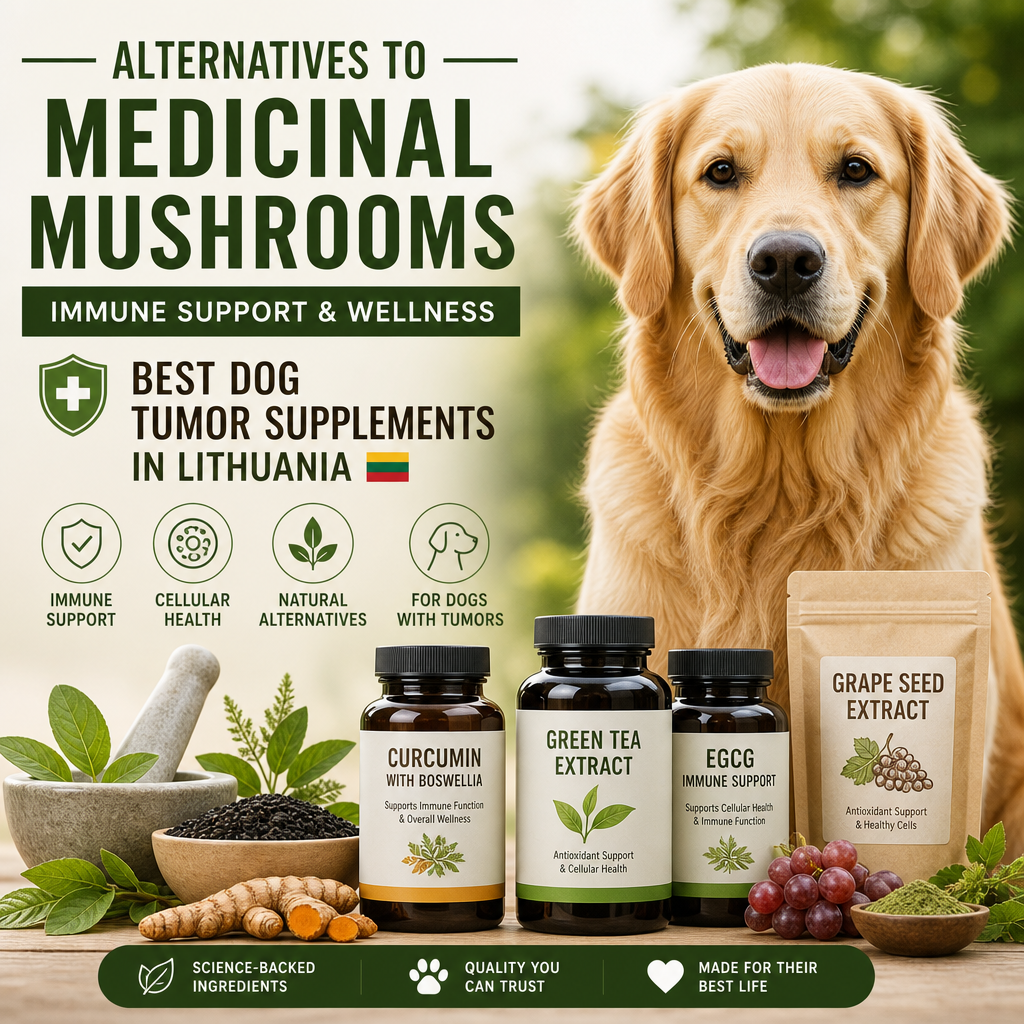
Alternatives to Medicinal mushrooms / immune products are becoming increasingly relevant for Lithuanian dog owners looking for supportive care during a pet’s tumor treatment. While supplements cannot replace veterinary diagnosis, surgery, chemotherapy, radiation therapy, or prescribed medication, carefully selected ingredients may help support general wellness, appetite, digestion, and immune function. The safest approach is to treat any dog tumor supplement as part of a veterinary care plan rather than as a standalone cure.
For readers comparing options, this guide explains practical choices, safety concerns, and what to discuss with a veterinarian before starting anything new. If you want to explore another regional example of tumor-support products, see this related post on K9 Immunity / K9 Immunity Plus Alternative for Finland.
Medicinal mushrooms such as turkey tail, reishi, shiitake, and maitake are often discussed because they contain compounds called beta-glucans. These compounds may influence immune activity, but not every dog responds in the same way, and product quality varies considerably. Some dogs may also experience digestive upset, allergic reactions, or interactions with medicines.
Dog tumor supplement alternatives can be useful when a dog cannot tolerate mushroom-based products, when a veterinarian recommends a different nutritional strategy, or when an owner wants to focus on correcting a specific deficiency. The right supplement depends on the dog’s age, breed, tumor type, treatment plan, bloodwork, appetite, and overall health.
In many cases, the goal is not to “boost” anything aggressively, but to support the body in a steady and measurable way. That makes alternatives to Medicinal mushrooms / immune formulas worth considering only when they fit the dog’s medical picture. For dogs in Lithuania, the most sensible path is usually a plan built around safety, diet quality, and symptom support rather than broad claims about immunity.
Common reasons owners start looking
Some owners begin comparing supplements after a dog develops poor appetite, mild nausea, or weight loss. Others simply want a product with a clearer ingredient profile than the mushroom formulas they have seen online. In both situations, the same rule applies: choose a product only when there is a specific reason for using it. Many families start with alternatives to Medicinal mushrooms / immune products because they want something easier to explain, monitor, and tolerate.
Omega-3 fatty acids for nutritional support
Fish oil containing EPA and DHA is one of the most commonly considered alternatives to medicinal mushrooms / immune supplements. These essential fatty acids may help support normal inflammatory balance, skin health, cardiovascular function, and body condition. They can also be useful for dogs receiving treatment that affects appetite or mobility.
Choose a veterinary-quality product with clearly stated amounts of EPA and DHA rather than relying only on a general “fish oil” label. The dosage should be based on the dog’s weight and medical condition. Fish oil may not be appropriate for every patient, particularly dogs with pancreatitis, clotting problems, or certain gastrointestinal disorders. It can also interact with anticoagulant medicines, so veterinary guidance is important.
Because product quality matters, owners should review the label carefully and look for testing or manufacturing standards. The National Center for Complementary and Integrative Health offers a useful overview of supplement safety and evidence at Dietary Supplements and Health.
Omega-3 products are often easier to fit into a routine than more complex formulas. They are available in capsules, liquids, and veterinary blends, which can help owners choose the format that suits their dog best. Even so, consistency matters more than variety, and a supplement that is tolerated well is usually more useful than one that looks impressive on paper. For many dogs, omega-3 support is one of the most practical alternatives to Medicinal mushrooms / immune products because it is straightforward to dose and monitor.
When omega-3 support may be a better fit
Omega-3 fatty acids may be especially helpful when a dog needs calorie support, skin support, or a gentler option than mushroom-based formulas. In some dogs, the simplest nutritional option is also the easiest to maintain consistently.
They may also be a practical choice when a dog is already taking multiple medications and the care team wants to avoid unnecessary complexity. In those cases, the benefit of a straightforward fatty-acid supplement is that it is easy to monitor for tolerance and response.
Antioxidant support: a balanced approach
Antioxidants are found in vitamins, minerals, fruits, vegetables, and other nutritional ingredients. Vitamin E, selenium, and vitamin C are sometimes included in canine wellness formulas, but more is not always better. High doses may interfere with treatment, create nutritional imbalances, or place unnecessary strain on the body.
Dogs generally benefit more from a complete, balanced diet than from large quantities of isolated antioxidants. During chemotherapy or radiation therapy, supplementation should be discussed directly with the veterinary oncologist. Some treatments rely partly on oxidative mechanisms, and the timing and dose of antioxidant products may therefore matter.
For this reason, alternatives to Medicinal mushrooms / immune formulas should not be chosen only because they are described as “natural.” A natural ingredient can still be inappropriate for a dog undergoing cancer care. In fact, the most useful products are often the modest ones that support nutrition without competing with medical treatment.
When owners compare dog tumor supplements, antioxidants are sometimes presented as a major solution. In practice, they are better viewed as one small piece of a broader nutritional plan. If a diet already provides adequate micronutrients, adding more is not necessarily helpful and may even create problems. That is why alternatives to Medicinal mushrooms / immune products should be reviewed as part of the whole care plan rather than as stand-alone fixes.
Why timing matters during treatment
If a dog is already receiving medical treatment, even a common vitamin can be a poor fit at the wrong time. That is why it is important to coordinate any supplement plan with the oncology team.
Timing can matter before surgery as well. Some ingredients may affect bleeding risk or anesthesia recovery, so the safest approach is always to ask the veterinary team before starting or stopping anything.
Medicinal herbs and other botanical options
Herbal products are sometimes marketed as dog tumor supplement alternatives, including turmeric, milk thistle, astragalus, and cannabis-derived products. Their effects can vary depending on extraction method, concentration, contamination risk, and the dog’s individual metabolism.
Turmeric products, for example, are frequently promoted for inflammatory support, but absorption is limited in many formulations. Milk thistle may be considered for liver support in selected cases, yet it can interact with medicines. Cannabis and cannabidiol products require particular caution because product strength and purity are inconsistent, while evidence in dogs remains limited for many tumor-related claims.
Never assume that a natural ingredient is automatically safe. A supplement may affect liver enzymes, blood clotting, sedation, blood pressure, or the absorption of prescribed drugs. For owners exploring alternatives to Medicinal mushrooms / immune products, the label and safety profile matter as much as the marketing language. The question is not whether the product sounds holistic, but whether it is appropriate for the dog’s current condition.
It is also wise to be skeptical of blends that hide meaningful amounts of individual herbs inside a “proprietary” formula. If a company does not disclose the exact dose of each ingredient, it becomes much harder to assess whether the product is appropriate for a dog with cancer-related needs.
Important herb safety reminders
Botanical products are not automatically mild. Ask whether the product has a standardized extract, how it was tested, and whether the brand provides batch-level quality control.
Owners should also check whether the herb has been researched in dogs or whether most of the claims come from human wellness marketing. That distinction can help prevent unrealistic expectations and reduce the chance of choosing a product that is not a good fit.
Alternatives to Medicinal mushrooms / immune: practical ways to compare options
When comparing alternatives to Medicinal mushrooms / immune products, it helps to think in terms of purpose rather than popularity. Ask what problem the supplement is meant to solve. Is the dog losing weight? Is digestion unstable? Is there a concern about inflammation, joint comfort, or general vitality? A targeted answer is usually better than an all-purpose promise.
This is especially important for dogs with cancer, because many products marketed for “immunity” overlap in ingredients and may duplicate what is already present in the diet. If a dog is already eating a complete therapeutic food, only carefully chosen additions should be considered.
The same logic applies to taste and administration. A product that a dog refuses to eat offers no benefit, while a supplement that can be given consistently may support the plan more effectively over time. For many households, practicality matters just as much as the ingredient list. In real-life treatment routines, the best alternatives to Medicinal mushrooms / immune supplements are usually the ones that fit easily into the day.
Simple comparison checklist
Does the product identify every ingredient and its amount?
Is there a clear reason to use it for this dog?
Does it fit the current cancer treatment plan?
Is it easy to give every day?
Are there signs of quality testing or veterinary oversight?
Digestive and nutritional support
Some dogs with tumors lose weight, develop nausea, or become reluctant to eat. In such cases, a nutritional strategy may be more valuable than an immune-focused supplement. Veterinary probiotics, soluble fiber, digestive enzymes, or calorie-dense nutritional products may help selected dogs, especially when digestive function is affected.
Probiotics should contain clearly identified strains and storage instructions. They may support intestinal balance, but they are not a treatment for tumors. Fiber must also be introduced gradually because too much can reduce calorie intake or worsen gas and diarrhea. A veterinarian or veterinary nutritionist can help determine whether the dog needs additional calories, a higher-protein diet, or a specially formulated therapeutic food.
These options are often overlooked when owners search for alternatives to Medicinal mushrooms / immune formulas, yet they can be the most practical support for a dog that is struggling to eat enough. In many dogs, improving nourishment has a bigger day-to-day effect than adding a complex supplement stack. That is especially true when the dog needs stable weight maintenance during active treatment.
Hydration is another part of nutritional support that is easy to underestimate. Dogs that drink less because of nausea or weakness may need more careful monitoring, especially if they are taking medications that affect the gastrointestinal tract. A simple routine of offering fresh water, wet food, or vet-approved feeding strategies can make a meaningful difference.
What supportive feeding can do
A good feeding plan may improve comfort, maintain weight, and help a dog tolerate treatment better. It may also make it easier to track whether a supplement is helping or causing side effects.
It can also reduce stress for the owner. When feeding is structured and predictable, it is easier to notice subtle changes in appetite, stool quality, or energy, which can be valuable during active treatment.
What to look for in Lithuania
When comparing Lithuania dog tumor supplement alternatives, product transparency should be a priority. Look for:
– A full ingredient list with exact quantities
– Clear directions based on body weight
– Batch or lot identification
– Expiration date and storage instructions
– Testing for contaminants such as heavy metals, pesticides, and microbes
– A manufacturer with traceable contact information
– Advice from a veterinarian familiar with the dog’s treatment
Products sold through veterinary clinics or reputable animal-health retailers may offer better quality control than supplements promoted through anonymous online marketplaces. Lithuanian owners should also check whether products are legally marketed for animals, whether labels are available in a language they understand, and whether claims sound exaggerated. Statements promising to “destroy tumors,” “replace chemotherapy,” or “cure cancer naturally” are major warning signs.
For readers seeking alternatives to Medicinal mushrooms / immune products, the same quality standards apply whether the product is bought locally or online: test results, clear labeling, and realistic claims should come first.
Another useful step is to keep a short written record after starting any new supplement. Note the date, product name, dose, appetite changes, stool changes, and any unusual behavior. This simple habit can make follow-up visits more productive and help the veterinarian decide whether the product is worth continuing.
Questions to ask before buying
Ask where the ingredients come from, whether third-party testing is available, and whether the company provides dosage guidance for dogs with special medical needs.
Questions to discuss with a veterinarian
Before starting any supplement, provide the veterinarian with the complete product label and the dog’s current medication list. Important questions include whether the ingredient is suitable for the tumor type, whether it may affect anesthesia or surgery, and whether blood tests are needed for monitoring.
It is also worth asking whether the dog actually has a nutritional deficiency or a specific symptom that requires support. A supplement should have a clear purpose, such as maintaining appetite, supporting digestive comfort, or providing omega-3 fatty acids. Using several products at once makes it difficult to identify side effects and increases the risk of overlapping ingredients.
When discussing alternatives to Medicinal mushrooms / immune options, bring up the dog’s current appetite, energy level, stool quality, and any history of pancreatitis, liver disease, or clotting concerns.
If the dog has already undergone surgery or is scheduled for a procedure, ask whether the supplement should be paused beforehand. Many owners forget to mention supplements because they do not think of them as medications, but they can still influence the care plan.
Useful vet questions
Does this supplement fit my dog’s treatment plan?
Could it interfere with medicines or surgery?
What side effects should I watch for?
How long should I try it before deciding if it helps?
A practical and safe routine
Introduce only one new supplement at a time and begin with the dose recommended by the veterinarian. Monitor appetite, stool quality, energy, drinking, vomiting, itching, and any unusual behavior. Stop the product and seek professional advice if the dog develops persistent diarrhea, repeated vomiting, facial swelling, breathing difficulty, severe lethargy, or bleeding.
Most importantly, supplements should complement—not delay—proper diagnosis and treatment. Imaging, biopsy results, surgery, oncology consultations, pain control, and regular follow-up remain central to cancer care. For many dogs, the most effective supportive plan combines a balanced diet, appropriate medical treatment, careful symptom control, and individualized nutritional support.
The best dog tumor supplement alternatives in Lithuania are not necessarily the most heavily advertised products. They are the options that are transparent, evidence-informed, suitable for the individual dog, and approved by the veterinary team managing the case. If you are comparing alternatives to Medicinal mushrooms / immune formulas, focus on safety, clarity, and practical support rather than dramatic promises. In a well-managed plan, the supplement should make life easier for the dog and the owner, not add confusion.
For many families, that means keeping the routine simple, watching closely for changes, and revisiting the plan as the dog’s condition evolves. The most responsible choice is usually the one that fits the medical situation and can be used consistently over time.
In short, alternatives to Medicinal mushrooms / immune products can be helpful when they address a specific need, are chosen carefully, and are used with veterinary oversight. That measured approach gives Lithuanian dog owners a safer way to support their pets through tumor care.