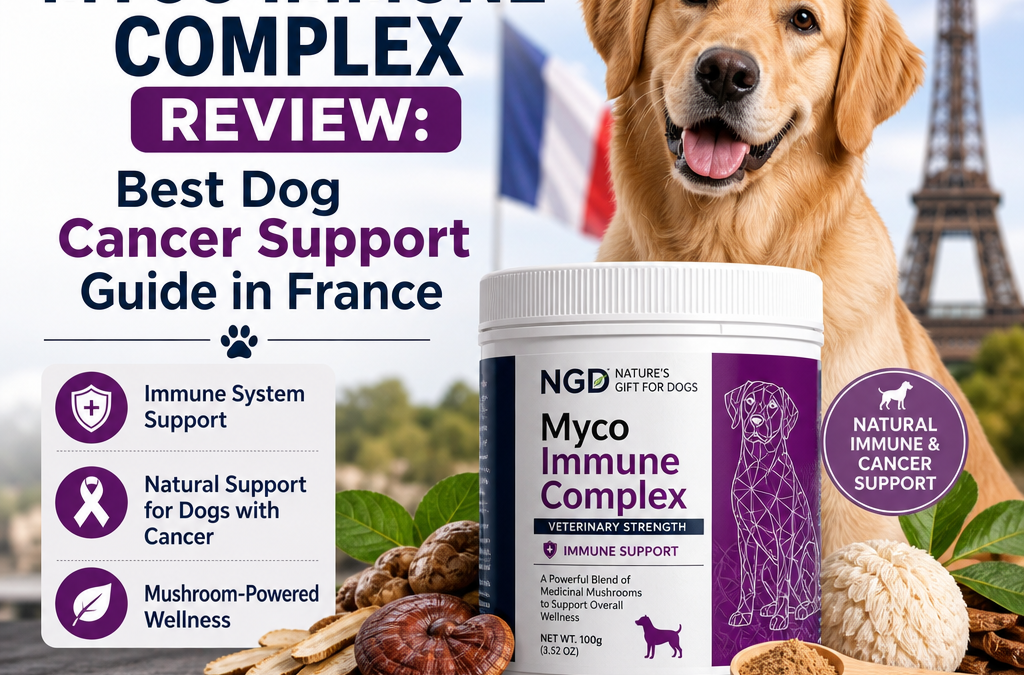
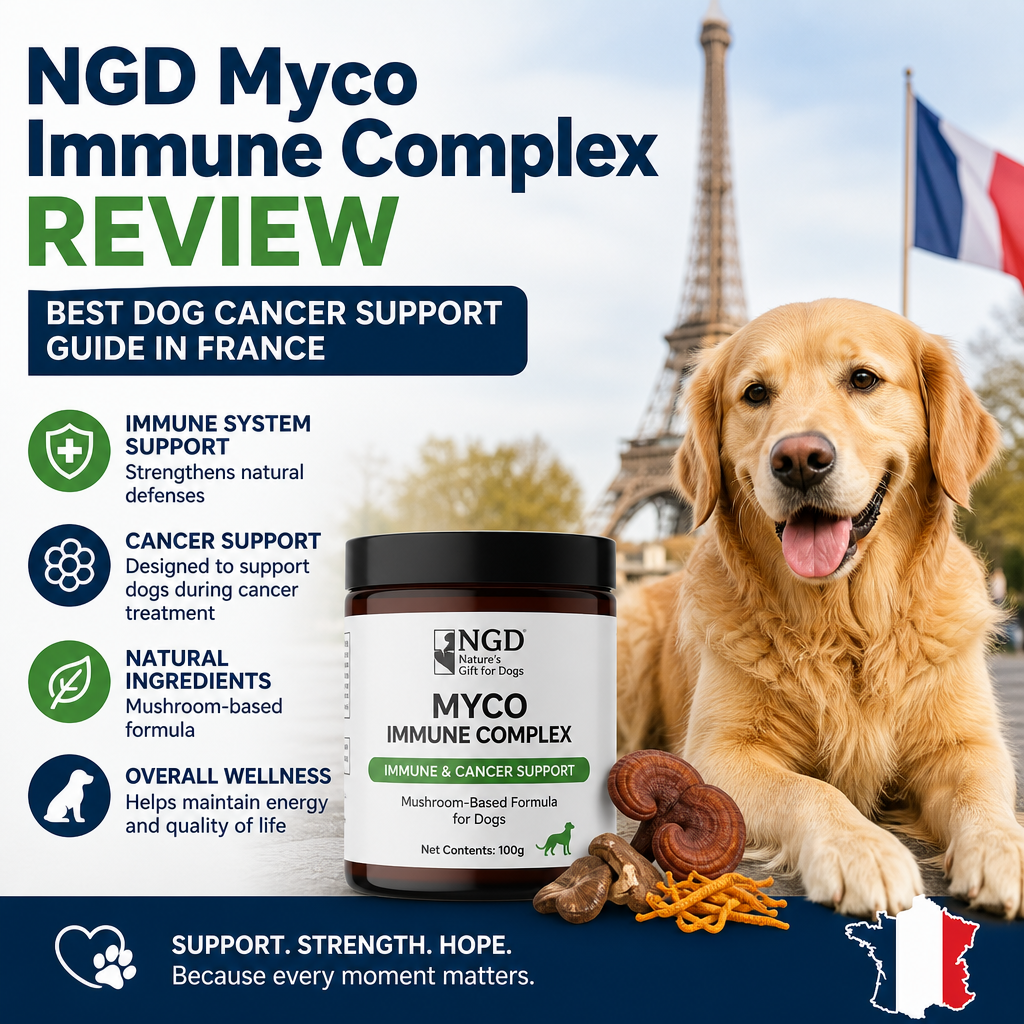
NGD Myco Immune Complex is attracting attention among French dog owners looking for nutritional support during a difficult cancer journey. This supplement is generally discussed as a mushroom-based formula intended to complement veterinary care, not replace it. Because canine cancer varies widely by type, stage, and treatment response, evaluating any product requires a careful look at its ingredients, intended use, safety considerations, and the quality of evidence behind its claims.
NGD Myco Immune Complex is marketed as an immune-support supplement for dogs. Its name suggests a formula based on medicinal mushrooms, which have traditionally been studied for compounds such as beta-glucans, polysaccharides, and triterpenes. These substances may influence immune signaling and antioxidant activity, although their effects can differ significantly depending on the mushroom species, extraction method, concentration, and overall formulation.
In the context of canine cancer, the product is typically considered supportive rather than curative. A supplement cannot reliably eliminate a tumor, replace surgery, or substitute for chemotherapy, radiotherapy, pain management, or other treatments prescribed by a veterinary oncology team. Its possible role is to provide nutritional support while the dog undergoes appropriate medical evaluation and treatment.
Before choosing NGD Myco Immune Complex, owners in France should also remember that complementary care works best when it fits the dog’s overall plan. That means the product should be evaluated alongside diet, medication timing, and the dog’s current condition, not as an isolated solution.
For many families, the challenge is not finding information, but sorting useful information from marketing language. A balanced NGD Myco Immune Complex review should therefore focus on what the product is, what it may do, and what it cannot do for a dog with cancer.
It can help to think of NGD Myco Immune Complex as one possible piece of supportive care rather than the centerpiece. That perspective makes it easier to ask practical questions and avoid unrealistic expectations.
NGD Myco Immune Complex Dog Cancer Support: What Owners Should Know
The phrase “NGD Myco Immune Complex dog cancer support” refers to the product’s potential use alongside a broader care plan. Owners may consider immune support when their dog is experiencing reduced appetite, fatigue, treatment-related stress, or general weakness. However, immune stimulation is not automatically beneficial in every situation. The immune system is complex, and dogs with cancer may have different needs depending on their diagnosis and medication schedule.
A veterinarian should assess the dog before any supplement is introduced. Important factors include:
The type and location of the cancer
Current chemotherapy, immunotherapy, or radiation treatment
Liver and kidney function
Existing digestive problems
Allergies or sensitivities
Other supplements and prescription medicines
The dog’s age, weight, and general condition
This assessment helps reduce the risk of interactions and ensures that supportive care remains appropriate for the individual animal.
For families comparing options, a helpful first step is to ask whether the supplement supports the current treatment plan or merely sounds promising. A product can be well known and still be unsuitable for a specific dog if it conflicts with medication schedules or worsens digestive sensitivity.
In practice, a good conversation with your veterinarian should cover timing, expected benefits, and what to monitor at home. That approach is especially useful when the dog is already coping with pain medication, appetite changes, or a newly confirmed diagnosis.
Some owners also find it reassuring to compare any supplement with a broader support plan. Nutrition, hydration, symptom control, and regular check-ins often matter as much as the product itself.
Ingredients and Potential Benefits
A meaningful NGD Myco Immune Complex review should focus on the actual ingredient label rather than broad marketing language. Mushroom-based supplements may contain species such as reishi, shiitake, maitake, turkey tail, or cordyceps, but formulas differ. Some products use fruiting bodies, while others rely on mycelium or mixed extracts. The amount of active compounds and the extraction process can affect the product’s nutritional profile.
Potential reasons owners explore these formulas include:
Supporting normal immune function
Providing antioxidant compounds
Complementing a balanced diet
Helping maintain general vitality during illness
Supporting appetite and wellbeing indirectly
These potential benefits should be described cautiously. Evidence from laboratory studies, human research, and veterinary research cannot always be applied directly to a household dog. Even when a mushroom species has shown promising results in preliminary research, that does not prove that every supplement containing it will produce the same outcome.
It also helps to look beyond a single ingredient. A quality supplement depends on sourcing, extraction, dosage accuracy, and how the final formula is manufactured. If those details are missing, it becomes harder to judge whether the product is truly aligned with the dog’s needs.
For owners trying to interpret a product page, the most useful questions are simple: What is actually inside? How much of each component is present? Is there evidence of testing? If a label does not answer those questions clearly, the product becomes harder to trust.
Some mushroom compounds are discussed because they may help the body respond to stress in a more balanced way. That does not mean the supplement will change the course of disease, but it can explain why some pet owners and veterinarians remain interested in mushroom-based support. The key is to keep expectations realistic and evidence-based.
In a balanced NGD Myco Immune Complex review, ingredient transparency matters as much as the brand story. Without clear details, owners cannot confidently compare one formula with another.
Reviewing the Evidence
A responsible NGD Myco Immune Complex review should distinguish between scientific evidence and testimonials. Personal stories can be meaningful to families, but they do not establish whether a supplement caused an improvement. Cancer can naturally fluctuate, and dogs often receive several treatments at the same time, making it difficult to identify the effect of one product.
Owners should look for transparent information about:
Full ingredient quantities
Manufacturing standards
Batch testing
Contaminant screening
Recommended serving guidance
Contraindications and warnings
Contact details for the manufacturer
Evidence relevant to dogs, rather than only general mushroom research
Products that provide clear labeling and quality-control information are easier to evaluate. A veterinarian may also help determine whether the formulation is suitable for a dog receiving conventional cancer treatment.
If you want a broader clinical reference point, the Cornell Richard P. Riney Canine Health Center offers educational resources on canine health topics that can help owners frame questions for their veterinary team.
That kind of source does not replace individualized advice, but it can help owners understand the bigger picture. When evaluating NGD Myco Immune Complex, a grounded approach is always better than relying on isolated testimonials or vague claims about immune boosting.
Readers often search for an NGD Myco Immune Complex review because they want clarity, not hype. The best evidence-based perspective is to ask what is proven, what is plausible, and what still remains uncertain.
Safety and Possible Side Effects
Natural does not always mean risk-free. Mushroom extracts and other concentrated ingredients may cause digestive upset, including loose stools, vomiting, gas, or reduced appetite. Some dogs may be sensitive to particular ingredients. In rare cases, supplements can contribute to allergic reactions or place additional demands on the liver and kidneys.
Extra caution is needed when a dog is taking medications that affect the immune system, blood clotting, blood pressure, or liver metabolism. Supplements may also be inappropriate before surgery or during periods of severe illness. For this reason, owners should provide the veterinarian with a complete list of everything the dog receives, including vitamins, oils, herbal products, and treats.
Stop using a supplement and contact a veterinary professional if the dog develops facial swelling, breathing difficulty, repeated vomiting, severe diarrhea, collapse, or a sudden decline in condition. A supplement should never delay urgent medical attention.
When there is any uncertainty, the safest choice is to pause and ask the veterinary oncology team. That is especially true if the dog is already dealing with nausea, dehydration, or reduced food intake, since even mild digestive irritation can quickly affect quality of life.
It is also wise to consider the dog’s current stage of care. A supplement that might be tolerable during a stable period may not be appropriate during a flare-up, a medication change, or a time of poor appetite. Safety is not only about the product itself; it is also about timing.
If the dog has recently had surgery, bloodwork abnormalities, or significant weakness, veterinarians may prefer to delay any new supplement until the treatment picture is clearer. This caution helps avoid confusion if symptoms worsen shortly after starting something new.
Owners should remember that a positive online review does not replace observation at home. If the dog becomes less comfortable after starting the supplement, that practical signal deserves attention right away.
For owners searching for NGD Myco Immune Complex France, availability and purchasing standards deserve attention. Products sold online may come from different distributors, and shipping conditions can vary. Check whether the seller provides a valid product label, clear dosage instructions, expiration information, and reliable customer support.
French consumers should also verify whether the product is legally marketed as a complementary feed or another permitted category for animals. Avoid products making guaranteed claims such as curing cancer, shrinking every tumor, or replacing veterinary treatment. Such promises are a warning sign, particularly when they are not supported by transparent documentation.
It is wise to purchase only from an established retailer or an official distribution channel. Check the packaging when it arrives, and do not use a container that appears damaged, tampered with, poorly labeled, or past its expiration date. Storage instructions should be followed carefully because heat, humidity, and light can affect certain extracts.
In practical terms, owners in France should also keep records of where the product was purchased, the batch number, and the date opened. Those details can be useful if a veterinarian later needs to compare symptoms with product use or report a quality concern.
When evaluating NGD Myco Immune Complex France options, owners should also pay attention to customer service and return policies. A reputable seller should be able to provide clear documentation and answer basic questions about the formula without making exaggerated medical promises.
If a seller cannot explain ingredients or sourcing, that is a strong signal to slow down. For a dog already facing a serious illness, confidence in the supply chain is part of responsible care.
How to Use It Responsibly
If a veterinarian approves the product, introduce it according to the label or the professional’s instructions. Do not assume that a higher dose will provide greater support. Record the starting date, serving amount, appetite, stool quality, energy level, and any changes in symptoms. This information can help the veterinary team determine whether the supplement appears tolerable.
The foundation of cancer support remains comprehensive care. Dogs may benefit from a complete diet, adequate hydration, appropriate pain control, regular monitoring, gentle activity when tolerated, and a calm routine. Emotional support also matters: familiar surroundings, comfortable bedding, and close observation can improve a dog’s daily quality of life.
Owners sometimes ask whether they should start immediately after diagnosis. The answer depends on the dog’s stability, the treatment plan, and the veterinarian’s judgment. In some cases, waiting until nausea is controlled or medications are adjusted may be the wiser choice.
When used carefully, NGD Myco Immune Complex may fit into a larger supportive routine. The goal is not to replace veterinary medicine, but to complement it in a way that respects the dog’s condition and comfort.
Keep the routine simple at first. Introducing one new product at a time makes it easier to tell whether changes are due to the supplement or to the underlying illness. If several products are added at once, it becomes much harder to track what is helping and what is not.
Daily observation matters more than many owners realize. A small change in appetite, stool consistency, thirst, or activity can provide early clues that the dog is not tolerating a new supplement well. That is why an at-home journal can be genuinely useful during supportive cancer care.
If the product is tolerated well, that still does not prove it is driving improvement. It simply suggests the formula may be compatible with the dog’s current routine, which is an important but limited finding.
Practical Guidance for French Owners
French dog owners often want a clear framework for deciding whether a supportive product is worth trying. The easiest way to stay objective is to compare the supplement against a few practical standards.
Does the dog have a confirmed diagnosis? Supportive supplements make more sense once a veterinarian has identified the condition and treatment goals.
Is the product label complete? A clear label is easier to review and safer to discuss with the veterinary team.
Are there known medication conflicts? Cancer patients may take multiple drugs, so interaction checks matter.
Can the dog tolerate new foods or supplements? Dogs with sensitive digestion may need extra caution.
Will the owner monitor results? Good records help determine whether the supplement deserves a place in the care plan.
Another practical point is communication. If a dog sees more than one professional, everyone involved should know what the animal is receiving. Clear communication reduces the risk of duplicate ingredients, accidental overdosing, or conflicting advice.
It is also worth remembering that supportive care can be valuable even when a supplement is not used. Nutrition, comfort, hydration, rest, and symptom control often make the greatest difference in day-to-day wellbeing. A supplement should be judged against those needs, not against a promise of cure.
For some families, the best decision may be to wait, monitor, or choose another supportive strategy altogether. That is not a failure; it is a sign of responsible decision-making based on the dog’s real needs.
When people discuss NGD Myco Immune Complex with their veterinarian, the most useful goal is often not approval or rejection, but a clear risk-benefit conversation tailored to the dog.
Questions to Discuss With Your Vet
Before adding any supplement, it can help to bring a short checklist to your appointment. Useful questions include:
Is this product appropriate for my dog’s cancer type?
Could it interfere with current medication or treatment?
What side effects should I watch for at home?
Should I pause it before surgery or procedures?
How will we know whether it is helping or causing problems?
These questions keep the conversation focused on safety and practical monitoring. They also make it easier to compare the supplement with other supportive measures that may offer clearer benefit.
Many veterinarians appreciate when owners arrive with specific questions rather than vague hopes. That makes it easier to give guidance that fits the dog’s diagnosis, the treatment schedule, and the animal’s tolerance for new products.
Bringing notes about diet, medications, and recent symptoms can also make the appointment more productive. The more complete the picture, the more useful the advice will be.
Final Assessment
NGD Myco Immune Complex may be considered as a complementary nutritional product for some dogs, but it should not be presented as a standalone cancer treatment. The most important factors are veterinary supervision, transparent ingredients, realistic expectations, and careful monitoring. For families in France, confirming the source and labeling is especially important when purchasing online.
A thoughtful decision focuses less on promises and more on the individual dog’s diagnosis, treatment plan, and quality of life. Used cautiously and with professional guidance, a supplement may have a place in supportive care, but it should always work alongside—not instead of—evidence-based veterinary medicine. For many owners, that balanced approach is the most responsible way to evaluate NGD Myco Immune Complex and decide whether it belongs in their dog’s care plan.
In the end, the best outcome is not simply choosing a product, but choosing wisely. If NGD Myco Immune Complex fits the dog’s needs, it should do so as part of a careful, vet-guided strategy that prioritizes comfort, safety, and honest expectations.
With that approach, NGD Myco Immune Complex becomes one option among many in a much larger care conversation—one that should always center on the dog’s wellbeing.
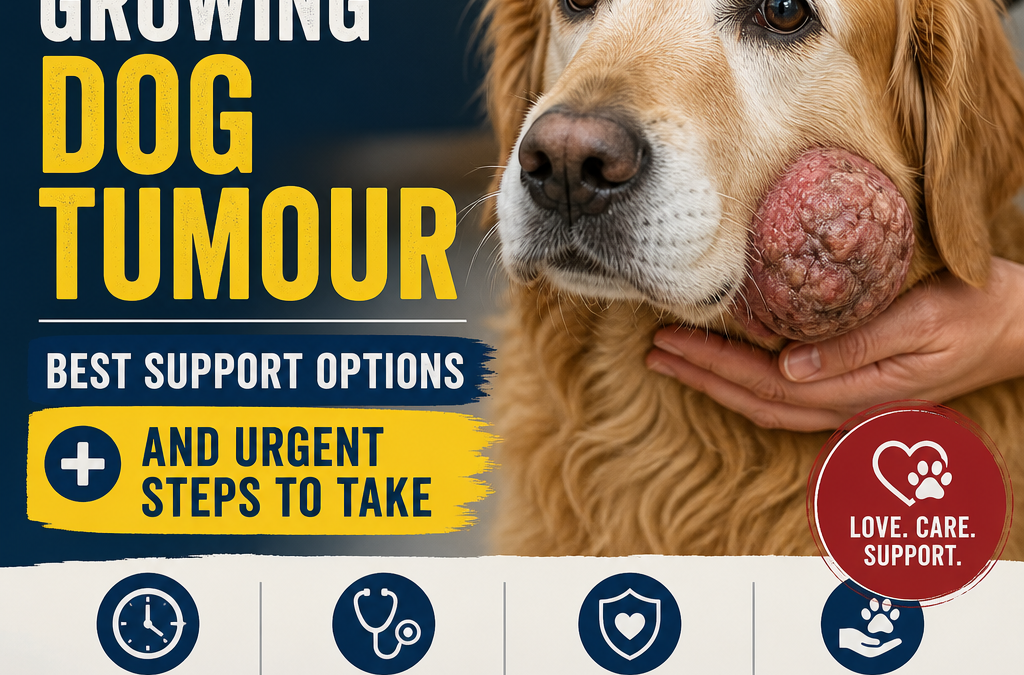
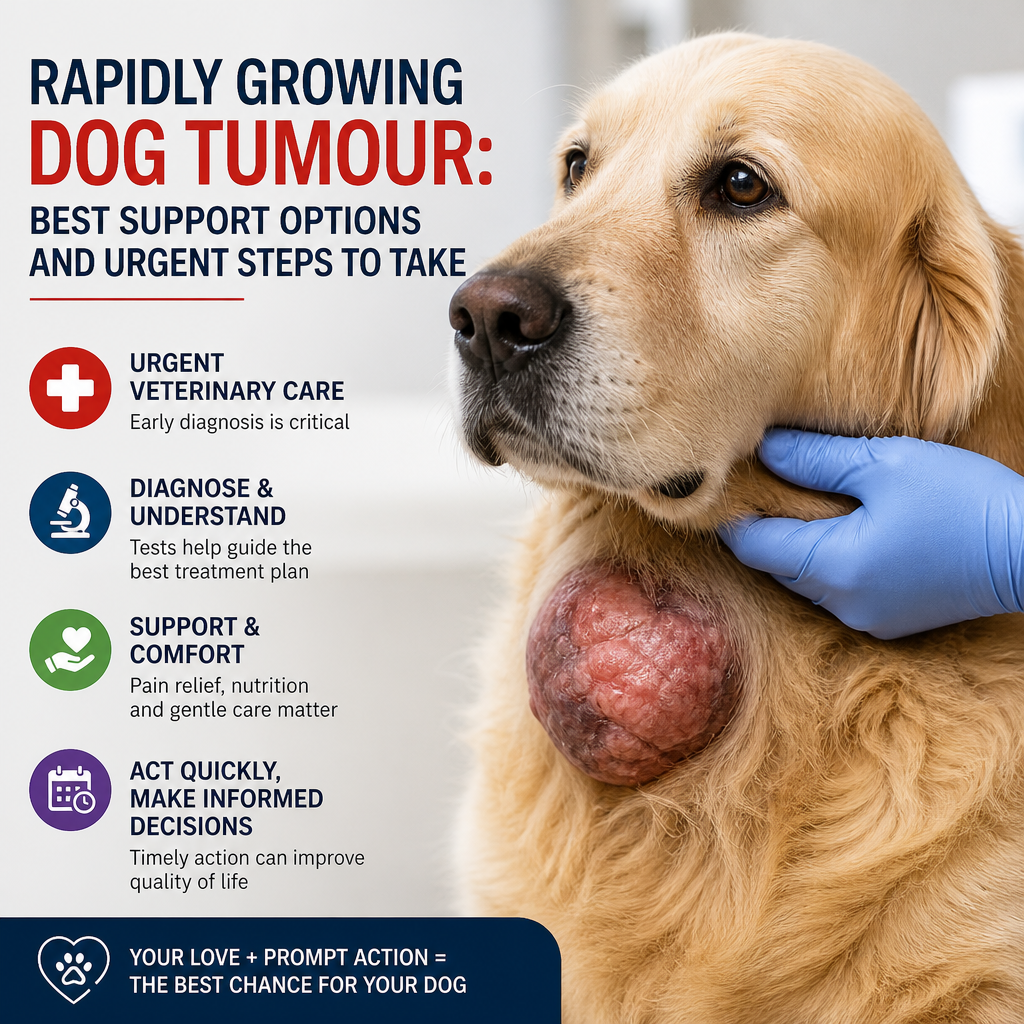
Dog tumour growing fast can be frightening to discover, especially when a lump seems to change noticeably over days or weeks. Although some fast-growing masses are benign, rapid enlargement can also indicate infection, inflammation, bleeding, or an aggressive cancer. The safest response is to arrange veterinary assessment promptly, monitor changes carefully, and focus on practical dog tumour support while a diagnosis is being established.
A lump that grows quickly should never be assessed by appearance alone. Tumours can develop in the skin, tissue beneath the skin, mammary glands, mouth, limbs, or internal organs, and different masses may look very similar from the outside. Some are harmless fatty growths, while others can invade nearby tissue or spread to other parts of the body.
Rapid growth may occur because tumour cells are multiplying quickly, but it can also result from swelling, fluid accumulation, infection, or bleeding within a mass. A previously stable lump that suddenly becomes larger, red, warm, painful, or ulcerated requires particular attention. A dog tumour growing fast can change the treatment timeline, so it is best to act early rather than wait to see whether it settles on its own.
For owners who are already comparing options, best supplements for dogs with cancer can be part of a wider discussion with the veterinary team, but supplements should never replace prompt diagnosis.
Contact your veterinarian as soon as possible if you notice:
A lump increasing in size over a short period
Bleeding, oozing, scabbing, or an unpleasant smell
Redness, heat, swelling, or obvious pain
Changes in appetite, energy, movement, or behaviour
Difficulty breathing, swallowing, urinating, or passing stool
Vomiting, weakness, collapse, or pale gums
A mass that interferes with walking or normal daily activities
Emergency signs such as collapse, severe bleeding, breathing difficulty, extreme weakness, or uncontrolled pain require immediate veterinary care rather than a routine appointment.
In practical terms, dog owners often notice the change first because a collar feels tighter, a limb seems awkward, or a pet starts licking one spot more than usual. That pattern does not tell you what the mass is, but it does tell you the body is reacting to something that deserves attention.
What the veterinarian may do
The first step is usually a physical examination. Your veterinarian will assess the mass’s location, size, firmness, mobility, surface appearance, and relationship to surrounding tissues. They may also check lymph nodes and look for signs that the problem is affecting the rest of the body.
A fine-needle aspiration is often recommended. During this procedure, cells are collected from the lump with a small needle and examined under a microscope. It can sometimes identify the type of mass, although some tumours require a biopsy for a definitive diagnosis.
Additional tests may include:
Blood and urine tests to assess overall health
X-rays or ultrasound to look for internal involvement
Advanced imaging, such as CT or MRI, for surgical planning
A tissue biopsy to determine tumour type and grade
Lymph node sampling to check for spread
Do not squeeze, puncture, massage, or attempt to remove the lump at home. These actions can cause bleeding, infection, pain, and tissue damage. They may also make later examination or surgery more difficult.
For general clinical guidance on cancer evaluation and follow-up testing, the Merck Veterinary Manual is a useful veterinary reference.
It can help to write down a few practical details before the appointment. When did the lump first appear? Has the size changed daily, weekly, or only after activity? Is the skin intact? Does your dog react when it is touched? Those notes can help the veterinarian decide whether the problem is likely to be inflammatory, infectious, or neoplastic.
Understanding dog tumour support during diagnosis
Dog tumour support begins with protecting comfort and preventing the mass from becoming irritated. If the area is exposed to licking or scratching, your veterinarian may recommend an Elizabethan collar, recovery suit, or protective dressing. Any dressing must be applied correctly and checked regularly, because moisture and pressure can worsen skin damage.
Keep the area clean and dry, but avoid using household disinfectants, essential oils, creams, or human medications unless your veterinarian specifically approves them. Some common products are toxic to dogs or may interfere with healing.
Record the mass’s size and appearance. A simple log can include:
Date and measurements in centimetres
Photographs taken from the same angle
Changes in colour, texture, or discharge
Signs of pain or increased sensitivity
Appetite, drinking, energy, and mobility
Any medications or treatments given
This information helps the veterinarian identify how quickly the mass is changing and whether treatment is having an effect.
If you want to compare practical support approaches, this guide to dog cancer supplements may help you prepare questions for your vet.
Good support also means limiting strain on the affected area. Use non-slip flooring if your dog is unsteady, keep bedding soft, and make food and water easy to reach. If the lump sits where a harness or collar rubs, change how you walk your dog until the area is assessed.
Dog tumour growing fast: key support steps while you wait for results
When a dog tumour growing fast is being investigated, the most useful support is calm, consistent observation. Try to keep your dog’s routine as normal as possible while reducing anything that could irritate the mass. Short, quiet walks, soft bedding, and close supervision can make a difficult waiting period more manageable.
If the lump changes shape, bleeds, or becomes more painful, contact the clinic rather than waiting for a scheduled recheck. A dog tumour growing fast may need a faster follow-up if the mass is interfering with eating, toileting, sleeping, or movement.
It can also help to write down exactly when the lump first changed. In many cases, owners notice that the dog tumour growing fast is not just larger, but also firmer, warmer, or more sensitive to touch. Those details can help your vet decide whether urgent imaging, sampling, or referral is needed.
Practical day-to-day checks at home
When a dog tumour growing fast is being monitored, small changes matter. Check your dog at the same time each day so you can spot differences in size, comfort, appetite, or breathing. If the mass is bleeding, use a clean cloth and call your vet for instructions rather than applying pressure for too long or trying to treat it yourself.
Keeping a short home record can make follow-up appointments more productive. Note whether your dog can settle comfortably at night, get up without difficulty, and complete normal routines such as toileting and short walks.
It also helps to watch for changes that may seem unrelated at first. A dog that is eating less, hiding more, panting at rest, or avoiding stairs may be uncomfortable even if the lump itself has not changed dramatically. In cases where a dog tumour growing fast is affecting the mouth, throat, chest, abdomen, or rear limbs, behaviour changes can appear before the underlying diagnosis is confirmed.
Supportive care during the waiting period
While you are waiting for test results, focus on reducing stress. Avoid rough play, long car trips unless necessary, and exposure to other pets that might bump the area. If your dog is anxious, speak with your veterinarian about safe ways to keep them settled.
Meals should remain familiar unless your veterinary team suggests otherwise. Sudden diet changes can upset the stomach at a time when your dog is already under strain. Fresh water should always be available, and you should track whether your dog is drinking normally.
If your dog is prescribed medicine, follow the dosing instructions carefully. Never substitute human painkillers or old prescriptions from another pet. A dog tumour growing fast can be painful, but the wrong medicine can create a second medical problem.
Dog tumour growing fast: what changes matter most
Not every change means the worst-case scenario, but some patterns deserve faster follow-up. A mass that doubles in size in a short period, becomes ulcerated, or starts draining fluid should be rechecked promptly. When a dog tumour growing fast becomes harder, more fixed in place, or more painful, that may suggest deeper tissue involvement.
Other warning signs include loss of appetite, fever, vomiting, coughing, laboured breathing, difficulty urinating, or changes in stool. These can indicate that the tumour is affecting the body more broadly, or that another illness is present alongside the lump.
It is also worth considering whether the location is limiting normal function. A mass near a joint may change how a dog walks; one in the mouth may make chewing difficult; one near the rear end may interfere with toileting. In each of these situations, practical dog tumour support is not only about comfort, but also about preserving daily function while your vet works out the cause.
Supporting comfort and daily wellbeing
While testing and treatment are underway, maintain a predictable routine. Dogs often cope better when meals, rest, walks, and medication are given at consistent times. Offer a quiet, comfortable bed that is easy to access, particularly if the mass affects mobility or your dog is recovering from a procedure.
Nutrition is also important. Provide a complete, balanced diet and monitor food and water intake. Avoid making sudden dietary changes or giving unproven supplements. Some supplements can interact with chemotherapy, pain relief, anaesthesia, or other prescribed treatments.
Pain management should always be guided by a veterinarian. Never give human painkillers such as ibuprofen, naproxen, or paracetamol unless specifically instructed, as these medicines can cause serious poisoning in dogs. Veterinary pain relief may include prescription anti-inflammatory drugs, other analgesics, or supportive medications depending on the diagnosis and your dog’s health.
Gentle activity may help maintain strength, but exercise should be adjusted to your dog’s condition. Avoid rough play, jumping, or activities that rub against the mass. If your dog becomes tired, painful, or reluctant to move, allow rest and contact the veterinary team for guidance.
Many owners also benefit from setting up a simple comfort plan at home. This might include washable bedding, a quiet resting area, easy access to water, and a note of who is giving medicines and when. Practical support often reduces stress for both the dog and the family while the medical plan is being decided.
What to watch for between appointments
A dog tumour growing fast may also affect general wellbeing before the underlying cause is known. Watch for changes in breathing, posture, appetite, sleep, and interest in family life. Even subtle signs such as hiding, panting at rest, or reluctance to climb stairs can point to discomfort.
Ask yourself whether your dog still has enough energy for the routines they normally enjoy. If the answer is changing quickly, that is useful information to share with your veterinarian. The phrase dog tumour growing fast often describes the visible lump, but the bigger concern is how the condition is affecting the whole dog.
Owners sometimes underestimate the value of photographing the lump from the same angle each day. Small visual records can make growth easier to discuss at the clinic and may help the veterinarian judge whether the mass is expanding uniformly or changing in only one area.
Treatment options for a fast-growing mass
Treatment depends on the tumour’s type, size, location, grade, and whether it has spread. Surgery may be recommended when the mass can be removed safely. Removing a tumour with an appropriate margin of surrounding tissue can sometimes provide the best chance of control.
Other treatments may include chemotherapy, radiation therapy, targeted medication, immunotherapy, or a combination of approaches. In some cases, treatment is intended to eliminate the disease; in others, it aims to slow progression and preserve comfort.
When curative treatment is not possible or would place too much strain on the dog, palliative care may be the most compassionate option. This can involve pain control, wound care, nausea relief, appetite support, mobility assistance, and regular monitoring of quality of life.
Owners looking at different treatment pathways often discuss whether supportive products can fit alongside veterinary care. That conversation is especially important when a dog tumour growing fast may require surgery, chemotherapy, or palliative treatment in a short time frame.
If the diagnosis turns out to be a specific cancer type, your vet may talk through how the tumour usually behaves, what the likely next steps are, and how much time each decision will take. For example, some masses need surgery quickly, while others are best managed through monitoring, symptom relief, or referral to an oncology team. The exact plan depends on the individual dog, not only on the size of the lump.
Questions to ask before choosing a plan
Ask your veterinarian which tests are most urgent, whether the mass is likely to be removable, and what side effects may follow each option. It is also helpful to ask how soon treatment should begin, whether pain relief is appropriate now, and what changes should trigger a return visit.
If your dog has a specific diagnosis, such as anal gland disease, this page on anal sac carcinoma in dogs explains another condition that can present with a growing mass near the rear end.
You may also want to ask whether referral is worth considering if the lump is in a difficult location or close to vital structures. That question matters because a dog tumour growing fast can sometimes be more safely treated by a specialist who performs these procedures regularly.
Supportive options to discuss with your vet
Supportive care is most useful when it is tailored to the diagnosis and used alongside the main treatment plan. Depending on the case, your vet may discuss pain control, anti-nausea medication, appetite stimulants, wound management, activity restriction, or adjustments to your dog’s diet.
Some owners also ask about supplements, herbal support, or nutraceuticals. These conversations should be handled carefully. A product that seems harmless may still affect bleeding risk, liver function, anaesthesia, or medication metabolism. That is why a dog tumour growing fast should be discussed with the vet before anything new is added at home.
If the tumour affects eating, your vet may also suggest ways to make food easier to manage. If it affects walking, they may advise ramps, supportive harnesses, or limited stair use. If the mass is painful or ulcerated, wound care instructions become especially important. These practical measures can make a big difference in day-to-day comfort while a dog tumour growing fast is being treated or monitored.
Understanding when a dog tumour growing fast needs emergency care
Some situations should never wait for a routine appointment. If a dog tumour growing fast is accompanied by collapse, severe bleeding, pale gums, trouble breathing, repeated vomiting, or sudden weakness, treat it as an emergency. In those moments, stabilising your dog matters more than identifying the exact cause right away.
Call the clinic before you arrive if possible, especially if the mass is actively bleeding or your dog seems distressed. That gives the team time to prepare for triage and pain relief. A dog tumour growing fast can sometimes be manageable with planned care, but a sudden change in breathing or circulation needs immediate attention.
If the lump is on the head, neck, mouth, or limbs, emergency care may also be needed if it interferes with eating, moving, or walking. Even a mass that seems external can become serious if it begins to affect normal function or causes significant discomfort.
Never delay urgent care because the lump is already being monitored. Fast change can mean the situation has shifted from routine follow-up to a time-sensitive problem, and early stabilisation can make later treatment safer.
Making decisions based on quality of life
A diagnosis can feel overwhelming, but decisions do not have to be made without support. Ask the veterinary team about likely outcomes, treatment risks, expected costs, recovery time, and how the condition may progress without treatment.
Track quality-of-life indicators such as:
Willingness to eat and drink
Interest in family and normal activities
Ability to rest comfortably
Mobility and ability to toilet normally
Pain, breathing, and anxiety
Number of good days compared with difficult days
A dog tumour growing fast should be treated as a reason for prompt professional evaluation, not as a signal to panic. Early assessment can clarify what the mass is and identify options before it causes complications. With timely veterinary care, careful monitoring, and compassionate dog tumour support, owners can help protect both comfort and wellbeing throughout diagnosis and treatment.
If you are gathering background reading, this article on Ocoxin Pets alternative options may also help you understand supportive care conversations in a broader cancer plan.
For more context on warning signs and veterinary decision-making, the American College of Veterinary Internal Medicine explains specialist veterinary medicine resources that can support informed discussions with your vet.
In the end, the most helpful response to a dog tumour growing fast is not to guess, press, or wait too long. Prompt examination, careful observation, and thoughtful support give your dog the best chance of staying comfortable while the cause is confirmed and a plan is put in place.
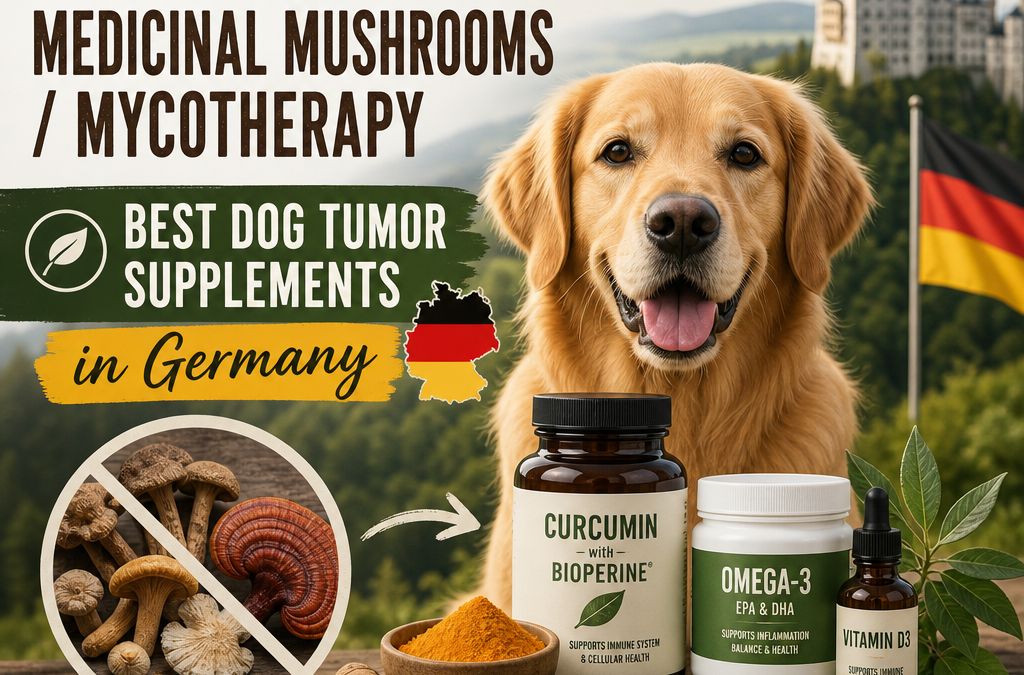
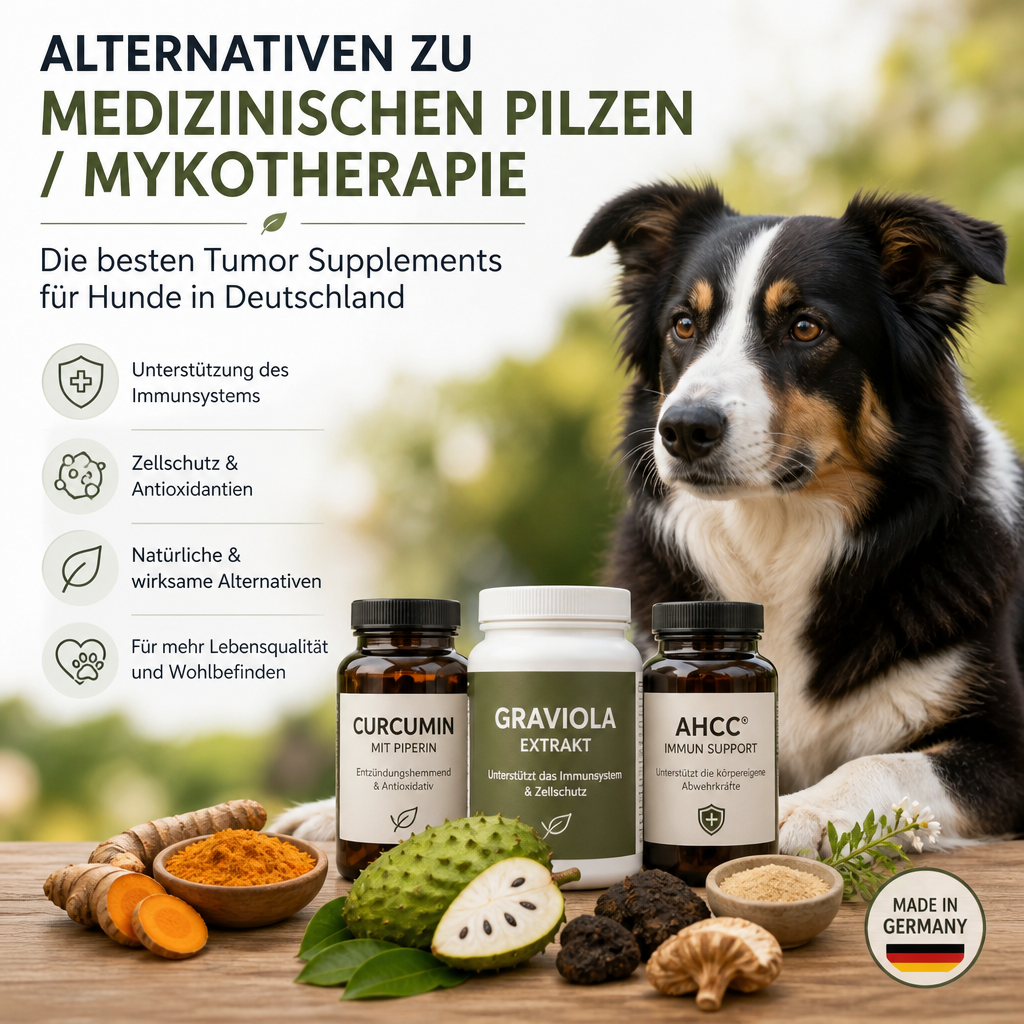
Alternatives to Medicinal mushrooms / mycotherapy are increasingly sought by dog owners in Germany who want supportive options for a dog diagnosed with a tumor. While mushroom extracts such as turkey tail, reishi, or maitake are often discussed in complementary cancer care, they are not the only supplements available. Other nutritional approaches may help maintain appetite, weight, digestion, energy, and general resilience—but they should always be used alongside veterinary diagnosis and treatment, never as a replacement for professional care.
Understanding dog tumor supplement alternatives in Germany
A tumor diagnosis can be overwhelming, especially when owners are presented with many supplements and conflicting claims. The most useful approach is to focus on the dog’s individual condition rather than choosing products based solely on popularity. Age, tumor type, stage of disease, current medication, appetite, organ function, and planned treatment all influence which supplements may be appropriate.
In Germany, pet supplements are generally regulated as complementary feed rather than as medicines. This distinction is important. A product may support nutrition or general well-being, but it cannot legally be marketed as a proven cure for cancer unless it has undergone the appropriate medicinal authorization process. Claims that a supplement can dissolve tumors, replace chemotherapy, or guarantee remission should be treated with caution.
Before introducing any product, discuss it with a veterinarian—ideally one familiar with veterinary oncology. Some supplements can affect blood clotting, liver enzymes, blood pressure, immune activity, or the absorption and metabolism of prescription medicines.
Because many readers begin by searching for alternatives to Medicinal mushrooms / mycotherapy, it helps to think beyond a single category and compare nutritional support, symptom management, and product quality rather than relying on a popular label alone. In practice, the best plan often combines diet, monitoring, and carefully selected supplements that fit the dog’s medical needs.
For dogs receiving treatment, it is also worth asking whether any supportive product could interfere with surgery, chemotherapy, or pain control. The safest alternatives to Medicinal mushrooms / mycotherapy are usually the ones chosen with a clear goal, a defined dose, and a plan for follow-up.
Omega-3 fatty acids as a practical alternative
Fish oil containing EPA and DHA is one of the most commonly considered dog tumor supplement alternatives. These long-chain omega-3 fatty acids support normal inflammatory regulation and may be useful for dogs experiencing weight loss, reduced appetite, or muscle loss. They can also contribute to skin, coat, and cardiovascular health.
A veterinarian should help determine the appropriate dose based on the dog’s body weight, diet, diagnosis, and overall health. Products should be tested for purity and oxidation, with clear information about the actual EPA and DHA content rather than only the total amount of fish oil.
Potential side effects include loose stools, nausea, or an unpleasant fishy odor. High doses may also influence blood clotting, making veterinary supervision especially important before surgery or in dogs receiving anticoagulant medication.
Omega-3s do not act like a direct cancer treatment, but they can be a practical part of supportive care. For some dogs, they are among the most useful alternatives to Medicinal mushrooms / mycotherapy because they fit into a broader nutrition plan and are relatively easy to administer when the product quality is high.
High-quality protein and nutritional support
Cancer and other serious illnesses can increase the risk of weight loss and muscle wasting. In these cases, the most valuable supplement may not be a complex herbal formula but a nutritionally appropriate diet with sufficient calories and highly digestible protein.
Depending on the dog’s condition, a veterinarian may recommend an energy-dense therapeutic diet, additional wet food, or carefully selected protein sources. Some dogs benefit from small, frequent meals, gentle warming of food, or flavor enhancement to encourage eating.
Protein restriction should not be introduced automatically. It may be appropriate for certain kidney or liver conditions, but many dogs with tumors need adequate protein to preserve muscle. Any major dietary change should consider laboratory results, treatment goals, and the dog’s ability to digest and tolerate the food.
Practical feeding ideas during treatment
Owners often feel pressured to buy special products when appetite drops, but simple feeding changes may be the most helpful. Try offering smaller meals more often, using highly palatable wet food, or adding warm water or low-sodium broth if your veterinarian agrees. If the dog is losing weight, a veterinary diet designed for recovery may do more than a long list of supplements.
When comparing alternatives to Medicinal mushrooms / mycotherapy, nutrition is often the most practical place to start because it supports energy intake, digestion, and day-to-day comfort at the same time. A dog that eats more consistently is often easier to monitor, easier to medicate, and more comfortable overall.
It can help to keep a simple feeding log. Note how much the dog eats, which textures are accepted, and whether nausea, drooling, or vomiting appears after meals. This record can guide your veterinarian more effectively than guesses about whether a supplement is “working.”
Antioxidant supplements: benefits and limitations
Vitamins C and E, selenium, and other antioxidant nutrients are sometimes included in supportive formulas. These nutrients help protect cells from oxidative damage when provided in suitable amounts. However, more is not necessarily better. Excessive supplementation can cause toxicity or interfere with carefully planned treatment.
The relationship between antioxidants and cancer therapy can also be complex. Certain chemotherapy and radiation protocols rely partly on oxidative mechanisms, so high-dose antioxidant use may not be appropriate during every treatment plan. This does not mean that all antioxidants must be avoided; it means that dosing and timing should be individualized.
A complete commercial diet usually already contains essential vitamins and minerals. Adding multiple overlapping products can unintentionally create excessive intake, particularly of fat-soluble vitamins such as A, D, and E.
For that reason, some of the most sensible alternatives to Medicinal mushrooms / mycotherapy are not “more supplements” but better-balanced choices with a narrower purpose. A single well-designed product is often safer than several overlapping ones.
Prebiotics, probiotics, and digestive support
Digestive problems are common in dogs with cancer, particularly during chemotherapy, after antibiotics, or when appetite and activity levels change. Prebiotics and probiotics may support a healthy intestinal environment and help maintain normal stool quality in some dogs.
Products designed specifically for dogs are preferable because strains, concentration, storage requirements, and dosing can vary widely. A probiotic should not be viewed as a treatment for a tumor, but it may be a useful part of broader supportive care.
If a dog has persistent vomiting, severe diarrhea, blood in the stool, dehydration, or abdominal pain, supplements are not a substitute for veterinary assessment. These symptoms may indicate infection, treatment complications, obstruction, pancreatitis, or another urgent problem.
For owners exploring alternatives to Medicinal mushrooms / mycotherapy, gut support can be a sensible complement to diet and hydration because it may make daily feeding easier and help the dog stay stronger through treatment. In many cases, digestive comfort is the difference between maintaining weight and declining slowly over time.
Ask your veterinarian whether the dog might benefit from a probiotic after antibiotics, during periods of stress, or when the stool becomes inconsistent. This kind of targeted use is often more helpful than continuous, unplanned supplementation.
Curcumin and plant-based formulas
Curcumin, derived from turmeric, is frequently included in complementary animal products. Laboratory research has investigated its anti-inflammatory and cellular effects, but evidence in dogs with naturally occurring tumors remains limited. Absorption is also variable, and formulations may contain additional ingredients that affect safety.
Other botanical ingredients—such as boswellia, milk thistle, green tea compounds, or traditional European herbs—may be promoted for immune or liver support. “Natural” does not automatically mean safe. Plant extracts can interact with chemotherapy, sedatives, anti-inflammatory drugs, or medications processed by the liver.
In Germany, buyers should check whether a product provides a complete ingredient list, batch information, manufacturer details, feeding instructions, and clear warnings. Avoid products with undisclosed proprietary blends or dramatic promises. If you are comparing alternatives to Medicinal mushrooms / mycotherapy, product transparency matters as much as the ingredient name.
Curcumin and similar botanicals may be worth discussing when the goal is symptom support, not cure. In that context, the best alternatives to Medicinal mushrooms / mycotherapy are the products that remain understandable, consistent, and easy to monitor over time.
CBD products are sometimes considered for dogs with chronic pain, anxiety, or reduced quality of life. Evidence remains developing, and product quality can vary. CBD may cause drowsiness, gastrointestinal upset, or changes in liver enzyme activity, and it can interact with other medicines.
Cannabinoid products should only be discussed with a veterinarian who knows the dog’s complete medication list. Products containing significant amounts of THC are particularly unsuitable because THC can be toxic to dogs.
Because dosing and product composition differ so much, cannabinoid supplements should never be chosen simply because they are popular. Among the many alternatives to Medicinal mushrooms / mycotherapy, CBD is one that requires especially careful screening, clear expectations, and regular reassessment.
Seven supportive options to discuss with your veterinarian
If you are comparing supportive products for a dog with a tumor, these seven categories are the most common starting points:
Omega-3 fatty acids for inflammation support and body condition
High-quality digestible protein for maintaining muscle and strength
Targeted calories and recovery-oriented diets for weight support
Carefully dosed antioxidant nutrients, when appropriate
Probiotics and prebiotics for digestive stability
Plant-based formulas such as curcumin, when compatible with treatment
CBD or other cannabinoid products, only under veterinary guidance
These are not cures, and they are not interchangeable. The right choice depends on the dog’s diagnosis, current symptoms, medications, and tolerance. In practice, the best alternatives to Medicinal mushrooms / mycotherapy are the ones matched to a clear clinical need rather than a marketing claim.
How to choose safer supplements in Germany
When comparing dog tumor supplement alternatives, consider the following points:
Choose products with transparent labeling and precise ingredient amounts.
Look for quality-control information, such as independent contaminant testing.
Avoid products claiming to cure cancer or replace veterinary treatment.
Introduce only one new supplement at a time.
Record the product, dose, start date, appetite, stool quality, and other changes.
Stop the product and contact a veterinarian if adverse effects appear.
Reassess supplements regularly as the dog’s condition and treatment change.
German veterinary practices may also provide access to veterinary nutrition services, oncology consultations, and laboratory monitoring. Blood tests can be particularly useful when a dog is receiving supplements that may affect the liver, kidneys, or blood clotting.
If you are reading about alternatives to Medicinal mushrooms / mycotherapy because a product did not suit your dog, bringing the label to your veterinarian can help you compare ingredients against the dog’s diagnosis and current medicines. A practical review is often more valuable than trying the next advertised “miracle” product.
It is also wise to check whether the supplement was manufactured for pets or intended for human use. Human products can contain doses, sweeteners, or fillers that are not ideal for dogs. Clear sourcing and simple formulations make supportive care easier to manage.
Supporting quality of life remains the priority
The purpose of complementary care is to help a dog feel and function as well as possible. A useful plan may include pain control, nausea management, appetite support, a suitable diet, gentle activity, comfortable rest, and emotional support from the family. Supplements can sometimes contribute to this plan, but they should not distract from proven treatments or delay necessary care.
For many dogs, the best alternative to mycotherapy is a carefully tailored combination of nutrition, symptom management, and regular veterinary monitoring. The right choice depends less on finding a single “best” product and more on matching supportive care to the dog’s diagnosis, treatment, and day-to-day needs.
In other words, the most reliable alternatives to Medicinal mushrooms / mycotherapy are the ones that fit the dog’s actual medical situation, are easy to tolerate, and are reviewed regularly with a veterinarian. If a product helps with appetite, stool quality, or comfort without causing side effects, it may earn its place in the plan.
Owners who stay focused on practical goals usually get better results than those chasing dramatic claims. In that sense, the best alternatives to Medicinal mushrooms / mycotherapy are not the flashiest ones—they are the safest, most relevant, and most consistent options for the individual dog.
Ultimately, the goal is not to replace veterinary oncology, but to support the dog with careful choices, close monitoring, and realistic expectations. When selected thoughtfully, alternatives to Medicinal mushrooms / mycotherapy can play a helpful role in comfort and quality of life.
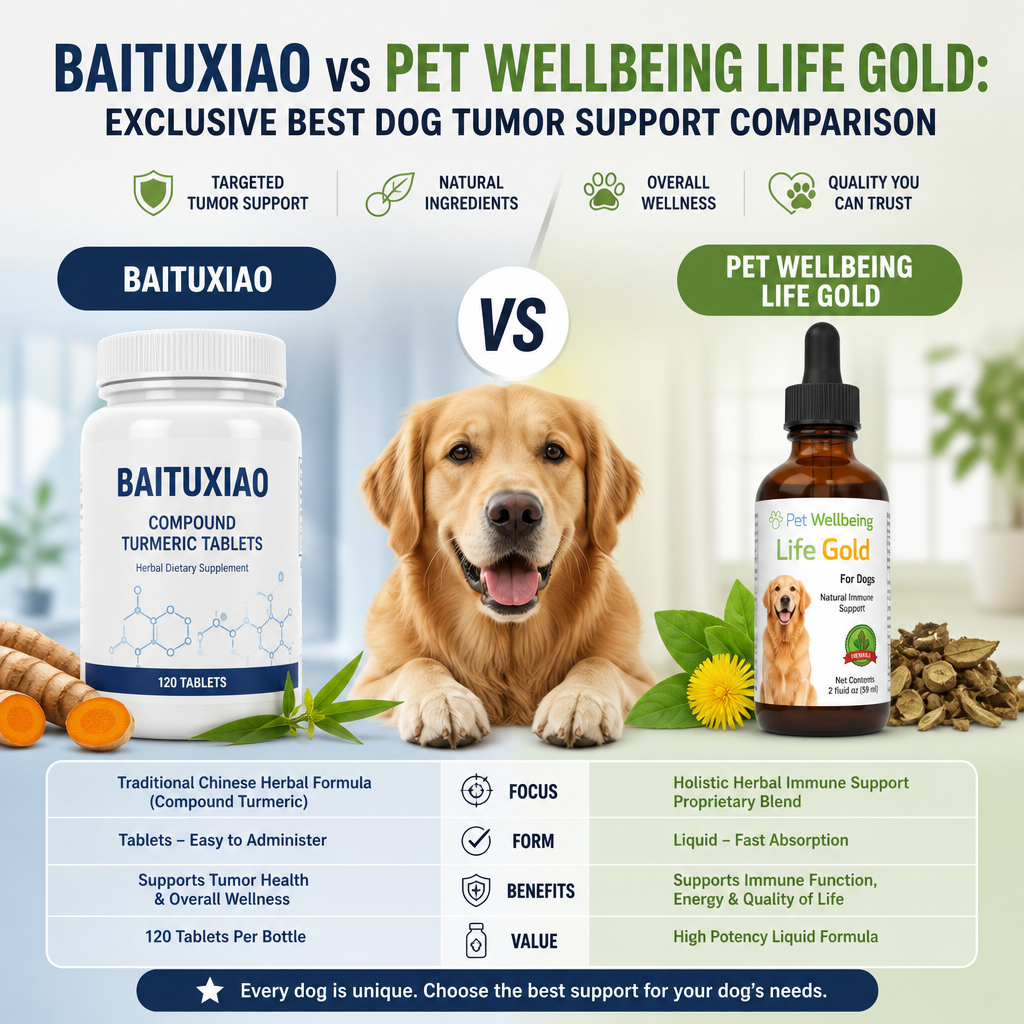
Baituxiao vs Pet Wellbeing Life Gold is a comparison many dog owners encounter when looking for supportive care during a cancer diagnosis or when trying to maintain their dog’s overall wellness. Both products are commonly discussed as complementary supplements, but they are not interchangeable, and neither should be considered a replacement for veterinary diagnosis or treatment. Understanding their intended uses, ingredients, administration, and safety considerations can help owners have a more productive conversation with their veterinarian.
Baituxiao vs Pet Wellbeing Life Gold: Different Support Philosophies
The clearest difference in this dog tumor support comparison is the way each formula is positioned. Baituxiao is generally marketed as a targeted herbal supplement for dogs with tumors or abnormal growths. Its ingredient profile is often built around traditional Chinese medicine concepts and botanicals selected for immune, circulation, inflammation, or tissue-support purposes.
Pet Wellbeing Life Gold, by contrast, is typically presented as a broader wellness formula. It is commonly associated with liquid herbal support designed to help maintain vitality, immune function, appetite, digestion, and general quality of life. Rather than focusing exclusively on tumor-related support, it may be used as part of a wider health plan.
These distinctions matter because a dog with a confirmed cancer diagnosis may have very different needs from a healthy senior dog seeking general nutritional support. The right choice depends on the dog’s condition, current medications, treatment plan, and tolerance for supplements. In many cases, owners first compare Baituxiao vs Pet Wellbeing Life Gold because they want a natural option, but the better decision still depends on medical context.
For owners who want to read more about early warning signs that can appear alongside lumps or tumors, this guide on dog lumps and benign lump awareness can be a helpful starting point.
Pet Wellbeing Life Gold comparison: Ingredients and Formulation
A Pet Wellbeing Life Gold comparison should begin with the label rather than promotional claims. Herbal products can vary by formulation, market, and product updates, so owners should review the current packaging and manufacturer information carefully. When you compare Baituxiao vs Pet Wellbeing Life Gold, the ingredient list is one of the most important parts of the decision.
Life Gold is generally a liquid product, which can make it easier to measure and mix with food. Liquid administration may be useful for dogs that refuse tablets or have difficulty swallowing capsules. However, liquid formulas may have a strong herbal flavor, and some dogs may reject them initially.
Baituxiao is commonly supplied in a capsule or powder-based format, depending on the product version and supplier. Capsules can be convenient for precise dosing, while powders may be opened and mixed with food when permitted by the product instructions. Owners should not assume that all herbal ingredients are automatically safe simply because they are natural. Certain herbs may affect blood clotting, blood pressure, liver metabolism, or gastrointestinal function.
When comparing labels, look for:
A complete ingredient list
Amounts for each active ingredient
Recommended dosing by body weight
Manufacturing and quality-control information
Batch, expiration, and storage details
Warnings involving pregnancy, surgery, or medication use
Products that do not clearly disclose their ingredients or dosing instructions deserve additional caution. In a Baituxiao vs Pet Wellbeing Life Gold review, transparency matters as much as the marketing language.
How the Products May Fit Into a Veterinary Care Plan
Supplements should be viewed as supportive tools, not primary cancer therapies. A veterinarian may recommend surgery, chemotherapy, radiation, targeted medication, pain management, dietary changes, or monitoring, depending on the tumor type and stage. A supplement may be considered only after these factors are evaluated.
In the Baituxiao vs Pet Wellbeing Life Gold discussion, one product may appear more appealing because it is marketed specifically for tumors, while the other may seem more suitable for general strength and wellness. Marketing language, however, does not establish clinical effectiveness. The most appropriate product is the one that fits the dog’s diagnosis and does not interfere with evidence-based treatment.
Owners should provide the veterinarian with the exact product label and a list of every medication, supplement, and treat the dog receives. This is especially important before surgery, biopsy, chemotherapy, or radiation. Some herbal ingredients may need to be discontinued before procedures because of potential effects on bleeding or drug metabolism.
For a broader look at region-specific supplement comparisons, see this internal resource on Golden Retriever cancer risks and early tumor signs, which may help owners think about breed-related risk and monitoring needs.
Dogs with cancer can be more vulnerable to side effects because they may already have poor appetite, weight loss, nausea, diarrhea, dehydration, or reduced organ function. Introducing a new supplement should therefore be done cautiously.
Possible signs of intolerance include vomiting, loose stools, excessive salivation, itching, lethargy, refusal to eat, or changes in drinking and urination. Any severe or persistent reaction requires veterinary attention. A supplement should also be reconsidered if the dog’s liver or kidney values change unexpectedly.
Dosing deserves particular care. More is not necessarily better, and a dose suitable for one dog may be inappropriate for another because of age, breed, body weight, tumor type, or concurrent illness. Owners should follow the product’s instructions unless a veterinarian provides different guidance.
Because Baituxiao vs Pet Wellbeing Life Gold may involve different delivery forms, owners should also think about practical safety. A liquid can be easier to hide in food, while a capsule may be better if the dog eats unpredictably and needs a measured amount. Either way, the dog’s response should be observed closely during the first week of use.
Choosing Between the Two Options
A practical dog tumor support comparison should focus on the individual dog rather than on which product has the stronger advertising message. Baituxiao may be considered by owners seeking a more tumor-focused herbal formula, while Pet Wellbeing Life Gold may appeal to those looking for broader wellness and vitality support. Neither description guarantees a particular outcome.
Consider the following questions before choosing:
Has the dog received a confirmed diagnosis?
What treatment is currently planned or underway?
Does the dog have liver, kidney, digestive, or bleeding problems?
Is the dog taking prescription medication?
Will the product be easy to administer consistently?
Does the manufacturer provide transparent dosing and quality information?
Has the veterinarian reviewed the full ingredient list?
A product that is difficult to give or causes appetite and digestive problems may provide little practical benefit, even if its ingredient profile appears promising. When owners ask about Baituxiao vs Pet Wellbeing Life Gold, this is usually the stage where the conversation should return to the dog’s actual daily routine and health status.
If you are also comparing herbal support options for other dogs, this article on Basenji cancer risks and early tumor signs can provide another useful example of how breed-specific concerns affect supplement conversations.
The Importance of Monitoring Results
Once a veterinarian approves a supplement, monitor the dog systematically. Track appetite, weight, activity, stool quality, vomiting, pain behaviors, sleep, and overall comfort. Keep notes about when the supplement was started and whether any other changes occurred at the same time.
Routine veterinary examinations and diagnostic testing remain essential. Bloodwork or imaging may be needed to evaluate disease progression and organ function. Owners should not rely on improved energy or appetite alone as proof that a tumor is shrinking, since symptoms can fluctuate for many reasons.
It may also help to set a simple schedule for reassessment after starting Baituxiao vs Pet Wellbeing Life Gold. A short observation period can show whether the dog tolerates the product, but longer-term follow-up is what helps determine whether the supplement fits into the overall care plan.
Ultimately, Baituxiao vs Pet Wellbeing Life Gold is not a simple contest between two competing products. The better decision comes from matching the formula to the dog’s medical needs, reviewing potential interactions, and using supplements only as part of a professionally guided care plan. Thoughtful monitoring, transparent product information, and regular veterinary oversight provide the strongest foundation for supporting a dog’s comfort and quality of life. For many owners, the safest takeaway from Baituxiao vs Pet Wellbeing Life Gold is that the right supplement is the one that aligns with the veterinarian’s plan and the dog’s day-to-day tolerance.
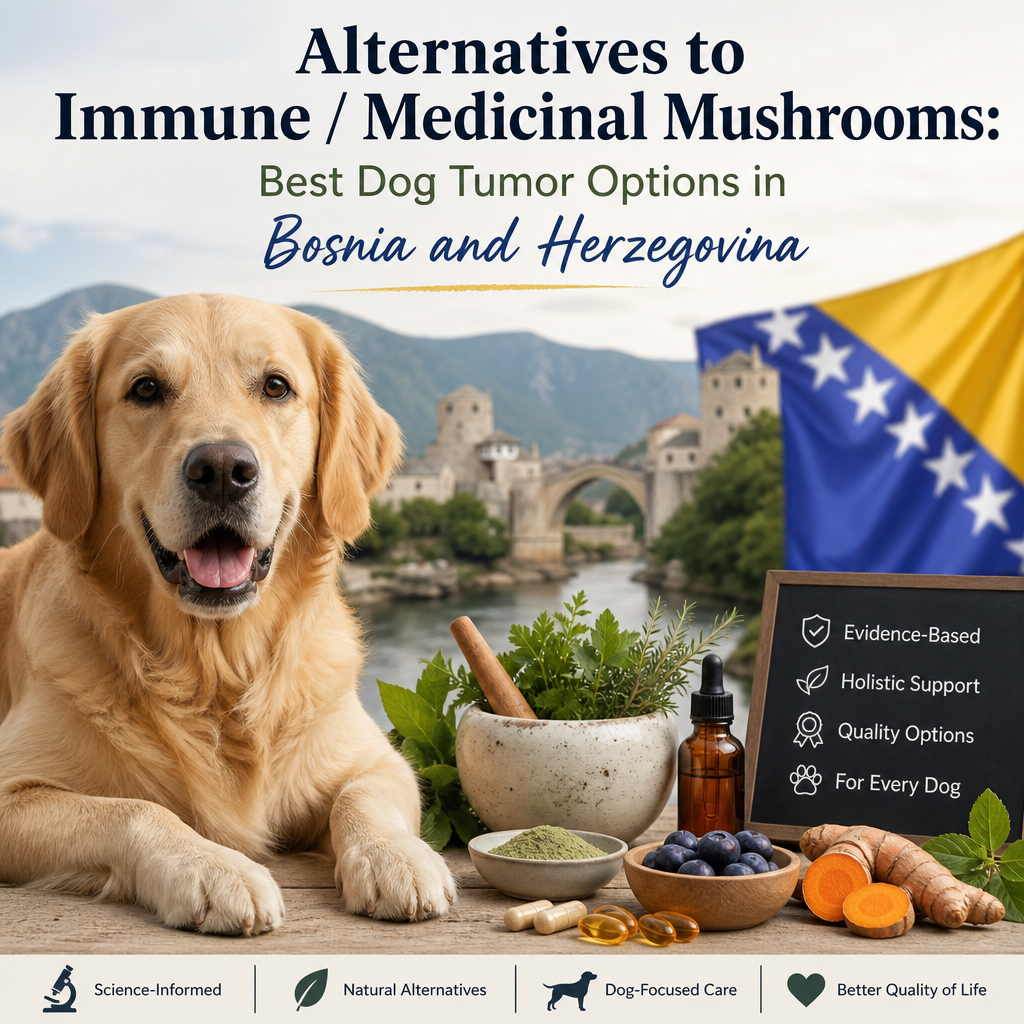
Alternatives to Immune / medicinal mushrooms can be useful for dog owners in Bosnia and Herzegovina who are looking for supportive options during cancer care, especially when mushroom-based products are unavailable, too expensive, or unsuitable for a particular dog. However, no supplement can replace a veterinary diagnosis, surgery, chemotherapy, radiation, or other evidence-based treatment. The safest approach is to view supplements as possible additions to a complete care plan, not as cures for tumors.
Understanding dog tumors before choosing supplements
“Tumor” describes an abnormal growth, but tumors can be benign or malignant. Their location, size, growth rate, and biological behavior determine the most appropriate treatment. A lump under the skin may be a lipoma, cyst, mast cell tumor, soft-tissue sarcoma, or another condition that cannot be identified reliably by appearance alone.
Veterinarians commonly recommend a fine-needle aspiration, biopsy, blood tests, ultrasound, X-rays, or other imaging. These tests help establish what the growth is and whether it has spread. Before purchasing dog tumor supplement alternatives, owners should obtain a clear diagnosis and ask the veterinarian whether a product could interfere with treatment.
This is particularly important because some natural substances may affect blood clotting, liver enzymes, blood pressure, or the way chemotherapy medicines are processed. “Natural” does not automatically mean safe.
For owners researching alternatives to immune / medicinal mushrooms, the most helpful first step is usually to confirm the diagnosis and then match any supportive product to the dog’s treatment plan.
Why consider alternatives to immune / medicinal mushrooms?
Medicinal mushrooms such as turkey tail, reishi, maitake, and shiitake are often marketed for immune support. Some research has examined mushroom compounds, especially polysaccharides, in relation to canine cancer care. Nevertheless, product quality varies widely, clinical evidence is still limited for many claims, and some dogs may experience digestive upset or other reactions.
Owners may seek alternatives to immune / medicinal mushrooms for several reasons:
The product is not readily available in Bosnia and Herzegovina.
Imported supplements may be expensive or difficult to verify.
The dog has allergies, digestive sensitivity, or another medical condition.
The veterinarian recommends avoiding immune-stimulating products.
The owner wants to focus on nutrition, comfort, and general wellness rather than a specialized supplement.
A well-designed supportive plan can include several practical measures that are often more important than any single supplement. For readers comparing options in nearby markets, see K9 Immunity Alternative: 7 Best Affordable Dog Tumor Supplements in Norway for another example of how product selection and support goals can differ by country.
In practice, alternatives to immune / medicinal mushrooms work best when they are chosen for a specific goal, such as appetite support, inflammation control, or overall wellbeing.
Dog tumor supplement alternatives based on nutrition
Nutrition is one of the most useful areas to address. Dogs with cancer may lose weight, experience reduced appetite, or have increased nutritional needs. A complete and balanced diet should provide adequate calories, high-quality protein, essential fatty acids, vitamins, and minerals.
Some dogs benefit from calorie-dense meals when appetite is poor, while others need a carefully controlled diet because of pancreatitis, kidney disease, diabetes, or gastrointestinal problems. A veterinary nutritionist can help create a plan that matches the dog’s diagnosis and treatment.
Omega-3 fatty acids from marine sources, particularly EPA and DHA, are sometimes used as supportive nutrients. They may help maintain skin health and support normal inflammatory processes. The dose must be appropriate, and products should be tested for purity and oxidation. Fish oil can also influence blood clotting and may not be suitable before surgery or alongside certain medications without veterinary guidance.
It is usually better to choose a reputable complete dog food than to add many individual ingredients. Homemade diets can become deficient in calcium, zinc, vitamin D, or other nutrients unless formulated professionally.
When owners search for alternatives to immune / medicinal mushrooms, nutrition is often the first place to start because it supports the whole body rather than focusing on a single ingredient. In many cases, this is the most practical of all dog tumor supplement alternatives.
Some owners also ask whether probiotics, digestive enzymes, or prescription recovery diets belong in the same conversation. They can, but only when the dog’s appetite, stool quality, and medical history support their use. A good supportive plan is individualized rather than trendy.
Food texture matters too. Warmed meals, smaller portions offered more often, and easy-to-chew options can help dogs with nausea or mouth discomfort. These simple changes often improve intake more reliably than adding another capsule.
If a dog is losing weight, the priority is to restore intake early. That may mean adjusting meal timing, changing the protein source, or using a higher-calorie formula. For many families, these practical steps are more valuable than searching for a single miracle product.
Hydration is equally important. Fresh water should always be available, and some dogs do better with broth-based toppers that contain no onion, garlic, or excess salt. Ask your veterinarian before using any homemade topper or liquid supplement.
When a dog’s diet is stable, it becomes easier to judge whether any supplement is actually helping. That makes nutritional management one of the best alternatives to immune / medicinal mushrooms in real-world cancer care.
Antioxidant supplements: benefits and cautions
Vitamin E, selenium, vitamin C, and other antioxidant compounds are frequently promoted as dog tumor supplement alternatives. These nutrients have important biological roles, but high doses can be harmful. Excessive supplementation may cause digestive problems, mineral imbalances, or toxicity.
Antioxidants also require special consideration during chemotherapy and radiation therapy. Some treatments work partly through oxidative mechanisms, so large doses of antioxidant supplements could theoretically alter treatment effects. The evidence is not the same for every drug or nutrient, which is why the oncology veterinarian should approve the timing and dosage.
Rather than combining several products, owners should provide only supplements with a specific purpose, reliable labeling, and professional oversight. To better understand the science behind canine cancer support, the PubMed Central research library is a useful place to look for peer-reviewed studies and reviews.
If a product is being considered as one of the alternatives to immune / medicinal mushrooms, it should still be checked for interactions, especially when the dog is already receiving medication.
That caution also applies to herbs and mixed formulas. A label that lists many botanical ingredients is not automatically more effective, and it may be harder to predict how the product will behave alongside cancer therapy. Simpler formulas are usually easier to assess.
Some antioxidants are best obtained from food rather than capsules. A balanced diet with appropriate fruits, vegetables, and animal protein already provides a wide spectrum of protective compounds. Supplements should fill a gap, not duplicate what the food already provides.
In practice, the question is not whether antioxidants sound beneficial in theory. The real question is whether a specific product is appropriate for a specific dog at a specific stage of treatment. That is why veterinary guidance matters so much.
Practical supportive care for dogs with tumors
Supportive care does not need to involve a supplement. Maintaining comfort, mobility, hydration, and emotional well-being can have a meaningful effect on quality of life.
Helpful measures may include:
Regular veterinary monitoring of the tumor and overall health
Pain control prescribed specifically for the dog
Comfortable bedding and easy access to food and water
Gentle exercise adapted to energy levels
Weight checks and appetite tracking
Prompt attention to vomiting, diarrhea, bleeding, breathing changes, or sudden weakness
Stress reduction through predictable routines and calm handling
Physical rehabilitation, hydrotherapy, or acupuncture may be appropriate for selected dogs, particularly when pain, arthritis, surgery, or reduced mobility is involved. These services should be provided by qualified professionals and used alongside—not instead of—veterinary cancer treatment.
In this context, alternatives to immune / medicinal mushrooms are best viewed as only one small part of a broader comfort plan that may also include pain relief, nutrition support, and monitoring.
For many families, the most realistic alternatives to immune / medicinal mushrooms are the simple measures that improve day-to-day comfort and make treatment easier to tolerate.
Quality-of-life tracking can be helpful here. A short daily note about appetite, energy, bowel movements, breathing, and pain gives the veterinarian a clearer picture than memory alone. Small patterns often reveal whether the dog is improving or quietly declining.
Owners should also prepare for treatment days. Bringing a familiar blanket, keeping travel time short, and offering a calm environment can reduce stress. These details may sound minor, but they make a real difference for many dogs with cancer.
Choosing products in Bosnia and Herzegovina
When comparing alternatives to immune / medicinal mushrooms in Bosnia and Herzegovina, product quality should be a central concern. Supplements purchased through informal websites, social media sellers, or unverified imports may have inaccurate labels or contamination risks.
Look for products that clearly state:
The active ingredients and amount per serving
The intended species and recommended dosage
Batch or lot information
An expiration date
Manufacturer contact details
Independent testing or quality certification when available
Ask a veterinarian about products available through established veterinary clinics, pharmacies, or reputable pet-health suppliers. Human supplements may contain ingredients that are unsafe for dogs, including xylitol, excessive vitamin D, certain herbal extracts, or inappropriate doses of minerals.
When searching for alternatives to immune / medicinal mushrooms, it helps to compare labels carefully and avoid products that make exaggerated promises.
Price is important, but it should not be the only criterion. A cheaper product that lacks testing, dosage clarity, or species-specific instructions may end up costing more if it causes side effects or does nothing useful.
Before buying anything online, confirm whether the seller offers a clear ingredient list, country of origin, and customer support. If that information is difficult to find, consider a different product.
Red flags and when to seek urgent help
A supplement should never delay evaluation of a suspicious lump. Veterinary attention is especially important if a growth changes quickly, becomes ulcerated, bleeds, causes pain, or is accompanied by weight loss, persistent vomiting, reduced appetite, coughing, difficulty breathing, or severe tiredness.
Owners should also be cautious of products claiming to “dissolve,” “cure,” or “reverse” cancer without clinical evidence. Such promises can lead to delayed treatment and unnecessary expense. Responsible supportive care uses realistic language: a product may support nutrition or general wellness, but it cannot be assumed to eliminate a tumor.
For dog owners in Bosnia and Herzegovina, the best approach is to combine timely diagnosis, individualized veterinary treatment, high-quality nutrition, careful symptom monitoring, and only those supplements that a veterinarian considers appropriate. Alternatives to immune / medicinal mushrooms may have a role, but the foundation of cancer care remains an accurate diagnosis and a plan tailored to the individual dog.
In short, alternatives to immune / medicinal mushrooms can be helpful, but they work best when chosen carefully, used selectively, and matched to the dog’s medical needs.
When in doubt, ask your veterinarian to review the exact label before you start anything new. That simple step can prevent dangerous interactions and help you focus on support that is truly useful.
Good cancer care is not about buying more supplements. It is about choosing the right tools, at the right time, for the right dog.
The most effective plan usually combines evidence-based treatment, practical nutrition, comfort measures, and close monitoring. With that approach, alternatives to immune / medicinal mushrooms become part of a thoughtful care strategy rather than a risky replacement for veterinary medicine.